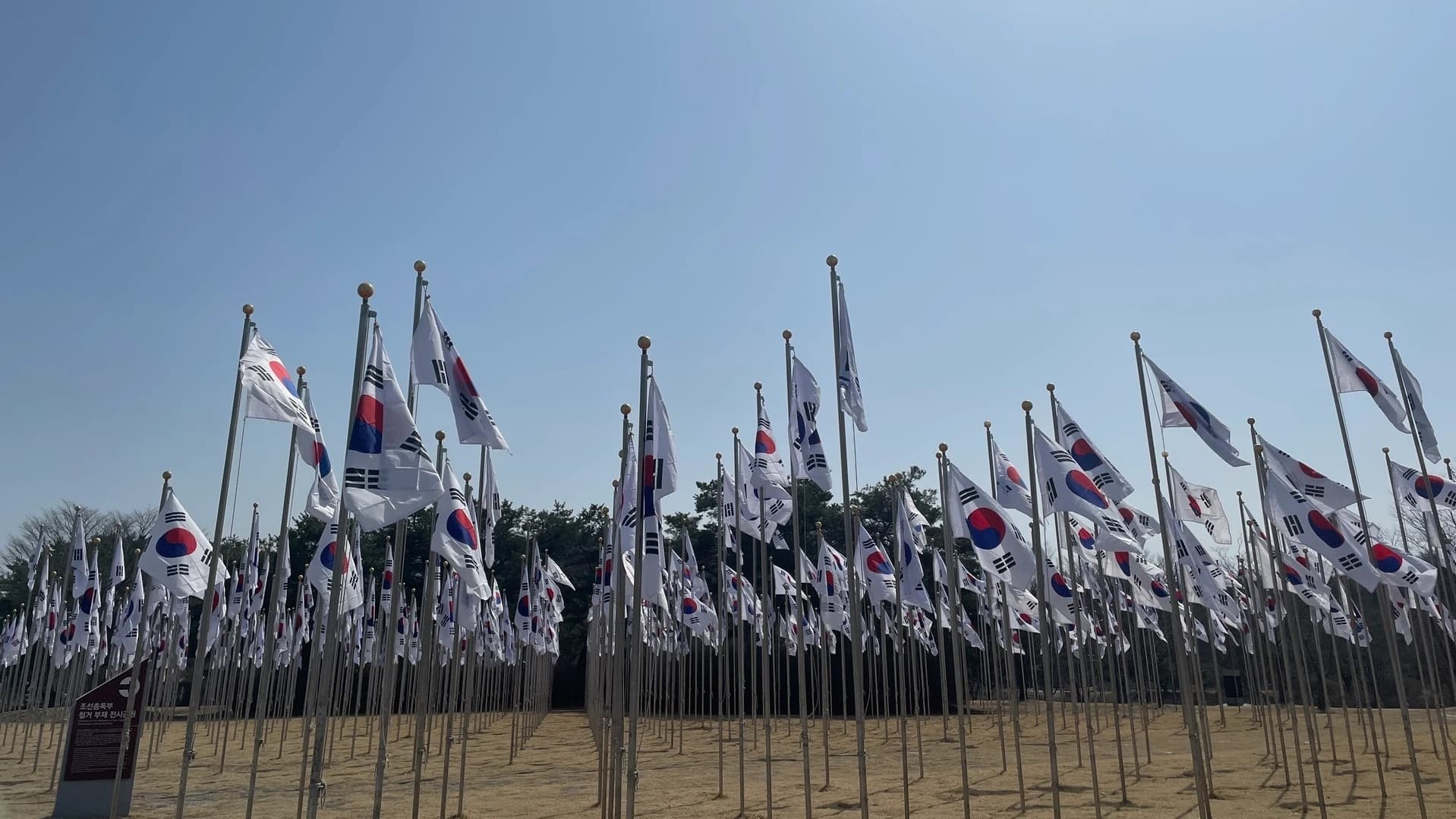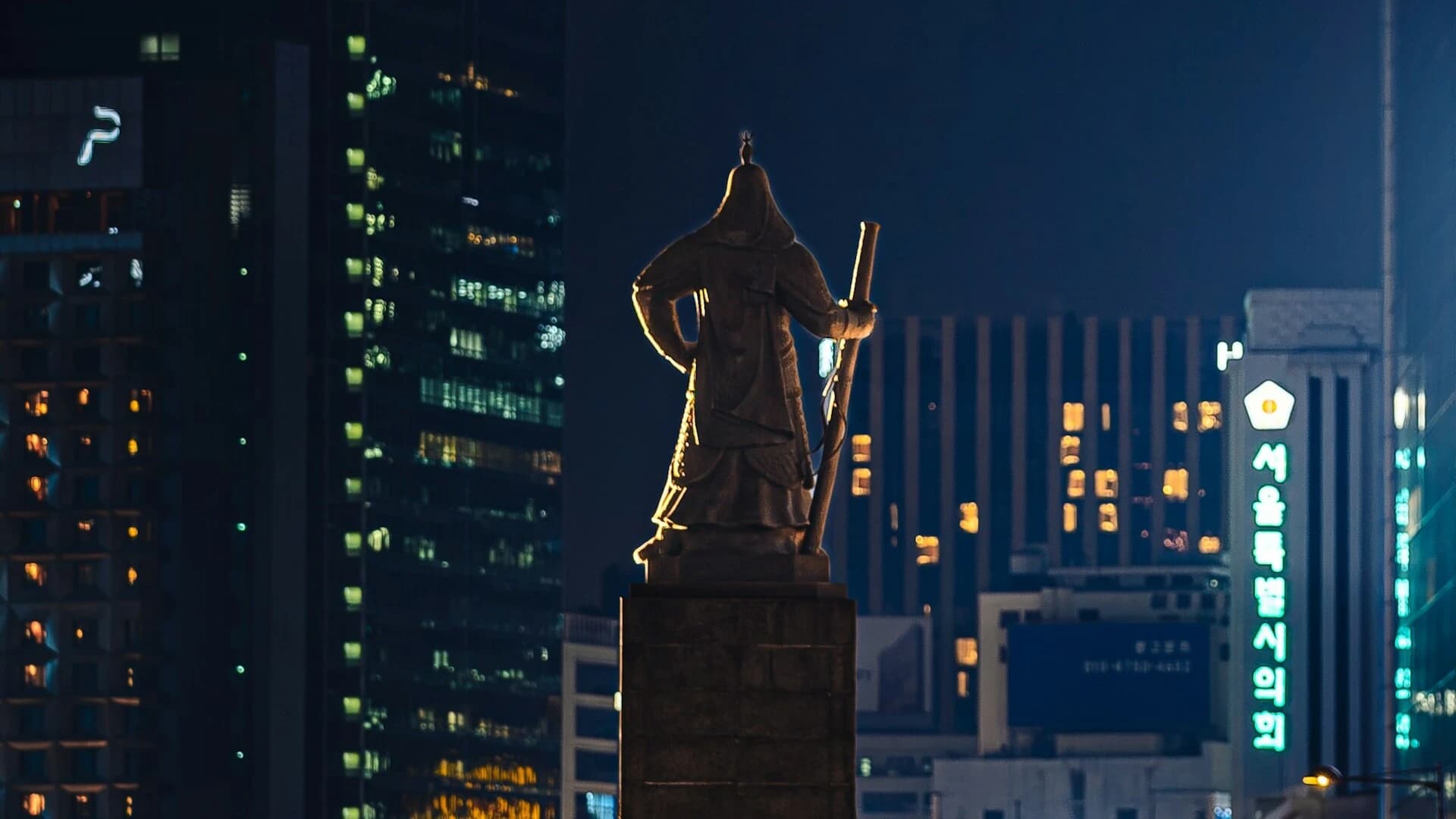
King Seonjo (14th King): A Ruler Who Faced the National Crisis of the Imjin WarIntroducing the first collateral succession in Joseon history, the outbreak and overcoming of the Imjin War, the achievements of Admiral Yi Sun-sin and righteous army guerrillas, and Mokneung at Donggureung Tombs in Guri.
King Seonjo (reigned 1567–1608) was a grandson of King Jungjong and the third son of Grand Internal Prince Deokheung. He was the first king in Joseon history to ascend the throne from a collateral branch rather than a direct royal lineage. During his reign, he faced a massive war that threatened the nation's survival: the Imjin War. With the brilliance of loyal subjects like Admiral Yi Sun-sin and the brave volunteer guerrilla fighters, the kingdom eventually overcame this national crisis.
1. First Collateral Succession and the Rise of the Sarim Faction:
- King Seonjo ascended the throne after King Myeongjong died without an heir. Because he was the first king from a collateral lineage (a non-direct line of succession), he suffered from an insecurity regarding his royal legitimacy throughout his life.
- Meanwhile, during Seonjo's reign, the old elite (Hungu) completely fell from power, and the Sarim faction came to dominate politics. However, this period also marked the beginning of intense factional politics (political infighting), as the Sarim split into Easterner and Westerner factions.
2. The Worst Political Purge in Joseon History: The Gichuk Oksa:
- In 1589, just three years before the Imjin War broke out, the bloody tragedy of Gichuk Oksa occurred, claiming more lives than any other purge in Joseon history.
- The incident began with an accusation against Jeong Yeo-rip, leader of a group called Daedonggye that brought together people across social classes in Jeolla-do for archery and military training, claiming he was plotting treason. Jeong Yeo-rip took his own life while fleeing, but Seonjo appointed Jeong Cheol (leader of the Westerners), known for his harsh stance against political rivals, to head the investigation.
- Jeong Cheol used this opportunity to ruthlessly purge his political rivals, the Easterners. As the investigation expanded relentlessly, countless innocent scholars and commoners were tortured and executed. Over 1,000 people lost their lives in this single purge, making it worse than all four major scholar purges of the Joseon era combined. Because of this event, the Jeolla region suffered long-standing discrimination under the false label of a "traitorous region." The hatred between the Easterners and Westerners grew so deep that national unity was shattered right before the massive calamity of the Imjin War.
3. An Unprecedented Crisis: The Outbreak and Progress of the Imjin War:
The horrific seven-year war from 1592 to 1598 is divided into two parts: the Imjin War (1st invasion in 1592) and the Jeongyu Jaeran (2nd invasion in 1597), which broke out after four years of tedious peace negotiations collapsed. The major timeline of this tumultuous seven-year war is as follows:
- 1590 - Envoys Sent to Japan and Conflicting Reports: Two years before the war, Joseon dispatched diplomatic envoys—Chief Envoy Hwang Yun-gil, Vice Envoy Kim Seong-il, and Document Officer Heo Seong—to assess Japanese intentions. Upon returning, Hwang Yun-gil reported that Toyotomi Hideyoshi would certainly invade with a massive army. However, Kim Seong-il countered that Hideyoshi was not a serious threat and there was no reason to cause widespread panic among the public. This conflicting assessment is often analyzed as a major security failure caused by factional rivalry. On the other hand, some modern historians re-evaluate Kim's response as a difficult administrative decision made by a diplomat trying to prevent public panic and political division, knowing Joseon was utterly unprepared for war.
- April 1592 - Japanese Invasion and the King Flees: As the invading forces sent by Toyotomi Hideyoshi advanced with unstoppable speed, King Seonjo abandoned the capital city of Hanyang (Seoul) and fled to Uiju at the far northern border. He even planned to seek asylum in Ming China, earning deep resentment from his subjects. Outraged citizens set fire to the main royal palace, Gyeongbokgung Palace, turning it to ashes. It remained abandoned in ruins for 270 years until it was rebuilt by Prince Regent Heungseon Daewongun.
- Mid-1592 - Prelude to Salvation: Naval Victories and Righteous Armies: Admiral Yi Sun-sin completely cut off Japanese supply lines in the southern seas through victories like the Battle of Hansando. On land, commoners formed volunteer Righteous Armies, led by commanders like Gwak Jae-u, slowing down the enemy advance.
- Early 1593 - Ming China Enters the War and the Recapture of Pyeongyang: A massive Ming army joined the war, forming a combined Joseon-Ming alliance. Together, they dramatically recaptured Pyeongyang Castle from the Japanese, creating a turning point for a counteroffensive.
- 1597 - The Second Invasion (Jeongyu Jaeran) and a Miraculous Naval Battle: After a period of stalemate, the war erupted again with the second invasion. Returning to command after surviving false accusations and imprisonment (fighting as a common soldier), Admiral Yi Sun-sin achieved the miraculous victory of the Battle of Myeongnyang, destroying 133 enemy ships with just 13 ships.
- November 1598 - End of the War: Battle of Noryang: The war ended in complete victory with the Battle of Noryang, where Admiral Yi Sun-sin was killed in action after leaving his famous final words, successfully driving the invading forces out of the country.
The Strange Devotion of Ming's Worst Emperor, Wanli, and the "Guan Yu Dream" Legend: Emperor Wanli (Shenzong), the 13th ruler of Ming China, is remembered as one of the most incompetent emperors in history because he abandoned state affairs for 30 years, bringing his empire to ruins. Curiously, however, he showed a fanatical devotion to saving Joseon, emptying his imperial treasury to send massive troops, silver, and food supplies.
However, sending an army of nearly 200,000 soldiers to Joseon weakened the defense of Ming's northern borders. Taking advantage of this vulnerability, the Jurchen tribes in the north expanded rapidly. In the end, this massive troop deployment caused financial ruin for Ming China and paved the way for the rising Jurchens (later the Qing Dynasty) to overthrow the Ming Dynasty.
An interesting folk legend explains why Wanli helped Joseon so passionately. It is said that Guan Yu, the deified hero of the Three Kingdoms, appeared in Wanli's dream and cried out: "The King of Joseon (Seonjo) is the reincarnation of my younger brother Zhang Fei, and you (Emperor Wanli) are the reincarnation of Liu Bei. Now that our third brother's kingdom is under attack by invaders, shouldn't you as an older brother step in to save him?" Waking from the dream in awe, Wanli insisted on sending troops despite fierce opposition from his ministers. Later, the construction of Dongmyo (East Guan Yu Temple) in Jongno, Seoul, was a gesture of gratitude stemming from this strange legend.
Tragedy of the Imjin War: Joseon Captives Shaking the Global Slave Market:
- Unprecedented Abduction and Enslavement: During the Imjin War, Japanese forces forcibly abducted between 100,000 and 200,000 Joseon artisans (such as potters) and commoners as prisoners of war.
- Market Over-supply and Price Collapse: Joseon captives taken to Japan were sold as slaves through Portuguese traders operating in Japan, reaching Southeast Asia, India, and Europe. The sudden influx of vast numbers of Joseon slaves caused prices in the East Asian slave market to plummet. Records show that a Joseon slave was traded for as little as one sack of grain or a few coins of silver.
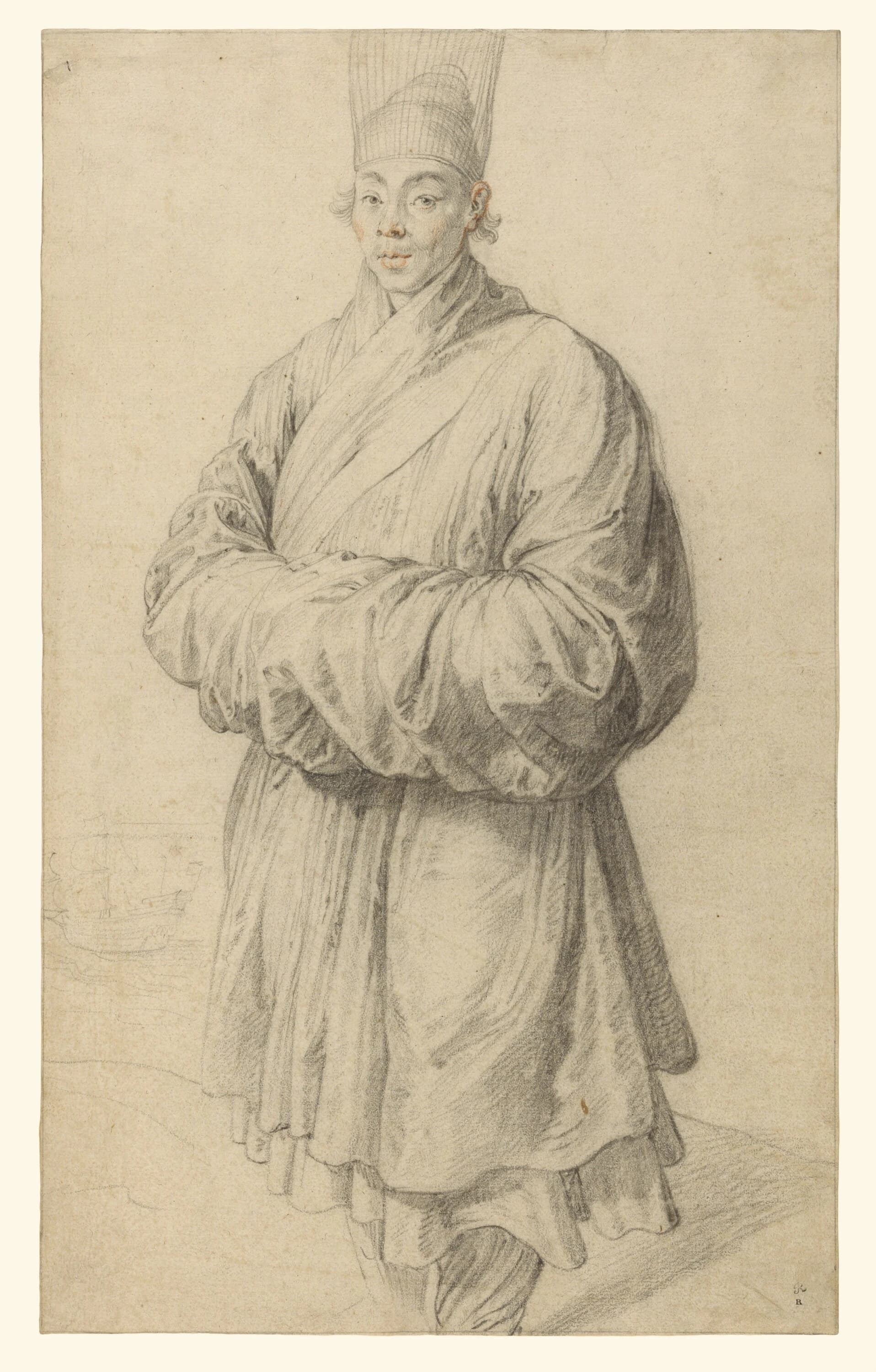
- Records of an Italian Trader and Antonio Corea: Francesco Carletti, a traveler from Florence who visited Nagasaki at the time, recorded in his travelogue that he bought five young Joseon boys for just 12 escudos (Portuguese currency), baptized them, and took them to Rome to set them free. One of them settled in Italy under the name "Antonio Corea," becoming the first Korean recorded in European history. This remains one of the most painful and tragic pages of the Imjin War.
4. Hero of the Nation: Key Naval Battles of Admiral Yi Sun-sin:
- A Miracle One Day Before War and an Undefeated Record: On April 12, 1592, just one day before the Imjin War broke out, artillery tests and real-combat drills for the Turtle Ship were successfully completed. With such thorough preparation, the Joseon Navy achieved an unprecedented record in world naval history: 45 victories in 45 battles (or 38 wins and 5 draws out of 43 battles) without a single defeat.
- May 1592 - Battle of Okpo: The historic first victory achieved by Admiral Yi's fleet against Japanese forces, giving the Joseon navy confidence that they could win.
- July 1592 - Battle of Hansando: Using the famous "Crane Wing" (Hak-ik-jin) formation, Admiral Yi destroyed the main Japanese fleet. This battle secured control of the southern seas and cut off the enemy's food supply route.
- April 1597 - False Accusations and Demotion: When the second invasion began, Admiral Yi was arrested due to false accusations by Won Gyun and distrust from King Seonjo. He was brought to Hanyang in chains, tortured, and even sentenced to death, but saved through passionate appeals from loyal ministers like Jeong Tak. He was stripped of all rank and forced to serve as a low-ranking soldier in "Baek-ui-jong-gun" (serving in white clothes without rank). While Admiral Yi was stripped of power, the Joseon navy suffered a catastrophic defeat at the Battle of Chilcheonryang under the command of Won Gyun.
- September 1597 - Battle of Myeongnyang: Reappointed as Supreme Commander amidst total crisis, Admiral Yi faced a desperate situation with only 13 ships remaining. Utilizing the narrow and fierce currents of Uldolmok Strait, he defeated an enemy fleet of 133 Japanese warships.
- November 1598 - Battle of Noryang: The final battle that brought the seven-year war to a victorious end. Even as he was struck down by a bullet, Admiral Yi left his famous final words: "Do not let the enemy know of my death," protecting his country until his last breath.
"I Still Have 12 Ships": Truth Behind the Report and the 13th Ship:
- Admiral Yi's Desperate and Heroic Message: After the Joseon navy was nearly wiped out in the catastrophic Battle of Chilcheonryang, King Seonjo ordered the navy to be abolished and its forces merged into the land army. Admiral Yi sent a legendary petition to the king: "Your servant still has twelve warships left. Though our fleet is small, as long as I am alive, the enemy will never dare to look down on us."
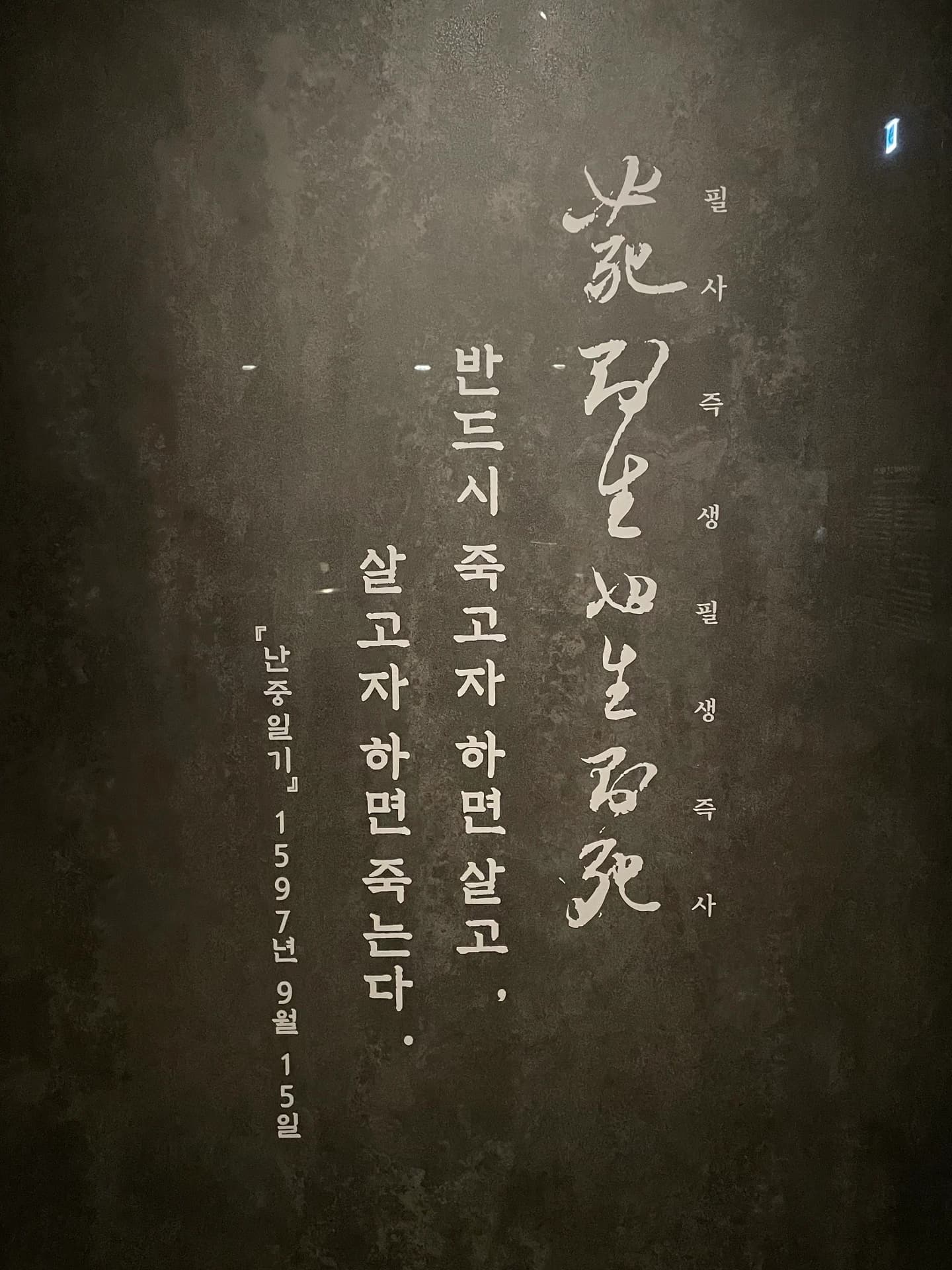
- Turning Fear into Courage: "Those Who Seek Death Shall Live": On the night before the Battle of Myeongnyang, Admiral Yi gathered his terrified commanders who faced overwhelming odds (13 vs 133 ships). He inspired them with famous words: "Military strategy says: 'He who seeks death shall live, and he who seeks to save his life shall die' (必死則生 必生則死). If one man stands guard at a narrow pass, he can strike fear into a thousand men" (一夫當逕 足懼千夫), awakening their fighting spirit.
- The Truth Behind the 12 Ships: When Admiral Yi wrote his official petition, there were indeed only 12 Panokseon warships salvaged by General Bae Seol. However, during the month of preparations leading up to the battle, local citizens and soldiers worked tirelessly to repair and add 1 more warship.
- The Miraculous Victory of 13 Ships: Therefore, the actual number of Joseon ships that sailed into the Battle of Myeongnyang and defeated 133 enemy ships was 13 in total. The legendary outcome was a miracle created by an unyielding commander and the devoted local people who refused to give up in the face of despair.
5. Power of the People: Righteous Armies and Ming Allies:
- While Admiral Yi dominated the sea, local commoners and monks across the country took up arms on land to form Righteous Armies (Uibyeong), led by figures like Gwak Jae-u and Monk Samyeong Daesa.
- Coupled with the entry of the Ming China rescue army, the combined Joseon-Ming forces turned the tide on land by recapturing Pyeongyang Castle, ultimately leading to national survival.
6. The Three Great Victories of the Imjin War:
- Battle of Hansando (July 1592): A naval battle where Admiral Yi Sun-sin defeated the Japanese fleet off Hansando Island using the "Crane Wing" (Hak-ik-jin) formation. It secured control of the southern seas and crushed Japan's strategy of simultaneous sea and land advances.
- Battle of Jinjuseong (October 1592): General Kim Si-min successfully defended Jinjuseong Fortress with only 3,800 soldiers against a massive Japanese attack force of over 20,000. By blocking the enemy's path to the fertile Jeolla region, he saved the nation's main grain supply.
- Battle of Haengju (February 1593): General Gwon Yul, along with regular troops, volunteer soldiers, Buddhist monk soldiers, and local residents, repelled 30,000 Japanese soldiers at Haengju Fortress. Women inside the fortress cut their long skirts to carry stones used as weapons, giving birth to the famous origin story of the Korean apron name, "Haengju Chima."
The Name That Terrified the Japanese: "Mokuso": General Kim Si-min, hero of the Battle of Jinjuseong, held the official title of Jinju Moksa (Magistrate of Jinju).
Terrified Japanese troops could not bring themselves to utter his actual name. Instead, they referred to him by his official title's Japanese pronunciation: "Mokuso" or "Mokuso Hogan." To the Japanese forces defeated at Jinjuseong, "Mokuso" was viewed as a demon-like commander with superhuman powers. Later, the character "Mokuso" frequently appeared in traditional Japanese Kabuki theater as a powerful villain. It is said that parents in Japan even calmed crying children by saying, "Mokuso is coming," proving how deeply feared General Kim Si-min was among the invaders.
7. Peace Delegations After Horrific War: Joseon Tongsinsa:
- New Japanese Regime and Shared Interests: After the death of Toyotomi Hideyoshi, Tokugawa Ieyasu (Edo Shogunate) became the ruler of Japan and requested the restoration of diplomatic relations with Joseon. Needing to stabilize its southern border to rebuild after the war, Joseon accepted the request to monitor political developments in Japan and ensure peace.
- Why Envoys Were Sent Despite Recent War: The most urgent practical reason for sending envoys in 1607 (late in Seonjo's reign) was to safely repatriate tens of thousands of Joseon captives abducted to Japan during the war.
- Birth of Joseon Tongsinsa: These missions, restarted for prisoner retrieval and peace, evolved into the official diplomatic delegation known as the Joseon Tongsinsa. For the next 200 years, these envoys served as a vital bridge for East Asian cultural exchange, spreading advanced knowledge, culture, and arts to Japan while maintaining peace.
Cultural Exchange or Cultural Plunder? Impact of Joseon Captives on Japan: In Japan, the Imjin War is sometimes called the "Pottery War." Japanese commanders systematically abducted skilled Joseon artisans, whose techniques completely transformed Japanese industry and culture.
- Pioneering the Porcelain Industry: Joseon potter Yi Sam-pyeong discovered white kaolin clay in Arita, Japan, and created Japan's very first white porcelain. Arita porcelain later became a major export to Europe, laying the foundation for Japan to become a global porcelain power.
- Advanced Textile Techniques: Skilled Joseon weavers forcibly brought to Japan taught intricate cotton weaving and textile methods. In Kochi Prefecture (former Tosa Domain), the "Tomb of the Joseon Woman" (朝鮮國女之墓) still stands today, honoring unknown female Joseon artisans who died far from home.
- Introduction of Joseon Tofu: Joseon captive Park Ho-in introduced firm and savory Joseon-style tofu making in Kochi Prefecture. This tradition continues today in Kochi as a famous regional specialty called "Karabito Tofu" (Tang Person Tofu).
- Printing and Neo-Confucian Philosophy: Stolen metal type technology, books, and Neo-Confucian scholars like Gang Hang provided the intellectual foundation for early Edo period printing culture and academic development in Japan.
8. Recommended Travel Spots: Historic Sites of the Imjin War
- Hansando Lee Chungmu-gong Historic Site in Tongyeong: The location of the famous Battle of Hansando. Here stands Jeseungdang, where Admiral Yi Sun-sin established the naval headquarters. It is a peaceful place to reflect on the admiral's devotion while looking over the quiet sea from the pavilion.
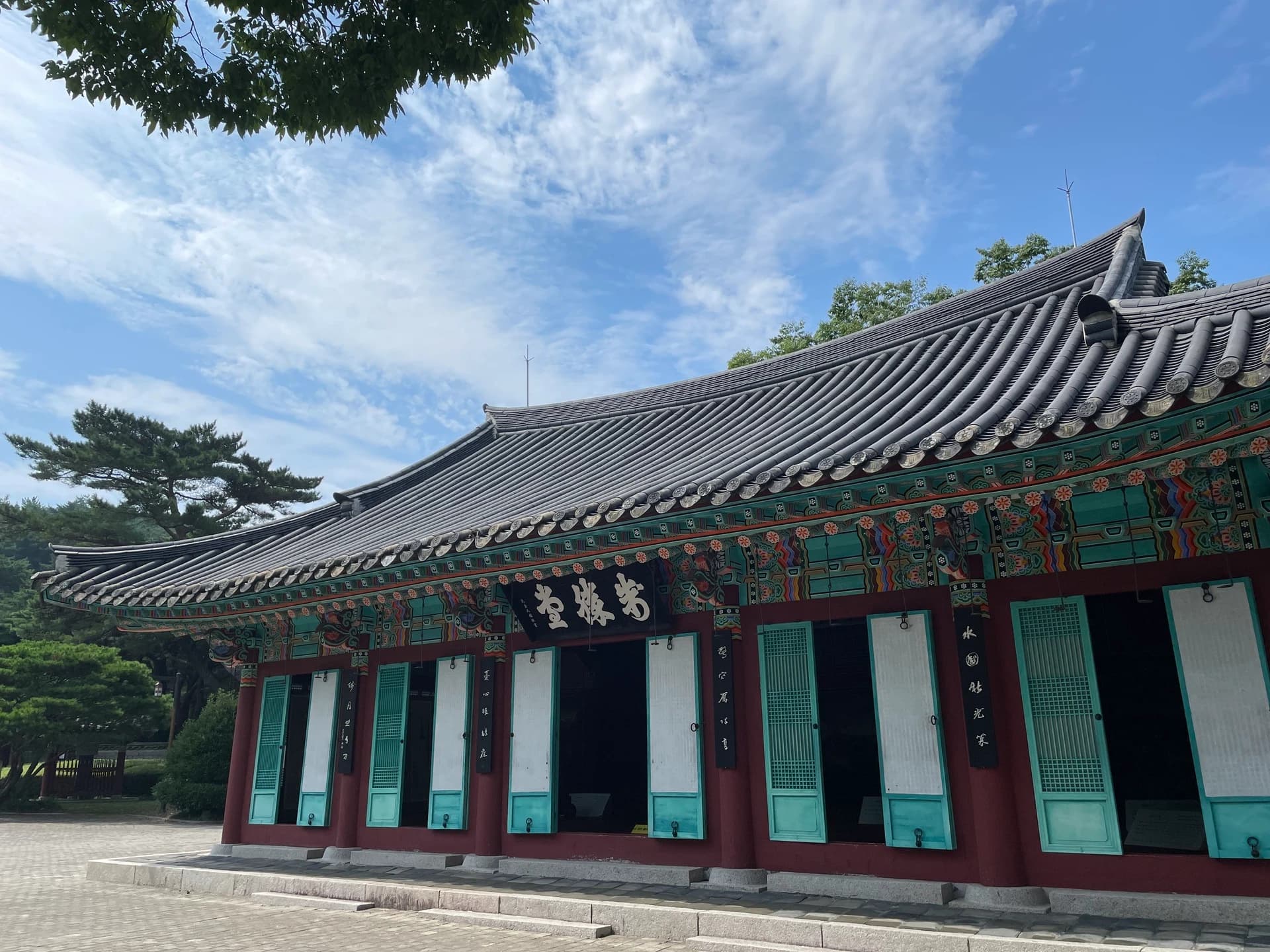
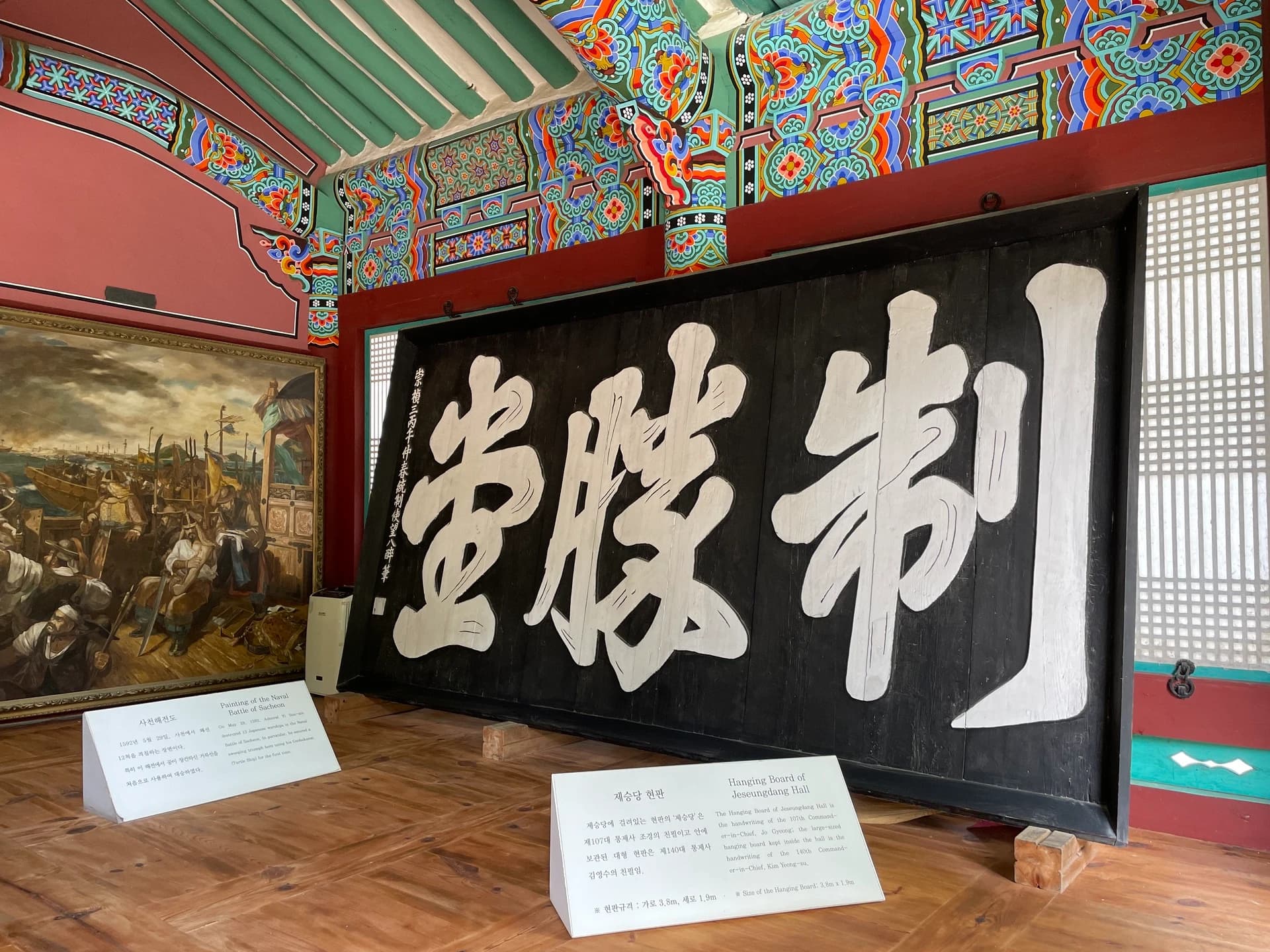
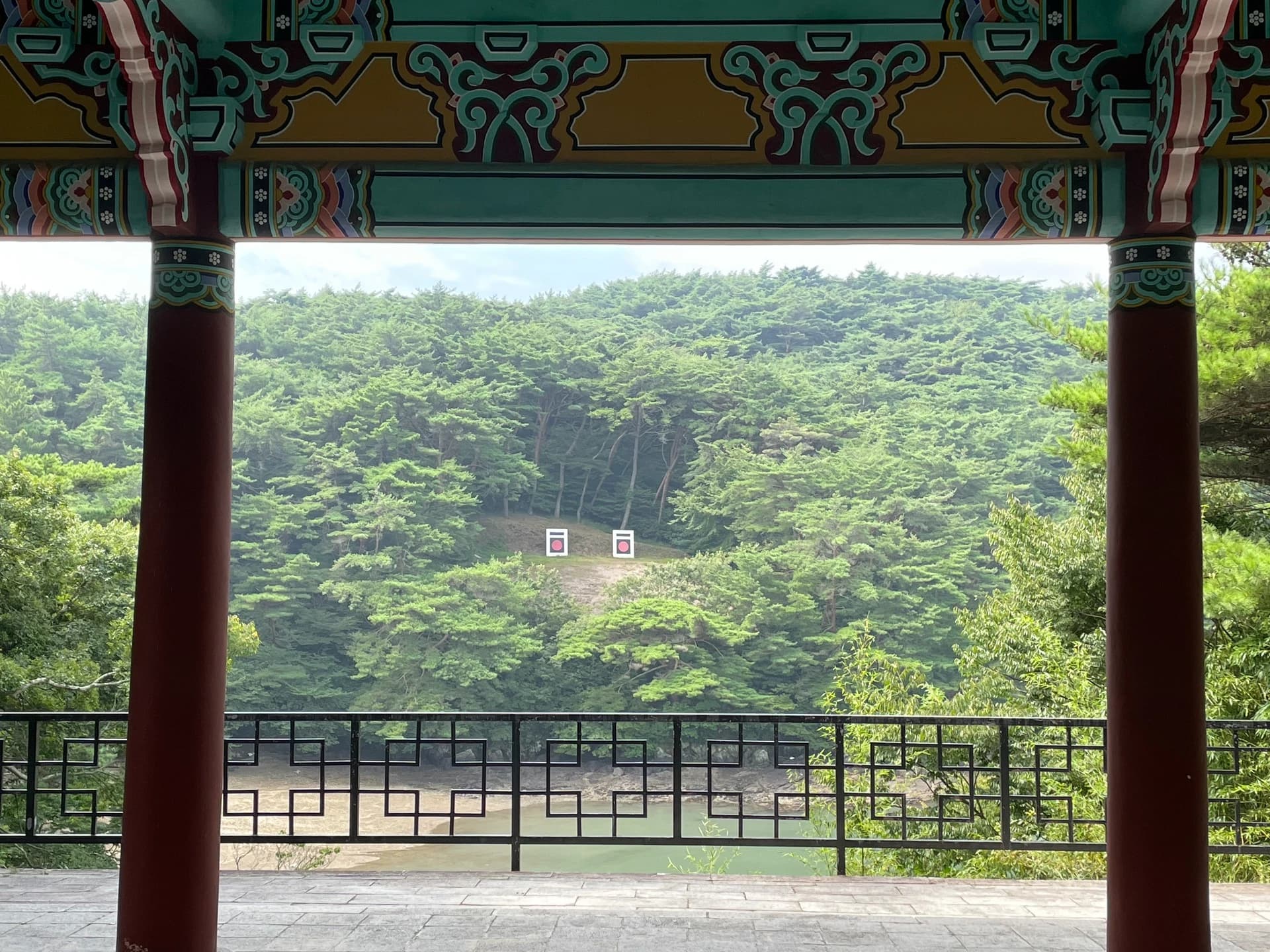
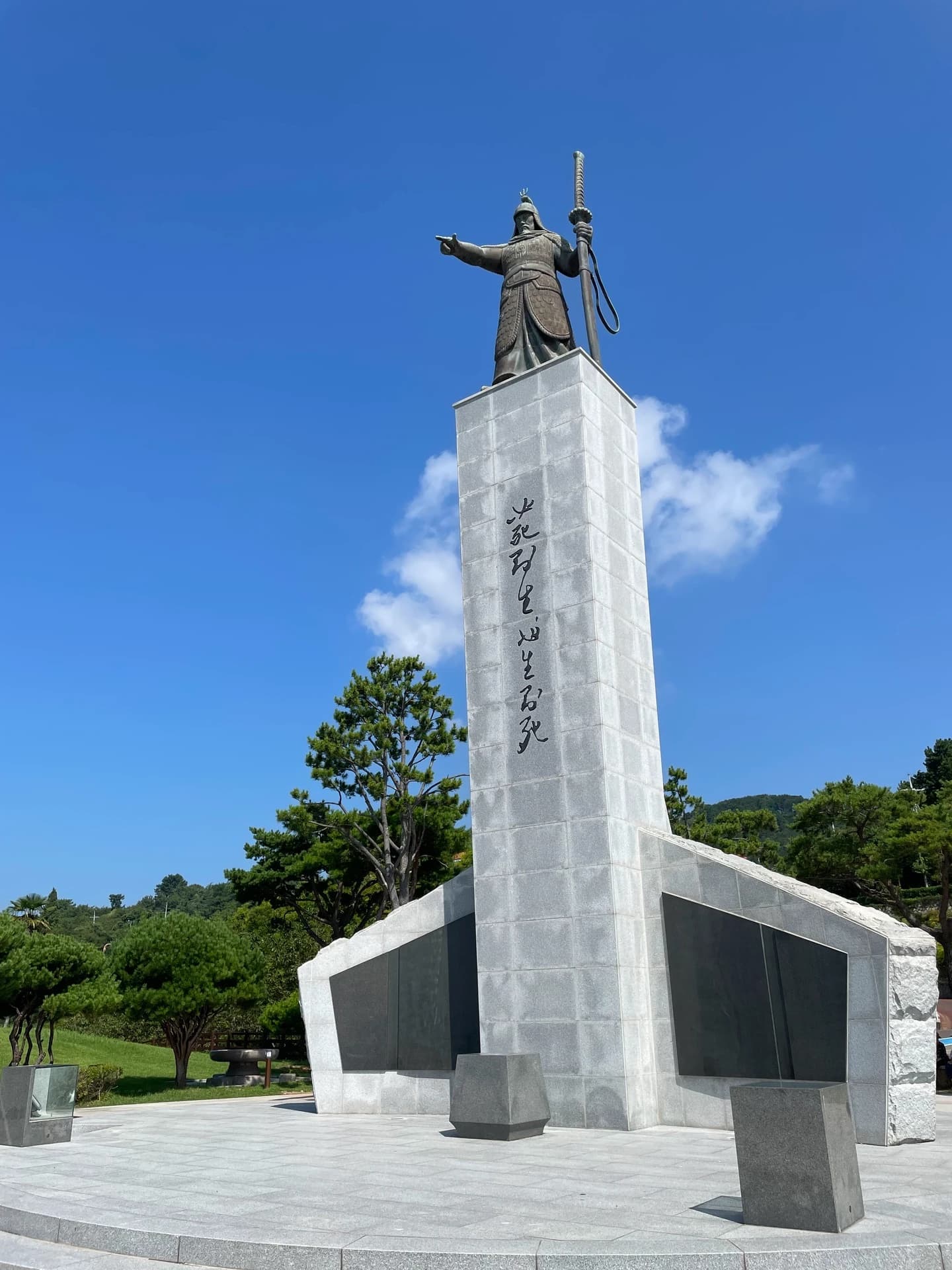
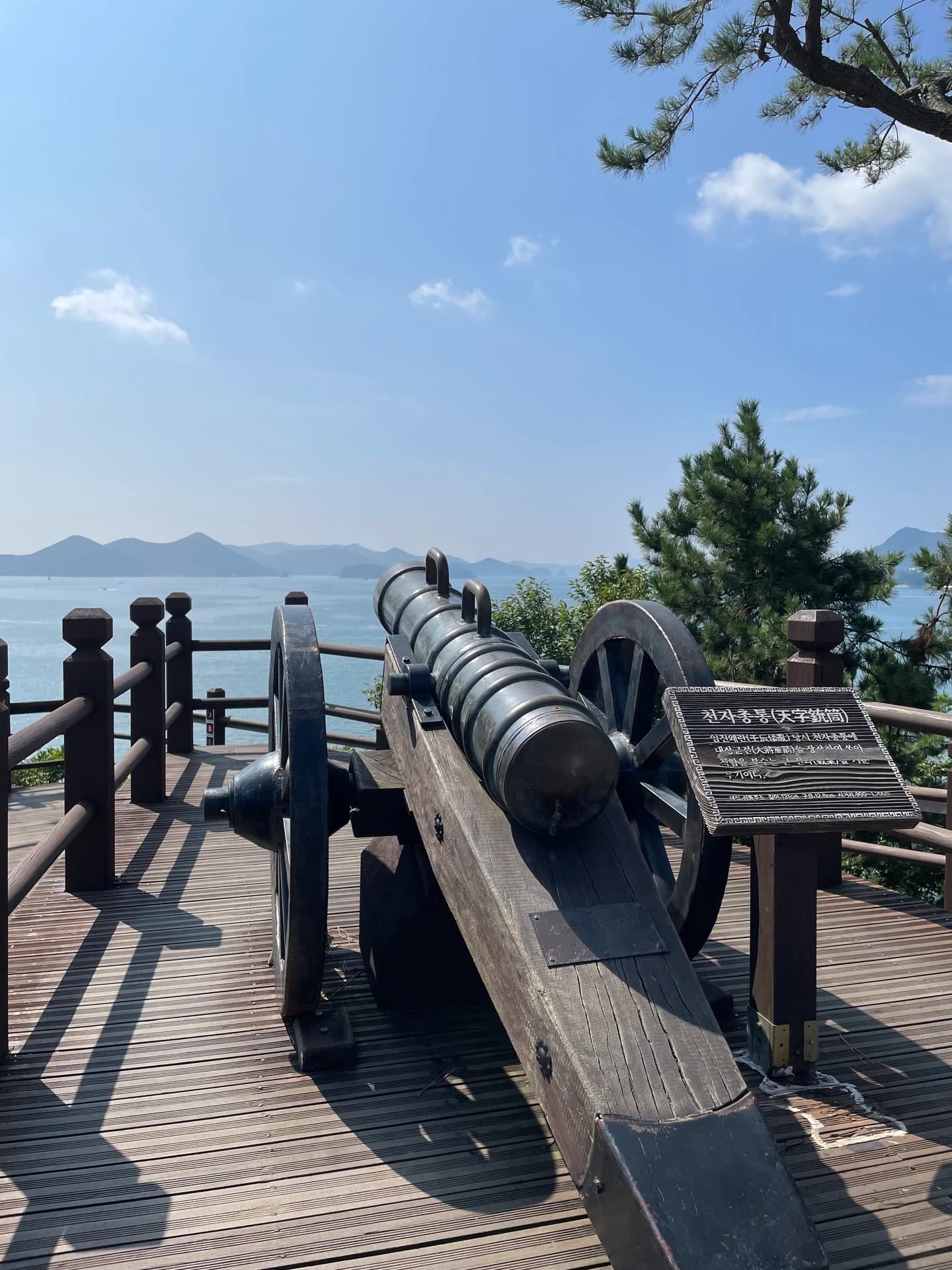
- Tongyeong Yi Sun-sin Park: A scenic park located on the slopes of Mangilbong Peak with panoramic views of the sea off Hansando Island. A giant statue of Admiral Yi Sun-sin commands the southern sea. Every year in early August, the Tongyeong Hansan Battle Festival takes place here, offering the best vantage point to watch a grand re-enactment of the Battle of Hansando with dozens of ships forming the Crane Wing formation across the ocean.
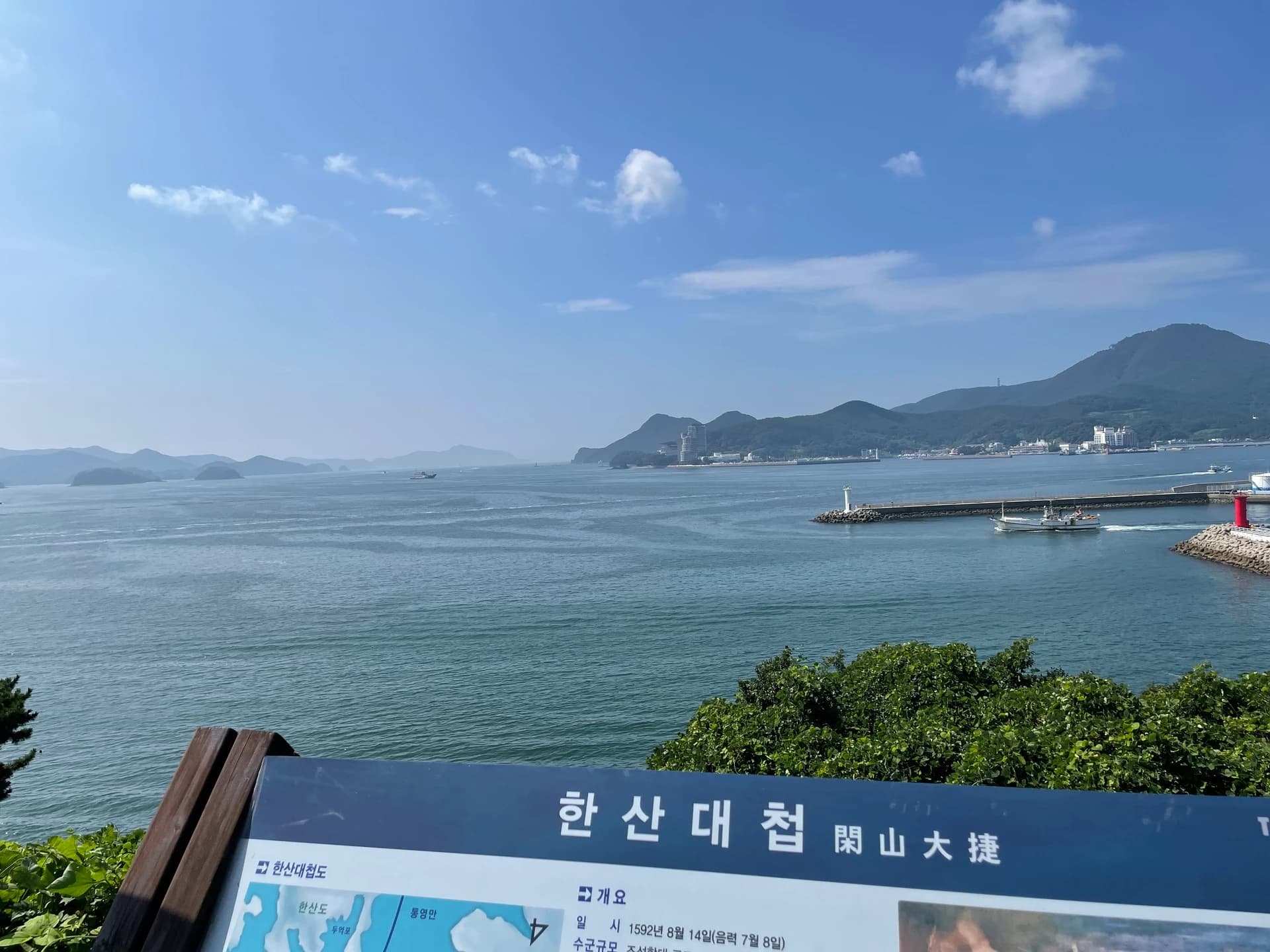
-
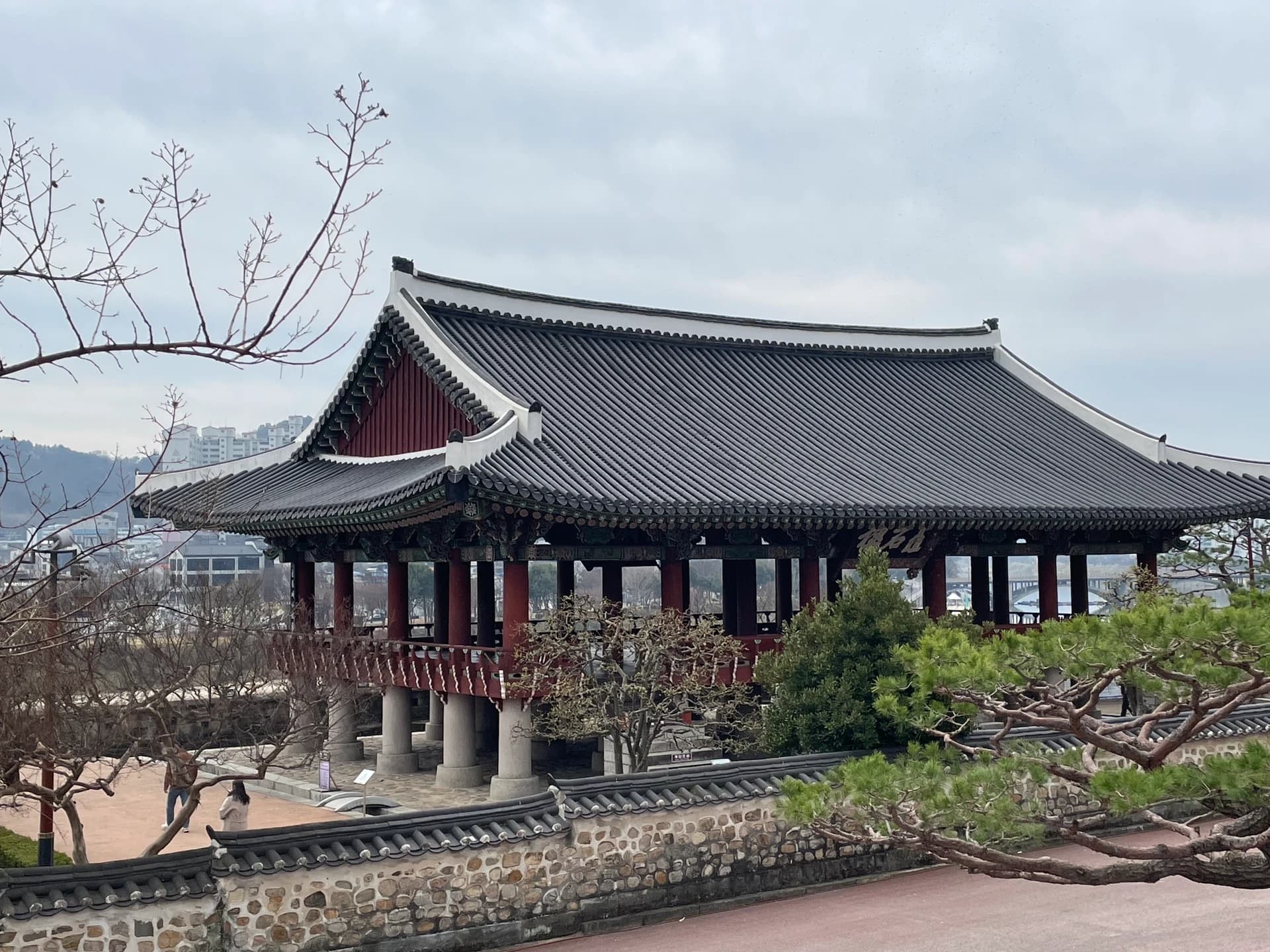
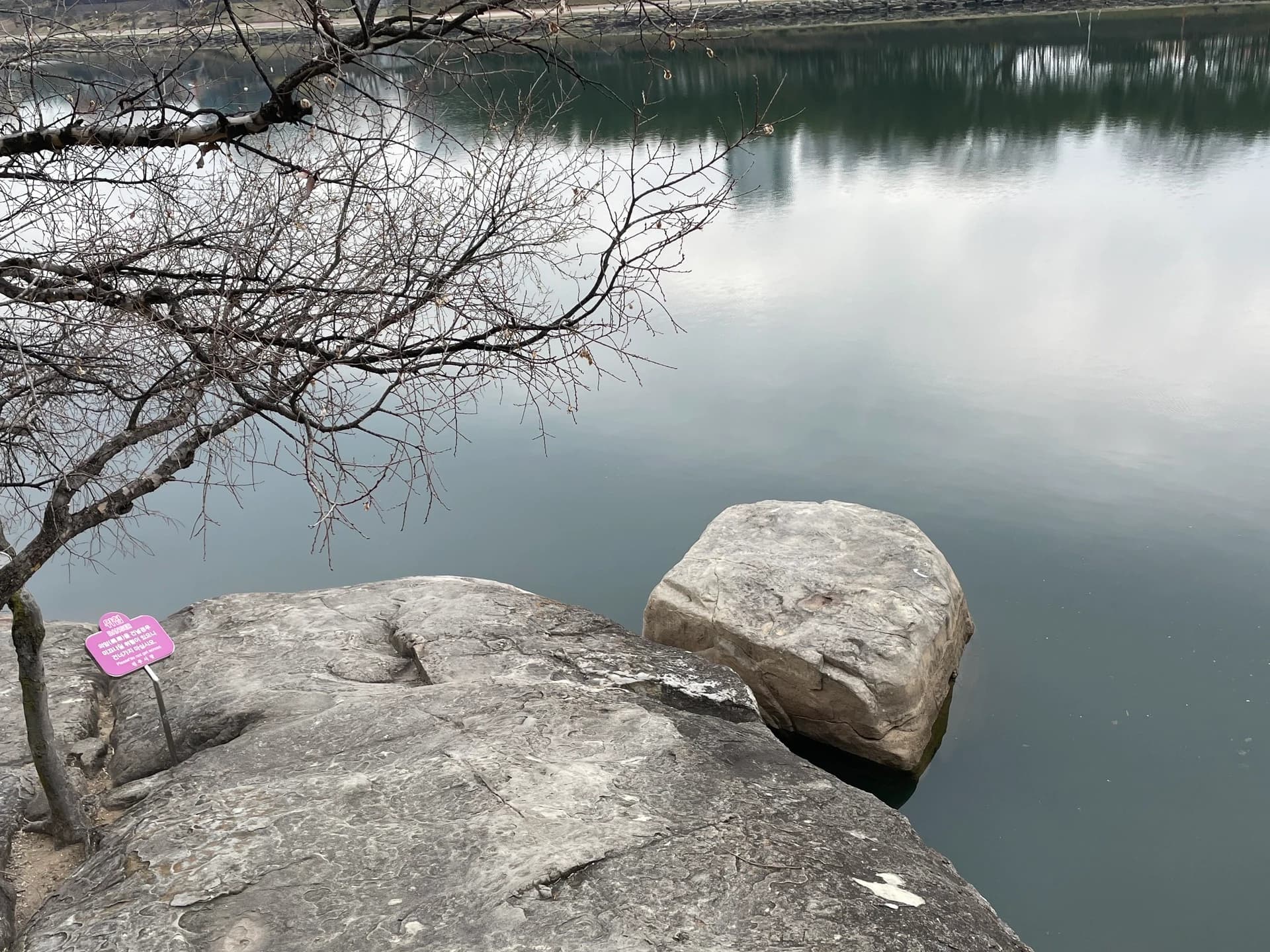
Jinjuseong Fortress: The site of the Battle of Jinjuseong, where General Kim Si-min repelled a massive enemy army. It features Chokseokru Pavilion and Uiam Rock, where the female patriot Nongae jumped into the Namgang River holding a Japanese general. Every autumn, the famous Jinju Namgang Yudeung (Lantern) Festival takes place here, offering stunning night views alongside rich history.
 1 / 2
1 / 2Chokseokru Pavilion, which visitors can walk up into 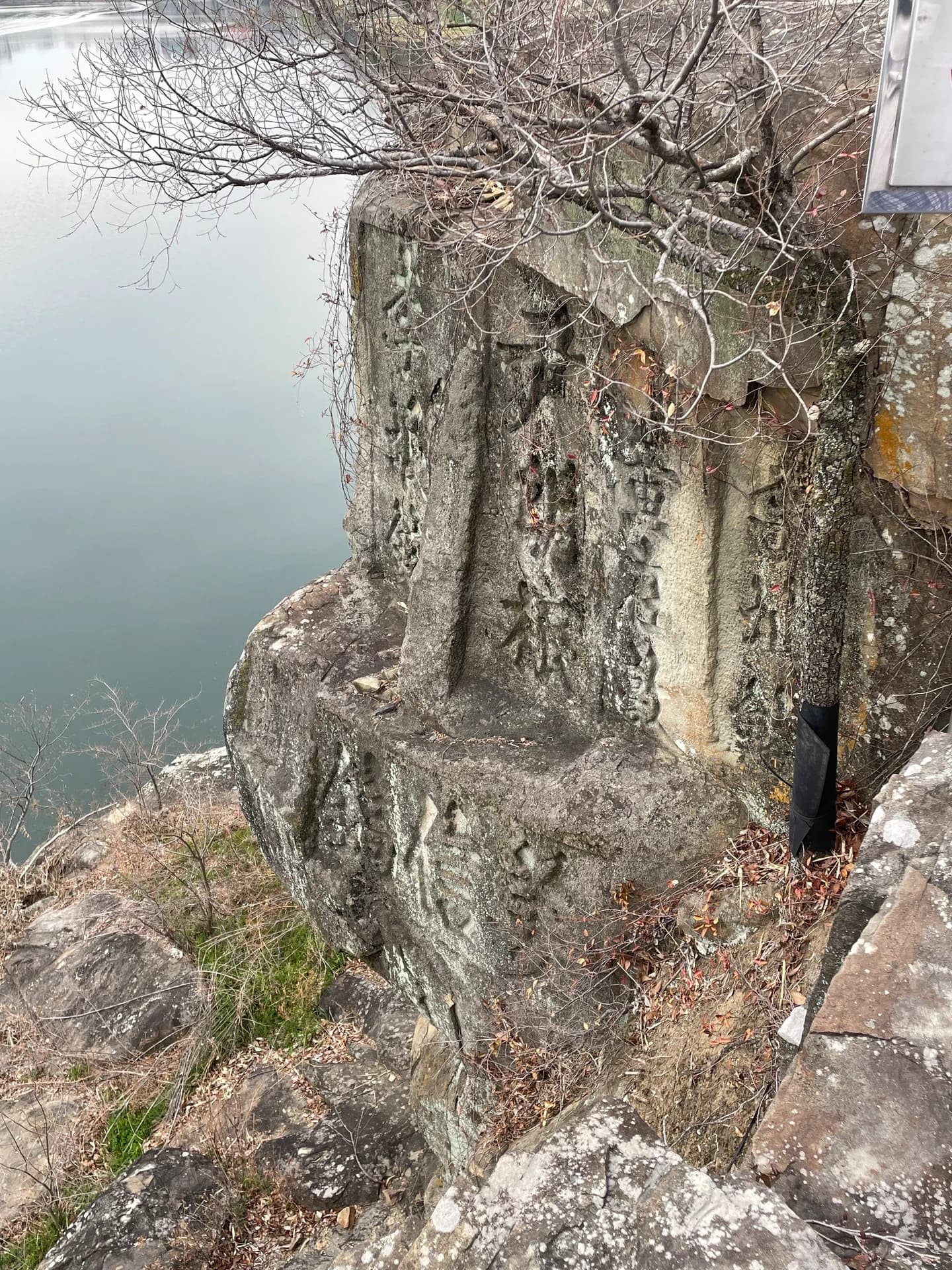
Name of Lee Ji-yong (one of the Five Traitors of 1905) carved below Chokseokru -
Uldolmok Strait (Myeongnyang Strait): A narrow waterway between Haenam and Jindo in Jeollanam-do. Its native name "Uldolmok" means "roaring water pass" because the currents are so fierce they sound like the sea is crying. This is the legendary location where Admiral Yi Sun-sin defeated over 130 Japanese warships with only 13 ships. Today, visitors can experience the swirling waters from an ocean skywalk or Jindo Bridge.
-
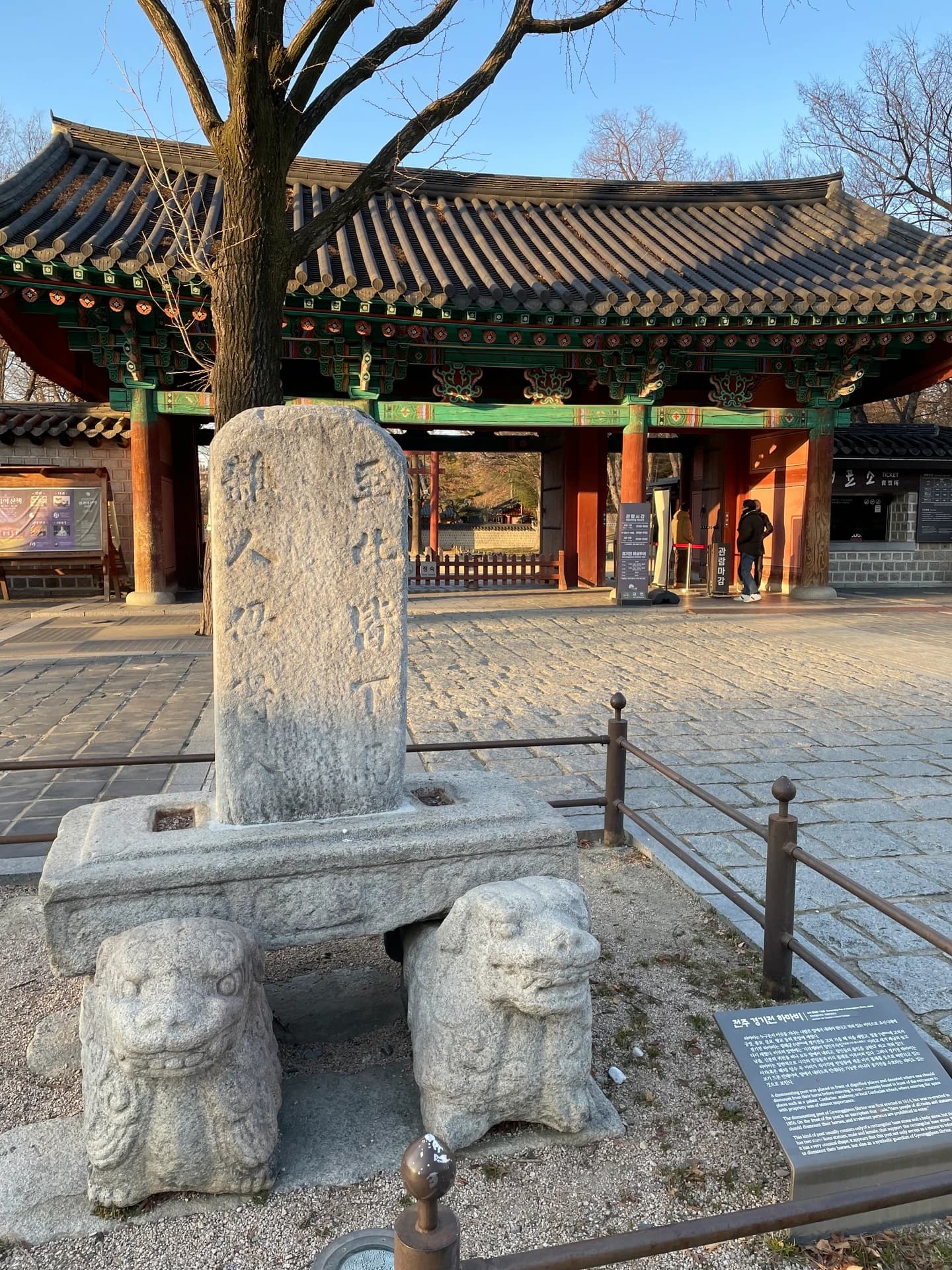
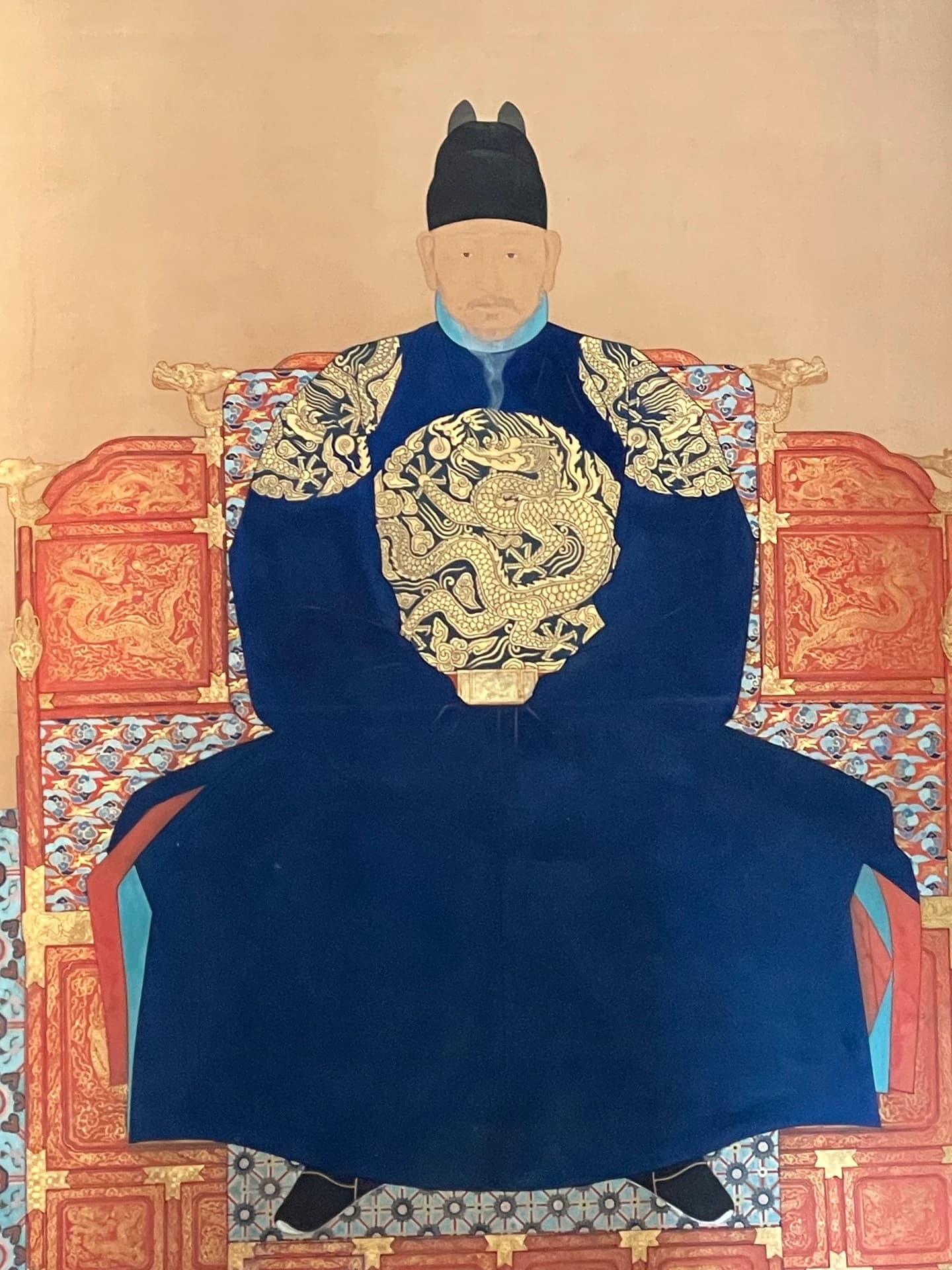
Jeonju Gyeonggijeon Shrine: A sacred shrine housing the official portrait (Eojin) of King Taejo, the founder of Joseon. It is an extremely important historical venue that saved the Annals of the Joseon Dynasty during the Imjin War. When archives in Hanyang, Seongju, and Chungju were burned down during the invasion, local scholars (An Ui and Son Hong-rok) risked their lives to move the Jeonju Archive volumes deep into Naejangsan Mountain, preserving the only surviving copy. This site made it possible for the Annals of the Joseon Dynasty to survive today as a UNESCO Memory of the World.
- Dongnae Eupseong Fortress in Busan: A fierce battlefield during the opening days of the Imjin War, where Magistrate Song Sang-hyeon fought to the death against Japanese forces. Today, well-maintained walking trails along the restored fortress walls offer a pleasant historical walk with views over downtown Busan.
- Sacheon Sanjinri Waeseong Fortress: The site of the Battle of Sacheon, where Admiral Yi Sun-sin deployed the Turtle Ship for the first time in history to achieve a major victory. Though it bears the scars of a Japanese-built coastal castle (Waeseong), it is now a peaceful park famous for its beautiful cherry blossom tunnel in spring.
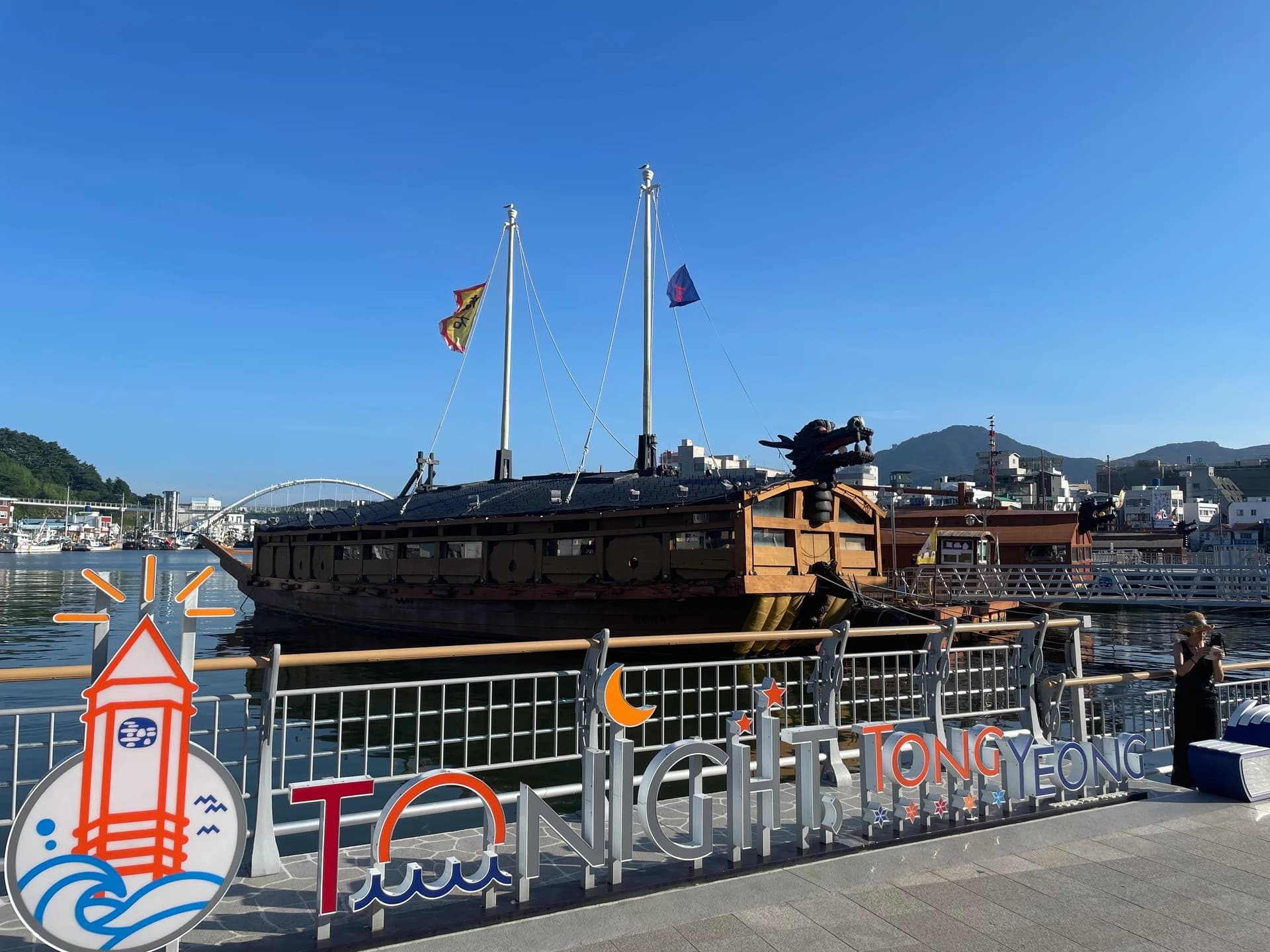
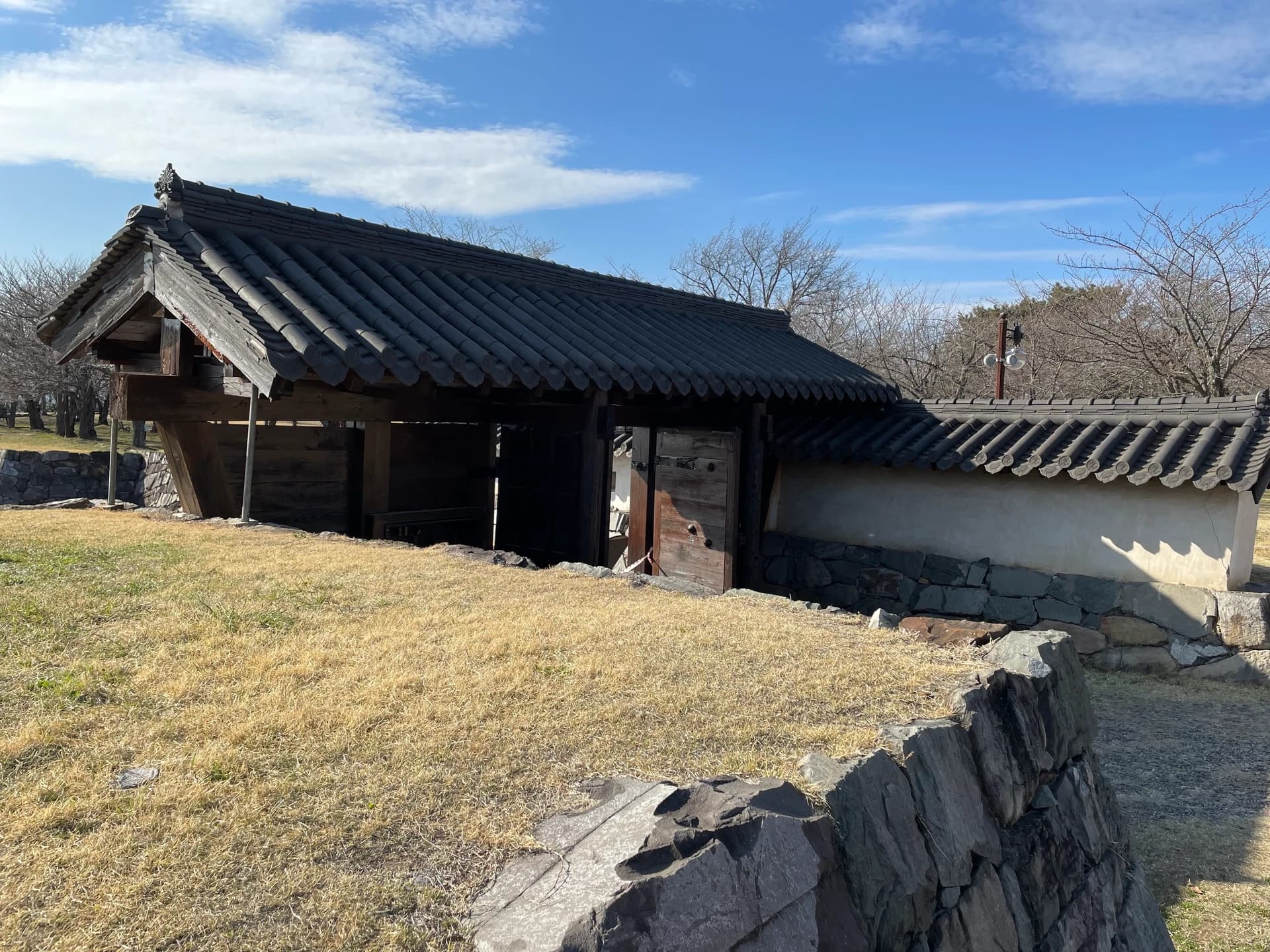
- Jinnamgwan Hall in Yeosu: A patriotic historic site that served as the headquarters for the Jeolla Left Naval Station under Admiral Yi Sun-sin. It is the largest surviving single-story wooden building from the Joseon era (National Treasure), offering commanding views over the sea of Yeosu.
- Man-in-ui-chong (Tomb of Ten Thousand Martyrs) in Namwon: A mass burial mound honoring over 10,000 soldiers, officials, and commoners who died defending Namwon Fortress during the 1597 Japanese invasion. After capturing the fortress, Japanese troops massacred soldiers and innocent civilians alike, cutting off ears and noses as war trophies. Returning refugees gathered the remains to build this massive tomb. It serves as a solemn memorial honoring the ultimate sacrifice of ancestors who defended their homeland.
- Mokneung at Donggureung Tombs in Guri: Located within the Donggureung royal tomb complex in Guri, Gyeonggi-do, this is the final resting place of King Seonjo and his queens. Three tombs set across quiet hills framed by pine forests offer a peaceful historical getaway.
Brutality vs. Humanity: Kyoto Ear Mound and Jindo Waedeoksan:
- Chilling War Trophy: Kyoto Ear Mound (Mimizuka): During the second invasion in 1597, Toyotomi Hideyoshi ordered his soldiers to cut off the noses and ears of Joseon captives and victims instead of heads, salting them as trophies to send to Japan. Noses and ears of over 100,000 victims were collected and buried near Toyokuni Shrine in Kyoto, Japan, under the name Ear Mound (originally Nose Mound) as a grim reminder of war atrocities.
- Compassion of Joseon Villagers: Waedeoksan in Jindo: In dramatic contrast, a heartwarming site exists in Jindo-gun, Jeollanam-do. After the Battle of Myeongnyang in 1597, many dead Japanese soldiers washed ashore along the Jindo coastline. Despite being enemy troops, local Joseon villagers felt pity for the dead and gave them a proper burial. Villagers named the hill "Waedeoksan" (meaning "Hill of Virtue to the Japanese"), and around 100 Japanese graves remain preserved there today.
- A Lesson from History: The contrast between tragic body mutilation (Ear Mound) and human compassion shown to enemies (Waedeoksan) invites deep reflection on the values of forgiveness and peace between Korea and Japan today.
The Dividing Line Between Early and Late Joseon: In the 500-year history of the Joseon Dynasty, the period from the nation's founding by King Taejo up to the Imjin War is called Early Joseon. This was a relatively peaceful era focused on establishing social structures and systems. Social status distinctions were strict, and Neo-Confucianism guided national ideology.
However, the massive trauma of the Imjin War shook the social hierarchy and transformed society, marking the transition into Late Joseon. King Seonjo's reign stands as the crucial historical bridge connecting the early and late eras of the kingdom.
King Gwanghaegun (15th King): A Tragic Reformer Who Pursued Practical Diplomacy and Tax ReformCovers post-war recovery, practical neutral diplomacy, the first implementation of the Daedongbeob tax reform, and his eventual dethronement in the Injo Restoration, alongside his tomb in Namyangju.
King Gwanghaegun (reigned 1608–1623) was the second son of King Seonjo, born to Royal Noble Consort Gong of the Kim clan. When the Imjin War broke out, he was named Crown Prince. During the war, he led a secondary branch of the royal court (Bunjo) on behalf of King Seonjo, playing a major role in organizing local defense and post-war recovery.
After ascending the throne, he cared for famine-stricken commoners and skillfully executed a neutral diplomatic policy between the declining Ming Dynasty and the rising Later Jin (Qing Dynasty) to prevent Joseon from getting dragged into another war.
However, in his effort to protect his royal authority, he faced severe moral criticism for killing his half-brother Prince Yeongchang and imprisoning Queen Dowager Inmok. He was eventually deposed in a political coup known as the Injo Restoration.
1. Gwanghaegun's Days as Crown Prince and Dramatic Ascension:
- Reckless Behavior of Prince Imhae: King Seonjo's eldest son was Prince Imhae, Gwanghaegun's older brother. However, Prince Imhae was stripped of succession due to his violent and cruel personality. His notorious actions included:
- Murder and Extortion: To steal a beautiful concubine belonging to a former official named Yu Hui-seo, Prince Imhae ordered his servants to brutally murder Yu in broad daylight and seized his house and belongings.
- Abusing Power Over Commoners: He released flocks of ducks and geese near commoners' farmland, ruining their yearly crops. Out of fear, victims could not even complain.
- Misconduct During War and Capture: During the Imjin War, he fled to Hamgyeong-do Province, where he continued to abuse local residents. Outraged, local residents bound Prince Imhae and handed him over directly as a prisoner to Japanese general Kato Kiyomasa.
- Tragic End in Disguise: Immediately after Gwanghaegun's ascension, Prince Imhae was accused of treason. To evade arrest, he disguised himself as a woman and tried to escape in a palanquin. He was caught at the scene, exiled to Ganghwado Island, and met a lonely death.
- War Hero vs. Jealous Father: When the Imjin War broke out, King Seonjo fled north, but Gwanghaegun led the Bunjo (secondary court), traveling across battlefields to encourage soldiers and civilians. As public respect grew for Gwanghaegun, King Seonjo became deeply jealous due to his own legitimacy complex. Seonjo threatened his son by fake-announcing his intention to abdicate more than 20 to 30 times, constantly testing the Crown Prince's loyalty.
- Birth of Prince Yeongchang and Diplomatic Crisis: To make matters worse, after Seonjo's first wife died childless, Seonjo married 19-year-old Queen Dowager Inmok and had a direct royal son, Prince Yeongchang. Seonjo wanted to replace Gwanghaegun with Prince Yeongchang. Furthermore, Emperor Wanli of Ming China refused to officially recognize Gwanghaegun as Crown Prince because he was born to a concubine, pushing Gwanghaegun to the edge.
- Sudden Death of Seonjo and Final Will Struggle: In 1608, King Seonjo died suddenly before he could crown young Prince Yeongchang. Gwanghaegun's key advisor Yi I-cheom and the clever court lady Kim Gae-si acted swiftly. They exposed a plot by rival minister Yu Yeong-gyeong, who had hidden Seonjo's final royal decree (which transferred the throne to Gwanghaegun) in an attempt to install Prince Yeongchang instead. With this exposure, political obstacles were cleared, and Gwanghaegun finally ascended the throne after 16 difficult years as Crown Prince.
A Royal Annalist's Clever Record: Court Lady Kim Gae-si: The power behind the throne who helped Gwanghaegun ascend was Court Lady Kim Gae-si (金介屎). Her original Korean name was the humble name "Gae-ttong-i" (Dog Poop).
At the time, parents gave children humble names to ward off bad luck and grant longevity. When writing official records, royal annalists could not write "Dog Poop" in Korean characters, so they translated the meaning directly into Hanja (Chinese characters). The final character "Si" (屎) literally means "feces/poop."
Despite her humble name, Kim Gae-si became the most powerful figure in the royal court after Gwanghaegun took power. Enjoying the king's total trust, she engaged in the selling of government offices and influenced major state decisions. High-ranking ministers lined up to flatter her and offer bribes to safeguard their positions. However, when the Injo Restoration took place in 1623, she was captured and executed by the coup forces.
2. Post-War Recovery and Public Welfare
- Upon ascending the throne, Gwanghaegun prioritized rebuilding the war-ravaged nation. He commissioned royal physician Heo Jun to complete the Dongui Bogam (Principles and Practice of Eastern Medicine) and distributed it widely to help treat sick commoners.
- He also conducted large-scale land surveys (Yangjeon) and population censuses to update land registries destroyed in the war, rebuilding state finances while easing the tax burden on commoners.
3. Rebuilding Palaces: Misconceptions and Truths:
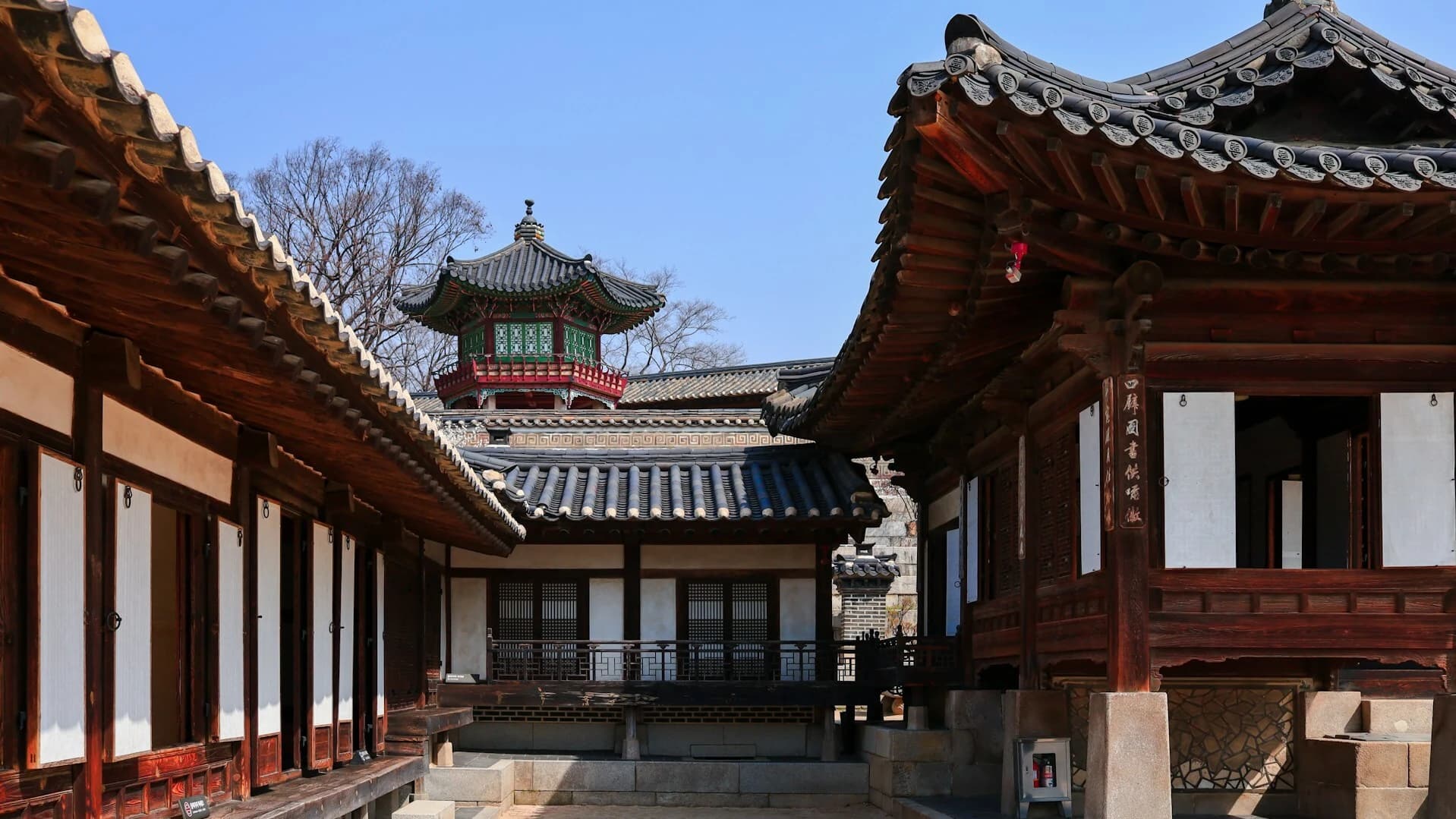
- Changdeokgung Palace (Started by Seonjo, Completed by Gwanghaegun): Rebuilding Changdeokgung Palace after its destruction in the war was initiated by King Seonjo and naturally finished around the second year of Gwanghaegun's reign. It was not a reckless new project forced by Gwanghaegun.
- Changgyeonggung Palace (For Royal Elders): About one-third the size of Changdeokgung, it was rebuilt to accommodate senior members of the royal family, including Queen Dowagers.
- Deoksugung Palace (Gyeongungung Palace - Where Queen Inmok Was Confined): Originally the private residence of Prince Wolsan (older brother of King Seongjong), it survived the Imjin War undamaged and was used by King Seonjo as a temporary palace. Though famous as the location where Queen Dowager Inmok was confined, it spanned nearly 20,000 pyeong at the time, making "strict imprisonment" a somewhat inaccurate description.
- Gyeonghuigung Palace (Gyeongdeokgung Palace - Built to Suppress Royal Energy): When rumors spread that "royal energy" flowed through the residence of Prince Jeongwon (father of King Injo), Gwanghaegun seized the site and built a new palace to suppress that energy. Ironically, Prince Jeongwon's son (Grand Prince Neungyang) later launched the Injo Restoration to become King Injo, making the rumor come true.
- Ingyeonggung Palace (The Unfinished Main Palace): Designed as a grand new main palace because Gyeongbokgung's site was deemed unpropitious by feng shui experts. After Gwanghaegun was overthrown, King Injo left Ingyeonggung unfinished. When Changdeokgung and Changgyeonggung were burned down during Lee Gwal's Rebellion and the Manchu invasions, Ingyeonggung's wooden beams and materials were dismantled to rebuild the other palaces.
Gwanghaegun's Love for Blue Tiles and Seonjeongjeon Hall: Gwanghaegun wanted to top the newly constructed Ingyeonggung and Gyeongdeokgung (Gyeonghuigung) palaces with blue and yellow glazed tiles to showcase royal majesty.
However, this faced major obstacles. Yellow tiles were reserved exclusively for the Ming Emperor, creating diplomatic risks. Meanwhile, blue glaze pigment (Hoihoi-cheong) was as expensive as precious jewels, placing a heavy burden on state finances.
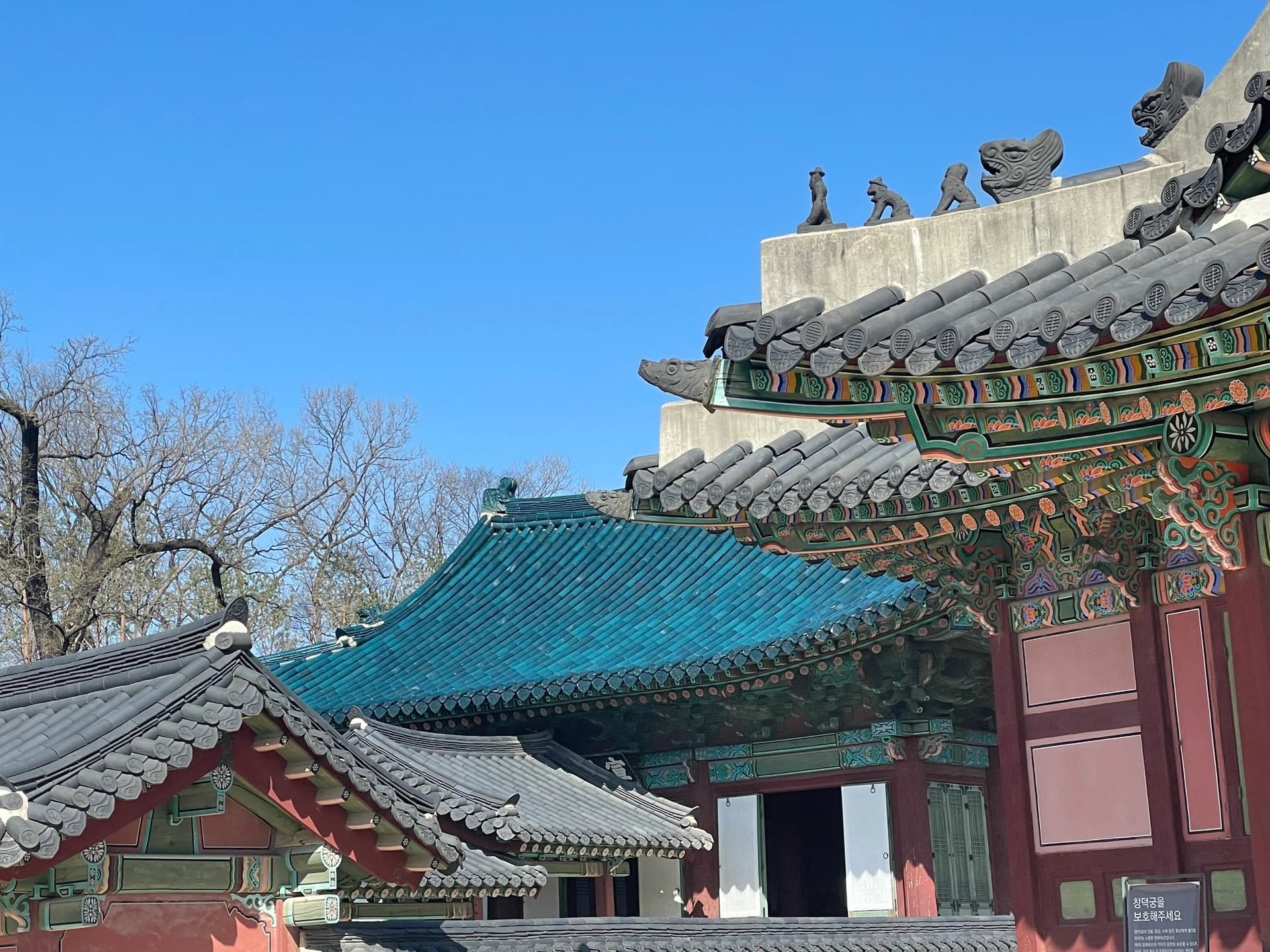
After Gwanghaegun was deposed, materials prepared for Ingyeonggung were transferred to restore Changdeokgung Palace. This is how Seonjeongjeon Hall at Changdeokgung Palace received its unique blue-tiled roof, making it the only surviving royal building today with a blue roof.
Origin of the Korean Proverb "Dda-non Dang-sang" (A Guaranteed Outcome):
- Original Meaning: The Korean expression "Dda-non Dangsang" (meaning a sure thing) originates from the high-ranking official title Dangsang-gwan (堂上官) (senior 3rd rank or higher in the Joseon Dynasty). Getting the position was so valuable that it came to symbolize a guaranteed success.
- Satire on Buying Offices: "Ohaeng Dangsang": During Gwanghaegun's reign, frequent palace construction took place. Wealthy individuals who donated five basic construction materials (Five Elements: water, fire, metal, wood, earth) were granted Dangsang-gwan titles as bribes. People mockingly called these corrupt officials "Ohaeng Dangsang" (Five Element Officials).
- Popular Saying: Commoners lamented that anyone could secure a high title simply by handing over money or goods, giving rise to the modern proverb meaning an absolute certainty.
4. Revolutionary Tax Reform for Public Welfare: The Daedongbeob:
- One of Gwanghaegun's greatest achievements was pilot-testing the Daedongbeob Tax System in Gyeonggi-do Province. This system assessed taxes based on land ownership rather than per household.
- Previously, households were forced to pay local specialty products (Gongmul), leading to severe corruption by local middlemen. The Daedongbeob standardized tax payments into rice, hemp cloth, or coins, greatly reducing the tax burden on poor peasants.
Blank Certificates (Gongmyeongcheob), Commoner Support, and Elite Backlash: Through the Daedongbeob, Gwanghaegun sought to collect higher taxes from wealthy landowning noblemen (Yangban) while easing the burden on poor farmers. Thanks to these welfare-focused policies, not a single peasant rebellion occurred during Gwanghaegun's 15-year reign, despite the severe post-war devastation.
However, state funds remained short for post-war recovery. Gwanghaegun expanded the sale of blank rank certificates (Gongmyeongcheob) and freed low-class citizens (Meoncheon) in exchange for financial contributions. Over 40,000 people gained elevated social status, helping replenish state coffers but shaking the traditional class structure.
Consequently, the elite Yangban class fiercely opposed Gwanghaegun for two reasons: the Daedongbeob, which increased their tax burden, and the overuse of Gongmyeongcheob certificates, which undermined their social privileges. This aristocratic outrage became a primary driver behind the Injo Restoration that dethroned Gwanghaegun.
5. Tragedy Shaking Joseon Ethics: Gyechuk Oksa and Purging Royal Relatives:
- Inciting Event (Chilseo-ui Byeon): In 1613 (Gyechuk Year), seven illegitimate sons of noble families were arrested for robbery. Political supporters of Gwanghaegun (the Great Northern Faction led by Yi I-cheom) manipulated the case, claiming the men were raising funds to install Prince Yeongchang on the throne.
- Tragic Death of Young Prince Yeongchang: Kim Je-nam (grandfather of Prince Yeongchang) was executed, and his family was destroyed. Eight-year-old Prince Yeongchang was demoted to commoner status, exiled to Ganghwado Island, and tragically killed the following year when his locked room was overheated from underneath the floor.
- Imprisonment of Queen Dowager Inmok: Gwanghaegun stripped Queen Dowager Inmok (his stepmother and legal mother) of her title and confined her to Seogung (Gyeongungung Palace). This act of deposing his legal mother and killing his younger brother (Pye-mo-sal-je) shocked Neo-Confucian Joseon society, which held filial piety as its highest virtue.
- Justification for a Coup: These actions handed Westerner opponents a clear moral pretext to overthrow the king, leading directly to the Injo Restoration of 1623.
6. Practical Neutral Diplomacy Protecting Peace:
- Balancing Between Ming and Later Jin: Internationally, Gwanghaegun pursued a neutral diplomatic policy between the rising power of Later Jin (later Qing Dynasty) and the declining Ming Dynasty, putting Joseon's national interest first.
- Surrender Order to General Gang Hong-rip (1619): Unable to refuse Ming China's request for troops due to aid received during the Imjin War, Gwanghaegun dispatched an army. However, he secretly instructed General Gang Hong-rip to "assess the battle situation and surrender appropriately to Later Jin," preventing unnecessary loss of Joseon lives and avoiding full-scale war.
- Receiving Later Jin Diplomatic Letters (1622): In 1622, Gwanghaegun accepted official letters from Later Jin, treating them as a de facto state. This flexible strategy avoided direct conflict with Later Jin while formally preserving ties with Ming.
- Elite Backlash and the 1623 Coup: Conservative scholars who insisted on absolute loyalty to Ming China heavily criticized Gwanghaegun for cooperating with "Jurchen barbarians." This pragmatic approach served as a key justification for the Injo Restoration in 1623, which removed Gwanghaegun from power.
7. Preserving History: The Five History Archives System:
- During the Imjin War, the Joseon court feared that the Annals of the Joseon Dynasty were lost forever after archives in Chunchugwan, Chungju, and Seongju were destroyed by fire.
- However, the Jeonju Archive copy miraculously survived thanks to local scholars who carried the records deep into Naejangsan Mountain caves.
- After the war, a massive publishing project was completed during late Seonjo and early Gwanghaegun reign using the Jeonju copy to reprint the Annals. To prevent future loss, Gwanghaegun established the Five History Archives System (Chunchugwan, Jeongjoksan on Ganghwado, Taebaeksan, Myohyangsan, Odaesan), placing archives deep in remote mountain areas where enemies could not easily reach them.
8. Recommended Travel Spots: Tomb of Gwanghaegun in Namyangju
- Tomb of King Gwanghaegun in Namyangju: Located in Jingeon-eup, Namyangju-si, Gyeonggi-do, this tomb reflects his demotion from King to Prince (Gun), appearing modest and quiet. To preserve the historic site, it is currently closed to the public. Though dethroned due to political factions, it is a meaningful site to quietly reflect on his realistic vision and tragic end.
- Seonjeongjeon Hall at Changdeokgung Palace: The only royal building in Seoul featuring a blue-tiled roof today. Originally intended for Ingyeonggung Palace under Gwanghaegun, the tiles were repurposed to restore Changdeokgung Palace after the Injo Restoration. It stands as a vivid historic reminder of Gwanghaegun's unique architectural taste and royal history.
Contrasting Views on Gwanghaegun: Joseon Morality vs. Modern Pragmatism
Like Yeonsangun, Gwanghaegun was deposed and remembered with the title "Gun" (Prince) rather than a temple name like "Jong" or "Jo." Historical evaluations of his reign vary dramatically depending on the era:
-
Joseon Scholars' Perspective (Confucian Moralism): To Joseon ministers who valued Neo-Confucian morality above all, Gwanghaegun committed unforgivable sins. Confining his stepmother and killing his half-brother violated basic human ethics. His neutral diplomacy was seen as betrayal toward Ming China, which had aided Joseon during the Imjin War. Furthermore, his extensive palace reconstruction projects were criticized for exhausting state resources, leading to his dethronement and eventual exile to Jejudo Island.
-
Modern Historical Assessment (Pragmatic Re-evaluation): Today, historians view Gwanghaegun as a realist diplomat and reformist ruler who prioritized national interest over ideology. His neutral diplomacy kept Joseon out of destructive foreign conflicts during a major power shift in East Asia. Additionally, his first implementation of the Daedongbeob tax reform and his establishment of the Five History Archives are highly valued as major contributions to public welfare and cultural preservation.
Recommended Guides
Injo, Hyojong, Sukjong, and Gyeongjong: Humiliation of Foreign Invasions and the Secret History of Hwankuk Politics
Yeongjo, Jeongjo, Sunjo, and Cheoljong: Behind-the-Scenes Stories of Late Joseon Reforms and In-law Politics
Gojong and Sunjong: History of the Turbulent Late Joseon Period and Secret Stories of the Korean Empire Royal Family