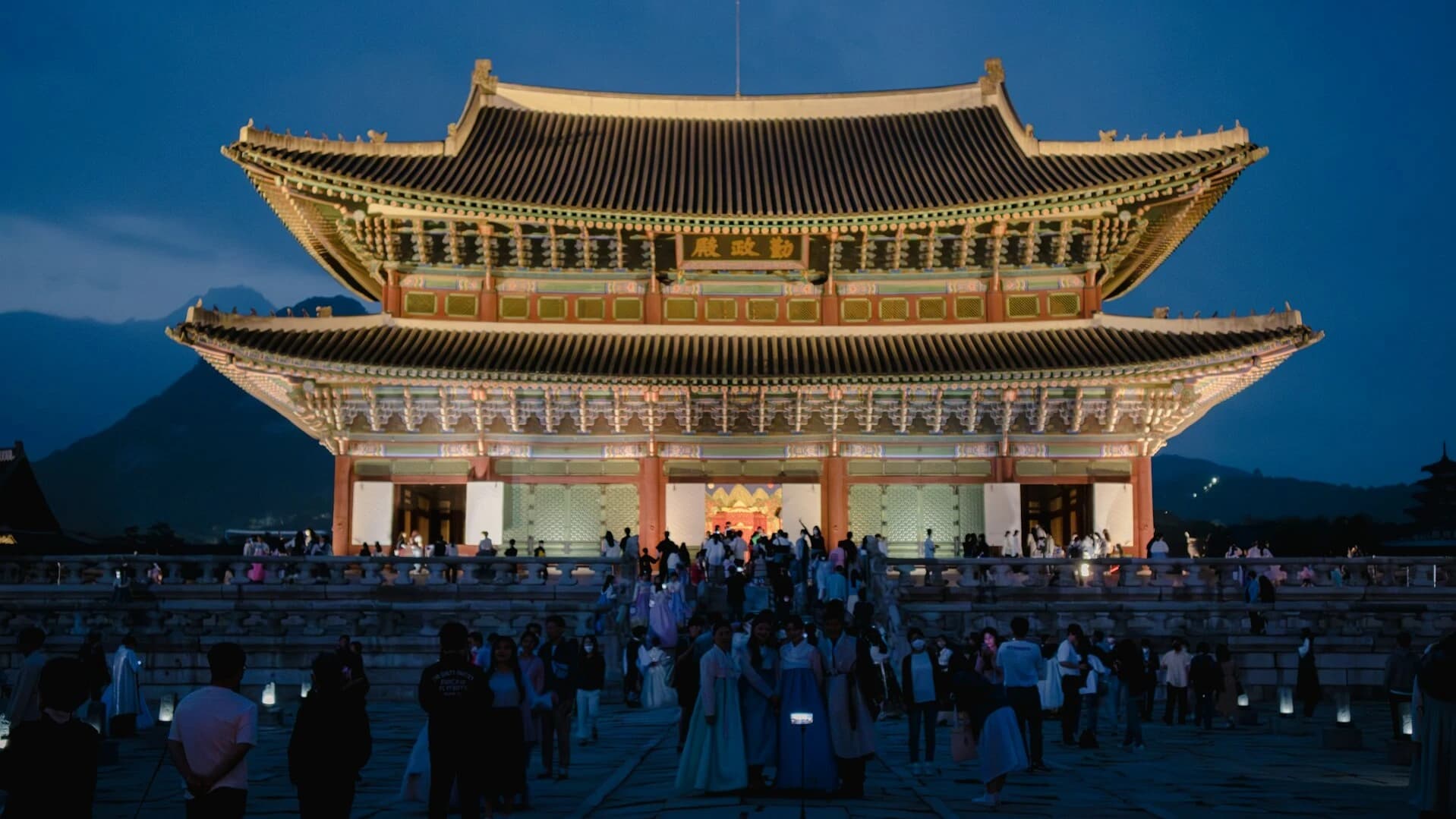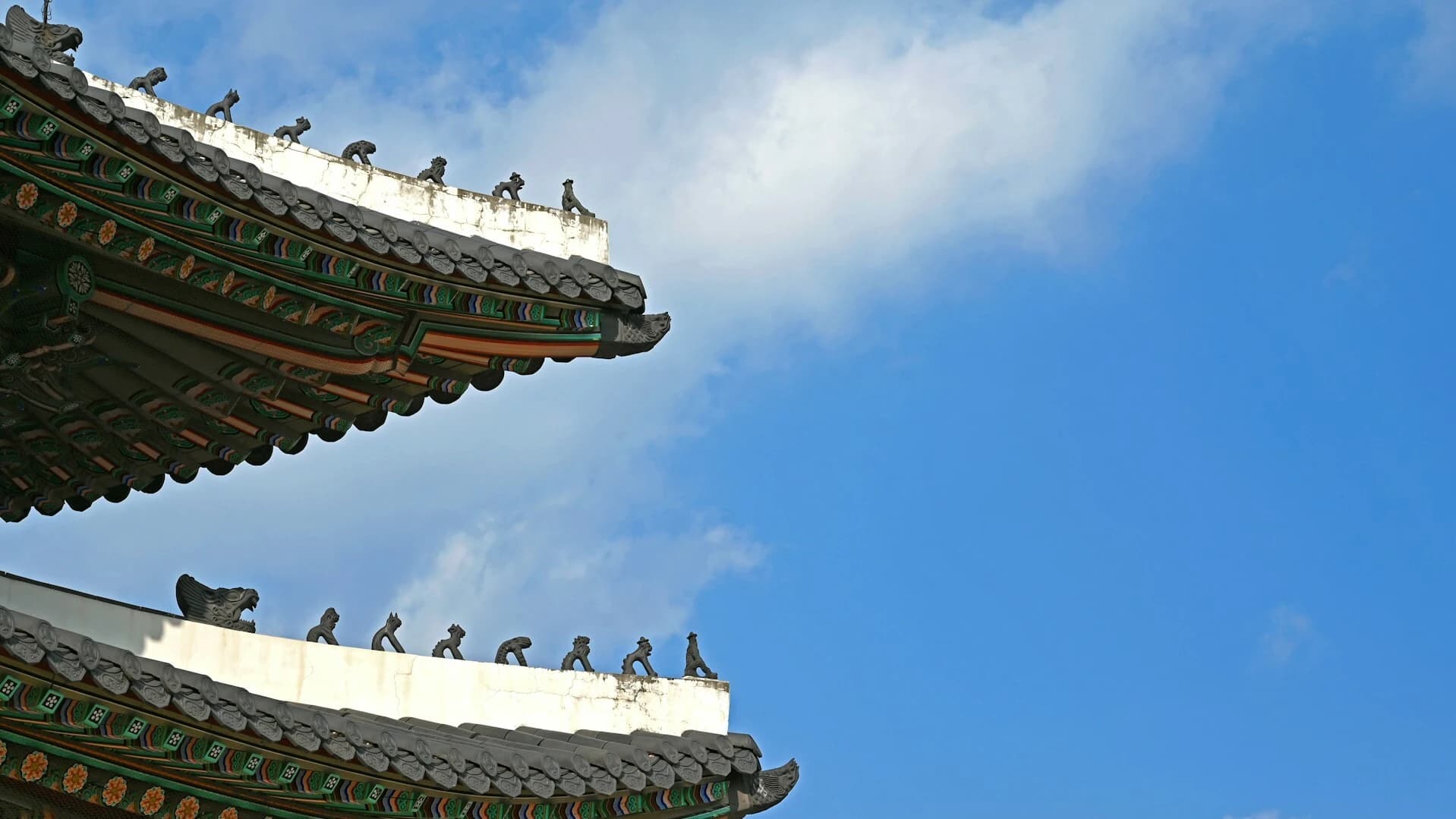
(21st King) Yeongjo: A Monarch Who Stabilized the Country Through Impartiality and Saved the PeopleCovers the Tangpyeongchaek policy balancing political factions, the Gyunyukbeop reducing the military cloth tax burden on commoners, the Imohwabyeon incident where his son died trapped in a rice chest, and Munjongjeon Hall at Changgyeonggung Palace.
Yeongjo (reigned 1724–1776) was the son of Royal Consort Sukbin Choe—who started as a court water maid—and the king with the longest reign (52 years) in Joseon Dynasty history. To stabilize political power amidst fierce factional strife, he implemented the Tangpyeongchaek (Policy of Impartiality) and carried out the Gyunyukbeop to ease the tax burden on commoners, leading a revival period in Joseon. However, he was also a tragic parent who locked his son, Crown Prince Sado, inside a rice chest to die.
1. Stopping Fights and Utilizing Talents Evenly, Tangpyeongchaek:
- Ascending the throne amidst fierce confrontations between the Noron and Soron factions, Yeongjo judged that factional fights were ruining the country and pursued the Tangpyeongchaek (Policy of Impartiality), appointing talented individuals evenly without favoring one side. He erected a Tangpyeong Monument at the entrance of Sungkyunkwan and strictly prohibited officials from forming political factions to fight.
- Furthermore, he implemented the Gyunyukbeop—which reduced the military service tax (Gunpo) to one bolt of cloth to greatly lower the burden on commoners—and strictly maintained a three-trial system for capital punishment, realizing people-centered politics.
Delicious History Metaphorizing Factional Harmony, Tangpyeongchae:
- Harmony of Four Colors Hoping for Impartiality: Tangpyeongchae is a traditional mung bean jelly salad dish made by lightly tossing mung bean jelly with water dropwort, stir-fried beef, and seaweed flakes. The colors of the four main ingredients represent Joseon's respective political factions.
- White Mung Bean Jelly: Westerner Faction (Seoin, meaning West direction)
- Red Beef: Southern Faction (Namin, meaning South direction)
- Green Water Dropwort: Eastern Faction (Dongin) or Young Faction (Soron) (meaning East direction)
- Black Seaweed Flakes: Northern Faction (Bukin) or Old Faction (Noron) (meaning North direction)
- Yeongjo's Message of Harmony Delivered Through Food: Yeongjo showcased this dish at a Tangpyeong banquet where ministers from various factions gathered. Just as differently colored ingredients blend deliciously together in a single bowl, ministers from different factions should stop fighting, harmonize, and work together for the country—this is a historic royal court dish containing this strict yet wise pledge.
2. Marriage of 66-Year-Old Yeongjo and a 15-Year-Old Girl, Selection of Queen Jeongsun:
- Reasons for Remarrying at an Advanced Age: When Queen Jeongseong, Yeongjo's first queen, passed away in 1757, the position of mistress of the palace (Jungjeon) became vacant. In the Confucian society of the Joseon royal family, the position of Queen—the head of the inner court (palace women's organization)—could never be left empty.
At the time, Royal Consort Yeongbin Yi, the biological mother of Crown Prince Sado, was alive as a consort, but she could never become Queen due to the 'Law Prohibiting the Promotion of Consorts to Queen (Jang Hui-bin Law)' enacted during Sukjong's reign. Ultimately, to protect royal dignity and legal lineage, Yeongjo decided to take a new young bride from a yangban family at the old age of 66. - Historic Marriage Transcending a 51-Year Age Gap: Thus, in 1759, Yeongjo took 15-year-old Queen Jeongsun (Kim)—who was a staggering 51 years younger than him—as his new queen. This was the wedding with the largest age gap between man and woman in Joseon royal history.
- Another Seed of Crown Prince Sado's Tragedy: Queen Jeongsun, who became his stepmother, was ten years younger than Crown Prince Sado (then 25) or his wife, Lady Hong of Hyegyeonggung. However, legally she became the Crown Prince's mother, and her maternal family—the Gyeongju Kim clan of the Noron faction—became a political rival faction that extremely antagonized Crown Prince Sado. This peculiar mother-in-law/stepmother-and-son relationship became a decisive spark behind the scenes as Queen Jeongsun's family plotted against the Crown Prince while he fell out of favor with his father Yeongjo and marched toward a tragic death.
3. Tragedy Inside the Rice Chest, Crown Prince Sado's Sorrow:
- A Crown Prince Who Loved Martial Arts Over Studies: Crown Prince Sado was very bright in his youth, but as he grew, he showed exceptional talent in martial arts (武) like swordfighting and archery rather than book study (文). However, Yeongjo—a scholarly monarch who dedicated his life to studying Confucianism—was deeply dissatisfied that the Crown Prince neglected studies and indulged only in swordplay, scolding him harshly whenever they met.
- Suffocating Phobia of Yeongjo and Eudaeseong (Clothing Anxiety Disorder): Yeongjo's perfectionistic, neurotic upbringing served as severe psychological torture for the Crown Prince. Unable to breathe from terror on days he had to meet Yeongjo, the Crown Prince ultimately developed 'Eudaeseong (a severe psychological disorder occurring when putting on clothes)'. Experiencing extreme anxiety every time he dressed to meet Yeongjo, he tore up dozens of clothes a day and exhibited fits of madness stabbing court ladies who helped dress him to death.
- Blood-Stained Palace and Rampage: Driven mad by terror toward Yeongjo, Crown Prince Sado unleashed horrific violence inside the palace. He walked around carrying the decapitated head of an attending eunuch or beat and killed numerous court ladies and ministers serving him without reason. The Memoirs of Lady Hong record that his madness reached such extremes that Crown Prince Sado confessed himself, "Only after killing someone does my inner anger subside." This serial murder and misconduct by the Crown Prince ultimately provided the decisive pretext for Yeongjo to depose him and lock him inside a rice chest.
- Tragedy Met Inside the Rice Chest: Ultimately, in the 38th year of Yeongjo's reign (1762), Yeongjo deposed his uncontrollable son and locked him inside a narrow rice chest. Crown Prince Sado starved to death after being locked up for 8 days without a single sip of water in the blazing midsummer heat of the Changgyeonggung Palace courtyard (Imohwabyeon). This gruesome conclusion remained the most unerasable, painful scar in Joseon Dynasty history.
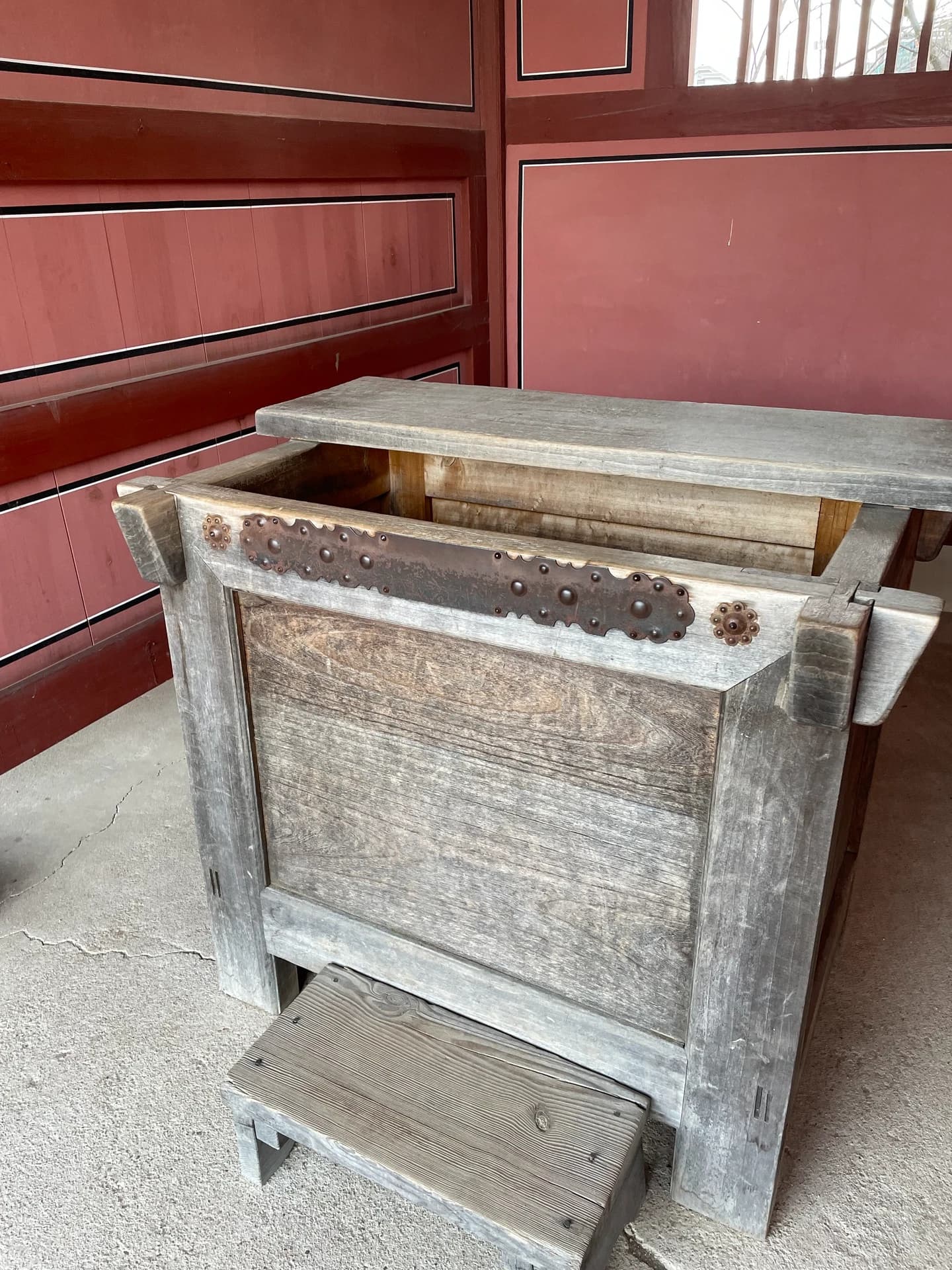
The Rice Chest That Turned from a Grain Container into a Son's Tomb:
- Why He Was Locked and Killed in a Rice Chest Specifically: The fact that a rice chest—an utterly ordinary wooden furniture piece used to store grains like rice or barley during the Joseon era—became a weapon of tragedy involved political reasons. On the day of Imohwabyeon, Yeongjo handed a sword to Crown Prince Sado and first commanded him to take his own life (suicide), but when the Prince failed to commit suicide to the end, Yeongjo sought methods beyond judicial punishment.
If Crown Prince Sado was given poison or officially executed, he would become a 'traitor', meaning his son Jeongjo (then Grand Heir) would also become a traitor's descendant unable to ascend the throne. Thus, to protect his grandson Jeongjo's right to royal succession, Yeongjo tried to punish Crown Prince Sado not for treason, but in the form of family disciplinary action for unfilial conduct, making the unprecedented choice to lock his unsuicided son inside a rice chest—a grain container—to starve him to death instead of legal capital punishment. - The Tragic Irony of History: A rice chest—furniture holding precious grain that sustains human life—was repurposed in the harsh survival struggle of the Joseon royal family into the cruelest instrument of death taking his own biological son's breath, showing a grim and sad historical contradiction.
4. Recommended Destinations: Sites of Yeongjo and Crown Prince Sado
- Munjongjeon Hall at Changgyeonggung Palace: The Pyeonjeon (the king's daily office) of Changgyeonggung Palace, this is the exact site where Yeongjo stepped out into the courtyard and issued the tearful, tragic order for Crown Prince Sado to enter the rice chest himself. Walking across the quiet courtyard in front of the hall today allows visitors to reflect on the father-son tragedy forged by absolute power.
(22nd King) Jeongjo: Ushering in Joseon's New Renaissance Through Reform and Filial DevotionCovers talent cultivation through Gyujanggak, the royal guard unit Janyongyeong, burning filial devotion toward Crown Prince Sado and Suwon Hwaseong Fortress, and Yunggeonneung Tombs.
Jeongjo (reigned 1776–1800) was Crown Prince Sado's son and a representative wise monarch who led the golden age of scholarship and culture in the late Joseon period. He inherited and developed his grandfather Yeongjo's Tangpyeongchaek policy, governing the country with powerful reform politics and deep filial devotion to achieve the 'Joseon Renaissance.'
1. Early Reign and Purge of Political Rivals to Establish Royal Authority:
- First Step Taken as Crown Prince Sado's Son: Ascending the throne in 1776, Jeongjo declared boldly in front of ministers, "I am Crown Prince Sado's son." It was a historic first official declaration that instantly shut the mouths of ministers who argued he could not become king because his father was driven as a criminal and died wrongfully, widely signaling his unyielding determination to push forward with reforms.
- Assassination Attempt at Junhyeongak (Jeongyu Yeokbyeon, 1777): An incident where political rivals who strongly opposed Jeongjo becoming king sent assassins to kill him. It was the most nerve-wracking assassination attempt in Joseon history, as assassins secretly crept onto the roof of Junhyeongak, Jeongjo's private study and bedroom, on a dark night. Experiencing this terrifying fear, Jeongjo resolved to create an elite bodyguard unit to securely protect the king's life.
2. Gyujanggak, Cradle of Scholarly Reform, and the Elite Guard Unit Janyongyeong:
- Jeongjo established Gyujanggak, a scholarly research institute and royal library, massively appointing talented scholars from Seo-eol (concubine-born) backgrounds regardless of social status.
- Furthermore, to secure the king's strong bodyguard and military stability, he established the elite unit Janyongyeong to strengthen royal authority and control challenges from ministers.
3. Erection of Pumgyeseok, Stones Establishing Court Dignity and Order:
- Straightening Out Disordered Palace Courts: Before Jeongjo, there were no stone markers in palace courtyards (Chorjeong) indicating where ministers should stand according to their official ranks. Because of this, whenever major events or assemblies were held, ministers tangled and stood arbitrarily or clustered by political faction to whisper secretly, frequently disrupting the king's dignity.
- Rules First Established in Injeongjeon Hall at Changgyeonggung Palace: Intent on thoroughly tightening royal discipline and court rules, Jeongjo installed Pumgyeseok stone markers for the first time in Joseon history in the courtyard of Injeongjeon Hall at Changgyeonggung Palace in 1782 (6th year of Jeongjo's reign). Centered on the king's seat, he established laws for civil officials (Dongban) to align on the east and military officials (Seoban) to align on the west, arranged neatly by rank from Senior 1st Rank to Junior 9th Rank. The stone pillar Pumgyeseok markers frequently encountered in palace courtyards today served as Jeongjo's high-level political device to visualize the solemn order and etiquette of court and firmly establish royal authority.
4. Suwon Hwaseong Fortress, a New Town Forged by Filial Devotion:
- Jeongjo moved the tomb of his wrongfully deceased father Crown Prince Sado to Hwaseong Mountain—an auspicious site—and built Suwon Hwaseong Fortress, the first large-scale new town and thorough defensive stronghold in Joseon history, around it.
- Solidly constructed utilizing cutting-edge Western technologies and Dasan Jeong Yak-yong's Geojeonggi (pulley crane), Hwaseong Fortress stands as the crystallization of Jeongjo's reform will and utmost filial devotion.
5. Stoppage of Reforms, Jeongjo's Mysterious Death:
- Sudden Passing of a 49-Year-Old Wise Monarch: In June 1800, Jeongjo—who led Joseon's Renaissance—passed away suddenly at the prime age of 49 as a boil (Dungchang) on his back worsened rapidly. He was already in a ruined physical state due to overwork, extreme stress (Hwatbyeong) from dedicating himself to state affairs sleeping only 2 to 3 hours a day, and heavy chain-smoking.
- Ceaseless Poisoning Rumors and Queen Jeongsun: Jeongjo's sudden death instantly spread into 'poisoning rumors'. This was because Sim Hwang-ji, head of the Noron Byeokpa faction who fiercely opposed Jeongjo's ongoing reforms, and Queen Jeongsun, the highest elder of the royal family, led Jeongjo's treatment process.
In particular, right before Jeongjo breathed his last, word spread that Queen Jeongsun made all court ladies in the bedchamber withdraw under the pretext of administering medicine and stayed alone by Jeongjo's side, after which his breathing stopped, strongly fueling the Queen Jeongsun Behind-the-Scenes Conspiracy Theory. - Twist Revealed by Secret Letters: Long confined to folklore, the poisoning rumors met a new twist in modern times. Hundreds of secret letters (Eolchalcheop) sent secretly by Jeongjo to Sim Hwang-ji were discovered en masse. The letters contained frank discussions where Jeongjo bared his boils and eye ailments while communicating privately with Sim Hwang-ji, serving as decisive evidence proving Jeongjo died a natural death from chronic illness and overwork rather than poisoning. However, with Jeongjo's passing, the reforms he dreamed of stopped in vain.
The Bizarre Secrets and Unique Tastes of Wise Monarch Jeongjo:
- A King Who Actively Encouraged Smoking Among Commoners: Jeongjo was the most famous 'smoking enthusiast' in Joseon Dynasty history. He believed smoking was the best medicine to soothe extreme stress and Hwatbyeong. Thus, he set a provocative civil service exam topic: "Write methods to make all subjects across the eight provinces of Joseon smoke tobacco," widely encouraging smoking among officials and the general public. However, Jeongjo's own severe chain-smoking habit contributed to the unfortunate health decline that caused him to suffer from severe back boils and pass away abruptly in his later years.
- Secret Letter Theater with Political Rival Sim Hwang-ji: Secret letters (Eolchalcheop) exchanged between Jeongjo and Sim Hwang-ji—head of the hostile Noron Byeokpa faction—contain the inside story of covert political staging. Jeongjo directly instructed Sim Hwang-ji via letter: "In tomorrow's memorial, criticize me very harshly to stage a performance stirring my anger," carefully crafting scenarios where he displayed great anger in front of ministers before pretending to exile Sim Hwang-ji while maneuvering public opinion behind the scenes. It highlights Jeongjo's exceptional political acumen as a reform monarch who fought like a sworn enemy outwardly while actually forging a covert partnership behind the scenes to stage high-level political plays. In fact, when dates Jeongjo dispatched midnight secret letters were checked against Sim Hwang-ji's memorial contents and Jeongjo's angry reactions recorded in the Annals of King Jeongjo the very next day, they matched down to the exact letter, proving these secret letters served as top-secret 'scripts' driving the Joseon court, while official Annals records were 'live performance broadcasts' acted out according to those scripts.
6. Recommended Destinations: Footsteps of Jeongjo
- Suwon Hwaseong Fortress: Heavily damaged during the Japanese colonial period and Korean War—with fortress walls collapsing and gate pavilions burning down—it was able to be rebuilt 100% true to original dimensions down to single brick specs thanks to Hwaseong Uigwe (Protocols of Hwaseong Fortress), a complete blueprint meticulously recording construction processes during Jeongjo's reign.
UNESCO praised its unmatched authenticity in restoring everything perfectly without a shred of distortion based on contemporary perfect record cultural assets, registering it as a World Heritage site. Walking along fortress walls today offers top attractions experiencing the greatness of records and Jeongjo's grand dreams.
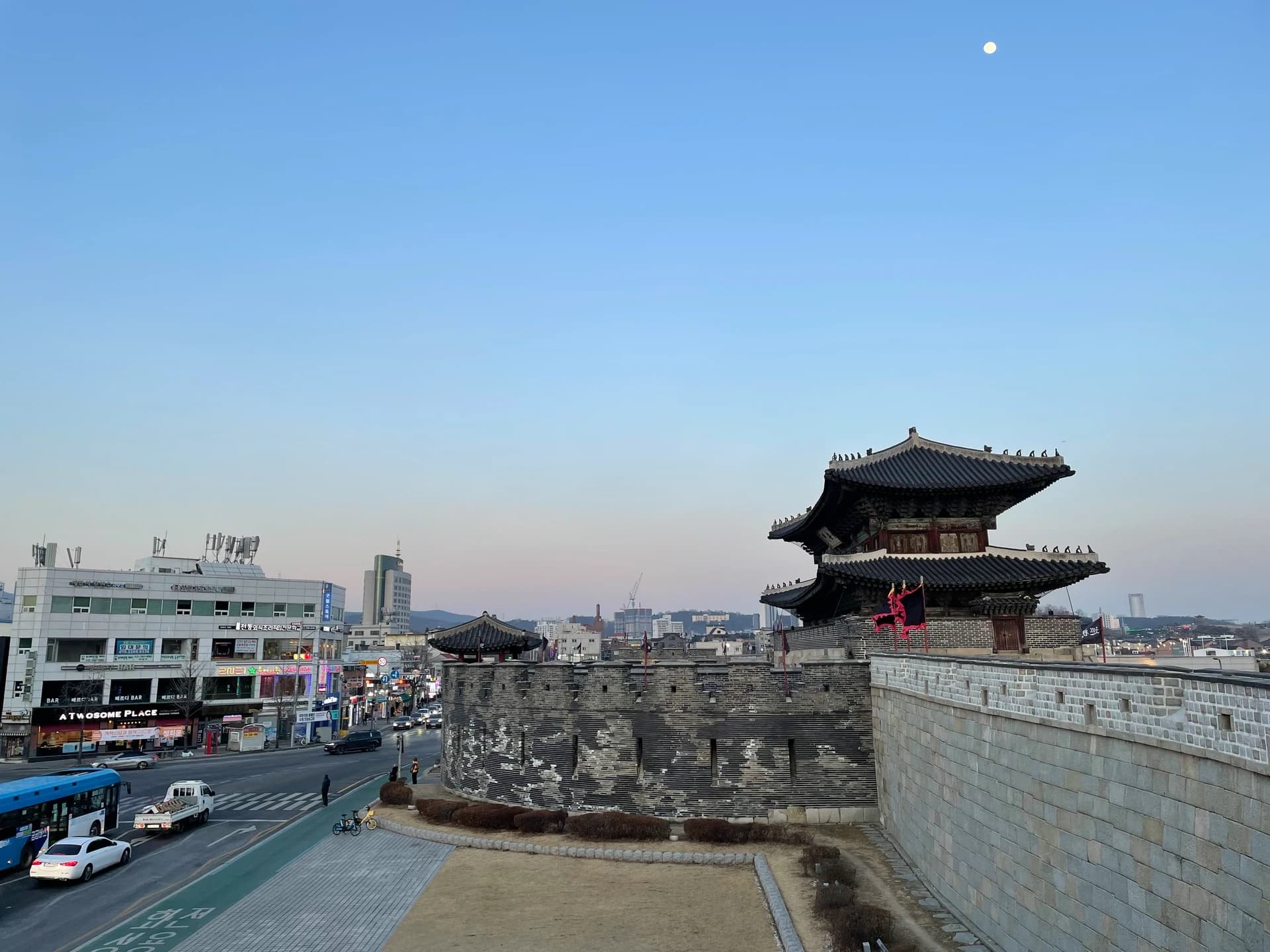
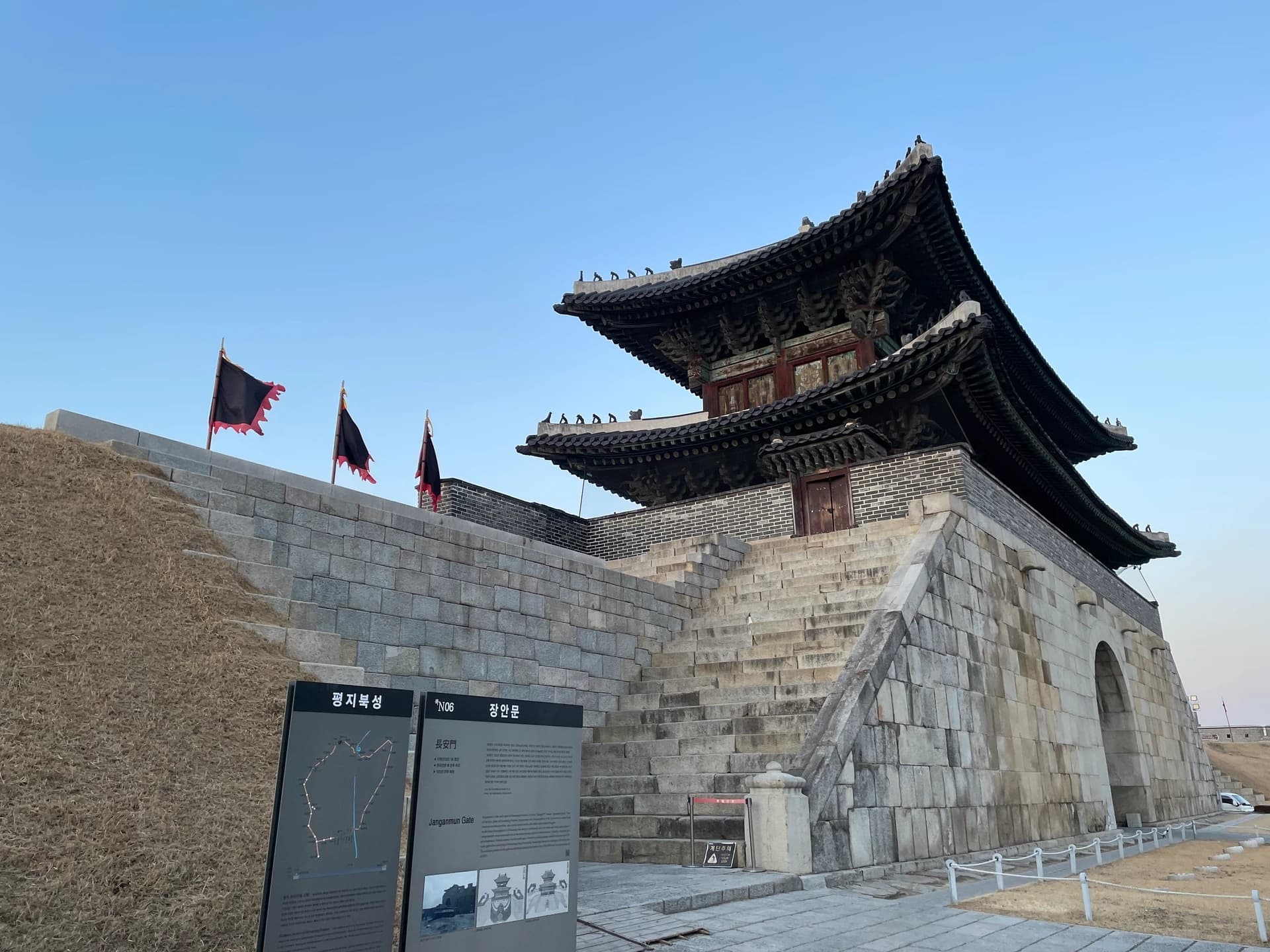
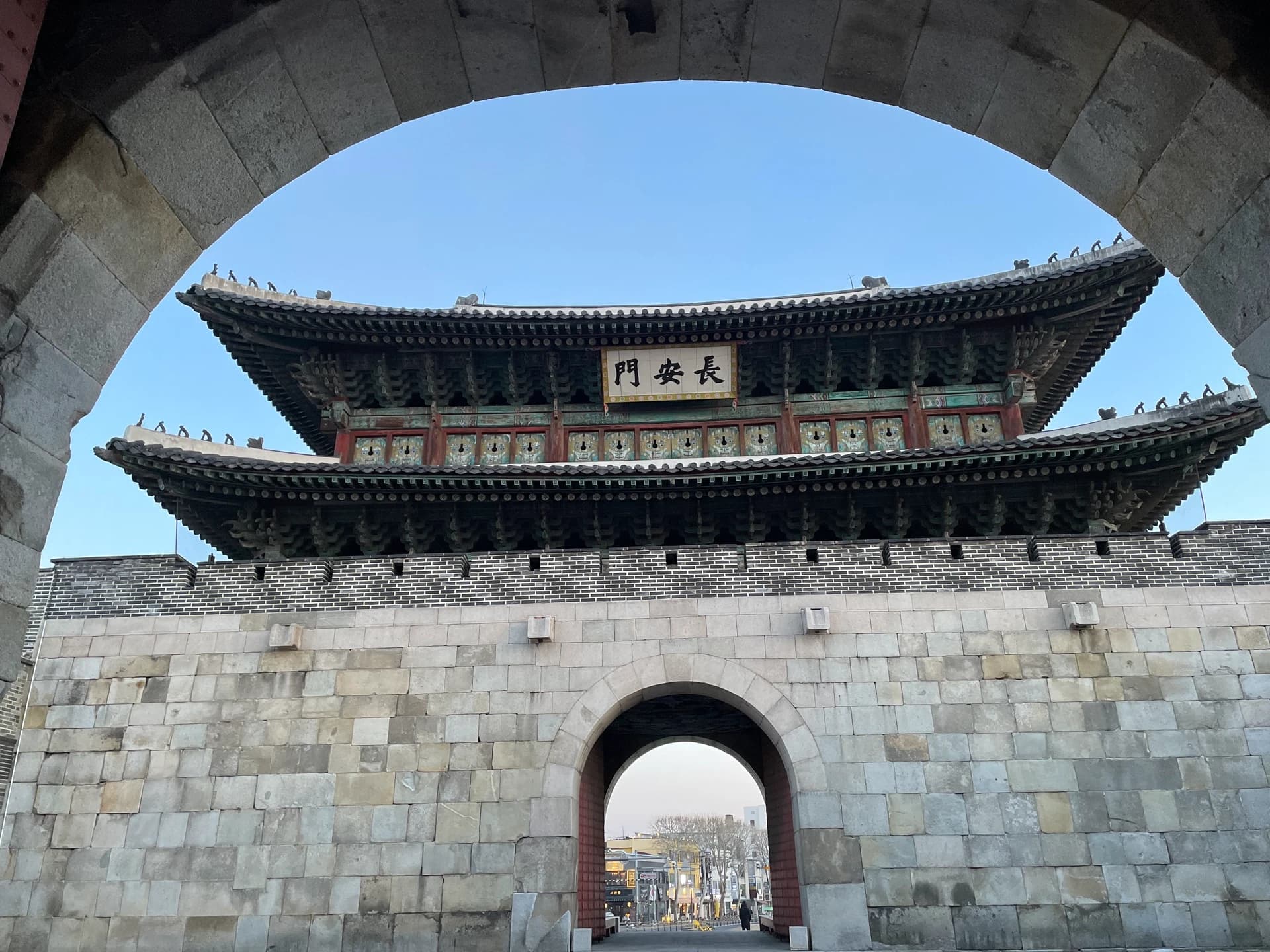
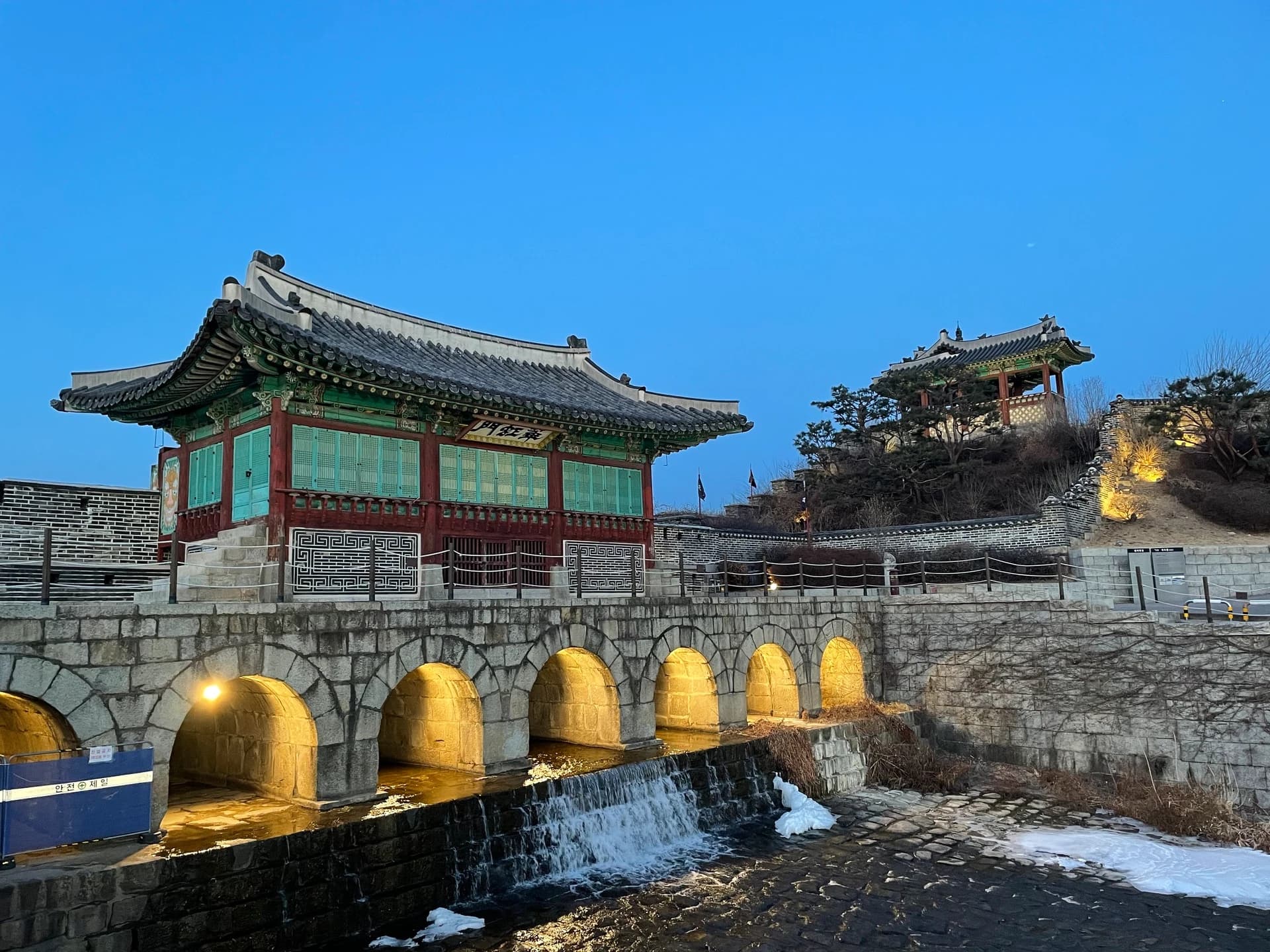
- Hwaseong Haenggung Palace: The largest temporary palace (Haenggung) in Korea where Jeongjo stayed whenever visiting Suwon to pay respects at his father Crown Prince Sado's tomb. It is a symbolic space of filial devotion and communication where he hosted grand 60th birthday banquets for his mother Lady Hong and banquet feasts for commoners (Yanglo-yeon). Today, it remains Suwon's representative historic attraction featuring beautiful night views and Hanok pavilion moods. In particular, the Haenggung features a 'Rice Chest Experience' space where visitors can enter the rice chest where Crown Prince Sado was locked and died, offering opportunities to vividly retrace turbulent royal history and Crown Prince Sado's suffering firsthand.
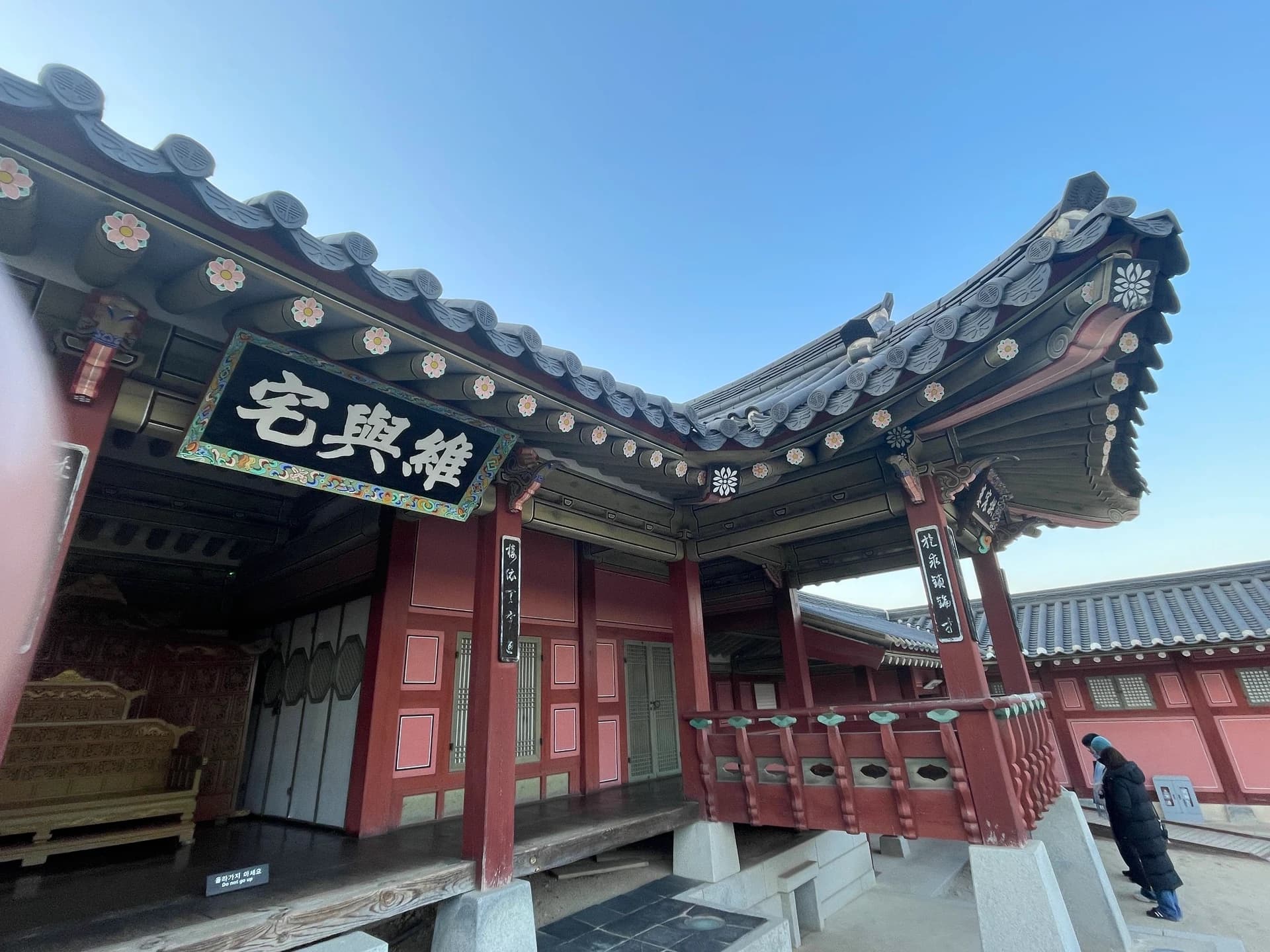
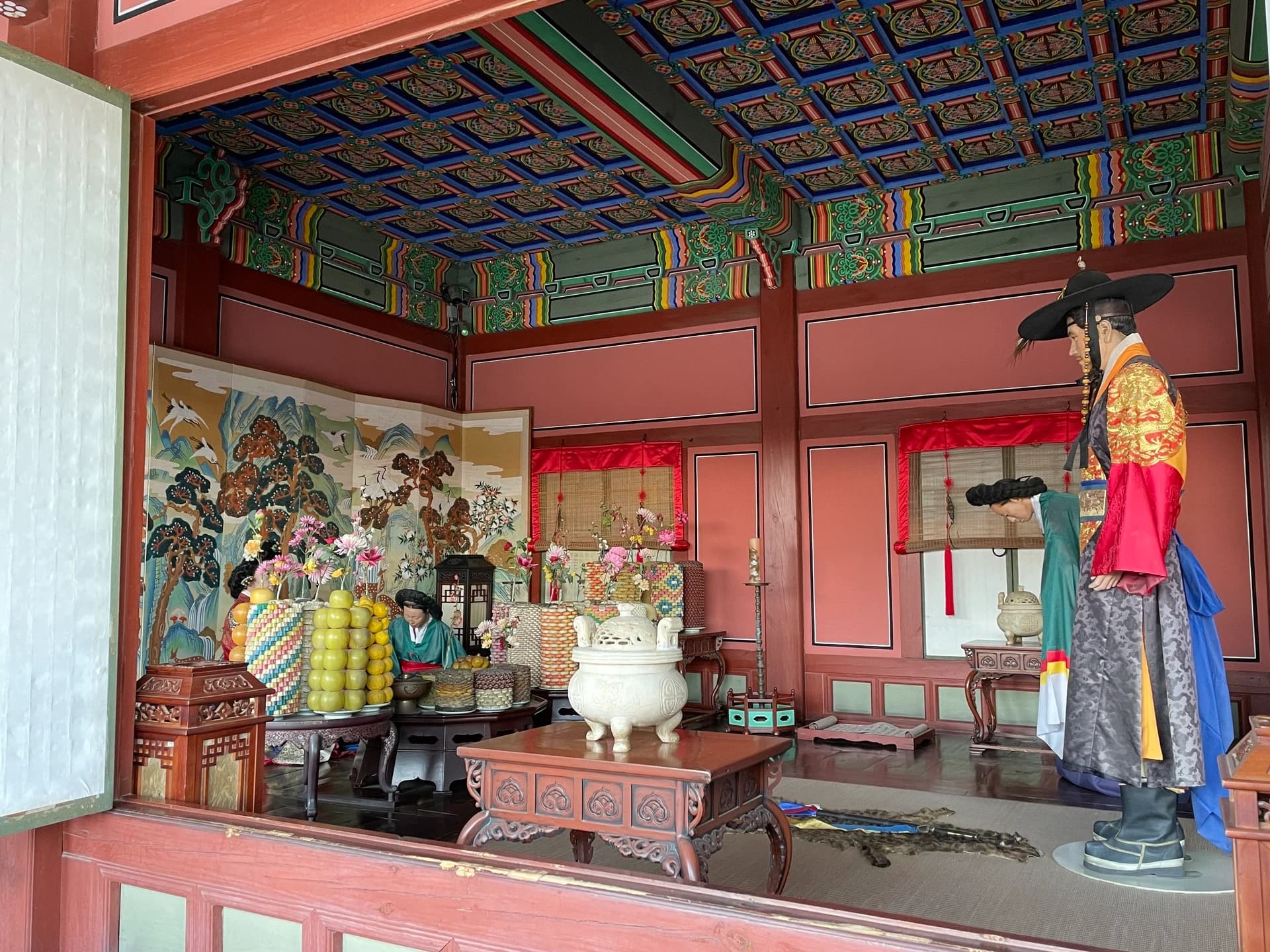
- Gyujanggak (Juhabru) at Changdeokgung Palace: A two-story pavilion built beside Buyongji Pond, a beautiful pond in the rear garden of Changdeokgung Palace. The 1st floor is Gyujanggak, the royal library and scholarly research institute, while the 2nd floor is Juhabru, hanging a plaque written personally by Jeongjo. It served as Jeongjo's brain trust where he appointed talented scholars regardless of social status to design reform politics together, serving as a picturesque historic spot where rear garden scenery and scholarly depth blend fantastically.
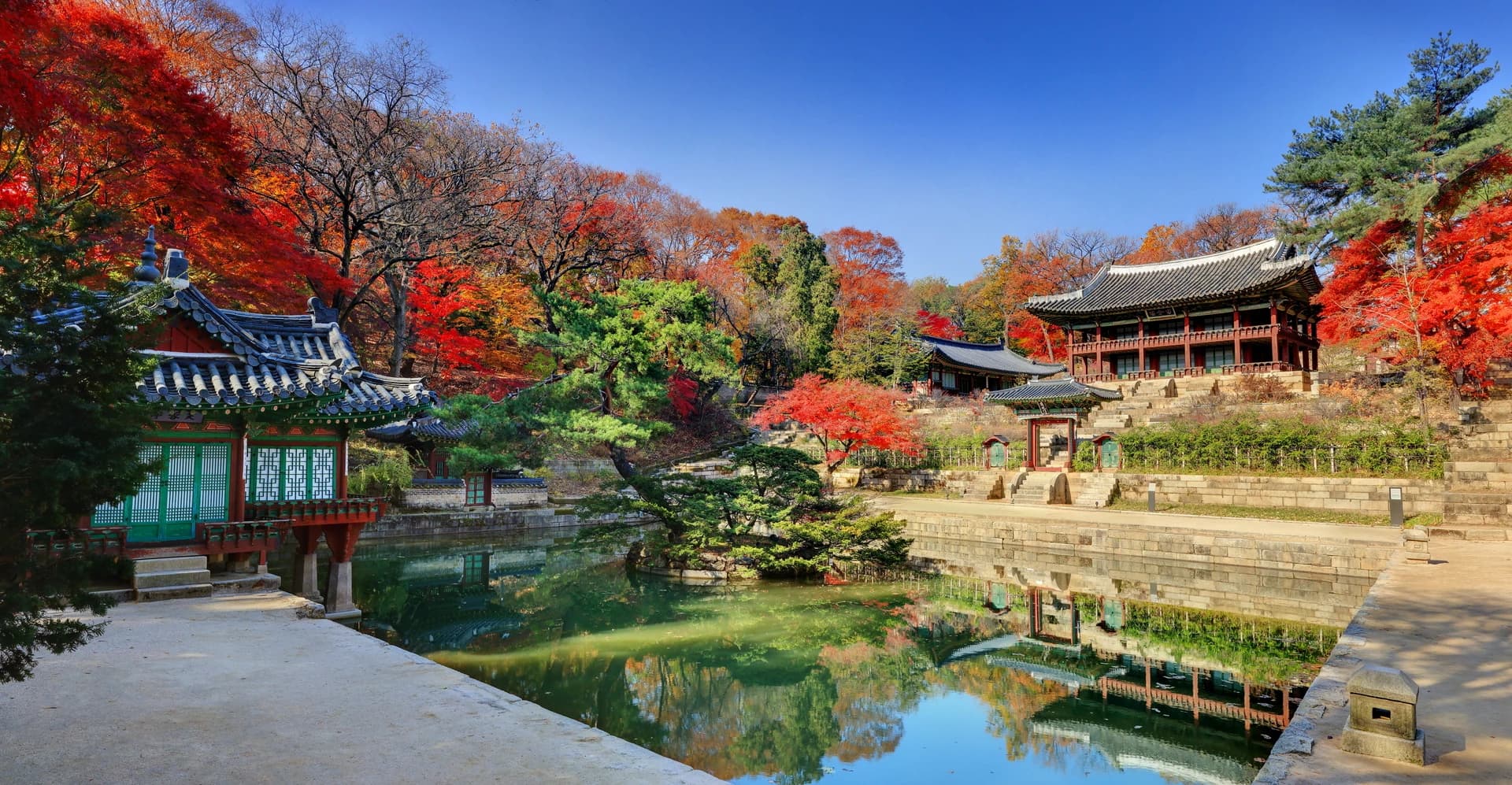
- Yungneung and Geonneung Tombs in Hwaseong (Yunggeonneung): Located in Hwaseong-si, Gyeonggi-do, Yungneung is the joint tomb of Crown Prince Sado (King Jangjo) and Lady Hong, while Geonneung is the tomb of their son Jeongjo and Queen Hyoeui. Pine and oak forest trails offer touching natural scenery.
Cruel Royal Records Written in Tears of Blood, Hanjungnok (Memoirs of Lady Hong):
- Lady Hong's Sad Autobiography: A memoir written by Lady Hong of Hyegyeonggung—wife of Crown Prince Sado and mother of Jeongjo—in her later years, looking back on her harsh life in the palace. Commonly called 'Records in Leisurely Days', due to the weight of pain and sorrow she carried for life, it is widely remembered by the public as ['Records of Resentment (Han)'].
- A Wife's Testimony Witnessing Her Husband's Death: Entering the palace as Crown Princess at the young age of 10, she witnessed firsthand the entire process where her husband Crown Prince Sado suffered deep depression from discord with Yeongjo, engaged in abnormal behavior, and ultimately died a miserable death trapped in a rice chest.
- Political Vindication and Sad Family History: Written carefully in Hangeul to defend and appeal the legitimacy of her maternal family—which was ruthlessly ruined by political rivals during her husband's death—to her son Jeongjo and grandson Sunjo who later ascended the throne, it stands as precious court literature conveying the most tragic family history in Joseon royal history through a woman's sorrowful perspective.
(23rd King) Sunjo: The Late Joseon Period When Shadows of In-law Politics Began to FallCovers the start of the Andong Kim clan's in-law politics, Hong Gyeong-nae's Rebellion reacting against Pyongan-do discrimination, and Yeonyeongdang Hall at Changdeokgung Palace.
Sunjo (reigned 1800–1834) was Jeongjo's second son, ascending the throne at the tender age of 11. Because he ascended at such a young age, Queen Jeongsun (second queen married to Yeongjo at age 15)—the highest elder of the royal family and great-grandmother figure—handled regency (Suryeom-cheongjeong) on behalf of the king. Afterwards, as state affairs were tossed about by the family of the Queen's maternal relatives, Kim Jo-soon (the Andong Kim clan), the dark curtain of in-law politics (勢道政治)—where foreign relative factions monopolized power in late Joseon—opened.
1. Tragedy Born from Power Struggles, Shinyu Persecution (1801):
- Bloody Purge Disguised as Religious Suppression: In 1801 (1st year of Sunjo's reign), Queen Jeongsun—serving as regent as Yeongjo's second queen and Grand Queen Dowager—massively suppressed Catholicism, which Jeongjo's favored ministers and opposition factions (Southern and Sipa factions) mainly believed in and followed, to completely oust and eliminate them from court. It was a political blood purge sweeping away political rivals under the guise of religious suppression.
- Sacrifice of Reform Scholars: Due to this blood-soaked Catholic suppression, Joseon's great scholar Jeong Yak-yong and his brothers were exiled to Gangjin and Heuksan-do respectively, while numerous Silhak scholars leading reforms in Jeongjo's era—including Yi Ga-hwan—were executed or beaten to death in prison.
- First Martyrdom of a Foreign Priest: Furthermore, Father Zhou Wenmo, a Chinese priest who sneaked into Joseon to spread and operate Catholicism, turned himself in to义禁府 (Uigeumbu) and was executed at Saenamteo. Consequently, numerous innocent believers lost their lives, producing the tragic result of practically annihilating the Silhak reform faction nurtured by Jeongjo.
Great Silhak Blossoming from the Depths of Despair, Jeong Yak-yong's 18 Years in Gangjin:
- Rising from the Brink of the Precipice Through Scholarship: Due to Jeongjo's sudden death and the Shinyu Persecution, Jeong Yak-yong was banished to distant exile in Gangjin, Jeollado, in the prime of his life. In a desperate situation having lost his cherished monarch and completely ousted from politics, he poured his full energy into scholarly research instead of lamenting.
- Great Compilation of Silhak Thought, Ilpyo Iseo: During his exile in Gangjin, Jeong Yak-yong taught disciples and authored roughly 500 volumes of extensive books. Among them, core essences of Joseon Silhak—dubbed 'Ilpyo Iseo'—were all born right here in his Gangjin exile: Gyeongse Yupyo arguing for total national institutional reform, Mokmin Simseo teaching proper attitudes for local officials, and Heumheum Sinseo aiding fair trials free of injustice.
Recording the Heuksan-do Sea and Distant Foreign Lands, Older Brother Jeong Yak-jeon's Marine Scholarship:
- Encyclopedia of Marine Life, Jasan Eobo (玆山魚譜): Exiled to Heuksan-do during the Shinyu Persecution, Jeong Yak-jeon gathered empirical advice from Jang Chang-dae, a knowledgeable youth from Heuksan-do, observing and compiling 226 species of marine life including clams, fish, and seaweed off the Heuksan-do coast. It is Joseon's first full-scale ichthyological encyclopedia carefully recording names, appearances, tastes, medicinal values, and uses of biological life.
- Joseon's First Southeast Asia Experience Record, Pyohae Simal (漂海始末): A book recording the drifting adventure of skate merchant Mun Sun-deuk during Jeong Yak-jeon's exile in Uido. Mun Sun-deuk drifted past Okinawa (Ryukyu), the Philippines (Luzon), Macau, and Qing China due to storms, returning alive after 3 years and 2 months as Joseon history's first Southeast Asia explorer.
- Mun Sun-deuk's Miraculous Translation Saving Philippine Castaways 9 Years Later: This touching diplomatic inside story is actual history following book completion. In 1801, 5 merchants from Luzon (Philippines) drifted to Jeju Island due to storms but were trapped for 9 years unable to communicate. When Mun Sun-deuk—having learned Tagalog and returned—was dispatched to Jeju Island at the court's request in the 9th year of Sunjo's reign (1809) and spoke warmly in Tagalog, they wept and rejoiced greatly. Thanks to this, their Philippine nationality was officially confirmed, allowing safe repatriation.
2. In-law Politics Shaking the Country and Hong Gyeong-nae's Rebellion:
- As royal authority declined and specific clans like the Andong Kim clan monopolized key court posts, corruption became rampant and the Samjeong (tax systems) grew extremely disrupted.
- In response, Hong Gyeong-nae's Rebellion broke out in 1811, angered by the government's long-standing discrimination and exploitation against people in the Northwest (Pyongan-do) region. Peasant uprisings spread across the entire Pyongan-do region before eventually being suppressed, while people's livelihoods grew increasingly impoverished.
3. The Spark of Joseon's Last Reform, Crown Prince Hyomyeong's Regency:
- A Crown Prince Resembling Jeongjo Stepping Up for Royal Authority: Crown Prince Hyomyeong—Sunjo's son and Heonjong's father—was hailed as having brilliant intellect and wisdom from a young age, closely resembling his grandfather Jeongjo. In 1827, exhausted by in-law politics and unable to handle state affairs, Sunjo instructed his 18-year-old brilliant son to take over governance via regency (Daeri-cheongjeong), aiming to recover fallen royal dignity and check the Andong Kim clan in-law faction.
- Strengthening Royal Authority Through Talent Appointment and Art: Upon starting regency, Crown Prince Hyomyeong appointed talented individuals evenly to disperse power monopolized by the Andong Kim clan. He also splendidly reorganized court banquets and music (Yeak) to elevate royal majesty and authority. In particular, to celebrate his mother Queen Sunwon's birthday, he showcased exceptional artistic taste by creating 'Chunaengjeon (Dance of Spring Nightingale)'—a court dance where dancers wore yellow robes imitating orioles on spring chestnut branches.
- Sorrow of Premature Death Without Blossoming: Crown Prince Hyomyeong—who prepared for Joseon's hopeful revival by suppressing in-law families—tragically passed away suddenly coughing up blood at the tender age of 22 in 1830, just 3 years after starting regency. With his vain death, reforms attempting to break in-law politics vanished in bubbles, and the Joseon Dynasty was sucked deeper into dark shadows toward national ruin.
4. Recommended Destinations: Historical Sites of Sunjo's Era
- Yeonyeongdang Hall at Changdeokgung Palace: A pavilion built simply in yangban gentry architectural style during Sunjo's reign by his son Crown Prince Hyomyeong around his regency, meant to host a banquet offering honorific titles to his father Sunjo. It is a great travel destination to appreciate quiet, antique folk-style beauty hidden within splendid palaces.
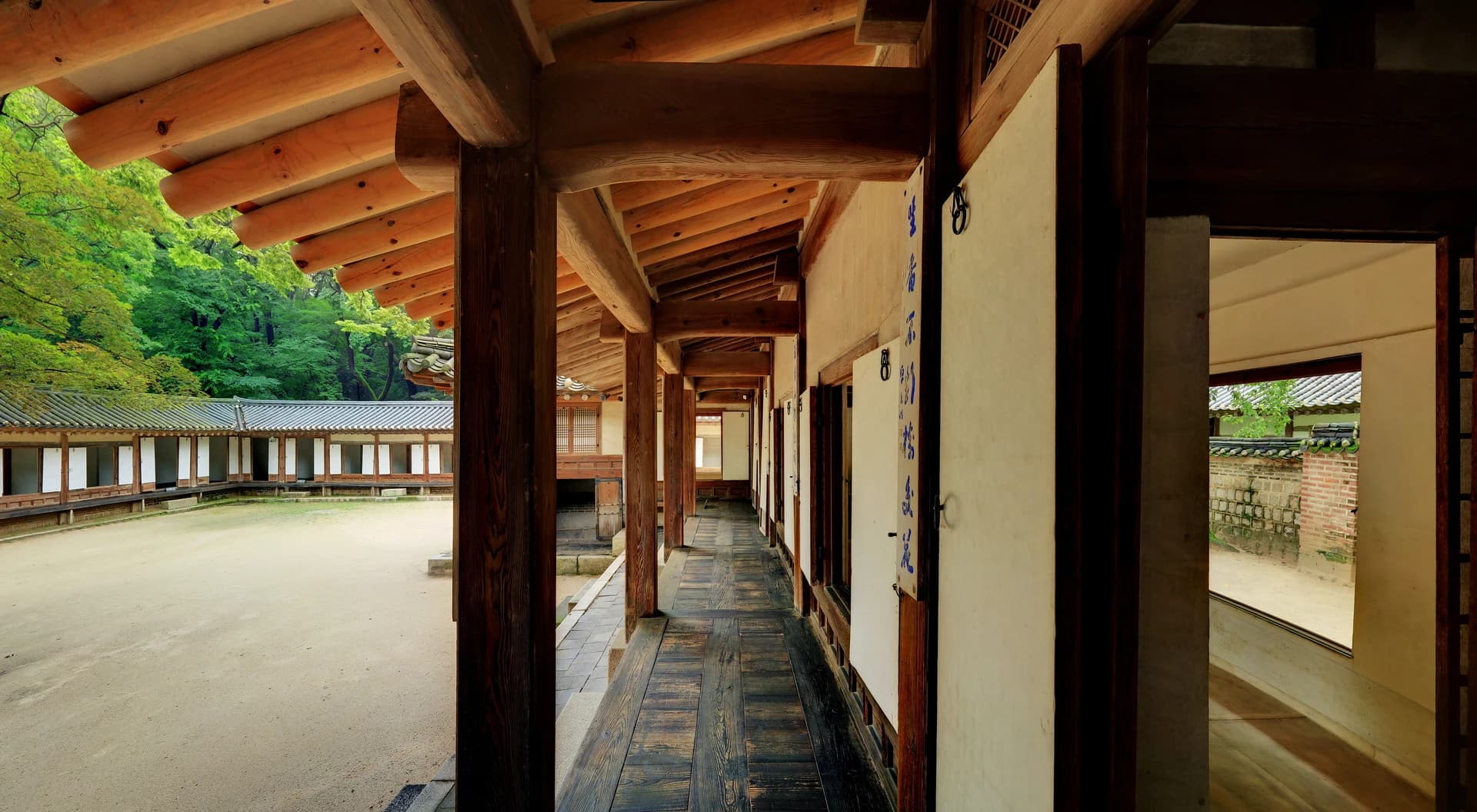
- Dasan Chodang in Gangjin, Jeonnam: The sacred site of Silhak where Jeong Yak-yong stayed and raised disciples and wrote books for the latter 10 years of his 18-year exile. Originally his maternal family's pavilion, it contains humble exile traces ('Dasan Four Sceneries') such as Dajo (rock for boiling tea), Yakcheon (spring water), Jeongseok (carved directly into rock), and Seoksasan (artificial island in a pond). Walking along dense forest paths to retrace Dasan's unyielding tenacity makes it a top Southern scenic destination.
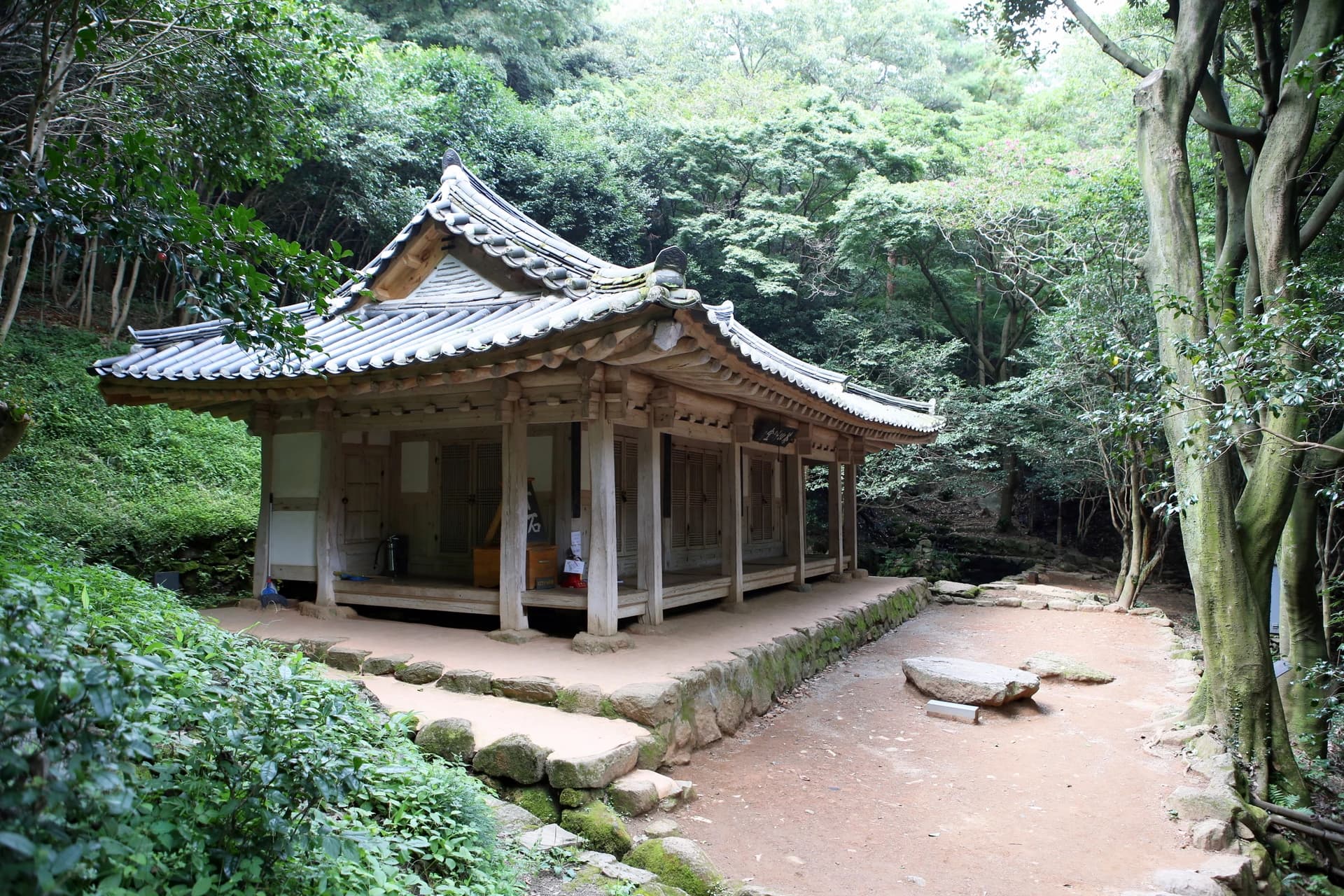
- Saenamteo Martyr Shrine: Originally named from the Korean word for 'place overgrown with grass and trees (Saenamuteo)', this was a sandy beach along the Han River in Joseon times, serving as a military training ground and official execution ground for major state criminals. During late Joseon Catholic persecutions, it became a sanctuary for martyrs who maintained faith amidst bloodstorms. Starting with Father Zhou Wenmo's beheading during the Shinyu Persecution, later during Heonjong's era in 1846, Father Andrew Kim Taegon, Korea's first Korean priest, was beheaded and martyred here at the young age of 26. Today, a Catholic cathedral built in traditional Korean palace style stands here, offering Seoul's hidden, historic destination where a tragic historical site transformed into a sublime peaceful sanctuary.
- Inleung Tomb (仁陵) at Heonilleung in Seoul: The joint tomb of Sunjo and his queen, Queen Sunwon (Andong Kim clan), located in Naegok-dong, Seocho-gu, Seoul. Standing shoulder to shoulder with Heolleung, the tomb of Joseon's 3rd King Taejong, they are commonly grouped as 'Heonilleung'. Originally located in Paju, Gyeonggi-do, it was moved to the auspicious site in Naegok-dong, Seoul following controversies over bad Feng Shui. Where Sunjo—who spent his life in anxiety under the shadow of in-law politics—found peace after death, it features wide, dense alder forest paths like a secret garden close to downtown Gangnam, serving as an exceptional historical rest area to take light walks and contemplate the lives of historical figures.
(24th King) Heonjong: Trials of In-law Politics and Nakseonjae of Humble LoveCovers young ascension and deepening in-law politics, Catholic persecutions and Western approaches, and Nakseonjae at Changdeokgung Palace.
Heonjong (reigned 1834–1849) was Crown Prince Hyomyeong's son, ascending the throne at the tender age of 8 following his grandfather Sunjo. As the youngest king to ascend the throne in Joseon history, he remained a puppet monarch throughout his life amidst fierce power struggles between the Pungyang Jo and Andong Kim clans.
1. Grandmother's Regency and the Shadow of In-law Politics:
- 8-Year-Old Boy King and the Andong Kim Grandmother: When Heonjong ascended the throne at 8 years old, Sunjo's queen and Heonjong's grandmother, Queen Sunwon (Andong Kim clan), began regency. This led the in-law politics of the Andong Kim clan—which opened during Sunjo's reign following Jeongjo—to monopolize power center stages even more powerfully during Heonjong's reign.
- Power Wars Between Two In-law Factions: As the Pungyang Jo faction—family of Heonjong's mother's side, Crown Prince Hyomyeong's in-laws—joined power struggles, the two in-law factions split Joseon's power between them and reduced the royal family to puppets. Royal authority lost power most historically during this period, and state affairs grew severely diseased due to clans filling their own private greed.
2. Livelihood Destruction and Appearance of Foreign Powers:
- Corruption among in-law clans maximized disruption of the Samjeong, while floods and epidemics spread, making people's lives like hell.
- Internally, the Gihae and Byeongo Persecutions (martyrdom of Korea's first priest Father Kim Taegon) harshly suppressed Catholicism defined as heresy; externally, exotic Western ships (Yangseon) appeared frequently in coastal waters, throwing the country into internal and external chaos.
3. Recommended Destination: Places Imbued with Heonjong's Warm Love
- Nakseonjae at Changdeokgung Palace: A private study and residence built simply without Dancheong painting in a corner of Changdeokgung Palace by Heonjong—suffering amidst in-law politics—so he could live peacefully with his sole cherished consort, Gyeongbin Kim. Dropping splendor, delicate lattice window patterns and humble tiles blend together, creating a beautiful space to calmly contemplate Heonjong's short, affectionate love story.
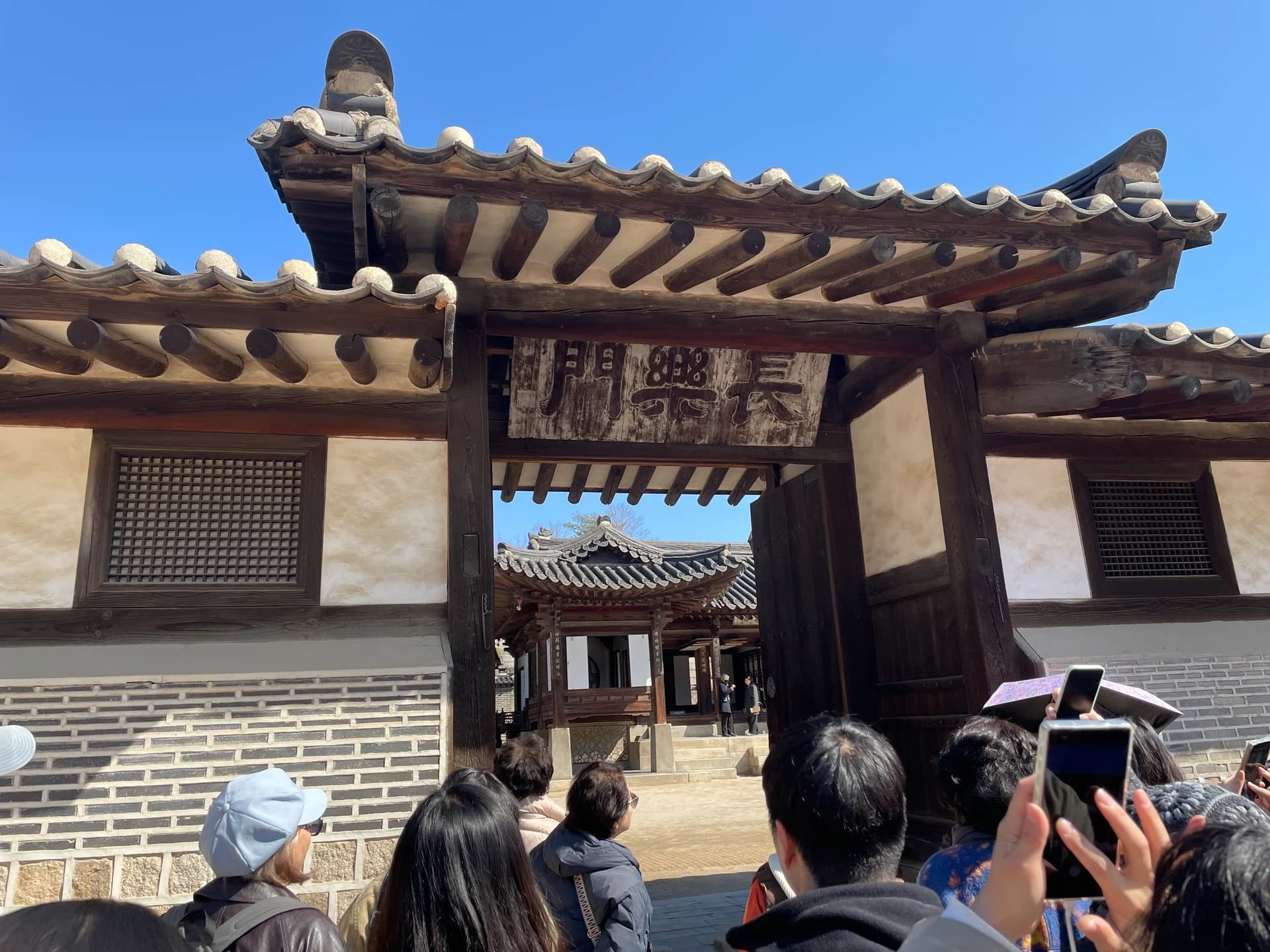
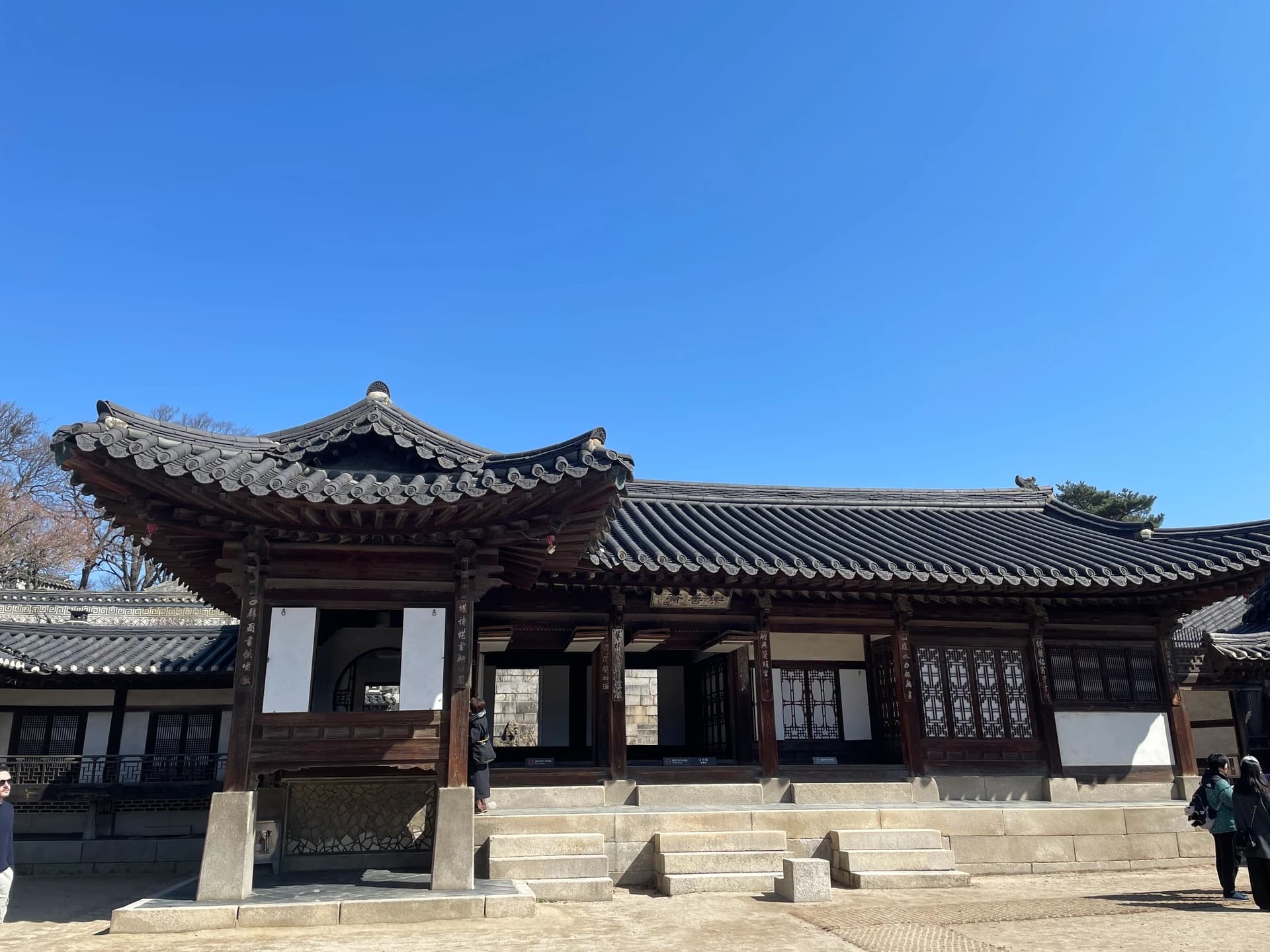
- Gyeongneung Tomb (景陵) at Donggureung in Guri: Located in Donggureung, the largest royal tomb cluster in Joseon located in Guri, Gyeonggi-do, this is Heonjong's tomb. It is famous for being the first and only instance among Joseon royal tombs featuring three burial mounds aligned side by side, known as the 'Samyeonleung' (Triple-Linked Tombs) style. Heonjong—who passed away young at age 23—rests side by side with his first queen, Queen Hyohyeon, and subsequent second queen, Queen Hyojeong. Unlike Heonjong's lonely, short life ending amidst tragic in-law politics, the symmetrical structural beauty of the three mounds embraced by dense pine forests exudes serene, peaceful travel moods.
(25th King) Cheoljong: Tragedy of the Ganghwa Doryeong and Collapsing Foundations of JoseonCovers the Ganghwa Doryeong who became king from Ganghwado, the disruption of Samjeong and explosion of the Imsul Peasant Uprising, and Yongheunggung Palace in Ganghwado.
Cheoljong (reigned 1849–1863) was a descendant of Eun-eon-gun, Crown Prince Sado's great-grandson and Jeongjo's younger brother. After his family got caught up in treason and he lived like a commoner farming and cutting firewood in Ganghwado, when Heonjong passed away without heirs, he was dragged out by the Andong Kim faction and seated on the throne without understanding why, earning him the name 'Ganghwa Doryeong' (Young Master from Ganghwa).
At accession, Cheoljong was 19 years old but knew nothing of politics, so Queen Sunwon (Grand Queen Dowager)—Sunjo's queen and the core of Andong Kim in-law power—undertook regency once more following Heonjong's reign. Consequently, Queen Sunwon became the sole figure in Joseon history to perform regency across two monarchs (Heonjong, Cheoljong), solidifying the Andong Kim clan's foreign relative ruling system.
1. A Puppet Able to Do Nothing and the People's Explosion:
- Limitations of Not Receiving Education to Become King: People often mistakenly think Cheoljong was entirely illiterate, but in reality, like ordinary commoners or fallen yangban of the time, he could read and write everyday Chinese characters on his own.
However, having suddenly become king at 19 without ever receiving elite royal special education step-by-step from his Crown Prince days, he lacked deep-enough study to lead state affairs. He faced great difficulty debating complex Confucian texts with ministers or personally leading important state policies. Lacking major education required as king, escaping the manipulation and grip of the Andong Kim clan—who sought to monopolize power—was practically impossible. - Unable to endure harsh tax extortion by officials, people finally launched nationwide Imsul Peasant Uprisings starting with the Jinju Uprising in 1862, and the Joseon Dynasty entered an unstoppable path toward ruin.
2. Hope for Suffering Grassroots, Founding of Donghak (1860):
- Birth of Our Religion Against Western Learning (Seohak): In the 11th year of Cheoljong's reign (1860), as the country fell into internal and external chaos due to harsh in-law political exploitation and Western penetration (Seohak, Catholicism), Choe Je-u, a fallen yangban from Gyeongju, founded Donghak (Eastern Learning) based on indigenous national ideology in response.
- "Man Is Heaven", Revolutionary Innaechon Ideology: Donghak's core teaching was 'Innaechon (人乃天)', meaning man is heaven itself. Transcending social class, gender, or wealth, all humans held Hanulnim (Heavenly Lord) in their hearts, declaring everyone equal and precious. This offered explosive hope for salvation to lower classes like peasants and slaves treated like dogs and pigs under strict class systems, groaning under discrimination and oppression.
- Suppression and the Twilight of Joseon: As Donghak spread rapidly, the Joseon court outlawed and severely suppressed Donghak on grounds of shaking Confucian class order and deluding people. Ultimately, founder Choe Je-u was executed in 1864, but Donghak's egalitarian ideology and social reform will remained an unquenched spark, serving as the holy matrix for 'Donghak Peasant Revolution', a massive mass uprising shaking late Joseon.
3. Recommended Destinations: Humble Traces of Ganghwa Doryeong
- Yongheunggung Palace in Ganghwado: The old home (Jamjeo) where Cheoljong lived poorly farming and cutting firewood in Ganghwado before ascending the throne. Repaired after becoming king, it maintains ordinary residential forms, serving as a historic site to calmly retrace the lonely yet turbulent life trajectory of a figure dragged to top positions overnight.
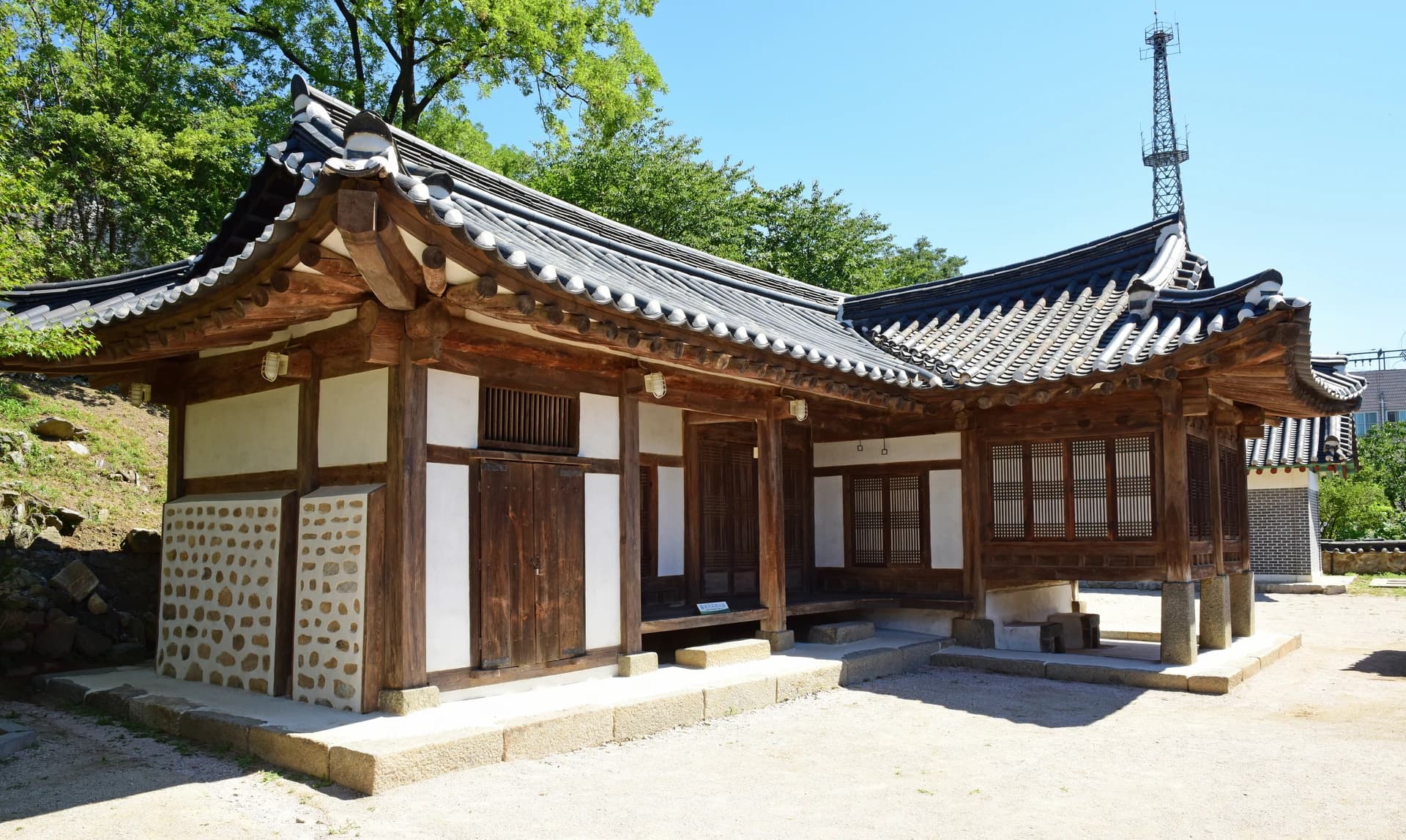
- Ereung Tomb (叡陵) of Seosamneung in Goyang: Twin tombs of Cheoljong and his queen, Queen Cheolin (Andong Kim clan), located within the Seosamneung grounds in Goyang-si, Gyeonggi-do. This holds special historical value as 'the final traditional royal tomb' constructed according to royal traditional etiquette in Joseon royal tomb history (subsequent monarchs Gojong and Sunjong were built in imperial tomb styles). Where Cheoljong—who lived a checkered life as a puppet king of the palace from a Ganghwa woodcutter and passed away young at 33—finally unburdened his weary load and found eternal rest. Walking along quiet, dense Seosamneung pine forest paths makes it an exceptional walking course to calmly contemplate the tragic life of Ganghwa Doryeong ending amidst turbulent vortexes.
Recommended Guides
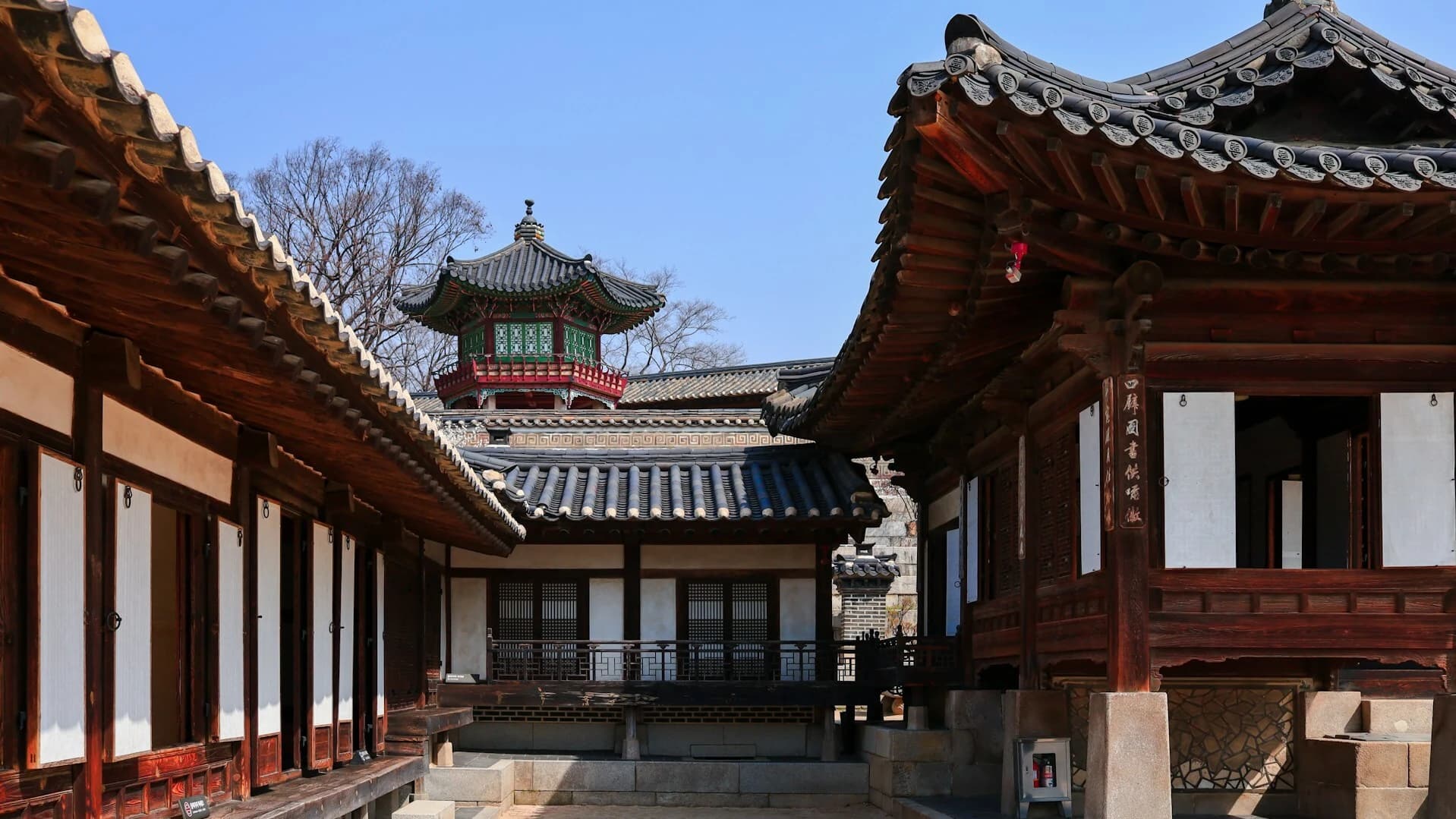
Gojong and Sunjong: History of the Turbulent Late Joseon Period and Secret Stories of the Korean Empire Royal Family
Korean History and Major Historic Sites Travel Guide
Behind-the-Scenes Stories of the Annals of the Joseon Dynasty: Secrets of Kings' Names and Temple Names