The Annals of the Joseon Dynasty (Joseon Wangjo Sillok) is a grand cultural heritage that thoroughly documented 500 years of daily history across 25 generations and 472 years—making it the longest recorded history of a single dynasty in the world.
The Annals strictly protected objective truth by preventing royal intervention, forbidding even the king from viewing the records. During the Japanese invasions of Korea (Imjin War), when the entire country was engulfed in flames, the records at the Jeonju History Archives in Jeonju, Jeollabuk-do, were evacuated to deep mountain caves, dramatically surviving to preserve history.
As the saying goes, "You see as much as you know." Understanding these hidden stories before visiting historical sites lets you connect with real people and events beyond looking at old buildings, making your trip much richer and more enjoyable. This guide introduces the cultural value of the Annals and connects top travel destinations across South Korea with stories of Joseon's great kings.
Annals of the Joseon Dynasty Integrated Archive (Korean/English)How the Annals Were Written and the 'Secho' Paper-Washing RitualIntroduces the detailed editing process of the Annals and the story of Seogeumjeong Chailam Rock, where paper was washed to protect historians' secrets and recycle paper.
The Annals of the Joseon Dynasty were created through strict, rigorous procedures. Once the history books were completed, a unique finishing ceremony was held to protect national secrets.
1. How Were the Annals Created?:
- Collecting Secret Drafts: When a king passed away, a temporary editing headquarters called the 'Sillokcheong' was opened to create the history books. Historians gathered their secret notebooks (Sacho)—where they privately recorded the king's words and actions—alongside royal secretarial diaries (Seungjeongwon Ilgi) and government agency records.
- Meticulous 3-Step Editing:
- Step 1 (Chocho): Collected historical materials were organized chronologically to create the first draft.
- Step 2 (Jungcho): Editors carefully reviewed the draft, removing rumors or redundant details and correcting errors to produce the second draft.
- Step 3 (Jeongcho): Typos were thoroughly corrected and sentences were polished to finalize the manuscript before printing.
- Storing in Multiple Regional Archives: Once printed with metal or wooden type, the volumes were distributed and stored separately in 4 to 5 archives (Sago) hidden deep in mountains nationwide to prevent total loss from war or fire.
- Revised Annals and Historical Objectivity: When political power shifted over time, new administrations sometimes compiled 'Revised Annals' (Sujeong Sillok), claiming previous versions written by political rivals contained bias. Remarkably, the original versions were never destroyed; both versions were kept side-by-side. This allowed future generations to compare both editions and gain an objective view of history—a level of transparency rarely found anywhere in the world.
2. Washing Away Secrets: 'Secho' Ritual:
- Preventing Information Leaks: Once compilation was complete, historians' private drafts (Sacho) had to be destroyed. These drafts contained candid criticisms of ministers and embarrassing royal mistakes, which could trigger bloody political revenge if leaked. Destroying them protected historians so they could record history without fear.
- Recycling Precious Paper: Paper was extremely rare and expensive during the Joseon Dynasty, so instead of burning the drafts, they washed them in water to remove the ink. The cleaned paper was sent to the paper manufacturing agency to be recycled into new sheets. This process of washing ink away with water was called 'Secho'.
3. The Historical Site of Secho: Seogeumjeong and Chailam Rock in Seoul:
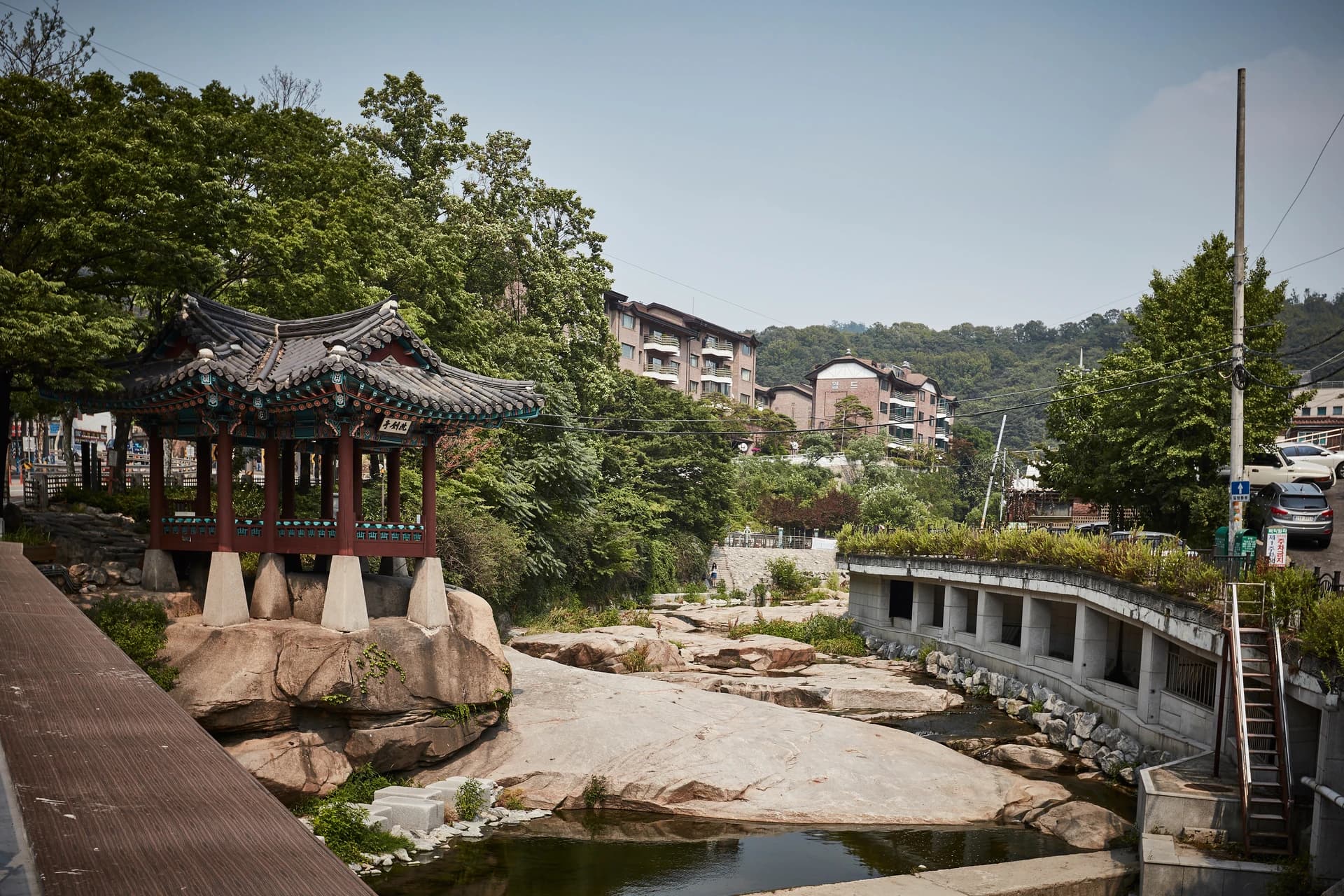
- Outdoor Laundry in the Valley: The Secho process took place at Seogeumjeong Pavilion along the valley in Sinyeong-dong, Jongno-gu, Seoul, famous for its clear, cool running water.
- Chailam Rock for Drying Paper: A wide, flat rock in the Seogeumjeong valley was called 'Chailam'. Historians set up large tents (Chail) over the rock to create shade, spreading the washed, damp paper to dry completely.
- The Sechoyen Banquet: Once all paper was dried and records were cleared, the king sent wine, meat, and rice cakes to reward historians and staff for their hard work. They gathered along the Seogeumjeong stream for a celebratory feast called Sechoyen. Today, Seogeumjeong remains a quiet valley spot in busy Seoul, remembering the integrity of historians who washed away ink in cold waters to guard historical secrets.
Names of Joseon Kings: Secrets of Taboos and Single-Character NamesExplains why Joseon kings used rare single-character names to observe name taboos (Pihwi), exceptional two-character names, and the story behind King Yeongjo's name.
The given names of Joseon Dynasty kings had unique characteristics very different from ordinary names.
1. Is Saying the King's Name a Crime? The Rule of 'Pihwi' (Name Taboo)
- In Confucian Joseon, speaking or writing the real name of a king or ancestor was considered impious and disrespect, creating a strict taboo called 'Pihwi'.
- If a king's name used common Hanja characters (such as 'country' or 'sky'), citizens would be banned from using those common characters in documents or personal names, causing massive disruption. Therefore, when a prince was born or named heir, royal families chose rare, unusual Hanja characters that commoners rarely used in daily life.
2. Minimizing Restricted Characters: Single-Character Given Names
- To ease inconvenience for commoners caused by name taboos, most Joseon kings were given single-character names. This reduced the number of restricted Chinese characters from two to one.
- King Sejong's real name was 'Yi Do' (李祹), and King Jeongjo's real name was 'Yi San' (李祘)—both single-character given names. The characters '祹' (Do) and '祘' (San) were rare characters that common people would rarely encounter in their lifetime.
3. Exceptional Kings with Two-Character Names
- Among the 27 kings of the Joseon Dynasty, a few exceptionally held two-character given names (three characters total including surname). Most were named before ascending the throne or had special historical circumstances.
- Taejo Yi Seong-gye / Jeongjong Yi Bang-gwa / Taejong Yi Bang-won: Early Joseon kings were born during the Goryeo Dynasty before Joseon was founded, so they received standard two-character given names following family generation markers. After taking the throne, Taejo and Jeongjong changed their names to single characters ('Dan' and 'Gyeong' respectively) to honor name taboos.
- Danjong Yi Hong-wi: The only legitimate eldest royal heir in Joseon history who kept his two-character childhood name ('Hong-wi') as his official lifelong name.
- Gojong Yi Jae-hwang: Born into a distant branch of the royal line without initial expectations of becoming king, he used the two-character name 'Jae-hwang'. Upon ascending the throne at age 12, he changed his name to the single character 'Yi Hui' (李熙).
4. Behind the Scenes: King Yeongjo's Name 'Yi Geum' Hidden for Over 40 Years
- The 21st king of Joseon, King Yeongjo, had the given name 'Yi Geum' (李昑). As the longest-reigning monarch in Joseon history (52 years), his name 'Geum' remained a strict national secret and taboo for over 40 years, counting his time as Crown Prince.
- Because royal names could not be spoken or written, citizens and officials had to avoid the character and pronunciation 'Geum' throughout his reign. However, Yeongjo himself was surprisingly easygoing about it. Once, when a Chief Royal Secretary was reading a state petition in front of Yeongjo and froze upon seeing the character 'Geum' (昑), Yeongjo casually reassured him, "It is alright, do not stop and keep reading."
Temple Names: The Power Rules Hidden Behind 'Jo' and 'Jong'Explains the strict rules distinguishing 'Jo' and 'Jong', the overuse of 'Jo' starting with King Sejo, and the true stories behind the temple names of Yeongjo and Jeongjo.
During their lifetimes, Joseon kings were addressed as 'Your Majesty' (Jeonha) or 'The Sovereign' (Jusang), rather than known names like Sejong or Jeongjo. The titles we use today are temple names (Myoho), granted posthumously when placing their spirit tablets in Jongmyo Shrine. Temple names were determined by the succeeding king and court ministers reviewing the deceased king's life.
1. Original Rule: 'Jo' and 'Jong' Were Completely Different Ranks
- According to traditional Confucian rules, 'Jo' (祖) and 'Jong' (宗) represented different levels of achievement, with 'Jo' reserved for rare exceptions.
- Jo (祖): Strictly reserved for the dynastic founder (the first king who established the nation). During the 500-year Goryeo Dynasty—which served as Joseon's model—every king received 'Jong' without exception, except for the founder Taejo Wang Geon.
- Jong (宗): Standard title granted to monarchs who inherited the throne peacefully and ruled during times of continuity.
2. Overusing 'Jo': King Sejo and King Yejong
- This strict rule broke down upon the death of the 7th monarch, King Sejo.
- King Sejo seized power by overthrowing his young nephew King Danjong during the Gyeyu Jeongnan coup. He claimed that "Without me, the kingdom would have fallen into the hands of Kim Jong-seo and Hwangbo In." He framed his takeover as an achievement equivalent to founding a nation.
- Aware of his father's strong desire to receive 'Jo', his son King Yejong pushed through the temple name 'Sejo' despite fierce opposition from ministers. This rule break was possible because the faction supporting Sejo held power at court.
3. Cases of Overused 'Jo' (A History of Crisis and Misuse):
- Once Sejo set the precedent, later royal courts began using 'Jo' under various pretexts, thinking, "If Sejo used it, why shouldn't our ancestors?" They mainly used national crises as justification, claiming the king 'saved the nation' (paradoxically during periods of lost control or turmoil).
- Seonjo: Claimed credit for preserving the state through the Imjin War, despite fleeing the capital and abandoning the people.
- Injo: Claimed credit for restoring stability and preserving royal heritage after launching a coup and enduring two Manchu invasions (including the humiliation at Samjeondo).
- Sunjo: Used the suppression of the Hong Gyeong-nae Rebellion in 1811 as justification for saving the state from collapse.
4. Behind the Scenes: Yeongjo and Jeongjo Were Originally 'Jong'
- Kings Yeongjo and Jeongjo—regarded as great monarchs in Joseon history—were originally called 'Yeongjong' (英宗) and 'Jeongjong' (正宗) during the Joseon era.
- When did they change to 'Jo'? Decades later in 1899, Emperor Gojong declared the Korean Empire. To elevate royal authority and strengthen imperial legitimacy, he posthumously elevated his ancestors to emperors, renaming their temple names to 'Yeongjo' and 'Jeongjo'.
5. Kings Without Temple Names: 'Gun' (Prince):
- Dethroned kings lost their royal honors, and their spirit tablets were banned from Jongmyo Shrine. Consequently, they were not granted official temple names and were referred to by their prince titles, 'Gun'. Their tombs were built as modest 'Myo' (ordinary graves) rather than grand 'Neung' (royal tombs).
- Yeonsangun: Regarded as a severe tyrant in Joseon history. He executed many scholars during political purges (Muo and Gapja Sahwa), turned the palace into a place of luxury, and wasted state funds. He was overthrown in the Jungjong Coup and demoted to 'Yeonsangun'.
- Gwanghaegun: Despite achievements in post-war reconstruction, pragmatic diplomacy, and implementing the Daedong Law, he lost public support after executing his half-brother Prince Yeongchang and imprisoning Queen Dowager Inmok to secure power, along with costly palace construction projects. He was dethroned in the Injo Coup and remained 'Gwanghaegun'.
Danjong: The Only King Who Recovered His Historical Honor: King Danjong, who was deposed by his uncle King Sejo and exiled to Yeongwol, was initially demoted to 'Nosangun' and met a tragic end. However, during the reign of King Sukjong in the late Joseon period, state efforts restored his legitimacy and honor. He was officially reinstated with the formal temple name 'Danjong' (端宗), and his tomb was elevated to the royal tomb status 'Jangneung'. This stands in contrast to Yeonsangun and Gwanghaegun, who never received temple names.
Recommended Guides
Korean History and Major Historic Sites Travel Guide
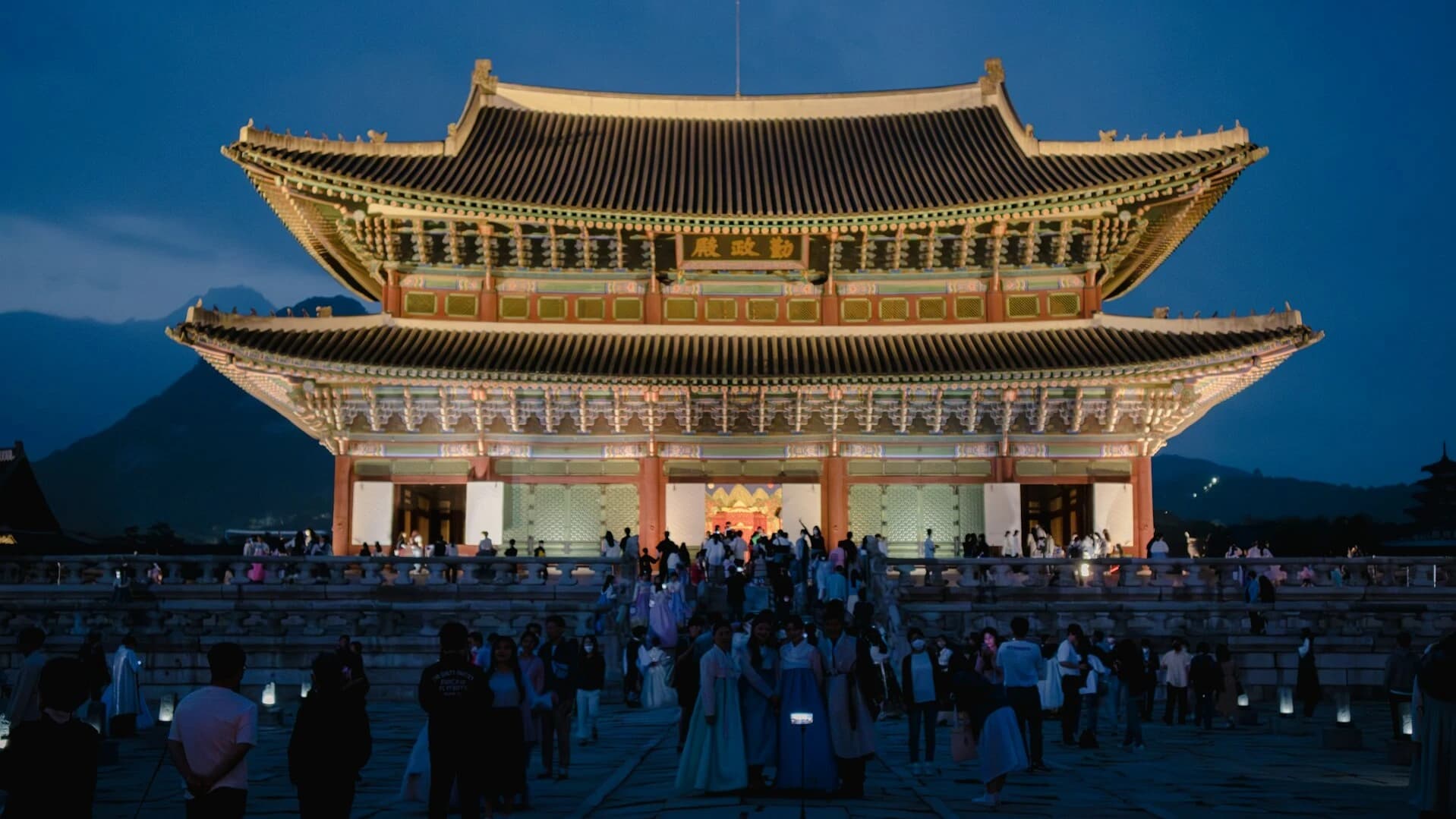
Taejo, Taejong, and Sejong: Behind-the-Scenes Stories of the Kings Who Built Joseon's Foundation
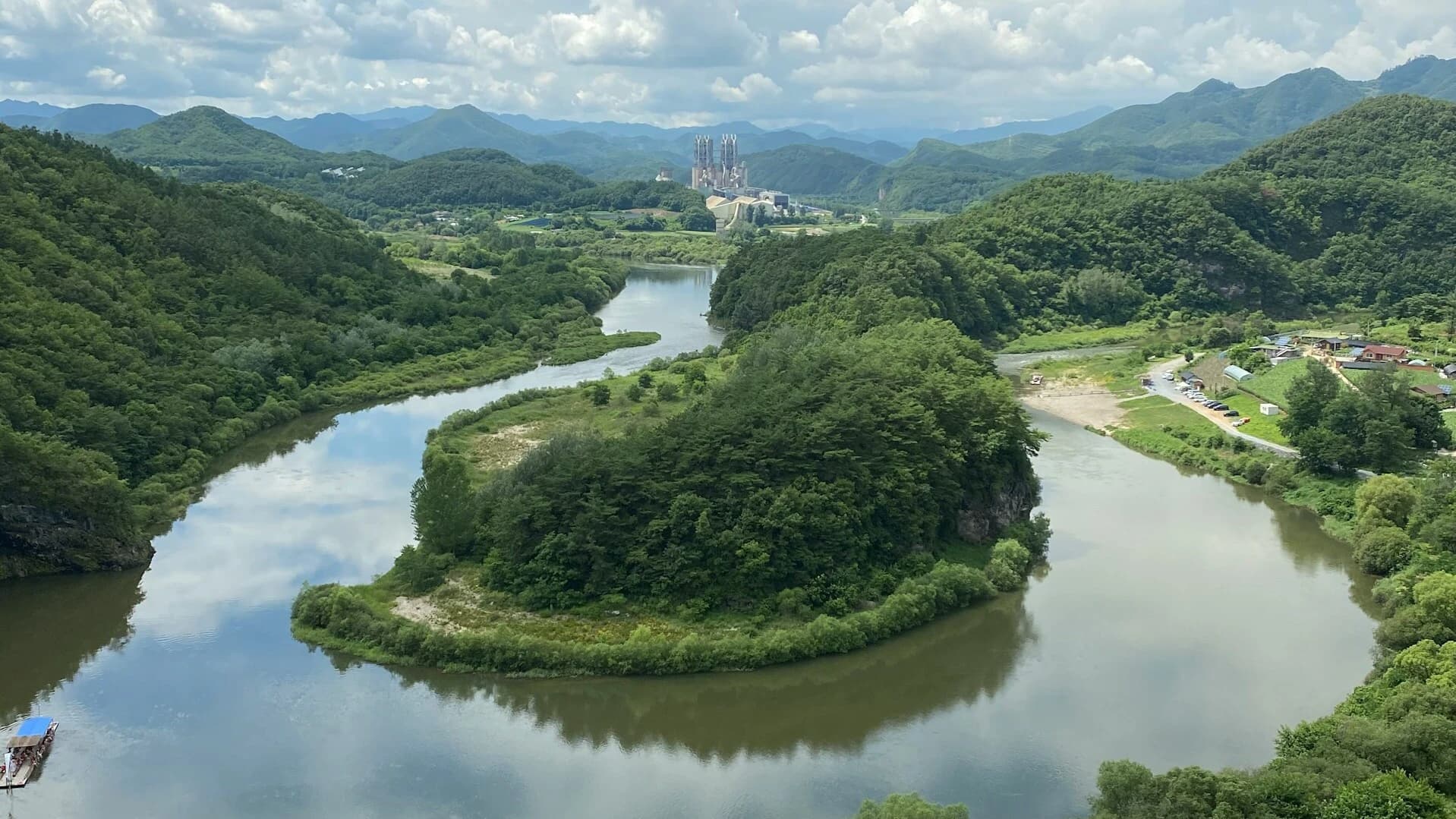
Munjong, Danjong, Seojo, Yejong: Tragic Royal History and Hidden Stories of Joseon