(9th King) Seongjong: The Monarch Who Completed Joseon's Laws and SystemsIntroduces the promulgation of the Gyeongguk Daejeon, reorganization of cultural systems, rise of the Sarim faction, the tragic Deposed Queen Yun incident, and Seolleung.
Seongjong (reigned 1469–1494) was the grandson of Sejo and the second son of Crown Prince Uigyeong. Ascending the throne at the young age of 13, he was a monarch who completed the institutional foundation of Joseon. He received the temple name Seongjong, meaning that he accomplished the great laws to govern the country, and led a refined cultural golden age based on Neo-Confucian ideology.
1. The First Regency (Suryeom Cheongjeong):
- Because Seongjong was only 13 years old at the time of his accession, his grandmother, Queen Jeonghui (King Sejo's consort and King Yejong's mother), conducted the first regency behind the screen (Suryeom Cheongjeong, ruling on behalf of the king behind a bamboo screen) in Joseon history, stably managing the state affairs in the early days.
The Confucian Behind-the-Scenes Story of Regency and Screens (Ryeom): 'Suryeom Cheongjeong' literally means 'lowering the screen (Suryeom) and listening to politics (Cheongjeong)'. However, during the early reign of Queen Jeonghui—Joseon's first regent—she did not actually hang a screen in front of the ministers, but instead met them face-to-face to handle state affairs.
Yet, among Confucian scholar-ministers, opposition and ideological arguments continually arose, claiming that "it violates strict Confucian standards of inner and outer boundaries for a female queen dowager to face male ministers and discuss state affairs." As a compromise, a unique form of Confucian rule was finalized: a woven bamboo screen was placed in front of the queen dowager's seat to block their faces from view. While it appeared as though she had stepped back behind a screen, it also symbolized the powerful exercise of authority by Joseon's royal women who orchestrated major state affairs from behind that screen.
2. Promulgation of the Gyeongguk Daejeon, Joseon's Constitution:
- Seongjong's most representative achievement was the final completion and widespread promulgation of the Gyeongguk Daejeon, the foundational legal code of the Joseon Dynasty. Begun under King Sejo and refined over several years, the completion of this code during Seongjong's reign allowed Joseon to stand tall as a sophisticated Neo-Confucian state governed by law.
3. Foundation of Changgyeonggung Palace, Built Out of Filial Piety for the Dowagers:
- In 1483, Seongjong founded Changgyeonggung Palace east of Changdeokgung Palace to respectfully care for the three royal dowagers (his grandmother Queen Jeonghui, his mother Queen Sohye, and his aunt Queen Ansun).
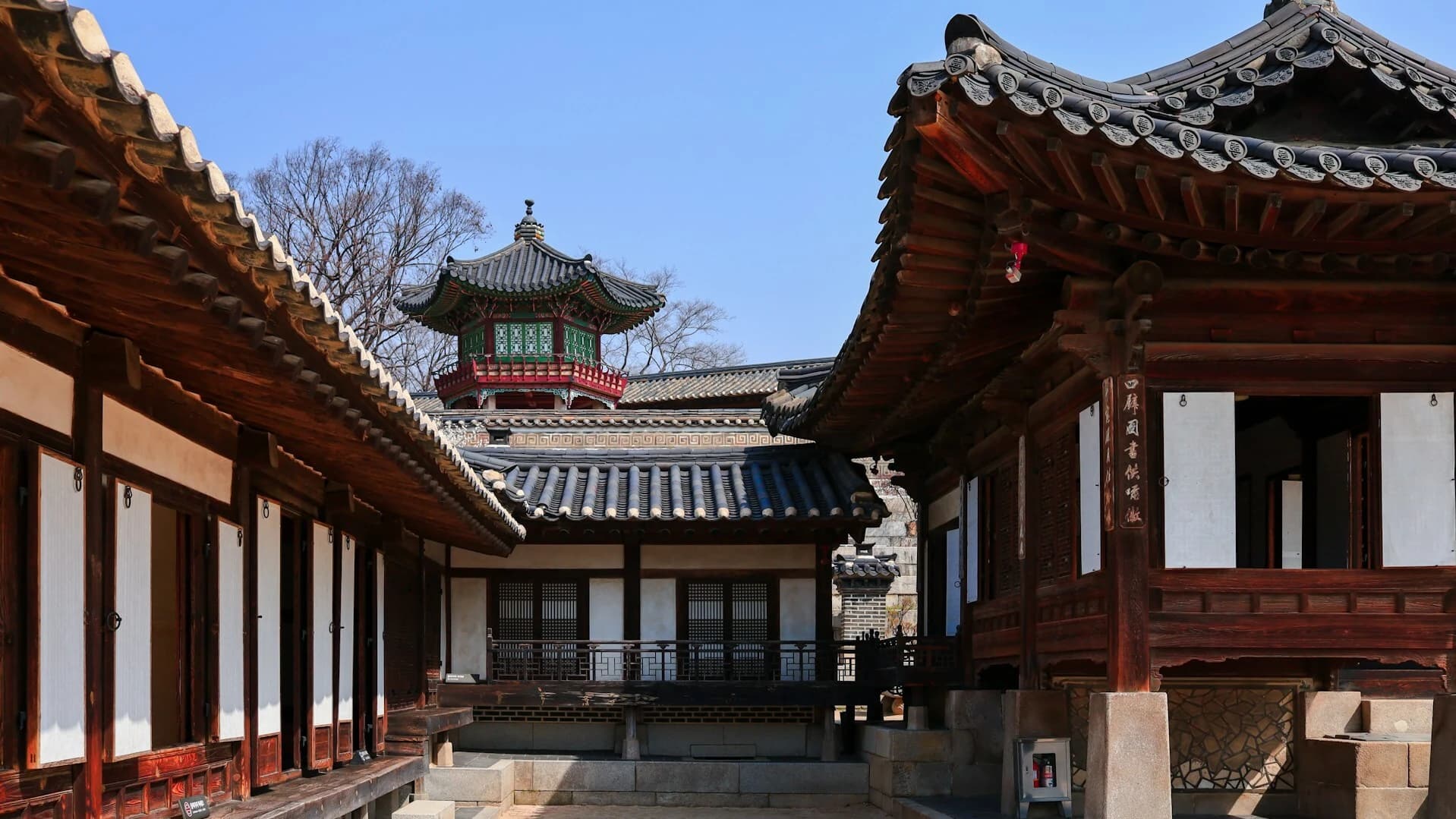
- Unlike Gyeongbokgung or Changdeokgung Palaces, which served as official government offices, Changgyeonggung was designed as a residential and living space to comfortably house the elders. Consequently, its official central hall, Myeongjeongjeon, faces east rather than south, resulting in a very unique and nature-friendly layout.
4. Appointment of the Sarim Faction and Establishment of Neo-Confucian Order:
- Seongjong established the Hongmungwan (Office of Special Advisors), an academic research institute and royal advisory body succeeding Jiphyeonjeon, and revitalized academic debates known as Gyeongyeon. He also appointed young scholars (the Sarim faction) who had been studying Neo-Confucianism in the provinces to check the existing Hungu (Meritorious Subjects) faction. This became a critical turning point that later made the Sarim faction the mainstream of Joseon politics.
5. A Sad Tragedy in the Palace: The Deposed Queen Yun Incident:
- Queen Jeheon (Deposed Queen Yun), who went from concubine to queen consort, grew deeply jealous of Seongjong's other concubines, leading to severe conflict. Eventually, she committed the irreversible mistake of scratching Seongjong's face, and under pressure from ministers, she was expelled from the palace and died after receiving poison. This tragic incident left an indelible scar on Crown Prince Yeonsangun, Seongjong's young son at the time, and later unleashed a bloody storm upon the Joseon royal court.
6. Recommended Travel Destinations: Seoul Changgyeonggung Palace and Seoul Seolleung
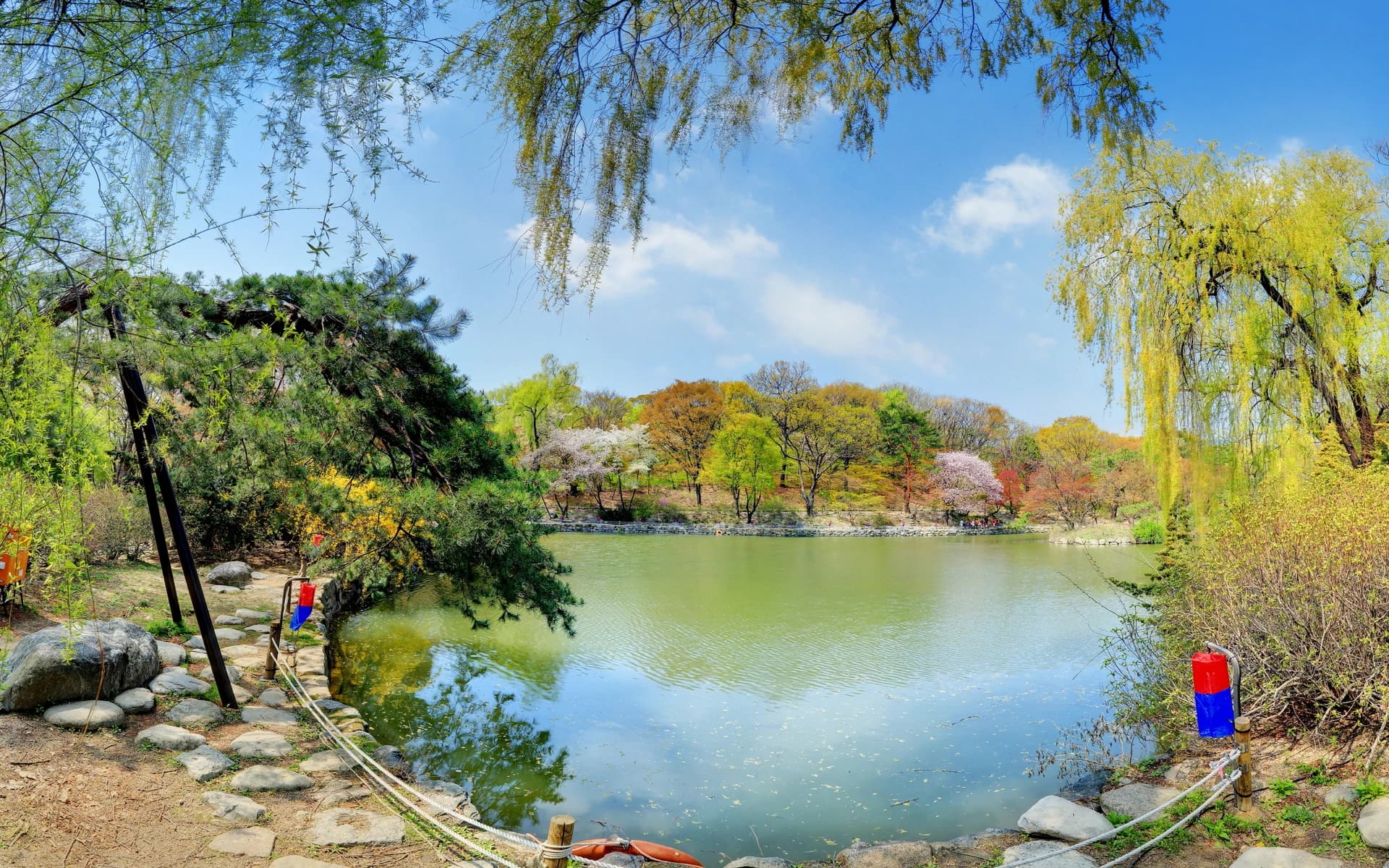
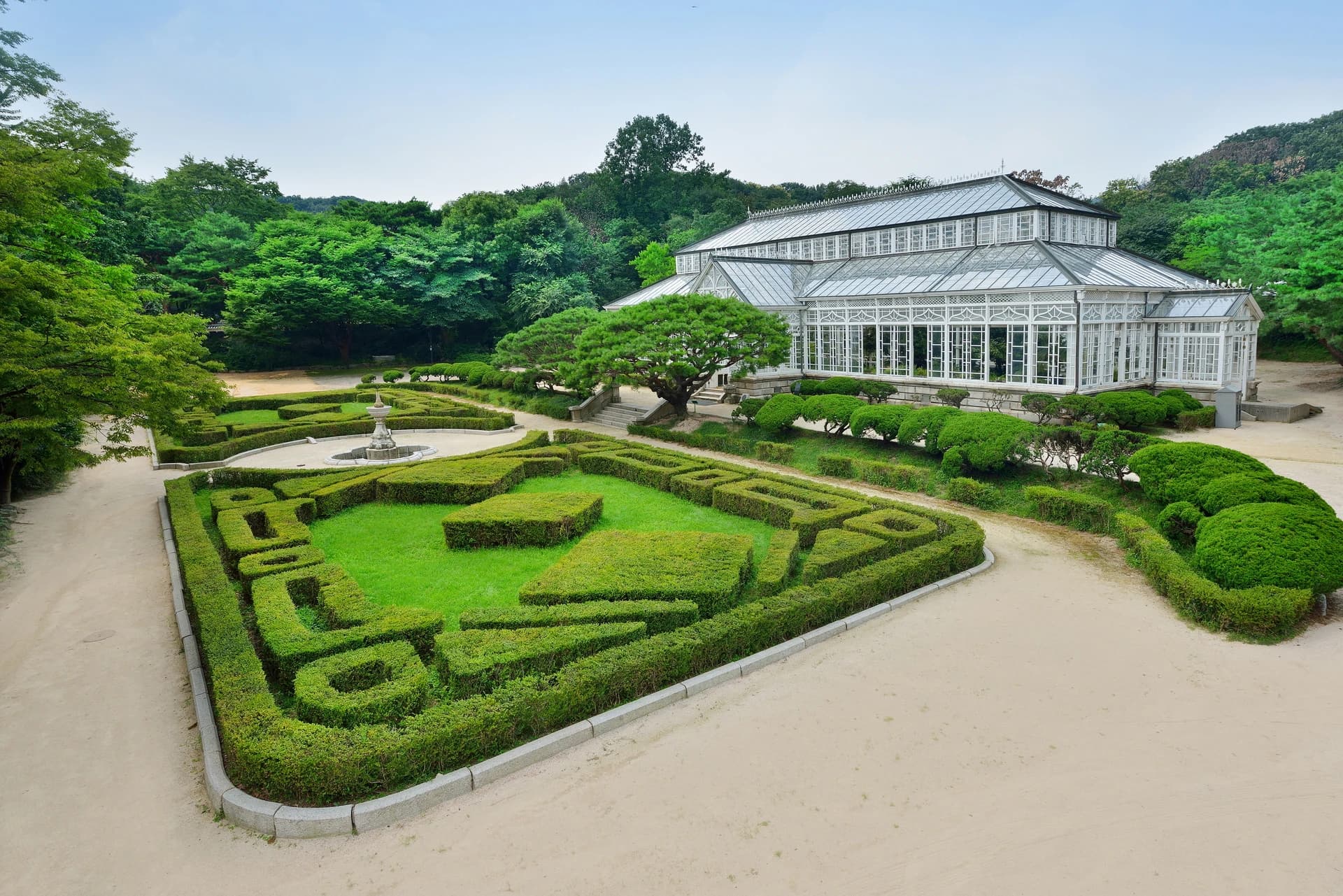
- Seoul Changgyeonggung Palace: Located in Jongno-gu, Seoul, Changgyeonggung is a palace of filial piety built by Seongjong for the royal dowagers. Blended harmoniously into the natural terrain, it preserves the serene beauty of traditional hanok architecture. Featuring peaceful gardens like Chundangji Pond and a grand greenhouse, it is a wonderful spot to stroll and contemplate the living spaces of the royal family.
- Seoul Seolleung: Situated right in the middle of Gangnam-gu's urban center in Seoul, Seolleung is the royal tomb where Seongjong and his third queen consort, Queen Jeonghyeon, are laid to rest. Surrounded by a wide expanse of green pine forests contrasting with the concrete jungle, it offers a peaceful urban walking trail and a quiet historical resting place to reflect on Seongjong's intellectual footsteps in establishing Joseon's laws and systems.
(10th King) Yeonsangun: The Ill-Fated Monarch Stained by Madness and TyrannyCovers the tragedies of the Muo and Gabja Literati Purges, the Chaehongsa system that originated the term Heungcheongmangcheong, and Yeonsangun's Tomb in Dobong-gu.
Yeonsangun (reigned 1494–1506) was Seongjong's eldest son and the son of Deposed Queen Yun, becoming the unfortunate deposed king whom ministers chased from the throne for the first time in Joseon history. In the early part of his reign, he showed brilliance as a monarch by strengthening national defense and caring for the people's livelihood, but after learning the secret of his mother's tragic death, he plunged into extreme tyranny and fell from power.
1. Bloody Purges Triggered by Revenge for His Mother: Two Literati Purges:
- The Muo Literati Purge and the Tragedy of the Cho-uije-mun: A bloody storm blew when a text written by Kim Jong-jik titled 'Cho-uije-mun (Lamentation for the Righteous Emperor)' was about to be included in the historical records (Annals). The original content of this text mourned and criticized Xiang Yu of China's Chu state for murdering the Emperor and usurping the throne. However, central figures of the Hungu faction, Yi Geuk-don and Yu Ja-gwang, gossiped to Yeonsangun that this text was actually an allegorical criticism (satire) of King Sejo (Grand Prince Suyang) usurping the throne after ousting his young nephew, King Danjong. Enraged, Yeonsangun ordered the exhumation of the already deceased Kim Jong-jik's grave to mutilate his bones (bugwan chamshi), and executed or exiled numerous scholars. This was Joseon's first literati purge, the Muo Purge.
- The Gabja Purge: Learning the full story of how his mother, Deposed Queen Yun, met her death by poison through Im Sahong's scheming, Yeonsangun fell into a deep rage. In particular, Seongjong's other concubines, Royal Noble Consort Eom and Royal Noble Consort Jeong, who were involved in past jealousy, framing, and leading to her death, could not escape Yeonsangun's fierce retaliation and suffered heavy punishments (details omitted for excessive cruelty). Not stopping there, Yeonsangun mercilessly punished officials and scholars who had directly or indirectly consented to his mother's death, carrying out harsh purges such as digging up the graves of those who had already passed away to punish them anew.
Having eliminated all opposing ministers through two massive literati purges, Yeonsangun wielded absolute, unchecked power where no one could challenge his actions. With anyone who could check or advise him gone, Yeonsangun gradually distanced himself from state affairs and began acting entirely as he pleased.
2. Origins Born of Greed: Chaehongsa and Heungcheongmangcheong:
- Chaehongsa and the Flatterers Im Sahong and Im Sung-jae: Sunk in debauchery, Yeonsangun dispatched special envoys called Chaehongsa (Inspectors for Gathering Beauties) across the country to forcibly seize beautiful women (Chaehong) and fine horses (Chaima). Those who orchestrated this forced conscription while catering to the king's whims were the infamous flatterers Im Sahong and his son, the king's brother-in-law, Im Sung-jae. To solidify their power, they conscripted women from all over the country, sparing neither yangban nor commoners, ruining countless families. Im Sung-jae exhibited such extreme flattery that even at the moment of his death, his last words were "I regret not presenting more beauties to the king."
- The Road to Ruin, Origin of Heungcheongmangcheong: The courtesans forcibly brought into the palace to entertain the king's merriment were called 'Heungcheong'. Yeonsangun held lavish banquets day and night with these Heungcheongs provided by Im Sahong's family, completely bankrupting the national finances. The people mocked this by coining the term 'Heungcheongmangcheong', meaning 'ruin brought on by playing with Heungcheongs (courtesans)'. This expression has survived to this day to describe an attitude of recklessly wasting money or goods.
The Tragedy of Kim Cheo-seon, the Loyal Eunuch Who Risked His Life to Stand Against the Tyrant: Not all figures during Yeonsangun's reign were flatterers like Im Sahong and Im Sung-jae. The elderly eunuch Kim Cheo-seon, who served four kings from Sejo and Seongjong through Yeonsangun, could no longer tolerate Yeonsangun's excessive tyranny and dissolute banquets, and offered a life-risking direct remonstrance.
Standing before the king, he remonstrated directly: "This old subject has served several monarchs, but I have never seen anyone behave like Your Majesty." Losing his reason and flying into a rage, Yeonsangun personally swung his sword to cut off Kim Cheo-seon's legs and shot arrows at him, yet Kim Cheo-seon glared straight ahead without backing down. Ultimately murdered, Kim Cheo-seon maintained his loyalty until his dying breath.
Following the incident, Yeonsangun demolished Kim Cheo-seon's house to turn it into a pond, slaughtered his relatives out of spite, and even strictly banned by law the use of the characters for Cheo (處, to dispose/place) and Seon (善, good) from his name. Consequently, even the name of one of the 24 solar terms, Cheoseo (End of Heat), was forbidden from being used, reflecting tyrannical censorship. Today, Kim Cheo-seon is remembered as the epitome of righteousness and courage in Joseon history.
3. Jang Nok-su, the Woman Who Tamed the Tyrant King Like a Child:
- The Concubine of Slave Origin Who Captured the King's Heart: An indispensable figure when discussing Yeonsangun's dissolute life is Jang Nok-su, who was roughly 5 to 10 years older than Yeonsangun. Originally of slave status, she possessed exceptional singing and dancing skills, becoming a courtesan and a representative figure of the king's courtesan group, 'Heungcheong'. The Annals recorded that even in her thirties, her demeanor and face resembled a 16-year-old child, possessing remarkable youthful appearance and charm. With this peerless beauty, artistic talent, and allure, Jang Nok-su instantly captured Yeonsangun's heart and eventually rose to the rank of royal concubine. Yeonsangun relied on her for emotional deprivation resulting from the absence of a mother and his tyrannical anxiety, while Jang Nok-su used this opportunity to wield power and amass massive wealth, throwing state affairs into turmoil.
- Annals Records and Dramatization in Pop Culture: Popular media like TV dramas and films often depict provocative scenes where Jang Nok-su makes Yeonsangun kneel or rides him like a 'horse'. However, the actual Joseon Dynasty Annals contain no specific records of Jang Nok-su riding on the king's back to play. Instead, the Annals record that "Jang Nok-su mocked the king as if treating a young child, and swore at the king as if treating a servant," confirming that Jang Nok-su exploited Yeonsangun's emotional deprivation to manipulate and control him like a child.
- A Miserable End: Jang Nok-su, who wielded authority behind blind favor and engaged in all sorts of corruption, ultimately met a miserable end on the day of the Jungjong Banjeong, stoned by enraged townspeople and executed by decapitation in the street.
4. Recommended Travel Destination: Seoul Dobong-gu Yeonsangun Tomb
- Nestled behind a quiet residential street in Banghak-dong, Dobong-gu, Seoul, Yeonsangun's Tomb is humbly and simply built without the ornate stone sculptures typical of general Joseon royal tombs. It is a space that allows visitors to quietly reflect on historical retribution and lessons while confronting Yeonsangun's bitter final years, chased from the pinnacle of power to die lonely in exile.
- Ganghwado Gyodongdo Yeonsangun Place of Exile: This is the tragic island where Yeonsangun, deposed by the Jungjong Banjeong, spent his lonely final years in exile. Surrounded by the sea on all sides, Gyodongdo was close to Hanyang yet easy to isolate, making it a representative place of exile for Joseon royalty. Here, Yeonsangun was subjected to Wiri-anchi (Confinement within a thorny fence), a harsh punishment where thorny bushes were planted around his dwelling to completely cut off contact with the outside world. Standing at the peak of power, he miserably ended his life at the young age of 31 just two months into exile due to illness and epidemic (pestilence). Today, the restored place of exile on Gyodongdo offers a historical travel destination to realize the fleeting nature of power through a narrow thatched cottage surrounded by thorn bushes.
Hong Gil-dong: A Real Historical Arch-Bandit of Yeonsangun's Era, Not Just a Fictional Hero:
- The Identity of the Real Hong Gil-dong: Commonly known as the fictional protagonist of Heo Gyun's hangul novel 《The Tale of Hong Gil-dong》, Hong Gil-dong was a real armed bandit leader during Yeonsangun's reign. Originally born as an illegitimate son of the prestigious Ilseon Hong clan, blocked by the barriers of the status system, he rebelled against a corrupt society and walked the path of a bandit.
- Bold Criminal Acts Impersonating Officials: According to the Annals, he was not a simple mountain bandit. Dressed proudly in official government robes worn by high-ranking officials (Dang-sang-gwan) and leading a group, he boldly raided government offices in broad daylight to plunder warehouses and threaten magistrates. Furthermore, he built a massive criminal network exchanging information and bribes not only with local functionaries but also with power holders in the court.
- Inspiration for Novels and Modern Administrative Name Examples: Arrested in the 6th year of Yeonsangun (1500) after a major government suppression campaign, various theories surround his subsequent actions, such as going into exile or escaping overseas (Okinawa, etc.) to become a hero. Later, during Ghaenghae-gun's reign, the literati Heo Gyun took the anecdotes of this real bandit and the sorrow of illegitimate status to write 《The Tale of Hong Gil-dong》, the first hangul novel romanticized as an outlaw hero. Thanks to this novel's national popularity and enduring love, it became the most representative name used today in South Korea for name example fields on official documents and forms.
(11th King) Jungjong: The Dream of Reform Overshadowed by MinistersCovers the Jungjong Banjeong, the legend of Queen Dangyeong's Chimabawi, Jo Gwang-jo's reforms, the caterpillar leaf plot, and Gangnam Jeongneung.
Jungjong (reigned 1506–1544) was Seongjong's second son and Yeonsangun's half-brother, made the 11th king of Joseon after ministers unable to bear Yeonsangun's bad rule ousted him. He was a lonely and solitary king who could not properly unfold his reformist dreams of wonderfully transforming the country because he spent his life walking on eggshells around the powerful officials who had made him king.
1. The Jungjong Banjeong (Restoration):
- Correcting Misrule: When the country fell into severe chaos due to Yeonsangun's excessive misrule and luxury, determined ministers plotted to oust Yeonsangun. Raising troops to seize the palace, the ministers deposed Yeonsangun and installed his half-brother, Grand Prince Jinseong (Jungjong), as the new king.
- Joseon's First Incident of Ministers Replacing a King: 'Banjeong' means 'correcting what is unrighteous and restoring it to its proper original state'. This was the first incident in Joseon history where ministers joined forces to forcibly remove a misruling king and establish a new one. However, because Jungjong ascended the throne with the backing of his ministers' power, even after his accession, he had no choice but to be extremely wary of the high officials who had made him king.
2. The Sad Love of a Forcibly Separated Couple: The Legend of Inwangsan Chimabawi (Skirt Rock):
- After elevating Jungjong to the throne, the restoration ministers forcibly ousted his first wife, Queen Dangyeong of the Shin clan, from her position as queen consort. The reason was that her father was Yeonsangun's brother-in-law and had opposed the restoration.
- Forcibly expelled from the palace to live in a house at the foot of Inwangsan, Queen Dangyeong heard that her husband Jungjong would climb Gyeonghoe-ru Pavilion in Gyeongbokgung Palace, yearning for his wife while gazing endlessly toward Inwangsan where she lived. In response, she brought her pink dahong chimabawi (crimson skirt) worn in the palace and spread it out every morning on a wide, large rock near the summit of Inwangsan. She hoped to make the red skirt clearly visible from afar to convey her unchanging love and trust to the king. The rock steeped in this poignant story is today's Chimabawi (Skirt Rock) located on Inwangsan in Seoul.
3. Jo Gwang-jo's Bold Reforms, the Leaf-Tip Milgo Incident, and the Gihyo Purge:
- Wishing to escape the shadow of his ministers, strengthen royal authority, and reform the country, Jungjong boldly appointed the bright and upright scholar Jo Gwang-jo. Jo Gwang-jo pushed forward radical and righteous reforms, implementing the Hyeonnyang-gwa (a system recommending moral talents instead of civil service exams) and deleting false merits of Hungu ministers.
- Feeling threatened, the Hungu faction used honey water on leaves to write the characters 'Juchowiwang (Cho will become king)', letting insects eat the leaves along the stroke shapes. Combining the characters for 'running' (Ju) and 'worn out' (Cho) formed the character 'Jo', carrying the bizarre prophetic omen: "The Cho clan is about to become king." The Hungu faction presented these insect-eaten leaves to Jungjong, accusing Jo Gwang-jo of plotting treason. Weary of Jo Gwang-jo's excessively upright reform demands, Jungjong eventually changed his heart and instigated the Gihyo Purge (Gimyosahwa), eliminating Jo Gwang-jo via poison.
4. Recommended Travel Destinations: Seoul Gangnam Jeongneung and Inwangsan Chimabawi
- Jeongneung, independently established right next to Seolleung in Gangnam-gu, Seoul, is where the 11th monarch, Jungjong, is buried alone. It reflects Jungjong's loneliness as he agonized throughout his life amid relationships with ministers and his deposed wife.
- Furthermore, Inwangsan Chimabawi in Jongno-gu, Seoul, can be encountered directly in the form of a massive cliff as you walk up the hiking trail toward the summit. It is a meaningful course to climb Inwangsan while recalling the poignant legend of the couple and overlooking the Gyeongbokgung urban view.
Chimabawi is clearly visible from Gwanghwamun Gate and Gyeongbokgung Palace. Facing Gwanghwamun, the rocky mountain on the left (west) is Inwangsan, and that is Chimabawi. In 1939, during the Japanese colonial period, the characters 'Dong-a Cheong-nyeon Dan-gyeol' (East Asian Youth Solidarity) were engraved on this rock to commemorate the Great Japan Youth Association Rally and strengthen wartime mobilization systems. Work was attempted to erase this after liberation, but it was never completely removed, leaving traces intact.
(12th King) Injong: The Shortest Spring of Deepest Filial Piety in Joseon HistoryCovers Joseon's shortest reign, extreme filial piety and mourning for his father, and folktales entwined with stepmother Queen Munjeong.
Injong (reigned 1544–1545) was Jungjong's eldest son, an ill-fated sage-king who remained on the throne for 9 months, the shortest duration in Joseon history. With a pure character and deep love for the people, he raised expectations of becoming a sage-king comparable to King Sejong, but closed his life far too early amidst intense filial piety and political oppression.
1. The Shadow of Extreme Filial Piety That Cost a Life:
- Injong is counted as the greatest filial son in Joseon history. When his father Jungjong fell ill, he personally changed his clothes even in midwinter and guarded his sickbed directly. After his father passed away, overwhelmed by excessive grief, he observed traditional mourning rites strictly without swallowing a single drop of water.
- While managing state affairs with a weakened body, he suddenly passed away at the young age of 30 after a reign of just 9 months. His premature death is one of the greatest regrets in Joseon history, where a sage-king's governance was cut short before it could properly blossom.
2. Queen Munjeong's Oppression and the Folktale of Poisoned Rice Cakes:
- Injong lost his mother early when his biological mother, Queen Janggyeong, passed away from postpartum illness just 7 days after giving birth to him. Afterwards, he had to endure harsh abuse and threats to his life throughout his days as crown prince from his stepmother, Queen Munjeong. Queen Munjeong plotted horrifying schemes, such as setting fire to the Crown Prince's Donggung quarters, to install her own son, Grand Prince Gyeongwon (Myeongjong), as king.
- Unofficial history (yasa) passes down a tear-jerking legend: on the day before Injong's passing, Queen Munjeong handed him poisoned rice cakes, which Injong accepted without a word and ate while bleeding to maintain his filial duty, fully aware of Queen Munjeong's true intentions. Although merely a folktale of unofficial history, it is an anecdote vividly illustrating the agonizing suffering sage-king Injong had to endure amid the cold palace power struggles.
3. Recommended Travel Destination: Gyeonggi-do Goyang Seosamneung Hyoreung
- Inside Seosamneung, a UNESCO World Heritage site quietly nestled in Goyang, Gyeonggi-do, lies Hyoreung, where Injong and his consort, Queen Insung of the Park clan, are buried. Long preserved as a restricted area, it fully opened to the general public in September 2023, allowing citizens to visit directly. However, free roaming is not permitted; visits are restricted to guided regular tours with cultural heritage commentators through advance reservation via the Joseon Royal Tombs website. It is a sacred place to honor the soul of Injong—who lived a short yet true sage-king's life—amid quiet forest breezes.
(13th King) Myeongjong: The Agonized Monarch Trapped in His Mother's ShadowCovers Queen Munjeong's regency, the tragedy of the Eulsa Purge, the emergence of the outlaw Im Kkeokjeong, and the forest paths of Taereung and Gangneung.
Myeongjong (reigned 1545–1567) was Jungjong's second son and Injong's half-brother, a sad monarch who ascended the throne at the young age of 12 and was unable to spread his wings throughout his life amid the regency of his powerful mother Queen Munjeong and the seizure of power by external relatives (yeochak).
1. Blood Tears Hidden Behind the Regency: The Eulsa Purge by External Relatives:
- When Myeongjong became king at a young age, his mother Queen Munjeong served as regent for 8 years, lowering the screen to handle politics and wielding absolute power. Her younger brother and leader of the Lesser Yun faction, Queen Yun Won-hyung, mobilized concubines like Jeong Nan-jeong to fabricate a false accusation to Queen Munjeong, claiming, "Yun Im and the Greater Yun faction are plotting treason to enthrone another royal family member." Using this plot as a pretext, the Eulsa Purge blew a massive bloody storm, ruthlessly annihilating the opposition Greater Yun faction that supported Injong.
- Even after becoming an adult, Myeongjong was blocked by the tyranny of his external relatives and unable to manifest his intentions. With his mother Queen Munjeong interfering in state affairs and sternly scolding Myeongjong day and night, historical records in the Annals recount the poignant anecdote that Myeongjong wept silently in his bedchamber every night, leaving his pillow constantly soaked.
2. The Birth of the Outlaw Im Kkeokjeong Amid Exploited Livelihoods:
- Amid extreme exploitation and power struggles by Queen Munjeong and Yun Won-hyung's faction, the lives of the people became indescribably miserable. People unable to bear hunger became bandits, of whom the representative figure was the outlaw Im Kkeokjeong, active around Hwanghae-do and Gyeonggi-do.
- Im Kkeokjeong plundered government warehouses to share grain with the people and executed corrupt officials, rising as a hero of the common folk. Although the Myeongjong court poured all its efforts into capturing Im Kkeokjeong, it took years to apprehend him because the people voluntarily hid him, vividly exposing the devastated state of public sentiment at the time.
3. Recommended Travel Destinations: Seoul Nowon-gu Taereung and Gangneung
- Within the dense royal tomb forests of Nowon-gu, Seoul, two tombs face each other closely. Taereung is the ornate royal tomb where Queen Munjeong, who wielded Joseon's most formidable power, is buried alone, while right beside it is Gangneung, where her son Myeongjong—who spent his life shedding tears and agonizing under that mother's shadow—and his queen consort lie together. It is an excellent historical excursion course to stroll while appreciating the contrasting tomb styles and fateful historical relationship of the mother and son: trapped in life beneath the heavy shadow of maternal power, yet resting side by side in death separated by a single tranquil royal tomb forest path.
Recommended Guides
King Seonjo and King Gwanghaegun: The Whirlwind of the Imjin War and Practical Neutral Diplomacy
Injo, Hyojong, Sukjong, and Gyeongjong: Humiliation of Foreign Invasions and the Secret History of Hwankuk Politics
Yeongjo, Jeongjo, Sunjo, and Cheoljong: Behind-the-Scenes Stories of Late Joseon Reforms and In-law Politics