(16th King) Injo: The Monarch Who Suffered the Calamity of War and the Humiliation of SamjeondoIntroduces the Injo Restoration, the outbreak of the Jeongmyo and Byeongja Manchu Invasions, the humiliation of Samjeondo, the tragedy of Crown Prince Sohyeon, and Namhansanseong Fortress.
Injo (reigned 1623–1649) was the grandson of King Seonjo and son of Grand Prince Jeongwon, ascending the throne after deposing Gwanghaegun through the Injo Restoration led by Westerner factions. Throughout his reign, he suffered the harsh foreign invasions of the Jeongmyo and Byeongja Manchu Invasions, acting as a tragic monarch who knelt before Qing China after resisting at Namhansanseong Fortress.
1. The Injo Restoration and Conflict Among Meritorious Subjects:
- The Westerner faction defined Gwanghaegun's actions—deposing his mother, killing his brother, and maintaining friendly policies toward Later Jin (pro-Later Jin, anti-Ming)—as anti-human and contrary to moral duty, successfully executing the Injo Restoration to enthrone Injo.
- However, right after his ascension, Yi Gwal—dissatisfied with the appointment of meritorious subjects—launched a rebellion (Yi Gwal's Rebellion). Pressured by rebel forces, Injo suffered the humiliation of abandoning Hanyang to flee as far as Gongju, significantly shaking royal authority.
2. Jeongmyo Manchu Invasion:
- Jeongmyo Invasion and Flight to Ganghwado: Abandoning Gwanghaegun's neutral diplomacy, Injo's court strongly pursued a foreign policy of supporting Ming and rejecting Later Jin (亲明排金). Enraged by this, Later Jin invaded Joseon in 1627, sparking the Jeongmyo Manchu Invasion. Fleeing promptly to Ganghwado Island to prepare for resistance, Injo concluded the Treaty of Jeongmyo, establishing a sworn sibling relationship between Joseon and Later Jin to settle the war.
- Crown Prince Sohyeon's Branch Court and Public Support: During the Jeongmyo Manchu Invasion, while fleeing to Ganghwado, Injo had Crown Prince Sohyeon lead a temporary court called Bunjo (分朝) down to Jeonju in Jeollado to protect southern regions and care for the people. This followed the historical precedent set by Gwanghaegun during the Imjin War, when King Seonjo fled while Gwanghaegun led a branch court across the country to encourage volunteer armies and restore collapsed public sentiment. Fulfilling his father's orders, Crown Prince Sohyeon successfully led the branch court in Jeonju, helping calm wartime chaos.
3. Byeongja Manchu Invasion:
- After the Jeongmyo Manchu Invasion, the Jurchen people renamed their dynasty Qing and demanded a sovereign-vassal relationship with Joseon. When the court refused, Qing Emperor Hong Taiji personally led a massive army to invade Joseon again in 1636, starting the Byeongja Manchu Invasion.
- Drawing on experiences from the Jeongmyo Invasion, Qing forces completely blocked routes leading to Hanyang and escape paths to Ganghwado in advance to prevent the Joseon royal family from fleeing to Ganghwado. Fortunately, Injo's second son, Grand Prince Bongrim (later King Hyojong), the eldest grandson (Crown Prince Sohyeon's son), and other royal family members escaped to Ganghwado before Qing troops arrived. However, with escape routes completely cut off, Injo and Crown Prince Sohyeon had no choice but to turn toward Namhansanseong Fortress instead of Ganghwado.
4. The Humiliation of Samjeondo and the Tragedy of Crown Prince Sohyeon:
- Isolation at Namhansanseong and 47 Days of Resistance: Cut off by sudden Qing invasions and unable to reach Ganghwado, Injo took refuge in Namhansanseong Fortress, resisting for 47 days amid biting January cold and starvation.
- Fierce Debates Inside Namhansanseong Fortress: Inside the fortress, the Chukhwa faction centered on Kim Sang-heon argued for fighting to the end upholding moral duty, while the Juhwa faction led by Choi Myeong-gil argued for acknowledging reality, surrendering, and preserving the state and people, engaging in a tense clash over the nation's destiny. Their fierce debate was not mere factional strife, but a desperate struggle of conscience seeking different ways to save a collapsing nation.
- The Crown Prince Volunteering for Proxy Surrender and Rejection: When food supplies ran completely empty and even Ganghwado—where the royal family had fled—fell, surrender became unavoidable. When Qing Emperor Hong Taiji demanded that King Injo surrender in person, Crown Prince Sohyeon volunteered to risk his life in place of his father, stating, "I have a younger brother (Grand Prince Bongrim) and a son (the eldest grandson), so even if I die, there is someone to continue the lineage. Please allow me to go in your stead." However, the Qing side insisted exclusively on Injo's personal surrender, flatly rejecting Crown Prince Sohyeon's proxy surrender.
- The Humiliation of Samjeondo: Ultimately, instead of the red dragon robe symbolizing the king, Injo wore blue robes carrying the attire of a subject and meaning surrender, opening the fortress gates to descend. He had to perform the harrowing Humiliation of Samjeondo (Three Kneelings and Nine Bows), bowing three times and knocking his head nine times before Qing Emperor Hong Taiji. Due to this humiliating surrender, the 'sibling relationship' established during the Jeongmyo Manchu Invasion was annulled, completely reorganizing relations into a disgraceful 'sovereign-vassal (king and subject) relationship' where Joseon served Qing China as an imperial state.
The Most Painful Scar Left by War: Women Returned Home 'Hwanhyangnyeo (還鄕女)': Among the hundreds of thousands of Joseon subjects dragged off by Qing forces during the Byeongja Manchu Invasion, women who paid massive ransoms (Sokhwanggeum) and overcame extreme hardships to return to their homeland were called 'Hwanhyangnyeo (Women who returned home)'.
However, rather than warm hospitality, returning women who survived death's door faced cold rejection and social finger-pointing. Neo-Confucian moralism and Joseon's yangban society—which valued chastity above life—condemned them for 'losing their chastity and returning,' causing both birth and in-law families to treat them as family disgrace and refuse them. Yangban husbands rushed to submit petitions demanding divorces to the court, driving households to ruin.
In response, Injo legally prohibited divorces, declaring, "Being dragged away by war is not their fault." He also introduced relief measures stating that if they washed themselves at Hongjecheon Stream (Hongjewon) along the entrance to Hanyang, past events would not be questioned and chastity would be recognized as restored.
Despite these state measures, social coldness and prejudice did not vanish easily, and many women ultimately took their own lives or lived miserable lives. Later, the derogatory term 'Hwanhyangnyeo' evolved into a derogatory slang term insulting women today, showing the saddest and most brutal tragic facet of war left upon the vulnerable.
5. The Intertwined Fates of Crown Prince Sohyeon and Grand Prince Bongrim:
- 8 Years in Shenyang, Contrasting Coping Methods: Following defeat in the Byeongja Manchu Invasion, Crown Prince Sohyeon and Grand Prince Bongrim were taken together as hostages to Shenyang, Qing China. Amidst harsh hostage life, their hopes and dreams for Joseon's future differed completely.
- Crown Prince Sohyeon: Remained in Shenyang, acting as a mediator buffering conflicts with the Qing court. Later, when Qing forces captured Beijing (Peking), the capital of Ming, and relocated their capital, he moved to Beijing and stayed for months. There, he interacted with Western missionary Adam Schall, adopting advanced civilization including astronomy, mathematics, and Western science, adopting a pragmatic attitude dreaming of Joseon's modernization.
- Grand Prince Bongrim: Harbored revenge within humiliating hostage life; this experience formed the ideological foundation for the Northern Expedition policy he vigorously pursued after ascension.
- Crown Prince Sohyeon's Mysterious Death and Subsequent Tragedy: Returning home after 8 years, Crown Prince Sohyeon tried to attempt Joseon's reform through Western civilization, but met fierce hostility from his father Injo. For Injo—who experienced bitter humiliation kneeling directly to Qing China—Crown Prince Sohyeon's positive acceptance of Qing civilization and culture was naturally unpleasant and offensive. Furthermore, Injo harbored deep distrust that the Crown Prince might leverage Qing backing to become a threatening presence challenging his throne. Just two months after returning home, Crown Prince Sohyeon passed away suddenly from an illness, with the Annals recording gruesome descriptions of his skin turning black and blood flowing from pores, continuously raising poisoning rumors. In particular, ignoring the proper 1-year mourning period (Giyeon-sang) for the Crown Prince's death, Injo removed mourning clothes after just 30 days and simplified funeral procedures to the extreme, further fueling public suspicion and distrust that Injo was behind it. After the Crown Prince's death, his wife Lady Kang was framed and lost her life drinking poison, while three sons were exiled to Jeju Island, where two of them died, leading to a brutal family tragedy.
- Grand Prince Bongrim's Succession to the Lineage: After Crown Prince Sohyeon died, Injo bypassed Crown Prince Sohyeon's son (the eldest grandson) and made Grand Prince Bongrim Crown Prince. This sparked legitimacy controversies for Grand Prince Bongrim, serving as the cause that triggered fierce Yesong Disputes during King Hyeonjong's reign.
6. Recommended Destinations: National Defense Historical Sites of Injo's Era
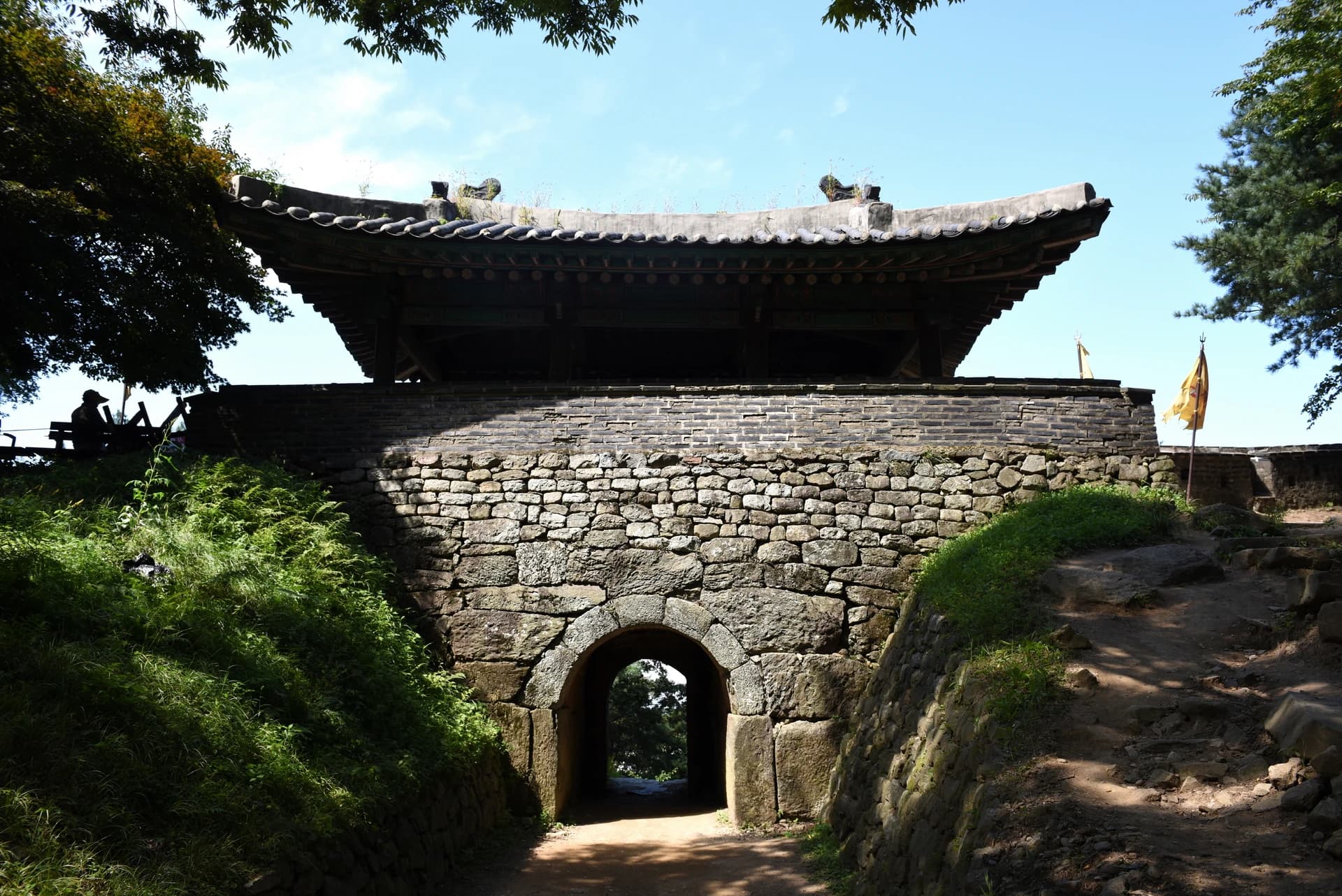
- Namhansanseong Provincial Park: A fortress where Injo took refuge and resisted to the end against Qing armies during the Byeongja Manchu Invasion. Walking along grandly preserved fortress walls lets you vividly feel the tense historical moments of that era, earning UNESCO World Heritage status.
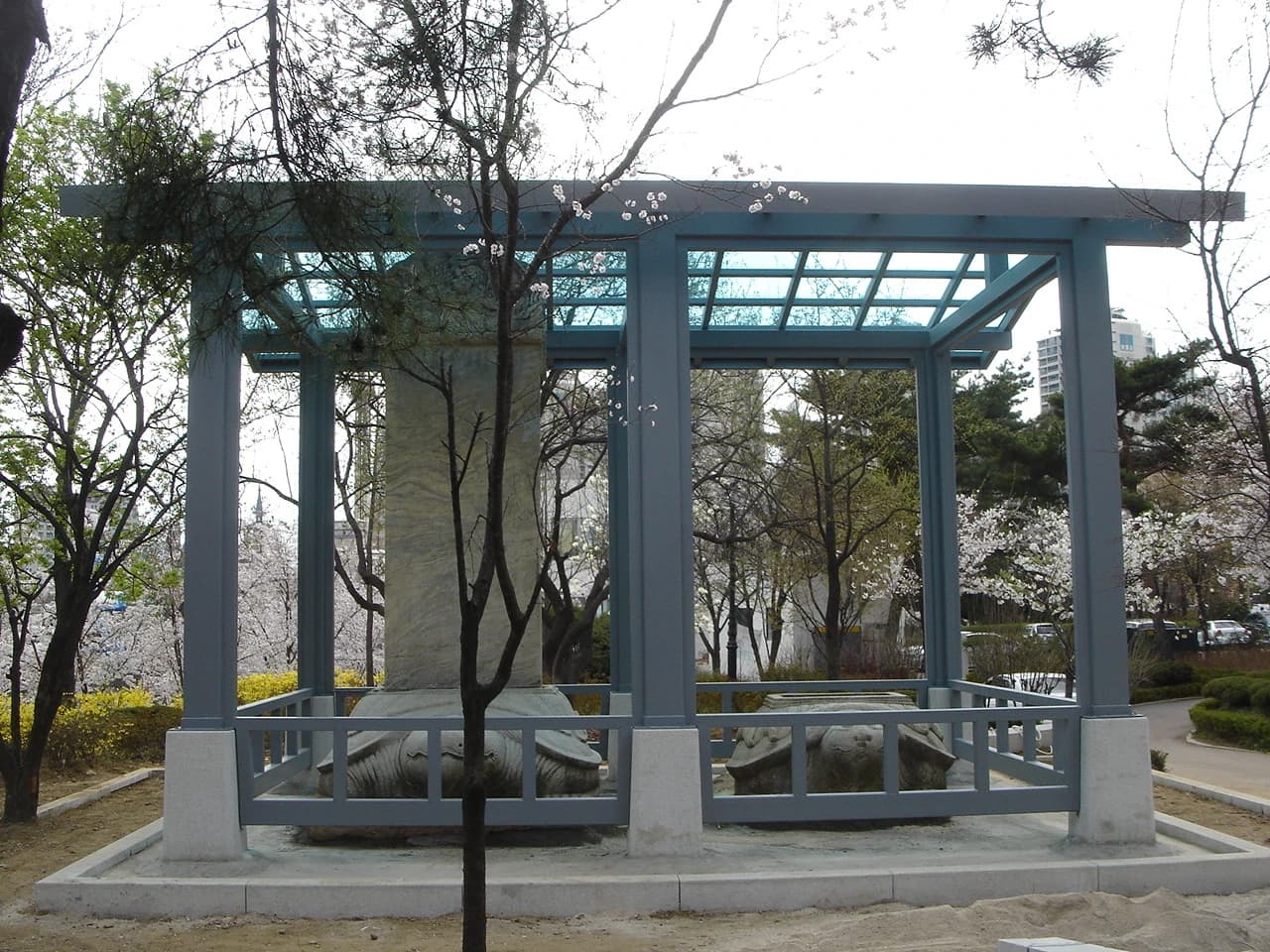
- Samjeondobi Monument: A symbol of Joseon's most painful defeat, erected to praise Qing Emperor Hong Taiji's merits following defeat in the Byeongja Manchu Invasion. Preserved near Seokchon Lake in Songpa-gu, Seoul, it still imparts historical lessons today.
Joseon's First Naturalized Westerner, Blue-Eyed Military Officer Park Yeon (Jan Jansz Weltevree): Park Yeon, whose real name was Jan Jansz Weltevree, was a Dutch navigator who landed in Jeju Island in 1627 (5th year of Injo's reign) to fetch drinking water while heading to Nagasaki, Japan, before being arrested by government troops and detained in Joseon.
Unable to return home, he naturalized in Joseon, married a Joseon woman, and started a family, acquiring the Joseon name 'Park Yeon'. Recognizing his exceptional technical skills, he worked at the military weapon agency Training Directorate (Hunryeondogam), transmitting Western firearm manufacturing and improvement technologies—such as matchlocks and cannons (Hongipo)—to the Joseon army. During the Byeongja Manchu Invasion, he personally participated in battle leading artillery units, and later served as interpreter for the party of Dutchmen shipwrecked on Jeju Island, helping them adapt to Joseon.
To honor Park Yeon, who spent his lifetime on Joseon soil and left major footprints in scientific technological development, identical statues of Park Yeon symbolizing bilateral friendship and exchange were erected in Seoul's Children's Grand Park and his hometown of De Rijp in the Netherlands. In particular, the statue at Seoul Children's Grand Park was directly manufactured and donated to Korea by De Rijp in 1991.
(17th King) Hyojong: A National Defense Monarch Who Embodied Dreams of Northern Expedition and Expanded DaedongbeopHyojong's hostage life, northern expedition plans to conquer Qing China, the Naseon Conquest defeating Russia, and Yeongneung in Yeoju.
Hyojong (reigned 1649–1659) was Injo's second son (Grand Prince Bongrim), tasting bitter humiliation enduring 8 years of hostage life in Qing China following the Byeongja Manchu Invasion. After ascending the throne, he vigorously pursued Northern Expedition Theory (北伐論)—a lifelong national salvation task to conquer Qing China and wash away national grievances—focusing on expanding military readiness.
1. Determination to Wash Away Humiliation, Northern Expedition Policy:
- Under the banner of avenging Qing China and upholding loyalty to Ming, Hyojong united with scholar-officials and warriors like Song Si-yeol and Yi Wan to launch sweeping military reforms.
- He extensively rebuilt fortresses, reorganized military units like the Geumwiyeong, and devoted efforts to developing firearms like matchlocks. However, since Qing China was at the height of its power ruling all of Asia at the time, actual warfare could not be launched directly.
2. The Naseon Conquest, Defeating Russia with Northern Expedition Military Force:
- The Contradiction of Helping Qing China with Northern Expedition Troops: Joseon's elite matchlock units, cultivated powerfully for the Northern Expedition, were unexpectedly mobilized to repel Russian Empire forces in the Naseon Conquest (1654, 1658), unable to refuse Qing requests for troop dispatches. As a defeated nation, Joseon lacked the power to refuse Qing military mobilization demands; refusing dispatches risked exposing secret military buildup (Northern Expedition preparations) plans, inviting Qing suspicion and retaliation.
- Led by General Shin Ryu, Joseon's matchlock unit crushed Russian forces near the Amur River with superior shooting skills and combat power, widely demonstrating Joseon's formidable national defense capabilities.
3. Expanded Implementation of Daedongbeop in Chungcheong and Jeolla Provinces:
- Accepting Chief State Councillor Kim Yuk's active proposals, Hyojong vastly expanded and implemented the Daedongbeop—initially introduced in Gyeonggi-do during Gwanghaegun's reign—down to Chungcheong-do and Jeolla-do provinces.
- Insisting on this law requiring tax payment in rice instead of local specialties, he eased the tax burdens of poor commoners and achieved accomplishments in solidly reinforcing state finances ruined by war.
4. Recommended Destinations: Historical Sites of Hyojong
- Yeongneung Tomb (寧陵) in Yeoju: Located in Yeoju-si, Gyeonggi-do, this is the tomb of Hyojong and his queen, Queen Inseon. Its Chinese character differs from King Sejong's nearby Yeongneung (英陵), offering a quiet historical resting place embraced by calm, dense pine forest paths.
'Hamel's Journal', Which First Introduced Joseon to the West, and Emotional Reunion with Park Yeon:
- Hamel Party's Shipwreck on Jeju Island: In 1653 (4th year of Hyojong's reign), Hendrik Hamel and crewmates, crew members of the Dutch East India Company, encountered a massive storm while heading from the merchant ship Sperwer to Nagasaki, Japan, drifting ashore on Jeju Island. Among 64 crew members, 36 survivors were arrested and detained by Joseon government troops, enduring harsh exile across Hanyang, Gangjin in Jeollado, and Yeosu for 13 years. Finally in 1666, 8 crew members including Hamel successfully escaped and returned home. The report written by Hamel to claim back-pay from the East India Company became Hamel's Journal, the book that first introduced the hermit kingdom of Joseon to the Western world.
- Dramatic Encounter with Park Yeon Who Forgot His Mother Tongue: When Hamel's party first drifted ashore on Jeju Island, the Joseon court hastily dispatched naturalized Dutch military officer Park Yeon (Jan Jansz Weltevree), then working as a training directorate military officer, as interpreter to ascertain the identity and language of the strangers. By then, 26 years had passed since Park Yeon was detained in Joseon, and while he had become completely fluent in Korean, he had almost forgotten his native Dutch from disusing it over long periods.
- Interpreter Who Regained Memories: When first encountering them, Park Yeon could not understand Hamel's party and only shed tears; after trying to converse and mingling with them for days, he miraculously remembered his long-forgotten mother tongue. Afterward, Park Yeon translated the plight and unfair treatment of Hamel's party in detail to the court, serving as a reliable protector and pillar of support for hometown juniors trapped in a distant foreign land.
(18th King) Hyeonjong: A Monarch Who Strove to Protect People's Livelihoods Amidst Ritual Political StrifeIntroduces the Yesong Disputes experienced upon accession as Hyojong's son, efforts overcoming the Great Gyeongshin Famine, and Sungneung Tomb at Donggureung in Guri.
Hyeonjong (reigned 1659–1674) ascended the throne as Hyojong's son. His reign was marked by continuous fiery ritual etiquette disputes known as Yesong Disputes (禮訟論爭), the fiercest in Joseon history.
1. Two Major Yesong Disputes That Shook Joseon Politics:
- First Gihae Yesong Dispute (1659) - Mother's Mourning Period Dispute After Hyojong's Death: When Hyojong passed away, ministers split into two factions and fought fiercely over how many years his stepmother, Grand Queen Dowager Jo (Queen Jangnyeol), should wear mourning clothes. The spark was that Hyojong was a second son, not the eldest. The Westerner faction argued that since Hyojong was a second son, he should wear mourning for 1 year, identical to ordinary families. Conversely, the Southern faction countered that although a second son, he ascended the throne and should be treated like an eldest son, wearing mourning for 3 years. Ultimately, this first dispute was decided in favor of the Westerners' opinion (1 year), who held stronger power at the time.
- Second Gabin Yesong Dispute (1674) - Daughter-in-Law's Mourning Period and Power Transition: When Hyojong's wife (Queen Inseon) passed away, fighting erupted again over how long mother-in-law Grand Queen Dowager Jo should wear mourning clothes. Once more, the Westerner faction argued for 9 months since it was a second daughter-in-law's mourning, whereas the Southern faction argued for 1 year treating her like an eldest daughter-in-law since she was a nation's queen. This time, King Hyeonjong sided with the Southerners (1 year). Through this ruling, the Westerner faction—which had held power for a long time—was largely ousted, and the Southern faction seized new power.
2. Debate Over Royal Authority Status, Not Mere Clothing Disputes:
- The Yesong Disputes were not simple royal etiquette fights, but struggles over royal authority legitimacy where Westerner ideas—viewing the king as identical to ordinary literati ritual etiquette—clashed with Southern ideas—arguing that royal ritual etiquette differed from literati and royal authority was transcendent.
- Hyeonjong maintained balance between these complex, sharp political factions, skillfully handling matters to protect royal authority.
3. Overcoming Joseon's Worst Climate Disaster, Great Gyeongshin Famine:
- Near the end of Hyeonjong's reign in 1670–1671, the unprecedented climate disaster known as the Great Gyeongshin Famine occurred. Frost, cold damage, floods, and droughts overlapped, ruining crops across all of Joseon and unleashing epidemics, starving between 300,000 and 1.4 million subjects to death.
- Hyeonjong reduced his side dish counts, contributed palace silver to operate the Jinnyuncheong relief agency, and demonstrated dedication by mobilizing all administrative capacities to save the people.
The Horrors of the Great Gyeongshin Famine in Historical Records: The famine at the time was so devastating that it reportedly recorded more deaths from starvation than the Imjin War or Byeongja Manchu Invasion. Starvation corpses overflowed streets, and human ethics collapsed. Blaming himself for people's suffering, Hyeonjong personally held rain rituals and unhesitatingly distributed palace wealth to save citizens.
4. Recommended Destinations: Historical Sites of Hyeonjong
- Sungneung Tomb at Donggureung in Guri: Located in Donggureung, Guri-si, Gyeonggi-do, this is the tomb of Hyeonjong and Queen Myeongseong. The roof of the Jeongjagak (T-shaped memorial hall) is built in a unique Paljak (hip-and-gable) roof style, the only one among Joseon royal tombs, allowing visitors to experience unique and splendid late Joseon royal architecture firsthand.
(19th King) Sukjong: Establishing Strong Royal Authority and Defending Territory Through Hwankuk PoliticsCovers Hwankuk politics shaking Westerner and Southern leaders, conflicts between Jang Hui-bin and Queen Inhyeon, circulation of Sangpyeong Tongbo and completion of Daedongbeop, and defense of Ulleungdo and Dokdo.
Sukjong (reigned 1674–1720) was Hyeonjong's only and legitimate son, wielding absolute royal authority based on unquestionable legitimacy.
Ascending the throne at the very young age of 14, he began governing the country directly himself without regency (Suryeom-cheongjeong) by queen dowagers (royal elders)—a rare occurrence in Joseon history. Whenever ministers grew too powerful, he led Hwankuk politics, replacing ruling political factions overnight to suppress ministerial power.
Furthermore, he expanded Daedongbeop nationwide, widely circulated Sangpyeong Tongbo (currency) to greatly develop the economy, and demonstrated strong leadership by securely protecting national borders and territories including Dokdo and Mt. Baekdu.
1. Bloody Political Reversals, Three Hwankuk Events:
- What is Hwankuk (換局)?: Hwankuk refers to sudden political reversals where the king replaced ruling ministerial factions overnight. Whenever ministers grew too powerful and tried to overstep him, Sukjong used this method to control them and protect absolute royal authority.
- First Gyeongsin Hwankuk (1680) - Fall of Southerners and First Banishment of Jang Ok-jeong: Wary of growing Southern power, Sukjong used an incident where Southern leader Heo Jeok took royal oil tents (Yuak) without permission for a feast as a pretext to oust Southerners en masse and transfer power to Westerners. Right after this Hwankuk, Jang Hui-bin—who entered the palace through Southern connections and won Sukjong's favor—faced severe trials.
Queen Myeongseong, Sukjong's biological mother who actively supported the Westerner faction, guarded against Jang's malice and forcibly expelled her from the palace, calling her "a child who will bewitch my son and ruin the country." Later when Queen Myeongseong passed away in 1683, Queen Inhyeon, troubled by succession issues without children, personally petitioned Sukjong to comfort his heart and invite Jang Hui-bin back into the palace to gain royal heirs. Ironically, she suffered the tragic fate of being ousted from the queen's seat later by Jang Hui-bin, whom she had brought back through her own goodwill. - Second Gisa Hwankuk (1689) - Investiture of Jang Hui-bin's Son as Wonja and Southerners' Return to Power: When consort Jang Hui-bin—favored by Sukjong—gave birth to a son (later King Gyeongjong), Sukjong tried to designate this son as Wonja (Primary Son) prior to official official heir status.
Although the Westerner faction strongly opposed this, arguing "Queen Inhyeon is still young, so there is no need to rush," Sukjong ignored them and suddenly carried out a ritual going to Jongmyo Shrine to report to ancestors that Jang Hui-bin's son was designated Wonja, cementing legitimacy. Enraged when Westerner leader Song Si-yeol submitted a memorial opposing this, Sukjong gave Song Si-yeol poison to die, ousted all Westerners, and reinstated the Southerners. In the process, Queen Inhyeon was deposed from the queen's seat, and Jang Hui-bin rose from consort to new Queen. - Third Gapsul Hwankuk (1694) - Reinstatement of Queen Inhyeon and Westerners' Seizure of Power: Tiring of the tyranny of the empowered Southerners, Sukjong regretted deposing Queen Inhyeon. Seeing through Southern plans to frame and eliminate Westerners pushing for Queen Inhyeon's reinstatement as traitors, Sukjong instead swept Southerners completely from court and recalled Westerners. Queen Inhyeon returned as Queen, while Jang Hui-bin was demoted back to Hui-bin, and Southerners completely exited history.
Meanwhile, regaining power, Westerners split into Noron (Old Faction) and Soron (Young Faction) over how to punish Jang Hui-bin and treat the Crown Prince she bore (later King Gyeongjong), forming a new opposition structure.
The Split of Westerners Into Noron and Soron Following Southern Collapse:
- Division of a Single Bloodline (Westerners): After Southerners completely collapsed, the Westerner (Seoin) faction—which seized court power—split into Noron and Soron due to internal ideological differences. In other words, Noron and Soron originated from the same family roots rooted in the Westerners.
- Noron (Hardline Westerners): Faction inheriting Song Si-yeol's thought, arguing that Jang Hui-bin must be severely punished. They kept Jang Hui-bin's son (Crown Prince Gyeongjong) in check, and later actively supported Yeoning-gun (later King Yeongjo)—son of Royal Consort Sukbin Choe of Westerner inclination—as the next king.
- Soron (Moderate Westerners): Faction following Yun Jeung's doctrines, arguing that while Jang Hui-bin's conduct was disliked, the legitimacy of Crown Prince Gyeongjong—the already designated national successor—must be recognized and protected. They maintained moderate stances regarding Jang Hui-bin's punishment.
- New Political Conflict Structure: Following the historic exit of Southerners, Joseon politics reorganized into fierce power struggles between Noron and Soron, both originally Westerners.
Jang Hui-bin, Recognized Beauty in the Annals: Villain or Political Scapegoat?
-
Annals Beauty and Sukjong's Favor: In the Annals of the Joseon Dynasty, Jang Hui-bin (Jang Ok-jeong) is the only consort or queen explicitly recorded with the words ""Her appearance was beautiful."" Sukjong loved her deeply enough to grant her the character 'Hui' (禧) meaning 'joyous and radiant', making her Hui-bin (禧嬪), the highest rank of royal consort.
-
Royal Consort Sukbin Choe's Tip-Off and the Inside Story of the 'Curse Scandal': As Sukjong's favor waned and Queen Inhyeon passed away from illness, Royal Consort Sukbin Choe (Yeongjo's biological mother) tipped off Sukjong: ""Jang Hui-bin has set up a secret shrine west of Chwiseondang and cursed Queen Inhyeon."" Extensive investigations ensued, unearthing straw curse dolls, talismans, and animal bones buried beneath Chwiseondang and Tongmyeongjeon halls. Enraged, Sukjong instantly issued poison. This tip-off (Mugo no Ok) served as the decisive catalyst branding Jang Hui-bin an atrocious villain in history. Rumors spread that right before drinking poison, she grabbed her son's (Gyeongjong) lower body to render him impotent; however, this was merely a dramatic rumor fabricated later by the public, linking Gyeongjong's sickly health and childlessness to Jang Hui-bin's harsh conduct.
- Enactment of the 'Jang Hui-bin Law': Right after this incident, Sukjong proclaimed a special state law preventing conspiracies and tragedies where consorts plotted against queens to usurp the middle palace from ever happening again. Popularly called the 'Jang Hui-bin Law', this law nailed down that "No matter how favored a consort is or how many princes she bears, she can never be promoted to rise to the position of Queen (Jungjeon)." Because of this law, Royal Consort Sukbin Choe—who later bore Yeongjo—could not become queen either, fundamentally blocking consorts from rising to queens until the end of the Joseon Dynasty.
-
Villain in History or Scapegoat of Cold Politics?: Today, views on Jang Hui-bin are sharply divided. One is the traditional evaluation of her as an unprecedented villain who plunged court and people into ruin through endless plots and curses for social climbing and boundless desire. Conversely, modern historians view Jang Hui-bin as a scapegoat of Sukjong's ruthless 'Hwankuk politics', where he alternately swept away Westerner and Southern factions to maximize royal authority. Standing at the center of Southerners, she was thoroughly exploited and discarded in Sukjong's power game, while her rival Noron faction monopolized late Joseon court power for 200 years, solidifying her one-sided depiction as a historical criminal without fair evaluation.
2. Completion of Nationwide Daedongbeop and Issuance of Sangpyeong Tongbo:
- Starting under Gwanghaegun, Daedongbeop was finalized across all of Joseon except Pyongan-do and Hamgyeong-do (reaching Hwanghae-do), finally accomplishing the historic milestone of nationwide expanded implementation of Daedongbeop roughly 100 years after initiation.
- Furthermore, minting and circulating Sangpyeong Tongbo (常平通寶)—which successfully achieved nationwide circulation for the first time in Joseon and innovated monetary economics—laid foundations for dazzling developments in markets, commerce, and industry.
3. An Yong-bok's Activities, Territorial Defense, and Construction of Baekdu-san Jeonggyebi Monument:
- When Japanese intruders continually trespassed on Ulleungdo and Dokdo to fish, the court tacitly approved and supported independent fisherman An Yong-bok of Dongnae crossing to Tsushima. This achieved the historical triumph of obtaining written confirmation from the Japanese shogunate that "Ulleungdo and Dokdo are Joseon territory."
- Moreover, to secure northern territory and prevent border disputes with Qing China, the Baekdu-san Jeonggyebi Monument (1712) was erected at the Baekdu watershed, clearly fixing the Tumen River as the eastern border and Yalu River as the western border.
4. Story of Geumson-i, the Companion Cat Loved by Sukjong:
Among Joseon monarchs, Sukjong stands out for his hot-tempered, cold-blooded political side, but privately he was a devoted cat lover (Aemyoga). Among them, a heartwarming anecdote is passed down regarding 'Geumson-i', a yellow-furred companion cat most cherished by Sukjong.
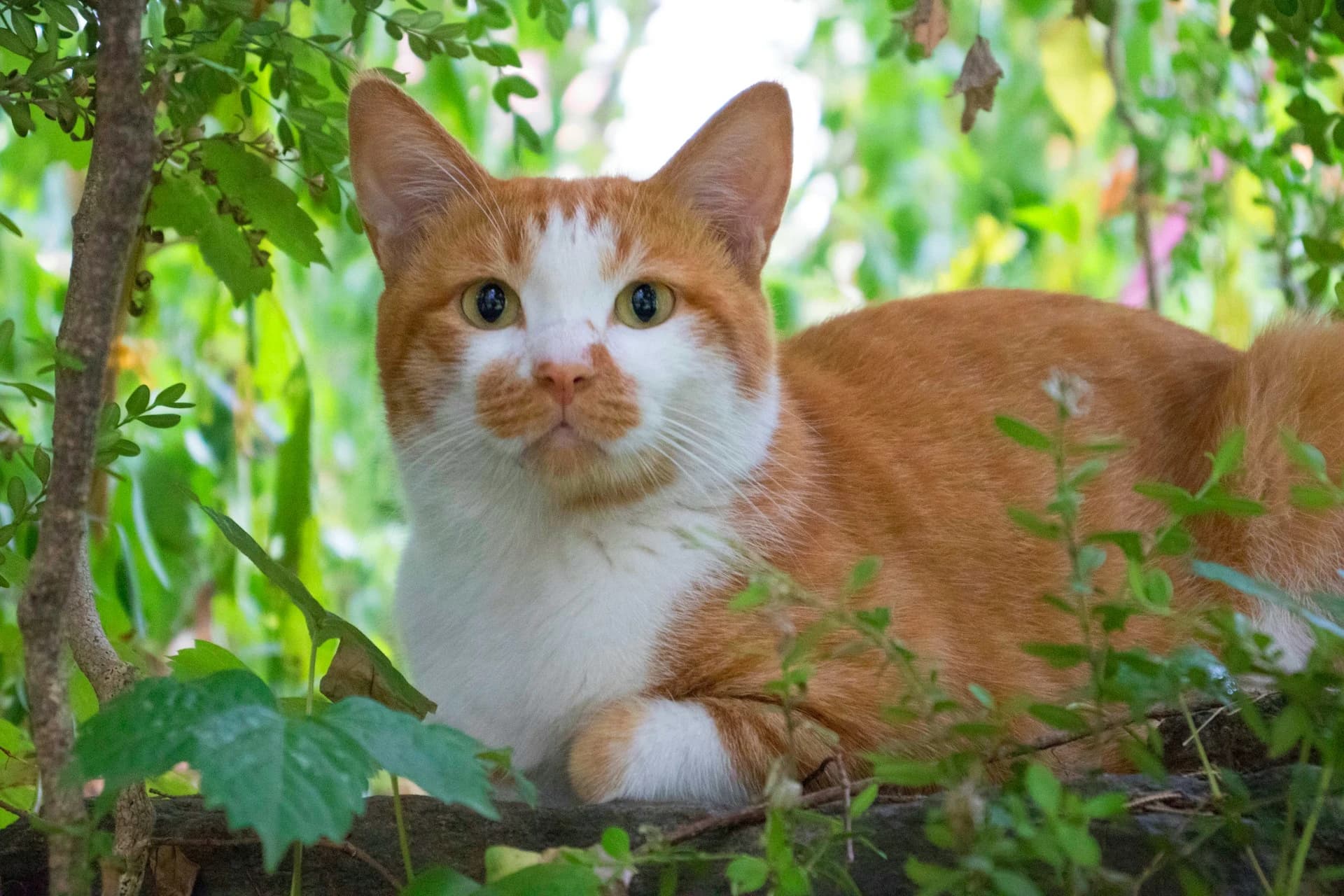
- The King's Deep Favor:
- Sukjong carried Geumson-i by his side while handling state affairs, seated it next to him during royal meals, and personally fed it meat dishes. He even brought it into his sleeping quarters at night to embrace and sleep with it, pouring deep affection.
- Unwavering Loyalty to Master and Tragic End:
- When Sukjong passed away in 1720, Geumson-i recognized its master's death, completely refused food, cried plaintively, and ultimately passed away following its master days later.
- Queen Dowager (Queen Inwon) considered this loyal, clever cat's heart precious, ordering it wrapped in silk robes and buried near Sukjong's tomb, Myeongneung. The story of this loyal beast buried together near Myeongneung is widely told to this day.
5. Recommended Destinations: Representative Historical Relics of Sukjong's Era
- Myeongneung and Daebinmyo at Seoorung in Goyang: Starting with Myeongneung where Sukjong and Queen Inhyeon rest, walking through adjacent Jang Hui-bin's Daebinmyo lets visitors vividly experience turbulent Joseon court history and fierce factional politics on-site as an excellent history study site.
- Chwiseondang Site at Changgyeonggung Palace: The site of Jang Hui-bin's residence located near Tongmyeongjeon Hall in Changgyeonggung Palace, known as the place where she set up a secret shrine to curse Queen Inhyeon in order to become queen again.
- Bukhan-sansong Fortress: Built grandly during Sukjong's reign to solidly establish defense systems for the Hanyang capital, reflecting the devastating war damage of the Imjin War and Byeongja Manchu Invasion. Featuring a royal villa (Haenggung) and solid fortress systems allowing royal families to take refuge and resist to the end in emergencies, it stands as the premier national defense stronghold of the late Joseon period.
- An Yong-bok Memorial Hall in Ulleungdo: A memorial honoring the territorial defense achievements of commoner fisherman An Yong-bok, who crossed to Japan during Joseon's Sukjong era and returned after securing recognition from the shogunate that Ulleungdo and Dokdo belonged to Joseon. Located in Cheonbu-ri, Ulleungdo, it exhibits valuable Korean-Japanese old documents proving Dokdo is Joseon territory alongside An Yong-bok's exploits, allowing visitors to vividly feel the value of territorial sovereignty.
(20th King) GyeongjongCovers his turbulent time as Crown Prince born to Jang Hui-bin, short reign, crab-and-persimmon poisoning rumors, and Uireung in Seoul.
Gyeongjong (reigned 1720–1724) was the son of Sukjong and Jang Hui-bin, an unfortunate king who spent his life amidst anxiety and sickly health while watching his mother's tragic death.
Although he left no major achievements due to a short reign of roughly 4 years, bloody power struggles between Noron and Soron surrounding his ascension and death left deep scars on late Joseon history. He is also the protagonist of 'Gyeongjong's Poisoning Rumor', which became a lifelong shackle for his half-brother Yeongjo.
1. Crown Prince Years Full of Trials and Sinim Oksa:
- Crown Prince Years in Anxiety: As Crown Prince, Gyeongjong had to watch his mother Jang Hui-bin receive poison and die a miserable death. Because the Westerner (Noron) faction—which drove his mother to death—constantly shook and tried to depose the Crown Prince fearing retaliation once Gyeongjong became king, Gyeongjong lived holding his breath in extreme fear not knowing when he might die.
- Investiture of Crown Prince's Brother and Sinim Oksa (1721–1722): When Gyeongjong ascended the throne without heirs, the Noron faction excessively pressured him to appoint his half-brother Yeoning-gun (later King Yeongjo) as the next successor, Crown Prince's Brother (Wangseje), and have him handle state affairs via regency. Enraged, Gyeongjong and the Soron faction united to completely oust Noron from court and unleash a bloodbath, divided largely into two events by year:
- Sinchuk Oksa (1721): When Noron pushed for the Crown Prince's Brother's regency disregarding the king's safety, the Soron faction accused this of being a royal power-seizure conspiracy, seizing power and heavily demoting/exiling Noron's core leaders.
- Imin Oksa (1722): The following year, a figure named Mok Ho-ryong falsely tipped off that "Noron youths plotted to poison or send assassins to assassinate King Gyeongjong," triggering massive punishments. This led to a tragedy where roughly one hundred Noron members—including four Noron Prime Ministers (Sadaesin) who were exiled—received poison or were executed.
2. Tragic Death and 'Crab and Ripe Persimmon' Poisoning Rumor:
- Yeongjo's Lifelong Complex: Four years into his reign, Gyeongjong's health suddenly deteriorated rapidly, and he passed away. At this time, Crown Prince's Brother Yeoning-gun (Yeongjo) defied doctors' warnings and served crab and ripe persimmon—considered an extreme medical incompatibility in oriental medicine—to Gyeongjong's royal table. Since Gyeongjong contracted dysentery and died after eating them, widespread rumors spread that "Yeongjo poisoned his older brother."
- Rumors Shaking Yeongjo's Era: This 'Gyeongjong Poisoning Rumor' spread deeply not only in folklore but across Joseon politics, serving as a shackle shaking Yeongjo's legitimacy throughout his life after ascending the throne. Yeongjo even authored a book (Gamirok) weeping and appealing his innocence that he did not kill his brother.
3. Recommended Destination: Gyeongjong's Royal Tomb Complex
- Uireung in Seoul: Located in Seokgwan-dong, Seongbuk-gu, Seoul, this is the tomb of Gyeongjong and his second queen, Queen Seonui. It takes the unique form of Dongwongangneung (twin tombs) where the king and queen's burial mounds are arranged front-to-back rather than side-by-side. Although suffering painful historical damage when a Korean Central Intelligence Agency (KCIA) building entered the tomb grounds in the past, the gardens have now been beautifully restored, serving as an urban oasis to take quiet walks and reflect on the life of the ill-fated King Gyeongjong.
Recommended Guides
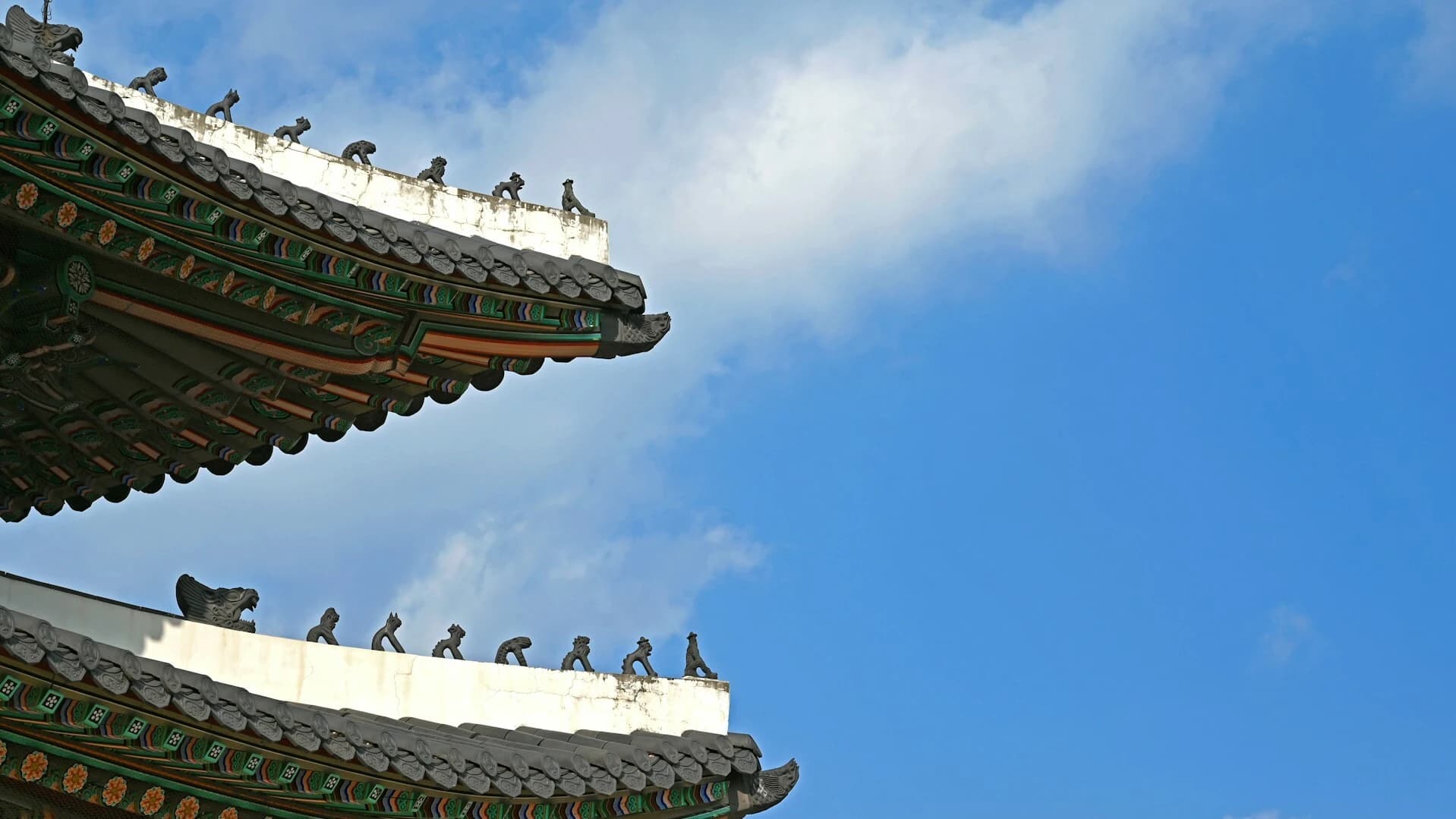
Yeongjo, Jeongjo, Sunjo, and Cheoljong: Behind-the-Scenes Stories of Late Joseon Reforms and In-law Politics
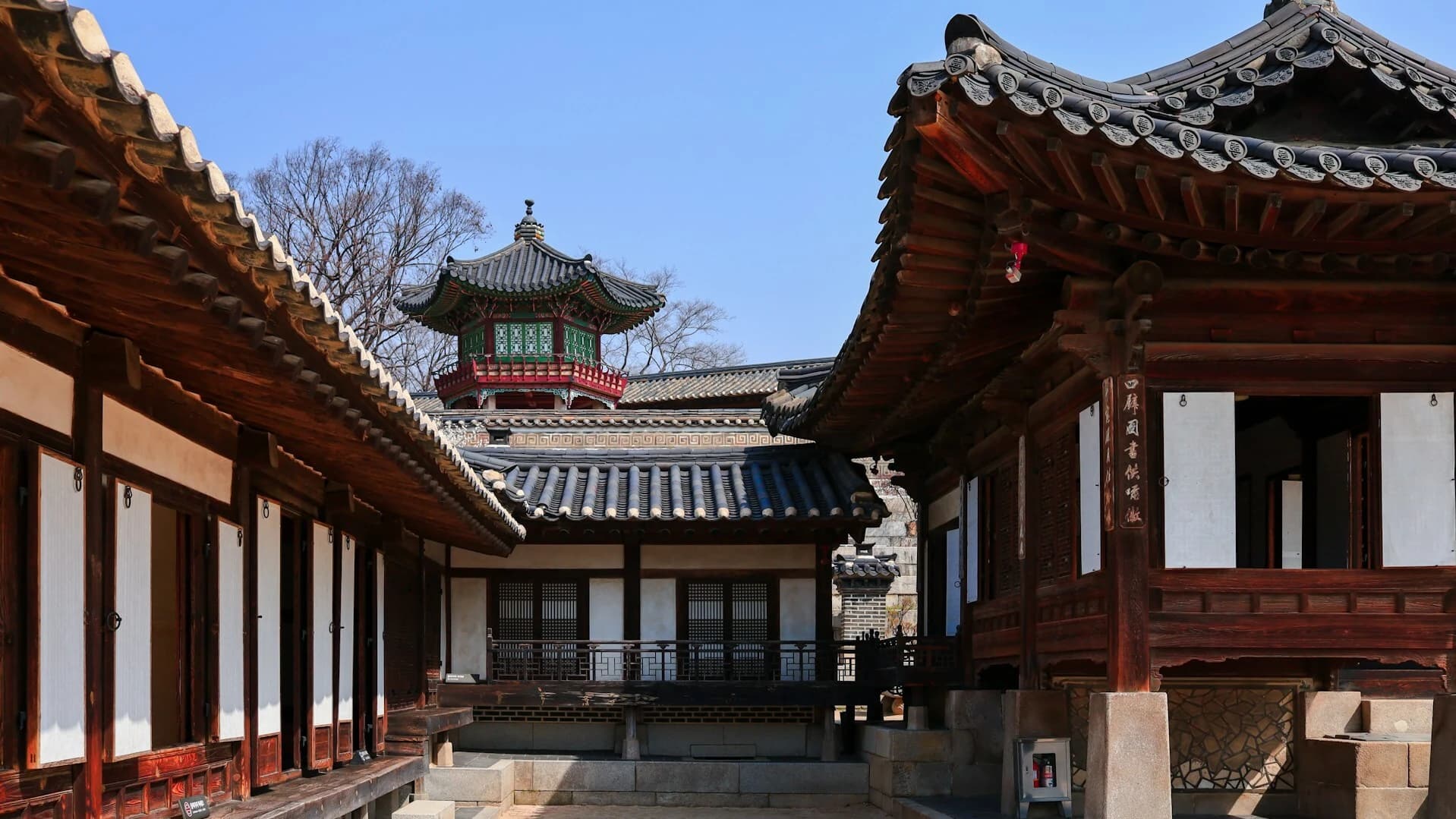
Gojong and Sunjong: History of the Turbulent Late Joseon Period and Secret Stories of the Korean Empire Royal Family
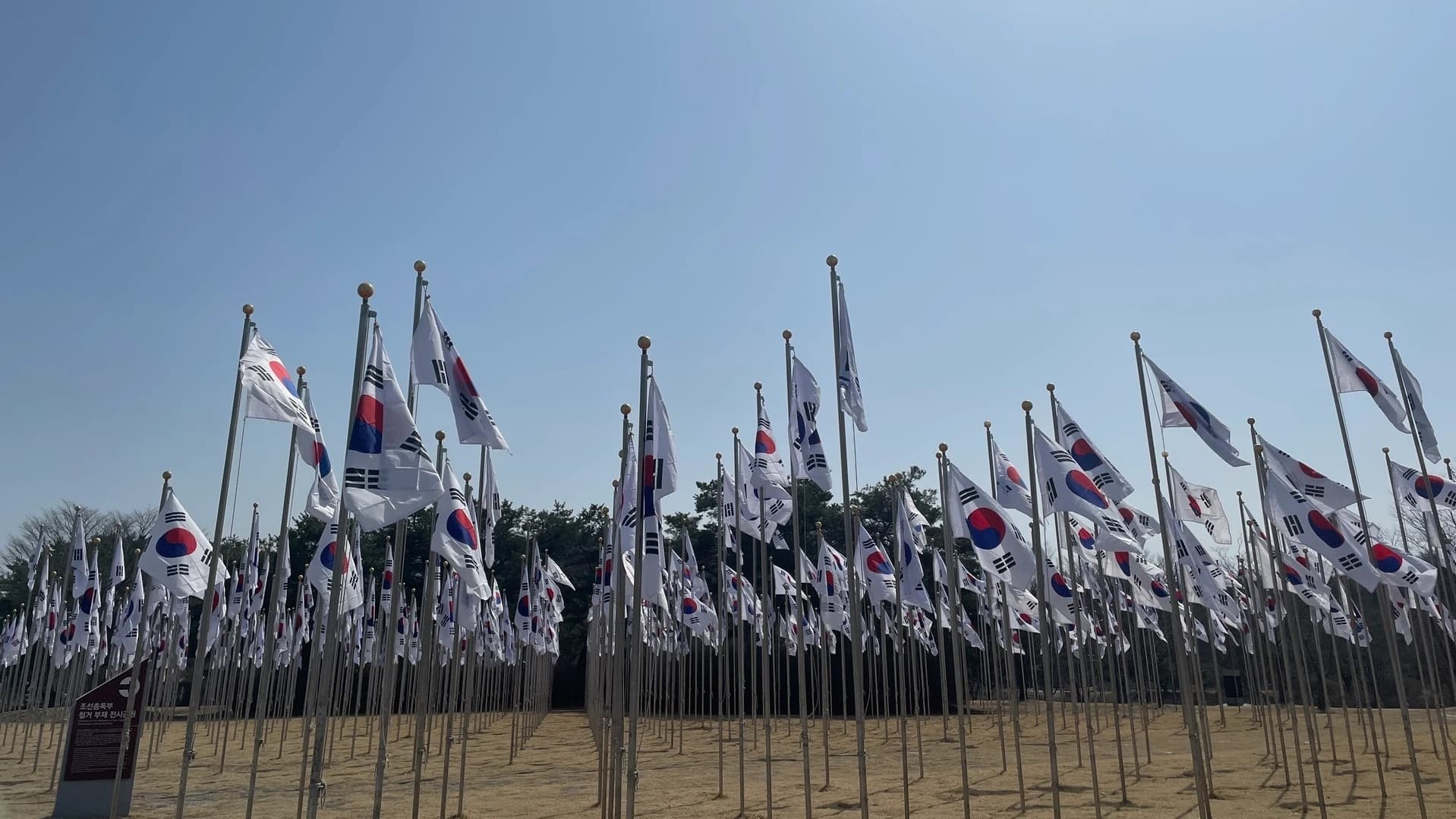
Korean History and Major Historic Sites Travel Guide