Over thousands of years, South Korea's history has overcome numerous changes and trials, leaving behind a rich and unique cultural heritage. This guide helps foreign travelers easily understand the fascinating stories and origins of Korean history, while introducing carefully selected key historical tourist spots and ruins by era where you can directly experience the breath of historical events.
Korea Heritage Service English Website VisitKorea Travel Information Portal1. Gojoseon and Dangun Mythology: The Beginning of Korean HistoryIntroduces the founding story of the Korean people's first state and representative Bronze Age sites, Ganghwado Chamseongdan Altar and dolmens.
The roots of Korean history lie in Gojoseon, the Korean Peninsula's first state, founded in 2333 BC. Legend says it was founded by Dangun Wanggeom, born between Hwanung, the son of the heavenly god Hwanin, and a bear (Ungnyeo) that turned into a human after eating mugwort and garlic.
- Founding Spirit, Hongik Ingan:
- The founding ideology 'Hongik Ingan' means 'to broadly benefit the human world', forming the basis of the Korean cultural identity that values peace, harmony, and coexistence.
- Original Country Name and Origin of Gojoseon:
- At the time of its founding, the actual name of the country was simply 'Joseon'. To clearly distinguish it from the later 'Joseon' Dynasty founded by Yi Seong-gye in 1392, later historians began adding the character for 'old' (古), calling it 'Gojoseon'.
- Dolmens, Symbols of Bronze Age Power:
- Gojoseon was founded and grew against the backdrop of the Bronze Age culture on the Korean Peninsula. Dolmens, tombs built by piling up giant stones during this period, are representative ruins showing the powerful authority of the ruling class. More than half of the world's dolmens are distributed across the Korean Peninsula, making Korea a center of prehistoric megalithic culture.
- Recommended Travel Destination (Ganghwado Area):
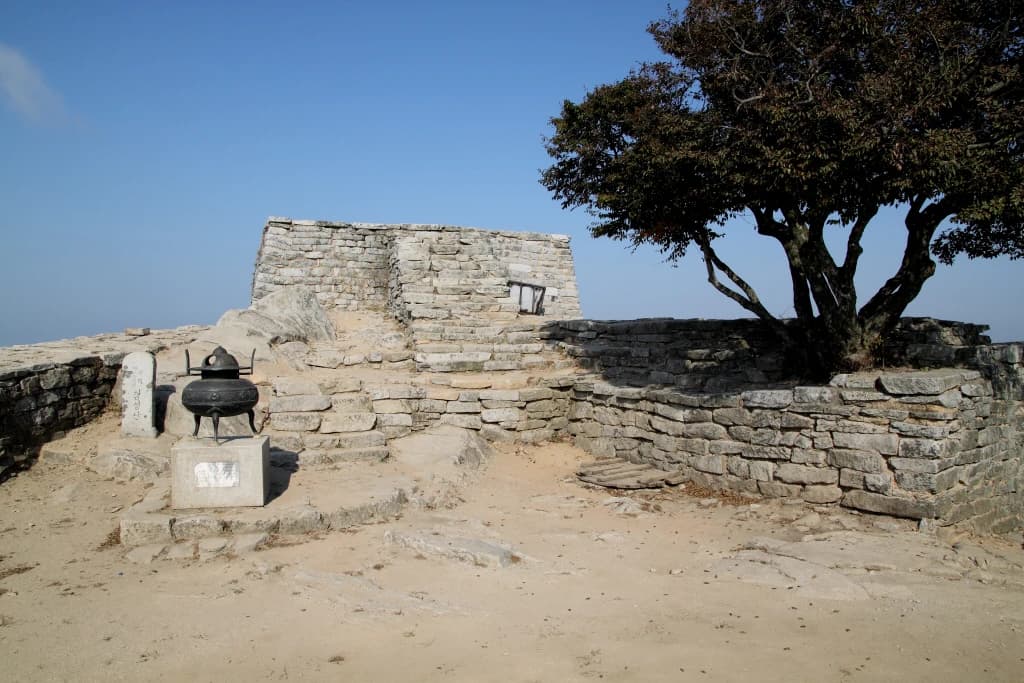
- Manisan Chamseongdan Altar: Located at the summit of Mt. Manisan in Ganghwado, this is an altar where legend says Dangun Wanggeom performed rituals to the heavens. The hiking trail leading to the 472-meter summit offers panoramic views of the West Sea, making it famous as a hiking course.
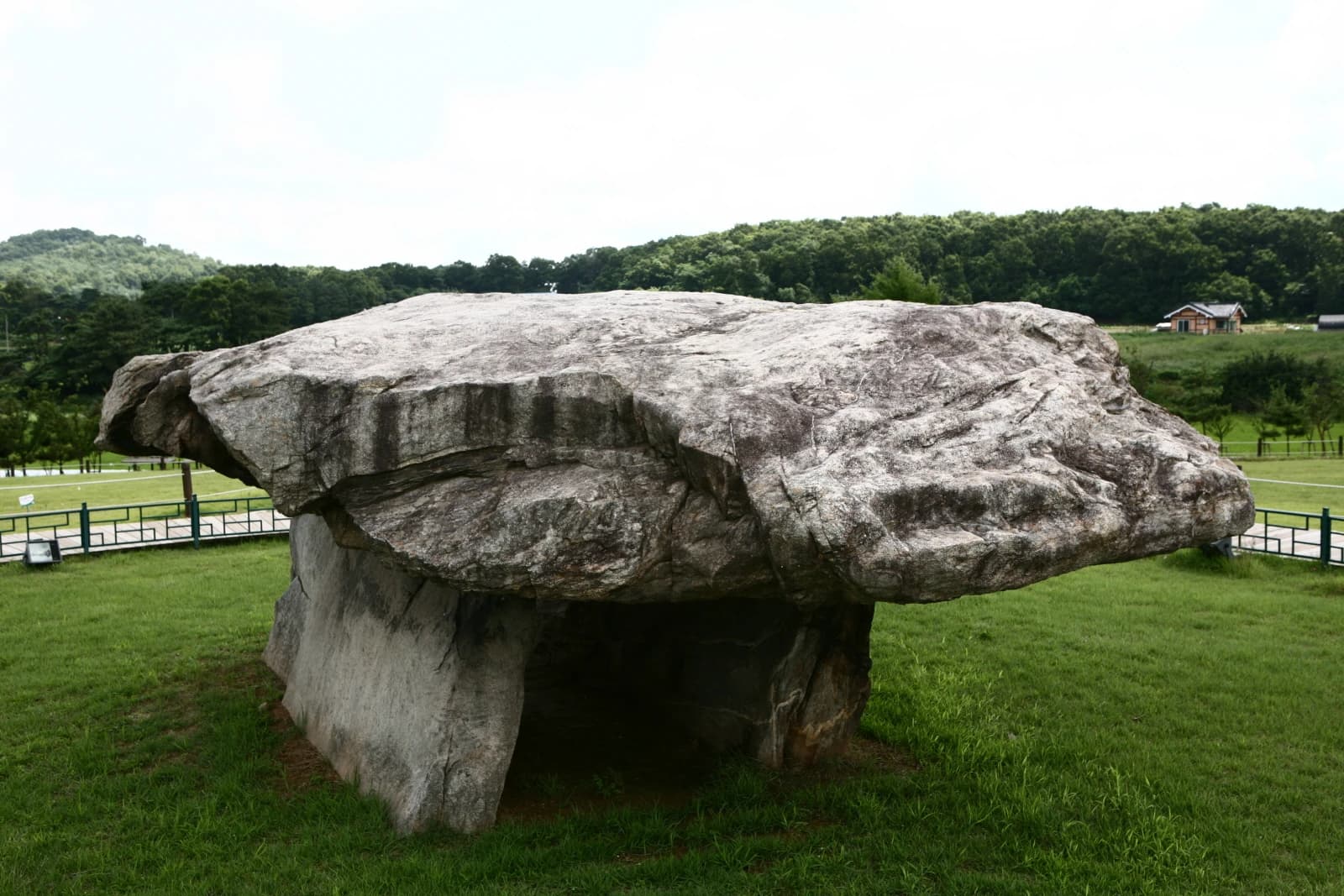
- Ganghwado Dolmen Sites (UNESCO World Heritage): Along with Gochang in Jeollabuk-do and Hwasun in Jeollam-do, this is a representative Korean dolmen site designated as a World Heritage. In particular, the massive table-type dolmen located in Bugeun-ri, Gangwang-gun shows the essence of prehistoric Bronze Age megalithic culture, holding very high historical value.
Historical Secret of 'Garlic' in Dangun Mythology: Since modern garlic was actually introduced to the Korean Peninsula after the Unified Silla period, the garlic in the myth was likely 'mountain garlic' (wild chives), a native species. Although different from historical facts, garlic and mugwort are representative symbols of patience, and the expression 'Trying to become human?' is a lighthearted joke deeply rooted in Korean culture when someone eats garlic in daily life.
2. Growth of Various States and Iron Culture: The Rise of Early StatesExplores the characteristics of early states like Buyeo, Goguryeo, Okjeo, Dongye, and Samhan that rose based on iron culture around the Korean Peninsula and Manchuria before and after the fall of Gojoseon.
During the period from the 2nd century BC to the 1st century AD, as iron culture spread fully across the Korean Peninsula and Manchuria, various early states succeeding Gojoseon arose and competed.
- Key Characteristics of Early States:
- Buyeo: Developed agriculture and livestock farming in the wide plains of the Songhua River basin in Manchuria, and held a ancestral ritual event called Yeonggo. It later became the root of the founding forces of Goguryeo and Baekje.
- Early Goguryeo: Founded by Jumong in the rugged mountainous region of Jolbon. To overcome the harsh environment, it fostered a brave warrior group and gradually expanded its power.
- Okjeo and Dongye: Located on the eastern coast of the Korean Peninsula, fishery and agriculture developed, but they were ruled by tribal chiefs called Eupgun or Samro instead of kings. Okjeo's under-age bride custom and Dongye's Mucheon (ritual event) and Chaekhwa (penalties for trespassing borders) systems are famous.
- Samhan (Mahan, Jinhan, Byeonhan): A massive confederacy located in the southern region of the Korean Peninsula where rice farming flourished. It was a socio-political society with a separation of politics and religion where the priest 'Cheongun' and sacred area 'Sodo' existed, later becoming the roots of Baekje, Silla, and Gaya.
- Recommended Historical Ruins and Museum:
- National Museum of Korea, Iron and Early States Gallery: You can view iron weapons, exquisite bronze bells, and unique earthenware relics of various states that arose across the Korean Peninsula after Gojoseon at a glance.
💡 Historical Roots of the Official Country Name 'Daehan Minguk' (Republic of Korea): Today's official country name for Korea, 'Han' (韓) in 'Daehan Minguk', originates from 'Samhan' (Three Hans)—Mahan, Jinhan, and Byeonhan—that existed in the southern Korean Peninsula in ancient times. In 1897, Emperor Gojong proclaimed the country's name as 'Daehan Empire' to embrace the lands of Samhan and establish independent legitimacy, which was succeeded as 'Daehan Minguk' (Republic of Korea) aiming for a democratic republic during the establishment of the Provisional Government in 1919, continuing to the present day.
3. Three Kingdoms Period and Gaya: Prosperity of Gold and Ancient CultureIntroduces Gyeongju and Buyeo, ancient relic-filled regions during the period when Goguryeo, Baekje, Silla, and the iron-culture Gaya confederacy competed.
From the 1st century BC to the 7th century AD, the Korean Peninsula and Manchuria served as the stage where the Three Kingdoms of Goguryeo, Baekje, and Silla, along with the Gaya confederacy, competed and enjoyed a vibrant golden age.
- Attractive Characteristics of the Three Kingdoms:
- Goguryeo: A nation of brave warriors ruling the vast northern continent.
- Baekje: Possessed a sophisticated artistic sense and gentle beauty, serving as the root of ancient Japanese culture.
- Silla: Maintained a single capital for a thousand years and blossomed a brilliant golden accessory culture.
- Gaya: An ancient confederacy that produced sophisticated iron-making technology and the traditional string instrument 'Gayageum'.
- Recommended Travel Destinations:
- Gyeongju Daereungwon Tomb Complex and Cheomseongdae Observatory (Silla): Gyeongju, once the center of a thousand-year kingdom, is an entire giant open-air museum. You can walk through Daereungwon, containing massive royal tombs, and Cheomseongdae, the oldest surviving astronomical observatory in Asia.
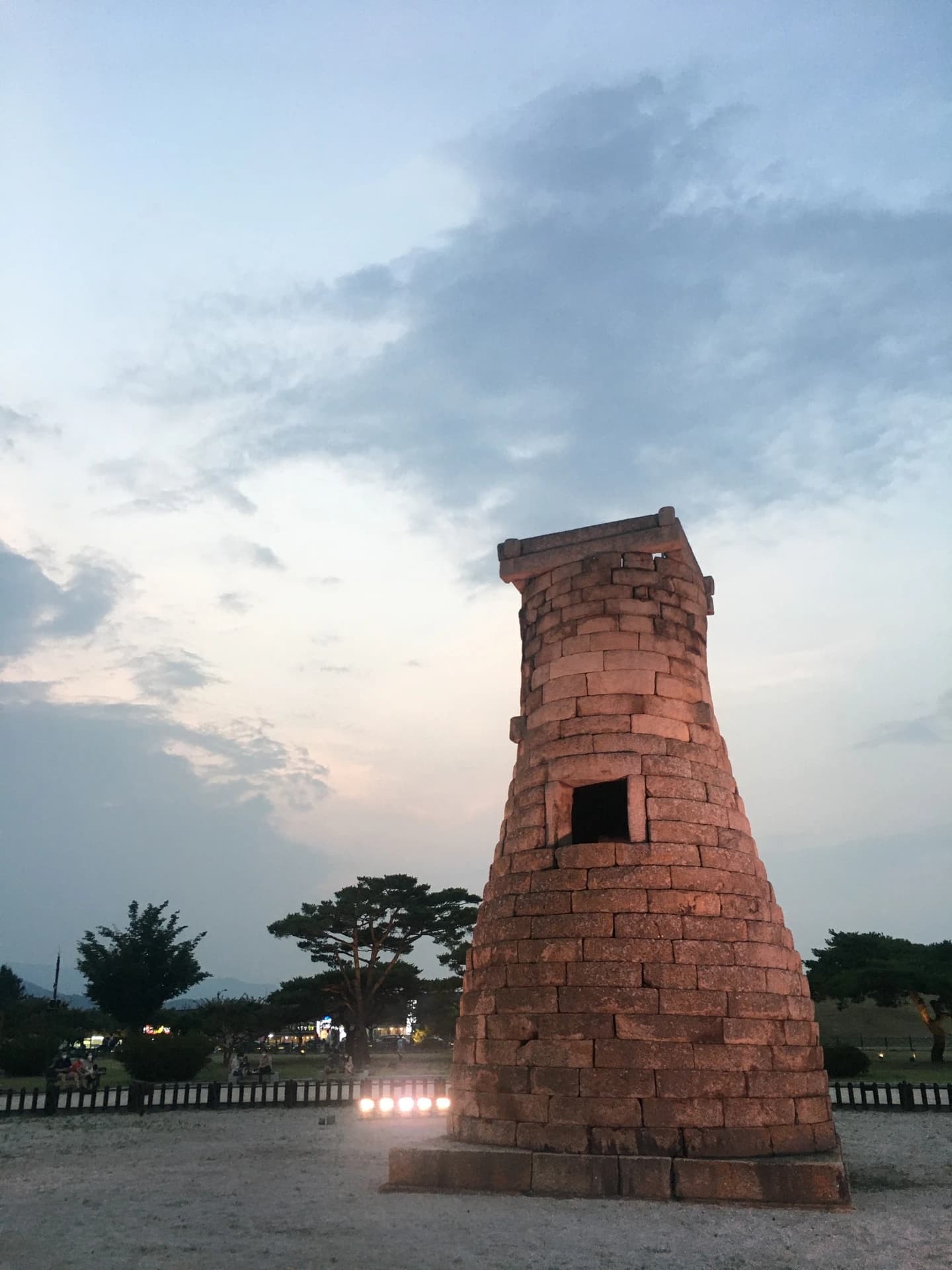
Cheomseongdae Observatory - Baekje Historic Areas (Gongju and Buyeo): Baekje's former capitals, Gongju and Buyeo in Chungcheongnam-do, are filled with elegant cultural heritages registered as UNESCO World Heritage sites, such as the Tomb of King Muryeong, Nakhwaam Cliff, and the Five-Story Stone Pagoda of Jeongnimsa Temple Site in Buyeo.
- Tomb of King Suro of Gaya (Gimhae): The tomb of King Suro, the founding monarch of Gaya in Gimhae, Gyeongsangnam-do, offering a glimpse into Gaya's unique history and iron culture.
Two Historical Books Recording the Pre-Joseon Three Kingdoms Period: Samguk Sagi and Samguk Yusa:
The history of the Three Kingdoms and mysterious legends known today were revealed to the world thanks to two great historical texts written during the Goryeo Dynasty. The two books have very different recording characteristics.
-
Samguk Sagi (History of the Three Kingdoms) - Rational Official History Book: An official history book (Jeongsa) compiled in 1145 by Kim Bu-sik, a Goryeo official, under the king's order. Based on Confucian rationalism, it objectively and systematically recorded historical events based on facts, such as royal politics, diplomacy, and wars of the Three Kingdoms period.
-
Samguk Yusa (Memorabilia of the Three Kingdoms) - Treasure House of Mysterious Legends: A history book written in 1281 by Iryeon, a Goryeo monk. It richly collected and recorded Gojoseon's Dangun mythology, birth legends of each state, folk legends, Buddhist tales, and ancient songs (Hyangga) that were omitted or excluded in the official history book Samguk Sagi.
-
Significance of the Records: If only Samguk Sagi existed, we would have lost interesting historical imaginations like founding stories of ancient states and Dangun mythology; conversely, if only Samguk Yusa existed, systematic fact-checking of ancient history would have been difficult. They are mutually complementary, precious companion cultural heritages for studying Korean ancient history.
4. North-South States Period: The Pinnacle of Brilliant Ancient Buddhist ArtIntroduces Bulguksa Temple in Gyeongju during the era when Silla, which unified the Three Kingdoms, and Balhae, the successor state of Goguryeo, coexisted.
This era saw the coexistence of brilliant ancient dynasties in the south and north, as Silla unified the Korean Peninsula south of the Taedong River (676) and Balhae (698), inheriting the spirit of Goguryeo, was founded in the northern Manchurian region.
- Golden Age of Buddhist Art:
- During this period, Unified Silla demonstrated mature artistic capacity, creating numerous world-class religious artworks.
- Recommended Travel Destinations:
- Gyeongju Bulguksa Temple and Seokguram Grotto (Unified Silla): Bulguksa Temple, a UNESCO World Heritage site, is a masterpiece materializing the Buddhist ideal world dreamed of by ancient Silla people. Seokguram Grotto, located midway up Mt. Toham behind the temple, is an artificial grotto carved out of massive granite, displaying mysterious and exquisite beauty recognized as the pinnacle of religious sculpture art worldwide.
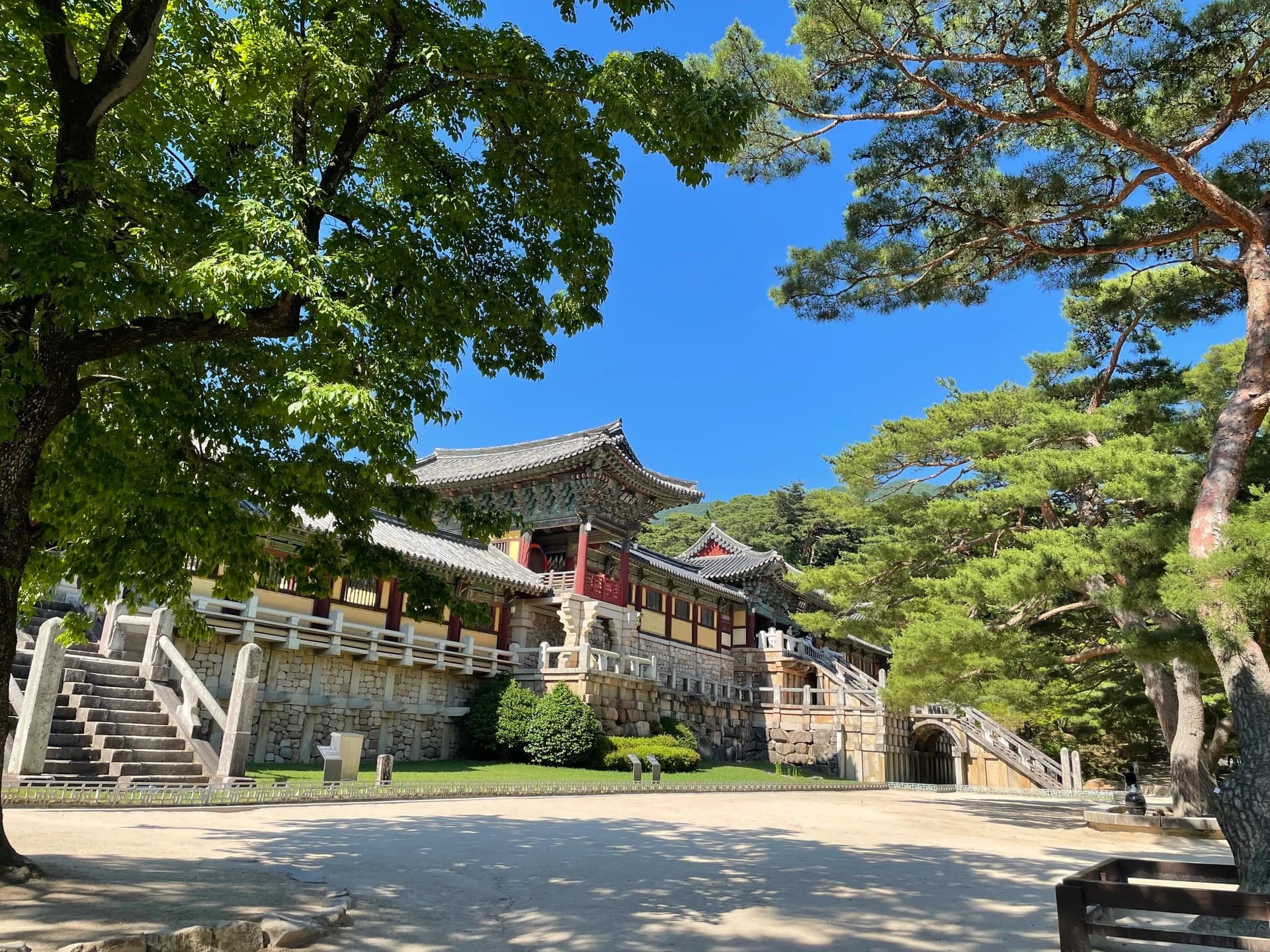
Bulguksa Temple 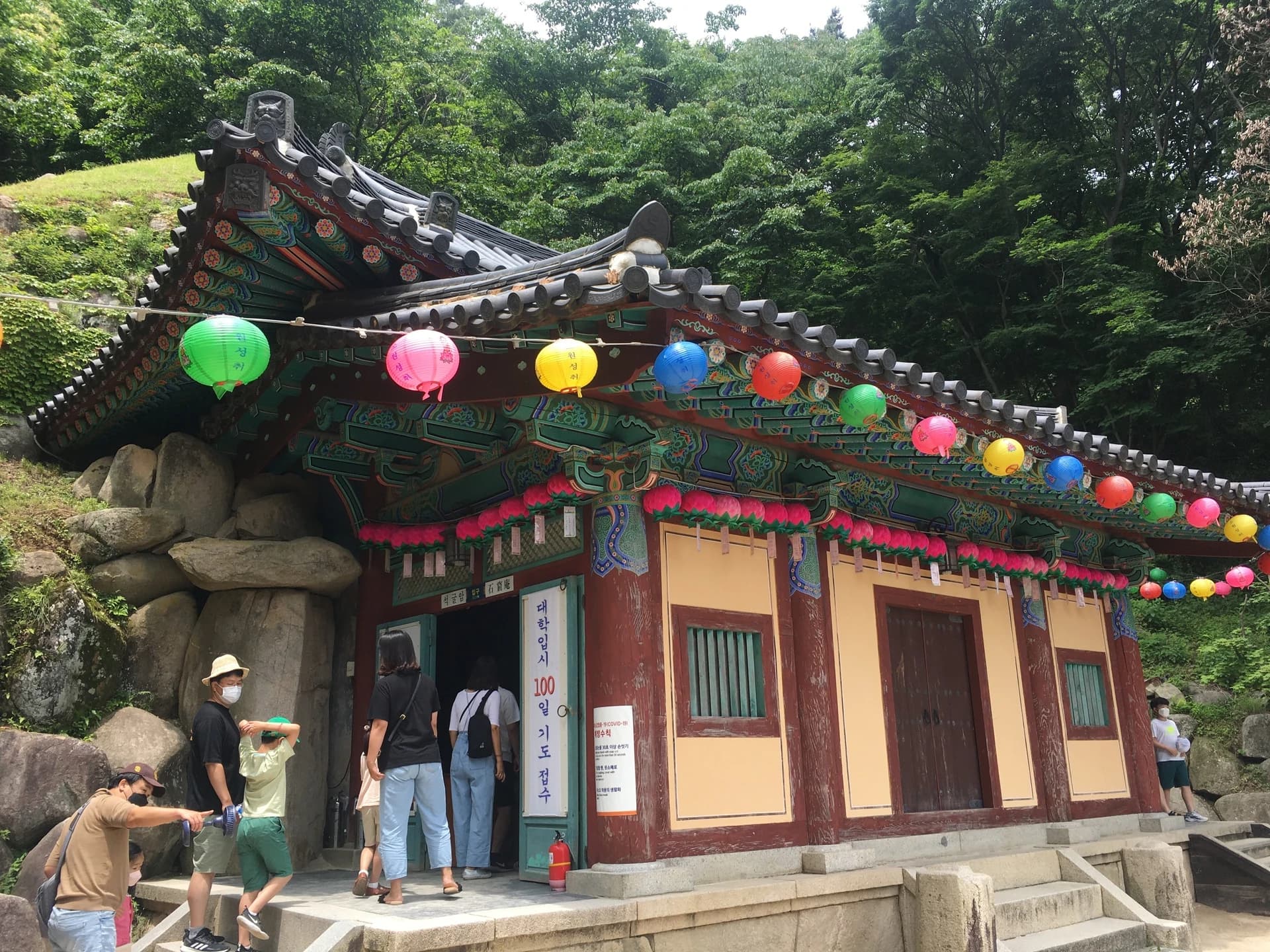
Entering the building leads to Seokguram Grotto (Internal photography prohibited) - Gyeongju Donggung Palace and Wolji Pond (Unified Silla): Formerly called 'Anapji', this is a beautiful secondary palace garden of the Silla royal family. It is Gyeongju's top nighttime attraction, famous for the subtle, graceful night view of pavilions reflected on the pond.
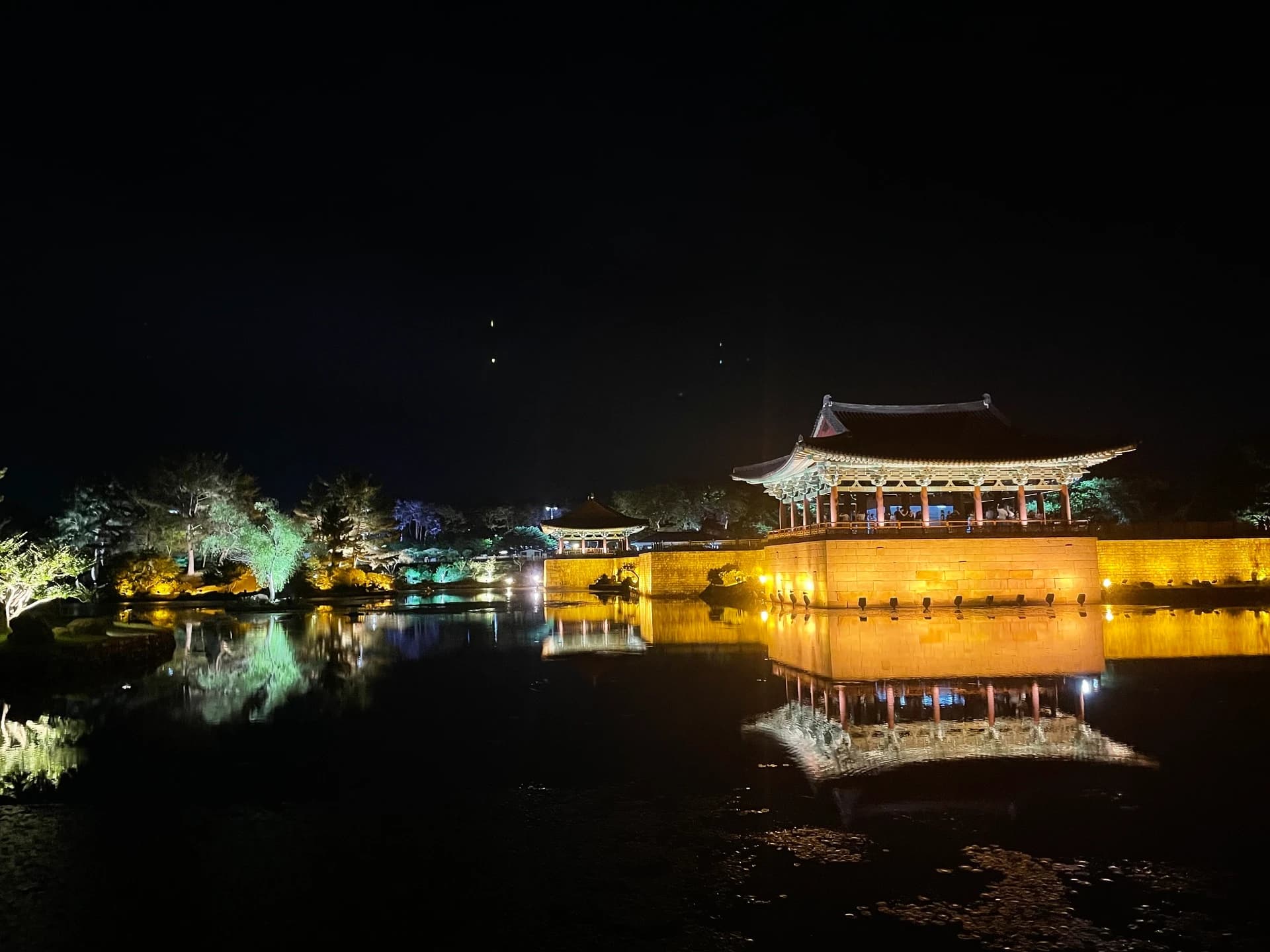
Night view of Donggung Palace and Wolji Pond - Gyeongju Woljeonggyo Bridge (Unified Silla): A grand corridor-style wooden bridge tied to the love story of Monk Wonhyo and Lady Yoseok. At night, the bridge's gentle lights reflecting on the water create a fantastic atmosphere along a beautiful riverside walking course.
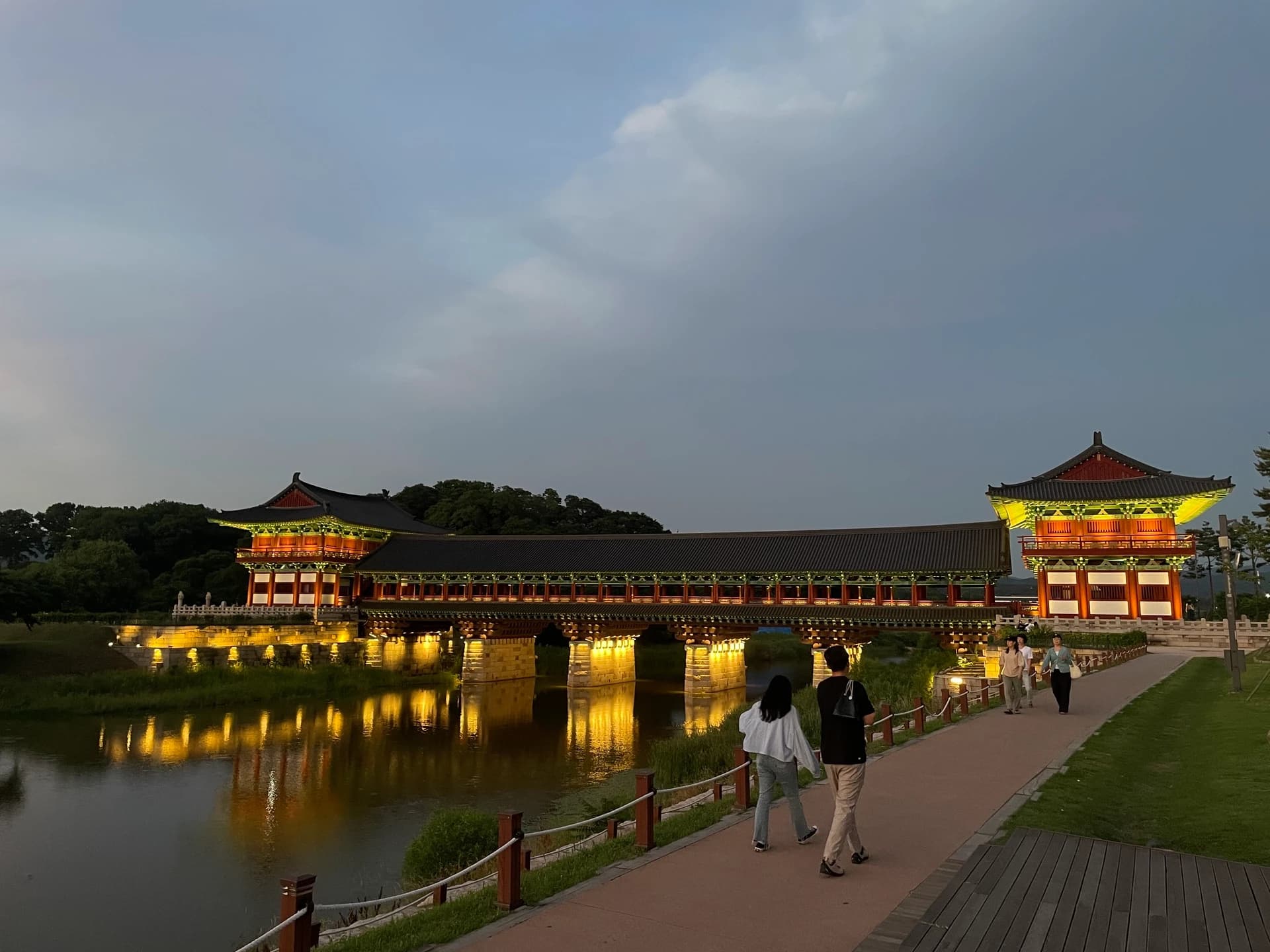
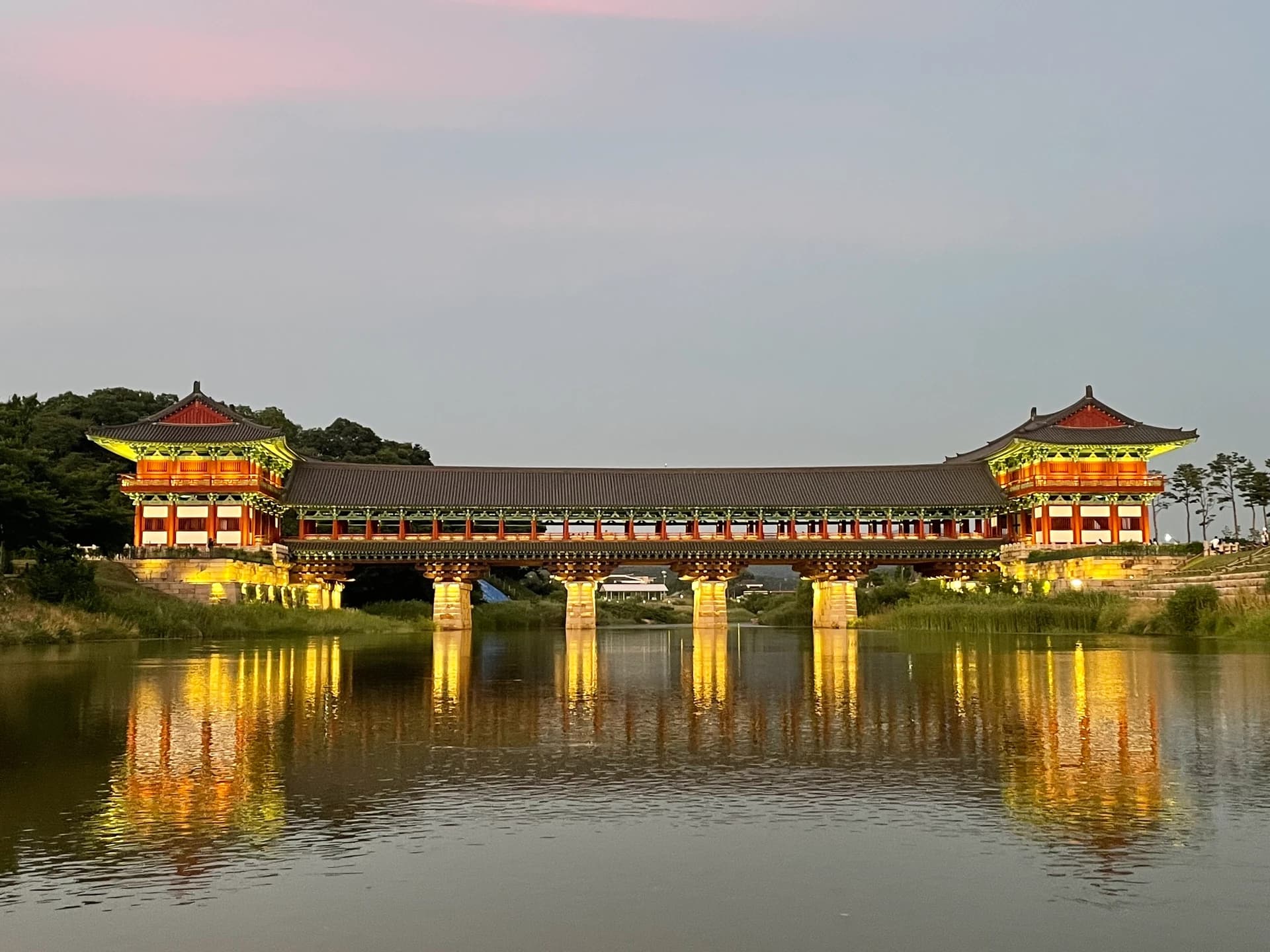 1 / 2
1 / 2Beautiful view of Woljeonggyo Bridge
5. Goryeo Dynasty: Open Trading Nation and the Origin of 'Korea'Introduces Goryeo, an active open nation that gave rise to the English country name Korea, and Haeinsa Temple in Hapcheon housing the Tripitaka Koreana.
Founded in 918, Goryeo was an open nation that communicated actively with the Western world. Based on cultural inclusiveness, it developed world-class art and printing technology.
- Birth of 'Korea':
- Through Byeokrando, a trading port at the mouth of the Yesong River, merchants from Song China as well as Arabian merchants traveled back and forth. Through these merchants, Goryeo's name was transmitted to the West, creating today's English name for South Korea, 'Korea'.
- World's First Metal Movable Type and Tripitaka Koreana:
- About 200 years ahead of the West, Goryeo printed the world's first metal movable type publication, 'Jikji Simche Yojeol'. Furthermore, to overcome Mongol invasions through spiritual power, it produced the Tripitaka Koreana, carving Buddhist scriptures character by character onto over 80,000 wooden printing blocks.
- Recommended Travel Destination: Janggyeongpanjeon Hall at Haeinsa Temple in Hapcheon
- Haeinsa Temple in Hapcheon, Gyeongsangnam-do houses Janggyeongpanjeon Hall, which preserves the printing blocks. Built in the 15th century, this building features mysterious scientific designs maximizing natural ventilation, temperature, and humidity control, perfectly preserving woodblocks from rotting for over 800 years, earning designation as a UNESCO World Heritage.
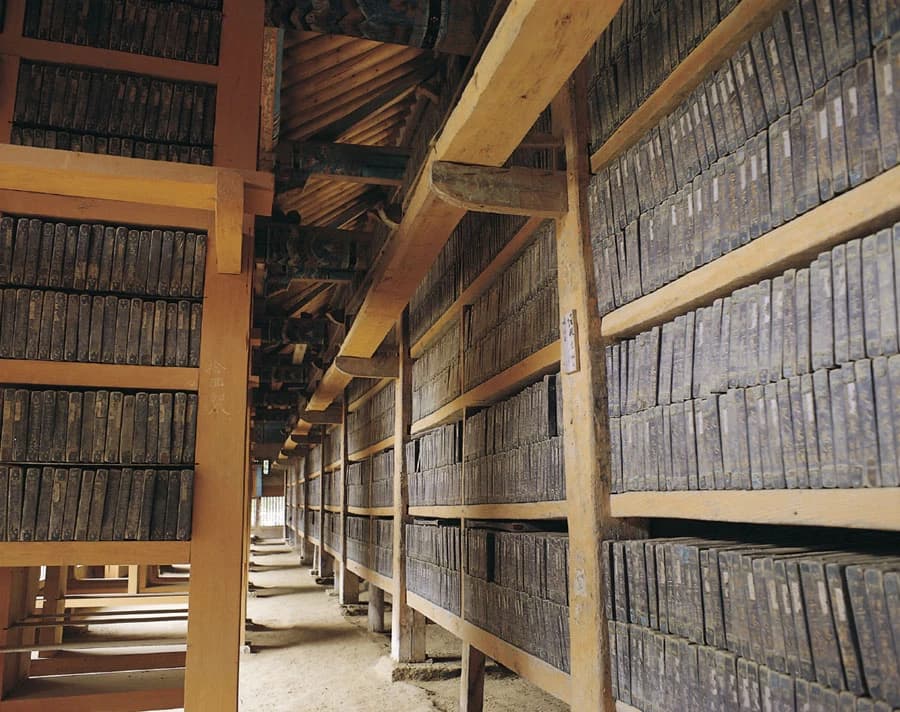
Tripitaka Koreana preserved in its original state at Janggyeongpanjeon Hall, Haeinsa Temple in Hapcheon ©heritage.go.kr
Earnest Prayers to Overcome Foreign Invasions Through Buddhism: Chojo Daejanggeo and Re-carved Tripitaka Koreana:
During the Goryeo Dynasty, woodblock printing projects for Buddhist scriptures were carried out in two stages, containing desperate wishes to defend the country against massive foreign invasions.
- Chojo Daejanggyeong (First Tripitaka Koreana) - First Step to Block Khitan Invasions:
- Meaning and Production: The first Tripitaka carved to repel Khitan invasions during the reign of Hyeonjong, the 8th king of Goryeo. It took about 80 long years from initiation to completion.
- Storage and Destruction: Kept at Buinsa Temple on Mt. Palgong in Daegu, it was completely burned down by Mongol invasions in the 19th year of King Gojong of Goryeo (1232). Today, only fragmented paper printouts made before the fire survive.
- Re-carved Tripitaka Koreana (Tripitaka Koreana) - Recarved to Resist Mongol Invasions:
- Meaning and Production: When the first Tripitaka was lost to Mongol invasions, this second set was carved to overcome national crisis through Buddhism. Despite fierce wars with the Mongols, it was produced with full effort over about 16 years.
- Current Status: With woodblocks numbering around 80,000, it is commonly called the 'Tripitaka Koreana' and is safely preserved at Janggyeongpanjeon Hall, Haeinsa Temple, Gyeongsangnam-do.
- 💡 21st Century New Tripitaka Carving Project:
- As a precious cultural heritage of humanity, the Tripitaka Koreana currently exists in only one single set worldwide. To prepare against accidental loss from fires or disasters and to inherit traditional woodblock carving skills, Haeinsa Temple in Hapcheon initiated a re-carving project starting April 2026.
6. Joseon Dynasty: Seoul Royal Palaces and the Blossom of Royal CultureHighlights the breath of the Joseon Dynasty that protected Seoul for over 500 years through Seoul's Five Grand Palaces and Suwon Hwaseong Fortress.
Founded in 1392 by Taejo Yi Seong-gye, the Joseon Dynasty maintained brilliant culture for over 500 years based on Neo-Confucian ideology, making it one of the longest-lasting dynasties in world history. Seoul (whose ancient name and former name of Seoul was 'Hanyang'), today's capital of South Korea, was established as its center during this period.
- Creation of Hangeul (Hunminjeongeum) and King Sejong the Great:
- King Sejong the 4th monarch directly created and promulgated Hunminjeongeum (Hangeul) in 1446 as a scientific script so that common people could easily express their speech and writing.
- Hero of the Nation, Admiral Yi Sun-sin:
- When the country faced crisis from Japanese invasions in the late 16th century (Imjin War), he protected the southern sea with brilliant naval tactics and the original Turtle Ship. In particular, the 'Battle of Myeongnyang', where just 13 ships defeated hundreds of Japanese warships, is widely known as a miraculous victory unprecedented in global naval history.
Statues in Gwanghwamun Square, Symbols of Downtown Seoul: Gwanghwamun Square, a representative open plaza in Seoul, features majestic statues of Admiral Yi Sun-sin and, behind him, King Sejong the Great smiling warmly. It is Seoul's most symbolic tourist spot where you can meet two historical giants in one place.
- Recommended Travel Destinations:
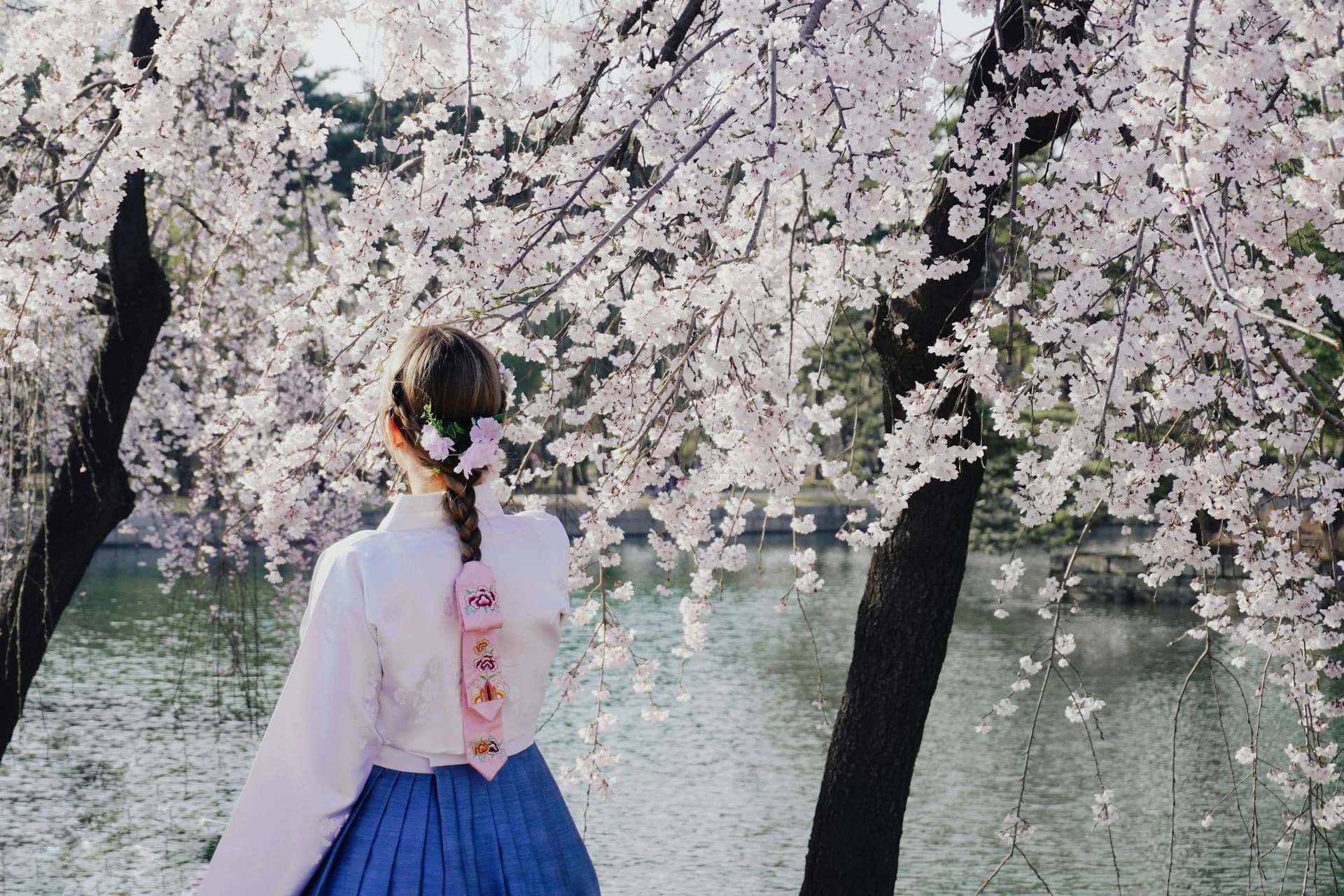
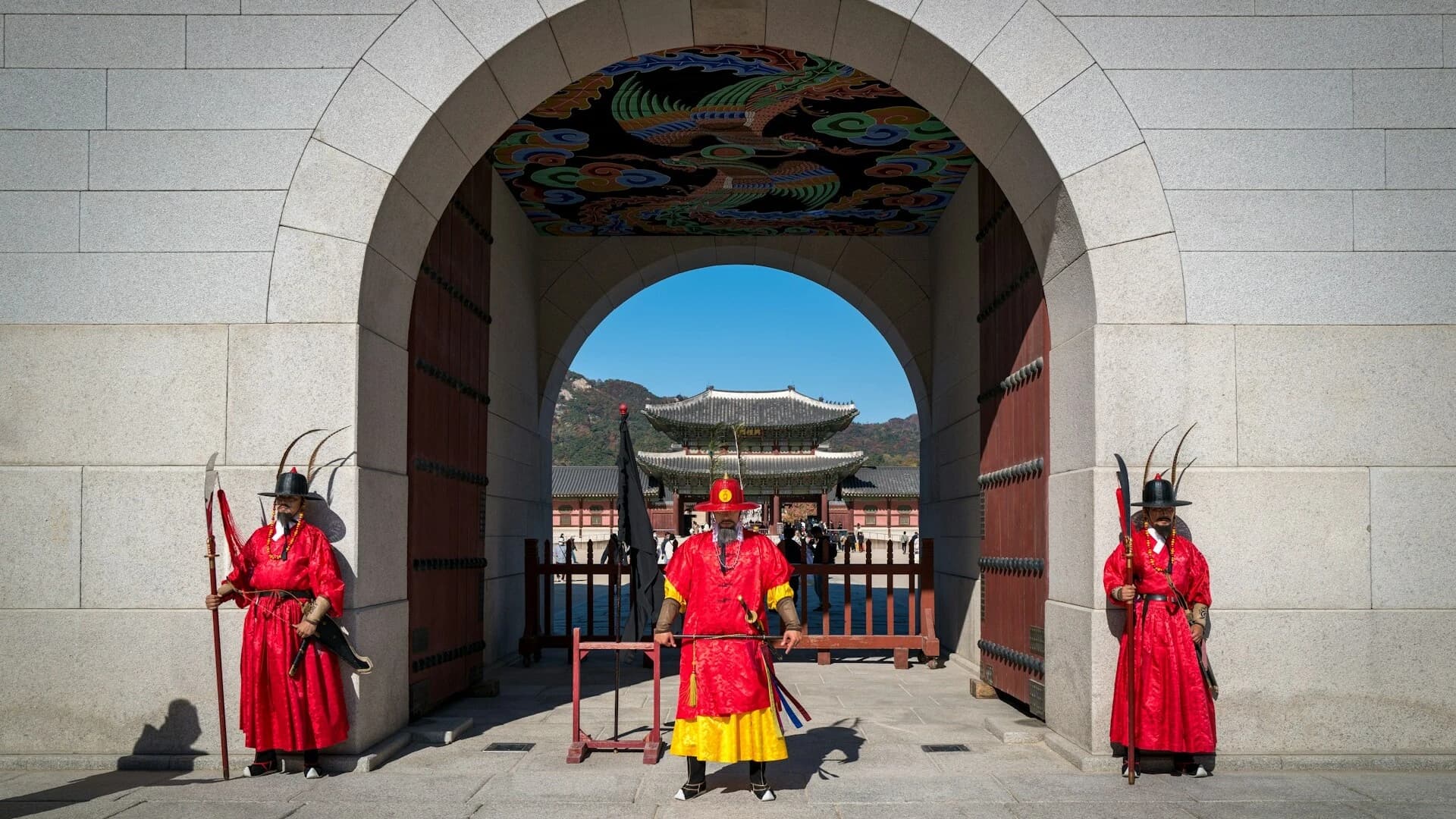
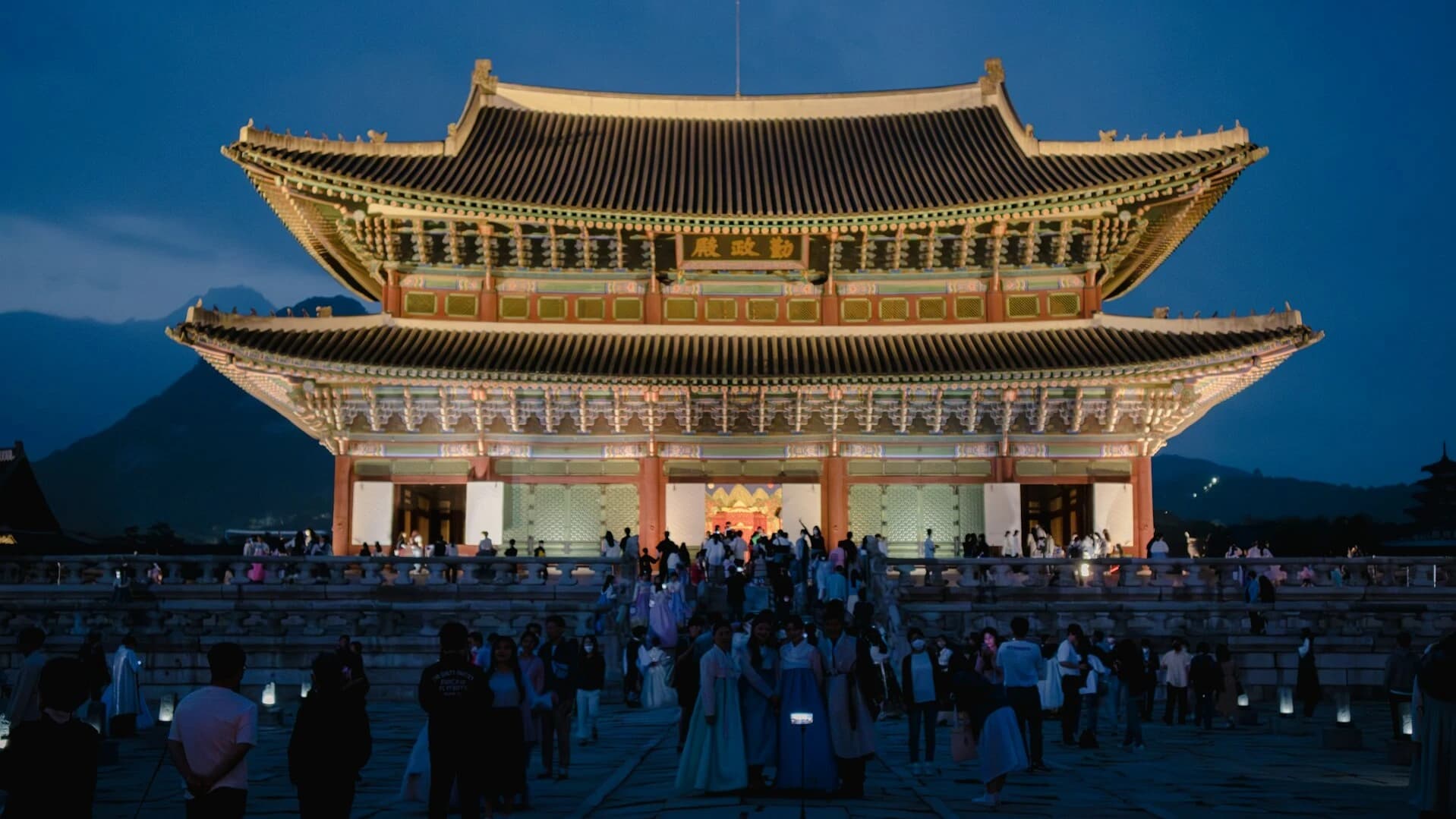
- Seoul's Five Grand Palaces (Gyeongbokgung, Changdeokgung, Deoksugung, Changgyeonggung, Gyeonghuigung): Joseon royal palaces nestled in downtown Seoul embrace the elegance of Korean gardens and the splendor of traditional wooden architecture. In particular, Changdeokgung Palace is registered as a UNESCO World Heritage site for its beautiful Biwon (Secret Garden) achieving perfect harmony with nature; renting and wearing Hanbok grants free admission, making it a must-visit course for global tourists.
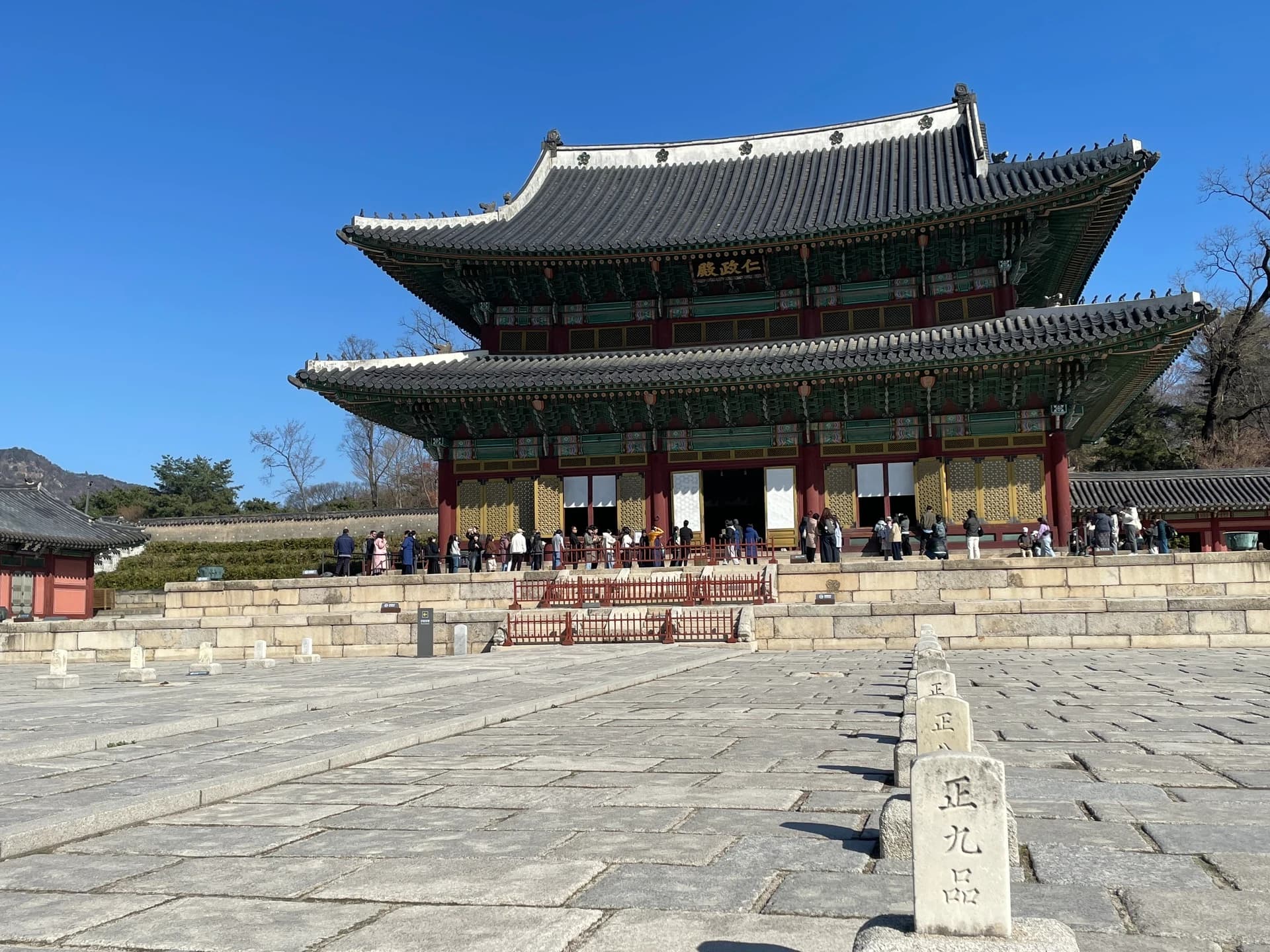
Injeongjeon Hall at Changdeokgung Palace - Suwon Hwaseong Fortress: Hwaseong Fortress in Suwon, Gyeonggi-do is a planned city wall built by King Jeongjo, renowned as a scientific defensive facility combining Eastern and Western castle construction technologies and a beautiful walking path.
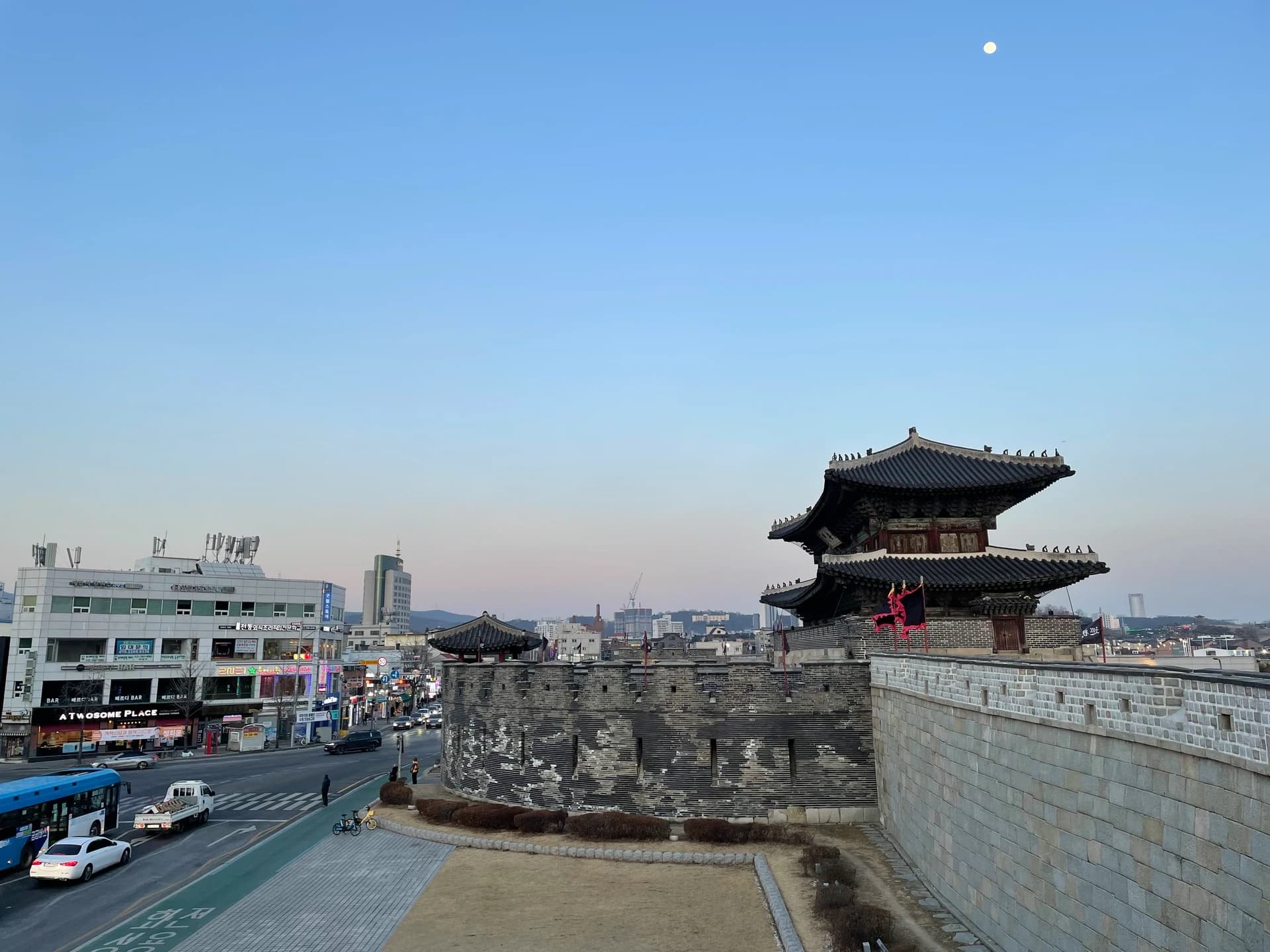
Suwon Hwaseong Fortress
7. Open Port Period and Korean Empire: Western Encounter and Modern BeginningsIntroduces Deoksugung Jeonggwanheon and the Jeongdong-gil area where tradition and Western stone buildings blend beautifully.
In the late 19th century, Joseon opened its ports and began contact with Western civilization in earnest. In 1897, Emperor Gojong changed the country's name to Korean Empire to solidify its independent status and pursued modern reforms.
- Western Culture Seeping into Palaces:
- During this period, the first buildings applying Western architectural techniques entered palaces, and modern amenities like streetlights and electric trams arrived relatively quickly among Asian countries.
- Recommended Travel Destination: Deoksugung Seokjojeon Hall and Jeongdong-gil Road
- Entering Deoksugung Palace next to Seoul City Hall Plaza, you can see Seokjojeon Hall, a massive white marble building shaped like a Western Greek temple, and Jeonggwanheon, where Emperor Gojong enjoyed coffee blending Korean and Western styles. Walking along Jeongdong-gil Road, lined with early Western-style red-brick church and school buildings along the Deoksugung stone-wall path, lets you feel the romantic yet nostalgic historical atmosphere of the open port period.
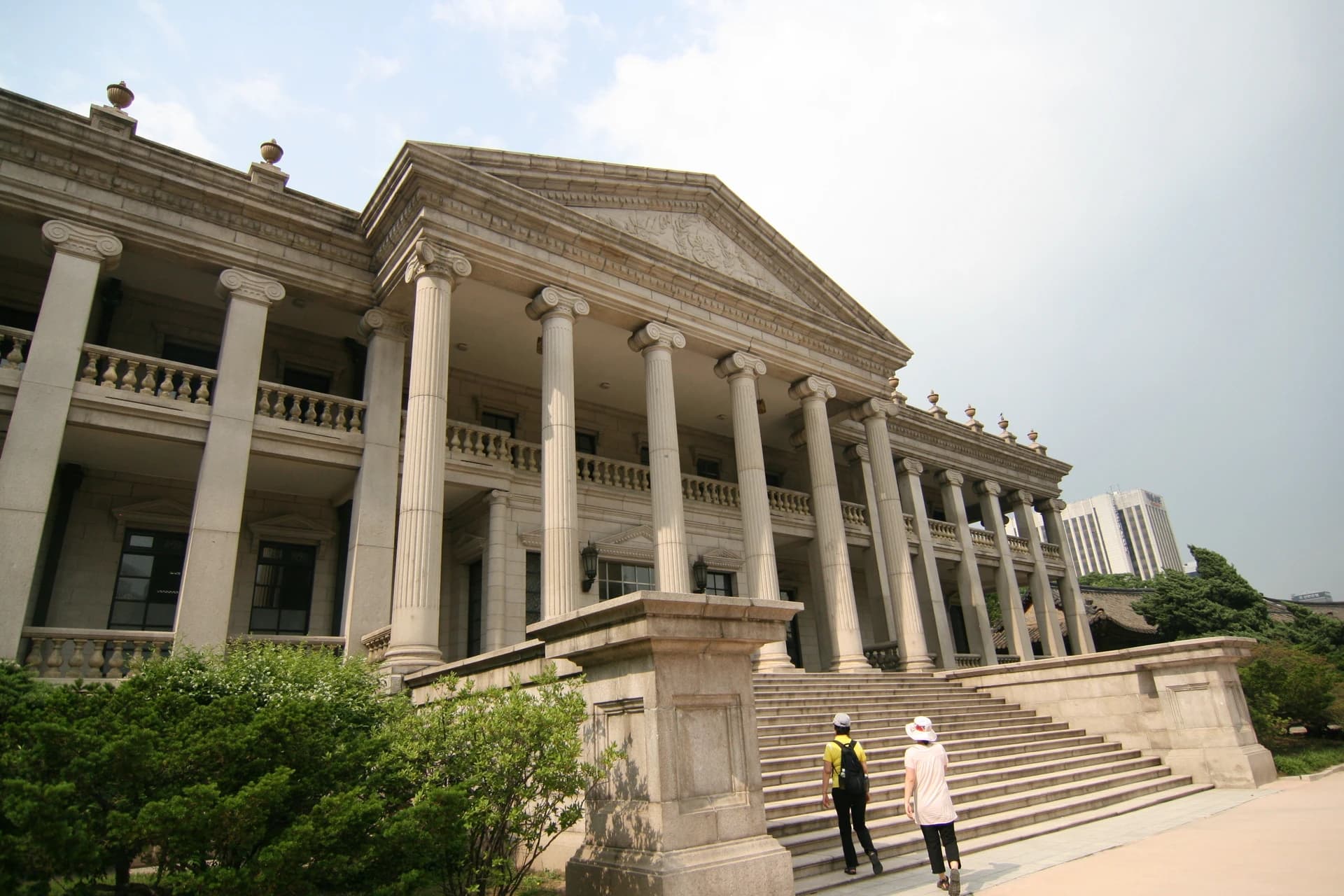
Deoksugung Seokjojeon Hall
8. Japanese Colonial Period: Hope for Freedom Undefeated Amid TrialsIntroduces Tapgol Park and Seodaemun Prison History Hall where cries of independence echoed during the dark period of lost sovereignty.
For 35 years from 1910 to 1945, South Korea suffered under harsh colonial rule by the Empire of Japan. However, the Korean people continuously resisted and sacrificed to reclaim freedom.
- March 1st Movement and Provisional Government:
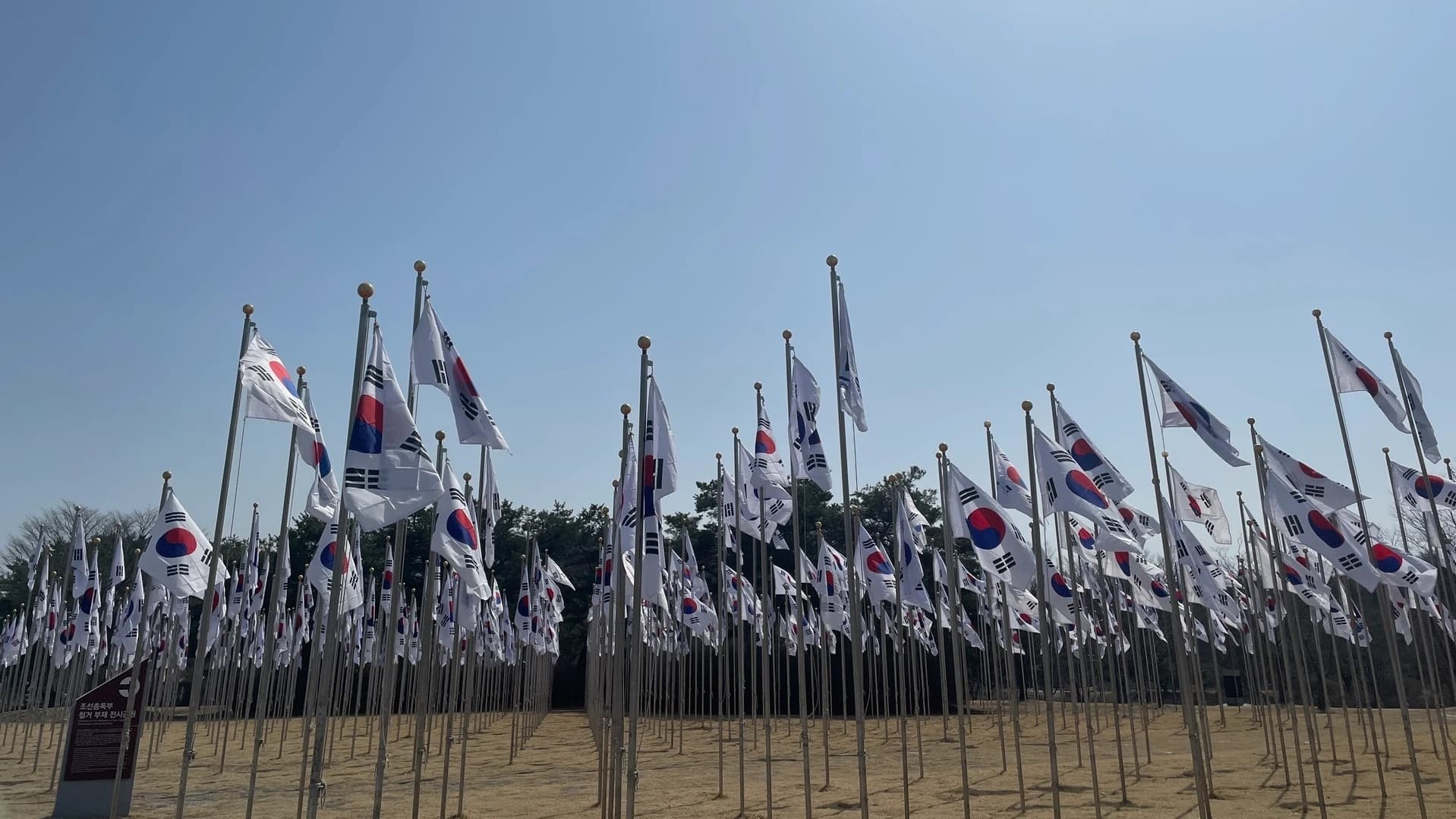
- On March 1, 1919, citizens waved Taegeukgi flags in a peaceful independence movement, and the Provisional Government of the Republic of Korea established thereafter became the constitutional root of modern South Korea as a democratic republic.
- Recommended Travel Destinations: Seodaemun Prison History Hall and Tapgol Park
- Seodaemun Prison History Hall in Seoul is a red-brick prison from the Japanese colonial period where numerous patriotic independence activists were imprisoned, subjected to harsh torture, and met martyrdom. It is a dark tourism site vividly conveying the value of freedom and peace. Nearby Tapgol Park is the historic site where the Declaration of Independence of the March 1st Independence Movement was first read aloud.
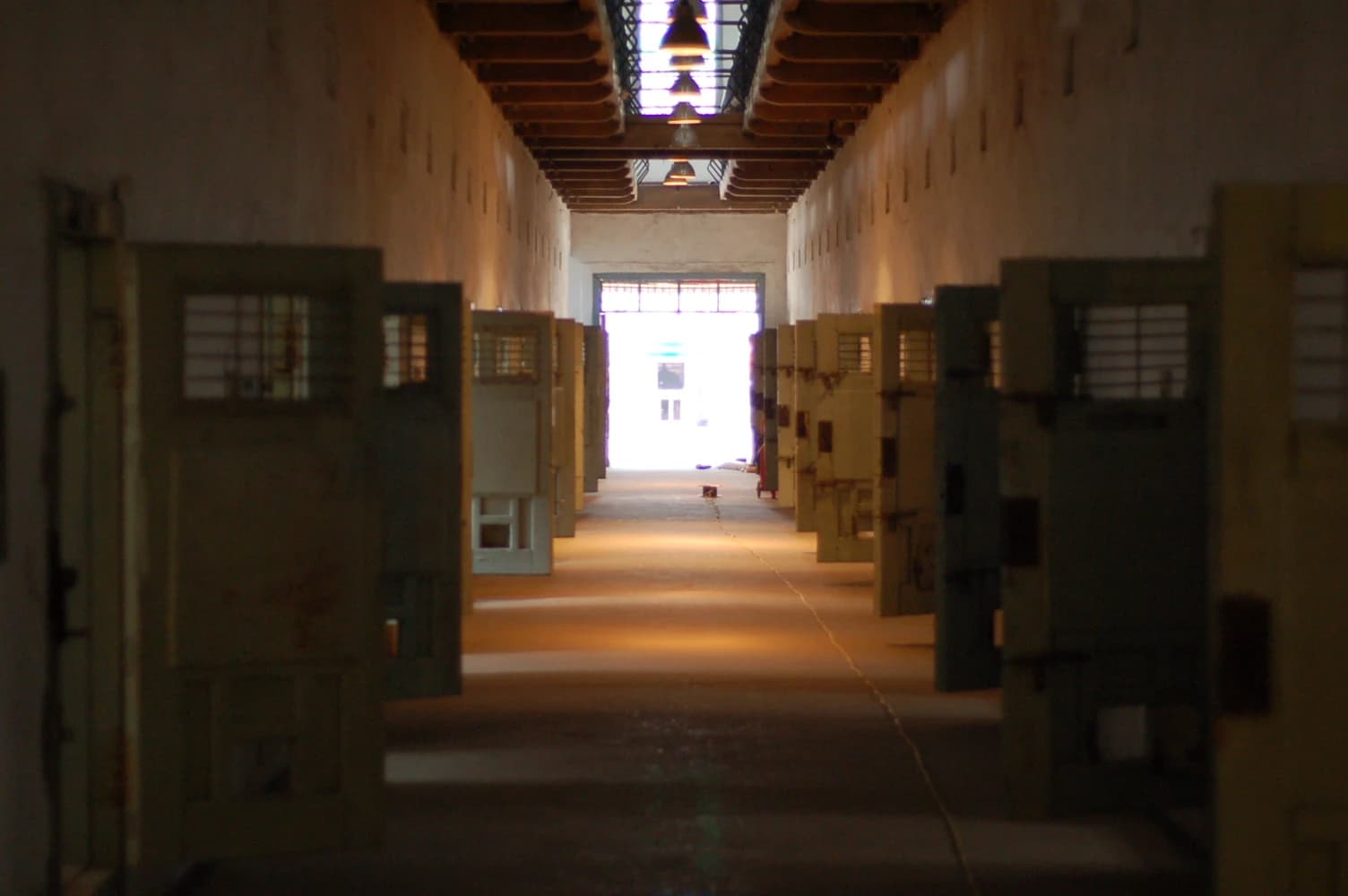
Inside Seodaemun Prison
9. Modern South Korea: Democracy and K-Culture Blossoming from the Scars of WarIntroduces the DMZ, a symbol and site of division, and ultra-modern landmarks born from the Miracle on the Han River.
Following liberation in 1945, South Korea suffered the painful tragedy of fratricide in the Korean War and national division. From a devastated global poorest nation after the war, it achieved dazzling growth in just half a century, astonishing the world.
- Miracle on the Han River and Victory of Democracy:
- Along with the 'Miracle on the Han River', signifying dazzling economic takeoff, it achieved a peaceful and mature democratic civil society through blood, sweat, and tearful citizen revolutions. Today, it stands tall as a global cultural powerhouse represented by advanced technologies like semiconductors, dramas, films, and music (K-POP).
- Recommended Travel Destinations:
- DMZ (Demilitarized Zone) Tour: The world's most heavily armed border zone and demilitarized zone dividing South and North Korea. Visiting Panmunjom, the 3rd Infiltration Tunnel, and Imjingak lets you experience the security reality and tension of the world's only divided nation, along with pristine ecosystems untouched by human footsteps for half a century, making it a top tour choice for foreign tourists.
- Dongdaemun Design Plaza (DDP) and Han Park: DDP, an ultra-modern spaceship-shaped complex cultural space symbolizing 21st-century design powerhouse Korea, and Han River Park, a representative leisure space for Seoul citizens where you can feel romantic nighttime moods, show the dynamic charm of hyper-developed Seoul.
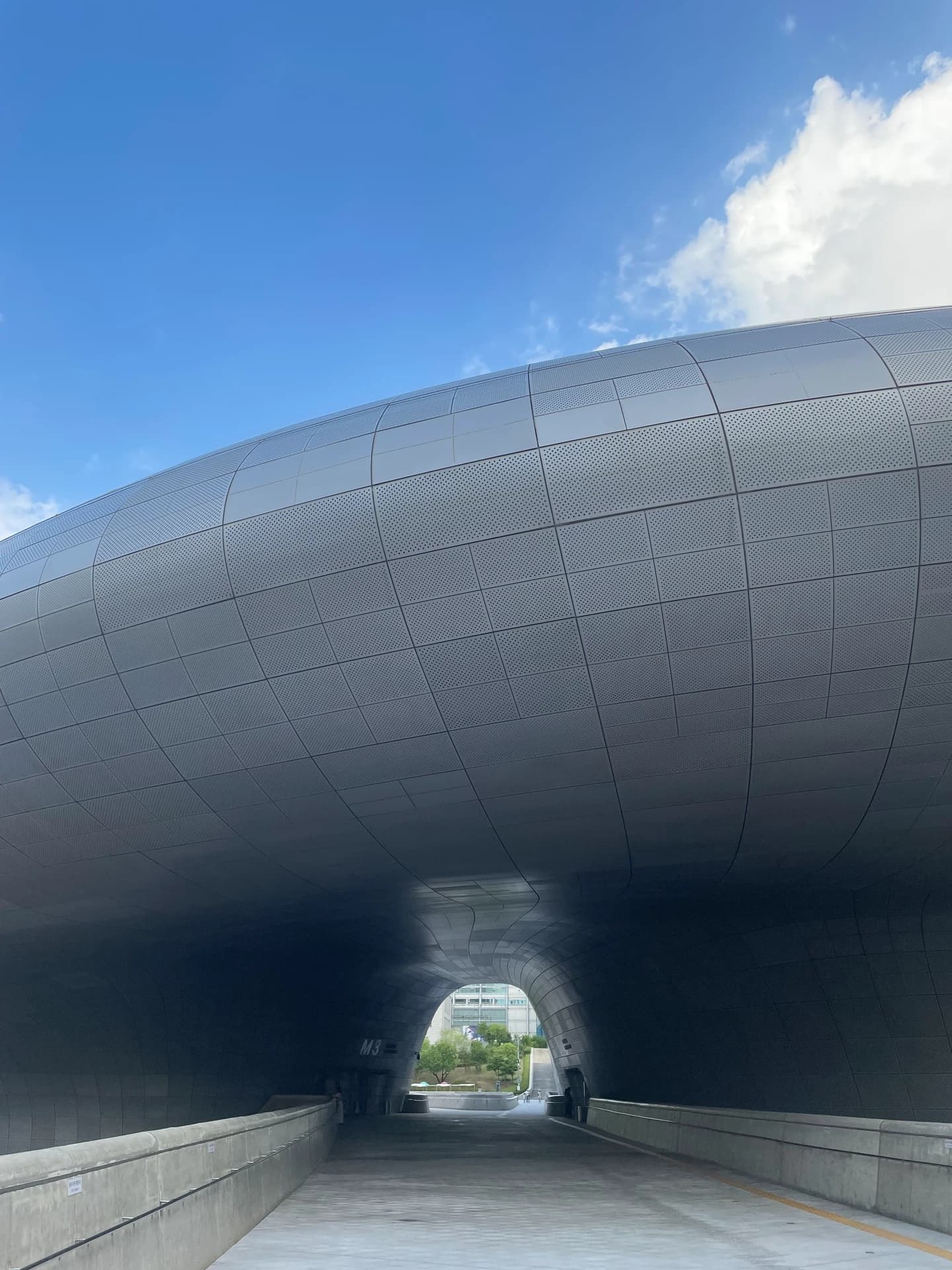
Dongdaemun Design Plaza (DDP)
Summary Timeline of Korean History Tourist Courses for Foreigners
| Era | Representative Historical Event | Recommended Historical Tourist Sites to Visit Directly |
|---|---|---|
| Gojoseon | Founding in 2333 BC (Dangun Mythology) | Manisan Chamseongdan Altar and Dolmen Sites in Ganghwado, Incheon |
| Growth of States | Growth of Buyeo, Goguryeo, Okjeo, Dongye, and Samhan | National Museum of Korea (Viewing iron and early state relics) |
| Three Kingdoms Period | Competition among Goguryeo, Baekje, Silla, and Gaya | Gyeongju Daereungwon and Cheomseongdae, Baekje Heritage in Gongju and Buyeo |
| North-South States Period | Silla's Unification of Three Kingdoms and Founding of Balhae | Gyeongju Bulguksa Temple and Seokguram Grotto (UNESCO World Heritage) |
| Goryeo Dynasty | Birth of Korea Country Name, Invention of Metal Movable Type Printing | Janggyeongpanjeon Hall at Haeinsa Temple in Hapcheon (Preservation site of Tripitaka Koreana) |
| Joseon Dynasty | Designation of Seoul Hanyang Capital, Creation of Hangeul | Gwanghwamun Square, Seoul's Five Grand Palaces (Gyeongbokgung, Changdeokgung), Suwon Hwaseong Fortress |
| Korean Empire | Proclamation of Empire, Introduction of Western Open Port Culture | Deoksugung Seokjojeon Hall and Jeongdong Stone-Wall Path |
| Japanese Colonial Period | March 1st Independence Protests, Independence Movements | Seodaemun Prison History Hall in Seoul, Tapgol Park in Insadong |
| Modern | Outbreak of Korean War and Miracle on the Han River | DMZ Tour, Dongdaemun Design Plaza (DDP), Han River Park |
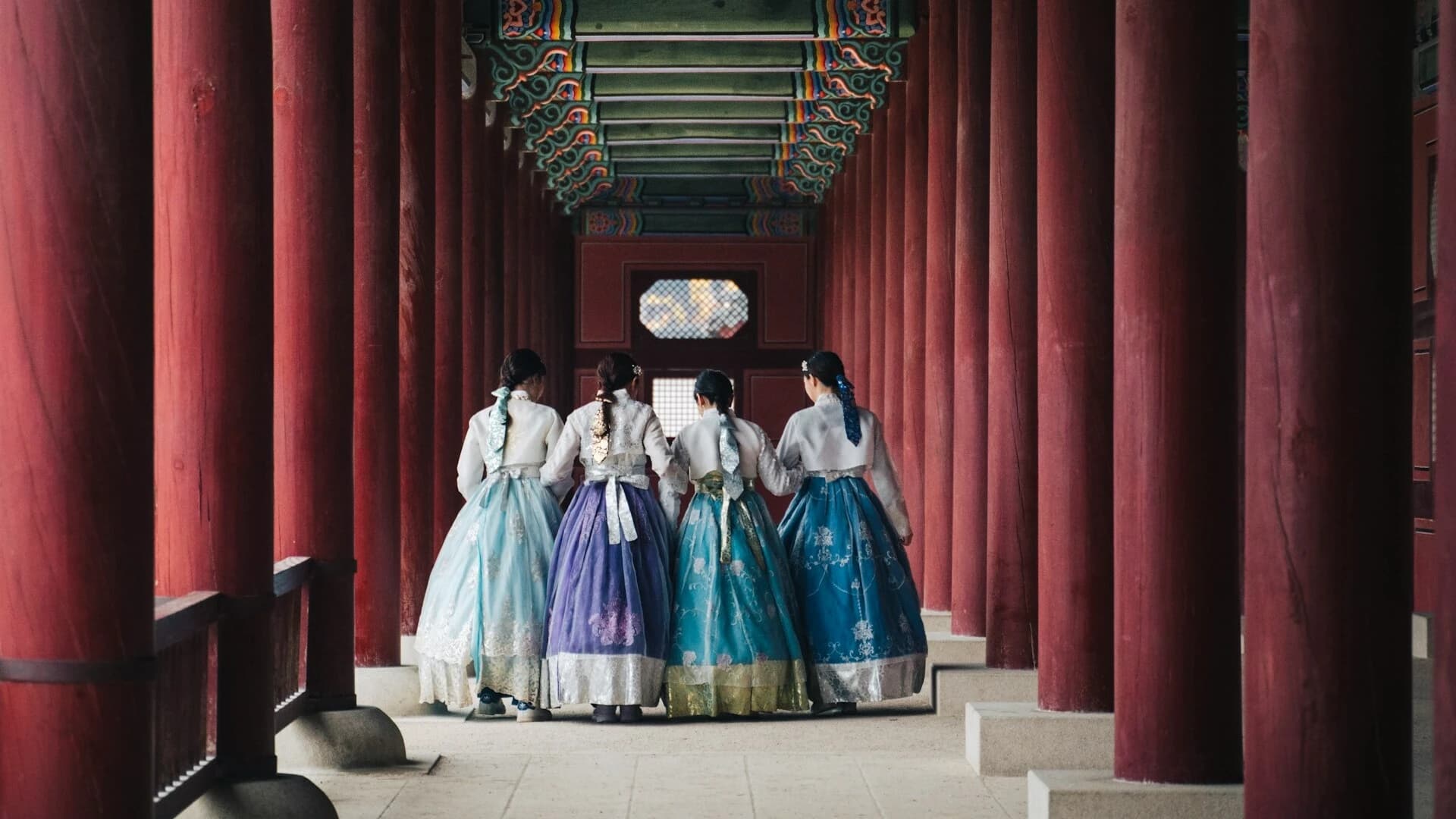
Useful Korean History Travel Tip: Around Gyeongbokgung, Changdeokgung, and Deoksugung palaces in Seoul, or the Hanok Village in Jeonju, there are many rental shops offering Hanbok, gorgeous traditional Korean attire. Renting and wearing Hanbok grants completely free admission to Seoul's royal palaces, creating special memories with unique life-shot photos and free benefits.
Recommended Guides
Behind-the-Scenes Stories of the Annals of the Joseon Dynasty: Secrets of Kings' Names and Temple Names
Taejo, Taejong, and Sejong: Behind-the-Scenes Stories of the Kings Who Built Joseon's Foundation
Munjong, Danjong, Seojo, Yejong: Tragic Royal History and Hidden Stories of Joseon