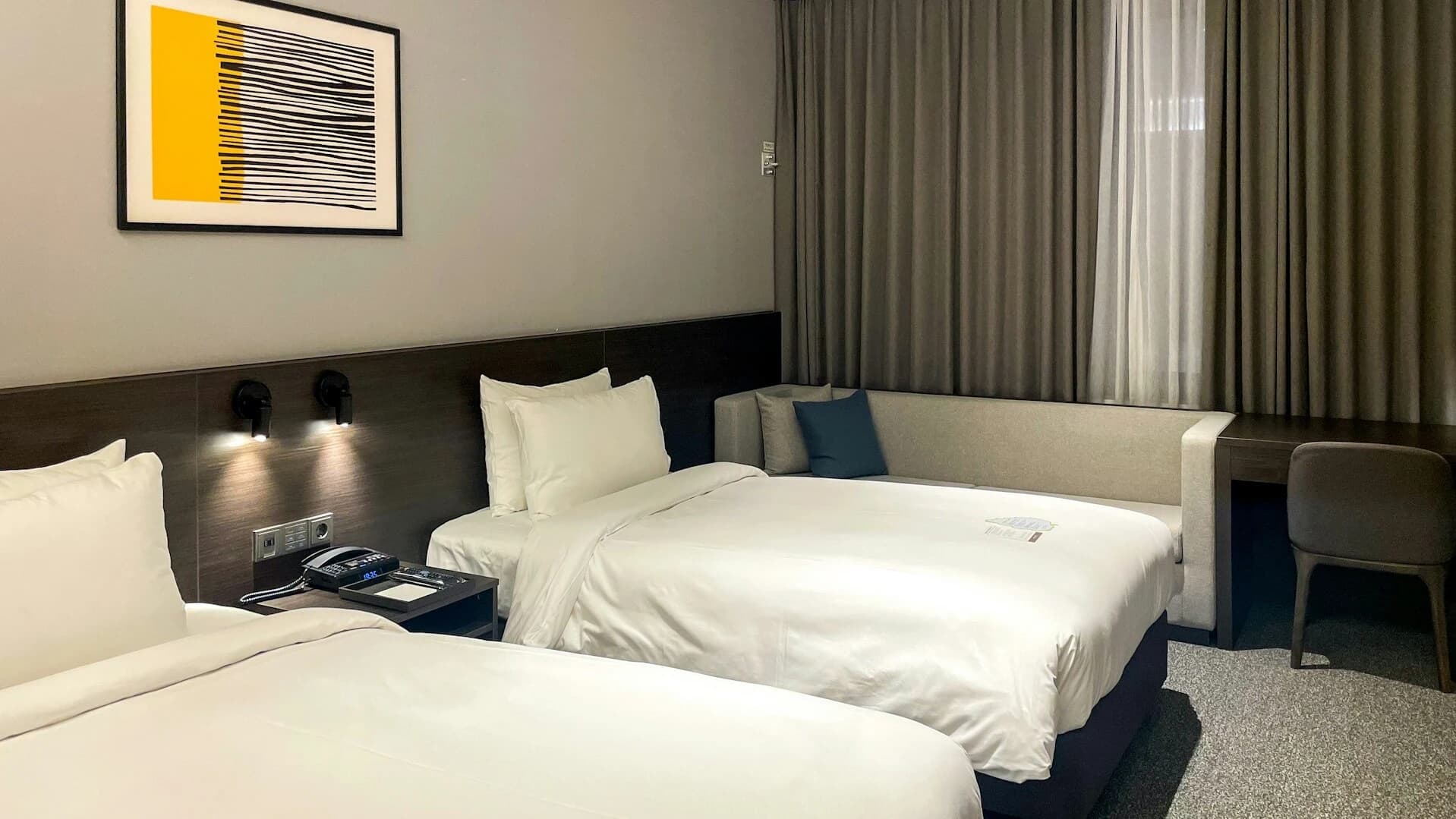
South Korea offers various types of accommodations to suit the tastes and budgets of travelers worldwide. The options are wide, ranging from modern luxury hotels to traditional Hanok stays rich in culture, as well as cost-effective guesthouses and motels. In this guide, we introduce key accommodation types and booking tips to make your trip to South Korea more comfortable.
Accommodation TypesDescribes features of various accommodation options available in South Korea.
You can choose the right accommodation based on your travel purpose, companions, and budget. Representative Korean accommodation types include:
1. Hotels and Serviced Residences
- Global and Local Brand Hotels:
- Major cities such as Seoul, Busan, and Jeju feature a balanced mix of world-class 5-star luxury hotels and reasonably priced business hotels. Homegrown Korean business hotel brands are particularly popular among foreign travelers for their stylish facilities and great accessibility.
- Serviced Residences:
- Condominium-style accommodations equipped with kitchen facilities (sink, induction cooktop) and household appliances like washing machines inside the room. Very convenient for business travelers planning long stays or families who prefer to cook.
Cooking Rules in Residence Rooms: Even if kitchen facilities are available, cooking meat or fish indoors is often restricted due to ventilation issues and to maintain a pleasant environment for future guests. Strong food odors penetrating bedding or wallpaper may result in additional cleaning fees. Using the kitchen for light heating or low-odor simple cooking is recommended.
2. Hanok Stay
- A Night in a Traditional House:
- A special experiential stay in a 'Hanok', a traditional Korean architectural style. Characterized by wooden structures around a courtyard, mud walls, and tiled roofs.
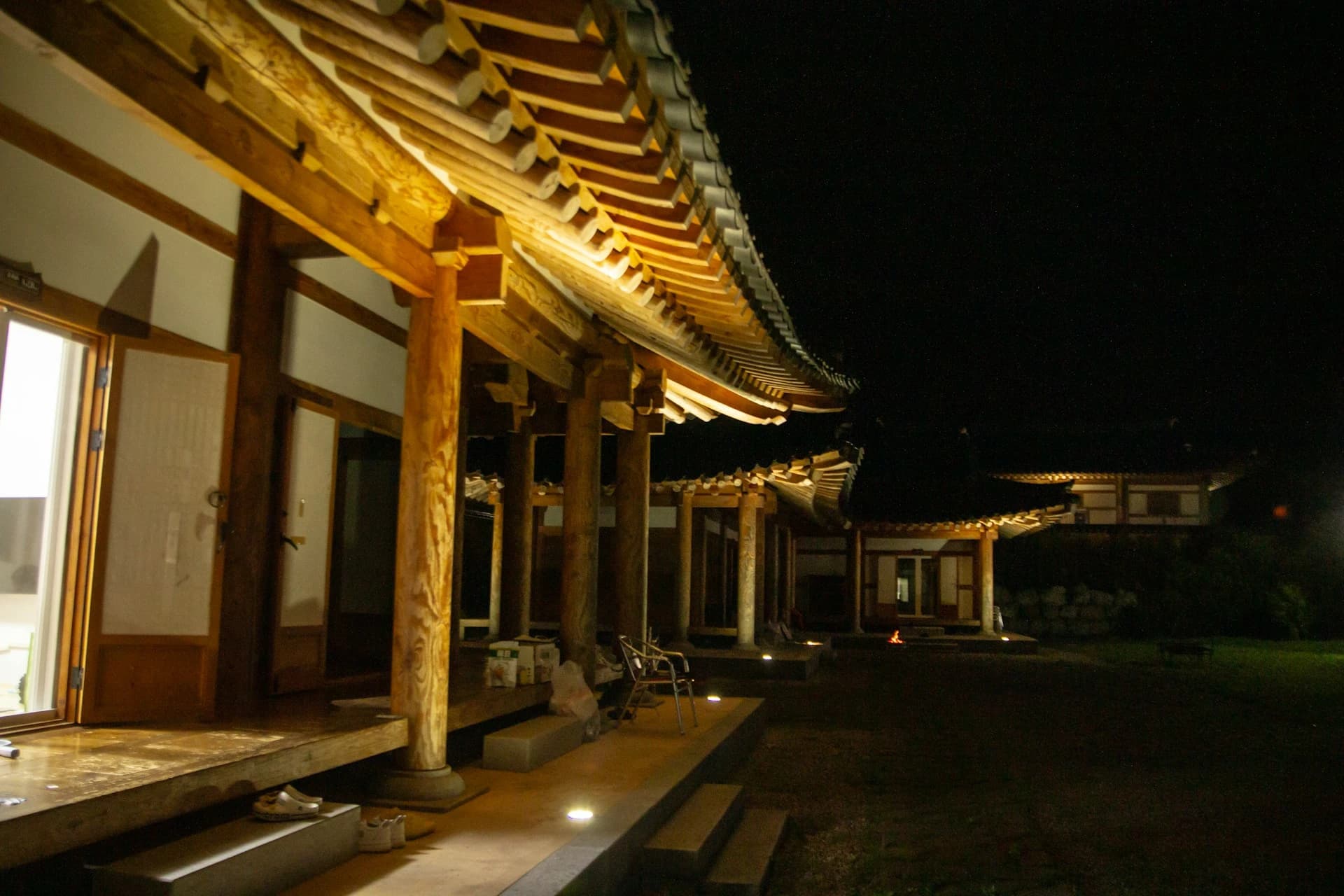
- Ondol Room Experience:
- Experience Korea's unique Ondol (underfloor heating) system, which warms the entire floor instead of using beds. Sleeping on a thick, soft mattress pad (Yo) and blanket spread on the floor is standard. Programs like traditional tea tasting or Hanbok experiences are often offered together.
- Charm of Authentic Traditional Ondol: Most modern Hanok stays use convenient boiler systems. However, to experience the true charm of Ondol in cold winter, try booking a fire-heated traditional Hanok, where firewood is burned in a furnace (Agungi) to heat the stone floor (Gudeol). The sound of burning oak logs, gentle warmth, and hot floor provide an excellent experience to relieve travel fatigue.
- Foreign Travelers' Historical Records: Isabella Bird Bishop, a 19th-century British traveler, described the unique Ondol living culture in her book Korea and Her Neighbors. The temperature in the inn room where she stayed reached 39°C (102°F), feeling stiflingly hot. She shared an interesting story where the innkeeper asked her to keep the doors closed, saying, "Tigers will come in if you open the door." She added, "Koreans love these hot rooms where they practically bake themselves," recording Koreans' special love for Ondol. (Rest assured, there are no wild tigers in South Korea today.)
- Major Locations: You can find diverse Hanok stays in Bukchon Hanok Village in Seoul, Jeonju Hanok Village, and historic cities like Gyeongju and Andong.
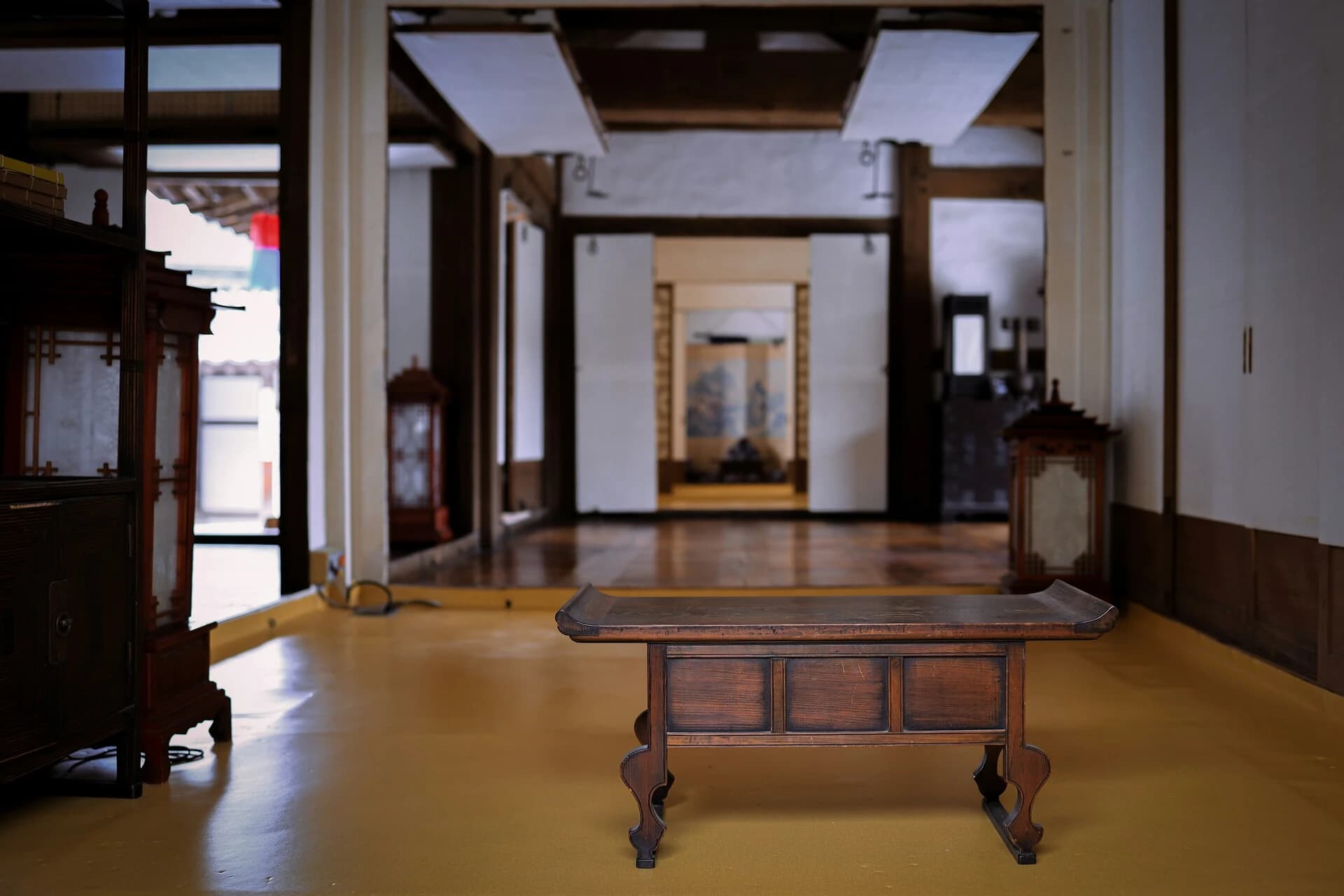
Tips for Using Ondol Rooms in Korea:
- Heating Control: Ondol rooms in modern Hanoks or general homes are controlled by temperature controllers via hot water pipes under the floor. Since floors hold heat well, lower the temperature in advance or use 'Away mode' if it feels too warm.
- Handling Floor Heat: The floor can become quite hot, so wearing light indoor clothes is recommended even in midwinter. If it feels too warm, opening a window slightly for ventilation helps maintain a comfortable sleep.
3. Guesthouses and Hostels
- Reasonable Rates and Social Spaces:
- Ideal options for budget backpackers or solo travelers. Choices range from shared dormitory rooms to private rooms.
- Foreigner-Friendly Environment:
- Concentrated mainly in popular tourist areas like Hongdae and Myeongdong in Seoul, or Haeundae in Busan. They offer good opportunities to meet travelers worldwide in shared lounges or kitchens, and hosts often provide helpful local travel tips.
4. Pensions and Pool Villas
- Private Countryside Retreats:
- Standalone or resort-style accommodations located outside city centers, near coasts, or in mountainous areas (such as Gapyeong, Gangneung, and Jeju). Featuring private kitchens and spacious living rooms, they are popular with families or groups.
- Barbecue Parties and Private Pools:
- Most offer equipment rentals (for a fee) to enjoy barbecues outdoors or on terraces. Recently, luxury pool villas equipped with private pools have become popular for travelers seeking full relaxation within the property.
Tips for Pension Barbecues and Ingredient Preparation: Pension barbecue services usually refer to paid equipment rentals (grill, charcoal, wire rack). Guests generally need to buy their own food ingredients, such as meat and vegetables. Some pensions offer barbecue packages with food included for an extra fee, so check booking policies in advance and purchase necessary ingredients before checking in.
5. Motels and Boutique Hotels
- Great Cost-Performance and Accessibility:
- Unique Korean small-scale accommodations, densely located near downtown areas and subway stations for excellent accessibility. Easy to check in on the same day without prior booking, offering good facilities (large TVs, gaming PCs, bathtubs, etc.) for the price.
- Things to Keep in Mind:
- Stylishly renovated 'Boutique Hotels' or 'Design Motels' are increasingly popular among young locals for staycations. However, because they also operate a short-term daytime rental system ('Daesil'), they may not be suitable in atmosphere for family travelers or guests with young children.
Accommodation TipsProvides practical know-how for smooth stays at accommodations in South Korea.
Essential tips to know for a successful stay in Korea:
1. Stay Guidelines and Etiquette
- Present ID (Passport):
- Under Korean law, foreign guests must present a valid passport upon check-in, and accommodations are required to record this information.
- No Tipping Culture:
- Korea does not have a tipping culture at any accommodation, including hotels. Service charges are already included in the bill, so you do not need to tip bellhops or housekeeping staff.
Additional Note on Tipping: Since there is no official tipping culture, not tipping is standard, so there is no need to feel awkward. However, giving a small tip to express personal gratitude for exceptional service is acceptable.
-
Distinction Between Day Use and Overnight Stay:
- Some properties, like motels, charge separate rates for 'Day Use' (short hourly stays during the day) and 'Overnight Stays'. Check check-in times and rate policies carefully when booking.
-
Indoor Shoe Culture (Taking Off Shoes):
- Rooms Where You Must Remove Shoes:
- If the room floor is wood, linoleum, or Ondol, and there is a lowered entrance area or tiled section to leave shoes, you must take off your shoes before entering. This applies to Hanok stays, guesthouses, pensions, motels, and many domestic brand business hotels. Walk barefoot or wear indoor slippers provided in the room.
- Rooms Where Shoes Are Allowed (Western Carpet Floors):
- If the entire floor is carpeted with no clear boundary between the entrance and bedroom area, it is a Western-style room where shoes can be worn. This is common in global chain hotels or large luxury hotels.
- Even in these rooms, changing into disposable slippers provided in the room is recommended for hygiene and comfort.
- Rooms Where You Must Remove Shoes:
Warning on Damage Compensation for Wearing Shoes Indoors: If you wear shoes in rooms requiring shoe removal (such as Ondol or wooden floors) and cause scratches or severe stains, the accommodation may charge special cleaning fees or damage compensation charges upon check-out. Please be careful.
2. Disposable Item Regulations
- Free Item Prohibition Policy:
- South Korea legally prohibits accommodations from offering free single-use disposable items to protect the environment and encourage recycling.
- Excluded Items:
- Hotels and accommodations above a certain size (50 rooms) do not provide free disposable items like toothbrushes, toothpaste, razors, or disposable combs. However, reusable dispensers for shampoo and body wash are usually provided.
- How to Prepare:
- Bring your own personal toothbrush, toothpaste, and toiletries when traveling to Korea. If forgotten, you can easily buy them at vending machines inside the property, front desks (for a fee), or nearby convenience stores.
Solo Stays for MinorsProvides legal regulations and required procedures when minors under age 19 stay alone in South Korea.
When minors under age 19 (including foreign travelers) wish to stay at an accommodation in South Korea without a guardian, specific restrictions apply under Korean law and property policies. However, under the Korean Youth Protection Act, individuals are no longer considered minors starting January 1st of the year they turn 19 (born in 2007), allowing them to stay alone or in mixed-gender groups without legal restrictions.
1. Restrictions Under the Youth Protection Act
- Prohibition of Mixed-Gender Stays for Minors:
- Under Korea's Youth Protection Act, mixed-gender stays for minors without adult guardians are strictly prohibited by law, and accommodation owners face penalties for violations. Minors of opposite genders cannot share a room under any circumstances.
- Solo and Same-Gender Stays:
- Solo stays or same-gender minor group stays are not prohibited by law, but many properties restrict minor stays independently due to safety and management concerns.
- Staying with Adults Who Are Not Parents:
- Stays with Adults of the Opposite Gender (Strictly Restricted):
- Stays involving a minor and an adult of the opposite gender who is not a parent or legal guardian are very strictly regulated by law. Most properties refuse check-in even for tour guides, teachers, or relatives of the opposite gender to prevent legal disputes.
- Stays with Adults of the Same Gender (Conditionally Allowed):
- Stays with a same-gender adult guardian (such as a relative or group leader) are generally allowed if parental consent forms and delegation documents are presented. Front desk staff may call parents directly during check-in for final confirmation, so prepare in advance.
- Stays with Adults of the Opposite Gender (Strictly Restricted):
2. Requirements and Documents for Minor Stays
Even properties that allow minor stays require parental consent documents at check-in.
- Parental Accommodation Consent Form:
- Submit a consent form completed and signed by a legal guardian (parent). Foreign travelers should prepare this document in English with a parent's signature.
- Supporting Documents:
- Along with the consent form, bring a family relation certificate (or equivalent English document) proving the parent-child relationship and a copy of the parent's ID (passport).
3. Stay Tendencies by Accommodation Type
- Hotels and Resorts: Regulations are strict, and many completely ban stays for minors under 19 even with parental consent. Contact customer service via email or phone before booking.
- Guesthouses and Hanok Stays: Generally more flexible than hotels. Many allow stays after receiving a parental consent form and confirming via phone call.
- Motels: Most strictly ban minor stays to prevent illegal mixed-gender youth stays.
💡 Tips for Minor Solo Stay Inquiries and Consent Submissions:
- Check in Advance: Rules on minor solo stays vary by property. Check the FAQ section on the official website or send an inquiry email before booking.
- Prepare Consent Forms: If stays are permitted, prepare parental consent forms for all minor guests according to the property's format and submit them at check-in.
- TourCast 1:1 Inquiry Assistance: If direct communication is difficult due to language barriers, post a question on the 1:1 Q&A board in the TourCast app with the exact hotel name (in English or Korean). Staff will contact the property directly to help you.
Recommended Guides
Korea Gateway Airports and Entry Guide
Korea Public Transportation Guide
Korea Train & Express Bus Booking Guide