South Korea is known as one of the safest countries in the world. However, unique local etiquette and strict legal rules exist, so ignoring them can cause big problems. Here are essential guidelines and rules you must follow for a safe, smooth trip to Korea.
Emergency Areas and Safety ContactsA list of emergency numbers to request immediate help during accidents, disasters, or urgent situations.
If you face a disaster, accident, health issue, or need urgent translation help, call these numbers right away:
- Police: 112 (Crime reporting, lost items, safety threats)
- Fire & Emergency Rescue: 119 (Fires, medical emergencies, disaster evacuation)
- Tourist Information & Translation: 1330
- KTO 1330 Korea Travel Helpline: A main official travel assistance service for foreign tourists in Korea. One call provides travel details, public transit info, real-time translation for local chats, and help with travel complaints or overcharges.
- 24/7 Multilingual Support: Free translation and consultation in 8 languages (English, Japanese, Chinese, Russian, Vietnamese, Thai, Malay/Indonesian, and Korean) 24 hours a day, 365 days a year.
- Real-Time 3-Way Translation: If communication is difficult at restaurants, shops, or in taxis, call 1330 for a 3-way call. An operator will speak to the local person directly to explain what you need.
- Free Internet Call & Chat Service: If connected to Wi-Fi or mobile data, use the link below to make free internet calls (VoIP) without roaming fees or start 1-on-1 chat consultations.
Tips for Using the 1330 Helpline Efficiently:
A limited team at 1330 manages calls and translation requests from tourists all over the country. For simple directions or basic phrases, using a translation app or asking nearby locals directly is usually faster.
Use 1330 phone or chat services when you face urgent problems, unfair charges, or complex situations. This helps keep wait times short for everyone.
Always Carry Your Physical Passport & Use Instant Tax RefundsExplains why foreign travelers must carry physical passports as official ID and how to get instant tax refunds.
For foreign tourists visiting Korea, a passport is not just a travel document for border control—it is your only legal ID inside the country.
- Only Official ID for Foreigners:
- Locals use national ID cards or driver's licenses, but for foreign tourists, only a physical passport works as valid ID. (Copies or photos on your phone are not accepted as legal ID.)
- You may need to show your passport for hotel check-ins, car rentals, or age checks at bars and clubs. Always carry your physical passport when going out.
- Essential for Tax Refunds:
- Major supermarkets, department stores, drugstores, and brand shops in Korea offer 'Instant Duty-Free' service, deducting taxes on the spot.
- You must show your physical passport at payment to receive a Tax Refund Slip. Without this slip, you cannot get tax refunds at the airport or in the city. Always show your passport at the register when shopping.
Essential Airport Rules for Security and PhotographyCovers airport safety rules, such as photo bans at security checks, military airport rules, and luggage restrictions.
Airports manage national border security, drug control, and safety, so laws and security rules are strictly enforced. Follow these guidelines to avoid delays or legal trouble.
1. Never Carry Bags for Others
- Prevent Crime Involvement:
- If a stranger at the airport or on a plane asks you to "hold my bag for a second" or "carry this item because my luggage is overweight," refuse immediately.
- This can be a drug smuggling trick. If illegal items are found inside the bag, you will be held legally responsible and face arrest.
2. No Photography at Airports and Military Bases
- Military Airport Photography Ban:
- Some Korean airports share runways with military bases (Dual-Use Airports). Examples include Gimhae, Daegu, Cheongju, Gwangju, and Wonju Airports.
- At these airports, taking photos of military hangers, fighter jets, or defense structures through plane windows is strictly banned under the Protection of Military Bases and Installations Act. Taking photos or posting them on SNS can lead to up to 3 years in prison or large fines. Follow onboard announcements and do not take photos.
- Security Areas in Civilian Airports:
- Even at civilian airports like Incheon and Gimpo, security checkpoints and immigration desks are strict no-photo zones. Avoid using camera devices in these areas.
Safety and Lost & Found TipsLearn about South Korea's safe environment and how to find lost items quickly.
South Korea has very low crime rates and dense CCTV coverage, making streets safe even late at night.
1. High Safety and Bike Theft Exception
- Items Left on Tables:
- Leaving laptops, smartphones, or wallets on cafe or restaurant tables while going to the restroom rarely leads to theft. CCTV covers most public spots, and theft punishment is strict.
- Watch Out for Bicycle Theft (A Local Joke):
- While people rarely touch lost wallets or expensive phones, bicycles are frequently stolen in Korea. If you rent a bicycle, always lock it securely to a fixed stand or pole when parking.
2. What to Do If You Lose Something
- Use the Police Lost & Found Web Service:
- If you lose an item on the subway, in a taxi, or on the street, visit the official Police Lost & Found Search page run by the Korean National Police Agency.
- Photos, details, and storage spots for found items are updated in real time, giving you a high chance of recovering lost property.
- Public Transit Lost & Found Centers:
- If you notice a lost item right after getting off a subway, remember the train number, time, and door location number (printed on screen doors). Visit the station office or call the lost & found center for fast assistance.
Food and Drink Rules on Public TransportExplains food and drink rules and etiquette for city buses, subways, trains, and express buses.
Korea has clear rules on food and drinks for each transport type to maintain clean, comfortable rides. Some rules carry legal fines, so pay close attention.
1. City and Express Buses (Strict Legal Ban)
- Beverage Ban: Under local government rules in Seoul and most cities, passengers with open takeout cups with straws or unsealed plastic cups are banned from boarding city buses. Spilled drinks from sudden stops can ruin clothes or cause accidents.
- Food Ban: Street foods like cup tteokbokki, fried chicken, or hot dogs that smell or are eaten open are banned onboard.
- Allowed Items: Sealed plastic water bottles, closed tumblers, or food packed tightly in boxes or bags with no risk of spilling are allowed.
2. Subways and Urban Trains
- Eating Rules: Subways do not ban food or water with fine laws like city buses do.
- Etiquette Rules: Avoid eating hot, strong-smelling foods like burgers, gimbap, or fried chicken inside closed subway cars, as this disturbs others. Drinking liquids on moving trains can cause spills, so stick to water.
3. Express and Intercity Buses
- Bus Rules: Long-distance buses usually do not ban sealed drinks, but drivers or transport terms often ban eating meals onboard.
- Things to Note: Finish foods with strong odors, fast food, or ice cream before boarding. Because buses travel on fast highways, stick to sealed water bottles or simple dry snacks.
💡 Popular Expressway Rest Stop Snacks: 'So-Tteok So-Tteok' and Walnut Cakes: Highway rest stops visited during long bus trips are popular food spots for locals. Two iconic snacks to try:
- So-Tteok So-Tteok: Skewered sausages and chewy rice cakes grilled with sweet and spicy sauce. Bite both a sausage and rice cake together in one bite to enjoy the best taste and texture.
- Walnut Cakes (Hodu-gwaja): Round walnut-shaped pastries filled with sweet red bean paste and real walnut pieces. Eating warm walnut cakes fresh from the grill is a favorite road trip tradition in Korea.
4. High-Speed Trains (KTX/SRT) & Long-Distance Trains (Eating Allowed)
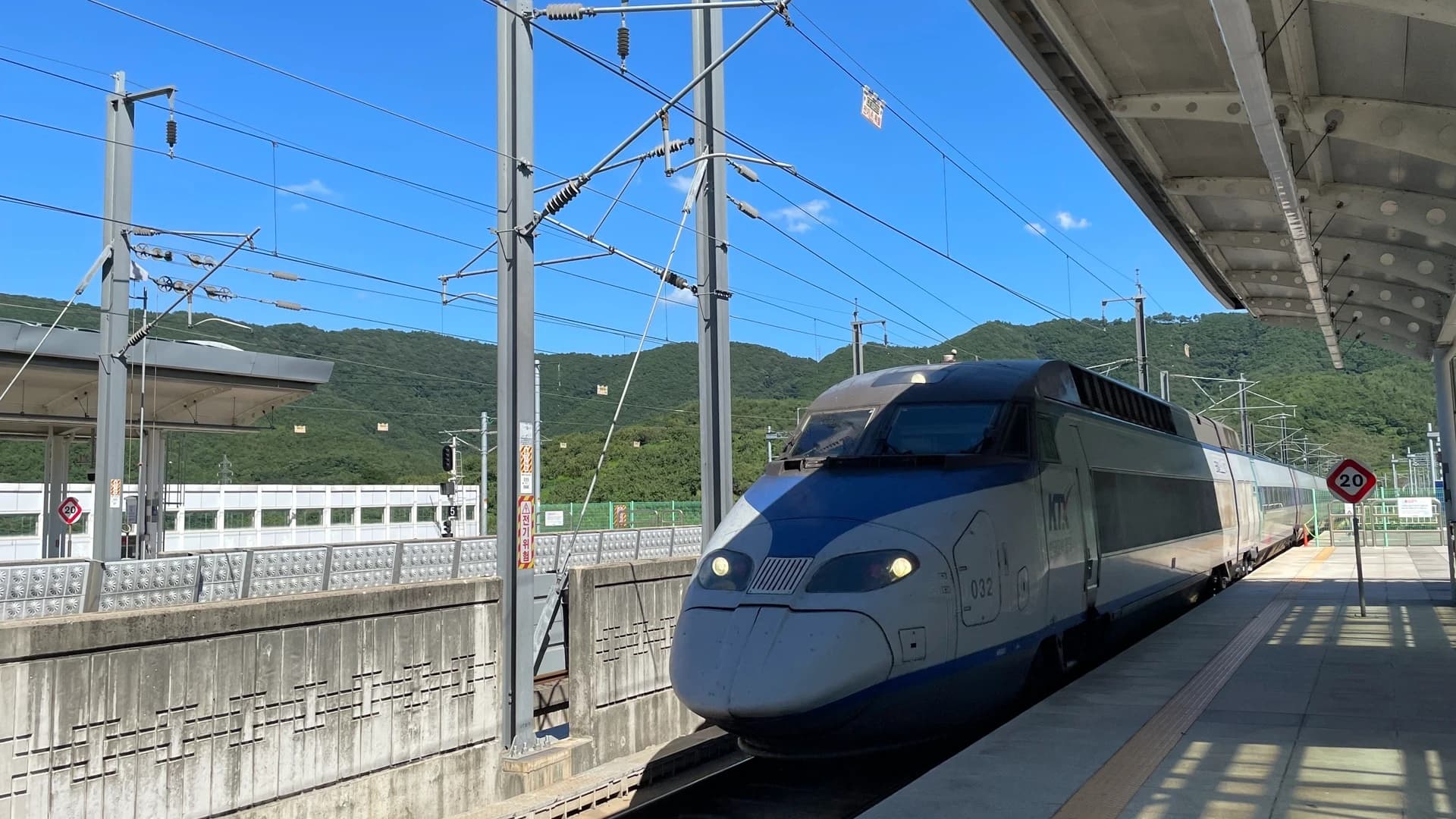
- Eating Allowed: High-speed and tourist trains feature fold-out seat tables. Eating sandwiches, lunchboxes, or coffee bought at station shops is fully allowed onboard.
- Considerate Etiquette: Because passengers sit close together, avoid foods with very strong smells (like cup ramen or hot stews). You can eat strong-smelling items in the passageways between train cars.
Alcohol and Safety Laws on Trains:
Drinking light alcoholic drinks like canned beer is not legally banned on high-speed trains (KTX/SRT) or regular trains. However, getting drunk, shouting, or disturbing other passengers is illegal under the Railway Safety Act.
Severe disturbances can lead to train police intervention, forced removal at the next station, or fines. Drink quietly without disturbing people nearby. (Drinking on subways or buses is strictly banned.)
Large Lithium Battery Limits on TrainsCovers safety rules restricting large lithium batteries and personal mobility devices on trains.
Korea's Ministry of Land, Infrastructure and Transport and railway operators enforce a limit on large lithium batteries and related devices on trains to prevent fire risks.
1. Main Rules and Covered Trains
- Key Restriction:
- Lithium batteries over 160Wh (Watt-hours) and devices powered by them are completely banned on passenger trains.
- Covered Trains:
- Applies to all passenger trains nationwide, including high-speed trains (KTX/SRT), regular trains (ITX-Saemaeul, Mugunghwa), and city subways.
- Station Entry Restriction: On metropolitan lines (Seoul subway, Donghae Line, Daegyeong Line), taking these items into station halls or platforms is strictly banned.
2. Banned vs. Allowed Items
- Banned Items:
- Personal Mobility (PM) devices powered by lithium batteries, such as e-scooters, electric bicycles, and hoverboards.
- Large lithium battery packs exceeding 160Wh.
- Allowed Items (Exceptions):
- Mobility Aids: Electric wheelchairs and medical mobility scooters are permitted.
- Everyday Electronics: Smartphones, laptops, tablets, and regular travel power banks are allowed as they stay under 160Wh (usually 10,000 to 30,000mAh).
💡 Battery Safety & Power Bank Guidelines:
- Cracked or Swollen Batteries: Power banks with physical cracks or swollen surfaces carry high fire risks. Avoid taking damaged batteries onto trains or subways.
- Rule Background: Lithium battery fires burn hot, release toxic gas, and are hard to extinguish. This rule was created to prevent fire and smoke risks on trains. Check battery limits if planning to travel with an e-scooter.
Strictly Restricted Laws and FinesA list of everyday illegal actions that can result in immediate fines or legal penalties in Korea.
These actions may seem minor, but they violate Korean laws and can result in instant fines on the spot.
1. No Jaywalking
- Pedestrian Rules:
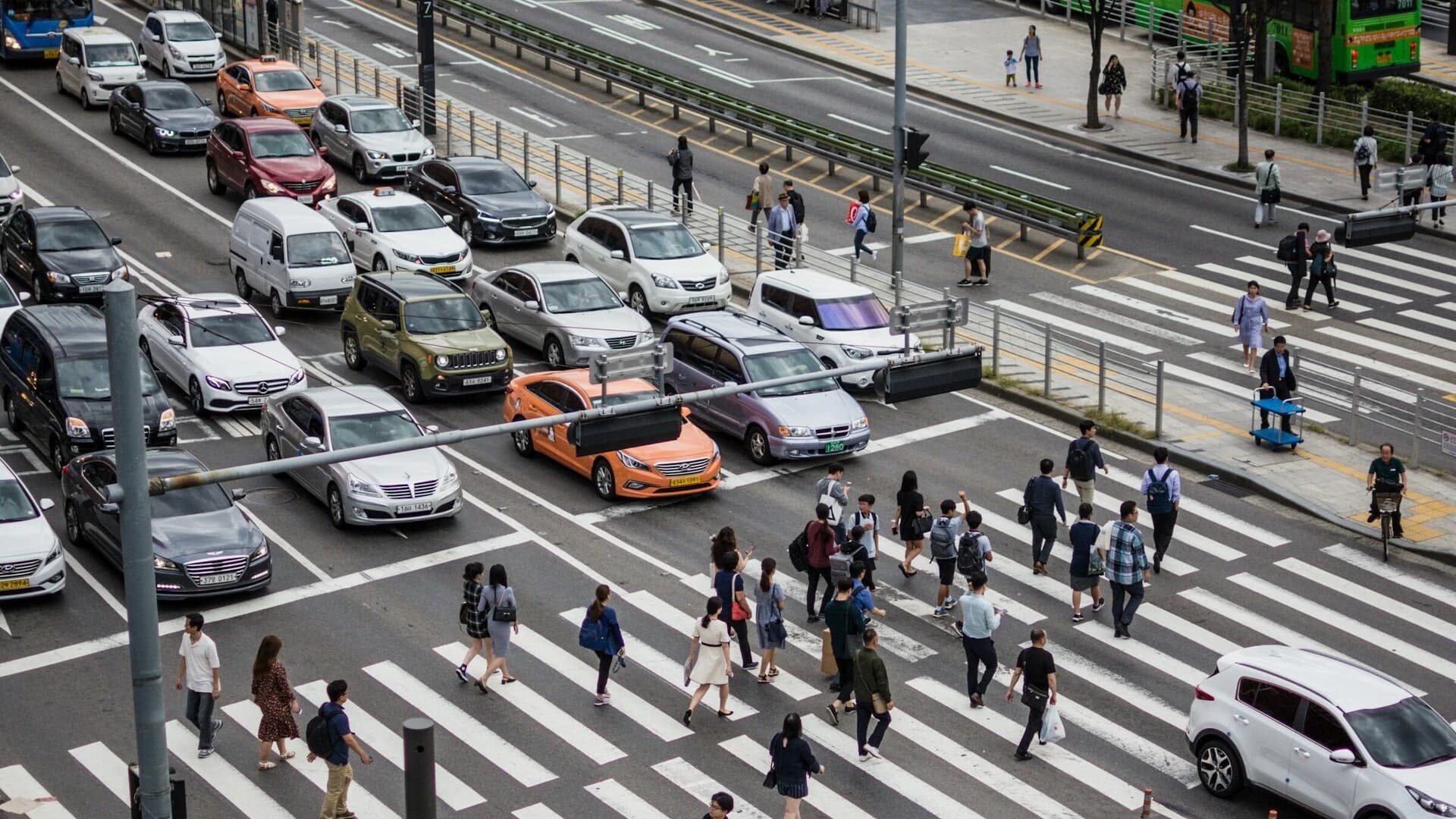
- Crossing roads outside marked crosswalks or crossing during red pedestrian lights is illegal jaywalking.
- Police officers check busy city streets regularly. If caught jaywalking, you will receive an instant fine on the spot. Always wait for green lights.
2. Street Smoking Bans and Designated Zones
- Strict No-Smoking Zones:
- Korea enforces strict no-smoking area laws to prevent secondhand smoke. Areas within 10 meters of bus stops or subway exits, school zones, and public building interiors are legal no-smoking zones.
- Famous city sidewalks (such as Gangnam-daero and Myeongdong areas in Seoul) are designated as entire no-smoking streets. Smoking while walking is strictly restricted. Smoking in restricted zones leads to fines, so always use designated smoking booths or Smoking Zones. E-cigarettes fall under the exact same laws as regular tobacco.
3. Strict Zero-Tolerance Drug Laws
- Zero-Tolerance Policy:
- South Korea applies strict Zero Tolerance to all illegal drugs (cannabis, synthetic cannabis, cocaine, stimulants, and hallucinogens).
- Even if cannabis items (CBD oil, edibles, gummies, or cannabis drinks) are legal in your home country, bringing them into Korea or holding them leads to immediate arrest at customs inspection, regardless of intent. This brings severe legal punishments, including prison time or deportation.
Check Ingredients on Personal Medicines Before Travel: Common over-the-counter cold medicines, cough syrups, or pain relievers from your home country may contain controlled ingredients banned by Korean customs. Check active ingredients on product labels before traveling.
- Main Banned or Restricted Ingredients:
- Dihydrocodeine & Codeine types: Opioid pain relief ingredients often found in foreign cough syrups or cold medications.
- Methylephedrine types: Bronchodilator ingredients with stimulant effects used in cough medicines.
- Isopropylantipyrine / Allylisopropylacetylurea: Sedative or anti-inflammatory ingredients found in some foreign pain relievers.
- What to Do: If you must carry medication containing these ingredients for personal health treatment, you must obtain an 'Approval for Import of Medicines for Personal Treatment' from Korea Customs/MFDS before entry, and present doctor notes and prescriptions in English at customs. Standard over-the-counter medicines without restricted ingredients can be brought in freely.
4. Street Trash Rules and Illegal Dumping
Korean cities are very clean, but public trash cans are rare on streets. Cities removed public bins to reduce illegal dumping and encourage proper recycling.
- Carry Trash Back to Your Accommodation: Collect empty cans, cups, or wrappers in a small bag while walking, and throw them away in recycling bins at your hotel. This is the most common practice.
- Use Food Purchase Locations: If you eat food at convenience stores, food stalls, or cafes, use their dedicated trash bins or return empty containers to staff.
- Fines for Illegal Dumping: Leaving trash on flower beds, under bus stop benches, or near utility poles because there are no bins can lead to illegal dumping fines if caught.
5. Public Order and Respect for Historic Symbols
South Korea welcomes foreign tourists warmly, but strictly enforces laws against intentional damage to historic symbols or major disruptions of public order in places like convenience stores.
- Legal Penalties Example: A foreign YouTuber who created disturbances by disrespecting the Statue of Peace and spilling drinks on purpose in convenience stores was sentenced by a Korean court to 6 months in prison and 20 days in detention for business disruption and law violations.
- Local Backlash: Persistent disruptive behavior also led to physical confrontations and pushback from angry pedestrians and local streamers on the street.
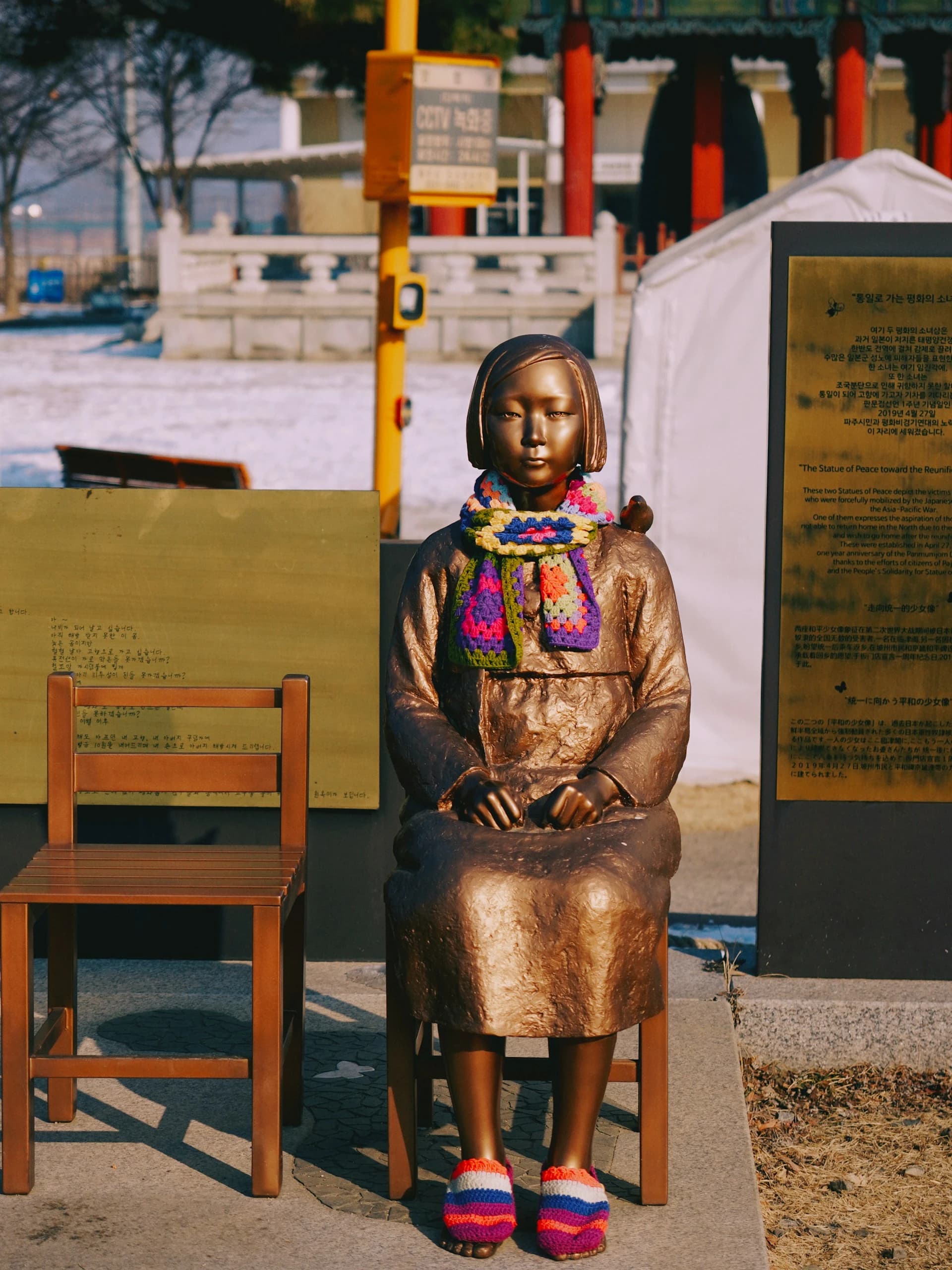
Social Boundaries and Legal Consequences in Korea:
Most Koreans are friendly to foreign tourists as long as basic social boundaries and manners are respected. However, if these legal and moral boundaries are intentionally crossed, it leads to strict law enforcement and strong backlash from locals.
Insulting historical symbols or causing public disturbances for internet views can lead to serious consequences, including prison sentences and permanent entry bans.
Camera Use and Portrait Rights ProtectionCovers strict laws against illegal filming and photography etiquette in South Korea.
Koreans value personal privacy and portrait rights highly, and strict special laws protect them.
No Unauthorized Photos of People
- Punishment for Illegal Filming:
- Taking photos or videos of someone's face or body without clear consent is a serious crime under the Act on Special Cases Concerning the Punishment, etc. of Sexual Crimes, not just a breach of manners.
- When taking photos of street views or restaurant interiors, adjust your angles so people's faces are not visible. If someone's face appears in your photo, blur or mosaic the face before sharing it on SNS or personal blogs to protect their privacy and avoid legal disputes.
Recommended Guides
Korea Accommodation Types and Booking Guide
Korea Public Transportation Guide
Korea Train & Express Bus Booking Guide