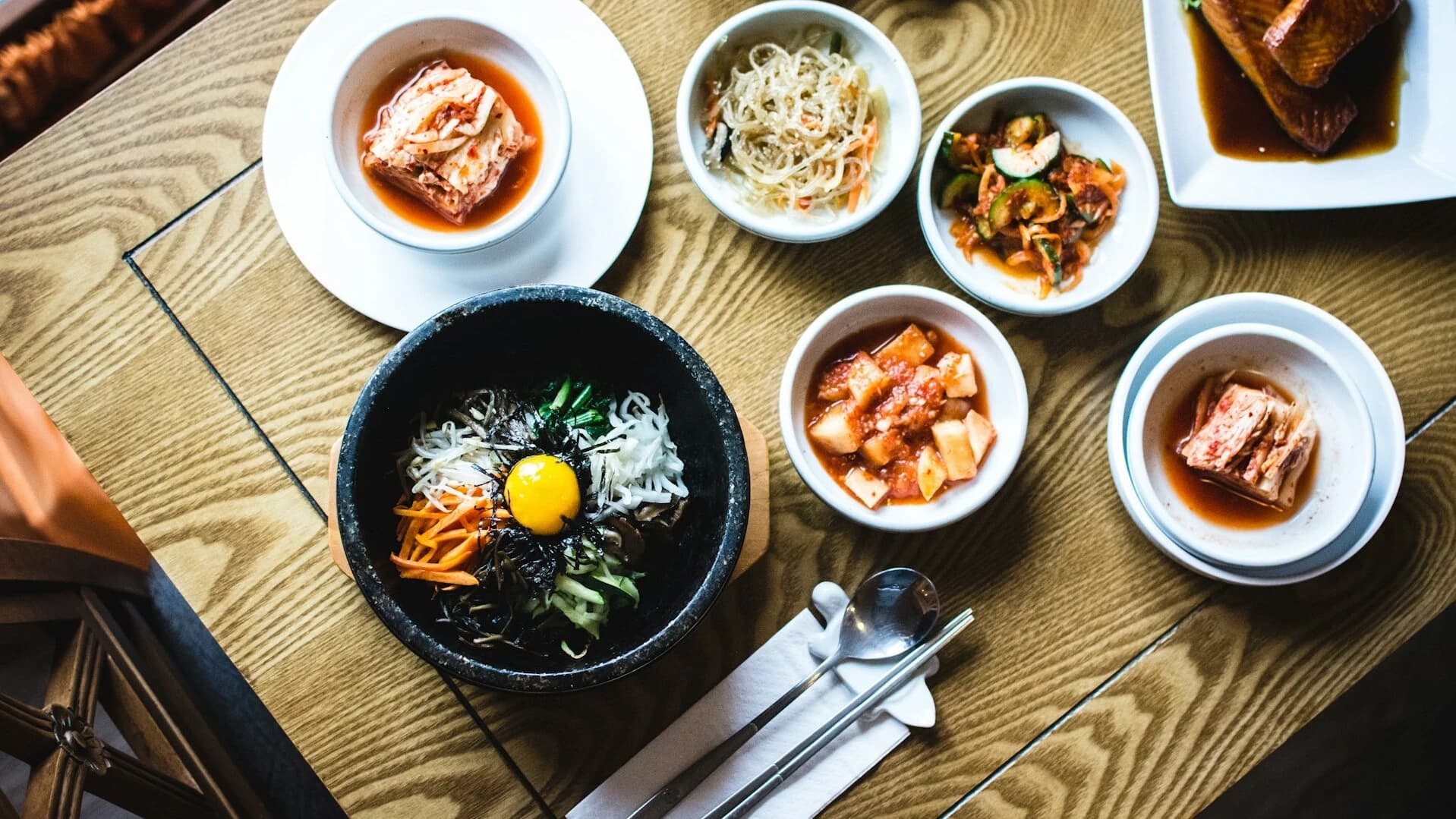
While traveling in South Korea, you may encounter minor daily life habits that differ from your home country and cause confusion. From card and cash payment etiquette to dining and cafe usage, public transit rules, and tips for relaxing at Hangang Park, here is a collection of practical life tips that are routine for Koreans but may be unfamiliar to travelers.
Payment Culture in KoreaIntroduces Korea's card-centric payment environment and proper etiquette for paying with cards and cash at restaurants and shops.
South Korea is a country where 'cashless payment' is completely routine, with credit cards, debit cards, and mobile pay being the norm. Cards account for about 90% of all transactions, making it effortless to complete most travel itineraries with just a smartphone and a single card—no physical wallet needed. When traveling, it is convenient to use your existing international credit card or, to save on foreign transaction fees, issue and top up a prepaid card designed for foreigners (such as WOWPASS).
1. Card Payment Methods and Signature Rules
- Handing Over Cards and Terminal Payments:
- When paying, handing your card to the clerk is common; the clerk will insert it into the terminal to process the payment. Recently, more stores have terminals facing customers for direct insertion or tapping, so check if there is a terminal in front of the counter to insert directly, or simply hand your card to the staff for helpful guidance.
- Signature Requirement:
- For small purchases under 50,000 KRW, payments are completed instantly with no signature required. A signature on the terminal screen is only needed for purchases of 50,000 KRW or more.
2. Cash Payment Methods and Etiquette
- Handing Cash Directly to Clerks:
- Unlike some countries where placing cash on tables or trays is common, in Korea, it is proper etiquette to hand banknotes and coins directly to the clerk's hands.
- Organizing Bills and Exact Change:
- Smooth out crumpled bills before handing them over, and when paying with exact coins or small change, it is polite for customers to count the exact amount in advance before handing it over at once. After verifying the amount, the clerk will hand back any change and receipt directly into your hands.
Unique Restaurant Culture in KoreaIntroduces useful tips for dining and paying at Korean restaurants without confusion.
Korean restaurants feature unique systems designed to reduce labor costs and maximize efficiency.
1. Table Call Buttons and Built-in Cutlery Drawers
- Table Call Button (The Hidden Button):
- A small round call button is often installed on the corner or surface of restaurant tables in Korea. Instead of shouting for staff, pressing this button lightly is the fastest and most polite method. When pressed, staff check the table number via a display board or sound chime and come over to you.
- Table Order Screens (Table Orders):
- Recently, many Korean restaurants have installed small touchscreen monitors (tablets) at every table, allowing customers to view menus and place orders directly without calling staff. These systems are divided into two payment types:
- Prepayment System: An order is processed only after inserting a credit card (or WOWPASS, etc.) into the terminal attached under the monitor to pay immediately upon submitting the order.
- Post-payment System: The monitor only submits the order. After finishing your meal, you pay later by stating your table number at the main counter (cashier) located near the entrance.
- Recently, many Korean restaurants have installed small touchscreen monitors (tablets) at every table, allowing customers to view menus and place orders directly without calling staff. These systems are divided into two payment types:
- Cutlery Drawers Hidden Under Tables:
- If you do not see spoons, chopsticks, or napkins on top of the table, check under the side of the table with your hand. Most Korean restaurants feature built-in cutlery drawers under the side of tables, designed for customers to open and set up their own cutlery.
- In restaurants that sell alcohol, bottle openers are often kept inside these drawers for easy access.
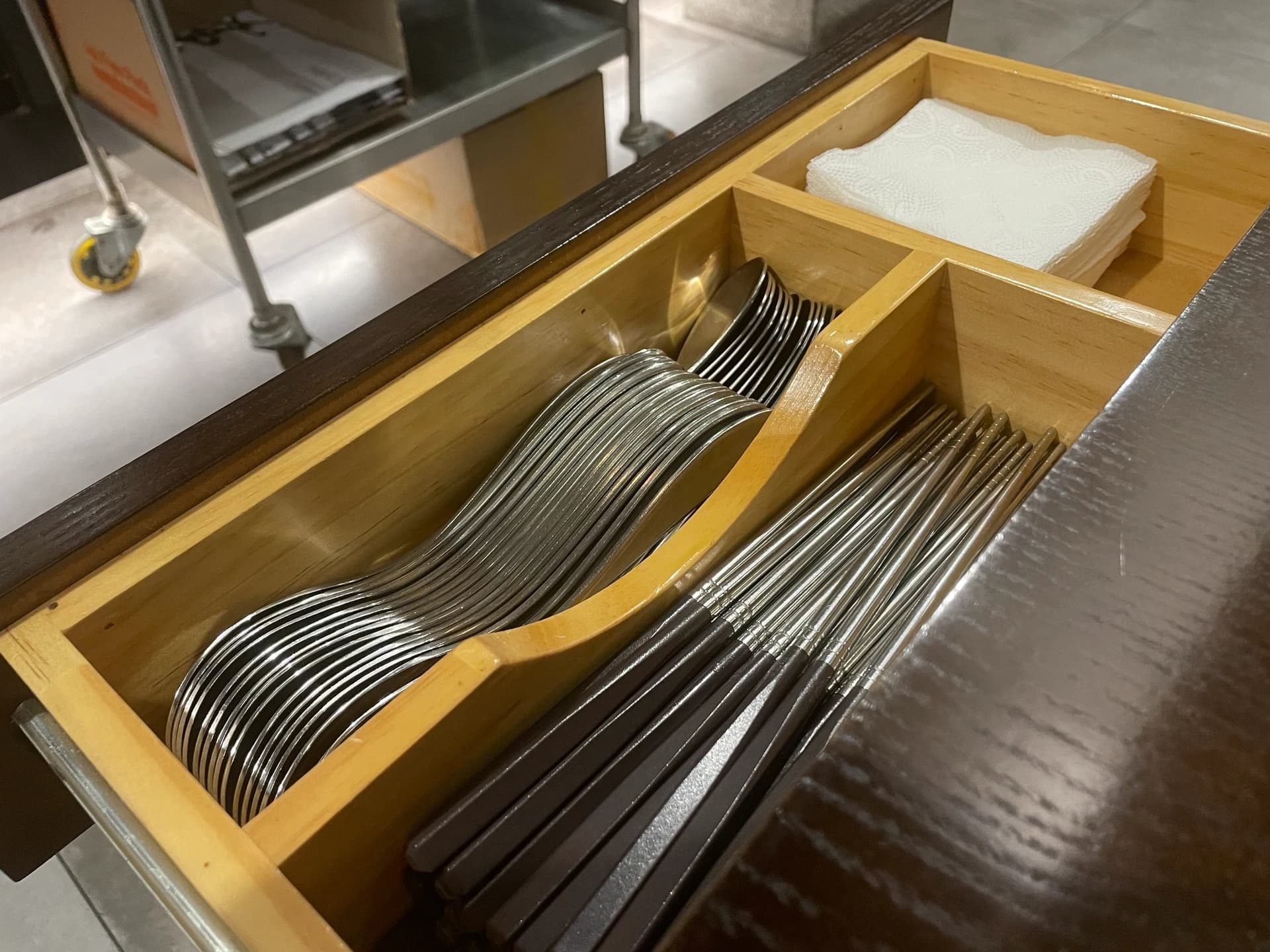
Most restaurants have built-in cutlery drawers installed on the side under the table. - Self-Service Water and Extra Side Dishes:
- If a sign inside says "Water is Self-Service" or if a "Self-Service Bar" is set up, customers must fetch water bottles or extra side dishes themselves.
- Autonomous Serving Robots:
- In large Korean restaurants or franchise stores, you can often see autonomous serving robots bringing food directly to tables. When a robot arrives next to your table carrying dishes on its trays, customers move the food onto the table themselves. Once all dishes are offloaded, press the 'Confirm' or 'Return' button on the robot's touchscreen to send it back to the kitchen. (Some newer models feature weight sensors that detect dish removal and return automatically.)
2. Individual Plates and Shared Side Dish Culture
Korean table etiquette combines individual serving plates for hygiene with a shared dining culture where side dishes are placed in the center of the table and eaten together.
- Serving Soup Dishes onto Personal Plates: In the past, hot pots or stews boiled in a single pot were eaten directly with individual spoons. Recently, using a ladle to serve portions onto individual front plates provided at the table has become standard etiquette for hygienic dining.
- Shared Side Dish Culture: Unlike main soup dishes, basic side dishes placed in the center of the table—such as napa cabbage kimchi, seasoned vegetables, and savory pancakes—are still commonly picked up directly with individual chopsticks without transferring them to personal plates. While Koreans are comfortable with this style, using an extra pair of chopsticks to take side dishes before starting your meal is a good alternative if you have hygiene concerns.
💡 Food Sharing Culture in Friendly Dining Gatherings: When gathering for meals with family, partners, or close friends, it is common to warmly serve portions onto each other's plates to share and sample different main dishes. If you want to experience various Korean foods together with companions, ask the restaurant staff for extra plates or ladles to share meals comfortably.
3. Complimentary Basic Side Dishes and Refill Rules
When you order a menu item at a Korean restaurant, various basic side dishes such as kimchi and seasoned vegetables are served together at your table.
- No Extra Charges for Side Dishes:
- All basic side dishes initially set on the table are complimentary benefits with no extra charge.
- Etiquette for Refills and Self-Service Bars:
- When you finish your side dishes, you can ask staff for refills. However, to prevent unnecessary waste and food garbage, order extra portions moderately as needed.
- When using a 'Self-service Bar', take small portions frequently rather than loading up too much at once, and try to finish everything on your plate as good etiquette.
4. Payment Methods and No Tipping Culture
- Pay at the Entrance Counter:
- Unlike in Europe or North America, staff do not bring a payment folder or take your credit card at the table. After finishing your meal, take the bill (order slip) left on your table and walk to the cashier counter near the exit to pay.
- No Tipping Culture:
- South Korea has no mandatory tipping culture by law or custom. Since Value-Added Tax (VAT) is included in all food prices, pay only the exact amount written on the bill. If you leave cash on the table as a tip, staff may run out to return money they think you forgot, so it is natural not to tip.
Tips Regarding Tipping in Korean Restaurants: Since there is no official tipping culture, not tipping is standard, and you do not need to feel awkward about it. However, if you are extremely satisfied with the service provided and wish to offer a small tip politely as personal appreciation, a reasonable amount is 10,000 to 50,000 KRW.
Exclusive TourCast Tips!
How to Search for Famous Restaurants
The best way to judge whether a restaurant is truly good is by checking visitor reviews. Use the following tips for more accurate judgments:
- Domestic Map Platforms (Naver Map, KakaoMap):Many restaurants run 'Review Events' offering free drinks or service for writing reviews. As a result, high ratings may be left regardless of actual taste, making overall scores slightly less reliable.
- Global Map Platforms (Google Maps):These feature relatively fewer promotional reviews for objective feedback, but fake reviews using marketing agencies have been increasing recently.
- How to Spot Fake vs. Real Reviews:Check the 'Dates' when reviews were posted carefully. If multiple top-score ratings are posted within a span of a few days, there is a high probability that they are artificially generated fake reviews.
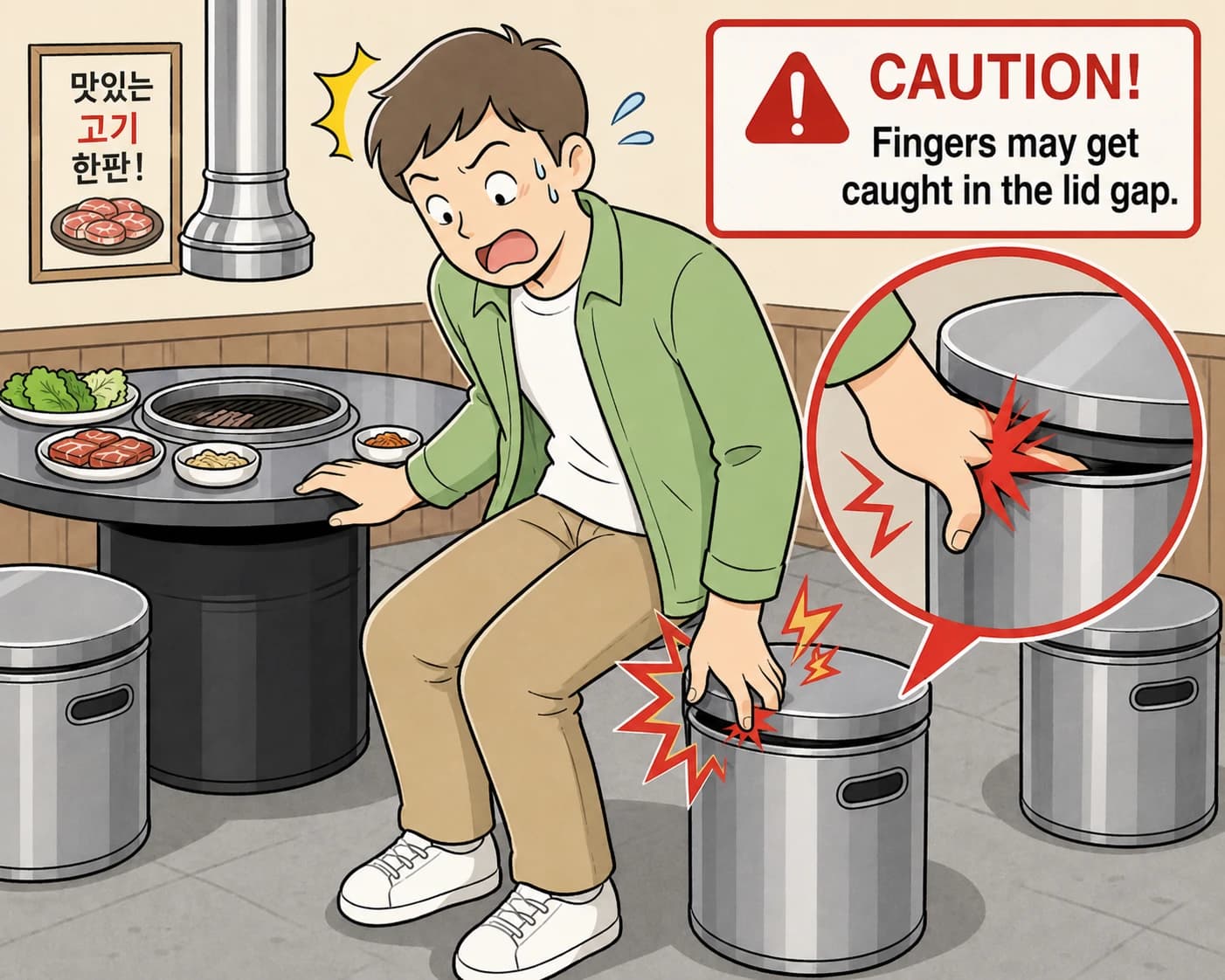
⚠️ Beware of Finger Injuries When Using Cylindrical Storage Chairs ('Drum Chairs') at Meat Restaurants: Cylindrical chairs commonly used in Korean BBQ or tripe restaurants to keep coats and bags free from food odors are convenient, but require caution as they can cause serious finger injuries or pinch accidents.
- Cause of Accidents: When moving or pulling chairs, placing weight on the lid while fingers are caught in the gap between the lid and body can cause severe injuries such as fractures, pinches, or nail damage.
- Prevention and Precautions:
- Check the Lid: Ensure the lid is fully closed and aligned with the main body before sitting down.
- Seating Position: Avoid putting weight on the chair while holding the lid edge or gap with your hands.
- Child Safety: Guardians must pay close attention to prevent children from playing with lids or putting fingers into gaps.
Essential Checkpoints for Public TransportationProvides city bus rules and instructions on using public transit transfer discounts.
Here are essential rules to use Korea's convenient public transportation network comfortably and economically.
1. Prohibition of Open Drinks on City Buses (Takeout Cup Restrictions)
- Restricted Open Beverage Entry:
- For cleanliness and safety on buses, passengers carrying opened drinks that pose a spill hazard are not allowed to board.
- Iced coffee in plastic takeout cups, cup drinks with straws, and opened beverage cans are prohibited on buses, and drivers may refuse entry. You must drink them completely or dispose of them in trash bins before boarding.
- However, drinks in closed PET bottles, fully sealed thermoses, or personal tumblers can be carried on board normally.
2. Always Tap Your Transit Card When Boarding and Alighting
- Mandatory Tap-Off at Exit Terminals:
- You must tap your transit card on the exit terminal when getting off buses, as well as when boarding buses or using subways.
- Failing to tap off when alighting forfeits free transfer discounts between public transit modes. Furthermore, even if you do not transfer, alighting without tapping off automatically incurs penalty charges on your next transit ride, so form a habit of tapping your card whenever you exit.
Street Culture and Park Regulations in Daily LifeOutlines street trash disposal methods and outdoor park rules in Korean city centers.
Here is local etiquette to know for keeping public spaces clean in Korea.
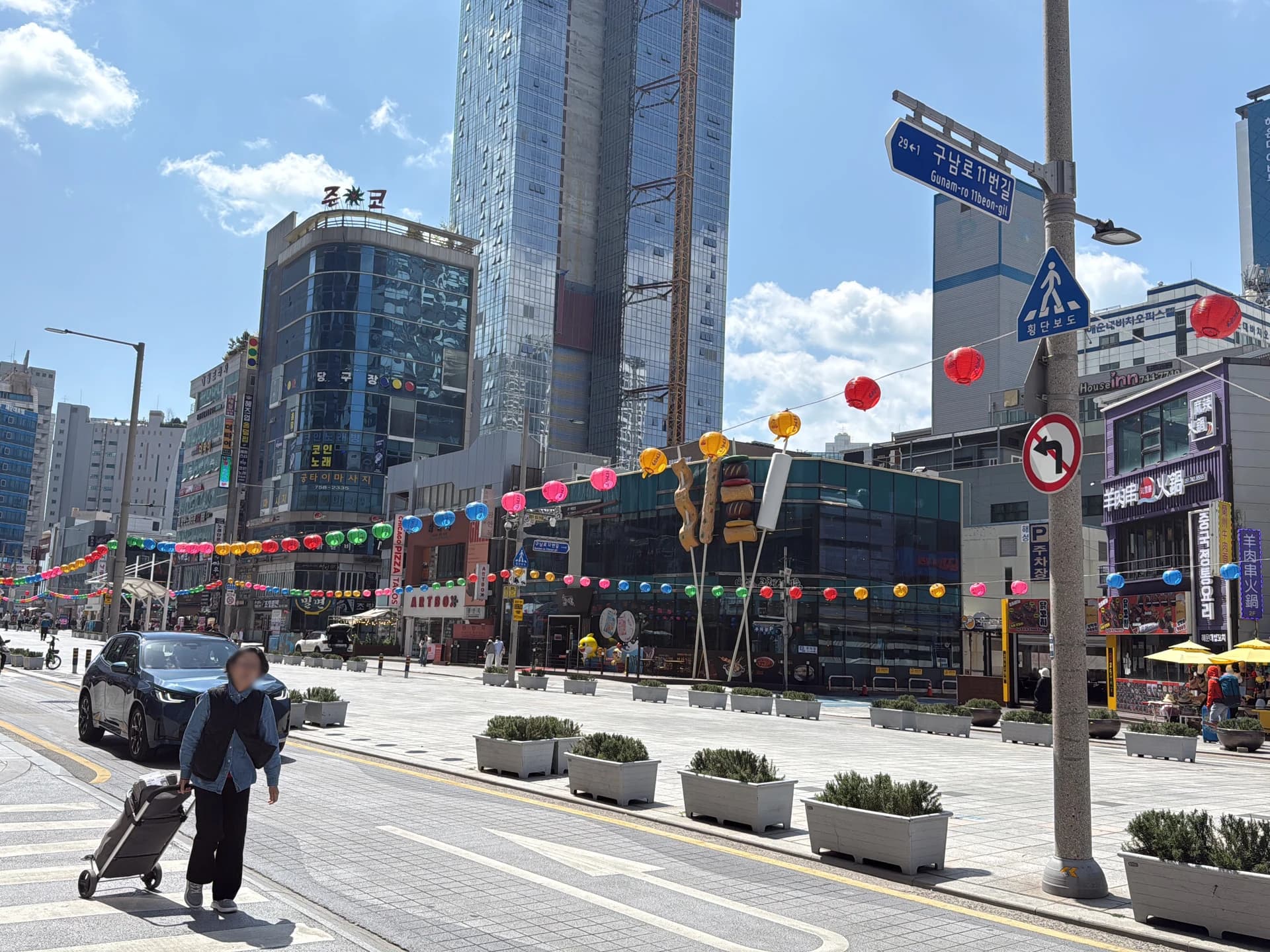
1. Why Trash Bins Are Rare on Streets
- Reason for Lack of Public Bins:
- Finding trash bins in city centers or residential streets in Korea is quite difficult. Local governments significantly reduced public trash cans to prevent illegal dumping and establish thorough recycling systems.
- Trash Disposal Tips:
- Carry trash generated on the street in your personal pockets or bags until returning to your accommodation for disposal. In emergencies, trash bins located on subway platforms are useful options.
2. Sunshade Tent Rules at Han River Parks
- Tent Opening Regulations:
- When setting up sunshades or picnic tents at Han River parks—a famous attraction in Seoul—you must follow established setup rules.
- For public safety and open views, at least two sides of the tent must remain completely open at all times. Enclosing all sides triggers warnings from patrol officers and may result in fines under city ordinances. Always verify designated tent areas and allowed operating hours (usually until evening).
Easy Tent Rentals at Han River Parks: Private rental shops around Yeouido Han River Park and Ttukseom Han River Park stations offer budget-friendly rental sets including pop-up tents, mats, tables, and camping gear. Instead of carrying heavy equipment, visit empty-handed to experience Han River's unique picnic culture easily.
Unique Cafe Culture and ConveniencesExplains single-use cup policies and electronic device charging rules in Korean cafes.
With high coffee consumption per capita, Korea has a highly developed cafe culture in city centers, with unique rules established for environmental protection and customer convenience.
1. Ban on Single-Use Disposable Cups Inside Stores
- Mandatory Reusable Cup Usage:
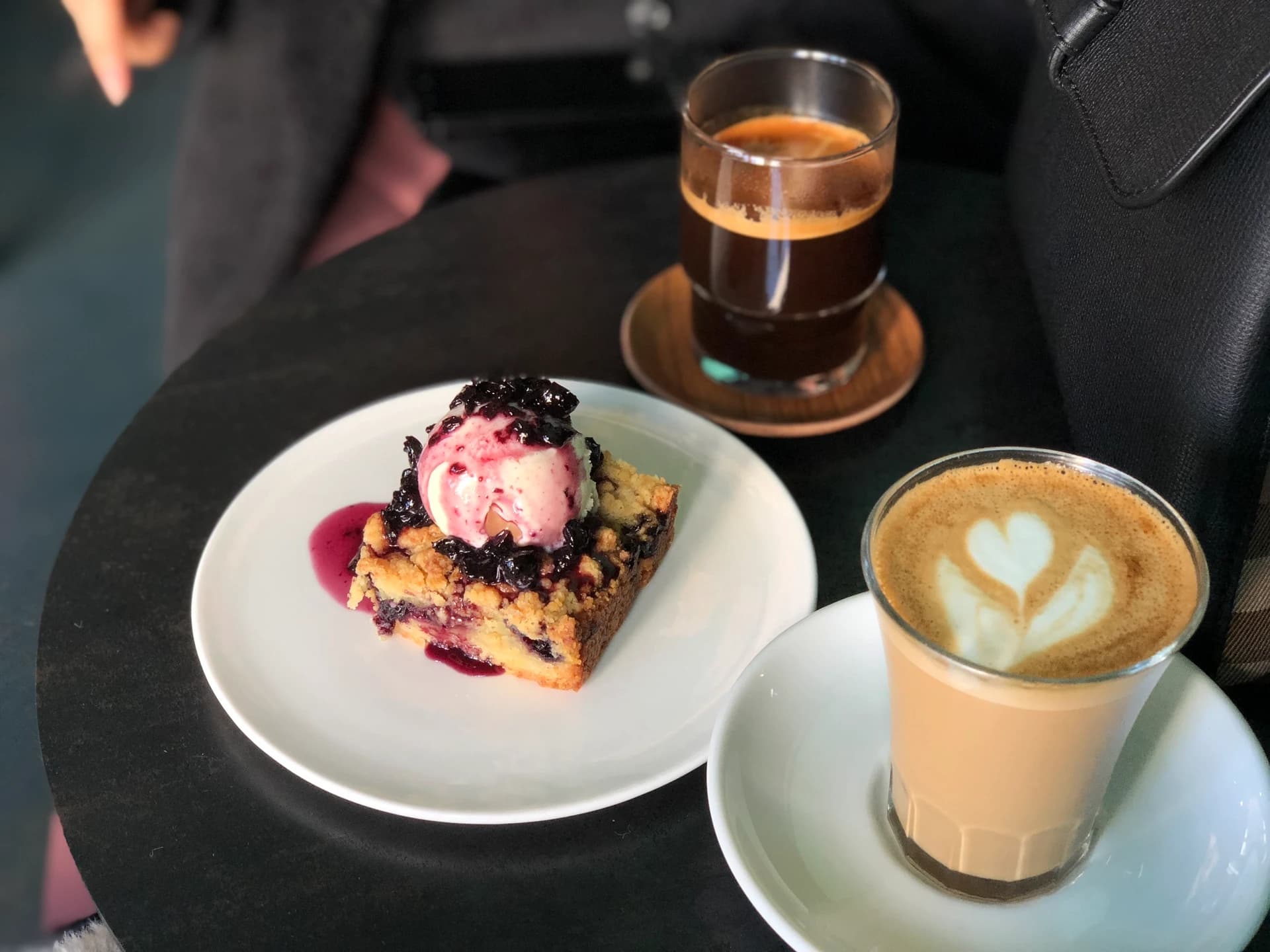
- Under government environmental protection and recycling policies, single-use plastic or paper cups cannot be used when consuming beverages at seats inside cafes.
- When ordering, if you state that you are drinking inside, beverages are served in mugs or glass cups by default. Drinking from disposable cups at indoor seats subjects stores to fines, so your cooperation is required.
- Disposable cups are issued only when taking beverages outside (takeout).
2. Free Use of Seat Power Outlets for Charging
- Free Power Outlet Usage:
- Electrical outlets near cafe seats in Korea can be used freely and for free by anyone, unless specific restriction notices are displayed.
- Pluggable power adapters for laptops or smartphones are very common, and you do not need to feel self-conscious. Some cafes even provide power strips or USB ports built directly into tables for customer convenience.
Check 220V Voltage Compatibility: Before using outlets at cafes, verify whether your device supports Korea's 220V voltage and 60Hz frequency safely as a dual-voltage product. Using 110V-only devices with a adapter plug alone poses high risks of device damage or fire. For detailed power rules, including voltage checks and adapter preparation, see the Korea Travel Checklist and Preparation guide.
Recommended Guides
Guide to Korea's Unique Daily Culture