To enjoy a perfect trip to South Korea, it is important to check several essential items before departure. Here is a guide on everything you must check before traveling to Korea—from visa rules for safe and easy entry to mobile data, payments, and essential local apps for Korea's unique digital environment.
Currency Exchange & Local Payment MethodsProvides currency information, card usage, and cash needs in South Korea.
Korea is a highly developed card-based society, but there are still moments when travelers need cash.
- South Korean Currency (KRW, ₩):
- The official currency unit of South Korea is the 'Won' (₩, KRW). Paper banknotes come in 1,000, 5,000, 10,000, and 50,000 Won denominations. Coins come in 10, 50, 100, and 500 Won.
- Widespread Credit Card Use:
- South Korea has one of the highest credit card usage rates in the world. Credit cards (Visa, Mastercard, JCB, UnionPay, etc.) are fully accepted in major hotels, supermarkets, small convenience stores, taxis, and individual market stalls.
- When You Need Cash:
- While cards work almost everywhere, a small amount of Won cash is essential for recharging subway/bus transit cards (Tmoney, etc.), paying at street food stalls, and getting cash discounts at traditional markets.
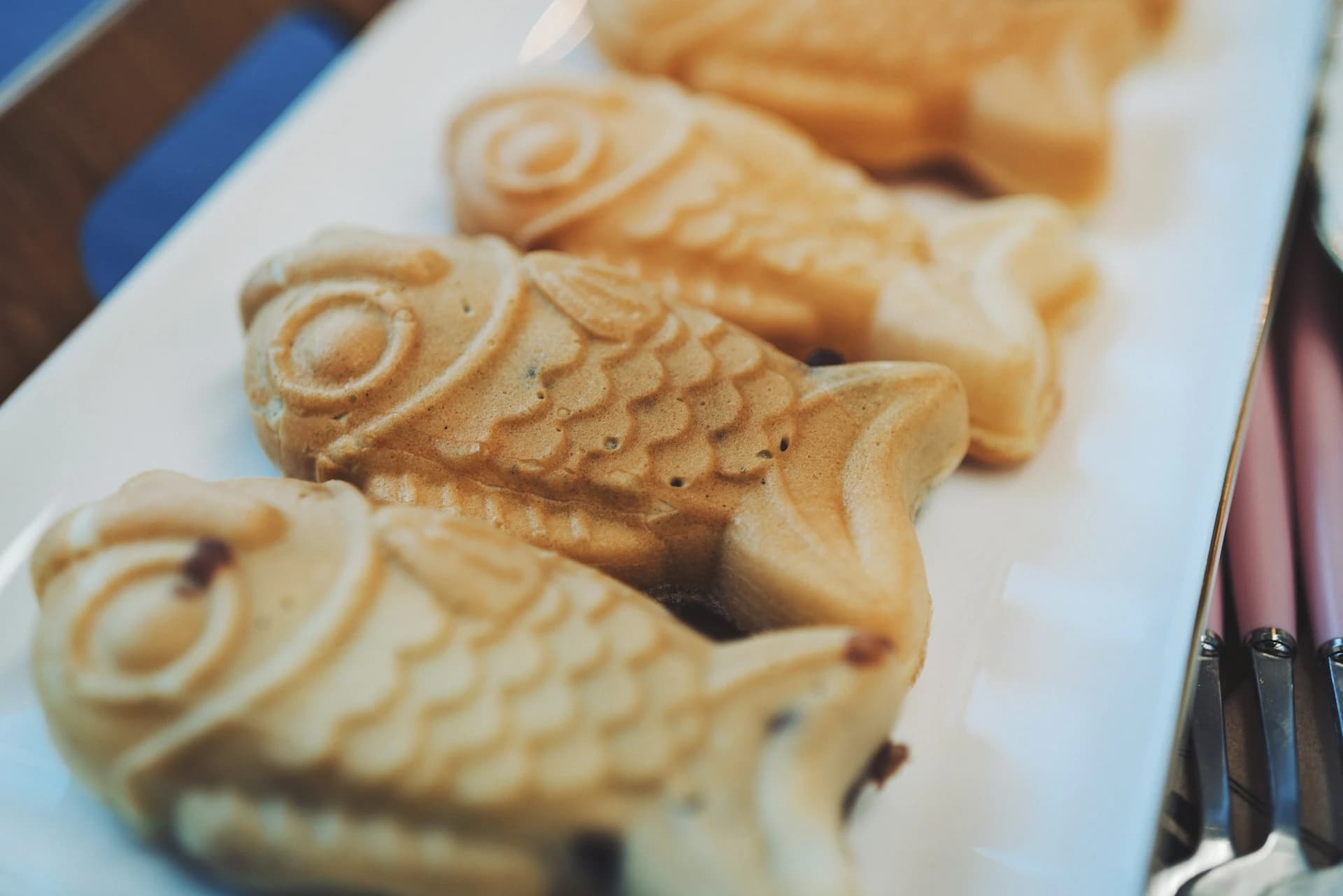
- In particular, small street stalls selling iconic Korean snacks like Bungeoppang (fish-shaped pastry), Hotteok (sweet filled pancake), Tteokbokki, or Pojangmacha (street food tents) usually do not accept credit cards and take cash or local bank transfers only. Among Koreans, there is even a popular saying that people carry cash in their pockets during winter just to buy street snacks.
Comparison of Payment & Travel Cards for Foreigners: WOWPASS vs. NAMANE vs. Wise
Foreign tourists visiting South Korea mainly use Korea-exclusive prepaid travel cards like WOWPASS and NAMANE Card, or the globally popular Wise Card.
Standard international credit cards (Visa, Mastercard, etc.) work for most offline payments, but you risk extra charges from card transaction fees, Dynamic Currency Conversion (DCC) fees, and store processing fees, making final costs higher than expected.
To avoid unnecessary currency exchange fees, enjoy preferred real-time exchange rates, and access convenient payment and transit features, we strongly recommend choosing or combining dedicated travel cards like WOWPASS, NAMANE Card, or Wise Card based on your travel style.
| Comparison Item | WOWPASS | NAMANE Card | Wise Card |
|---|---|---|---|
| Target Users | Travelers who want offline foreign currency exchange and fast payments | K-pop fans and young travelers who love customizing cards with photos and managing funds via app | Global travelers holding multi-currency accounts who prefer paying at international merchants |
| Main Reload Method | Inserting foreign cash (16 currencies) into kiosks or via app payment | Overseas card payment via mobile app or cash top-ups at local convenience stores | Top up home currency account via Wise app, then auto-convert to KRW in real time upon payment |
| Transit Top-up | Top up with physical KRW cash at subway station kiosks or convenience stores | Transfer payment balance to transit balance 1:1 instantly in the app (No cash needed) | Not supported (Requires buying a separate physical Tmoney card) |
| Design Features | Fixed brand design | Custom printing with your choice of image (idols, personal photos, etc.) via app | Fixed brand physical/digital card |
| KRW Cash Withdrawal | KRW cash withdrawals available at dedicated kiosks | Standard cash withdrawal not available (Use balance via card payments) | KRW cash withdrawals available at Global ATMs in South Korea |
| Remaining Balance Refund | Instant cash refund at kiosks (approx. 1,000 KRW fee) | Refunds are difficult without a local Korean bank account; spending the remaining balance on shopping is recommended | Balance stays in Wise account; can be converted to other currencies or refunded to your bank anytime |
1) WOWPASS Features
- Top Choice for Offline Currency Exchange: Upon arriving in Korea, you do not need to look for exchange booths. Simply insert your home currency banknotes into dedicated orange kiosks located in subway stations and major hotels to load Won instantly onto the card for immediate use.
- Easy Emergency Cash Withdrawals: You can withdraw your loaded balance back into Korean Won banknotes at kiosks, which is very useful for street food stalls requiring cash.
- High Compatibility: Includes standard Tmoney functionality accepted on all public transit nationwide. However, reloading the transit balance requires inserting physical KRW cash at subway stations or convenience stores.
2) NAMANE Card Features
- Custom Souvenir Card: Design your physical card using your favorite image (K-pop artists, pets, travel photos, etc.) via the dedicated app. Highly popular as a unique keepsake.
- 100% Cashless Convenience: You can move funds 1:1 between the 'Pay Balance' and 'Transit Balance' instantly inside the app. This eliminates the need for cash when topping up transit funds, allowing you to reload with an overseas credit card in the app and transfer funds directly to your transit balance.
3) Wise Card Features
- Convenient for Global Travelers: If you already hold a physical or digital Wise card from your home country, you can make KRW payments at real-time preferred exchange rates in most restaurants, shopping malls, and convenience stores in Korea without applying for a separate Korean card.
- Apply Before Departure: Wise cards cannot be issued at kiosks or pick-up spots upon arrival in Korea. If you plan to use Wise during your trip, order and receive your physical card from the official website or app before leaving your home country.
- Withdraw Cash from Global ATMs: Easily withdraw KRW cash whenever needed at Global ATMs located in major subway stations, convenience stores, and banks across Korea.
- Not Supported for Public Transit (Separate Transit Card Needed): While accepted at general stores, Wise cards cannot be tapped directly at bus or subway gates (no transit function). You must buy a physical Tmoney card separately with cash or carry a WOWPASS/NAMANE card for public transit.
- Backup Cards Recommended for Domestic-Only Terminals: Some small shops or specialized payment terminals only support domestic Korean cards, which may cause Wise card (internationally issued card) payments to fail. When traveling in Korea, it is much safer to carry a WOWPASS, NAMANE card, extra credit card, or small amount of cash as a backup alongside your Wise card.
Key Guide to Reloading Transit Cards & Handling Remaining Balances:
- Transit Card Reload Tips: Transit balances on cards like WOWPASS or Tmoney must be reloaded with physical KRW cash at kiosks or counters. However, NAMANE Card allows you to top up transit balances using an overseas credit card in the mobile app without cash. Wise Cards do not support transit tapping, so you must prepare a separate physical Tmoney card.
- Handling Remaining Balances After Your Trip:
- WOWPASS: Withdraw your remaining pay balance in KRW cash at station kiosks before departure (approx. 1,000 KRW fee). You can convert this cash back to your home currency at airport banks or exchange booths. Note that Tmoney transit balances must be refunded separately at station service centers or convenience stores (approx. 500 KRW fee).
- NAMANE Card: Cash refunds are difficult without a Korean bank account. It is smartest to spend your remaining card balance at airport convenience stores or duty-free shops before leaving, paying any difference with a personal credit card to bring the balance down to zero.
- Wise Card: Balances remain in your Wise account. You can freely convert remaining Won to other currencies or save funds for your next trip without refund worries.
Mobile Data Options (eSIM, SIM Card, Wi-Fi)Provides advice on selecting SIM options for internet access during your Korea travel.
Here are the three main options for connecting to Korea's fast wireless networks:
1. Data Connection Types
- eSIM (Highly Recommended):
- Connect to Korean networks conveniently by scanning a QR code received via email, without swapping physical plastic SIM cards. Check if your smartphone supports eSIM technology before purchasing. Choosing a plan that includes voice calls assigns you a local 010 phone number for receiving calls and text messages.
- Physical USIM Card:
- Available for purchase at telecom roaming centers in airports or city convenience stores. Choosing a plan with voice calls assigns you a local 010 phone number for calls and SMS.
- Pocket Wi-Fi (Egg):
- A cost-effective option for large groups or travelers connecting multiple devices like laptops and tablets simultaneously. Rent the device at airport telecom desks and return it upon departure.
- Public Wi-Fi:
- Free public Wi-Fi networks are widely available across subways, airports, cafes, and major tourist attractions.
Identity Verification Restrictions on Prepaid eSIMs & SIM Cards: Prepaid tourist eSIM and SIM products with 010 phone numbers allow you to make and receive calls or text messages, but cannot be used for online identity verification (real-name authentication) on Korean local services. Real-name verification is restricted to long-term residents holding Alien Registration Cards, so short-term travelers can use 010 numbers for standard calls and texts only.
2. Country Lock Unlock Guide
If your data does not work after installing an eSIM or SIM card upon arrival in Korea, the most common cause is a Country Lock (Carrier Lock) on your device. Please review the following information and unlock your phone before traveling abroad.
1) What is a Country Lock?
- Definition: A software lock applied by mobile carriers so that the smartphone only recognizes SIM cards from that specific carrier.
- Main Affected Devices: Commonly found on smartphones purchased under contract plans or installment plans from overseas carriers.
- Warning: Devices with an active Country Lock cannot recognize Korean prepaid eSIMs or physical SIM cards.
2) How to Unlock Country Lock & Processing Time
- Unlock Request: You must contact the original mobile carrier that sold your phone before departing your home country to request a device unlock.
- How to Request:
- Apply for an unlock by calling customer support or through the official website/app of your home carrier.
- Phones with fully paid installment plans or completed contracts are usually unlocked immediately free of charge.
- In select countries and major carriers (e.g., T-Mobile in the US, docomo in Japan), users can perform a self-unlock via carrier websites or device settings.
- Recommended Timeline: Processing and approval can take up to 2 to 3 business days, so apply at least 1 week before departure to ensure completion.
3) How to Check Carrier Lock Status
- For iPhone Users:
- Go to
Settings > General > About. - Scroll down to find 'Carrier Lock'.
- If it says 'No SIM restrictions', your device is fully unlocked and ready to use Korean mobile networks immediately.
- Go to
- For Android Users:
- The menu path varies depending on the manufacturer and OS version, but you can generally check unlock status in device settings:
- eSIM-Supported Models: Go to
Settings > Connections > Mobile networks > Network operatorsand turn off 'Select automatically'. If signals from other carriers appear in the search list, your device is unlocked. - Non-eSIM Models: Go to
Settings > Connections > Mobile networks > Network operators > Search networksand check 'Select network operator'. If surrounding carrier names appear in the list, your device is unlocked.
- eSIM-Supported Models: Go to
- Because settings vary by device model, contacting your home carrier customer service directly is the most accurate way to verify unlock status.
- The menu path varies depending on the manufacturer and OS version, but you can generally check unlock status in device settings:
Voltage & Plug StandardsDescribes electrical standards and plug types used in South Korea.
Power specifications for charging electronic devices are as follows:
- Voltage & Frequency:
- South Korea uses 220V, 60Hz as its electrical standard.
- Plug Types:
- Uses Type C and Type F plugs featuring two round pins. (Compatible with standard European plugs, though pin thickness may vary slightly; use an adapter plug if loose.)
- Preparing Adapters:
- Travelers using 110V devices from countries like the US, Japan, or Taiwan, or 3-pin plugs from the UK, Hong Kong, or Singapore must bring a multi-plug adapter (travel adapter). If you forget, travel adapters can be purchased at local Daiso stores and convenience stores, or borrowed at hotel front desks.
Device Damage & Fire Prevention Guide Regarding Voltage:
- Universal Voltage (Dual Voltage) Devices: Devices or chargers labeled '100-240V' (e.g., smartphones, laptops, tablets, camera chargers) are dual voltage and can be safely plugged directly into Korean outlets using a simple adapter plug without a voltage converter.
- Caution for Single Voltage (110V-Only) Appliances: Small high-power heating appliances designed strictly for '110V' (e.g., hair dryers, hair straighteners, electric shavers) must NEVER be plugged into 220V outlets with a plug adapter alone. Doing so will immediately burn out the appliance, causing device damage, power outages, or fire hazards.
Four-Season Weather & Packing RecommendationsProvides recommended clothing and essential items according to South Korea's four distinct seasons.
South Korea has four distinct seasons, requiring different clothing and essentials depending on when you visit.
- Spring (March ~ May):
- Average temperature: 10°C to 22°C (50°F to 72°F). Warm and sunny weather, but temperatures fluctuate between day and night, so bring light outerwear (cardigans, jackets, etc.). Carrying fine dust masks is recommended in case of yellow dust or air pollution.
- Starting in mid-March, Korea's iconic yellow forsythias and pink azaleas begin to bloom, welcoming the spring season.
- April and May offer the best weather for outdoor picnics at Han River parks. In early April, vibrant cherry blossom festivals take place across Seoul and cities nationwide.
- Summer (June ~ August):
- Average temperature: 23°C to 30°C / 73°F to 86°F (daytime peaks can exceed 35°C / 95°F). Hot and humid, with a heavy rainy season (Jangma) typically arriving between late June and mid-July.
- Late July through August right after the rainy season brings peak summer heat. Major beaches across the country open during this period, making it the best time for ocean swimming and water activities.
- Late July to early August is the peak summer vacation season for most Koreans. Transport tickets (trains, buses) to major resort destinations (beaches, valleys, Jeju Island) sell out quickly, roads face heavy traffic, and accommodation prices surge temporarily. Book your transport and lodging months in advance if traveling during this period.
- Pack breathable, lightweight clothing for hot outdoor activities, along with sunscreen, portable handheld fans, and an umbrella that doubles as a parasol. Carrying a light long-sleeve layer is recommended to guard against strong indoor air conditioning in shopping malls and public transit.
- Autumn (September ~ November):
- Average temperature: 8°C to 22°C (46°F to 72°F). Clear skies and cool air make autumn the golden season for outdoor travel. Pack comfortable walking shoes to enjoy fall foliage, and layer with knits, jackets, or trench coats.
- Winter (December ~ February):
- Average temperature: -6°C to 3°C / 21°F to 37°F (inland northern areas drop below -15°C / 5°F). Extremely cold, dry continental winds bring freezing winter weather. Prepare heavy winter padding (long padded coats), scarves, gloves, earmuffs, and thermal innerwear to stay warm.
- Locals often joke that Korean winter winds feel colder than in northern countries like Russia. While absolute temperatures in Russia are lower, sharp freezing winds in Korea make the wind chill on exposed skin feel extremely biting, so thorough winter clothing is essential.
Traveler's Guide to Korea's Two Major Holidays (Seollal & Chuseok): Korea celebrates two major traditional holidays based on the lunar calendar: Seollal (Lunar New Year in Jan-Feb) and Chuseok (Korean Thanksgiving in Sep-Oct). Keep the following points in mind if traveling during these holiday periods:
- Transport Bottlenecks from Mass Migration: Millions of people travel to their hometowns during major holidays. Tickets for trains (KTX, ITX) and express buses sell out completely far in advance, and highways experience severe congestion. Avoid long-distance travel between cities during holiday peak days.
- Store & Attraction Closures: Many independent restaurants, local shops, and traditional market stalls close around the main holiday day, ranging from one day to the entire holiday period. During holiday periods, plan your itinerary around urban shopping malls that operate year-round, or major royal palaces (Gyeongbokgung, etc.) and national museums that offer normal operations or free admission for the holidays.
Exclusive TourCast Tips!
Using Real-Time Ultra-Short-Term Precipitation Forecasts
The 'Ultra-Short-Term Precipitation Forecast' provided by the Korea Meteorological Administration (Weather Nuri) shows rain cloud movements and forecasts within the next 2 hours in 10-minute grid increments. It is highly accurate. If you are planning outdoor picnics or walking tours and worry about sudden rain, check the real-time radar map on the KMA website to track incoming rain clouds.
Check Real-Time Precipitation ForecastRecommended Guides
South Korea Entry Preparation Guide (Passport, Visa, K-ETA, Q-CODE)
Guide to South Korea Entry Procedures and Baggage Regulations
Korea Gateway Airports and Entry Guide