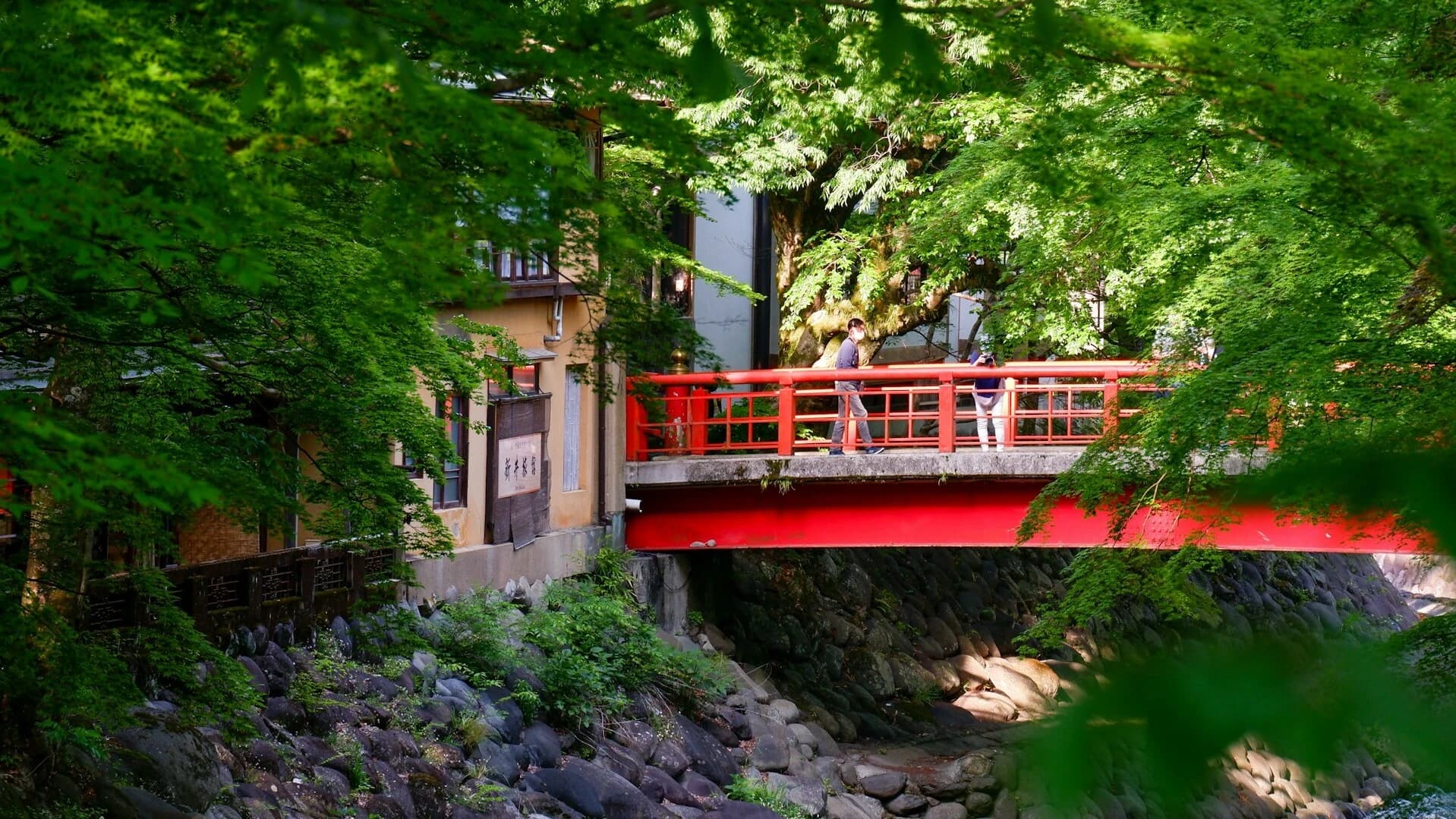
Shuzenji Onsen TownA peaceful hot spring town embracing the oldest history on the Izu Peninsula and a clear valley river.
This is a peaceful hot spring town that boasts the oldest history on the Izu Peninsula. A clear valley river flows through the center of the town, where straight bamboo forest paths and warm footbaths blend beautifully, making it an ideal spot for a quiet stroll and relaxation.
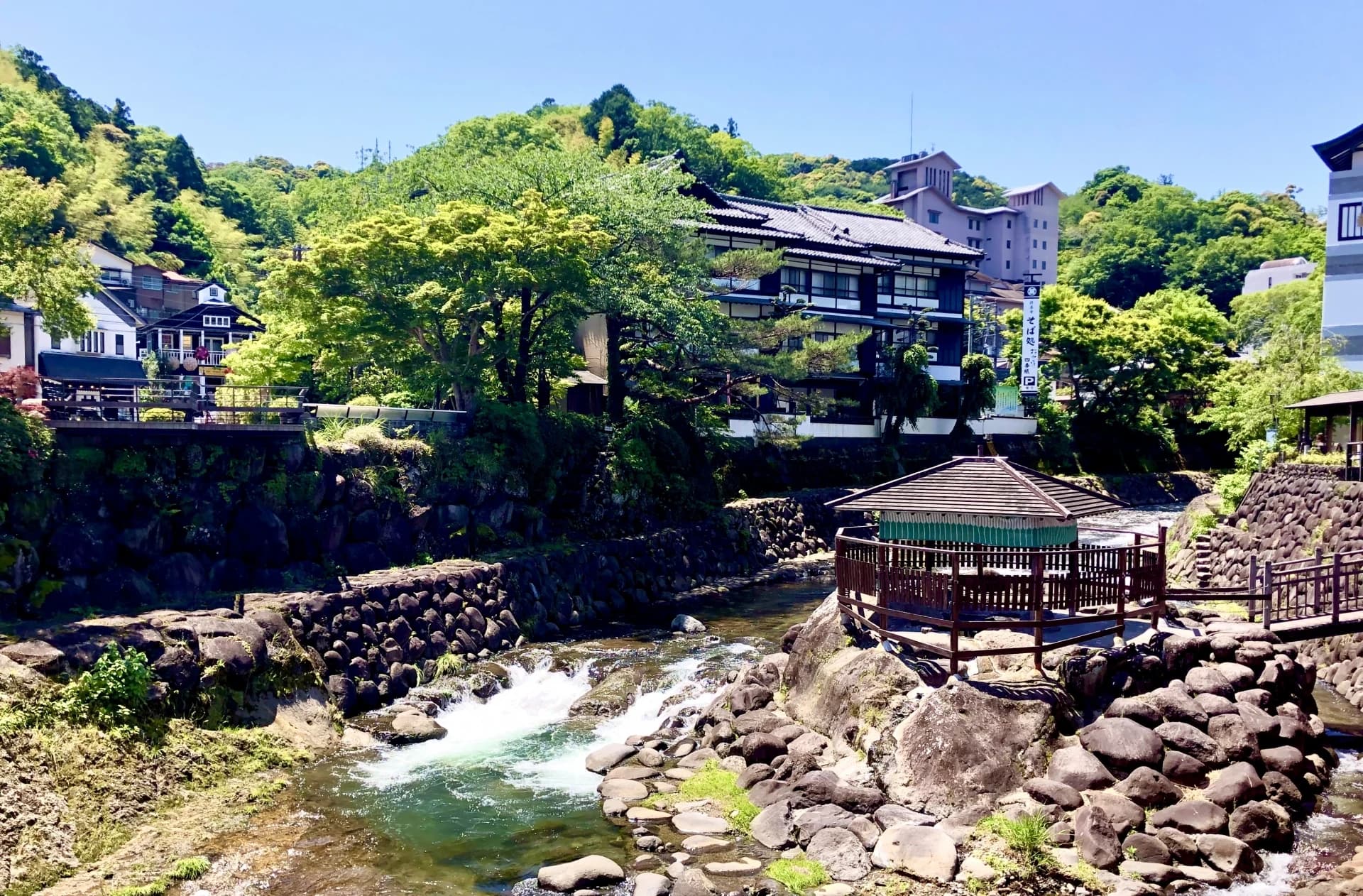
It is perfect for travelers who want to escape busy daily life and enjoy hot springs in a quiet atmosphere. In contrast, Atami Onsen is recommended for those who want to enjoy hot springs while looking out at the wide ocean views.
Shuzenji Onsen Town Location Official Shuzenji Onsen Town Website1. Bamboo Forest Path
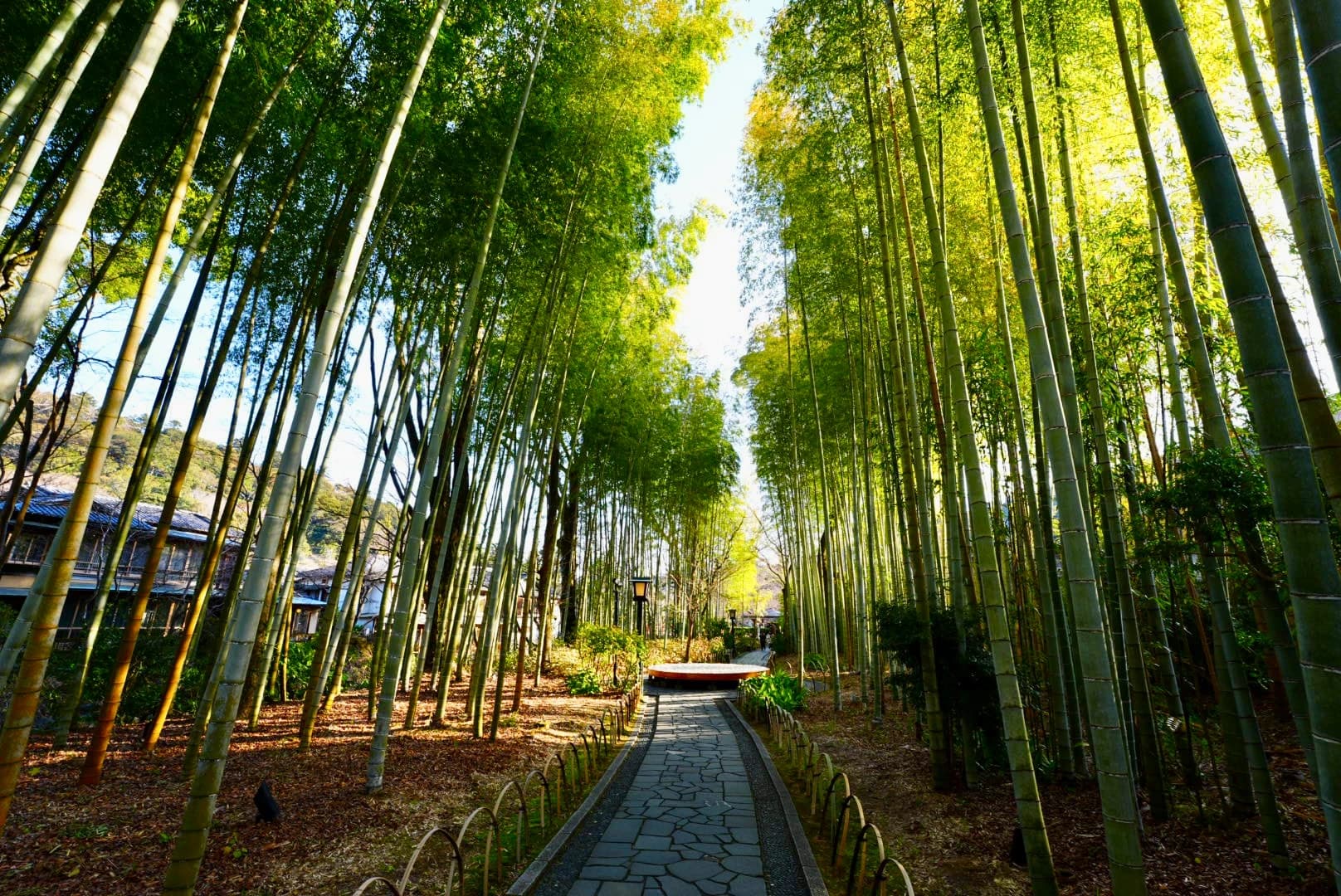
- Beautiful Walking Path: Walking along the valley river flowing through the center of the town leads to a path lined with tall, green bamboo trees.
- Relaxing Break: Wooden benches are set up in the middle of the bamboo forest. It is perfectly suited to lie down here, listen to the cool wind, and relax comfortably.
2. Tokkono-yu (Tokko Bath)
- Legend says that long ago, Kobo Daishi, a famous high priest of Japan, was moved by the devotion of a filial son caring for his sick father. When he struck a rock by the river with his iron rod (tokko), hot spring water gushed out. Thanks to this mystical story, it became the most famous symbol of Shuzenji Onsen.
- Unfortunately, for cultural property protection and safety reasons, entering the bath or using it as a footbath is currently forbidden. It remains an iconic landmark to be viewed only from the outside.
3. Kawara-no-yu (Kawara Bath)
- Free Riverside Footbath: A free public footbath located along the riverbed near Tokkono-yu. It is a great place to make up for the disappointment of not being able to dip your feet in Tokkono-yu.
- Easing Fatigue: While listening to the sound of the running river, anyone can freely dip their feet into the warm hot spring water to ease the fatigue of their travels.
If you are departing from Shizuoka, the standard route is to take the JR Line to Mishima Station, then transfer to the Izuhakone Railway to reach Shuzenji Station.
If you use the Mt. Fuji-Shizuoka Area Tourist Pass Mini, you can make your trip much more rewarding than simply making a round trip on the same train line. We recommend a route where you take the train on the way there, and take a ferry from Toi Port back to Shimizu Port on the way back. Depending on the pass coverage, buses and the ferry can be used for free, so keep this in mind when planning your itinerary. (Of course, you can also take the ferry on the way there and the train on the way back.)
The ferry operates about 3 times a day. Before boarding, simply present your Mini Pass at the ticket counter to receive a boarding ticket, and board at the scheduled time.
- Ferry schedules are subject to change due to weather and maritime conditions, so check the operating status on the Official Website before departing.
- Without the Mini Pass, the one-way fare is 3,000 JPY for adults, and free for children under elementary school age.
Mishima Attractions & Transit PassesA guide to exploring top destinations featuring pure spring waters and beautiful panoramic views.
1. Mishima 1-Day Pass (Mishimarukippu)
This value bus pass helps you save on transportation costs when traveling around Mishima. It offers unlimited rides for one day on buses connecting major tourist attractions in Mishima.
- Pass Coverage: Unlimited one-day travel within designated Mishima city zones on Tokai Bus lines. Centering around Mishima Station, it allows you to travel conveniently to key sights.
- Rides beyond the designated zones can be used for an additional 100 JPY one-way.
- Connecting Top Attractions: You can use this pass to visit highly popular spots such as Mishima Skywalk and Mishima Taisha Shrine.
- Pass Price: 1,500 JPY for adults (Junior High Students and older) and 750 JPY for children (Elementary Students). If you only make a round trip to Mishima Skywalk, you do not need it, but if you plan to visit other spots as well, it is a highly profitable pass.
- Where to Buy: Available at the Tokai Bus information counter at Mishima Station.
- Usage Notice: When boarding and exiting, simply show the date-stamped side of the pass clearly to the bus driver. Traveling outside certain designated free zones may result in extra charges, so check the route map in advance.
If you hold the Mt. Fuji-Shizuoka Area Tourist Pass Mini, you can travel between Mishima Station and the Yamanaka Castle Ruins for free. Therefore, if you only plan to visit major attractions like Mishima Taisha Shrine and Mishima Skywalk, you do not need to purchase the Mishima 1-Day Pass separately.
2. Mishima Skywalk
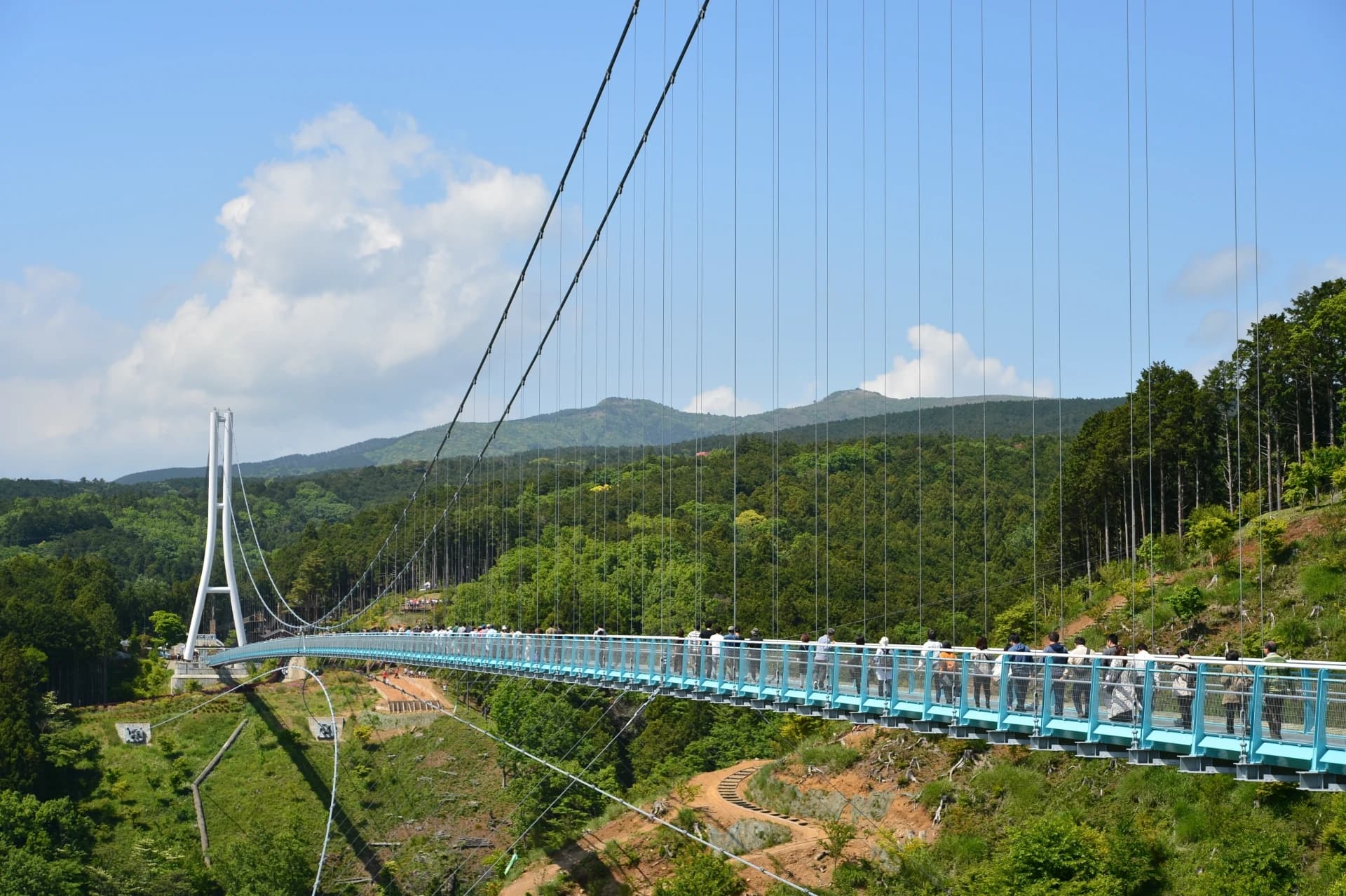
This is the longest pedestrian-only suspension bridge in Japan. Stretching to a total length of 400 meters, it offers fantastic views from the bridge.
- Overwhelming Scenery: Walking across the bridge lets you look out at both Mount Fuji, a World Heritage site, and Suruga Bay, the deepest bay in Japan, at the same time.
- Outdoor Activities: Next to the bridge, thrilling activities are prepared, including a long zipline that glides through the air and an obstacle adventure course. It is highly popular with young travelers who love a thrill.
- Hours: 09:00 - 17:00
- Closed: Open year-round (Subject to change depending on events or weather conditions)
- Admission: Adults: 1,100 JPY~, Junior High/High School Students: 500 JPY~, Elementary Students: 200 JPY~
- Admission fees operate on a dynamic pricing system and vary depending on weekdays, weekends, and holiday seasons.
If you are only taking a round-trip bus between Mishima Station and Mishima Skywalk, you do not need a pass. However, if you plan to ride the bus one or two more times, purchasing the Mishima 1-Day Pass (Mishimarukippu) is profitable. For detailed information, please check the Shizuoka Part 1: Ultimate Shizuoka Transit Pass Guide.
3. Rakujuen Park
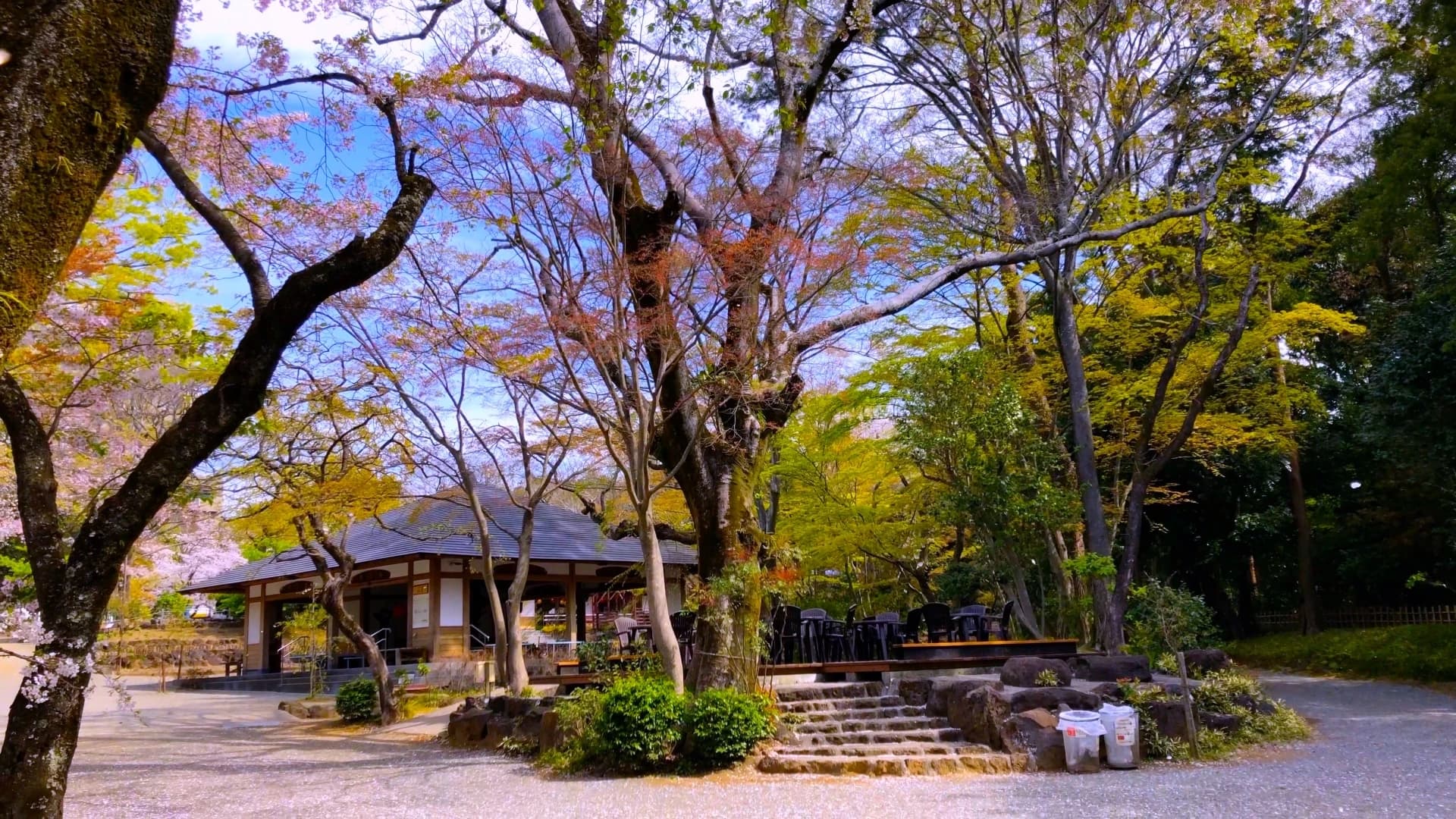
This natural public park is located right in front of Mishima Station. Formerly used as a villa for the imperial family, it features a blend of a lush forest and natural ponds.
- A Gift from Mount Fuji: The ponds inside the park are spring water gardens fed by melted snow from Mount Fuji that filters underground and gushes to the surface. The water levels change mysteriously depending on the weather and season.
- Small Zoo: A dedicated space within the park houses cute animals such as alpacas, ponies, and capybaras, making it an ideal spot to visit with children.
- Hours
- April to October: 09:00 - 17:00 (Last entry at 16:30)
- November to March: 09:00 - 16:30 (Last entry at 16:00)
- Closed: Every Monday (Closes the following day if Monday is a public holiday), New Year holidays (December 27 - January 2)
- Admission: 300 JPY for visitors aged 15 and older (Junior High Students and under enter for free)
4. Genbeigawa River
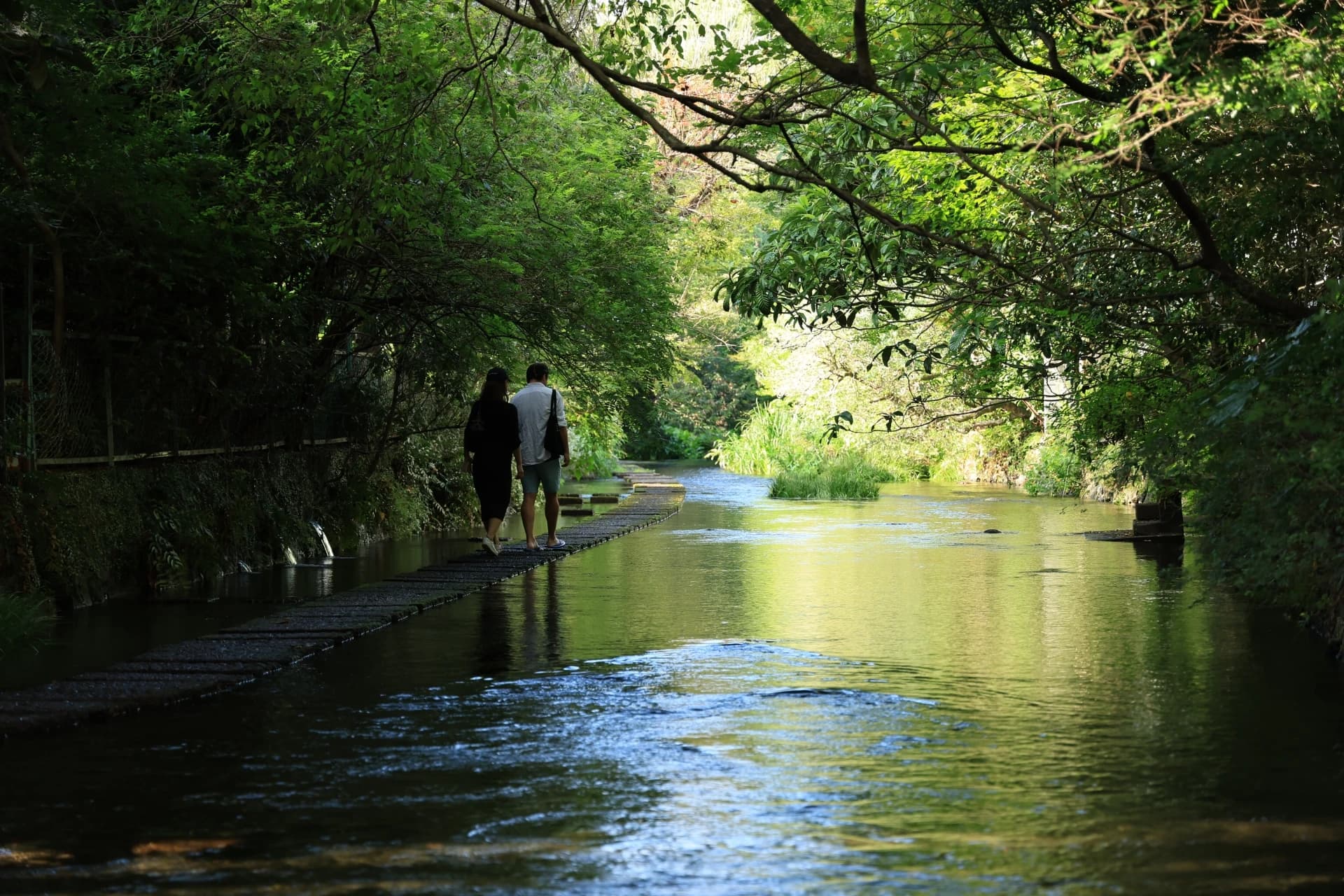
This is a small stream flowing through downtown Mishima. Fed by pure underground water from Mount Fuji, the water is crystal clear like a mirror.
- Boardwalk over Water: Stepping stones and wooden deck paths are installed right in the water. Walking along the path offers a unique experience of walking on water while listening to the gentle sound of the stream.
- Summer Fireflies: Because the water is exceptionally pure, you can observe a mystical view of fireflies flying around on summer nights, even though it is located right in the city center.
5. Mishima Taisha Shrine
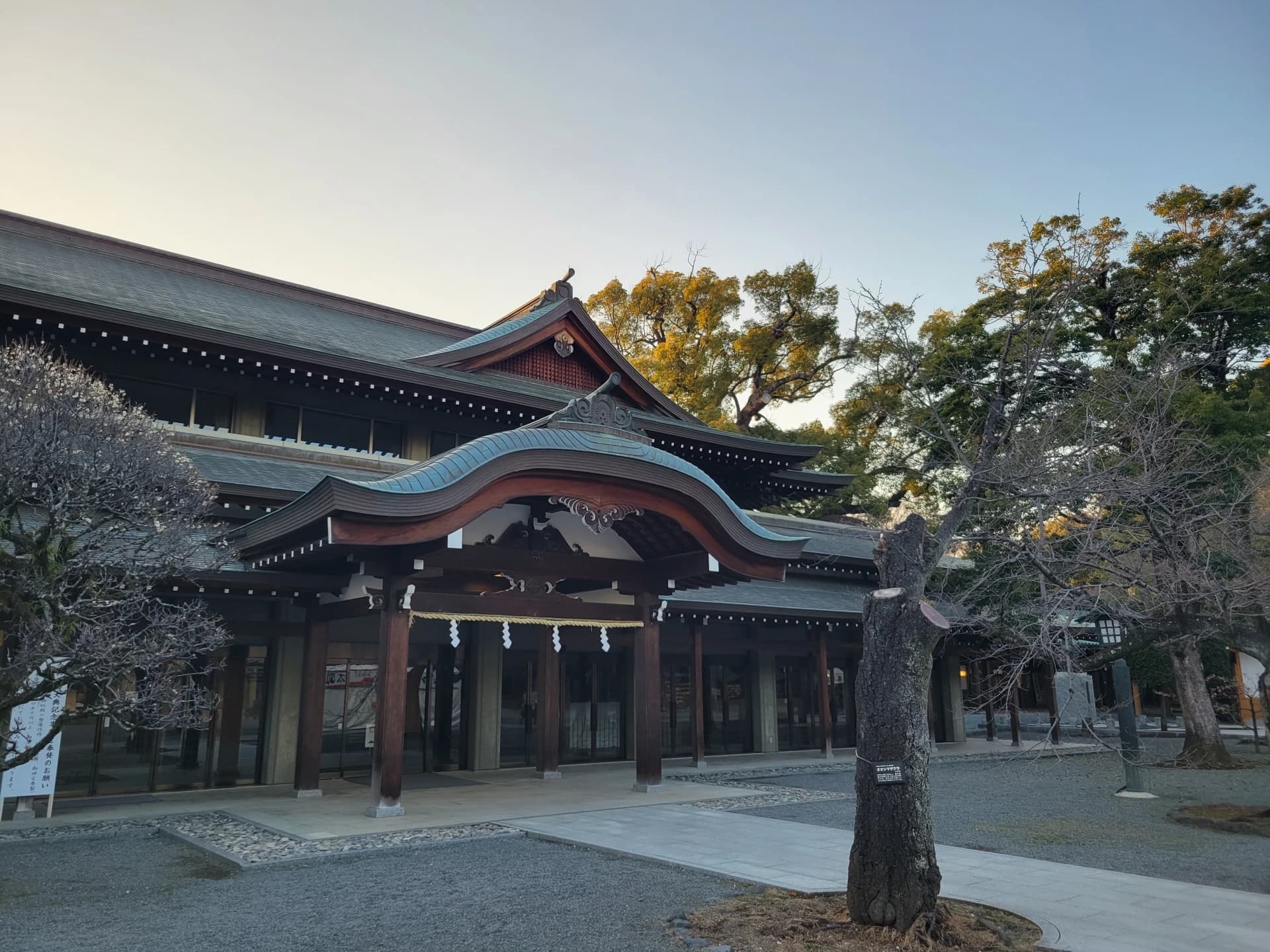
This is a grand historic shrine that boasts the highest status in the Izu region. Surrounded by ancient trees, it is a wonderful place for a quiet stroll.
- Origins of the Shrine: Since ancient times, it was established based on faiths to calm the volcanic eruptions of the Izu Peninsula and its islands, and to pray for safe maritime travel. It is counted as one of the shrines with the highest spiritual ranking in the Tokai region.
- Spring Cherry Blossom Spot: In spring, cherry blossoms bloom fully along the path leading from the shrine entrance to the main hall. At night, illuminations turn on to present a beautiful night view.
- Natural Monument Osmanthus: Inside the shrine stands a massive fragrant osmanthus tree estimated to be over 1,200 years old. In autumn, its gentle, sweet fragrance spreads across the entire shrine grounds.
- Enshrined Deities
- Oyamatsumi-no-Mikoto (大山祇命): The deity who watches over and protects mountains, forests, and agriculture.
- Tsumihayaekotoshiro_nushi-no-Kami (積羽八重事代主神): Widely known as 'Ebisu,' the deity of fortune. This deity protects commerce, industry, and fishing, bringing wealth and blessings.
- Hours: Open 24 hours
- Admission: Free
- Treasure House: 09:00 - 16:00, Adults: 500 JPY, University/High School Students: 400 JPY, Junior High/Elementary Students: 300 JPY