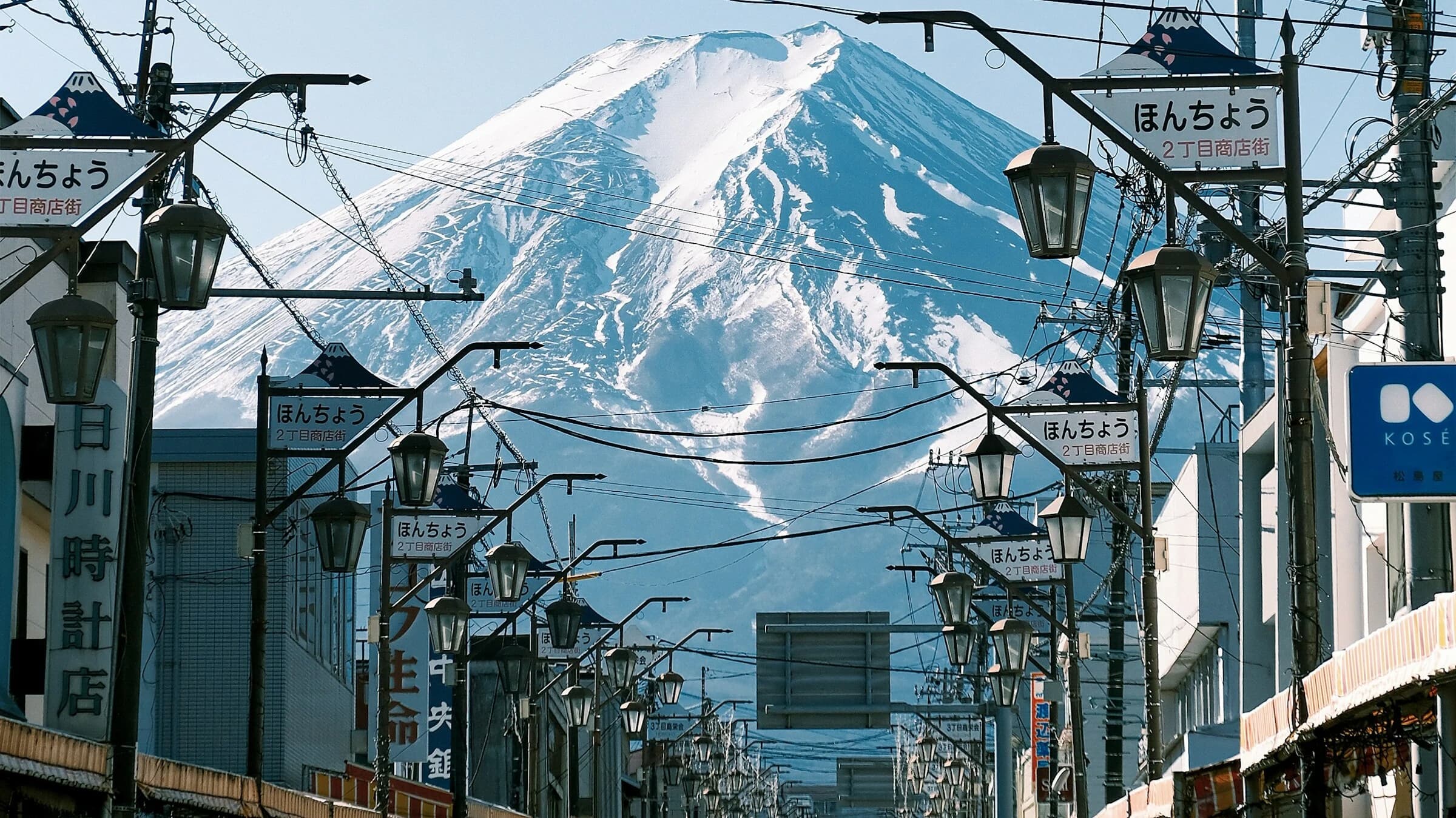
Attractions Around Shizuoka StationA guide to top attractions located right in the center of downtown Shizuoka.
1. Sunpu Castle Park
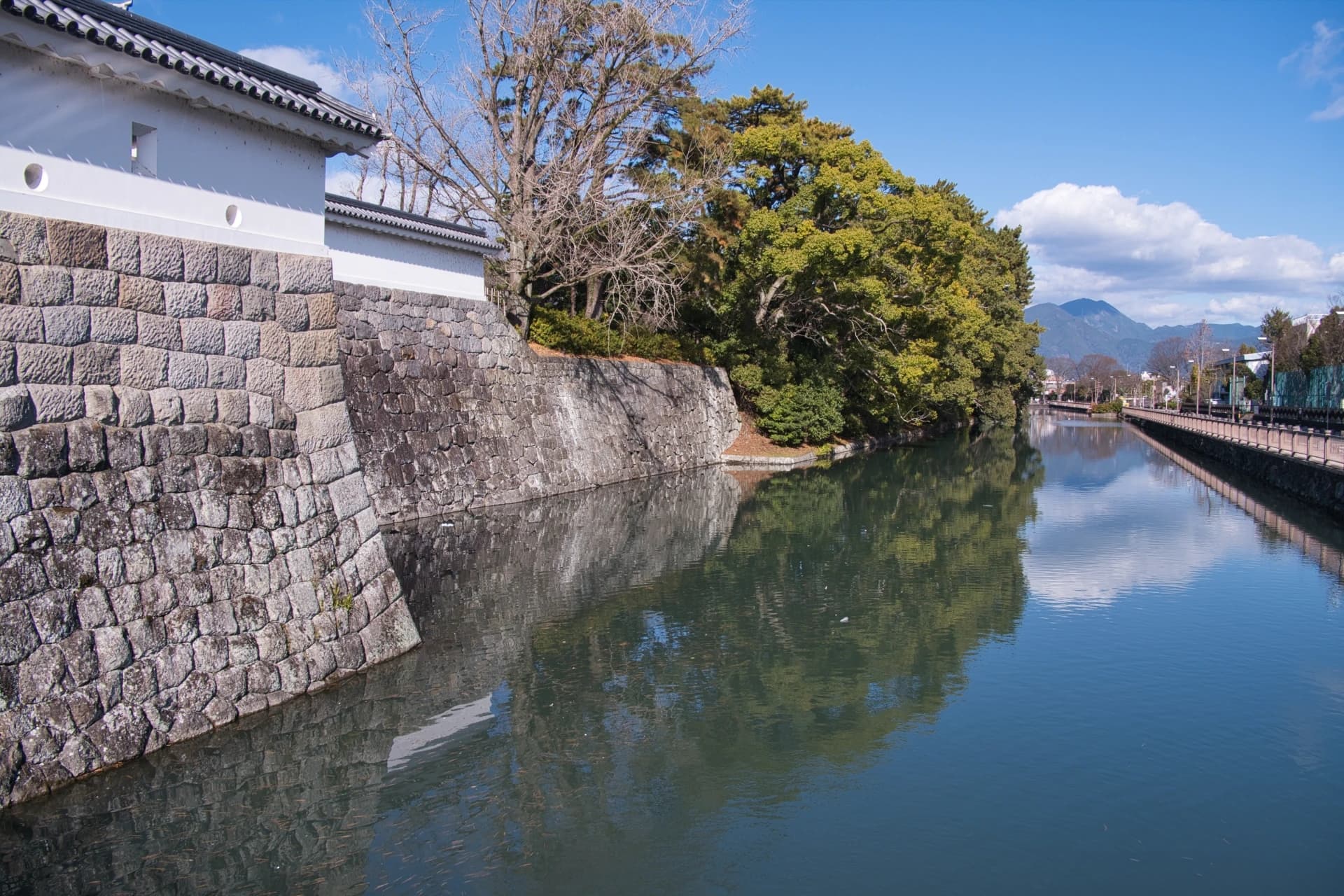
Sunpu Castle is the most important place in the life of the famous Japanese warlord Tokugawa Ieyasu. He spent more than half of his life here in Sunpu, through his childhood, adulthood, and later years.
To truly understand Sunpu Castle, you must first know about Tokugawa Ieyasu. His life was deeply connected to this castle.
1) Harsh Years as a Hostage and the Path to Independence
① First Hostage Period with the Imagawa Clan (Before Age 6)
- Background: Ieyasu's family, the Matsudaira clan, was a small, weak power in Mikawa Province. They had to send Ieyasu as a hostage to Yoshimoto Imagawa, a powerful regional lord, to prove their loyalty.
- The Event: Ieyasu had to separate from his mother at the tender age of three. At age six, while being sent to the Imagawa clan, a betrayal within his family led to his kidnapping by the rival Oda clan.
② Life as a Hostage with the Oda Clan (Ages 6–8)
- Background: The Oda clan planned to use Ieyasu as a hostage to threaten his father (Hirotada Matsudaira) in Mikawa Province.
- The Event: Ieyasu's father refused to yield, declaring, "I do not care if my son dies." Instead of killing Ieyasu, the Oda clan kept him in the Owari region. It is widely known that during this time, he met Oda Nobunaga—his future ally and rival—and spent his childhood years with him.
③ Second Hostage Period with the Imagawa Clan (Ages 8–19)
- Background: After Ieyasu's father was assassinated by a subordinate, the Matsudaira clan faced a deeper crisis. The Imagawa clan intervened and exchanged hostages with the Oda clan, bringing Ieyasu to his original destination, the Imagawa clan.
- The Event: He lived as a hostage in Sunpu until he turned 19. Under the protection of the Imagawa clan, he received a structured education and grew into an adult.
④ The Battle of Okehazama and Clan Independence
- The Event: In 1560, a major event shook the region: Ieyasu's lord, Yoshimoto Imagawa, was killed in a surprise attack by Oda Nobunaga (The Battle of Okehazama).
- Result: Seizing this chaotic moment, Ieyasu finally escaped his long status as a hostage. He reclaimed his family's home, Okazaki Castle, to gain independence. He then formed a solid alliance with Oda Nobunaga to expand his territory.
2) Non-Participation in the Imjin War and Diplomacy with Joseon
① Actions During the Imjin War
- When Toyotomi Hideyoshi invaded Joseon, Tokugawa Ieyasu stayed away from the main front lines and did not participate.
- At the time, Hideyoshi was cautious of Ieyasu's power and forced him to move his home territory to the Kanto region, centering on Edo (modern Tokyo). Ieyasu used the excuse that "stabilizing the region is urgent"—focusing on securing his new Kanto territories, settling locals, and clearing bandits—to avoid sending troops to the main invasion force, staying behind at Hizen Nagoya Castle instead.
- Thanks to this choice, Ieyasu managed to keep his forces and retainers completely whole, unlike other warlords who suffered massive military and financial losses during the war. This became the crucial driving force for his rise as the supreme leader of Japan after Hideyoshi's death.
② Restoring Relations and Requesting Joseon Missions After Hideyoshi's Death
- Background: After Toyotomi Hideyoshi died in 1598 and the war ended, Ieyasu won the Battle of Sekigahara (1600), took control of Japan, and established the Edo Shogunate.
- Requesting Joseon T通信使 (Missions): Once in power, Ieyasu actively requested Joseon to reopen diplomatic ties to show how his government differed from Hideyoshi's and to gain international legitimacy. He proposed peace negotiations through Tsushima Island and officially requested the Joseon court to send diplomatic missions, known as 'Joseon T通信使'.
- Result: Joseon sent Yu-jeong (Master Samyeong) to inspect the political changes in Japan and arrange the return of prisoners of war. Finally, in 1607, the first official mission since the rise of the Edo Shogunate was dispatched, and diplomatic relations were normalized through a formal agreement in 1609.
3) Later Years as the Center of Power (Ogosho Politics)
- Return to Sunpu Castle: After unifying Japan and becoming Shogun, Ieyasu passed the position to his son, Hidetada Tokugawa, in 1605 after just two years on the throne. He then returned and settled at Sunpu Castle, his childhood home filled with memories of his hostage years.
- The Practical Capital of Japan: Though officially retired and referred to as the 'Ogosho' (Retired Shogun), Ieyasu stayed active at Sunpu Castle. He divided duties with the second Shogun, Hidetada, in Edo and personally decided the country's most critical matters. Key policies—such as foreign affairs, the ban on Christianity, and the destruction of the Toyotomi clan—were planned and executed right here at Sunpu Castle. As a result, Sunpu Castle served as the practical power center of Japan, even surpassing Edo at the time.
4) Modern Sunpu Castle Park
Today, the grounds are open as a spacious park for citizens to relax. It is an excellent spot for a light stroll along the restored castle gates and moats.
- The park itself is open 24 hours for free, but the indoor facilities have set opening hours.
- Hours: 09:00–16:30 (Last entry at 16:00)
- Closed: Every Monday (Open if Monday is a public holiday), New Year holidays (December 29–January 3)
- Admission:
- East Gate & Tatsumi Yagura: Adults 200 JPY, Children 50 JPY
- Hitsujisaru Yagura: Adults 100 JPY, Children 50 JPY
- Momijiyama Garden: Adults 150 JPY, Children 50 JPY
- Combined Ticket (all 3 facilities): Adults 360 JPY, Children 120 JPY (Highly recommended)
2. Shizuoka Prefectural Office Observation Lobby
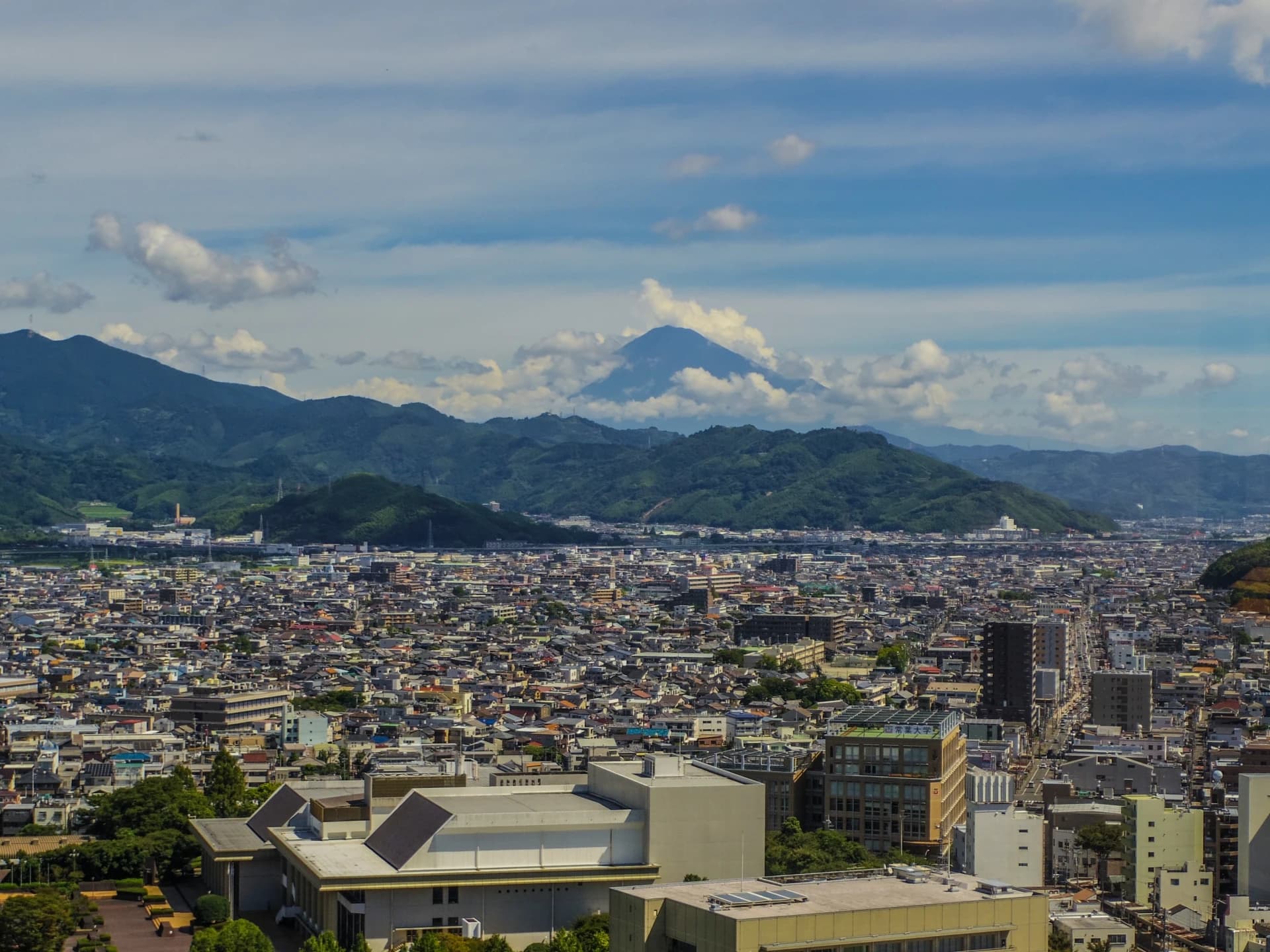
This government building sits right next to Sunpu Castle Park. The 21st-floor observation lobby is open to the public for free, offering a sweeping view of the city center. On clear days, you can easily spot the distant Mount Fuji.
- Hours: Weekdays 08:30–18:00, Weekends 10:00–18:00
- Closed: The third Saturday and Sunday of every month, New Year holidays (Dec 29–Jan 3)
- Admission: Free
3. Nippon Daira Hotel & Nihondaira Yume Terrace
1) Nippondaira Hotel
This luxury hotel is nestled in nature and famous for its stunning views of Mount Fuji from the lounge. It is highly popular with tourists because anyone can use the free shuttle bus and enjoy the indoor facilities without staying overnight.
① Spectacular Views and Rooms
- Mount Fuji View: You can admire the majestic shape of Mount Fuji through the massive floor-to-ceiling glass windows in the hotel lobby and guest rooms.
- Garden Landscape: A spacious, green lawn garden spreads out in front of the building, making it a wonderful spot for a walk.
② Tips for Visitors
- Dining and Teatime: Even if you are not a guest, you can enjoy the hotel's restaurants or lounge cafe at reasonable prices for a luxury hotel. Enjoying drinks while looking at the scenery through the glass windows is a popular activity.
- The restaurants with great views fill up quickly, so it is best to book in advance.
2) Nihondaira Yume Terrace
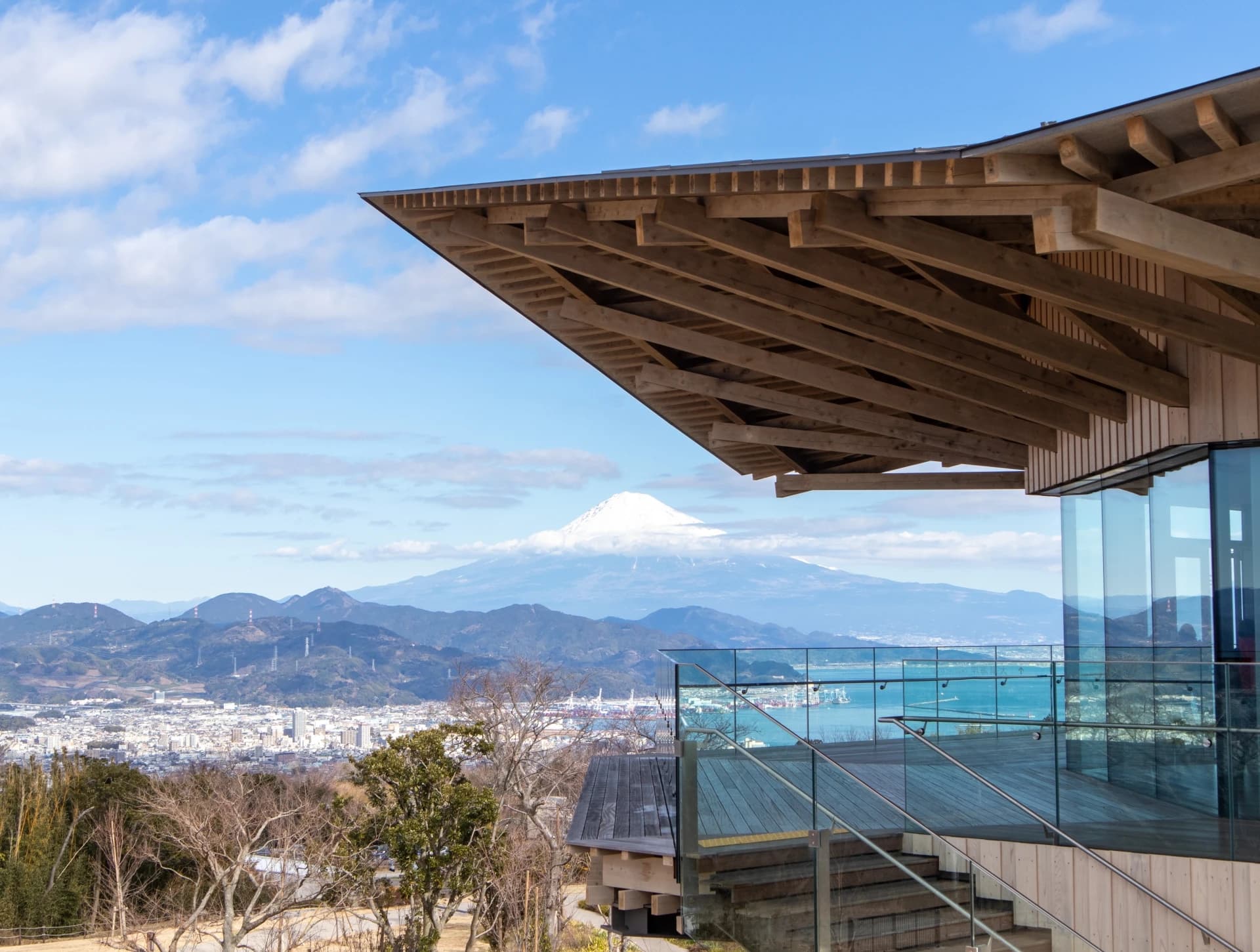
This outdoor observation deck near the hotel features a unique design and is famous as the best spot to look over Shizuoka city. The architectural design is beautiful, and you can enjoy views of Mount Fuji and the ocean at the same time along the outdoor promenade.
① Facility Features
- Observation Deck: Unlike the indoor spaces that close at set times, the outdoor observation deck is open 24 hours for free.
- Panoramic View: You can stroll along the wooden deck to enjoy a complete 360-degree view of Mount Fuji, downtown Shizuoka, and the blue ocean.
② Exhibition and Facilities
-
History Exhibit: On the 1st and 2nd floors inside the building, you can browse materials on the history and myths of the Nihondaira area via screens.
-
Lounge Cafe: You can treat yourself to fresh green tea—Shizuoka's local specialty—and various desserts while taking in the view.
-
Hours: Sunday–Friday 09:00–17:00, Saturday 09:00–21:00 (Outdoor deck open 24 hours)
-
Closed: The second Tuesday of every month (Closes the following day if it falls on a public holiday), New Year holidays (Dec 26–Dec 31)
-
Admission: Free
4. Nihondaira Ropeway & Kunozan Toshogu Shrine
Many travelers only check out the Nippon Daira Hotel observation deck and skip the rest of the area. However, Kunozan Toshogu Shrine is an excellent spot to explore together.
In particular, the view looking down while riding the Nihondaira Ropeway (cable car) is spectacular. It offers a stunning blend of the blue Suruga Bay and majestic mountains, making it a highly recommended course.
1) Nihondaira Ropeway
This cable car (ropeway) connects the summit of Nihondaira to Kunozan Toshogu Shrine.
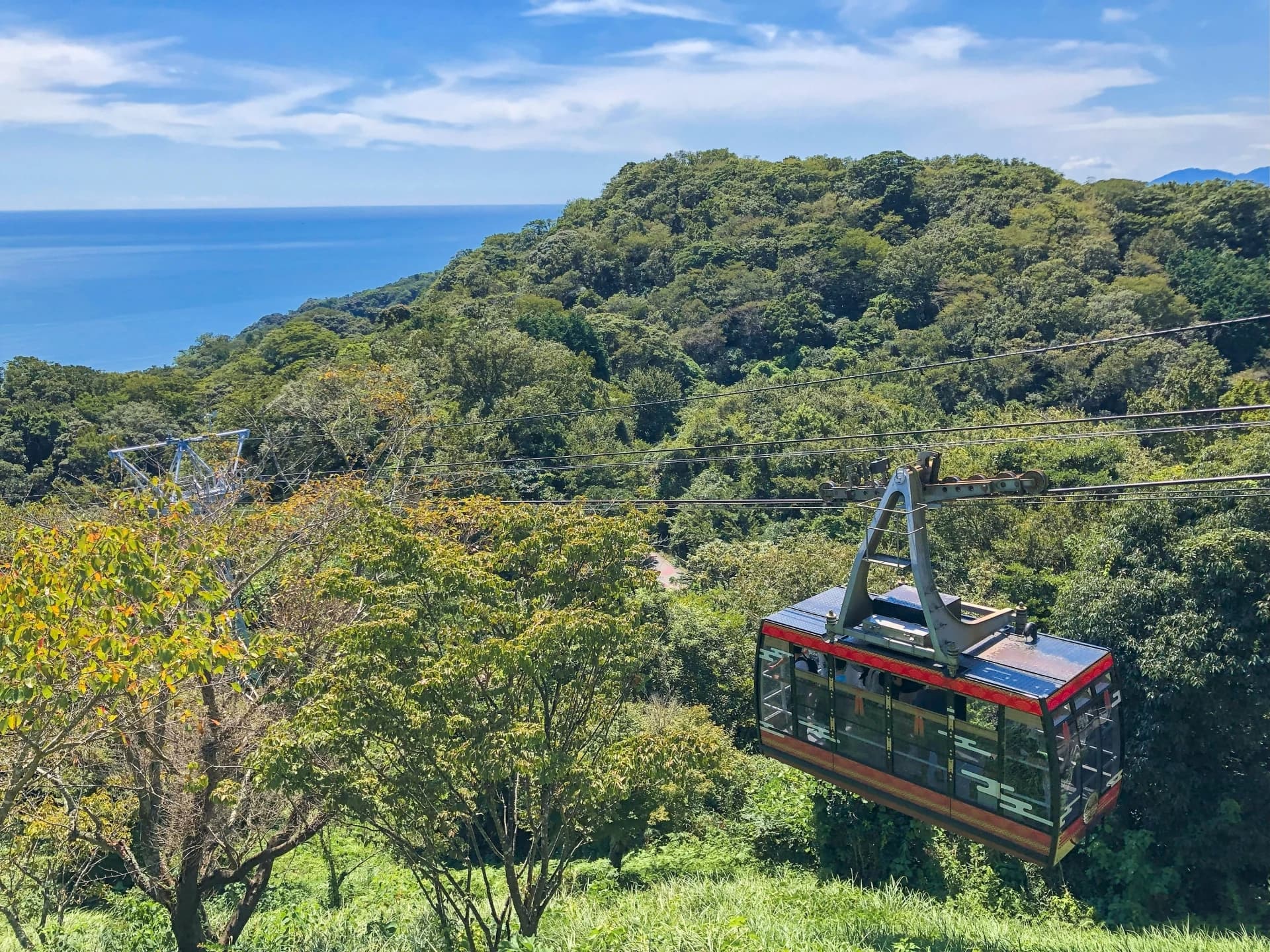
Beautiful Scenery and Transport
-
Ocean and Cliff Views: During the 5-minute ride, you can capture views of the blue Suruga Bay and the sharp cliffs.
-
Convenient Access: You can board the ropeway right after touring Nihondaira Yume Terrace, making it very easy to organize your itinerary.
-
Operating Hours: 09:10–17:00 daily
-
Fares:
- One-way: Adults 700 JPY, Children 350 JPY
- Round-trip: Adults 1,250 JPY, Children 630 JPY
- Combo Ticket: Adults 2,300 JPY, Children 1,700 JPY (Includes round-trip ropeway, Kunozan Toshogu admission, and Toshogu Museum admission)
2) Kunozan Toshogu Shrine
This historic shrine is where the remains of Tokugawa Ieyasu were originally buried. It is accessible via the ropeway from Nihondaira and showcases the peak of colorful, intricate traditional Japanese architecture.
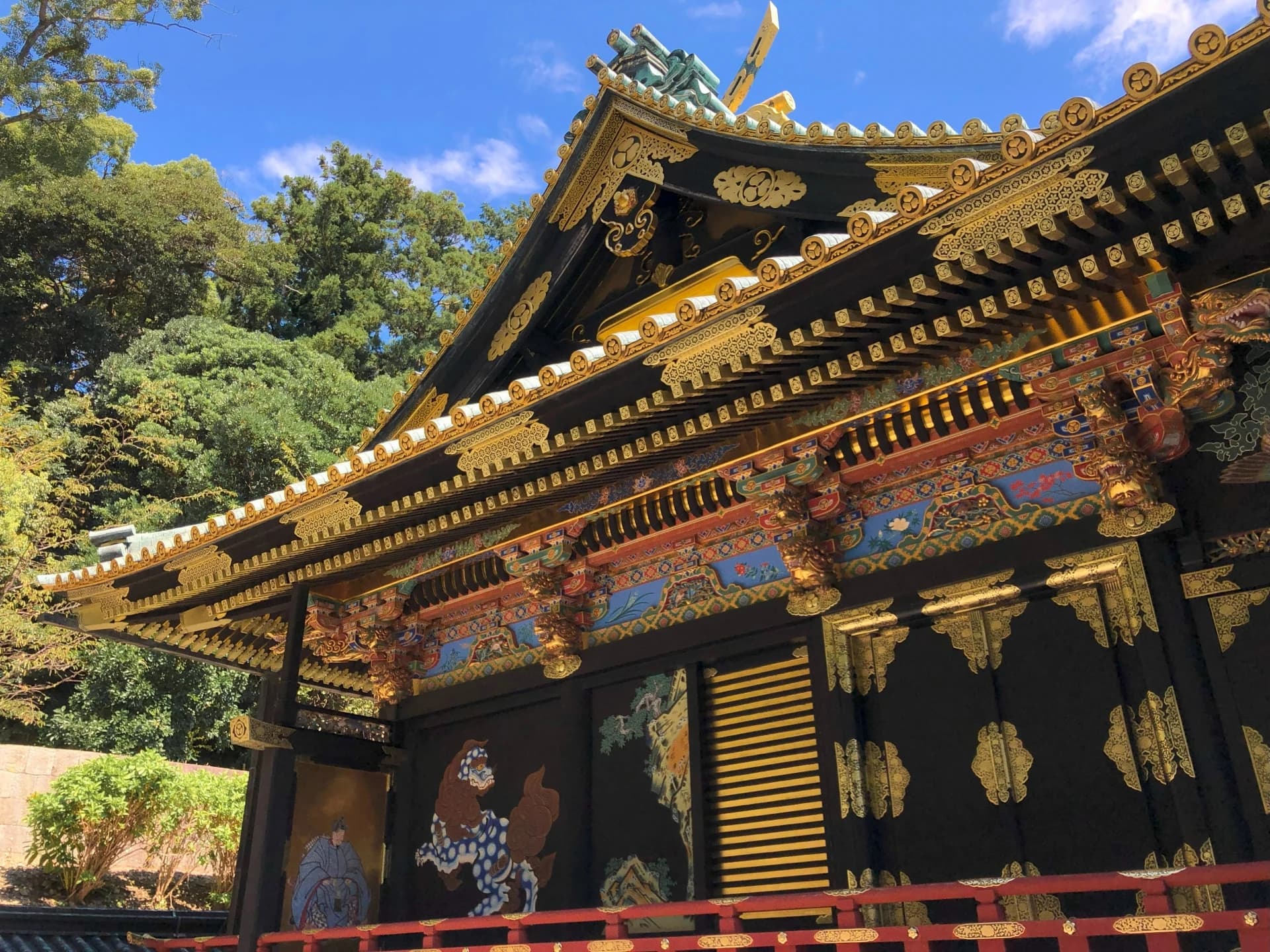
① Historical Value and Architecture
- Gorgeous Structures: The buildings, including the main hall designated as a National Treasure, are decorated gorgeously and intricately. They present the essence of traditional Japanese style with a mix of black, gold, and vibrant colors.
- Museum Tour: At the museum next to the shrine, you can browse rare historical relics, including samurai armor, swords, and daily items used by the Tokugawa clan.
② Tips for Visitors
-
Watch the Stairs: The ropeway lands right next to the shrine entrance, but you still need to walk up several stone steps inside the grounds. We highly recommend wearing comfortable sneakers.
-
Hours: 09:00–17:00 daily (Last entry 10 minutes before closing)
-
Fares:
- Kunozan Toshogu Shrine: Adults 700 JPY, Children 300 JPY
- Toshogu Museum: Adults 600 JPY, Children 600 JPY
- Combo Ticket: Adults 1,200 JPY, Children 500 JPY (Includes shrine and museum admission)
Today, the remains of Tokugawa Ieyasu rest at Nikko Toshogu Shrine.
5. Aoba Oden Alley (Aoba Oden Gai / Aoba Yokocho)
This narrow alley is the perfect spot to taste Shizuoka's specialty, black-broth oden. Packed with tiny stalls under red lanterns, it offers a deep dive into the warm atmosphere of traditional Japanese food stalls.
1) Aoba Oden Gai (青葉おでん街)
- Atmosphere: It features a more lively and bustling environment compared to Yokocho.
- Features: Tiny stalls are packed tight next to each other, giving you a strong feel of the classic food-stall charm where locals and travelers mingle together.
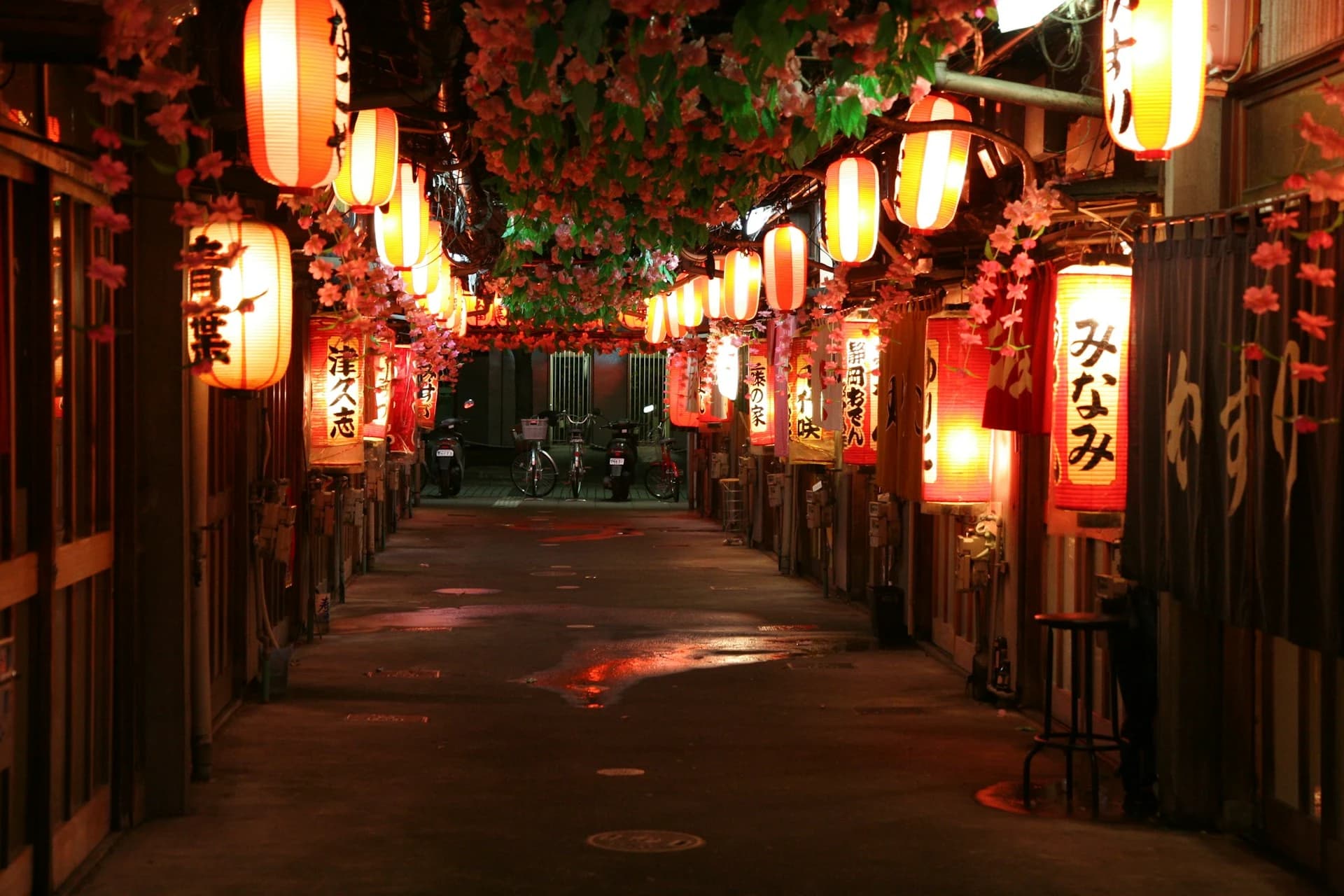
2) Aoba Yokocho (青葉横丁)
- Atmosphere: It offers a quieter, cozy back-alley sentiment.
- Features: It has many bar-style counter seats, providing a neat, calm setting where local regulars or salarymen wind down quietly after work.
Aoba Oden Gai and Aoba Yokocho face each other across the street. We recommend looking through both spots before choosing a stall that matches your preferred vibe.
6. Cenova Shopping Mall and Station Shopping Streets
This shopping hub connects directly to the station and features a wide range of brand stores and restaurants. It is an ideal spot to buy souvenirs or enjoy shopping comfortably regardless of the weather.
1) Nearby Desserts and Spots
-
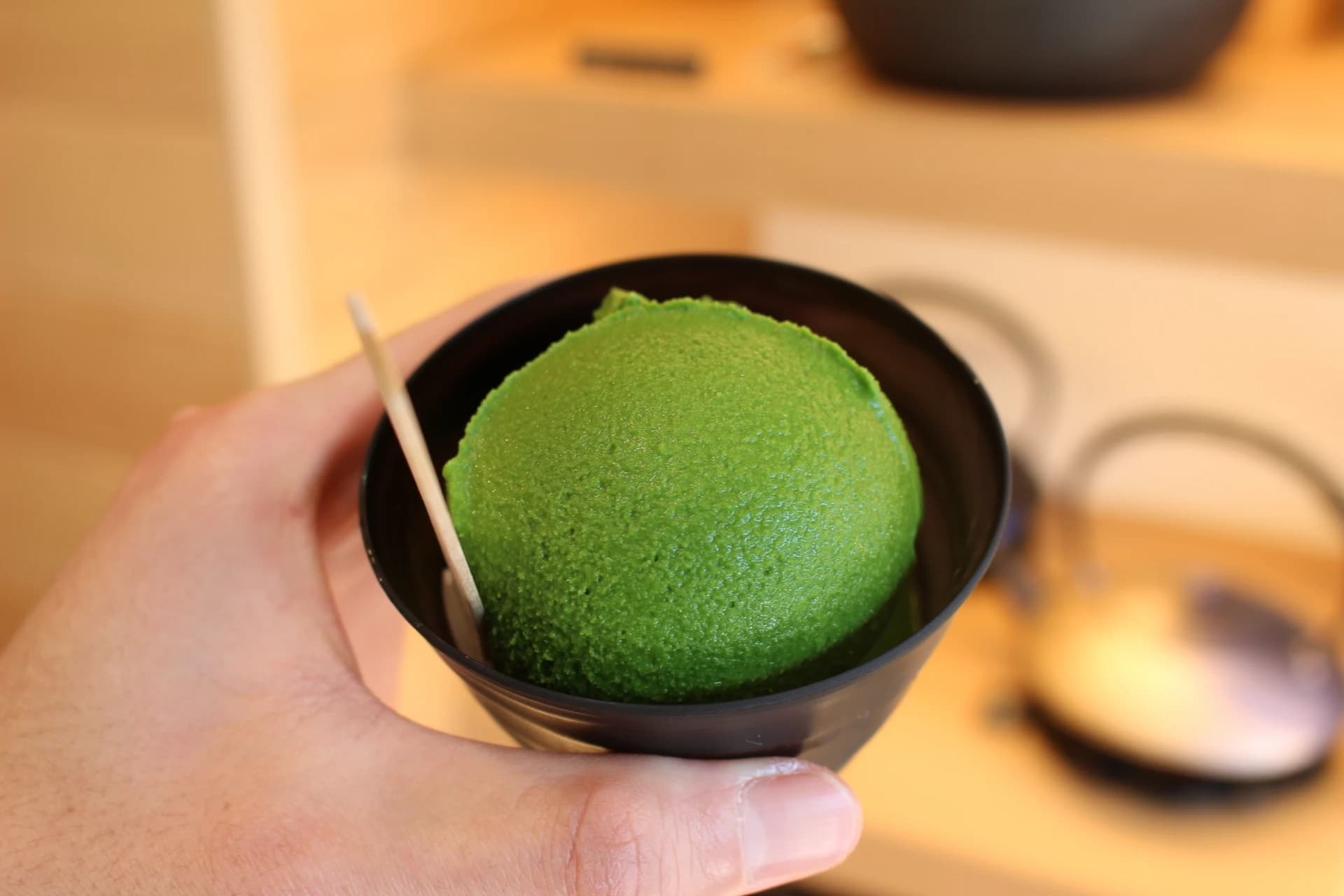
Nanaya Shizuoka: Located near the station, it is famous for its green tea ice cream, which is sold in 7 distinct levels of matcha richness.
Nanaya Shizuoka Location
-
Tamaruya Honten: A spot where you can try unique wasabi ice cream and pick up interesting wasabi-themed souvenirs.
Tamaruya Honten Location
2) Important Notice for Visitors (Store Closing Info)
- Sawayaka Hamburg Shin-Shizuoka Cenova Store: Please note that this popular branch permanently closed as of May 13, 2026.
- Tips: To taste the famous Sawayaka Hamburg, you must visit other branches. Since closing days and hours vary by location, make sure to check their status before going.
Attractions Around Shimizu StationA guide to top attractions centering around the busy Shimizu Port.
1. Shimizu Fish Market Kashinoichi
This seafood market sits right next to Shimizu Port. The port is famous for having the highest volume of tuna landings in all of Japan. The market houses a collection of restaurants where you can enjoy fresh tuna bowls and seafood dishes at affordable prices.
The Ichiba-kan building focuses on seafood and souvenir shopping, while the Maguro-kan building focuses entirely on tuna and seafood restaurants.
Shimizu Fish Market Kashinoichi Maguro-kan Location Official Shimizu Fish Market Kashinoichi Maguro-kan Website2. S-Pulse Dream Plaza
This large-scale shopping complex was built to celebrate the 100th anniversary of the opening of Shimizu Port. Packed with movie theaters, stores, and dining areas, it is an ideal spot for any weather. It is highly popular with families due to Chibi Maruko-chan Land, an indoor theme park dedicated to the famous Japanese anime series.
S-Pulse Dream Plaza Location Official S-Pulse Dream Plaza Website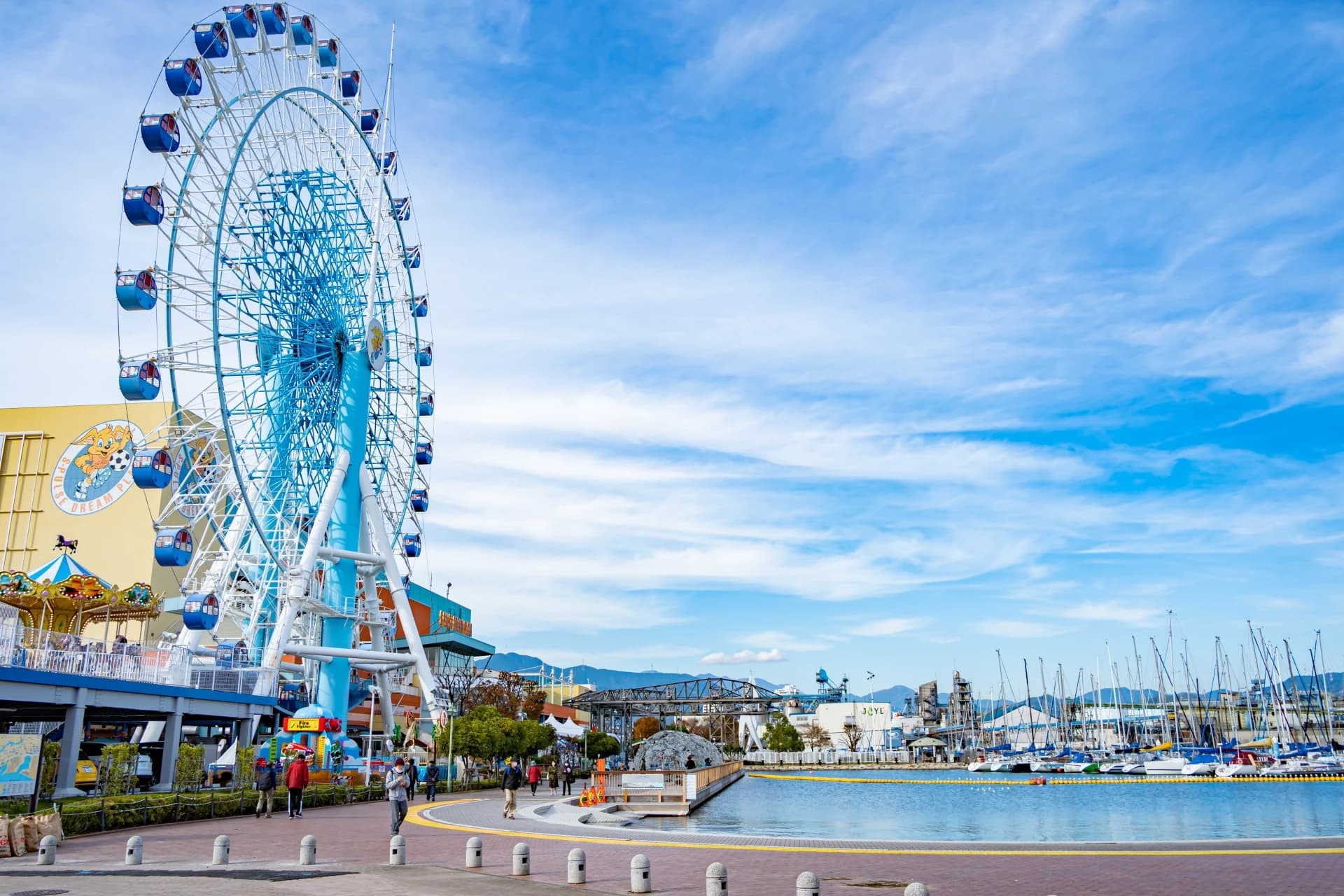
Chibi Maruko-chan Land
① Introduction and Overview
Chibi Maruko-chan Land is an indoor theme park based on the popular Japanese anime series 'Chibi Maruko-chan'. It is located on the 3rd floor of S-Pulse Dream Plaza in Shimizu Ward, Shizuoka City—the setting of the anime and the hometown of its creator.
② Recreating the Anime World
- Popular Spaces: It features life-sized recreations of Maruko's home, her school classroom, and the park where she often plays with her friends.
- Immersive Experience: It makes you feel as if you stepped right into the anime. The beautifully decorated areas are perfect for taking memorable photos.
③ Activities and Shopping
- Meet the Characters: If you are lucky, you can meet a costumed Maruko character and take souvenir photos together.
- Exclusive Souvenirs: The shop sells unique and cute snacks, stationery, and plush toys that can only be bought here, making it a must-visit spot for any fan of the series.
3. Mount Fuji Shimizu Minato Cruise
1) Overview and Features
This popular sightseeing cruise departs from Shimizu Port and offers a 40-minute loop course starting from and returning to Hinode Port. It is famous as a prime viewing spot where you can see Mount Fuji and Miho no Matsubara together from the water.
2) Grand Views of Mount Fuji
- Spectacular Outlook: The view of Mount Fuji and Miho no Matsubara from the boat is stunning. On clear days, you can capture pictures that look like landscapes.
- Smooth Sailing: The boat operates inside a calm bay, so it does not shake heavily. Anyone can enjoy the ride comfortably without worrying about seasickness.
3) Feeding Seagulls
- Fun Activity: Many seagulls fly around the boat while the cruise is running. You can buy snacks sold on board to experience feeding the seagulls, which is a very popular activity.
4) Visitor Info & Tips
- Schedules: The cruise operates multiple times a day, but timetables can change depending on the season and weather. Make sure to check the operating status before visiting.
- Discount Tip: You can ride the cruise for free if you hold a Shizuoka City Tourist Pass, so be sure to check at the ticket counter.
4. Miho no Matsubara & the Legend of Hagoromo
This beautiful beach is lined with thousands of green pine trees along the coast. The scenery of Mount Fuji rising beyond the black sand and blue ocean looks exactly like a painting. It is counted as one of Japan's three most beautiful pine groves and is designated as a World Heritage site.
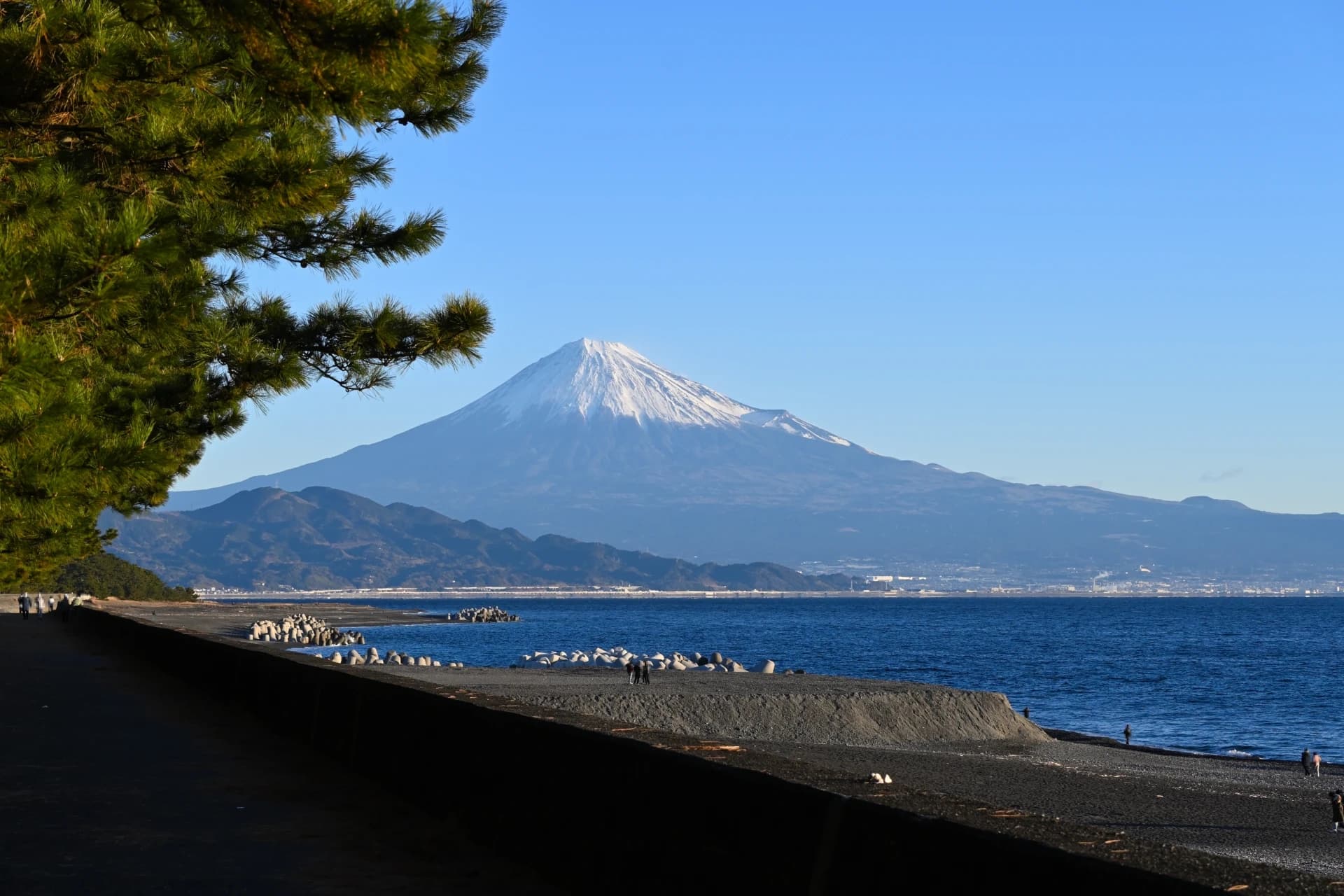
1) The Path of God at Miho no Matsubara
This area features a 500-meter-long pine-lined boardwalk known as the 'Path of God'. This path is deeply connected to the Legend of Hagoromo, a famous Japanese myth.
- The Hagoromo Pine: A massive pine tree stands on the beach, where a celestial maiden is said to have hung her feather robe after descending from heaven. This tree connects in a straight line to Miho Shrine inside the village.
- Origin of the Name: Legend says that gods cross the sea and use this path to walk to the shrine. Lined with ancient pine trees and paved with a wooden deck, it is a wonderful spot for a quiet, mystical walk.
2) The Legend of Hagoromo and Its Cultural Value
- The Story
- The Fisherman Who Hid the Robe: A fisherman named Hakuryo finds a beautiful feather robe hanging on a pine tree along the Miho no Matsubara coast. He decides to take the amazing robe home.
- The Maiden's Plea: A celestial maiden who came down to bathe begins to cry because she cannot return to heaven without her robe. The fisherman appears and promises to return the robe if she performs a beautiful heavenly dance for him.
- Ascending to Heaven: The maiden puts on her feather robe and performs a stunning dance before the fisherman. She then ascends safely back into the sky.
- Traditional Performance: This story became a core subject for 'Noh', Japan's traditional theater. Every autumn, a special traditional performance is held in front of the legendary pine tree to honor the myth.