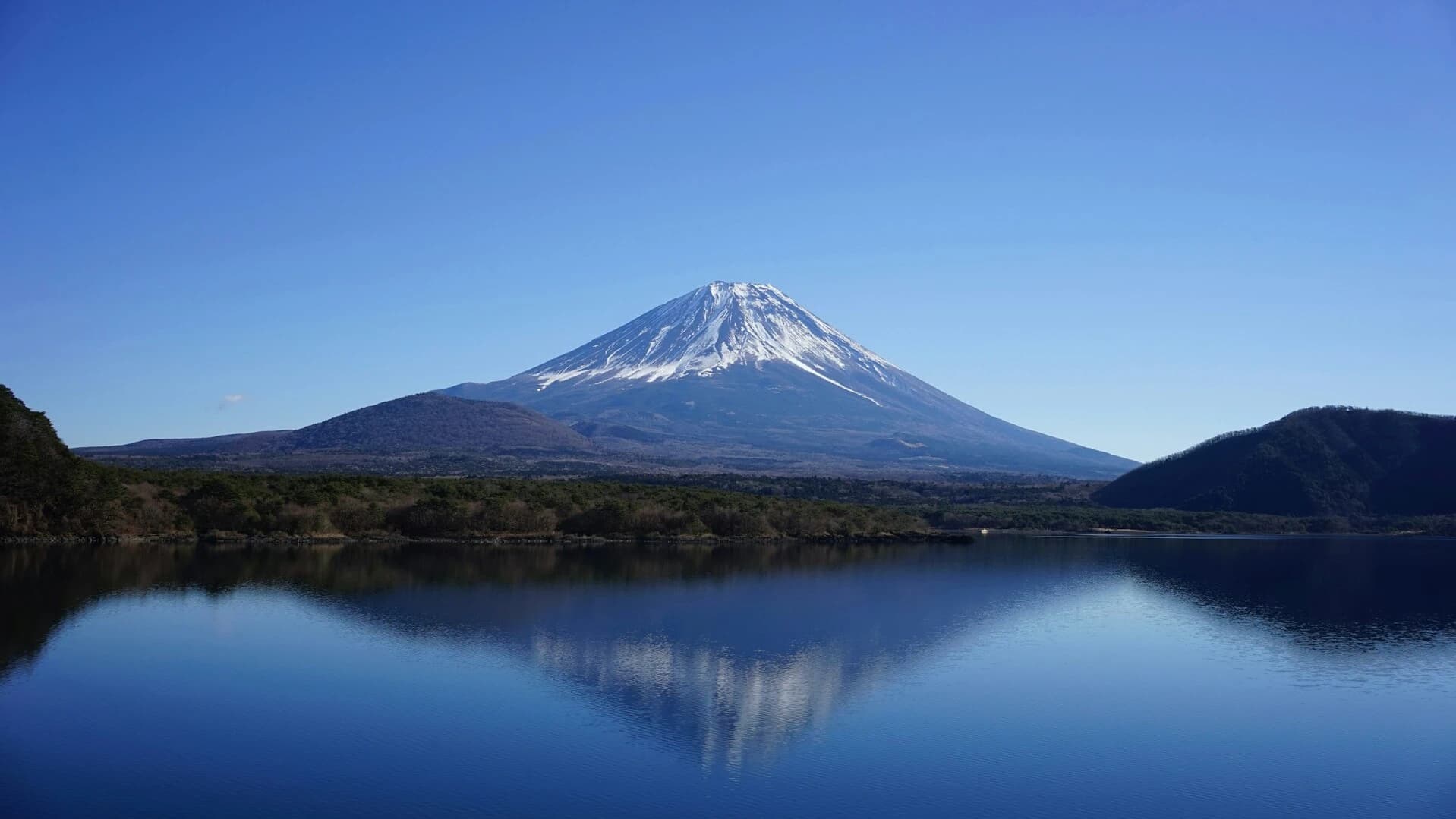
Attractions Around Fuji StationA pedestrian overpass where you can take stunning photos with the grand view of Mount Fuji as a backdrop.
1. Introduction to the Dream Bridge (Mount Fuji Dream Bridge)
This unique overpass has recently gained massive attention on social media as a must-visit photo spot. The bridge stretching over the road aligns perfectly with the giant Mount Fuji, creating a mysterious and surreal visual.
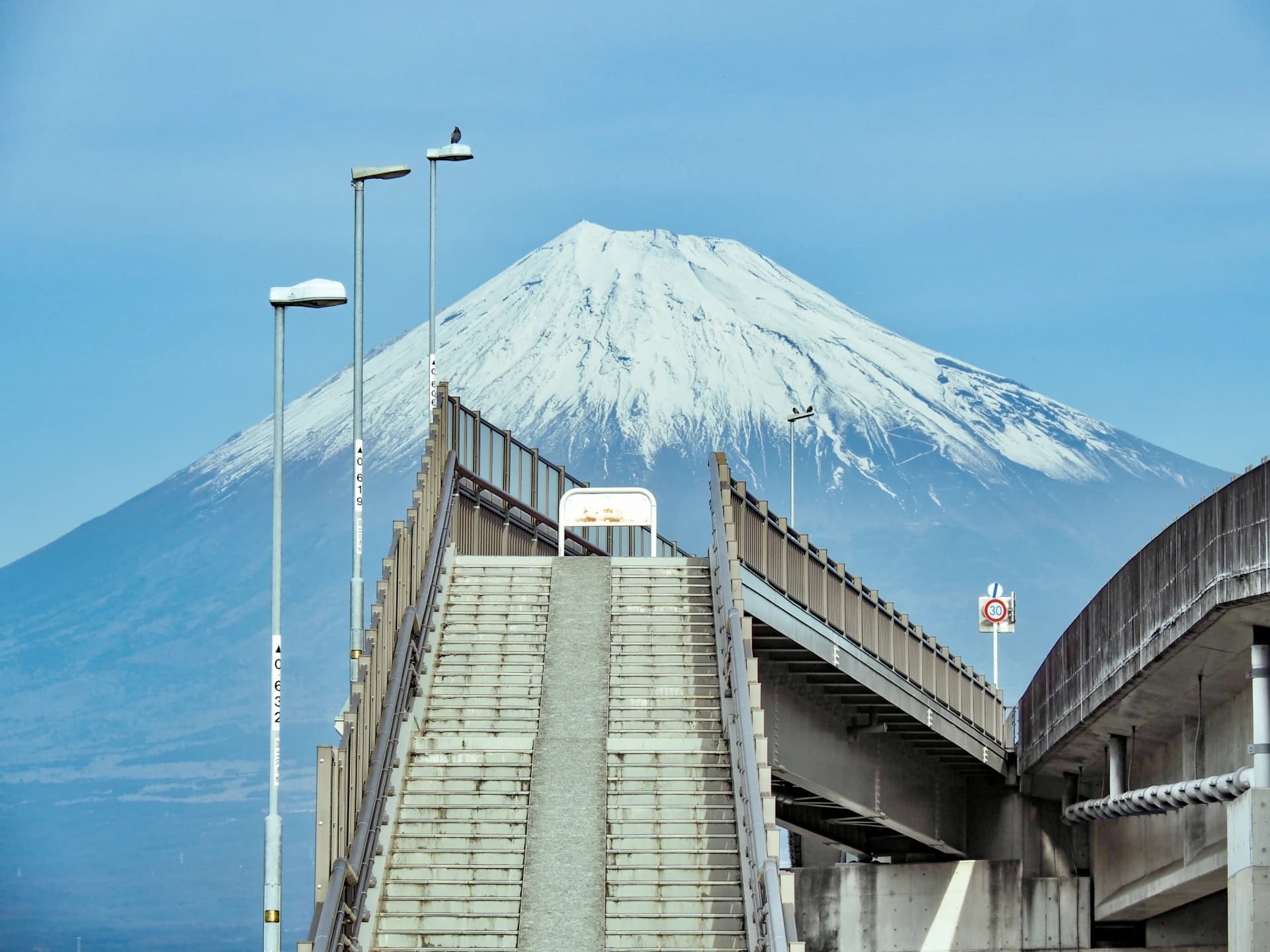
1) Overwhelming Mount Fuji Views
- Stairs to the Sky: When walking up the stairs toward the bridge, you can capture unique photos that make it look as if you are walking up into the sky toward Mount Fuji.
- Photo Spot: On clear days, you can capture perfect portraits against a cloudless blue sky and the majestic, snow-capped peak of Mount Fuji.
2) Tips for Your Visit
- Be Respectful to Locals: This is a public road and overpass used daily by local residents. Avoid jumping onto the driveway or making loud noises while taking photos.
- Check the Weather: Because Mount Fuji is very high, it is often hidden by clouds. We highly recommend checking a real-time Mount Fuji webcam or the local weather forecast before your visit.
If the weather is clear and Mount Fuji is visible, it is best to visit early in the morning. Due to its high popularity, long lines often form, and since each group takes about 10 minutes to shoot, the wait time can become long even with just a few groups ahead.
Attractions Around Fujinomiya StationA guide to attractions where you can enjoy the beautiful scenery and history of Mount Fuji together.
1. Fujisan Hongu Sengen Taisha Shrine
This is the head shrine of all Sengen shrines across Japan. Built long ago to protect the area from Mount Fuji's volcanic eruptions, it is designated as a part of the Mount Fuji World Heritage site.
- Wakutama Pond: A natural pond located within the shrine grounds. It features crystal-clear, transparent water fed by a massive daily volume of melted snow originating from Mount Fuji.
- Atmosphere: The historic buildings blend beautifully with the surrounding green trees, making it a peaceful place for a quiet stroll to calm your mind.
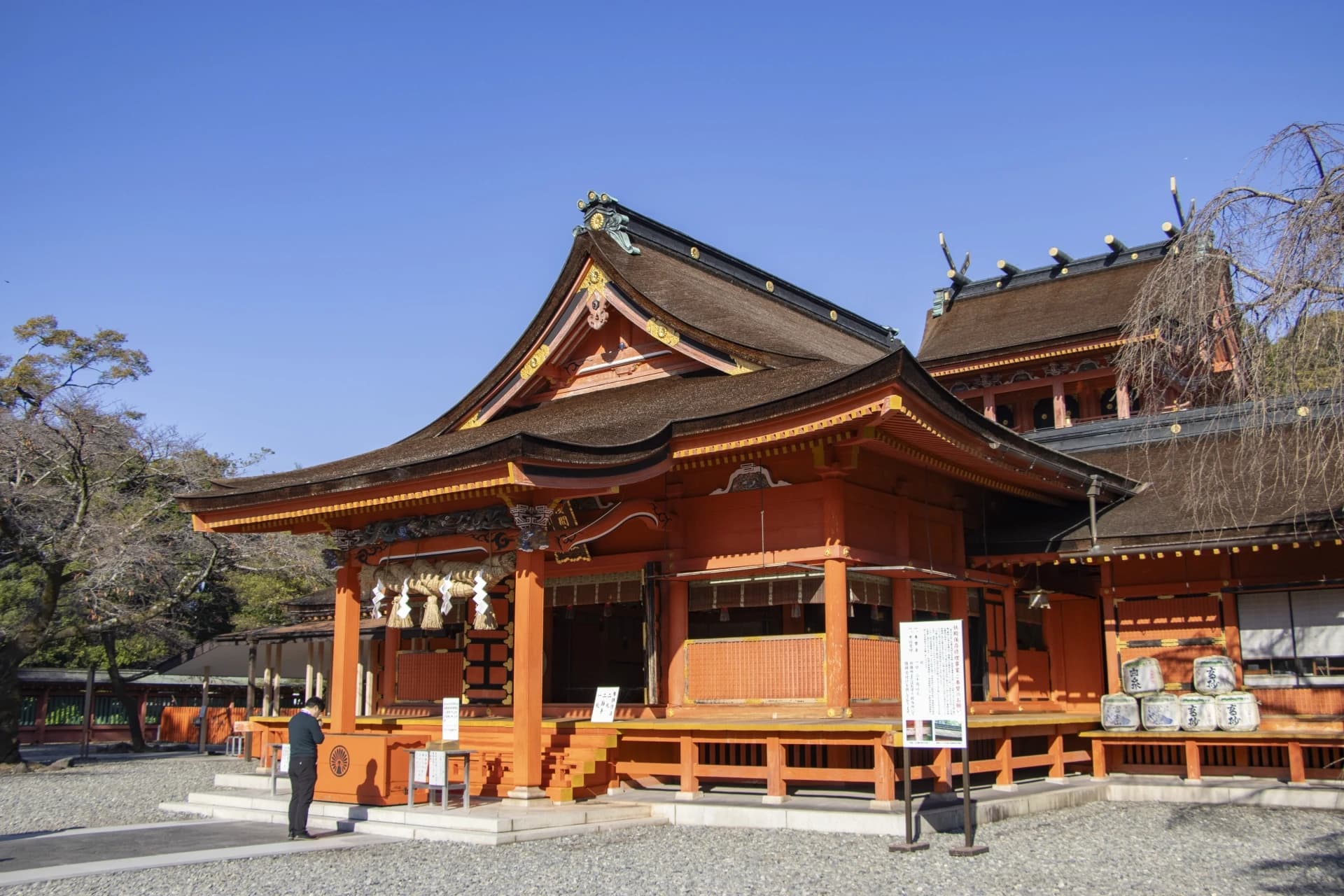
- Hours: November to February: 06:00 - 19:00, March and October: 05:30 - 19:30, April to September: 05:00 - 20:00
- Admission: Free
Sengen Shrine (浅間神社) refers to a shrine in Shinto—Japan's traditional religion—that deifies and worships Mount Fuji as a sacred spirit.
2. Omiya Yokocho (Food Alley)
A small food alley located right across from the main entrance of Fujisan Hongu Sengen Taisha Shrine.
- Fujinomiya Yakisoba: This alley is packed with stalls selling Fujinomiya yakisoba, a famous specialty of Shizuoka. The noodles are exceptionally chewy, and the savory meat toppings paired with a rich, salty sauce offer a flavor loved by people of all ages.
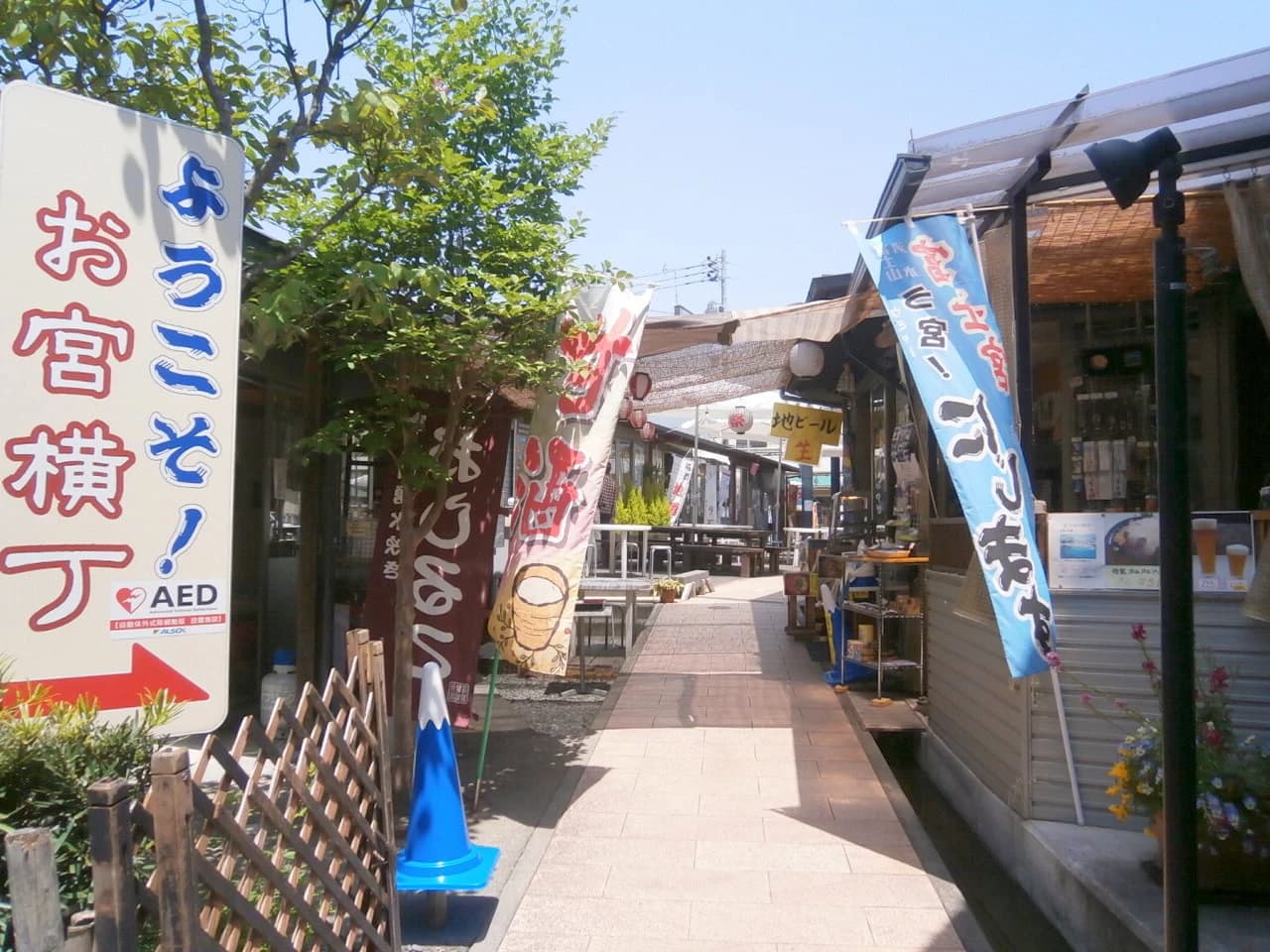
- Tips for Visitors
- Outdoor tables are available, making it the perfect spot to buy different foods from multiple stalls and share them with your companions.
- When you order yakisoba, you will receive a paper cup. You can fill it with cool, pure spring water coming directly from Mount Fuji at the well in the center of the alley for free.
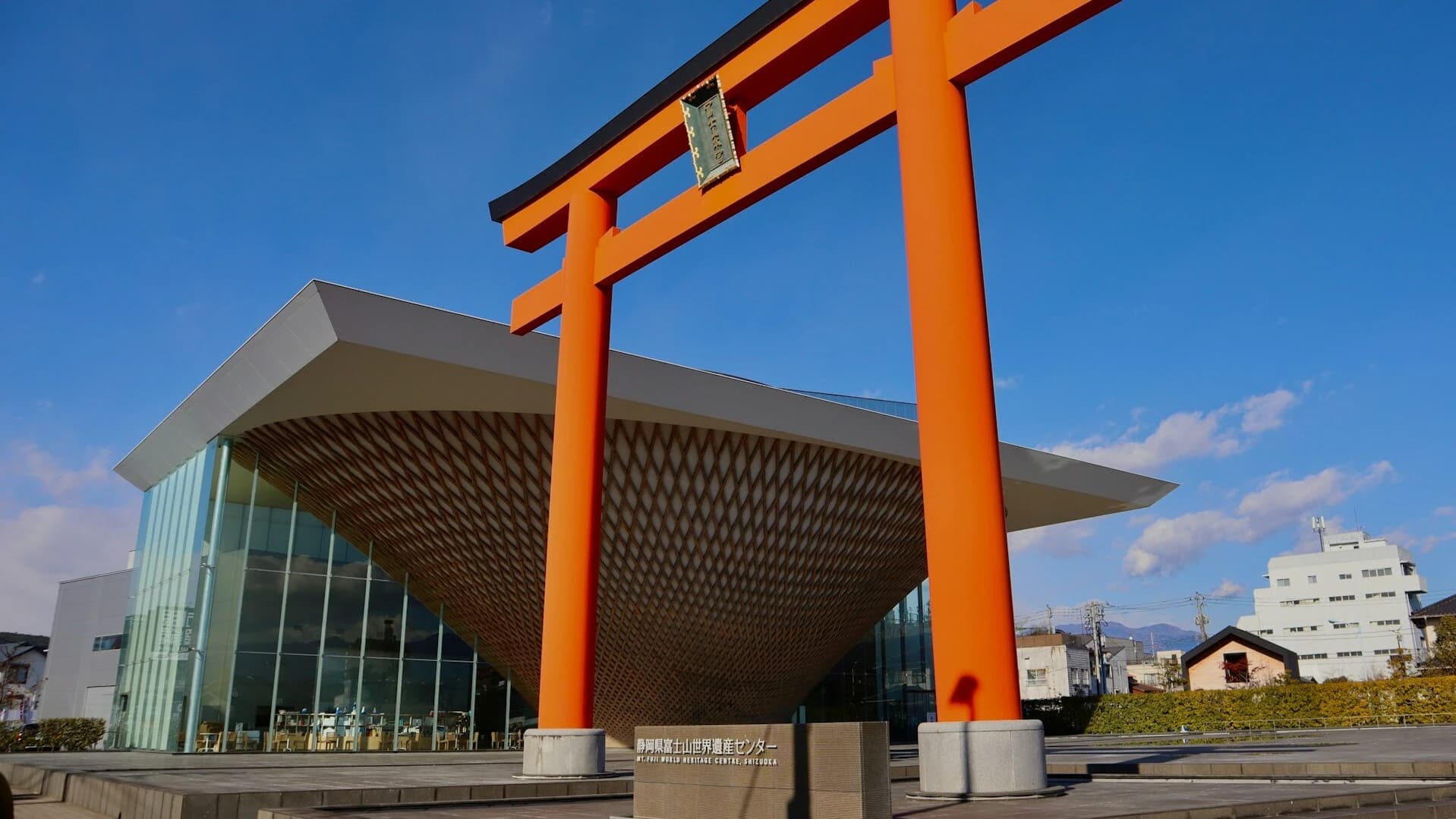
3. Mt. Fuji World Heritage Centre, Shizuoka
An exhibition hall where you can easily learn about the history, culture, and nature of Mount Fuji at a single glance.
- Unique Architecture: The building captures your attention with its unique design that resembles an inverted Mount Fuji. The reflection of the real Mount Fuji in the water pool in front of the building is stunning.
- Spiral Walkway: As you walk slowly up the indoor spiral slope, stunning video displays surround you, making you feel as if you are actually climbing Mount Fuji. When you reach the rooftop observation deck, a grand panoramic view of Mount Fuji opens up spectacularly before you.
- Hours: July and August: 09:00 - 18:00, Other months: 09:00 - 17:00 (Last entry 30 minutes before closing)
- Admission: Free for children under 15, 500 JPY for adults (15 and older)
- Closed: The third Tuesday of every month, New Year holidays (Dec 27–Dec 31), and facility maintenance days (check the calendar link below)
4. Lake Tanuki
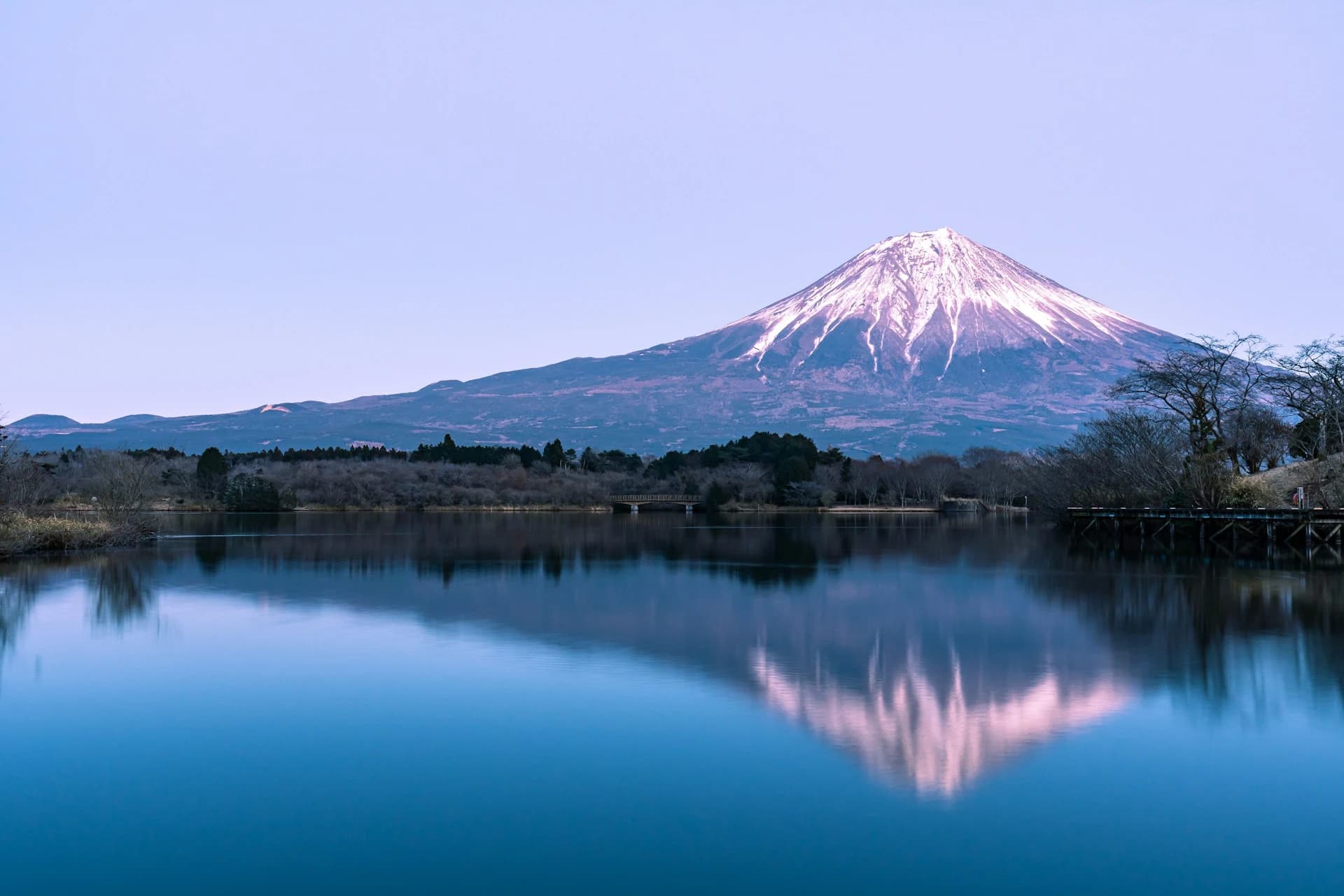
A beautiful and quiet lake located on the western side of Mount Fuji. It is widely known as a perfect spot to relax and heal in nature.
Bus Timetable: Fujinomiya Station to Lake Tanuki Bus Timetable: Lake Tanuki to Fujinomiya Station Bus Timetable: Lake Tanuki to Shiraito Falls
- Diamond Fuji: This spot is famous for the sunrise alignment where the sun sits perfectly on top of Mount Fuji's peak, shining like a diamond. Many visitors come here to catch the Double Diamond Fuji, where the phenomenon is mirrored perfectly on the lake's surface.
- Recreation Facilities: The lake is surrounded by well-maintained cycling paths and walking trails. It is also an ideal spot to enjoy various outdoor activities like camping, fishing, and boating.
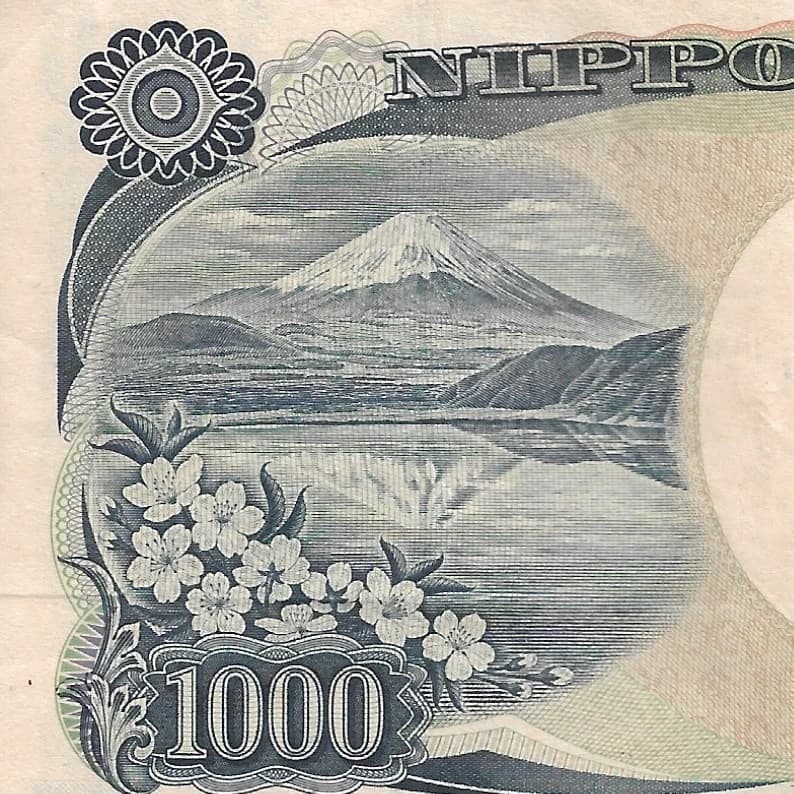
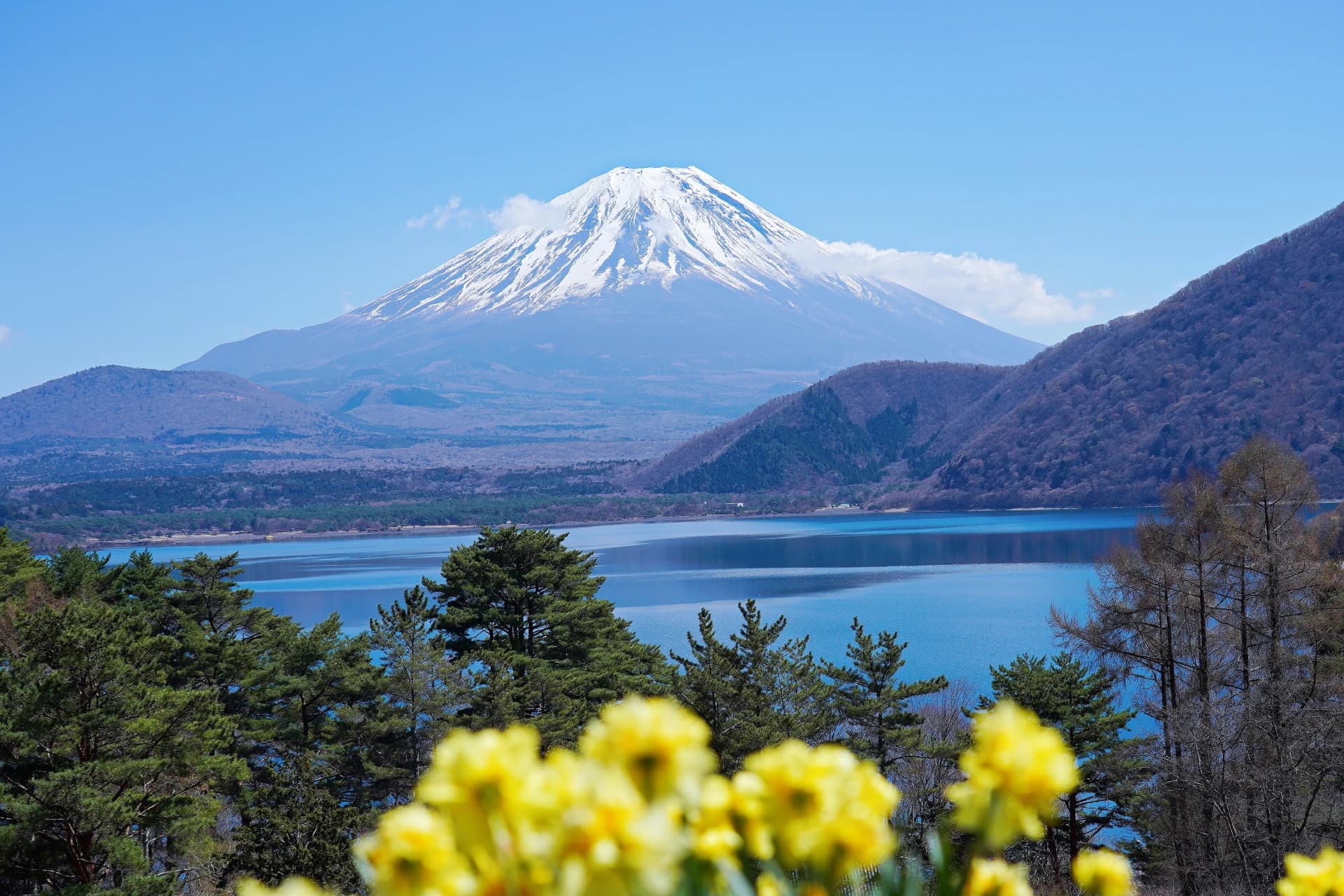
Many travel blogs and videos state that the Mount Fuji background printed on the back of the old 1,000 JPY note is Lake Tanuki. However, this is incorrect.
The actual location that inspired the view on the note is Lake Motosu. We recommend keeping this fact in mind during your trip.
5. Shiraito Falls & Otodome Falls
A place where you can find beautiful waterfalls cascading down high cliffs. Two waterfalls with completely different charms are located close to each other.
The Shiraito Falls Bus Stop and the Shiraito Falls Entrance Bus Stop are separate stops. The Shiraito Falls stop is slightly closer to the actual waterfall. However, express buses run between Fujinomiya Station and the Shiraito Falls Entrance stop, allowing for faster travel. Choose the stop that best fits your schedule.
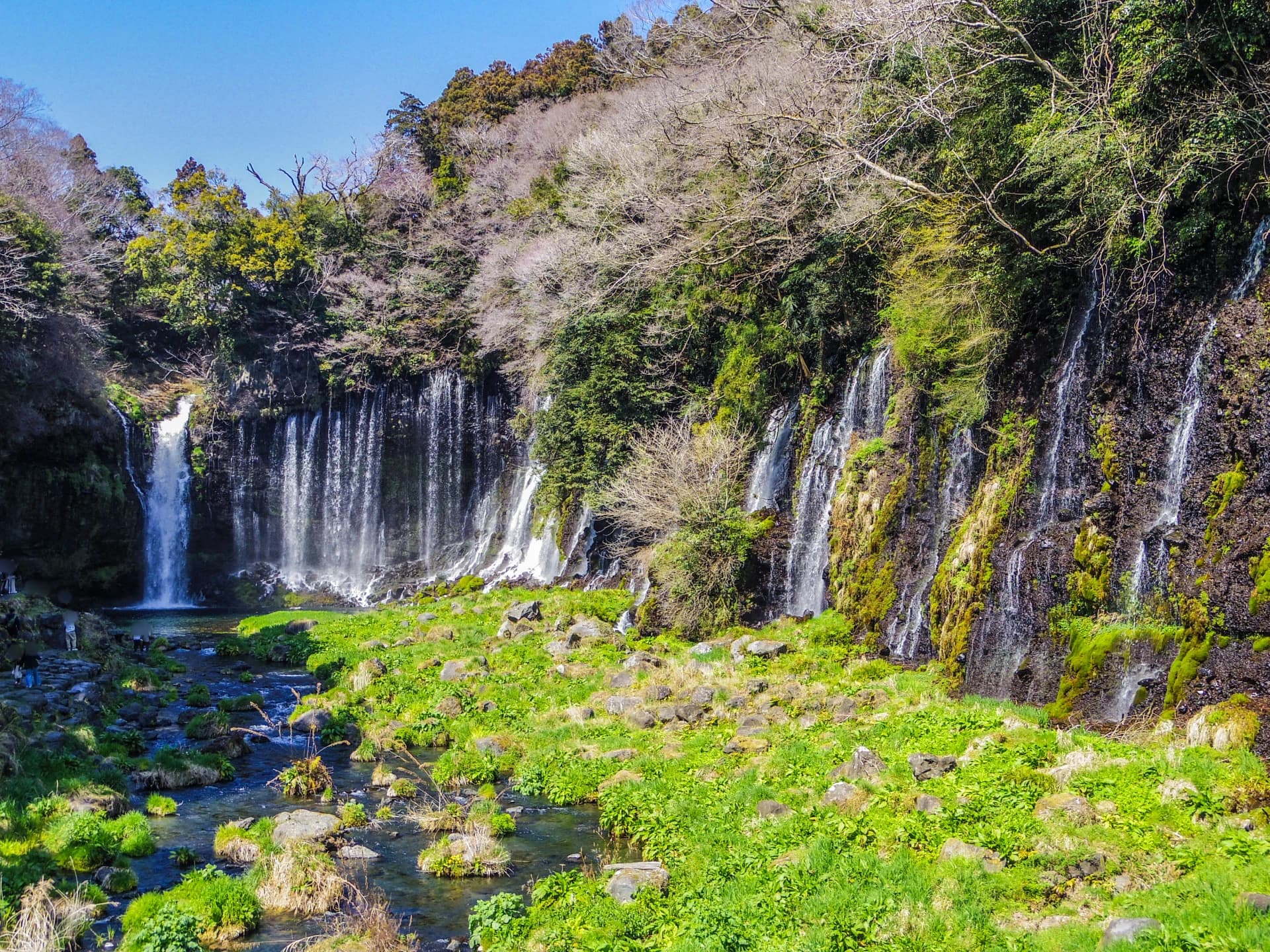
Bus Timetable: Fujinomiya Station to Shiraito Falls Bus Timetable: Fujinomiya Station to Shiraito Falls Entrance Bus Timetable: Shiraito Falls to Fujinomiya Station Bus Timetable: Shiraito Falls Entrance to Fujinomiya Station Bus Timetable: Shiraito Falls to Lake Tanuki1) Shiraito Falls (白糸の滝)
- A Masterpiece of Nature: A waterfall where hundreds of small streams cascade down a tall cliff face, appearing like fine white silk threads hanging in the air. The view of Mount Fuji peeking over the falls looks like a painting. Thanks to the refreshing mist created by the falling water, it stays very cool even during the summer.
- Accessibility: Accessible via bus from Fujinomiya Station. The walking paths are well-paved, making it easy for strollers and wheelchairs to access.
2) Otodome Falls (音止めの滝)
- Powerful Roar: A waterfall located right next to Shiraito Falls. In contrast to the gentle, feminine feel of Shiraito Falls, a massive column of water plummets from a height of 25 meters, creating a thunderous, powerful roar.
- Origin of the Name: According to an old legend, while two brothers were plotting to avenge their father's death nearby, the roar of the falls was so loud they could not hear each other. When they prayed, the waterfall fell completely silent for a moment, giving it the name 'Sound (音) Stopping (止め) Falls.'
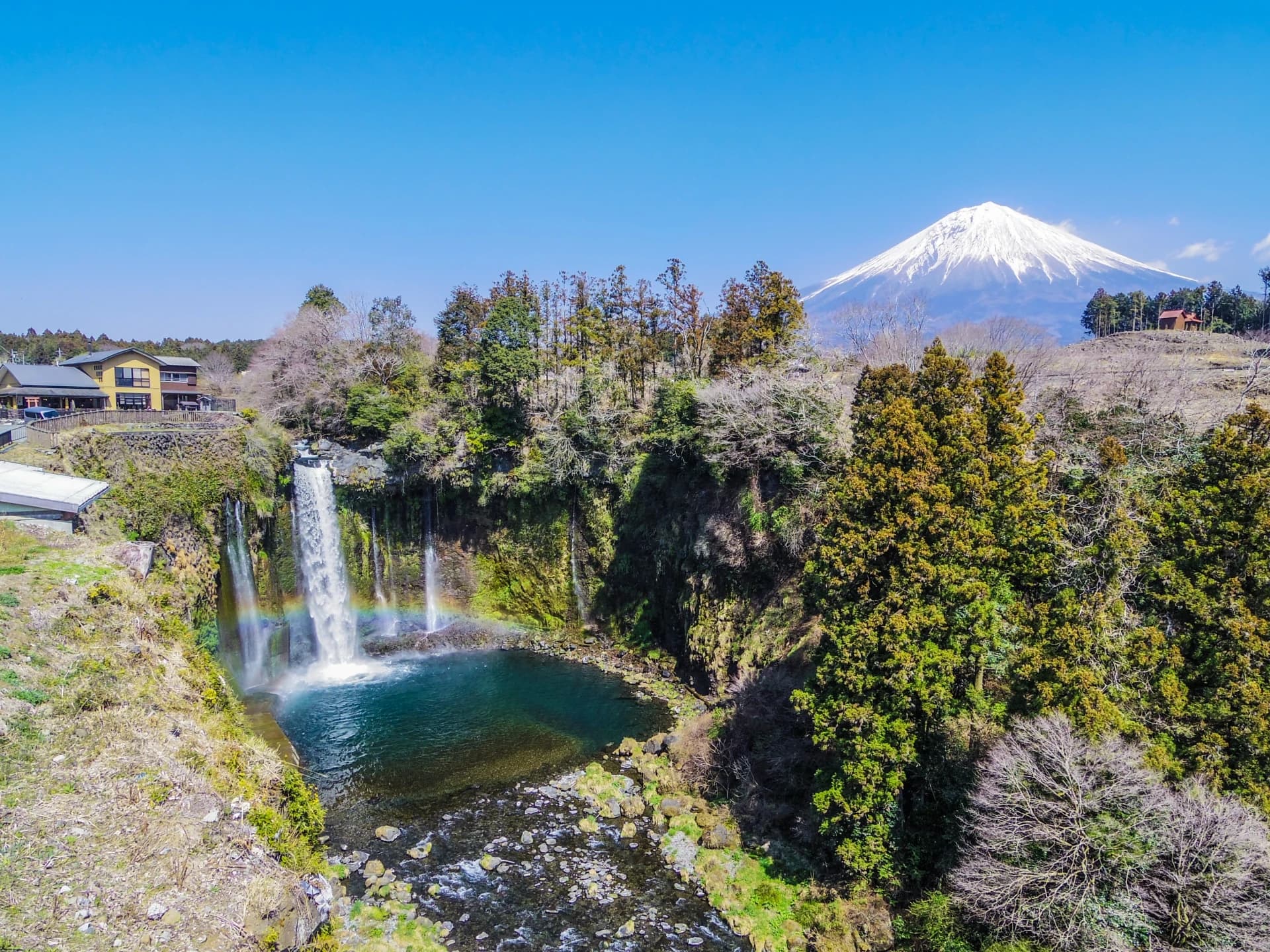
Many visitors only look for Shiraito Falls and miss Otodome Falls completely. Since they are located right next to each other, we highly recommend exploring both together.