TourCast does not display unnecessary advertisements that interfere with readability. Some travel information contains affiliate links, and when a purchase is made through these links, TourCast receives a commission. There is no additional cost to the user. The admission fees, fares, and other information stated in this content may change depending on the update date.
All content on TourCast is protected by copyright law. Unauthorized reproduction, copying, distribution (including AI training), or use is prohibited and may result in legal action.
ⓒ 2023. TourCast Co. All rights reserved.
Kagoshima & Yakushima Travel Guide
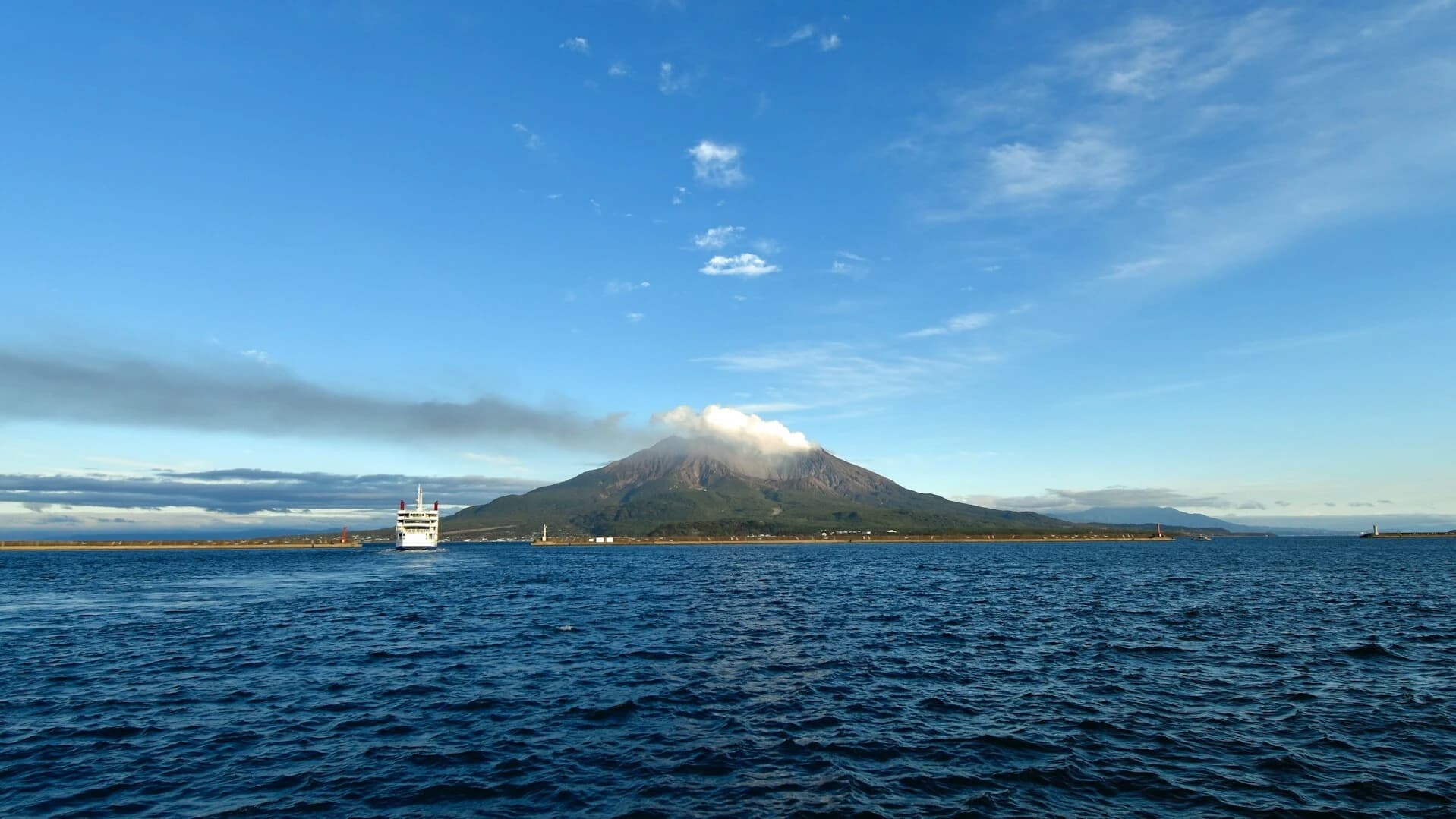
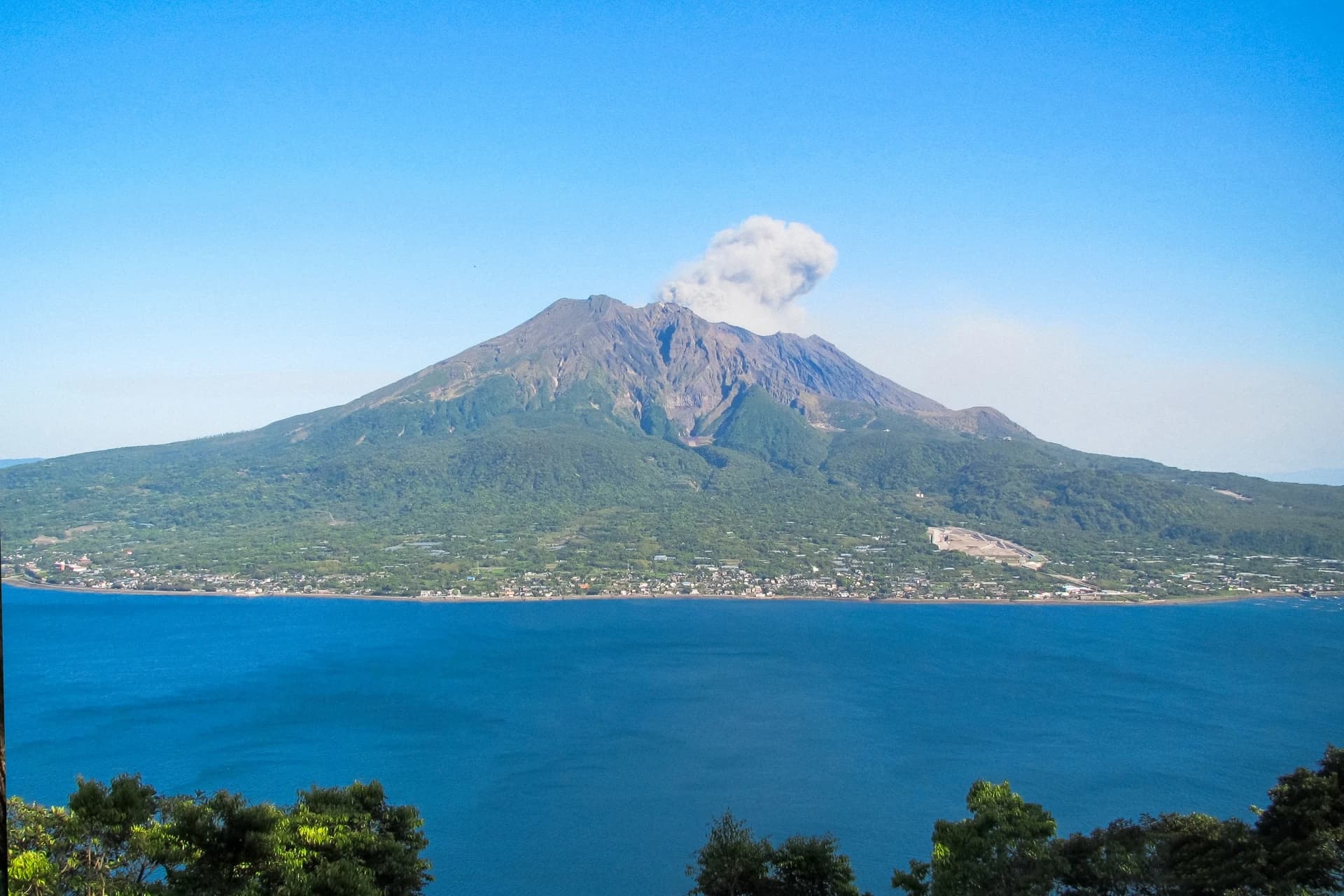
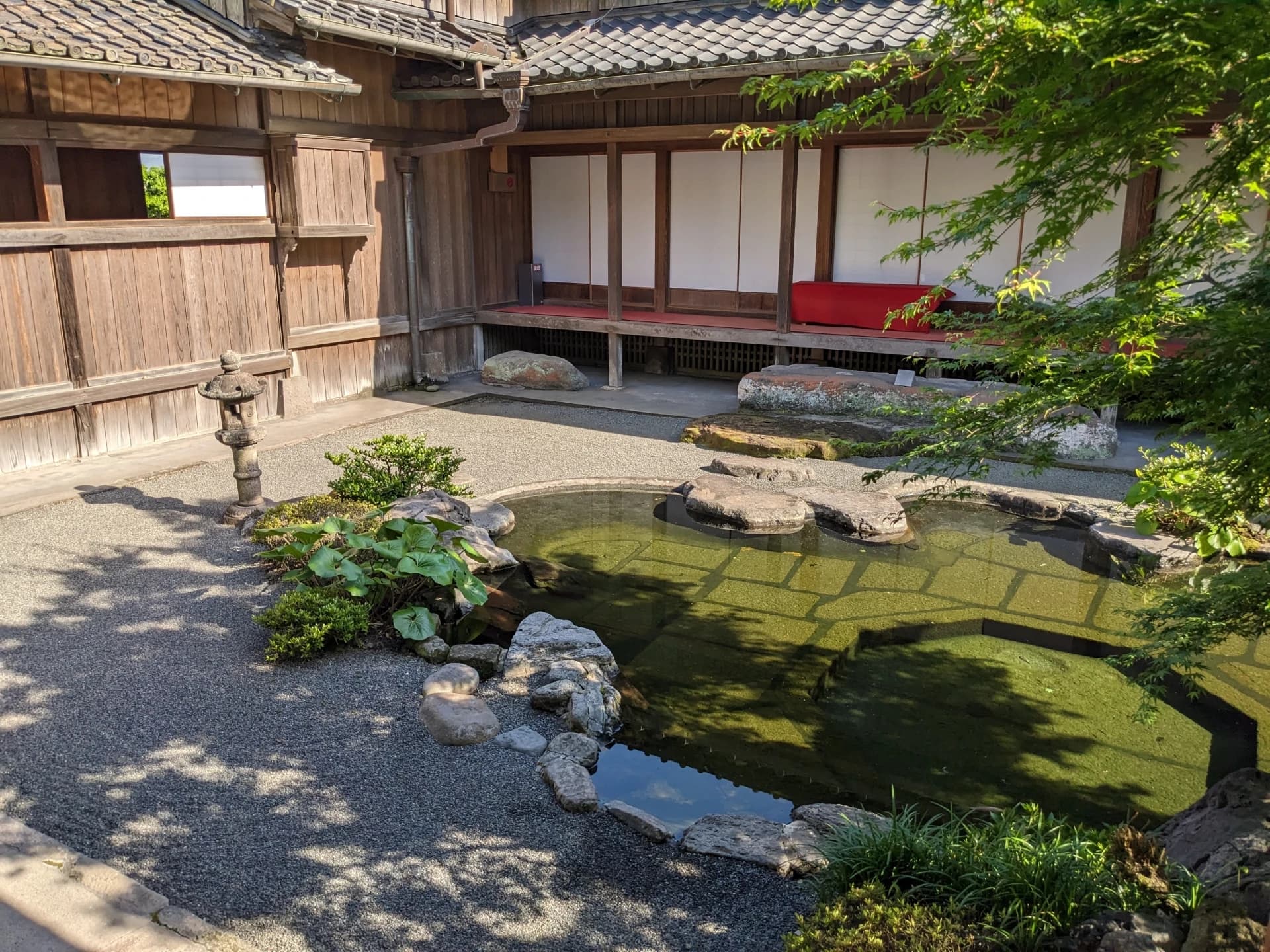
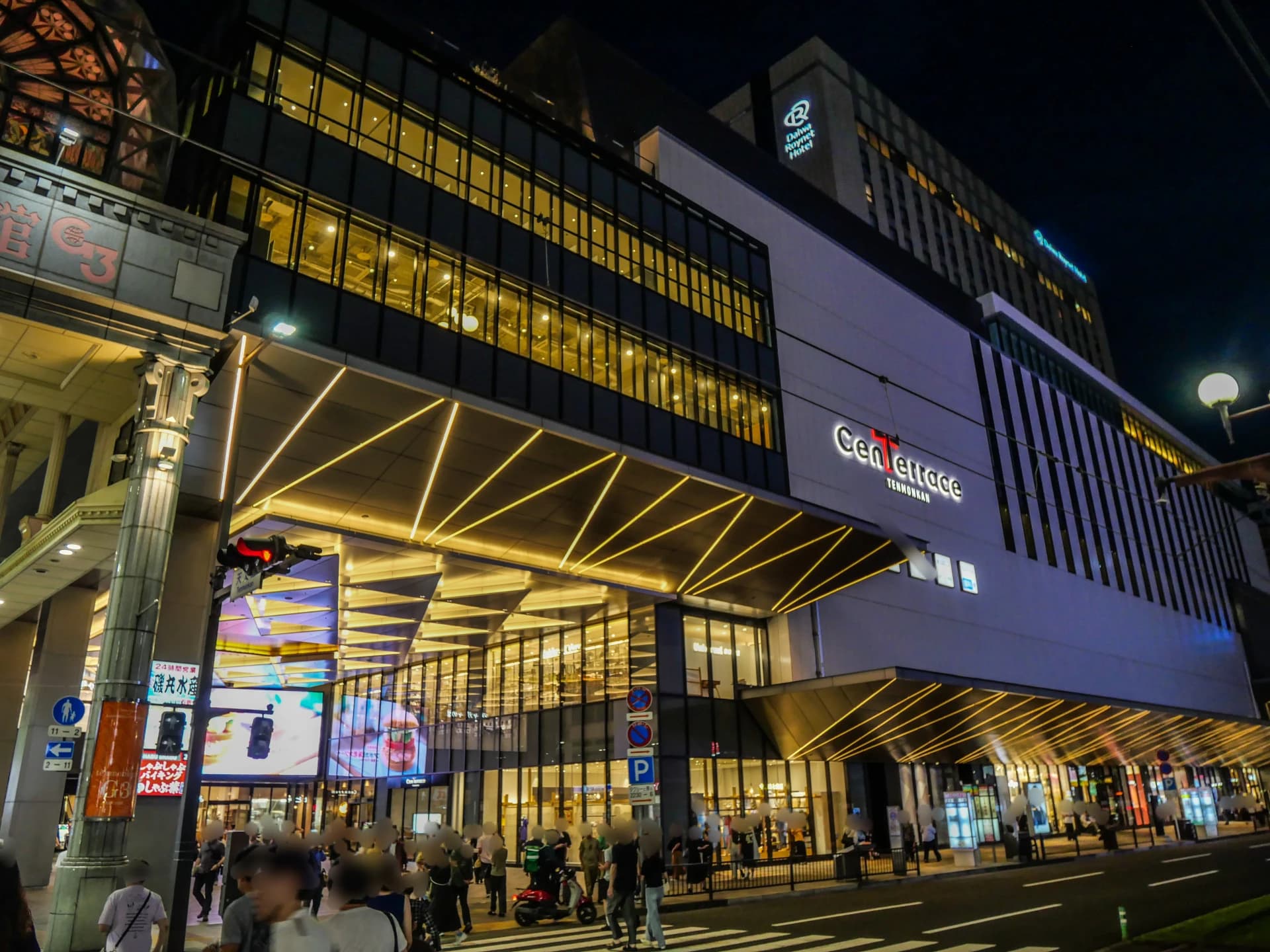
Kagoshima is a charming port city in southern Kyushu where you can feel the powerful energy of an active volcano. With the smoking volcano Sakurajima as a background, the city offers many attractions and unique foods. You can explore the lively downtown area of Tenmonkan, the historic Senganen Garden, and Shiroyama Observatory which offers a wide view of Kinko Bay.
How to Get There from Kagoshima AirportThis section introduces train and bus options from Kagoshima Airport to downtown Kagoshima and major attractions.
There is no train station at Kagoshima Airport. Therefore, taking the Airport Shuttle Bus is the most convenient way to get to the city center.
Kagoshima Airport Shuttle Bus:
Routes and Travel Time: The direct shuttle bus takes about 38 minutes from the airport to Kagoshima-Chuo Station, the city's main transportation hub. (Buses via the Yoshino area take about 55 minutes and run twice a day). You can also travel without transferring to Tenmonkan, the main shopping district, or the High-Speed Ferry Terminal for boats to Yakushima and Tanegashima.
Fare: One-way tickets cost 1,500 yen for adults and 750 yen for children. (You can pay with Rapica or a contactless credit card.)
How to Use and Pay: Seats cannot be reserved. Passengers board the bus on a first-come, first-served basis. You can buy a ticket at the ticket machine at the bus stop, or use a contactless credit card when boarding and exiting the bus.
Important Notes: Traffic can cause delays, especially near the Kagoshima Airport IC to Kajiki Junction due to highway construction. When heading back to the airport from downtown, please leave much earlier than usual.
Rapica: Kagoshima's Local IC Transportation CardThis section provides information on the Rapica IC card used in Kagoshima City.
Rapica is a local IC card that makes it easy to use city buses and trams in Kagoshima.
Please note that nationwide IC cards like Suica or Icoca cannot be used on Kagoshima city trams and city buses. Keep this in mind when planning your transportation.
Price and Details:
The initial purchase price is 3,000 yen, which includes a 500 yen deposit and a 2,500 yen usable balance.
Where to Buy and Get Refunds:
Where to Buy: You can buy the card inside trams and city buses (ask the driver), at the Transportation Bureau ticket offices, the City Hall (Shiakusho-mae) ticket office, and the Sakurajima office of the Transportation Bureau.
Where to Get a Refund: Refunds are only processed at designated ticket windows, such as the Transportation Bureau ticket offices, the City Hall ticket office, and the Sakurajima office. (You cannot get a refund inside the vehicles.)
Refund Notes: The 500 yen deposit will be returned when you hand in the card. However, a 210 yen fee will be charged to refund the remaining balance. Also, you can only get a refund at the ticket window of the specific company printed on the back of your card (e.g., Kagoshima City Transportation Bureau, Nangoku Kotsu, JR Kyushu Bus). You must bring your passport or ID for a refund.
Where to Use:
The card is accepted on Kagoshima city trams, Kagoshima city buses, Nangoku Kotsu buses, JR Kyushu buses, and the Sakurajima Ferry.
It also works with the Iwasaki IC Card, meaning you can use it on Kagoshima Kotsu buses and ferries too.
Earning Points: You automatically earn 1% of the fare back as points every time you pay. (Points are converted in units of 10 yen.)
Transfer Discounts: If you transfer within 1 hour (60 minutes) using the same card, the following discounts apply automatically. (This does not apply when transferring between different private bus companies.)
Tram ⇔ City Bus Transfer: A discount is applied on your second ride so that the total fare for both rides becomes 230 yen. (For example, if you pay 170 yen for a tram and then take a 230 yen city bus, you will only pay 60 yen on the bus, saving 170 yen.)
City Bus ⇔ City Bus Transfer: You receive a 50% discount on the fare of the second bus. (For example, if you take two consecutive buses with a 230 yen base fare, the second bus will cost 0 yen.)
Tram ⇔ Tram Transfer: When you transfer to another line at the Takamibaba or Korimoto stops, the second ride is free (0 yen).
Private Bus ⇔ Private Bus Transfer (Nangoku Kotsu, JR Kyushu Bus, etc.): If you transfer between buses operated by the same company, you get a 5% discount on the second fare. (The maximum discount is 100 yen for adults and 50 yen for children.)
End of Top-up Bonus: Previously, a 10% bonus was added to every top-up (e.g., an extra 100 yen for a 1,000 yen top-up). However, due to financial challenges in public transportation, this top-up bonus was discontinued on September 30, 2025.
How to Top Up:
You can top up by asking the driver when the bus or tram is stopped, or by using the automatic charging machines inside the trams. (Vehicles only accept 1,000 yen bills for top-ups; 2,000 yen bills or higher cannot be used.)
You can also top up at major city bus stops and Transportation Bureau ticket windows.
Tips for Choosing Your Payment Method:
Kagoshima's trams and city buses support contactless credit card payments, which is very convenient. However, unlike the Rapica card, contactless credit cards do not offer transfer discounts.
Therefore, if your schedule involves many transfers, it is better to get a Rapica card. If you rarely transfer, using a contactless credit card saves you the time of buying and returning an IC card.
If you plan to visit many attractions in the city and Sakurajima Island in one day, an unlimited pass like the Welcome CUTE Pass described below is the most economical option. Please check your travel route before choosing.
Transportation in Kagoshima City and SakurajimaThis section covers the main public transportation methods connecting Kagoshima's major attractions and Sakurajima.
Here are the main public transport options for exploring Kagoshima City and Sakurajima:
Trams: These connect key locations such as Kagoshima-Chuo Station and Tenmonkan. The flat fare is 170 yen for adults and 80 yen for children per ride.
City Buses: Operated by the city and several private companies. The flat fare for routes in the city center is 230 yen for adults and 120 yen for children.
Kagoshima City View Bus (Tourist Loop Bus): A tourist bus that starts from Kagoshima-Chuo Station and loops around major sights like Tenmonkan, Senganen Garden, and Shiroyama Observatory. A single ride is 230 yen for adults and 120 yen for children.
Sakurajima Ferry: This ferry connects mainland Kagoshima and Sakurajima Island in about 15 minutes. The one-way fare is 250 yen for adults and 130 yen for children.
End of 24-Hour Regular Service: This ferry was famous for being the only 24-hour regular ferry service in Japan. However, due to declining passenger numbers and financial losses, the late-night regular service from 12:00 AM to 4:00 AM was discontinued on October 1, 2025.
24-Hour Emergency Standby: Although regular late-night trips have stopped, crew members and vessels remain on standby at the port for 24-hour emergency responses. This ensures resident evacuation routes during major volcanic eruptions, supports emergency medical transfers to city hospitals when medical helicopters cannot fly at night, and protects residents' essential travel rights.
Sakurajima Island View Bus (Sakurajima Loop Bus): A loop bus starting from the Sakurajima Ferry Terminal that circles major observatories on the western side of the island, including Yunohira Observatory. Fares depend on the distance traveled.
How to Use and Pay for Public Transport in Kagoshima City:
When Using Cash or Travel Passes:
For trams, city buses, and City View buses, you board through the rear (or middle) door. You do not need to take a numbered ticket.
Paying with Cash: Drop the exact fare into the fare box next to the driver when exiting through the front door. Change is not given automatically, so use the change machine inside the vehicle to prepare exact coins before exiting.
Paying with a Travel Pass: Show the date page of your paper pass (such as a 1-day pass) to the driver when you get off.
When Paying with IC Cards (Rapica or Credit Cards):
Using Rapica: Tap your card on the Rapica reader when boarding and tap it again when exiting.
Using a Contactless Credit Card: Tap your card on the designated credit card reader (separate from the Rapica reader) when boarding and tap it again when exiting.
When Paying for Multiple People, Children, or Discounted Fares:
If you want to pay for companions or apply child/disability discounts with an IC card or credit card, you must tell the driver before tapping your card. Tap your card only after the driver updates the reader settings.
Transport Tips for Kirishima, Ibusuki, and Yakushima:
Routes May Not Show on Maps: Even when buses are running, route and schedule details often do not appear on Google Maps or other transit apps. You should check the official websites provided below for the latest route maps and timetables before your trip.
Nationwide IC Cards Not Accepted: Nationwide IC cards like Suica or Pasmo cannot be used in these areas. Only local Kagoshima cards like Rapica or Iwasaki Card are accepted.
Always Take a Numbered Ticket: When boarding with cash or a free pass, you must take a numbered ticket (Seiriken) from the machine at the rear door. When getting off, check the fare display at the front of the bus for the amount corresponding to your ticket number. Pay with cash or show your pass to the driver.
Prepare Old Banknotes and Coins: The change machines inside the buses cannot read newly issued banknotes or the new 500 yen coins. Please prepare plenty of old 1,000 yen bills or coins before boarding.
Kagoshima Travel PassesThis section introduces useful transportation passes for exploring Kagoshima City and Sakurajima.
Choose from these travel passes to save money based on your itinerary, travel frequency, and travel times.
1. Tram, City Bus, and City View Bus 1-Day Pass
This pass offers unlimited rides for one day on Kagoshima city trams, city buses, and City View tourist buses.
Paper Pass: Available at ticket offices, agencies, post offices, or inside the vehicles. Scratch off the date with a coin and show it to the driver when exiting.
Mobile Pass: Purchase via the 'JapanTransit' smartphone app and show the active screen to the driver when exiting.
Price: Adults 600 yen / Children 300 yen
Tram, City Bus, and City View Bus 24-Hour Pass (Mobile Only):
This pass is available only on the JapanTransit app. It gives you unlimited rides on trams, city buses, and City View buses for exactly 24 hours from activation, which is perfect for flexible schedules. (No paper version available.)
Price: Adults 800 yen / Children 400 yen
Night Pass (Mobile Only / Limited Period):
A mobile-only pass available during specific peak travel seasons (March–April, July–August, December–January).
It offers unlimited rides on trams, city buses, and City View buses from 5:00 PM until the last service of the day. This is a very budget-friendly option for evening plans. (Does not include discounts for tourist attractions.)
Price: Adults 300 yen (No child price available; not sold for children.)
This is the most popular comprehensive travel pass that offers unlimited rides on all city-operated transport in Kagoshima City and Sakurajima.
Where to Use: Unlimited rides on city trams, city buses, the City View tourist bus, the Sakurajima Island View loop bus, and the Sakurajima Ferry (regular routes). (Cannot be used on private buses or private ferries.)
How to Buy and Use:
Mobile Digital Pass: Install the official Kagoshima tourism app 'Wakuwaku' (Kagoshima Fun Fan App) or the my route app on your smartphone, and buy it using a credit card (Visa, Mastercard). Show the active ticket screen to the driver when boarding or exiting.
Paper Pass: Available at designated locations like the Kagoshima-Chuo Station Tourist Information Center, Tenmonkan Tourist Information Center, and the Kagoshima Port ticket office. Scratch off the year, month, and day of your visit with a coin and show it to the staff.
Price: * 1-Day Pass: Adults 1,300 yen / Children (elementary school and under) 650 yen
2-Day Pass: Adults 1,900 yen / Children (elementary school and under) 950 yen
Extra Benefits: Includes a passport book that offers discounts or special deals at more than 10 major tourist sites in Kagoshima, such as the Kagoshima Aquarium, Senganen Garden, and the Museum of the Meiji Restoration.
Tip for Choosing Your Pass:If you do not plan to visit Sakurajima, you do not need the CUTE Pass, since it includes the ferry and island bus fares. If you only want to visit city center sights like Senganen Garden or art museums, saving money with a 1-Day Pass or a mobile 24-Hour Pass is a much better choice.
Recommended Attractions along the Kagoshima City View Bus RouteThis section highlights recommended sights along the City View Bus route for exploring Kagoshima City.
The Kagoshima City View Bus is a tourist bus that loops around Kagoshima's major historical sites and main attractions. It operates about every 30 minutes, and a full loop takes around 80 minutes. A single ride costs 230 yen for adults and 120 yen for children, which is the same as regular buses. However, if you plan to ride it three or more times a day, using a 1-Day Pass or 24-Hour Pass saves you more money.
1. Routes
Kagoshima City View Route (Daytime): The standard tourist route that loops around historical sites and major attractions in Kagoshima City.
Route: (1) Kagoshima-Chuo Station → (2) Museum of the Meiji Restoration → (3) Tenmonkan → (4) Statue of Saigo Takamori → (5) Satsuma Gishi Monument → (6) Saigo Cave → (7) Shiroyama → (8) Saigo Cave → (9) Satsuma Gishi Monument → (10) Saigo Nanshu Cemetery (Nanshu Park) → (11) Birthplace of Atsuhime → (12) Senganen Garden → (13) Foreigners' Residence (Ijinkan) → (14) Ishibashi Memorial Park → (15) Kagoshima Station → (16) Kagoshima Aquarium (Sakurajima Ferry Terminal) → (17) Waterfront Park → (18) Kinseicho → (19) Tenmonkan → (20) Kagoshima-Chuo Station
Kagoshima City View Night View Route (Evening): A shorter route running on weekend evenings to showcase downtown night views at major locations.
Route: (1) Kagoshima-Chuo Station → (2) Tenmonkan → (3) Waterfront Park → (4) City Hall → (5) Shiroyama → (6) Statue of Saigo Takamori → (7) Tenmonkan → (8) Kagoshima-Chuo Station
To catch the City View Bus at Kagoshima-Chuo Station, use Bus Stop No. 4 (East 4) at the East Exit plaza.
This massive statue honors Saigo Takamori, one of the three great heroes of the Meiji Restoration and an icon of Kagoshima. The Kagoshima City Museum of Art and the Prefectural Museum are nearby, making it a great area to explore.
A natural cave where Saigo Takamori and his military commanders spent their final five days (September 19–24, 1877) planning operations while surrounded by government forces during the Satsuma Rebellion.
When the government forces launched their final attack on September 24, Saigo left the cave, was wounded during his escape, and ended his life by ritual suicide (seppuku) nearby.
Today, it remains as a small, simple cave about 2.5 meters high and 4 meters deep. A monument marking the 'Site where Saigo Takamori Ended His Life' stands nearby, making it a meaningful historical walking spot.
The bus drives close to the top of Shiroyama hill (107 meters above sea level), saving you a long walk. From the observatory, you can enjoy a grand panoramic view of Kagoshima city, Kinko Bay, and the active volcano Sakurajima rising above the water.
Historical Meaning: This hill was the final battleground of the Satsuma Rebellion. The bus route also passes Saigo Cave, where Saigo Takamori hid at the very end.
A large villa and garden created in 1658 by the Shimazu clan, the rulers of the Satsuma Domain. It is famous for its grand scale, using the massive Sakurajima volcano as its artificial mountain and the wide Kinko Bay as its garden pond to incorporate the surrounding scenery.
Food Tip: Try Jambo-mochi, a local snack of grilled rice cakes on two skewers covered in a sweet soy or miso sauce, sold at shops inside the garden.
Hours: 9:00 AM – 5:00 PM (Last entry at 4:30 PM)
Closed: Closed on the first Sunday of March for the 'Kagoshima Marathon'; open on all other days.
Admission: 1,600 yen for ages 15 and older, 800 yen for elementary, junior high, and high school students.
A large aquarium where you can see whale sharks and marine life from Kinko Bay. The Sakurajima Ferry Terminal is right next door, making it easy to combine with a trip to Sakurajima Island.
Hours: 9:30 AM – 6:00 PM (Last entry at 5:00 PM)
Closed: Closed for 4 days starting from the first Monday of December.
Admission: 2,000 yen for high school students and older / 1,000 yen for elementary and junior high students / 500 yen for ages 4 and older.
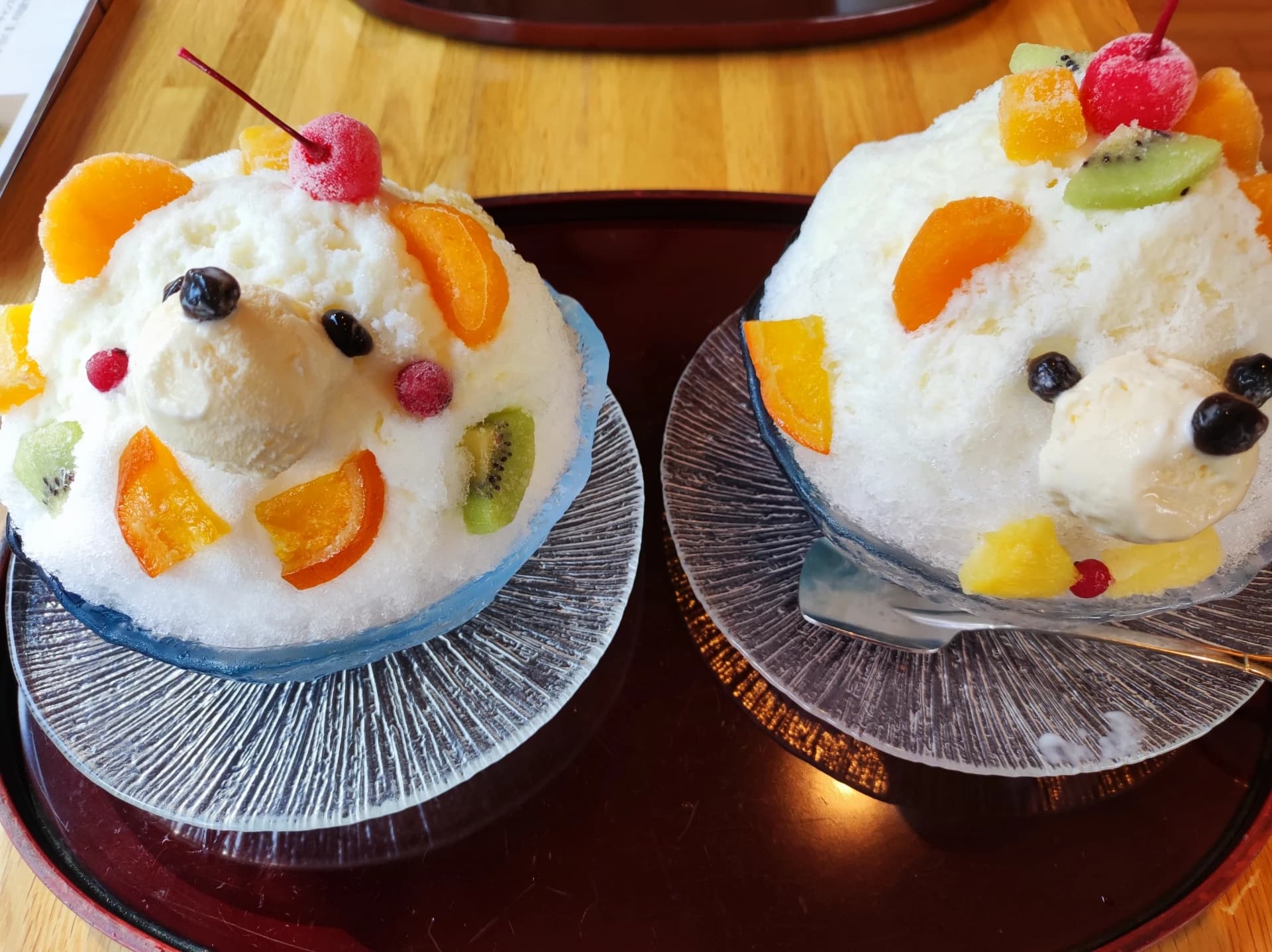
Kagoshima's largest shopping and commercial district. It features long arcade streets covered by dome-shaped roofs, protecting shoppers from rain or volcanic ash. The area is filled with restaurants serving Kagoshima specialties like Berkshire pork (Kurobuta) shabu-shabu, tonkatsu, and local grilled chicken. It is also home to shops serving the famous shaved ice dessert, Shirokuma (White Bear), making it a great place to finish your day.
A wide, open lawn park along the coast, located right next to the Kagoshima Aquarium and Sakurajima Ferry Terminal.
During the day, it is one of the best spots to view Kinko Bay and the grand Sakurajima volcano up close. At night, gentle lights illuminate the lawns and walkways, creating a romantic atmosphere where you can enjoy the night views of the aquarium and the sea. It is a perfect spot to relax and enjoy the evening breeze on the City View Night Route.
You will see this figure all over the city during your trip to Kagoshima. He was a samurai who lived a dramatic life and led Japan's modernization, making him a hero in Japanese history. However, in Korean history, he is known as the figure who planted the roots for aggression against the Korean Peninsula.
Leader of the Meiji Restoration: Born in the Satsuma Domain (modern Kagoshima), he was one of the three great heroes who overthrew the Edo Shogunate and successfully established a modern state centered on the Emperor.
Seikanron and Power Struggles: After the Meiji Restoration, he strongly argued for 'Seikanron' (a policy to invade Korea). He wanted to redirect the frustration of low-ranking samurai who lost their privileges toward external targets and find new momentum for domestic reforms.
The Political Crisis of 1873: Saigo planned to go to Korea himself as an envoy and use any diplomatic rejection as an excuse for war. However, he lost a power struggle against other politicians who believed domestic reform was more urgent. He resigned from politics and returned to his hometown of Kagoshima.
Historical Impact: Although the war-favoring group stepped down temporarily, their aggressive stance remained. This later led Japan to use military power to force the unequal Treaty of Ganghwa on Korea, creating the ideological roots for Japan's eventual invasion and colonization of the Korean Peninsula.
Samurai Rebellion and the Satsuma Rebellion: After returning home, he opened a private school in Kagoshima and gathered supporters. In 1877, he led samurai who opposed the government's policy of abolishing samurai privileges in the Satsuma Rebellion, Japan's last civil war.
End at Shiroyama: Defeated by powerful government forces, he fought his final battle from a small cave on Shiroyama hill (Saigo Cave). He was wounded and ended his life by ritual suicide.
Historical Evaluation: Though he died a rebel, he was pardoned later. He is loved as a hero in Japan for his image as a traditional samurai who valued principles and honor, contrasting with his reputation in Korea as an early symbol of expansionism.
Kagoshima's Icon, SakurajimaThis section explains how to check volcanic alert levels and explore the observatories on the active volcano, Sakurajima.
Sakurajima is a massive active volcano rising from Kinko Bay. It is the landmark of Kagoshima, emitting smoke and experiencing small eruptions almost every day. It was originally an island, but a major eruption in 1914 released a massive amount of lava that connected it to the Osumi Peninsula on the east, turning it into a peninsula.
1. Checking Volcanic Alert Levels
Because Sakurajima is an active volcano, check the Volcanic Alert Levels (Stages 1 to 5) issued by the Japan Meteorological Agency before traveling for your safety.
Normal Warning Level (Level 3): Sakurajima usually stays at Level 3 (Do not approach the volcano) during normal periods. This restriction bans entry into dangerous zones within a 2-kilometer radius of the active craters.
Visiting Main Sights: The highest point normal travelers can visit is Yunohira Observatory, located about 2.5 kilometers from the craters, which is outside the restricted zone. Therefore, you can safely enjoy sightseeing during normal periods (Level 3 or lower).
Emergency Measures (Level 4 or Higher): If volcanic activity increases sharply and Level 4 (Prepare to evacuate) or Level 5 (Evacuate) is issued, entry to the island is banned and the Sakurajima Ferry stops running. You must change your travel plans immediately.
This tourist shuttle bus starts from the Sakurajima Ferry Terminal and loops around major observation points on the western part of the island in about 1 hour. It accepts the CUTE Pass.
Route: (1) Sakurajima Port (Ferry Terminal) → (2) Hinoshima Megumikan (Rest Stop) → (3) Rainbow Sakurajima (Accommodation with hot springs) → (4) Sakurajima Visitor Center (Sakurajima Lava Nagisa Park Footbath) → (5) Karasushima Observatory → (6) Akamizu View Square (Portrait of a Scream) → (7) Akamizufumoto (Pottery Shop) → (8) Sakurajima International Volcanic Sabo Center → (9) Akamizufumoto → (10) Akamizu Yunohira Entrance → (11) Yunohira Observatory → (12) Oshu Elementary School → (1) Sakurajima Port (Ferry Terminal)
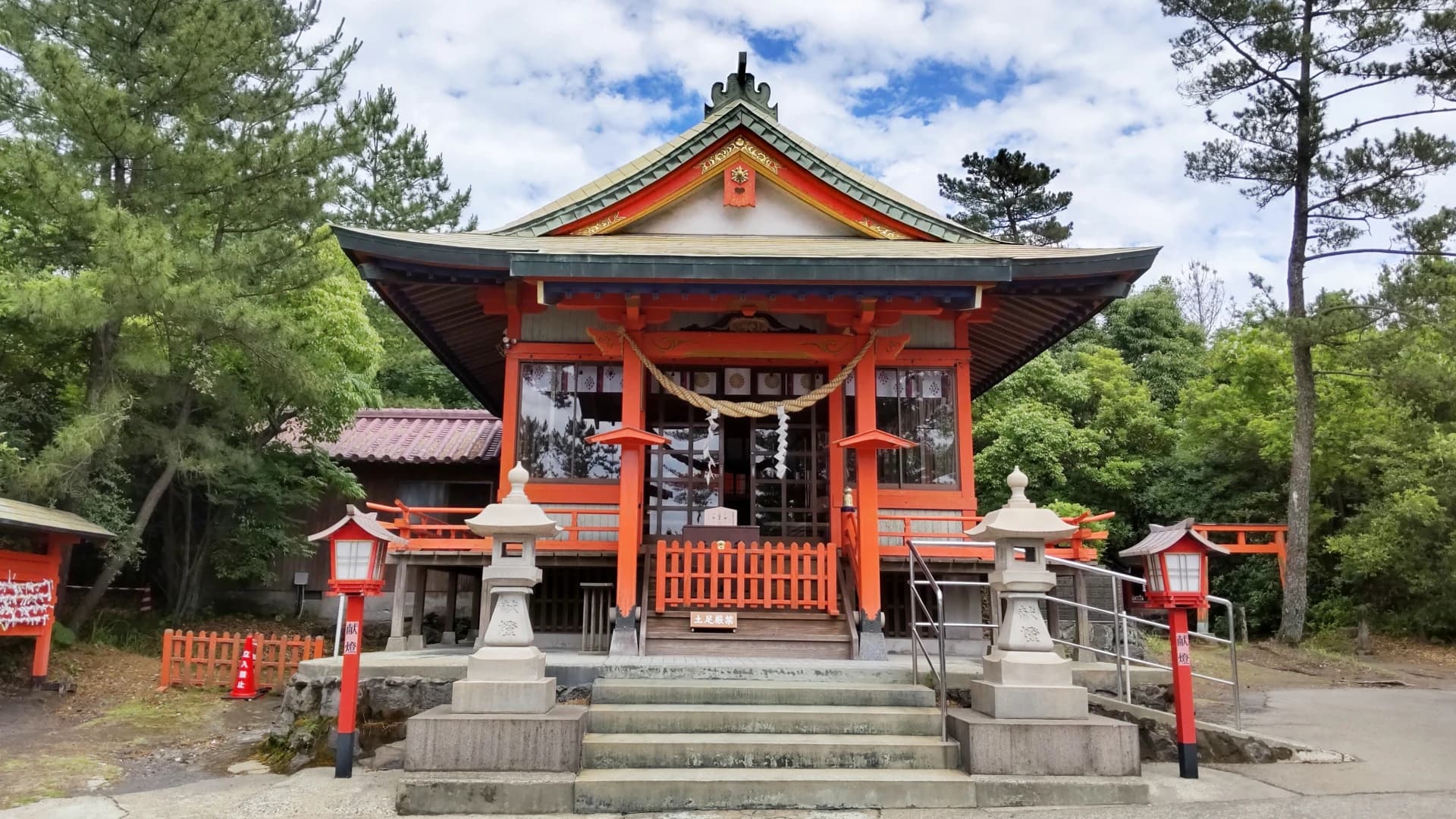
Located just a 2-minute walk from the Sakurajima Ferry Terminal (Sakurajima Port), this is an ideal first stop upon arriving on the island.
Sakurajima's Largest Shrine: This is the largest shrine on Sakurajima and has a long history. During the major Taisho eruption of 1914, the shrine was completely buried under lava, but it was later moved and rebuilt successfully at its current location.
Scenic Spot and Power Spot: Surrounded by a quiet, thick forest, it offers a peaceful atmosphere. Following the small stairs behind the main grounds leads to a cozy observatory overlooking Kinko Bay and downtown Kagoshima.
Fun Elements: Visitors can pray for health or relationships. The shrine offers cute fortune slips (Omikuji) shaped like owls and pigeons, making for a nice small memory.
A public accommodation building located an 8-minute walk from the Sakurajima Ferry Terminal. It runs the 'Sakurajima Magma Onsen', allowing general travelers to experience natural hot springs at a low price.
Sakurajima Magma Onsen: This facility uses hot spring water rising from 1,000 meters underground. The water has a unique golden-brown color because it contains large amounts of iron and salt. It is excellent for recovering from fatigue and warming the body.
Observatory Bath: You can relax in the large bath while looking through wide glass windows at the peaceful Kinko Bay and downtown Kagoshima across the water.
Information: * Hours: 11:00 AM – 9:00 PM (Last entry at 8:00 PM) / Note: Open from 1:00 PM on Wednesdays due to regular cleaning.
Admission: Very affordable at 460 yen for adults and 150 yen for children.
What to Bring: Shampoo and body wash are provided inside, but towels are not. Please bring your own towel. (You can also buy a towel at the shop if needed.)
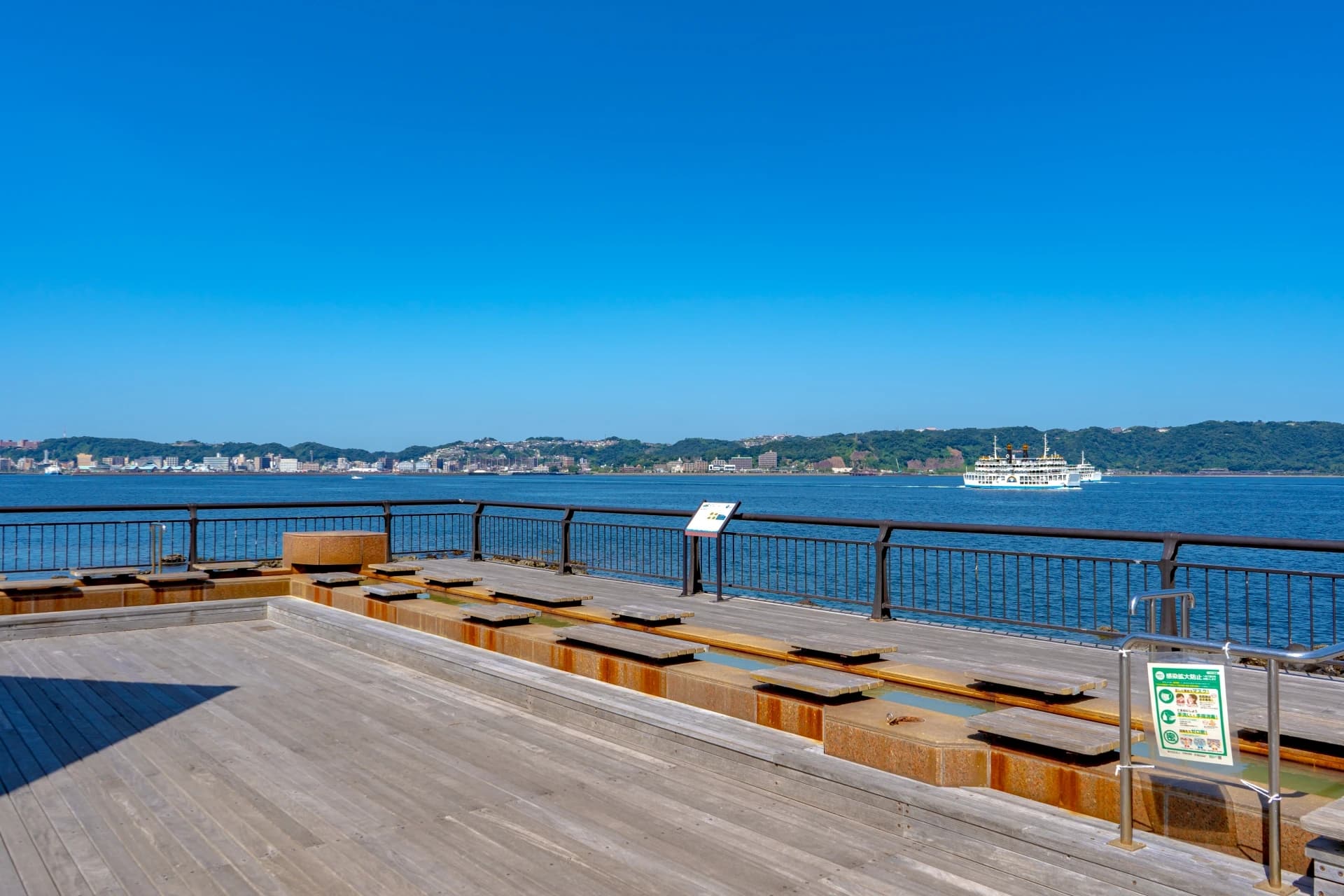
A mini-museum where you can learn about the history of the volcano and eruption mechanisms through models and videos. A long footbath park is located nearby, where you can soak your feet while looking out at the open sea. Bring a small towel to dry your feet after the footbath.
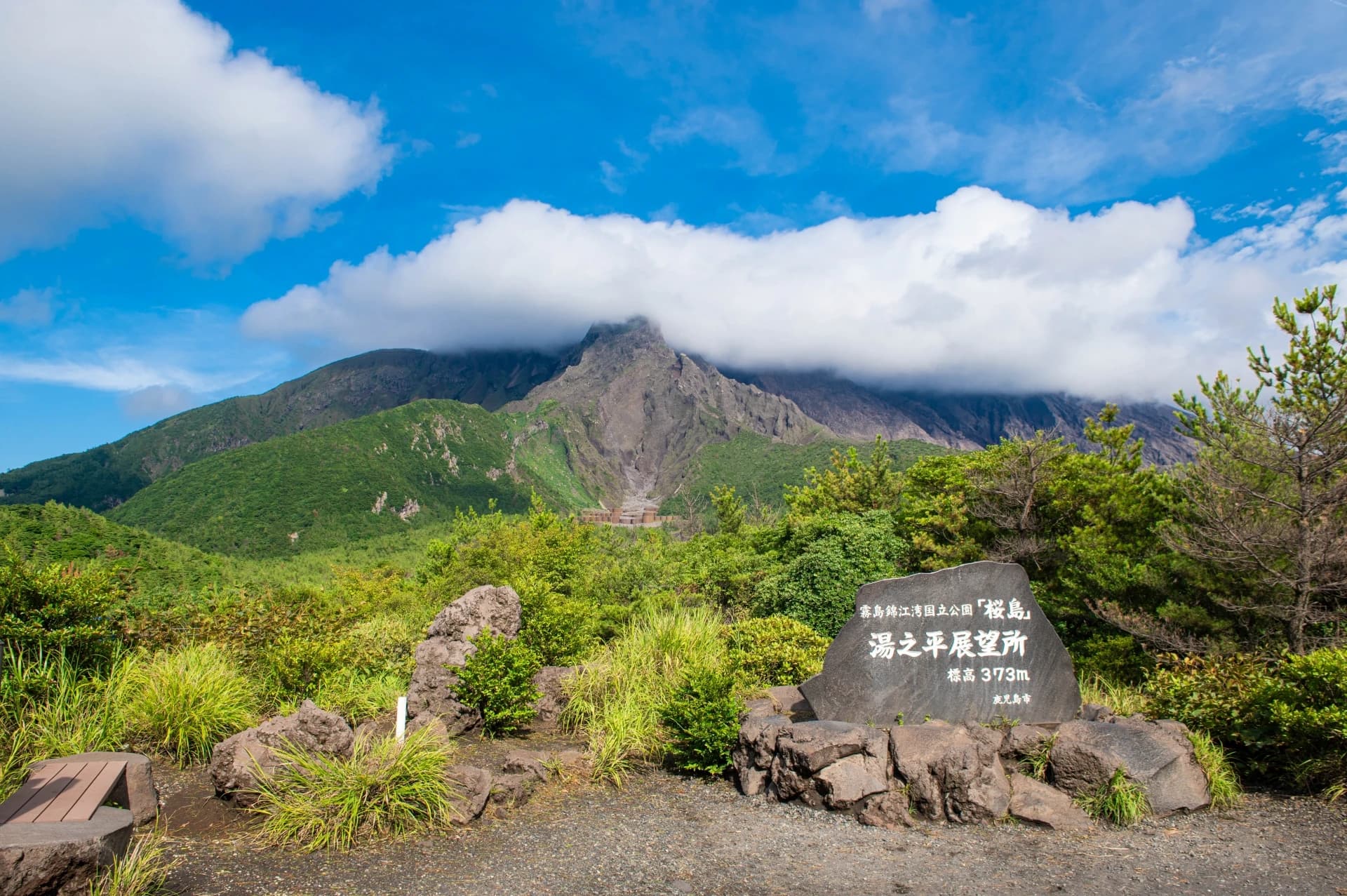
Located 373 meters above sea level, this is the highest point that regular visitors can reach. You can enjoy a grand view of the active volcanic slopes up close and a wide view of downtown Kagoshima.
KirishimaThis section introduces the charms of Kirishima, the setting of Japanese founding myths, home to beautiful mountains and hot springs.
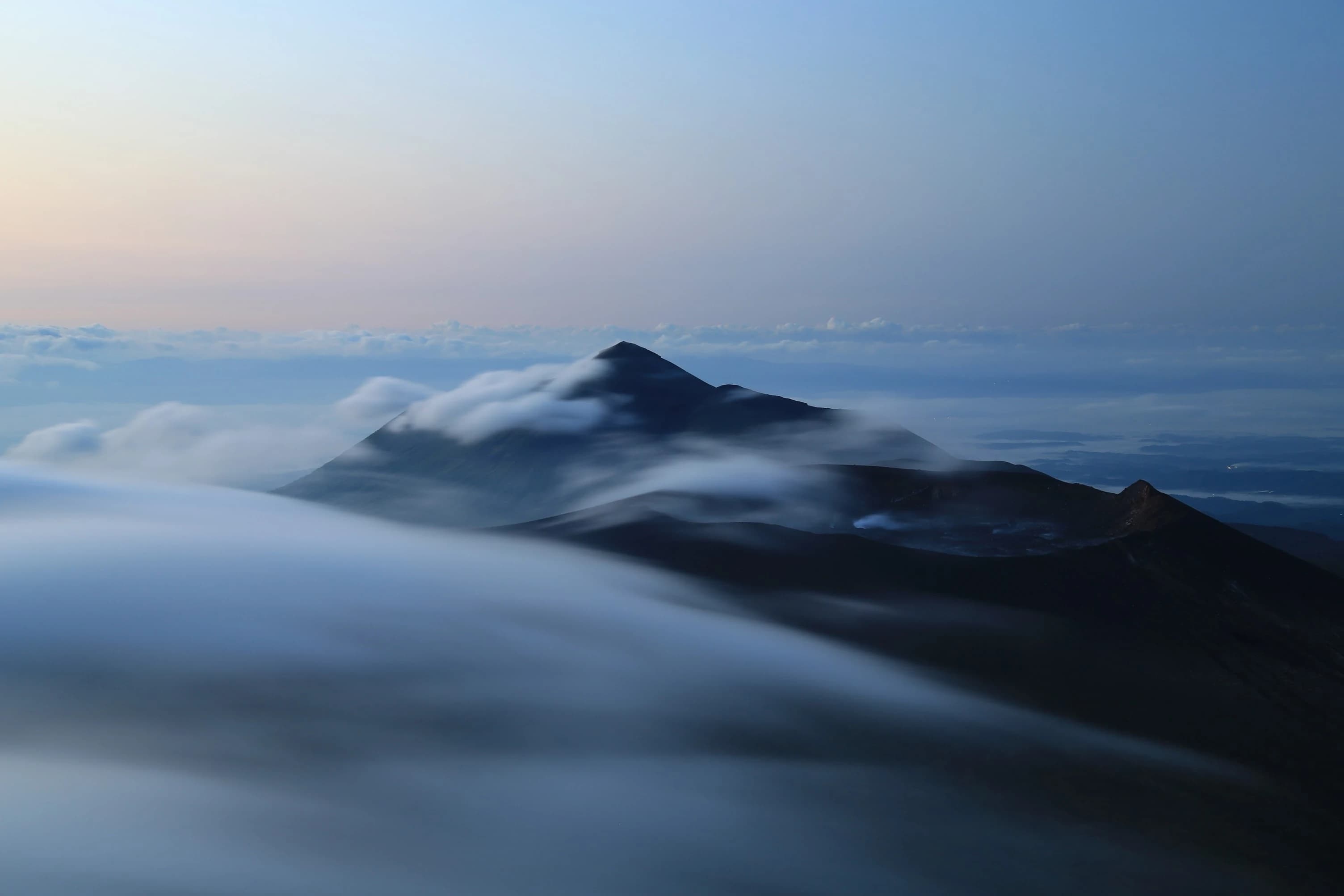
The name Kirishima means 'Fog Island' because its steep mountain peaks are often wrapped in deep fog, making them look like islands floating on a sea of clouds. It is close to Kagoshima Airport, making it ideal as a first or last stop on your trip. It is famous for its beautiful natural views, historic shrines, and hot spring villages filled with steaming water.
Sakamoto Ryoma's Honeymoon and the Teradaya Incident:
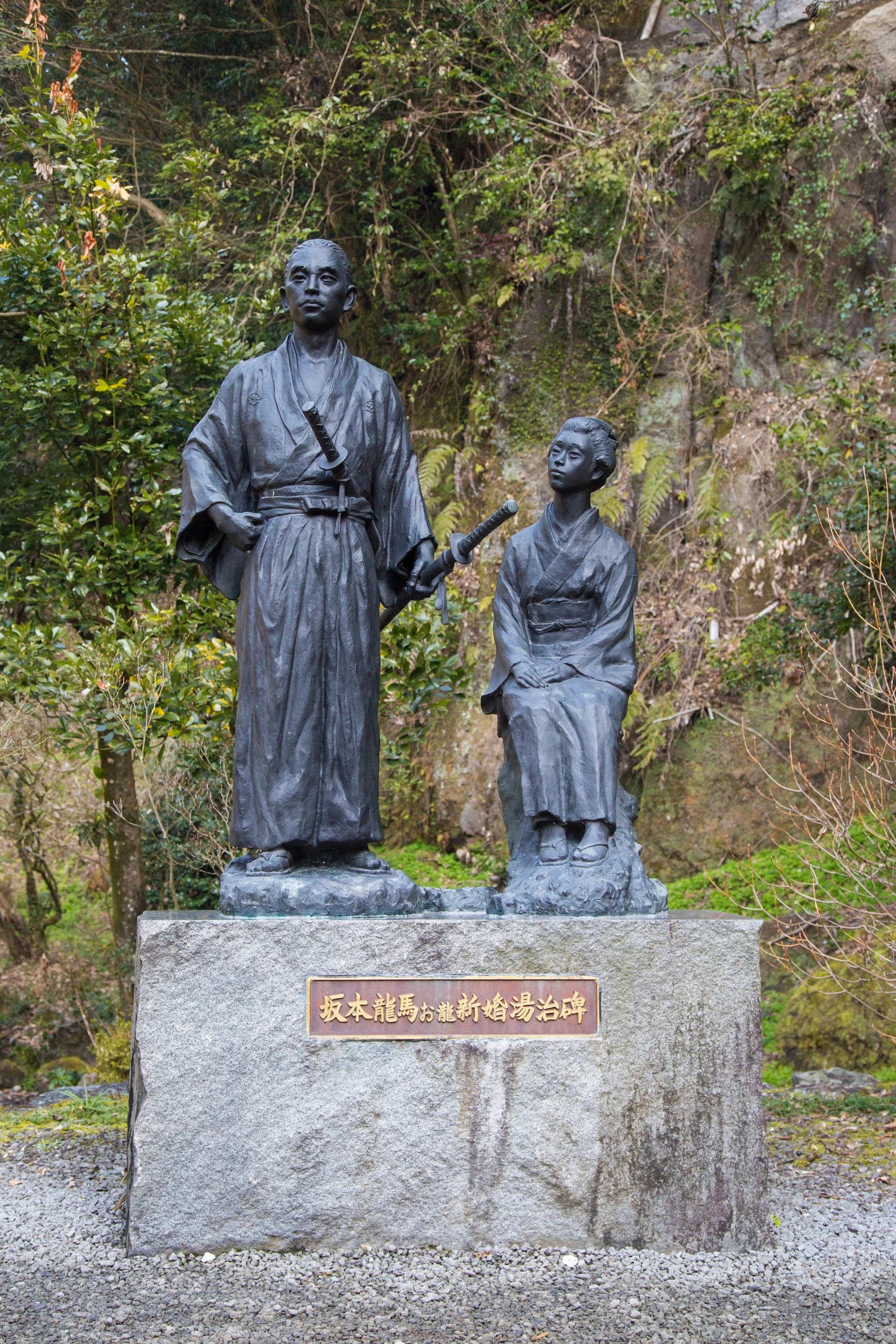
Kirishima is famous as Japan's first honeymoon spot, visited by Sakamoto Ryoma and his wife Oryo in 1866.
The Teradaya Incident: Right after Ryoma successfully arranged a secret alliance (Satcho Alliance) between the rival Satsuma and Choshu domains, he was attacked by Shogunate forces at the Teradaya Inn in Kyoto. Oryo, who was taking a bath, noticed the surprise attack and rushed upstairs to warn him. Ryoma escaped, but suffered deep sword cuts on his wrists and fingers while blocking a blade.
Hot Spring Recovery and Honeymoon: To heal his wounds, the Satsuma Domain protected Ryoma and arranged for him to recover in Kagoshima. He traveled around several hot springs in Kirishima with Oryo, who had saved his life. This became recorded as the first honeymoon in Japanese history.
Kirishima is a steep mountain area with attractions spread far apart, so renting a car is highly recommended. If you plan to travel by public transport (trains and buses), schedules have long waiting times. Check schedules carefully beforehand to plan your route.
When traveling Kirishima by public transport, use Kagoshima Airport, Kirishima-Jingu Station, or Kokubu Station as your main hubs. You can link with the tourist loop bus routes below to travel efficiently.
Trains:
You can take limited express or local trains from Kagoshima-Chuo Station to Kirishima-Jingu Station or Kirishima-Onsen Station.
However, you must transfer to a local bus to get from the train stations to the actual hot spring villages or Kirishima Jingu Shrine. Checking bus transfer times is essential.
Bus Types and Categories:
Tourist Loop Bus (Notari Oritari Bus): This bus connects major outlying tourist destinations like Kirishima Onsen Village, Myoken Onsen Village, and Kirishima Jingu Shrine. Routes often do not show up on Google Maps or other transit apps, so check the official timetables separately before traveling.
City Loop Bus (Inner Line, etc.): This bus loops around downtown Kirishima and major train stations to help residents and city tourists move around. (On Google Maps, it appears as 'Urban Area Circulation Bus Inner Line'.)
Kirishima Bus 1-Day Pass (Notari Oritari My Plan):
This useful pass gives you unlimited rides for one day on the Tourist Loop Bus run by Kagoshima Kotsu.
Cannot be used on City Loop buses.
Price: Adults 1,500 yen / Children 750 yen
Where to Buy: Available at the Kagoshima Airport Bus Information Desk, the souvenir shop (Jiji) at Kirishima-Jingu Station, major tourist information centers, hot spring hotels, or as a mobile ticket on smartphone travel apps (such as tabiwa).
Check the Latest Version: Bus timetables and route maps change frequently depending on the season. Always check the official website above for the newest information valid on your date of travel.
Weekdays vs. Weekends: Kirishima local buses operate on completely different schedules on weekdays and weekends (including holidays). Plan your schedule according to the day of the week to reduce waiting times.
2. The Four Hot Spring Villages of Kirishima
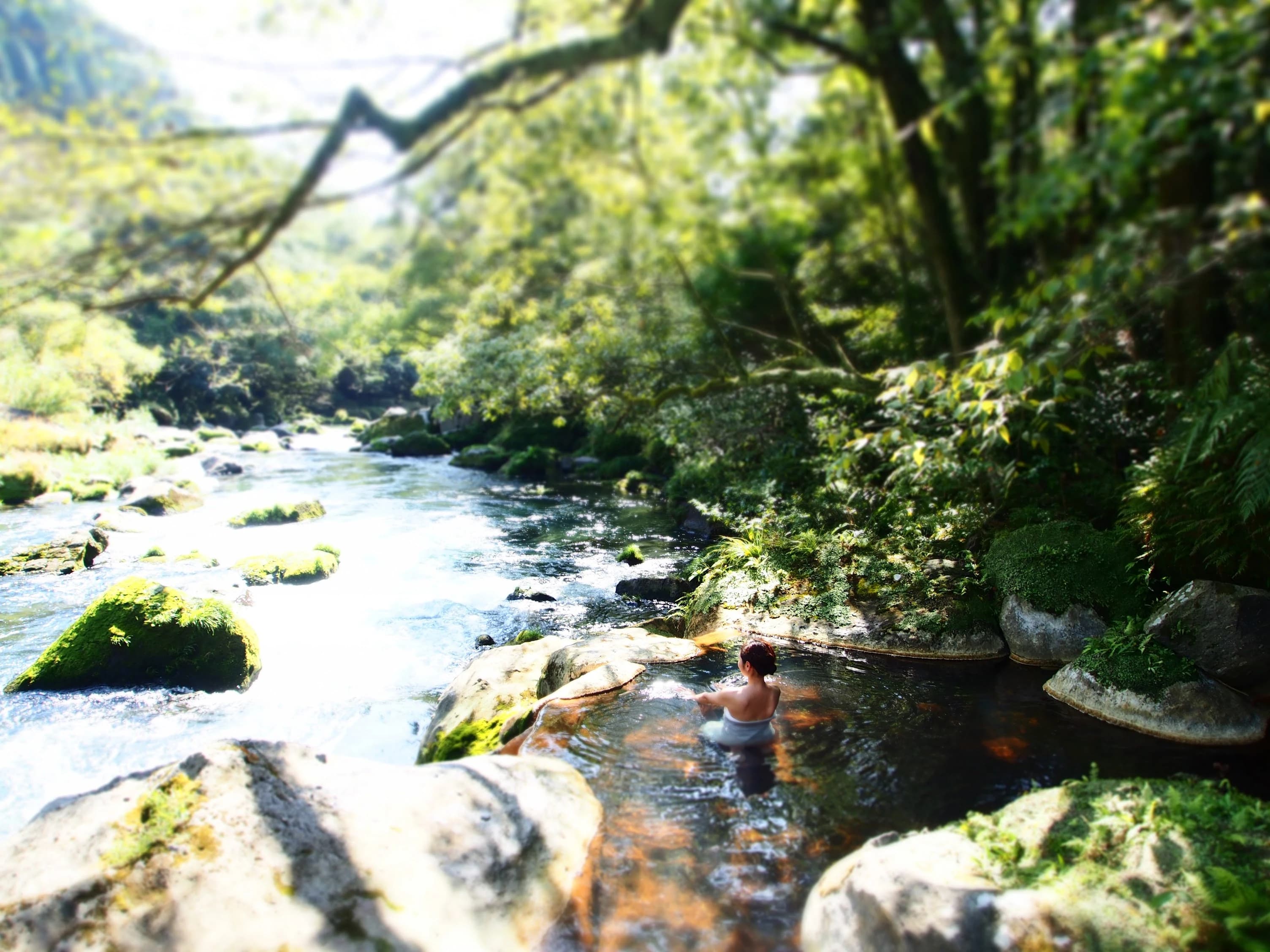
If you want to experience authentic hot springs in Kagoshima, visiting Kirishima is highly recommended. The hot spring region is divided into four main villages, each with its own charm.
If you are renting a car, choose a quiet accommodation deep in the mountains at Kirishima Onsen Village or Kirishima Jingu Onsen Village. If you are using public transport without a car, choosing Myoken/Anraku Onsen Village or Hinatayama Onsen Village is much easier, as they are located about 15 minutes by car from Kagoshima Airport.
Hot Spring Village
Location
Main Features
Travel Time from Airport (Car)
Map Link
Kirishima Onsen Village
Kirishima Mountain Slopes
The largest and most famous hot spring resort area.
(Features the Onsen Market and Maruo Falls fed by hot spring water)
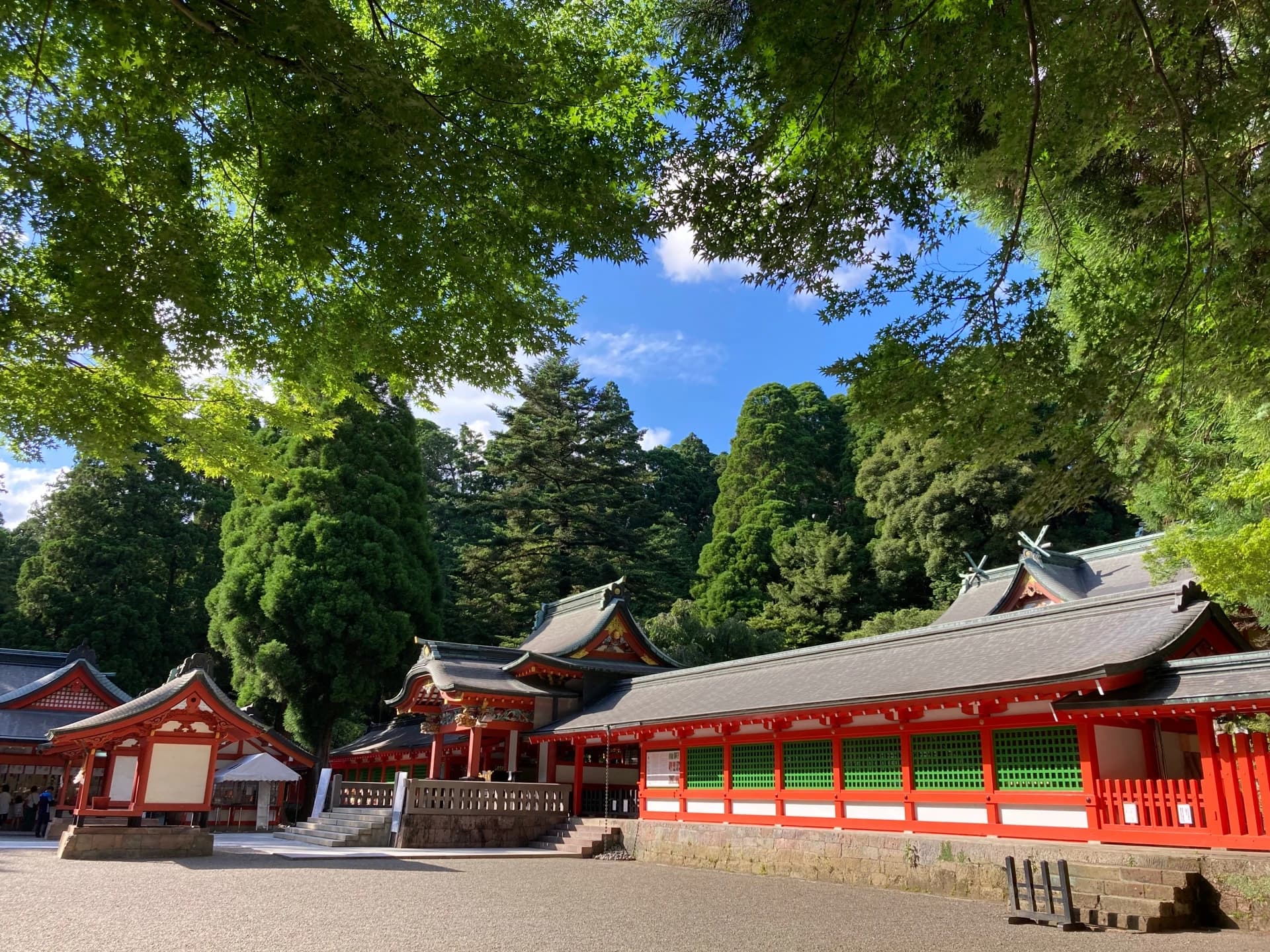
An ancient shrine connected to the roots of Japanese founding myths. It is a must-visit attraction in Kirishima, featuring brilliant architecture and a mystical forest path.
Sacred Site of Heavenly Myths: This shrine dedicates itself to Ninigi no Mikoto, the grandson of the sun goddess Amaterasu Omikami in Japanese mythology. According to myth, he first descended from heaven to rule the earth at the peak of Takachihomine in Kirishima. The shrine was originally built on that peak, but frequent eruptions of the Kirishima volcano burned it down repeatedly. It was safely moved to its current location in 1715. Because the lineage of the gods worshipped here connects to the first Emperor of Japan, it is seen as the holy birthplace of the imperial family.
National Treasure Architecture: Walking through a quiet path lined with tall cedar trees leads to the brilliant red main hall. It features intricate wood carvings and gold leaf details, earning it the nickname 'Nikko of the West'. Recognizing its historical and artistic value, the main hall and worship hall are designated as National Treasures of Japan.
Ryoma's Honeymoon Spot: This is also a historic travel spot visited by Sakamoto Ryoma and his wife Oryo on their honeymoon, making it popular with history enthusiasts. A sacred tree (a massive cedar) over 800 years old stands on the grounds, creating a mystical atmosphere.
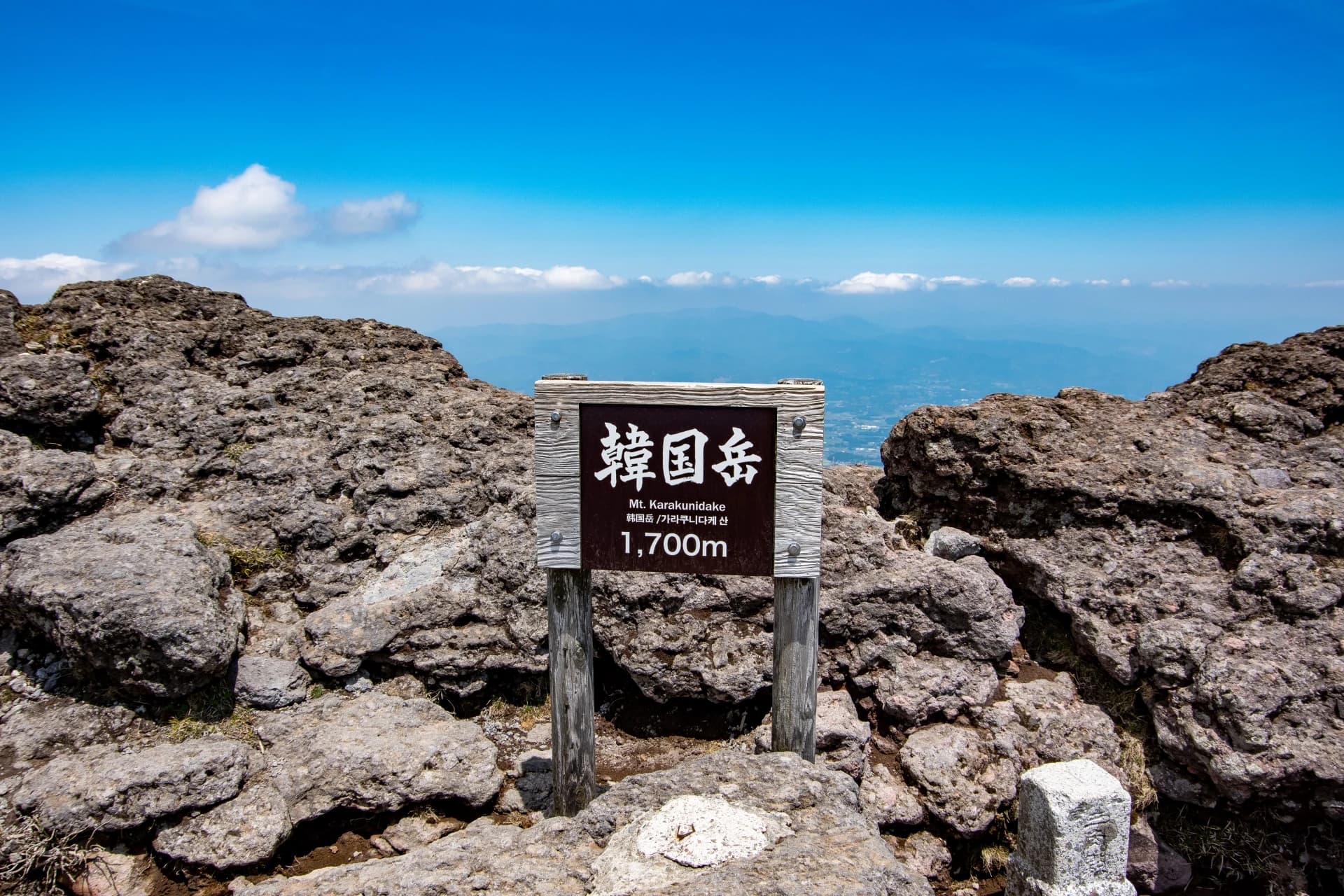
The highest peak of the Kirishima mountain range, rising 1,700 meters above sea level. It is a popular mountain loved by hikers for the unique origin of its name and its breathtaking volcanic crater views.
Origin of its Unique Name: The name Karakuni (written with characters meaning 'Korea') comes from a popular legend stating that the mountain is so tall you can see all the way to the Korean Peninsula from its peak. Although you cannot see Korea due to the actual distance, it symbolizes a wide, clear view with no obstacles in any direction. Another historical theory suggests that migrants from the ancient Gaya Kingdom (Garak) in Korea missed their homeland and named the highest peak after their home country.
Massive Volcanic Crater: When you reach the summit, a massive funnel-shaped caldera crater appears before you, measuring about 900 meters across and 300 meters deep. Walking along the crater rim offers a wonderful view of the Kirishima peaks and the blue crater lake, Onami-no-ike, below.
Recommended Hiking Trail: The trail starting from Ebino Kogen, a beautiful plateau surrounded by nature, is the most popular route. It features gentle slopes and well-maintained stairs, taking about 3 hours round-trip, making it accessible even for beginners. Since it is an active volcanic zone, check volcanic activity warnings from the Meteorological Agency before climbing.
IbusukiThis section covers Ibusuki, a resort city famous for its unique sand baths under hot beaches and home to Japan's southernmost train station.
Located at the southern tip of the Satsuma Peninsula in Kagoshima Prefecture, Ibusuki enjoys a warm climate all year round and is nicknamed 'Kyushu's Hawaii'. It is a hot spring resort city famous for the world's only natural sand baths heated by hot spring energy on the beach, open-air baths with ocean views, and Japan's southernmost train station, making it a perfect spot to relax.
1. Ibusuki Transportation
Ibusuki is a great place to visit from Kagoshima City for a day trip or a 2-day hot spring getaway. The main transport options are the train between Kagoshima and Ibusuki, local city buses, and electric bicycle rentals.
Getting to Ibusuki from Kagoshima:
The 'Ibusuki no Tamatebako' Tourist Train: A unique themed tourist train painted half-black and half-white. It makes three round trips daily between Kagoshima-Chuo Station and Ibusuki Station. A one-way ticket costs 2,950 yen (taking about 50 minutes). All seats require reservations. Because it is highly popular, booking as soon as reservations open one month before your travel date is essential.
Local/Rapid Trains: You can also take regular local or rapid trains on the Ibusuki-Makurazaki Line. The one-way fare is 1,170 yen (taking about 1 hour and 15 minutes). No seat reservations are needed, allowing for a flexible schedule.
Transportation within Ibusuki City:
Local Buses and Passes: Kagoshima Kotsu operates local buses connecting Ibusuki Station to major attractions like Saraku Sand Bath Hall, Healthy Land (Tamatebako Onsen), and Nishi-Oyama Station.
Notari Oritari My Plan (Bus Pass): An unlimited bus pass that allows you to hop on and off local buses freely.
Pass Price: 1-Day Pass 1,500 yen / 2-Day Pass 3,000 yen (Children pay half price)
Differences Between 1-Day and 2-Day Passes:
1-Day Pass (Valid for 1 day): Offers unlimited rides on local buses within Ibusuki City only. (Covers routes between Ibusuki Station, Saraku Sand Bath Hall, Healthy Land Tamatebako Onsen, Nagasakibana, Lake Ikeda, and other local sights.)
2-Day Pass (Valid for 2 consecutive days): Offers unlimited rides on Ibusuki local buses, plus regional buses run by Kagoshima Kotsu connecting Kagoshima City and Chiran. (Useful for traveling between Kagoshima-Chuo Station, Chiran, and Ibusuki.)
Where to Buy: Available at the Tenmonkan Ticket Center, the Tourist Information Center at the East Exit of Kagoshima-Chuo Station, the Tourist Information Center inside Ibusuki Station, Kagoshima Kotsu offices, or as a digital pass on smartphone travel apps (such as tabiwa).
Tips for Choosing Your Transport between Kagoshima and Ibusuki
When traveling from Kagoshima to Ibusuki, compare the pros and cons of trains and buses based on your final destination to travel efficiently.
1. Traveling by Train (Requires transfers or walking):
When you arrive at Ibusuki Station, you must walk about 15 minutes to reach the famous Saraku Sand Bath Hall, or transfer to a local city bus in front of the station (taking about 5 minutes, 200 yen).
If you want to visit Tamatebako Onsen, another popular hot spring, you must get off at a train station (Ibusuki Station or Yamakawa Station) and transfer to a local bus (taking about 15 minutes from Yamakawa Station).
2. Traveling by Bus (Direct travel without transfers):
Taking a direct bus operated by Kagoshima Kotsu from downtown Kagoshima lets you reach major hot spring attractions in one trip without transfers.
Kagoshima-Chuo Station to Saraku Sand Bath Hall: One-way bus fare is 1,310 yen (takes about 1 hour and 45 minutes)
Kagoshima-Chuo Station to Healthy Land Tamatebako Onsen: One-way bus fare is 1,500 yen (takes about 2 hour and 10 minutes)
3. Recommended Pass Guide:
If you plan to use buses to travel between Kagoshima and Ibusuki, buying the Notari Oritari My Plan 2-Day Pass (3,000 yen) is beneficial. If you are only making a single round-trip without extra travel, paying with cash is cheaper. However, if you take even one additional bus within Ibusuki, using the pass saves you more money.
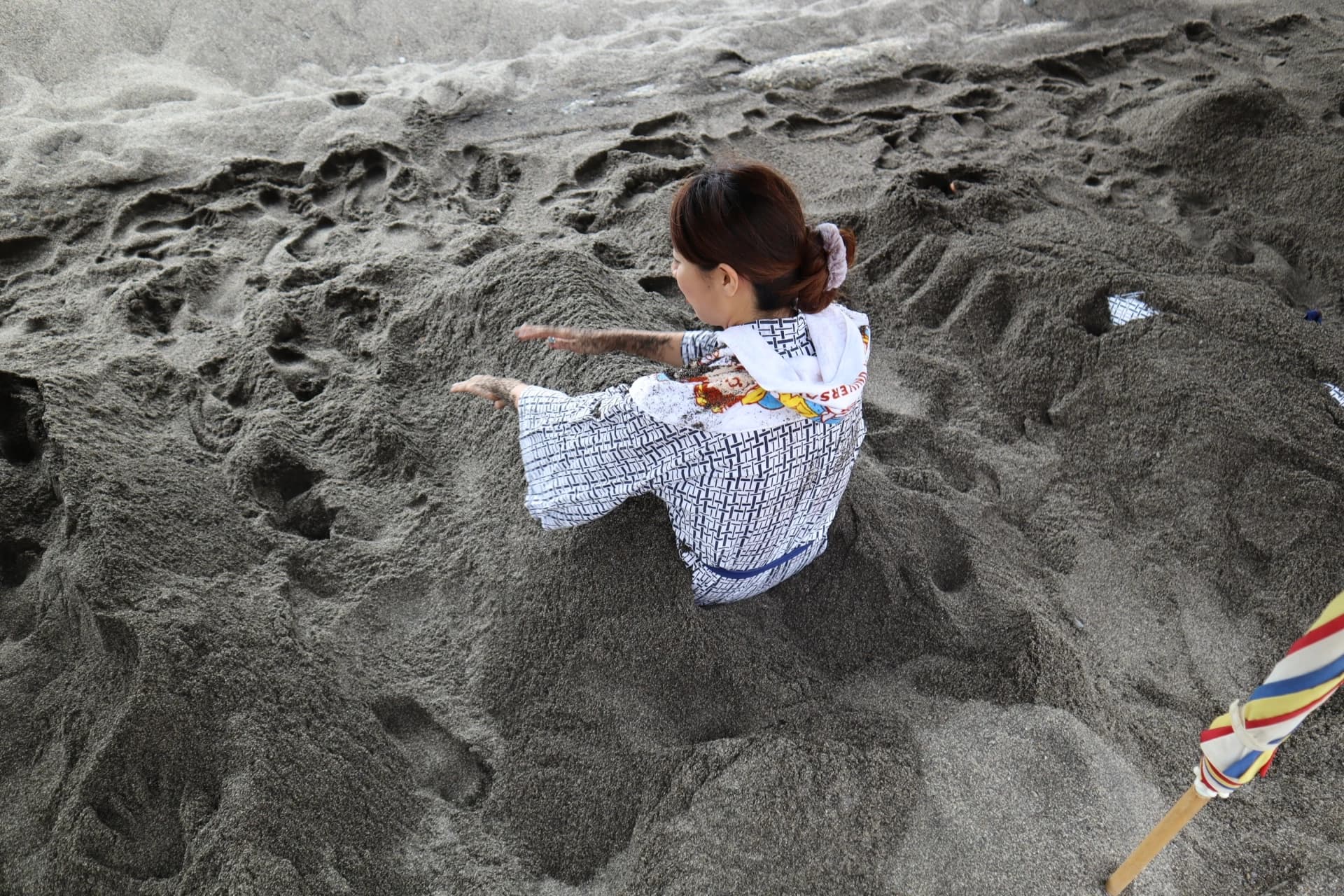
This is the signature natural sand bath facility in Ibusuki. Visitors lie on the beach, listen to the sound of the waves, and bury themselves in black sand heated by natural hot spring energy. Lying in the sand for about 10 to 15 minutes causes deep sweating, flushing out bodily waste and improving blood circulation for an excellent detox effect.
Hours: 8:30 AM – 9:00 PM (Last entry at 8:00 PM; closed for lunch adjustments from 12:00 PM to 1:00 PM)
New Year's Special Hours: Closes early at 6:00 PM on December 31; opens early at 6:30 AM on January 1 (allows viewing the first sunrise).
Closed: Closed for about a week in July and December for maintenance, or during severe weather.
Admission: * Standard Minimum Set (Sand bath, public bath, yukata rental): 1,500 yen for junior high students and older, 800 yen for children. During long holiday periods: 2,000 yen for junior high students and older, 1,000 yen for children.
This is an open-air bath that regularly ranks number one for scenic views in Japan. When you soak in the water, the edge of the open-air bath seems to blend perfectly with the horizon of Kinko Bay, making you feel as if you are floating in the middle of the sea. You can enjoy your bath with an incredible view of the grand Mount Kaimon volcano and the blue ocean.
Hours: 9:30 AM – 7:30 PM (Last entry at 7:00 PM)
New Year's Special Hours: Closes early at 6:00 PM on December 31; opens early at 6:30 AM on January 1 (allows viewing the first sunrise).
Closed: Closed every Thursday (If Thursday is a public holiday, it closes the following day instead).
Admission:
Regular periods: 900 yen for junior high students and older, 450 yen for elementary students, free for under age 3.
Local long holidays and New Year season: 1,500 yen for junior high students and older, 700 yen for elementary students, free for under age 3.
Sand Bath + Open-Air Bath Combo Ticket: 2,000 yen (Includes 1 drink at the bath cafe; not sold during long holidays or the New Year season.)
Towel Rental and Purchase: Commemorative face towel (to buy) 300 yen, large bath towel (to rent) 300 yen.
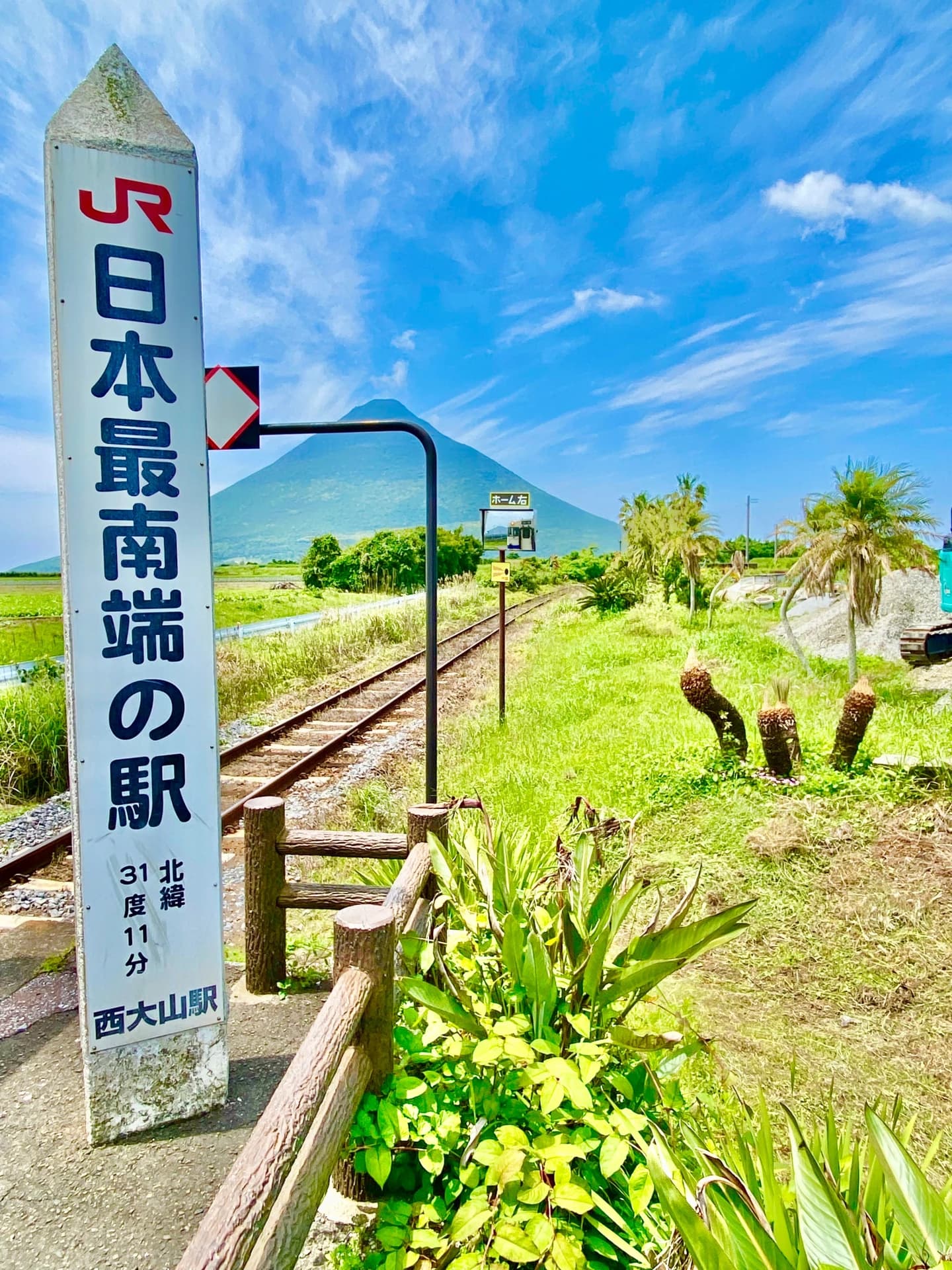
A charming unstaffed station that stands as the southernmost station on all nationwide JR lines. The beautiful Mount Kaimon volcano, known as Satsuma's Mount Fuji, rises right in front of the platform, making it a top photography spot. A yellow post box, believed to bring love and happiness, stands in front of the station, allowing you to mail real postcards.
YakushimaThis section covers Yakushima, an island of ancient forests designated as a UNESCO World Natural Heritage site, highlighting its main hiking and trekking trails.
Located in the seas south of Kagoshima Prefecture, Yakushima is an island with a unique vertical ecosystem spanning subtropical to subalpine climates, earning it the nickname 'living botanical garden'. It is a premier outdoor destination that draws hikers from around the world every year to explore its mystical mossy forests—which inspired the anime 'Princess Mononoke'—and view massive cedar trees that have stood for thousands of years.
1. How to Get to Yakushima
There are three main ways to travel from Kagoshima to the UNESCO World Natural Heritage island of Yakushima: High-Speed Ferry (Jetfoil), Large Car Ferry, and Flights. Choose the best transport option based on your schedule, starting location, and budget.
High-Speed Ferry (Toppy & Rocket): This fast boat departs from the Kagoshima Main Port South Pier and sails directly to Yakushima's Miyannoura Port or Anbo Port. Direct trips take about 1 hour and 50 minutes (trips via Tanegashima take about 2 hours and 30 minutes). It makes 7 to 8 round trips daily and is the most popular choice for tourists. It can be affected by weather conditions, so check its operation status before boarding.
One-way 14,000 yen, Round-trip 25,900 yen / Early bird 14 days prior: Round-trip 20,700 yen / Early bird 28 days prior: Round-trip 18,500 yen.
Large Car Ferry (Ferry Yakushima 2): A large vessel that makes one round trip daily between Kagoshima Main Port South Pier and Yakushima's Miyanoura Port. It takes about 4 hours, which is longer than the fast boat, but fares are lower and you can transport vehicles like rental cars or large camping gear.
Kagoshima 8:30 AM – 12:30 PM Yakushima Miyanoura Port
Yakushima Miyanoura Port 1:30 PM – 5:40 PM Kagoshima
Flights: Japan Air Commuter, a subsidiary of Japan Airlines, operates 4 to 5 flights daily from Kagoshima Airport to Yakushima Airport. Taking about 35 to 40 minutes, it is the fastest and most comfortable option. However, factor in the time needed to travel from downtown Kagoshima to the airport and the time required for baggage drop-off.
Fares vary by date, generally ranging between 14,000 yen and 28,000 yen one-way.
Recommended Accommodation Locations Based on Hiking Routes:
When Visiting the Shiratani Unsuikyo Trail: If your trip focuses on the green mossy forest paths of Shiratani Unsuikyo, it is best to book a hotel around Miyanoura Port, which offers excellent access to the trail and its shuttle buses.
When Visiting the Jomon Sugi Trail: If you are climbing the long-distance Jomon Sugi trail, staying near Anbo Port is highly beneficial because it is close to the Yakusugi Museum where hiking shuttle buses depart, making early morning departures easier.
If you stay near Anbo Port and want to visit Shiratani Unsuikyo, you can transfer buses at Bus Stop No. 25, Oharamachi.
2. Yakushima Transportation
Yakushima has a circumference of about 130 kilometers, and driving around the island takes about 3 hours. Mountain roads are narrow with very few streetlights. Wild animals (deer, monkeys) can jump onto roads unexpectedly, and weather can change sharply, so plan your schedule with plenty of extra time. Public buses have long waiting intervals, so combining rental cars, local buses, and taxi services based on your destination is essential.
Local Buses and Passes:
These connect airports, ports, and major attractions (Yakusugi Museum, Shiratani Unsuikyo, etc.).
Two Bus Companies: 'Tanegashima Yakushima Kotsu' (blue buses) and 'Matsubanda Kotsu' (yellow/cyan buses) operate on the island. Note that buses do not run through the Western Forest Road (Seibu Rindo) section.
Yakushima Yutari Mankitsu Pass (Unlimited Bus Pass): A travel pass offering unlimited rides on buses operated by Tanegashima Yakushima Kotsu.
Pass Prices: 1-Day Pass 2,500 yen / 3-Day Pass 4,000 yen / 4-Day Pass 5,000 yen (Children pay half price)
A one-way bus fare from Miyanoura Port to the Yakusugi Museum is about 1,000 yen. If you are only making a simple round-trip from a hotel near Miyanoura Port, buying a pass may not be necessary.
Important Note: This pass is valid only on 'Tanegashima Yakushima Kotsu' buses. It cannot be used on Matsubanda Kotsu buses or the Arakawa Trail Shuttle Bus (operating between Yakusugi Museum and Arakawa Trailhead).
Rental Cars: This is the most recommended transport option for a flexible trip. Major agencies like Toyota, Orix, and Nippon Rent-A-Car have offices near the airport and main ports.
Motorcycles and Bicycles: A great way to feel Yakushima's nature up close. Some rental companies allow you to rent in Anbo and return in Miyanoura (one-way rentals).
Taxis and On-Call Taxis:
Three taxi companies operate on the island, with cars usually waiting at airports or port terminals.
You cannot hail a passing taxi on the street. You must call them by phone, and if you need a taxi early in the morning or late at night, booking a day in advance is essential.
Regular Sightseeing Bus Tours:
You can book sightseeing bus tours or private charter buses to explore major sights comfortably with explanations from a guide.
Sections with No Bus Service (Western Forest Road / Seibu Rindo):
The Western Forest Road (Seibu Rindo) is a narrow, rugged coastal road that cuts through the protected World Natural Heritage zone on the western side of the island. Regular buses do not run here. To experience this drive, you must rent a car or book a sightseeing bus tour that passes through the area.
Important Note for Bus Timetables:
Bus schedules on Yakushima change frequently depending on the season, weather conditions, and road closures. Always check the official website link above for the most up-to-date bus timetables before finalizing your itinerary.
3. Yakusugi Land (An Easy-to-Walk Cedar Forest Park)
A natural park located between 1,000 and 1,300 meters above sea level. It is a forest park where you can explore ancient Yakusugi cedar trees that have lived for thousands of years safely and easily.
Difficulty: Very Easy to Moderate (Ideal for families traveling with children or seniors)
Forest Conservation Donation (Admission): 800 yen for high school students and older.
Trail Routes (Choose based on your fitness and time):
30-Minute / 50-Minute Trails (Beginner): These paths feature gentle slopes and well-maintained wooden boardwalks. You can view massive cedar trees safely in regular sneakers and comfortable clothing.
80-Minute / 150-Minute / 210-Minute Trails (Intermediate to Advanced): These become natural dirt trails with exposed tree roots and rocky sections. Proper hiking boots and gear are required.
Main Sights: * You can see the unique forest ecosystem where new seeds grow on top of fallen ancient logs, and view ancient trees with unique names like 'Mother and Child Cedar' (Hahako Sugi), 'Buddha Cedar' (Butsuda Sugi), and the 'Millennium Cedar'.
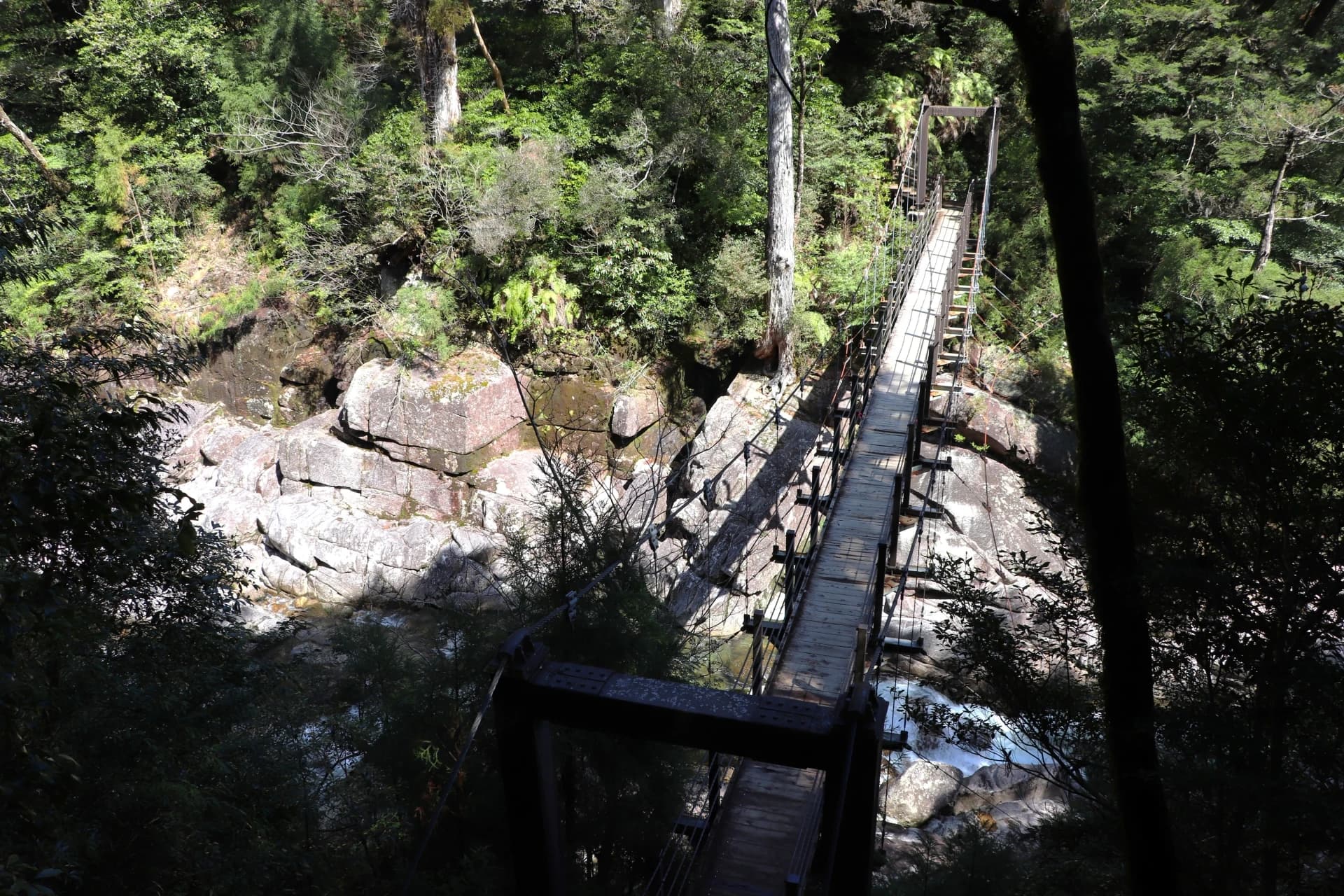
Crossing a thrilling suspension bridge over the Arakawa Valley offers a beautiful view of the rushing mountain stream and the surrounding forest.
Travel Tip: It takes about 30 to 40 minutes by car from Anbo Port. There are no restaurants or cafes around Yakusugi Land, so bring your own bento lunch box, snacks, and water before departing. It is less crowded than Shiratani Unsuikyo, letting you enjoy the forest peacefully. The boardwalk sections remain relatively safe even when it rains, making it a good alternative route during bad weather.
4. Shiratani Unsuikyo Trail (The Mystical Moss Forest Route)
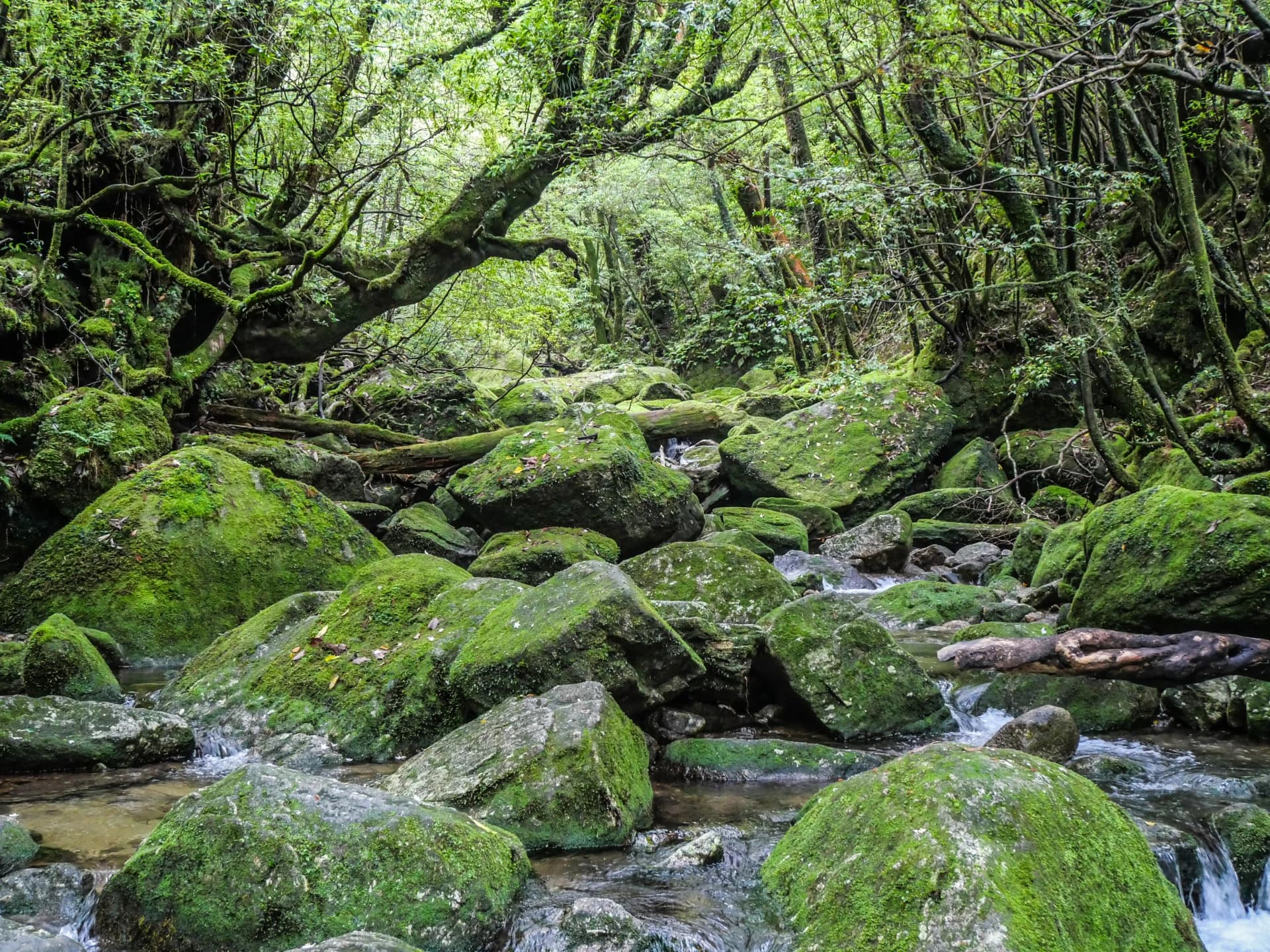
The most popular hiking trail on Yakushima, featuring a green moss-covered forest that served as the inspiration for the anime 'Princess Mononoke'.
Difficulty: Beginner to Intermediate
Forest Conservation Donation (Admission): 800 yen for high school students and older.
Hiking Time: * To the Mossy Forest (Princess Mononoke Forest): About 3–4 hours round-trip
To Taiko-iwa Rock Observatory: About 5–6 hours round-trip
Main Features: You walk along forest paths next to clear streams where green moss covers almost every tree and rock, creating a mythical atmosphere. If your fitness allows, continuing up to Taiko-iwa Rock is highly recommended. Standing on this massive granite cliff offers a breathtaking panoramic view of Yakushima's grand mountain peaks and deep forests.
5. Jomon Sugi Trail (A Long-Distance Trek to the Ancient Cedar)
A challenging, long-distance hiking trail to see the iconic Jomon Sugi (Jomon Cedar), a grand sacred tree estimated to be thousands of years old.
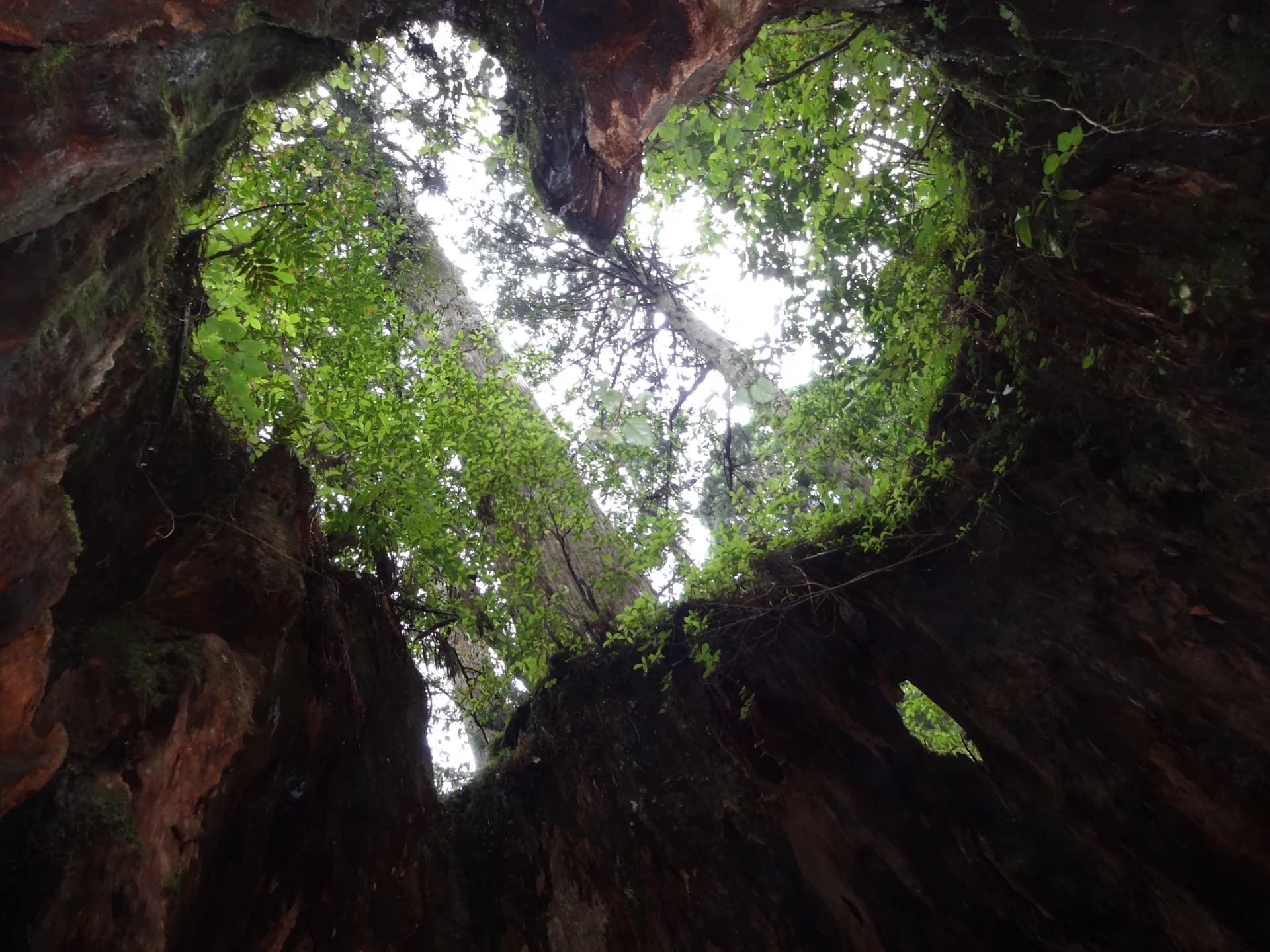
The heart-shaped view inside Wilson's Stump
Difficulty: Advanced (Requires long-distance walking and strong fitness)
Hiking Time: About 9–11 hours round-trip (Total distance of around 22 kilometers)
Main Features: The trail begins at the Arakawa Trailhead. The first two-thirds of the route is relatively flat, following an old logging railway track (Torokko track). However, the final third requires climbing up steep, rugged mountain terrain. Along the way, you pass Wilson's Stump—famous for the heart-shaped view looking up through its hollow center—and many ancient cedars before reaching the grand Jomon Sugi.
Travel Tips and Reaching the Trailhead:
Start Early: Because the round-trip takes a very long time, hikers usually start between 4:00 AM and 5:00 AM to complete the trail safely before dark.
Vehicle Restriction Period (March–November): Private vehicles and rental cars cannot drive to the trailhead during this period. You must drive to the Yakusugi Museum parking lot, park your car, and board the designated trail shuttle bus to the Arakawa Trailhead.
Using Public Transport: Take the earliest local bus around 4:00 AM–5:00 AM to Bus Stop No. 68, Yakusugi Museum (Shizenkan), and then transfer to the trail shuttle bus to reach the Arakawa Trailhead.
Winter Season (December–February): Private vehicle restrictions are lifted during these months. In 2025, Matsubanda Kotsu operated buses directly to the Arakawa Trailhead, but for winter operations in 2026 and later, check the notice page below before departing.
Comprehensive Guide for Yakushima Hiking and Safety Rules:
Locals say it 'rains 35 days a month' on Yakushima because rainfall is frequent and weather changes sharply in the rugged mountains. Check and follow these guidelines before entering the trails to ensure a safe and enjoyable hike.
Rain Gear and Rentals: A sturdy, waterproof rain jacket and pants set is essential in every season. If you do not have hiking boots, poles, or rain gear, use the rental services available at outdoor gear shops in Ibusuki or on Yakushima.
Submit a Hiking Registration: Always submit a hiking plan before entering the mountains in case of emergencies. You can fill out a paper form and drop it into the collection boxes at the airport, port information desks, hotels, or trailheads (Arakawa Trailhead, Shiratani Unsuikyo, etc.). Alternatively, you can register online prior to your trip using Mt-Compass, Japan's official mountain registration system.
Bring Portable Toilet Bags: To protect the environment, using the forest as a toilet is strictly banned outside designated restroom booths. Especially on long routes like the Jomon Sugi trail, you must bring portable toilet bags. Use them inside the simple tent booths along the trail and carry them out to drop into designated collection bins at the bottom.
Pay the Mountain Conservation Donation: To support environmental protection, visitors are asked to pay a conservation donation (1,000 yen for day trips / 2,000 yen for overnight stays). The payment method depends on the month of your visit:
Winter Season (December–February): Since vehicle restrictions do not apply, pay with cash directly at the trailhead counter or local tourism association offices.
Hiking Season (March–November): During the vehicle restriction period, buy the donation ticket together with your round-trip shuttle bus ticket for the Arakawa Trailhead.
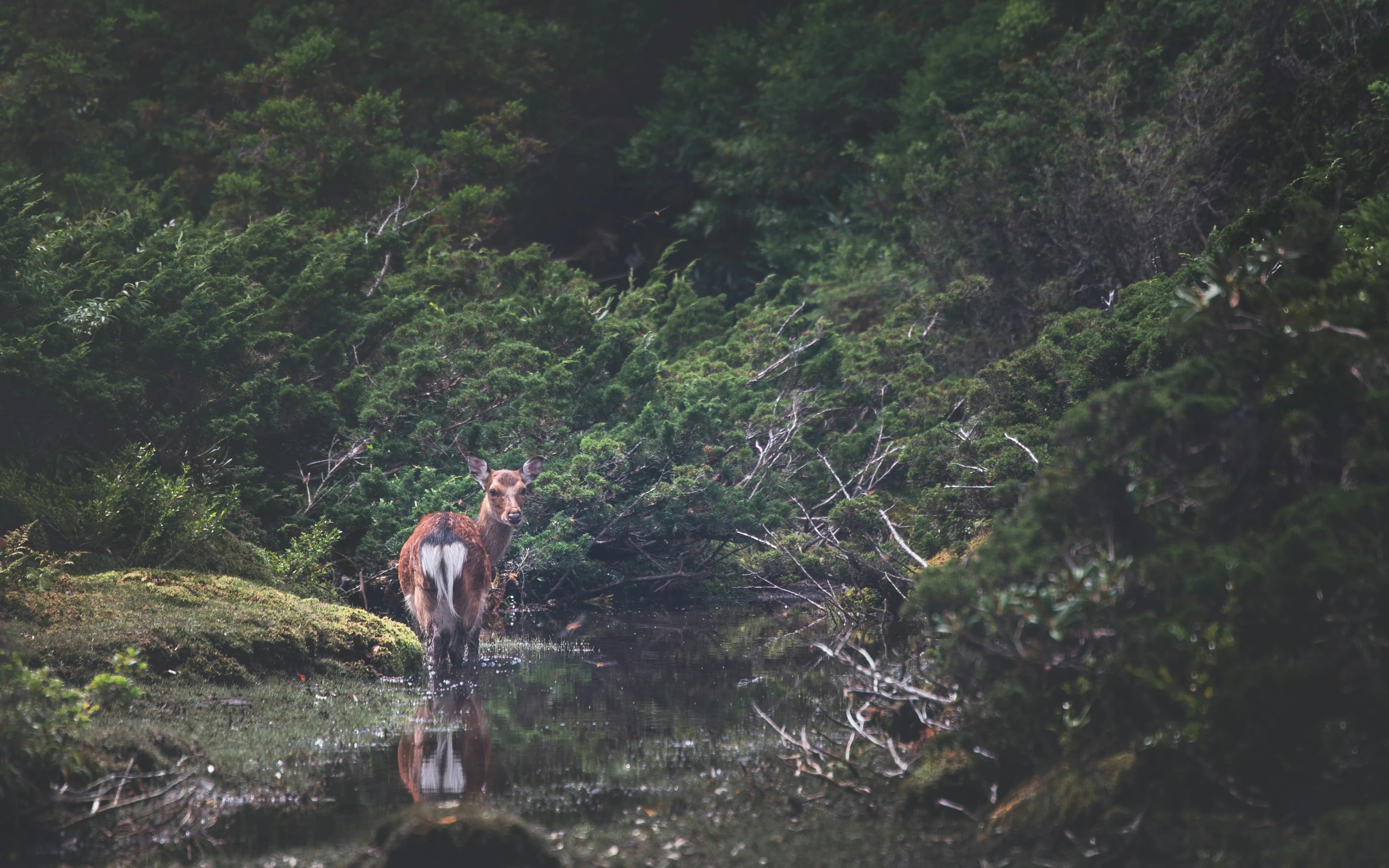
Prepare for Sunset and Avoid Wildlife: Deep forests get dark quickly as the sun sets early, so always bring a headlamp or flashlight. Never feed or provoke wild deer (Yakushika) or wild monkeys (Yakuzaru) encountered on the trails.
Hike with a Professional Guide: If you want to connect trails or lack confidence in your physical fitness, joining a local professional guided tour is highly recommended. Some hotels or ryokan offer exclusive guided tours for their guests, so check your accommodation's official website for details.