ForewordGuide to major attractions in Southern Tsushima
Izuhara is the center of Tsushima and its most bustling administrative and economic hub. While small compared to mainland cities, it is the only place on the island with 24-hour convenience stores and a concentration of late-night bars (izakayas).
Due to this convenience, it is a better base for enjoying nightlife than Hitakatsu and offers a wider range of accommodations, making it the most suitable hub for a Tsushima trip.
Furthermore, major historical sites like the Princess Deokhye Wedding Memorial are clustered around Izuhara Port. A major advantage of Izuhara is that most attractions are close together, allowing for a full tour on foot without needing a rental car or bicycle.
Tsushima Tourist Information Center (Fureaidokoro Tsushima)
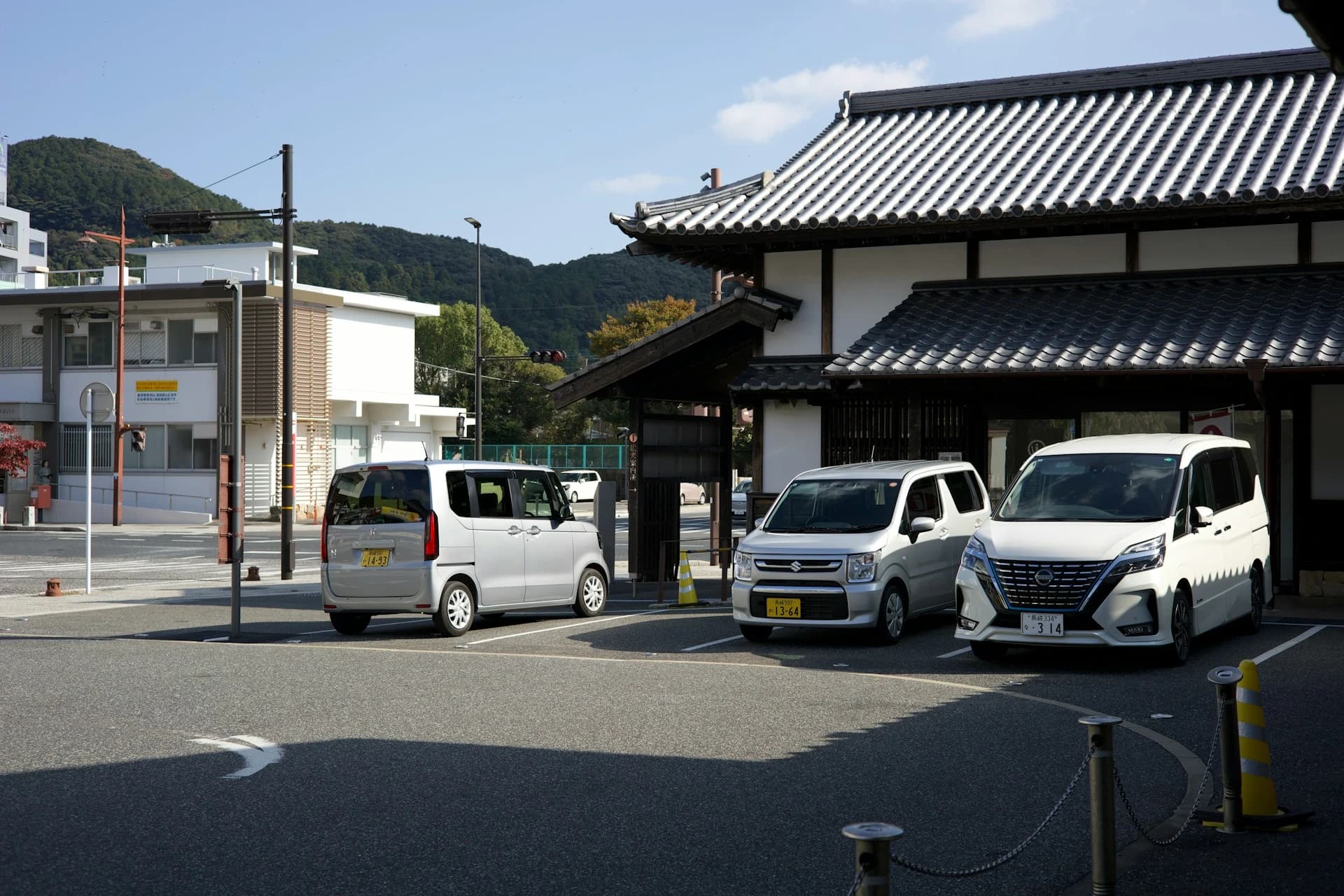
A Japanese-style building modeled after the "Nagayamon" gate of the Furukawa family, who were vassals of the Tsushima Lord. It serves as the primary hub for Izuhara sightseeing.
- Main Facilities:
- Information Center: Offers Korean pamphlets and travel consultations. (08:45–17:30)
- Tourism Room: Displays Tsushima’s history and nature; features a life-sized Tsushima leopard cat plush for photos. (09:00–17:00)
- Specialty Room: Sells various souvenirs including processed agricultural products, snacks, and goods. (09:00–18:00)
- Tsuninyan Kitchen: A restaurant where you can enjoy lunch made with Tsushima ingredients. (11:00–16:30)
- Convenience Features:
- 24-hour Restrooms: Restrooms outside the facility are available at all times.
- Transport Hub: A bus stop is on-site, and electric bicycle rentals are available.
- Closed: Year-end/New Year (Dec 29 – Jan 3).
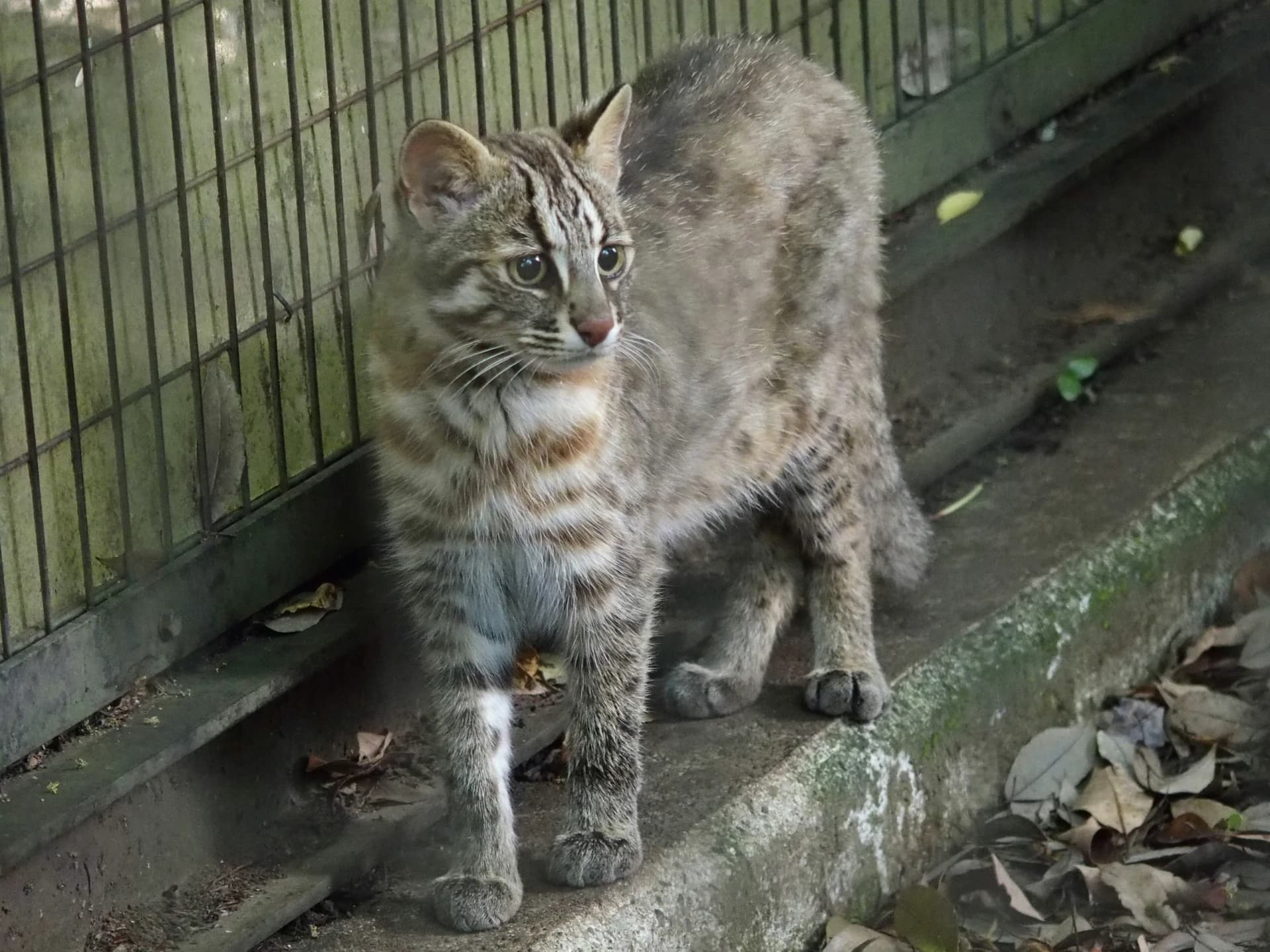
The Tsushima leopard cat is a subspecies of the leopard cat believed to have crossed from the continent about 100,000 years ago. It is a rare wild animal that lives only on Tsushima within Japan.
In Japan, they are called Yamaneko (mountain cat). They differ from house cats by their spotted patterns, vertical forehead stripes, and distinct white spots on the back of their ears. They are currently designated as Critically Endangered (Class IA) and a National Natural Monument.
Tsushima Museum
Opened in April 2022 in downtown Izuhara, this is Tsushima's latest national-level museum. It systematically exhibits Tsushima's unique history and evidence of exchange between Korea and Japan from ancient times to the early modern period.
The sophisticated exterior of the museum is a modern reinterpretation of Tsushima's traditional architectural style. Don't miss the view of Izuhara through the large glass windows, which looks like an exhibit itself.
- Key Features:
- History of a Border Island: Explores Tsushima's role as a "mediator" between the continent and the Japanese archipelago through five themes.
- Joseon Tongsinsa Artifacts: Displays materials related to the Joseon Tongsinsa (diplomatic missions), which are listed on the UNESCO Memory of the World Register.
- Usage Info:
- Hours: 09:30 – 17:00 (Last entry 16:30)
- Closed: Every Thursday and Year-end/New Year (Dec 28 – Jan 3)
- If Thursday is a holiday, it closes on the next weekday.
- Fee: Adults 550 JPY, Students 220–330 JPY (Special exhibitions extra).
If you visit the Tsushima Museum (550 JPY), Joseon Tongsinsa History Museum (220 JPY), Banshoin (300 JPY), and the Former Kaneishi Castle Garden (310 JPY) separately, it costs 1,380 JPY. However, with the Tsushima History Passport, you can visit all four for 900 JPY (Adults) or 510 JPY (Students).
- Available at: Tourist Information Center, Tsushima Museum, Joseon Tongsinsa History Museum.
The Tsushima Museum stands where the Koryomon (Korea Gate) was originally located. This gate was the symbolic site where the Tsushima Lord welcomed the Joseon Tongsinsa missions.
After being damaged by a typhoon in 1987, it was moved in 1989 but has now been reconstructed in front of Izuhara Kindergarten.
Current Koryomon LocationThe Tsushima Museum houses numerous artifacts, most notably the 'Gilt-bronze Seated Avalokitesvara Bodhisattva' from Kannoji Temple, which was returned after the Tsushima Buddha Statue Theft Case.
This case began in October 2012 when a South Korean theft ring stole three artifacts from Tsushima. While the Bronze Standing Tathagata Buddha was returned in 2015, the Gilt-bronze Seated Avalokitesvara Bodhisattva was embroiled in a long legal battle after Buseoksa Temple in Seosan claimed ownership. Following a final ruling, it was returned on May 12, 2025, and is currently exhibited at the Tsushima Museum.
As a result of this incident, the name of the local 'Tsushima Arirang Festival' was changed to the Izuhara Port Festival starting in 2014.
Kaneishi Castle East Gate Ruins
Kaneishi Castle was the residence of the So family, the lords of Tsushima. It is the center of historical exploration in downtown Izuhara.
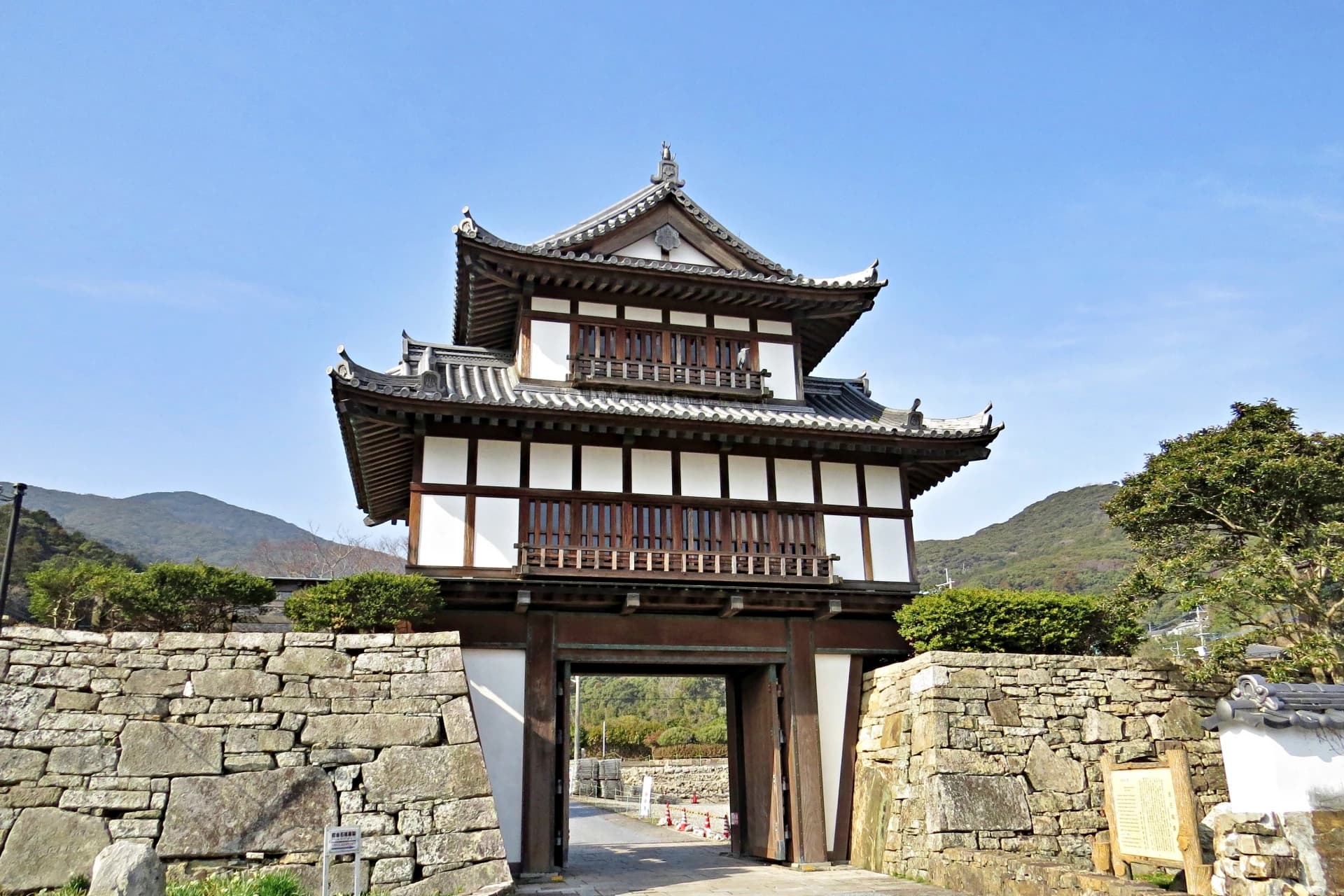
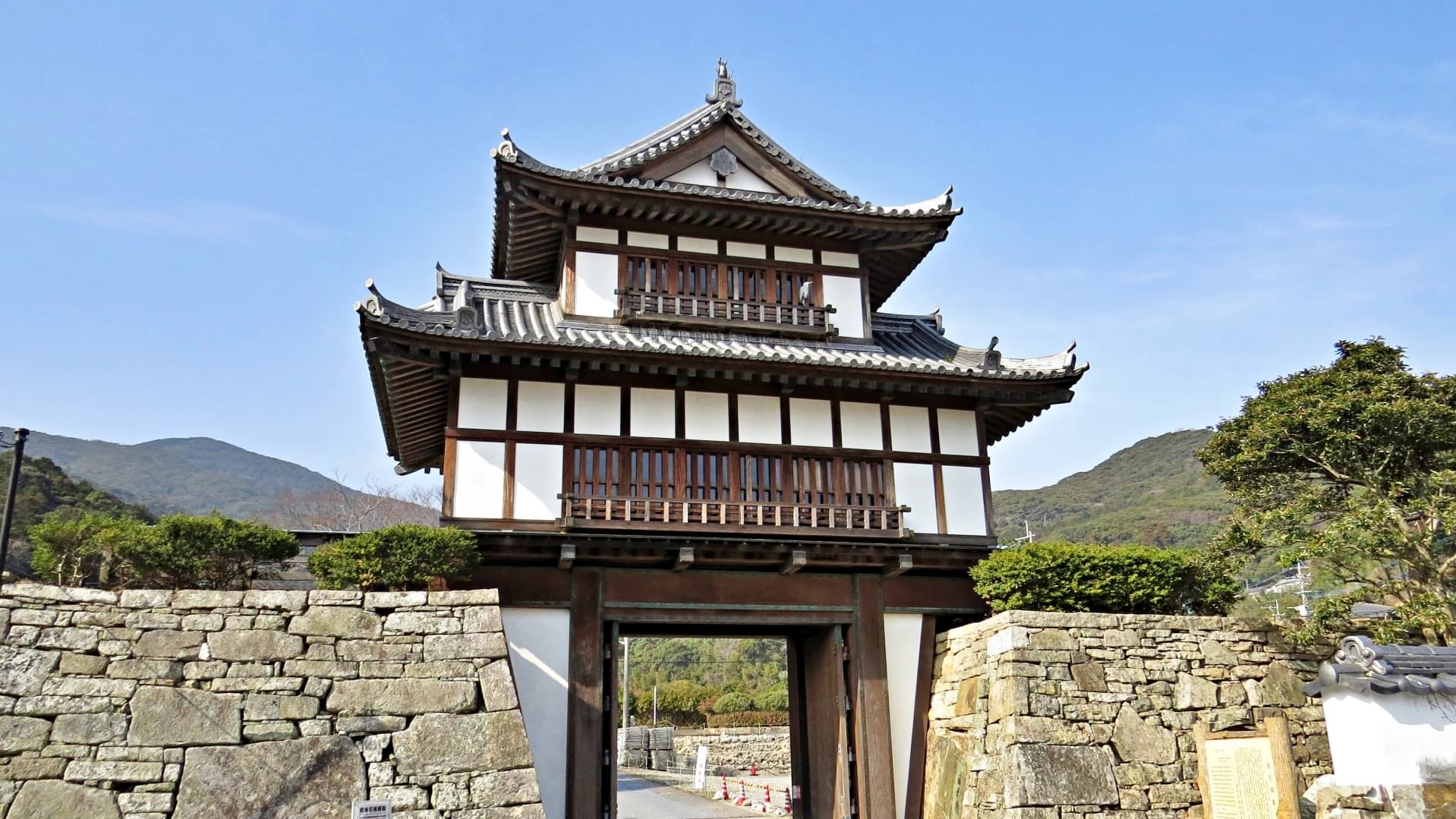
- History: Built in 1669 by the 3rd Lord, So Yoshizane. As a flatland castle, it functioned more as a lord’s residence and garden than a fortress. Today, parts of the stone walls and garden ruins remain.
- East Gate (Yaguramon): The main gate was dismantled in 1919 but reconstructed in 1990 using traditional methods. It is the grand wooden gate you encounter first when walking through Izuhara.
Princess Deokhye Wedding Memorial
A monument erected in 1931 by Koreans living in Tsushima to celebrate the marriage of Princess Deokhye, the last princess of the Joseon Dynasty, and Count So Takeyuki, a descendant of the Tsushima Lord.
- Historical Background: The only daughter of Emperor Gojong, Princess Deokhye was forced into an arranged marriage with the Tsushima family in May 1931 by Imperial Japan.
- Construction: Local Koreans built it at the entrance of Kaneishi Castle to celebrate the union.
- Restoration: The original monument was removed following the couple's divorce and political shifts but was rebuilt at its current location in 2001 by concerned citizens from both Korea and Japan.
For a deeper story on Princess Deokhye, refer to the section 'Historical Stories 99% of Tsushima Travelers Don't Know'.
Tsushima Joseon Tongsinsa History Museum
This museum introduces the history of the Joseon Tongsinsa—peaceful diplomatic envoys between Joseon and Japan—and Tsushima's role. Exhibits use panels, models, and videos to explain the missions, their UNESCO Memory of the World status, and cultural exchanges.
The main theme is the spirit of 'Seishin-no-kō' (Sincere and Trusting Exchange), advocated by Tsushima diplomat Amenomori Hoshu. It means "exchanging with a sincere heart without deceiving each other," a philosophy central to modern friendly relations.
- Usage Info:
- Hours: 09:30 – 17:00 (Last entry 16:30)
- Closed: Every Thursday and Year-end/New Year (Dec 28 – Jan 3).
- Fee: Adults 220 JPY, Students 110 JPY.
- Photography is prohibited inside, except in the costume experience corner.
Kaneishi Castle Garden
A Daimyo garden built within the castle grounds of the So family, now designated as a National Scenic Spot of Japan.
- Historical Background: Created in 1669, it was a high-status location used to entertain Joseon Tongsinsa missions.
- Style: A stroll garden with a pond. The pond is named 'Shinjichi' because its shape resembles the Chinese character for "heart" (心).
- Highlights: Beautiful seasonal flowers and trees; particularly famous for autumn foliage.
- Usage Info:
- Hours: 09:00 – 17:00 (Last entry 16:30)
- Closed: Every Tuesday and Thursday and Year-end/New Year (Dec 29 – Jan 3).
- Fee: Adults 310 JPY, Students 110 JPY.
Banshoin
The family temple and cemetery of the So family, the lords who ruled Tsushima. It is known as one of the most grand burial sites in Japan.
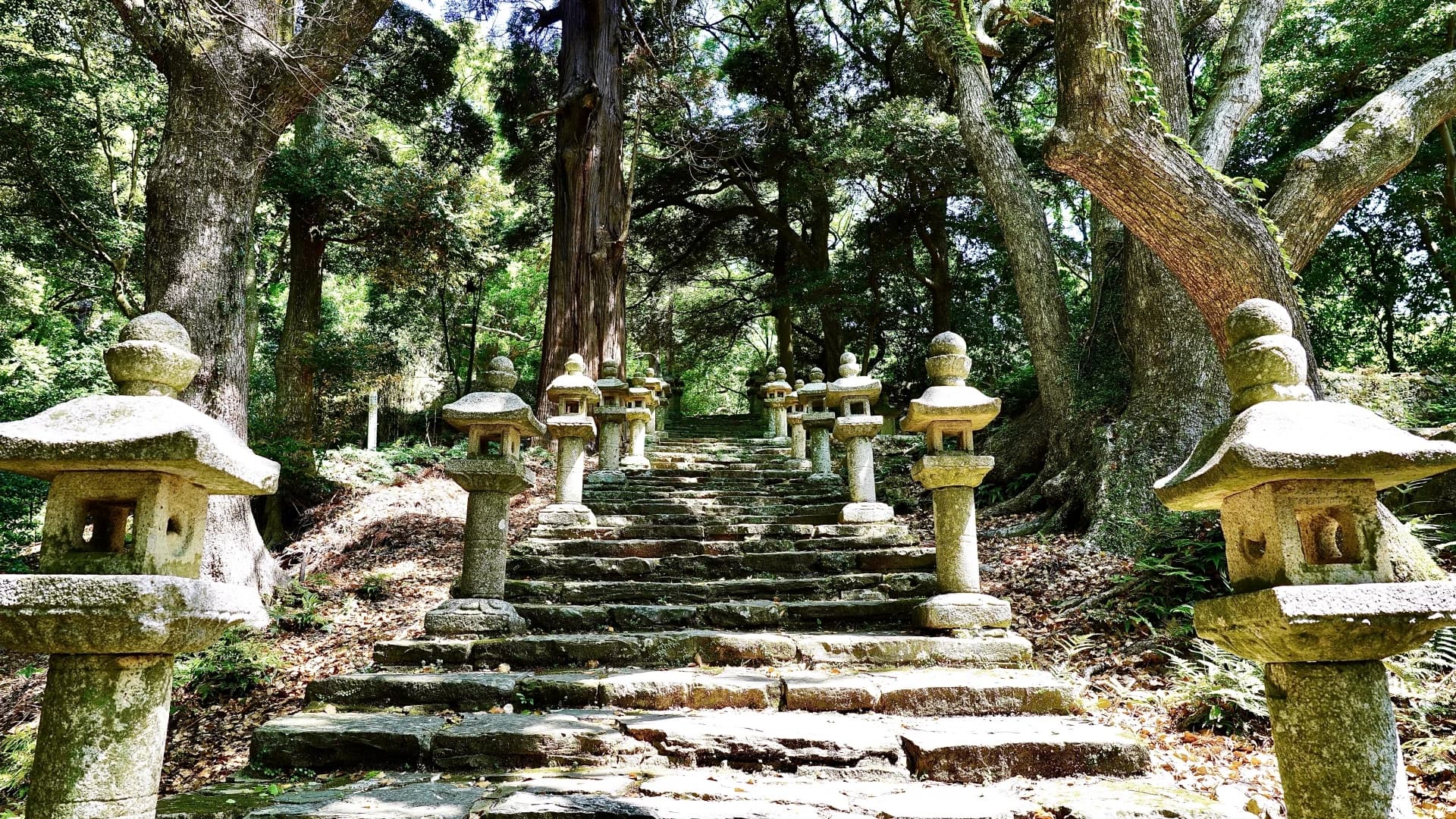
- History: Founded in 1615 by the 2nd Lord, So Yoshinari, to honor his father.
- Highlights:
- 132 Stone Steps: The long flight of stone steps from the entrance is the symbol of this site. The moss-covered steps offer a serene atmosphere.
- 1,200-year-old Trees: Three massive cedar trees, 1,200 years old, stand at the top of the cemetery, showing overwhelming vitality.
- So Takeyuki, Princess Deokhye's husband, is also interred here at Banshoin.
- Usage Info:
- Hours: 08:00 – 18:00 (May–Sept), 08:00 – 17:00 (Oct–Apr). Last entry 30 mins before closing.
- Fee: Adults 300 JPY, Students 100–200 JPY.
- Open year-round.
Seizanjji
A temple located on a hill overlooking Izuhara, which once served as lodging for the Joseon Tongsinsa missions.
- History: Founded by a monk named Zen-zan. During the Edo period, it served as an office (Iteian) for processing diplomatic documents between Joseon and Japan.
- Lodging for Envoys: The chief envoys of the missions stayed here. It was a meaningful place where scholars from both nations met to write poetry and engage in cultural exchange.
- Highlights:
- View: Its hilltop location provides a panoramic view of Izuhara Port and downtown.
- Quiet Garden: The well-maintained Japanese garden and silent atmosphere are perfect for meditation.
- Usage Info:
- Temple Stay: Currently operates as an accommodation where travelers can stay overnight and experience temple life.
Hachimangu Shrine
The representative shrine of Tsushima located in central Izuhara, dedicated to the guardian deity of fishermen and soldiers.
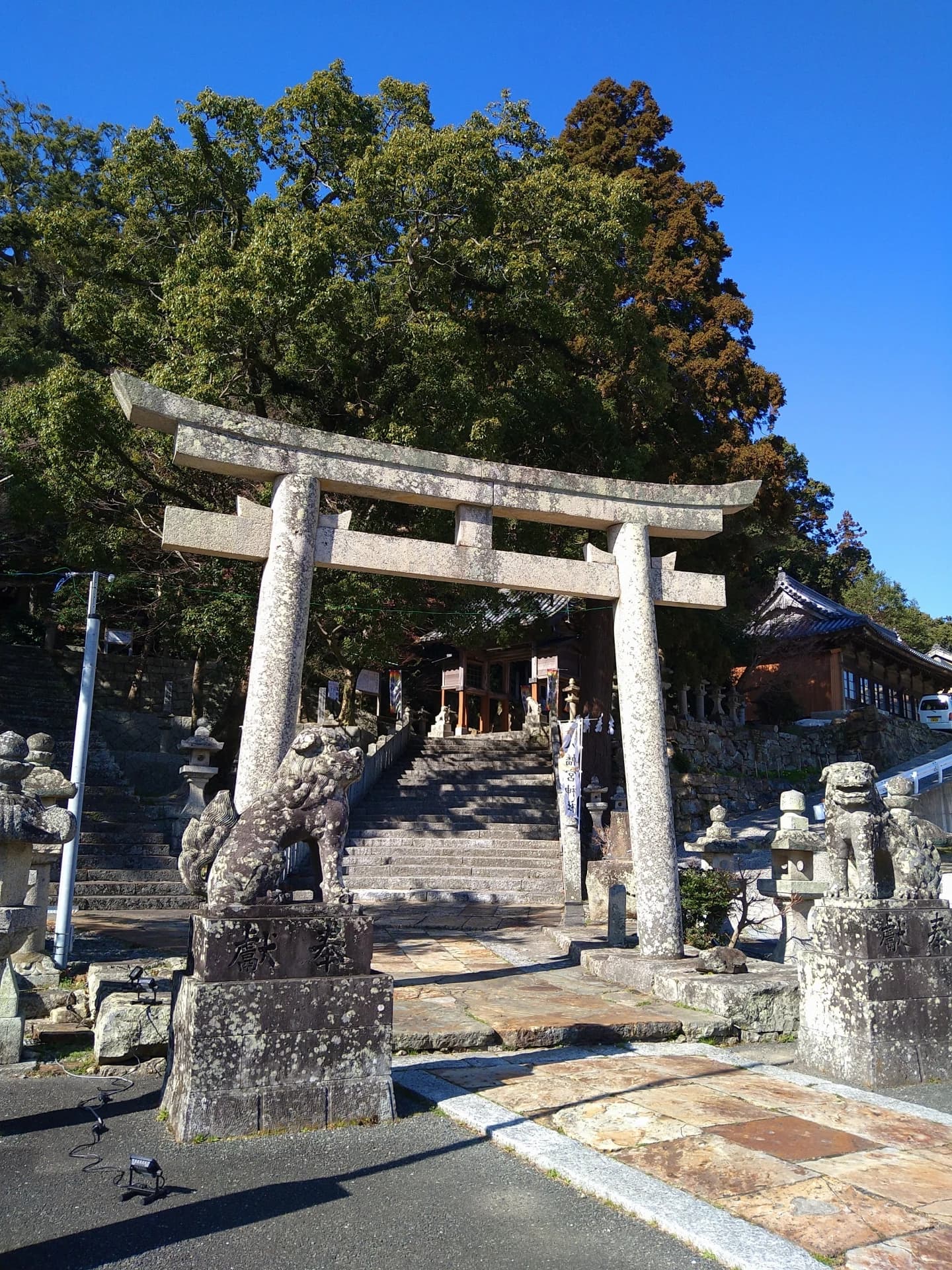
- History: Enshrines Emperor Ojin (Hachiman) and his mother, Empress Jingu. Note that Empress Jingu is a figure often associated with historical theories regarding ancient Japanese influence in the southern Korean Peninsula.
- Korean Influence 'Komainu':
- The lion-dog statues at the entrance are called Koma-inu (Korean dogs). The name indicates the style crossed over from the Korean Peninsula.
- Main Event: The "Izuhara Hachimangu Festival" is held annually on the 15th day of the 8th lunar month.
Like Watazumi Shrine, the main hall area of Hachimangu Shrine currently restricts entry for certain visitor groups. Check accessible areas before visiting.
Nakamura Samurai District and Stone Walls
Traces of the samurai residences that served the Tsushima Lord remain in the Nakamura district, preserving the quiet atmosphere of the Edo period.
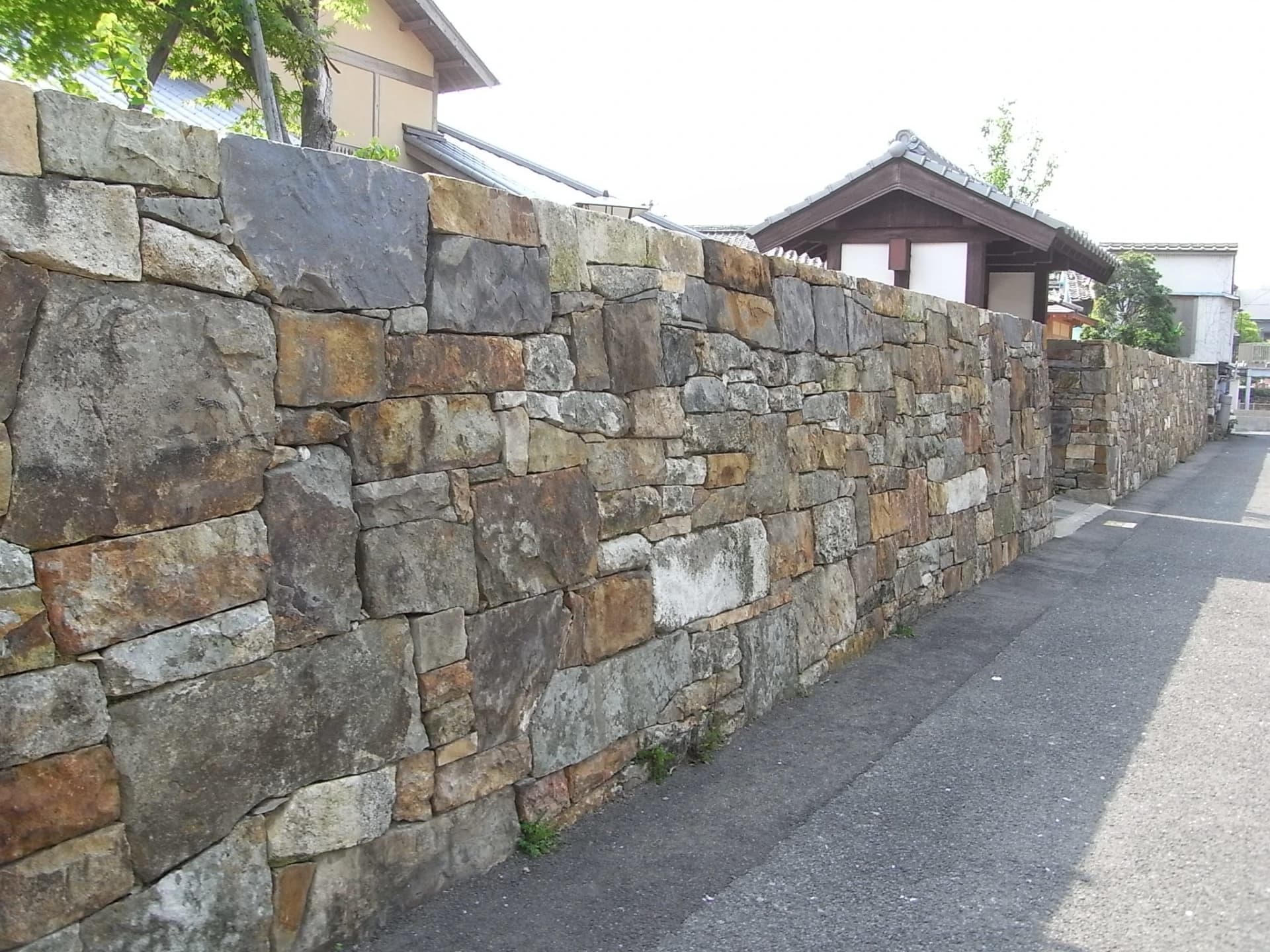
- Features: A residential area formed around Kaneishi Castle; the original layout and road widths are well-preserved.
- Tsushima-style Stone Walls: The highlight is the unique layered stone walls.
- Wind & Fire Protection: Being an island, high and solid walls were built to protect homes from strong sea winds and prevent the spread of fires.
- Natural Stone: The rustic appearance of unrefined natural stones stacked in layers symbolizes the spirit of the Tsushima samurai.
Choi Ik-hyeon Memorial (Syuzenji)
Within the grounds of Syuzenji Temple in downtown Izuhara stands a monument to Myeonam Choi Ik-hyeon, a prominent anti-Japanese resistance leader and Neo-Confucian scholar.
1. Myeonam Choi Ik-hyeon (1833–1906)
- Unbending Spirit: A prominent late Joseon scholar who famously stated, "You may cut off my neck, but you cannot cut my hair," resisting the "Haircutting Order." At age 74, he raised an army to resist the Eulsa Treaty.
- A Journey with Homeland Soil: Legend has it that when he was forcibly taken to Japan, he placed handfuls of his homeland's soil in his straw shoes so he would never have to step on Japanese ground.
- Exile and Death: While imprisoned in Tsushima, he began a hunger strike, refusing to eat food provided by his captors, and eventually passed away in exile.
2. Significance of the Monument
- Background: Although his remains were returned to Korea, the monument was erected in 1986 by citizens of both nations at Syuzenji, where his body was temporarily placed.
- Inscription: The front of the monument reads 'Memorial for Korean Choi Ik-hyeon', serving as a reminder of the nation's painful history and his patriotism.
Isaribi Park
Located on a hill near Izuhara Port, this park offers a panoramic view of the Tsushima Strait and the fishing boat lights at night.
- Isaribi (Fishing Fires): The park is named after the lights of boats used to lure squid at night. After dark, you can see dozens of lights scattered across the sea like stars.
- Free Foot Bath:
- Period: April – November (Closed in winter).
- Feature: You can use the foot bath for free while enjoying the ocean view. Bring your own towel.
- Facilities: Large lawn and walking paths, ideal for family picnics.
Since the slope from downtown Izuhara is steep, we recommend using a rental car or taxi. It is open 24 hours, making it a great spot for night views.
Tiara Mall
A complex shopping mall in the heart of Izuhara. It is the base camp for Tsushima travelers, where you can find souvenirs, meals, and a place to rest.
- Shopping & Tax-Free: MUJI and the drugstore Matsumoto Kiyoshi offer tax-free shopping for purchases over 5,500 JPY. Note that the MaxValu supermarket does not offer tax-free service.
- Hours: The supermarket typically operates 09:00 – 20:00, though times vary by shop.
- Transport Hub: The Izuhara Bus Terminal is right in front, serving as the hub for travel to Hitakatsu and other regions.