Did Sweet Potatoes Come from Tsushima?The origin and journey of the sweet potato, the crop that solved food shortages
1. The Start of Sweet Potato Cultivation
Sweet potato cultivation in Tsushima began in 1714 (Shotoku 4) during the mid-Edo period. Records from the Tsushima Domain show that they initially tried to grow Ryukyu-imo purchased from Nagasaki across the island, but the first attempts failed.
2. Success and Island-wide Distribution
The following year, in 1715 (Shotoku 5), Saburoemon Harada from Inago Kuhara Village succeeded in cultivation. The domain put him in charge of teaching others the methods, leading to successful harvests in various regions and spreading the crop across Tsushima.
3. Origin of the Name 'Koko-imo'
In Tsushima, where a lack of rice paddies led to chronic food shortages, the spread of sweet potatoes was a turning point.
- Koko-imo (Filial Piety Potato): Residents began calling it Koko-imo to signify it as a grateful crop that saved people from famine.
- While mainland Japan calls it 'Satsuma-imo', Tsushima still uses the name Koko-imo today.
4. Introduction to Joseon and Jo Eom’s Role
About 50 years later, in 1763 (King Yeongjo’s 39th year), sweet potatoes were introduced to Joseon (Korea) by Jo Eom, a chief envoy of the Joseon Tongsinsa.
- Route of Introduction: While staying in Tsushima on his way to Edo, Jo Eom discovered the utility of sweet potatoes. He secured seeds and sent them to Busan Port first. They were first grown on Jeoryeongdo Island (now Yeongdo) in Busan, earning the name Jonaegi.
- Etymology: In his diary, Haesa Ilgi, Jo Eom recorded the vegetable as Gogwima, modeled after the Japanese pronunciation of 'Koko-imo'. This became the origin of the modern Korean word 'Goguma'.
5. Establishing a Famine Relief Crop
As Joseon was also suffering from chronic bad harvests, sweet potatoes gained high expectations as a famine relief crop. Despite initial difficulties with unfamiliar farming methods, they spread nationwide thanks to systematic efforts, such as Kang Pil-ri's book Gamjeobo.
Tsushima-style Seasoned Grilled Pork: TonchanTsushima's soul food born from a blend of Korean seasoning and Japanese ingredients
1. Birth and History of Tonchan
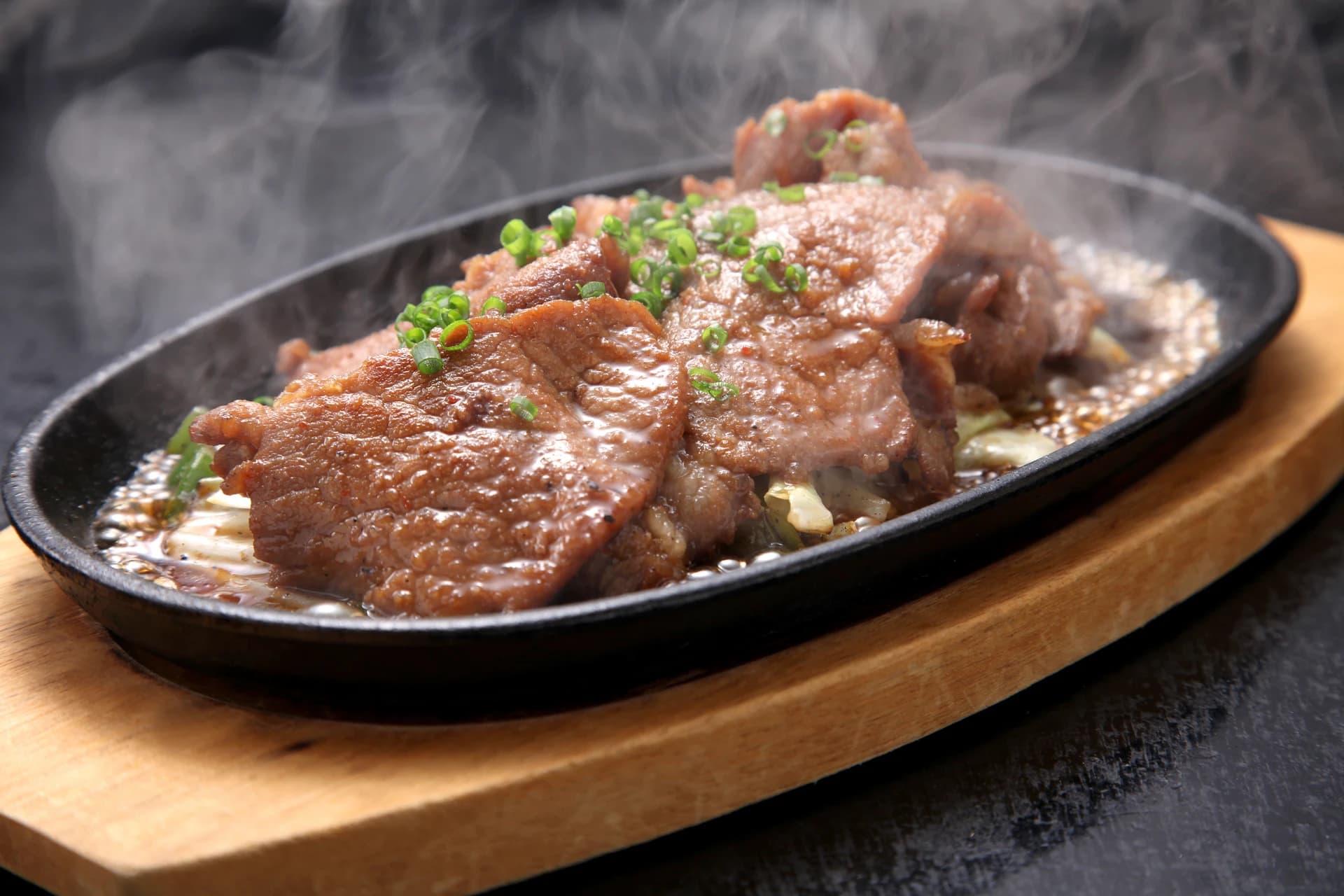
Tonchan started in the Kami-tsushima region of northern Tsushima shortly after World War II. It was created when Zainichi Koreans living there introduced the Korean style of marinating and grilling meat.
- The Flavor Profile: Initially, it used a Korean-style seasoning of soy sauce, garlic, and sesame oil. Over time, miso (soybean paste) and sugar—popular in Japan—were added. This created the uniquely sweet and salty taste found today.
- The Name: The name comes from 'Ton' (the Japanese word for pork) and 'chan' (a friendly Japanese suffix).
2. From Local Dish to National Fame
What started as a simple home-cooked meal eventually became Tsushima's signature dish. In 2012, it gained national recognition after winning second place in the B-1 Grand Prix, a famous Japanese regional food competition.
3. How to Enjoy Tonchan
Tonchan is similar to Korean pork bulgogi but features a sweeter, richer taste. It typically uses pork shoulder or loin.
- Cooking Method: Grill the meat on a griddle along with fresh vegetables like cabbage, bean sprouts, and onions.
- Local Tip: A popular way to finish the meal is to stir-fry udon noodles in the remaining sauce after eating the meat and vegetables.
Tsushima Specialty: KasumakiA symbol of tradition and hospitality
1. Characteristics and Origin
Kasumaki gets its name from combining Castella (sponge cake) and Maki (to roll). It is a sweet snack where soft cake is rolled around a thick filling of red bean paste (either black or white bean). It is known for its heavy, sweet flavor.
2. Historical Background
It originated during the Edo period as a luxury confection served by residents to welcome the local Lord (Daimyo) returning from his Sankin-kotai (alternate attendance) duty in Edo after three years. Because Tsushima could easily obtain sugar—a precious import—through trade with Nagasaki, this sweet specialty was born.
3. Modern Kasumaki
Today, it is an essential souvenir and a traditional food for special occasions. It has evolved into various forms, including versions with matcha dough, coffee or matcha fillings, and small, bite-sized portions for easy carrying.
Tsushima Burger (対馬バーガー)
This unique handmade burger uses fresh seafood from Tsushima. Its most distinct feature is the addition of squid and hijiki seaweed to the patty.
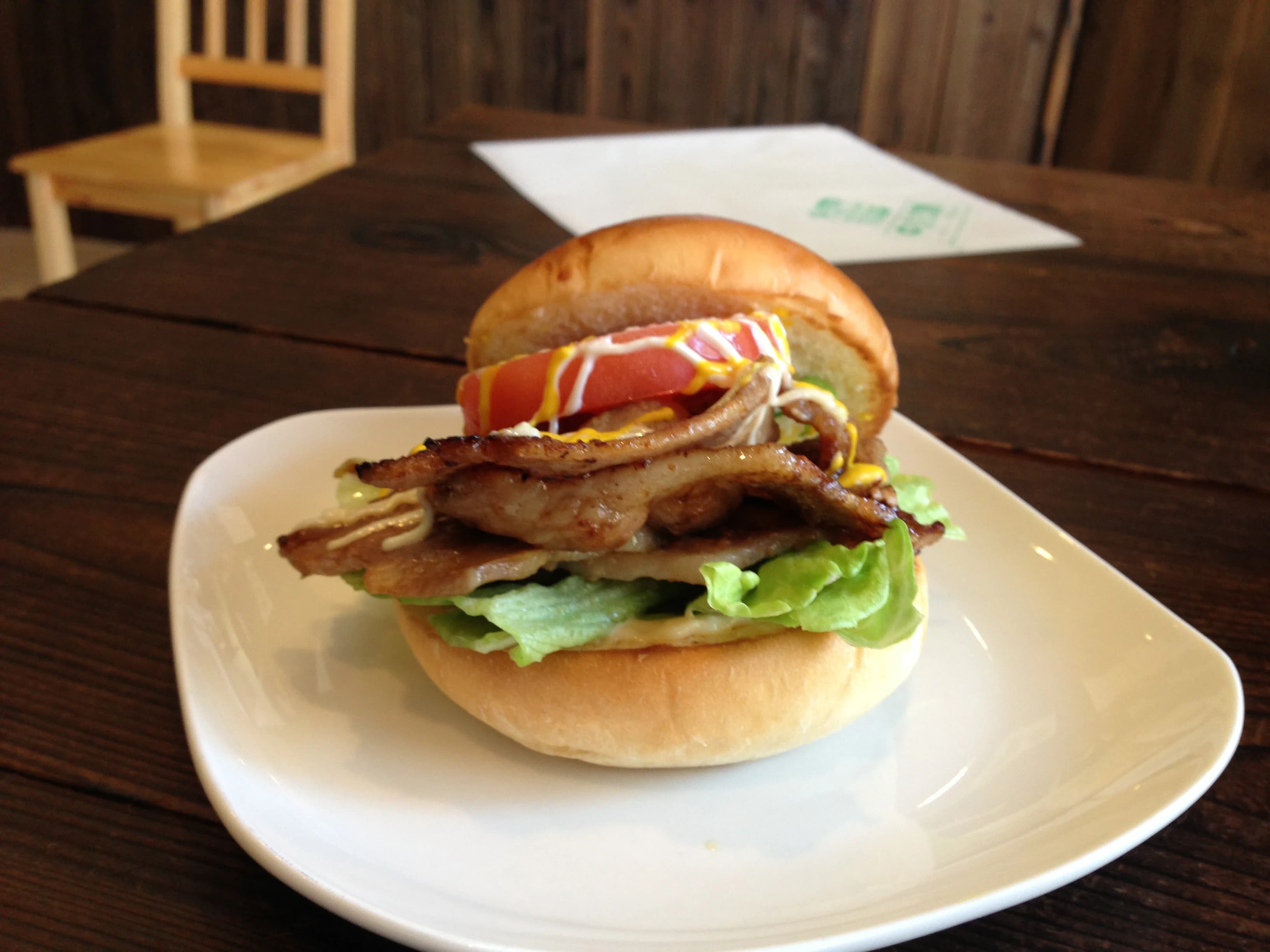
- Features: The chewy texture of the squid and the ocean scent of the hijiki provide a taste different from standard burgers.
- Tip: KIYO in downtown Izuhara is the most famous shop for this burger.
Traditional Sweet Potato Noodles: RokubeA rustic, simple flavor containing the wisdom used to survive famine
1. Background of Rokube
The history of Rokube dates back about 200 years to the mid-Edo period. Since Tsushima’s soil was poor and rice farming was difficult, sweet potatoes were the primary food source.
- Overcoming Famine: During the Tenmei Famine in the late 1700s, people in Tsushima began making noodles from sweet potato powder. This was the beginning of Rokube.
2. Origin of the Name
The most popular theory is that the dish was named after the person who first created it.
- Farmer Rokube: It is said that a farmer named Rokube from the Shimabara region of Kyushu developed the method of making noodles from sweet potatoes during a famine, and the recipe reached Tsushima. Both Tsushima and Shimabara preserve Rokube as a precious traditional dish today.
3. The Process of Making Rokube
Unlike regular noodles, Rokube is made in a unique way using sweet potato starch.
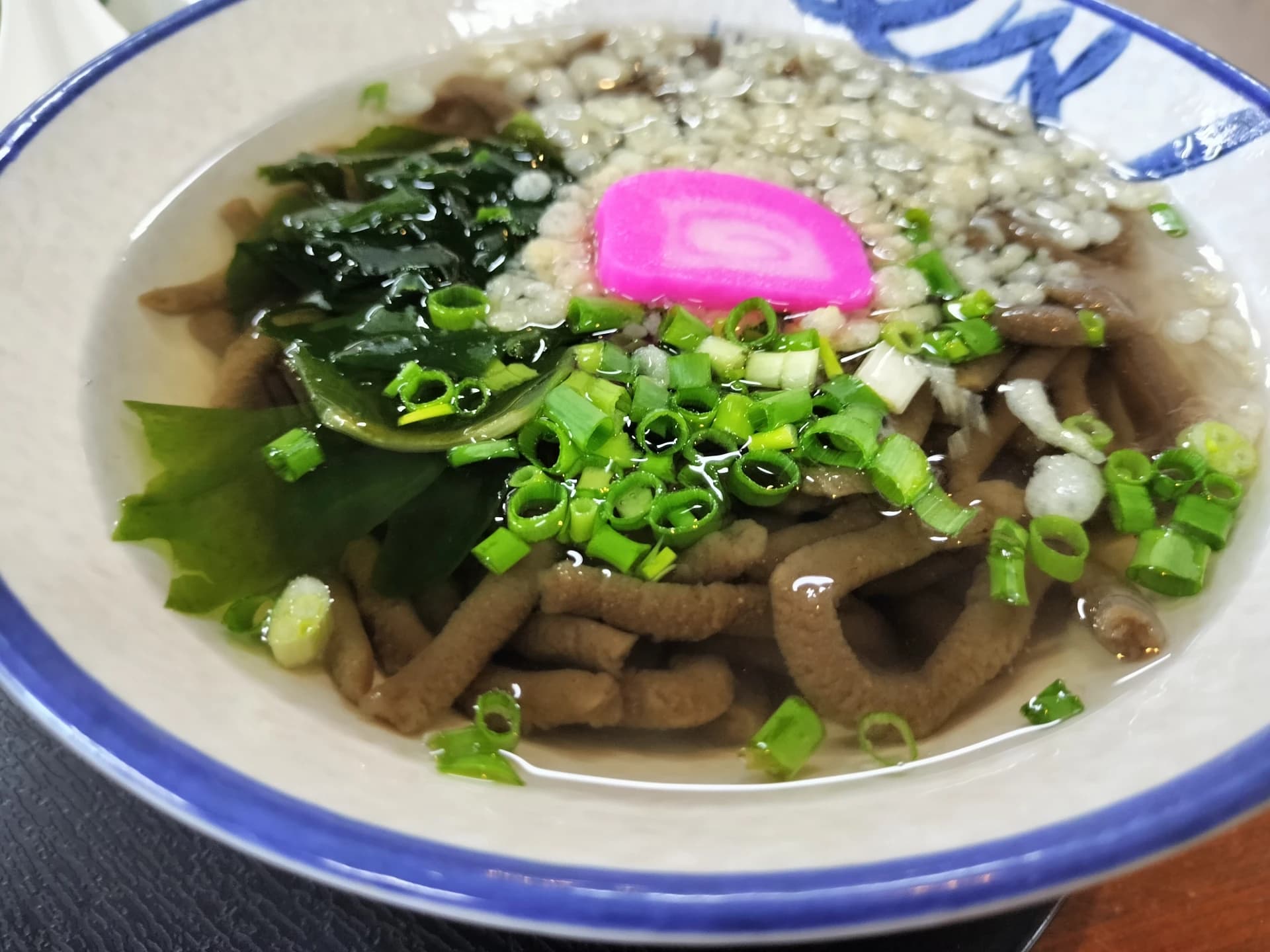
- Fermented Dough (Sen): Fresh sweet potatoes are grated, fermented in water, and the sediment is rolled into balls and dried. This is called Sen. The powder is then kneaded with hot water.
- Making Noodles: The dough is pressed through a frame with holes, letting thick, short noodles fall directly into boiling water.
- Taste and Texture: The noodles are dark brown and have a rough, crumbly texture. They are usually served in a clear, simple broth made from fish.
Flavor of the Tsushima Coast: IshiyakiFresh seafood grilled on stones heated to high temperatures
1. Origin of Ishiyaki
Ishiyaki began long ago as a meal for fishermen working on the Tsushima coast. After fishing, they would build a fire on the beach, heat up nearby stones, and grill their fresh catch.
- Natural Griddle, Quartz Porphyry: The quartz porphyry found easily in Tsushima is resistant to heat, doesn't break easily, and retains heat for a long time. These stones act as excellent natural griddles that cook the food evenly.
2. Hospitality Culture for Special Guests
What started as a simple fisherman's meal evolved into Tsushima's unique hospitality (Omotenashi) culture.
- Abundant Ingredients: It became a special dish served to honored guests, featuring seasonal fish like sea bream and yellowtail, along with fresh seafood like turban shells and scallops.
- Special Seasoning: While it was originally grilled with just salt, it eventually evolved into the current method of dipping ingredients into a special sauce made of soy sauce, miso, sugar, and garlic before grilling.
3. The Ishiyaki Experience
Ishiyaki is a sensory experience, including the sound and aroma of ingredients cooking on the stone.
- Heating the Stones: Stones are heated to a high temperature of over 200°C.
- Grilling: The sizzling sound and savory aroma of the seasoned fish hitting the stone stimulate the appetite. The key is to grill the fish without letting it stick to the stone.
- Finishing: After eating the seafood, vegetables are often stir-fried in the remaining sauce and oil on the stone.
It usually takes over an hour to properly heat the stones. Therefore, if you want to try Ishiyaki, you must make a reservation before visiting the restaurant.
Japan’s Top Sea Eel Origin: Tsushima AnagoThe nutritional specialty of Tsushima, boasting Japan's highest catch volume
1. Japan’s Largest Anago Producer, Tsushima
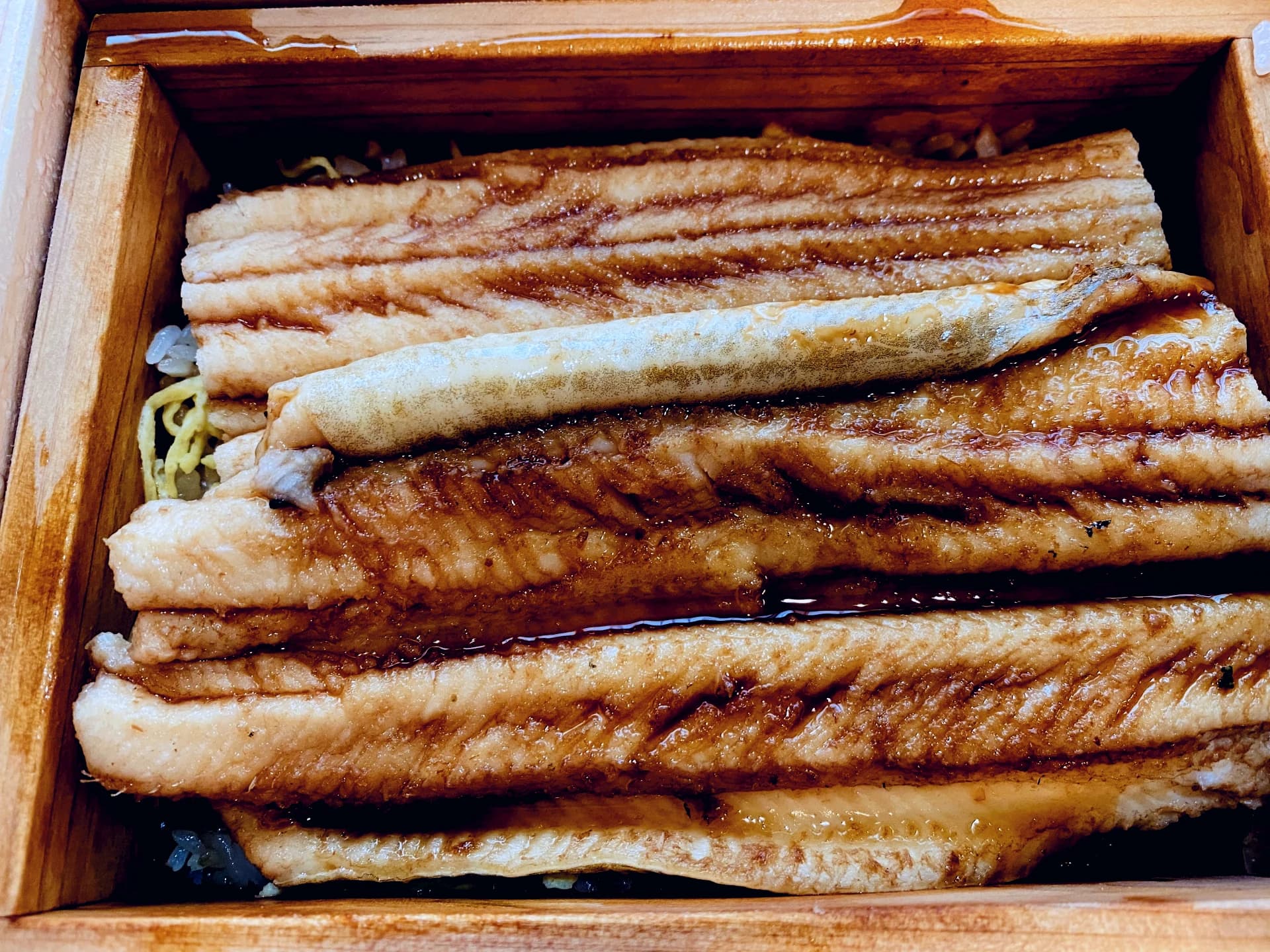
Tsushima is officially the top producer of Anago (sea eel) in Japan. Most of the Anago caught in Nagasaki Prefecture—which has the highest catch in Japan—comes from Tsushima. It is effectively the Anago capital of Japan.
- Strict Quality Control: Tsushima fishermen use traps and lines to catch Anago carefully to avoid scarring. Thanks to this, Tsushima Anago consistently maintains premium quality.
2. Taste and Nutrition: Difference from Freshwater Eel
Anago is not only mild in flavor but also highly nutritious. Compared to freshwater eel (Unagi), it has the following features:
- Clean Taste: It has less than half the fat of freshwater eel. It is perfect for those who prefer a clean, light taste over an oily one.
- Rich Nutrients: It is packed with Vitamins A, E, and D, as well as DHA. This helps skin health and is effective for eye health and vision protection.
3. Various Anago Dishes in Tsushima
Visiting an Anago restaurant is a must during a trip to Tsushima. You can enjoy it in many ways beyond just grilling.
- Meal Menus: Popular options include Anago Tendon (crispy tempura bowl), Anago Sushi, and Anago Ramen, known for its deep broth flavor.
- Side Dishes and Snacks: Lightly grilled Anago makes a great side dish, and dried Anago products are perfect as light snacks or souvenirs.