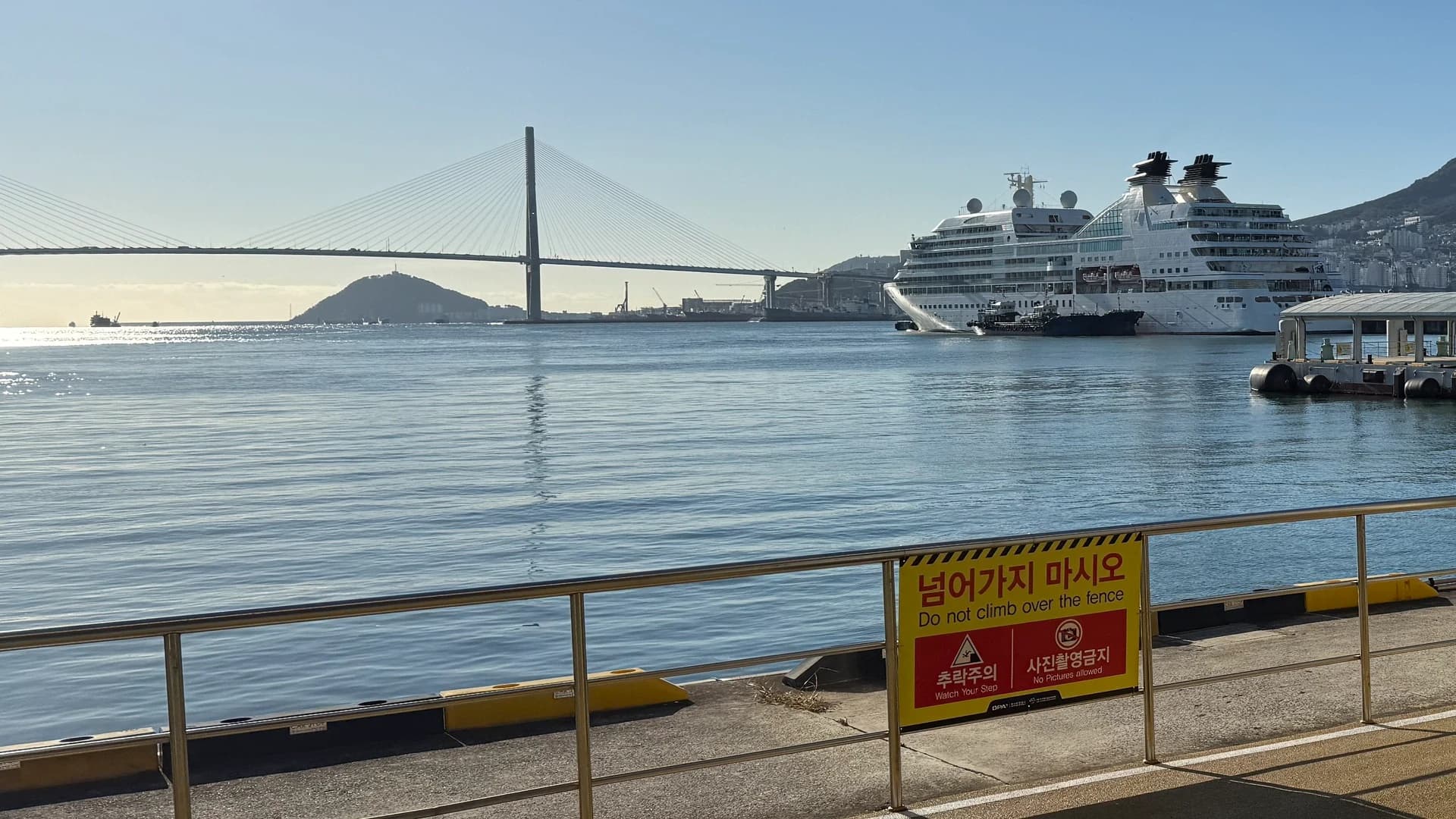
Essential Checklist & Precautions Before Traveling to TsushimaComplete guide on ferry cancellations, cash preparation, local etiquette, and required documents
1. Possible Schedule Changes Due to Weather
Since Tsushima is reached by sea, travel is heavily affected by the weather. In particular, for 1-night, 2-day trips, there is a risk that the return ferry may be canceled. Since this could lead to an unexpected stay, it is essential to check the weather forecast and prepare extra funds when planning your trip.
Using sites like Windy.com is very helpful for checking real-time wave height predictions and identifying potential cancellations in advance.
Go to Windy.comWhile it depends on the specific situation, there is a high probability of cancellation if wave heights reach 2.5–3m or higher.
2. Prepare Cash Over Cards
When using buses or taxis in Tsushima, only cash payments are accepted. In Hitakatsu, the only ATM available for cash withdrawals is at the post office. In Izuhara, ATMs are also limited to the post office and some convenience stores.
- Hitakatsu Post Office: Weekdays 08:45 – 18:00, Weekends/Holidays 09:00 – 17:00
- Izuhara Post Office: Weekdays 08:00 – 20:00, Weekends/Holidays 09:00 – 20:00
- Izuhara Convenience Stores: 24 hours
Card payments are mostly limited to large supermarkets or drugstores. Most restaurants and cafes only accept cash. Therefore, it is highly recommended to carry more cash than you might when traveling to other parts of Japan.
3. Prepare for Seasickness
The Tsushima Strait between Busan and Tsushima often has high waves. Since this can cause severe seasickness, it is recommended to take seasickness medication in advance, even if you don't usually feel sick. Taking medication 30 minutes to 1 hour before boarding is most effective.
4. Precautions for Restaurants and Shrines
When preparing for a Tsushima trip, you may find information about facilities with restricted access for foreign tourists. While some restaurants currently do not take international reservations—often because the elderly owners cannot provide service in foreign languages—some places have restricted access due to past issues with visitor manners.
In particular, Watazumi Shrine and the main hall of Hachimangu Shrine currently restrict entry for certain tourist groups. As reported in the media regarding Watazumi Shrine, these measures were taken due to inappropriate behavior within the religious grounds.
Japanese shrines are solemn religious sites, similar to temples or churches. It is necessary to remain quiet and respect the local culture. Following basic etiquette is essential for a smooth and respectful journey.
5. Required Documents for Minors
Minors aged 16 and older traveling without a parent require supporting documents. For immigration and local safety, you must carry a Parental Consent Form and a Family Relationship Certificate. Boarding may be denied if documents are missing, so please check thoroughly in advance.
If minors are staying at a local accommodation alone, a separate "Accommodation Consent Form" is required. For more details on this form, please refer to Guidebook - Common 1 - Travel Prep.
6. Check Business Hours Before Visiting
In Tsushima, the business hours of restaurants and shops can be flexible, so it is necessary to check before you visit. In particular, during the New Year period (late Dec – early Jan), most facilities on the island close due to Japanese holiday traditions. Please be aware of large-scale closures when planning your trip during this time.
Since operating status changes frequently, it is best to check the announcements on the Tsushima Busan Office website before departure.
Additionally, because fewer places are open, certain facilities may experience reservation crowding. Please check in advance for any usage restrictions at museums, tourist centers, and major attractions.
Tsushima Busan Office Announcements7. Warnings When Eating Outdoors
Tsushima is a great place to buy a lunch box (bento) or fresh sashimi from a supermarket to enjoy at a beach or park when the weather is nice. However, there is one major ambush to watch out for: attacks by hawks (black kites).
- Watch the Skies: The hawks in Tsushima have excellent eyesight and are accustomed to stealing food from humans. If you are holding food, they will wait for an opportunity from above and suddenly swoop down to snatch it. There is a high risk of injury from their sharp talons during this process.
- Snacks are Targets: Not just lunch boxes, but light snacks like ice cream or bread are also targets. Families traveling with small children, who may be less attentive, need to be extra cautious.
- Prevention: It is safest to eat under a pavilion or a roof.
- Close the lid of your food or keep it in your bag when not eating.
- If hawks are circling nearby, it is best to avoid eating outdoors.
While cleaning up your trash is important etiquette, please keep an eye on the sky to avoid injury. Hawks are particularly active in wide-open areas like Isaribi Park or Miuda Beach.
How to Easily Plan Your Tsushima ItineraryOptimal routes based on transportation and duration
1. Basic Principles of Planning
Due to Tsushima's long north-south geography, choosing your transportation is the key to your itinerary. Follow these steps for an efficient plan:
- Decide on Accommodation and Transport: After deciding whether to stay overnight, choose whether to rent a car. With a rental car, you can explore the whole island freely. Without one, you should focus your route on the Hitakatsu or Izuhara downtown areas.
- Efficiency by Transport Type: For short distances in town, taking a taxi can be more economical than renting bicycles for a group of 3–4 people.
- Long-distance Warning: Traveling between Hitakatsu and Izuhara by taxi costs about 30,000 JPY one way. For this route, it is highly recommended to buy a bus pass and use the local bus.
2. Recommended Itinerary Examples
1) Hitakatsu Day Trip (Walking or Bicycle)
- Morning: Arrive at Hitakatsu Port → Rent a bicycle and have lunch nearby
- Afternoon: Visit Miuda Beach → Shop at supermarkets and drugstores
- Return: Walk around the port, duty-free shopping, and departure
2) Izuhara Day Trip (Mainly Walking)
- Morning: Arrive at Izuhara Port → Local lunch
- Afternoon: Visit Kaneishi Castle East Gate and the Princess Deokhye Wedding Memorial
- Return: Sightseeing in Izuhara town, shopping, and departure
3) 2 Days 1 Night (Using Public Transport)
- Note: Bus intervals are very long, so checking the timetable is essential.
- Day 1: Arrive at Hitakatsu Port → Lunch and visit Miuda Beach → Take a bus to Izuhara and stay overnight
- Day 2: Visit Banshoin Temple and town historical sites → Return to Hitakatsu for departure (If using Izuhara Port, shop in town then depart)
4) 3 Days 2 Nights (Using a Rental Car)
- Day 1: Arrive at Hitakatsu Port → Pick up rental car → Visit Miuda Beach, Korea Lookout, and Manzeki Lookout → Move to Izuhara
- Day 2: Tour Izuhara town historical sites and museums → Local shopping
- Day 3: Eboshidake Observatory → Nagisano-yu Onsen → Return rental car → Hitakatsu Port and departure
Detailed transportation methods are in the Transportation & Pass Guide, and detailed attraction info is in Guidebook Vol. 2.
Exclusive TourCast Tips!
Must-read for June–July / September–October Travelers
Thanks to its clean nature, Tsushima is a rare place in Japan where you can observe various types of fireflies. If you visit between early June to early July or mid-September to mid-October, don't miss this fantastic light show.
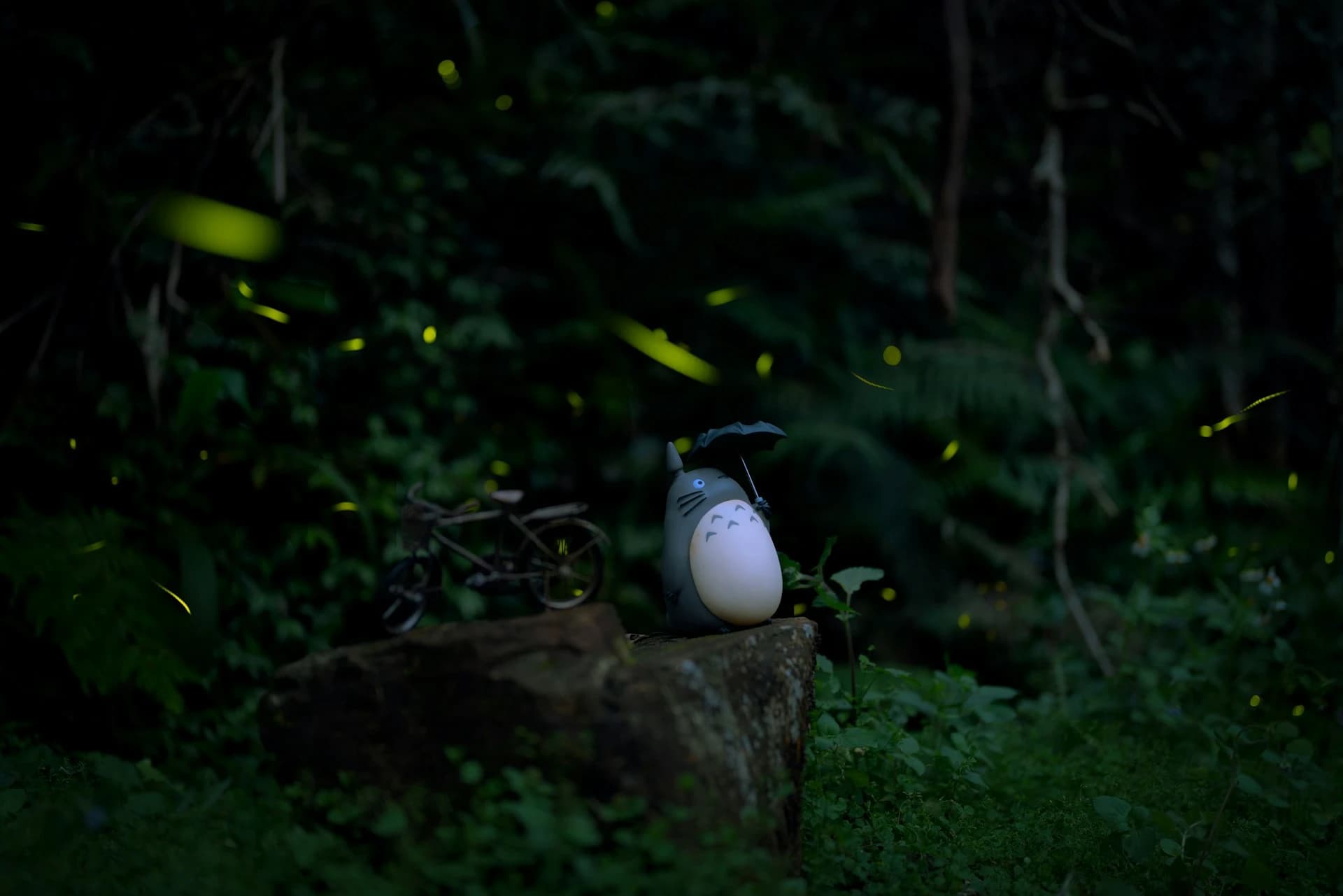
Firefly Watching Guide by Season
- Early Summer (June – Early July)
- Genji-botaru (Aquatic): Tsushima's representative firefly that flies over streams with a soft blink.
• Observation Time: 20:00 – 21:00 (Just after sunset)
• Key Points: Near streams such as Kechi, Mitsushima-machi (Yakimatsu area) and Kashine, Izuhara-machi (Ueyama area) - Tsushima-hime-botaru (Mountain): An endemic species of Tsushima that sparkles rapidly like jewels in the forest.
• Observation Time: Around 22:00 (Peak time)
• Key Points: Cedar forests or mountain areas rather than riverbanks
- Genji-botaru (Aquatic): Tsushima's representative firefly that flies over streams with a soft blink.
- Autumn (Mid-September – Mid-October)
- Akimado-botaru (Terrestrial): A rare continental firefly found only in Tsushima within Japan.
• Characteristics: Large body with a steady, soft glow. Wingless females emit light from the grass.
• Key Points: Near humid fields or rice paddies such as Tsutsuizaki, Izuhara-machi
- Akimado-botaru (Terrestrial): A rare continental firefly found only in Tsushima within Japan.
⚠️ Etiquette for Observation
- No Lights: Fireflies are very sensitive to artificial light. Never use smartphone flashes or flashlights.
- Keep Quiet: Loud noises disturb firefly activity and can bother local residents.
- Protect Nature: Do not catch them; enjoy them only with your eyes and leave nature as it is.
- Safety First: Riversides and forests at night have risks of falls or snakes. Avoid going deep into unknown areas alone.