Travel Preparation with ChatGPT: Limits You Must KnowChatGPT can give incorrect guidance due to hallucinations and limits on up-to-date information.
Recently, more travelers have been using AI tools like ChatGPT to prepare for trips or get help during travel.
However, these AI tools have a critical weakness: they can create convincing but false information, known as “hallucinations”. Because of this, if you trust incorrect details, you may end up more confused on the ground.
Also, even the latest public version of ChatGPT is based on information up to June 2024, so it may not reflect changes from the past year after that. When using ChatGPT, you should always keep these limits in mind.
In contrast, the main content in TourCast is continuously updated with the latest information. If you read it step by step from the beginning, it is designed to help you prepare your trip with much less worry.
You may even see a notice in ChatGPT that says “ChatGPT can make mistakes. Please double-check important information.”
Never Hold a Stranger’s LuggageA kind favor can become a crime
- At the airport, even if a stranger asks you to watch their bag “just for a moment” or to stay next to it while they go to the restroom, never agree.
- If illegal items such as drugs are found in that bag, you may not be able to avoid criminal responsibility even if you were “just helping.”
- Also, if someone offers you money and asks you to split their luggage and check it in for them, you should always refuse.
Recently, some online communities (such as travel forums) have posts asking someone to pick up an item left in a locker, hotel, or lost-and-found center in Japan in exchange for a reward.
However, if the item turns out to be illegal, you may face legal punishment even if it was only a favor. You should be extremely careful.
Beware of Spam Text MessagesWhy am I getting a ‘TEPCO’ message?
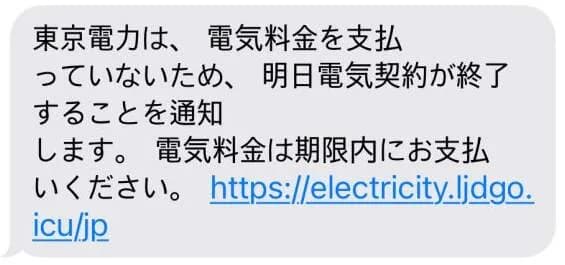
- In Japan, scam text messages (impersonation messages) are common. In particular, messages pretending to be TEPCO (Tokyo Electric Power Company) require extra caution.
- A typical example looks like this:
「東京電力は、電気料金を支払っていないため、明日電気契約が終了することを通知します。電気料金は期限内にお支払いください。」
(Tokyo Electric Power notifies you that your electricity contract will end tomorrow because you have not paid your bill. Please pay within the deadline.) - Even if it is not TEPCO, if you receive an unfamiliar message in Japanese, it is best to translate it first, then search the sender and the message content to verify it.
- If you tap the URL in the message and enter card information, you can suffer financial loss, so never enter your details.
Always Carry Your PassportIf police check your ID and you don’t have it, it can be serious
- Some travelers keep their passport in the hotel safe to protect it from theft or loss. However, mistakes like leaving the passport in the safe and heading to the airport happen more often than expected, so be careful.
- In Japan, police may ask for ID without notice. If you cannot show your passport, you may be required to go with them to a police station, so it is best to carry your passport at all times when abroad.
- You must show your passport to receive tax-free shopping at participating stores. If you always carry it, you can get tax-free benefits even for unplanned shopping.
Prohibited Items Under CITESLeather, ivory, and more can lead to criminal penalties
Japan strictly follows the Convention on International Trade in Endangered Species (CITES). Because of this, bringing certain animal-based products into Japan is prohibited.
- Crocodile leather products (bags, belts, watch straps, etc.)
- Snake leather products (boots, wallets, etc.)
- Ivory (elephant tusk) ornaments or accessories
- Products made from fur or skin of endangered animals such as tigers and leopards
If you enter Japan with these items, you may face customs seizure, fines, or even criminal penalties, so you should be very careful.
Some general leather products (cow, pig, sheep, etc.) may be allowed depending on processing, but bringing them in without prior declaration may still cause issues at quarantine inspection. If possible, it is best not to carry leather products.
In winter, you may pack items like leather gloves without thinking. Check the material in advance and be careful.
Phone Charging EtiquettePlugging in without thinking can make you look rude
- In Japan, using an outlet without the shop owner’s or staff’s permission is considered very rude. (Depending on the situation, it may even lead to legal responsibility.)
- If you urgently need to charge, some large chains such as Starbucks, Doutor, and McDonald’s may allow charging at certain locations. Always ask staff first.
- A power bank is considered an essential item for Japan travel.
- However, you may be able to use charging desks in public facilities, or outlets on some trains and buses, depending on the service.
Exclusive TourCast Tips!
If You Urgently Need a Power Bank
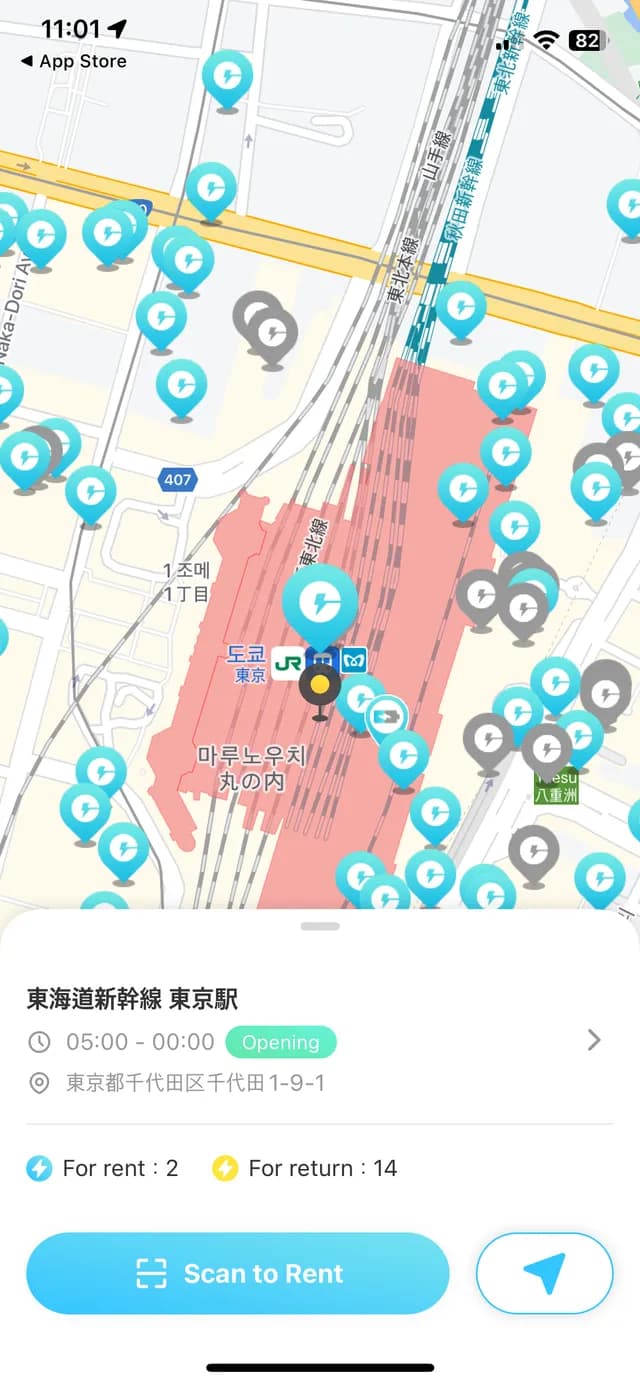
If you urgently need a power bank, you can use the 'ChargeSPOT' app to rent one easily at convenience stores.
Charging cables compatible with most smartphones are included, and you can return it at a different location from where you rented it.
To return it, open the app and insert it into an empty slot (For return), and payment will be processed automatically.
- Install the app and log in
- Register a payment card
- Use the map to check For rent availability at nearby stations
- Scan the QR code on the device to rent
- You can return it anywhere with a For return slot
How to Handle TrashNo trash bins on the street in Japan?
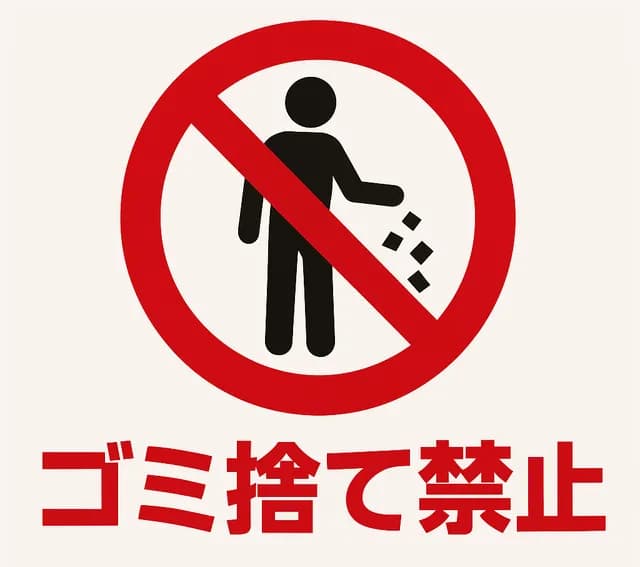
In Japan, it can be hard to find public trash bins. So how should you handle trash while you are out?
The best approach is to carry a small plastic bag, collect your trash, and throw it away in your accommodation’s trash bin. Around tourist areas, littering can result in a fine, so be especially careful.
Also, if you buy and eat something at a restaurant or convenience store, you can ask if they can dispose of the trash. In Japan, it is common manners to dispose of trash at the store where you bought and consumed the item.
🚬 Smokers should be especially careful. In Japan, many smokers carry a portable ashtray (携帯灰皿), and it is common manners to keep your cigarette butts with you.
If you do not follow this, you may be fined or targeted for enforcement, so bring a portable ashtray and smoke only in designated areas.
Women-Only Train Cars: What to KnowIf you don’t know, it can even lead to police questioning
Some train lines in Japan operate women-only cars during morning rush hours.
These cars are usually set as the first or last car of the train. They are generally for women, children in elementary school or younger, elderly passengers, and men with disabilities.
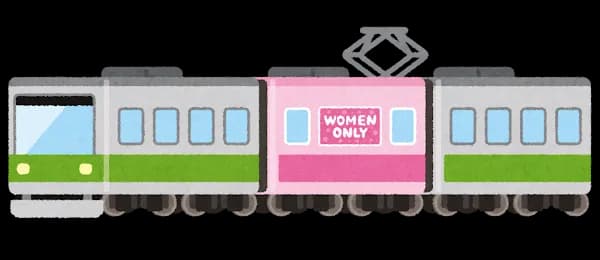
Operating times and rules vary by line, and the platform boarding area usually shows a pink marking and the operating hours. Always check before boarding.
If you enter by mistake without knowing the time period, staff may stop you, and in serious cases, it may even lead to police questioning. Be especially careful if you travel during the busy morning period.
Restaurant EtiquetteJapanese dining manners that are slightly different from Korea
- In Japan, even if seats look available, it is basic manners to wait for staff guidance before sitting. Wait to be seated and then move to your table.
- When staff ask “何名様ですか? (Nanmei-sama desu ka?)”, you can show the number of people with your fingers.
- One person, one menu item is basic manners in Japan. Even if a children’s menu is available, sharing one adult dish is generally not recommended.
- If you need wet wipes or napkins, you should ask for “tissue” in Japan. The word “napkin (ナプキン)” can mean feminine hygiene products, so be careful.
- In Japan, toilet paper is called “toilet paper (トイレットペーパー)”, while box tissues are called “tissue”.
Smoking RulesSmoking while walking can mean a ¥300,000 fine?!
-
Indoor smoking
- Japan has legally banned indoor smoking since 2020, and smoking is not allowed in most indoor spaces.
- In particular, from January 2025, indoor smoking is completely banned across Osaka City.
- However, smoking may be allowed in hotel smoking rooms or designated smoking areas, so check in advance.
-
Outdoor smoking
- Outdoors, smoking is allowed only in designated Smoking Areas.
- If you smoke in a non-designated place, you may face a fine of up to ¥300,000, so be careful.
- Smoking while walking is strictly prohibited. This has been strongly regulated since 2002 after an accident where a child’s eye was injured by a cigarette.
Exclusive TourCast Tips!
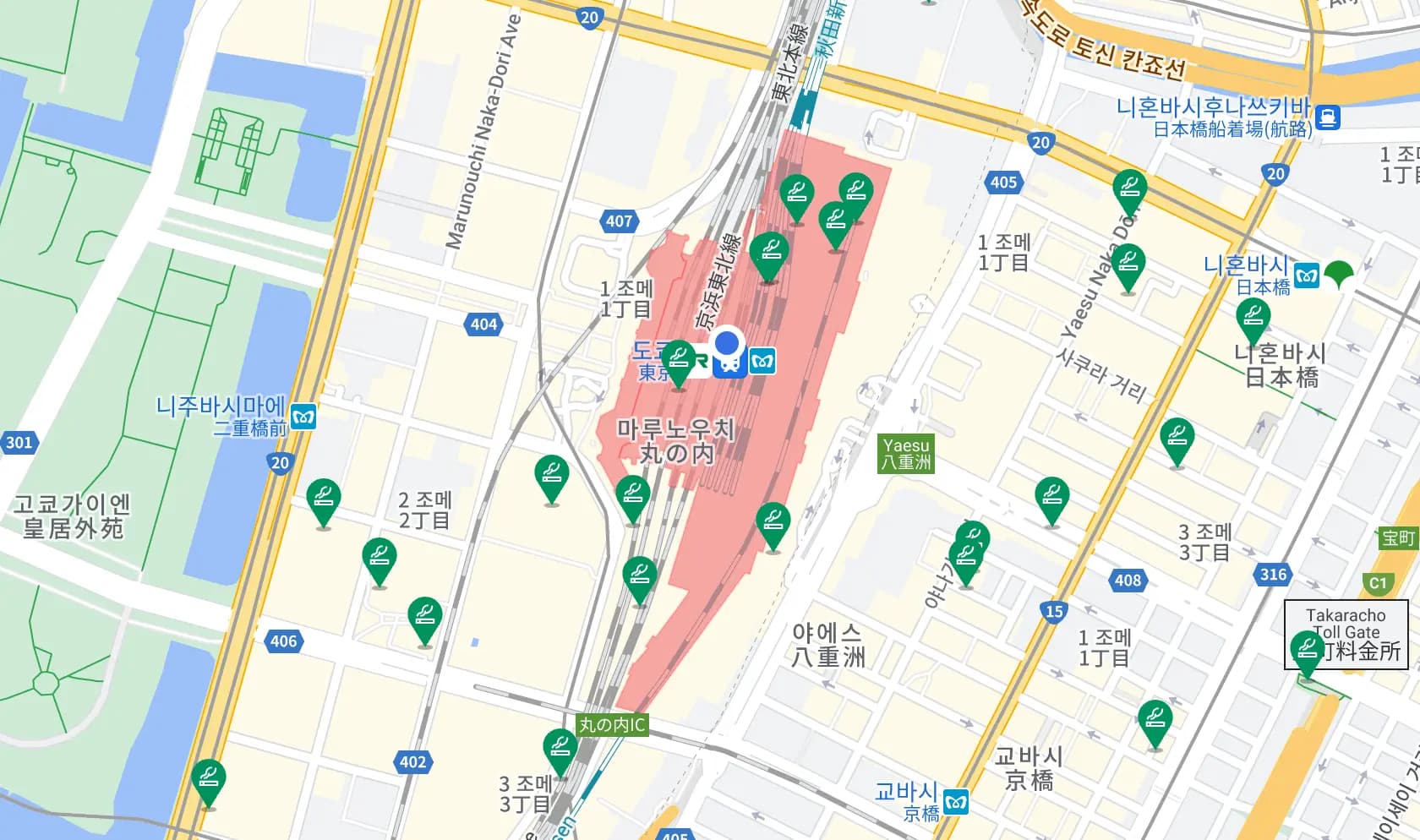
How to Find Smoking Areas in Japan
In Japan, if you allow location access on the clubJT website, you can check nearby smoking areas on a map.
Shrine Visiting Etiquette in JapanEntry, hand washing, prayer steps, and basic manners
- Japanese shrines are places of Shinto (神道), Japan’s traditional religion, where people worship specific deities (神). They may be linked to nature, ancestors, or historical figures. Because shrines are sacred spaces deeply connected to daily life in Japan, you should stay quiet and respectful when visiting.
- Talking loudly or smoking at a shrine is like being loud or smoking in a temple, church, or cathedral in your own country.
- Because shrines are considered sacred, you should keep a calm and respectful attitude, as you would in a temple or church.
- Photos are allowed only in permitted areas, and you should avoid taking photos inside the main hall. Also, speaking loudly, running, and joking around are not allowed.
1) How to Wash Your Hands Before Entering (Temizu Etiquette)
- Hold the ladle with your right hand and scoop water.
- Pour water on your left hand to wash it, then switch and wash your right hand.
- Hold the ladle again with your right hand, pour water into your left hand, and rinse your mouth.
- Do not put the ladle directly to your mouth.
- Hold the ladle upright so water runs down the handle, then place it back neatly for the next person.
©神社本庁 公式チャンネル JINJA HONCHO
2) How to Pray
- Put in a coin first, and if there is a rope for a bell, shake it to ring the bell.
- Face the front and bow deeply twice.
- Clap twice.
- Clap with your right hand slightly lower than your left.
- It is said that clapping lets the deity hear your heartbeat.
- Pray sincerely.
- Finish with one deep bow.
©神社本庁 公式チャンネル JINJA HONCHO
- When offering money, people often use a 5-yen coin. In Japanese, 5 yen is read as “go-en (ごえん)”, which sounds the same as “go-en (ご縁),” meaning “a good connection”. It represents a wish for a good relationship and good luck. The hole in the center is also seen as a lucky symbol, meaning “you can see the road ahead clearly”.
- Before visiting, it is best to check which deity the shrine enshrines.
When You Urgently Need a ToiletFind a convenience store, but don’t use it without permission
- If you suddenly need a toilet during travel, finding a nearby convenience store is the most realistic option.
- Most convenience stores in Japan have customer toilets, but it is basic manners to ask staff for permission before using them.
- In city centers or busy tourist areas, some convenience stores may restrict toilet use, so be careful.
Keep Left RulesTraffic direction is the opposite of Korea
- Just like cars and buses drive on the left side in Japan, pedestrians also generally keep left.
- On escalators, it is common in Japan to stand on the left and keep the right side open.
- However, in the Kansai area (Osaka, Kyoto, etc.), it may be the opposite in some places, so be careful.
Public Transport EtiquetteWhat Japanese people call “meiwaku”
- On public transport in Japan, it is basic manners to avoid phone calls. Japanese society has a concept called “meiwaku (迷惑)”, and there is a strong tendency to treat causing inconvenience to others as unacceptable.
- Meiwaku (迷惑): A concept meaning behavior that causes trouble or inconvenience to others, and it is taken very seriously in Japan.
- When boarding trains or subways, it is polite to wait until all passengers have exited before getting on.
- On buses, the rule is to stay seated until the bus fully stops, then stand up and move. (Even if you are late, no one will rush you. Move safely with a calm mindset.)
Onsen EtiquetteIf you have tattoos, check entry rules in advance
- If you have tattoos, entry may be restricted. This rule still applies at many onsens, but recently some places allow up to 2–3 skin-colored cover patches around 10cm × 8cm. If you have tattoos, always check the onsen’s policy in advance.
- Before entering the bath, you must quickly wash your body in the shower first. This is also true in Korea, but it is seen as stricter etiquette at Japanese onsens.

- In open-air baths, some people bring a small towel to cover their body, but putting the towel into the bath is not allowed. Usually, you fold it and place it on your head.
- Depending on the onsen, towels may not be provided.
- At onsen hotels or ryokan, when using an outdoor bath (rotenburo), you often need to bring the towel from your room.
- If you plan a day-use onsen visit, it is best to check in advance whether towels are provided.
- At some onsens, the men’s and women’s baths may be switched in the morning or evening, or by day. Always check the current bath sign before entering.
- In rare cases, female staff may enter the men’s bath area for cleaning or inspection. Do not panic and act naturally.