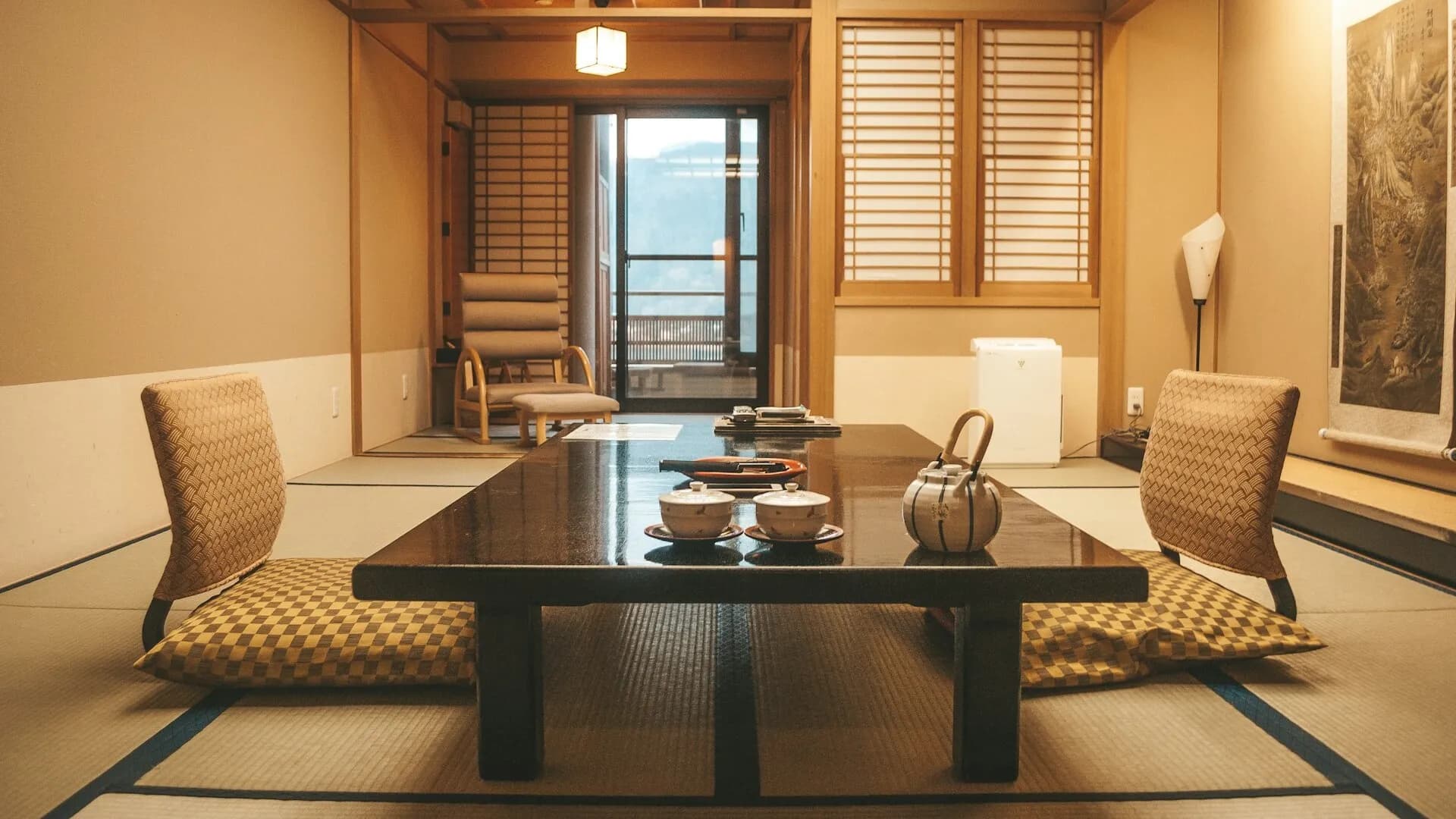
IntroductionCheck price, location, and what is included in advance
One of the biggest highlights of a trip to Japan is the ryokan experience.
However, many ryokan are located outside city centers, so they may be less convenient to reach. For a ryokan stay, it is important to adjust your schedule and plan your transportation.
You may regret skipping a ryokan stay, but prices are often higher, so it can be a burden on your budget.
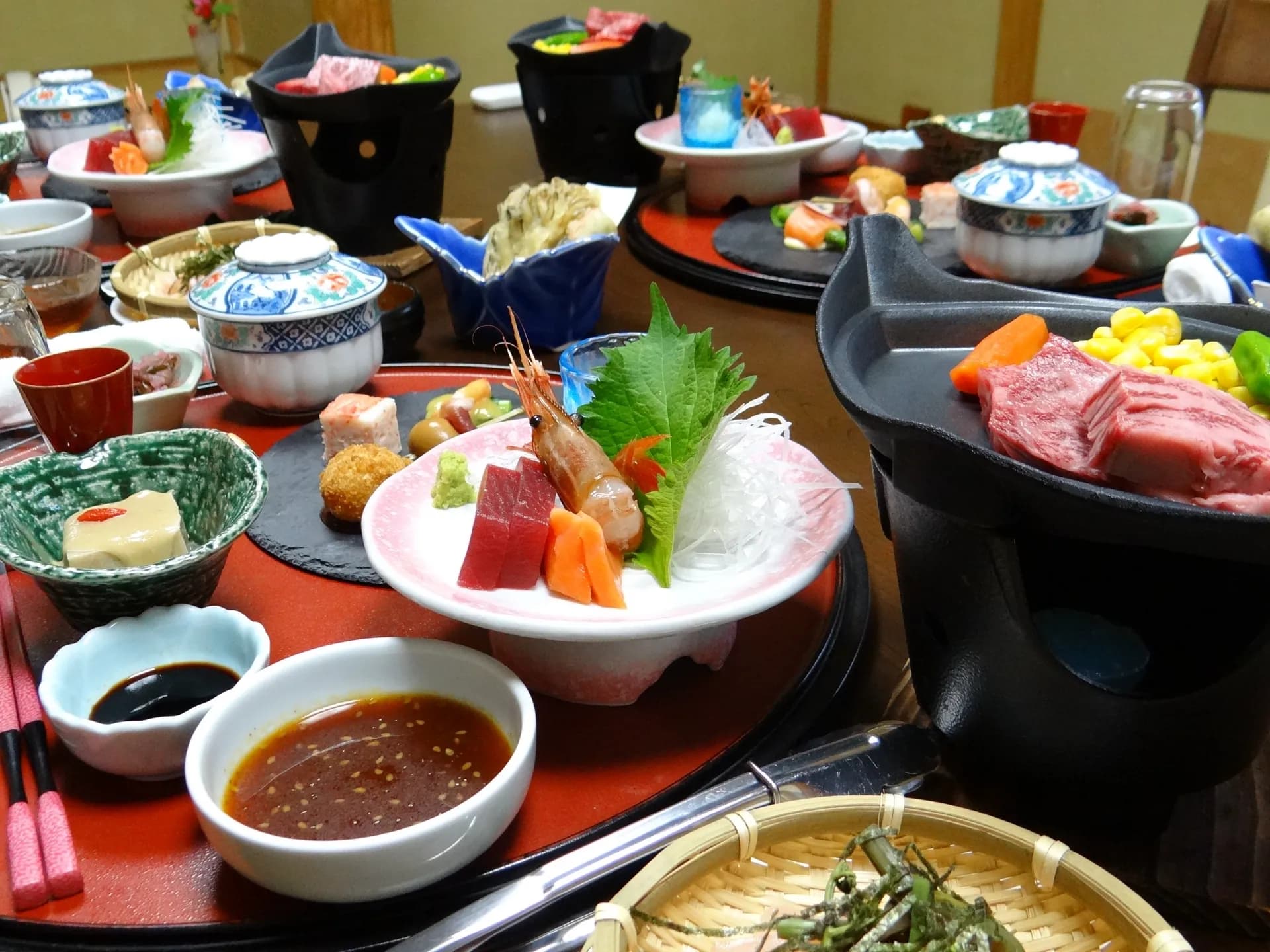
A typical ryokan stay usually includes a kaiseki dinner on check-in day, a set Japanese breakfast the next morning, and in-room service by a nakai attendant. Even for a room without a private hot spring bath, the cost is usually at least 100,000 to 150,000 KRW per person per night.
- Kaiseki (会席料理): a traditional Japanese multi-course banquet meal
- Nakai (仲居さん): a ryokan attendant in charge of guest rooms,
who helps with room guidance → luggage support → meal setup → and preparing the bedding.
If you are considering a ryokan stay during your trip, it is recommended to check the points below before booking.
Must-Check Items Before Booking a RyokanKey points to book a ryokan without mistakes, even for first-timers
1) Check if the room has a private hot spring bath
- Ryokan prices can differ by 1.5x or more depending on whether the room has a private hot spring bath.
- Each room may differ on whether the bath is indoor or open-air, so check before booking.
- If you use an open-air bath (rotenburo), you usually need to bring the towels from your room.
2) Know the difference between a Japanese-style room and a Western-style room
- One tatami mat (帖) is about 180cm × 90cm, which is enough space for one adult to lie down. A tatami room is called a “Japanese-style room (和室)”.
- A room with beds is a “Western-style room (洋室)”, and a room with both tatami and beds is called a “Japanese-Western style room (和洋室)”.
3) Check where meals are served
- If you want to enjoy kaiseki in your room like in Japanese dramas, you must confirm whether meals are served in-room or in a dining area.
- Ryokan that offer in-room meals are usually more expensive.
4) Tell them your expected arrival time in advance
- Ryokan prepare dinner based on check-in time, so it is best to inform them of your expected arrival time in advance.
5) Check the latest time for kaiseki dinner
- It is common to check in around 5:00 PM, enjoy tea and snacks, and then request dinner.
- If you arrive after 7:00 PM, dinner may not be available, so plan your day with enough time.
In the Edo period, local lords had to stay regularly in the capital Edo (today’s Tokyo) under a system called “sankin-kotai,” which helped the lodging industry develop. At that time, ryokan were expected to provide meals without limits, so to reduce the burden, they are said to have served sweet snacks first.
This tradition remains today, so many ryokan still serve snacks when you arrive.
6) Check if a shuttle pick-up service is available
- Many ryokan are a bit far from stations or bus stops, so they often provide a shuttle service. Check availability and schedule in advance.
7) Check if special meal requests are possible
- Ryokan meals use local specialties and seasonal ingredients, and you can request changes for allergies or ingredients you avoid in advance.
- You can also add special dishes, but this costs extra.
8) Check if there is a private bath and how to book it
- If you stay in a standard room, you may prefer a private bath (family bath) for your group only.
- Not all ryokan have private baths, and it is best to check the time slots, fees, and booking method in advance.