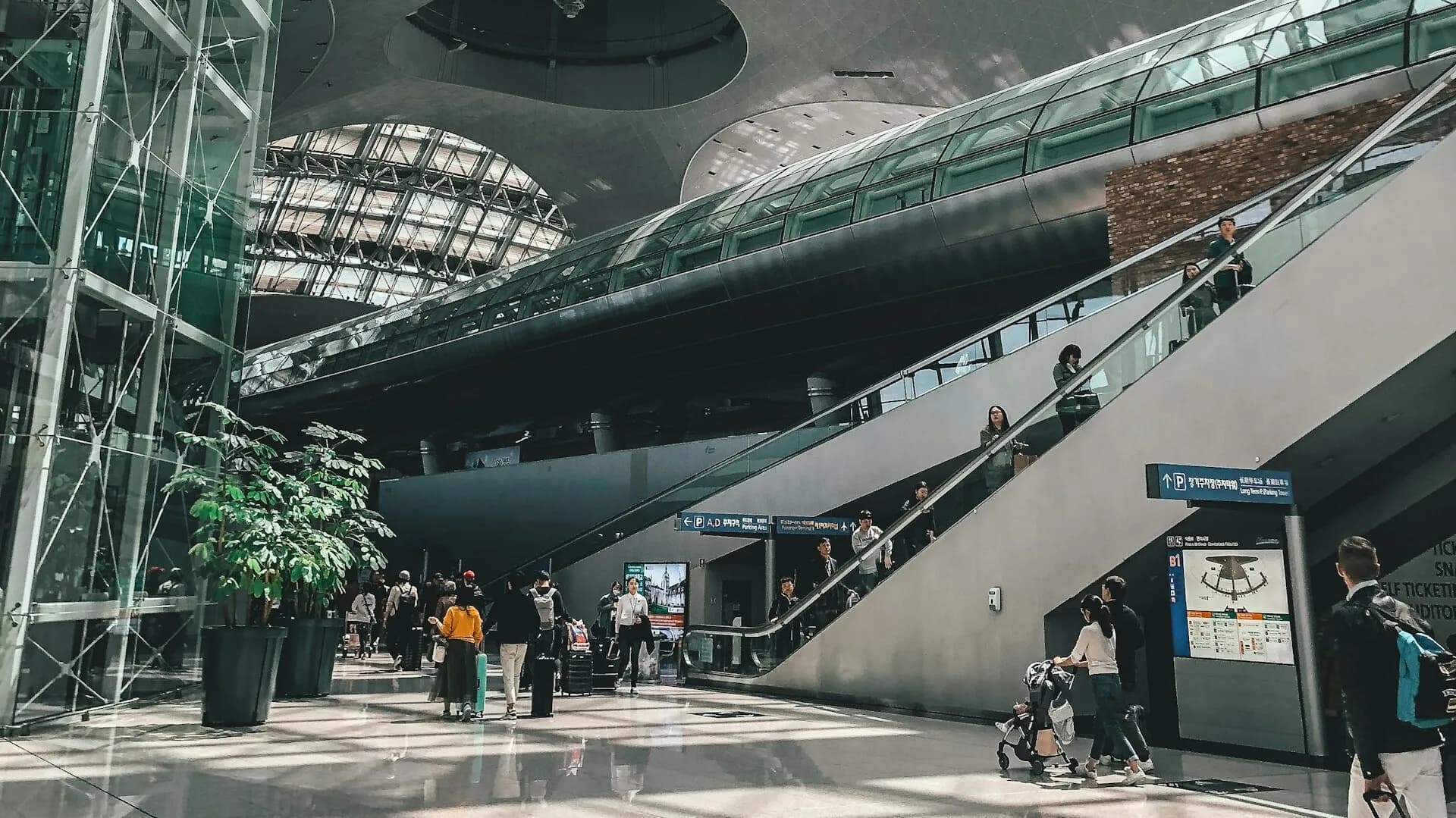
Carry-on & Checked BaggageFrom liquids and electronics rules to power bank regulations
Baggage rules vary by airline and fare class. In particular, if you bought a promotional ticket on a low-cost carrier, baggage rules can be stricter, so it is important to check in advance.
If you may exceed the weight or size limit, buying extra baggage at least 48 hours before departure on the airline’s website or app is cheaper than paying at the airport.
- Carry-on baggage may also be called hand baggage.
- Usually, up to a 20-inch suitcase (total dimensions up to 115 cm: length + width + height) is allowed.
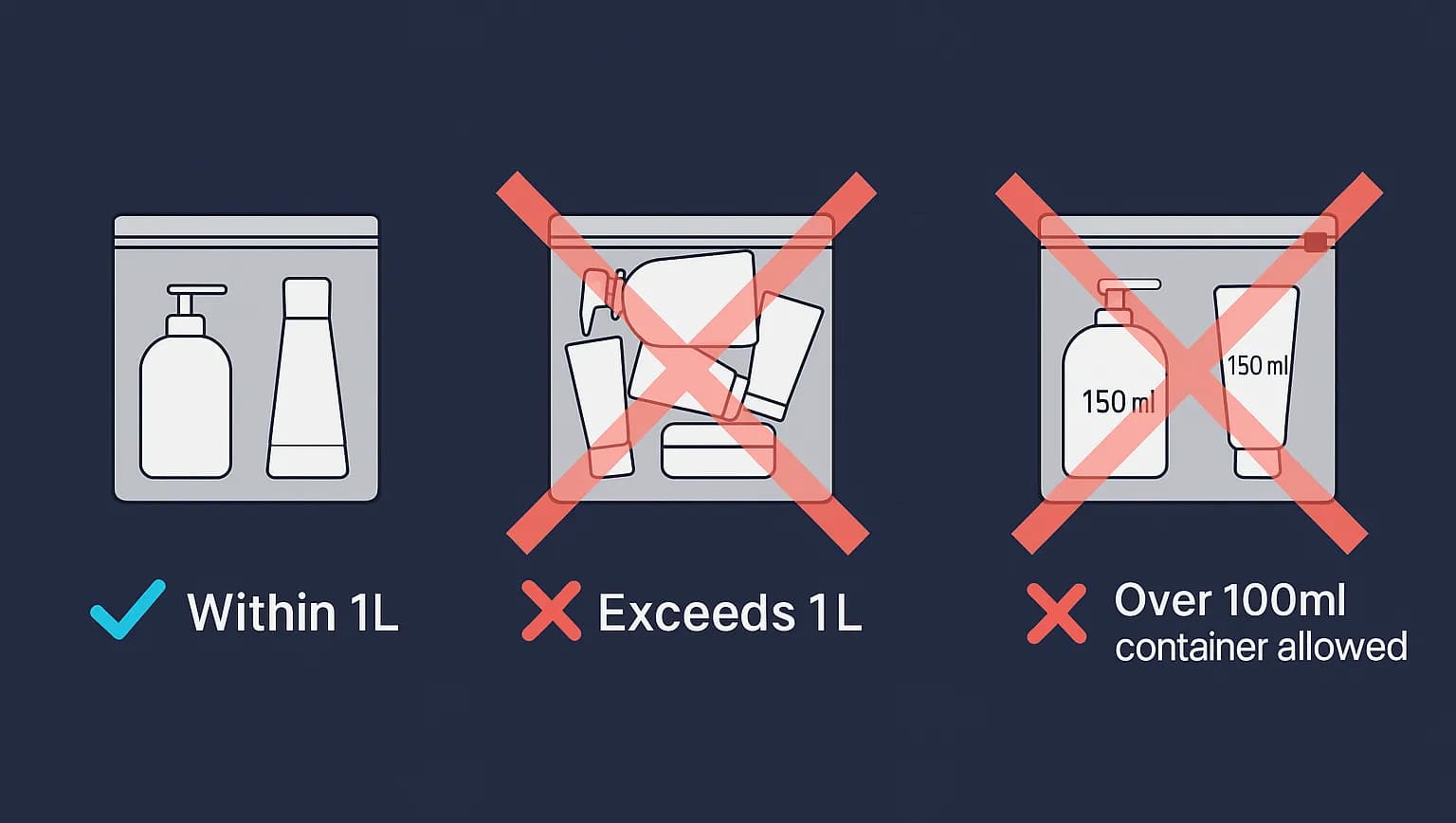
- Liquids must be in containers of 100 ml or less, placed together in a 1 L zip bag to be allowed in the cabin.
- Duty-free purchases are allowed if they remain sealed and unopened.
- Rechargeable electronic devices (phones, laptops, power banks, etc.) are allowed only in carry-on baggage.
- Regular disposable batteries are allowed in both carry-on and checked baggage.
- Cordless hair straighteners with a built-in battery: not allowed in either carry-on or checked baggage / detachable battery type: allowed only in the cabin after removing the battery
- E-cigarettes and lighters: one per person is allowed in carry-on baggage
Based on local airport standards, power bank carry-on rules are as follows.
- 100Wh or less, and over 100Wh up to 160Wh: ◯
- Up to 2 per person
- Over 160Wh: ×
- Carry-on only, not allowed in checked baggage
- TourCast app - Traveling has a battery capacity calculator for easy checking
Exclusive TourCast Tips!
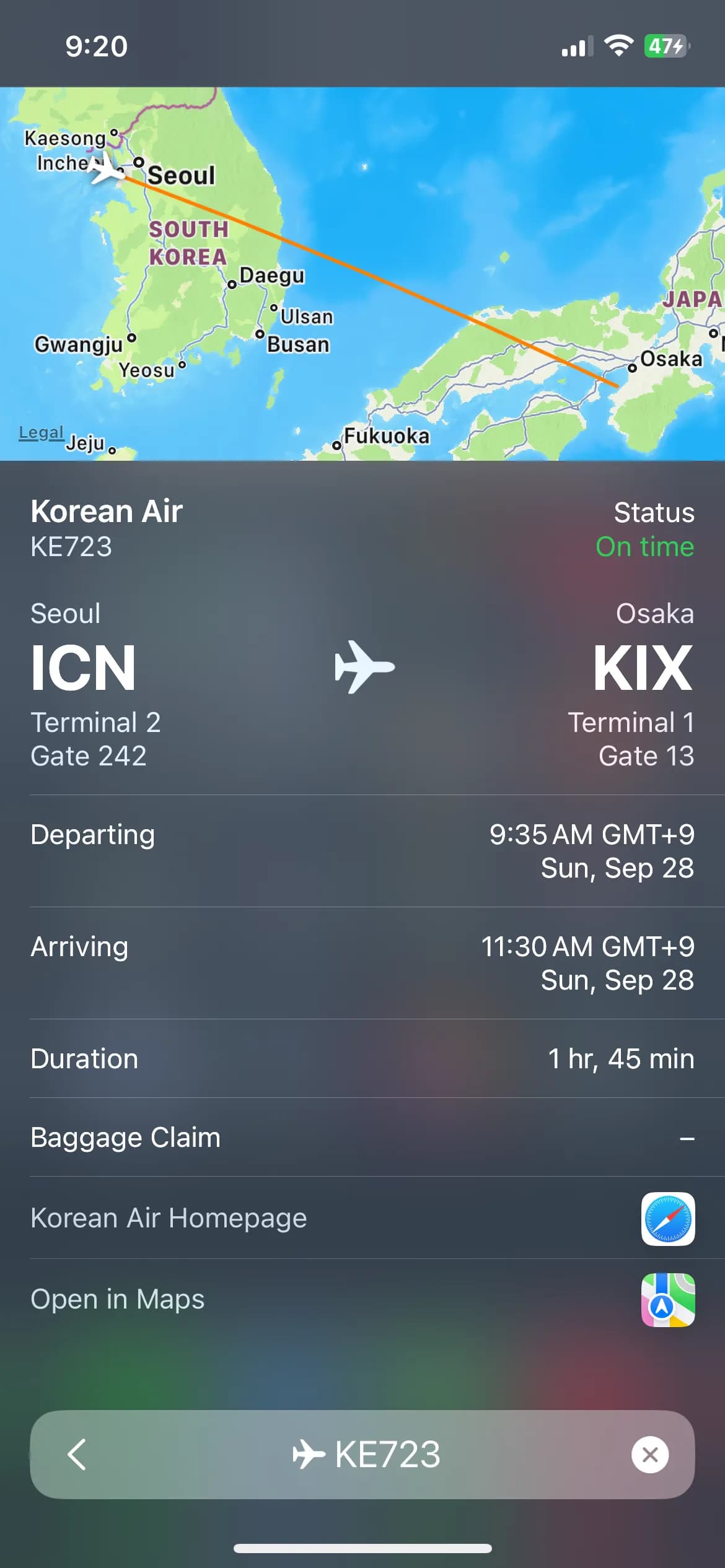
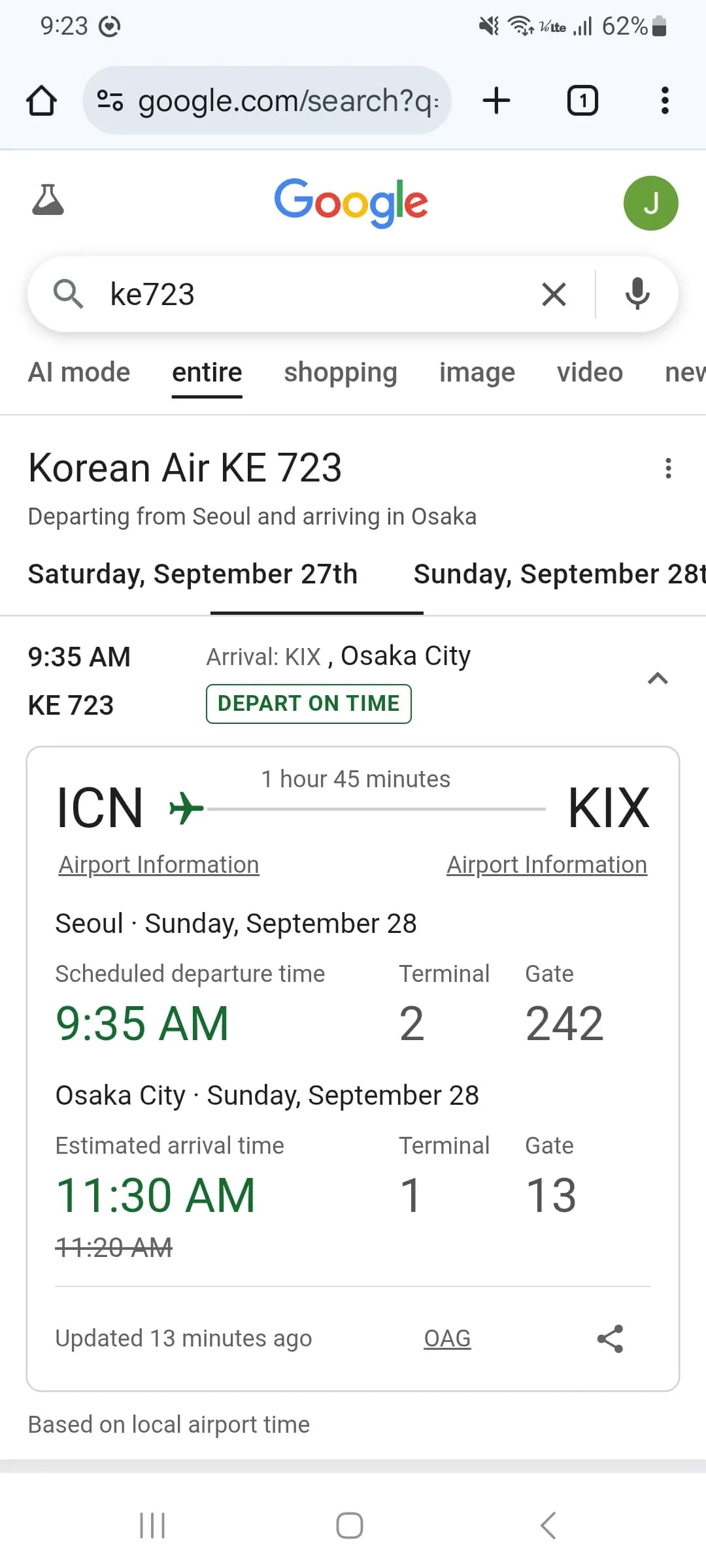
Where Are My Terminal and Gate?
Flight Boarding ProcessFrom terminal arrival to boarding the aircraft
It is best to arrive at the airport at least 2 hours before departure.
This varies by airline, but check-in (issuing a boarding pass) usually closes 1 hour before departure.
Self check-in and self bag drop are now common, but if the airport is crowded, you may still wait in long lines, so it is best to arrive with extra time.
Boarding usually closes 15–20 minutes before departure, and it is safest to arrive at the boarding gate 30 minutes before departure.
Even if you arrive the night before to shop at duty-free stores, checked baggage drop is usually available from 3 hours before departure.
If you have no checked baggage and you completed mobile check-in, you may be able to enter the departure area from midnight on the day of departure, and use nap zones or relaxation zones in the duty-free area.
1) Arrive at the Terminal
- Check the terminal shown on your booking confirmation (E-Ticket) and arrive at the airport at least 2 hours before departure
- If your E-Ticket shows “T1” or “T2,” it means Terminal 1 and Terminal 2
2) Get Your Boarding Pass
- You can get a boarding pass through online/mobile check-in, self-service kiosks, auto check-in, and other options
- “Check-in” means completing the boarding procedure for your flight
3) Check Your Bags
- If you have no checked baggage, go directly to the departure area
- Use self bag drop machines or dedicated baggage counters
- Never put your passport in checked baggage. Always keep it with you.
- After checking your baggage, confirm it passes X-ray screening and wait until there is no issue
- Power banks, lighters, e-cigarettes, and flammable items are not allowed in checked baggage
4) Departure Area & Security Screening
- Show your passport and boarding pass to pass through the departure area. If you register Smart Pass in advance, you can use a dedicated lane.
- Prohibited items will be discarded at security, so you must check in advance. 🚫
5) Duty-Free Shops & Pickup Counter
- Items purchased at downtown duty-free stores are collected at the airport pickup counter
- Liquids such as alcohol and perfume bought at airport duty-free must stay sealed for carry-on
6) Board the Aircraft
- Check the boarding time and gate number on your boarding pass, and board on time
- Boarding closes 15–20 minutes before departure, so waiting near the gate is safest
- If you do not arrive before boarding closes, the flight may depart after announcements without you
- Be careful not to miss boarding while shopping at duty-free stores
Japan Entry ProcedureFast immigration with only a QR code and passport (Visit Japan Web)
1) Traveler Quarantine
After COVID-19 became endemic, Japan now conducts quarantine mainly through temperature monitoring, as before. In most cases, you can go straight to immigration without additional declarations.
2) Immigration (Immigration)
Show your passport together with a disembarkation card or the QR code registered in Visit Japan Web. In most cases, screening finishes quickly without questions.

However, if you have visited Japan recently, you may be asked about your purpose of entry on a repeat visit, so it is best to be prepared.
Also, when entering Japan, you are legally required to provide fingerprints and a facial photo. During the capture, remove hats, masks, and sunglasses, and make sure your eyes are not covered.
3) Animal and Plant Quarantine
Japan restricts bringing in items such as meat and processed meat products, fresh fruit, nuts, vegetables, and live fish.
- Beef jerky, sausages, and even meat-based soup packets (for example, in cup noodles) are prohibited
- Fresh fruit and vegetables require a quarantine certificate from your home airport and additional inspection after arrival in Japan
- Cooked foods without meat ingredients may be sealed and brought in as checked baggage
If you bring meat products, detection dogs may find them, and you may face up to 3 years in prison or a fine of up to ¥3,000,000, so be extremely careful.
4) Customs Declaration
Complete customs screening using the QR code registered in Visit Japan Web or a paper customs declaration form, and then exit into the arrival hall.
- For family travel, one paper form can be used for the whole family
- However, if you registered accompanying family in Visit Japan Web, each person may need separate customs screening
Details about customs are covered separately in 'Consumption Tax/Tax-Free/Duty, Customs Declaration'. After finishing these steps, your Japan trip officially begins.
Exclusive TourCast Tips!
Bringing Baby Food into Japan
If baby food contains meat ingredients, you must check the following details.
- On the plane
- You can bring only the amount you will consume (homemade is also allowed)
- No zip bag required. At security, show it to staff for confirmation
- When entering Japan
- Homemade baby food is not allowed
- Only commercial retort pouch products (sterilized) are allowed even if they contain meat ingredients
- Quarantine certificate required (departure airport quarantine office → Japan quarantine office)