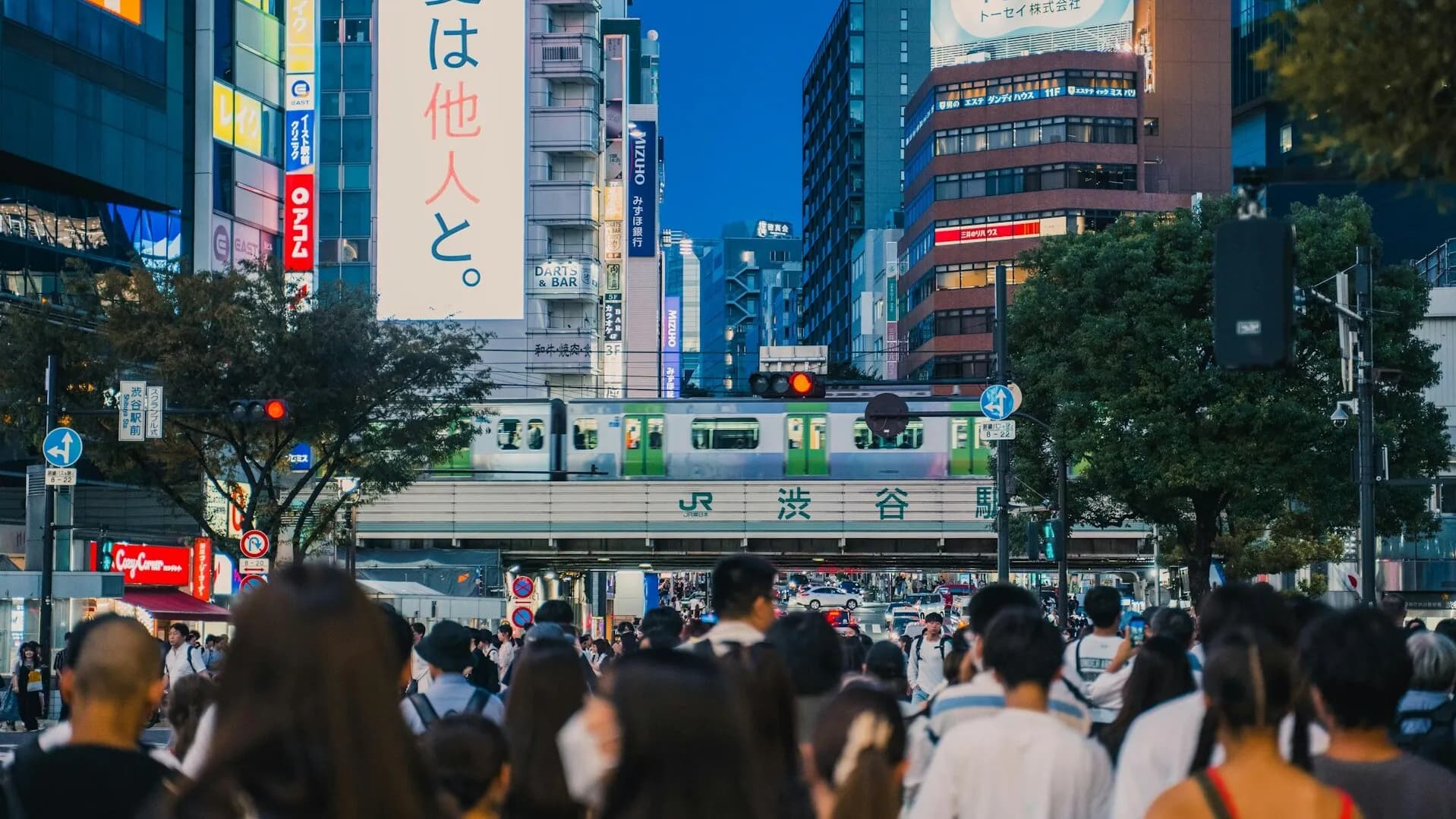
The Lifeline of Tokyo Travel: Basics of the JR Yamanote LineThe start of your Tokyo journey, the Yamanote Line
The Yamanote Line includes major central Tokyo hubs like Shinjuku, Shibuya, Harajuku, Ueno, Akihabara, Ikebukuro, and Tokyo Station, making it perfect for designing a one-day itinerary based on your interests.
The Tokunai Pass, which allows unlimited use of JR lines within the city for a day, costs 870 yen. It is advantageous to purchase this pass if you plan to use the Yamanote Line 4 or more times.
- The route descriptions are provided in a counter-clockwise direction starting from Shinjuku Station.
Shinjuku: Japan's Largest District Where Skyscrapers and Neon Lights CoexistA city that never sleeps amidst a forest of buildings and neon
Shinjuku (新宿)
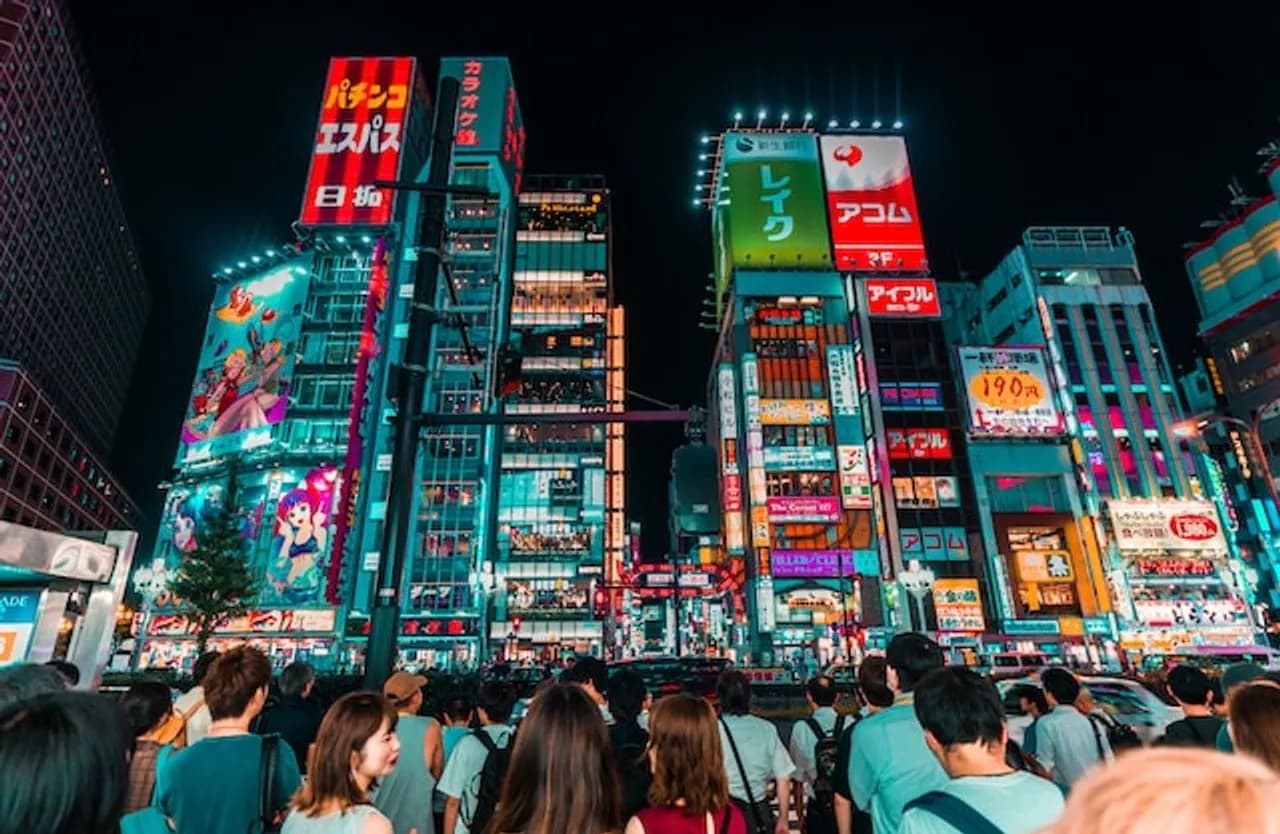
Shinjuku is one of Japan's largest downtown districts, a core area concentrated with commerce, business, shopping, and entertainment. Shinjuku Station is a massive hub where the JR Yamanote, Chuo, and Sobu lines intersect with various subway lines, serving approx. 3.6 million passengers daily. Its complex structure makes it easy to get lost, so utilize signposts or Google Maps actively.
1) Nishiguchi (West Exit)
西口
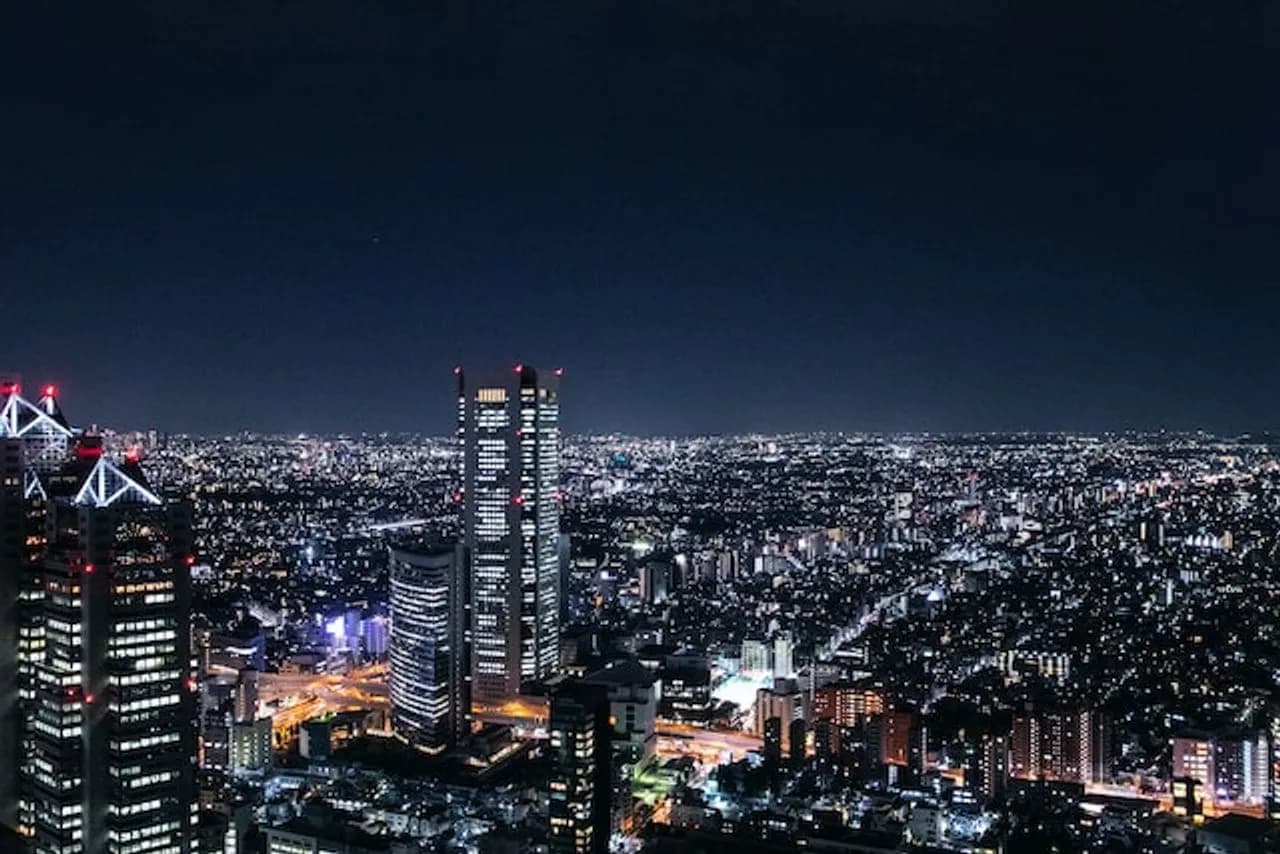
A dense office area, it is unique for offering free night views from the Tokyo Metropolitan Government Building and Shinjuku Center Building. Luxury hotels like Park Hyatt, Keio Plaza, and Hilton Tokyo are also clustered here.
① Tokyo Metropolitan Government Building Observatory
- Enjoy Tokyo's skyline and night views for free.
- The experience of riding the dedicated elevator to the 45th floor (202m) in just 55 seconds is thrilling.
- From 11:30 to 14:00 (lunchtime), the staff cafeteria on the 32nd floor is open to the public and is known as a value-for-money spot with a great view.
- Hours are 09:30 to 23:00 (last entry 22:30). It is relatively uncrowded after work hours.
- Hours: 09:30 – 23:00 (Last entry 22:30)
- Closing Days: 2nd and 4th Monday of every month (If it falls on a holiday, it closes the next day)
- Admission: Free
② TOKYO Night & Light (Projection Mapping)
The Tokyo Metropolitan Government No. 1 Building is a landmark registered in the Guinness World Records as the world's largest projection mapping building. Colorful art displays composed of light and sound are held year-round.
- Show Info: Screenings occur every night except during heavy rain.
- Start times and content vary by season, so be sure to check the official website.
③ Omoide Yokocho (思い出横丁) 🍶
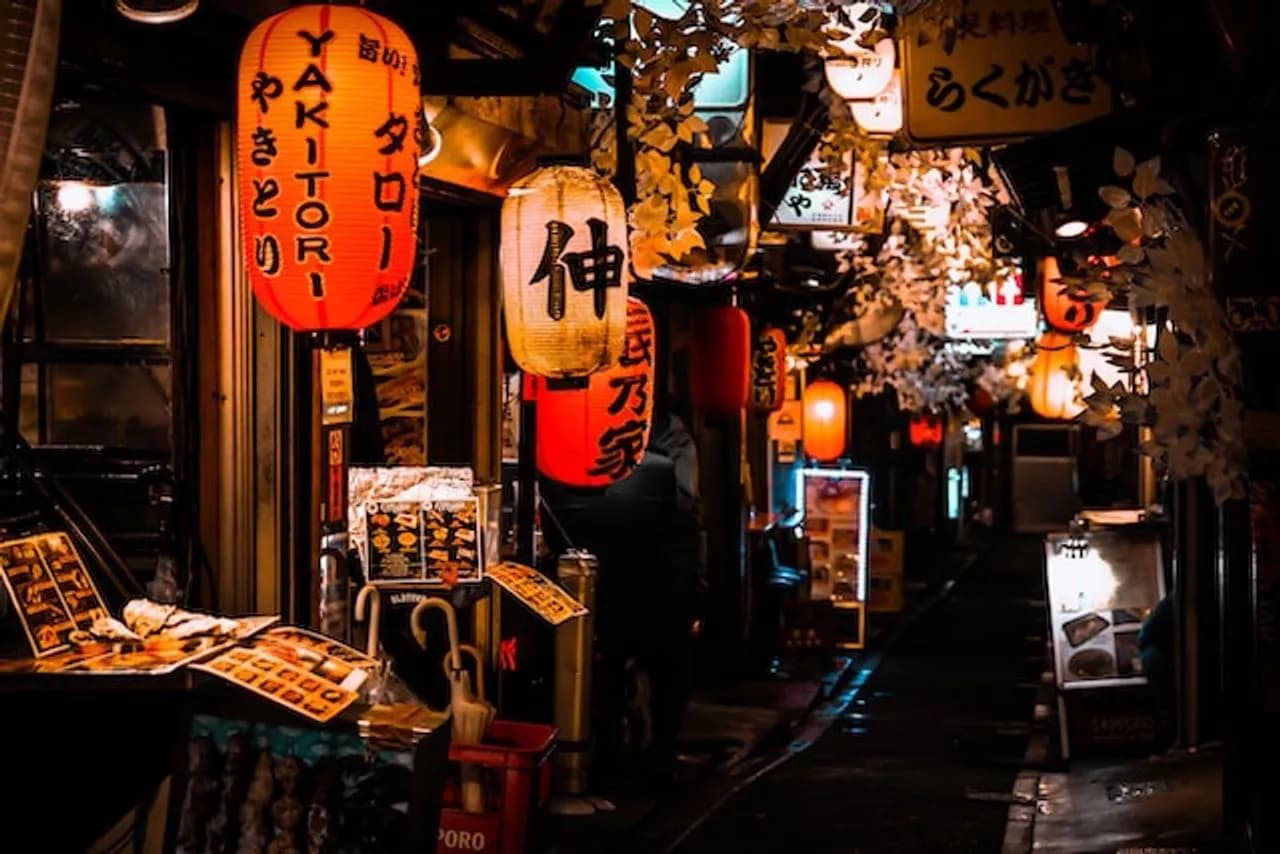
A narrow alleyway that perfectly preserves the atmosphere of the drama 'Midnight Diner.' Starting from stalls selling grilled offal right after the war, it has become a representative izakaya street where office workers enjoy yakitori (chicken skewers) and a drink after work. Its nostalgic vibe makes it extremely popular with foreign tourists.
2) Minamiguchi (South Exit)
南口
① Shinjuku Gyoen National Garden
Established as a Royal Garden about 100 years ago, Shinjuku Gyoen is a massive park where you can appreciate Japanese, English Landscape, and French Formal gardens in one place. It is an oasis in the city. Food is allowed, but alcohol is strictly prohibited.
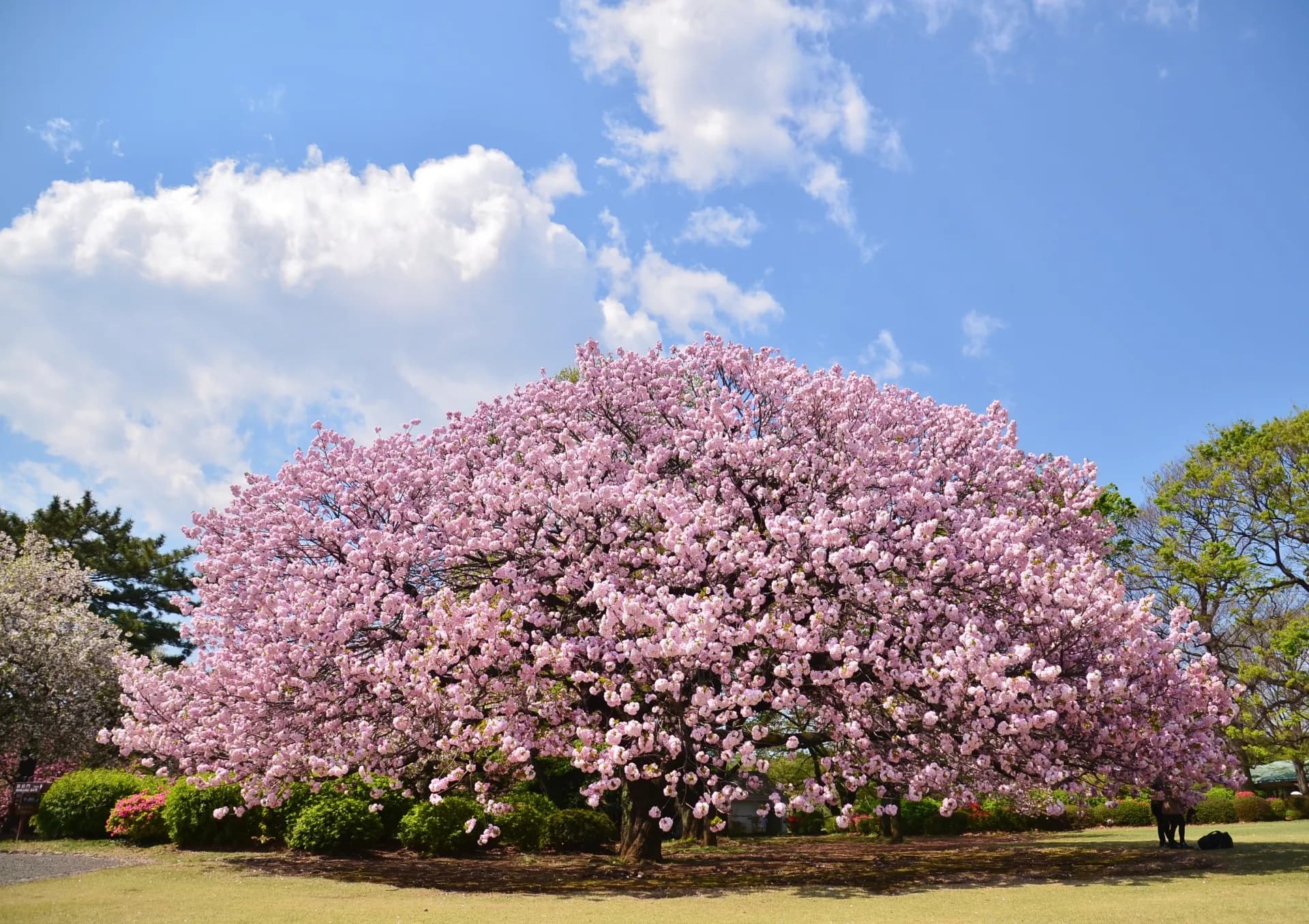
- Hours: (Summer) 09:00 – 18:00 / (Winter) 09:00 – 16:30
- Closing Days: Every Monday, Year-end/New Year
- Admission: 500 yen
3) Higashiguchi (East Exit)
東口
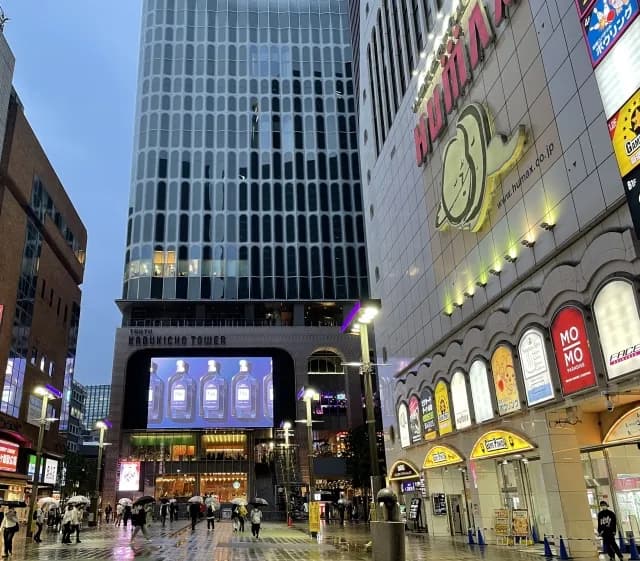
① Kabukicho Tower & Precautions ⚠️
Opened in 2023, this complex entertainment facility houses hotels, cinemas, and live halls. However, since it is located in the heart of Japan's largest red-light district, Kabukicho, extreme caution is required.
- Precautions for Kabukicho:
- Ignore Solicitations: Thoroughly ignore touts or solicitors. If you respond, they will follow you.
- Be Cautious: Avoid approaching 'Toyoko Kids' or strangers. There is a risk of involvement with underworld organizations.
- Rip-offs: Never follow a tout to a bar. Cases of exorbitant charges and confinement have been reported.
Avoid visiting Kabukicho if possible. TourCast wishes everyone a safe and happy journey.
Harajuku: A Blend of Trendy Fashion Streets and Peaceful Meiji Jingu ShrineThe exotic mix of Meiji Jingu and fashion districts
Harajuku (原宿)
Harajuku possesses some of Tokyo's most unique charms. The tranquility of Meiji Jingu Shrine, surrounded by a dense forest, and the explosion of teenage fashion on Takeshita Street coexist just a block away from each other.
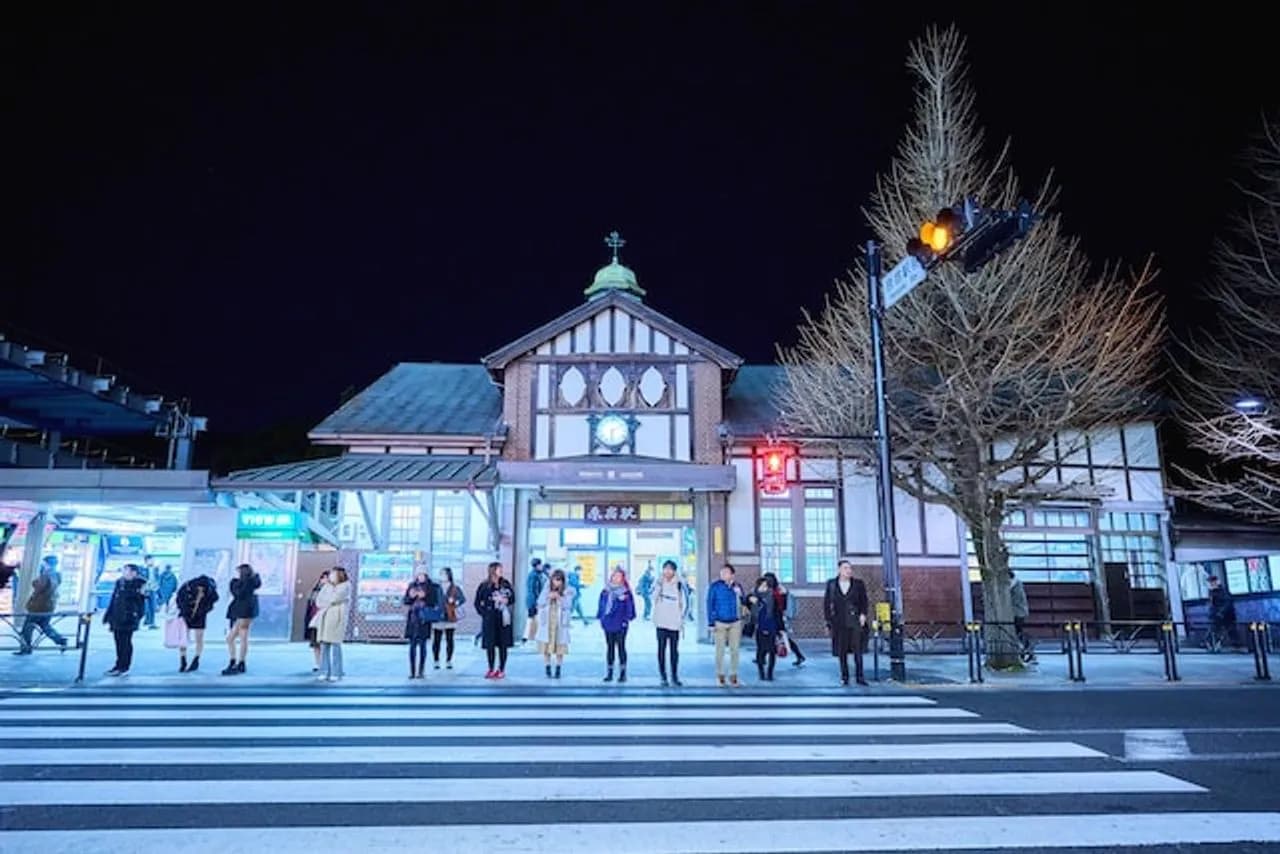
1) Harajuku Station
- Old Building: The European-style wooden building constructed in 1925 was long a symbol of Harajuku. It has ceased operation for safety reasons but is preserved as a popular photo spot for its vintage atmosphere.
- New Building: A modern building completed for the 2020 Tokyo Olympics is now in full operation.
2) Meiji Jingu Shrine
明治神宮
A shrine dedicated to Emperor Meiji and his Empress. It is a beloved walking course featuring a lush forest that makes you forget you are in the heart of the city.
-
Historical Context: Emperor Meiji is credited with transforming Japan from a feudal society to a modern state via the 'Meiji Restoration.' His reign (1867–1912) was a period of upheaval where Japan joined the world powers. This shrine was built in 1920 to honor him and Empress Shoken.
-
Visit Points: You can experience traditional Shinto worship, and writing wishes on Ema (wooden plaques) is an interesting cultural experience. Please behave quietly and respectfully within the grounds.
-
Highlights:
- O-Torii: The massive wooden gates at the entrance are made from 1,500-year-old cypress trees from Taiwan.
- Wine & Sake Barrels: Decorative wine barrels donated from the West to honor Emperor Meiji’s love for wine are displayed opposite traditional Japanese sake barrels.
-
Admission: Free (Inner Garden entry is 500 yen)
3) Yoyogi Park
代々木公園
Located right next to Meiji Jingu, this large park spans about 54 hectares. With no admission fee, it is a perfect urban retreat.
- Cultural Space: On weekends, it hosts busking, costume play performances, and flea markets.
- Tip: You can check local flea market schedules at Flea Ma Guide. If your trip overlaps, you might find some great bargains.
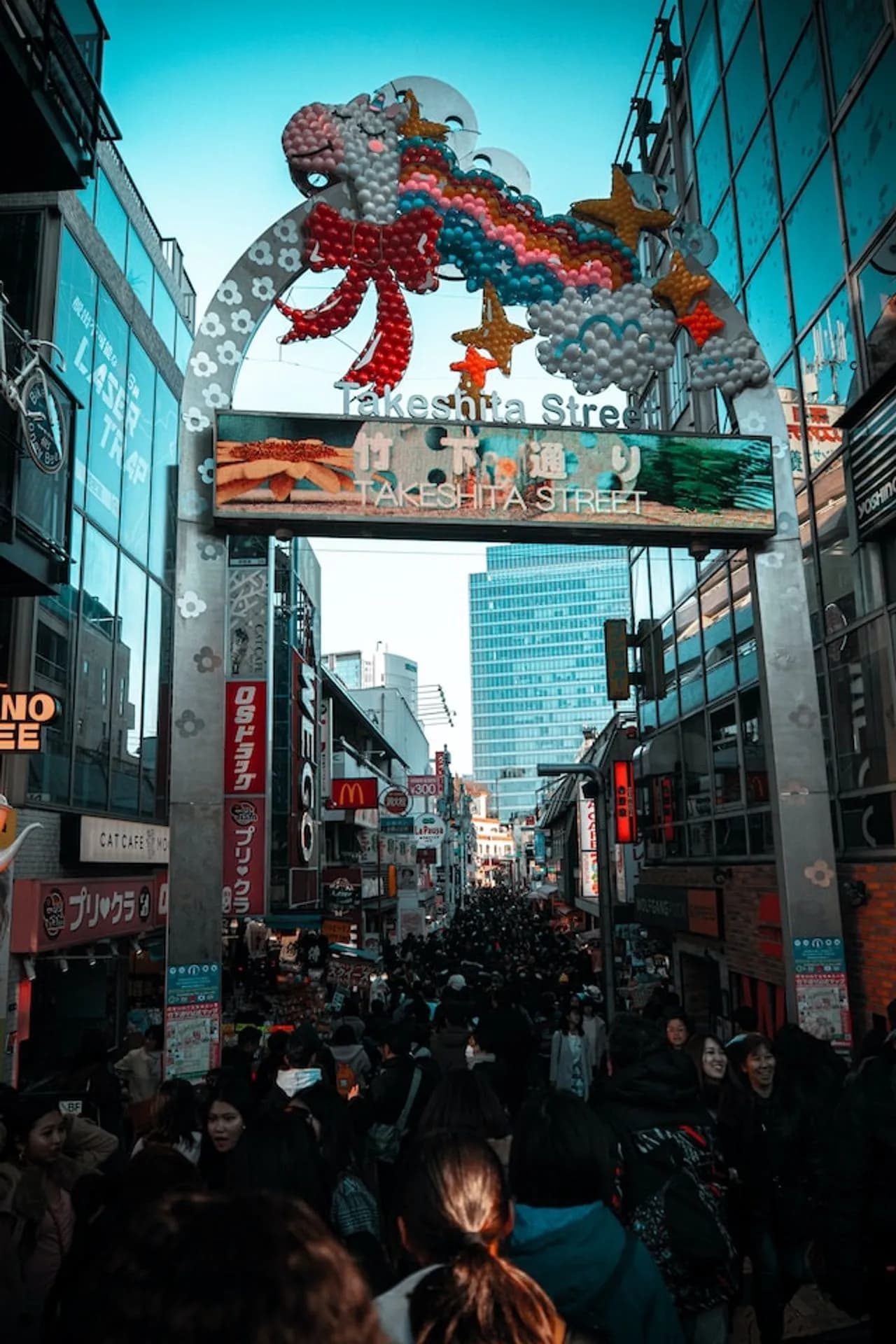
4) Takeshita Street
竹下通り
Opposite Harajuku Station, this narrow alley crowded with people is the fashion sanctuary for Tokyo's youth.
- Teen Mecca: You can often see teenagers in unique and bold styles like Goth or Lolita fashion.
- Famous Crepes: The street is filled with sweet aromas. Shops like Angel Heart and Marion Crepes always have lines and are a must-try snack when visiting Harajuku.
Shibuya: Enjoying the Heart of Tokyo at the Scramble Crossing and Shibuya SkyThe hub where Scramble Crossing and night views shine
Shibuya (渋谷)
Exploring Shibuya alone takes about half a day. It's efficient to combine it with Daikanyama, Jiyugaoka, Shimokitazawa, or Yokohama for a full-day itinerary.
If you plan to visit the Shibuya Sky Observatory, an ideal schedule is exploring Shibuya in the afternoon and heading up to the observatory at dusk to enjoy the night views.
- Shibuya Sky can be booked about 2 weeks in advance. Sunset slots sell out quickly, so it's best to book as soon as reservations open.
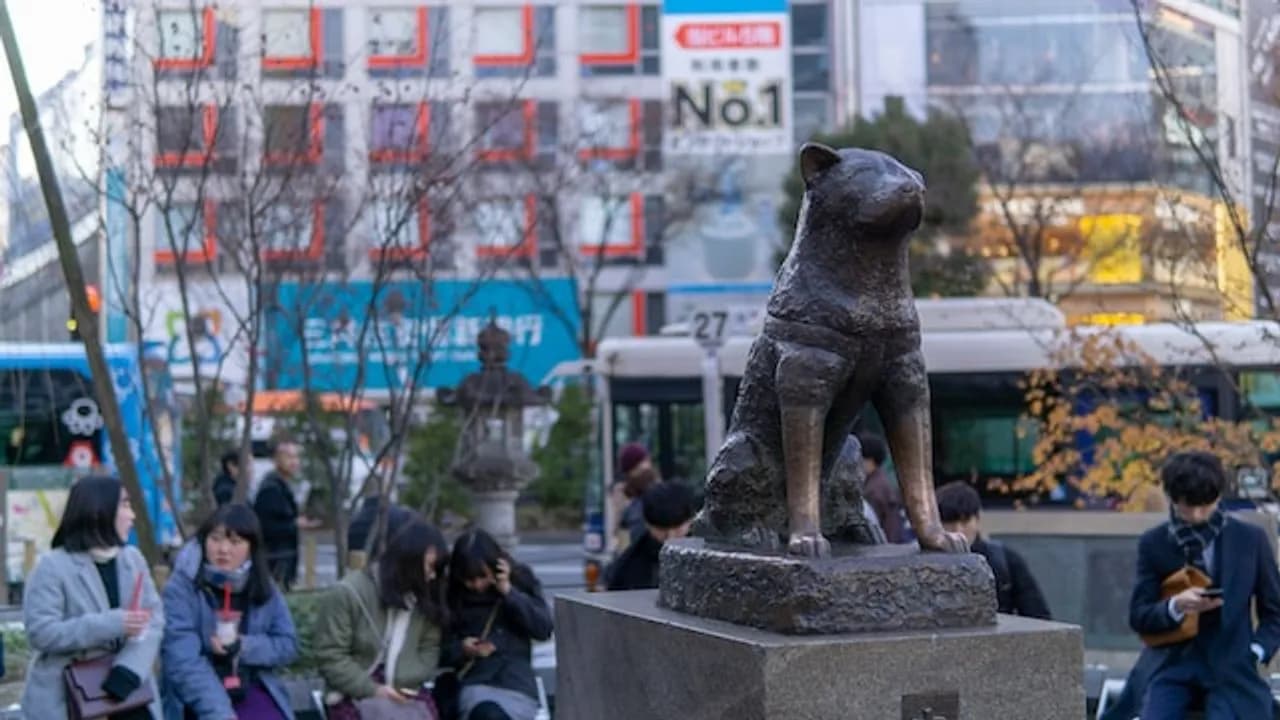
1) Hachiko Statue
- Originally named Hachi, the honorific 'ko' was added, resulting in Hachiko (ハ치公).
- Hachi walked his master to Shibuya Station every day and became famous for waiting at the same spot for 10 years after his master's sudden death.
- The statue was removed for scrap metal during the war but rebuilt in 1948 and moved to its current location.
- It is Shibuya's iconic meeting spot, always surrounded by crowds.
2) Scramble Crossing
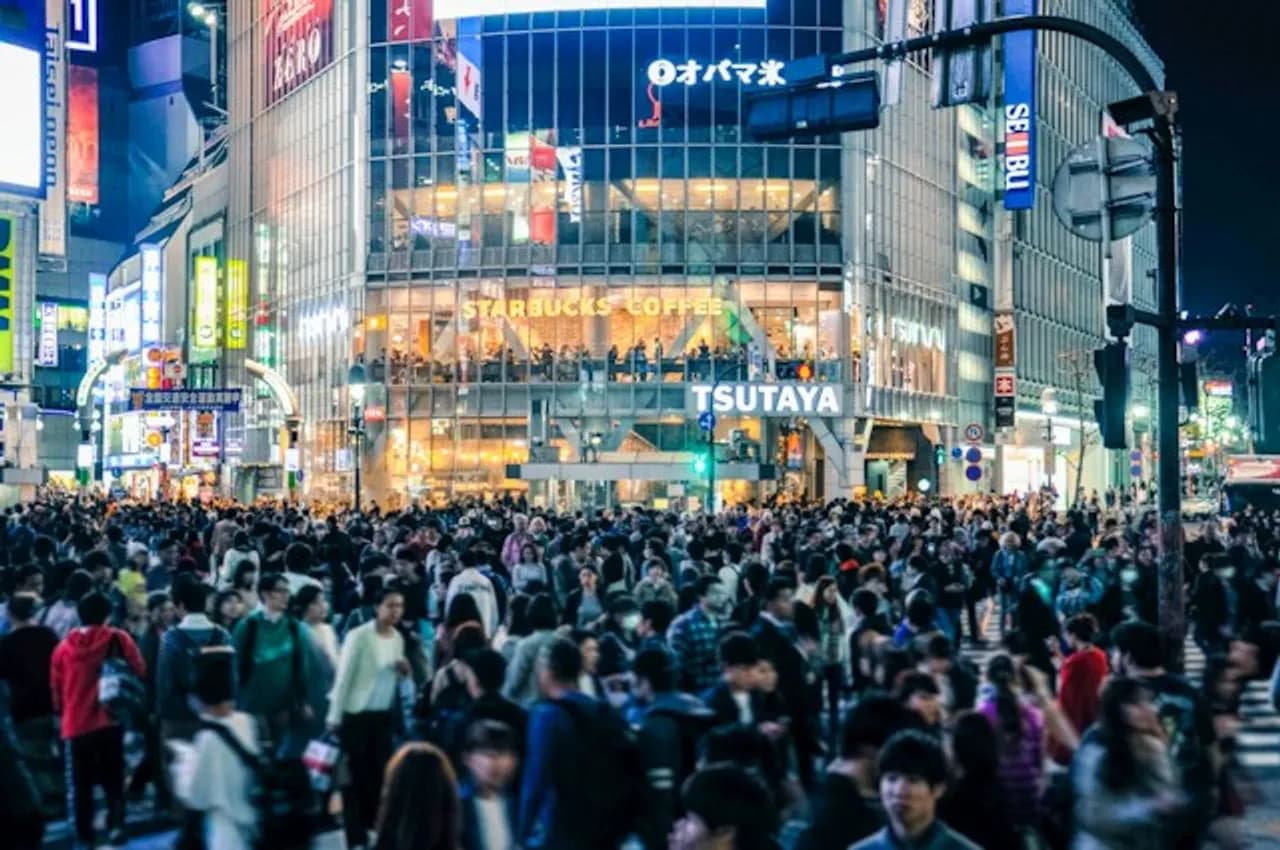
- One of the world's largest pedestrian crossings, creating a spectacle as hundreds of people move simultaneously when the signals change.
- The Starbucks across the street is a popular viewing spot for this scene; some say it is the highest-grossing branch in the world.
3) Shibuya Sky Observatory
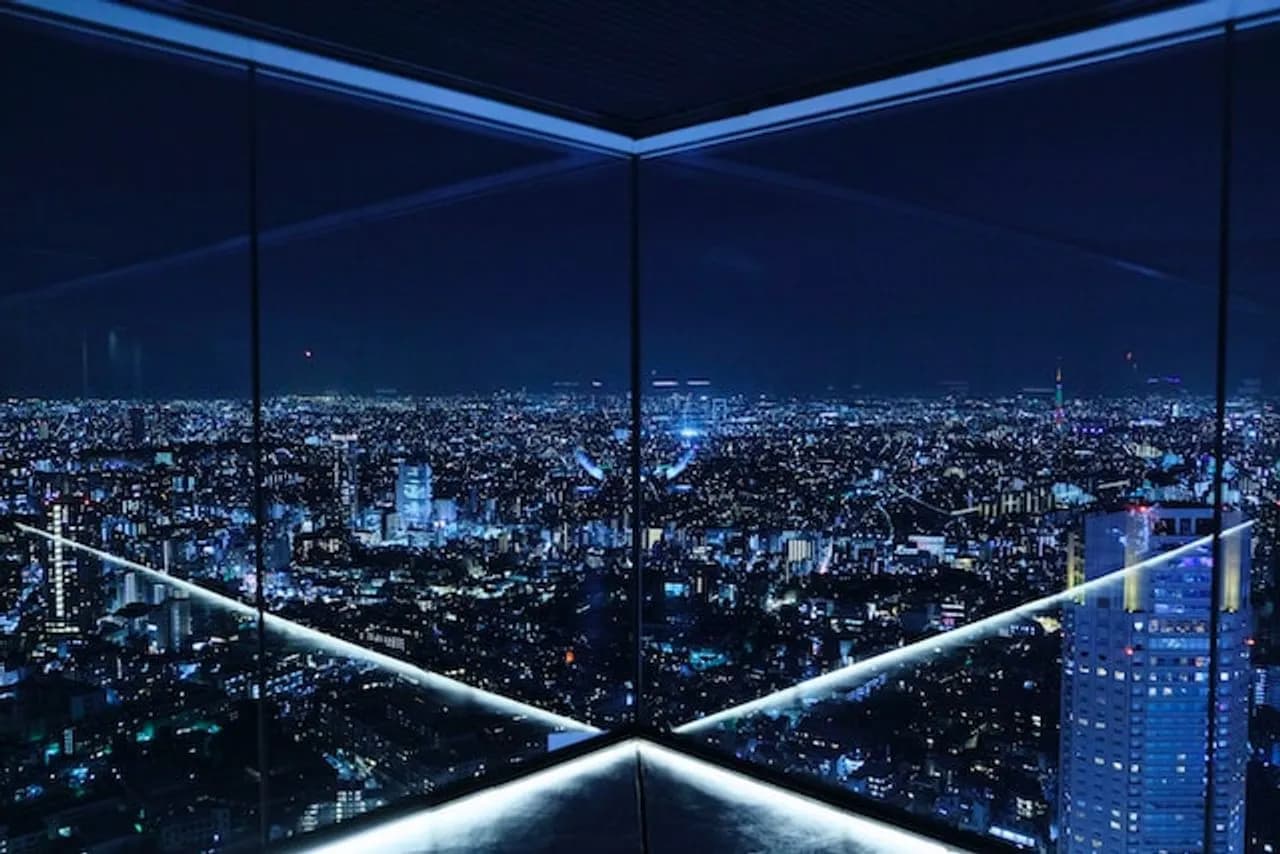
- Opened in 2019, this hot spot is popular for SNS photos.
- Advance booking is mandatory due to person limits. Reservations open 14 days in advance.
- Check sunset times and book accordingly to see both the glow and the city lights.
- Hours: 10:00 – 22:30 (Last entry 21:20)
- Closing Days: January 1st and other days as announced on the website.
- Lounges with sofa seating and drinks are also operated for limited periods.
4) Shopping
- Shibuya is the hub of Japanese fashion, where many trends begin.
- Representative malls include Shibuya 109, Marui, and Shibuya Hikarie, each housing popular brands for Gen Z through 30-somethings.
5) Nightlife
- As a youth-oriented district, Shibuya has a wide variety of clubs across different genres.
- WOMB is a famous spot that once ranked 2nd in global club rankings.
- Passport mandatory for entry. IDs are almost always checked at the door.
- Since Japanese party culture may differ from your home country, focus on the 'experience'.
6) Halloween
- Shibuya's Halloween is the largest in Japan, drawing massive crowds in costume.
- While the atmosphere is surreal, be cautious of safety as the crowds are extremely dense.
7) New Year Countdown
- The Shibuya countdown is a local legend, as famous as Halloween.
- However, in recent years, official events have often been canceled for safety reasons, so check before visiting.
Ebisu: A Sophisticated District Where Beer History and Fine Dining BlendA city space with breweries, fine dining, and strolls
Ebisu (恵比寿)
A region that immediately brings beer to mind, which stems from its history. A German-style brewery was established in 1887, and 'Yebisu Beer' went on sale in 1890. Due to its popularity, a dedicated station for transporting beer was built, which became today's Ebisu Station.
Ebisu Station is not directly connected by train to Daikanyama but is about an 8-minute walk away, making it perfect for visiting Daikanyama in the morning and Ebisu in the afternoon.
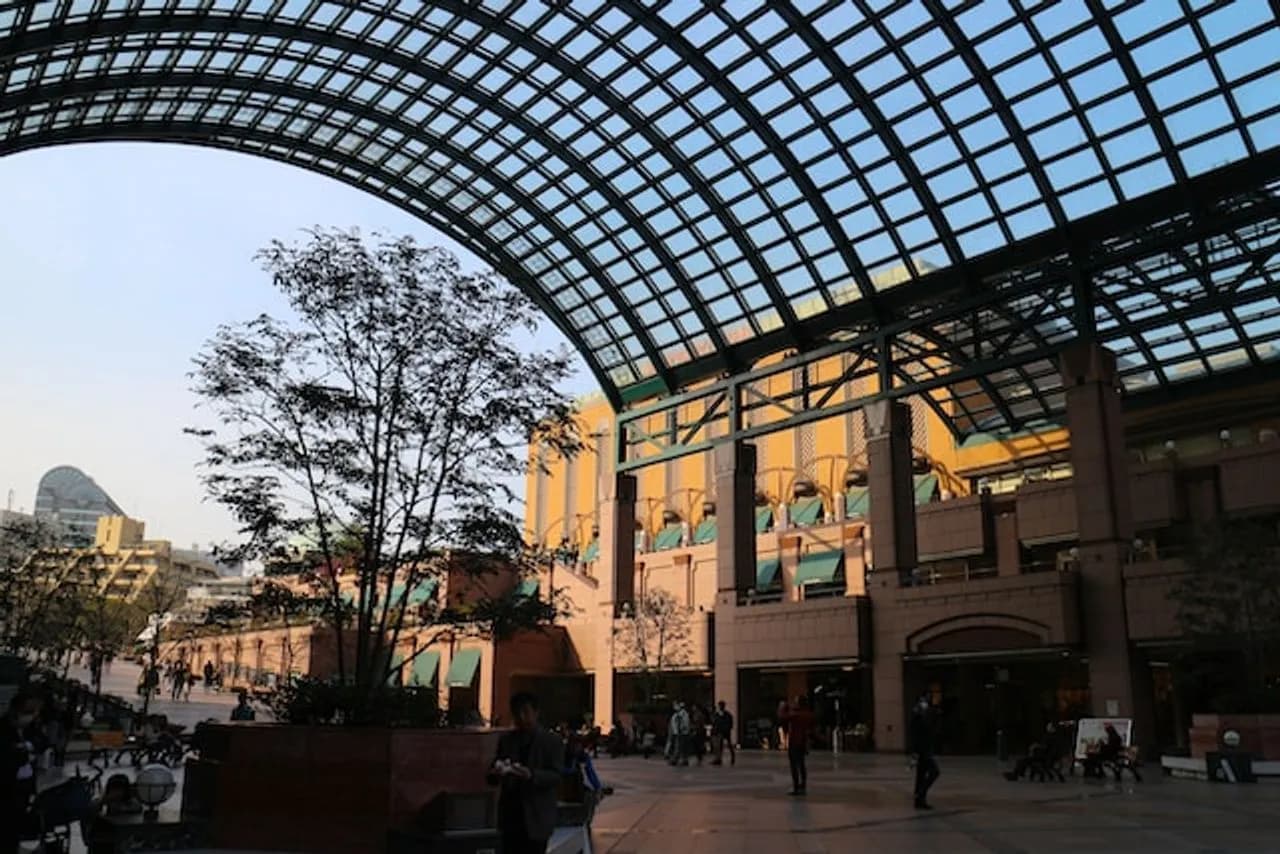
1) Ebisu Garden Place
- A complex cultural space built on the site of the former Yebisu Beer factory.
- Connected to JR Ebisu Station via the Skywalk, it has a calm, upscale atmosphere and is a well-known date spot.
- Famous as a drama filming location, its free observatories on the 38th and 39th floors offer stunning Tokyo night views.
2) Yebisu Brewery Tokyo
A beer museum located in the B1 floor of Ebisu Garden Place, reborn in 2024 after a major renovation.
- Guide: Offers free self-guided tours and paid guided tours (1,800 yen).
- Guided Tour: Advance internet booking is mandatory. Although conducted in Japanese, it is popular as it includes beer tastings.
- Tip: If the language is a hurdle, consider self-guided viewing followed by paid tastings in the Tasting Lounge.
3) Château Restaurant Joël Robuchon
- A 3-star Michelin restaurant operated by world-renowned chef Joël Robuchon. Its exterior resembles a French castle.
- Japanese women rank it #1 as the place they want to be proposed to for its fantastic atmosphere.
- Price: Dinner courses go up to 77,000 yen, lunch up to 25,000 yen, and booking is extremely difficult. (Tax included, 12% service charge separate)
- Rules: A strict dress code applies. Shorts, slippers, and T-shirts may result in refusal; jackets are recommended for men.
- Children: Children under 10 are not permitted.
💡 Gourmet Tip
Even if you don't dine at the main restaurant, the same building houses the more casual LA TABLE and LA BOUTIQUE, which sells delicious breads and desserts, allowing you to experience Robuchon at a more reasonable price.
Tokyo Station & Imperial Palace: Where Modern Skyscrapers Meet Historical TraditionTokyo Station, Imperial Palace, Marunouchi, Nihonbashi
1) Tokyo Station
東京駅
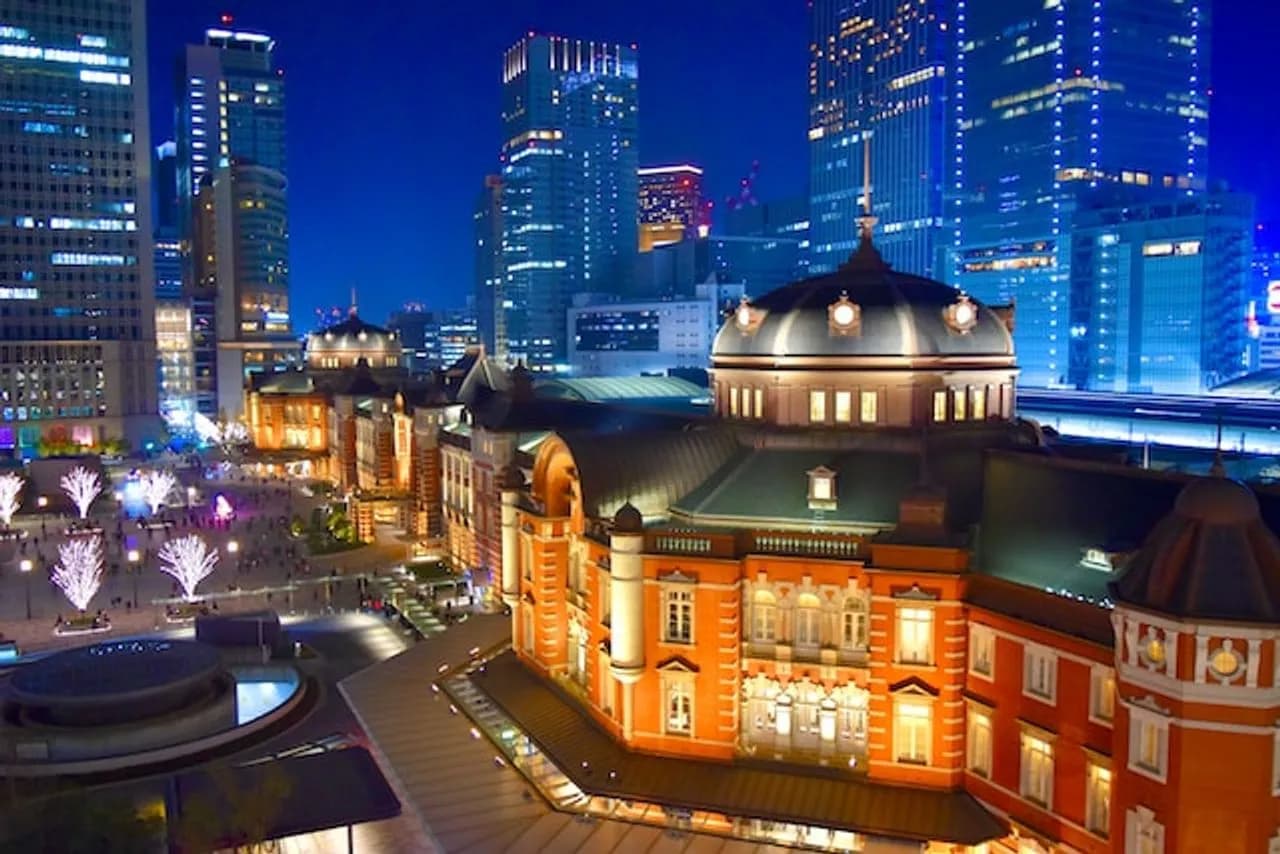
Tokyo Station is located directly in front of the Imperial Palace (Kokyo); maps show a straight boulevard connecting the palace to the station. Built in 1914 by architect Kingo Tatsuno in Renaissance style, it was restored to its current form for its centennial in 2014.
Its red brick exterior and dome structures resemble Amsterdam Central Station in the Netherlands, as Tatsuno used it as a benchmark. It suffered significant damage during WWII bombings but regained its former glory through extensive restoration starting in 2007.
2) Imperial Palace (Kokyo)
皇居
The residence of Emperor Naruhito, located on the site of the former Edo Castle, the center of the Tokugawa Shogunate. After the Meiji Restoration, the new government took over the castle, and it became known as the Kokyo (from 1948) when the capital moved to Tokyo.
- Viewing Areas:
- East Garden (Higashi Gyoen): Major ruins like the Honmaru and Ninomaru are open for free to the public, except on Mondays and Fridays.
- Kokyo Gaien & Kitanomaru Park: Always open as a resting place for citizens.
- Formal Palace Interior: Open to the public only twice a year (Emperor's Birthday on Feb 23, and New Year's Greetings on Jan 2). For other periods, advance booking is mandatory.
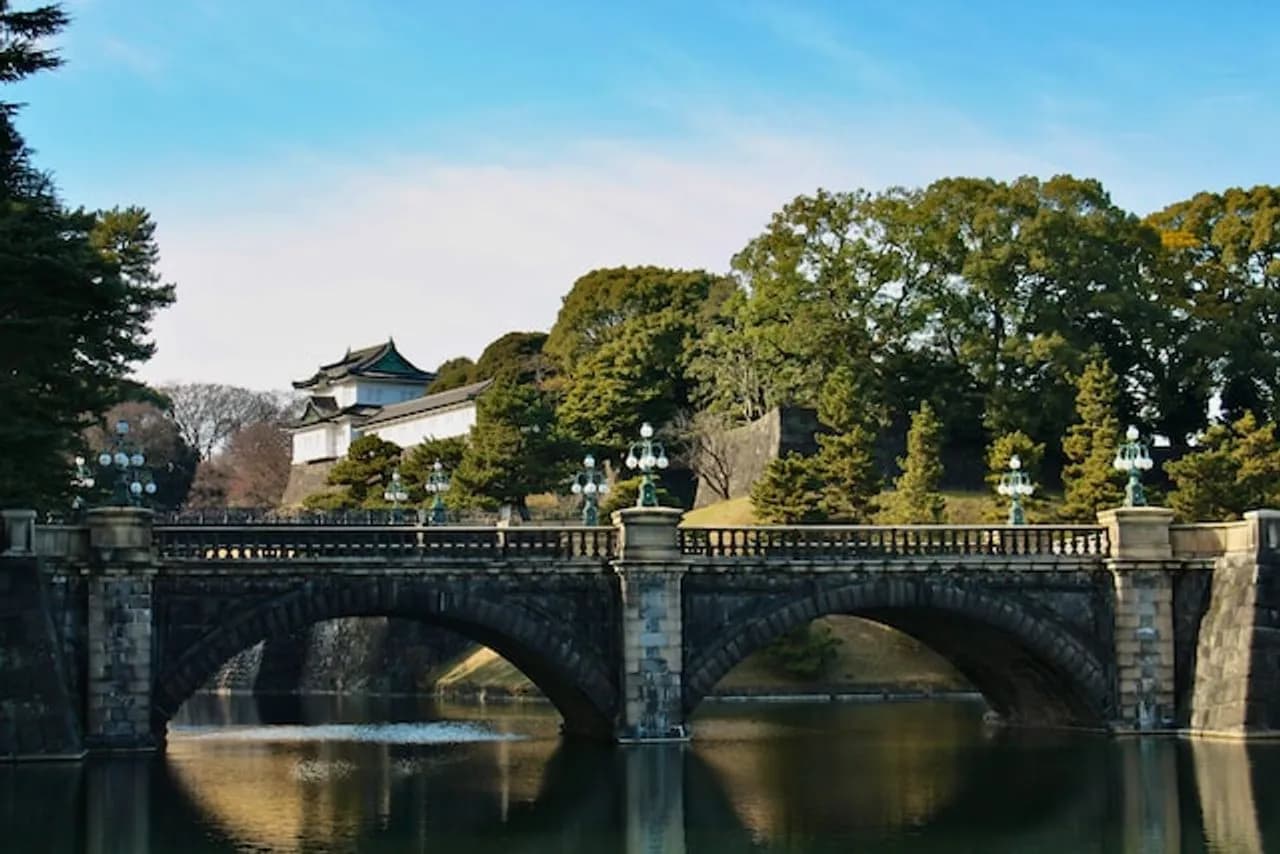
- Feature: To protect the Emperor's privacy and security, subway lines do not pass under the palace but detour around it. February 23rd is a national holiday.
3) Marunouchi & Nihonbashi
丸の内 & 日本橋
- Marunouchi: The heart of Japan's financial industry, where major bank headquarters are concentrated. The name means 'inside the moat.'
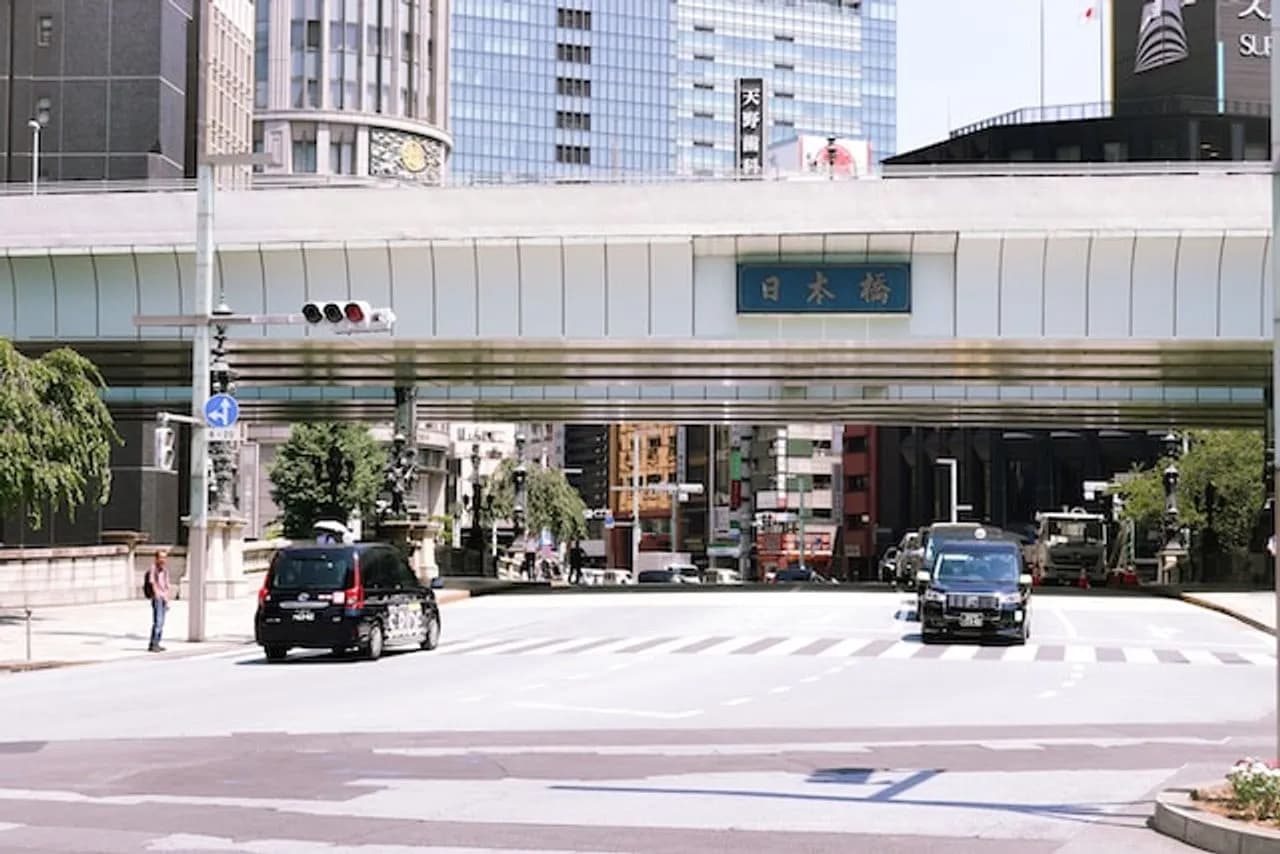
- Nihonbashi: A bridge established by Tokugawa Ieyasu in 1603, serving as the starting point (KM 0) of Japan's road network. The calligraphy on the center of the bridge was written by the last Shogun, Yoshinobu.
💡 Travel Tip
It is about a 10–15 minute walk from Tokyo Station to the Imperial Palace East Garden. The walking course from the modern skyscrapers of Marunouchi to the quiet forest of the Palace is the best way to feel Tokyo's past and present simultaneously.
Akihabara: From the Sanctuary of Electronics to the World's Largest Anime Culture HubA paradise for nerds, enjoying electronics, figures, and maid cafes
Akihabara (秋葉原)
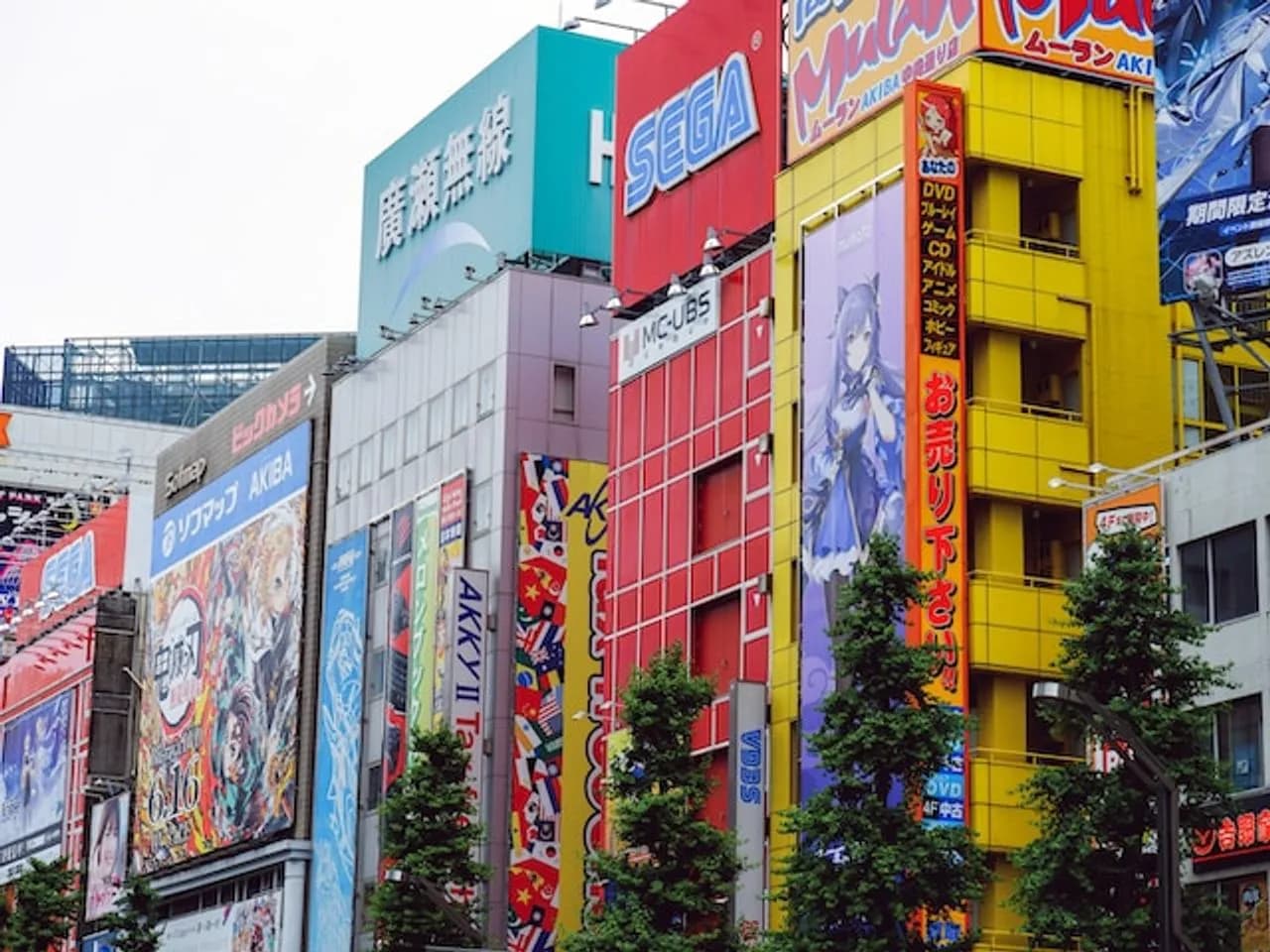
Akihabara is a representative place to measure one's nerd level; the longer you stay, the higher that level naturally rises. Affectionately called 'Akiba' by locals, it is a unique zone where Japan's popular culture and subcultures aggregate.
It began as Japan's largest electronics district. While electronics shopping was once central, current visitors mainly come for anime figures, character goods, and trading cards.
- Home of AKB48: The name of Japan's representative idol group AKB48 comes from Akihabara, and their dedicated theater is located here.
- Various Themes: You can deeply experience Japan's unique subcultures through maid cafes, cosplay shops, and retro game stores.
1) Major Shopping Hubs
- Yodobashi Camera Multimedia Akiba: A massive electronics store right in front of the station, great for everything from tech to toys.
- Radio Kaikan: A landmark building containing the essence of 'geek culture' with figures, dolls, and card games.
- Mandarake: A sanctuary for collectors seeking rare used figures or classic anime goods.
2) Precautions for Visiting ⚠️
Akihabara has several stores where the entire building is dedicated to adult products. These often have stimulating posters at the entrance, so check the nature of the store before entering if you are with minors or are sensitive to such content. However, many couples visit these for the open and unique experience.
3) Maid Cafe Experience
You can easily see promotional staff dressed in maid outfits on many street corners.
- Tips: Usually involves an entrance fee (cover charge) and a one-drink-per-person minimum.
- Warning: Some shops soliciting on the street may charge exorbitant rip-off fees. It is recommended to use famous chains like '@home cafe' or 'Maidreamin.'
💡 Shopping Tip
Figure prices vary significantly between stores. You can find the same product much cheaper if you look for 'unopened used' or 'damaged box' items, so it's worth visiting 2 or 3 shops.
Ueno: A Vibrant Cultural District Where Art, Museums, and Markets CoexistA multifaceted day with art, cherry blossoms, and market alleys
Ueno (上野)
Ueno is a major transport hub in northern Tokyo and a region rich in culture and history centered around its massive park. The blend of artistic museums and the earthy vitality of traditional markets gives it a unique charm.
1) Ueno Park
- Formally named Ueno Onshi Koen (Ueno Imperial Gift Park), it was granted to the city of Tokyo by Emperor Taisho in 1924.
- The park houses Japan's first zoo, Ueno Zoo, along with the National Museum of Western Art, Tokyo National Museum, and the National Museum of Nature and Science.
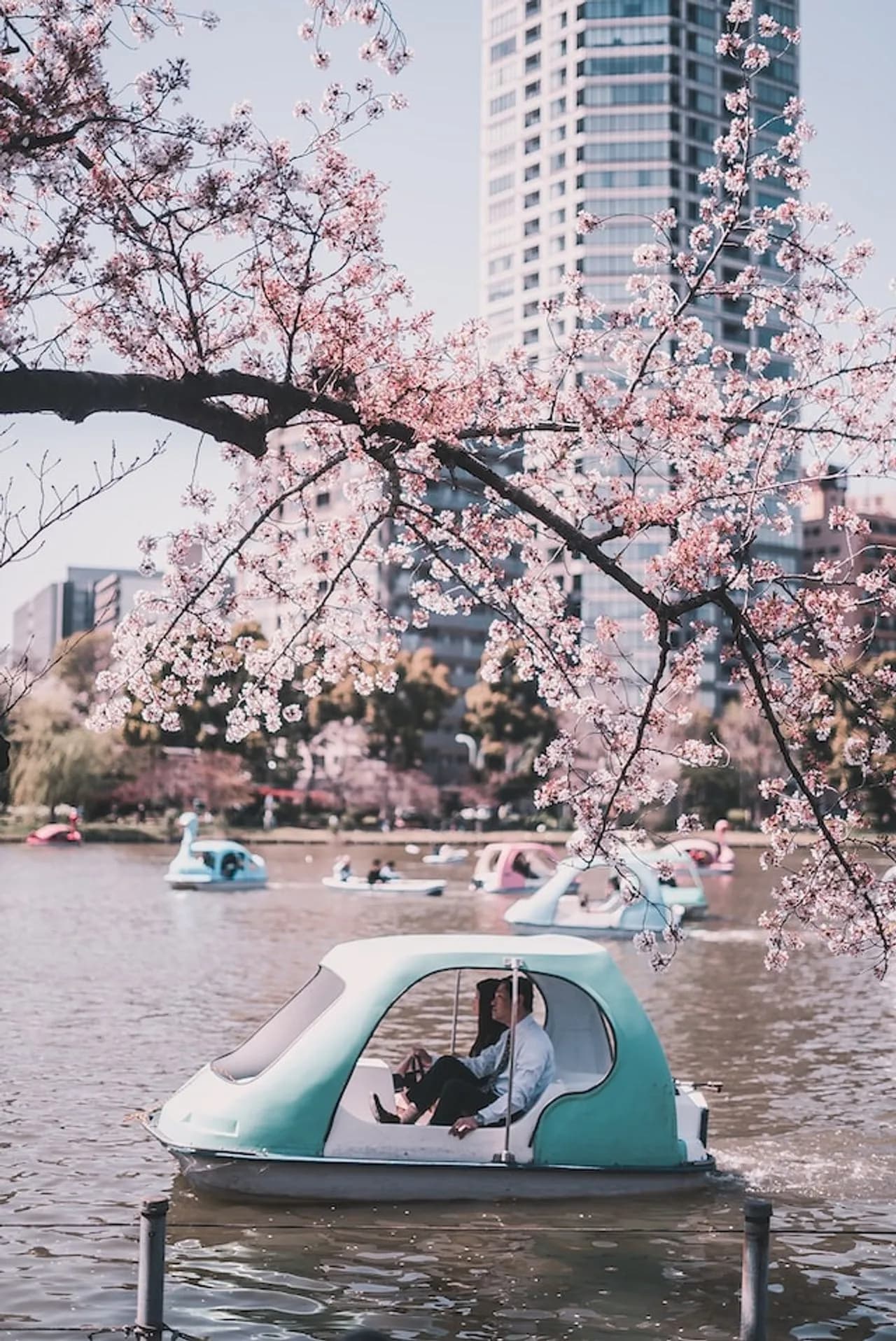
- In spring, thousands of cherry trees bloom, turning it into Tokyo's most famous Hanami (cherry blossom viewing) spot.
- As a massive urban park, you may see homeless people around the trails, which is another side of Tokyo distinct from the flashy downtown.
2) Historical Figures and Monuments
Near the entrance of Ueno Park, there are monuments closely related to Japan's modern history.
- Scholar Wangin Monument: A monument honoring Scholar Wangin, who brought the 'Thousand Character Classic' and 'Analects of Confucius' from ancient Baekje to Japan. It symbolizes long-standing cultural exchange between the peninsula and the islands.
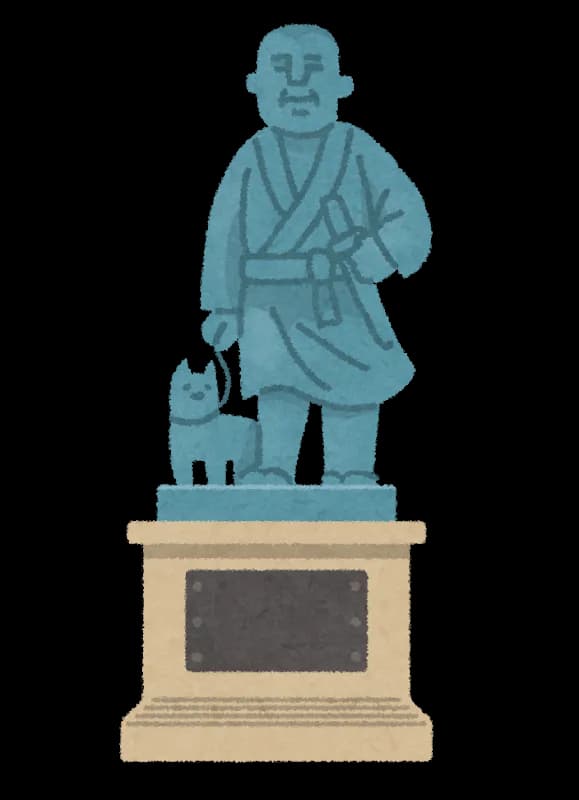
- Saigo Takamori Statue: A key figure in the Meiji Restoration, revered in Japan as a hero who died for his cause. He is known as the tragic samurai of the 1877 Satsuma Rebellion.
- Feature: The statue depicts him not in military uniform, but in a comfortable kimono walking his dog, symbolizing his life after leaving power.
3) Ameyoko (Ameyokocho)
A massive traditional market under the tracks between Ueno and Okachimachi stations. The mix of street stalls and vendor shouts offers a glimpse into the raw daily lives of Tokyo's working class.
- Name Origin: Theories include a concentration of candy (ame) shops when sugar was scarce, or an origin in a black market selling US military (America) surplus.
- Sights & Foods: A general market where you can find everything from fish and fruit to clothing. The shop that stacks piles of chocolate for 1,000 yen is a local legend.
- Restaurants: Many cheap and delicious heritage shops are in the alleys; TourCast's favorite tonkatsu spot is hidden near here. 😋
💡 Travel Tip
Ueno is often the first station you reach via the Skyliner from Narita. Store heavy luggage in station lockers, stroll through the park, and enjoy light snacks at Ameyoko to kick off your Tokyo journey.
Ikebukuro: A Complex Entertainment District of Shopping, Theme Parks, and AnimeA complex entertainment zone with anime, shopping, and theme parks
Ikebukuro (池袋)
Ikebukuro is a massive district that ranks as one of Tokyo's top 3 sub-centers alongside Shinjuku and Shibuya. While Akihabara is a male-centric subculture hub, Ikebukuro has established itself as the sanctuary for female 'otaku' culture.
1) Otome Road: Sanctuary for Female Fans
Ikebukuro features a street called Otome Road ('Girl Road'). It is characterized by a concentration of shops for anime, games, and manga targeted at women.
- Key Shops: Large goods shops like the Animate Flagship Store, K-BOOKS, and Mandarake abound. Notably, the Ikebukuro Animate is the largest in the world.
- Butler Cafes: A unique Ikebukuro feature contrasting with maid cafes. Butlers in suits treat guests as 'ladies' or 'princesses.'
- Warning: Butler cafes are very popular and often operate on a 100% reservation basis; book via official websites before visiting.
2) Sunshine City
A massive complex anchored by the Sunshine 60 landmark. It is filled with enough attractions to spend an entire day.
- Sunshine Aquarium: Famous for its 'flying penguin' tank on the rooftop, it is a beloved healing spot.
- J-WORLD TOKYO: An indoor theme park based on popular JUMP anime like One Piece, Naruto, and Dragon Ball. It is great for families and couples to experience these worlds directly.
- Observatory (Tenbou Park): Offers a 360-degree view of Tokyo from the top of Sunshine 60, featuring a charming park-like relaxation space.
3) Shopping and Amenities
A concentration of Japan's largest department stores and electronics retailers surrounds Ikebukuro Station.
- Department Stores: TOBU at the West Exit and SEIBU at the East Exit are the titans. (Remember: SEIBU is East, TOBU is West—don't get confused!)
- Electronics: The Bic Camera Main Store is optimized for electronics and household shopping.
- Variety Goods: Large Don Quijote and LOFT stores are great for travel souvenirs.
💡 Travel Tip
Ikebukuro Station is famous for having many complex exits. There is a joke about the department stores being on the 'wrong' sides (Seibu on East, Tobu on West), so check the color-coding and English labels on station signs carefully.
Shin-Okubo: A Koreatown Brimming with Multiculturalism in TokyoTokyo's Koreatown with food, Hallyu, and culture
Shin-Okubo (新大久保)
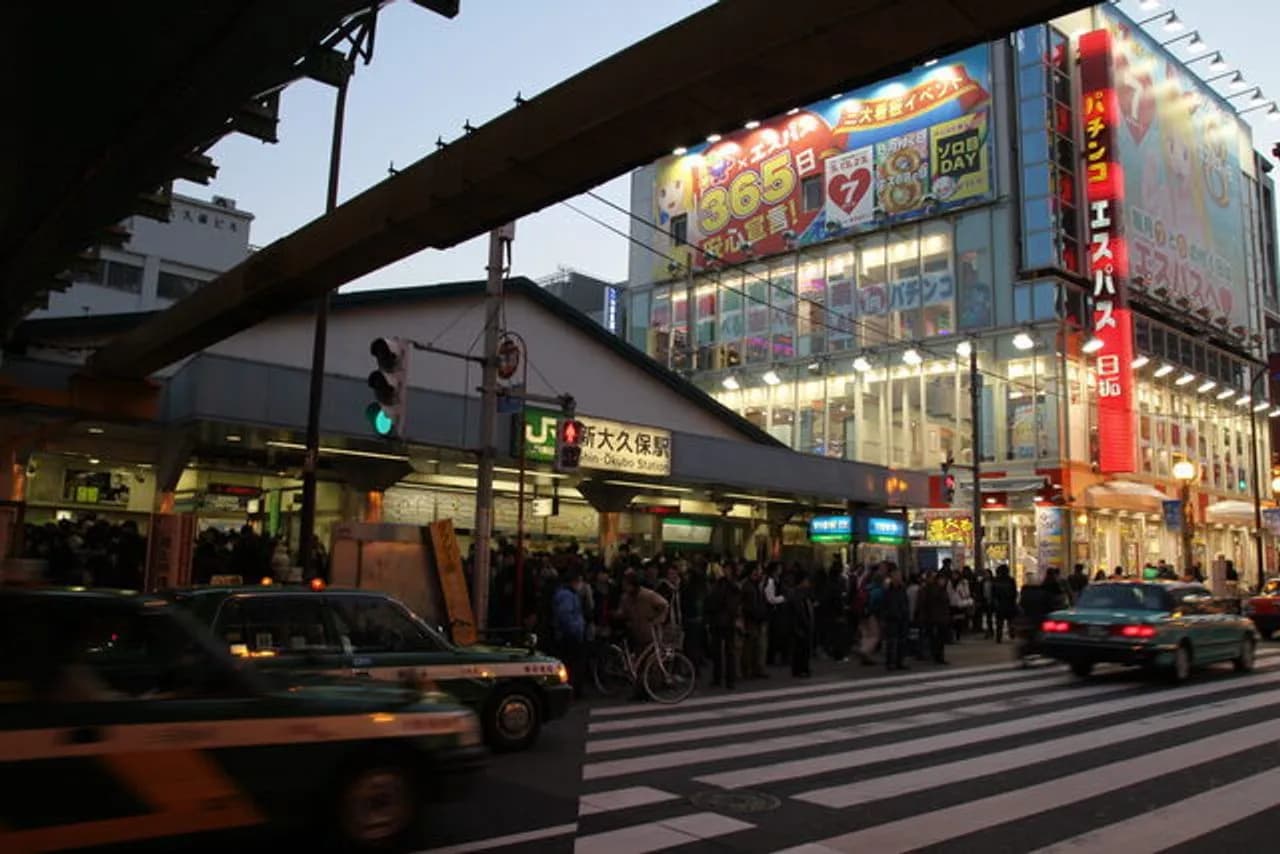
Shin-Okubo is Tokyo's largest Koreatown. Located just one stop from Shinjuku on the JR Yamanote Line, it offers a unique atmosphere where K-pop, K-food, and K-beauty blend amidst Tokyo's neon lights.
Historically, Shin-Okubo formed as a settlement for post-war zainichi Koreans. With the Hallyu wave, it grew rapidly into a multicultural street drawing Japanese locals and global travelers seeking K-culture. Recently, Chinese-owned shops have also increased, further diversifying its international flair.
1) Gourmet and Shopping Street
- K-Food: Taste popular Korean items like Samgyeopsal, fried chicken, hot dogs, and Tteokbokki in one place. It is a great chance to enjoy authentic-style Korean cuisine.
- K-Pop & Beauty: Dense with the latest idol goods and Korean cosmetic brand shops, it's a must-visit for K-pop fans.
- Korean Marts: Large grocery stores like 'Kwanghee Market' or 'Seoul Market' offer a wide variety of Korean ingredients and instant foods.
2) A Name to Remember: The late Lee Soo-hyun
If you visit Shin-Okubo Station, take a moment to find the memorial plaque inside.
This was the site of the noble sacrifice of the late Lee Soo-hyun, a Korean student who on January 26, 2001, jumped onto the tracks to save a drunk Japanese passenger. This event deeply moved Japanese society with a sense of humanity that transcended nationality, and he is remembered today as a symbol of Korea-Japan friendship.
- Memorial Festival: From the 60th anniversary of normalized Korea-Japan relations in 2025, it has been elevated to the 'Righteous Person Lee Soo-hyun Memorial Cultural Festival' to honor his courage annually.
Excerpt from the plaque "We leave this text here to eternally honor the noble spirit and brave actions of these two individuals."
💡 Travel Tip
Shin-Okubo is a 10–15 minute walk from Kabukicho or the Shinjuku East Exit. Walking through the flashy downtown naturally leads you to Shin-Okubo and its hangul signs. With many restaurants open late, it is also a great spot for a late-night meal.