Starting Your Journey in Nikko, a World Heritage City Embracing History and NatureNikko, where Japanese culture and spectacular views come alive.
'Never say "Kekko" (magnificent) until you've seen Nikko'
(日光を見ずして結構と言うな - Nikko o mizushite kekko to iu na)
As the famous Japanese saying goes, Nikko is a city where outstanding natural landscapes and exquisite temple architecture harmonize. Designated as a UNESCO World Heritage site in 1999, it holds immense historical value and offers a deep charm distinct from the city center.
1) Major Travel Points in Nikko
- History and Culture: Home to the Toshogu Shrine, which enshrines Tokugawa Ieyasu, the city is filled with architectural masterpieces showcasing the pinnacle of Japanese artistry.
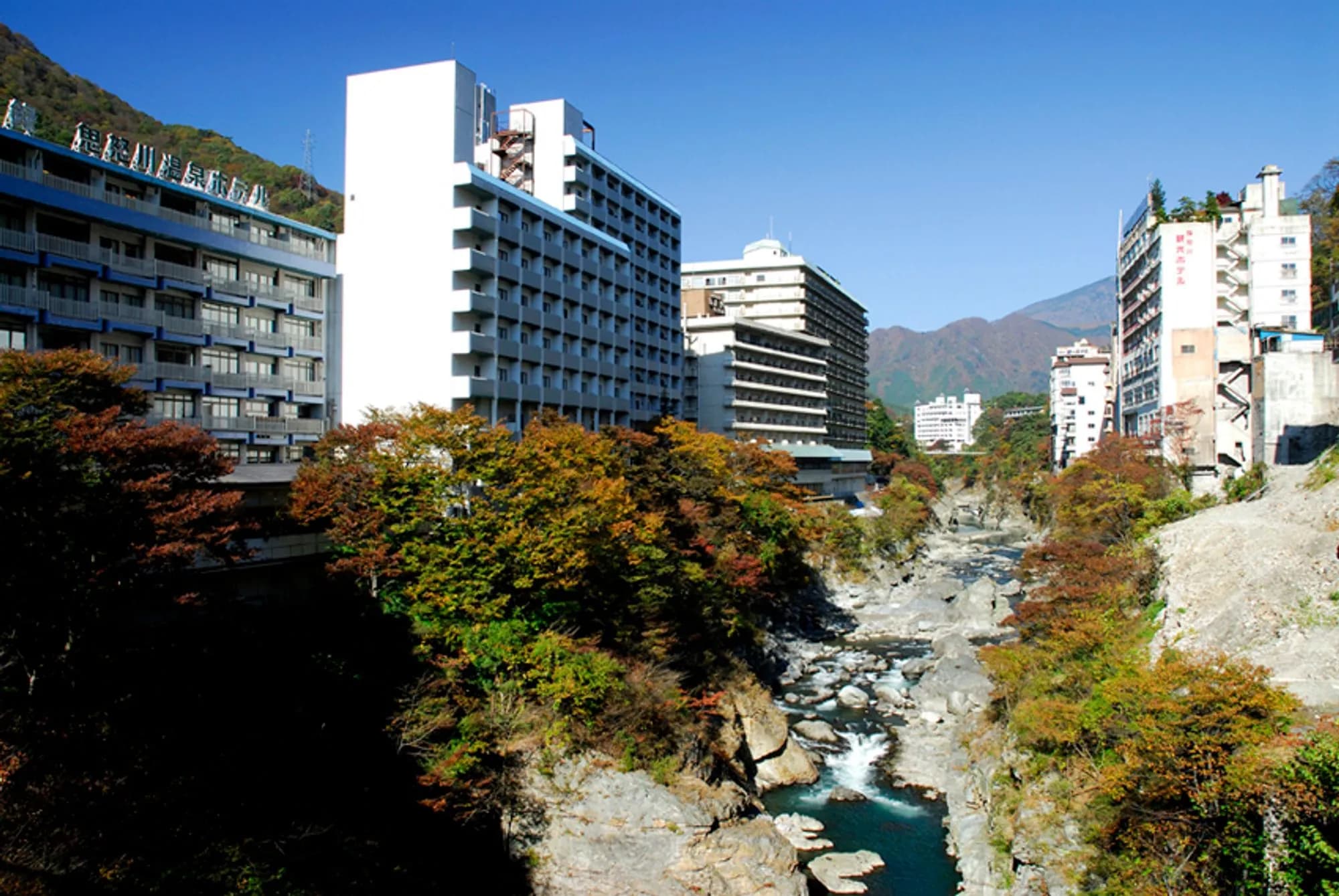
- Onsen Retreat: The nearby Kinugawa Onsen area, while less flashy than during the bubble economy era, offers a relaxed atmosphere to enjoy hot spring baths at reasonable prices.
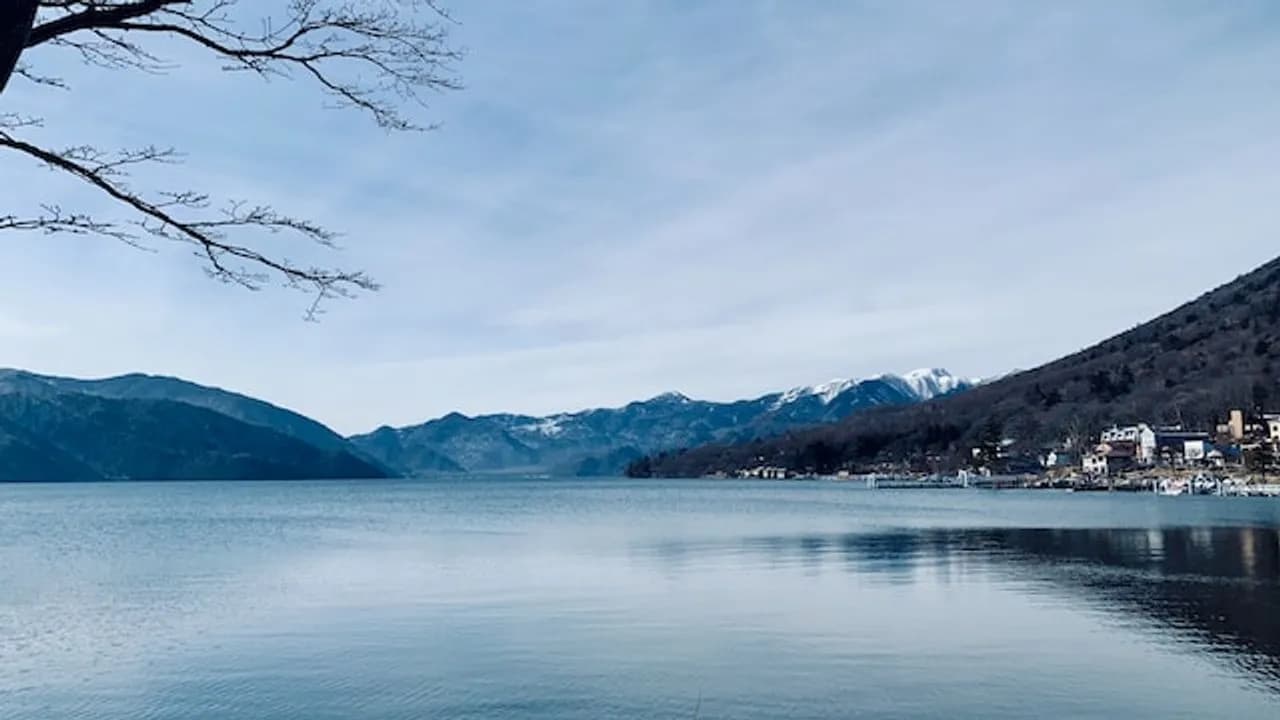
- Spectacular Nature: Encounter overwhelming natural beauty at Kegon Falls, one of Japan's top three waterfalls, and Lake Chuzenji, situated at an altitude of 1,200m.
2) Itinerary Tips
Nikko is about 2 hours from Asakusa, Tokyo, by limited express train, making a day trip perfectly feasible. However, a 2-day, 1-night trip is recommended for those wanting to explore all areas thoroughly.
💡 Accommodation Note
Since Nikko is a historic tourist destination, shops tend to close early. The streets can be quite deserted and quiet at night, so it is wise to identify dinner spots in advance or choose a ryokan plan that includes dinner (kaiseki).
Essential Transport Passes: Comparing Nikko Passes (World Heritage Area vs. All Area)How to choose the optimal pass covering both transport and sightseeing.
If you are planning a trip to Nikko, purchasing a pass in advance is overwhelmingly advantageous in terms of cost. A standard round-trip from Asakusa to Nikko costs about 2,800 yen by local train alone, but with a pass, you get unlimited use of regional buses and trains for a similar price.
1) Nikko Pass (World Heritage Area)
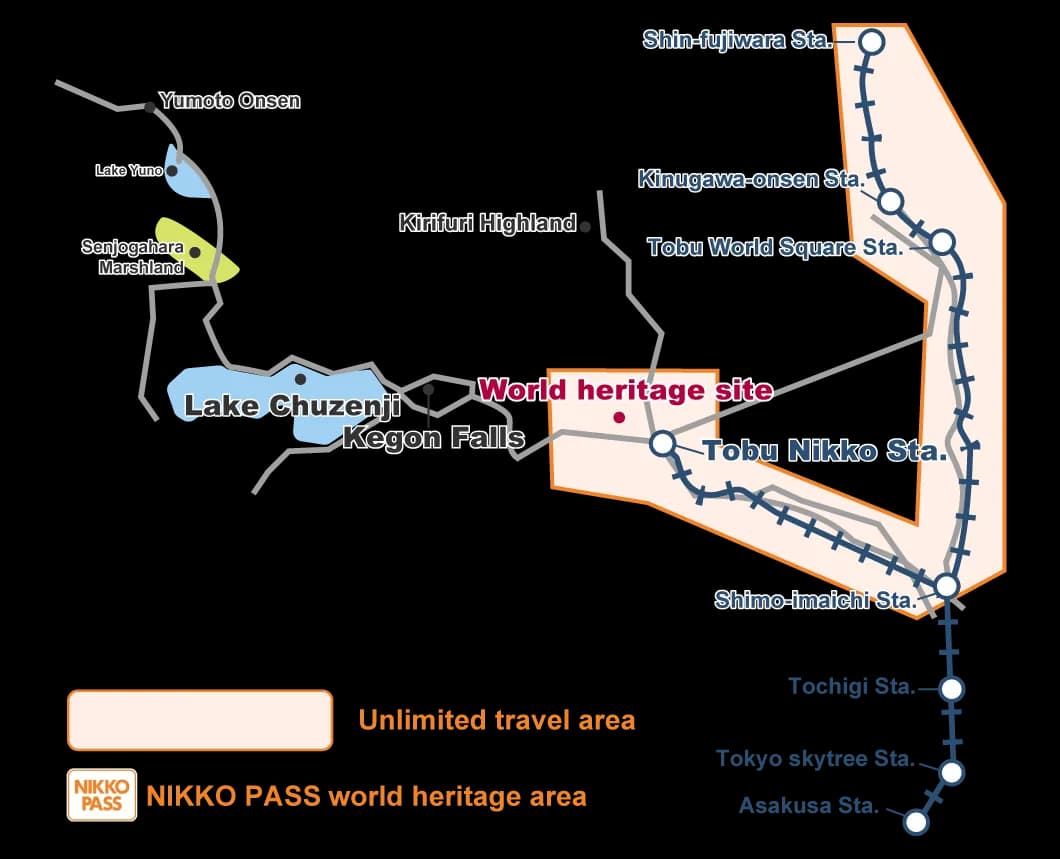
Best for short but focused trips centered around the major temples and shrines in Nikko's city center.
- Validity: 2 days
- Rail Coverage: 1 round-trip between Asakusa ↔ Shimo-Imaichi + unlimited rides between Shimo-Imaichi to Tobu-Nikko/Shin-Fujiwara.
- Bus Coverage: Unlimited use of the World Heritage Sightseeing Bus (Toshogu, Rinno-ji, etc.).
- Features: Covers the Kinugawa Onsen area and includes admission discounts for Edo Wonderland or Tobu World Square.
2) Nikko Pass (All Area)
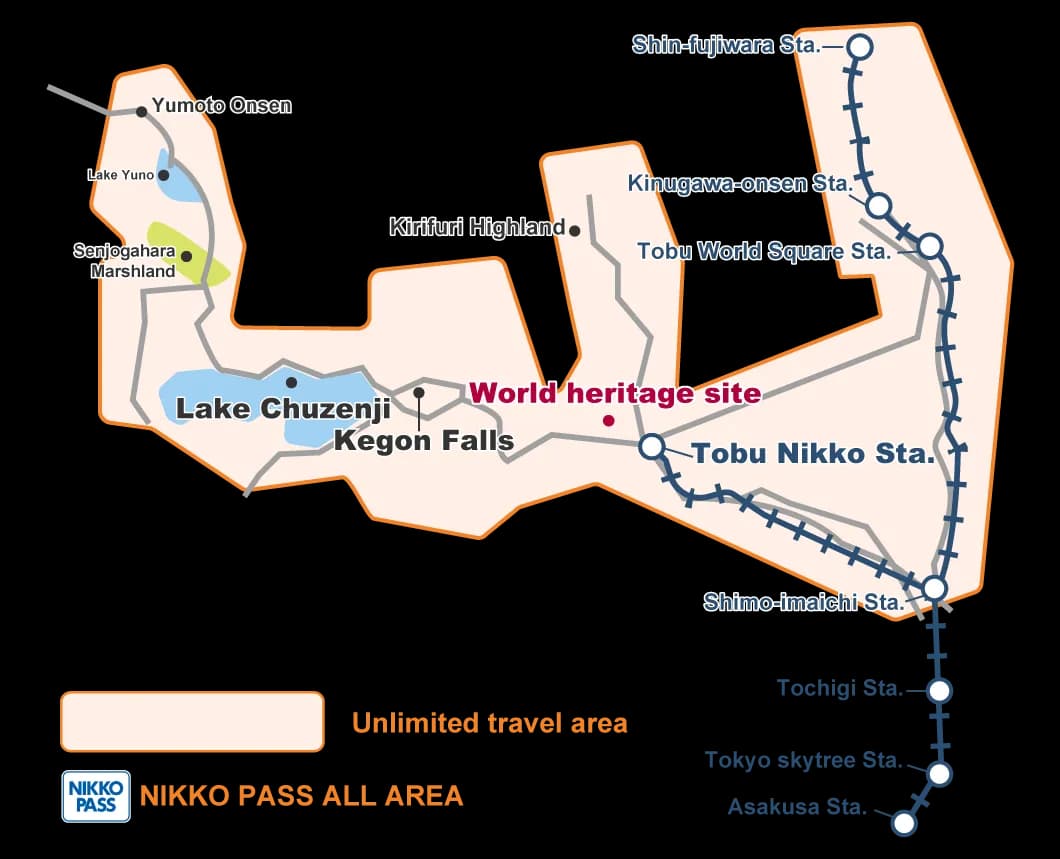
Essential if you want to explore beyond the heritage sites to see deep natural landscapes like Lake Chuzenji and Kegon Falls.
- Validity: 4 days
- Rail Coverage: Same as the World Heritage Area Pass.
- Bus Coverage: All Tobu bus lines in the Nikko area included (Kegon Falls, Lake Chuzenji, Yumoto Onsen, etc.).
- Extra Benefits: Free use of Chuzenji-ko cruise boats and low-emission buses (varies by season).
- Features: Ideal for travelers with more time who want to enjoy every corner of Nikko's nature.
3) At-a-Glance Comparison
| Category | World Heritage Area Pass | All Area Pass |
|---|---|---|
| Validity | 2 Days | 4 Days |
| Bus Range | World Heritage Loop Bus | All Tobu Bus Zones |
| Recommended Spots | Toshogu, Kinugawa Onsen | Adds Lake Chuzenji, Kegon Falls |
⚠️ Precautions
- Passes include only standard rail fares. To use Limited Express trains like 'Revaty' or 'SPACIA,' you must purchase a separate limited express ticket.
- To ride the SL Taiju (Steam Locomotive), you must reserve a Reserved Seat Ticket separately even with a pass.
How to Get to Nikko from Tokyo: Guide to Limited Express SPACIA X and TrainsA train selection guide for time, convenience, and experience.
The Nikko rail lines split into two branches starting from Shimo-Imaichi Station. Since all limited express trains stop here, the key is to take the direct train or transfer according to your destination.
- Left Branch: Tobu-Nikko Station (World Heritage Area, Lake Chuzenji, Kegon Falls)
- Right Branch: Kinugawa-Onsen Station (Onsen Town, Edo Wonderland, Tobu World Square)
1) Standard Train vs. Limited Express
While standard rail fares are free for Nikko Pass holders, Limited Express trains are recommended for efficiency.
| Category | Standard Train (Pass only) | Limited Express (Recommended) |
|---|---|---|
| Travel Time | Approx. 2 hrs 45 mins | Approx. 1 hr 40 mins |
| Transfers | Min. 2 transfers | Direct from Asakusa (No transfer) |
| Extra Fee | None | Limited Express Ticket required (~1,650 yen+) |
Limited Express Fares: Prices vary by season. Check fares for Off-season (~1,450 yen) and Peak Season (~1,850 yen) in advance. Check Seasonal Calendar
2) Types of Limited Express Trains to Nikko
- SPACIA (Kegon/Kinu): Authentic limited express trains known for spacious seating and a comfortable ride.
- Revaty: Modern electric trains running at various times with high-quality facilities.
- SPACIA X: A premium train debuted in 2023. It offers 6 seat classes, including Cockpit Suites, besides standard seats (1,940 yen).
3) Special Train Experiences: SPACIA X & SL Taiju
SPACIA X
The latest premium train from Tobu Railway. It is so popular that the onboard cafe lounge requires a web reservation after boarding.
- Surcharge Seats: Cockpit Suite (18,000 yen/room), Cockpit Lounge (500 yen~), Premium Seat (580 yen), etc.
SL Taiju (Steam Locomotive)
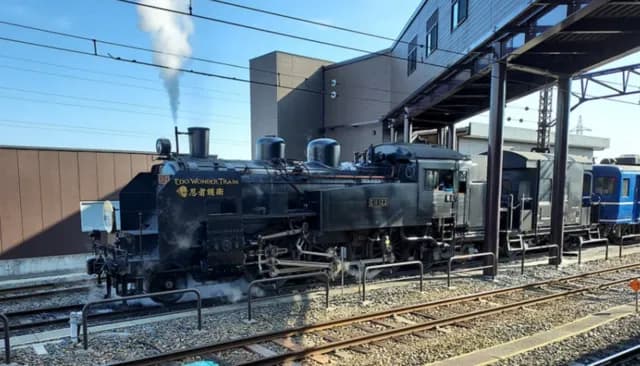
A nostalgic train that runs emitting actual steam. Nikko Pass holders must buy a Reserved Seat Ticket (Adult ~750 yen) separately.
- Route: Tobu-Nikko/Shimo-Imaichi ↔ Kinugawa-Onsen
- Note: Do not confuse it with the visually similar DL Taiju (Diesel); check the train name when booking.
💡 Navigation Tip
If you accidentally board a Kinugawa-bound train when you meant to go to Tobu-Nikko, don't panic. Get off at Shimo-Imaichi Station and transfer to the connecting train on the opposite platform.
Recommended Nikko Courses: Efficient Routes Based on Your PassDesign your Nikko trip from 1 to 4 days based on your schedule.
When planning your itinerary using a Nikko Pass, World Heritage Pass users should focus on Itineraries 1) and 2), while All Area Pass users can enjoy up to 4 days by following the order 3), 1), then 2).
1) World Heritage Area
- Depart from Tobu-Nikko Station Bus Stop 2B → Take the World Heritage Loop bus to Stop 85 (Taiyuin・Futarasan-jinja-mae).
- Tour on foot: Futarasan Shrine → Toshogu → Rinno-ji → Shinkyo Bridge.
2) Kinugawa Onsen Area
- Move from Stop 7 (Shinkyo) to Tobu-Nikko Station (Timetable 1, 2, 3).
- Tobu-Nikko Sta. → Shimo-Imaichi Sta. → Tobu World Square Sta. → Tour Tobu World Square.
- Kinugawa-Onsen Sta. → Take bus to 'Edo Wonderland' for touring.
- Return to Kinugawa-Onsen Sta. for Day-use Onsen or Ryokan stay.
3) Akechidaira, Lake Chuzenji, and Kegon Falls Area
- Take a bus toward Yumoto Onsen from Stop 7 (Shinkyo) (Timetable).
- Exit at Stop 24 (Akechidaira) → Take ropeway to view observatory (One-way 600 yen / Round-trip 1,000 yen).
- Stop 24 → Stop 26 (Chuzenji Onsen) (Timetable) → Tour Kegon Falls.
- Stop 26 → Stop 28 (Funenoeki Chuzenji) (Timetable) or walk (8 mins) → Board Sightseeing Boat.
- Stop 28 → Stop 37 (Ryuzu-no-taki) (Timetable) → Tour Ryuzu Falls.
- Return from Ryuzu-no-taki to Tobu-Nikko Station (Timetable).
Nikko Key Attractions Guide: From Toshogu Temple to Lake Chuzenji ViewsA multifaceted journey blending history, nature, and experiences.
1) Shinkyo Bridge (神橋)
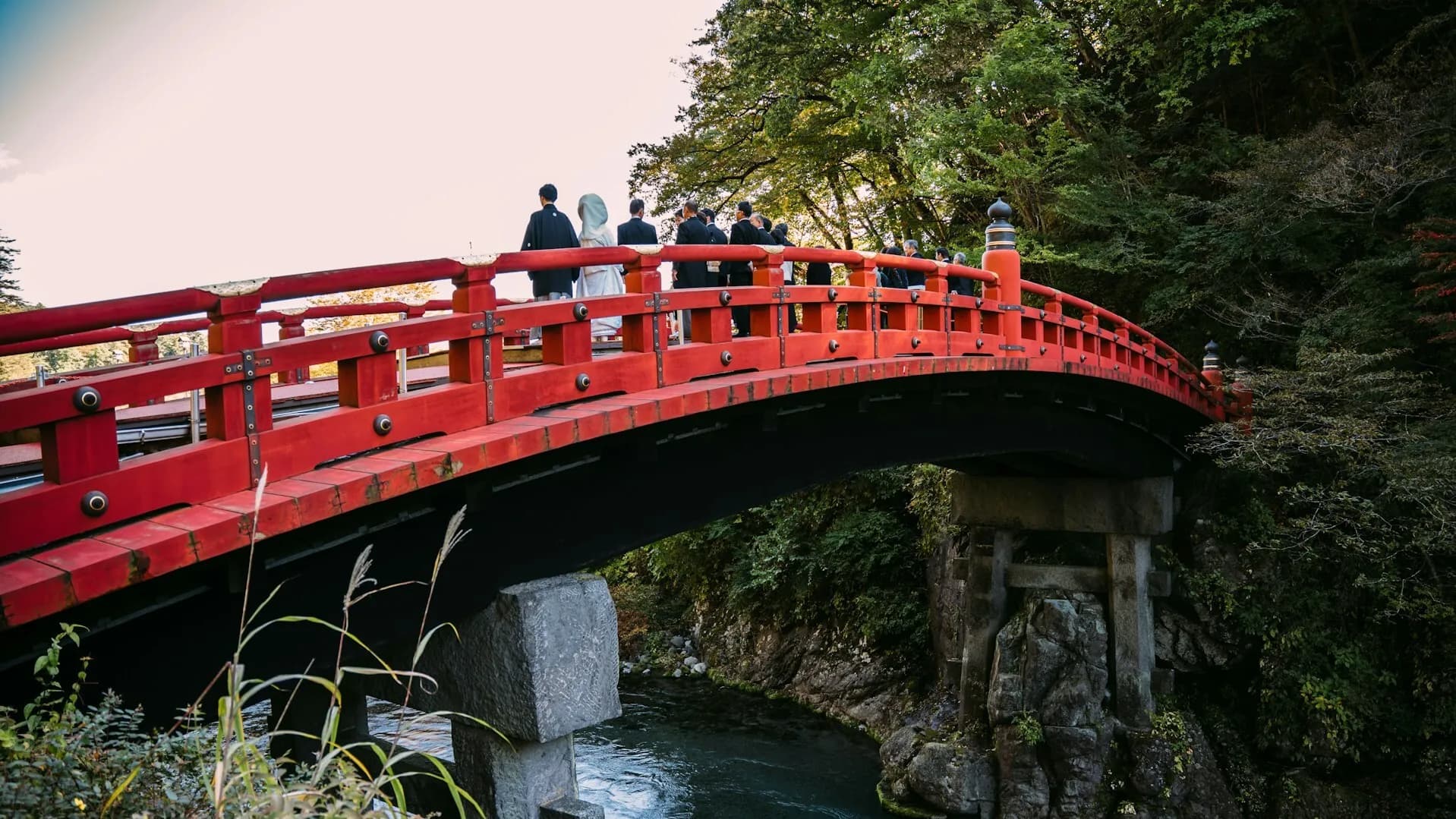
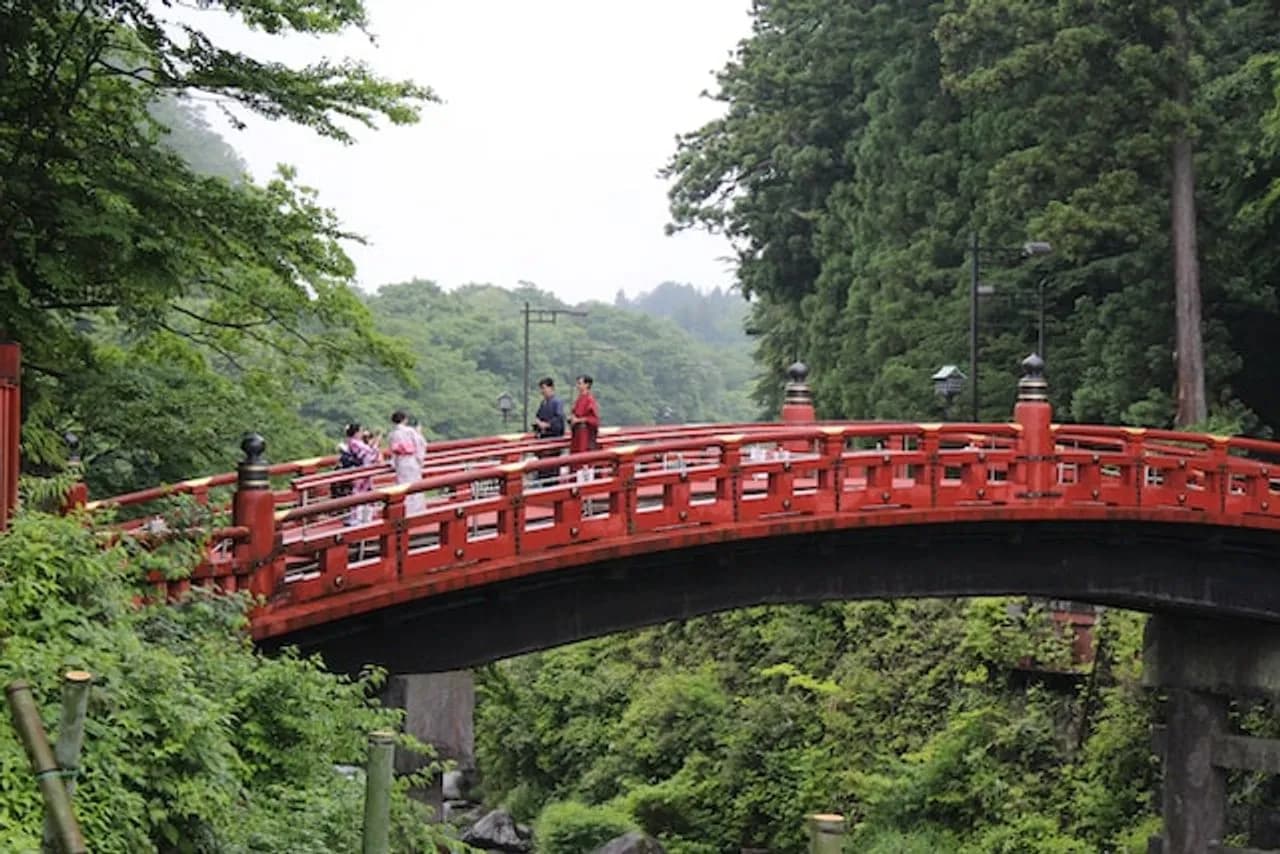
Legend says that in the 8th-century Nara period, when the priest Shodo Shonin was blocked by rapid valley currents, two snakes stretched their bodies to form a bridge. Located at the entrance to the Nikko World Heritage area, the current red-lacquered bridge was completed in 1636.
- Viewing Tip: An admission fee is required to cross the bridge, but viewing it from the sidewalk along the road is free.
- Visitor Info: 08:00–17:00 (varies by season) / Fee: 300 yen.
2) Toshogu Shrine (東照宮)
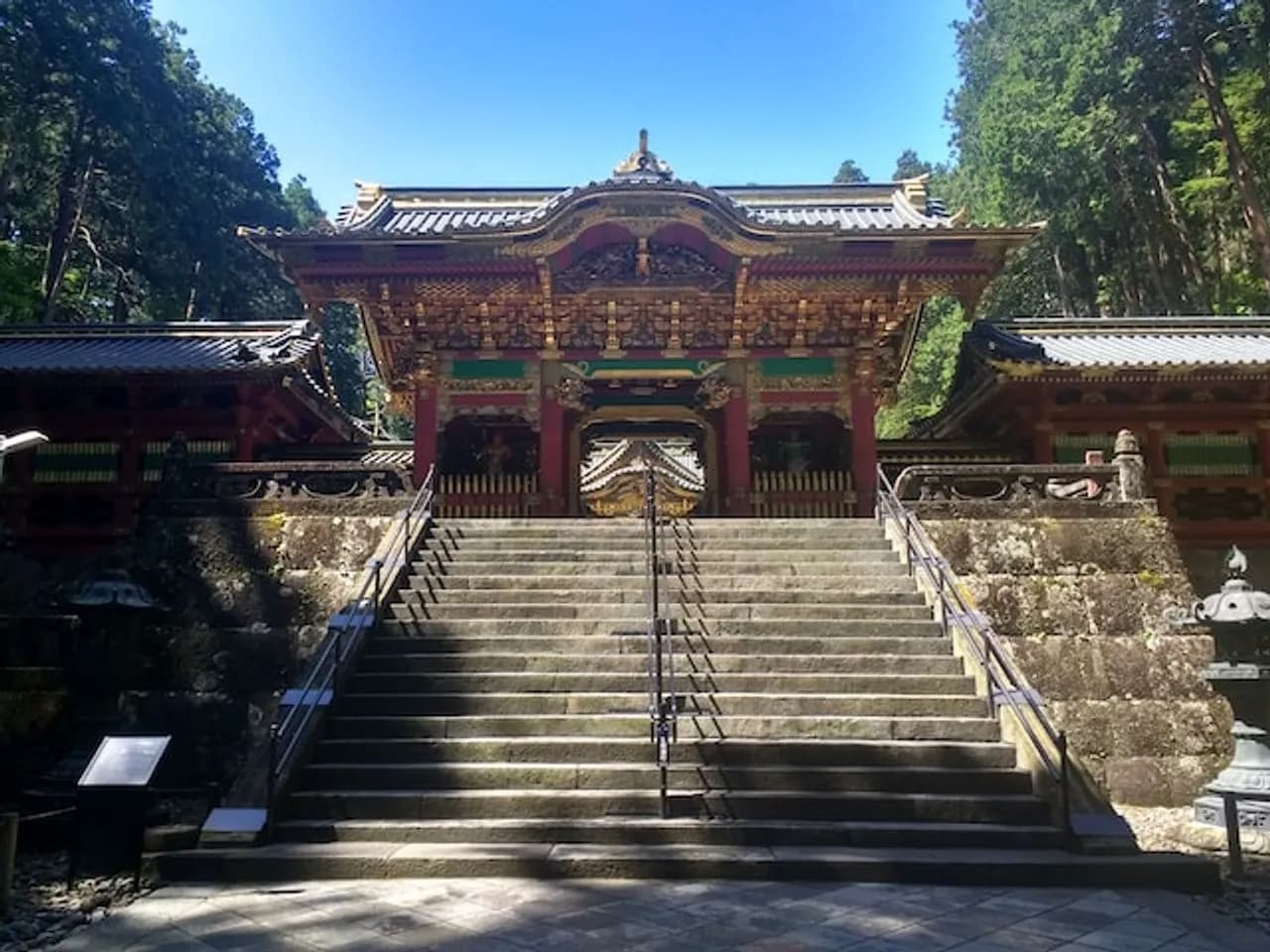
The mausoleum of Tokugawa Ieyasu, the founder of the Edo Shogunate, and Nikko's most iconic landmark representing the extreme of decorative splendor. It is said he was buried here, to the northeast (the 'demon gate') of Tokyo, to protect Edo even after death.
- Major Highlights:
- Shinkyusha: The Three Wise Monkeys carving teaching "See no evil, hear no evil, speak no evil."
- Yomeimon: Known as 'Higurashimon' (twilight gate) because one could look at its 508 exquisite carvings all day without getting bored.
- Nemuri-neko: Carvings of a sleeping cat and sparrows, symbolizing a peaceful world.
- Visitor Info: 08:00–17:00 (Last entry 16:30) / Fee: Adult 1,600 yen.
3) Rinno-ji & Futarasan Shrine (World Heritage District)
Commonly referred to as 'Two Shrines and One Temple,' these adjacent areas are best explored together.
- Futarasan Shrine: Founded in 767, many visit this historic shrine to pray for luck and matchmaking.
- Rinno-ji Sanbutsudo: The head temple of the Tendai sect, enshrining three massive 7.5m gilded Buddha statues.
- Taiyuin: The mausoleum of the 3rd Shogun Iemitsu, who chose to be buried near his respected grandfather Ieyasu. It features a more subdued, dignified beauty compared to Toshogu.
Admission Set Ticket:
If you plan to visit all Rinno-ji sites (Taiyuin, Sanbutsudo, Treasure House), buying a Set Ticket (Adult 1,000 yen) is cheaper than individual purchases.
4) Nikko in Nature: Akechidaira & Kegon Falls
Take a bus from Nikko Station up the mountain for overwhelming natural scenery.
- Akechidaira Ropeway: Boasts the best view, capturing both Lake Chuzenji and Kegon Falls in one frame.
- Kegon Falls (Kegon-no-taki): One of Japan's top three waterfalls; the sight of water falling from 97m is grand. You can take a paid elevator down to face the falls directly.
- Lake Chuzenji: A highland lake at 1,200m altitude, perfect for cruises or lakeside walks. (Free cruise access with the Nikko All Area Pass).
5) Theme Park Experiences: Edo Wonderland & Tobu World Square
Recommended for children or family travelers in the Kinugawa area.
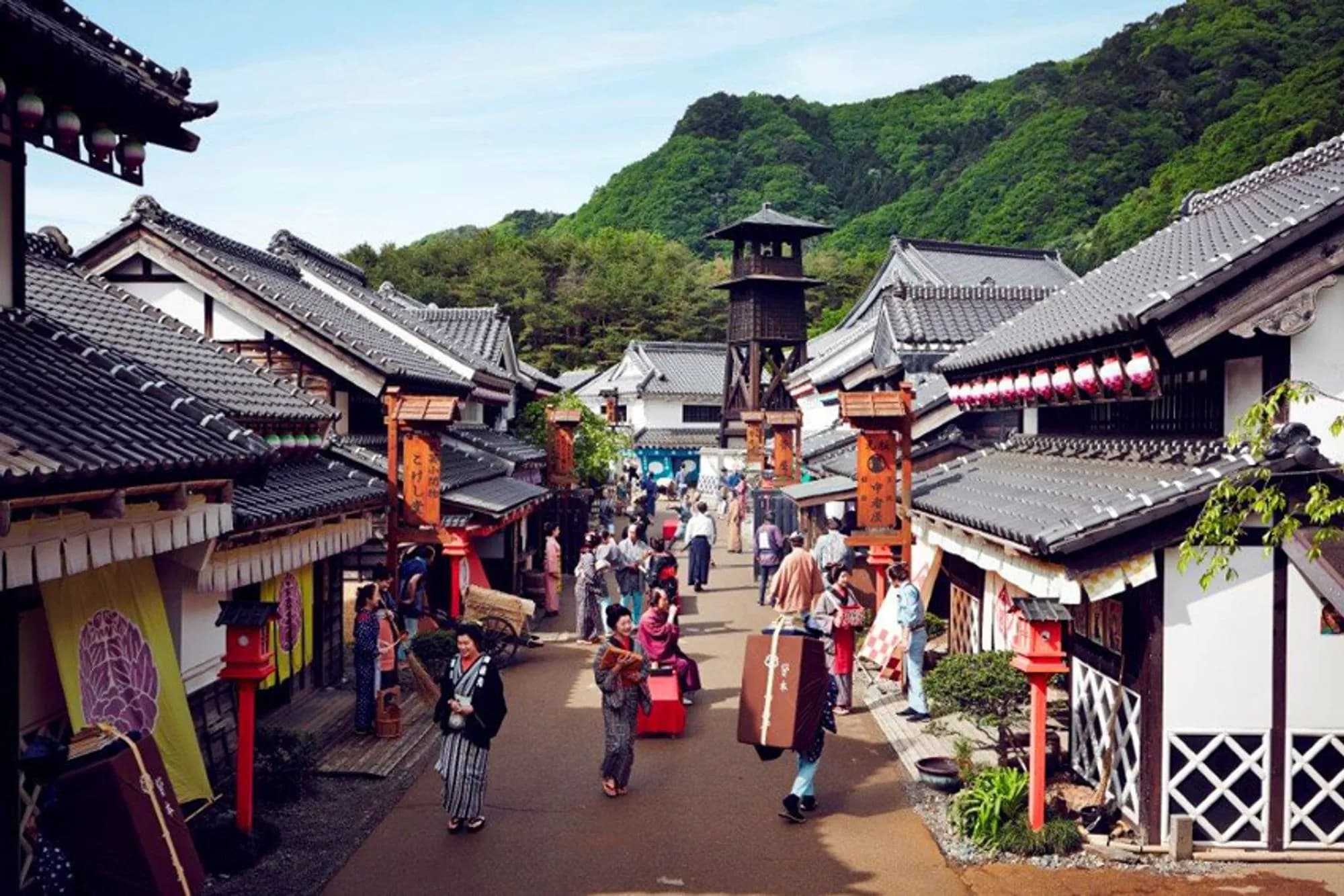
- Edo Wonderland: A theme park perfectly recreating an Edo-period village. Enjoy ninja shows or traditional costume experiences.
- Tip: The Oiran Parade, where the Oiran wears her obi tied in the front, is a must-see.
- Tobu World Square: A miniature park featuring 1/25 scale replicas of world-famous architecture.