Tokyo Gourmet Travel: Japan's Capital Where Flavors from Across the Country GatherDiverse flavors from traditional to modern enjoyed in one city
Tokyo has been the center of Japan since the Edo period. While its history is shorter than that of Kyoto or Osaka, meaning it has fewer unique traditional dishes, it serves as the capital where delicacies from all over Japan converge. Here, you can taste nationwide dishes reinterpreted in 'Tokyo style' with the highest quality.
For a fail-proof culinary experience during your Tokyo trip, here are five representative foods that were either born in Tokyo or are best enjoyed here.
Nigiri-sushi (握り寿司): From Edo-period Fast Food to Global DelicacyThe history and tradition of a single bite formed by hand
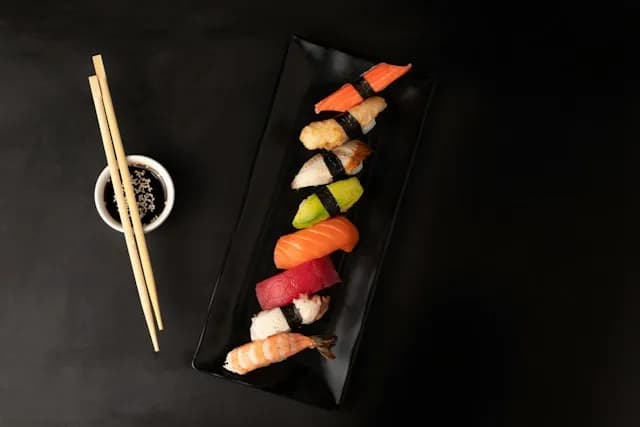
The 'hand-pressed sushi' we commonly encounter today actually originated from Edomae Sushi, born in Tokyo (then Edo) about 200 years ago. Once a 'fast food' served quickly at stalls for busy Edo residents, sushi has now become the pinnacle of global fine dining.
1) Background of Nigiri-sushi's Birth
- The Start of Fast Food: It began in the 1820s when a chef named 'Yohei Hanaya' in Edo served fresh fish topped on vinegared rice instantly.
- Edomae: Means 'in front of Edo bay.' It earned this name because it utilized fresh seafood caught in Tokyo Bay at the time.
- Wisdom in an Age Without Refrigeration: Since refrigeration technology didn't exist, techniques such as marinating fish in soy sauce (Zuke), curing in vinegar, or simmering were developed. These have become the unique refined techniques of modern Edomae sushi.
2) Sushi Trends: Coexistence of Tradition and Innovation
Today's Tokyo sushi scene has become even more diverse, with traditional masters and young, innovative chefs coexisting.
- Inheriting Tradition: Centered in Ginza and Nihonbashi, long-established Michelin-starred restaurants present Edo-period techniques (Simmering, Curing) with modern sophistication.
- Rise of Young Chefs: Trendy Omakase targeting younger audiences are gaining popularity, with an increasing number of places offering gallery-like atmospheres or unique hospitality.
- Sustainable Sushi: In line with environmental issues, restaurants offering high-quality Plant-based Sushi using vegetables, tofu, and mushrooms are also appearing.
3) Characteristics of Major Sushi Areas
| Area | Features | Estimated Price Range |
|---|---|---|
| Ginza | The undisputed holy land of sushi. A battlefield for high-end Omakase. | 30,000 yen~ |
| Tsukiji/Toyosu | The vibrant energy of a market where you meet the freshest 'Neta' first. | 5,000~15,000 yen |
| Nishiazabu/Nakameguro | Hidden gems for foodies seeking trendy and private spots. | 20,000~40,000 yen |
| Ikebukuro/Shibuya | From casual conveyor belt sushi to value-for-money set menus. | 2,000~5,000 yen |
💡 Tip: Reservations are essential!
Popular Sushiya (sushi shops) are highly sought after by both locals and tourists, often requiring reservations at least 1–2 months in advance. It is recommended to use booking sites like 'Omakase' or 'TableCheck' to prepare early.
Tokyo Soba Journey: Buckwheat Aroma and the Joy of SlurpingA bowl to enjoy the scent and sound together
In the Edo period, the original fast food most loved by the impatient people of Tokyo was buckwheat Soba. At the time, Tokyoites enjoyed soba to supplement nutrients that were often lacking in a rice-based diet, and this has established itself as a representative delicacy of Tokyo today.
1) The 'Standard' Way to Enjoy Tokyo-style Soba
Tokyo soba emphasizes the original taste and aroma of the noodles. Remember these steps if you want to properly enjoy the unique flavor of buckwheat.
- First bite, noodles only: Before dipping into the sauce (Tsuyu), pick up a few strands and chew them. You can experience the nutty aroma of the buckwheat first.
- Dip only slightly: The Tsuyu in downtown heritage shops is quite rich and salty. The secret to not masking the buckwheat aroma is to dip only about one-third of the noodles into the Tsuyu.
- Slurp boldly: Making a 'slurping' sound while eating soba is not rude in Japan. Rather, it is a culinary technique that allows the buckwheat aroma to be delivered better to the nose by inhaling air along with the noodles.
2) Types of Soba and the Finish
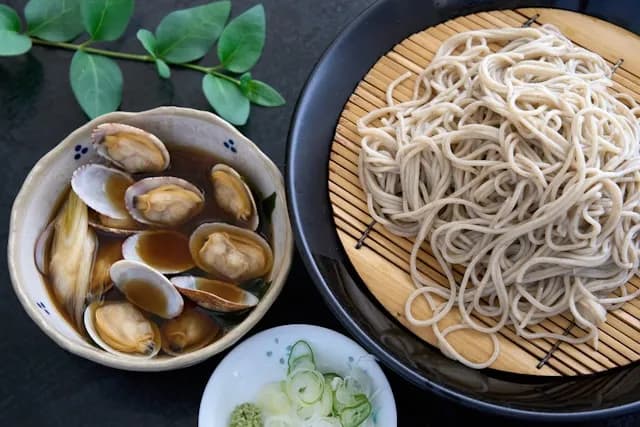
- Mori/Seiro Soba: The basic style where cold noodles on a bamboo tray are dipped into Tsuyu.
- Kake Soba: A style where noodles are served in a bowl of warm broth.
- Sobayu (蕎麦湯): This is the water used to boil the noodles, served toward the end of the meal. The standard finish is to pour it into the remaining Tsuyu and drink it like a warm tea.
3) Types of Noteworthy Tokyo Soba Restaurants
| Restaurant Type | Features | Recommended Areas |
|---|---|---|
| Top 3 Heritage Lines | Centuries of tradition from the Yabu, Sarashina, and Sunaba lines | Asakusa, Kanda |
| Tachigui (Stand-and-eat) | Speed and value, usually priced between 600–800 yen | Shimbashi, near major stations |
| Teuchi (Hand-made) | High-quality noodles ground using a stone mill on-site | Nakameguro, Aoyama |
💡 Tip: Don't dissolve 'Wasabi' in the Tsuyu!
If you mix wasabi directly into the Tsuyu, its aroma dissipates quickly. To properly enjoy both the sharp kick of the wasabi and the scent of the buckwheat, place a small amount of wasabi on the noodles before dipping them into the Tsuyu.
Tokyo's Delicacy Monjayaki: Local Food You Cook and Enjoy on a GriddleAddictive umami that defies its appearance, with the fun of making it yourself
Monjayaki is a representative griddle dish alongside Osaka's Okonomiyaki, but its roots lie in the working-class neighborhoods of Tokyo, Asakusa and Tsukishima. You might be surprised by its somewhat unusual appearance at first, but it is a soul food of Tokyo that keeps people coming back once they've had a taste.
1) The 'DIY' Cooking Steps for Monjayaki
The fun part is making it yourself on the griddle installed at each table. (If you aren't confident, ask the staff for help by saying 'Monjayaki onegaishimasu!')
- Sauté the ingredients: Place only the solid ingredients (cabbage, etc.) from the bowl onto the griddle first. Chop and sauté them using the metal spatulas (Hera).
- Make a donut shape (Dote): Gather the sautéed ingredients into a circle to create an empty space in the middle. (This acts as a dam to prevent the liquid batter from flowing away.)
- Pour the batter: Slowly pour the thin batter remaining in the bowl into the empty center of the circle.
- Mix: Once the batter starts to bubble, mix it thoroughly with the surrounding 'wall' of ingredients and spread it out wide.
- Press and eat: Once the thinly spread mixture is slightly cooked, use a small spatula (Ko-hera) to tear off bits and press them firmly against the griddle to make them crispy like scorched rice.
2) Recommended Fail-proof Topping Combinations
The flavor of Monjayaki changes completely depending on what ingredients you add.
| Combination Name | Key Ingredients | Features |
|---|---|---|
| Mentaiko Cheese (No.1) | Pollock roe (Mentaiko) + Cheese + Mochi | The most popular savory and creamy taste |
| Seafood Monja | Shrimp + Squid + Scallop | An explosion of seafood umami |
| Curry Baby Star | Curry powder + Baby Star ramen snacks | The best pairing for a glass of beer |
3) Where to Eat? Tsukishima Monja Street
Located in Tokyo's Chuo Ward, Tsukishima is the holy land of Monjayaki, with a concentration of over 80 shops. Step out of Tsukishima Subway Station Exit 7 and follow the savory aroma onto 'Monja Street.'
⚠️ Warning: Careful not to burn your tongue!
Because you scrape and eat directly from the griddle, the food is extremely hot. Cool it slightly on the back of your small spatula, or enjoy it slowly once the bottom has become golden and crispy.