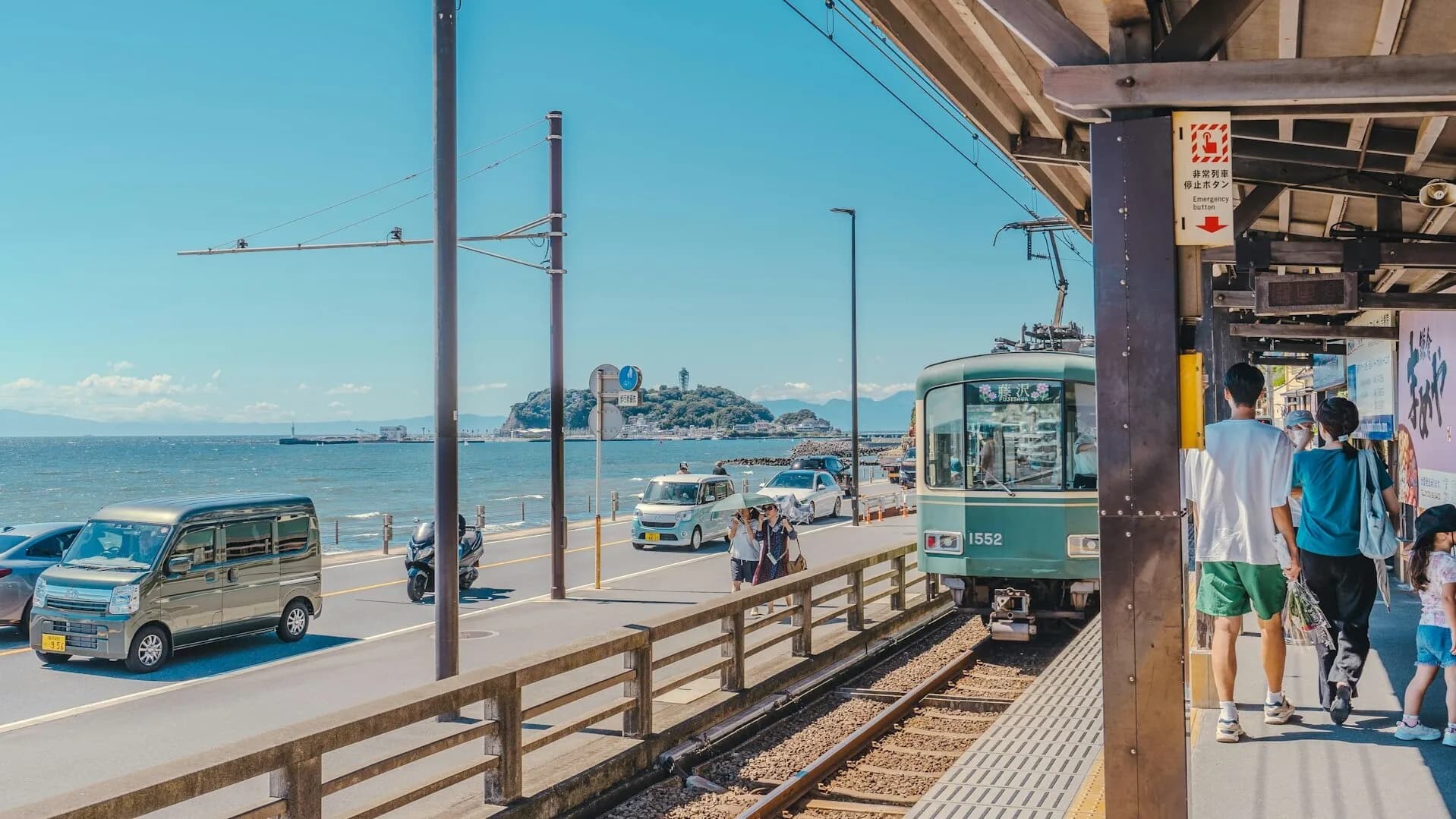
The Backdrop of the Slam Dunk Anime and Tokyo's Blue Sea: Enoshima & KamakuraEncounter anime scenes and the ocean just a short distance away
Just like the iconic scenes of Slam Dunk moving across the heated court, Kamakura is the primary stage for the world-famous manga SLAM DUNK, known for the line "The left hand is just for support."
Additionally, Enoshima, the closest beach to Tokyo, is a popular resort for Tokyo citizens seeking swimming and surfing in the summer. With its quiet temples, blue sea, and the nostalgic 'Enoden' tram, it is one of the most popular day-trip destinations near Tokyo.
Enoden Official Website1) Major Travel Points
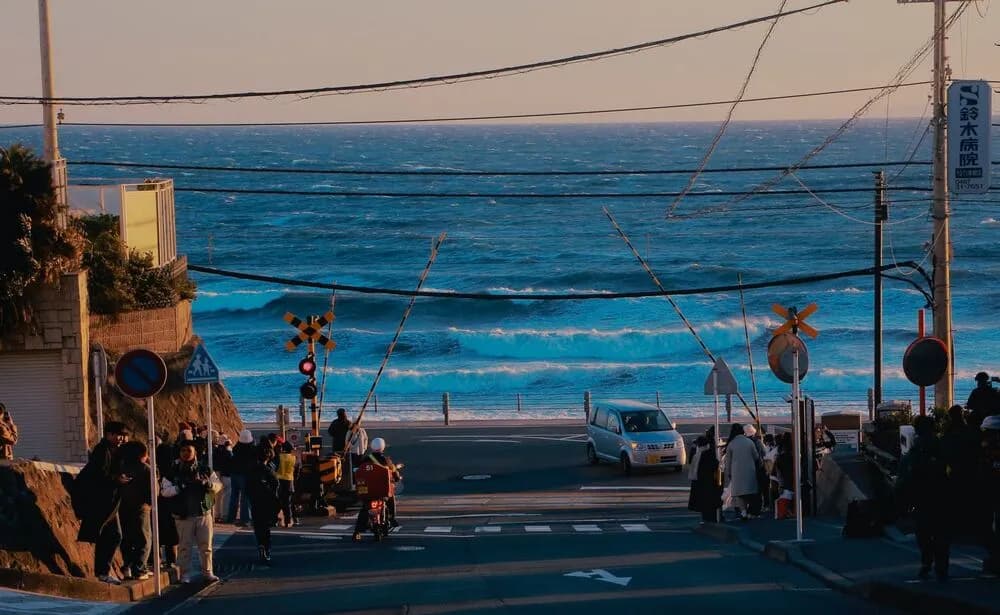
- Kamakura-koko-mae Station: The railroad crossing featured in the opening scene is a pilgrimage site for fans worldwide. Taking a photo with the ocean as a backdrop while an actual train passes is an essential part of the trip.
- Enoden: A 100-year-old tram connecting Kamakura and Fujisawa. The views from the window—squeezing between residential houses or running parallel to the sea—are a healing experience in themselves.
- Enoshima Island: Walk through the shopping street at the island's entrance to explore the Enoshima Shrine and the 'Sea Candle' lighthouse observatory while enjoying the cool sea breeze.
2) Efficient Itinerary Planning
If you don't plan to explore deep into the interior of Enoshima Island, refer to the exclusive tips in the Yokohama section of TourCast. You can plan an efficient route that combines the highlights of Kamakura and the night views of Yokohama in a single day.
💡 Travel Tip
Kamakura can have slightly lower temperatures and stronger winds than central Tokyo, so it's wise to bring a light jacket. Since the Slam Dunk crossing gets very crowded on weekends, try to visit early on a weekday morning for a more relaxed photo session.
Comparison of 3 Enoshima & Kamakura Transport Passes: Choosing the Best Option for YouEnjoy the maximum route with minimum cost
When traveling to Enoshima and Kamakura, it is economical to choose a pass based on your starting point and preferred train type.
1) Enoshima Kamakura Free Pass (Odakyu Line)
The most recommended pass for travelers starting from Shinjuku Station.
- One round-trip between Shinjuku ↔ Fujisawa Station.
- Unlimited rides between Fujisawa ↔ Katase-Enoshima Station.
- Unlimited rides on the Enoden tram for all sections.
2) Tokyu Enoshima Kamakura Free Pass (Tokyu Line)
Based on starting from Shibuya Station, suitable for those staying near Shibuya.
- Benefits: One round-trip between Shibuya ↔ Chuo-Rinkan Station + unlimited rides between Chuo-Rinkan ↔ Fujisawa + unlimited rides on the Enoden.
- Note: There is little merit unless you are staying near Shibuya, and it requires one extra transfer compared to the pass above, so it is less recommended.
3) Recommended Course with Enoshima Kamakura Free Pass (From Shinjuku)
- Purchase the 'Enoshima Kamakura Free Pass' at the Odakyu Sightseeing Service Center in Shinjuku Station.
- Take an Odakyu Line Express train to Fujisawa Station.
- Romancecar Tip: If you purchase an additional Romancecar Limited Express ticket (approx. 700–800 yen one-way), you can travel directly to Katase-Enoshima Station without transferring.
- Head to Katase-Enoshima Station or Enoden Enoshima Station to explore Enoshima Island.
- Board the Enoden and get off at Kamakura-koko-mae Station to see the Slam Dunk Location.
- Board again and get off at Hase Station to visit the Great Buddha of Kamakura (Kotoku-in).
- Head to Kamakura Station to visit Tsurugaoka Hachimangu.
- Finally, take the Enoden back to Fujisawa Station, then the Odakyu Line back to Shinjuku.
⚠️ Precaution
When using the Enoshima Kamakura Free Pass, there is no direct route from Kamakura back to Shinjuku. You must take the Enoden back to Fujisawa Station and use the Odakyu Line to maintain the pass benefits.
Admission Tickets and Package Guide for Enoshima AttractionsSave time and money by bundling attraction entrance fees
Enoshima Island has many steep hills and stairs. To tour major attractions efficiently, it is economical to use set tickets that combine admissions and transportation.
1) Enoshima Sea Candle Set Ticket
A practical package for using the island's iconic observatory and amenities.
- Includes: Escar (Enoshima Escalator) upward-bound ticket, Samuel Cocking Garden admission, and Sea Candle Observatory admission.
- Where to Buy: Available at the Escar Section 1 Boarding Point (Entrance) ticket booth near the island entrance.
2) Enoshima 1-Day Pass (eno-pass)
A comprehensive pass for travelers who want to explore every corner of the island.
- Includes: All sections of the Escar, Samuel Cocking Garden, Sea Candle Observatory, and the Iwaya Caves located at the far end of the island.
- Where to Buy: Available at the Escar Entrance or the Enoshima Tourist Information Center.
- Note: Purchase is only available from 09:00 to 16:00, so it is advantageous to visit early considering the viewing times for the caves.
💡 Usage Tip
The Enoshima Escalator 'Escar' is upward-bound only. Enjoy the scenery while walking down the stairs. Additionally, Samuel Cocking Garden is famous for its night illumination events after sunset, so a late afternoon visit is also recommended.
Master the Core Sights of Enoshima: An Island Full of Legend and RomanceA course featuring the sea, flowers, and legends
Enoshima (江之島)
Enoshima is an island where the blue sea, quiet shrines, and mystical legends harmonize. The entire island is like one giant park, and it is fun to explore using a combination of walking and escalators.
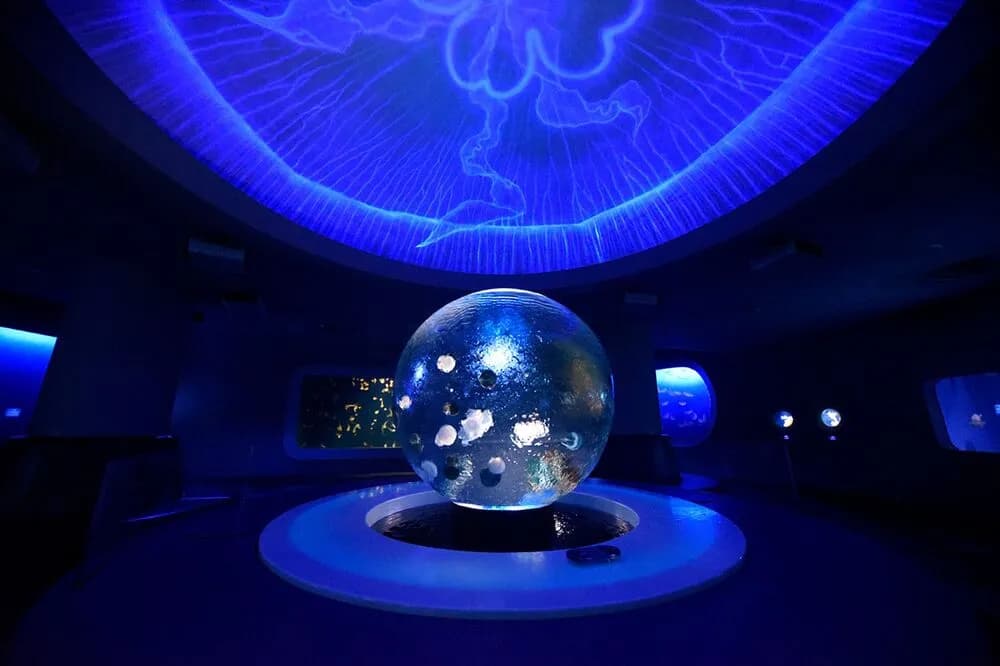
1) New Enoshima Aquarium
Famous as a filming location for the Japanese drama 'Ryusei (Shooting Star),' this aquarium features fantastic jellyfish exhibits and dolphin shows performed against the backdrop of the ocean.
- Hours: 09:00 – 17:00 (Starts from 10:00 from Dec–Feb; last entry 1 hour before closing)
- Tip: Check the show schedule in advance for an efficient visit.
2) Enoshima Beach & Escar
- Enoshima Beach: A holy land for surfing and swimming in summer. On clear days, you can see the majestic Mt. Fuji over the horizon.
- Enoshima Escar: A paid escalator that climbs the steep hill in just 4 minutes. (Takes about 20 minutes on foot.)
3) Samuel Cocking Garden & Sea Candle Observatory
An exotic garden established by British trader Samuel Cocking and the lighthouse observatory that serves as Enoshima's symbol.
- Samuel Cocking Garden: Open for free entry before 17:00.
- Sea Candle Observatory: Enjoy a 360-degree panoramic view of the Pacific Ocean from the top. Brilliant light displays take place in the evening.
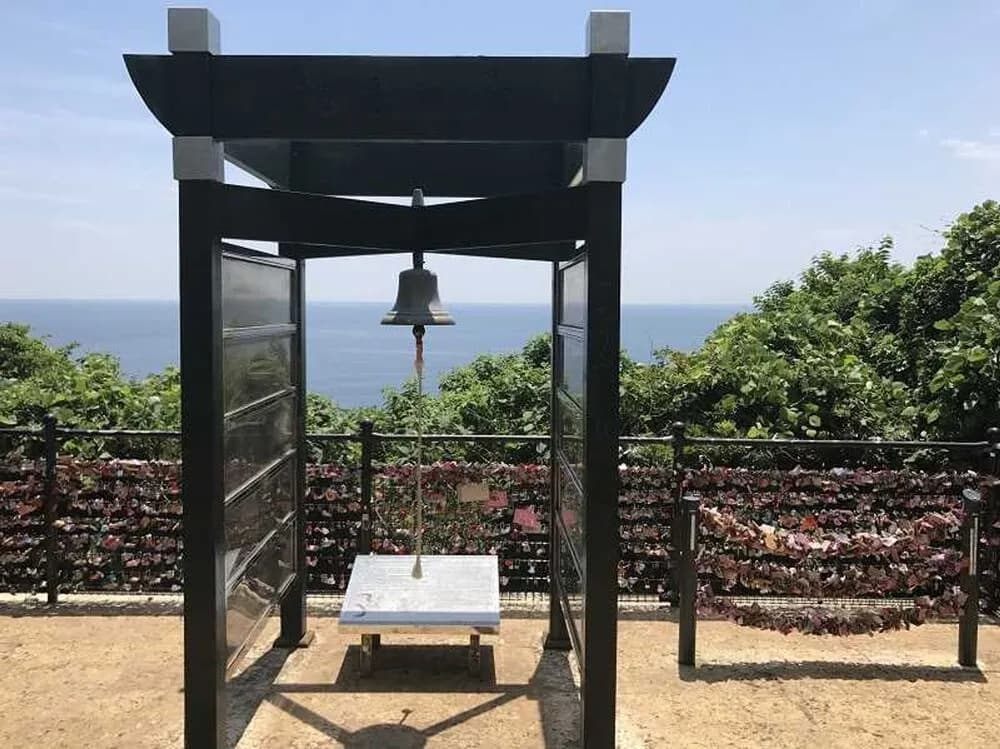
4) Lovers' Sanctuary: Ryuren no Kane (The Bell of Ryuren)
This is a site steeped in the beautiful legend of the five-headed dragon and the celestial maiden. It is a popular spot for couples to ring the bell and attach padlocks to ensure their love lasts forever.
A Piece of Legend: The romantic tale says a five-headed dragon that used to torment the village fell in love with a celestial maiden from heaven, ceased his evil ways, and became a kind dragon to marry her. This is said to be the origin of Enoshima.
5) Iwaya Caves & Chigogafuchi
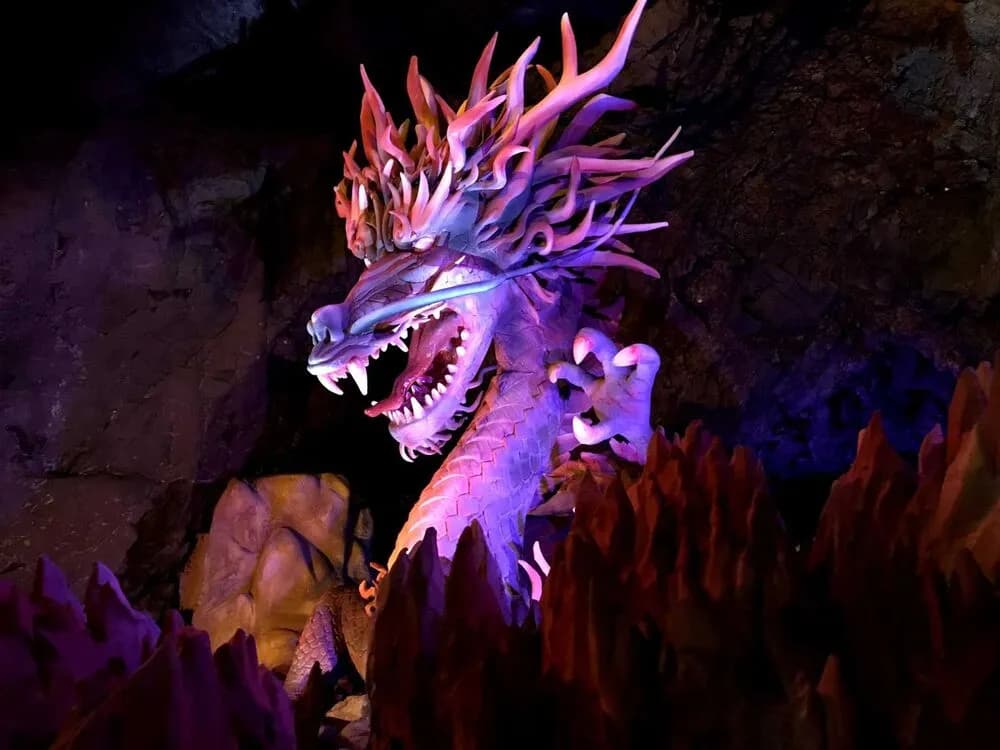
- Iwaya Caves: Mystical natural caves that you explore while holding a candle. The dragon god sculpture at the end is impressive.
- Chigogafuchi: A plateau of reefs that rose during the 1923 Great Kanto Earthquake. It is ranked among Kanagawa's top 50 scenic spots and is famous for its beautiful sunsets.
💡 Final Travel Tip: Bentenmaru
If you find it difficult to walk all the way back after viewing the Iwaya Caves, try the Bentenmaru (express ferry). It travels from the Chigogafuchi pier to the Benten Bridge at the island entrance in about 10 minutes, saving your stamina. (Service suspended in bad weather.)
Kamakura, a Historic Ancient Capital Where Time Stands StillWhere cultural heritage meets anime vibes
Kamakura (鎌倉)
Kamakura is a historic city that served as the base for the Kamakura Shogunate, Japan's first military government, in the late 12th century. The city creates a unique atmosphere where historic temples and emotional anime scenes blend.
1) Kamakura-koko-mae (In front of Kamakura High School)
This is the railroad crossing near Kamakura High School, which served as the model for Ryonan High School and appeared in the opening of the anime 'Slam Dunk.' Fans from all over the world gather here to capture the moment the yellow Enoden train passes with the blue sea in the background. It is the iconic photo spot of Kamakura.
2) Great Buddha of Kamakura (Kotoku-in)
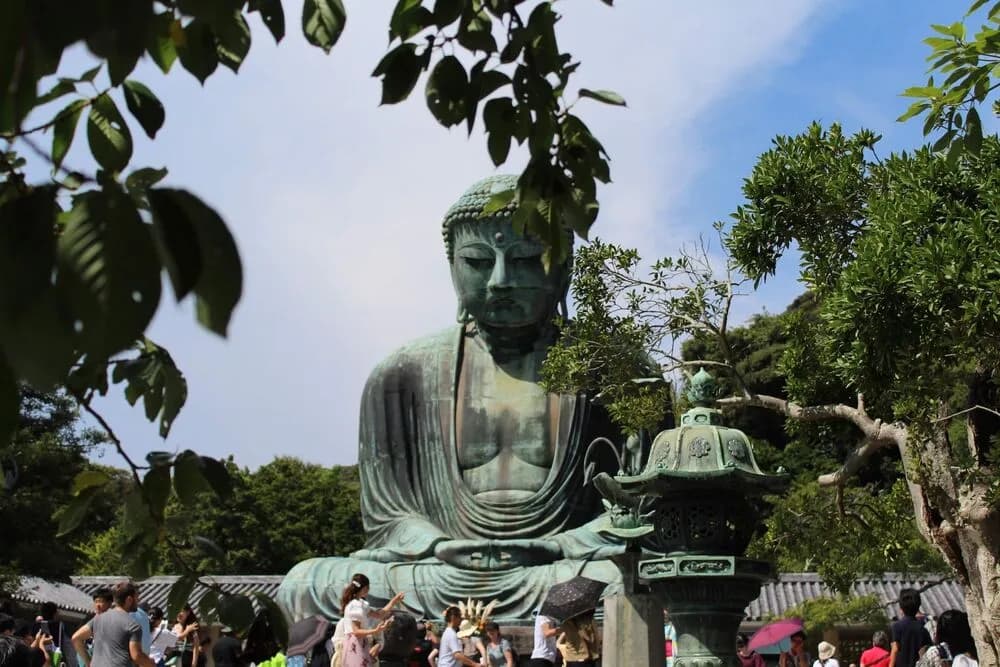
Kotoku-in, a representative temple of Kamakura, enshrines a massive bronze Buddha statue standing approx. 11.3m tall and weighing 121 tons.
-
Historical Features: Originally housed within a great hall, the statue has stood in the open air since the building was destroyed by a massive tsunami in the late 15th century. It is considered a masterpiece of Kamakura-period sculpture influenced by the Song Dynasty style and is designated as a National Treasure of Japan.
-
Viewing Point: For a separate fee of 50 yen, you can enjoy the unique experience of entering the interior of the Great Buddha.
-
Visitor Information:
- Hours: 08:00 – 17:30 (Closes at 17:00 from Oct–Mar; last entry 15 mins before closing)
- Interior Access: 08:00 – 16:30 (Fee: 50 yen)
3) Tsurugaoka Hachimangu
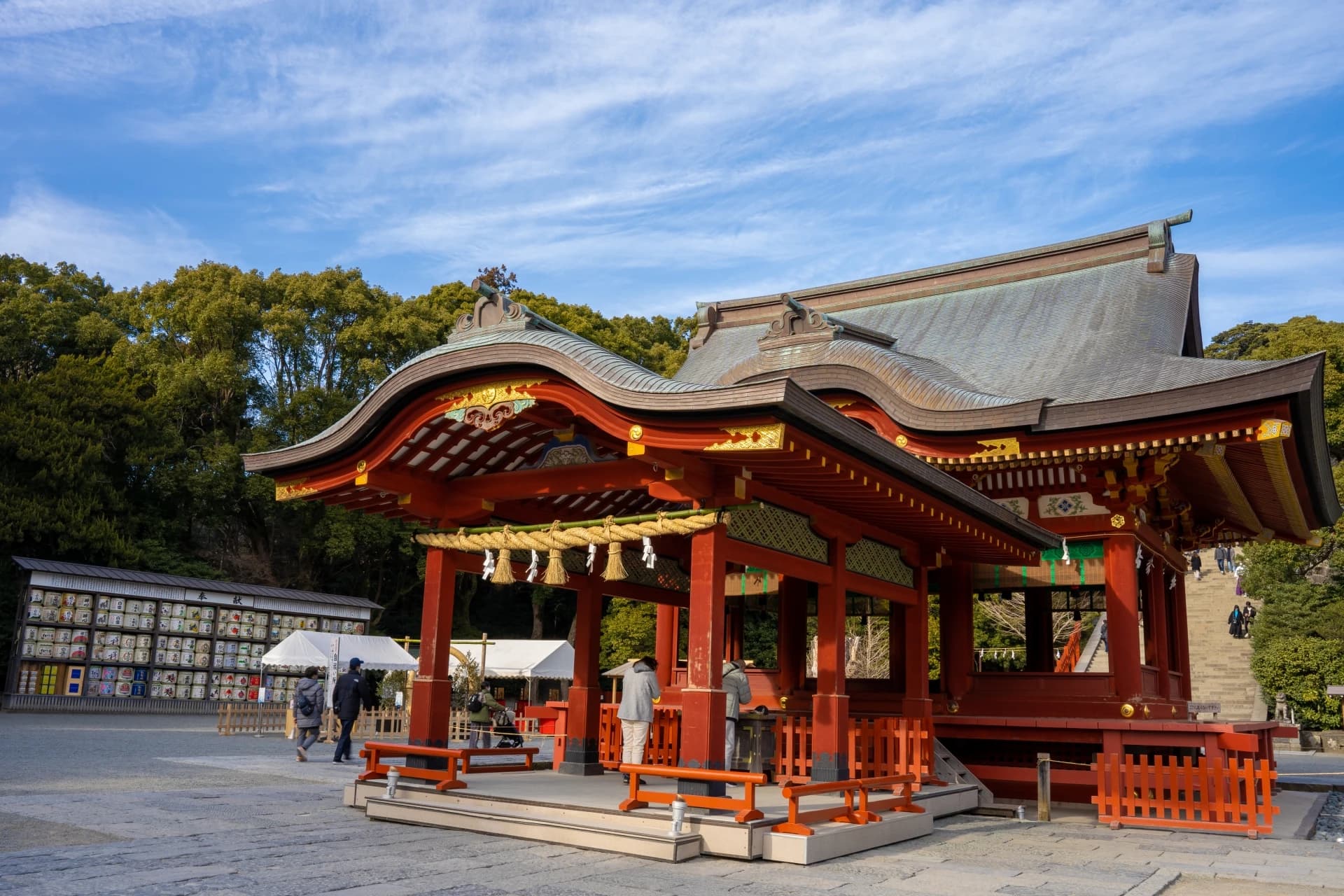
Established at its current location in 1180 by Minamoto no Yoritomo, the founder of the Kamakura Shogunate, this shrine is the spiritual heart and symbol of Kamakura.
-
Object of Faith: It enshrines the Hachiman deity, the protector of the samurai class. The main hall enshrines Emperor Ojin among other deities.
-
Sights: 'Komachi-dori,' the shopping street leading from Kamakura Station to the shrine, and 'Dankazura,' the cherry blossom-lined path at the entrance, boast beautiful scenery throughout the four seasons.
-
Visitor Information:
- Hours: 05:00 – 21:00 (Starts from 06:00 from Oct–Mar)
- Admission: Free (Fees apply for specific facilities like the museum)
💡 Travel Strategy
Since there is considerable distance between Kotoku-in (Great Buddha) and Tsurugaoka Hachimangu, the most efficient route is to move between Hase Station and Kamakura Station via the Enoden.