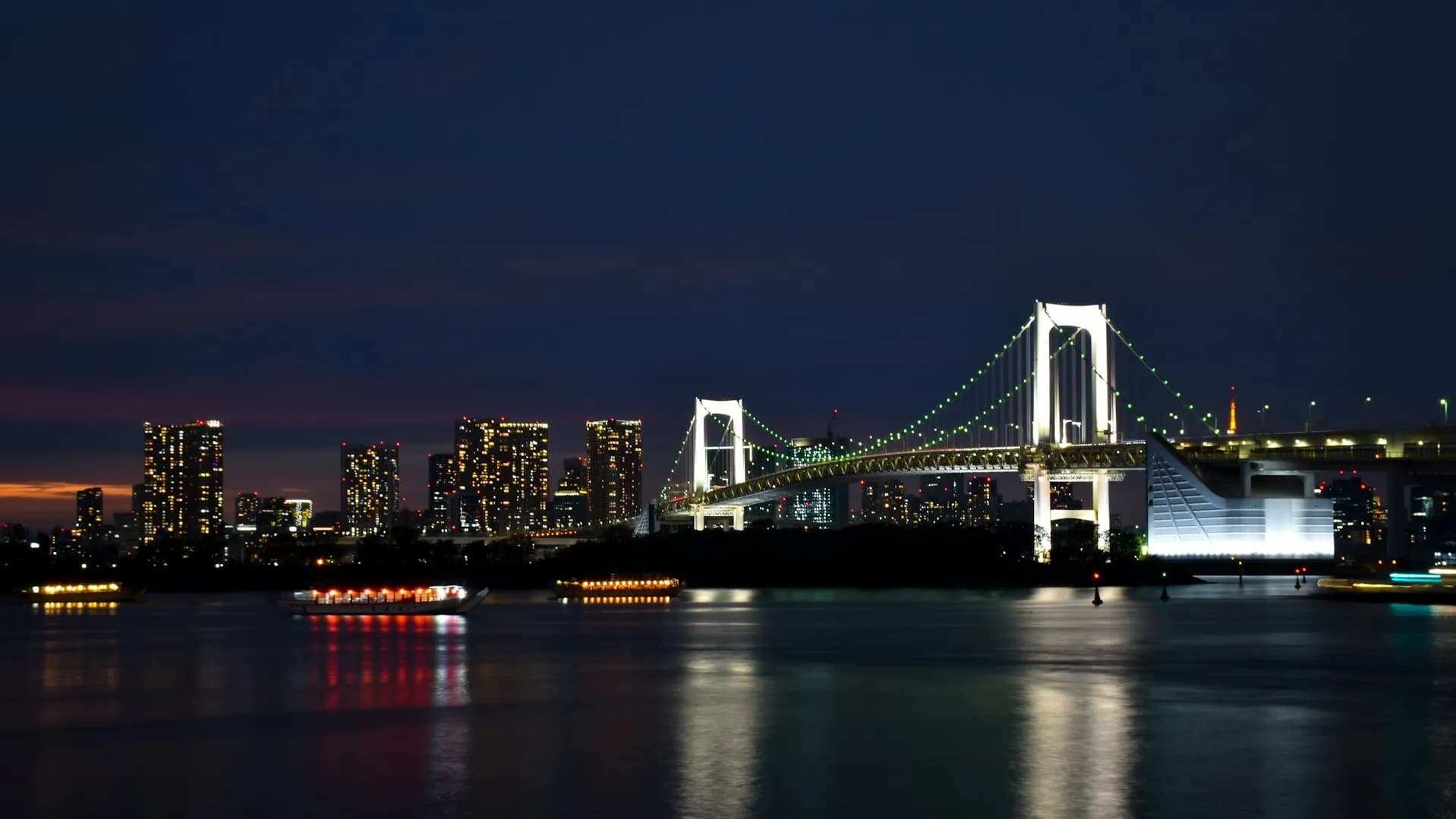
Tokyo Tower: The Symbol of Tokyo and the Best Night View Photo SpotA landmark capturing the city skyline at a glance
Tokyo Tower
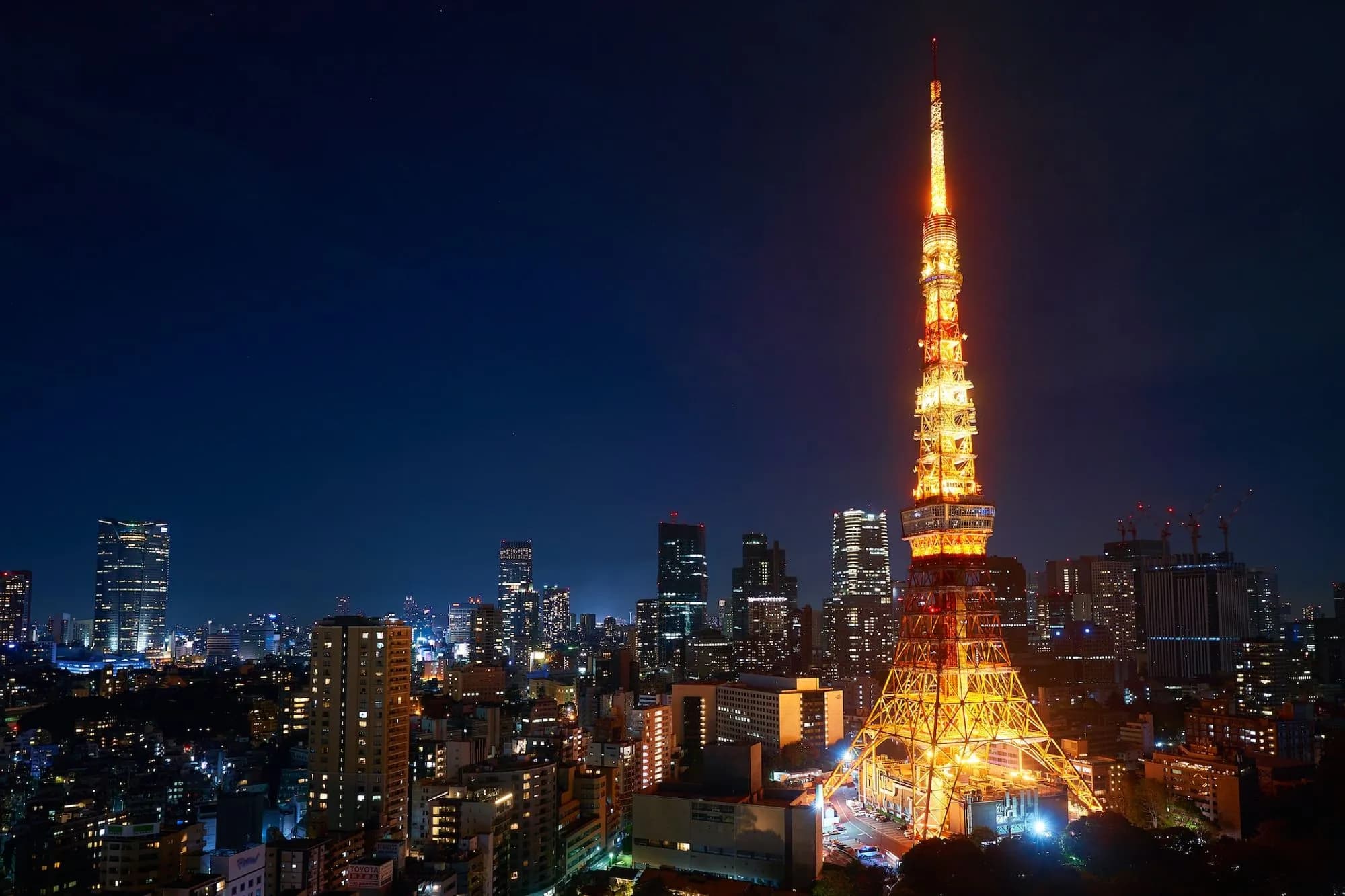
Tokyo Tower is the undisputed symbol of Tokyo, built as a broadcasting antenna with a motif inspired by the Eiffel Tower in France. Standing at 333m, its exterior—a harmony of red and white—maintains a vivid presence by day and embroiders the Tokyo night sky with brilliant lighting by night.
Each observatory has separate admission fees, divided into the Main Deck at 150m and the Top Deck at 250m. It is about a 15-minute walk from JR Hamamatsucho Station, or even closer via the Toei Line's Akabanebashi Station.
1) Tokyo Tower Photo Spots
While the view from the top is stunning, the true value of Tokyo Tower is revealed when photographed from the outside as a backdrop.
- Prince Shiba Park: The best place to capture the soaring Tokyo Tower above a wide, open lawn. You can take photos leisurely while enjoying a picnic.
- Tofuya Ukai Parking Lot Stairs: A viral spot on social media. The composition of framing Tokyo Tower within the entrance of the underground parking stairs is exquisite.
- Crosswalk in front of Akabanebashi Station: The view of the massive tower right as you exit the station is breathtaking. Be extremely careful of safety as it is near a busy road.
2) Usage and Admission Information
- Operating Hours: 09:00 – 22:30 (Last entry 22:00)
- Main Deck (150m): Adult 1,500 yen / High School 1,200 yen / Elem. & Middle 900 yen / Child 600 yen
- Top Deck Tour (includes 250m): Adult 3,500 yen / High School 3,300 yen / Elem. & Middle 2,300 yen / Child 1,700 yen
- The Top Deck fee includes Main Deck admission, and a 200 yen discount applies for advance reservations.
3) Surrounding View Tip
If you want to view Tokyo Tower itself beautifully, we recommend the Mori Tower Observatory in Roppongi Hills. It is considered the best viewpoint for seeing Tokyo Tower directly in front of you.
⚠️ Notice Regarding Azabudai Hills Observatory
The free 33rd-floor observatory at Azabudai Hills, which was popular for its close-up view of Tokyo Tower, has limited general admission as of April 18, 2024. Currently, entry is only permitted for facility tenants or customers of the restaurants/cafes.
Odaiba: Future Artificial Island for Shopping and Fantastic Night ViewsA complex entertainment space over the sea
Odaiba
In 1853, feeling threatened by Commodore Perry's demand to open ports, the Shogunate began to defend the area around Edo with maritime batteries called Daiba. Later, the honorific 'O' was added, resulting in the name Odaiba, though ultimately Japan opened its doors without firing a single cannon.
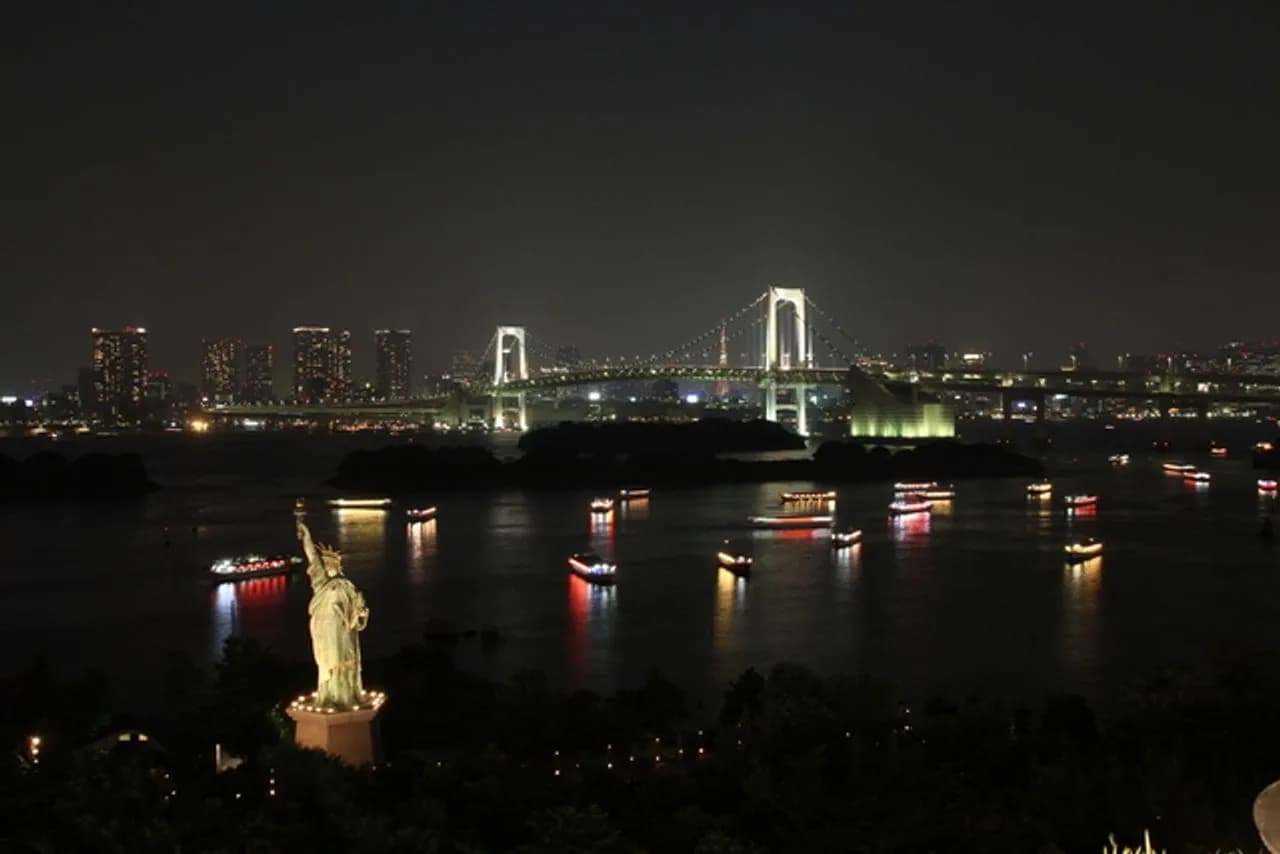
Once a landfill for waste in Tokyo Bay, this area has been transformed into a representative Tokyo tourist attraction full of things to eat and see through urban regeneration projects. Although several major attractions closed in 2022 due to redevelopment (including Mega Web, the Ferris wheel, VenusFort, and Oedo Onsen Monogatari), the night view of the Rainbow Bridge and Tokyo Tower from Odaiba Marine Park remains one of Tokyo's top date spots.
1) How to Get There
① Yurikamome
- The most common approach: Board at JR New Shimbashi Station.
- Features: An automated, unmanned elevated railway. Sitting in the front seat offers a scenic view that feels like riding a roller coaster.
- Tip: The 1-day pass (820 yen) is only economical if you board 3 or more times. Most people prefer to travel from Shimbashi to Daiba Station (330 yen) and explore on foot.
② Rinkai Line + JR Saikyo Line Through-service
- Convenience: Connects directly from major stations like Ikebukuro, Shinjuku, Shibuya, and Ebisu to Tokyo Teleport Station without transfers.
- Travel Time: Approx. 23 minutes from Shinjuku (550 yen), making it faster and more convenient than the Yurikamome.
③ Water Bus (Suijo Bus)
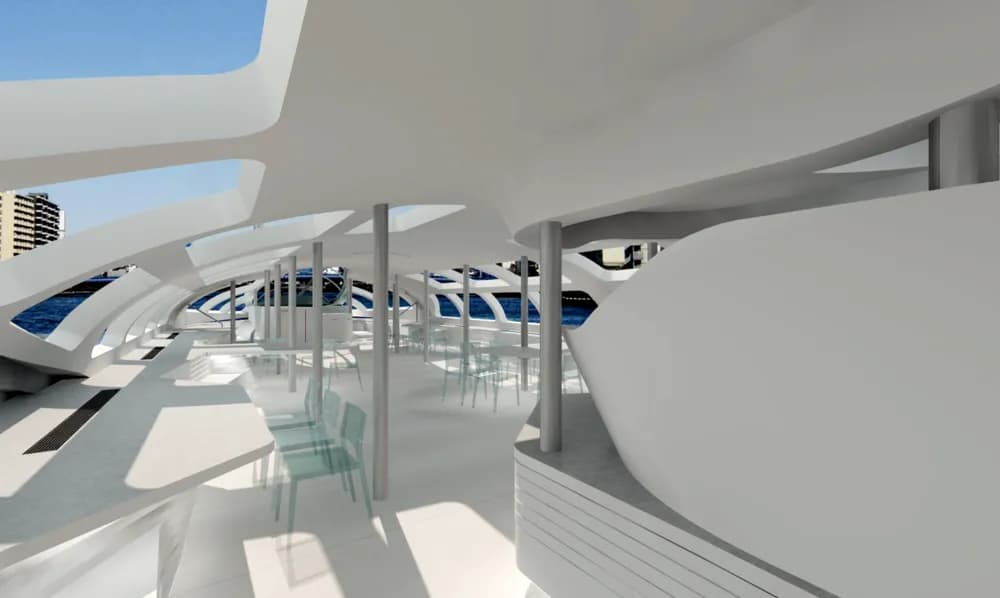
The water bus departing from Asakusa for Tokyo Bay is both a means of transport and a great cruise sightseeing experience. Recommended for those seeking a romantic atmosphere.
- Reservation Recommended: Check times in advance as popular slots may be full; booking via the website is recommended.
- Design: You can ride unique vessels that resemble spaceships, such as Hotaluna and Emeraldas, designed by Leiji Matsumoto, the creator of 'Galaxy Express 999.'
- Note that every Tuesday is a scheduled maintenance day.
2) Major Recommended Sights
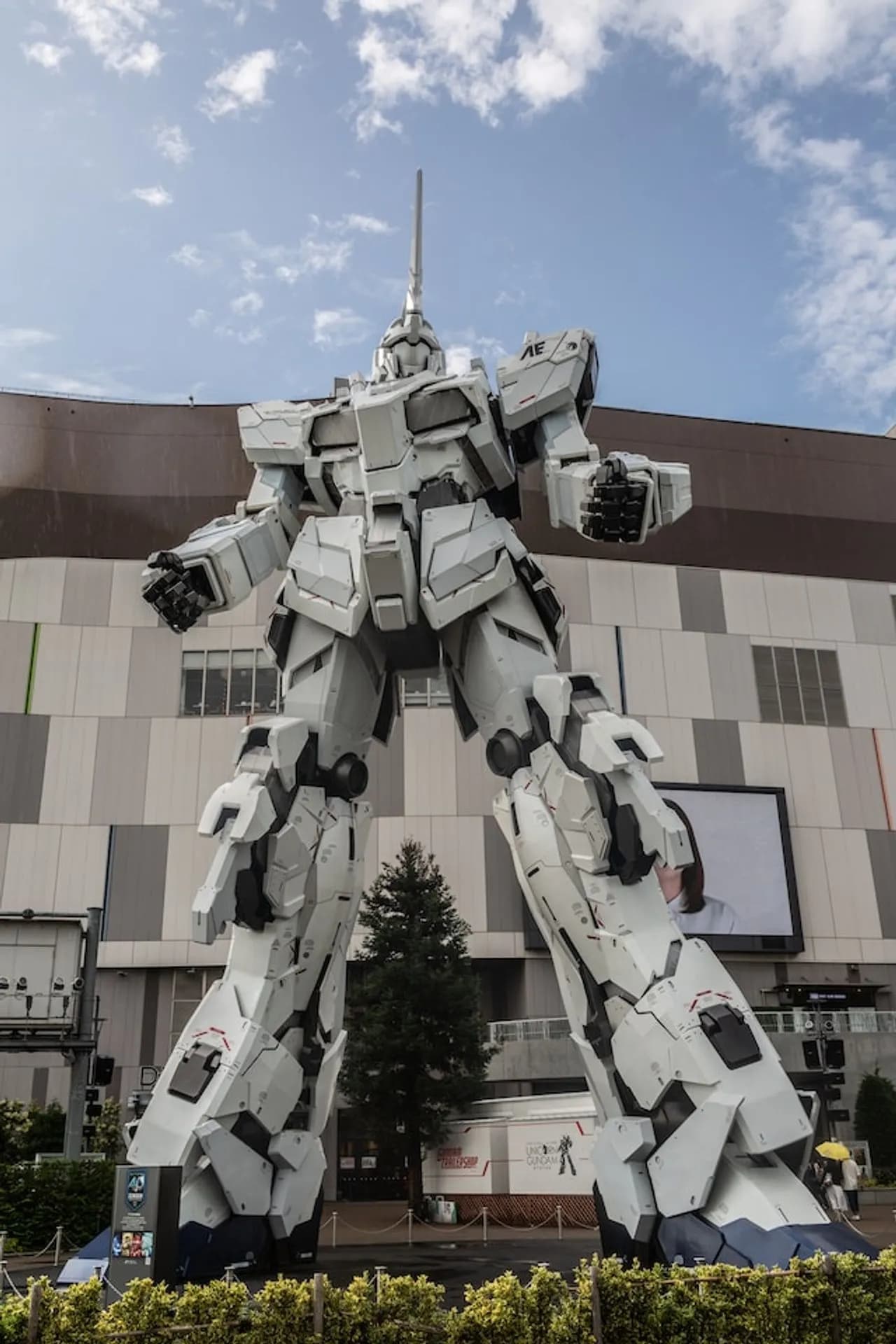
① DiverCity Tokyo Plaza & Life-Sized Gundam
A complex mall combining shopping and entertainment, featuring the Life-Sized Unicorn Gundam Statue in the outdoor plaza. Don't miss the Gundam Show, which features transformation sequences and coordinated lighting at set times.
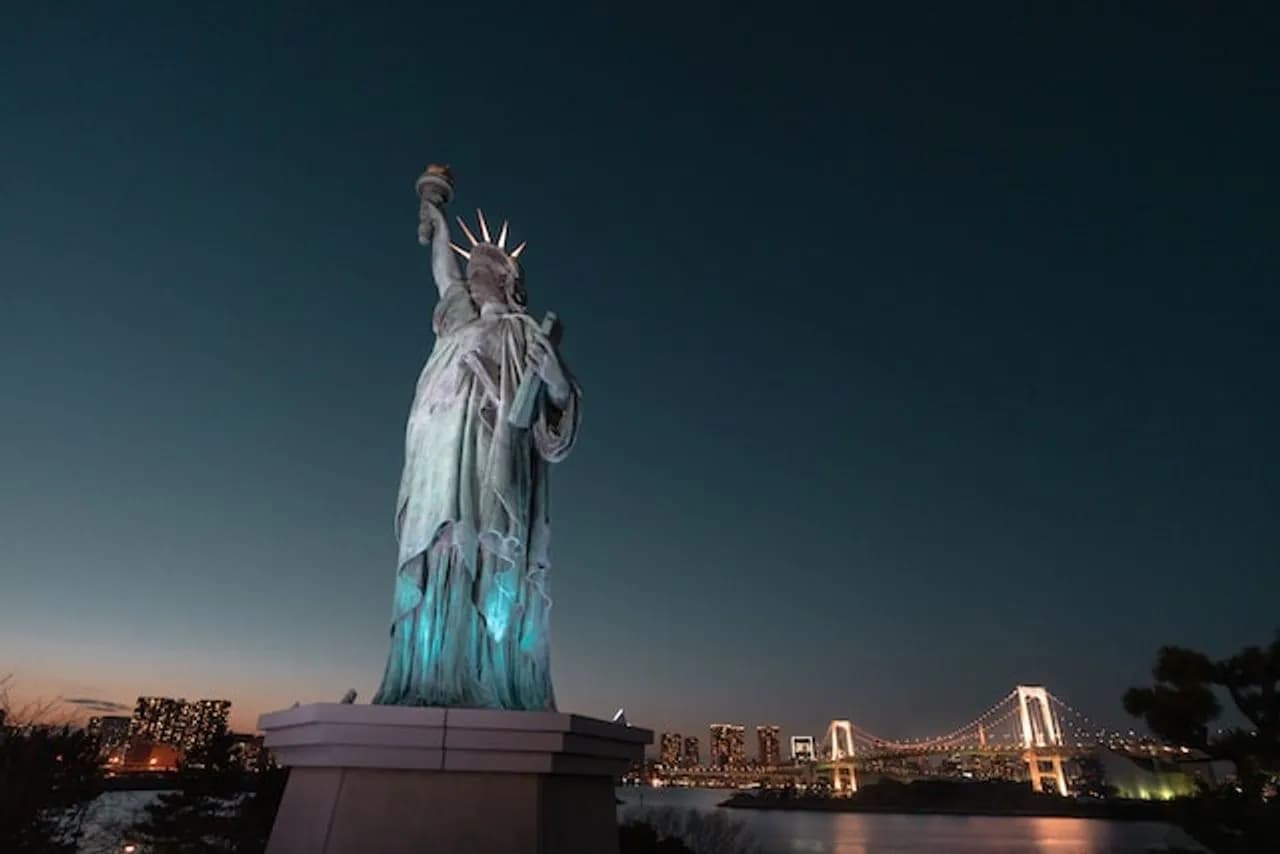
② Statue of Liberty & Marine Park
This is a replica re-manufactured with the same dimensions with permission from the French government, after an exhibition borrowed from France to commemorate the centennial of American independence became highly popular. It is the best photo spot with the Rainbow Bridge as a backdrop.
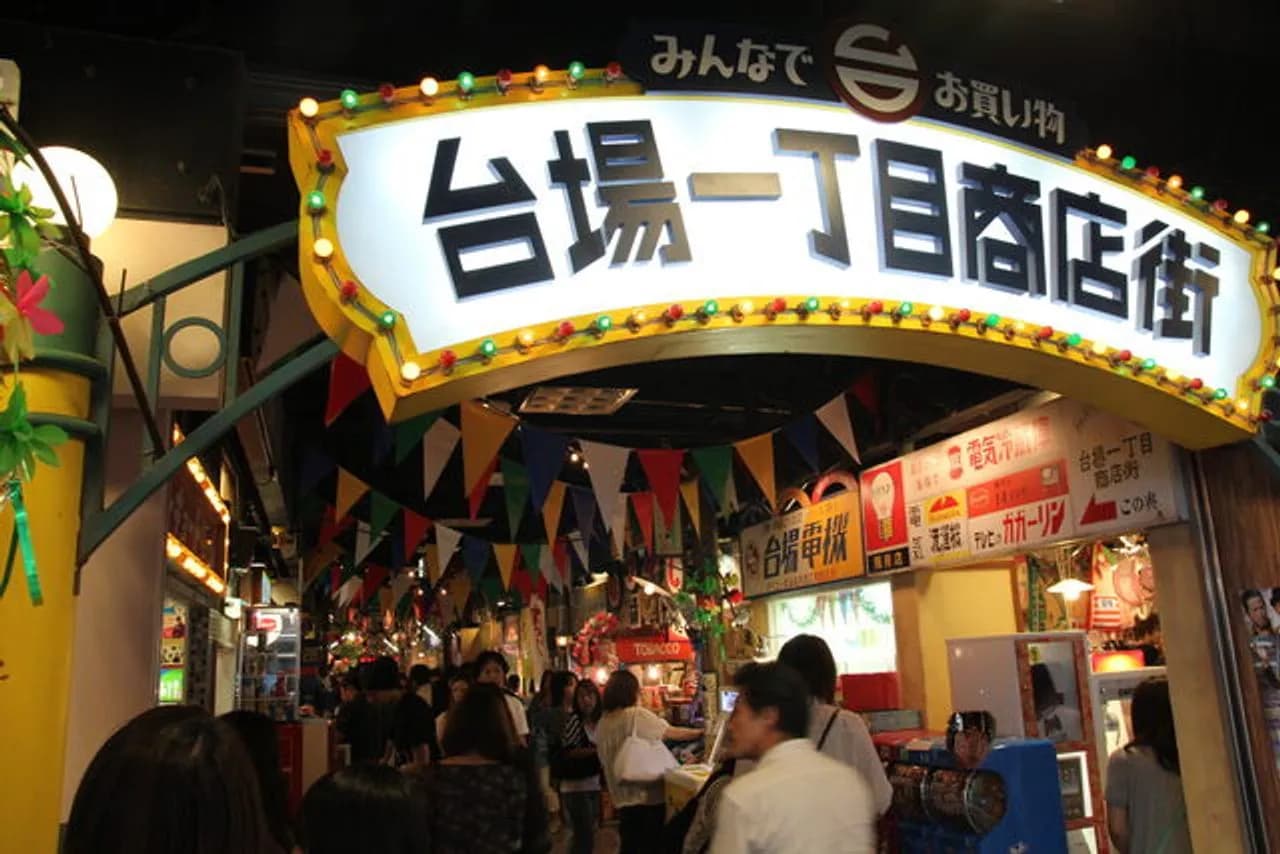
③ DECKS Tokyo Beach
A complex housing an indoor theme park and nostalgic shopping streets.
- Tokyo Joypolis: An interactive game center operated by SEGA. If you visit on your birthday, you receive a free passport after a passport check.
- Daiba 1-chome Shotengai: Recreates the retro streets of 1950s–60s Japan, filled with interesting sights and snacks.
💡 Travel Tip
Odaiba can be quite windy due to its proximity to the sea. It's a good idea to bring a light jacket when viewing night scenes, and the sunset viewed from near the Fuji TV building is a magnificent sight not to be missed.
Ginza & Seafood Market: Where Luxury Shopping Meets Authentic SushiAn exotic mix of sophisticated streets and vibrant markets
Ginza / Tsukiji Market
Ginza derives its name from the silver coin mint (Ginza) that once stood here. Today, it is Japan's representative high-end shopping and gourmet district. While Harajuku and Omotesando represent youth culture, Ginza is known as a more mature and sophisticated district for adults.
It is home to flagship stores of global luxury brands and legendary restaurants such as the 3-star Michelin sushi shop 'Sukiyabashi Jiro,' famously visited by President Obama. Enjoy a stroll through the forest of modern buildings designed by renowned architects and soak in Ginza's luxurious atmosphere.
1) Tsukiji Outer Market
Located within walking distance of Ginza, Tsukiji is a place where you can feel the vibrancy of a traditional seafood market in the city center. While the wholesale function moved to Toyosu, many restaurants and shops remain, bustling with travelers eager to enjoy fresh seafood bowls (Kaisendon) or sushi.
2) Toyosu Market
Tokyo's heartland fish market, newly established to modernize the Tsukiji market. You can observe the daily tuna auctions held every morning in state-of-the-art facilities, and the market houses historic restaurants that moved over from Tsukiji.
- Tuna Auction Viewing: You can witness the auction from a dedicated observation deck. Advance reservations are mandatory, so be sure to check the official schedule before visiting.
3) teamLab Planets TOKYO
Ranked as one of Tokyo's hottest exhibition spaces in 2026, this digital art museum is listed in the Guinness World Records for its millions of annual visitors. True to its concept of 'a museum where you walk through water,' it offers a fantastic experience that stimulates the senses while walking barefoot.
4) Toyosu Senkyaku Banrai & Manyo Club Onsen
This new landmark appeared for travelers disappointed by the closure of Oedo Onsen facilities in Odaiba and Urayasu. Opened in 2024 next to Toyosu Market, 'Senkyaku Banrai' is a complex combining a food town recreating Edo-period streets with hot spring facilities.
- Manyo Club Onsen: Enjoy hot springs with an open view of Tokyo Bay. You can relax in a Yukata, enjoy a foot bath, or taste dishes made from fresh ingredients caught at the market, making it a perfect one-day course.
- Name Origin: 'Senkyaku Banrai' conveys the meaning of many guests arriving endlessly.
💡 Gourmet Tip
If high-end sushi in Ginza is budget-prohibitive, visit Tsukiji or Toyosu Market early in the morning. You can taste top-quality sushi and seafood directly shipped that day at relatively reasonable prices.
Roppongi: A Modern Urban District Blending Art and NightlifeAn international cultural district with standout art museums and night views
Roppongi
Roppongi literally means 'six trees.' A popular legend says the name comes from six feudal lords who lived in the area during the Edo period, all of whose surnames contained the character for tree (木). After the war, US military bases and Allied facilities were established, and with the later concentration of foreign embassies and global corporations, it has established itself as an area with Tokyo's most international and sophisticated atmosphere.
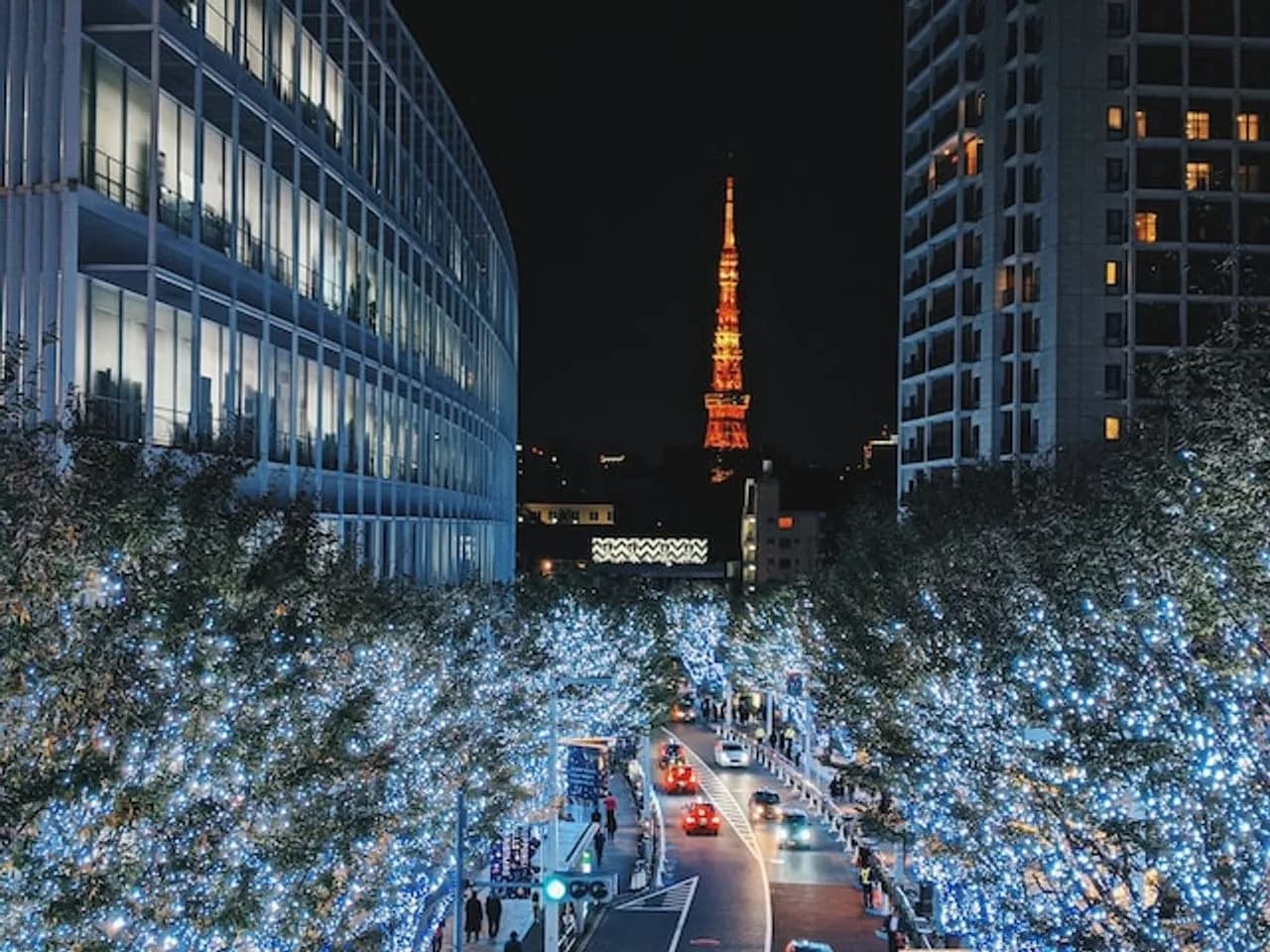
1) Roppongi Hills
The landmark of Roppongi, this massive complex combines shopping, culture, and relaxation.
- Mori Tower: The central building of the complex, guarded by the giant spider sculpture 'Maman.' The 53rd floor houses the Mori Art Museum, called the 'museum closest to heaven,' while the Tokyo City View Observatory below offers the best views of Tokyo Tower.
- Illumination: Every winter (November to December 25th), Roppongi Hills' Keyakizaka Street is bathed in blue light. Due to popularity, it is now often extended until Valentine's Day (February 14th), so winter travelers should definitely check the schedule.
2) Tokyo Midtown
Another landmark established after Roppongi Hills, themed as 'a massive garden within the city.' It features vast green spaces from the entrance and sophisticated architecture. Many high-end lifestyle shops and designer brands are located here, making it popular with those interested in fashion and design.
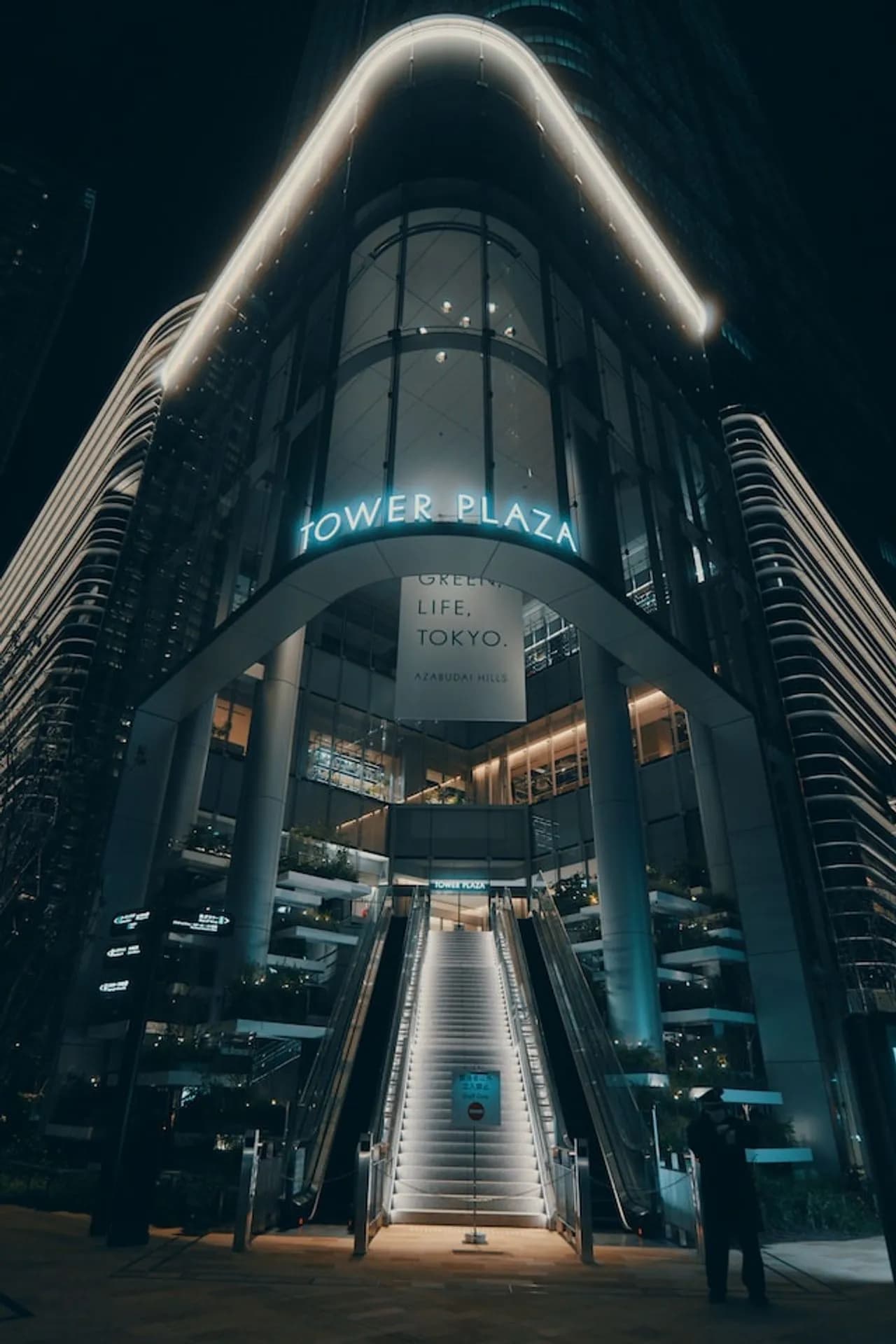
3) Azabudai Hills
The new heart of Tokyo born in November 2023. Standing at 330m, it currently holds the record as the tallest building in Japan.
- New Sights: 'Janu Tokyo,' the sister brand of the world-renowned Aman group, opened its first hotel here. Additionally, teamLab Borderless, previously a staple of Odaiba, moved here to present even more immersive digital art.
- Entry Precautions: The policy for the 33rd-floor observatory changed on April 18, 2024; entry is now only possible for customers of the internal facilities (restaurants, cafes, etc.), so plan accordingly before visiting.
💡 Art Tour Tip
Roppongi forms the 'Roppongi Art Triangle,' consisting of the Mori Art Museum, Suntory Museum of Art, and the National Art Center, Tokyo. Utilizing art museum tour passes can fill your day with artistic inspiration.
Asakusa: Senso-ji, the Essence of Traditional Japanese Culture in TokyoA street where Edo-period atmosphere lives on
Asakusa
Asakusa is the only place in central Tokyo where you can feel the atmosphere of the Edo period. The name Asakusa originally referred to the area surrounding the Senso-ji Temple. The landscape where traditional houses and red lanterns blend with modern skyscrapers is an unmissable scene in a Tokyo trip.
1) Senso-ji Temple
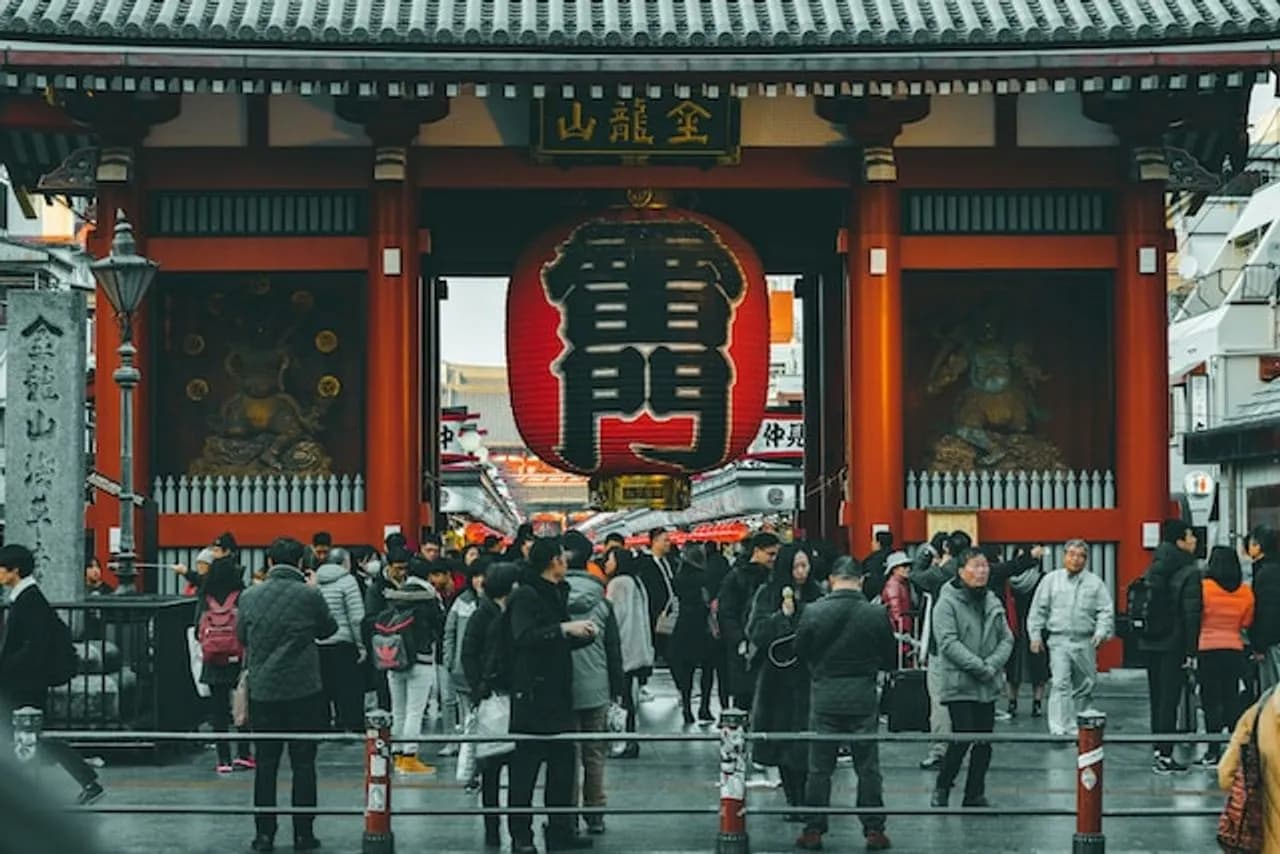
Founded in 645, it is the oldest temple in Tokyo. Legend says it was built to enshrine a statue of Kannon fished out of the Sumida River by two brothers.
- Kaminarimon (Thunder Gate): The massive main gate of Senso-ji. The God of Wind (Fujin) is on the right, and the God of Thunder (Raijin) is on the left.
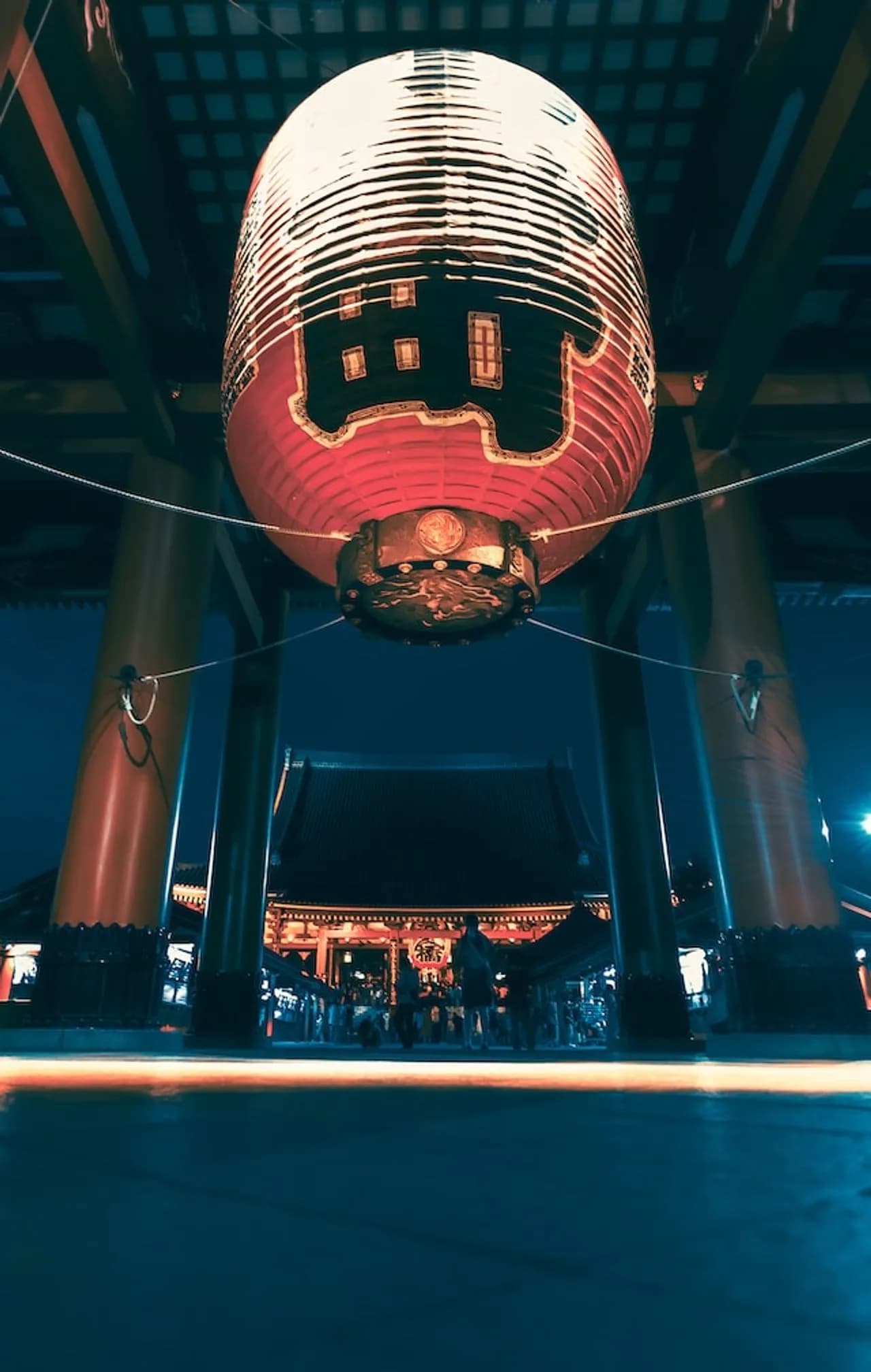
- Hidden Point: Look closely at the bottom of the massive red lantern. You can find a carving of a dragon, the guardian of Senso-ji. Dragons symbolize water and are meant to protect the temple from fire.
- Nakamise-dori: An approx. 250m path leading from Kaminarimon to the main hall, one of Japan's oldest shopping streets. It's a great place to walk while tasting freshly baked Senbei or Asakusa's specialty 'Agemanju.'
- Viewing Tip: Try drawing the smoke from the large incense burner in front of the main hall toward your body. It is believed to heal ailments or clear the mind.
- Operational Info: The main hall is open from 06:00 to 17:00, but at night, soft lighting creates a quiet and nostalgic atmosphere different from the day.
2) Denpoin-dori & Giant Straw Sandals
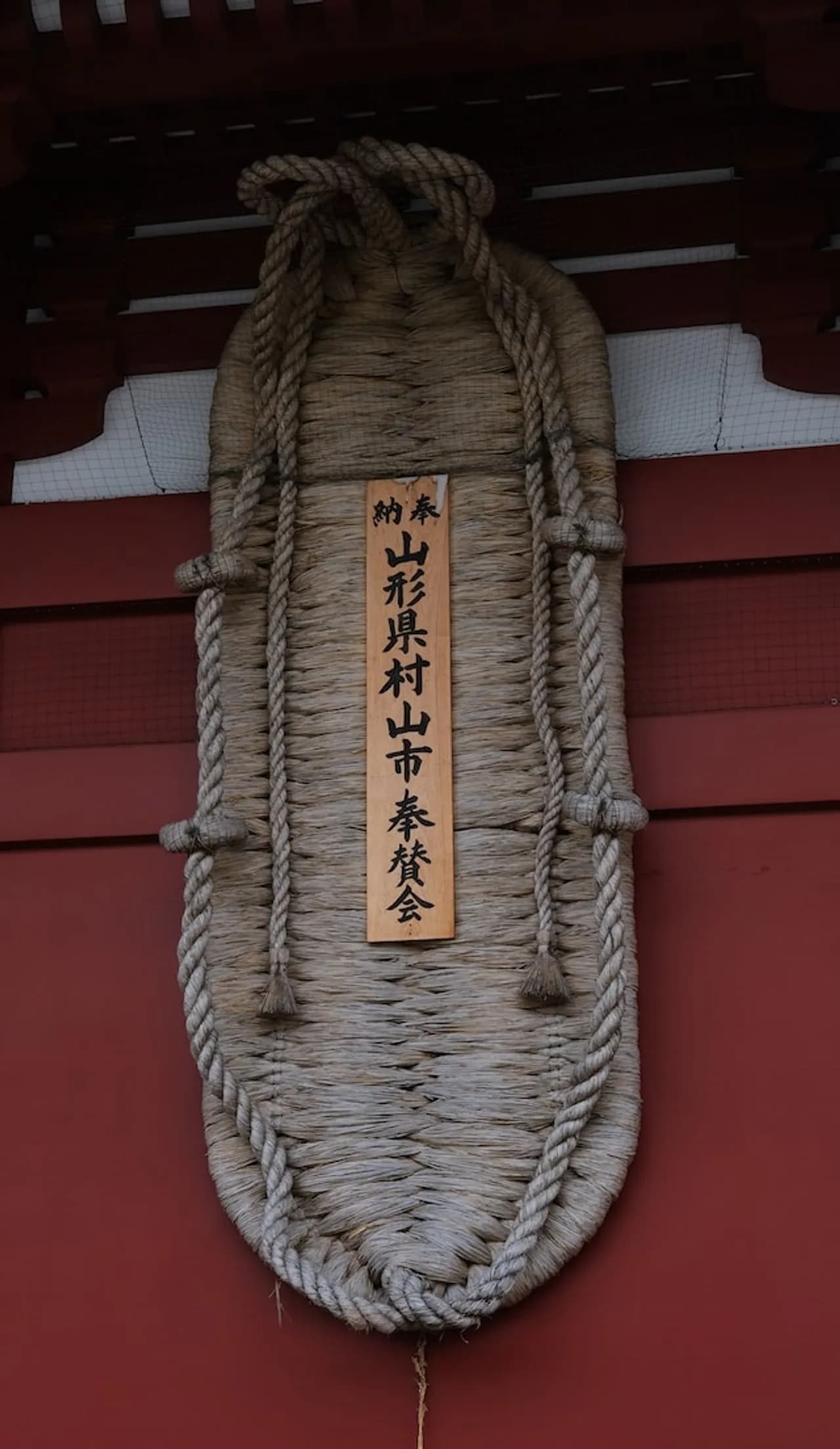
Denpoin-dori, west of Nakamise, recreates the streets of the Edo period. Look closely at the rooftops to find famous thieves from Kabuki hiding, making it feel like a scavenger hunt. Also, behind the Hojo-mon gate, you'll find giant straw sandals weighing 2.5 tons, crafted by artisans to ward off evil spirits.
3) Asahi Beer Headquarters & Sky Room
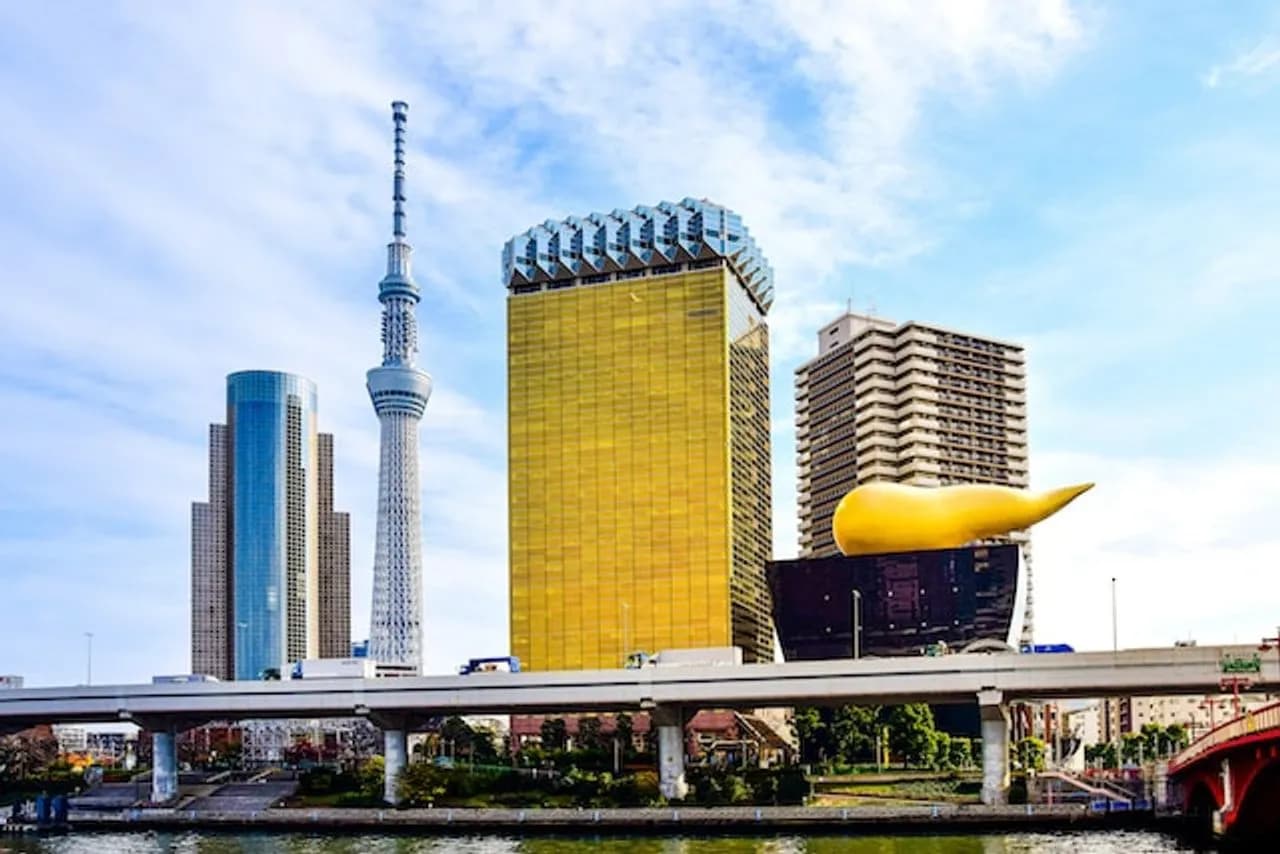
Looking across the river from Senso-ji, you'll see uniquely shaped golden buildings.
- Beer and Foam: The golden building represents a beer mug, and the white part at the top represents foam. The yellow sculpture on the neighboring black building represents 'flame' or 'foam,' but its unusual shape has led to several funny nicknames among locals.
- Asahi Sky Room: There is an observatory lounge on the 22nd floor of the headquarters. It is a hidden gem where you can enjoy freshly poured Asahi draft beer while overlooking the Skytree.
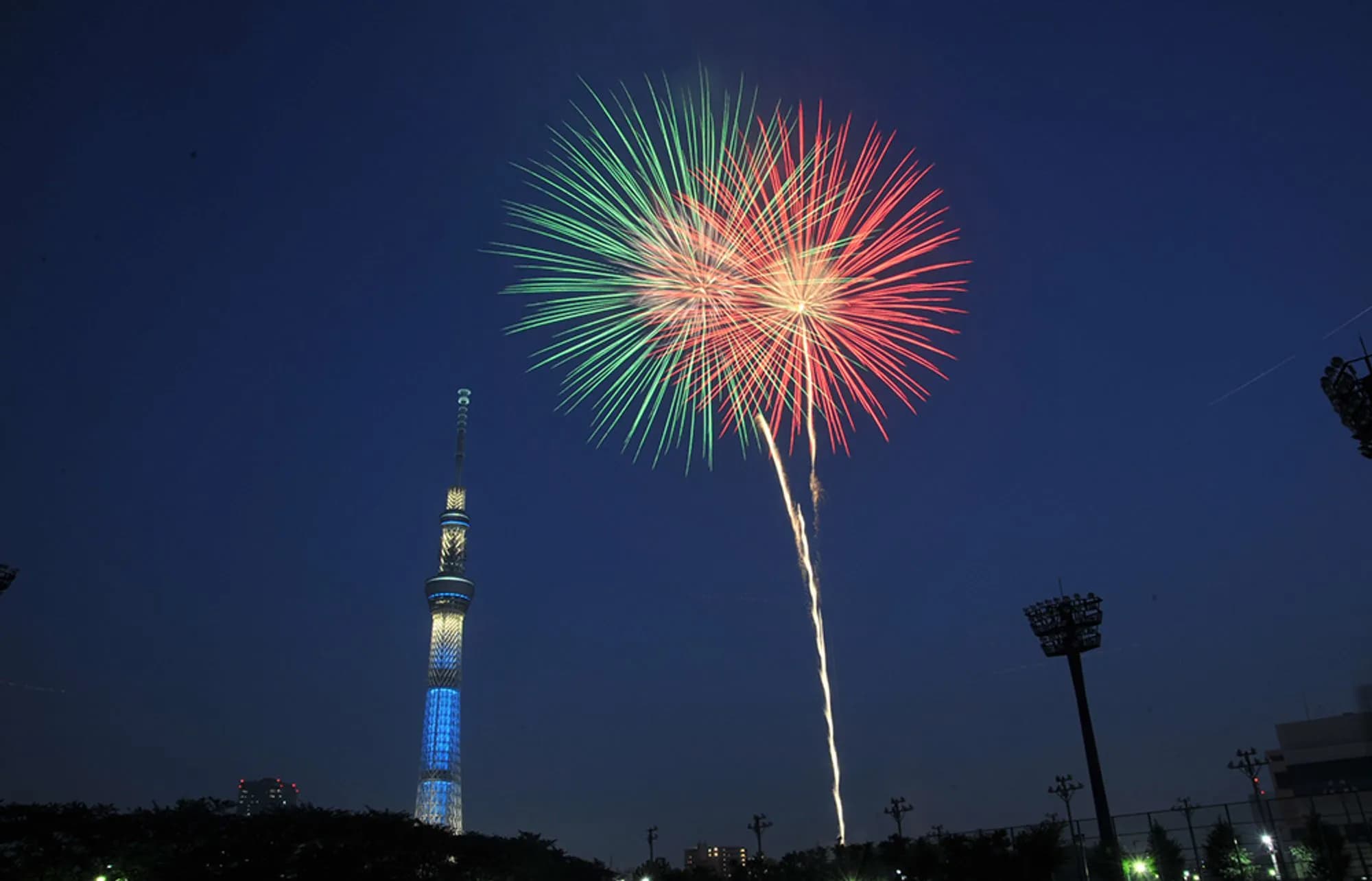
4) Sumida River Fireworks Festival (Hanabi)
Held on the last Saturday of July, this is Japan's largest fireworks festival. Approx. 20,000 fireworks light up the Asakusa night sky, and the streets are filled with people in Yukata, offering a true experience of a Japanese summer festival.
💡 Travel Tip
Asakusa is also famous for rickshaw tours. While they cost a bit, you can leave with special photos and friendly explanations from the rickshaw pullers as you traverse the alleys. Additionally, taking a water bus from Asakusa can get you to Odaiba in one go, allowing for an efficient itinerary.
Tokyo Skytree: Looking Down on Tokyo from the World's Highest PointAn ultra-tall landmark for enjoying Tokyo views
Skytree
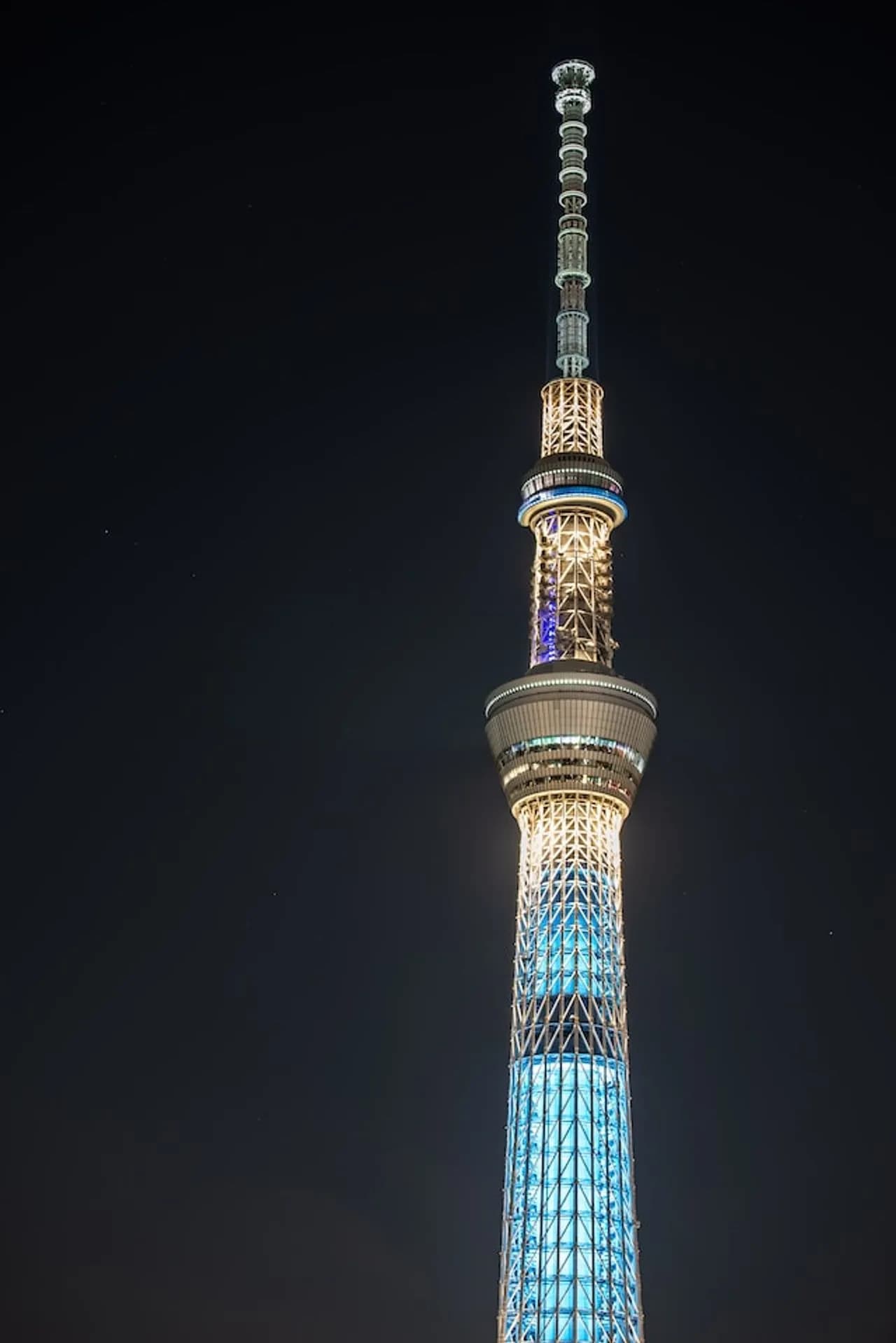
Tokyo Skytree is a self-supporting radio tower rising near Asakusa across the Sumida River. Originally planned for 610.58m, the design was changed in 2009 to a final height of 634m. This matches the pronunciation of 'Musashi (634),' the ancient name for the Tokyo area, and it was listed in the Guinness World Records as the world's tallest broadcasting tower, surpassing the Canton Tower in China.
The tower's height is so overwhelming that it is easily spotted from anywhere in Tokyo. If you don't plan to climb the observatory, viewing it from afar is sufficient, but going up offers an unreal sense of openness, as if flying over Tokyo in a helicopter.
1) Observatory Usage Information
- Booking Tip: Observatory tickets can be booked starting one month before your entry date. Sunset slots, where you can see both night views and the sunset, sell out very quickly, so act fast.
- Operating Hours: 10:00 – 21:00
- 350m Tembo Deck (Main Deck) last entry: 20:00
- 450m Tembo Galleria (Upper Deck) last entry: 20:20
- Closing Days: Open year-round (Operation may be restricted during high winds or severe weather)
- Access Stations:
- Tokyo Metro/Toei Line Oshiage Station
- Tobu Skytree Line Tokyo Skytree Station
2) Tokyo Solamachi
A massive complex shopping mall called Tokyo Solamachi is located at the base of the Skytree. With over 300 shops and restaurants, it is the perfect place for dining and shopping before or after your observatory visit.
- Key Floor Guide:
- 3F: 'Tabe Terrace' food court with various casual menus.
- 4F: Japanese traditional crafts and souvenir shops, plus the entrance to the mysterious Sumida Aquarium.
- 6–7F: Specialty restaurant floor featuring famous eateries from all over Japan.
- Character Shops: Large shops for representative Japanese character goods such as Pokémon Center, Ghibli Donguri Kyokoku, and Sanrio.
💡 Viewing Tip
While the night view from the Skytree is excellent, the view of the Skytree alongside the Sumida River from the Asakusa direction is also beautiful. The moment the tower's lights turn on right after sunset is one of the most romantic moments of a Tokyo trip.
Tokyo Dome: A Holy Site for Baseball Fans and a Complex Entertainment SpaceA spot where sports and entertainment coexist
Tokyo Dome
Tokyo Dome is Japan's first domed baseball stadium, a symbol of Japanese baseball and a holy site that every baseball fan wants to visit at least once. Since its opening in 1988, it has served as the home stadium for Japan's most popular team, the Yomiuri Giants, and is affectionately called the 'Big Egg' due to its egg-like exterior.
The roof is an air-supported structure made of special-coated fabric pushed up by air pressure. To keep the internal pressure about 0.3% higher than the outside to support the roof, blowers operate 24 hours a day creating an updraft; as a result, you may experience your ears popping due to the pressure difference when entering.
1) Why It's Called a 'Home Run Factory'
Tokyo Dome is famous for yielding more long hits and home runs than other stadiums, and there are several interesting scientific reasons for this.
- Impact of Updrafts: Analyses suggest the constant updrafts used to support the roof increase the flight distance of batted balls.
- Air Pressure and Resistance: Higher internal pressure leads to lower air density, resulting in less air resistance and allowing balls to fly further.
- Straight Outfield Structure: Unlike typical fan-shaped stadiums, the left and right field lines are straight. This makes the distance to the outfield fence shorter at about 110m, leading to more frequent home runs.
Interesting Urban Legend: Fans sometimes joke about a conspiracy theory where blowers are adjusted to favor Yomiuri Giants' hitters and create headwinds during the opponent's at-bats.
2) Special Rules of Tokyo Dome
- Ceiling Rule: Due to the dome structure, balls occasionally hit or get stuck in the high ceiling. If a batted ball enters a hole or gap in the ceiling, a unique local rule designates it a ground-rule double.
3) Nearby Fun: Tokyo Dome City
A large-scale entertainment complex surrounds the stadium for families and couples to enjoy.
- LaQua: A relaxation space combining a shopping mall with spa facilities where you can enjoy natural hot springs in the city center.
- Attractions: The unique 'centerless' Ferris wheel 'Big O' and the 'Thunder Dolphin' roller coaster, which passes through the center of the wheel and zips between city buildings, are representative attractions.
- Baseball Hall of Fame and Museum: Features a Hall of Fame and various exhibitions covering the history of Japanese baseball.
💡 Travel Tip
Public transport is highly recommended on game days or large concert days due to heavy congestion. JR Suidobashi Station or Korakuen Subway Station are convenient. Even on non-game days, the museum or LaQua are worth a visit for their lively atmosphere.
Daikanyama & Nakameguro: Sophisticated Alley Walks and Emotional Cafe ToursA paradise for relaxed strolls and cafe hopping
Daikanyama & Nakameguro
If you want to step away from Tokyo's forest of skyscrapers and glimpse a relaxed yet sophisticated daily life, Daikanyama and Nakameguro are the best choices. Located just one station apart, they are among the most beloved walking courses for Tokyo locals.
Daikanyama derives its name from the site where the residence of a government official (Daikan) once stood during the Edo period. Today, it is one of Tokyo's top wealthy neighborhoods and a cluster of embassies, exuding an exotic atmosphere and refined taste.
Nakameguro is an emotional neighborhood formed around the Meguro River, a famous cherry blossom spot. Every alley hides unique select shops, small restaurants, and trendy cafes, earning it the nickname 'a place where the camera never stops.'
1) Landmarks of Daikanyama
- Tsutaya Books (T-SITE): One of the world's most beautiful bookstores, themed as a 'library in the woods.' It is a complex cultural space combining books, music, movies, and cafes, representing Daikanyama's sensibility.
- Hillside Terrace: A complex designed by Fumihiko Maki, winner of the Pritzker Prize. Completed over several decades, this architecture perfected Daikanyama's elegant streetscape.
- Log Road Daikanyama: A shopping and walking space built on a former railway site, perfect for enjoying craft beer or brunch in a nature-friendly atmosphere.
2) Nakameguro Attractions
- Meguro River Promenade: Famous for its cascading cherry blossoms in spring and the cafes lining the river year-round. It's a place where just walking along the river calms the mind.
- Starbucks Reserve Roastery: One of only a few large roasteries worldwide, boasting a grand 4-story scale. A cup of coffee on the terrace overlooking the Meguro River is the highlight of a Nakameguro trip.
- Nakameguro Koukashita: A trendy shopping street created by renovating the space under the elevated tracks, housing bookstores and unique eateries.
3) How to Get There and Accessibility
The two areas are only a 15–20 minute walk apart, making them efficient to visit together.
- From Ebisu Station: A 10–15 minute walk from Ebisu Station leads to Daikanyama.
- Railway Lines:
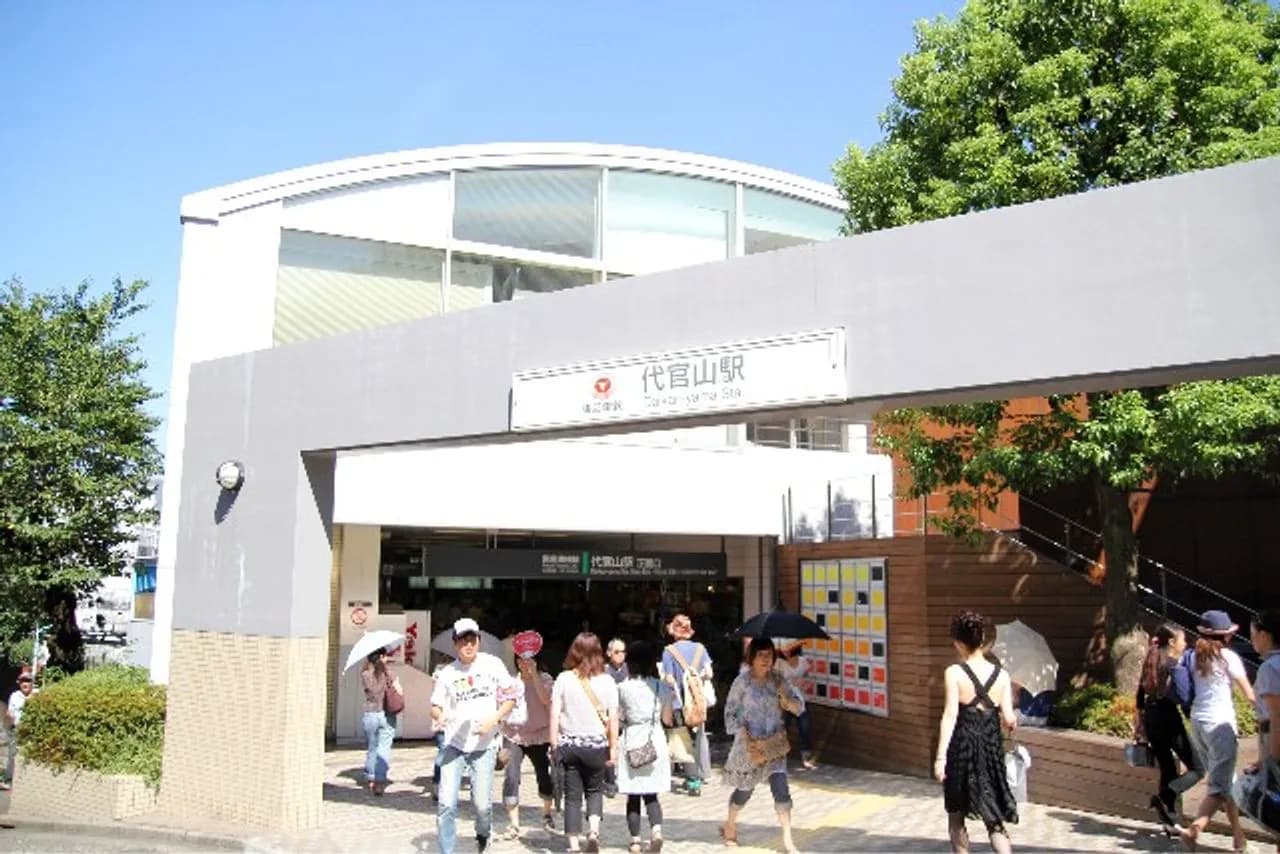
- Tokyu Toyoko Line: Daikanyama Station, Nakameguro Station
- Tokyo Metro Hibiya Line: Nakameguro Station (Terminal)
💡 Walking Tip
We recommend enjoying brunch in Ebisu, then soaking in the books and music at Tsutaya in Daikanyama, and walking along the Meguro River at dusk. Note that Daikanyama select shops typically open after 11:00 AM.
Jiyugaoka: Sweet Desserts and Boutique Shopping on 'Liberty Hill'A small village in Tokyo with a European vibe
Jiyugaoka
True to its name 'Liberty Hill,' Jiyugaoka exudes a relaxed and bright atmosphere. In Japan, it is consistently ranked as one of the neighborhoods most preferred by female university students, with a blend of charming boutique shops and sophisticated residential areas.
Compared to other Tokyo hubs, it has fewer high-rise buildings and feels more open, with carefully tended gardens and benches in every alley, making it a perfect place for 'small but certain happiness' while strolling.
1) A Holy Land for Desserts and Boutique Shopping
Jiyugaoka is a battleground for desserts, where Japan's top pâtissiers gather. It is lined with bakeries offering high-level sweets like Mont Blanc, tarts, and handmade chocolates.
- General Store Tour: There are many edit shops selling trendy lifestyle products, interior accessories, kitchenware, and stationery. It is fun to discover unique items that spark the desire to decorate your home.
- Dessert Cafes: Visiting at least one dessert specialty shop is a must in Jiyugaoka. Enjoy a moment of relaxation with tea and cakes that taste as good as they look.
2) Must-See Spots
- La Vita: A commercial complex called 'Tokyo's Little Venice.' Featuring a canal, gondola, and brick buildings inspired by Venice, Italy, it is the optimal place for exotic photos.
- Kosoan: A quiet Japanese traditional tea house found in the middle of a sophisticated street. Renovated from an old private house, you can enjoy matcha and wagashi while overlooking the garden, offering a calm rest during a busy trip.
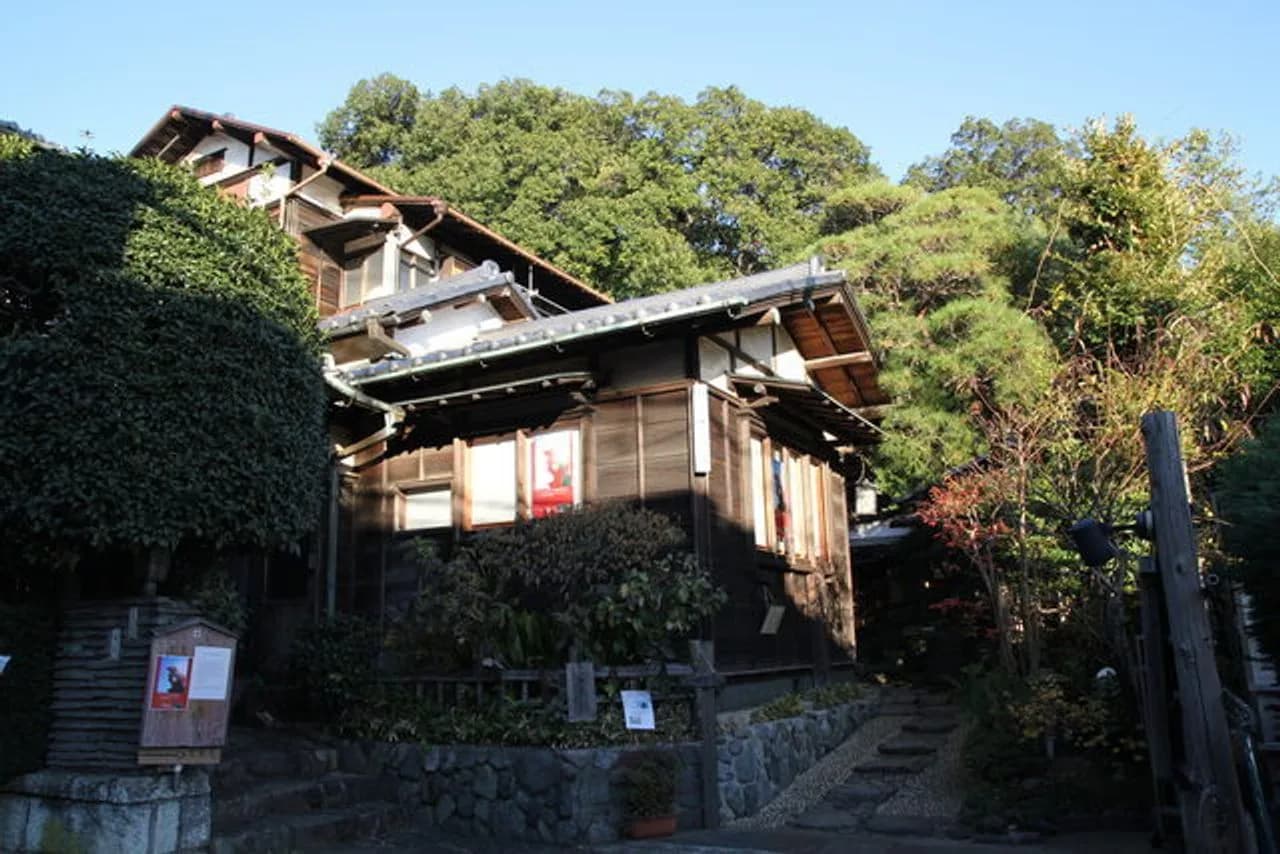
3) How to Get There and Accessibility
Located on the line connecting Shibuya and Yokohama, it is convenient for linked itineraries.
- Railway Line: Tokyu Toyoko Line Jiyugaoka Station (Approx. 10 mins from Shibuya via limited express)
- Nearby Link: Since it is on the same line as Daikanyama and Nakameguro, we recommend enjoying desserts in Jiyugaoka in the morning and moving to Nakameguro in the afternoon.
💡 Walking Tip
Near the South Exit of Jiyugaoka Station is 'Marie Claire Street,' lined with cherry trees along the tracks. Benches are well-provided for resting with a snack, and small street performances or markets often add to the lively atmosphere on weekends.
Exclusive TourCast Tips!
Transport Pass for Jiyugaoka?
If you plan to visit Jiyugaoka, Daikanyama, and Nakameguro, consider using the Tokyu Triangle Ticket. It is a frequently recommended pass.
Calculating its efficiency: Moving from Shibuya → Jiyugaoka (180 yen), Jiyugaoka → Nakameguro (180 yen), and Daikanyama → Shibuya (140 yen) totals 500 yen. The Triangle Ticket costs 470 yen.
In other words, if you plan to board a train 3 or more times within this zone, buying the Triangle Ticket is economical. However, if you plan to walk between them, you may skip it. Choose flexibly based on your detailed schedule.
Shimokitazawa: A Tokyo Treasure Trove for Vintage Enthusiasts and HipstersA retro street where vintage and indie cultures coexist
Shimokitazawa
Shimokitazawa is a street where unique subcultures and artistic sensibilities breathe. Every alley is densely packed with vintage shops, small theaters, and live houses, creating a free-spirited atmosphere similar to Hongdae or Seongsu-dong in Korea.
Locals affectionately call it 'Shimokita,' and unique individual shops dominate over large franchises. It is a must-visit sanctuary for travelers interested in vintage fashion or searching for special items unlike any other.
1) Mikan Shimokita
A new complex cultural space born under the elevated tracks at Shimokitazawa Station.
- Meaning of the Name: Taken from the first letters of 'Mikansei' (uncompleted). It symbolizes that Shimokitazawa is not stagnant but a street that is constantly changing and evolving.
- Fun to Do: It features not only unique vintage shops but also a food zone where you can taste diverse dishes from all over the world, including Thailand, Vietnam, and Korea, making it one of the hottest spots for Tokyo youth today.
2) Sanctuary of Vintage and Indie Culture
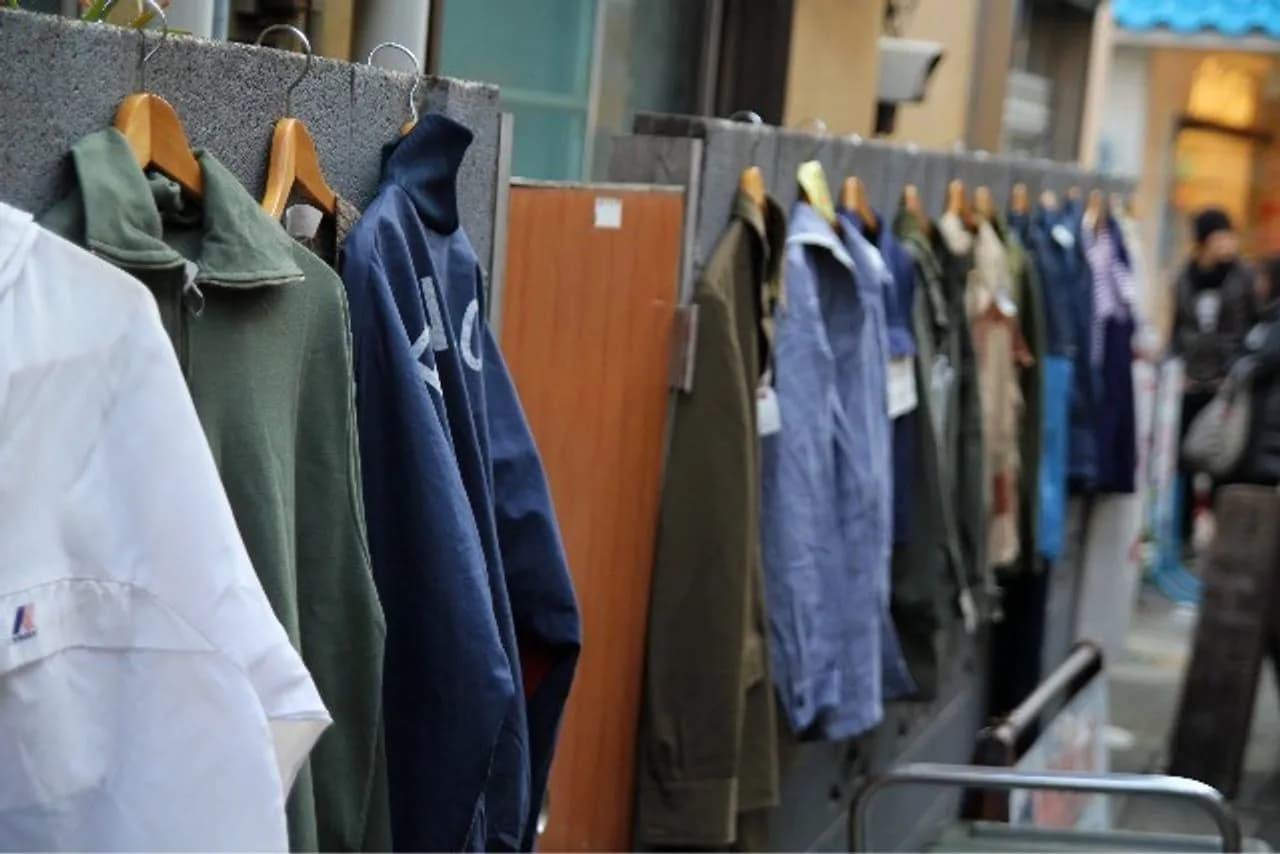
- Vintage Shopping: Filled with high-quality vintage clothing curated with the owner's eye, like a chef selecting premium ingredients.
- Indie Music & Small Theaters: Live houses with daily performances by Japanese indie bands and small theaters showing experimental plays allow you to feel the dynamism of modern Japanese art.
- Cafe Tour: Many roastery cafes with a relaxed atmosphere similar to Shimokitazawa's own vibe and cafes with emotional interiors are great for resting during a shopping spree.
3) How to Get There and Accessibility
Excellent accessibility, reachable in about 5–10 minutes by train from Shibuya or Shinjuku.
- Odakyu Odawara Line: Approx. 7 mins from Shinjuku via express
- Keio Inokashira Line: Approx. 4 mins from Shibuya via express
💡 Shopping Tip Many vintage shops in Shimokitazawa open late, around 12:00 PM or 1:00 PM. We recommend a schedule where you stroll quiet alleys in the morning and start full-scale shopping and cafe tours in the afternoon.
Kichijoji & Ghibli Museum: The #1 Neighborhood Women Want to Live In and the Magical Ghibli ExperienceA warm, emotional village and Ghibli experience trip
Kichijoji
Kichijoji is an area consistently ranked #1 as the neighborhood Japanese women want to live in. With a perfect blend of city convenience and the nature of Inokashira Park, it is one of the warmest neighborhoods to glimpse the daily dates and relaxation of Tokyo locals.
1) Inokashira Park & Harmonica Yokocho
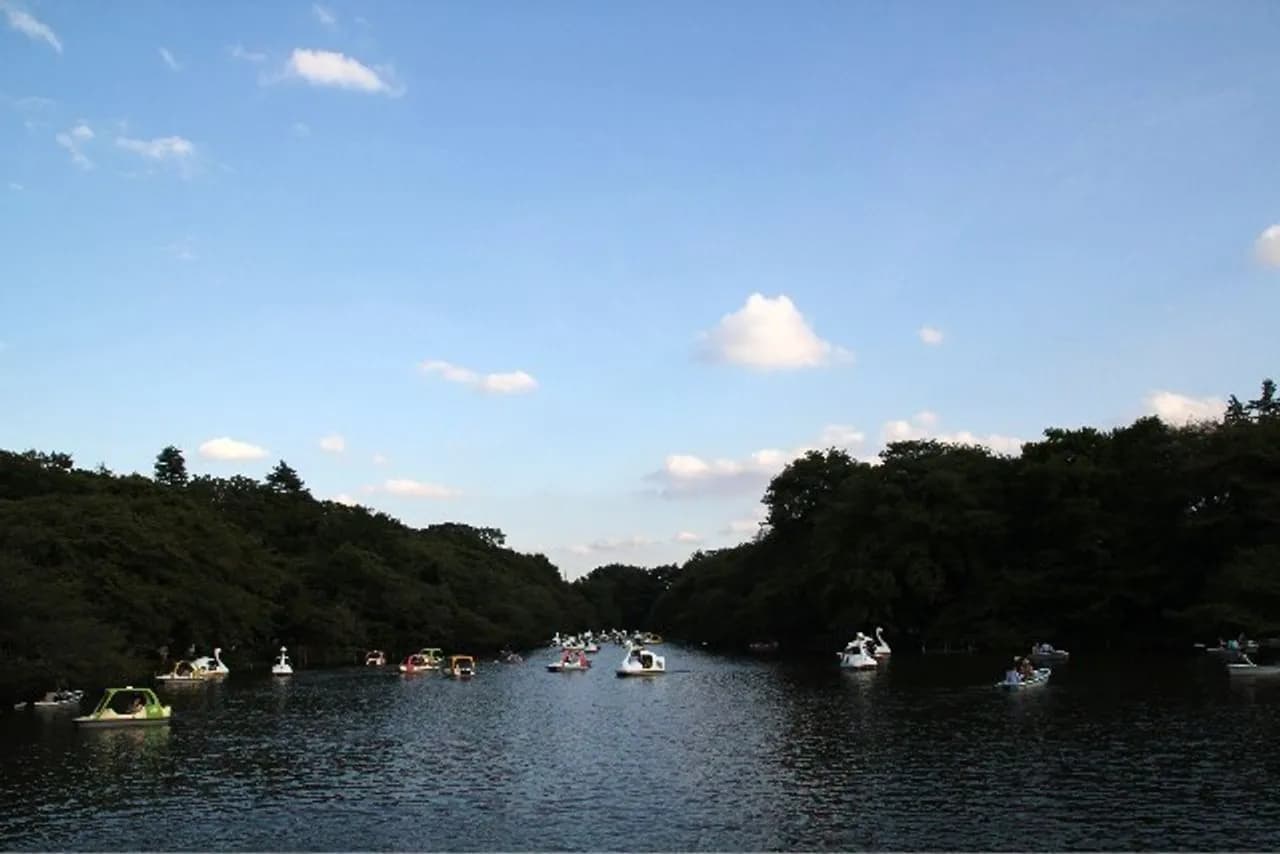
- Inokashira Park: Frequently featured as a backdrop in Japanese animation and dramas. It is popular with couples for spending relaxed time in rowboats or swan boats on the lake.
- Harmonica Yokocho: Named because the many small shops packed into narrow, long alleys resemble the holes of a harmonica. It features vintage izakayas and general stores, making it charming both day and night.
- Cafe Tour: Kichijoji is full of hidden gem cafes and boutique shops in every alley. A single day might not be enough, so manage your time well.
2) Ghibli Museum, Mitaka
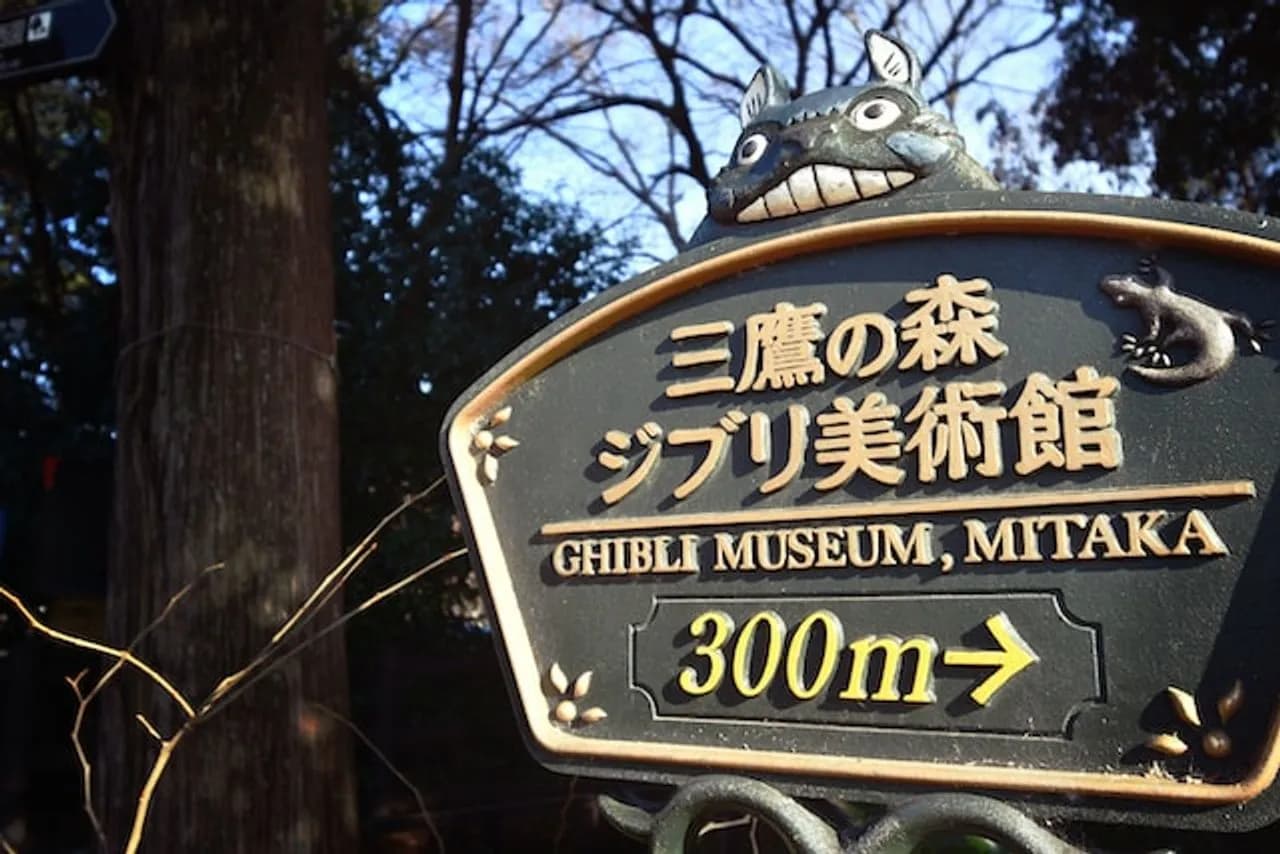
Located in the woods at the edge of Inokashira Park, this is a holy site for Ghibli fans worldwide. Designed by Director Hayao Miyazaki himself, it presents magical exhibitions under the concept "Let's get lost together."
The biggest challenge is ticket booking. On-site ticketing is absolutely impossible, and it operates strictly on a pre-reservation system.
Ticket Purchase Guide
There are currently three main ways to book:
- Ghibli Official Website for International Visitors (Highly Recommended)
- Tickets for the following month open at 10:00 AM on the 10th of every month.
- Original passport verification occurs upon entry; the booker and companions must enter together.
- Competition is extremely high with fans from all over the world, so it's best to wait online an hour before opening.
- Using Travel Agency Resellers
- A secondary option if official booking fails.
- Note that prices can be 3–4 times higher than list price.
- Booking via a Local Contact in Japan
- Uses the Lawson convenience store (Loppi) reservation system.
- However, as identity verification at the entrance is strict, you must be accompanied by the person who booked; entry may be refused if they just book for you without coming along.
⚠️ Essential Check Before Visiting
- All photography and video recording inside the museum is prohibited (Photos are only allowed for the Laputa robot soldier sculpture in the rooftop garden).
- Date changes and refunds are impossible after purchase, so choose carefully.
- You must bring the original passport matching the lead booker's information entered during reservation.
3) How to Get There
- JR Chuo Line: Approx. 15 mins to Kichijoji Station via rapid train from Shinjuku Station.
- Keio Inokashira Line: Approx. 18 mins to Kichijoji Station (terminal) via express from Shibuya Station.