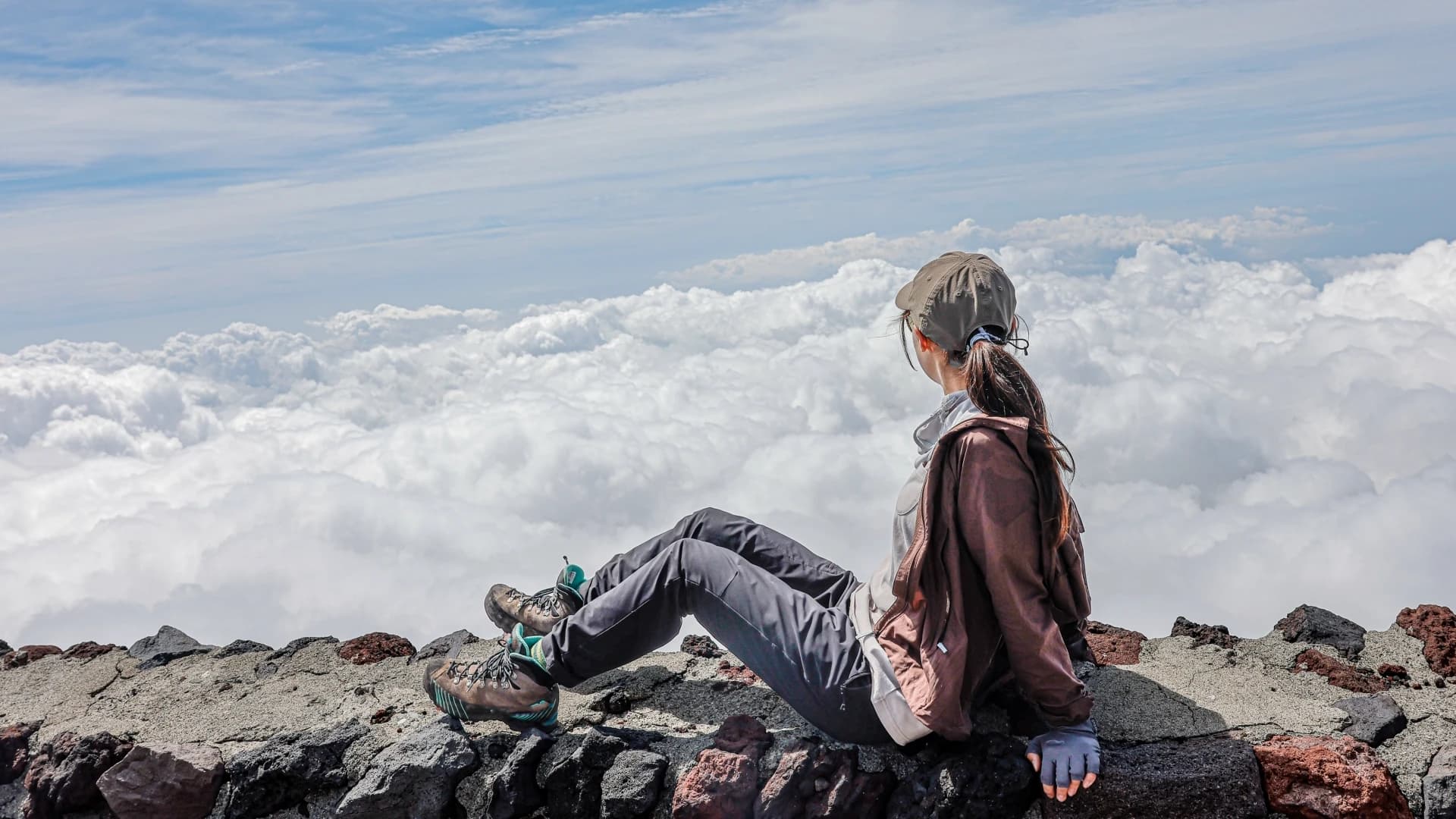
Essential Checks Before Climbing Mount FujiA complete summary of entry regulations, route features, packing lists, and safety rules required for climbing Mount Fuji.
Three of Mount Fuji's four climbing routes (Fujinomiya, Gotemba, and Subashiri) are located in Shizuoka Prefecture, while the remaining route (Yoshida) is in Yamanashi Prefecture. Regulations vary by route, so please check them before you start your climb.
Official Mount Fuji Climbing Website1. Route Features and Entry Regulations
1) General Rules for All Routes
- Entry Fee and Control: Whether you are going for a day hike or staying at a mountain hut, you must pay an entry fee (climbing fee) of 4,000 JPY.
- Nighttime Entry Control: Entry is closed from 2:00 PM to 3:00 AM the next morning. However, climbers with mountain hut reservations are excluded. If you plan a day hike, you must start climbing before 2:00 PM.
2) The 3 Routes in Shizuoka Prefecture (Fujinomiya, Gotemba, Subashiri)
- Features: Unlike Yamanashi Prefecture, there are no daily climber limits or strict clothing requirements.
- Pre-registration: You can complete an online safety briefing and pre-pay the 4,000 JPY entry fee using the 'FUJI NAVI' app or the official website. (Up to 9 people can register at once.)
3) The Route in Yamanashi Prefecture (Yoshida)
- Climber Limit: Entry is limited to 4,000 climbers per day. It is safer to reserve and pay online before your climb.
- Mandatory Clothing Rules: You must wear warm clothes, a two-piece rain suit (jacket and pants), and proper hiking boots. Rain ponchos and disposable plastic raincoats are not allowed, so please be careful.
- Refund Policy: Cancellations and refunds are not allowed starting the day after your payment.
2. Route Colors and Trail Warnings
Each route is assigned a specific color on signs and trail markers. Make sure to remember the color of your chosen route.
| Route | Color | Trail Features |
|---|---|---|
| Fujinomiya Route | Blue | The only route where the ascent and descent trails are the same |
| Gotemba Route | Green | Separate ascent and descent trails |
| Subashiri Route | Red | Separate ascent and descent trails (Merges with Yoshida at the 8th Station) |
| Yoshida Route | Yellow | Separate ascent and descent trails (Merges with Subashiri at the 8th Station) |
⚠️ Pay Attention to Trail Junctions During Descent
The Yoshida Route (Yellow) and Subashiri Route (Red) share the same path at the 8th Station (Original 8th Station). If you take the wrong path when going down, you will end up in a completely different prefecture. Check the sign colors carefully to follow your correct descent trail.
3. Mountain Hut Tips (100% Advance Reservation Required)
All mountain huts on Mount Fuji require 100% advance reservations. If you plan to reach the summit for the sunrise (Goraiko) the next morning, it is best to book a hut at the highest elevation possible to make your final climb easier. Huts at higher elevations fill up quickly, so try to book in advance when reservations open in early April each year.
- Check the hut list in the route descriptions below, and visit the official website of each hut to see how to book.
Goraiko (御来光) means the sunrise viewed from the summit of Mount Fuji. Sunrise times change by season:
- Early July: Around 4:20 AM
- Mid-August: Around 4:50 AM
- Mid-September: Around 5:15 AM
4. Essential Items and Safety Rules
- Paid Restrooms: Restrooms are available at mountain huts, but they all charge a fee. You will need coins for each use, so bring plenty of 100-yen coins.
- Food and Water: There are several shops and mountain huts along the trails, so you do not need to pack too heavily. However, prices are higher on the mountain due to the location.
- Cold Weather Gear: Temperatures near the summit are very low, and strong winds are common. Wear thin layers to stay warm, bring a hat and gloves, and pack a windbreaker (essential item) to block the wind.
- Altitude Sickness Warning: Altitude sickness frequently occurs starting from 2,500 meters above sea level. Many climbers carry portable oxygen cans. Drink plenty of water and eat snacks to prevent a sudden loss of energy.
- Nature Conservation: Taking stones or plants from Mount Fuji is strictly forbidden, and you can face heavy fines. You must carry all your trash back down with you, so bring extra plastic bags.
- Mount Fuji Hiking Stick (Kongozue) Luggage Tip: You can buy a wooden hiking stick as a souvenir and pay for commemorative stamps at each mountain hut. However, these sticks cannot be taken as carry-on baggage on flights; they must be checked in. Since you will need to wrap the stick at the airport, bringing your own bubble wrap, wrapping paper, and tape in advance will save you time and money.
Essential & Recommended Packing List for Mount FujiA complete packing list of essential gear and recommended items for climbing Mount Fuji, where wind chill temperatures can drop below freezing even in summer.
Mount Fuji is a high mountain with a peak of 3,776 meters. Even in summer, wind chill temperatures near the summit can drop below freezing, and strong winds are common. Normal travel clothes can lead to dangerous situations like hypothermia. Check the gear list below carefully.
1. Essential Gear and Items
① Hiking Boots (High-Cut Recommended)
- Mount Fuji features rough volcanic gravel paths and steep, rocky sections. High-cut hiking boots that support your ankles are essential. Choose boots with hard soles to reduce the impact from sharp rocks. Avoid normal sneakers or running shoes, as they increase the risk of slipping and injury.
- The trails are covered in volcanic ash and gravel, so wearing gaiters will stop ash and pebbles from getting into your shoes.
② Two-Piece Rainwear (Jacket and Pants)
- A waterproof and windproof [Rain Jacket + Rain Pants] set is essential. Normal windbreakers or disposable plastic raincoats tear easily in strong winds and cannot protect your body temperature, so please pack proper hiking rainwear.
③ Cold Weather Clothes (Fleece, Lightweight Down Jacket)
- While waiting for the morning sunrise (Goraiko) near the summit, temperatures drop quickly. Pack a fleece jacket, a lightweight down jacket, warm gloves, and a neck warmer to layer over your clothes to stay warm.
④ Headlamp and Spare Batteries
- A headlamp is essential for night climbing and sunrise hikes. Keep your hands free while climbing steep rocks by avoiding smartphone flashlights. Batteries can drain faster in the cold, so bring spare batteries.
⑤ Backpack (Around 30L)
- A 30-liter backpack is ideal for carrying warm clothes, rainwear, water, and snacks. Keep your hands free at all times to prevent falls; carrying bags in your hands is very dangerous.
⑥ Water and High-Calorie Snacks
- Dehydration and fatigue happen quickly in thin mountain air. Bring 1 to 2 liters of water or sports drinks, and pack compact, high-calorie snacks like chocolate, energy bars, or sweet jelly to keep your energy up.
⑦ Cash and 100-Yen Coins
- Mountain huts and first-aid stations do not accept credit cards; they only take cash. In particular, bring several thousand yen in 100-yen coins to pay for public restrooms (which cost a few hundred yen per use).
⑧ Trash Bags
- Mount Fuji follows a strict 'carry your own trash home' rule. There are no trash bins on the mountain. Bring extra plastic bags to collect all your trash from hiking and staying at the huts.
⑨ Sun Protection (Hat, Sunglasses, Sunscreen)
- The mountain has high elevation and no shade, meaning UV rays are very strong. Bring a sun hat, sunglasses to protect your eyes, and high-SPF sunscreen.
⑩ Trekking Poles and Trail Map
- Trekking poles help reduce knee strain and maintain balance on steep, gravelly descents. Also, carry a physical or offline map to check your route in case you lose mobile phone signal.
- Wearing knee supports can also greatly reduce knee pain when walking down the mountain.
⑪ First-Aid Kit and Climbing Plan
- Pack a simple first-aid kit with blister pads, bandages, antiseptic, and pain relievers. Even a small blister can cause severe pain during descent. It is also recommended to keep a climbing plan with your accommodation info, route, and emergency contacts, or submit it online before climbing.
2. Recommended Items for Safety and Comfort
- Helmet: Highly recommended to protect against falling rocks on steep paths or sudden volcanic activity, especially during crowded peak hours.
- Mask and Goggles: The descent trails (especially the Sunabashiri gravel path on the Subashiri Route) generate a lot of fine volcanic dust. Wearing a dust mask and goggles will make your descent much more comfortable.
- Hut Comfort Items (Earplugs, Eye Mask): Most Mount Fuji huts are shared dormitories where many people sleep in close quarters. If you are sensitive to snoring, noise from climbers leaving early, or lights, earplugs and an eye mask will help you sleep.
- Power Bank: Cold mountain temperatures can drain your smartphone battery much faster than usual. Bring a high-capacity power bank for taking photos and using GPS navigation.
- Extra Clothes and Repair Tools: Bring extra undergarments and socks to change into if your clothes get wet from sweat or rain. Also, spare boot laces or duct tape can be helpful for quick gear repairs.
💡 Final Gear Check Before Departure
On the morning of your climb, check that your boot soles are not cracking or peeling, and test your headlamp to ensure it works and has full battery power. A small gear failure at high altitude can lead to serious risks like getting stranded or injured.
Complete 4-Route Guide to Climbing Mount FujiA detailed guide explaining the features and hiking times of the four official climbing routes.
Mount Fuji is open to the public only during the official summer climbing season, from early July to early September. There are four official routes to the summit, each starting at a different elevation and offering different difficulty levels.
1. Fujinomiya Route (富士宮口五合目, Shizuoka Side)
This route starts at the highest elevation among the four routes, making the distance to the summit the shortest and very popular.
- Route Features: The distance is short, but the trail is very steep and rocky. Hikers going up and down use the same path, so you must yield to others during crowded times.
- Hiking Time: Ascent: Approx. 5 hours / Descent: Approx. 3 hours
- Starting Elevation: 2,400m above sea level Fujinomiya 5th Station Location
- Bus Stops
- Board from Shin-Fuji Station (Bus Stop 5) or Fujinomiya Station (Bus Stop 6). No reservation needed (first-come, first-served). Bus Timetable
- Board from Mishima Station (Bus Stop 2). Reservation required during the climbing season. Timetable & Booking
2. Gotemba Route (御殿場口新五合目, Shizuoka Side)
This route starts at the lowest elevation and requires a huge amount of physical energy.
- Route Features: This route has the longest distance and the largest elevation gain to the summit. With very few shelters or mountain huts, it is recommended only for experienced climbers. It is less crowded and offers a quiet climb. A key feature is the "Osunabashiri" (Great Sand Run), where you can run down a massive slope of loose volcanic sand during descent.
- Hiking Time: Ascent: Approx. 8–9 hours / Descent: Approx. 4 hours
- Starting Elevation: 1,440m above sea level Gotemba New 5th Station Location
- Bus Stop: Take the climbing bus from Gotemba Station. No reservation needed (first-come, first-served). Bus Timetable
3. Subashiri Route (須走口五合目, Shizuoka Side)
An attractive route that features both rich forest scenery and volcanic sand paths.
- Route Features: The trail starts through a pleasant forested zone before opening up to great views higher up. It joins the Yoshida Route near the 8th Station, so the area near the summit can get crowded. On the way down, you can enjoy the Sunabashiri, sliding down a soft volcanic ash path.
- Hiking Time: Ascent: Approx. 7 hours / Descent: Approx. 4 hours
- Starting Elevation: 1,970m above sea level Subashiri 5th Station Location
- Bus Stop: Take the climbing bus from Gotemba Station. No reservation needed (first-come, first-served). Bus Timetable
4. Yoshida Route (富士吉田口五合目, Yamanashi Side, Fuji Subaru Line 5th Station)
The most popular route, chosen by more than half of all climbers. It offers excellent access with direct highway buses from downtown Tokyo.
- Route Features: It has the most mountain huts, making it the safest choice for beginners. Ascent and descent trails are separate, making walking easier. Since the trail faces east, you can view the sunrise on your way to the summit.
- Hiking Time: Ascent: Approx. 5 hours / Descent: Approx. 3 hours
- Starting Elevation: 2,305m above sea level Mount Fuji 5th Station (Fuji Subaru Line 5th Station) Location
- Bus Stops: Take the climbing bus from Fujisan Station or Kawaguchiko Station. No reservation needed (first-come, first-served). Bus Timetable
- From Tokyo: Advance reservations are mandatory for highway buses leaving from Shinjuku Station, Tokyo Station, etc.
Prevention & Management Guide for Altitude SicknessA complete guide to prevention measures, early symptoms, and correct responses to altitude sickness on Mount Fuji.
Due to high elevation and sudden weather changes, altitude sickness is very common on Mount Fuji. Please read these prevention rules and response tips for a safe climb.
1. 5 Key Rules to Prevent Altitude Sickness
① Rest for at least 1–2 Hours at the 5th Station Before Starting
The 5th Station of Mount Fuji is already located at about 2,300 meters above sea level. If you start climbing right after getting off the bus, your body cannot adapt to the changes in air pressure and elevation, making altitude sickness more likely.
- Stay for 1 to 2 hours after arrival, move slowly, and let your breathing stabilize.
- Climbing immediately after a long night on an overnight bus—while sleep-deprived and fatigued—is very dangerous.
② Drink Plenty of Water Before You Feel Thirsty
At high altitudes, you breathe faster and sweat more, which easily leads to dehydration. Avoiding water because of restroom fees or Gauging inconvenience is a major cause of worsening altitude sickness.
- Drink small amounts frequently, before you feel thirsty. Drinking electrolyte drinks also helps. (We recommend bringing electrolyte powder mix.)
- Dehydration makes headaches, dizziness, and nausea worse, so do not avoid water; keep drinking.
③ Hike Slowly with 'Small Steps'
Walking too fast just because you have energy at the beginning can cause altitude sickness.
- Keep your steps small and maintain a steady pace in the thin mountain air.
- If you find yourself gasping for breath, slow down immediately. The goal is "reaching the top steadily without exhausting yourself," not climbing fast.
④ Get Good Sleep Before the Climb
Lack of sleep reduces your body's ability to adapt to low oxygen levels.
- Avoid overworking the day before your climb and get plenty of rest.
- Instead of rushing to the summit right after an overnight bus ride, staying one night at a mountain hut to adjust to the elevation before heading to the summit the next morning is a much safer plan.
⑤ No Alcohol or Smoking Before and During the Climb
- Alcohol: Avoid drinking alcohol the night before your climb. It causes dehydration, lowers respiratory function, and ruins sleep quality.
- Smoking: Smoking reduces oxygen levels in your blood, increasing the risk of altitude sickness.
2. Symptoms and Responses to Altitude Sickness
1) Early Symptoms (Warning Signals)
If you experience the following symptoms, your body is struggling with a lack of oxygen:
- Headache, dizziness, nausea, loss of appetite
- Severe fatigue, weakness, shortness of breath, feeling dazed, trouble sleeping
- If you experience a [headache + nausea] at the same time, stop climbing immediately.
2) What to Do for Mild Symptoms
- Do not force yourself to keep walking. Sit down immediately and text or rest.
- Take deep, slow breaths to bring more oxygen into your body.
- Put on warm clothes to maintain your body temperature and drink some water.
Portable oxygen cans only offer temporary relief and are not a permanent fix. Give priority to [rest + steady breathing + hydration].
3) Serious Symptoms That Require Immediate Descent
If you experience any of the following symptoms, the only solution is to go down to a lower elevation (descend) immediately. Ask nearby rescue stations or mountain hut staff for help and head down the mountain.
- Severe headache or repeated vomiting that does not stop even after resting
- Loss of balance, stumbling, or confusion
- Difficulty breathing even while sitting still or resting
🚨 The #1 Rule of Altitude Sickness Treatment
The only cure for altitude sickness is "going down, not pushing through." In most cases, walking down just a few hundred meters increases the air pressure and improves symptoms quickly. Pushing through out of a stubborn desire to reach the summit can be life-threatening.
3. Mount Fuji Environment and Essential Items
Mount Fuji has a high elevation, strong winds, extreme temperature drops, and lots of blowing volcanic ash. Because of this, altitude sickness, dehydration, and hypothermia often happen at the same time. Make sure to bring these items for your safety:
- Water and Electrolyte Drinks: To prevent dehydration
- Warm Layers and Windproof/Waterproof Rainwear: To protect against temperature drops and biting winds
- Snacks: High-calorie snacks like chocolate or sweet jelly to boost blood sugar quickly
- Mask and Goggles: To block fine volcanic dust during the descent