IntroductionDirect flight info for Incheon–Tokushima
At the moment, the only direct route from Korea to Tokushima is Eastar Jet (departing from Incheon). It does not operate daily, and runs on a Tue/Thu/Sat pattern.
- Tuesday departure → best for a 2-night/3-day trip
- Thursday departure → best for a 2-night/3-day trip
- Saturday departure → best for a 3-night/4-day trip
It is most efficient to plan your Tokushima itinerary around this flight pattern.
That said, you do not need to lock your trip into a Tokushima round trip. If you are combining Shikoku with the Kansai area, you can also use an open-jaw route (different airports in and out), such as:
- Arrive at Tokushima Airport → depart from Takamatsu Airport
- Arrive at Tokushima Airport → take a highway bus (via Awaji Island) → depart from Kobe Airport or Kansai International Airport
- The reverse route (arrive via Takamatsu/Kobe/Kansai → depart via Tokushima Airport) is also possible This approach is especially useful when you want to cover eastern Shikoku and the Kansai region in one trip.
Exclusive TourCast Tips!
When you should avoid visiting Tokushima
Tokushima’s signature festival, Awa Odori (阿波おどり), is held every year fromAugust 12 to 15. With about 400 years of history, it is Japan’s largest dance festival. During this period, crowds pour in from all over Japan, and it is common to see over 1 million visitors each year.
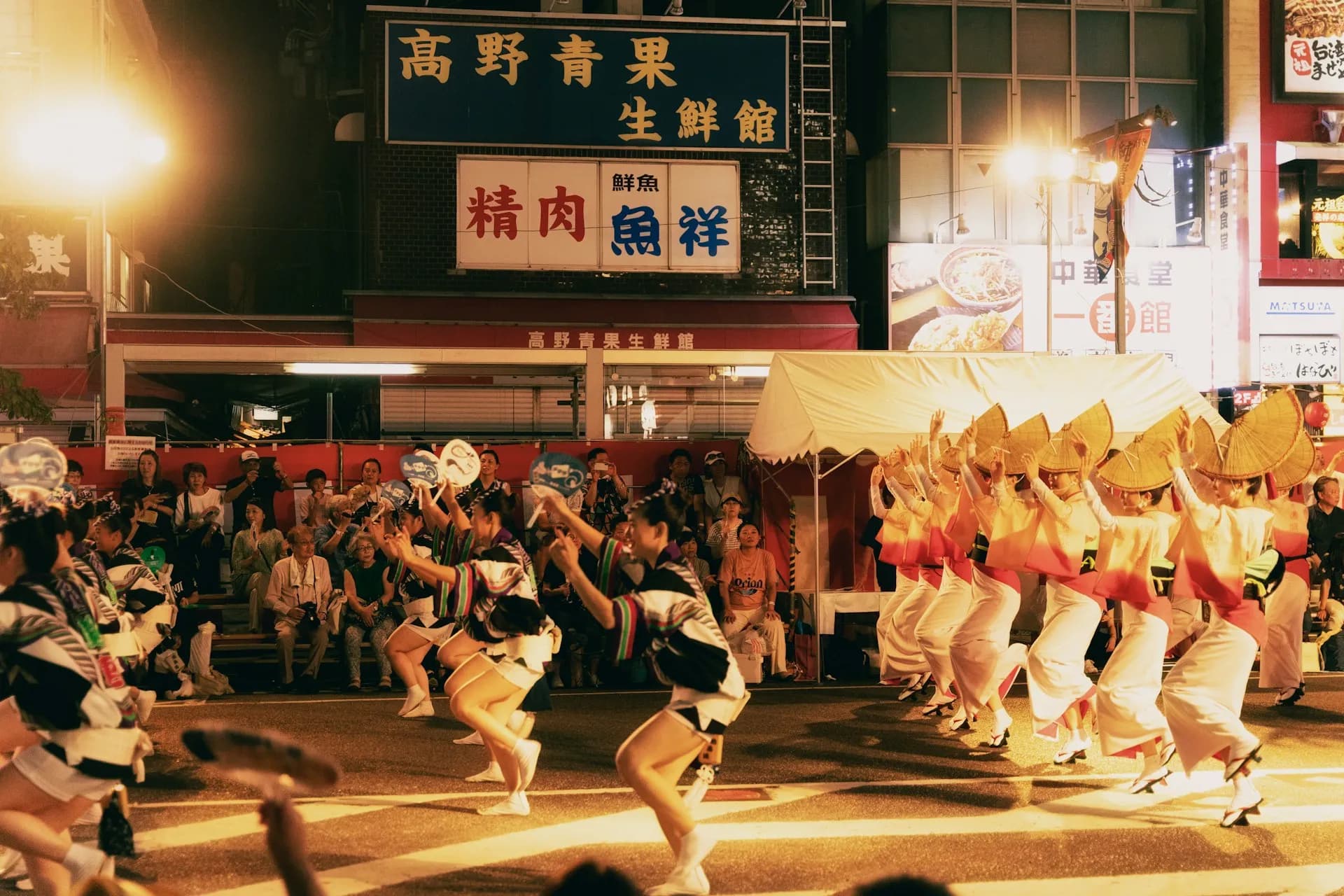
If you are visiting specifically for the festival, that is fine. But if not, you must consider thataccommodation prices can rise to several times the usual rate during these dates. If you do not plan to watch Awa Odori, it is best to avoid traveling from August 12 to 15.
If you booked flights without knowing this, firstcheck accommodation prices in Tokushima, then consider the options below.
- Buy a JR All Shikoku Rail Pass, stay in Takamatsu, and take a limited express train to Tokushima (about 1 hour 10 minutes one-way) for day trips.
- Without a pass, keep your flight in/out via Tokushima Airport, visit only for the Awa Odori festival, and change your main base of the trip to Takamatsu by adjusting the itinerary.
- Check the flight refund fee, then consider the full situation and change your destination.
This can greatly reduce the burden of peak-season hotel price spikes.
How to combine Tokushima and Osaka in one tripTake the Nankai Ferry to Wakayama Port, then travel to Osaka
The Nankai Ferry runs regularly between Tokushima Port ↔ Wakayama Port about every 3 hours, with 8 sailings per day. It takes about 2 hours one-way to reach Wakayama Port, and from Wakayamako Station right next to the terminal, you can take the Nankai Railway to reach Nankai Namba Station in about 1 hour 10–30 minutes, making access to central Osaka extremely convenient.
If you booked your flights as Tokushima IN → Kansai Airport OUT, using the Nankai Ferry gives you a big advantage: you can naturally expand your trip to Wakayama, Osaka, Kyoto, and other Kansai areas. The ferry costs 2,500 yen one-way for non-reserved seats, and the official Nankai Ferry website sometimes runs a promotion that includes the Nankai train to Nankai Namba Station at the same price, so it is worth checking.
If you have the energy, you can also take a late-night or early-morning sailing to arrive in Osaka early. With less congestion and better time efficiency, this is an attractive option for travelers who want a packed Kansai itinerary.
Nankai Ferry official website Learn more about the 2,500 yen promotionFree benefits in Tokushima, tooFree bus pass for foreign visitors arriving on international flights at Tokushima Airport
Foreign visitors who enter Japan via international flights at Tokushima Airport can receive a Tokushima Bus Pass worth 2,000 yen for free.
After arriving, you can collect one pass per person at the 1st-floor information center by showing your passport and boarding pass, and you can use it on the routes below.
- All routes and sections operated by Tokushima Bus and Tokushima City Bus, including the airport limousine bus
- How to use: Scratch and mark the date of use, then use the pass
- When boarding, take a numbered ticket; when getting off, insert the ticket and show the pass
- Note: Highway buses are excluded
- The program may be suspended if the budget runs out
- If you want to buy more, you can purchase at places like the Tokushima Station bus information counter
- Sold as a non-consecutive “2-day pass” (2,000 yen)
- Two people can share by using one day each
- This is a foreign visitor-only pass, so you must show your passport to purchase
It is highly useful for getting around Tokushima City and nearby areas, and it can significantly reduce transport costs on a short trip.
Learn more about TOKUSHIMA BUS PASS TOKUSHIMA BUS PASS coverage mapTransportation in TokushimaTokushima basically has JR trains, local buses, and DMV vehicles
Tokushima’s transportation is very simple—if you understand JR trains and local buses, you can handle most travel. More precisely, there is also the DMV hybrid train/bus (a road-rail dual-mode vehicle), but you would need to travel about 2 hours 30 minutes south from Tokushima Station to ride it, so for Tokushima city and nearby trips, you can assume you will almost never use it.
You can think of most nearby sightseeing spots as reachable by local buses, and you can cover them with the TOKUSHIMA BUS PASS.
If you only plan to visit parks or move short distances, bike rental is also a good option. At the bicycle parking area in front of Tokushima Station, you can rent a bike with a 3,000 yen deposit, and it costs about 300–400 yen for under 5 hours. An electric bike costs about 100 yen more.
Exclusive TourCast Tips!
How to check if your route is covered by TOKUSHIMA BUS PASS
Most routes in Tokushima City and nearby areas can be covered with the TOKUSHIMA BUS PASS, and you can check coverage easily in Google Maps.
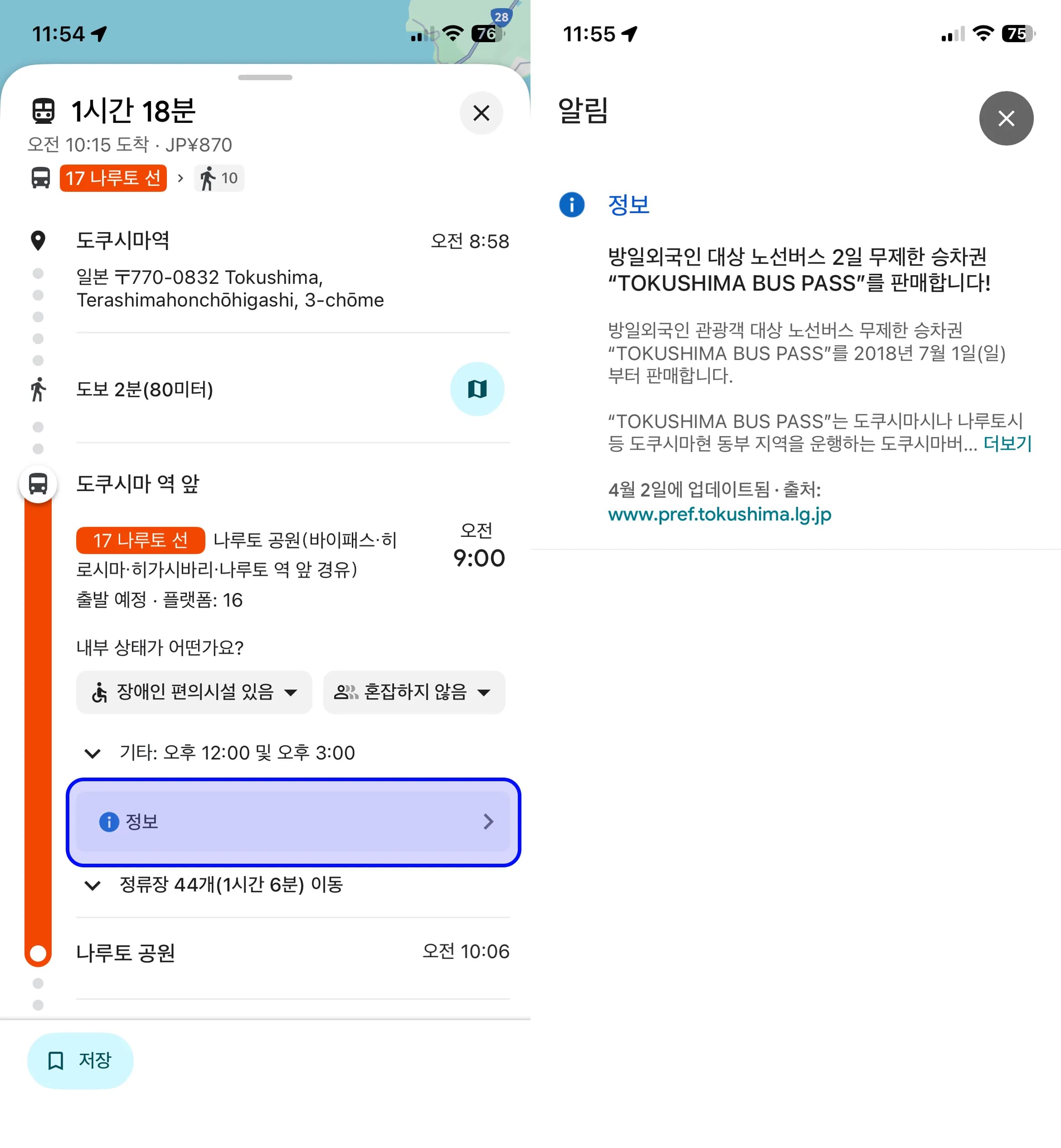
After searching your route in Google Maps, tap the “Info” button at the top of the screen. If you see a TOKUSHIMA BUS PASS sales message there, you can assume that section is covered by the pass.
Note that the “Info” section also shows other notices like traffic conditions, service changes, and announcements, so you should tap and confirm it directly.
In the sections below, this guide clearly separates recommended sightseeing spots reachable with the TOKUSHIMA BUS PASS from areas that are not covered. This makes it easier to plan routes, even for first-time visitors, and helps you compare what you can and cannot do with the pass at a glance for a more efficient Tokushima itinerary.
Tokushima transport passesUseful passes besides the free Tokushima pass
1) 1-day ticket - Flat-fare zone ticket
If your trip is 3 nights/4 days or longer and you ride buses often within Tokushima City’s 250-yen flat-fare zone, a 1-day city bus pass can be useful. It is especially worth it if your plan focuses on shopping, or if you only plan to visit places like Bandaicho, Poppo Shopping Street, Awa Odori Kaikan, and the Bizan Cable Car.
- Note: Mega Don Quijote (across the Yoshino River) is outside the zone, so it is not covered
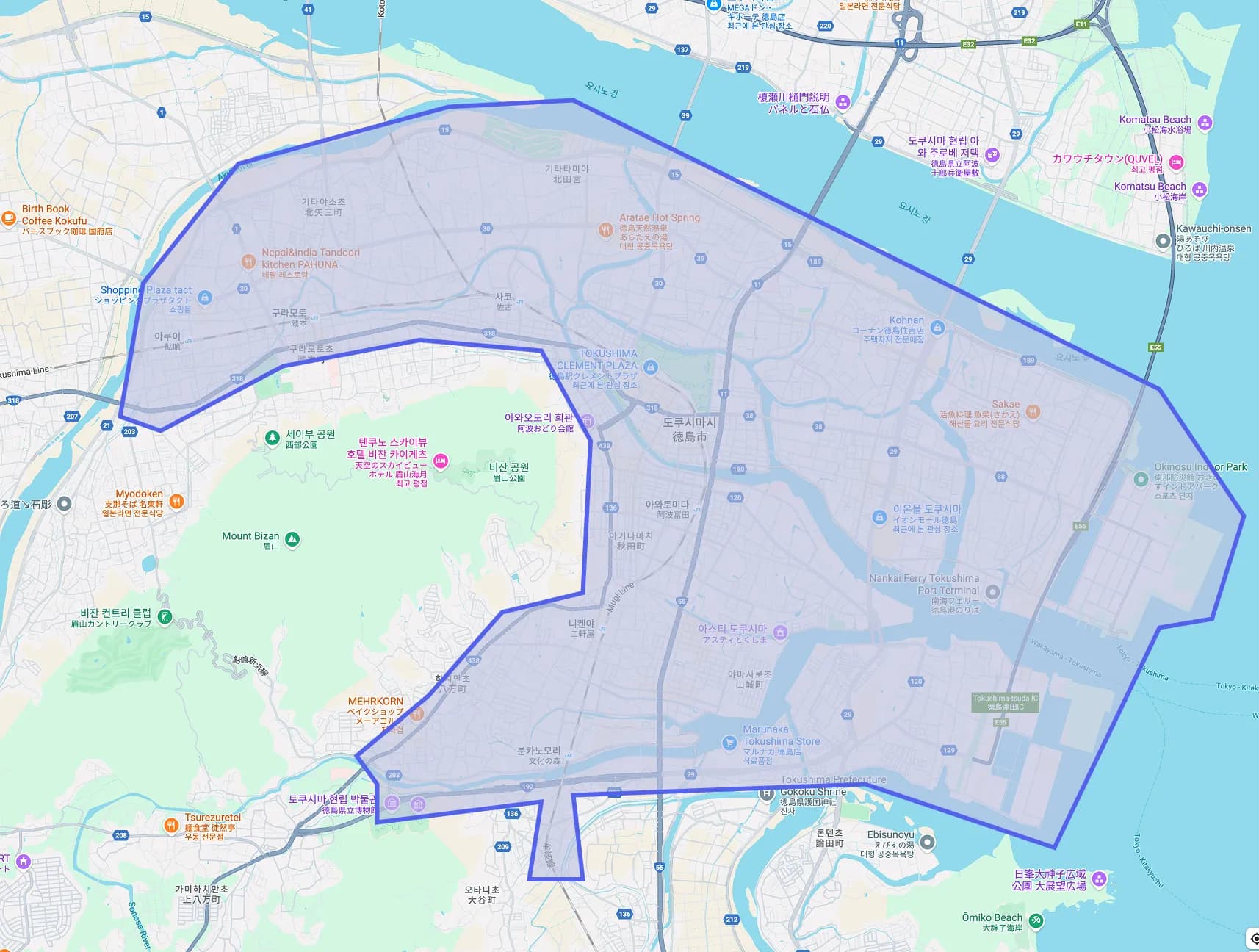
Tokushima City 250-yen flat-fare bus zone - 1-day pass: Adults 500 yen / Children 250 yen
- Good value if you ride the 250-yen flat-fare buses 3 times or more
- Where to buy
- Available at places like the Tokushima Station bus information counter
- Or buy and use an online digital ticket
If your plan is mainly light travel within the city, this is a practical pass that can save you money.
2) 1-day ticket - Local bus 1-day all-free pass
This pass covers the same routes and areas as the Tokushima Bus Pass, but it is a general pass that locals can also buy (not foreign visitor-only). The 1-day fare is 1,500 yen.
You do not need to buy an extra 2-day Tokushima Bus Pass. Only buy this option when your expected bus cost for the day will be 1,500 yen or more.
- 1-day pass: Adults 1,500 yen / Children 750 yen
- Where to buy
- Available at places like the Tokushima Station bus information counter
- Or buy and use an online digital ticket
How to get from the airportFree bus pass for foreign visitors arriving on international flights at Tokushima Airport
To travel from the airport to central Tokushima, use the airport limousine bus. It departs about 1 hour after the scheduled international arrival time, and you can also ride it with the Tokushima Bus Pass.
If you are not using the Tokushima Bus Pass right away, you can also pay easily with a contactless card.
Learn more (timetable, details) for the airport limousine busRecommended sightseeing spots covered by the Tokushima Bus PassNaruto Park, Awa Odori Kaikan, and more covered by the free pass
1. Around Tokushima Station
1) Tokushima Castle Ruins
Located in central Tokushima City, the Tokushima Castle Ruins (徳島城跡) are the remains of a castle built by the Hosokawa clan in the early Edo period. Today, it is maintained as a castle-ruins park and a popular place for a historical walk. The original main keep no longer exists, but you can still see well-preserved features such as the Tokushima Castle Museum (which served as a gate), the restored Former Residence Garden (表御殿庭園), and stone walls and moats that help you imagine the scale and atmosphere of the castle.
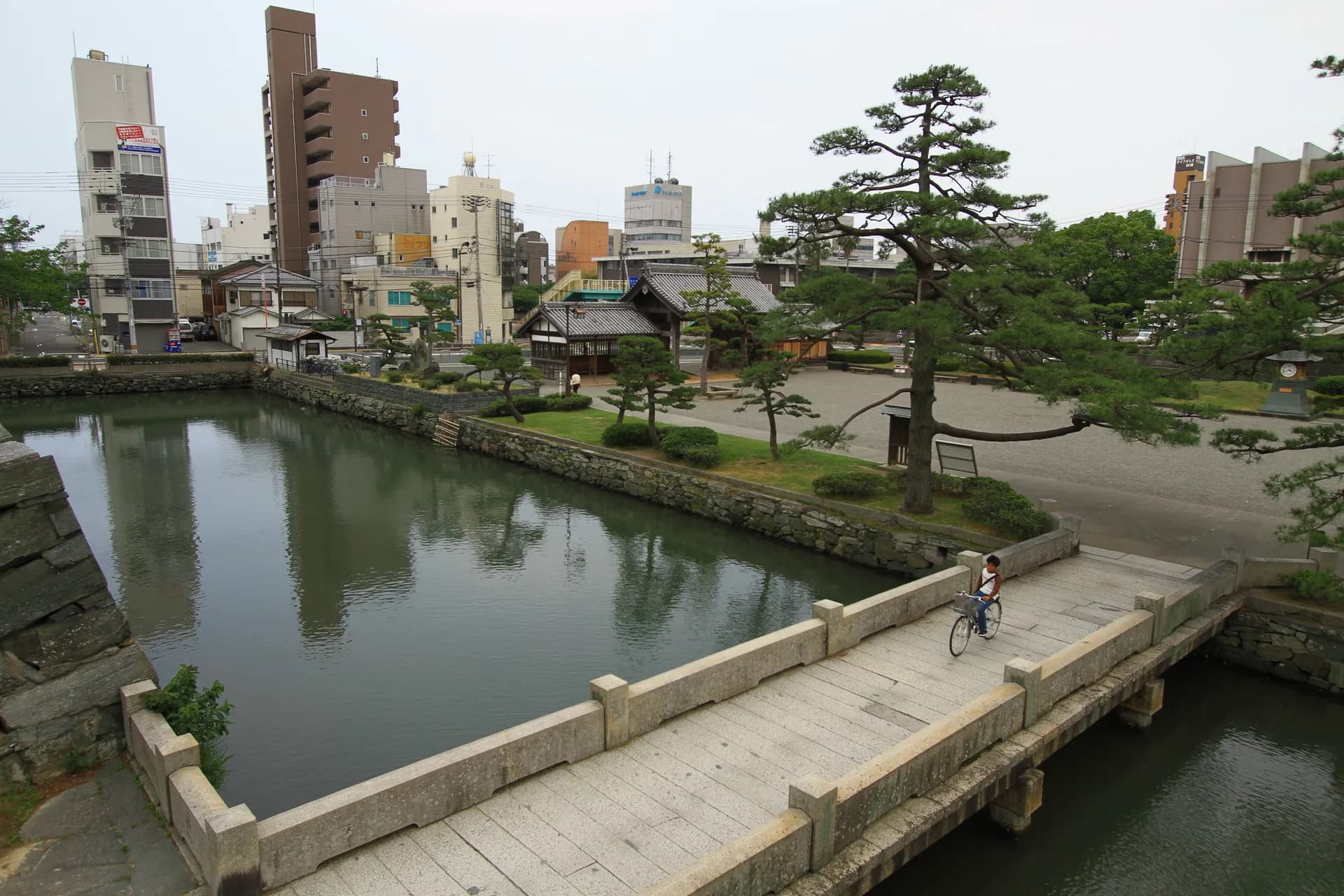
The entire Tokushima Park surrounds the ruins, making it great for a walk in any season. In spring, it is especially popular for cherry blossoms. The path to the top is fairly gentle, so you can climb without much strain and enjoy a view over Tokushima City. It is also within walking distance of Tokushima Station, making it an easy route even for first-time travelers.
Tokushima Castle Ruins location Learn more about Tokushima Castle Ruins2) Awa Odori Kaikan & Bizan Ropeway
Located in central Tokushima City, the Awa Odori Kaikan (阿波おどり会館) is a complex tourist facility where you can enjoy the culture of Awa Odori (阿波踊り), one of Japan’s three major festivals, all year round. Its biggest feature is that even outside the festival season, anyone can learn, watch, and experience Awa Odori.
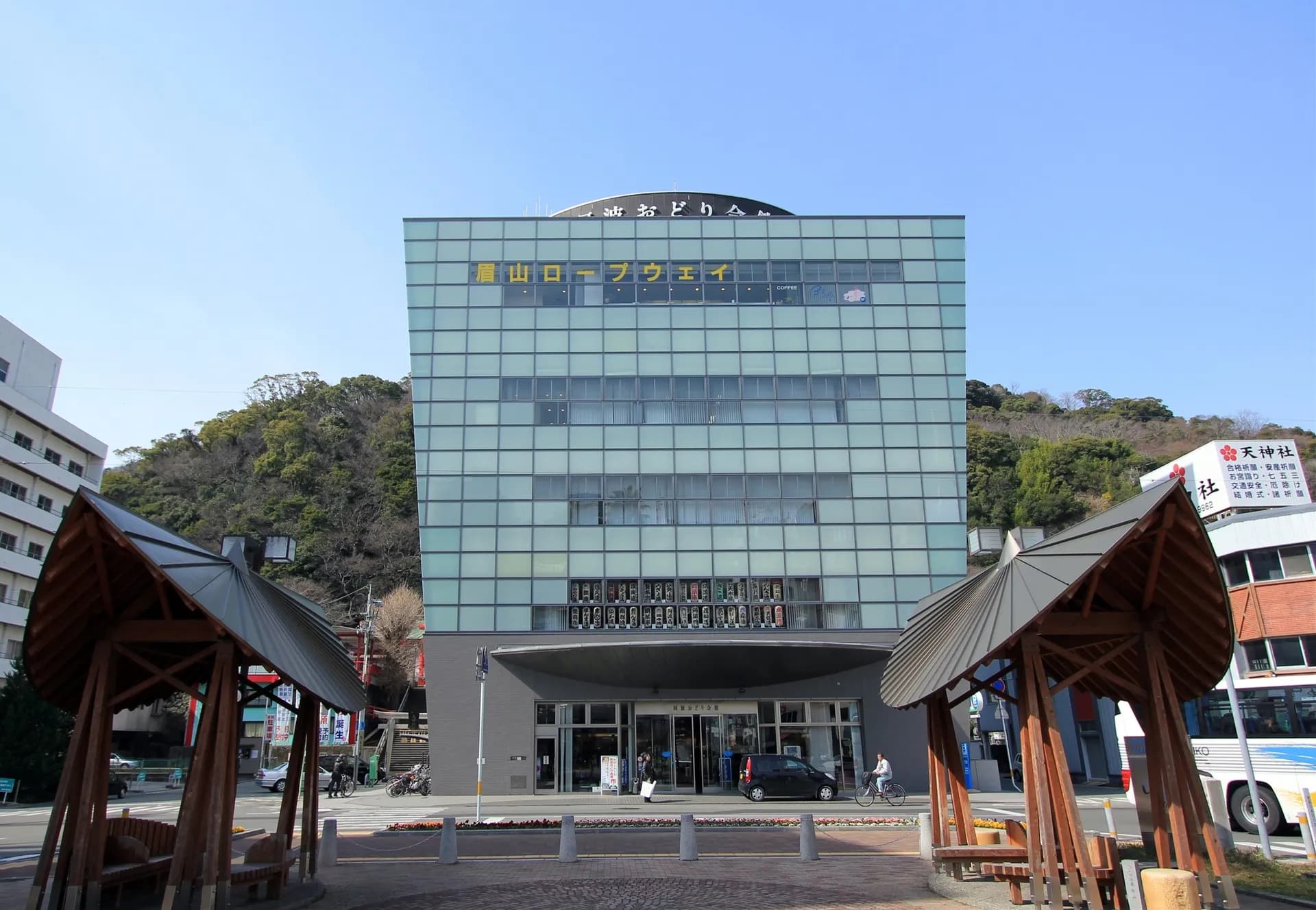
On the 1st floor, there is a souvenir shop and a tourist information center. On the 2nd-floor exhibition area, you can easily understand the origins of the dance through materials such as its history, costumes, and instruments. The most popular program is the paid daily Awa Odori stage performance, where official local dance groups (連) perform live, and visitors can also join on stage to learn simple steps.
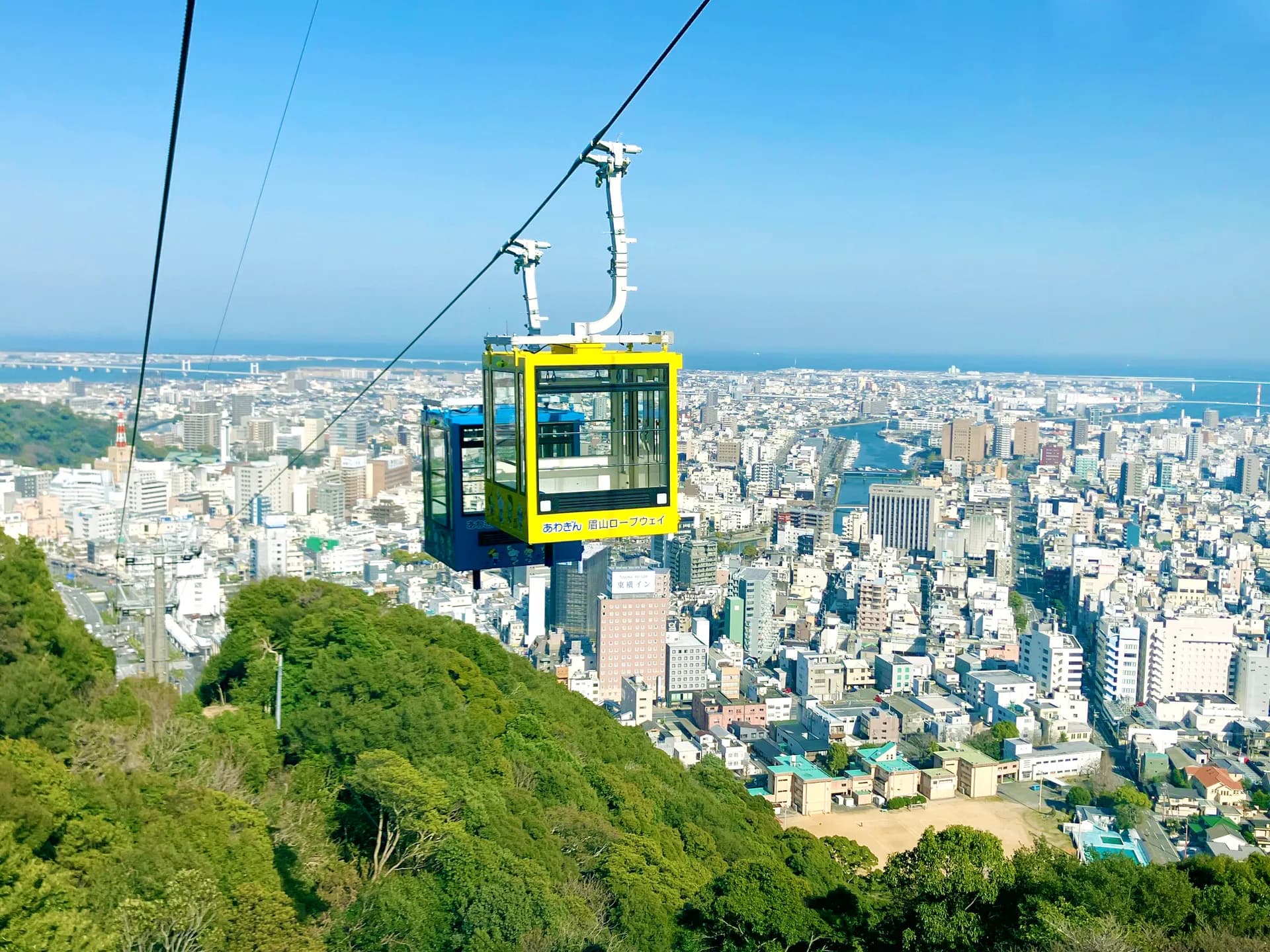
There is also a direct connection to the Bizan Ropeway boarding point from the same building, so it is easy to continue from the show to the top of Mt. Bizan to enjoy a city view.
- Awa Odori Museum: Adults 500 yen
- Hours: 09:00 ~ 17:00 (last entry 16:30)
- Daytime performance (professional group): Adults 1,300 yen
- Show times: 11:00 / 14:00 / 15:00 / 16:00
- Bizan Ropeway: One-way 900 yen, round trip 1,500 yen
- Apr–Oct: 09:00 ~ 21:00
- Nov–Mar: 09:00 ~ 17:30
- Museum + daytime performance + Bizan Ropeway round-trip set ticket
- High school students and older 2,640 yen
- Junior high school students 2,000 yen
- Elementary school students 1,440 yen
- Night performance (20:00 ~ 20:50): famous groups appear
- Adults 1,600 yen
- Elementary & junior high students 800 yen
3) Aratae Onsen (あらたえの湯)
This is the most convenient city onsen facility in Tokushima, making it a good place to quickly recover from travel fatigue. It has a large main bath, open-air baths, saunas, mist baths, and more. It is popular with locals and is known for being clean and well maintained.
- Weekday prices
- Bath: Adults 800 yen / Junior & senior high students 700 yen / Children (age 3+) 400 yen
- With bedrock bath: Adults 1,600 yen / Junior & senior high students 1,400 yen / Children (age 3+) 800 yen
- Weekend & local holiday prices
- Bath: Adults 1,000 yen / Junior & senior high students 800 yen / Children (age 3+) 500 yen
- With bedrock bath: Adults 2,000 yen / Junior & senior high students 1,600 yen / Children (age 3+) 1,000 yen
- Restrictions
- If you have tattoos (including fashion tattoos), entry is not allowed
- Even with a cover sticker, entry is not allowed
4) Poppo-gai Shopping Street
Poppo-gai Shopping Street (ポッポ街商店街) is a small arcade-style shopping street right in front of Tokushima Station—perfect for a quick stop while moving around. Its covered structure makes it easy to walk even on rainy days, so it is ideal for a light stroll around the Tokushima Station area.
It is not large, but it has a mix of restaurants, izakaya, small shops, and daily-life stores, making it easy to see local everyday life up close. It is used more by commuters and nearby residents than tourists, so its charm is a simple, real-life atmosphere rather than flashy sightseeing.
In the evening, it becomes livelier with people grabbing a quick meal or a drink. It is a convenient place to stop at the start or end of your Tokushima city walk.
Poppo-gai Shopping Street location Learn more about Poppo-gai Shopping Street5) Bandaicho
This is a shopping street in central Tokushima City where you can feel local daily life more than “tourist highlights.” Instead of big malls, you will find small shops, restaurants, and cafes, making it a good place to slowly enjoy Tokushima’s local vibe.
Along the street, older shops and traditional stores sit alongside newer, stylish cafes and variety shops, creating a natural blend of past and present. Around lunch and dinner, the area often feels more active as local office workers and residents gather.
Bandaicho cafe location2. Around the Naruto Strait
The viewpoints around the Naruto Strait and the Otsuka Museum of Art are reachable with local buses alone. However, reaching Yumebutai (夢舞台)—a complex on Awaji Island designed by Tadao Ando, meaning “Dream Stage”—is not easy with public transport alone.
If you want to cover multiple spots in one day, including sections that are difficult to access, the most comfortable option is a 1-day bus tour. You can travel efficiently to major sights in one day without complicated transfers or time planning, saving both time and energy.
1) Naruto Park
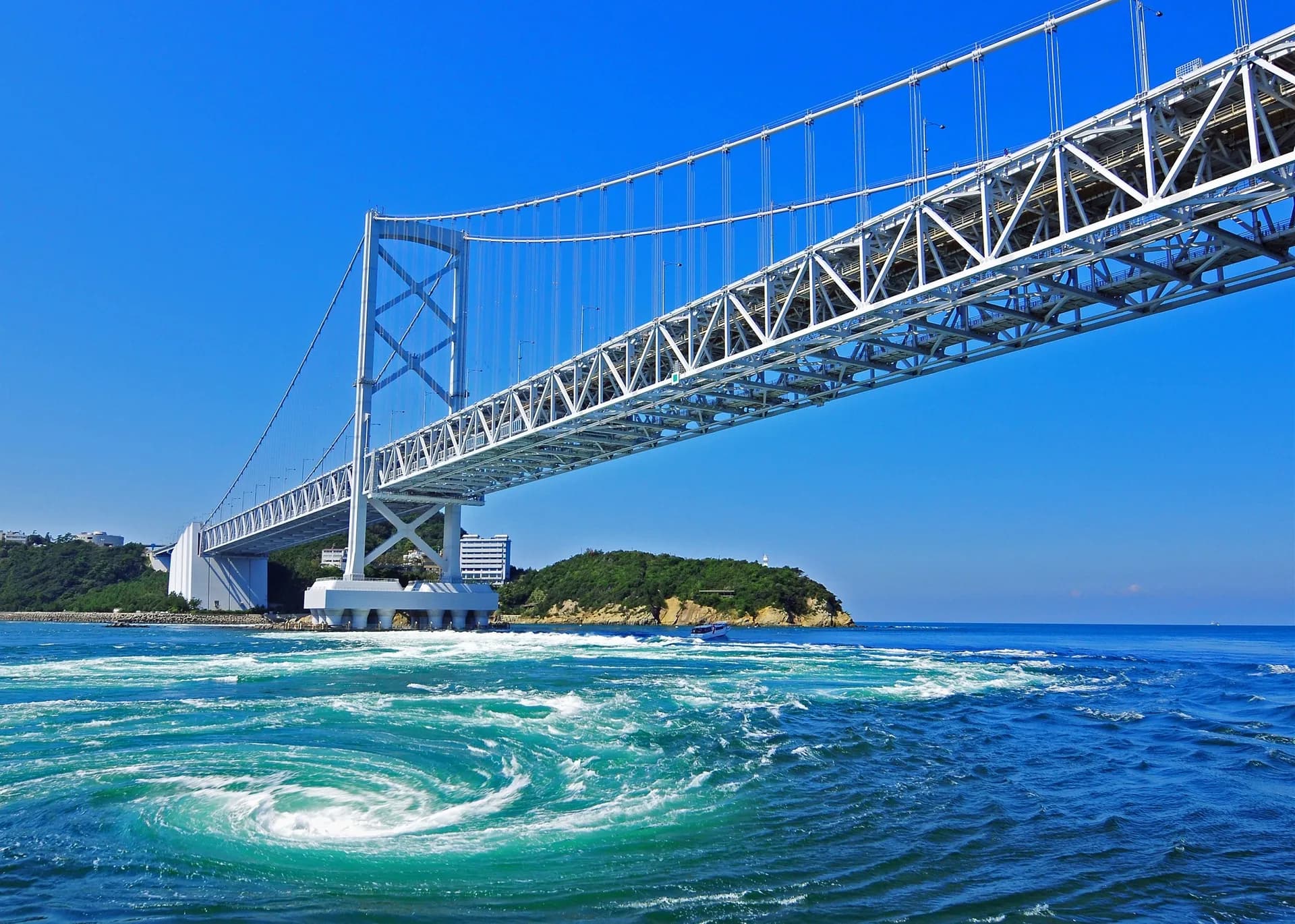
Naruto Park is one of Tokushima Prefecture’s most famous attractions and one of the best places to observe the “Naruto whirlpools (鳴門の渦潮)” up close. The area includes viewpoints, walking paths, and museums along the Naruto Strait, making it ideal for a half-day visit.
The whirlpools become strong about four times a day, and their size changes a lot depending on the season and tidal current strength, so you should check the tide information (timetable) before you go. If possible, visit around the “strongest current” timing (大潮) to increase your chances of seeing larger whirlpools.
This area is also windy, so bring an extra layer depending on the season.
- How to read the tide information (timetable)
- Red time — Strong tide (大潮) strongest and biggest viewing window
→ Best time is about 2 hours before/after the strong-tide time - Blue time — Medium tide (中潮) medium-sized viewing window
→ Best time is about 1 hour 30 minutes before/after the medium-tide time - Black time — Weak tide (小潮) smallest viewing window
→ Best time is about 1 hour before/after the weak-tide time
- Red time — Strong tide (大潮) strongest and biggest viewing window
In short, the most dynamic viewing is strong > medium > weak, and aiming for the time window around the key tide time (before/after) gives you the best views.
Naruto Park locationThe Chinese characters for Korea’s Uldolmok are Myeongnyang (鳴梁), combining ‘to ring/cry myeong (鳴)’ and ‘beam/bridge ryang (梁)’. It carries the meaning of water currents making a sound as they pass through a narrow channel.
Interestingly, Naruto (鳴門) in Tokushima also uses the same character 鳴 (“to ring/cry”), and ‘gate 門’ refers to a narrow waterway or strait. In other words, both place names are linked to the idea of strong currents rushing through a narrow strait and creating a roaring sound—a case where a natural phenomenon is directly reflected in the characters.
2) Three ways to enjoy the Naruto Strait
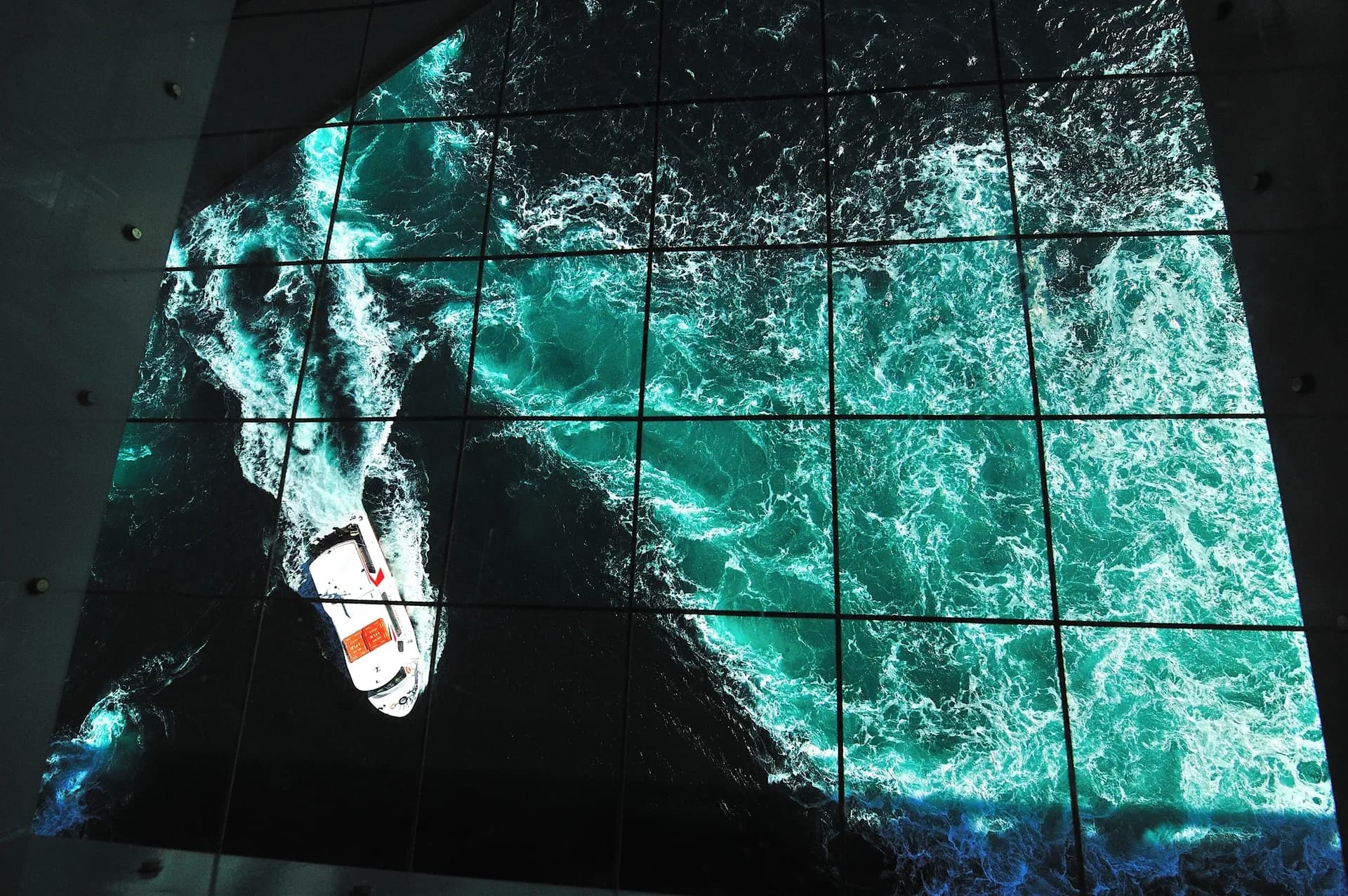
⓵ Look straight down from above — Uzu-no-Michi Observatory
- Get off at the Naruto Park bus stop, then walk up the mountain-path stairs behind the stop to reach the Uzu-no-Michi entrance.
- Inside, you can experience looking directly down at the whirlpools through a glass floor, which gives both height and strong on-site impact.
- Uzu-no-Michi admission: Adults 510 yen, junior & senior high students 410 yen, elementary school students 260 yen
- Discounted bundle tickets are available with the O-Naruto Bridge Memorial Museum EDDY, Escahill, Uzushio Kisen, Uzushio Kanchosen (Wonder Naruto), and more
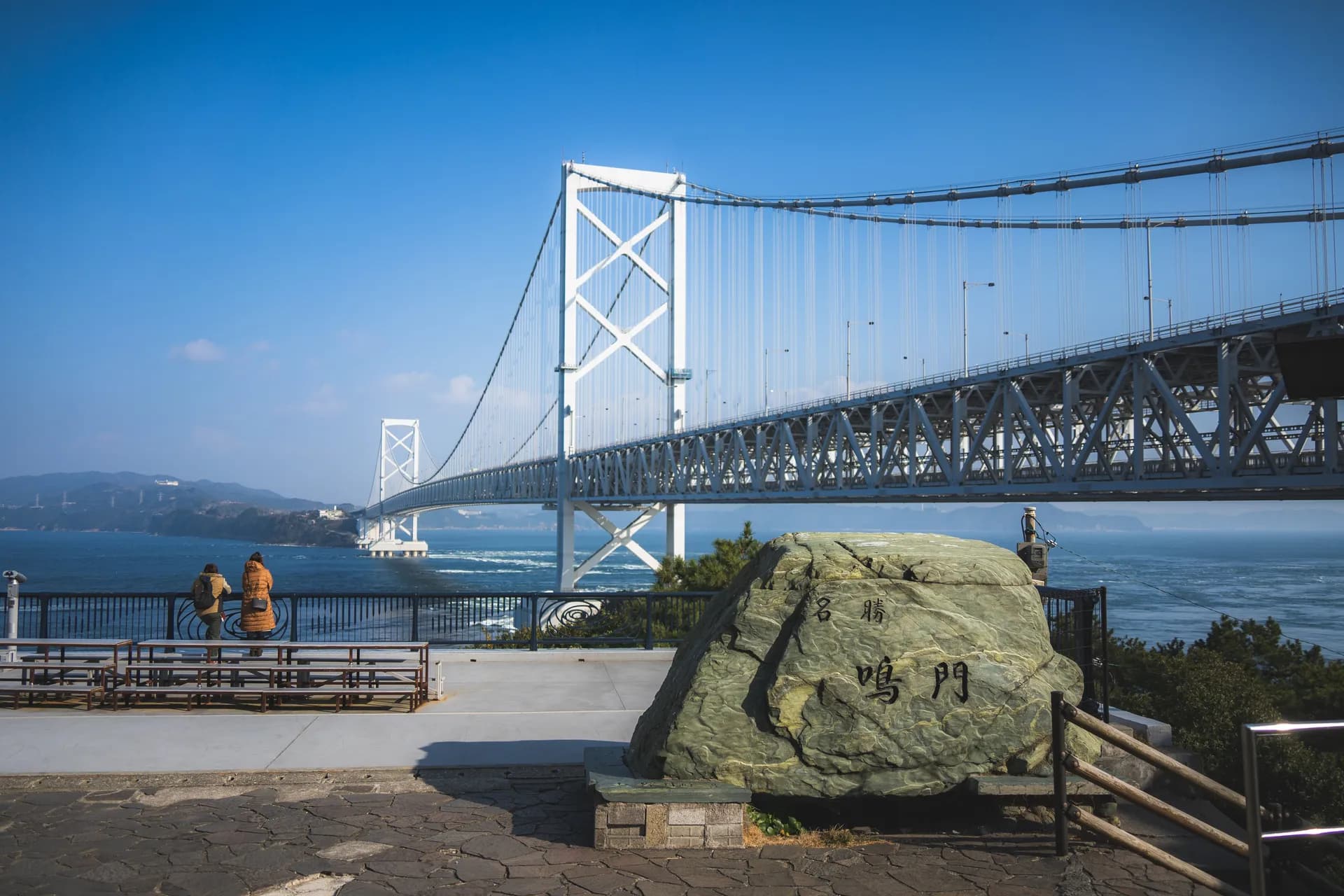
⓶ Enjoy viewpoints from above
- You can also enjoy the Naruto Strait from several viewpoints looking down from above.
- Ochaen Viewpoint, Senjojiki Viewpoint → Walkable and relatively quiet for enjoying the scenery.
- Naruto-yama Viewpoint
→ From Escahill Naruto, you can use a paid escalator (400 yen round trip) for easy access
→ Or you can also climb on foot using the stairs (entrance location)
→ This is the highest point and gives the widest view of the entire strait.
⓷ See it up close by boat — Whirlpool cruises
- Because of similar names, it is easy to confuse Uzushio Kisen and Uzushio Kanchosen, but they are different boat companies. Since each company has different routes and boarding locations, when booking or traveling on the day, you must confirm the exact port and company name.
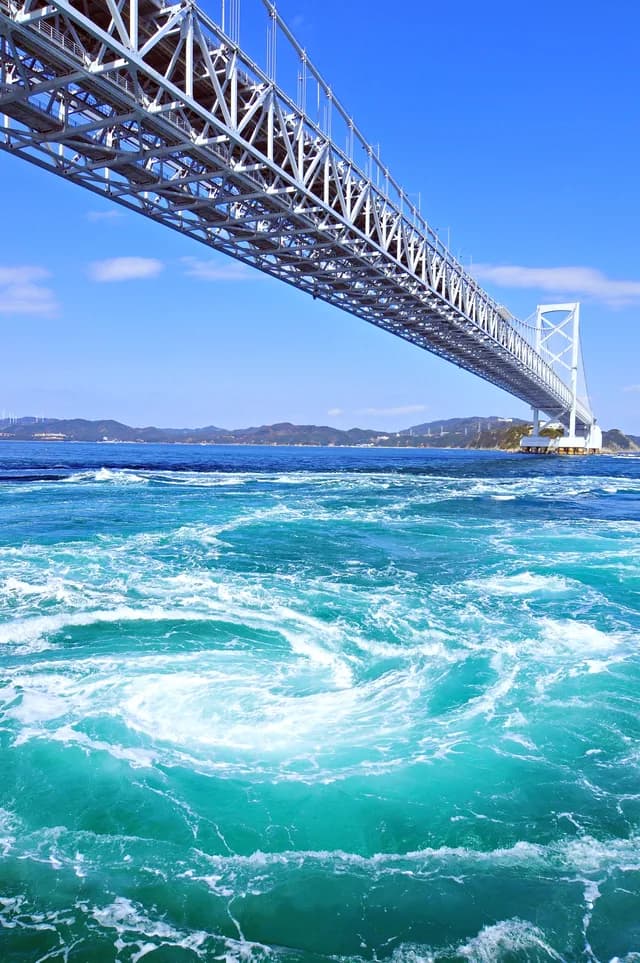
- Uzushio Kisen
- Operates with a small, agile boat with fewer passengers, so it moves quickly and can approach closer to the whirlpools for a more dynamic viewing experience.
- Adults 1,600 yen / elementary school students 800 yen
- Uzushio Kanchosen - Wonder Naruto
A large sightseeing boat that is stable with less shaking, and you can usually board without a reservation.- Adults 2,000 yen / elementary school students 1,000 yen
- 2nd-floor first-class seats: Adults +1,000 yen / elementary school students +500 yen
- Uzushio Kanchosen - Aqua Eddy
A small high-speed boat. It shakes more than Wonder Naruto, but it has an outdoor deck and viewing windows that let you see down to about 1 meter below the water, for a more dynamic whirlpool experience.- Adults 2,500 yen / elementary school students 1,200 yen
- Advance reservation required
Since no separate life jackets are provided when boarding, you should pay extra attention to safety during the cruise.
2) Otsuka Museum of Art
The Otsuka Museum of Art is the world’s largest ceramic plate (陶板) art museum, located in Naruto City, Tokushima Prefecture. Its biggest feature is that it displays about 1,000 famous Western paintings—held by about 190 museums in 26 countries—not as originals, but as ceramic reproductions that match the original size and color.
Masterpieces such as Leonardo da Vinci’s “Mona Lisa” and “The Last Supper,” Van Gogh’s “Sunflowers,” and Michelangelo’s Sistine Chapel ceiling frescoes are recreated on special ceramic plates with high precision. This offers an experience similar to touring major European museums.
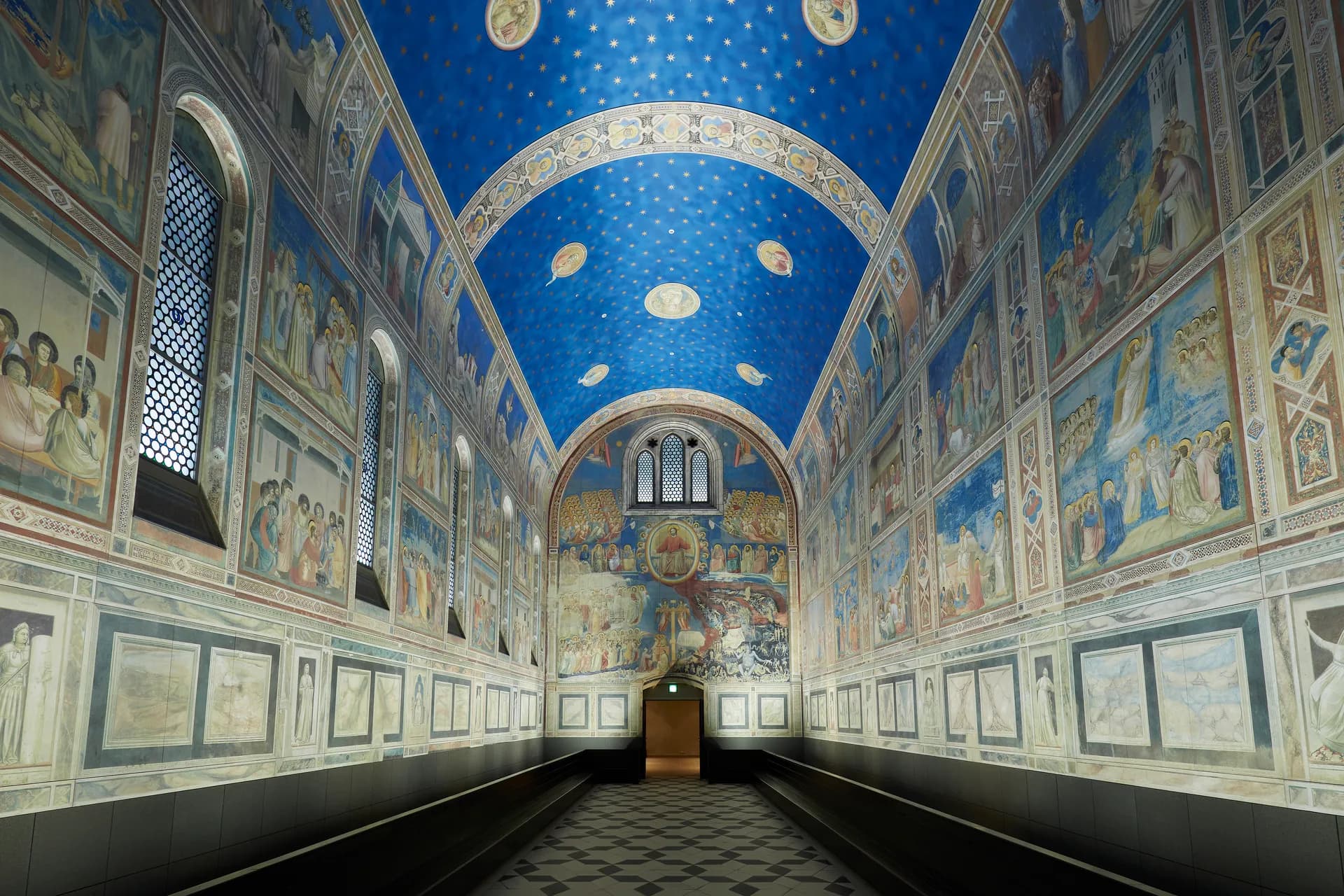
Because the works are on ceramic plates, photography is allowed, and you can view colors and details up close for a long time without preservation restrictions. The route is organized in art-history order from ancient to modern, so it is easy to follow even without deep art knowledge.
You need at least 3–4 hours to visit properly, so for a Naruto sightseeing day, it is most efficient to plan a full day around the Otsuka Museum of Art.
- 09:30 ~ 17:00 (entry until 16:00)
- Every Monday
- Adults 3,300 yen / university students 2,200 yen / elementary–high school students 550 yen
3. Other sightseeing spots
1) Tokushima Zoo
A family-friendly public zoo where you can enjoy both animal viewing and a relaxed walk on a spacious site. With popular animals like lions, giraffes, and red pandas, plus smaller animals as well, it is especially suitable for family trips with children.
It is not a huge theme-park-style zoo, but animals often feel relatively close, allowing calm, unhurried viewing. The paths are also stroller-friendly. Simple seasonal programs or events may also be held, and it remains a steady favorite among local families.
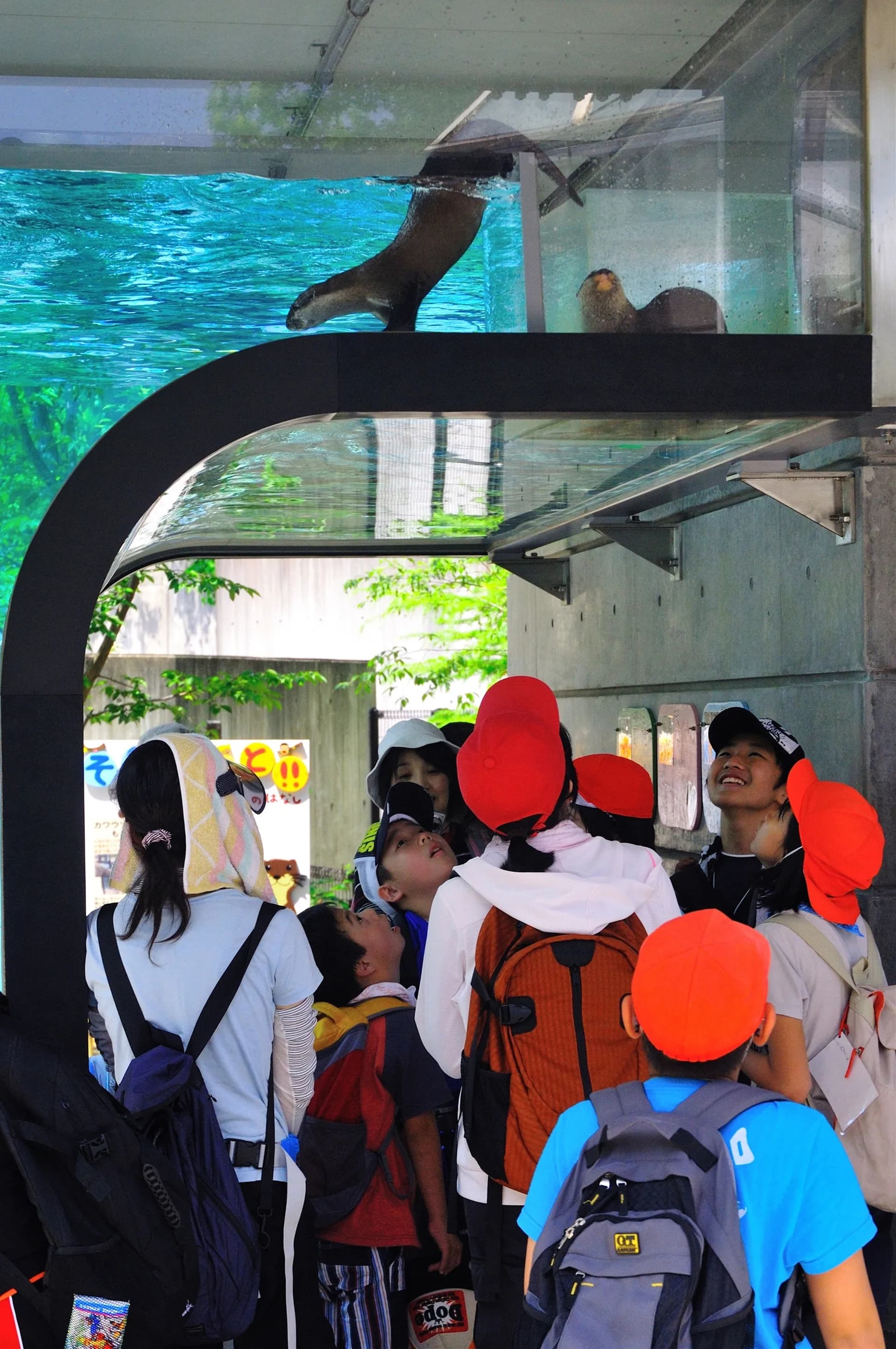
It is reachable by bus from central Tokushima, and it is recommended as a local healing spot that works well as a half-day park-style visit.
- 09:30 ~ 16:30 (last entry 16:00)
- High school students and older 600 yen, junior high and younger free
- Closed
- Every Monday (if Monday is a public holiday, closed the next day)
- Year-end/New Year (12/29 ~ 1/1)
2) Kamiyama Onsen
Kamiyama Onsen is a hot spring facility in the mountain area of Kamiyama Town, Tokushima Prefecture, and it suits travelers who want to rest quietly in nature. The surrounding mountains and forests create a different atmosphere each season, letting you enjoy a calm time away from busy tourist areas.
The water is known for being gentle and soft on the skin, making it good for relieving travel fatigue. It mainly operates as an indoor bath, and a key feature is being able to soak while enjoying Kamiyama’s natural scenery through the windows.
It is not especially easy to access from central Tokushima, but that also means it stays quiet with fewer tourists. If you are traveling around Kamiyama or have a rental car itinerary, it is worth considering as an onsen with a strong local character and the charm of a peaceful countryside hot spring.
Kamiyama Onsen location3) Omatsu Daigongen (Cat Shrine) - One transfer
Omatsu Daigongen is a shrine in Anan City, Tokushima, known for its unique stories and beliefs around cats and spiritual legends. One of Japan’s three famous “monster cat” tales, the story of Omatsu’s Cat (お松の猫), is passed down here, and today the shrine is known as a cat-related place of worship.
The story of Omatsu’s Cat (お松の猫)
In the early Edo period (1680s), during years of poor harvests, the village headman (庄屋, similar to a village chief) Sobei (惣兵衛) borrowed money from a wealthy merchant, Nogami Sanzaemon (野上三左衛門), to save the village. However, during repayment, Sobei reportedly failed to get back the promissory note, and later passed away. The merchant then claimed, “The debt is still unpaid,” and even seized the mortgaged land. Sobei’s wife, Omatsu (お松), appealed to the authorities, but the officials were said to be caught up in bribery and personal greed, leading to an unfair ruling.
In the end, Omatsu attempted jisso (直訴, a direct petition to those in power) to make her injustice known. At the time, this was a serious crime, and she could not avoid execution—leading to a tragic ending. Before her death, Omatsu left a deep grudge that was passed to her beloved calico cat (三毛). Later legends add that a monster cat (怪猫) appeared to haunt the merchant and the officials, and strange incidents followed until both families fell into ruin.
As this story spread, villagers felt pity for Omatsu’s unjust death and built a shrine to honor her: Omatsu Daigongen (お松大権現). Today, it is known as a Cat Shrine, and it remains a place where people pray for victory luck, exam success, and winning.
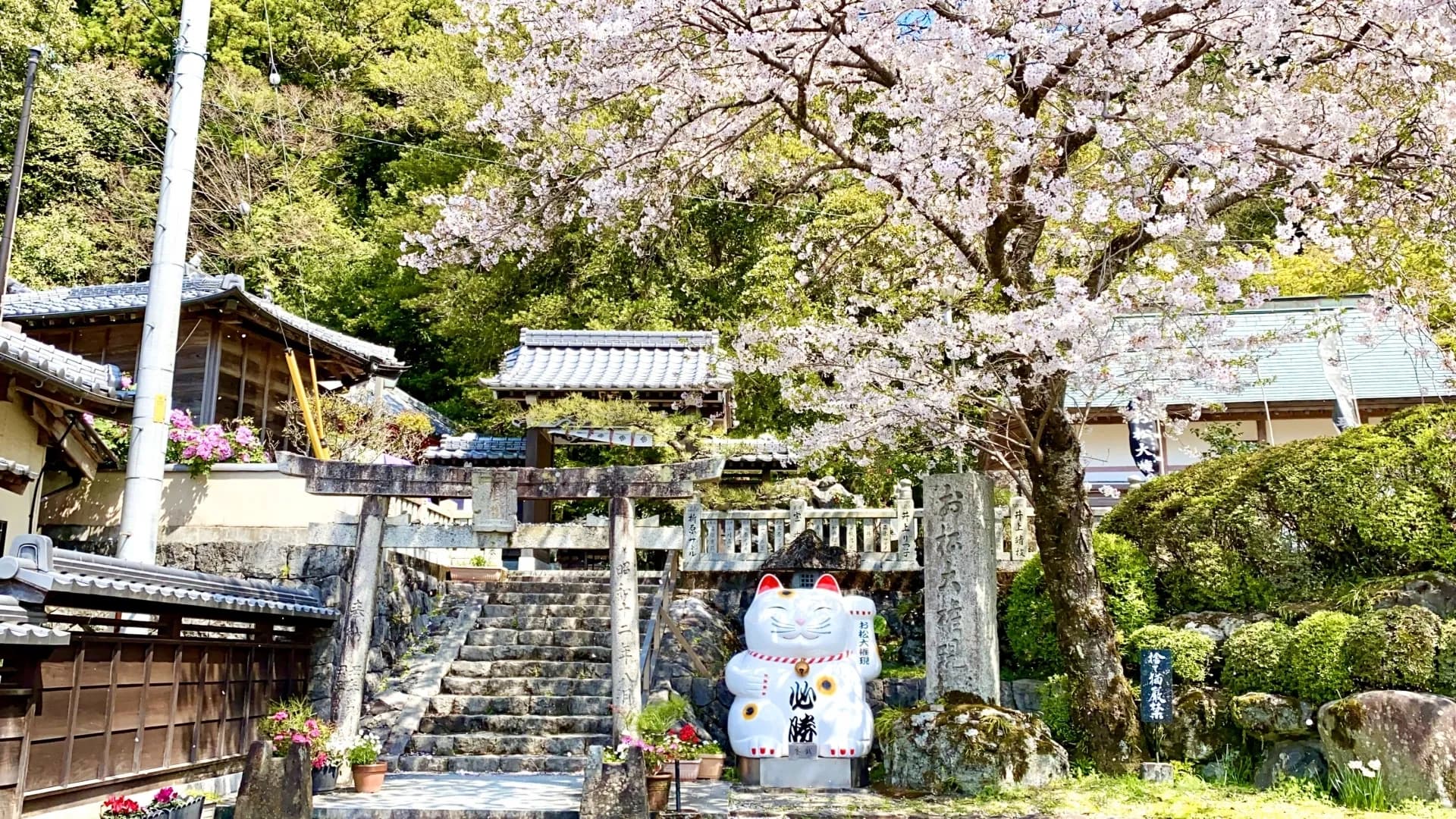
If you love cats or travel with a strong interest in cat culture, it is a small but memorable unique stop in Tokushima. However, since buses in this area are infrequent and the last bus can be relatively early, it is important to check the return bus timetable in advance before you go.
- 09:00 ~ 17:00
4) Honke Matsuura Sake Brewery - JR Naruto Line is better than the bus
This is a traditional sake brewery that has continued its family brewing business for over 200 years since its founding in 1804. With a philosophy of capturing local history and culture in its sake, it still maintains traditional brewing methods today.
Its signature brand, Naruto Tai (鳴門鯛), takes its name from a sea bream that swims against the rough whirlpools of the Naruto Strait, and it is known for a strong taste and deep flavor.
Honke Matsuura does not rely only on tradition—it has introduced brewing technology using LED yeast (LED夢酵母). By fermenting with yeast developed through LED light, it creates a modern sake profile with fresh acidity and fruity aromas, which continues as the Naruto Tai LED series.
- Hours 10:00 ~ 18:00
Other recommended day tripsRecommended spots that are not covered by the free pass
The spots introduced below are places that are not easy to reach using public transport only. For example, Oboke Gorge, famous for its canyon scenery, takes about 2 hours 10 minutes from Tokushima Station by train with one transfer. In contrast, it is only about 1 hour 10 minutes from Kotohira Station in Takamatsu, which is actually closer.
Because many of these areas have complicated routes or require a lot of time, if you plan to visit them, and you are not buying a JR All Shikoku Pass, the most realistic option is renting a car.
1. Iya no Kazurabashi
A traditional suspension bridge in Miyoshi City, Tokushima Prefecture, and an iconic symbol of the remote mountain area known as the Iya Valley. The bridge is woven from kazura vines, and it is said to have originated as an emergency bridge designed so it could be cut in case of outside invasion.
Today, the bridge is reinforced with metal for safety, but you can still see straight down into the valley through the gaps in the floor, making it quite thrilling to cross. It is about 45 meters long and about 14 meters high—short, but it feels intense.
With deep valley scenery and a primitive structure together, it is often considered one of Shikoku’s most memorable hands-on sightseeing experiences.
Iya no Kazurabashi location Learn more about Iya no Kazurabashi2. Oboke Gorge
One of Shikoku’s representative gorges on the border of Tokushima and Kochi Prefectures, where the Yoshino River has carved dramatic cliffs and rugged rock formations over millions of years. Deep valleys, emerald-colored water, and sharp rock faces create different scenery in every season.
The sightseeing boat ride is especially famous, letting you enjoy the gorge from below, and the gorge view from a train window is another special highlight. Because access is not very convenient, many visitors come by rental car or bus tour, but it remains a top Shikoku nature spot where you can feel powerful landscapes up close.
- Operating hours: 09:00 ~ 17:00 (last boarding 16:30)
- Fare: Junior high and older 1,500 yen / ages 3 to elementary 750 yen
- Duration: About 30 minutes round trip
- Safety: Waist-belt type life jacket required
- Operation: Runs year-round with frequent departures
- However, it may be canceled due to weather
3. Udatsu Street
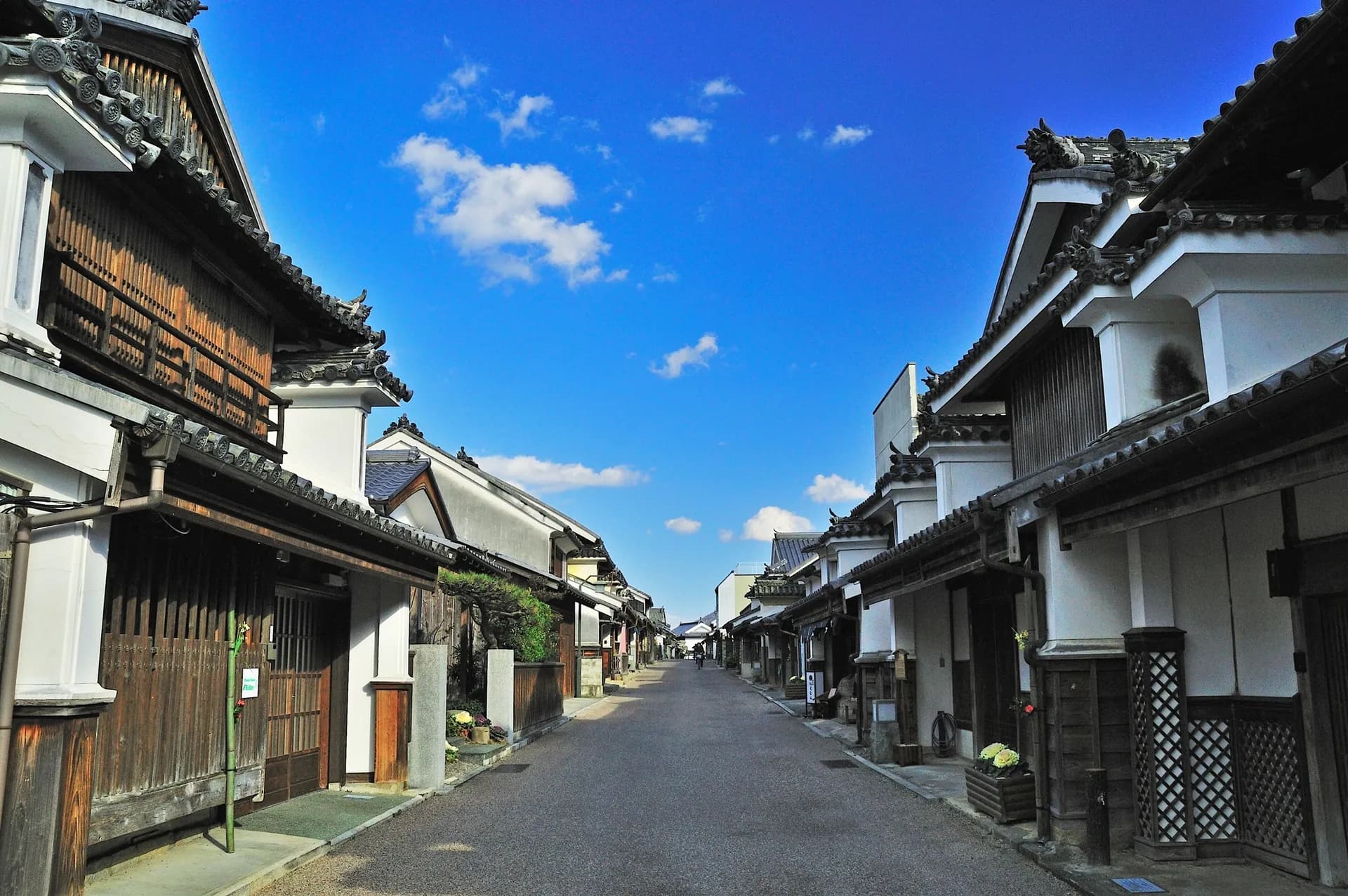
A historic commercial-town street from the Edo period in Mima City, Tokushima Prefecture, where traditional houses built by wealthy merchants are well preserved. A key feature is the fireproof wall on both sides of the roof called udatsu (卯建), which once symbolized wealth and status.
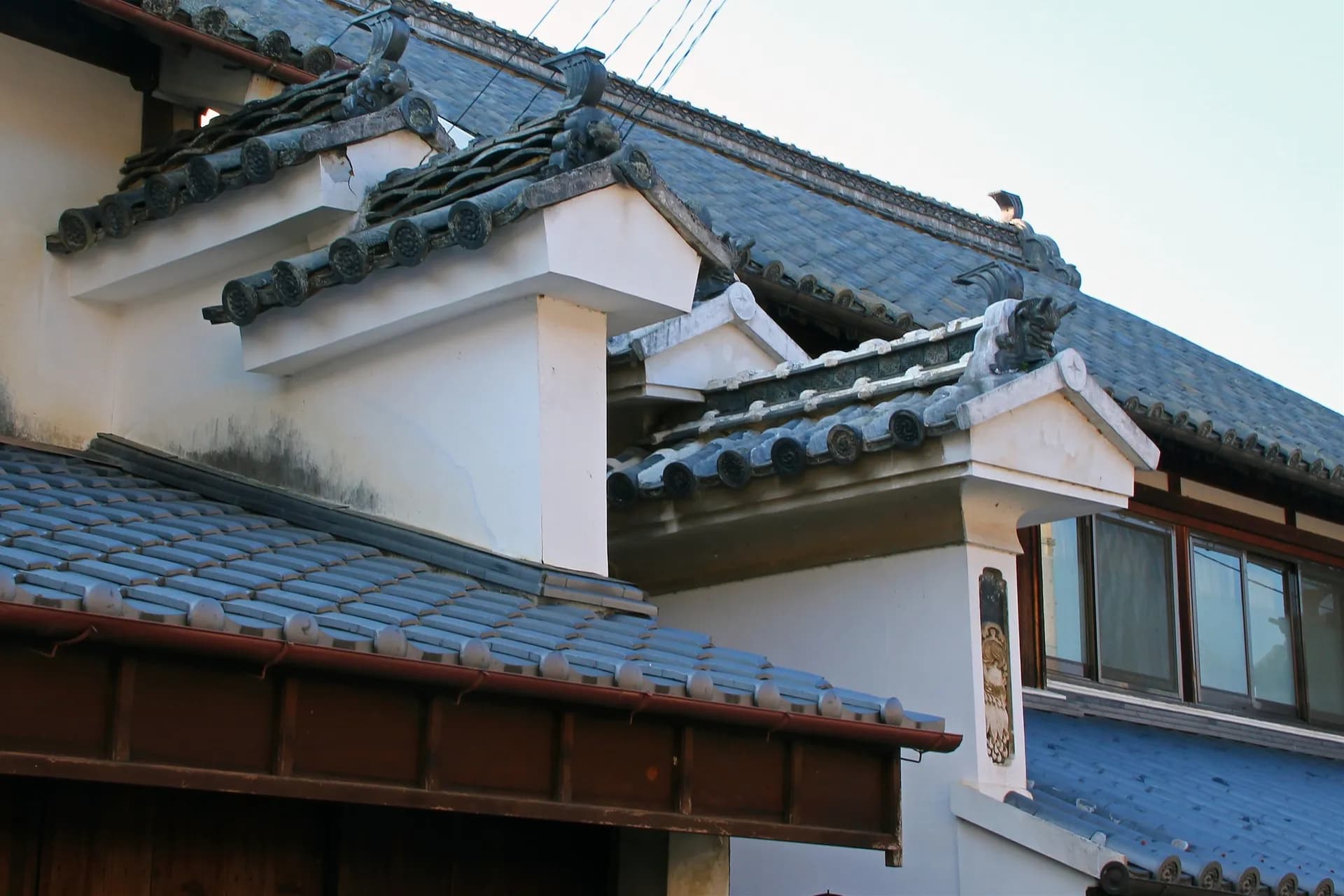
The street is lined with Edo-to-Meiji-era shop-houses, and the calm atmosphere created by white plaster walls and wooden exteriors is especially impressive. Today, some buildings are used as museums, cafes, and craft shops, so you can enjoy a walk while learning about local life and architecture.