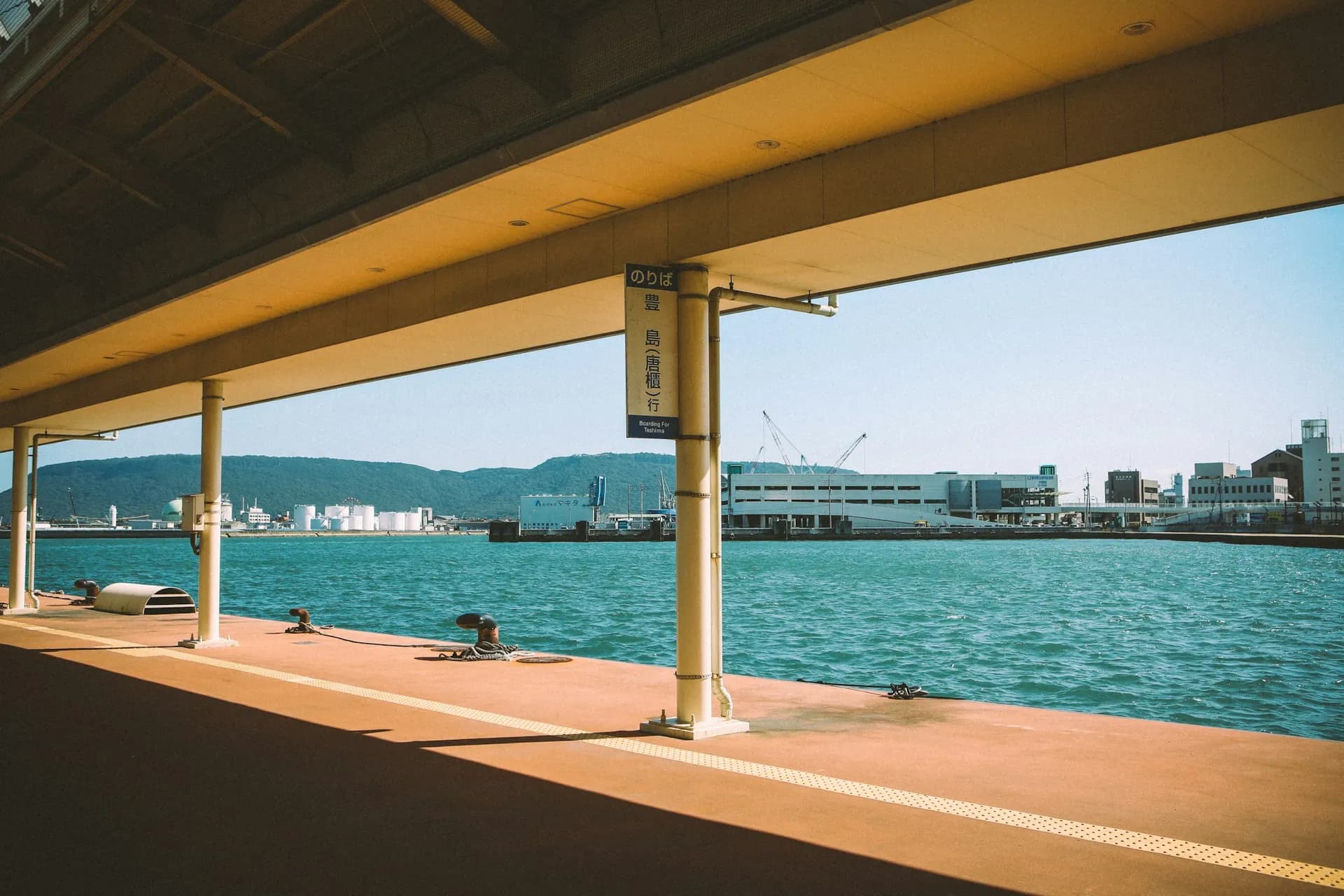
IntroductionThe City of Sanuki Udon
Even if you do not know the name Takamatsu, you have probably heard of Sanuki udon (讃岐うどん) at least once. The true home of Sanuki udon is Kagawa Prefecture, where Takamatsu is located.
In Takamatsu, you can easily find udon shops almost everywhere. Udon culture is deeply rooted across the whole region. Depending on noodle thickness, the temperature of the noodles and broth, and the cooking style, you can enjoy many different types.
This is a must-visit food city for travelers who love noodles.
To enjoy a proper udon tour, keep in mind that many famous udon shops are clustered in the suburbs rather than central Takamatsu. Because of this, moving only by public transport is not very efficient, and it also takes time.
Since the distance between shops can be quite long, it is much more efficient to use a rental car. If driving is difficult, joining a taxi tour is a convenient way to visit several top udon spots.
For more details on udon types, how to order, and local style, see Shikoku Part 1 – Shikoku Signature Foods.
Exclusive TourCast Tips!
How to plan a Takamatsu itinerary easily
Takamatsu city is not very large, so you can cover the main sights in just half a day.
Especially for a 2-night, 3-day trip, after considering airport transfer time, in practice you can only do a light itinerary focused on central Takamatsu.
If your trip is 4 days (3 nights) or longer, it is most efficient to spend one full day in the city, and use the rest of your days mainly for easy day trips. Typical side-trip options include:
- Naoshima — a top destination for contemporary art
- Shodoshima — Angel Road, Olive Park, and soy sauce villages
- Kotohira (Konpira) — a famous shrine town with Kotohira-gu Shrine, traditional streets, and onsen ryokan for a relaxing stay
- Okayama & Kurashiki Bikan Historical Quarter — a classic destination for traditional Japanese aesthetics
In general, if you set a simple structure like “1 day in central Takamatsu + O days for day trips”, your overall route will become clear.
Once you decide this big picture first, it becomes much easier to fit in transport, restaurants, cafes, and the order of sightseeing stops.
Exclusive TourCast Tips!
Takamatsu + Kobe + Osaka in one trip?
From Takamatsu Port, the Jumbo Ferry runs daily to Kobe Port. One way takes about 4 hours 15 minutes, and about 4 hours 45 minutes if you take a service that stops at Shodoshima.
The fare is 2,390 yen for adults (daytime departure, unreserved seat). This makes it a cost-effective option compared to flights or trains for reaching Kobe.
Unreserved seating includes 36 Nobinobi seats where you can lie down, and 60 box seats for sitting. You can also use the Premium Nobinobi area by adding 500 yen (1,000 yen in peak season) to the regular fare, for a wider personal space.
With unreserved seats, if you want to use the footbath or public bath, you must pay an extra 500 yen (1,000 yen in peak season). However, if you choose premium seats, the footbath and bath are free. Choose based on your budget and travel style.
If you plan to move from Takamatsu to Kobe, you can optimize your route by booking flights as IN: Takamatsu → OUT: Kobe or OUT: Kansai International Airport. Using this ferry, you can naturally extend your trip beyond Takamatsu to the Kansai area, including Kobe and Osaka.
- Jumbo Ferry operates two ships, Ritsurin 2 (りつりん2) and Aoi (あおい). Among them, Aoi is newer and has cleaner facilities.
A unique passport only in TakamatsuUdon Prefecture Omotenashi Passport
The Udon Prefecture Omotenashi Passport (うどん県 おもてなしパスポート) is a free sightseeing pass issued by Kagawa Prefecture for visitors.
It is not only udon shop coupons. It also includes discounts for major sights such as the Takamatsu Castle ruins and Ritsurin Garden, so it is very useful for a Takamatsu trip.
You can get it for free at places such as Takamatsu Airport and the Takamatsu Station Tourist Information Center. It is recommended to pick it up as soon as you arrive.
See details about the Udon Prefecture PassportFrom Takamatsu Airport to the cityHow to get from the airport
Takamatsu Airport has no train line, so you can reach the city only by limousine bus or taxi. By limousine bus, it takes about 30 minutes to Kawaramachi Station (900 yen) and about 45 minutes to Takamatsu Station (1,000 yen). You can board directly with transport IC cards such as Suica and PASMO, which is convenient.
- At some times, the airport limousine bus does not stop at Kawaramachi Station. In that case, you must go to the Kenchodori Chuo Koen-mae stop and board there.
By taxi, the fare to Takamatsu Station is around 6,000 yen. If you book in advance, you may get a fixed fare and pay slightly less. However, the booking process is usually in Japanese, so if you are not comfortable with Japanese, the limousine bus is the easiest option.
Limousine timetable and details Taxi detailsTakamatsu city busesRainbow Circular Bus and more
When you use Google Maps for directions, routes such as the Kawashima Line and the Rainbow Circular Bus may appear together. If you are new to Japan, it can be hard to tell trains and buses apart at first.
Luckily, bus routes always show a bus (🚍) icon in front of the line name. If you check this icon, you can easily distinguish them from trains.
In particular, Yume Town, a popular shopping mall in Takamatsu, is easiest to reach by the Rainbow Circular Bus. This bus runs in both clockwise and counterclockwise directions.
- 200 yen per ride
- maximum fare 250 yen
This makes it a light and easy option compared to trains.
For short trips within the city, it can be efficient in both time and cost to combine trains with the Rainbow Bus.
Rainbow Circular Bus detailsIruca transport cardA local transport card for Takamatsu
This is a local transport IC card that is sold and used only in Takamatsu. It works like a standard rechargeable transport card, but it has two key features.
- 100 yen discount when transferring between train ↔ bus (applies automatically when you transfer from train to bus, or bus to train)
- You cannot use it outside Takamatsu, so if you are leaving the area or going home, it is best to refund it before you go.
- You can buy it easily at almost all Kotoden stations.
For a general guide to transport IC cards in Japan, see Common Part 2 — Japan Transport System.
Useful transport passesPasses you may need in Takamatsu
To understand which lines a pass can be used on, you should first learn the difference between JR lines and private railway lines.
This is explained in the most detail in Shikoku Part 1 – Complete Shikoku Transport Guide, so it is recommended to read that first and then check the pass information below.
Iruca transport card detailsThe information below covers only transport passes usable in central Takamatsu. Passes needed for nearby areas such as Naoshima, Shodoshima, Okayama, and Kurashiki are explained separately in “Takamatsu Day Trips”.
1. Rail & Limousine Pass
- Airport limousine bus 1-person 1-ride ticket × 2
- Kotoden train 1-day pass × 2
- Adults: 3,000 yen / No separate child version
- Must be used within 7 days after purchase
- Two people can split it and use one ticket each
- Sold only at Takamatsu Airport
In terms of value:
- Airport → Takamatsu Station limousine (one way): 1,000 yen
- Kotoden 1-day pass: 1,400 yen
The regular total would be 4,800 yen, but with this pass you save 1,800 yen.
Rail & Limousine Pass details2. Kotoden 1-day pass
- A pass that allows unlimited rides for one day on all Kotoden lines (Kotohira Line, Nagao Line, Shido Line)
- Not valid on buses
- Fare: Adults 1,400 yen / Children 700 yen
- Available only at stations with staffed Kotoden ticket offices (not sold at unmanned stations)
3. Kotoden 24/48-hour pass
- A pass that allows flexible rides on all Kotoden lines (Kotohira Line, Nagao Line, Shido Line)
- Not valid on buses
- 1-day: Adults 1,400 yen / Children 700 yen
- 2-day: Adults 2,700 yen / Children 1,350 yen
- You can buy it directly on the web without installing an app
Whether a transport pass is worth it depends on your itinerary, and the Kotoden 1-day pass can be a good deal or not depending on how and where you travel.
For example, let’s say your hotel is near Kawaramachi Station, and you plan to visit Yashima Observatory in the morning, Ritsurin Garden in the afternoon, and Busshozan Onsen in the evening.
▸ Cost calculation
- Kawaramachi → (Shido Line) → Kotoden Yashima: 270 yen
- Kotoden Yashima → (Shido Line → Kotohira Line) → Ritsurin Koen: 360 yen
- Ritsurin Koen → (Kotohira Line) → Busshozan: 270 yen
- Busshozan → (Kotohira Line) → Kawaramachi: 360 yen
In this case, individual fares total 1,260 yen, which is cheaper than buying the 1-day pass (1,400 yen).
On the other hand, if you do a round trip to Kotohira-gu Shrine (Kotohira Station), it costs 730 yen × 2 = 1,460 yen, so buying the 1-day pass (1,400 yen) is clearly a better deal.
So the Kotoden pass is not “always worth it”. It depends on where you go and how many rides you take. Decide based on your route to avoid unnecessary spending.
4. Yashima Shikoku Mura / Shido Line Pass
- Valid on Kotoden trains between Takamatsu-Chikko Station - Kawaramachi Station - Kotoden Shido Station
- Valid on the Kotoden bus shuttle to the Yashima summit (Kotoden Yashima Station - Shikoku Mura - Yashima Sanjo)
- Includes entry to Shikoku Mura on the day of use
- Fare: Adults 2,000 yen (no child version)
Since Shikoku Mura admission is 1,600 yen, if you plan to visit Shikoku Mura, this pass is always worth it. You can buy it online from the website below. For on-site purchase, it is also sold at the following stations and information counters.
- Kotoden stations: Takamatsu-Chikko, Kataharamachi, Kawaramachi, Yakuri, Kotoden Shido
- Kotoden bus information counters: Takamatsu Station, Kawaramachi
If Shikoku Mura is closed after you start using the pass, refunds are not available. Make sure to check whether it is open before use.
5. Kotoden Onsen Train & Bath Ticket
- This is not a standard paper ticket. It is a unique pass shaped like a round fan, and staff stamp the date on it.
- The valid travel area is the 360-yen Kotoden zone, which includes:
- Takamatsu-Chikko Station ⇄ Hatada Station
- Kawaramachi Station ⇄ Hanazono Station
- Kawaramachi Station ⇄ Matsushimanicho-me Station
- Includes:
- Busshozan Onsen admission
- one small towel
- Fare: Adults 1,300 yen (no child version)
- Where to buy: staffed stations within the valid area
- Takamatsu-Chikko, Kataharamachi, Kawaramachi, Ritsurin Koen, Fuseishi, Busshozan
Since Busshozan Onsen admission is 700 yen, the pass is more economical if you ride Kotoden for 360 yen or more round-trip. For example, Kawaramachi Station → Busshozan Station is 360 yen one way, so it can be a good deal for a Ritsurin Garden + Busshozan Onsen itinerary.
Kotoden Onsen Train & Bath Ticket detailsAt Busshozan Onsen, towel rental is not included, so it is recommended to bring your own towel.
Also, it is closed every Tuesday. If Tuesday is a public holiday, it will be closed the next day, so keep this in mind when planning.
6. Kotoden JR Kururin Kippu
- Unlimited rides on all Kotoden lines for 1 day
-
JR local (rapid) train unreserved seats
- Valid section: Shido Station ~ Takamatsu Station ~ Kotohira Station
- ※ If you use reserved seats, you must buy a limited express ticket separately
- Adults: 2,200 yen / Children: 1,100 yen
This is a practical value pass that lets you use both Kotoden and JR. It is useful when you want to combine JR-only destinations such as Shikoku Aquarium, Tamamo Park, and Zentsu-ji into one day together with a Kotoden itinerary.
Kotoden JR Kururin Kippu details7. Kagawa Mini Rail & Ferry Pass
- A pass valid for two consecutive days on the following trains, ferry, and bus:
- JR Shikoku Line: Limited express and local (rapid) train unreserved seats on the section between Kan-onji ~ Tadotsu ~ Takamatsu ~ Shido ~ Hiketa Station
- All Kotoden lines
- Ferry between Takamatsu and Tonosho Port (Shodoshima)
- Shodoshima Olive Bus
- 2-day consecutive pass: Adults 6,000 yen / Children 3,000 yen
Exclusive TourCast Tips!
How to use the Kagawa Mini Rail & Ferry Pass efficiently
The Kagawa Mini Rail & Ferry Pass is the most efficient option when you use Takamatsu as a base and travel Chichibugahama + Shodoshima on consecutive days.
Here is a rough breakdown of individual transport costs:
- Takamatsu Station ↔ Takuma Station limited express unreserved round trip: 3,480 yen
※ Limited express trains that stop at Takuma Station are mainly in early morning or late evening time slots - Takamatsu Station ↔ Takuma Station local train round trip: 1,960 yen
- Takamatsu ↔ Shodoshima ferry round trip: 1,330 yen
- Shodoshima Olive Bus 1-day pass: 1,600 yen
If limited express times do not match your plan for Chichibugahama and you use local trains, JR + ferry + bus alone can total about 4,890 yen. If you also use Kotoden for 1,200 yen or more over two days, then the Kagawa Mini Rail & Ferry Pass is effectively the better value.
In particular, if you plan “Kotohira (Konpira-san) + Chichibugahama (Takuma)” as one day, and Shodoshima on the next day, you can cover most transport with one pass: the JR Shikoku Line, Kotoden trains, the Shodoshima ferry, and the Olive Bus. This greatly reduces your out-of-pocket transport cost. (However, the bus between Takuma Station ↔ Chichibugahama costs an extra 100 yen one way.)
- If you use limited express unreserved seats on the Takamatsu ↔ Tadotsu section, the value of this pass becomes even better.
- However, if you plan to use a bus tour or taxi tour on Shodoshima instead of the Olive Bus, the benefit of the pass becomes smaller, so it is not always necessary.
- If you add one more day and visit Okayama and the Kurashiki Bikan Historical Quarter, the Okayama–Kagawa Wide Pass is more efficient than this pass. A detailed comparison is available in “Complete Takamatsu Day Trips Guide”.
Sights around Takamatsu StationTakamatsu Castle ruins, Kagawa Prefectural Museum
1. Takamatsu Castle ruins
These are the remains of a castle built in the rare “water castle (水城)” style, where seawater was drawn into the inner moats. Today, it is maintained as a park with parts of the stone walls, the former main keep base, and ponds. The sea and the castle structures meet directly, creating a unique atmosphere. It is a pleasant place for a light walk, and from the viewing spots you can imagine the former shape of the castle.
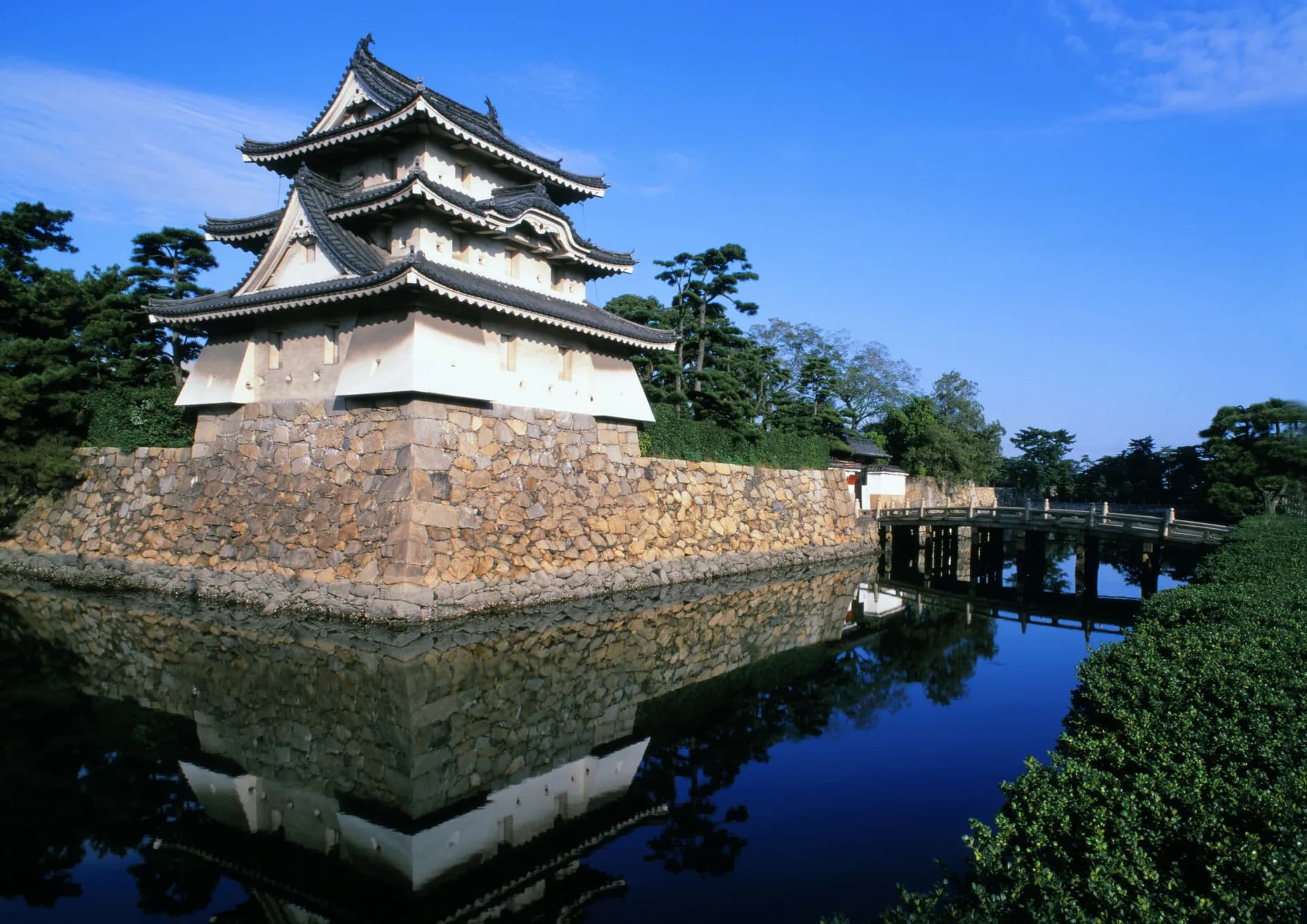
- Hours: From sunrise to sunset
- Varies by season
- Summer about 05:30 ~ 19:00, winter about 07:00 ~ 17:00
- Admission: Adults 200 yen, children 100 yen
- Elementary and junior high school students pay the child fare
- Preschool children are free
- Free entry every year on 1/1, 5/5, and for 10 days from late March to early April (17:30–20:00)
- Closed: 12/29 ~ 12/31
2. Takamatsu Symbol Tower
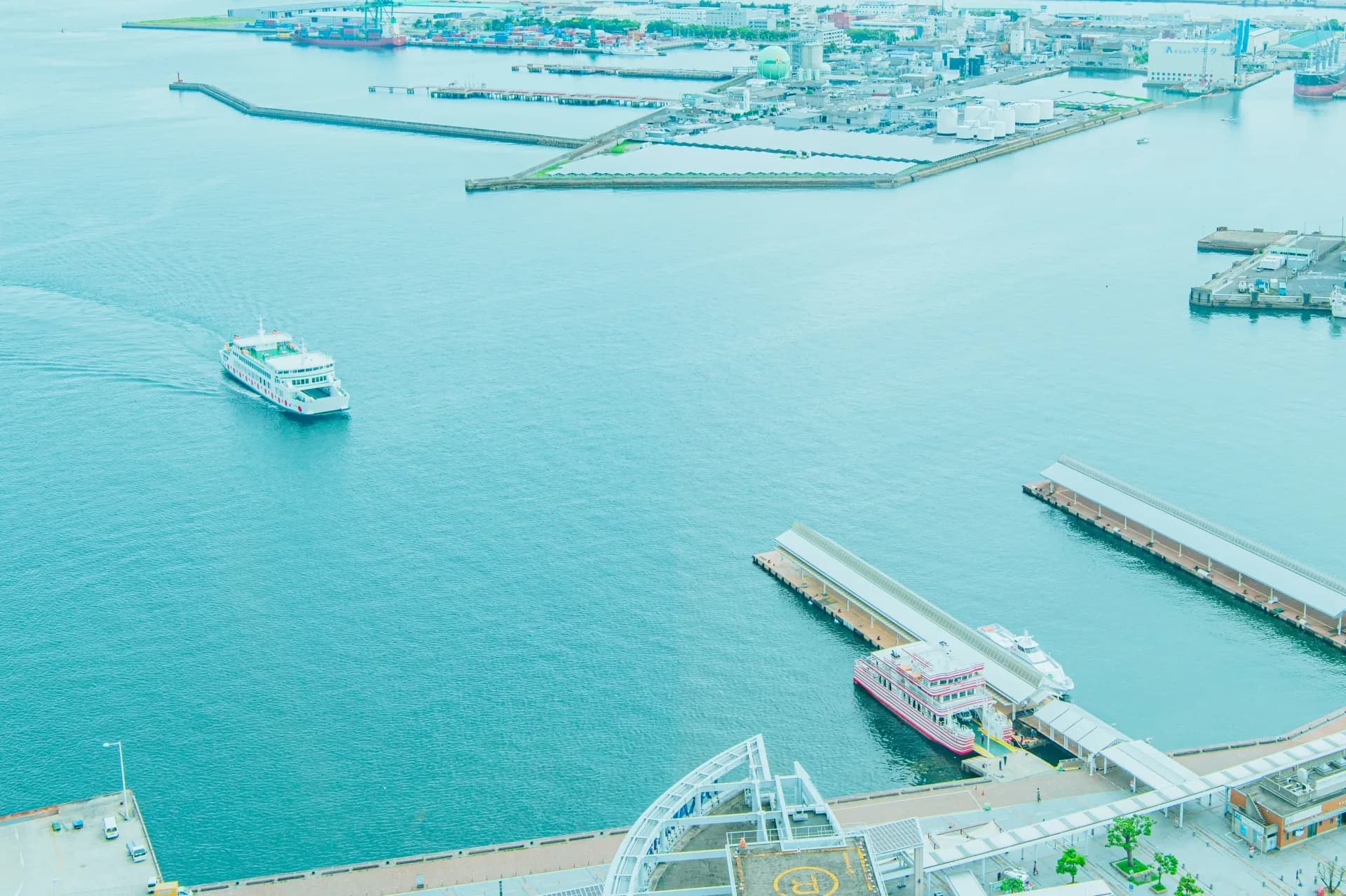
This is the landmark of Sunport Takamatsu, the waterfront redevelopment area of Takamatsu. It is a multi-purpose complex and the tallest building in Shikoku (151.3 m). Shopping, dining, observation spaces, and performance venues are all in one place. It is also right next to JR Takamatsu Station and Takamatsu Port, making it a key hub for sightseeing, transport, and relaxation in Takamatsu.
You can shop at Symbol Tower, but the most popular reason for travelers to visit is the free observation deck. With an open view of Takamatsu Port and the Seto Inland Sea, it is one of the easiest spots in the city to enjoy beautiful scenery.
1) Tower Building 29F — Observation Space (Free)
- Hours: 10:00 ~ 23:15
- Hours may vary by operating day and season, so check the official website before visiting
(especially popular for night views)
2) Hall Building 8F — Rooftop Plaza (Free)
- May–Sep: 09:00 ~ 20:00
- Oct–Apr: 09:00 ~ 19:00
- Closed: 12/29 ~ 1/3
- Closed in rainy weather, so check the forecast
Both observation areas are free, easy to stop by, and great photo spots for views of Takamatsu Port, the ferry terminal, and the Seto Inland Sea.
Takamatsu Symbol Tower location Takamatsu Symbol Tower official site3. Kagawa Prefectural Museum
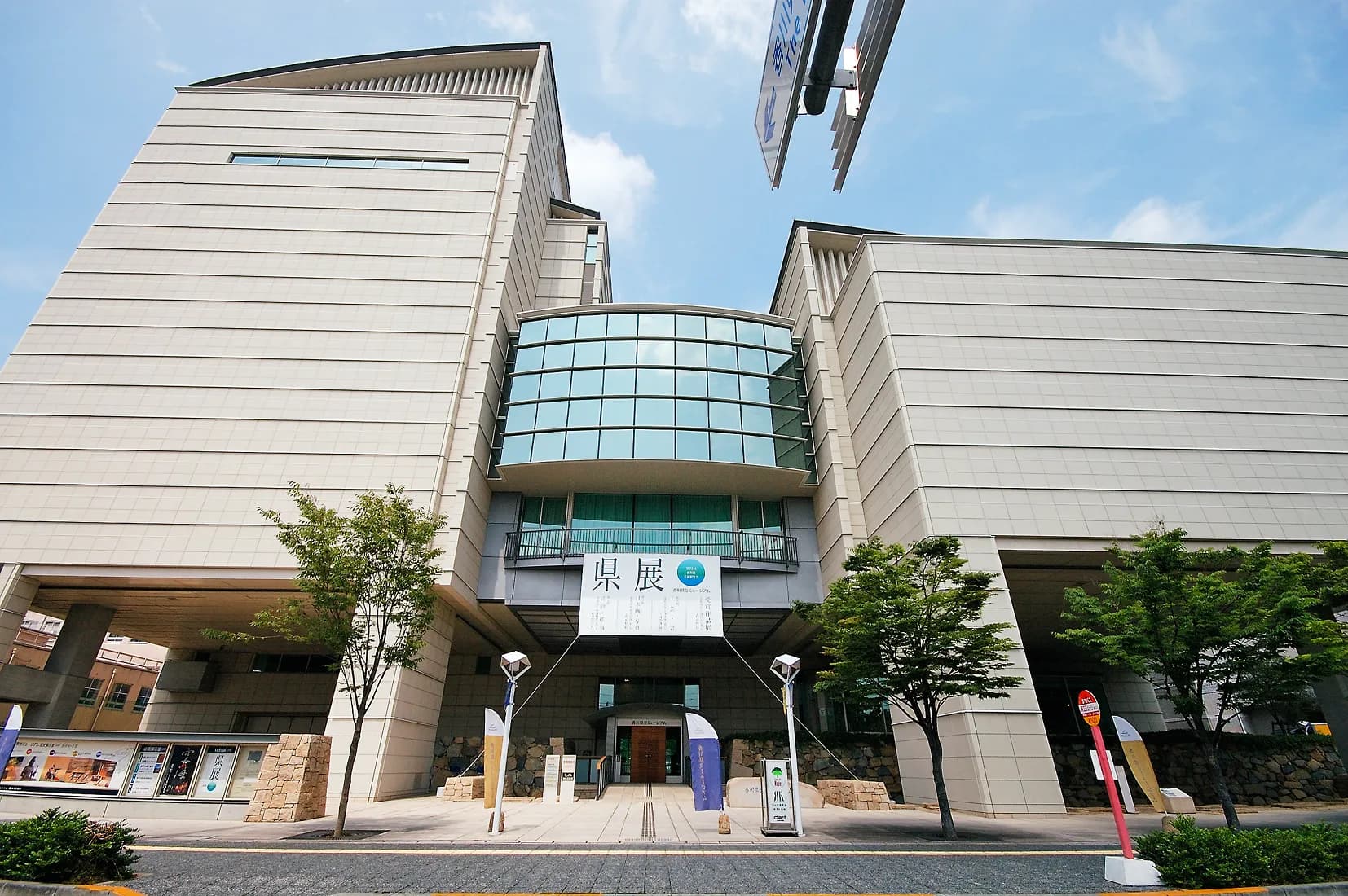
This is a multi-purpose cultural facility where you can explore Kagawa’s art, history, and cultural heritage in one place. Exhibits range from local artists’ works to prehistoric artifacts and modern materials.
On the first floor, there is a learning room where you can join a traditional helmet and kimono wearing experience (reservation required) , which is also popular for families.
With its modern design and spacious layout, it is recommended as a place where you can enjoy both art and local history in one visit.
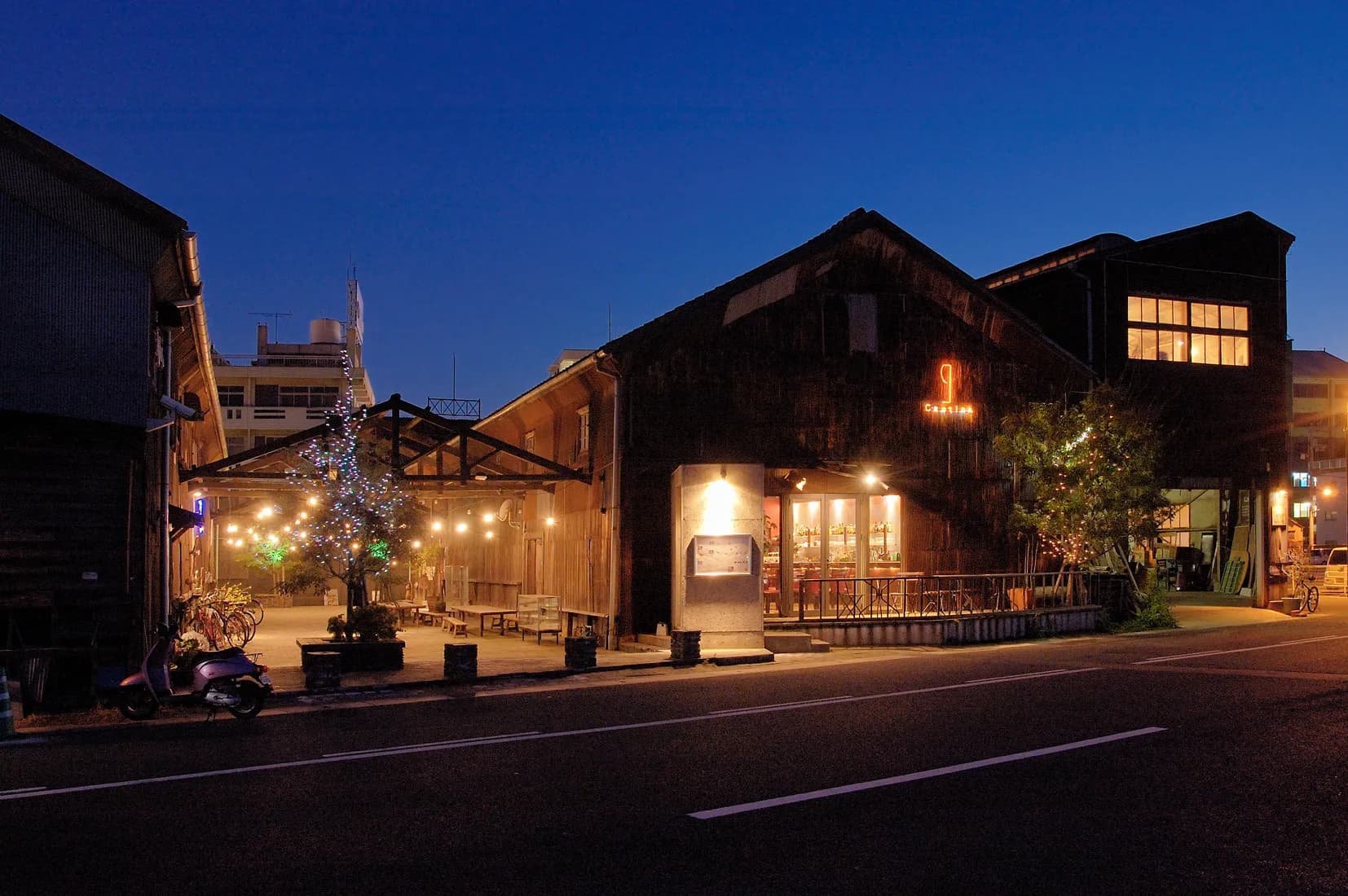
4. Kitahama Alley
A culture and cafe street near Takamatsu Port, created by reusing old warehouses. It is one of Takamatsu’s best places for a relaxed vibe, with local cafes, small shops, and galleries.
Since it is close to the seaside, it is also a nice place for a walk. Many visitors enjoy the calm atmosphere while watching boats and ferries coming and going between the port and the islands.
Ritsurin GardenAbout Ritsurin Garden
The name Ritsurin Garden is often said to come from the idea that this area may once have been a “chestnut forest (栗林)”, but there is no clear historical record, so it remains more of a theory.
Today, it is a pine-centered daimyo garden that has continued since the Edo period. It features a calm atmosphere, with wide ponds, small bridges, and neatly shaped pine trees in harmony.
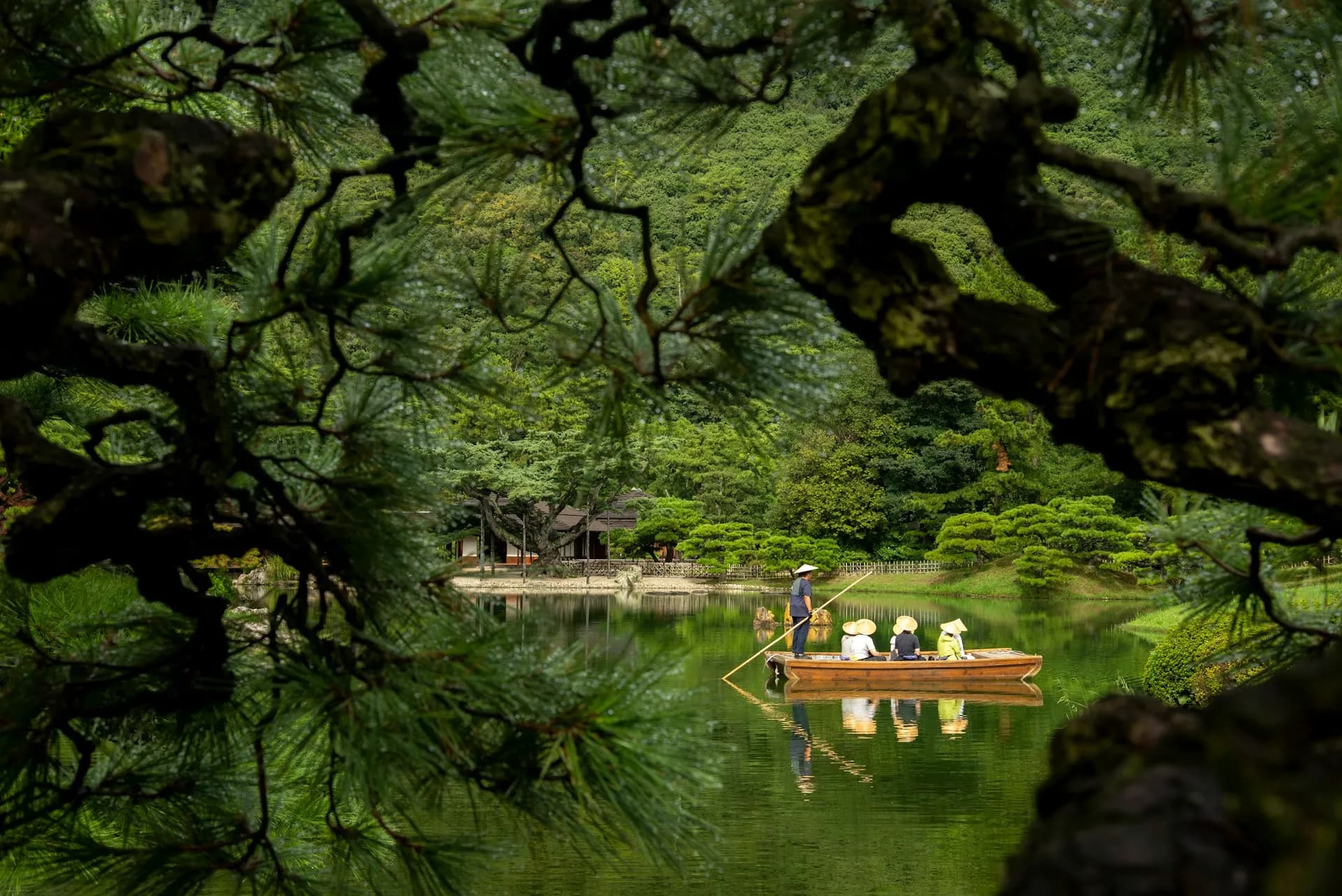
Well-maintained walking paths connect the scenery naturally through all four seasons. In particular, many visitors love the view points around Nanko (南湖, the south pond) and the matcha tea experience at Kikugetsu-tei, a traditional teahouse.
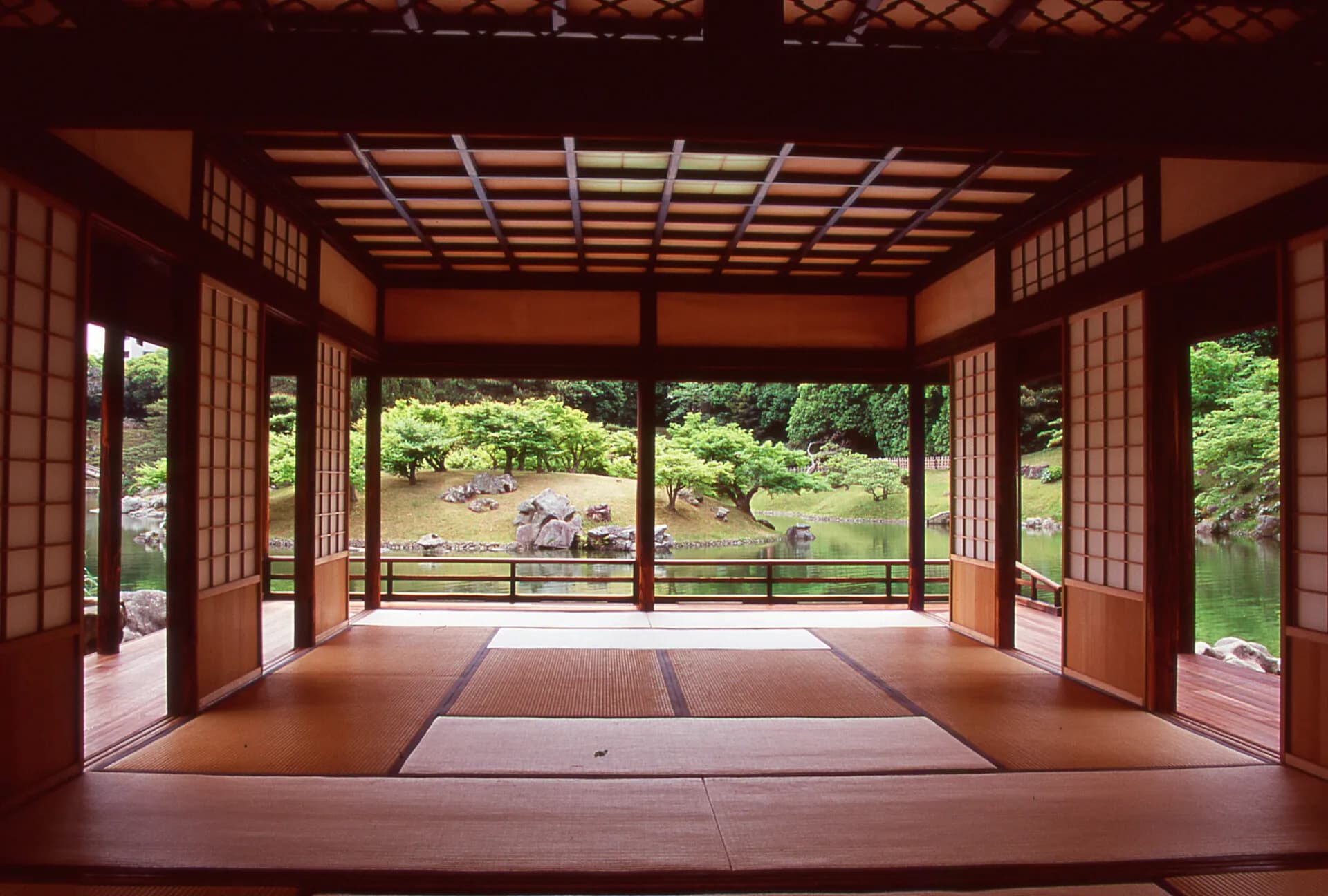
However, there is not much shade in summer, so bringing a sun umbrella or a hat is essential.
- Hours: From sunrise to sunset
- Varies by season
- Summer about 05:30 ~ 19:00, winter about 07:00 ~ 17:00
- Admission: Adults 500 yen, children 170 yen
- Elementary and junior high school students pay the child fare
- Preschool children are free
- Free entry every year on 1/1 and 3/16 (garden anniversary)
- Open year-round
- Temporary closure if a storm warning (including blizzard warning) is issued for the Takamatsu area
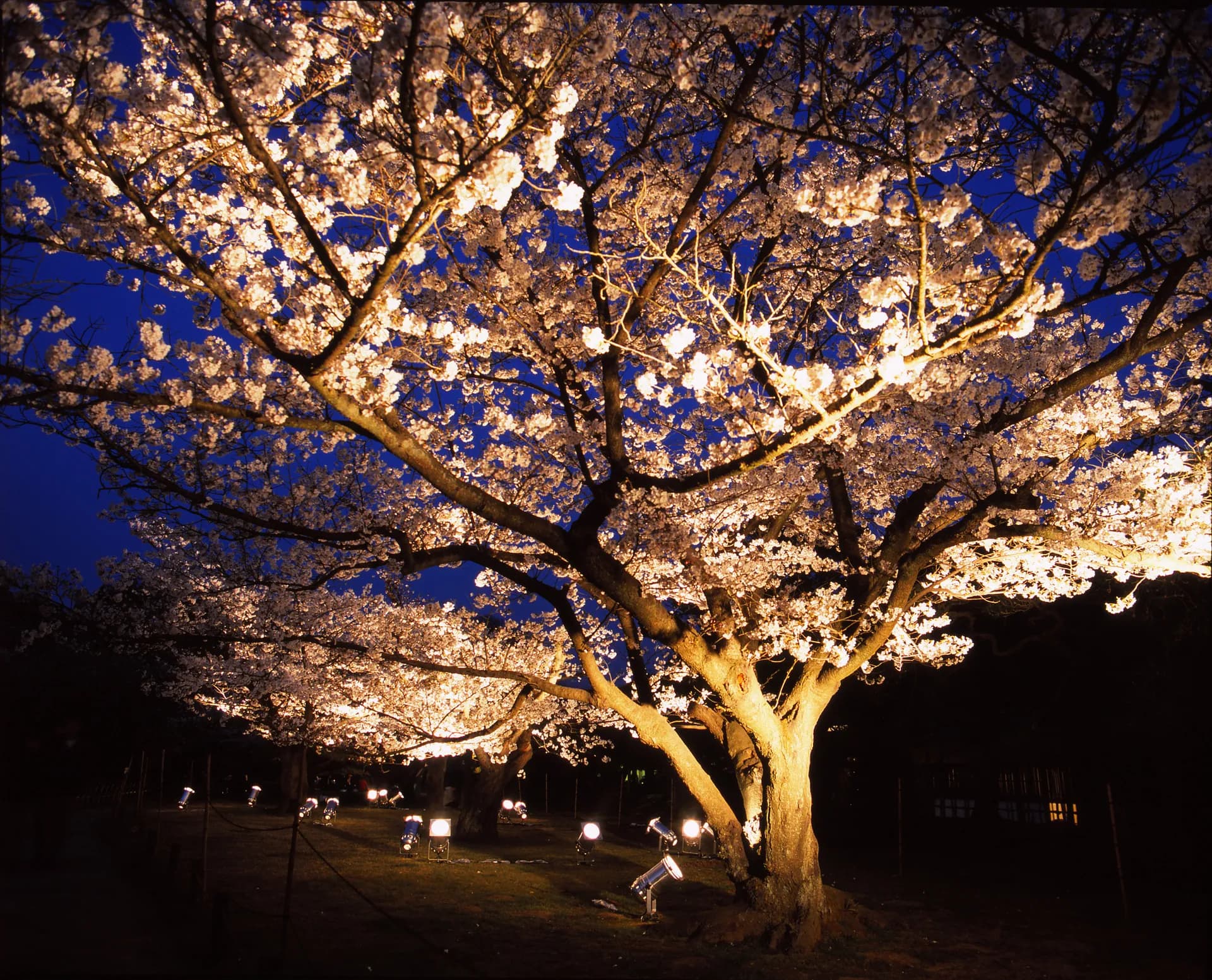
- Night openings are held in late March to early April (spring) and late November (autumn). Exact dates are posted on the official website.
- In particular, the spring night opening often overlaps with cherry blossom season. Locals come with picnic mats and bento to enjoy the blossoms at night. The traditional garden with illuminated cherry trees creates a completely different atmosphere from daytime.
Across from Ritsurin Garden, Sanuki Udon Ueharaya Honten is a popular self-service udon shop. Customers boil the noodles themselves, then pour iriko (dried sardine) broth from a faucet-like machine to finish the bowl.
It is known for chewy noodles and a clean, balanced broth. You can enjoy classic Sanuki udon at a reasonable price, and it is a well-known local favorite in Takamatsu.
Ueharaya Honten locationSights around YashimaShikoku Mura, Yashima Observatory, and more
You can walk to Shikoku Mura from Yashima-Kotoden Station, but Yashima Observatory is too far to reach on foot for most travelers. Also, the shuttle bus does not run every day, so you must check the operating days and timetable before your visit.
- If you walk to Shikoku Mura, there is a small uphill section, so allow enough time and pace yourself.
Yashima Sanjo shuttle bus Guide
- Service after 17:00: Runs only on Fridays, Saturdays, and the day before public holidays
- When Shin Yashima Aquarium is closed, the shuttle bus is usually also suspended
- However, during the New Year holiday period (e.g., 12/30–1/4), the shuttle may run even if the aquarium is closed
- If the time is not shown on the shuttle timetable below, you can consider it a non-service day
If you plan to visit Yashima Observatory, check whether the shuttle is running and then include it in your itinerary.
Kotoden Yashima Station bus stop location Kotoden Yashima Station bus stop timetable Yashima Sanjo bus stop location Yashima Sanjo bus stop timetableYashima tourism website
1) Shikoku Mura
Shikoku Mura is an open-air folk museum where traditional houses and buildings from around Shikoku have been relocated and restored in their original style. Along the nature paths, you can enjoy a relaxed walk while viewing thatched-roof houses, bamboo bridges, and sake storehouses. You can also visit the “Shikoku Mura Gallery” designed by Tadao Ando, making it a great place to enjoy both traditional culture and modern architecture.
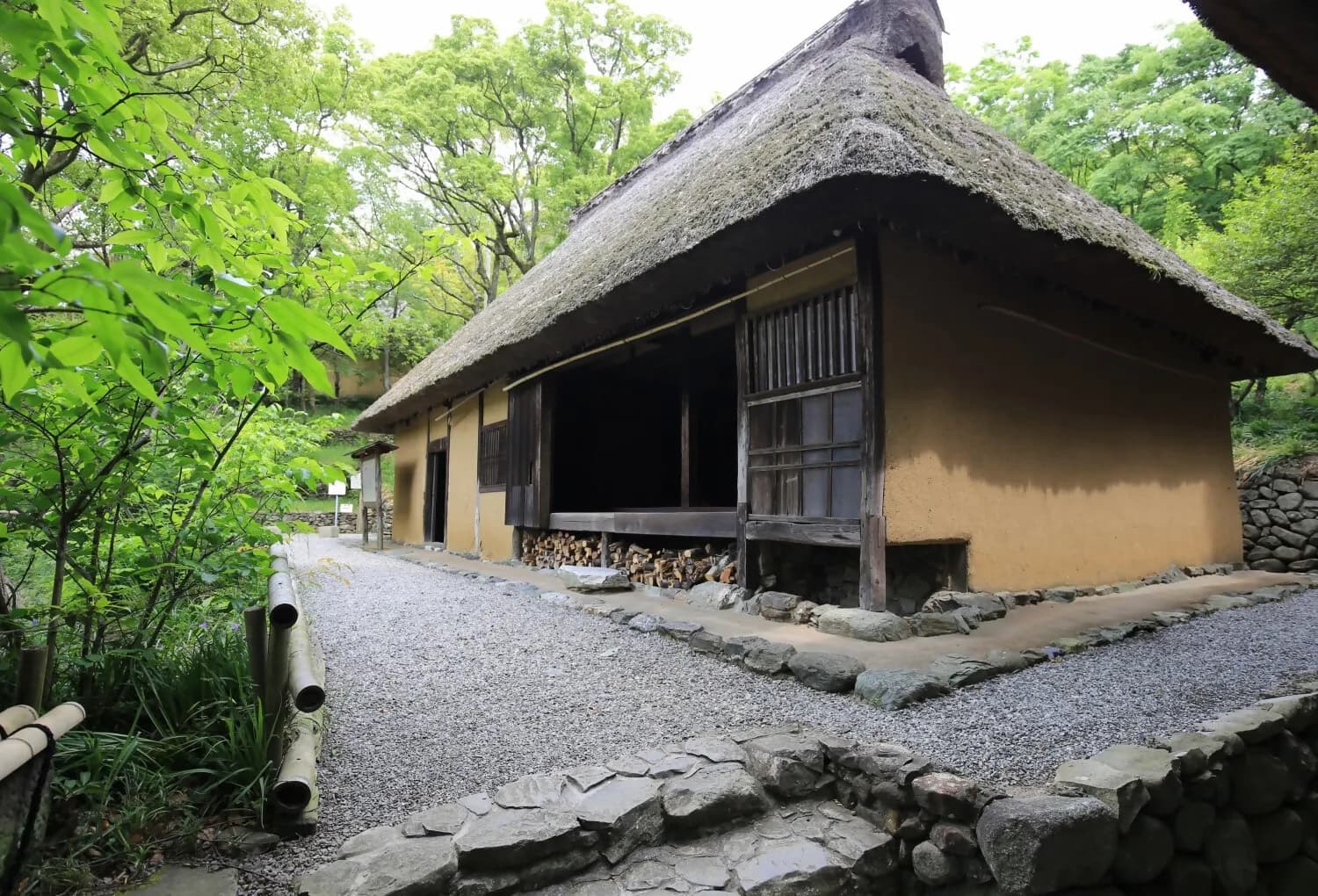
- Hours: 09:30 ~ 17:00 (last entry 16:30)
- Closed: Every Tuesday
- If Tuesday is a public holiday, it will be closed the next day
- Temporary closure possible depending on weather
- Admission: Adults 1,600 yen
- University students 1,000 yen (student ID or proof required)
- Junior & senior high school students 600 yen
- Elementary school and younger: free
2) Jaigo Udon Honke Waraya
This traditional udon shop is located near the entrance to Shikoku Mura. You can enjoy authentic Sanuki udon in a preserved thatched-roof house from the late Edo period. “Jaigo (ざいご)” is a local dialect meaning “countryside”. True to its name, the shop focuses on a rustic but deeply flavorful local udon style.
It is recommended for travelers who want to feel Kagawa’s tradition and simple local taste.
A popular local side dish here is Shoyu-mame (しょうゆ豆), one of Kagawa’s representative local foods. Roasted broad beans are marinated in a soy sauce-based seasoning, creating a light and nutty flavor.
Jaigo Udon location Jaigo Udon official site3) Yashimaji Temple (屋島寺)
Located on the summit of Mount Yashima in Takamatsu, this is the No. 84 temple of the Shikoku 88 Temple Pilgrimage (Henro). It is a historic temple founded in the Heian period. Traditional buildings such as the main hall and stone pagoda are well preserved, and the views around the temple are outstanding. It is famous as a scenic point where you can enjoy a wide view of the Seto Inland Sea and Takamatsu city.
To reach Yashima Observatory, you must pass Yashimaji Temple (屋島寺) first. If you walk through the temple grounds and follow the path toward the summit area, you can reach the observatory, making it an easy route to enjoy both the temple and the viewpoints in one visit.
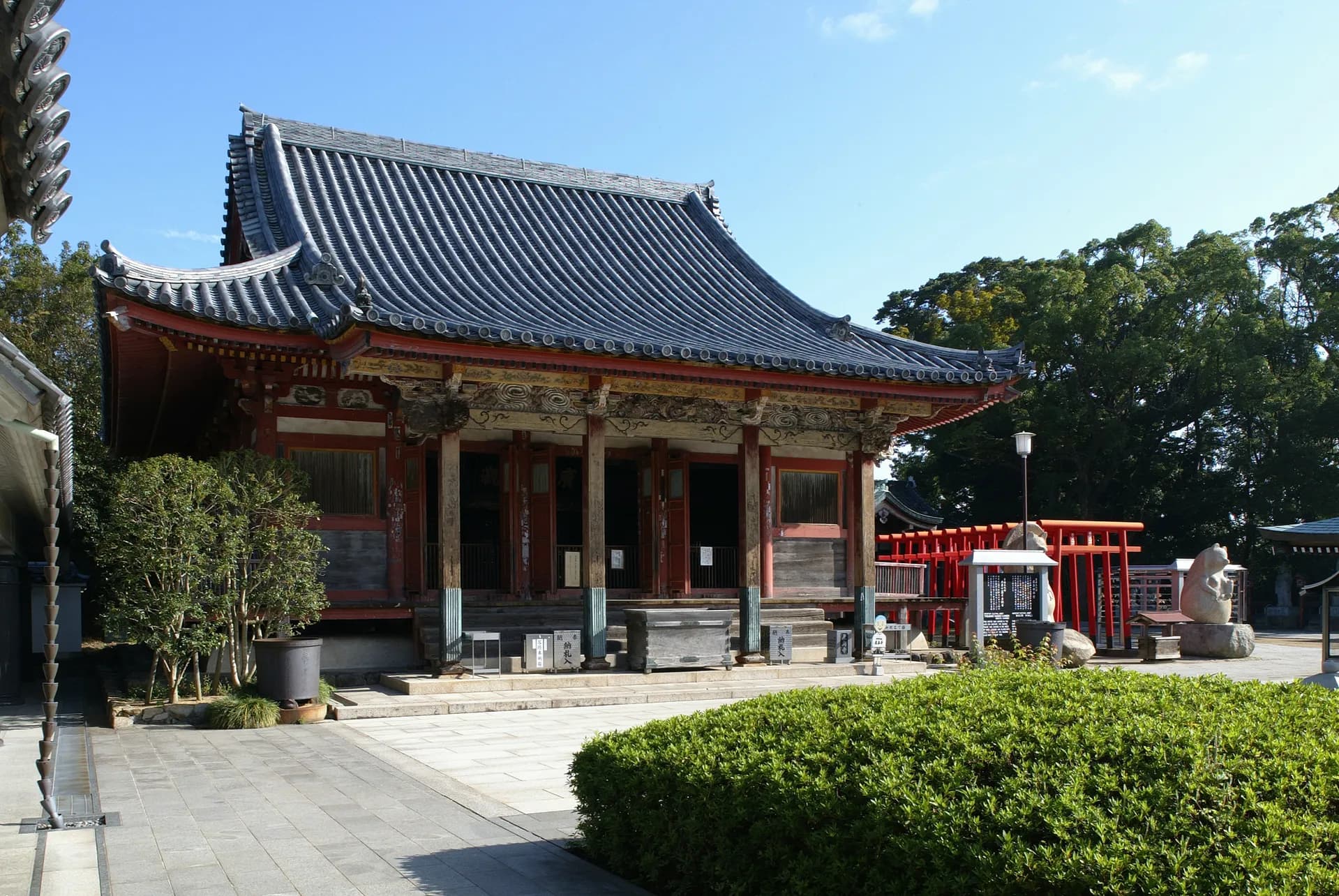
4) Yashima Observatory - Yashimaru
The summit of Mount Yashima is one of the best viewpoint spots in the area, with open views over the Seto Inland Sea and Takamatsu city. The sea view with scattered islands is beautiful, and sunset is especially famous, making it a popular photo location.
There are several viewpoints around the summit, so it is important to know the exact location you want to visit.
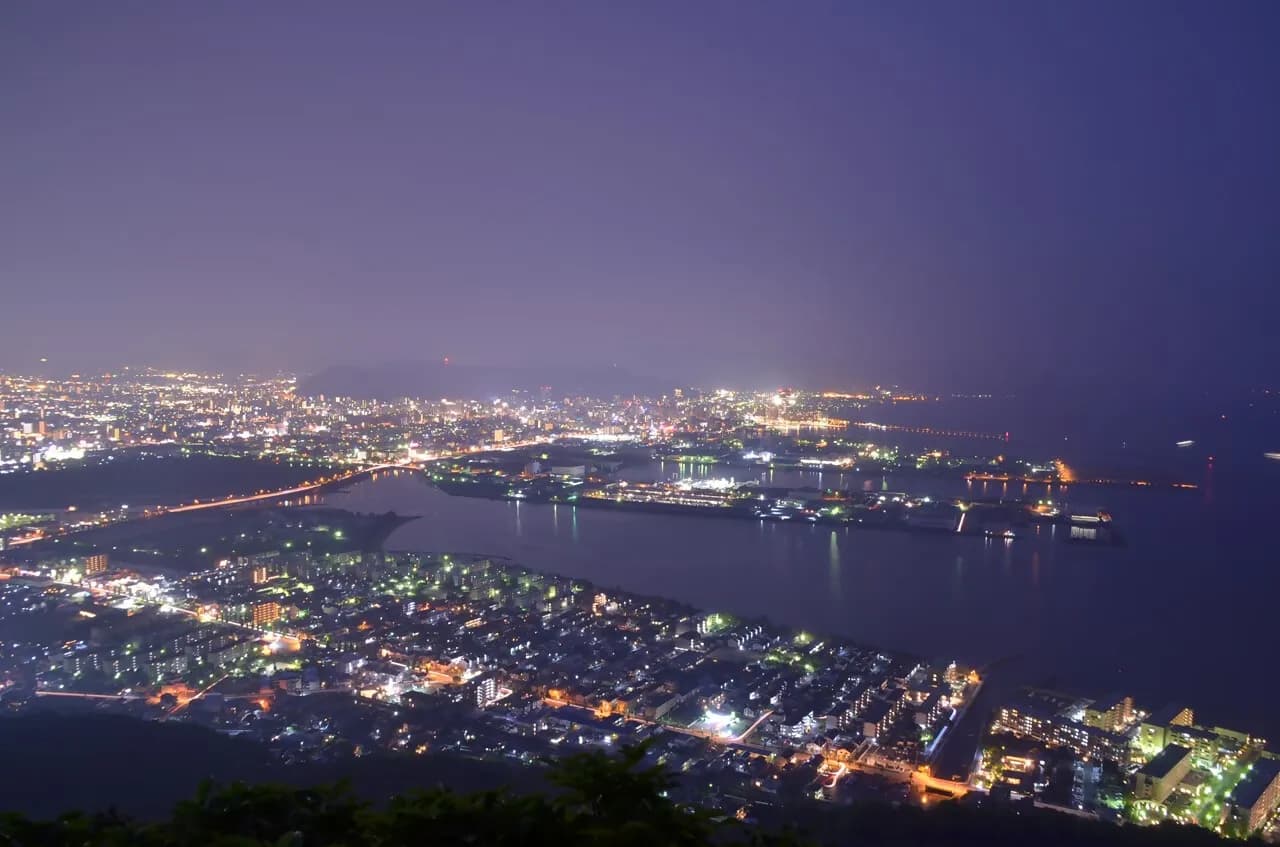
- The most famous one is Yashimaru Observatory. If you search only “Yashima Observatory,” another location may appear, so be careful.
- Right in front of Yashimaru, you can walk to Shishiiwa Observatory. Nearby, Nishi-one Observatory is also within walking distance.
- However, Yukakutei Observatory is about 2.2 km from the Yashima Sanjo bus stop, so it may feel far for most travelers.
- It is recommended if you enjoy hiking or if you have a rental car.