Ehime Prefecture - Matsuyama and moreMikan, sea bream rice, traditional fish cakes, yakibuta tamago-meshi
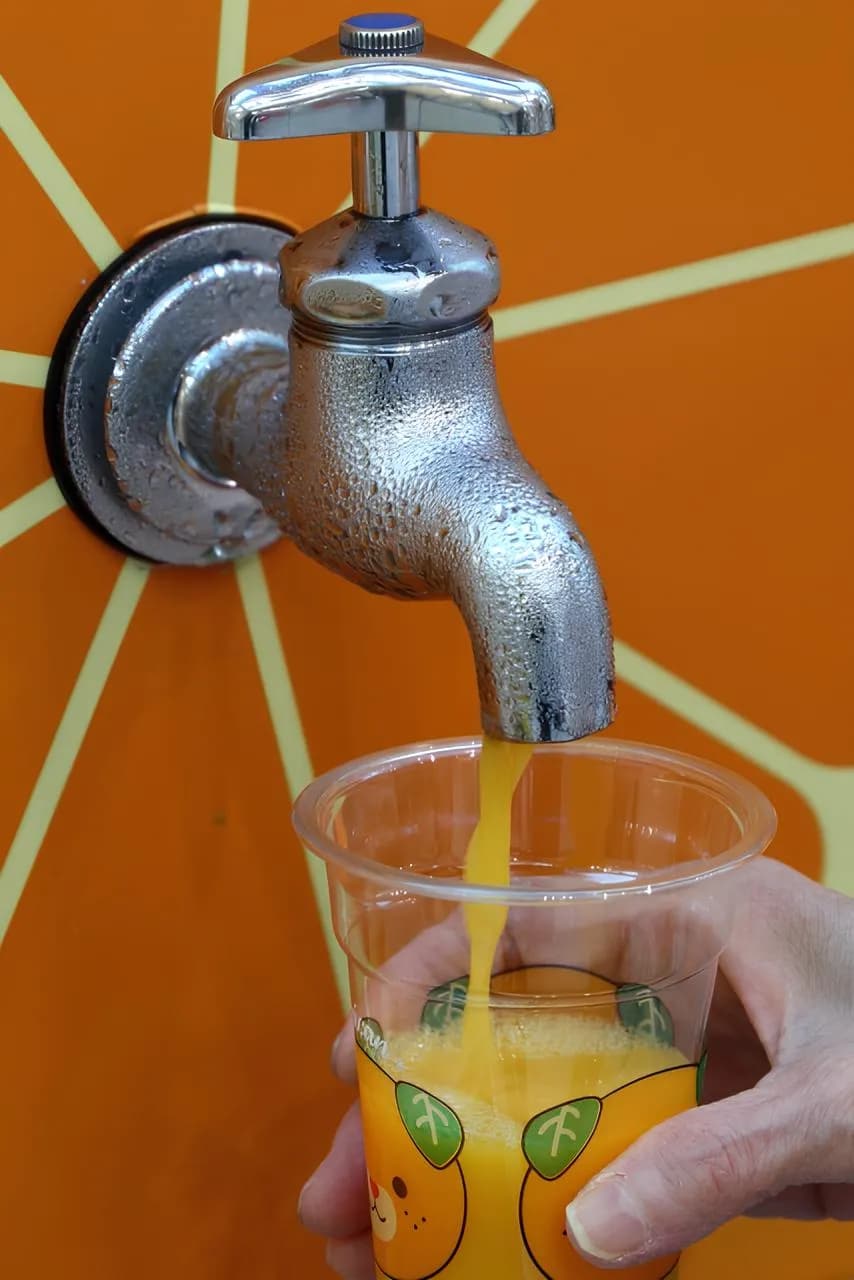
1) Mikan (みかん) 🍊
Ehime is one of Japan’s best-known citrus regions. Many local varieties—such as Iyoka (IYOKA)—are famous as regional specialties. Thanks to the mild climate, the fruit is soft, juicy, and naturally sweet, so it is easy to enjoy while traveling.
2) Tai-meshi (鯛めし), sea bream rice
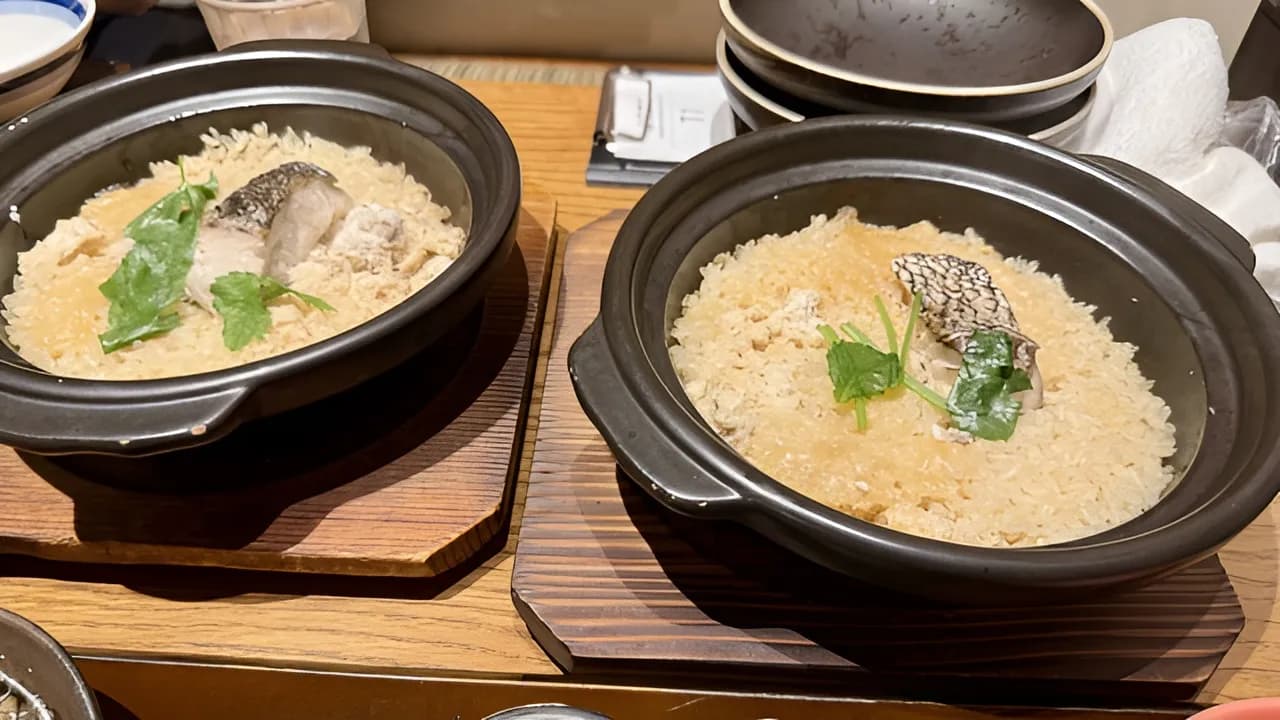
Tai-meshi is one of Ehime’s signature local dishes, and it has two main styles depending on the area.
In central Ehime, especially around Matsuyama, the most common style is grilled sea bream served on top of rice. The toasted aroma and gentle ocean flavor make it a must-try menu in Ehime.
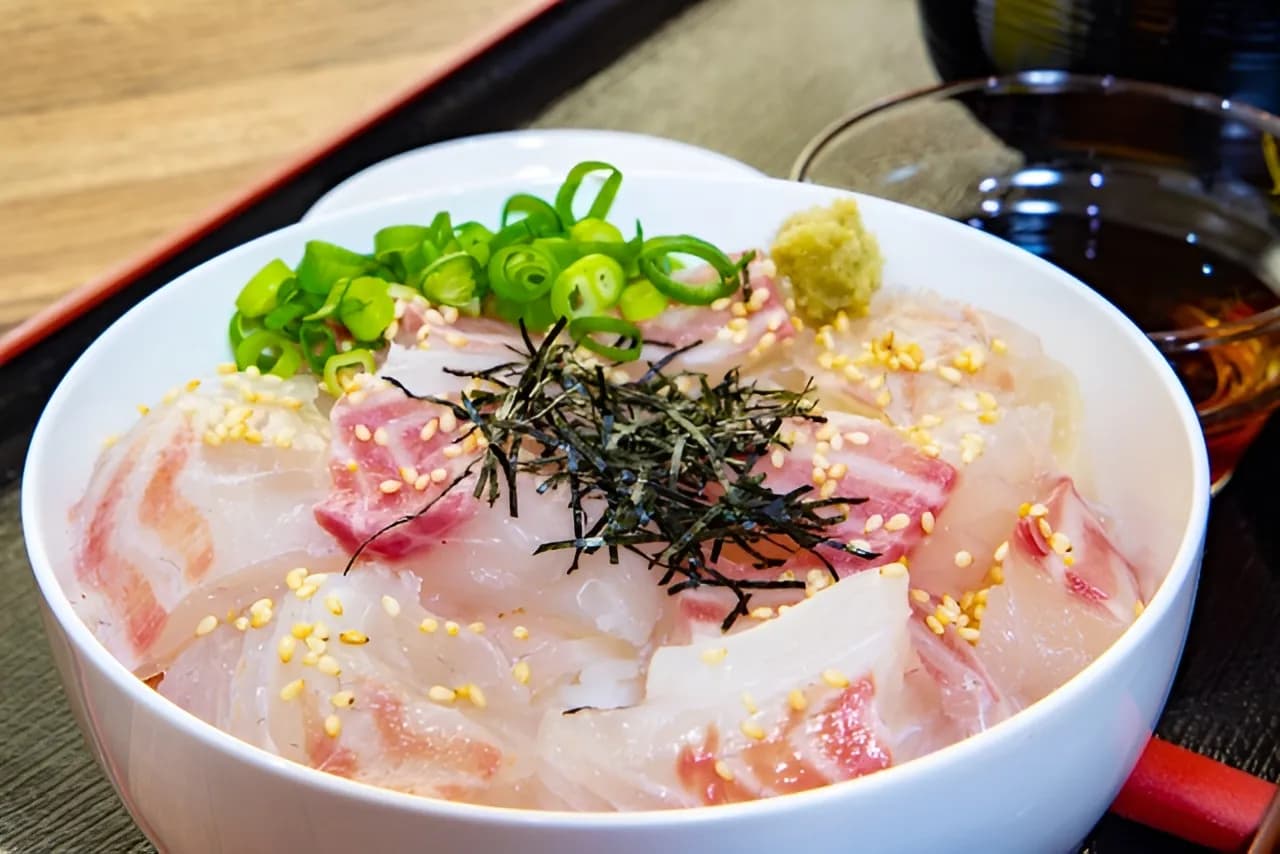
In contrast, in southern Ehime, around Uwajima, you can enjoy a fresh sea bream sashimi version, often called “raw sashimi-style tai-meshi.” It is eaten by mixing sea bream slices with egg and a special sauce, and the cooking method and flavor profile are clearly different from the Matsuyama style.
Even within Ehime, tai-meshi changes by region, so trying both styles and comparing them can be a great experience.
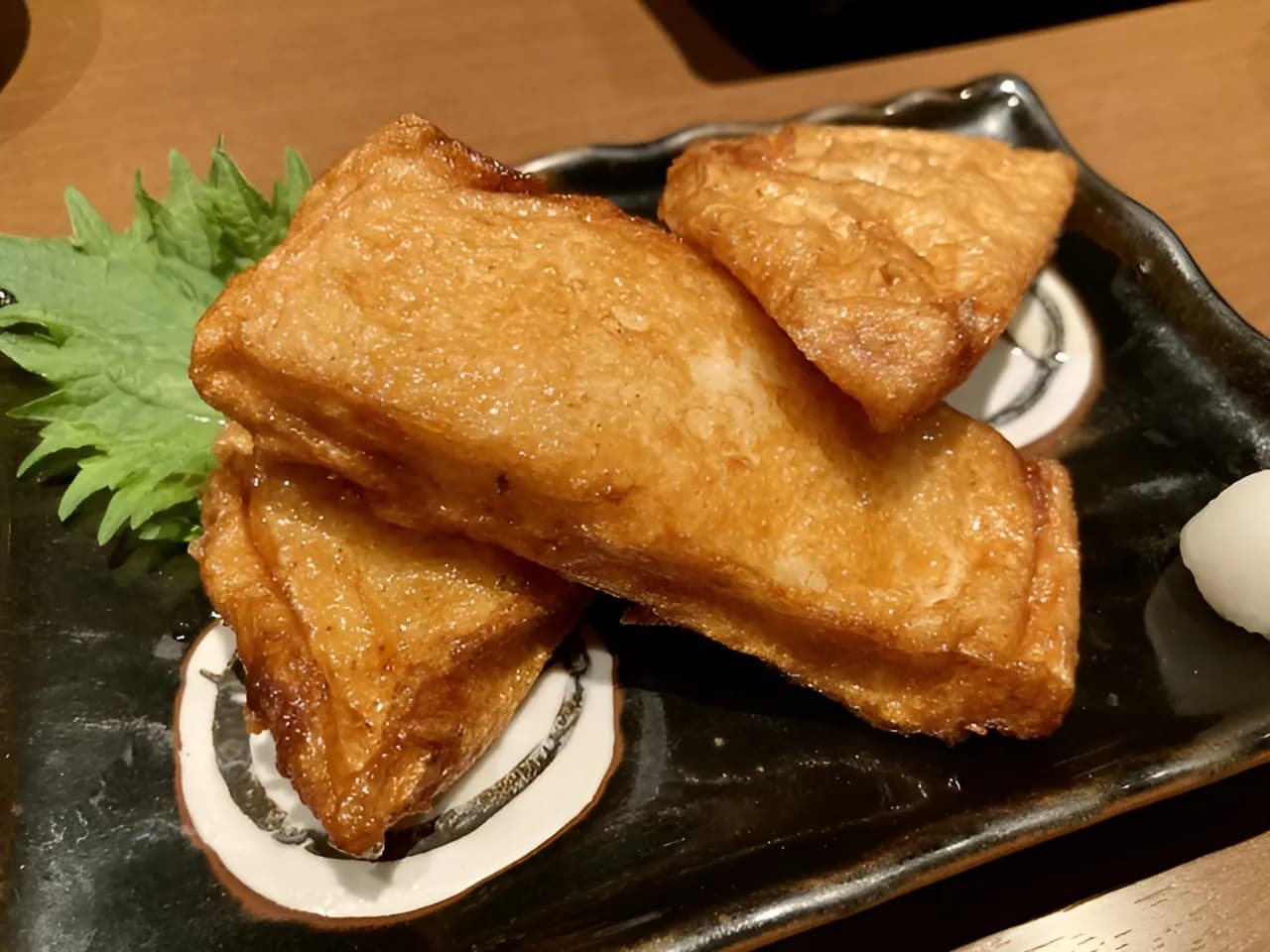
3) Jakoten (じゃこ天)
Jakoten is an Ehime-style fish cake made by grinding fish into a paste, shaping it flat, and frying it. It is known for its nutty flavor and chewy texture.
It is widely enjoyed as a snack or side dish, and you can easily find it at local convenience stores and markets.
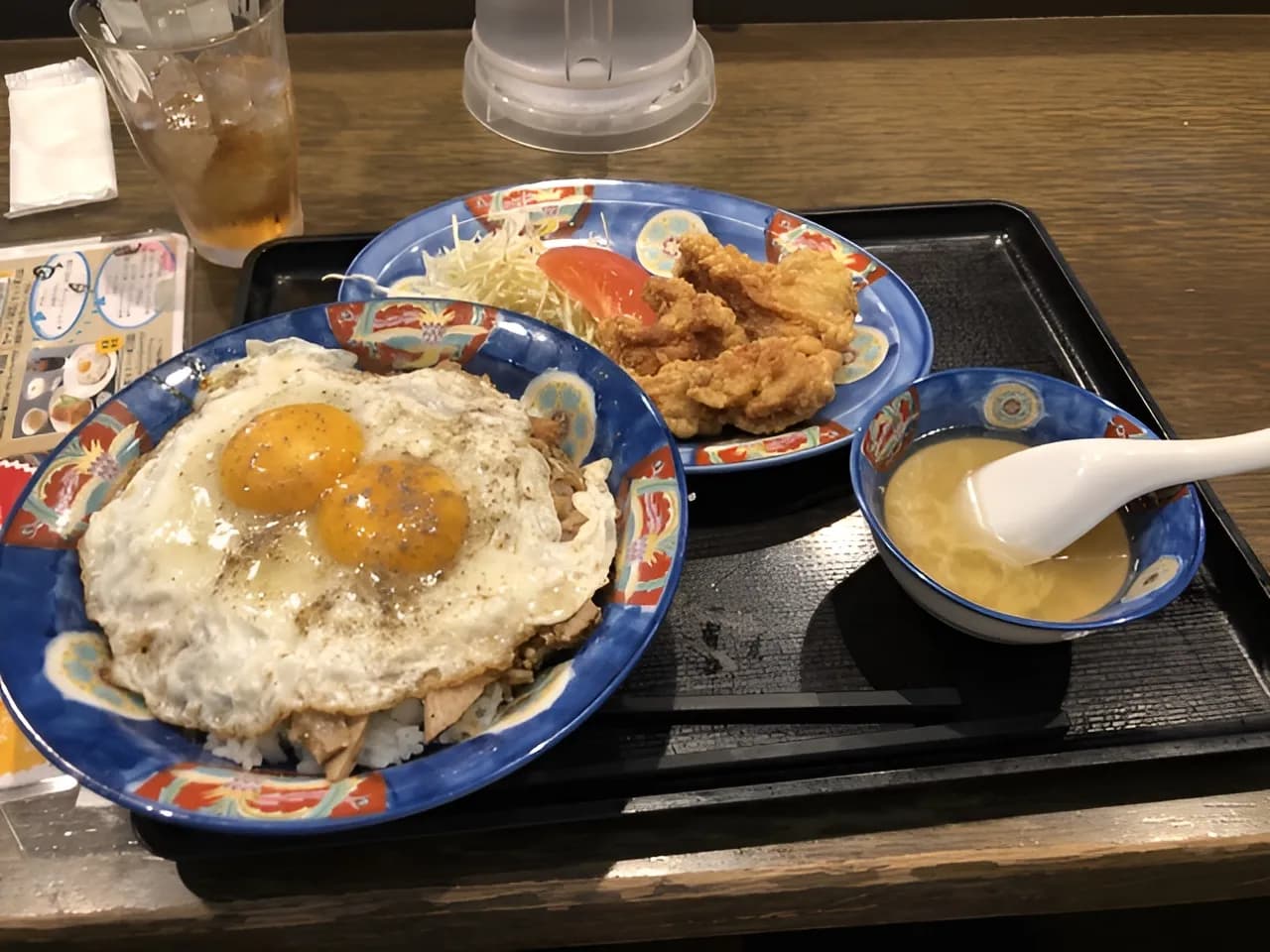
4) Imabari Yakibuta Tamago-meshi (今治焼豚玉子飯)
A popular local dish from Imabari: a rice bowl topped with two fried eggs and sweet-and-savory grilled pork.
Even with a simple setup, the addictive sauce makes it especially loved by travelers.
Kagawa Prefecture - Takamatsu and moreSanuki udon: origin, why it’s famous, ordering steps, plus Takamatsu’s signature grilled chicken leg
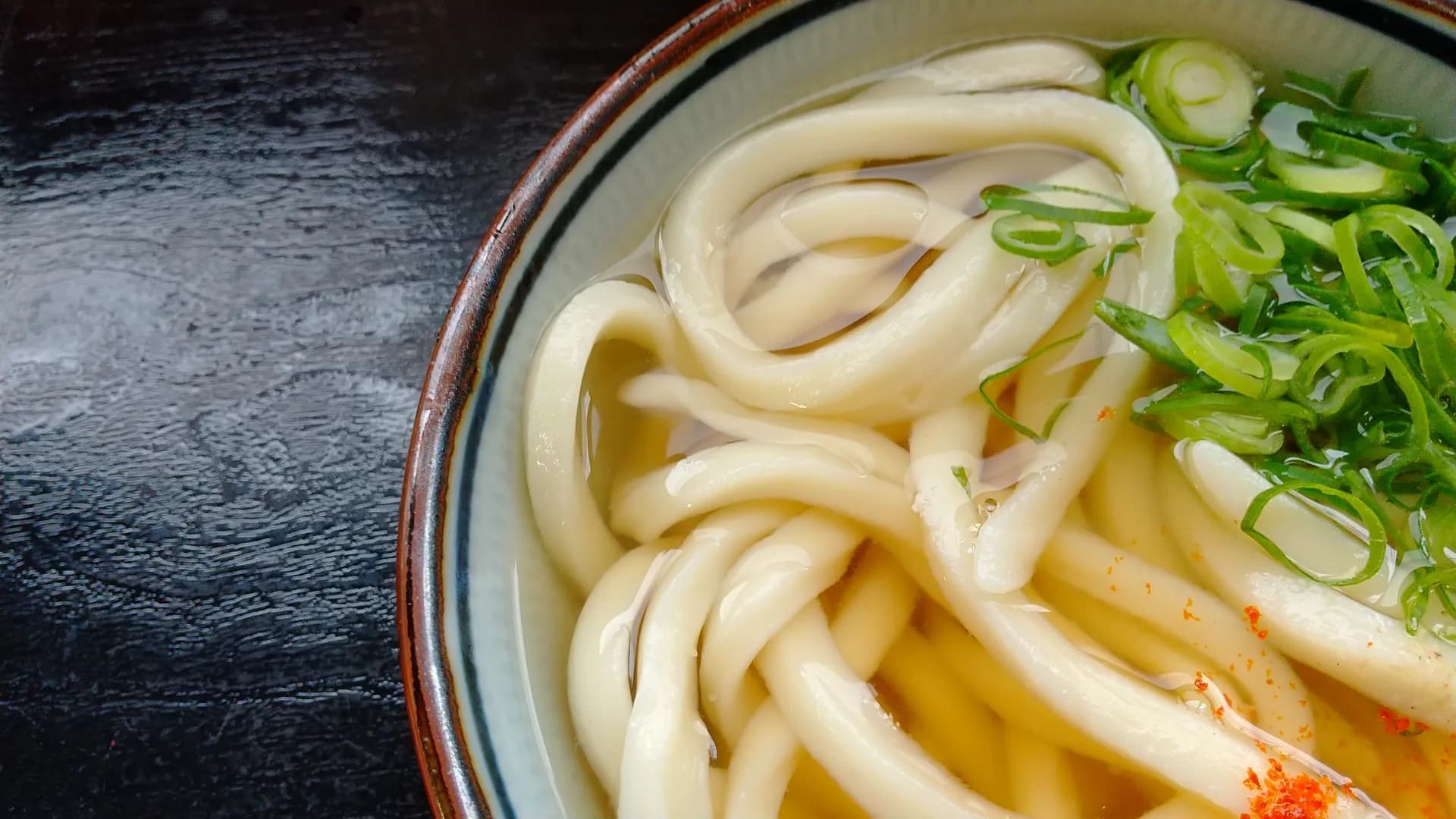
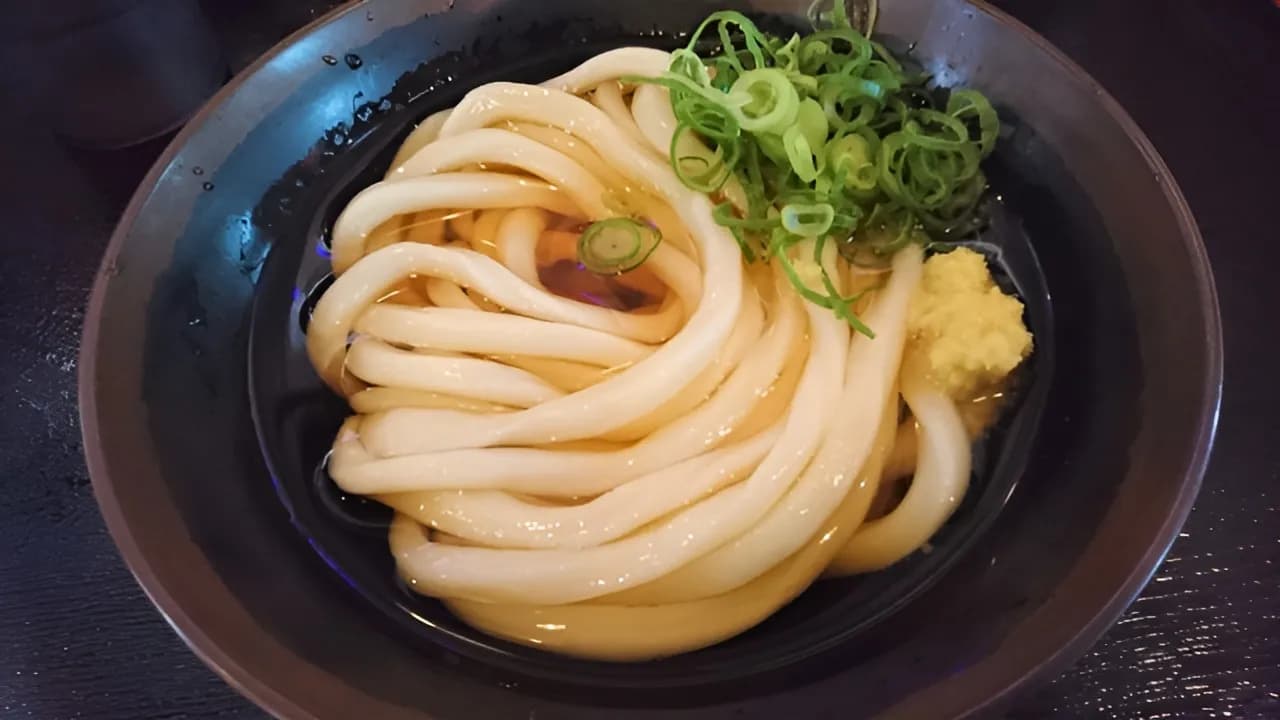
1) Sanuki Udon (讃岐うどん) · Japan’s most famous udon style
Kagawa is so passionate about udon that it is even nicknamed “Udon Prefecture (うどん県).” It is known for springy, chewy noodles and a clean, savory broth. You can easily try many styles, including kake udon, bukkake udon, and kama-tama udon.
Because famous udon shops are spread all across the prefecture, trying Sanuki udon is one of the biggest reasons travelers visit Kagawa.
1. The origin story of Sanuki udon
There is a widely shared local story about why udon became famous in Kagawa. It says that Kobo Daishi (弘法大師, Kukai), a monk from Sanuki, returned from studying in Tang China and brought noodle culture using wheat flour to Japan.
This is not fully proven by historical records, but in Kagawa, the story is treated as an important cultural root. Since Kukai is also linked to the region as his birthplace (the former Sanuki Province), it is often naturally accepted as an origin story for Sanuki udon.
2. The practical reasons Kagawa became an udon powerhouse
Beyond the story, Kagawa’s udon culture grew on a strong practical foundation—its geography, climate, and farming conditions.
- A warm, dry climate suitable for growing wheat
- Salty soil in the Sanuki Plain → easy salt production
- Water quality suitable for udon dough
Together, these conditions created an ideal environment for building udon’s signature chewy texture.
In the Sanuki area, udon was also commonly made at home, in temples, and on farms for generations. Over time, this everyday tradition developed into today’s “udon kingdom.”
3. How to order Sanuki udon
Many Sanuki udon shops run as self-service, so knowing the basic steps makes it much easier.
- Pick up a tray
- Choose and say your noodles: type · temperature · portion size
- Select tempura
- Pay
- Use the self-serve topping station (green onion, ginger, tenkasu, etc.)
- Eat
The ordering flow can vary slightly by shop, but the tables below help you combine noodle temperature · broth temperature · menu type without stress.
For example, if you want to order one serving of kake udon and you want cold noodles with hot broth, you can say:
「かけうどん、ひと玉、ひやあつでお願いします。」
(Kake udon, one portion, hiya-atsu please.)
- In some shops, noodle/broth temperature styles may be fixed rather than selectable.
Portion size expressions
| Japanese | Kanji | Meaning | Approx. size |
|---|---|---|---|
| ひと玉 (hitotama) | 一玉 | 1 portion | Typical 1 serving (Small) |
| ふた玉 (futatama) | 二玉 | 2 portions | About 1.5–2 servings (Large) |
| さん玉 (santama) | 三玉 | 3 portions | About 2.5–3 servings (Extra large) |
Noodle/broth temperature expressions
| Japanese | Meaning |
|---|---|
| ひやあつ (hiya-atsu) | Cold noodles + hot broth |
| あつあつ (atsu-atsu) | Hot noodles + hot broth |
| ひやひや (hiya-hiya) | Cold noodles + cold broth |
Sanuki udon menu types
| Japanese | Meaning |
|---|---|
| かけ (kake) | Basic hot udon in broth |
| ぶっかけ (bukkake) | A small amount of rich broth poured over noodles |
| しょうゆ (shoyu) | Udon with soy sauce only |
| ざる (zaru) | Cold noodles dipped in cold dipping sauce |
| 釜玉 (kama-tama) | Hot noodles + soy sauce + raw egg |
| 釜揚げ (kama-age) | Boiled noodles served in hot water |
| ひやしうどん (hiyashi udon) | Udon served very cold with ice |
| ゆだめ (yudame) | Boiled noodles served in hot water (simple style) |
| 肉うどん (niku udon) | Udon topped with meat |
| 肉ぶっかけ (niku bukkake) | Bukkake udon topped with meat |
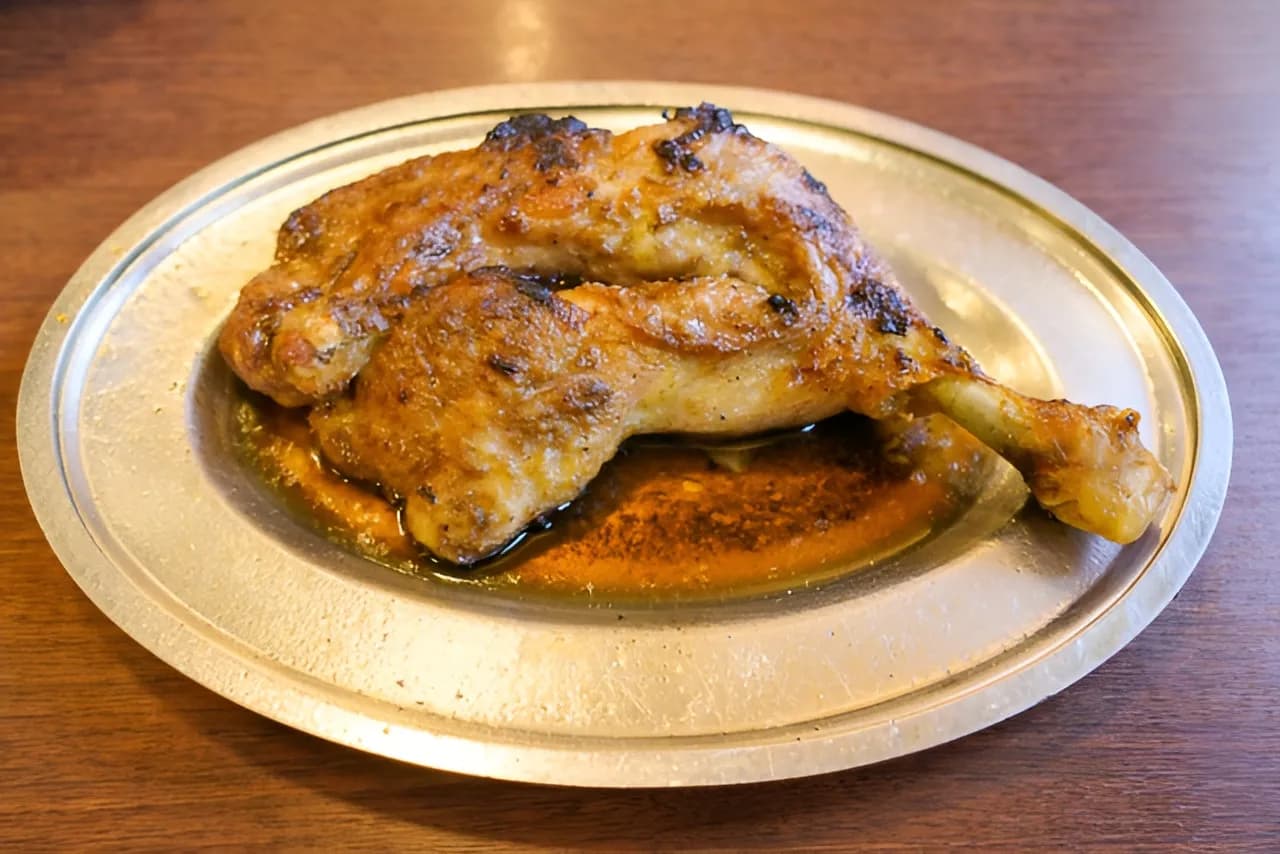
2) Honetsuki-dori (骨付き鳥) · Takamatsu’s signature grilled chicken leg
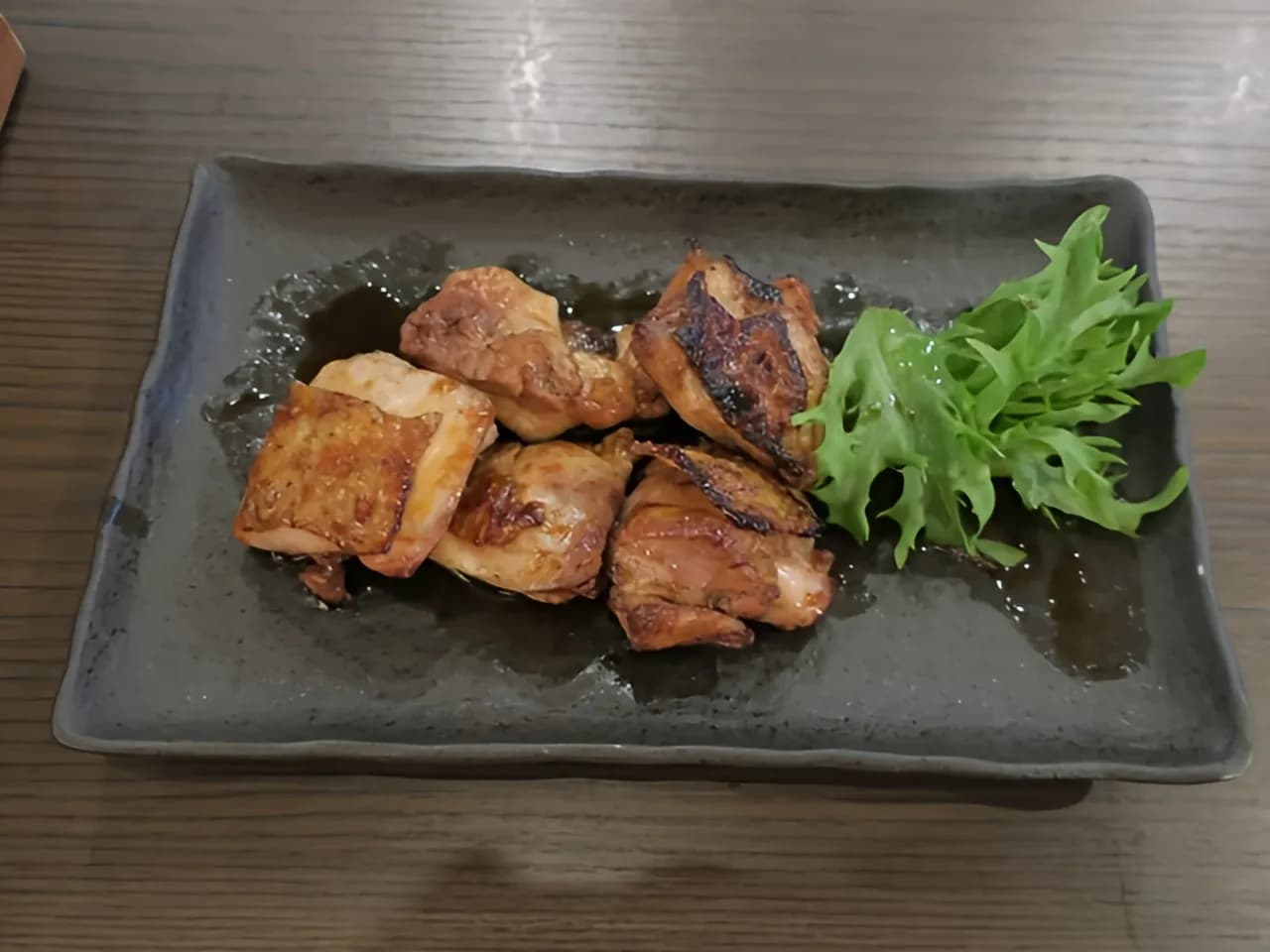
Honetsuki-dori (骨付き鳥) is a well-known local dish from Kagawa, especially Takamatsu. It is made by grilling a whole bone-in chicken leg.
Each shop has its own seasoning and cooking style, but it is usually flavored with soy sauce, garlic, and pepper, with a spicy kick and deep savory taste. It pairs especially well with beer and is popular with both locals and travelers.
Honetsuki-dori is usually offered in two types:
- Oya (親): firmer, chewier “mature chicken,” but with deeper flavor
- Waka (若): softer and juicier “young chicken”
Served sizzling on a hot plate with a strong aroma, it is often considered a must-try Kagawa specialty when you visit Takamatsu.
Tokushima PrefectureAwaodori chicken, local ramen
1) Awaodori chicken (阿波尾鶏) · Tokushima’s premium local brand chicken
Awaodori chicken (阿波尾鶏) is a premium broiler brand developed by Tokushima Prefecture over more than 10 years, and it is often recognized for its high quality among Japan’s brand chickens.
It has a springy bite and rich umami, and it is served in many styles, including shabu-shabu, charcoal grilling, and specialty chicken restaurants. It is widely known as one of Tokushima’s representative ingredients.
Awa Odori (dance) vs Awaodori chicken
Both names come from “Awa (阿波),” the old name for Tokushima, but they use different kanji for “odori (おどり)”, so the meanings are completely different.
- 阿波おどり → uses 踊り, meaning “dance,” and refers to Tokushima’s famous festival.
- 阿波尾鶏 → uses 尾鶏, meaning “a long-tailed chicken.”
They sound similar, but the origin and usage are different, so it is helpful to understand them as separate concepts in Tokushima.
2) Tokushima ramen · Rich soy sauce tonkotsu with a raw egg
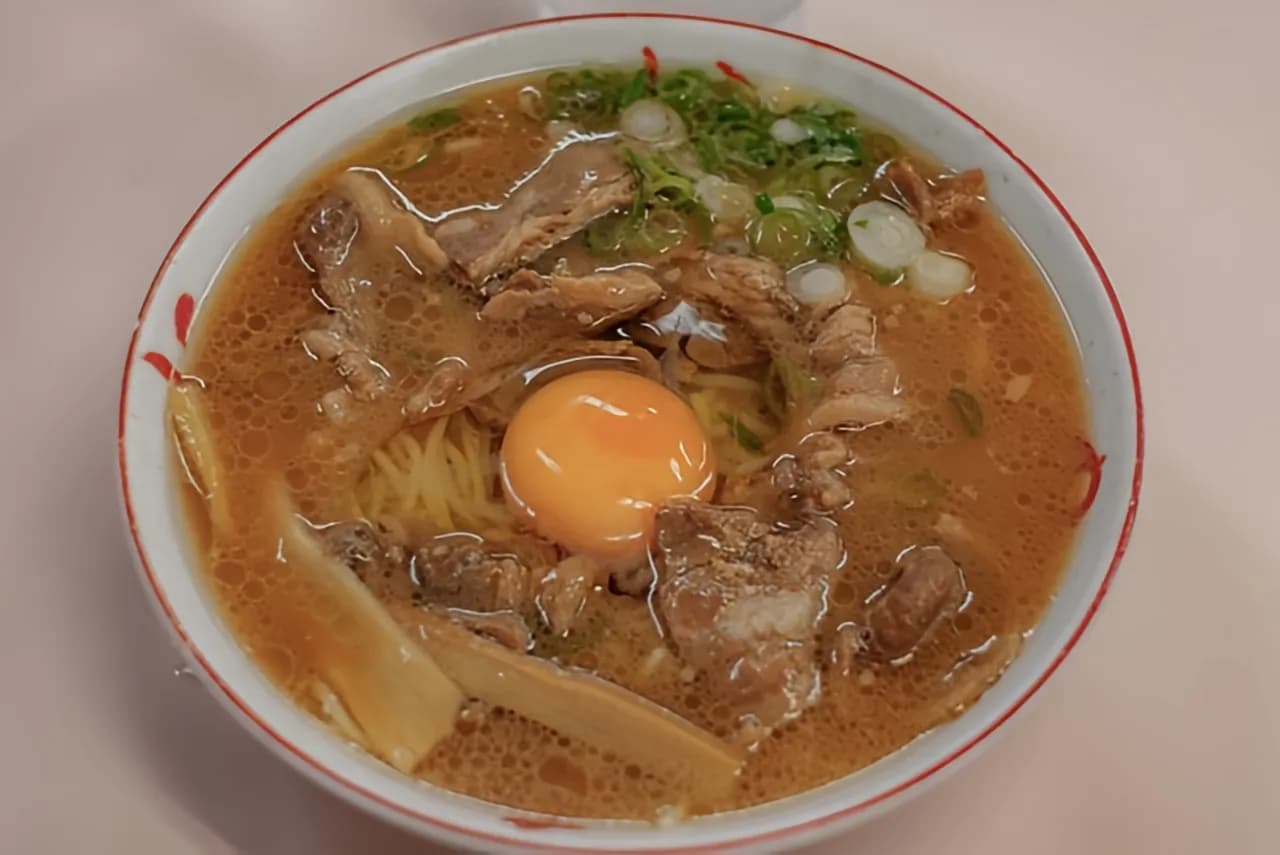
Tokushima ramen is known for a rich tonkotsu soy sauce broth, topped with sweet-and-savory pork cooked like yakiniku and a raw egg.
It has a strong sweet-salty umami profile, and many specialty ramen shops are concentrated around Tokushima City. It is a regional ramen style with a clear local character and is also popular with travelers.
Kochi PrefectureKatsuo tataki, hot-pot ramen, sawachi-style cuisine, yuzu drinks
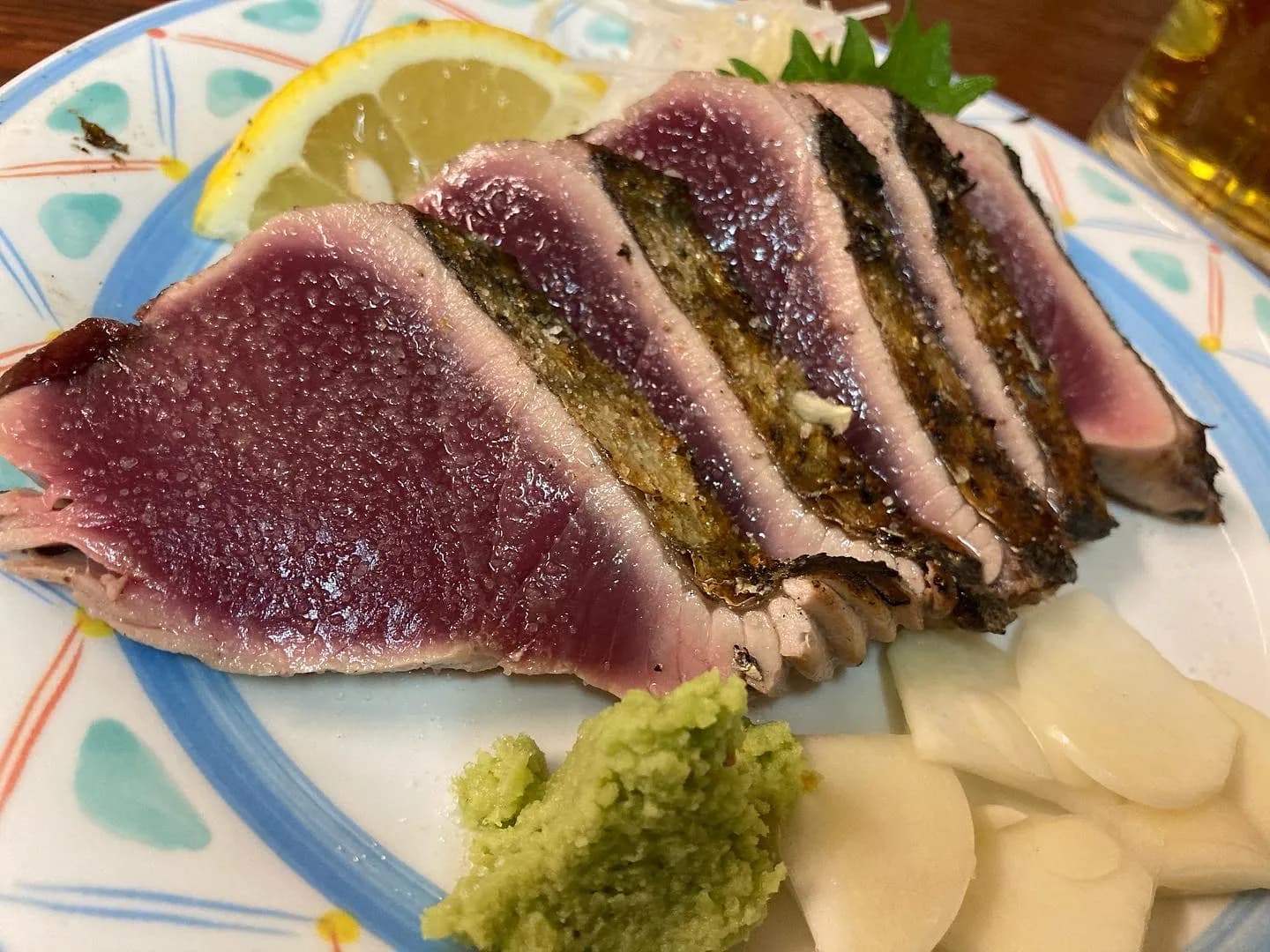
1) Katsuo no tataki (鰹のたたき) · Kochi’s signature bonito dish
Katsuo no tataki is Kochi’s representative local dish. The key is to quickly sear only the surface of bonito over straw fire, while keeping the inside rare.
It is often enjoyed with salt, yuzu (especially Kochi yuzu, “yuzu”), and garlic, creating a fresh yet bold flavor. Kochi is known for bonito fishing, so tataki eaten here is highly rated for its freshness and taste.
2) Kochi Morning (高知モーニング)
“Kochi Morning” is a unique cafe culture found across Kochi Prefecture. When you order just one drink, you often receive a generous set that may include toast, salad, egg, fruit, and more. Morning service exists across Japan, but Kochi’s version is especially famous for being very generous and great value.
This culture is also linked to local lifestyle in “Tosa (土佐),” often called a land of drinking, where nights can run long. After drinking late, people gather at cafes the next morning to settle their stomachs with something simple but filling.
Another feature is that each cafe’s set can be very different. Some offer a basic toast set, others serve a Japanese-style breakfast with rice and miso soup, and some even feel like a small buffet—so locals also enjoy “morning hopping.”
Most sets are served around 08:00–11:00, and prices are usually about the cost of a coffee, around 700–800 yen, making it easy for travelers too. It is often considered one of the best ways to experience Kochi’s everyday local culture before starting your day.
3) Boushi Pan (帽子パン)
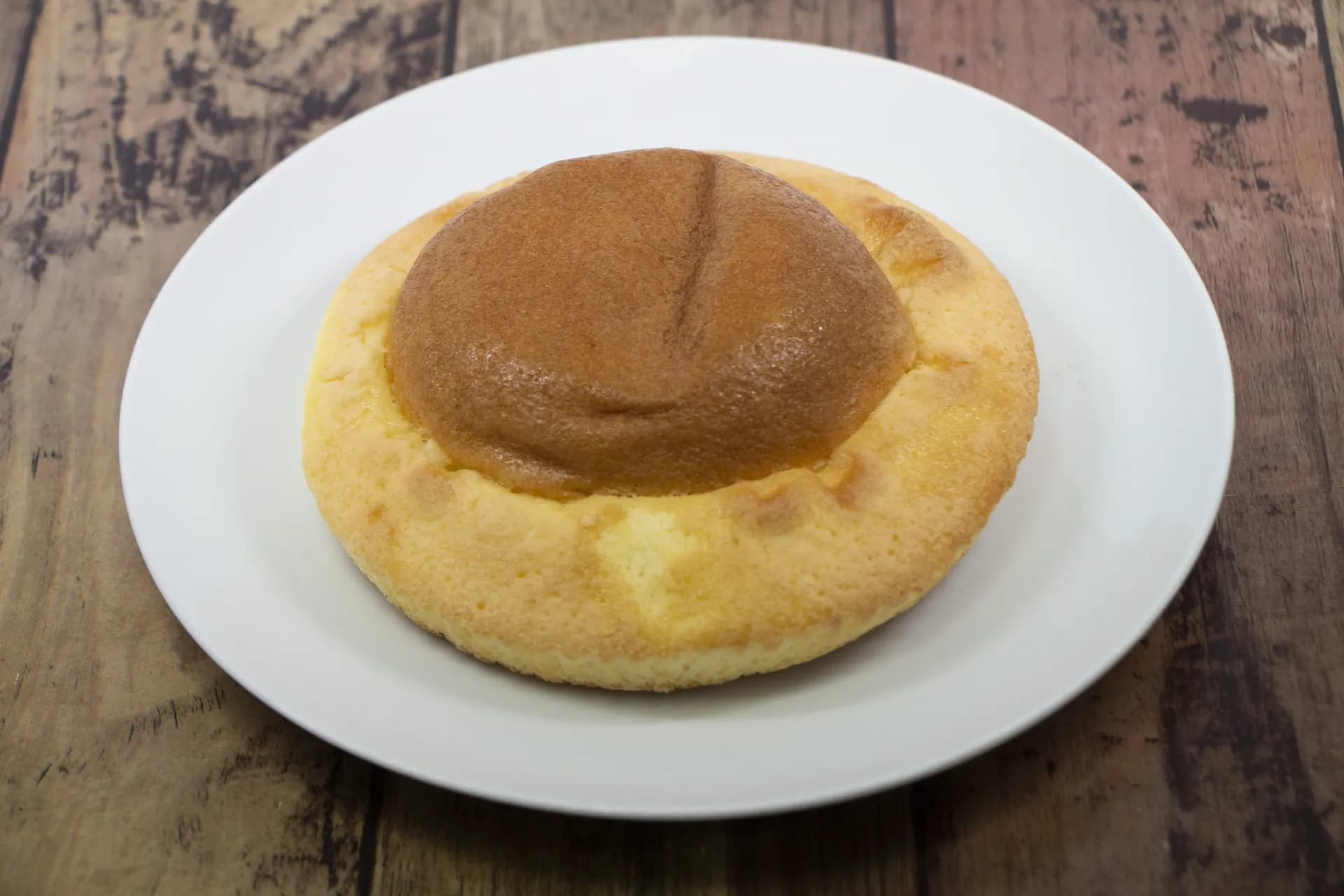
Kochi boushi pan is a local bread loved for generations in Kochi. Its name comes from the cookie dough on top that looks like a hat. It may look similar to melon pan found across Japan, but Kochi’s boushi pan is known for a stronger contrast between the outer and inner textures.
The outside is covered with a crisp, sweet cookie layer, while the inside is a soft, plain white bread. Because the cookie layer is wider and thicker, it often has a more noticeable outer crust than standard melon pan.
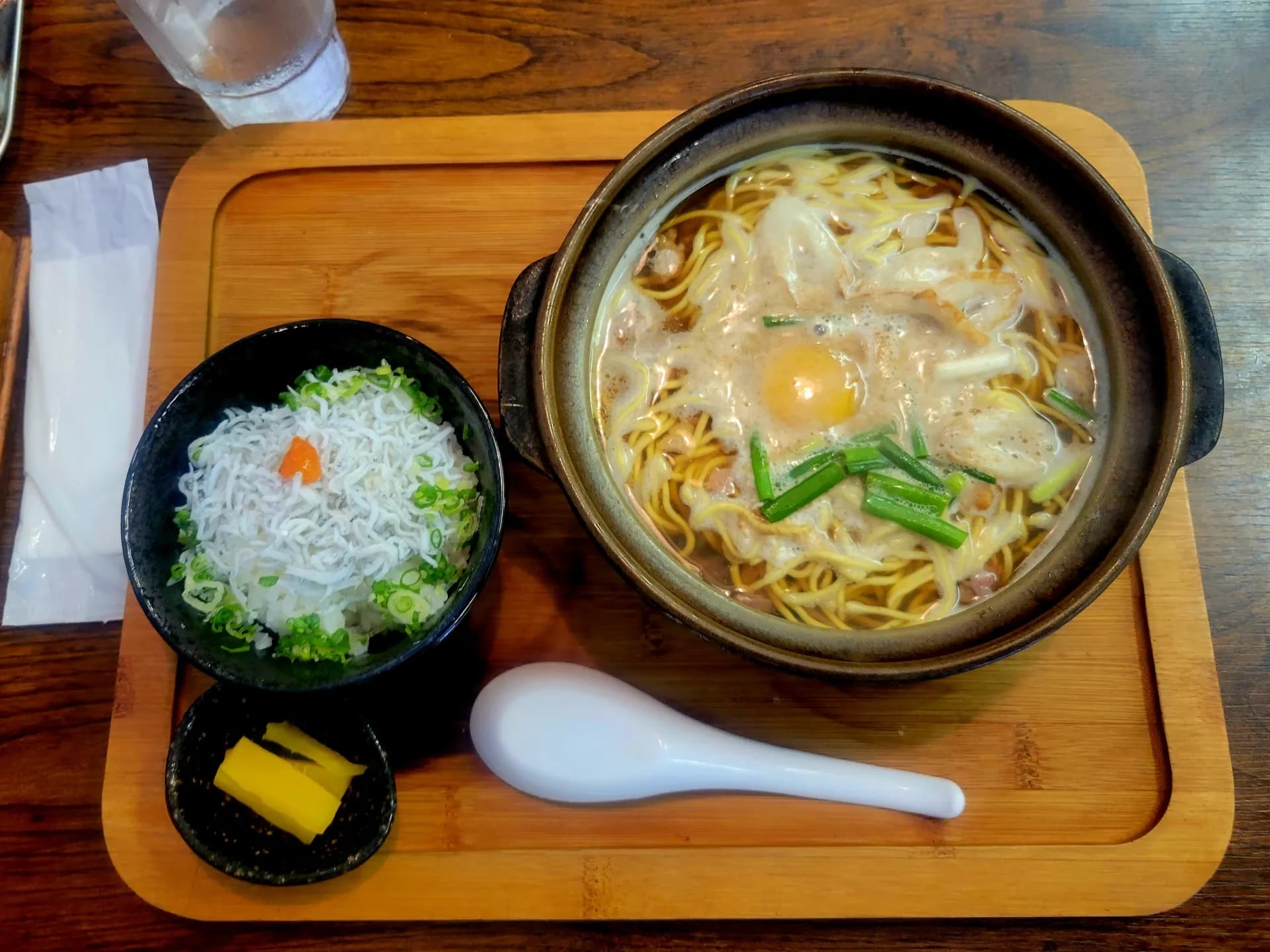
4) Nabeyaki ramen (須崎鍋焼きラーメン) · Hot-pot ramen
Nabeyaki ramen (鍋焼きラーメン) is a hot-pot style ramen that started in Susaki City (須崎市), Kochi.
It is based on chicken broth and is served boiling hot in a clay pot. With chewy noodles, egg, green onion, and chashu, it is loved by both locals and visitors for its deep taste and warming heat.
5) Kochi’s citrus-based food and drink culture
Kochi is known across Japan for a strong citrus-based food culture. Among many types, Buntan (文旦), Konatsu (小夏), and Yuzu (柚子) are key local ingredients. These fruits are not just snacks—they are deeply used across Kochi’s daily food, processed products, and dessert culture.
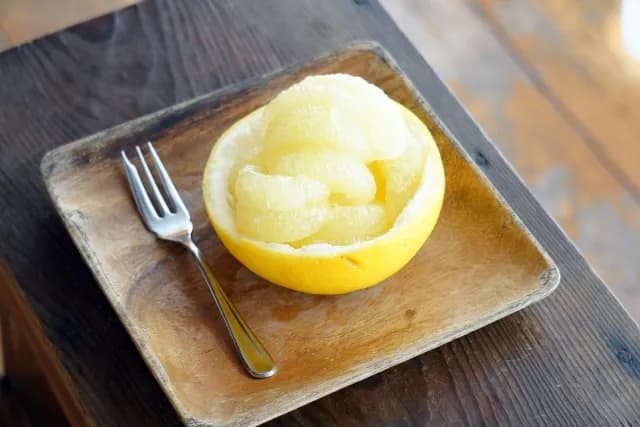
Buntan (文旦) is a large citrus fruit with thick peel. Its flesh is pale yellow and is known for a clean, refreshing taste rather than strong sweetness. It is often eaten fresh, used in salads and desserts, and is also seen as a premium gift fruit in Kochi. Its light sweetness and crisp texture make it a great after-meal fruit or simple dessert.
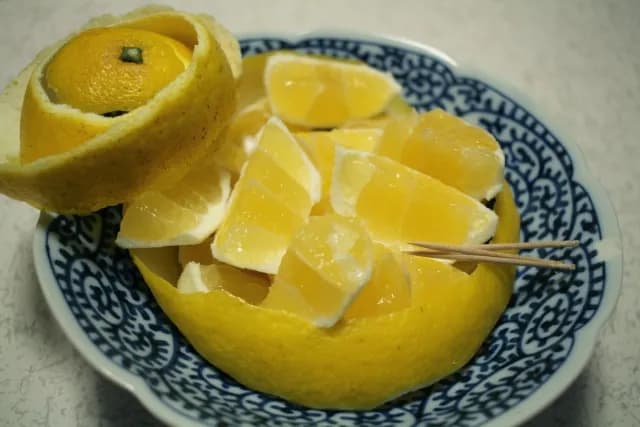
Konatsu (小夏) has a brighter sourness, and Kochi has a unique way of eating it. Instead of eating only the flesh, it is common to slice it while leaving the white inner pith, which adds a natural sweetness that softens the sour flavor. Because it tastes so fresh, it is loved as an early-summer dessert fruit and a local specialty.
Yuzu (柚子) is a core ingredient that symbolizes Kochi’s food culture. The flesh is rarely eaten, but the fruit is valued for its strong, refreshing aroma, used in many products such as yuzu ponzu, yuzu sauces, yuzu tea, and yuzu pepper paste. Kochi produces more than half of Japan’s total yuzu output, so yuzu-based cooking and food products are deeply present in everyday life.