IntroductionHow Matsuyama’s nearby areas are grouped
Day trips from Matsuyama can be planned in two main directions: south and north.
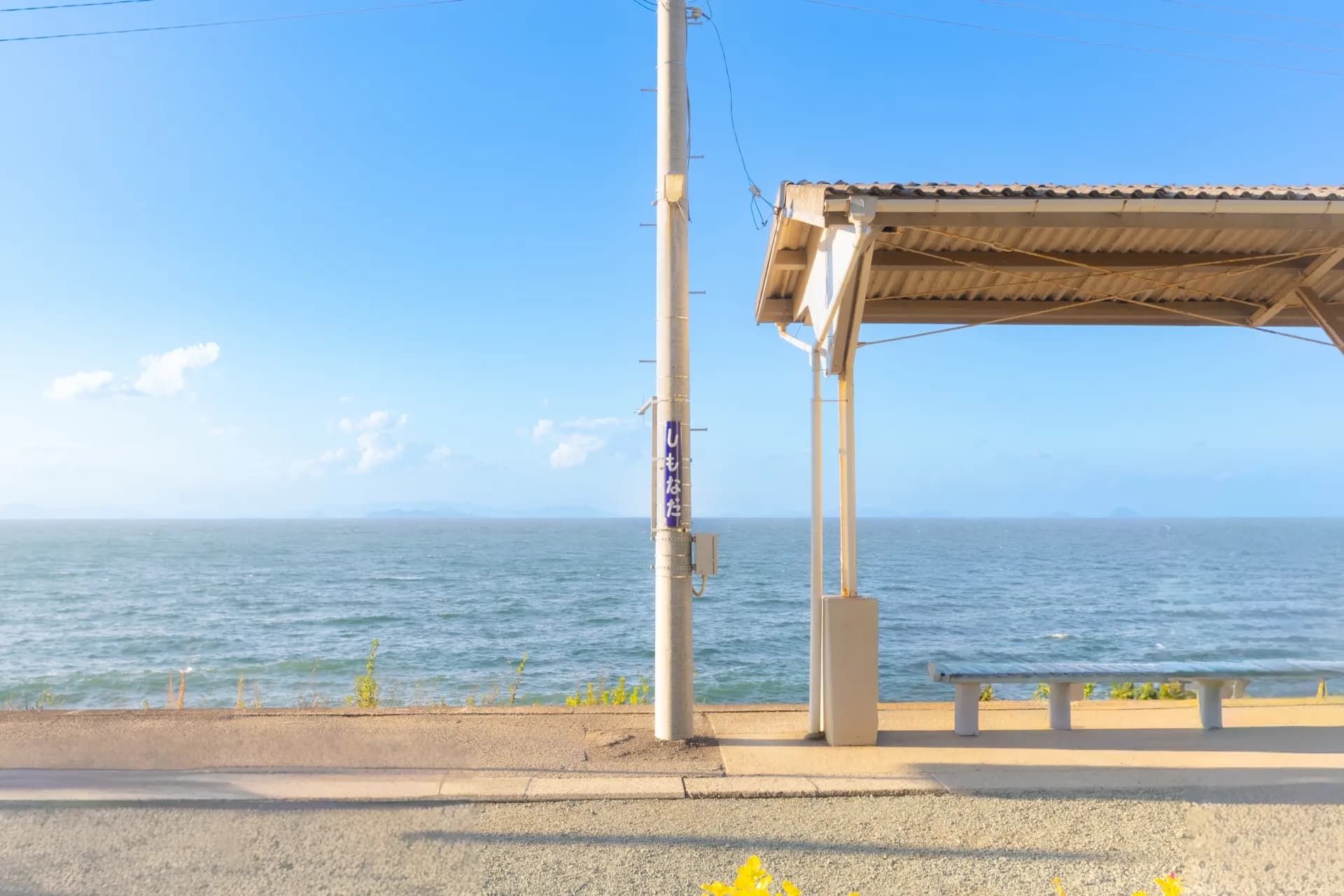
In the south, you have Uchiko, Ozu, and Shimonada Station. Recently, there are also half-day bus tours that cover all three in one route, which makes travel much easier.
In the north, the main areas are Baishinji Station and Mitsu (三津), where you can enjoy sunset views and a retro port-town atmosphere.
Depending on your schedule and travel style, you can choose either the south route with a bus tour or the north route for a slower independent trip.
Planning day trips from MatsuyamaHow to use transport passes and how to travel easily by bus tour
1. Uchiko–Ozu Town Walk 1-Day Pass
This is a 1-day pass that allows unlimited rides (non-reserved seats) on limited express and local trains in the JR Matsuyama–Uchiko–Ozu–Shimonada area.
If you are only visiting one of Uchiko, Ozu, or Shimonada and plan to do a simple round trip by local train, you may not need it (see the table below). However, if you plan to visit all three, the pass helps you use limited express trains to move faster and more efficiently, saving both time and money.
- Note: For the Iyonada Monogatari, reserved seats, and Green Car seats, you must buy a separate limited express ticket.
🚆 Local train fares & travel time (one-way)
| Route | Fare (one-way) | Travel time |
|---|---|---|
| Matsuyama → Uchiko | 850 yen | About 1 hour 3 minutes |
| Matsuyama → Iyo-Ozu | 1,080 yen | About 1 hour 21 minutes |
| Matsuyama → Shimonada | 850 yen | About 1 hour 18 minutes |
Uchiko, Ozu, and ShimonadaSouthern day-trip area from Matsuyama
1. Uchiko
A typical sightseeing flow in Uchiko is Uchiko Station → Uchikoza → Commercial and Living Museum → Yokaichi–Gokoku Preservation District → Kamihaga Residence → Koshoji.
If you want to include Koshoji (護国寺), it is often better to reverse the route. From Uchiko Station, take a taxi to Koshoji first (around 900 yen), then after visiting the temple, walk downhill through Kamihaga Residence → Preservation District → Uchikoza.
This reduces total walking distance, minimizes steep ups and downs, and helps you cover Uchiko’s key spots with less fatigue.
1) Uchikoza
A wooden kabuki theater built in 1916 and an Important Cultural Property that preserves the atmosphere of modern Japanese theater culture. The rotating stage and seating layout remain close to the original, so even a simple interior visit feels special.
- Currently under renovation, with partial alternative operations at Uchikoza Gakuya (dressing room and waiting area)
- Free coupon available
- Hours: 9:00–16:30
- Closed for New Year holidays (12/29–1/2)
2) Commercial and Living Museum
A theme-style museum that recreates a Meiji-era shopping street at full scale. With hands-on exhibits of shops, daily tools, and street scenes, it helps you understand how Uchiko grew as a “merchant town.”
- Free coupon available
- Hours: 9:00–16:30
3) Uchiko Yokaichi–Gokoku Preservation District of Traditional Buildings
Uchiko’s main preserved area, Yokaichi–Gokoku (八日市・護国), is famous for a quiet walking route lined with old merchant houses and traditional homes. Calm alleys and historic architecture blend well, making it easy to feel Uchiko’s small-town charm and historical atmosphere.
Preservation District location Learn more about the Preservation District4) Kamihaga Residence
A traditional home from the Edo to Meiji period, once owned by a wealthy merchant family that built its fortune through warosoku (和ろうそく), traditional Japanese candle production. The main house and production spaces are well preserved, and there is also a small museum explaining how wax was made. It is a great place to see architecture, daily life, and local industry history in one visit.
- Free coupon available
- Hours: 9:00–16:30
Warosoku (traditional Japanese candles) are made from plant-based materials (wax from the Japanese wax tree). They burn with a strong, straight flame and produce very little dripping wax. Because the light is calm and steady, they have long been used in temples, Buddhist rituals, and traditional ceremonies.
In Uchiko, the long-running candle shop “Omori Warosoku” has continued for seven generations since the Edo period. Even today, they make candles in the traditional way, using natural materials and handwork. You can sometimes watch artisans carefully layer wax by hand, making it a memorable stop for traditional craft culture in Uchiko.
Omori Warosoku location5) Koshoji
A small temple on the edge of Uchiko, known for a reclining Buddha statue and peaceful natural scenery. It is usually quiet, so it is a good place to enjoy a calm temple atmosphere. Seasonal views—especially cherry blossoms, fresh green leaves, and autumn colors—also make it popular for short walks.
- Free entry
2. Ozu
Ozu (大洲) is a traditional castle town in southern Ehime (Nanyo). With calm scenery along the Hijikawa River (肱川), it is often called “Little Kyoto of Iyo.”
From Iyo-Ozu Station to the main sights, distances are usually around 1.5–2 km, which can feel long if you rely only on walking. If you use local buses, the fare is 150 yen one-way, and you can cover the route efficiently in this order: Bansen-so → Garyu Sanso → Pokopen Yokocho (if open) → Kangō Sensei Memorial Monument → Ozu Castle.
If you are traveling with a group of 3–4 people, taxis can also be convenient without a huge difference in cost. If you take the bus, getting off at Garyu-no-Yu-mae (臥龍の湯前) bus stop usually gives the best walking flow.
1) Bansen-so
Built in 1926 by the Matsui family, who gained wealth through Southeast Asia trade, this modern Japanese-style villa features a three-story wooden structure, tropical hardwood, and strong stonework. As one of Ozu’s key cultural properties, it sits on a hill with great views over the river and town, and the interior can also be visited.
- Hours: 09:00–17:00, open daily
- Admission: Adults 550 yen, children (middle school and under) 220 yen
- 270 yen with a coupon
2) Garyu Sanso
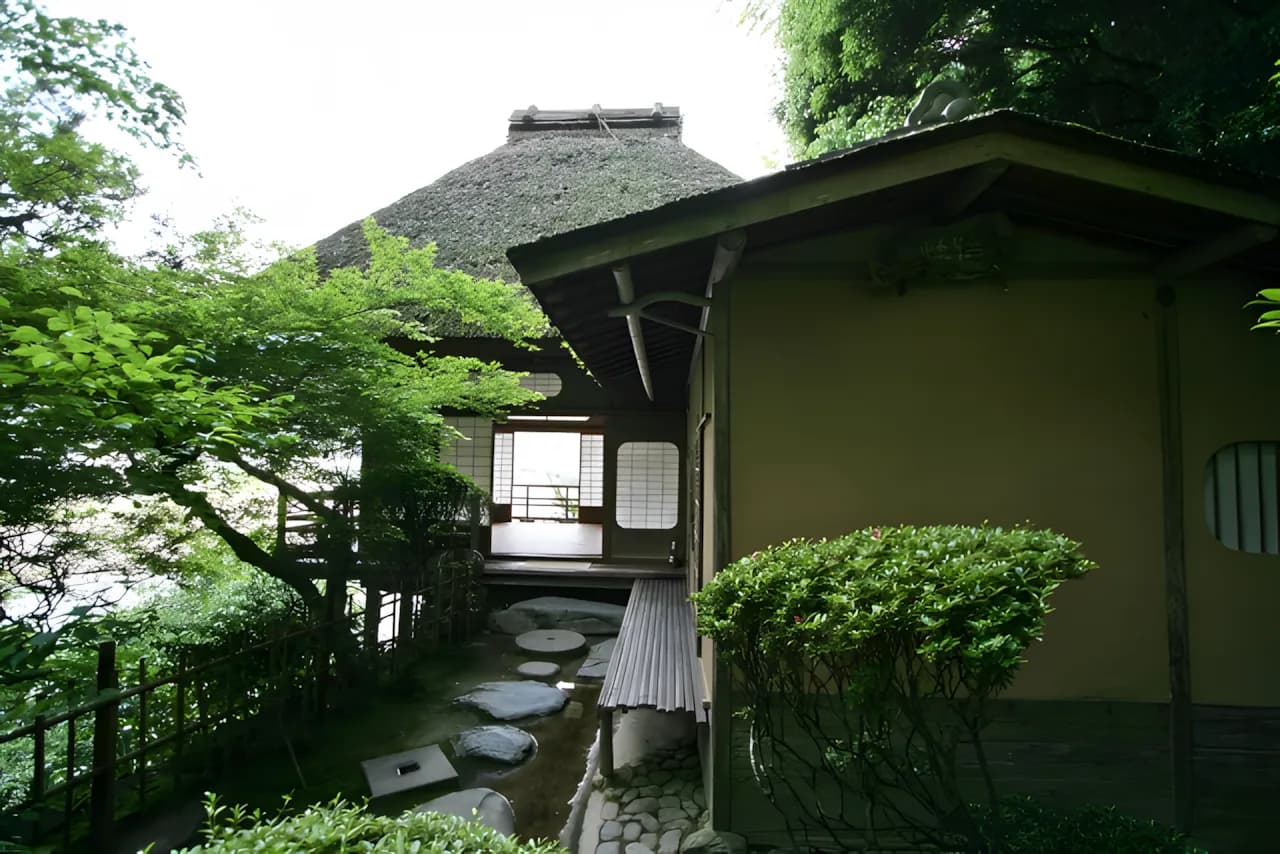
A villa built on a cliff above the Hijikawa River, often praised as a perfect harmony of nature and architecture. The river view, connected scenery, gardens, and tea rooms are all carefully designed, and it is often listed as one of “Japan’s three great modern architectural sites.”
- Hours: 09:00–17:00 (last entry 16:30)
- Admission: Adults 550 yen, children (middle school and under) 220 yen
3) Pokopen Yokocho
A themed retro alley that recreates the atmosphere of the Showa era. Old toys, nostalgic snacks, and photo spots make it a fun place to enjoy a “classic Japan” mood. It is especially popular with families and couples, and events are often held on weekends.
- Hours: 09:00–15:00
- Admission: Adults 200 yen, children 100 yen
- Mainly open on Sundays, but it may close on some dates, so check the official website before you go.
4) Ozu Castle (大洲城)
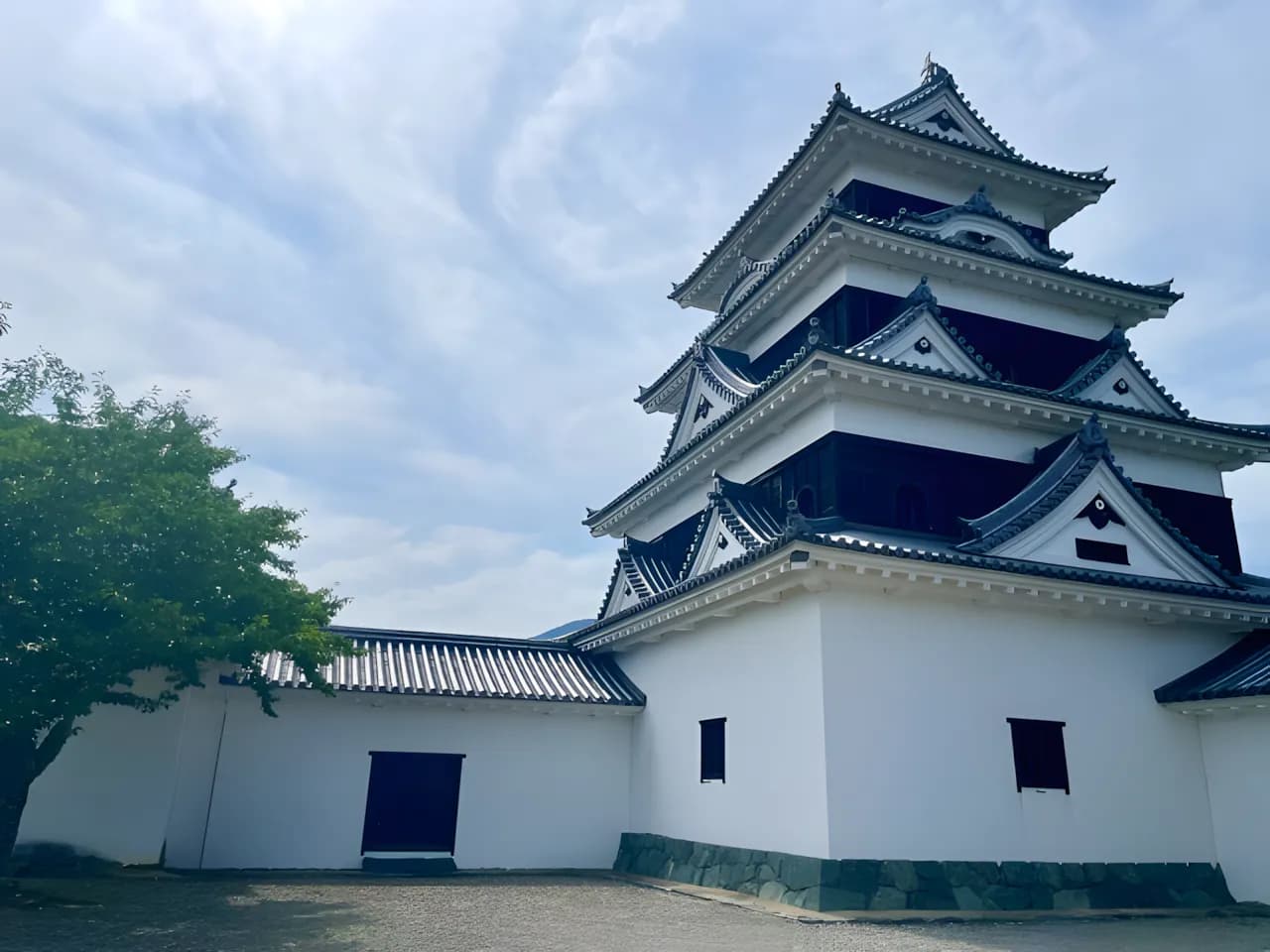
Ozu Castle (大洲城) is known for being one of the rare castles in Japan rebuilt with a strong focus on wooden construction. It is considered one of the most beautiful castles in Shikoku. From the main keep, you can enjoy wide views of the Hijikawa River and the quiet castle town, and the soft night lighting creates an especially atmospheric scene.
- Hours: 09:00–17:00 (last entry 16:30)
- Open daily
- Admission: Adults 550 yen, children (middle school and under) 220 yen
- 270 yen with a coupon
3. Shimonada Station
Shimonada Station is often mentioned as one of the biggest reasons travelers visit Matsuyama. Photos with the sea at sunset became viral on social media, and the station is now widely known as “Japan’s best sunset station.”
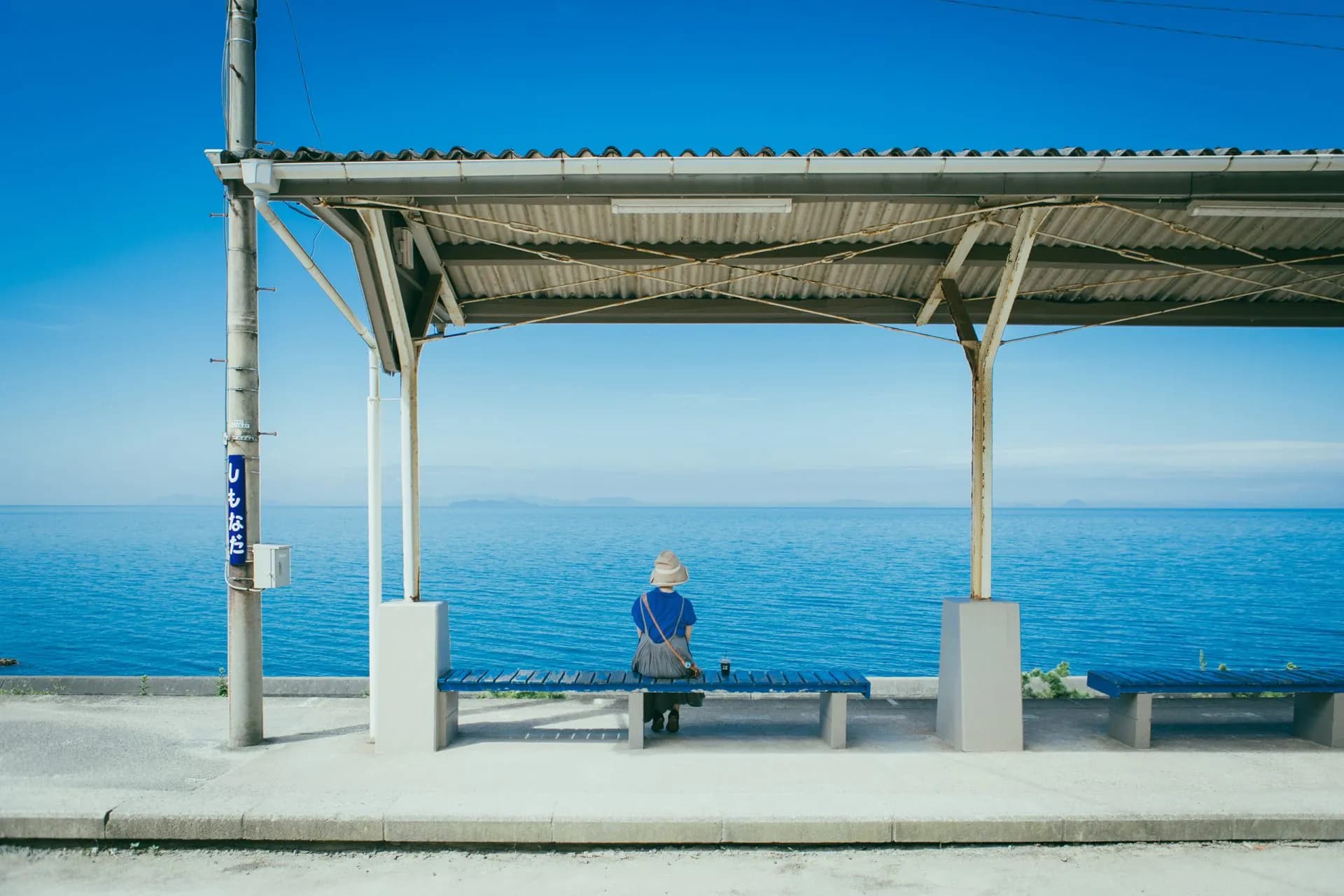
This station became famous through a JR Seishun 18 Ticket poster campaign. The two benches on the platform facing the sea are a symbol of Shimonada Station, and many travelers still time their visit to catch the sunset view.
Another place that became famous together with Shimonada Station is the so-called “Seaside Railway Path.” This area includes the former Wakamatsu Shipyard, but it is currently not operating and is private property, with no public access.
Entering without permission can cause problems, so it is best not to go in. If you still want to see the area, do not go down—enjoy the view from the road bridge above from a safe distance.
Mitsu and Baishinji StationNorthern day-trip area from Matsuyama
The southern route (Uchiko, Ozu, Shimonada) is well known and has a steady flow of visitors.
If you want a more local, retro mood, the northern area is usually a better match. It is not far from central Matsuyama, so you can easily do it as a half-day afternoon trip. It is especially recommended if you prefer quieter places over busy tourist spots.
1. Mitsu port town
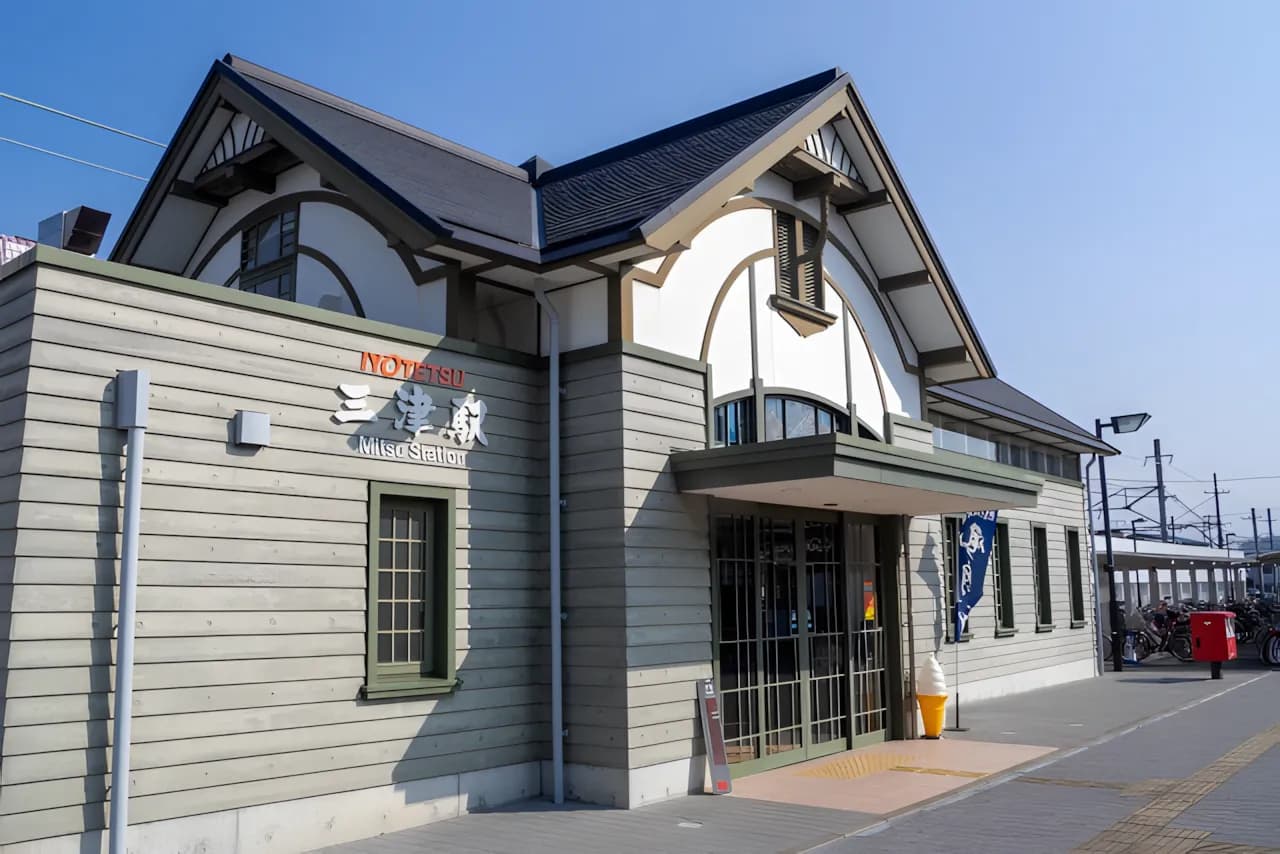
1) Mitsu Station (三津駅)
A small local station on the Iyo Railway Takahama Line, and a starting point for exploring the old port town of Mitsuhama (三津浜). The area is quiet, but within a 5–10 minute walk you will reach traditional houses and old shopping streets, perfect for a relaxed “old town walk.”
2) Mitsu town streets
The alleys that lead from Mitsu Station toward the port are the core area of Mitsuhama, where Edo- and Meiji-era merchant houses and wealthy residences are still preserved.
- A street of traditional wooden merchant houses (町家) that once supported sea trade
- Narrow alleys, retro signs, and wooden facades make it popular for walks
- Many cafes and galleries use old buildings, creating a strong “retro × cozy” atmosphere
3) Former Hamada Clinic (旧濱田医院)
One of Mitsu’s landmark buildings, a wooden clinic structure that keeps the atmosphere of the Meiji to Taisho period.
- A well-preserved example of early modern medical facilities
- Now used as a gallery, cafe, and exhibition space
- One of Mitsuhama’s most popular photo spots
4) Mitsuhama-yaki (三津浜焼き)
A local okonomiyaki style that began in Mitsuhama, with a very different character from the versions you find in big city centers.
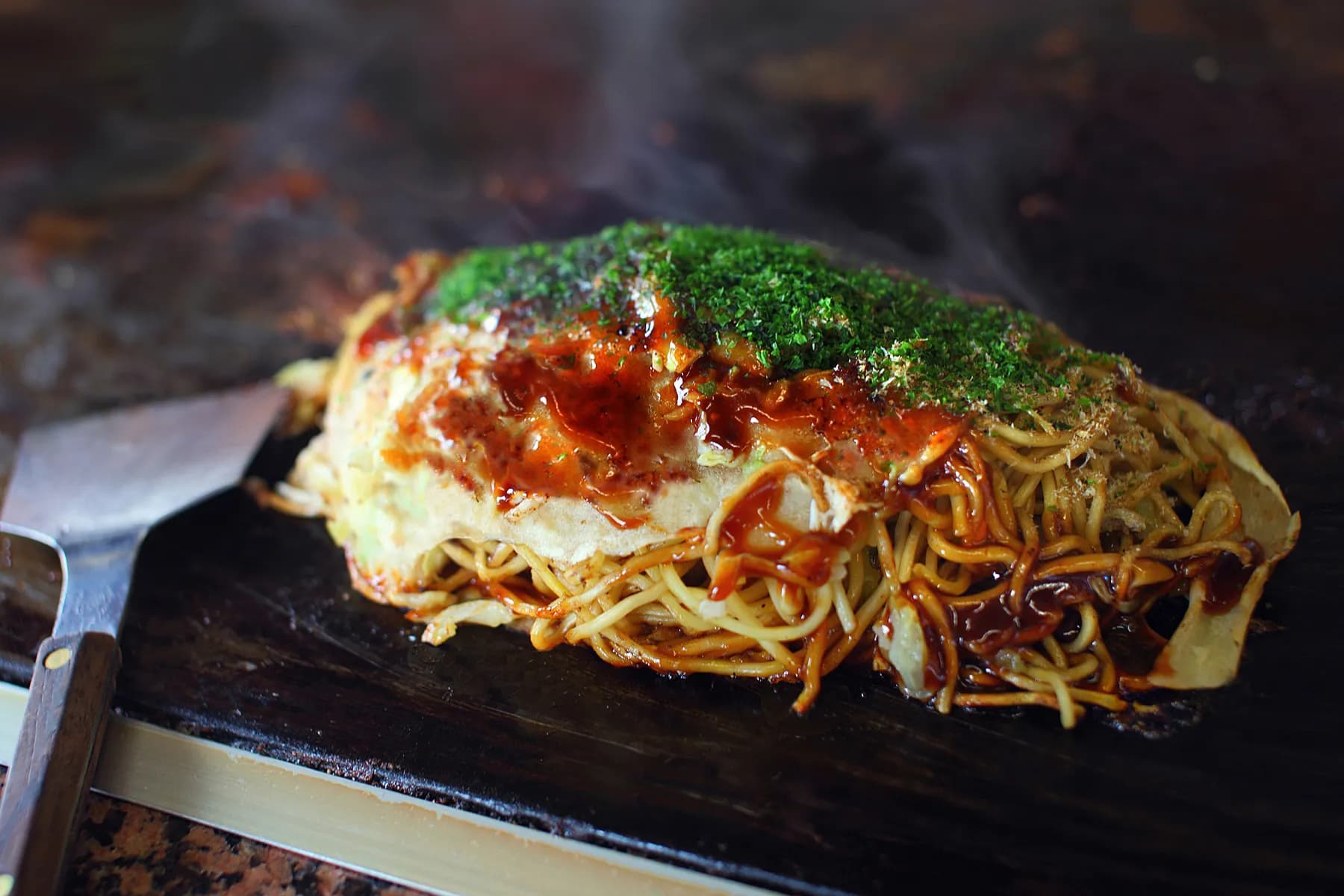
- Thicker and lighter than standard okonomiyaki
- Grilled in layers with batter, cabbage, meat, and more (often without noodles)
- Crispy yet filling texture
- Many long-running specialty shops in Mitsu for “original-style” tasting
5) Mural street
Around Mitsuhama, you can find small murals and art pieces created by local artists.
- Small murals themed around the sea, harbor life, cats, and old houses
- A cute atmosphere, popular as a photo spot
- The art colors match the retro port-town mood very well
2. Baishinji Station
Like Shimonada Station, Baishinji Station is close to the sea and is also known for sunsets. If you compare the two, Shimonada is famous for the station building and benches, while Baishinji has a nicer beachside atmosphere at dusk. If you only have time for one, choose based on your preference.
Around the station, there is Mican Park (Mican Cafe), a small park, the beach, and a walking path, so it is easier to feel the sea up close.
Baishinji Station location Mican Park calendarBaishinji Station does not have a station toilet. The nearest toilet is at Baishinji Park, but it is only available until 17:00, and it is closed every Thursday (if Thursday is a public holiday, it closes on the previous weekday).
Also, Mican Park (Mican Cafe) is open until 16:30 on weekdays and 17:00 on weekends, so after 17:00 it can be hard to find a toilet nearby.
If you plan to visit at sunset, it is best to use the toilet before you arrive. This is especially important if you plan to cross by ferry from Mitsu—visit the Mitsu public toilet (location) before you depart.
Exclusive TourCast Tips!
How to reach Baishinji Station easily
After exploring Mitsu, if you do not know about the ferry and try to move on, you may end up walking about 500 m back to Mitsu Station to take the train, or walking an extra 2 km to Baishinji Station, which makes your route inefficient.
However, if you use the free service run by Matsuyama City—the Mitsu-no-Watashi (三津の渡し) ferry—the situation changes completely. From the Mitsu-no-Watashi pier, you can cross to the other side in one ride, then walk past Buena Vista Baishinji Cafe and reach Baishinji Station smoothly.
Even if you arrive and do not see the boat, there is no need to worry. Press the call button at the pier, and the captain will bring the ferry over right away.
If you plan to use the ferry, bringing a small snack for the captain can be a warm travel gesture. (Not required—just an optional thank-you!)
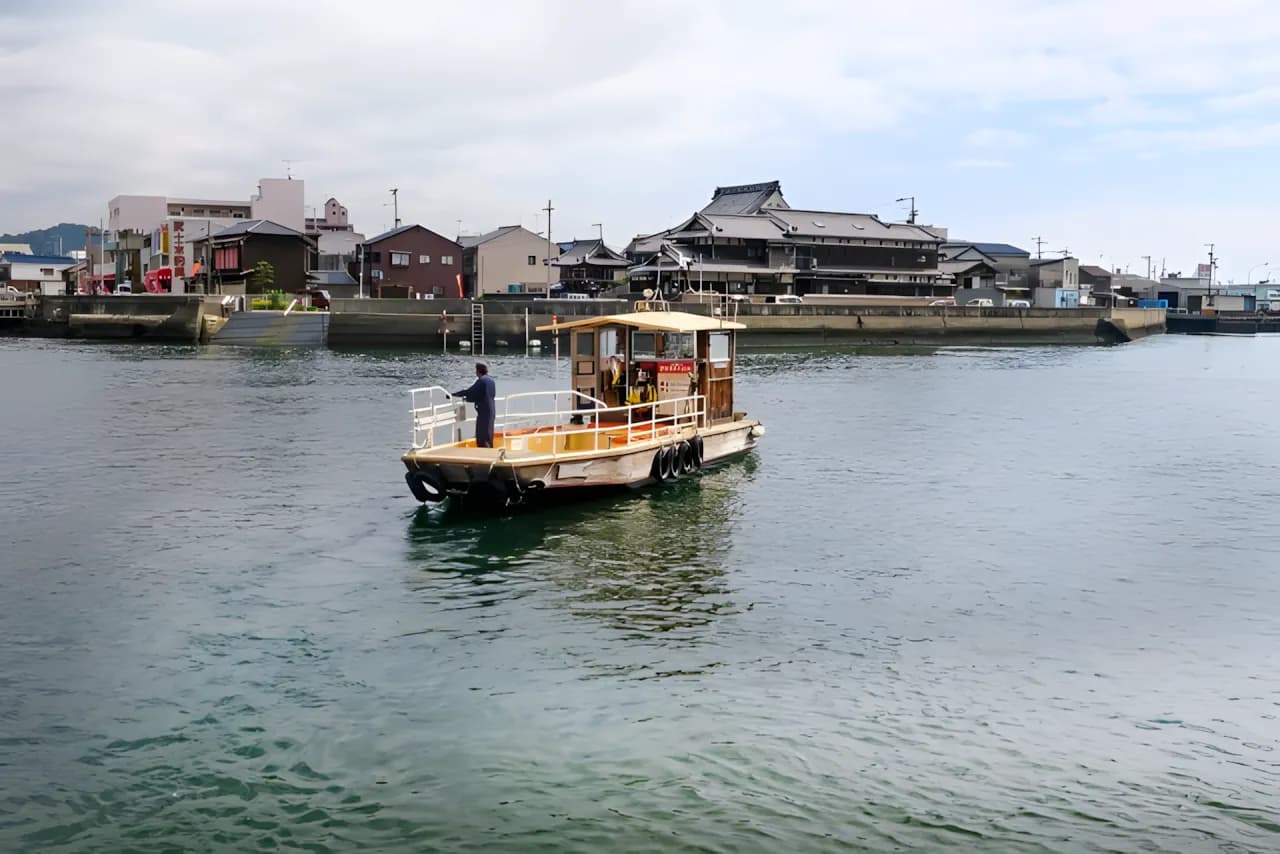
- 07:00–19:00, open daily
- Service may stop during heavy rain