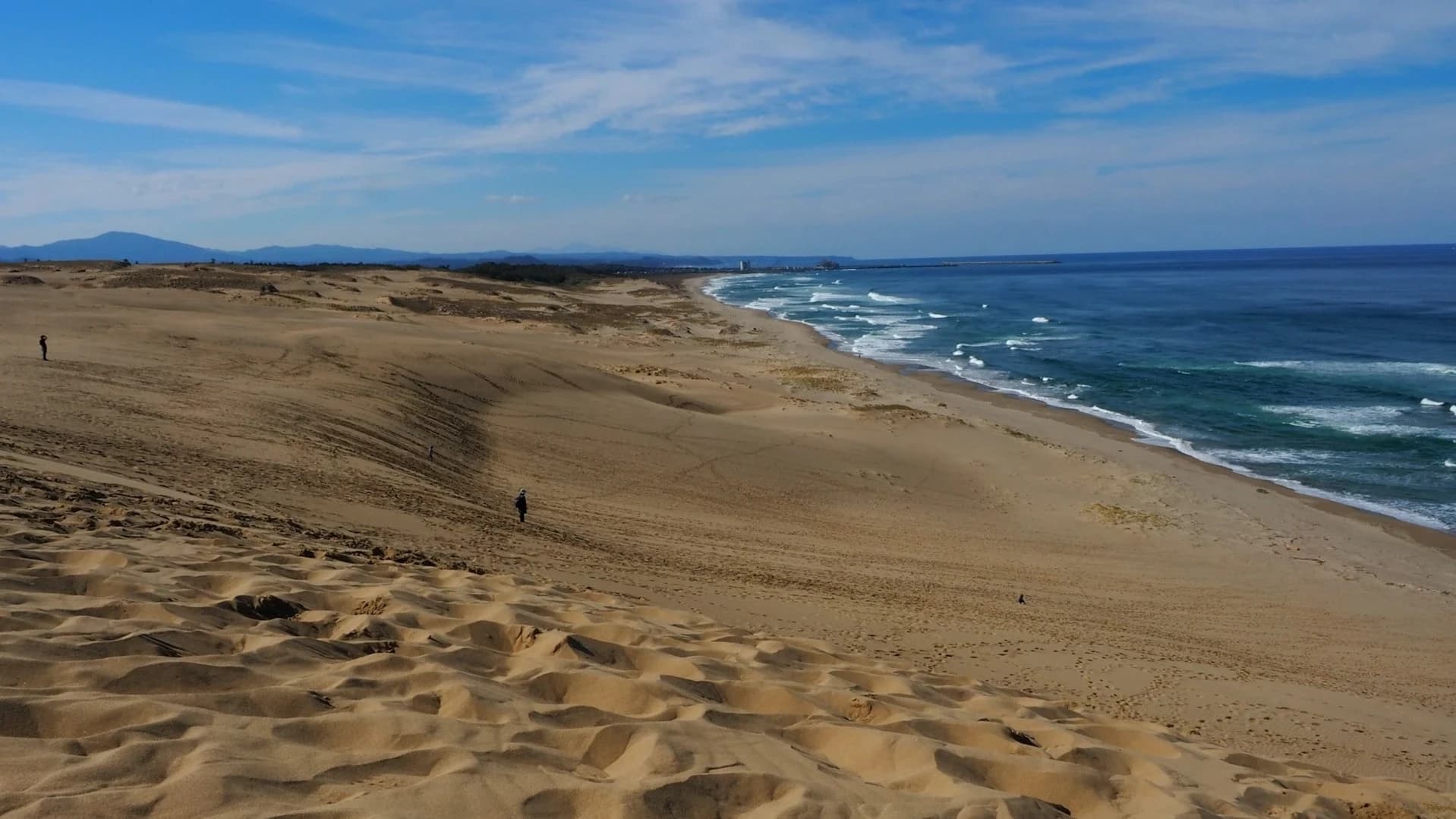
Tottori (鳥取)A city preserving vast sand dunes and mystical nature.
Tottori City is famous for the Tottori Sand Dunes, the largest coastal sand dunes in Japan. Here, you can witness a mysterious natural landscape where the beautiful coastline, carved by the rough waves of the Sea of Japan, meets the sand.
The sight of vast sand dunes accumulated over 100,000 years harmonizing with the clear blue sea offers a special experience rarely seen in other Japanese cities. Notably, the city offers convenient transportation services like the 4,000 yen taxi for international tourists. Thanks to this, you can easily and comfortably explore major attractions such as the Tottori Sand Dunes, the Sand Museum, and the Uradome Coast.
Tottori 4,000 Yen Taxi TourA budget-friendly taxi tour guide for international tourists.
While locals would pay approximately 13,100 yen for a 3-hour rental, international tourists can use this service for the very low price of 4,000 yen. It is extremely economical, especially for groups of 3 to 4 people, as the cost savings are significant.
1. Usage Guide
- Fare: 4,000 yen per taxi. (Accommodates up to 4 people; this is not a per-person rate.)
- Duration: The tour follows a set course for a basic 3-hour period.
- Eligibility: Available only to international tourists. (You must bring your passport.)
- Service Hours: Operations run from 9:00 AM to 5:00 PM. (Open year-round, except for December 31 and January 1.)
- Location: Apply at the International Tourist Support Center located in Tottori Station.
2. Popular Representative Courses
| Course Type | Major Spots (3-hour duration) | Features |
|---|---|---|
| Course A (Dunes Focus) | Tottori Station → Tottori Sand Dunes (Sand Museum) → Uradome Coast (viewing from car) → Tottori Castle Ruins → Tottori Station | The most popular basic course. |
| Course B (Myth & Bonds) | Tottori Station → Hakuto Shrine & Coast → Tottori Sand Dunes → Tottori Castle Ruins → Tottori Station | A mythology exploration course for finding love and bonds. |
| Course D (Gourmet Market) | Tottori Station → Tottori Sand Dunes → Karoichi Seafood Market → Tottori Station | Allows for dune sightseeing and a fresh seafood meal. |
| Anime Course | Tottori Station → Uradome Coast (Anime Location) → Tajiri Port → Tottori Station | Visit the real-life locations from the anime 'Free!'. |
3. Important Notes
1) Reservations and Timing
Advance reservations are not necessary. You can depart immediately by applying in person at the reception desk. This service charges a fixed rate for exactly 3 hours. Since additional charges apply if the time is exceeded, please manage your sightseeing time carefully.
2) Additional Costs and Requirements
Costs such as admission fees, meals, and dune parking fees (500 yen) are not included in the taxi fare and must be paid separately. You must carry your passport for verification to receive the international tourist benefit.
3) Other Information
Some locations, like the Sand Museum, may be closed on specific dates. It is recommended to check business hours in advance. Also, as this project is funded by the city budget, it may end without notice once the allocated funds are exhausted.
Tottori 4,000 Yen Taxi Tour InfoChoosing a course that includes Hakuto Shrine or the Uradome Coast, which are difficult to reach by bus, provides value far exceeding the 4,000 yen cost.
Tottori Sand Dunes and the Sand MuseumA place to enjoy both natural wonders and spectacular art.
These representative symbols of Tottori allow you to witness Japan's largest coastal sand dunes, formed over 100,000 years, alongside world-class sand sculpture art.
1. Tottori Sand Dunes
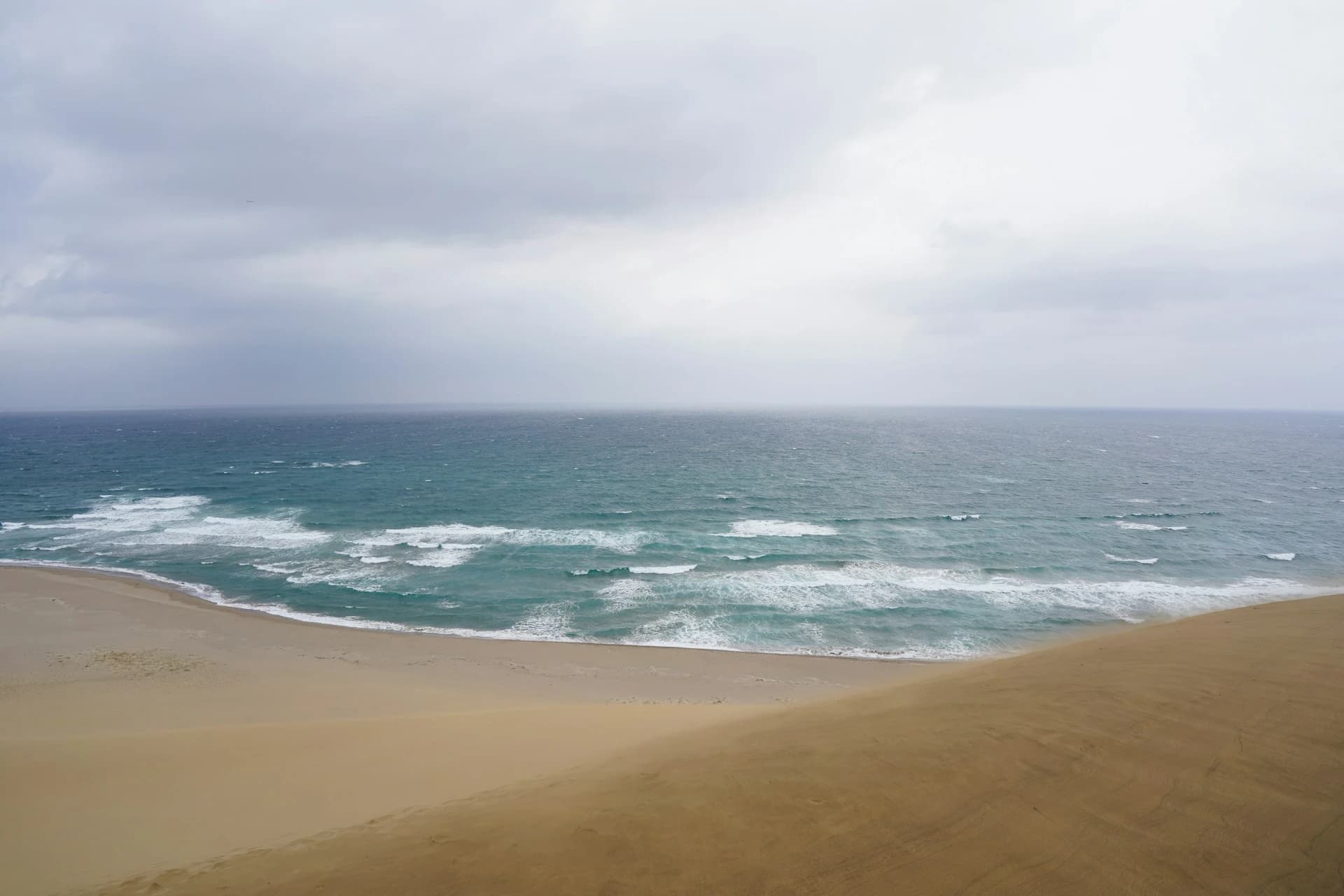
This vast sand dune spans 2.4 km from north to south and 16 km from east to west. Standing here feels as though you have arrived in a desert. You can enjoy various activities such as camel riding, paragliding, or sandboarding.
- Difference between Desert and Sand Dune: A desert is land where life struggles to survive due to almost no rainfall. Conversely, a sand dune is a hill created by the gradual accumulation of sand carried by the wind. The Tottori Sand Dunes are a natural masterpiece created by the combination of sea breezes and sand.
2. Sand Museum
The world's first museum specializing in sand sculptures, located right next to the dunes. Every year, a new theme is selected, and sculptors from around the world exhibit massive works created using only sand and water.
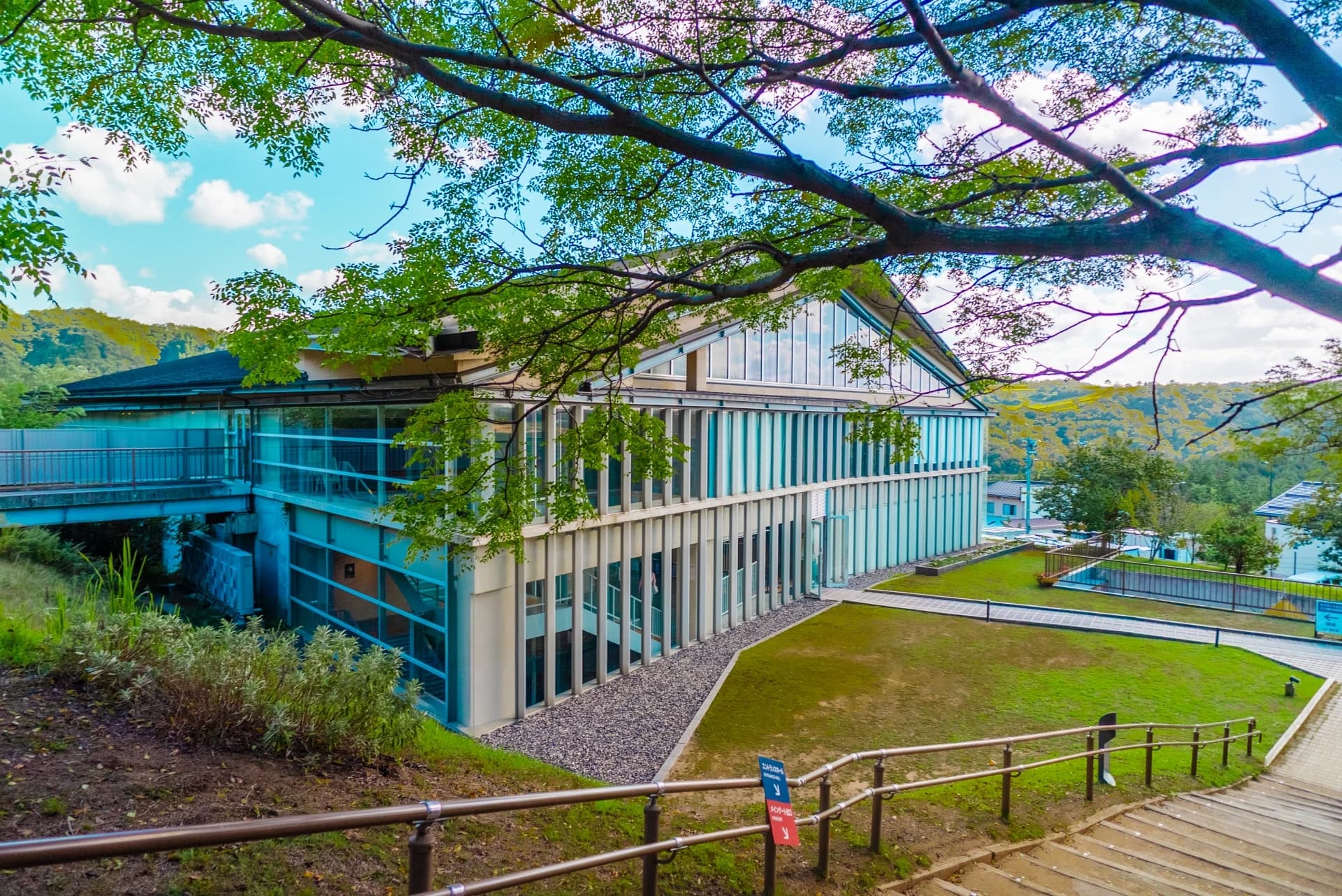
- Artistic Value: It is the top attraction utilizing the dunes. It is particularly special as it is a rare type of museum. Be sure to check the schedule before going, as it closes during periods when exhibitions are being changed.
Uradome CoastA breathtaking view where clear waters and strange rock formations meet.
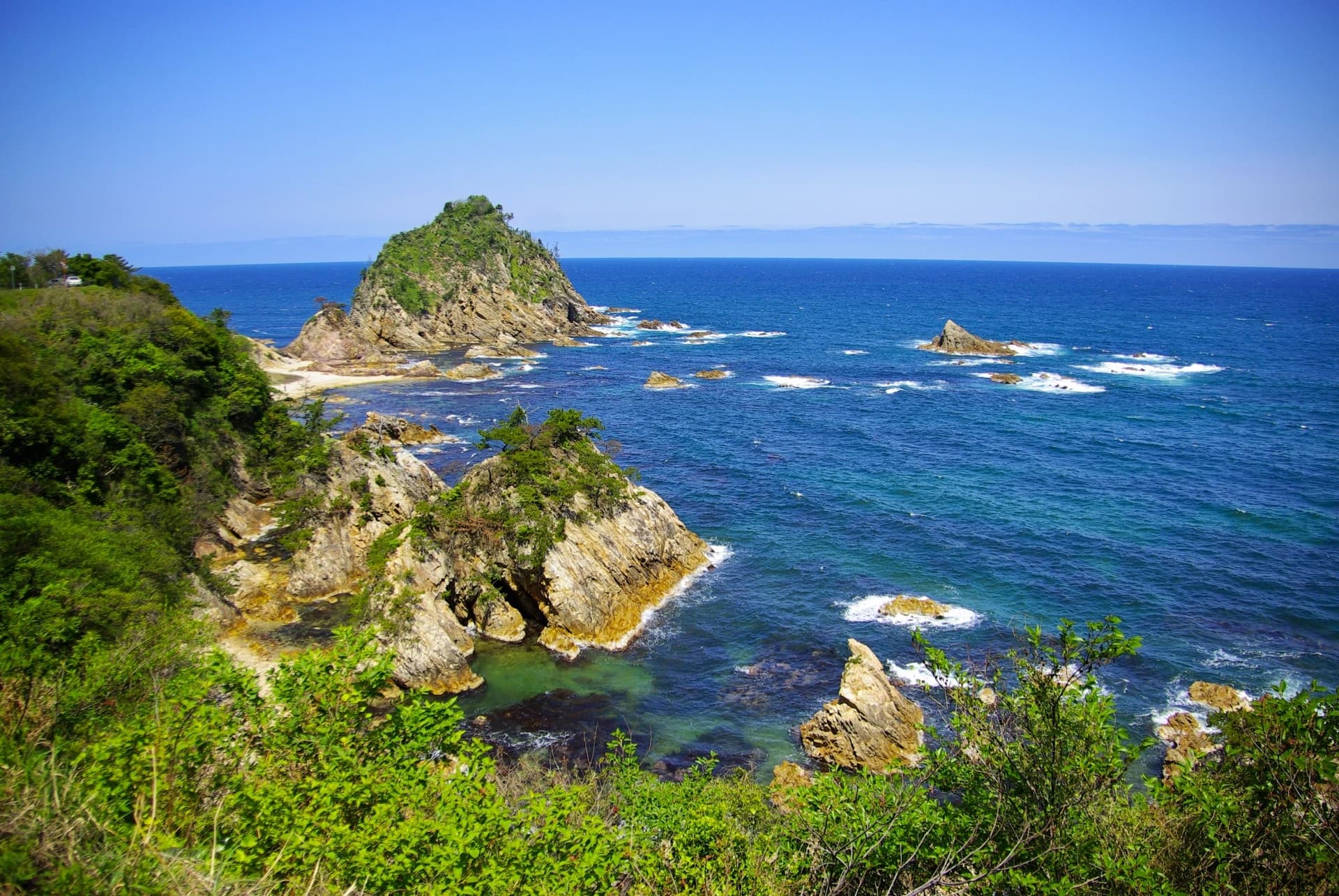
Often called the 'Matsushima of San'in,' this beautiful coast features transparent waters and uniquely shaped rocks.
- What is Matsushima? It refers to one of the three most beautiful views in Japan, where hundreds of islands with pine trees float in the sea. The Uradome Coast earned this nickname because its scenery is equally beautiful.
- Walking Course: A well-maintained walking path follows the sea, making it perfect for a light stroll. It is also a great spot for taking beautiful photos against the backdrop of the blue ocean.
Sightseeing Boat Tours
There are three ways to enjoy the clean sea, which is clear enough to see 25 meters deep. You can choose according to your preference: a large boat, a small boat that enters caves, or a fast boat.
- Precaution: Boats may not operate in poor weather. Specifically, the small boat Uradome-go and the AQUA are heavily affected by waves, so check in advance if they are running that day.
| Category | 1. Island Cruise | 2. Small Boat 'Uradome-go' | 3. Fast Boat 'AQUA' |
|---|---|---|---|
| Period | March 1 – November 30 | Late April – Mid-October | Late April – Mid-October |
| Hours | 09:30 – 15:30 (hourly) | 09:00 – 15:00 (hourly) | 5 times daily |
| Duration | Approx. 40 mins | Approx. 50 mins | Approx. 35 mins |
| Fare | Adult 1,800 / Child 900 | Adult 2,500 / Child 1,800 | 4,000 per person (Middle school–Age 60) |
| Key Features | Large boat, wheelchair accessible | Enters narrow caves, underwater viewing | High speed, thrilling experience |
Tottori Castle RuinsA park where traces of the old castle and history remain.
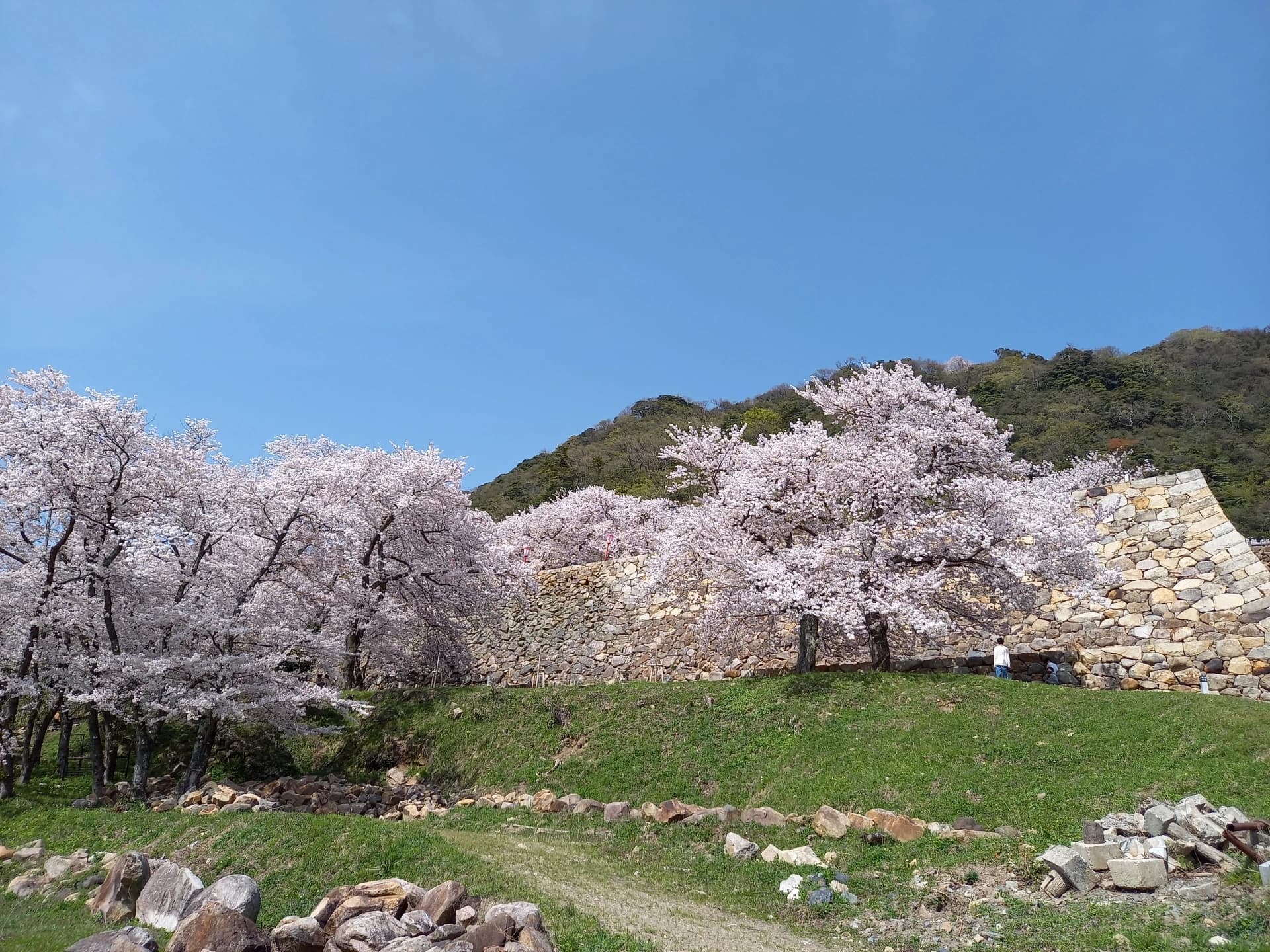
This was once the center of rule for Tottori. Today, the grand stone walls and ramparts remain to tell the story of the past. Notably, this was the site of the tragic battle during Hideyoshi's brutal 'starve-out' strategy.
Currently developed as a castle ruins park, it becomes exceptionally beautiful in spring when the ruins are filled with cherry blossoms. It has been selected as one of the 100 best cherry blossom spots in Japan.
1. The Battle of Tottori: 'Starve-out Strategy'
In 1581, the method Toyotomi Hideyoshi used to capture Tottori Castle was extremely cruel. It is recorded in Japanese history as one of the most harrowing battles.
1) Hideyoshi's Starvation Tactic
Instead of fighting directly, Hideyoshi utilized a strategy to deplete the food supplies inside the castle.
- Buying up Rice: Before the war, he bought up all the nearby rice at high prices, ensuring there was no food left to stockpile inside the castle.
- Driving in Civilians: He encouraged nearby villagers to flee into the castle. As the population increased, the food ran out much faster.
- Blockade: He blocked all routes by sea and land to prevent food from entering from the outside.
2) The Tragic Result
Trapped for about four months, the situation inside the castle became horrific.
- The Tragedy of Hunger: The situation was so dire that people, unable to bear the hunger, ate livestock, grass, and even other humans.
- The Sacrifice of the Lord: The castle lord, Kikkawa Tsuneie, surrendered on the condition that he take his own life to save the remaining people in the castle.
2. Jinpukaku
Jinpukaku is a Western-style building located below the Tottori Castle Ruins. Built in 1907, it features elegant white walls and red roofs. It is also famous as a filming location for the movie 'Rurouni Kenshin.'
Tottori Castle Ruins LocationHakuto ShrineA matchmaking shrine steeped in the legend of a cute white rabbit.
This shrine is the setting for the legend of the 'White Rabbit of Inaba,' one of Japan's oldest myths. Located near the Hakuto Coast with a view of the blue sea, the scenery is beautiful.
1. The Legend of the White Rabbit of Inaba
Recorded in the 'Kojiki' (the oldest historical record of Japan), this myth is set on the Hakuto Coast of Tottori and tells the story of a clever rabbit and a kind-hearted god.
1) The Rabbit's Trick and Trial
Long ago, a white rabbit living on Oki Island wanted to cross to the mainland (Inaba). The rabbit tricked sharks in the sea, proposing a contest to see whose group was larger.
After lining the sharks up and stepping on their backs like stepping stones, the rabbit mocked the sharks just before reaching the mainland. Enraged, the sharks stripped off all the rabbit's fur.
2) The Suffering Rabbit and the Cruel Gods
While the rabbit was crying in pain, the brothers of Okuninushi, who were on their way to propose to Yakami-hime, appeared. These cruel brothers lied to the rabbit, causing even greater pain.
- Cruel Advice: "Wash your body in seawater and expose yourself to the wind on a high mountain."
- Result: Doing as told, the salt in the seawater caused the rabbit's skin to crack, making the pain much worse.
3) Salvation by Okuninushi
The youngest brother, Okuninushi, who was passing by later carrying the luggage, found the suffering rabbit. Unlike his brothers, he sincerely cared for the rabbit and gave the correct advice.
-
He instructed the rabbit to wash in fresh water and lie on cattail pollen. Thanks to this, the rabbit regained its white fur and healed its wounds.
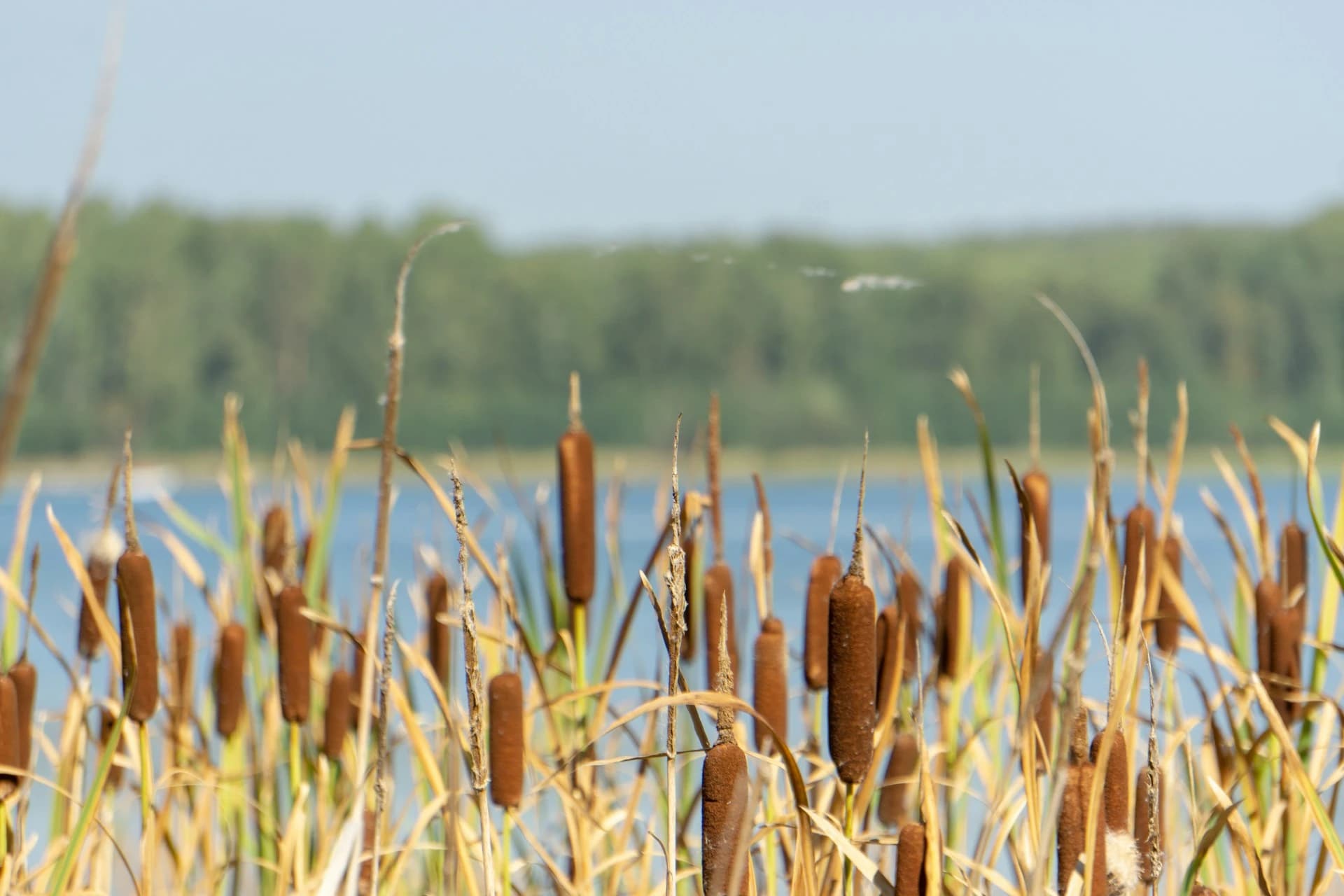
Cattails that release white powder when burst -
In return, the healed rabbit prophesied, "It will be you, not your brothers, who marries the beautiful Yakami-hime." This prophecy came true, and the rabbit who connected the two became a symbol of matchmaking.
A very similar story to the 'White Rabbit of Inaba' is told on Odongdo Island in Yeosu, South Korea. Both myths feature a rabbit using its wits to cross the sea.
2. A Sanctuary for Matchmaking
According to the legend, this is the place that connected the love between 'Okuninushi-no-kami,' who saved the rabbit, and 'Yakami-hime.' Because of this, it is widely known as a shrine that forms precious bonds and love. It is visited by many as a 'Sanctuary for Lovers.'
3. Cute Rabbit Statues and Wishing
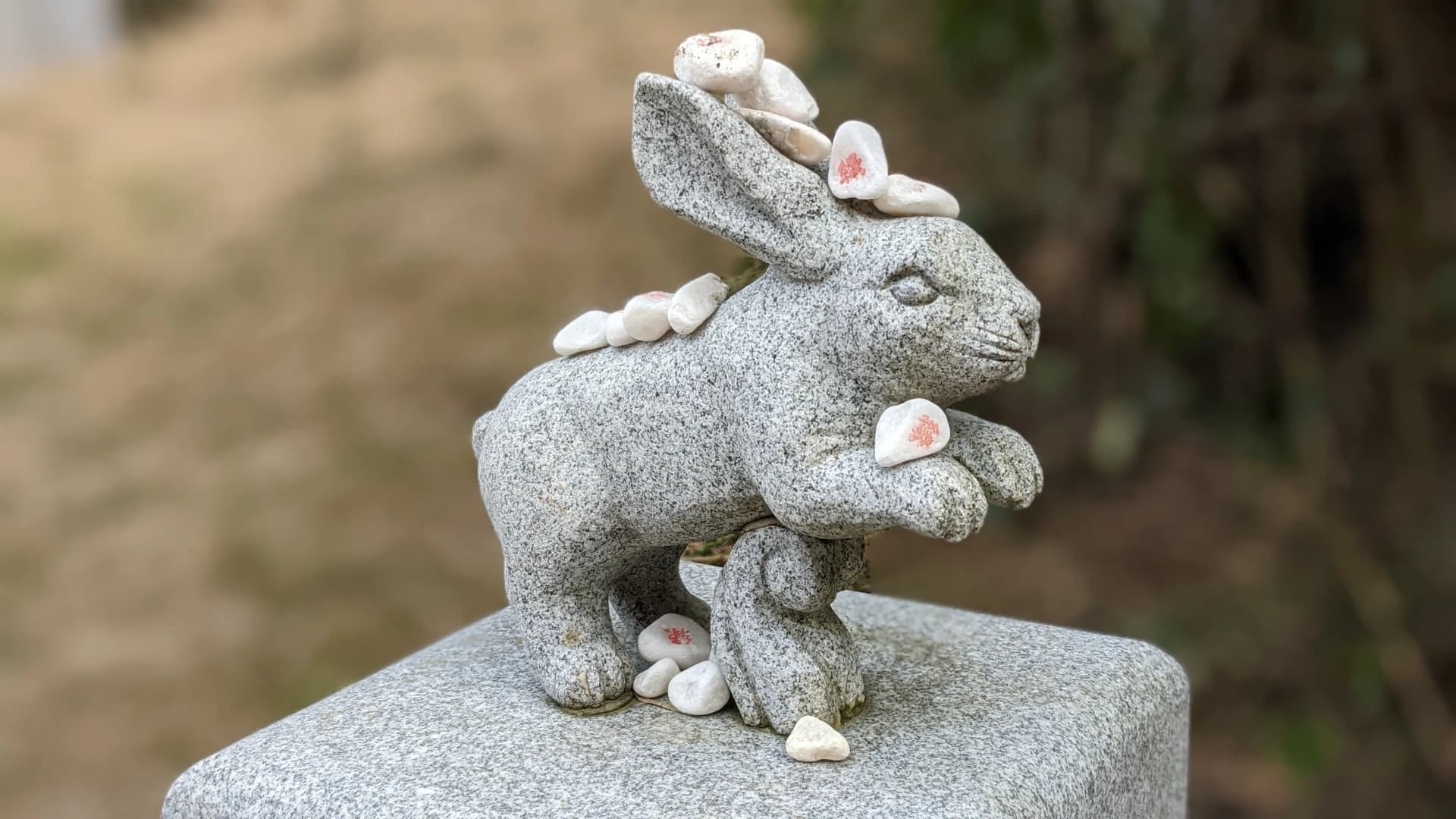
Cute rabbit statues are erected throughout the shrine, each in a different pose, making them great for photos.
1) 'Musubi-ishi' Experience
There is a unique culture of making a wish by sprinkling white sand. Try placing white stones called 'Musubi-ishi' on top of the rabbit statues while wishing for love or good fortune.
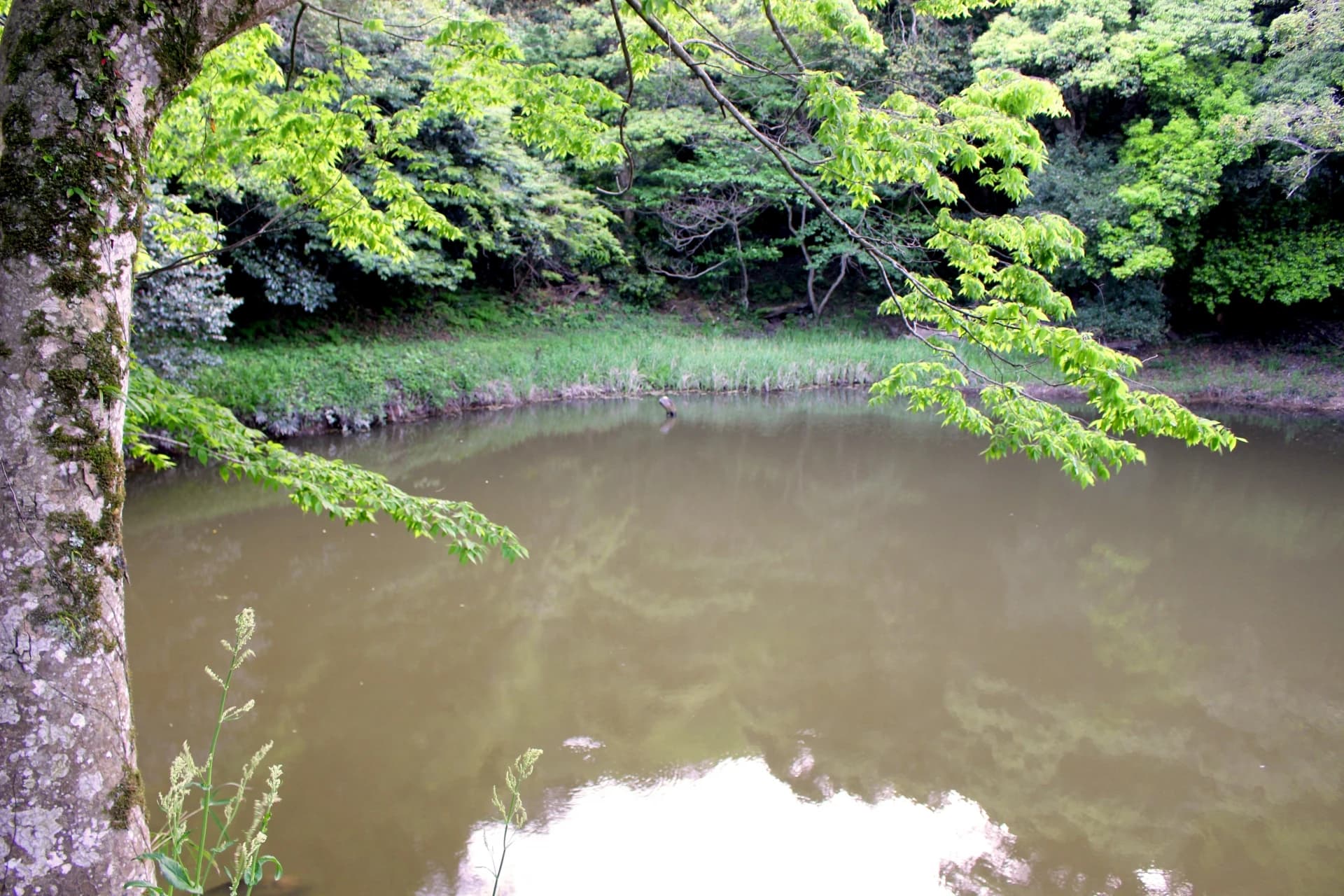
2) Mitarashi Pond
This is the pond where the rabbit in the legend is said to have washed and healed its wounds. There is a mystical story that the water level never changes despite droughts or floods.
4. Nearby Sights
Directly in front of the shrine lies the Hakuto Coast. The white sand and blue sea make it perfect for a stroll. Including it in your 4,000 yen taxi tour makes transport much more convenient.
- Hours: 9:00 AM – 4:00 PM
- Admission: Free