Kurayoshi · Yura · Misasa OnsenTraditional charm, Conan's manga town, and a healing hot spring journey.
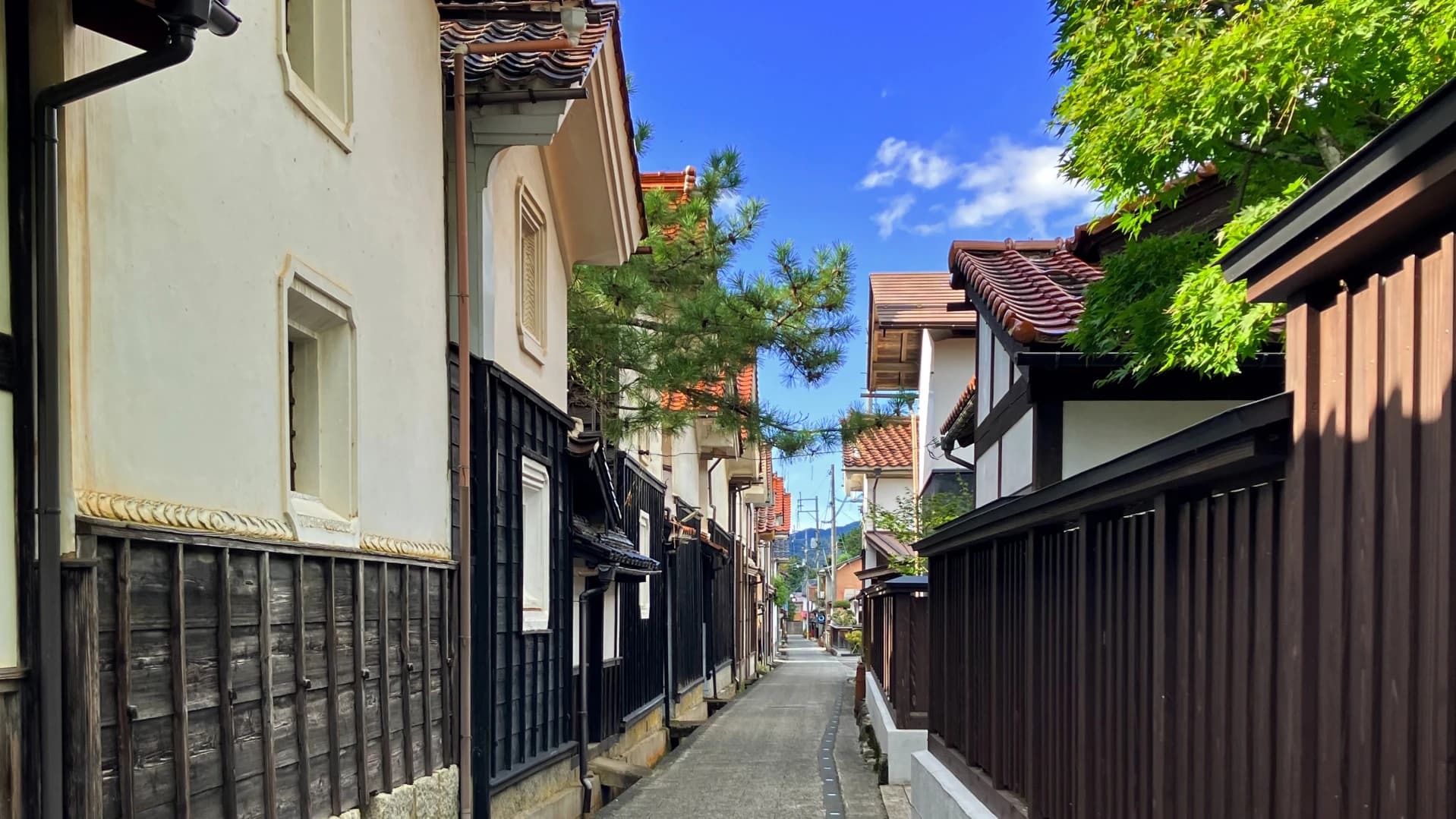
Kurayoshi is a city that preserves a quiet and traditional landscape, represented by the 'White Wall Warehouse District (Shirakabe Dozo Group).' It is close to Yura Station (also known as 'Conan Station'), making them great to visit as a single travel course. Adding Misasa Onsen, a world-class radium hot spring with 850 years of history, completes a perfect day blending tradition, manga, and relaxation.
Yura Station (Conan Station)A holy site for fans, with the entire station decorated in a 'Detective Conan' theme.
Yura Station is located in Hokuei Town, the birthplace of Gosho Aoyama, the creator of the world-famous mystery manga 'Detective Conan.' The station is more famous by its nickname 'Conan Station,' as everything from the entrance to the platforms and train interiors is covered in Conan themes.
- Character Photo Zones: Detailed bronze statues and sculptures of Conan and other characters are installed around the station and throughout the town, making it perfect for taking special souvenir photos with the protagonists.
- Conan Street: The road leading from the station to the 'Gosho Aoyama Manga Factory' is called Conan Street, a pleasant walking path where you can encounter manga characters all along the way.
Gosho Aoyama Manga Factory
This museum brings together everything about 'Detective Conan' and is a must-visit course for fans.
- Exhibits: Visitors can see everything from the author's childhood sketches to rare original hand-drawn artwork and editions of the manga translated into languages from around the world.
- Interactive Content: There is an interactive space where you can personally experience gadgets from the manga, such as the Turbo Engine-attached Skateboard.
- Entry Tip: Foreign travelers can receive an admission discount by presenting their passport, so be sure to bring it along.
KurayoshiA guide to the city of red tiles and white wall warehouses, preserving the atmosphere of the Edo and Meiji periods.
Kurayoshi was once a center of commerce. Today, many of its old buildings have been converted into workshops and cafes, making it the best place to walk slowly and enjoy Japan's unique, quiet atmosphere.
It takes about 10–15 minutes by bus from Kurayoshi Station to the Shirakabe Dozo Group. Since the city center is charming and flat, a great way to explore is by renting a bicycle (500 yen) at the JR Kurayoshi Station Information Center.
1. Shirakabe Dozo Group (White Wall Warehouse District)
This is a Traditional Building Preservation District that symbolizes Kurayoshi. Warehouses with red tiles (Sekishu Kawara) and white plaster walls line the Tamagawa River, creating a unique landscape.
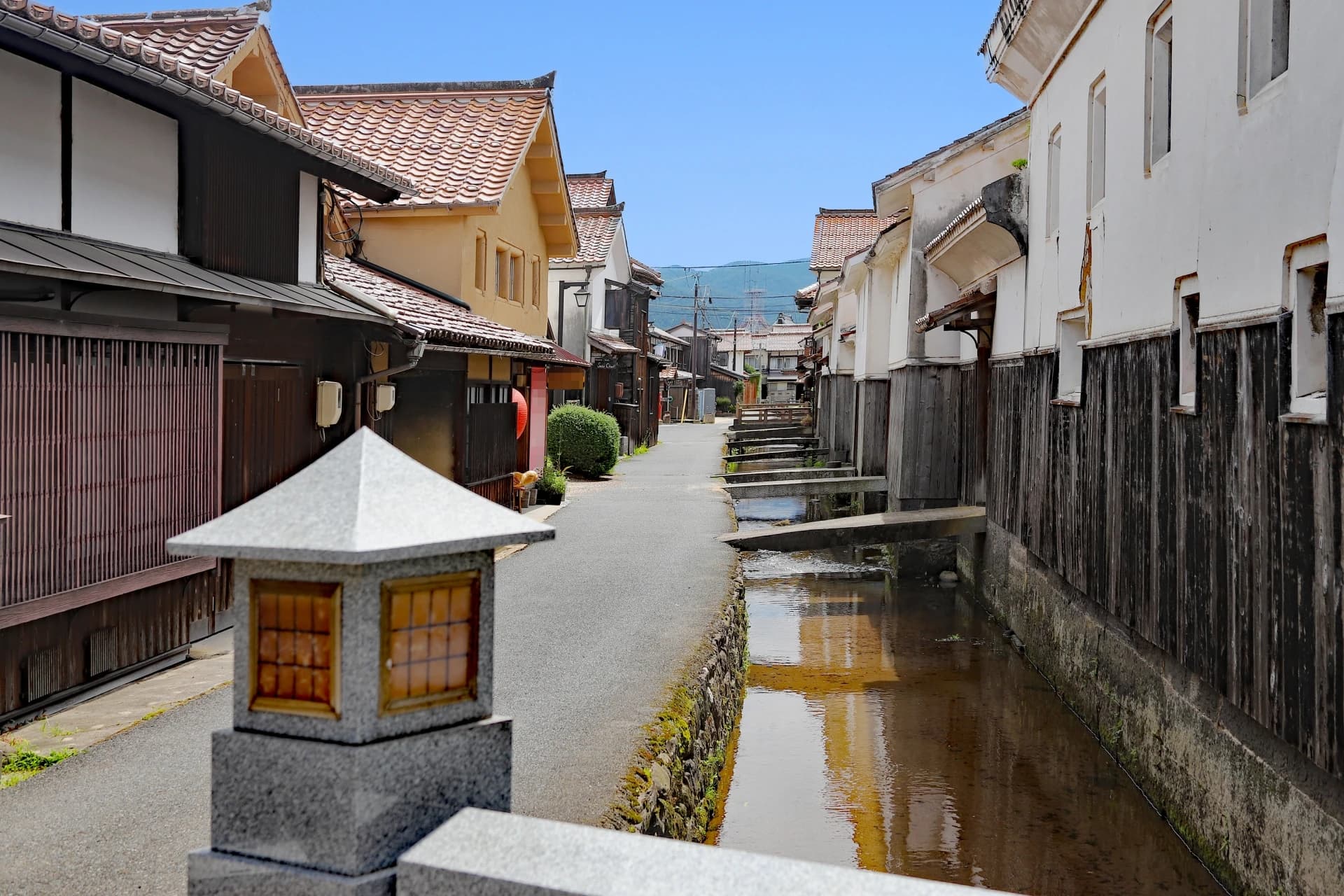
- The Joy of Walking: Experience the nostalgic atmosphere while crossing small stone bridges over the river. Warehouses that once stored soy sauce or sake have been renovated into craft beer breweries and folk craft shops, making them fun to explore.
- Stone-ground Coffee: A representative experience in Kurayoshi. You can enjoy Kurayoshi's unique coffee culture by grinding beans yourself with a stone mill and adding sweet red beans instead of sugar.
2. Utsubuki Park
A park located at the foot of Mt. Utsubuki, offering a bird's-eye view of Kurayoshi city.
- Seasonal Attractions: In spring, thousands of cherry blossoms and azaleas bloom, and in autumn, the fall foliage is beautiful, making it a favorite resting spot for locals.
- Walking Course: Accessible on foot from the Shirakabe Dozo Group, it is perfect for a short break in nature after sightseeing.
3. Kurayoshi Figure Museum
Housed in a renovated former elementary school building, this museum offers a glimpse into Japan's high-quality figure culture.
- Exhibits: Thousands of figures ranging from classic animation to the latest characters are on display. The exhibition rooms, which preserve the look of elementary school classrooms, evoke a retro vibe.
- Experience: There are corners where you can assemble or paint figures yourself, making it popular with families and collectors.
4. Tottori Nijisseiki Pear Museum
The only museum in Japan dedicated to 'pears.' It is a place where you can experience everything about Kurayoshi's specialty, the 'Nijisseiki (20th Century) Pear,' through all five senses.
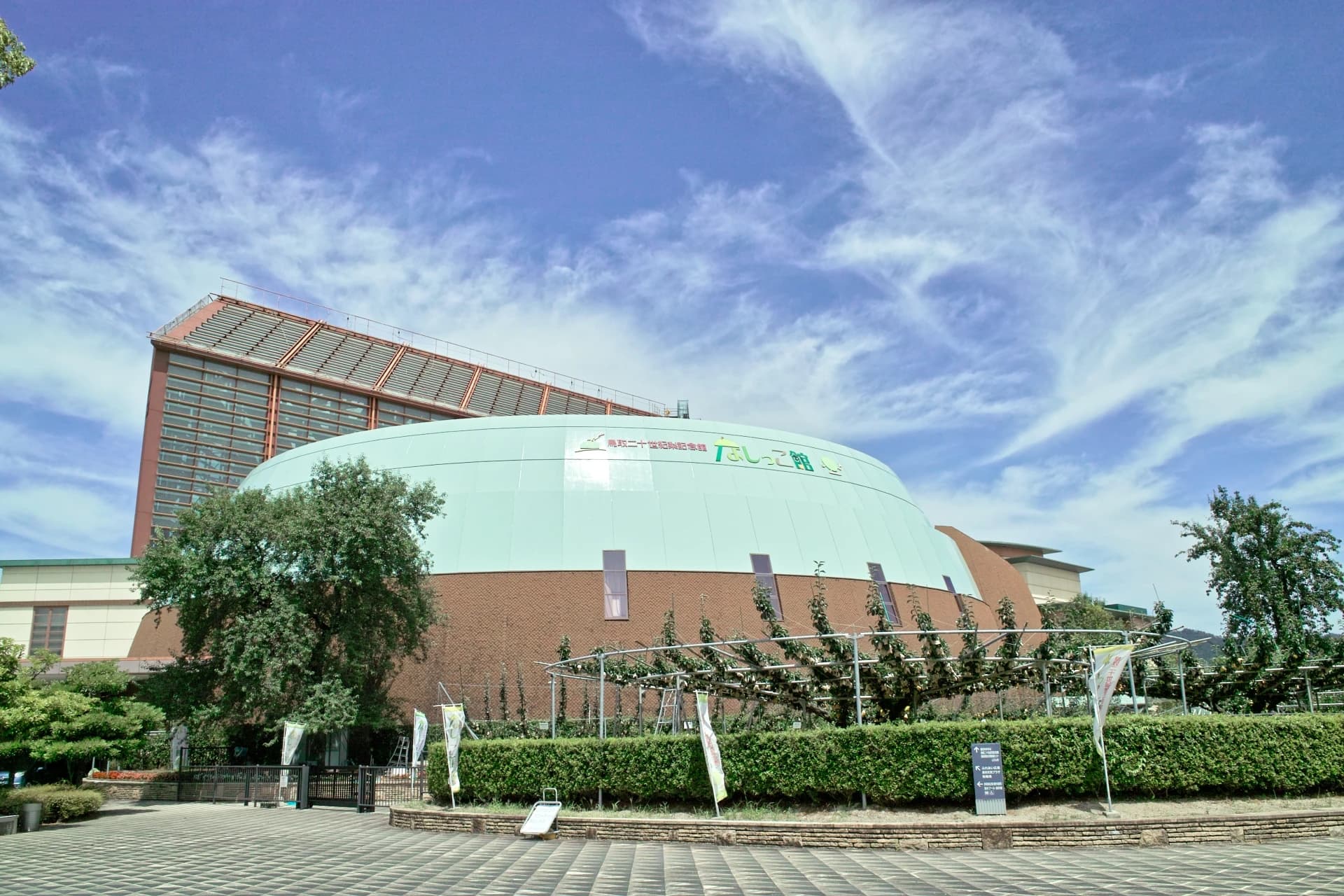
- Iconic Giant Tree: In the center of the exhibition hall stands a massive pear tree with branches spreading 20m wide, boasting an overwhelming presence. It is the signature photo zone of the museum.
- Free Tasting: A very popular corner where you can taste three types of pears for free all year round and compare their flavors.
- Pear Soft Serve Ice Cream: Don't miss the pear-flavored soft serve ice cream sold at the museum cafe; it is a delicacy you can only taste here.
Misasa OnsenA guide to the hot spring town of healing and recovery, boasting some of the world's highest radium content.
Misasa Onsen is a hot spring town famous for its excellent healing effects, as reflected in its name's origin: 'If you welcome three mornings here, your illness will be cured.' With over 850 years of history, this town charms visitors with its quiet hot spring streets and unique open-air baths.
1. Origin and Features of the Hot Spring
- The Legend of the White Wolf: Legend has it that in 1164, Okubo Samon, a retainer of Minamoto no Yoshitomo, spared the life of an old white wolf. In a dream, the Myoken Bodhisattva appeared and revealed the location of the hot spring as a reward.
- World-class Radium Spring: Misasa Onsen contains a high concentration of radium, which is rare worldwide. The trace amounts of radiation emitted by the spring water are known to stimulate cells and boost immunity (the 'hormesis effect'), making it popular as a healing-type spring (Tochi).
2. Kawaraburo (Riverside Open-air Bath)
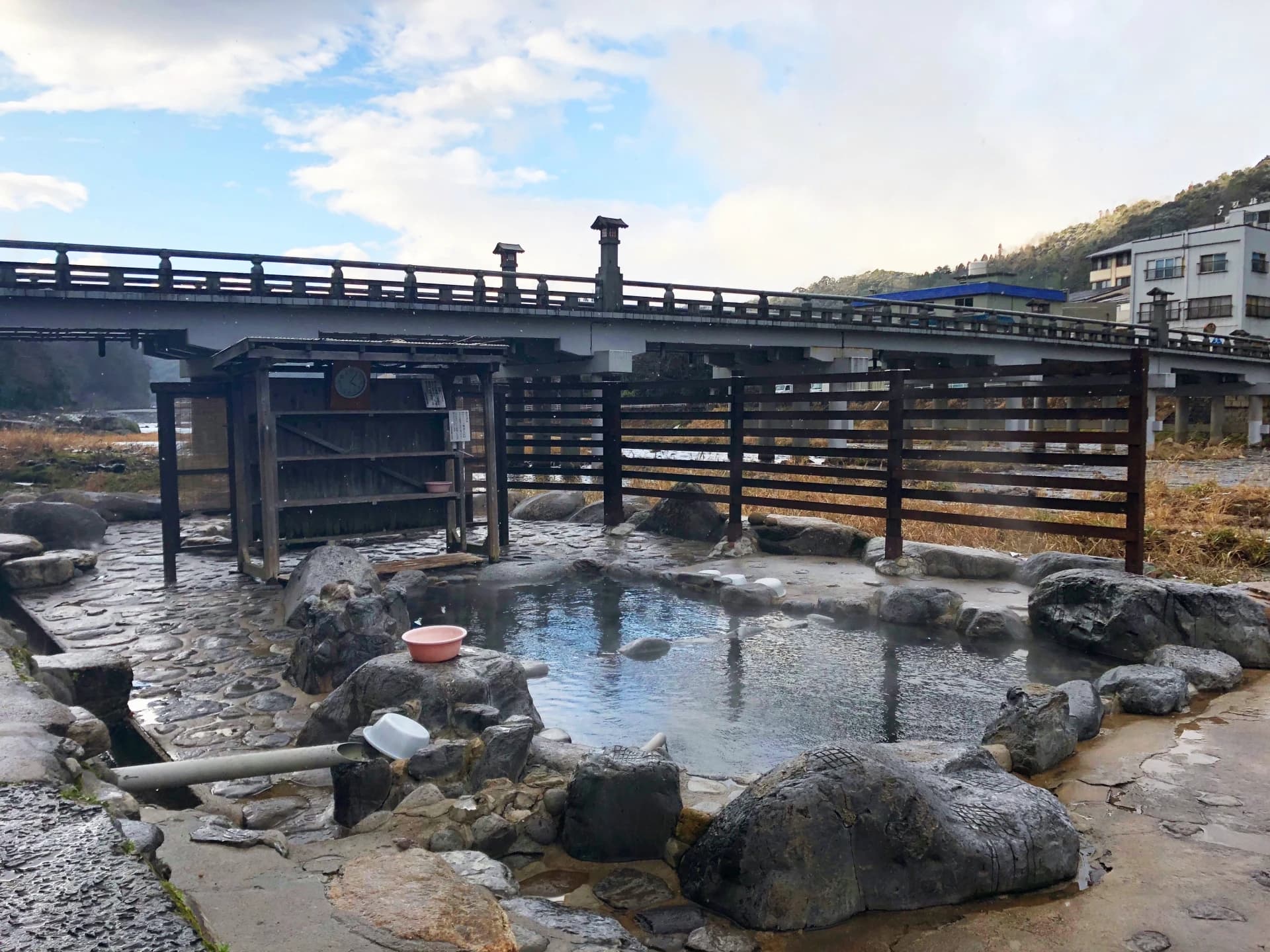
A symbol of Misasa Onsen, this is a natural open-air bath located right by the river under the Misasa Bridge.
-
Sense of Openness: This is a free mixed-gender bath where you can enjoy the hot springs while listening to the sound of the flowing river. While it requires some courage since it is fully open, it is the best place to feel the true atmosphere of Misasa Onsen.
-
Usage Tip: If a full open-air bath is too much, try the foot bath located right next to it to enjoy the spring water and the riverside view more casually.
Kawaraburo Information
3. Using Day-trip Hot Springs
Even if you are not staying overnight, you can fully experience Misasa's water quality at historic public baths and ryokan large baths in the town.
-
Kabuyu: The historic site where the source of Misasa Onsen first gushed out, and it is currently the most active public bath. Though the facilities are simple, it is always crowded with locals and travelers seeking the source's powerful healing effects.
Kabuyu Information Kabuyu Location -
Day-trip Bathing at Traditional Ryokans: Large ryokans such as 'Misasa-kan' or 'Izanro Iwasaki' open their baths to outside guests during the afternoon (usually 15:00–21:00). If you want to enjoy a luxurious open-air bath and garden, ryokan bathing is recommended.
Misasa Onsen Day-trip Info -
Drinking Spring & Foot Bathing: Throughout the town, there are drinking fountains where you can drink the spring water directly, and foot baths (such as Kajika-no-yu) available to everyone for free. These are perfect for casually feeling the essence of Misasa Onsen.
Drinking Fountains & Foot Bath Info