Starting Your Osaka & Kobe Journey: Kansai Airport Arrival and Day 1 Practical GuideHow to move to the city center from Terminals 1 and 2
In the past, Itami Airport (Osaka International Airport) located within Osaka city was used for international flights. However, due to noise issues and other factors, Kansai International Airport (KIX) now serves as the primary international hub.
Kansai Airport was built on an artificial island created by land reclamation, and all international flights from Korea arrive here. Before moving to your accommodation or next destination, it is wise to understand the characteristics of the terminal you arrive at.
- Terminal 1: Used by most airlines including Korean Air, Asiana, Jin Air, and T-way. It is directly connected to the train (Rapi:t, JR) station, making city transfers very convenient.
- Terminal 2: An exclusive terminal for Jeju Air and Peach Aviation. Facilities are relatively simple, and you must take a shuttle bus to Terminal 1 to board a train.
Inter-terminal Movement and City Transport Tips
- Utilize the Shuttle Bus: If you arrive at Terminal 2, take the free shuttle bus to Terminal 1 (Aeroplaza), where you can then use the Rapi:t or JR trains.
- Limousine Bus: If you plan to use a limousine bus to Osaka city or Kobe, you can board directly from Terminal 2 without taking a shuttle.
- Point Accumulation: If you have the app installed, don't forget to check in immediately upon arrival at the airport to claim your welcome points.
💡 TourCast Tip Terminal 2 has fewer restaurants and amenities compared to Terminal 1. If you need to eat immediately after entry or exchange passes, it is efficient to head quickly to Terminal 1 via the shuttle bus. ✈️
How to Store Luggage at Your HotelTips for utilizing coin lockers and hotel concierge services
If you don't have much luggage or wish to start your Kobe sightseeing as leisurely as possible, one option is to leave your bags in a coin locker at the station and move on immediately.
However, you must identify your accommodation location accurately beforehand to avoid wandering around looking for it late at night. Additionally, coin lockers cost between 500 and 900 yen depending on size, so stopping at the hotel first to drop off your luggage might be more economical.
Generally, hotel check-in time is between 2:00 PM and 3:00 PM, and most formal hotels provide free luggage storage services before and after check-in.
- Before Check-in: After confirming your reservation, you can leave heavy bags at the Concierge Desk and start your itinerary lightly.
- After Check-out: This is very useful for leaving your bags until your flight time on the last day to enjoy final shopping or sightseeing.
- Storage is only possible until the end of the check-out day.
⚠️ Precautions
- Apartment-type accommodations (Airbnb, etc.) often do not have resident managers, making luggage storage impossible.
- Recently increasing unmanned hotels or some business hotels may also not provide storage services due to space issues.
- It is safest to check the FAQ on the hotel's website or ask about storage availability via the reservation site's messaging function before visiting.
💡 TourCast Tip
When leaving luggage at a hotel, you can simply ask, "Nimotsu o azukete moraemasuka? (荷物を預かってもらえますか?, Can you look after my luggage?)". The Luggage Tag you receive at this time is essential for retrieving your bags later, so be careful not to lose it.
Moving to KobeThe city of Japan's top 3 night views and Arima Onsen
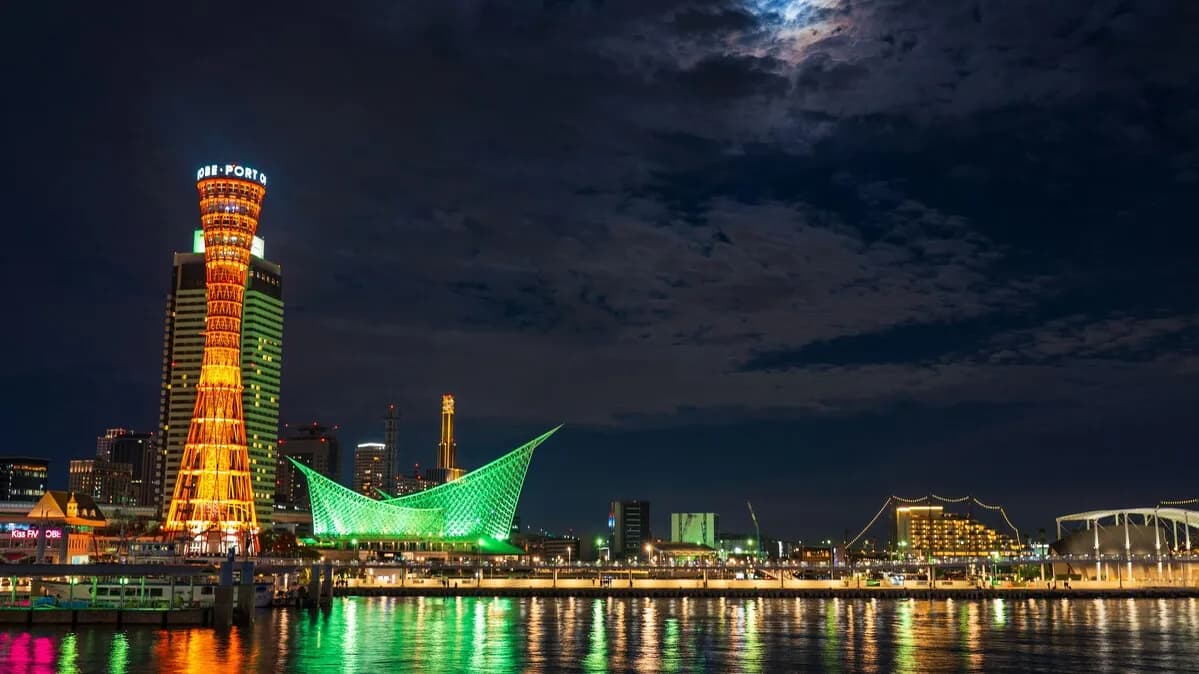
Kobe is ranked as having one of Japan's top three night views, and thanks to its sophisticated streetscapes, it is an extremely popular date course for couples. Having opened its port early in the past, it is characterized by the rapid influx of Western culture, resulting in exotic architecture and atmosphere everywhere.
In 1995, the city experienced a painful history with the Great Hanshin Earthquake. Since December of that year, the Luminarie Festival has been held every winter to 'honor the souls of the victims and pray for the reconstruction and rebirth of Kobe.' Knowing the meaning of memorial behind the brilliant festival of light will make your viewing even more meaningful.
Furthermore, Arima Onsen, the most famous hot spring in the Kansai region, is located in Kobe. It is one of Japan's oldest hot spring towns, famous for its unique 'Kintan' (Golden Water) and 'Gintan' (Silver Water). If your schedule allows, it is highly recommended to combine this with the World Heritage Site Himeji Castle as a full-day course.
- Transfer Tip: Specific methods for moving from Kansai Airport directly to Kobe (Bay Shuttle, Limousine, etc.) can be found in detail in 'Osaka Part 1 - Flight and Airport Transfer Methods.'
💡 TourCast Tip
Kobe also enjoys worldwide fame for its 'Kobe Beef.' A course involving a stroll through the exotic Kitano Ijinkan district followed by a Kobe beef steak dinner while enjoying the night view at Harborland is considered the standard for a Kobe trip.
Exclusive TourCast Tips!
Arima Onsen Ropeway Transfer Tip
Among the essential hot spring trips in Japan, Arima Onsen is counted as one of the oldest hot spring villages.
While many only travel by train, utilizing the ropeway allows you to create a dynamic route connecting the mountains and the hot springs, making for a much more multifaceted trip.
Specifically, taking the ropeway offers the advantage of descending while enjoying a panoramic night view of Kobe from the summit of Mt. Rokko. We recommend a course where you enjoy a leisurely soak in the afternoon, take the ropeway to the Mt. Rokko summit to see the night view, and then return to Kobe city center.
① Recommended Route
- Kobe City ↔ (Bus) ↔Rokko Cable-shita Station ↔ (Cable Car) ↔Rokko Sanjo Station (Observatory) ↔ (Loop Bus) ↔Rokko Sancho Station ↔ (Ropeway) ↔Arima Onsen Station
- Budget Tip: Paying for the cable car, loop bus, and ropeway individually costs 2,570 yen one-way, but you can use them all for 2,450 yen by purchasing the Rokko-Arima One-way Ticket on-site.
- From Umeda: It is most efficient to take the Hankyu Line to Rokko Station and transfer to a bus.
② Operating Hours Precautions
The ropeway extends its operation until 8:00 PM during the August peak season, but usually ends service between 5:00 PM and 7:00 PM. Since the sun sets early on the mountain and temperatures are low, you must check the last car time before visiting.
💡 TourCast Tip
The summit of Mt. Rokko is about 5–10 degrees Celsius cooler than Kobe city center. If you plan to see the night view even in summer, it's good to bring a light jacket. Visibility may be limited on foggy days, so check the weather.
Sannomiya StationThe starting point and transport hub for Kobe tourism; City/Port Loop buses
Sannomiya (三宮)
It is often said that a Kobe trip starts at Sannomiya Station, as it is the heart of Kobe city and a transportation hub where all railways and buses converge. The area around the station is always lively, packed with large shopping malls and restaurants.
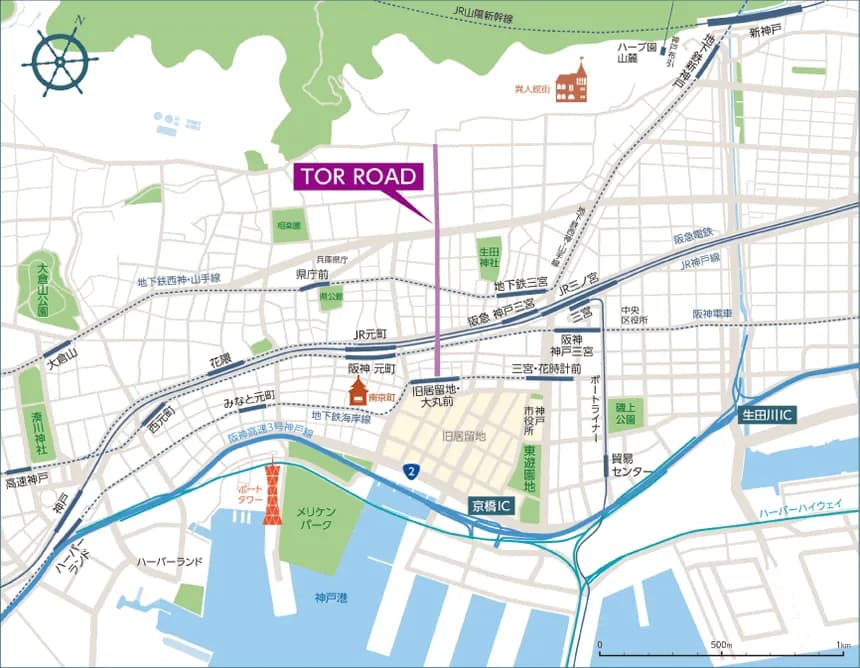
Based on Sannomiya Station, to the north lies the exotic residential Ijinkan district and Tor Road, while to the south lies the brilliant Chinatown (Nankin-machi), Kobe Port Tower, and Harborland.
- Recommended Route: Since most people visit with expectations of Kobe's night view, it is most efficient to tour the northern areas during the day and move to the southern night view course from dusk.
- Time-saving Tip: If your schedule is tight, focusing only on the southern area (Harborland direction) will still allow you to fully enjoy Kobe's characteristic port city atmosphere.
City / Port Loop Bus
CITY / PORT LOOP
Since major Kobe landmarks are somewhat far to walk from the station, utilizing the loop buses is key.
- CITY LOOP: A route that circles widely through Kobe city from the classic Ijinkan district to major tourist spots.
- PORT LOOP: Quickly connects the symbol of Kobe, the waterfront (port) area.
- Fares:
- CITY LOOP: Single ride Adult 300 yen / Child 150 yen
- PORT LOOP: Single ride Adult 230 yen / Child 120 yen
- (IC cards accepted, such as ICOCA)
- Unlimited Pass Recommendation:
- If you plan to use the bus several times in one day, the 'KOBE 1-day/2-day Loop Bus Ticket' is much more economical. It allows unlimited rides on both routes within the period.
- 1-Day: Adult 800 yen / Child 400 yen
- 2-Day: Adult 1,200 yen / Child 600 yen
- Pass Selection Criteria: It is advantageous to buy a 1-day pass if you plan to board the bus 3–4 or more times in a single day.
💡 TourCast Tip
The City Loop bus provides a touristy vibe just by riding it, thanks to its retro exterior. However, wait times can be long on weekends or holidays due to many users, so we recommend moving while checking real-time bus arrival info on Google Maps.
Kitano Ijinkan StreetA hillside village lined with Western-style mansions
Kitano Ijinkan (北野異人館)
Kitano Ijinkan Street is a high-end residential area where Western traders and diplomats settled after the opening of the Port of Kobe. Mansions following the architectural styles of their home countries line the sea-view hillside, exuding an exotic atmosphere like a small Europe within Japan.
The 'Ijinkan' (Foreigner Residences) from the past have been converted into museums or cafes and are open to the public. It is the best place to feel Kobe's uniquely sophisticated atmosphere.
- Viewing Tip: Most mansions charge an individual admission fee. If you want to see the interiors thoroughly, it is economical to buy an integrated ticket that bundles several houses; if you lack time, just strolling and looking at the exteriors is charming enough.

💡 TourCast Tip
The Starbucks Kitano Ijinkan store here is a renovation of an American residence built in 1907 and is considered one of the most beautiful branches in Japan. Original furniture and decorations remain in each room, making it perfect for enjoying a classic atmosphere with a cup of coffee. As it is popular and seats may be hard to find, we recommend visiting early in the morning.
Tor RoadA shopping street where luxury and vintage coexist
Tor Road
Tor Road is a charming street that makes you feel good just by walking. At the time the port opened, it was a 'commute route' connecting the Kitano Ijinkan district where foreigners lived to the settlement area near Sannomiya Station where they worked.
Today, it has transformed into a shopping street where luxury and vintage sensibilities coexist, similar to Garosu-gil in Korea. The path heading down from Ijinkan Street toward Nankin-machi is lined with trendy interior prop shops, vintage shops, and select shops popular with women, adding to the fun of shopping.
💡 TourCast Tip
Tor Road is home to the main branch of 'Nishimura Coffee,' one of Japan's oldest roastery cafes. If you need a break during shopping, we recommend experiencing the deep taste and aroma of authentic Kobe coffee.
Nankin-machiA paradise of Butaman and street food
Nankin-machi (南京町)
Nankin-machi is Kobe's vibrant Chinatown, ranked as one of Japan's three major Chinatowns alongside Yokohama and Nagasaki. Decorated with red pillars and brilliant lanterns, the street overflows with exotic energy, feeling like a small China within Osaka.
The biggest charm here is the street food found in every alley. While dining inside a restaurant is fine, the true joy of traveling Nankin-machi is tasting various snacks little by little while enjoying the lively atmosphere.
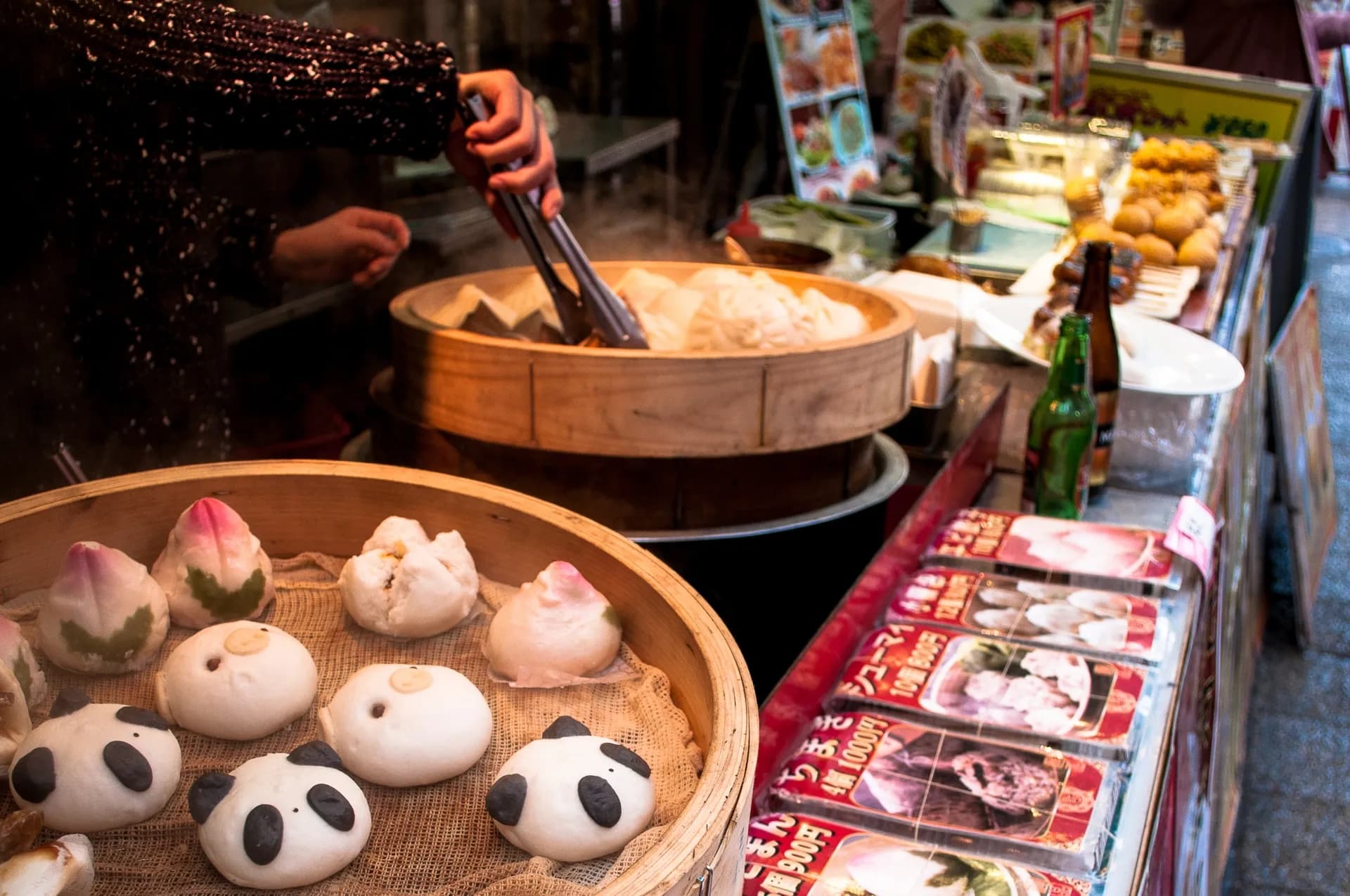
- Iconic Food: The pork buns called Butaman (豚まん) are a symbol of Nankin-machi. Famous shops often have long lines. Beyond juicy dumplings, menus like Tanghulu and dim sum abound.
- Viewing Tip: As it gets very crowded on weekends or at lunchtime, using relatively quieter weekday afternoons or evenings will allow for a more pleasant tour.
💡 TourCast Tip
The central plaza of Nankin-machi features a pavilion and statues of the twelve zodiac animals. Taking a photo here is an essential course. Also, the popular Butaman specialist 'Roshoki (老祥記)' has long lines but high turnover, so we recommend experiencing the original taste if you are in Kobe.
Kobe Port TowerKobe's red landmark featuring elegant curves
Kobe Port Tower (神戸ポートタワー)
Kobe Port Tower is an iconic landmark of Kobe Port, a striking red tower designed using a pipe structure for the first time in the world. Shaped after a traditional Japanese drum (tsuzumi), this architecture boasts an elegant curve with a height of 108m, earning it the nickname 'The Beauty of the Iron Tower.'
Reborn through a recent massive renovation, it is now even more pleasant. By day, its red exterior contrasts with the blue sea; by night, brilliant LED lighting embroideries the Kobe Port skyline.
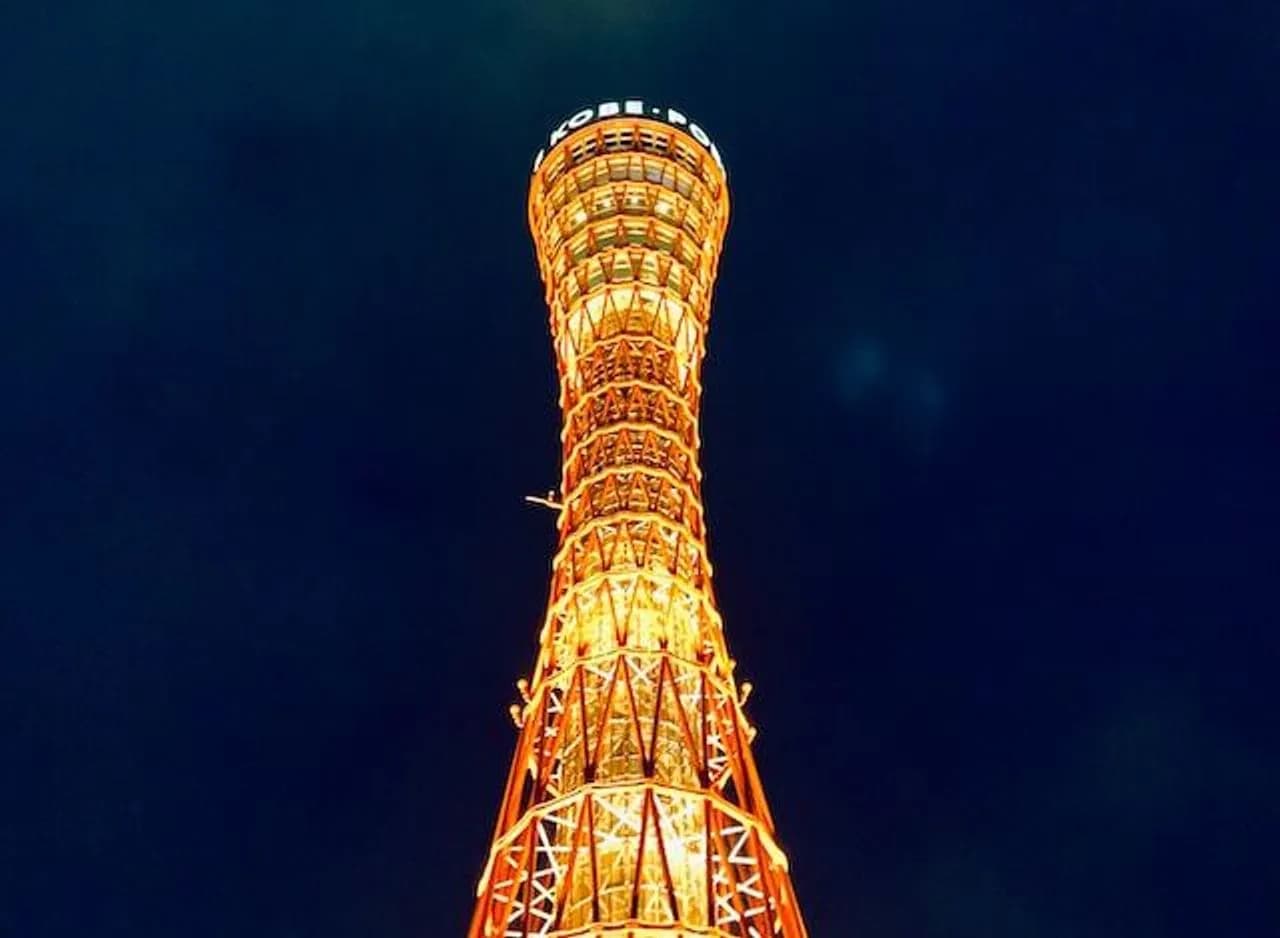
- Observatory: The upper observatory offers a bird's-eye view of Kobe city, Mt. Rokko, and the vast Osaka Bay.
- Rotating Cafe: A 360-degree rotating cafe & bar is in operation, offering a special experience where the Kobe landscape unfolds as a panorama while you sit still.
💡 TourCast Tip
Right next to the Port Tower is the unique net-shaped roof of the Kobe Maritime Museum. At night, the lighting from both buildings harmonizes to complete Kobe's top photo zone. While viewing the tower interior is great, taking a photo with the tower as a backdrop from Meriken Park or Harborland is the standard for a Kobe trip.
Harborland & MosaicShopping, entertainment, and night views in one place
Kobe Harborland & Mosaic (神戸ハーバーランド & モザ이크)
Harborland is a large-scale complex cultural space established along Kobe Port, Kobe's top downtown area concentrating shopping, gourmet, and entertainment facilities. Among them, the large shopping mall Mosaic (umie MOSAIC) facing the sea is the place that best showcases Kobe's characteristic romantic atmosphere.
Reminiscent of Tokyo's Odaiba, it transforms from a lively shopping district by day to a brilliant city of light by night, receiving overwhelming support as a date course for local Japanese couples.
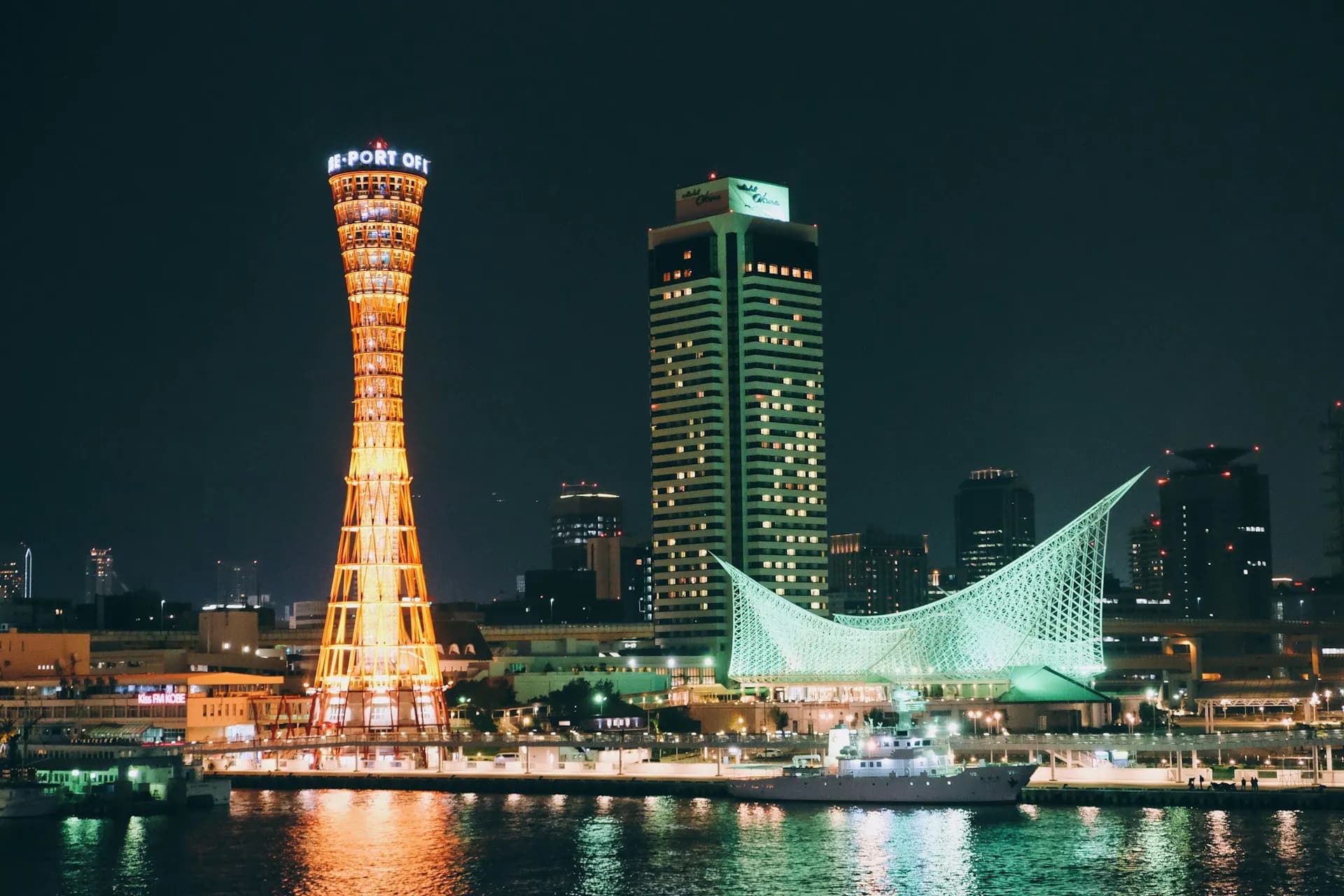
- Major Facilities: Filled with facilities satisfying both family travelers and couples, including the Mosaic Ferris wheel, Anpanman Children's Museum, and a cinema complex.
- Night View Point: Heading out to the decks on the 2nd and 3rd floors of Mosaic allows you to enjoy the fantastic night view created by the Kobe Port Tower and Meriken Park Oriental Hotel directly.
💡 TourCast Tip
The Mosaic Ferris Wheel, a symbol of Harborland, creates a spectacle at night with colorful LED displays. Riding the wheel is great, but strolling through 'Gaslight Street' right next to it to enjoy Harborland's night combined with classic lighting will also be an unforgettable memory.
Kobe LuminarieFestival of light for earthquake memorial and rebirth
Kobe Luminarie (神戸ルミナリエ)
Started in December 1995 to honor the souls of the victims of the January 1995 Great Hanshin Earthquake and to pray for the reconstruction and rebirth of Kobe, the annual winter 'Kobe Luminarie' has now established itself as Japan's representative festival of light.
The brilliant corridors of light created by hundreds of thousands of LED bulbs represent more than just beauty; they symbolize the courage and hope of citizens who overcame hardship. The art of light unfolding in a quiet yet majestic atmosphere provides visitors with deep emotion.
- Period: Held annually for a short period of about ten days in December or January. It is a precious event you must wait a year for if you miss it, so you must check announcements if planning a winter trip.
- Major Locations: Various parts of central Kobe, including the former Foreign Settlement and Meriken Park, are bathed in light.
💡 TourCast Tip
As the Luminarie is a festival with a huge number of visitors, one-way sections may be established or advance reservations (paid) may be required for specific areas. Also, it is polite to view quietly in the spirit of memorial during the early parts of the event, and one must be extra careful with child safety and belongings due to the crowds.
When to Tour Osaka City Center?Efficient schedule allocation and night courses
Looking at the Standard Course itinerary, you will see that Osaka's representative downtown areas, Dotonbori and Shinsaibashi, are excluded from the daytime schedule. This is a strategic allocation to maximize the efficiency of an Osaka trip.
Most major tourist attractions, art museums, and temples close around 5:00 PM – 6:00 PM. Therefore, it is most appropriate to first tour the outlying landmarks with fixed operating hours during the day and visit the never-sleeping Dotonbori and Shinsaibashi around 8:00 PM when returning to the city center.
- Route Advantage: The area around Dotonbori is often where accommodations are clustered or is a transport hub, so you naturally pass by it frequently during your trip without needing to set aside specific time.
- Shop Hours: Even in Japan's second city, Osaka, most shops close after 10:00 PM. Rather than overexerting yourself until late at night, resting early to adjust your condition for the next day is the way to improve the quality of your trip.
⚠️ Precautions for Safe and Enjoyable City Tours
- Transport: In Japan, taxis are quite expensive, so missing the last train can lead to unexpected high expenditures. Always check the last train time for the subway to your accommodation.
- Ebisubashi (戎橋): This bridge connecting Dotonbori and Shinsaibashi is a famous photo zone in front of the Glico Man and is also nicknamed the 'Nanpa Bridge.'
- Etiquette: 'Nanpa (ナンパ)' means 'hunting' (picking up people) in Japanese. Recently, indiscriminate pickup attempts by some tourists have become a major issue in local communities and a cause of anti-Korean sentiment or negative perceptions. Actions that invite unnecessary misunderstanding or damage national image must be strictly avoided.
💡 TourCast Tip
Dotonbori at night is flashy but very crowded, so be careful of pickpockets or complex accidents. Note that you can capture a much more relaxed photo in front of the Glico Man if you visit in the early morning instead of just at night.