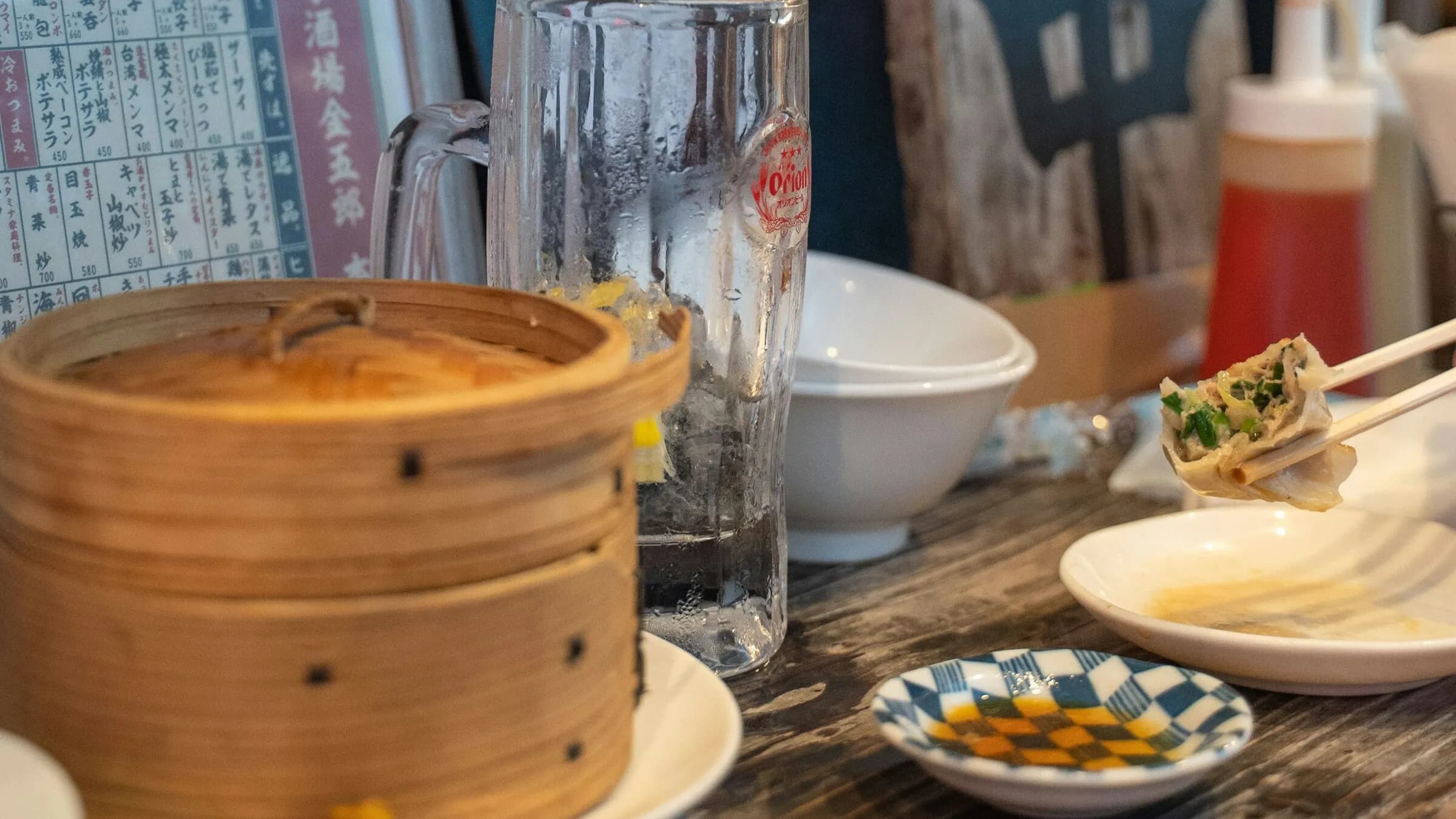
Okinawa SobaSouthern soba made with wheat noodles
In Japan, “soba” usually means noodles made with buckwheat. In Okinawa, however, the noodles are made with 100% wheat flour.
In mainland Japan, noodles must contain at least 30% buckwheat to be called “soba.” Because Okinawa soba uses only wheat flour, it technically could not be labeled “soba” under that rule.
But on October 17, 1978, Japan’s Fair Trade Commission officially approved the name “Okinawa soba.” Since then, it has been allowed to use the name “Okinawa soba,” and the date is celebrated in Okinawa as “Soba Day.” 🥢
Okinawa soba is also known for a style where the noodles are cooked slightly less. Because of this, some people may not like the texture, so it is good to know in advance.
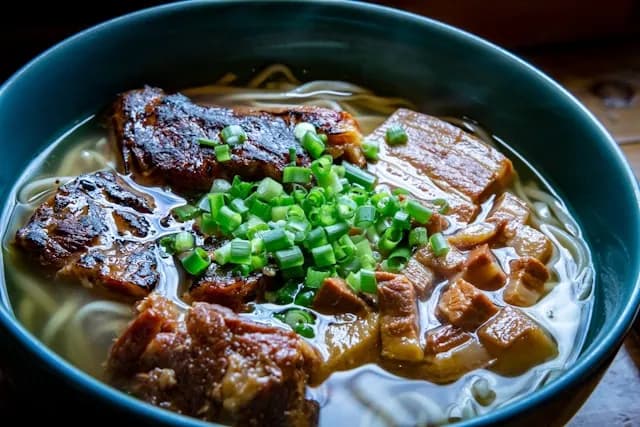
- Okinawa soba by topping
- Pork belly topping: Sanmainiku soba
- Pork ribs topping: Soki soba
- Pork trotters topping: Tebichi soba
At many Okinawa soba shops, you may see a spicy sauce labeled 高麗藥 (in kanji) or コーレーグス (koregusu).
This is made by soaking chili peppers in Awamori (泡盛), an Okinawan spirit that is often over 30% alcohol. If the soup tastes mild, adding a little can boost the flavor.
Because it contains alcohol, you may get drunk if you use too much. In particular, drivers, minors, and pregnant travelers should be careful.
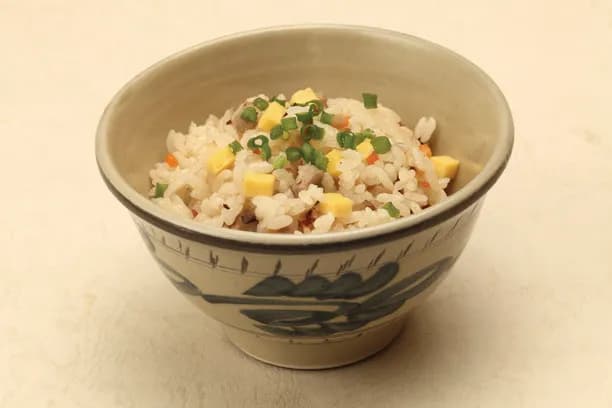
JuushiOkinawan mixed rice with a rich meat aroma
Juushi is a popular side dish to enjoy with Okinawa soba. It is a rice dish cooked with vegetables, meat, and more.
It feels similar to Japanese mixed rice, but it has a stronger meat flavor and is well seasoned, so it also works as a full meal on its own.
If Okinawa soba is not your style, you may still be satisfied with just juushi. 😅
Goya ChampuruThe charm of bitter melon, hidden in its bitterness
Goya is the fruit of a tropical plant, known in English as bitter melon.
Champuru (チャンプルー) is an Okinawan dialect word meaning “to mix.” Goya champuru is a stir-fry made by mixing bitter goya with many other ingredients.
At first you may think, “Why eat this when there are so many tasty foods?” But as a beer snack, it is a flavor you can slowly get used to. 🍻
Bitter melon is also known as a food that may help lower blood sugar. (Healthy food often tastes bitter.)
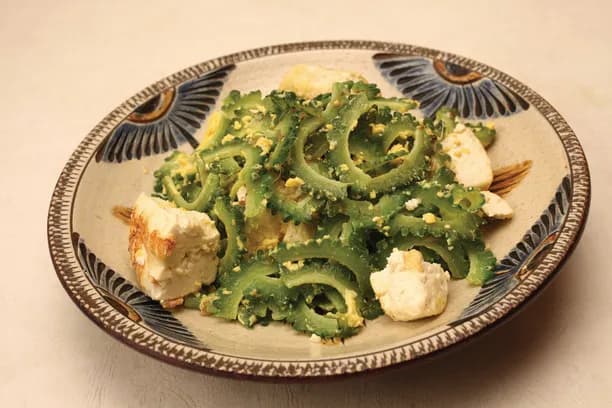
Champuru (チャンプルー) means “to mix.” A similar word is “chanpon (チャンポン).”
Some say the name of Japanese champon noodles, made by mixing seafood and vegetables, may come from this word as well. It is a dish that can represent cultural mixing.
UmibudoGreen beads that pop in your mouth
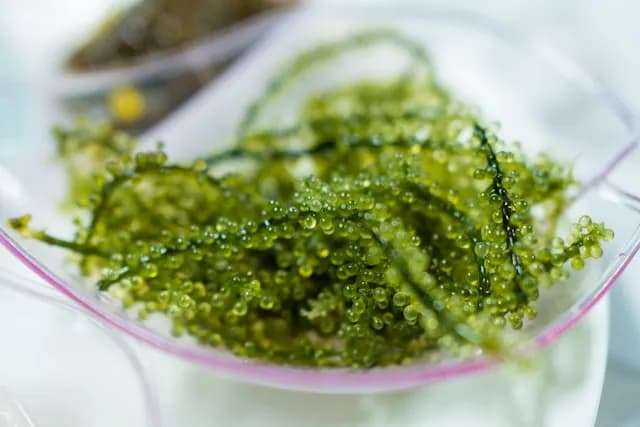
When people talk about healthy foods in Okinawa, umibudo is a must. 🌿
It is one of Okinawa’s famous seaweeds, and it is called umibudo because its tiny beads look like grapes: umi (sea) + budo (grapes, ブドウ).
In the West, it is also called “green caviar” because it resembles sturgeon roe. When you bite it, it pops and releases a fresh ocean flavor, giving it a very unique texture.
Mozuku (もずく)Seaweed enjoyed as a vinegar dish or pickle
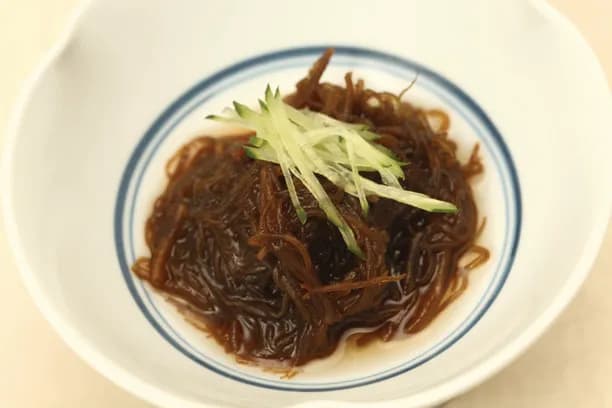
Mozuku is a signature seaweed in Okinawa, and Okinawa produces about 90% of Japan’s total. In English, it is sometimes called “Mozuku”.
It can feel unfamiliar outside Japan, but it has a taste and texture similar to kombu seaweed. It is often enjoyed fresh as a vinegar dish or light vinegar pickle.
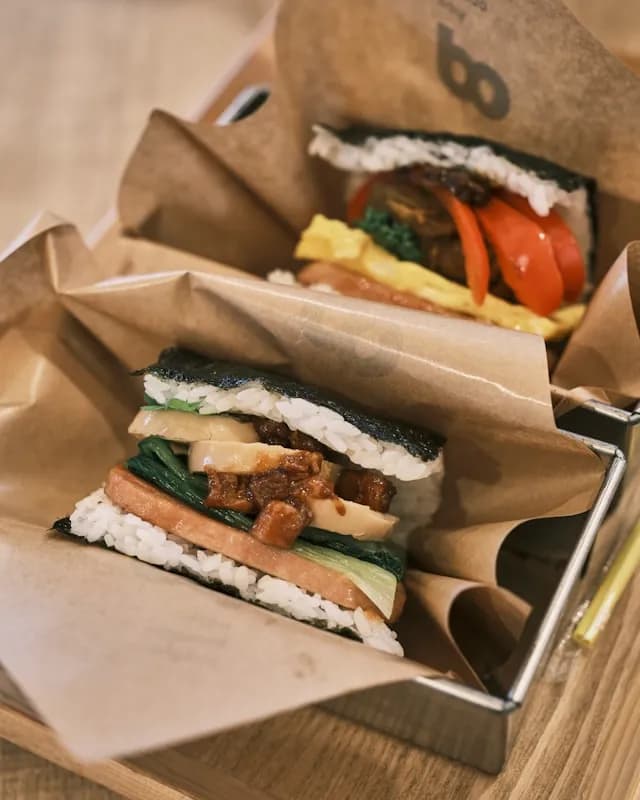
Pork Tamago OnigiriOkinawa-style rice balls
One of Okinawa’s most famous rice ball shops is “Pork Tamago.”
Their onigiri combines seaweed, rice, and Spam, which may remind you of Hawaiian musubi, but the addition of egg gives it a milder and richer flavor.
It is a familiar combination, but it tastes better than you might expect—once you try it, you may crave it again. 🍙
Jimami Tofu (ジーマミー豆腐)Sweet and chewy tofu made from peanuts
It is called “tofu,” but it is not made from soybeans—it is a traditional Okinawan food made from peanuts.
Jimami tofu is made by adding sweet potato starch to peanut milk. It only looks like tofu—the texture and flavor are completely different.
With one bite, you get a chewy, nutty taste, and many people enjoy it chilled like a dessert. 🍮
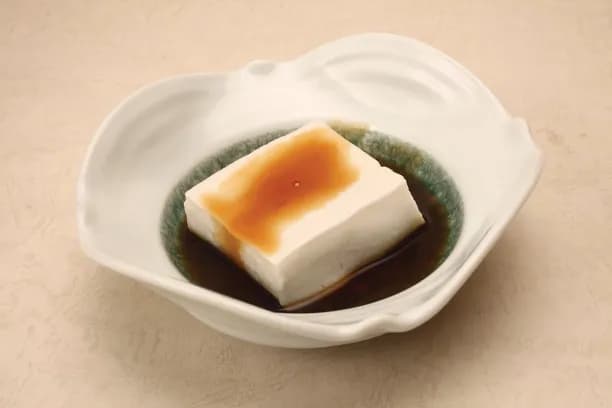
A 100-year tradition: Agu Pork DishesRecommended: shabu-shabu and rice bowls
If Jeju is known for black pork, Okinawa is known for Agu pork. 🐖
Okinawa’s native black pork is called Agu (アグー). Popular dishes include Agu pork rice bowls and Agu pork shabu-shabu.
A well-known place for Agu dishes is Hyakunen Koga Ufuya, a restaurant with over 100 years of history. If you are driving to Churaumi Aquarium, it is also in a convenient location as a stop on the way.
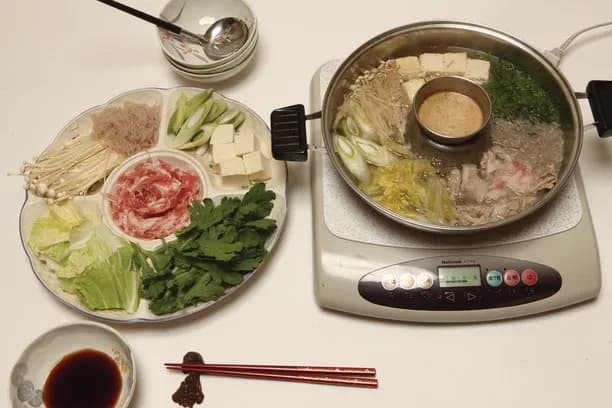
SteakA taste shaped by the U.S. era
In Okinawa, steak culture became deeply rooted after the U.S. administration period.
Even today, Okinawa is known as one of the places with a large U.S. military presence, and this is one reason steak prices can remain relatively affordable.
It is often priced at a level you can enjoy even on a normal day, not only on special occasions.
Popular steak restaurants include:
- 'HAN'S' Kokusai-dori Makishi branch
- Steak 88
- Jack’s Steak House
- Sam’s Sailor Inn
- Kobe Bar Nakanaka
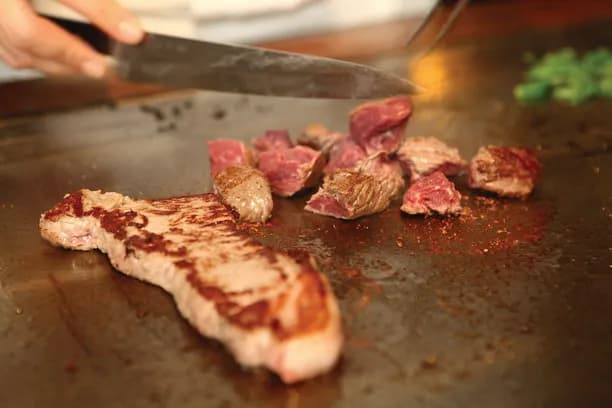
Beni-imo TartA sweet souvenir made with purple sweet potato
A tart made with beni-imo (紅いも, purple sweet potato) is a popular souvenir to take home.
It is sweet and soft, but not everyone likes it, so it is best to try one first before buying more.
If the package says “Original” (元祖), it usually means it uses the original, classic recipe. 🍠
Bukubuku TeaRyukyu tradition served with foam
Bukubuku (ブクブク) is an onomatopoeia for bubbling foam. As the name suggests, it is a traditional Okinawan tea served with foam.
It is made by mixing omoyu (米湯, roasted rice water) with Okinawa’s jasmine tea sanpin-cha (さんぴん茶) or a type of green tea called bancha, then whisking it with a tea whisk (茶筅) to create foam.
In the days of the Ryukyu Kingdom, it was a luxury tea enjoyed only by nobles. Today, it is still a traditional drink you can experience only in Okinawa.
One reason is that Okinawa’s hard mineral water helps create rich foam more easily. 🍵
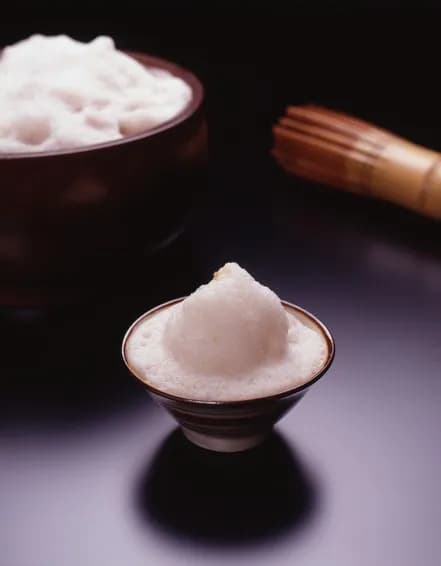
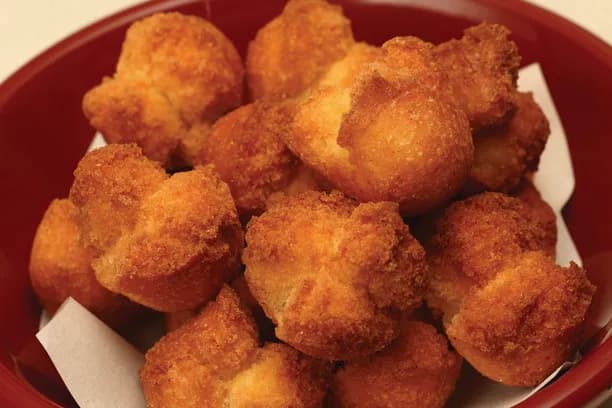
Sata Andagi (サーターアンダギー)A popular snack at rest stops
In Okinawan dialect, “sata” means sugar, and “andagi” means something fried in oil.
So sata andagi is a traditional Okinawan snack: a dough made with Okinawan brown sugar and flour, then deep-fried. It is a classic local treat.
You can easily find it at highway rest stops and tourist areas. It has a crispy texture with a gentle sweetness. 🍩
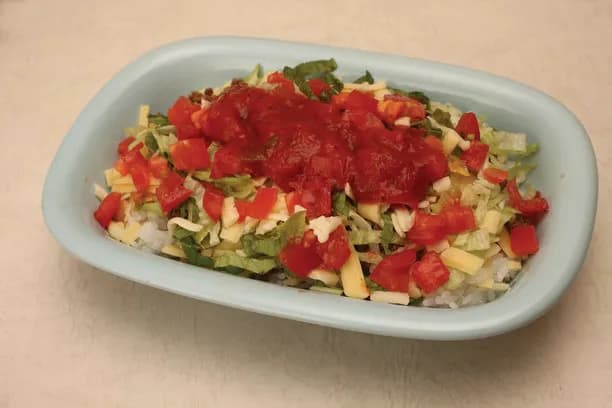
Taco RiceRice where Mexico meets Japan
In 1984, a shop called Parlor Senri (パーラー千里) began selling Mexican-style tacos mainly for U.S. military customers.
Later, when the strong yen reduced dining-out by U.S. soldiers, a new style appeared: instead of tortillas, it used rice to better match Japanese tastes. This became taco rice. 🌮🍚
The original Parlor Senri has closed, but King Tacos (キングタコス), run by the family, still operates six locations across Okinawa, and the dish remains a local favorite.
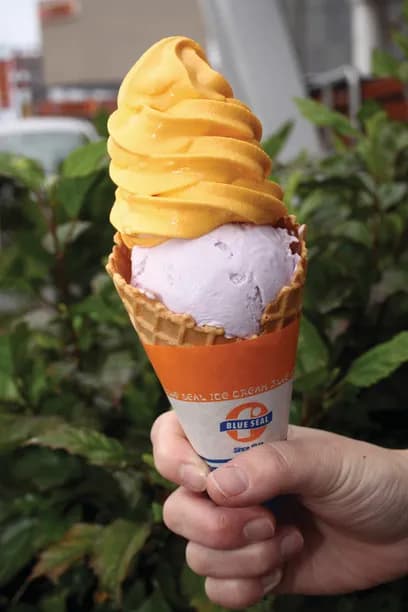
Blue Seal Ice CreamIce cream born inside a U.S. military base
One dessert you should not miss in Okinawa is Blue Seal ice cream. 🍦
It began in 1948, when a company called Foremost was first established inside a U.S. military base to supply dairy products for U.S. troops.
In 1963, the shop moved to Makiminato, Urasoe City (today’s main store), and began selling to the general public. It is said that it became very popular even though it was expensive at the time.
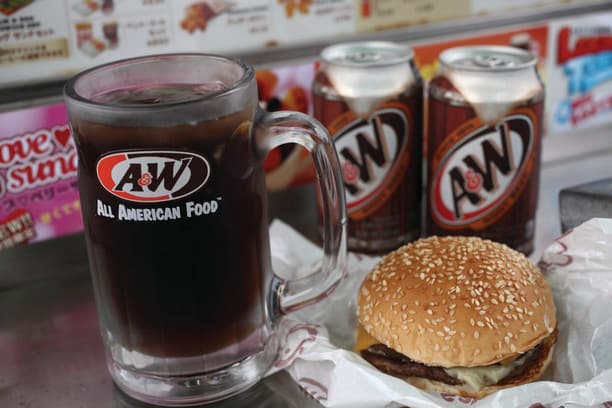
A&W Burgers and Root BeerLike medicated balm? A love-it-or-hate-it drink
Root beer has the word Beer in its name, but it is a carbonated soft drink with zero alcohol. 🍺🚫
It was originally made using extract from the roots of a plant called sassafras, and it traces back to traditional drinks of Native Americans. Later, a doctor promoted it as a health drink.
At first it was called “root tea,” but it was renamed to “root beer” because “beer” sounded more appealing than “tea”—especially to miners at the time.
In 1919, the A&W root beer brand was created and sold together with burgers. It became even more popular during the U.S. Prohibition era.
As U.S. troops were stationed in Okinawa, root beer culture spread naturally, and local people also began drinking it.
Later, in 1960, the U.S. FDA banned sassafras root for food use. Today, only products made without sassafras—using sugar, flavorings, and other ingredients—are sold.
Some people say it tastes like medicated balm, so it is very polarizing. Still, if you want to try a strong and refreshing flavor experience, it is worth a challenge. 😅