IntroductionIntroduction to areas near Nagoya
Nagoya has many things to do not only in the city but also in nearby areas. Even if you only look at Nagoya Port in the south and Inuyama in the north, you will find many attractive sights and facilities. These areas are great for a full day trip and still feel very rewarding.
Around Nagoya PortTop attractions like Nagoya Port Aquarium and the Maritime Museum
1) Nagoya Port Aquarium
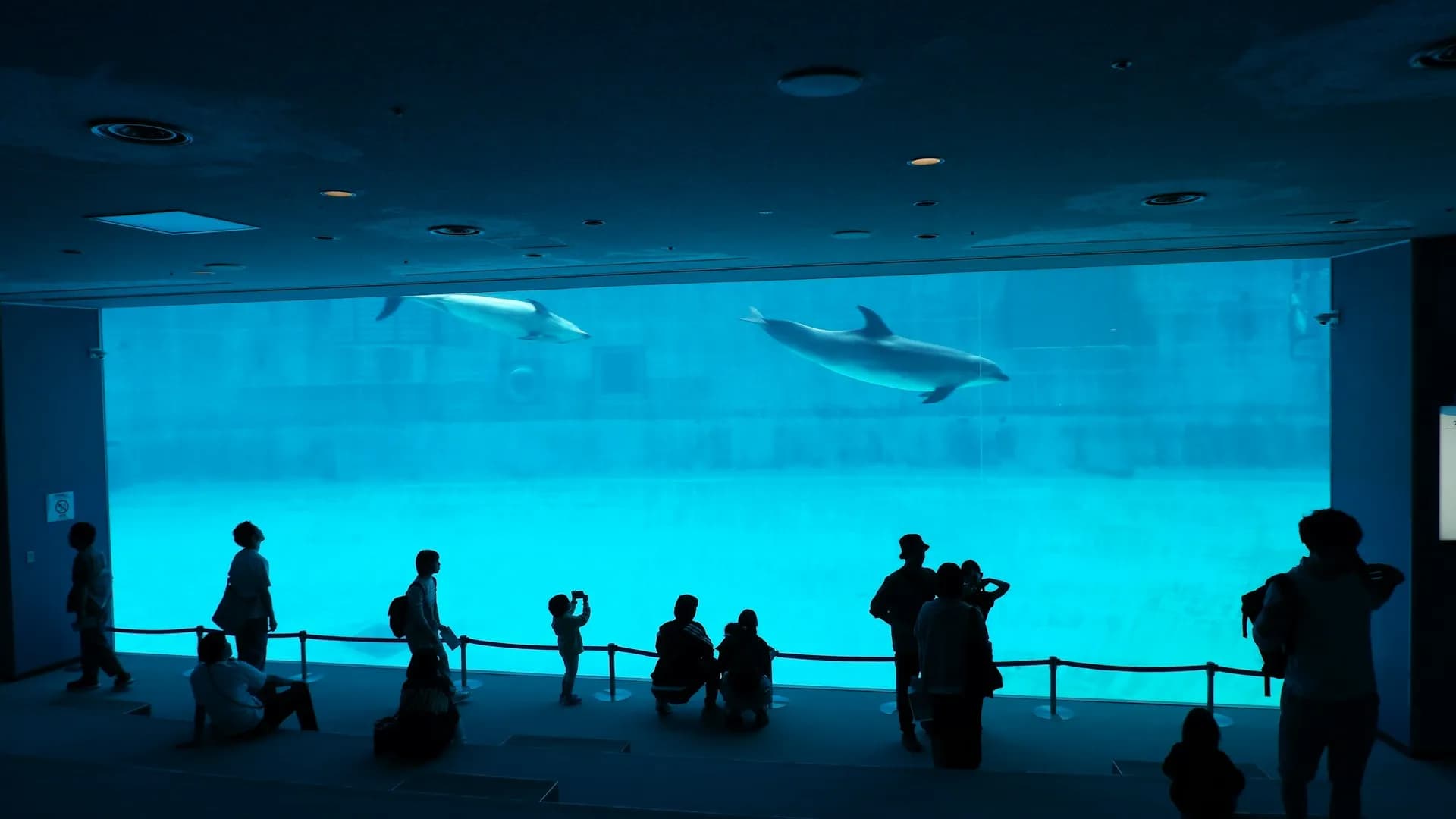
Nagoya Port Aquarium (名古屋港水族館) is one of Japan’s largest aquariums and a popular attraction with about 2 million visitors each year. The aquarium is divided into the North Building and South Building, each with its own themes and marine life displays.
The North Building focuses on “Antarctica and the World of Whales”, and its Antarctic exploration exhibition is linked to the nearby Antarctic research vessel Fuji (ふじ) docked in the area. The highlights here are killer whales (orca, シャチ) and belugas (white whales), which are rare to see in Japan, and you can watch their powerful movements up close.
The South Building is divided into five themes and displays more than 30,000 marine animals:
- Seas of Japan / Deep Sea / Oceania Waters / Antarctica / Equatorial Waters
Key animals include penguins, sea turtles, coral reefs, and tropical fish, letting you experience a wide range of underwater ecosystems.
-
Dolphin performance
- Held in an extra-large pool (one of the biggest in the world)
- You can watch jumps, fast swimming, and training routines
-
Penguin Zone
- A large penguin habitat linked to the Antarctic area
-
Sea turtle breeding and research
- A world-famous research facility → some seasons allow you to see the hatching process

-
Single facility ticket
- High school age and older: 2,030 yen
- Elementary and junior high school: 1,010 yen
- Age 4 and older: 500 yen
- Entry after 17:00: High school age and older: 1,620 yen
- Combined ticket for 4 facilities (Aquarium, Antarctic research vessel Fuji, Port Building Observatory, Maritime Museum): High school age and older: 2,440 yen
-
Opening hours
- Regular: 09:30 ~ 17:30
- Winter: 09:30 ~ 17:00
- Golden Week and summer vacation: 09:30 ~ 20:00
- Last entry: up to 1 hour before closing
-
Closed days
- Every Monday
- Open daily during Golden Week and summer vacation
- Schedules may change depending on weather and animal conditions, so check the official website before visiting
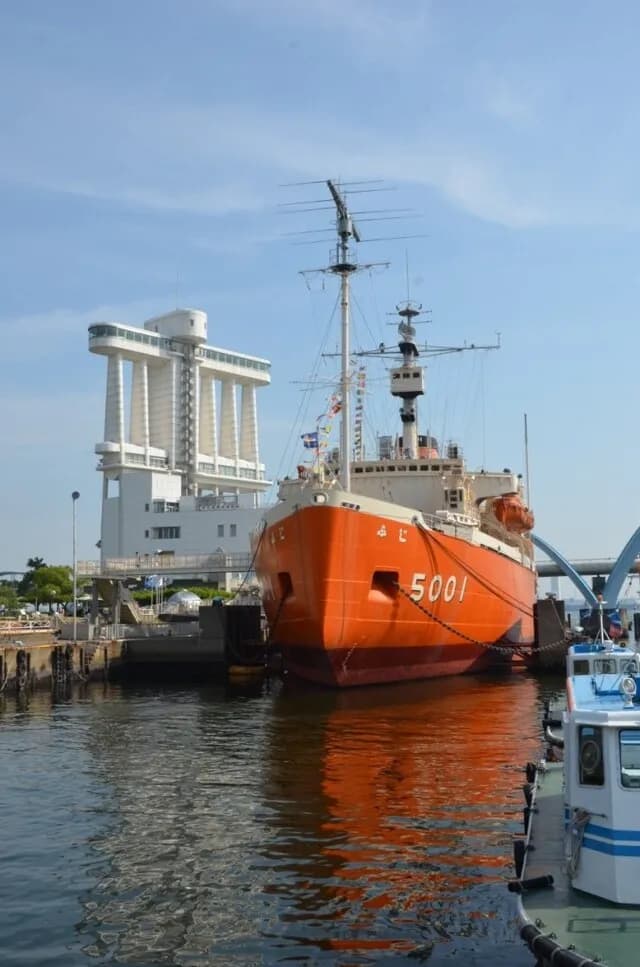
2) Antarctic Research Vessel Fuji (ふじ)
After World War II, Japan joined international cooperation and began Antarctic research in 1956. At first, Japan relied on US icebreakers, but in 1965, Japan built its own icebreaker, Fuji (ふじ), which was used for its first expedition and then completed 18 missions over 18 years in Antarctica.
Since 1985, the ship has been permanently docked at its current location near Nagoya Port and is open to the public. It is especially popular with families because it has many hands-on “explorer” experiences for children.
- Crew living areas: cabins, dining room, medical room, bath
- Science labs: research equipment and laboratories from the time
- Deck displays: helicopter, expedition gear, icebreaking structures
-
Single facility ticket
- High school age and older: 300 yen
- Elementary and junior high school: 200 yen
- Age 4 and older: Free
- Opening hours: 09:30 ~ 17:00 (last entry 30 minutes before closing)
- Closed days: Same as Nagoya Port Aquarium
3) Maritime Museum
The Maritime Museum focuses on the history of Nagoya Port, port and logistics systems, and marine science. It is one of the few museums in Japan that specializes in ports and marine logistics.
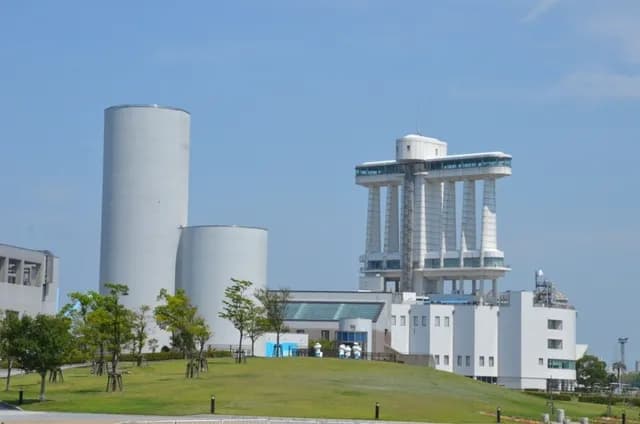
There is also a hands-on learning area where visitors can experience port logistics in a realistic way by pressing buttons and operating models.
-
Single facility ticket
- High school age and older: 300 yen
- Elementary and junior high school: 200 yen
- Age 4 and older: Free
- Opening hours: 09:30 ~ 17:00 (last entry 30 minutes before closing)
- Closed days: Same as Nagoya Port Aquarium
4) Port Building & Observatory
This observatory is on the 7th floor of the same building as the Maritime Museum. It offers a 360-degree panoramic view of Nagoya Port. On clear days, you can even see across Ise Bay (伊勢湾), giving a wide open view.
-
Single facility ticket
- High school age and older: 300 yen
- Elementary and junior high school: 200 yen
- Age 4 and older: Free
- Opening hours: 09:00 ~ 21:30
-
Closed days
- The third Monday of each month (if it is a public holiday, closed the next day)
- New Year holidays: 12/29 ~ 1/1
Around InuyamaInuyama Castle, the traditional castle town, and theme parks
1) Inuyama Castle
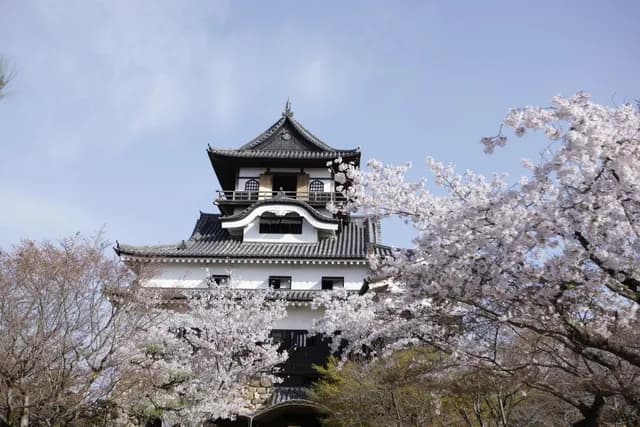
Inuyama Castle (犬山城) was built in 1537 by Oda Nobuyoshi (織田信康), the uncle of Oda Nobunaga. It has the oldest surviving wooden castle keep in Japan. It was designated a National Treasure in 1935 and is now one of Japan’s five National Treasure castles.
During the Sengoku period, it was a key base for the Oda clan and a strategic location contested by powerful leaders such as Toyotomi Hideyoshi and Tokugawa Ieyasu. In the Edo period, it served as the northern defense line of the Nagoya Domain. Most of the castle was removed after the Meiji Restoration, but the keep was preserved. It was also known for being privately owned for many years, and later was transferred to a foundation in 2004 and is now managed publicly.
- Admission: High school age and older: 550 yen, Elementary and junior high school: 110 yen
- Combo tickets with Meiji Mura, Little World, and more are also available
- Opening hours: 09:00 ~ 17:00 (last entry 16:30)
- Closed days: 12/29 ~ 12/21
2) Inuyama Castle Town (城下町)
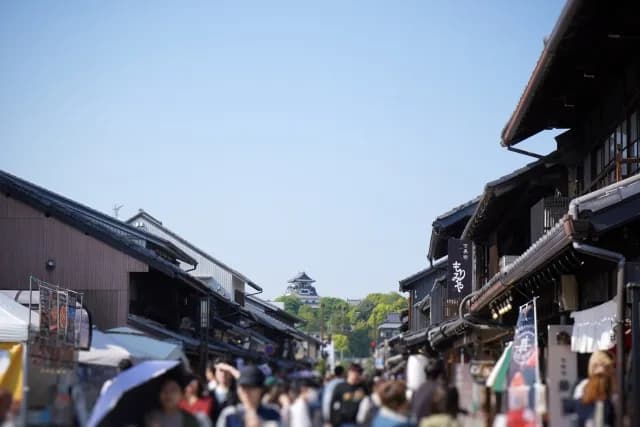
Inuyama Castle Town is a town that formed below the castle. It is a street where traditional buildings and modern cafes and shops exist together. It is a great place for a walk, street food, and shopping. If your trip does not include Takayama, this is a recommended stop to feel a traditional atmosphere.
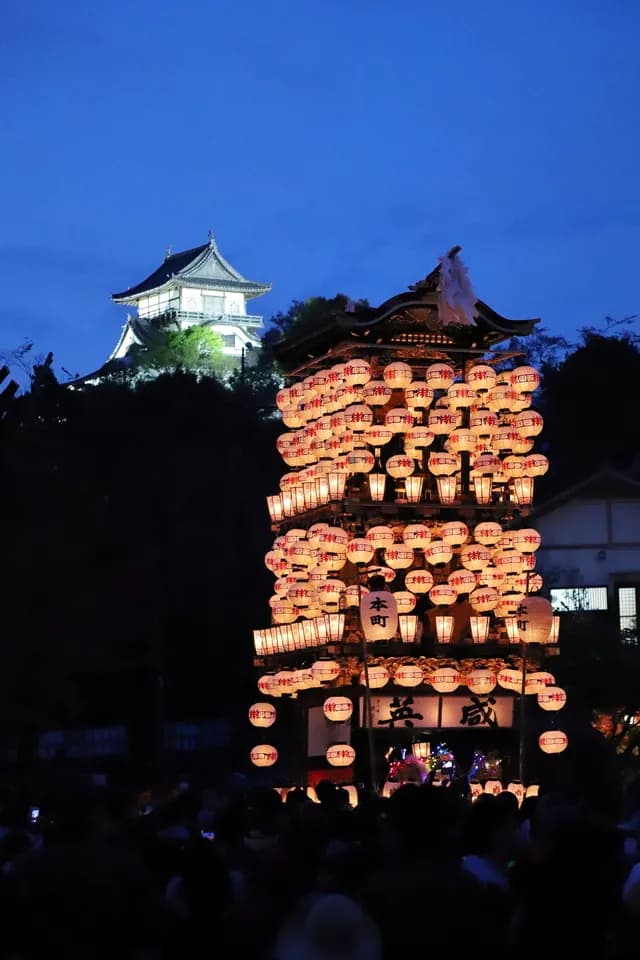
Every year on the first weekend of April, the Inuyama Festival (犬山祭) is held, and it is listed as a UNESCO Intangible Cultural Heritage. It is famous for decorated festival floats parading through the streets, and because it matches cherry blossom season, it is a must-see if your timing is right.
3) Japan Monkey Park
Even though it has the name “Monkey”, it is not only about monkeys. It is a multi-purpose leisure park that combines an amusement park, a water park, and an interactive zoo. Prices depend on which areas you enter, so choose your ticket based on your plan.
① Main Areas
- Amusement park area: A large Ferris wheel, carousel, roller coasters, and 30+ attractions. It has many rides for children, so it is recommended for families.
- Monkey Center: Not only monkeys, but around 60 species and more than 900 primates, and it is known as one of the world’s largest primate zoos.
- Pool area: Summer only, with a maximum depth of 90 cm, making it a kid-friendly water park.
② Pass Buying Guide
- You can buy separate admission tickets for each area
- If you only use the amusement park, choose between admission + individual ride tickets or an all-day ride pass
- A combo ticket for amusement park + zoo + water park is usually slightly cheaper
- Closed days differ by area, so check the schedule before visiting
④ Getting There
From Inuyama Station East Exit, take the local bus bound for “Japan Monkey Park” and it takes about 5 minutes
Location Japan Monkey Park official website Monkey Center official website4) Meiji Mura
Meiji Mura (明治村) is an open-air architecture museum in Inuyama, near Nagoya. It is a special theme-park-style facility that preserves and displays buildings from Japan’s Meiji era (1868–1912).
The buildings here were not originally in Inuyama. They are real Meiji-era buildings moved from different parts of Japan, so the site itself is like a living historical exhibition.
Because you can experience Japan’s modernization through architecture and daily life culture, it is especially recommended for travelers interested in history and architecture.
- Admission: Adults 2,500 yen / High school students 1,500 yen / Elementary & junior high school 700 yen
- Separate tickets are needed for the SL train, Kyoto streetcar, and village bus
Getting There
- About 20 minutes by local bus from Inuyama Station East Exit (bound for Meiji Mura)
- About 1 hour 10 minutes by bus from Nagoya Station Meitetsu Bus Center or Sakae Oasis 21
5) Little World
Little World Museum is an open-air folk museum that displays houses from more than 20 countries, either recreated at full scale or relocated from the original sites. You can enter the buildings, so you can experience daily life, furniture, and traditional culture in a realistic way. You can also try on traditional clothing.
It is not only about buildings. There are also areas where you can try traditional foods from around the world. For example, you can enjoy Korean bibimbap, German sausages and beer, French bread, and Turkish kebab in local styles. This makes it a special open-air museum that combines culture and food experiences.
Getting There
- About 20 minutes by local bus from Inuyama Station East Exit (bound for Little World)
- About 50 minutes by bus from Nagoya Station Meitetsu Bus Center or Sakae Oasis 21