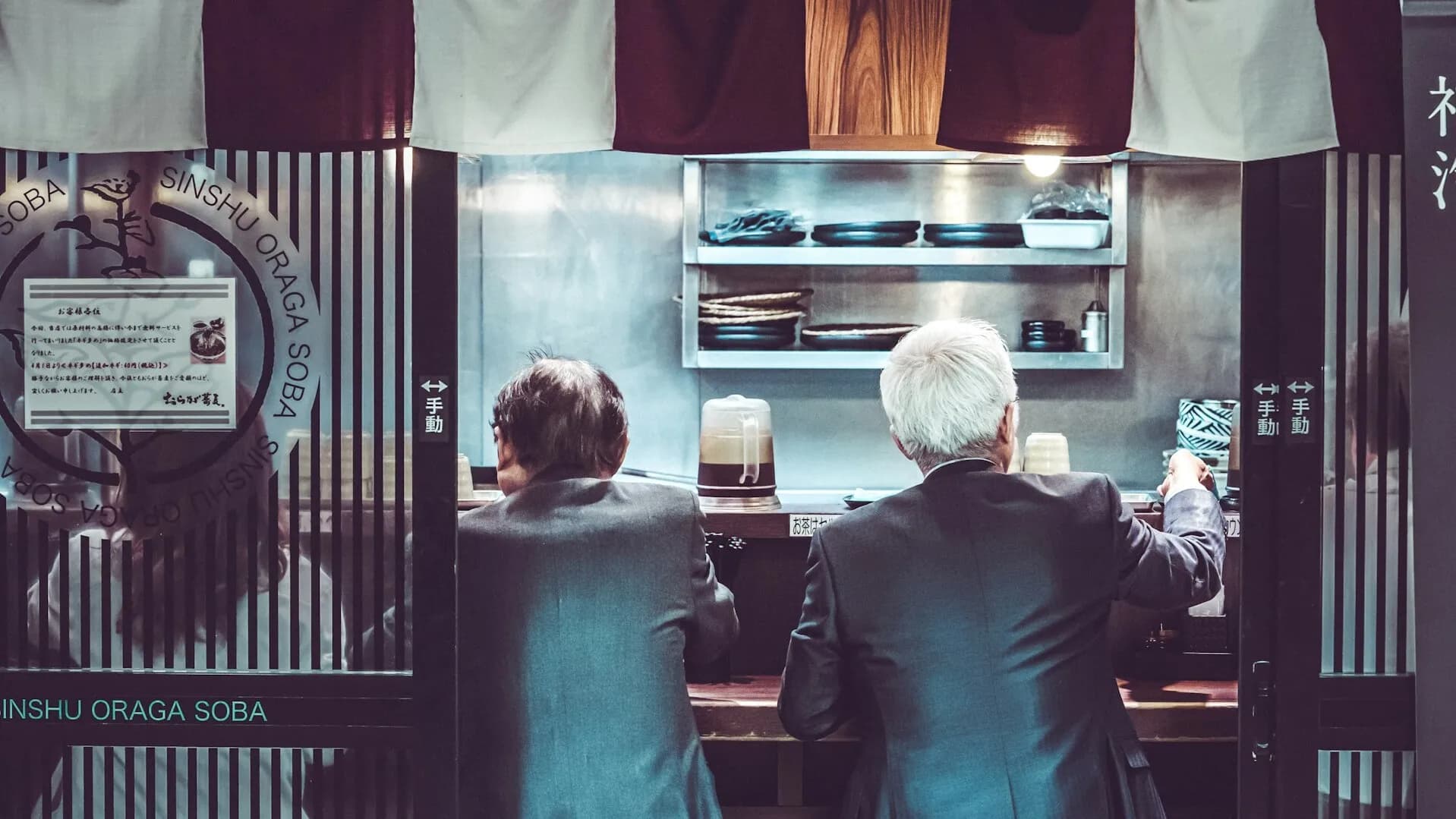
IntroductionNagoya is so proud of its food culture that people even say “Nagoya-meshi”
“Meshi (飯)” means a meal or rice in Japanese. With a place name added, “Nagoya-meshi” refers to Nagoya’s signature local dishes and specialties.
Like Osaka’s kushikatsu or Sapporo’s jingisukan, it has become a local food brand. Today it is also used as a tourism promotion keyword, so you will often see “Nagoya-meshi” menus at airports, stations, and restaurants.
Nagoya-meshiThe story of Nagoya Morning and recommended cafes
1) Nagoya Morning
Nagoya has a unique breakfast culture that is hard to find elsewhere: “Nagoya Morning.”
With just one coffee order, you may receive a set that includes toast, salad, and even ogura red bean toast. It is a fun and memorable part of a Nagoya trip.

In the 1950s, textile factory workers in Ichinomiya (一宮市), Aichi Prefecture, began stopping by local coffee shops (kissaten) early in the morning.
Cafes started giving peanuts or a boiled egg for free with coffee orders.
This idea to keep customers coming back is often seen as the origin of today’s “Morning Service” culture.The trend spread to Nagoya City, which was known as a “cafe kingdom” at the time.
What began as a simple egg-and-peanut service gradually expanded to toast, salad, ogura red bean toast, pasta, and mini udon.As cafes competed to improve their morning sets,
Nagoya Morning became a signature local food culture.
① Komparu (コンパル)
- A long-running classic Nagoya morning cafe that began in 1947
- Now a chain with 8 locations; add 200–350 yen to your drink to get toast
- No morning set during local holiday periods such as New Year and Obon
- Their most famous item is not the morning set, but the “Ebi Fry Sandwich” (fried shrimp sandwich), which is also good to share among three people
② Komeda Coffee
- A major cafe chain with around 900 locations across Japan
- Order a drink before 11:00, and you get a Nagoya Morning set with no extra charge
- Set options:
- Bread: toast or roll bread (choose 1)
- Topping: boiled egg | egg paste | ogura (red bean) (choose 1)
- Spread: butter | strawberry jam (choose 1)
2) Ogura Toast
Ogura toast is one of the most iconic Nagoya Morning items.
A popular story says it started when a customer asked, “Can I put sweet red bean paste on buttered toast?”
The salty butter and sweet red bean paste (ogura-an) create a perfect sweet-and-salty balance.
It is a distinctive Nagoya flavor loved by many visitors.
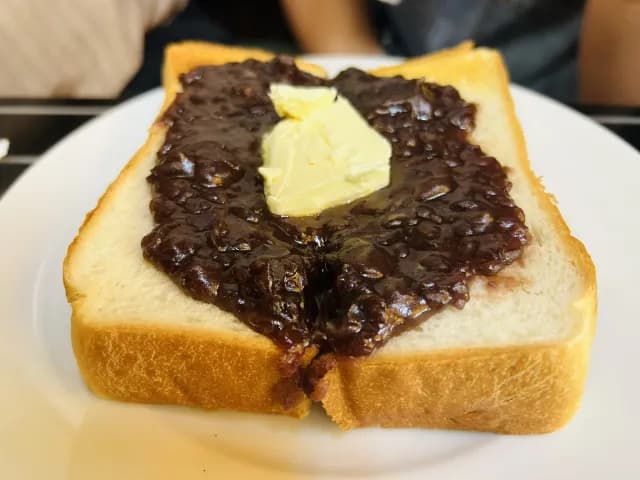
- “Ogura (小倉)” in Japanese can refer to sweet red bean paste,
and it uses the same kanji as Kokura (小倉) in Kitakyushu, Fukuoka.
3) Hitsumabushi
Among Nagoya-meshi, the most famous dish is hitsumabushi (ひつまぶし). It was created at Atsuta Horaiken (蓬莱軒), a restaurant that opened in 1873 near Atsuta Shrine.
At first, they delivered eel rice bowls in round ceramic containers, but the containers often broke, so they began delivering multiple portions in a large wooden tub.
Because many customers ate only the eel and left the rice, the restaurant started chopping the eel and mixing it into the rice (まぶす, mabusu).
The name comes from “ohitsu (お櫃, wooden tub)” + “mabusu (to mix)”.
Later, the style of pouring tea or broth over the rice was added, and Atsuta Horaiken registered the name—making it one of Nagoya’s best-known specialties.

Today it is served as chopped grilled eel over rice.
You typically divide the bowl into four portions (like a ➕) and enjoy it in these steps:
① First portion
Eat it as-is, without adding anything.
② Second portion
Add green onion, wasabi, and other toppings.
③ Third portion
Add nori and pour in green tea or dashi broth to enjoy it as ochazuke.
④ Final portion
Finish it in the style you liked best.
Recommended Hitsumabushi Restaurants in Nagoya
- Atsuta Horaiken (あつた蓬莱軒)
- A 140-year original shop that registered the “hitsumabushi” name
- Very popular with tourists and well reviewed
- Main shop near Atsuta Shrine, with multiple branches in Nagoya
- Unazen (うな善)
- A traditional eel restaurant founded in 1957
- Kanto-style eel (steamed, then charcoal-grilled: soft and tender)
- Nagoya-style eel (charcoal-grilled without steaming: fragrant and springy) → you can try both styles
- Unafuji (うな富士)
- Michelin-listed, also selected repeatedly among Tabelog’s top 100
- Uses only premium eel and grills it whole over high-heat charcoal to create a crisp outside and juicy inside, highlighting the eel’s natural flavor
- Maruya Honten (まるや本店)
- Many branches in easy locations such as Nagoya Station and Chubu Centrair Airport
- Stable quality and a convenient option for travelers
Because they adapted their approach to the situation, hitsumabushi was able to develop into what it is today.
If they had stuck to the old method, the hitsumabushi culture of enjoying eel in multiple styles might not exist now.
Beer + Pizza in NagoyaAn authentic Naples pizza shop certified by the Italian government—right in Nagoya?
This is not technically Nagoya-meshi, but it is a must-visit restaurant: Solo Pizza.
You might think, “Pizza in Nagoya?” but there is a clear reason to go.
This shop has won a global pizza competition twice and has official recognition from the Italian government as an authentic Neapolitan pizza restaurant.
A cold beer with a slice of real Naples-style pizza is a perfect way to level up your trip.
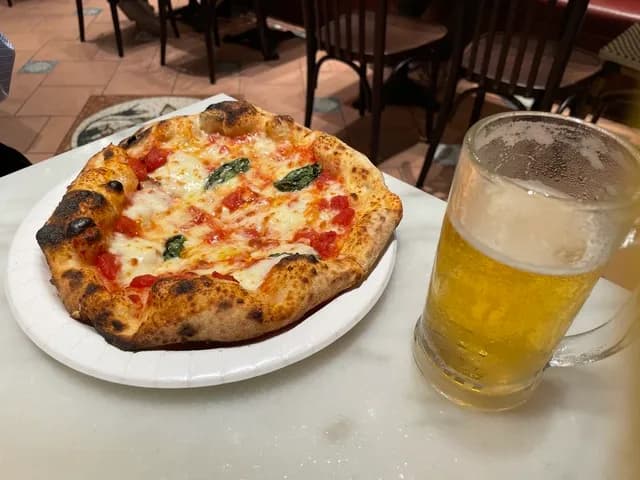
Signature Menu
- Margherita Extra
A classic Napoli pizza with tomato, mozzarella, basil, and olive oil. This is the shop’s best basic choice and the menu that brought the chef his first world-title win. - Pasquale
A unique pizza with turnip leaves, ham, and mozzarella. This special combination helped win another world competition. - Marinara
The original style of Napoli pizza, made with tomato sauce, garlic, oregano, and olive oil. With no cheese, it highlights the pure flavor of the dough and the wood-fired oven—popular for light meals and vegetarians.

Takayama AreaHida beef sushi and Takayama ramen
1) Hida Beef (飛騨牛)
Hida beef is one of Japan’s top wagyu brands, often listed alongside Kobe beef and Matsusaka beef.
It is known for tender texture and rich marbling.
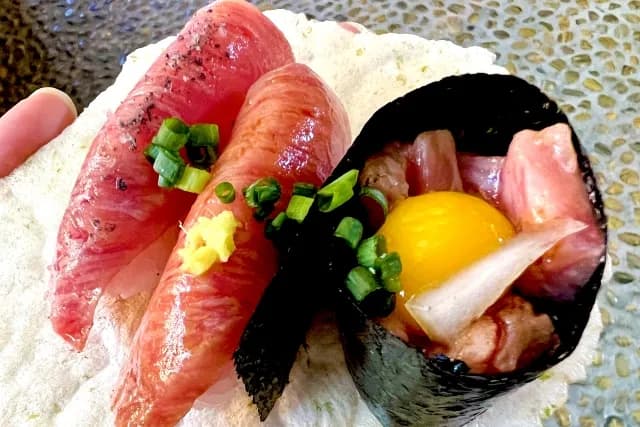
You can enjoy it in many styles such as steak, sukiyaki, shabu-shabu, salt-grill, and sushi.
In particular, Hida beef nigiri—lightly seared wagyu on hand-pressed sushi rice—is a must-try experience for many travelers.
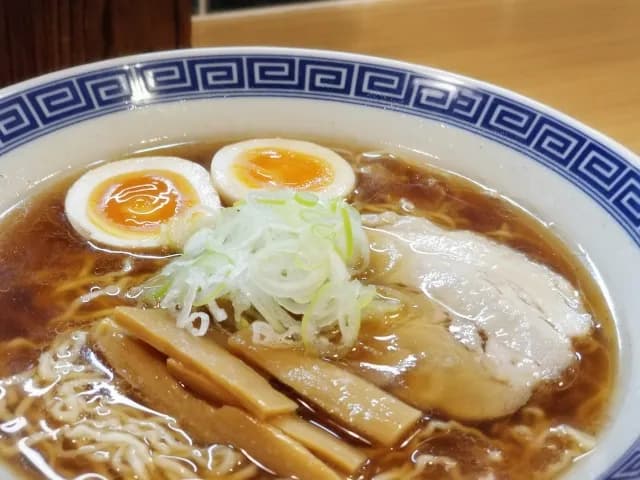
2) Takayama Ramen (高山ラーメン)
Known as a local everyday ramen from a cold mountain region,
Takayama ramen features a clear but deep soy-sauce-based broth and
thin straight noodles.
It is loved for its simple, light, and comforting taste.
Mie AreaA company that made Akafuku sweets also built a traditional street for tourism?
1) Akafuku Mochi (赤福餅)
Akafuku is a long-established shop founded in 1707, known for this traditional Japanese sweet. Since the Edo period, it has been enjoyed by pilgrims visiting Ise Grand Shrine as an energy snack. It is made with soft mochi wrapped in sweet red bean paste.
The three lines on top represent the flow of the Isuzu River, and the white mochi represents stones on the riverbed.
It is known for a refined taste that is not overly sweet, but because it has a short shelf life, you should check the expiry date before buying it as a souvenir.
- The company known for Akafuku (赤福) created a traditional shopping street in 1993 to revitalize the area in front of Ise Grand Shrine. This tourist area is called Okage Yokocho (おかげ横丁).

2) Ise Udon (伊勢うどん)
Ise udon is a thick and very soft udon with almost no soup.
You mix the noodles with a rich sauce made from soy sauce, dashi, and mirin.
It developed around pilgrims visiting Ise Grand Shrine. It looks simple, but the combination of chewy noodles and savory sauce is very satisfying.

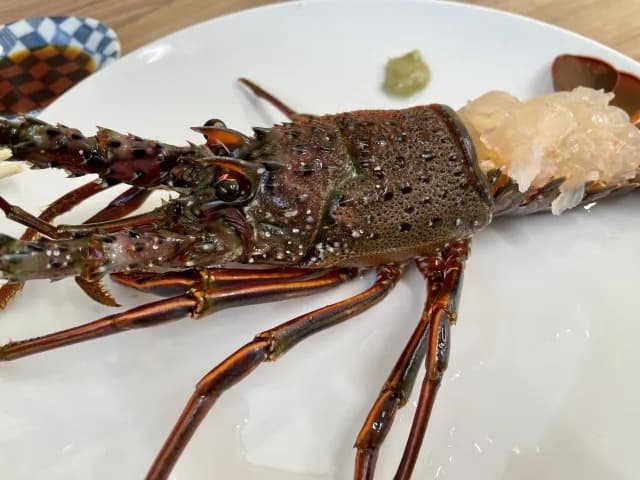
3) Ise Lobster (伊勢海老)
A signature seafood of Mie Prefecture, a premium local delicacy named after the Ise area.
It is known for its large body, hard shell, and firm texture. People enjoy it as sashimi, grilled dishes, and miso soup, and it is also a prized ingredient often used in New Year cuisine.
4) Matsusaka Beef (松阪牛)
Matsusaka beef is one of Japan’s top wagyu brands, often mentioned with Kobe beef and Hida beef, and is known worldwide as a premium beef brand.
It is famous for rich marbling and a melt-in-your-mouth texture, and is commonly enjoyed as sukiyaki, shabu-shabu, and steak.

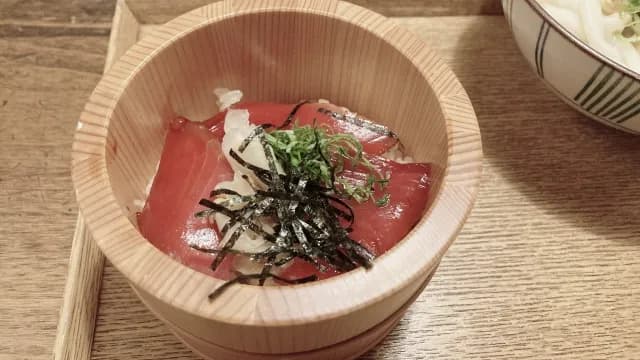
5) Tekone-zushi (手こね寿司)
A traditional dish of fishermen in the Ise area. It is a local sushi style made by marinating bonito or tuna in soy sauce and placing it over sushi rice.
The name comes from “te de koneru (手でこねる),” meaning “to mix by hand”. Today it is a specialty of the Shima and Toba areas.
6) Seasonal Oysters (牡蠣, kaki)
Oyster season runs from November to March. In winter, oysters become plump and you can enjoy a richer flavor.
Ise Bay and the waters off Toba and Shima are calm and rich in nutrients, making them an ideal environment for oyster farming.
This area is also one of Japan’s largest regions for ama divers (海女). Ama divers harvest abalone, turban shells, and oysters, helping build the image that “Ise = seafood country”.

You can enjoy oysters in many ways: yakikaki (焼き牡蠣) grilled in the shell, fresh raw oysters, hot oyster hot pot, crispy fried oysters, and generous oyster rice bowls.
In the Toba and Shima area, you can also try a special experience: eating oysters grilled on the spot at an ama hut (amagoya), where ama divers bring in fresh seafood.