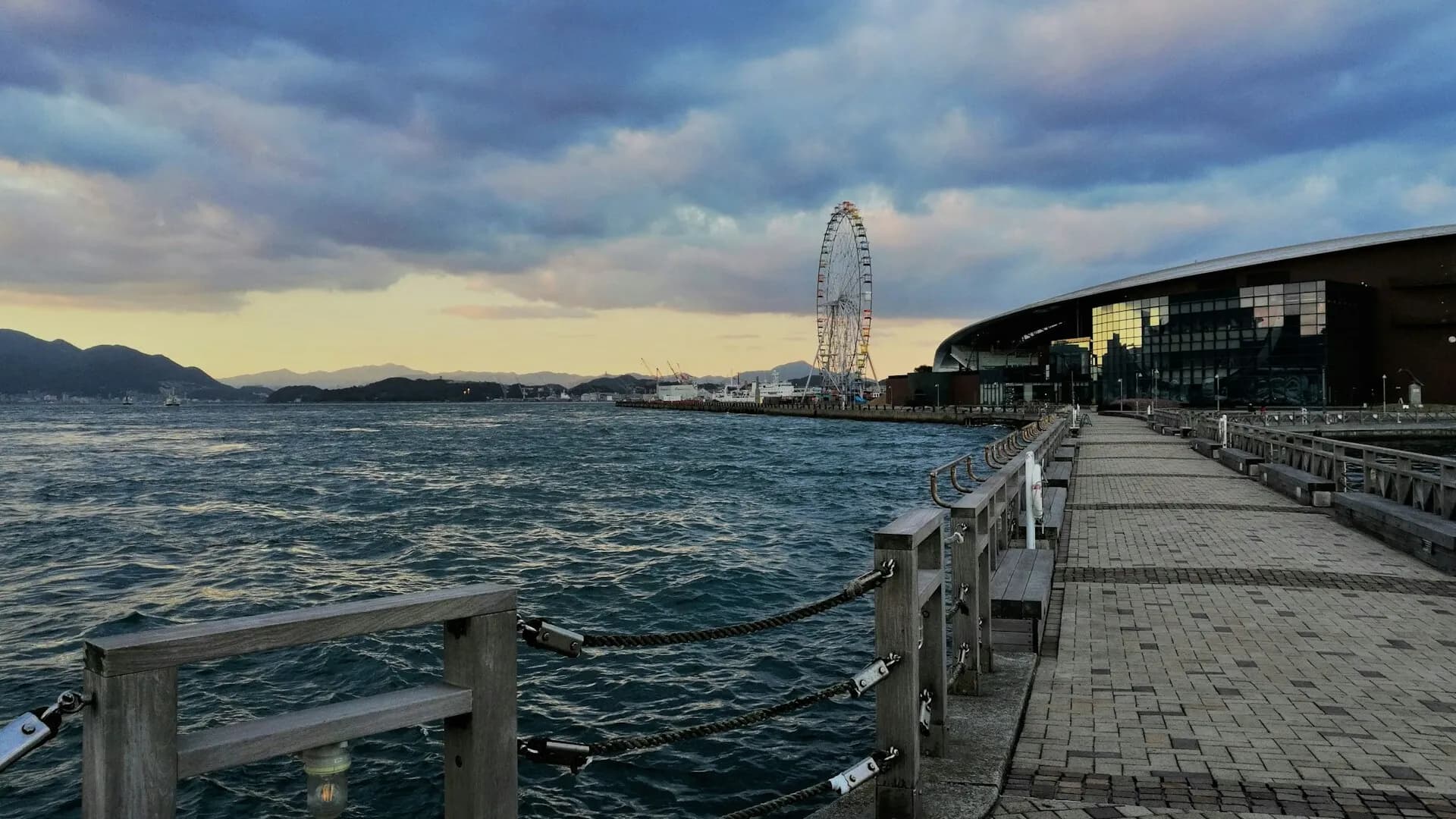
IntroductionA strait city that connects Honshu and Kyushu
Shimonoseki sits on the western edge of Yamaguchi Prefecture, facing Mojiko (門司港) in Fukuoka across the Kanmon Strait (関門海峡). It is a gateway city that connects Honshu and Kyushu.
With a mix of historic events, sea transport, and local food culture, it offers the charm of an international strait city.
1) How to Get to Shimonoseki
- Via Kitakyushu Airport: Fly in, then continue to Shimonoseki by ground transport
- Via Fukuoka Airport: Take a highway bus directly to Shimonoseki, or transfer at Kokura Station and continue to JR Shimonoseki Station
2) Main Sightseeing Areas in the City
- Around Shimonoseki Station: The main access area
- Karato area: The tourism hub, with Karato Market, strait cruises, and more
- Chofu (長府) area: A quiet historic town with a traditional atmosphere
Getting from Fukuoka to ShimonosekiHighway bus and train connections
1) By Highway Bus
From Tenjin Highway Bus Terminal, you can take the “Fukufuku-go” express bus to Shimonoseki for a convenient, no-transfer ride.
This bus is first-come, first-served with no reservations, and you can ride for free if you show the SUNQ Pass.
- Stops: Hakata Bus Terminal - Nishitetsu Tenjin Highway Bus Terminal - In front of Tenjin Central Post Office - Nakasu - Karato - Shimonoseki Station
- Only 4 round trips per day stop at Hakata Bus Terminal
- One-way fare: Adult 1,700 yen / Elementary school child 850 yen
2) By Train
From Hakata Station, you can reach Shimonoseki by transferring once at Kokura Station and continuing on the Sanyo Main Line.
For details on traveling between Hakata and Kokura, see the “Kitakyushu” section.
Shimonoseki Transport Pass GuideExplore Shimonoseki by ferry and bus
The main bus operator connecting Shimonoseki’s city area and nearby spots is Sanden Kotsu, which is very convenient for moving between attractions.
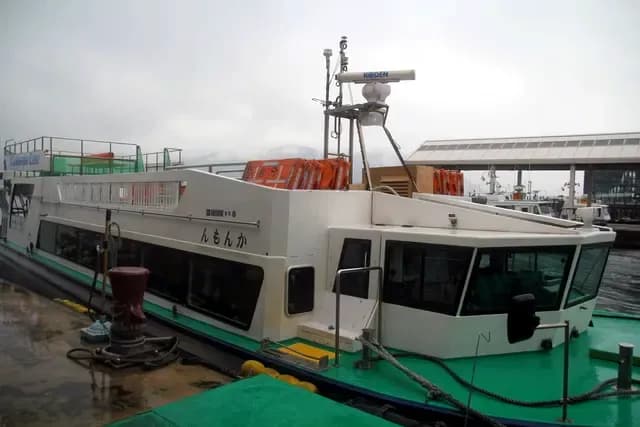
There is also a ferry service called “Kanmon Kisen (関門汽船)”, which connects Shimonoseki and Mojiko.
1) Kanmon Kisen
関門汽船
Kanmon Kisen has two routes and is a popular way to travel quickly between key sightseeing areas by sea.
-
Kanmon Ferry: Shimonoseki ↔ Mojiko
- One-way fare: Adult 400 yen / Child 200 yen
- Check the timetable
-
Ganryujima Ferry: Shimonoseki ↔ Ganryujima ↔ Mojiko
- Round-trip fare: Adult 900 yen / Child 450 yen
- The Ganryujima ↔ Mojiko section runs only on weekends
- Check the timetable
2) Triangle Free Pass
トライアングルフリーパス
This pass allows unlimited rides for one day on both the Kanmon Ferry and the Ganryujima Ferry.
It is useful if you plan to visit Ganryujima and then return to Mojiko or Shimonoseki.
- Price: Adult 1,000 yen / Child 500 yen
- Purchase: Ticket counters at the Shimonoseki and Mojiko boarding points
3) Sanden 1-day Pass
関門周遊パスポート
This pass gives you unlimited rides for one day on Sanden Kotsu buses running in Shimonoseki city and nearby areas.
For example, if you ride all of the routes below, the total is about 1,190 yen, so this pass becomes a better deal if you ride 4 times or more.
- Shimonoseki Station ↔ Karato Market (220 yen)
- Karato ↔ Mimosugawa (190 yen)
- Mimosugawa ↔ Jokamachi Chofu (350 yen)
- Jokamachi Chofu ↔ Shimonoseki Station (430 yen)
If you use the bus only 3 times or fewer, paying separately may be cheaper, so keep this in mind.
- Where to buy: Bus ticket office at Shimonoseki Station, tourist information centers, and more
4) Kanmon Sightseeing Pass
サンデン1dayパス
This pass cannot be purchased in Mojiko and is available only in Shimonoseki. It is a good choice if you start in Shimonoseki and plan to visit both Mojiko and Chofu in one trip.
- Kanmon Ferry (Karato ↔ Mojiko) 2 rides included
- Sanden bus: Shimonoseki Station ↔ Jokamachi Chofu bus stop
- Nishitetsu bus: Mojiko Station ↔ Mekari bus stop
- Price: Adult 1,440 yen / Child 720 yen
- Where to buy:
- Bus ticket office in front of Shimonoseki Station
- Shimonoseki Tourist Information Center
- Kanmon Kisen Karato Port
Start Near Shimonoseki StationYume Tower and Ganryujima Island
1) Kaikyo Yume Tower
オーヴィジョン海峡ゆめタワー
Shimonoseki Yume Tower is the city’s landmark, known for its round glass dome observation deck that you can see from many parts of the city.
The word “Yume (ゆめ)” means “dream,” and the tower was built as a symbol of hope connecting the sea, the city, and the future.
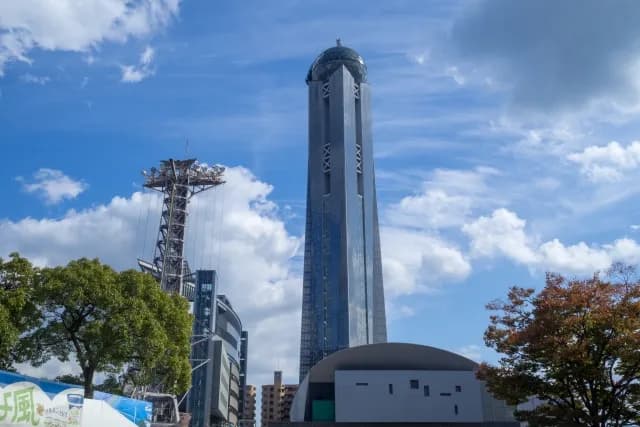
From the observation deck, you can enjoy wide views of the Kanmon Strait, Mojiko, Kanmon Bridge, and Shimonoseki city. On clear days, you may even see Hikishima and Tsunoshima in the distance.
At night, the entire tower is illuminated and it is also known as a night view spot—especially popular as a romantic date place. 🌃
- Every Friday, couples or married pairs aged 18+ get 20% off (some blackout dates apply)
- Admission: Adult 600 yen / Elementary–high school students and ages 65+ 300 yen
- Hours: 09:30 ~ 21:30 (last entry 21:00)
- Closed: The 4th Saturday of January
2) Ganryujima Island
巖流島
Ganryujima is famous as the site of the legendary duel between Miyamoto Musashi and Sasaki Kojiro on April 13, 1612.
Its original name was “Funashima (舟島),” but it later became widely known as “Ganryujima (巌流島)”, named after Kojiro’s title, “Ganryu (巌流).”
- There are no shops or toilets on the island, so you must prepare before departure
⚔️ A legendary duel in Japanese sword history
Musashi and Kojiro were real swordsmen active in the early Edo period. They each founded their own style and traveled across Japan, and their fateful duel is said to have taken place at Ganryujima off the coast of Shimonoseki in 1612.
※ On Google Maps, it may appear as “Funashima (舟島)”
Miyamoto Musashi is known as the founder of Niten Ichi-ryu, a two-sword style, and is often described as a genius swordsman who never lost in real combat.
His strategy book, The Book of Five Rings (五輪書), is sometimes listed among the world’s major military classics alongside The Art of War.
Sasaki Kojiro was said to use a fast cutting technique called “Tsubame Gaeshi (燕返し)” and carried a long sword nicknamed “Monohoshizao (物干し竿).” He was also known as a handsome fighter popular among nobles.
According to the story, Musashi arrived late on purpose to disturb Kojiro’s focus, then ended the duel with a single strike using a wooden sword carved from an oar.
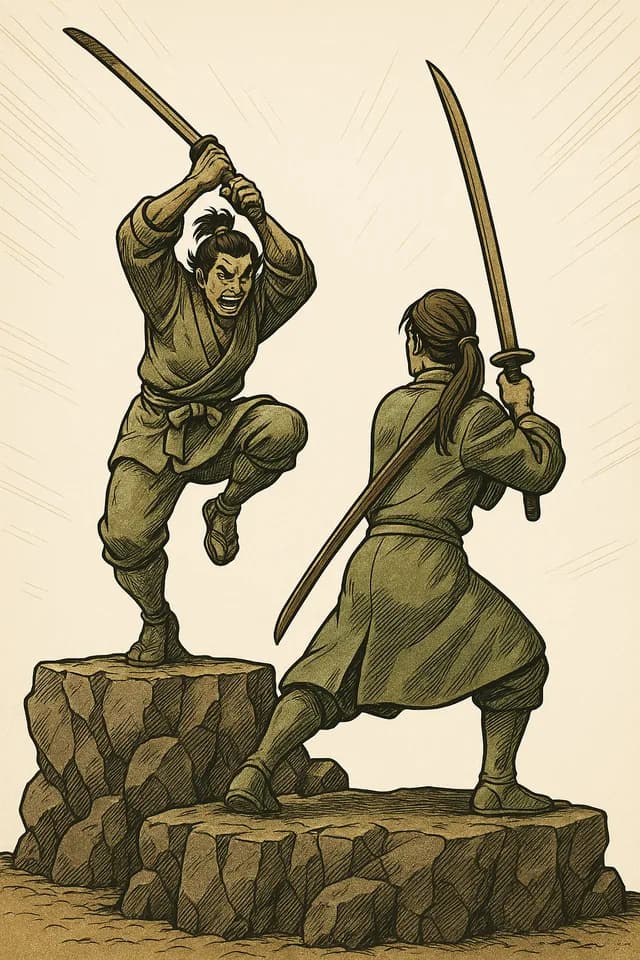
Today, Ganryujima is developed as a tourist site, and it takes about 10 minutes by boat from Shimonoseki or Mojiko.
The island has statues and monuments dedicated to both men.
Miyamoto Musashi is also well known as the main character of the manga Vagabond.
Karato AreaEnjoy food, scenery, and history in Karato
1) Karato Market
唐戸市場
One of the biggest reasons to visit Shimonoseki between Friday and Sunday, or on Japanese public holidays, is a special food event called Ikiki Bakan-gai (いきいき馬関街).
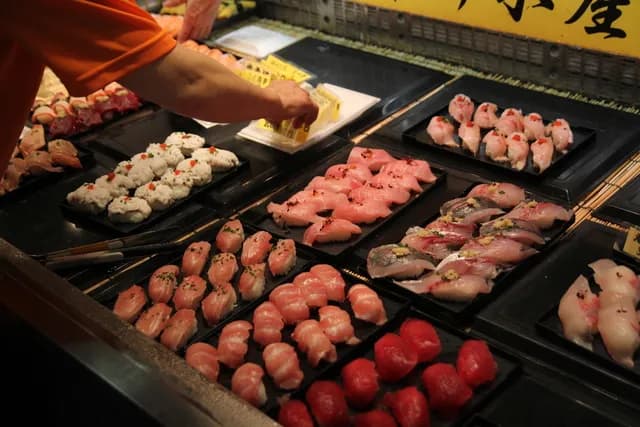
“Bakan (馬関)” is an old place name for Shimonoseki. The event name suggests the meaning of “a lively Shimonoseki street.”
This event is held only on Fridays, Saturdays, Sundays, and Japanese public holidays. Many shops inside the market display and sell freshly made sushi and seafood dishes.
You can enjoy a wide variety of sushi at reasonable prices, including Shimonoseki’s local specialty, fugu (pufferfish) sushi, as well as tuna and salmon.
You can eat at indoor tables or at outdoor benches with sea views.
Because most stalls accept cash only, you should come prepared. Also, Saturday from 11:00 to 12:00 is the busiest time, so it is best to avoid that window. 🕐
- Fri & Sat: 10:00 ~ 15:00
- Sun & Japanese public holidays: 08:00 ~ 15:00
- Cash only, Saturday 11:00–12:00 is the busiest
Right next to Karato Market, Kamon Wharf is a seaside commercial complex—an ideal place to take a short break after your meal while enjoying the ocean view. You can also find a cute pufferfish sculpture by the waterfront. 🐡
2) Hai! Karatto Yokocho
はい!からっと横丁
“Hai! Karatto Yokocho” is a small theme-park-style complex by the sea next to Karato Market, where you can enjoy rides and night views.
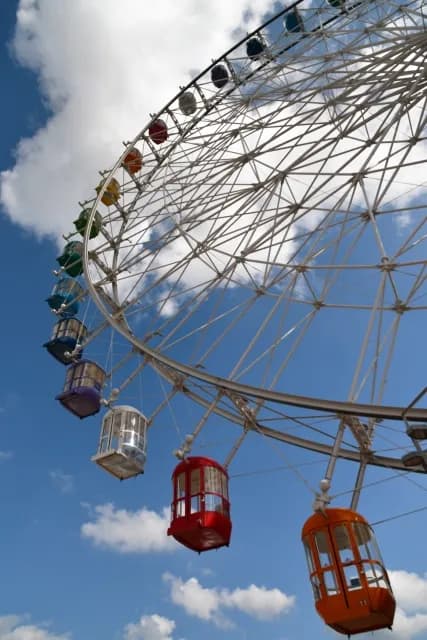
It operates during the day as well, but the Ferris wheel and carousel become especially popular at night, when they glow with lights and create a beautiful photo spot. 📸
- Admission is free, and rides require individual tickets or a day pass
- 1-day free pass: JHS age and above 2,200 yen / Ages 3+ to elementary school 1,300 yen
- Show a discount coupon to save 200–300 yen
- 1 child (age 3+) + 1 guardian (age 16+) free-pass set: 2,900 yen
- Set tickets including Kaikyokan Aquarium or Kaikyo Yume Tower + Ferris wheel are also sold separately
Rides and prices Opening calendar
3) Kaikyokan Aquarium 🐡🐧🐬
海響館
Kaikyokan is a major aquarium themed around Shimonoseki’s marine ecosystem, known for its strong local focus—especially pufferfish exhibits and a large tank that recreates the currents of the Kanmon Strait.
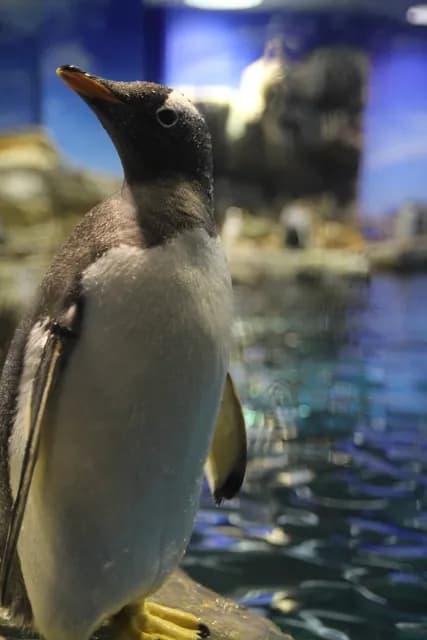
It is a marine culture spot suitable for all ages, from families to couples and children, and it is also a great area for a seaside walk.
- Hours: 09:30 ~ 17:30 (last entry 17:00)
- Admission: Adults 2,500 yen / Elementary & junior high students 1,200 yen / Ages 3+ 500 yen
- Open daily
4) Akama Shrine
赤間神宮
Akama Shrine is one of Shimonoseki’s iconic sights, known for its bright red exterior and its “Ryugu (Dragon Palace)” style of shrine architecture.
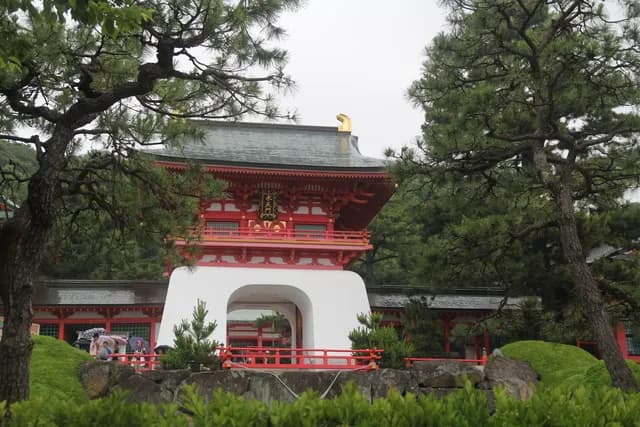
To understand why this shrine was built in the “Dragon Palace” style, it helps to look at the historical background of the Genpei War and the Battle of Dan-no-ura.
The Genpei War and the Battle of Dan-no-ura
The Genpei War was a civil war in the late 12th century between the samurai clan Genji (Minamoto, 源氏) and the aristocratic-military clan Heike (Taira, 平家). It became a turning point that shifted Japan’s political power toward the warrior class.
The final decisive battle, the Battle of Dan-no-ura, took place on April 25, 1185, in the Kanmon Strait off today’s Shimonoseki.
The Heike side initially had the advantage using tidal currents, but the situation turned and they were defeated. The eight-year-old Emperor Antoku died by jumping into the sea with his grandmother.
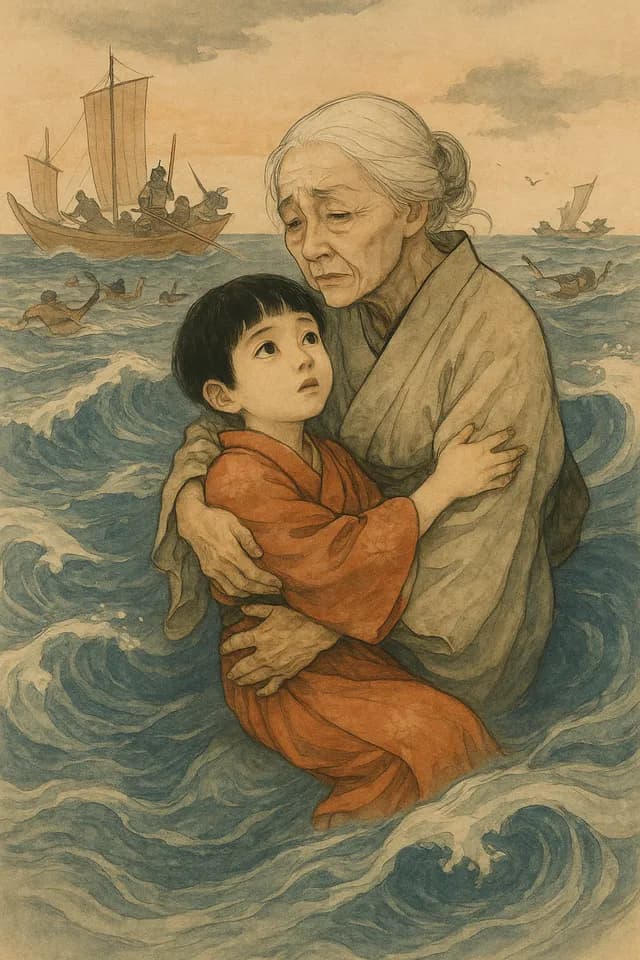
It is said that Tokiko held Antoku and told him that they would leave this painful world and go to a pure paradise, before jumping into the sea.
This image of an underwater “Dragon Palace (龍宮),” symbolizing that paradise, is one reason Akama Shrine—dedicated to Emperor Antoku—took on its current architectural style.
The Three Sacred Treasures (三種の神器) are three holy imperial items passed on at enthronement: a bronze mirror (八咫鏡), a sword (草薙剣), and a jewel (八尺瓊勾玉).
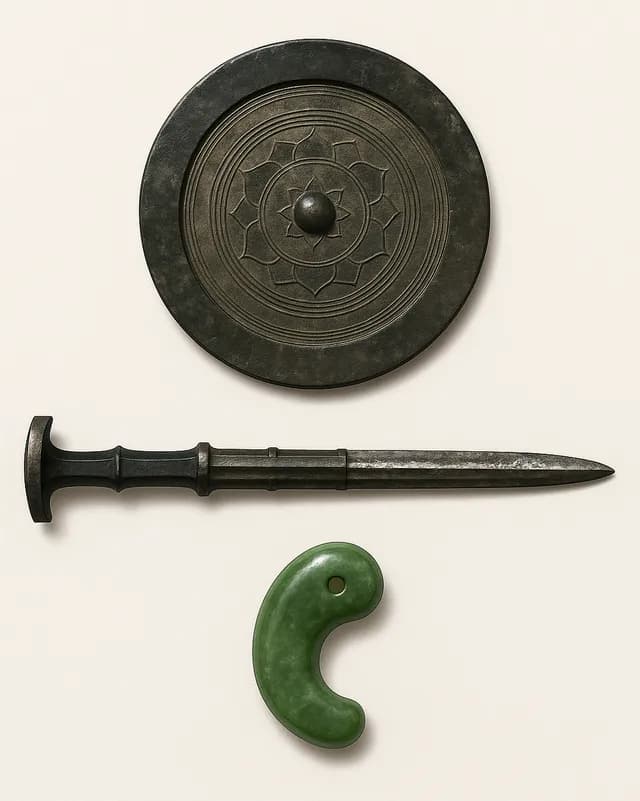
During the Battle of Dan-no-ura, Emperor Antoku is said to have jumped into the sea holding the treasures, and the sword is believed to have never been recovered.
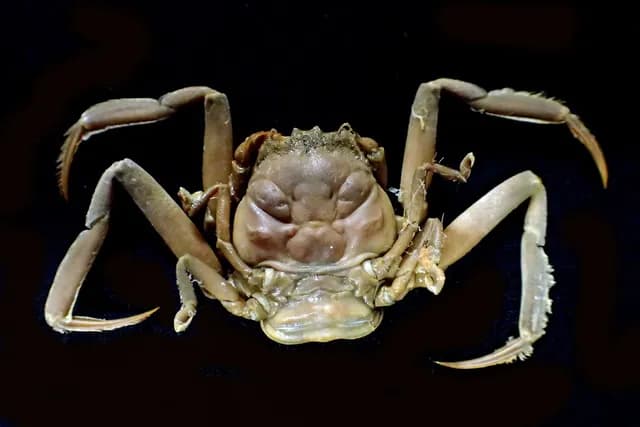
Another well-known local legend says that the Kanmon Strait is home to Heikegani (平家蟹)—crabs with shell patterns that look like human faces—believed to be the spirits of the defeated Heike clan.
Similar architecture can also be seen at Katase-Enoshima Station and Takeo Onsen Romon Gate. Both feature red roofs and curved lines that resemble a Dragon Palace.
- Admission: Free (Treasure Hall only: 100 yen)
- Hours
- 09:00 ~ 18:00
- Treasure Hall: 09:00 ~ 17:00
- Open daily
6) Mimosusogawa Park
みもすそ川公園
Mimosusogawa Park is a scenic viewpoint in Shimonoseki, Yamaguchi, where you can look out over the Kanmon Strait—an area closely linked to the Battle of Dan-no-ura, the final conflict of the Genpei War.
The park has statues honoring Minamoto no Yoshitsune of the Genji and Taira no Tomomori of the Heike, capturing dramatic moments linked to the battle’s story.
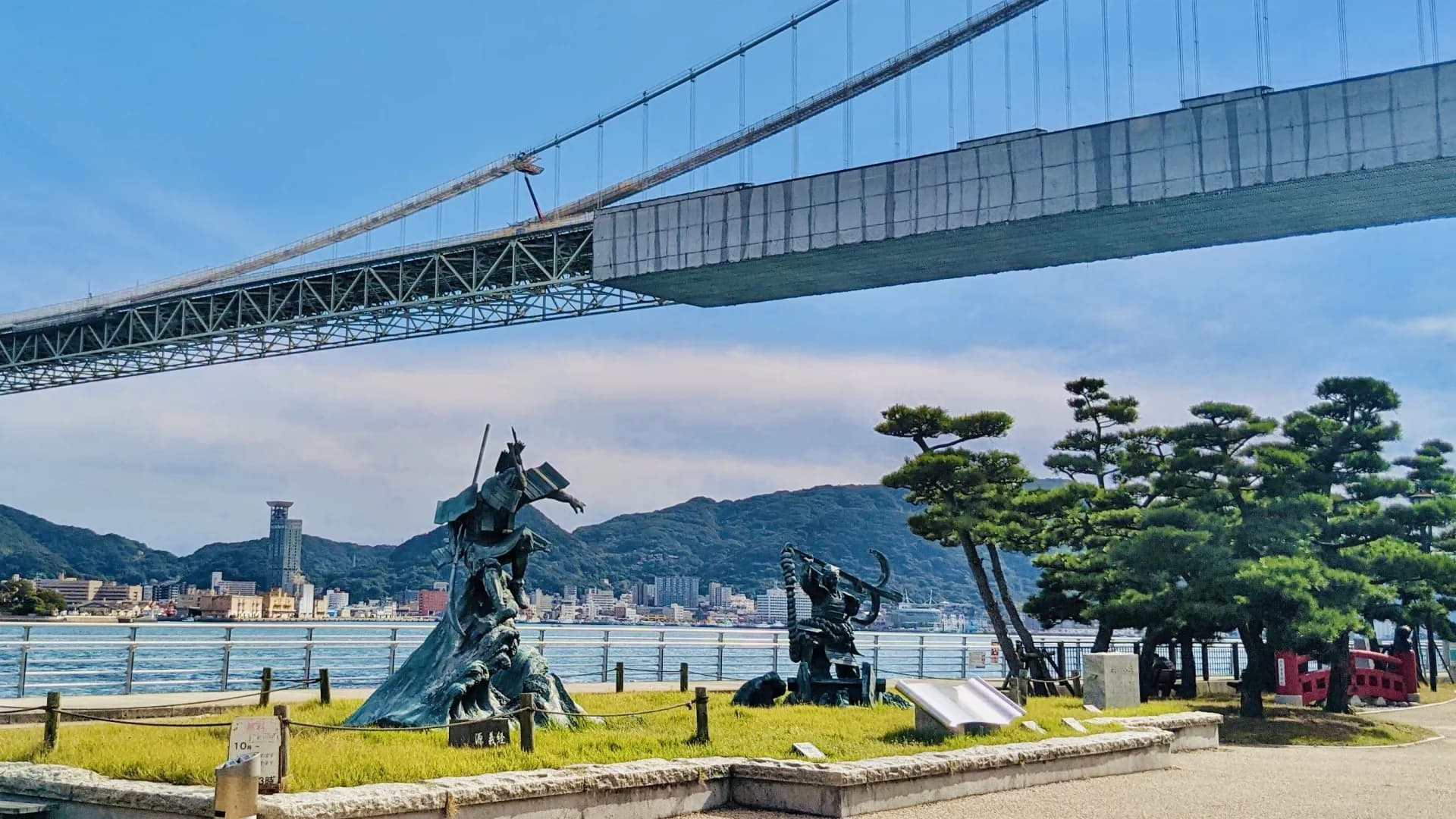
The Yoshitsune statue is based on the legend of “Hassotobi (八艘跳び)”, which says he escaped enemies by jumping across eight boats anchored on the sea.
In contrast, the Tomomori statue shows a tragic scene in which he tied an anchor to his body and threw himself into the sea as defeat became inevitable—symbolizing the end of the Heike clan and the desperation of the moment.
The park also displays a replica of the Choshu cannon (長州砲) used in the late Edo period, offering a look into weapons and technology of that era.
This replica is especially popular because it includes a performance with sound and smoke effects, giving visitors a more vivid experience.
LocationChofu AreaA quiet historic town: temples, residences, shrines, and gardens
Chofu Jokamachi (城下町) is a historic town located about 30 minutes south of central Shimonoseki in Yamaguchi Prefecture.
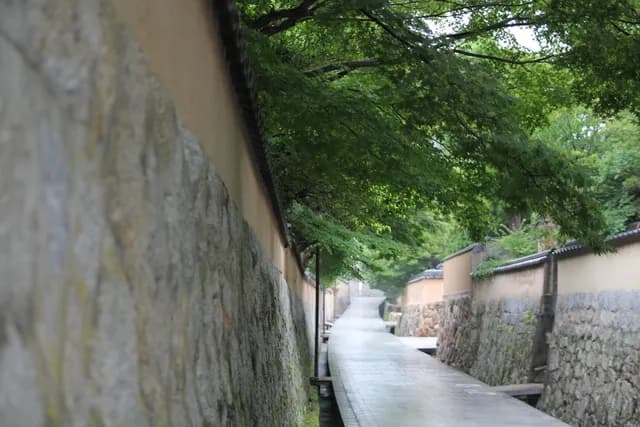
It preserves the atmosphere of a former castle town from the Edo period, and it is considered a great place for a calm walk while tracing the past in a quiet setting.
“Jokamachi (城下町)” literally means a town formed below a castle. However, when you visit Chofu Jokamachi, you may notice that you cannot see a typical castle tower.
In Chofu, the “castle” was not a large fortress with a main keep, but an administrative center known as Chofu Castle (長府城) or the Chofu Domain Residence (長府藩邸).
It served as the political and administrative base of the Chofu Domain ruled by the Ogasawara family, and it was designed with a focus on administration rather than military defense.
1) Kozanji Temple
功山寺
Kozanji (功山寺) is a historic Zen temple founded in 1327, once known as a major temple connected to important monks in the Nanboku-cho period.
However, the temple became even more significant in modern Japanese history due to an event on December 15, 1864, when Takasugi Shinsaku declared an armed uprising here.
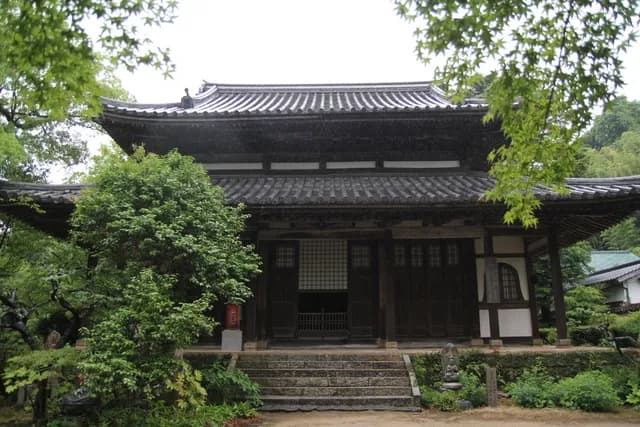
Takasugi advocated reform and took up arms against conservative forces within the Choshu Domain, leading to a power struggle close to a civil war inside the domain.
In the end, the reform faction led by Takasugi took control, and through an alliance with Satsuma, they played a key role in toppling the shogunate system.
This paved the way toward a political system centered on the emperor, linked to the ideology of sonno joi (尊王攘夷), and became a decisive turning point toward the Meiji Restoration.
Takasugi is also known as a student of Yoshida Shoin, who promoted Seikanron (征韓論), and Kozanji—where his statue stands—is seen as a historic site that marked the beginning of the Meiji Restoration.
Inside the grounds, there is a memorial monument called Mangotsuto (萬骨塔). It was built as a symbolic space to honor those who died in movements supporting the emperor during the Meiji Restoration period.
The name comes from an old saying meaning “when a general achieves victory, countless bones are left behind,” and it can be read as a reminder of the sacrifices behind historic achievements.
A poem attributed to the Meiji Emperor adds weight to the meaning.
Even if mind and body break for the country,
the line of those who carry that will must not end.
This poem emphasizes the continuation of sacrifice for the nation, while also carrying a sense of solemnity and irony.
- Admission: Free
- Hours: 09:00 ~ 17:00
2) Chofu Mouri Residence
長府毛利邸
The Chofu Mouri Residence is a traditional Japanese residence where the last lord of the Chofu Domain, a branch of the Choshu Domain, once lived. It is a historic site where you can glimpse the life and culture of the samurai class in the late Edo period.
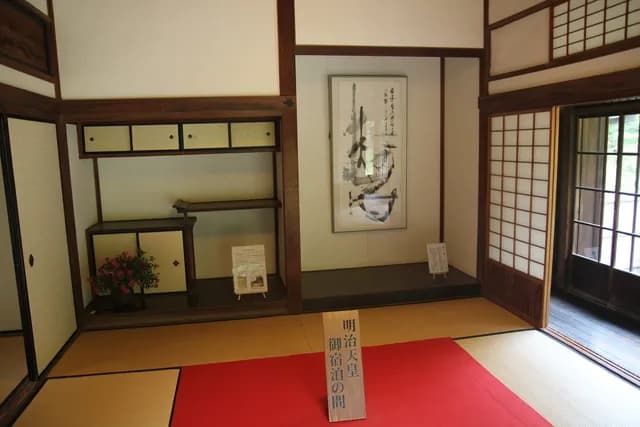
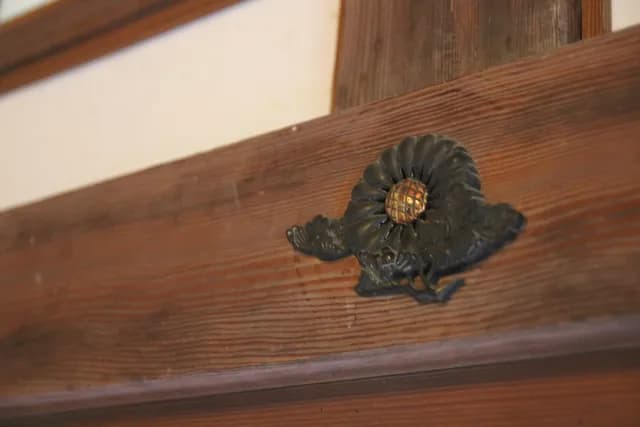
After the Meiji Restoration, it was used as an official lodging when the Meiji Emperor traveled through Kyushu, and you can still find traces of the chrysanthemum crest, a symbol of the imperial family, inside the residence.
In the well-kept garden and traditional buildings, you can also enjoy a matcha and snack set (500 yen) and spend quiet time in an elegant atmosphere.
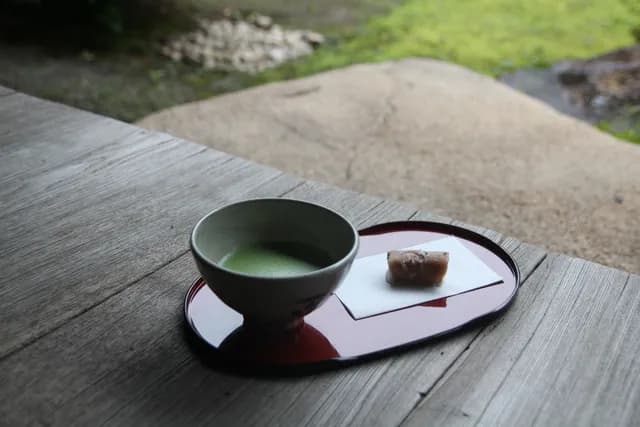
Free green tea is also available as a self-service option, and you can walk around freely inside.
- Admission: Adult 210 yen / Child 100 yen
- Visiting hours: 09:00 ~ 17:00 (last entry 16:40)
- Closed: December 28 ~ January 4
3) Iminomiya Shrine
忌宮神社
Iminomiya Shrine is known as the site of Toyoranomiya, an old imperial palace location. In the center of the grounds stands the “Oni Stone (鬼石)”, linked to a legend that the head of a Silla “general or bandit” named Jinrin (塵輪) was buried here.
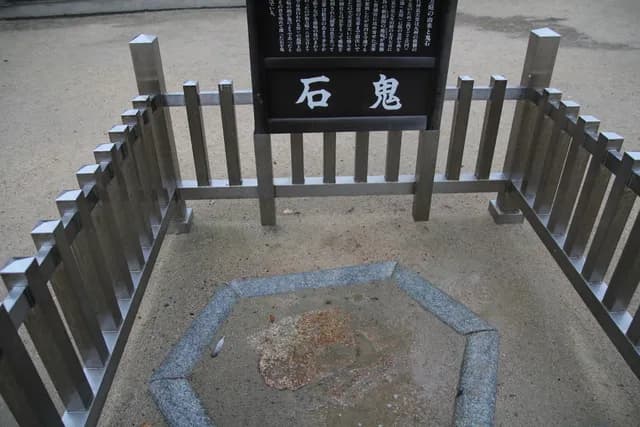
Below is the legend as written on a local sign.
The 14th Emperor Chuai built a temporary palace at Toyoranomiya to suppress a rebellion by a local group called the Kumaso (熊襲) in Kyushu.
On the 7th day of the 7th lunar month, an invader from Silla on the Korean Peninsula named Jinrin (塵輪) stirred up the Kumaso and attacked the palace.
In the fighting, the brothers Abeno Takama and Suketaka, who defended the inner palace, were killed, but the imperial forces succeeded in shooting Jinrin down with arrows.
After Jinrin fell, the forces celebrated and circled around him, and because his face looked like a demon, they are said to have buried his head and covered it with a stone.
This stone later became known as the “Oni Stone (鬼石).”
To commemorate the event, a ritual festival called Suhotei (数方庭) is held every year from August 7 to 13 around the Oni Stone, and this legend is passed on as the festival’s origin.
There is no confirmed record of Jinrin in Korean historical sources, and he is a figure found only in Japanese tradition. He often appears in Shimane Prefecture’s traditional performance art Iwami Kagura (石見神楽).
In this legend, Jinrin is portrayed as an oni (鬼), a demon-like figure, symbolizing an invader or an external enemy.
The main rituals of the Suhotei Festival (数方庭祭) include:
- Placing a large drum on the Oni Stone and performing rituals with gongs and drums
- Men spinning while holding a 20–30 meter flag between their legs
- Women circling together holding lanterns or Tanabata decorations
4) Chofu Garden 🌿
長府庭園
Chofu Garden is a traditional Japanese garden built around a pond, closely linked to the history of the Mori family of the Choshu Domain. It offers a different atmosphere in each season, and it is also loved by locals as a quiet place to relax.
It is a calm spot where you can enjoy a walk through a garden where nature and history come together.
- Admission: Adult 210 yen / Child 100 yen
- Hours: 09:00 ~ 17:00 (last entry 16:30)
- Closed: December 28 ~ January 4