IntroductionNagasaki, the place of a tragedy just about 80 years ago
When you think of Nagasaki, the first things that may come to mind are “Nagasaki champon”, “the atomic bomb”, and “castella.”
After Hiroshima on August 6, 1945, a second atomic bomb was dropped on Nagasaki on August 9. As a result, 270,000 people were exposed, and about 70,000 people lost their lives. Koreans were also heavily affected: about 20,000 were exposed and around 10,000 are believed to have died.
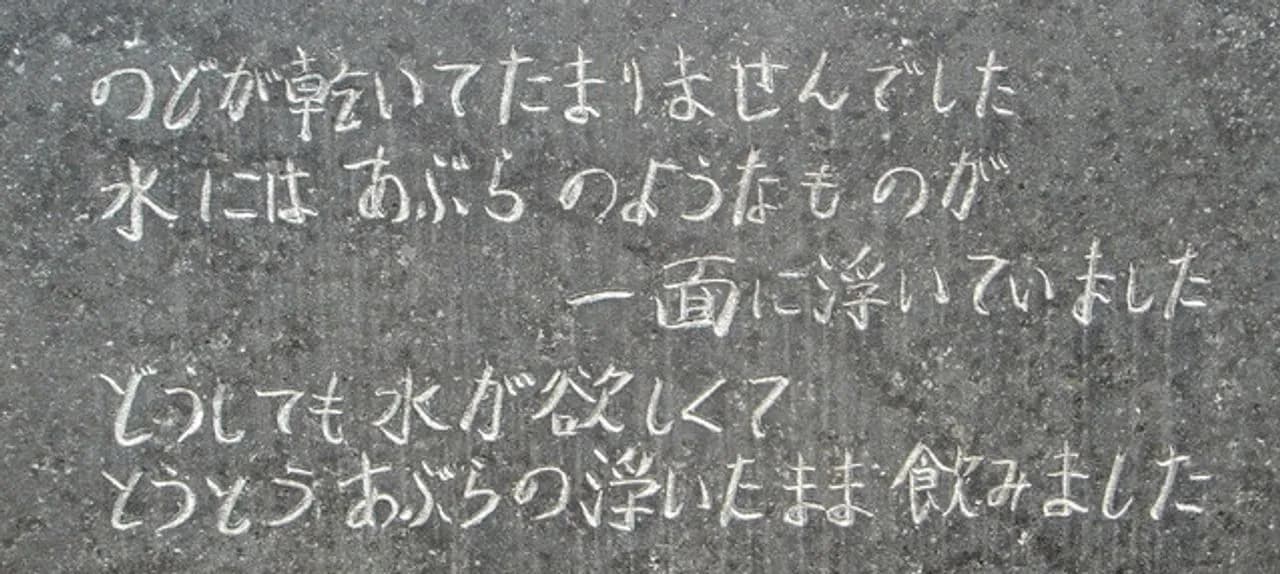
I was so thirsty I could not endure it.
Oil was floating on the water.
Even so, I wanted to drink water so badly that I drank the water with oil as it was.
– From a quote written at the Fountain of Peace in Nagasaki Peace Park
This happened only about 80 years ago.
If You Fly to Nagasaki AirportHow to get from Nagasaki Airport to the city
There are direct flights to Nagasaki Airport from Incheon Airport and Gimhae Airport. Depending on your plan, it is fine to fly in and out of Nagasaki Airport, but a more flexible route is also worth considering.
For example, after visiting the Shimabara area, you can take a ferry to Kumamoto and fly home from Kumamoto Airport, or travel to Fukuoka and depart from Fukuoka Airport. You can also do the reverse: arrive at a different airport and depart from Nagasaki Airport.
Of course, you can also visit Nagasaki using round-trip flights to Fukuoka, but if you consider round-trip transport costs and travel time, Nagasaki Airport may be more efficient.
How to Get from Nagasaki Airport to the City
Nagasaki Airport has no train lines, such as JR or subway. To reach the city, you need to take a bus.
From the airport, there are two routes toward Nagasaki Station, operated jointly by Nagasaki Bus and Ken-ei Bus. The routes are divided into Nagasaki Shinchi (Chinatown) and Peace Park directions.
The fare from Nagasaki Airport to Nagasaki Station or Peace Park is 1,200 yen one way, and you can use IC cards such as Suica. Cash payment is also possible, but no change is provided, so you must prepare the exact amount.
If you pay by cash, it is more convenient to buy a ticket in advance from the ticket machine.
Airport departure timetable Timetable to the airportEnjoy Nagasaki by TramNagasaki city travel guide
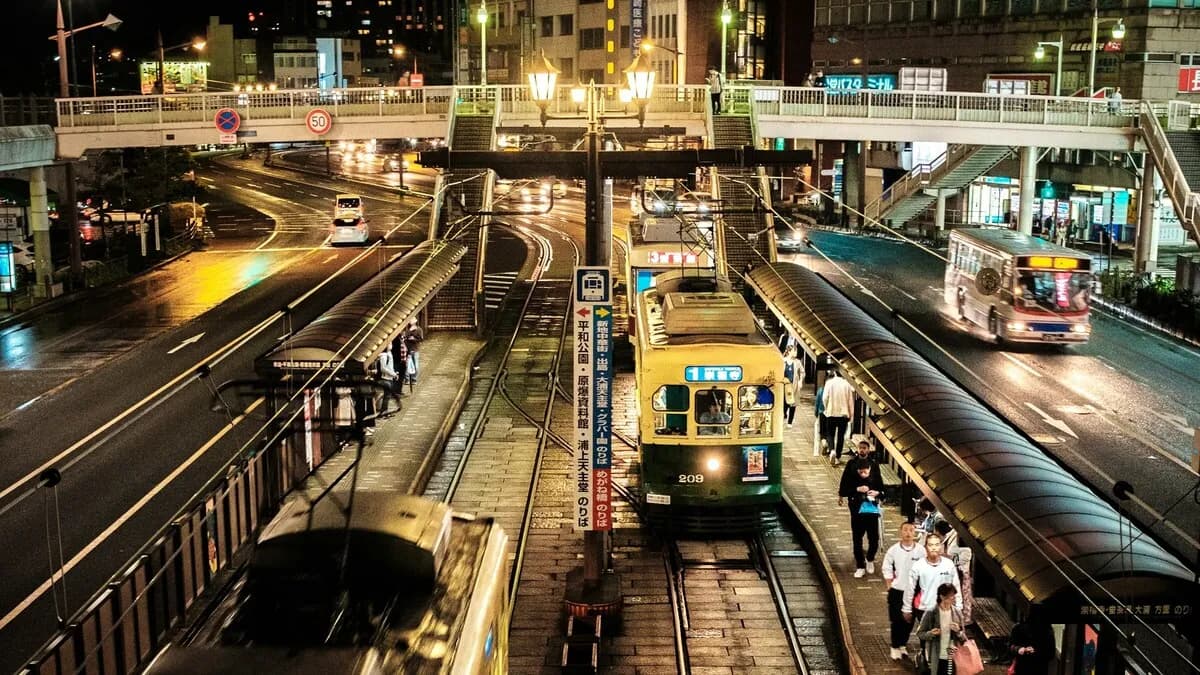
Nagasaki is a bit tight for a half-day visit, and if you want to enjoy the Nagasaki night view, one of Japan’s top three night views, it is best to plan a full day.
You can also visit Nagasaki as a day trip while staying in Fukuoka, but considering travel time and route planning, it can feel rushed.
If you are changing hotels during your trip, another option is to combine Nagasaki with Huis Ten Bosch. A common plan is to visit Huis Ten Bosch first, then travel to Nagasaki, enjoy the night view, stay one night, and explore the city the next morning before moving on.
Getting from Fukuoka to NagasakiPros and cons by transport, plus the recommended route
1) By Train 🚄
- Take the Limited Express Relay Kamome (特急リレーかもめ) to Takeo-Onsen Station (武雄温泉駅), then transfer to the Shinkansen to Nagasaki Station. (Travel time: about 1 hour 30 minutes)
- Important note!
- Among the many tickets shown in the image below, which one is the best value?
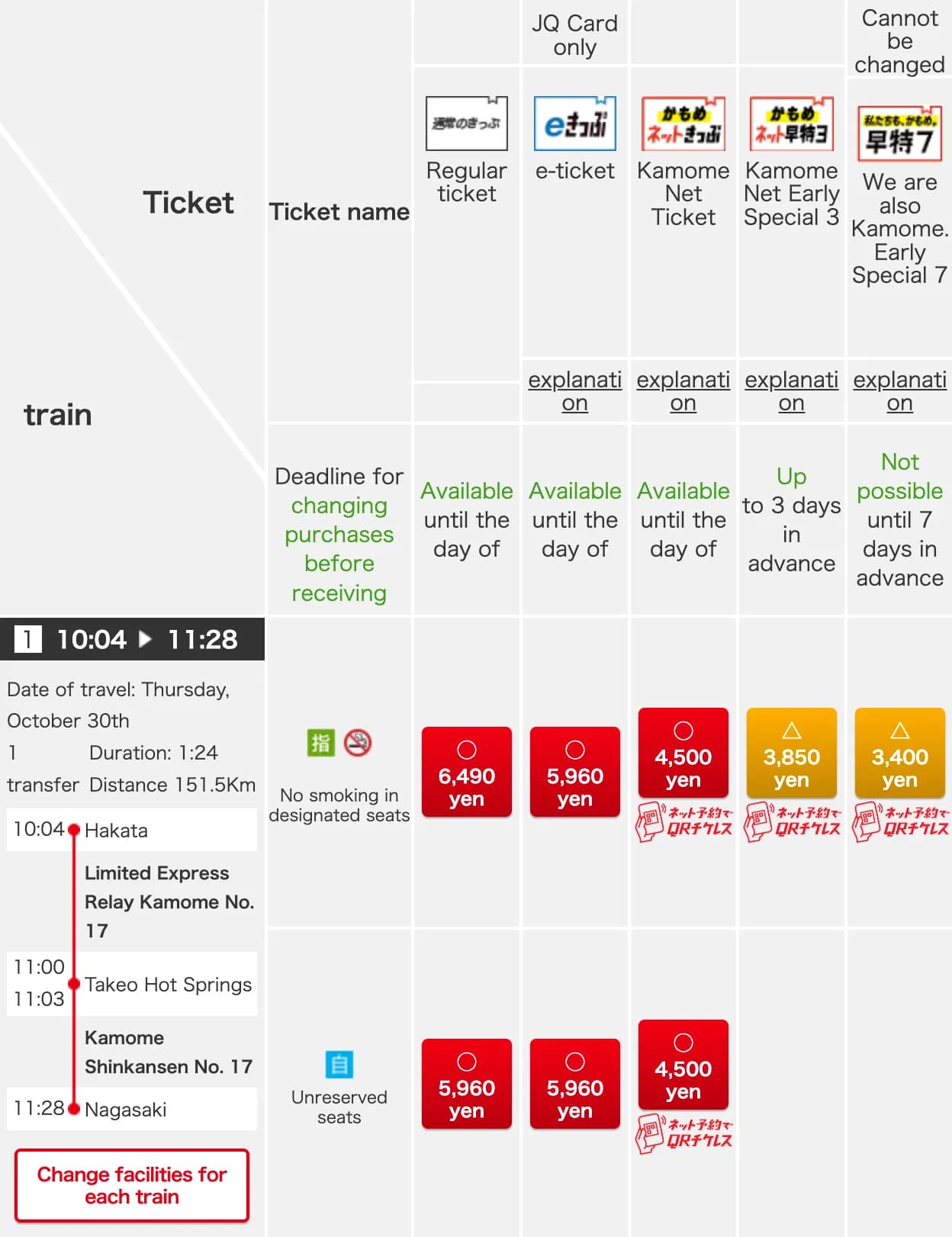
- The cheapest ticket is the special fare ticket labeled We are also Kamome, priced at 3,400 yen one way.
- This ticket must be booked at least 7 days before the travel date, and changes are not allowed after booking. It is best to buy it after your schedule is confirmed.
- For train reservations and other pass information, refer to Kyushu Part 2 – Rail Pass, Train Timetable Search & Reservations.
2) By Bus 🚌
- Hakata Bus Terminal, 3F Platform 37 Timetable
- Tenjin Highway Bus Terminal, Platform 4 Timetable
- Fukuoka Airport International Terminal bus stop Timetable
- Get off in front of Nagasaki Station
- About 2 hours 30 minutes by the Super Nonstop (スーパーノンストップ) bus
- If you plan to start your trip at Peace Park, it is more efficient to get off at the Peace Park stop and walk.
Useful PassesIf you expect to use the tram often
1) Tram 1-Day Pass 🚋
Most major sights in Nagasaki can be reached by streetcar (tram). The tram fare is 150 yen per ride, and it is the same regardless of distance.
The 1-day pass is 600 yen, so if you do not plan to ride 5 times or more, paying each time is usually better.
You cannot buy the 1-day pass on board. It is available at tourist information centers or ticket booths at some stops.
Recently, you can also buy a mobile ticket through a smartphone app. If you buy through the app, you can choose not only the standard 1-day pass (600 yen), but also a 24-hour valid ticket (700 yen).
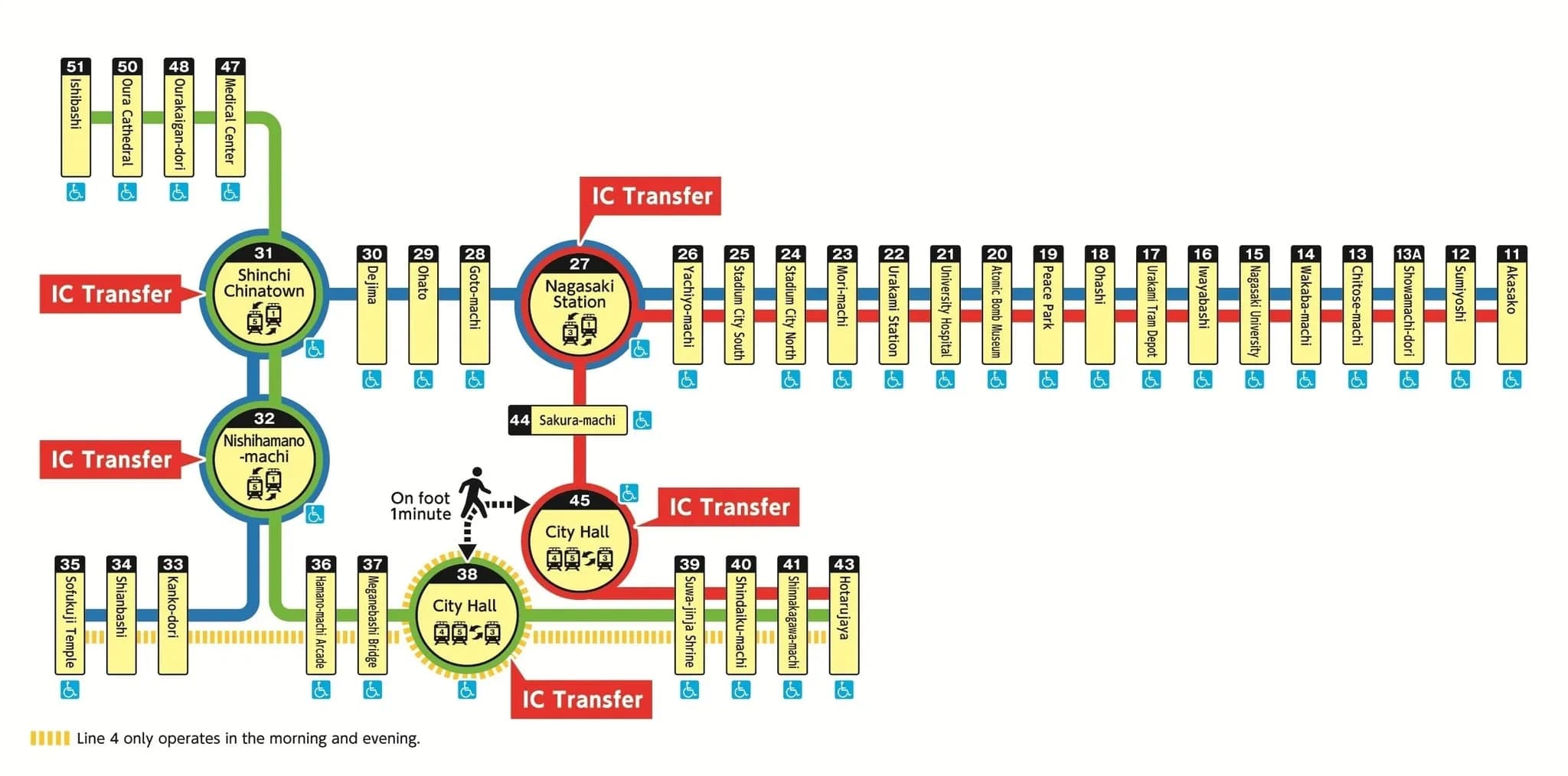
- If paying by cash: You must insert exactly 150 yen, and no change is provided, so exchange money first using the fare change machine before paying.
- If using an IC card:
- For up to 2 zones, the fare is 110 yen for adults.
- At Shinchi Chinatown, City Hall, Nagasaki Station Front, and Nishihamacho stops, free transfers are available.
- Every third Sunday of the month is a day when children of elementary school age and under ride for free.
- Apps where you can buy tickets 📱:
Explore Nagasaki City, a Charming Port TownA city full of sights and great food
1) Nagasaki Twenty-Six Martyrs Site
日本二十六聖人記念館
Catholicism came to Japan in 1549, when the Portuguese missionary Francis Xavier arrived in Kagoshima, in southern Kyushu.
The following year, in 1550, Xavier arrived in Hirado, Nagasaki Prefecture. As local lords accepted Christianity, Catholicism spread quickly.
However, after Toyotomi Hideyoshi unified Japan and introduced the “shi-no-ko-sho” class system, the Catholic teaching that “all people are equal before God” was seen as a threat and led to persecution.
In February 1597, under the “ban on Christianity”, 20 Japanese Christians and 6 foreign Christians were crucified and became martyrs.
In the 17th century, after the Tokugawa shogunate took power, persecution became even harsher. The government used “fumi-e (踏み絵)”, forcing people to step on an image of Jesus or the Virgin Mary to identify believers, and those who refused were executed.
To survive, many believers outwardly pretended to be Buddhists and secretly continued group prayers to keep their faith.
For a long time, the exact location of the martyrdom site was unclear. In 1947, it was confirmed as Nishizaka (西坂) in front of today’s Nagasaki Station. In 1962, to mark the 100th anniversary of the canonization of the 26 saints, a monument and museum were built and Nishizaka Park was created.
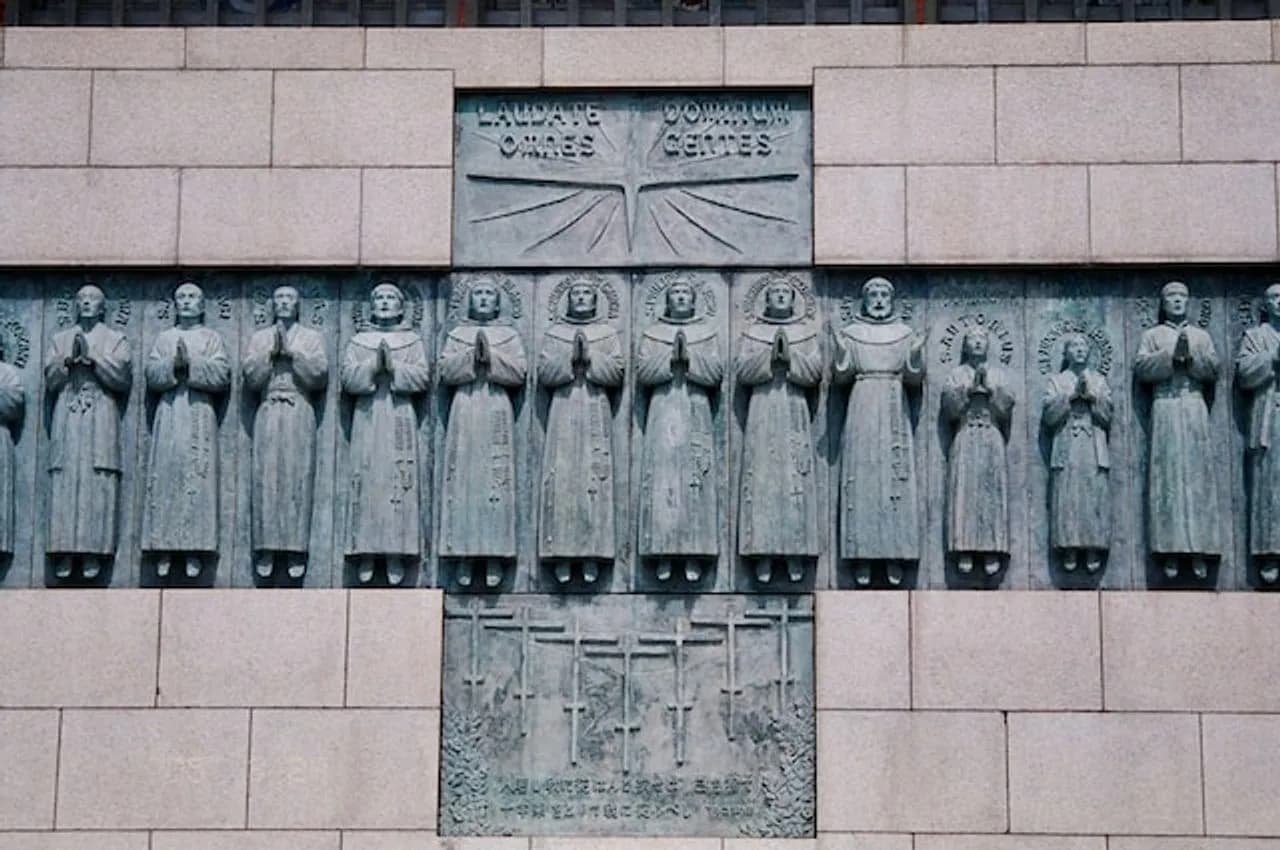
- Opening hours: 09:00 ~ 17:00
- Closed: December 31 ~ January 2
- Admission: Adults 500 yen, junior/high school students 300 yen, elementary school students 150 yen
- The monument is in Nishizaka Park and can be viewed for free
2) Nagasaki Peace Park 🕊️
長崎平和公園
Nagasaki Peace Park was created to honor the victims of the atomic bomb and pray for world peace.
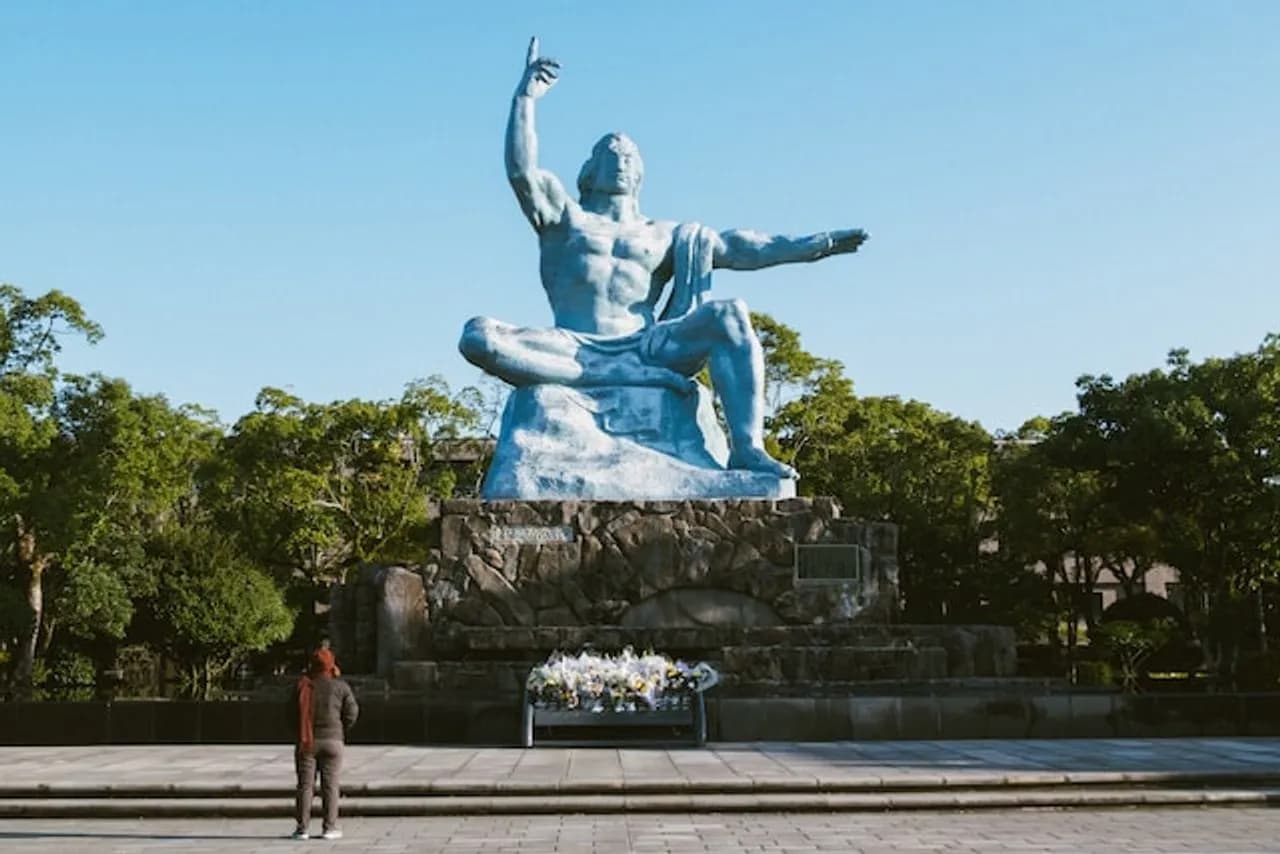
The Peace Statue is highly symbolic. It is said to mean that “the hand pointing to the sky shows the threat of the atomic bomb, the hand stretched horizontally shows peace, and the softly closed eyes pray for the victims.”
However, because Japan, an aggressor country in World War II, created this park from the position of a victim, it is also described as “a symbol of victim-centered thinking.”
- Opening hours: No restrictions
- Closed: None
- Admission: Free
3) Urakami Cathedral
浦上天主堂
After the end of Catholic persecution, the first thing believers wanted was to build a church.
Due to a lack of funds, construction began in 1895, more than 20 years after planning started, and a dedication ceremony was held in 1914. The cathedral was completed as one of the largest brick Romanesque-style cathedrals in East Asia.
The twin towers on the front had a French Angelus bell, but one bell tower was completely destroyed by the atomic bomb in 1945.
Fortunately, the remaining bell was found in the ruins and still rings three times a day to tell the time.
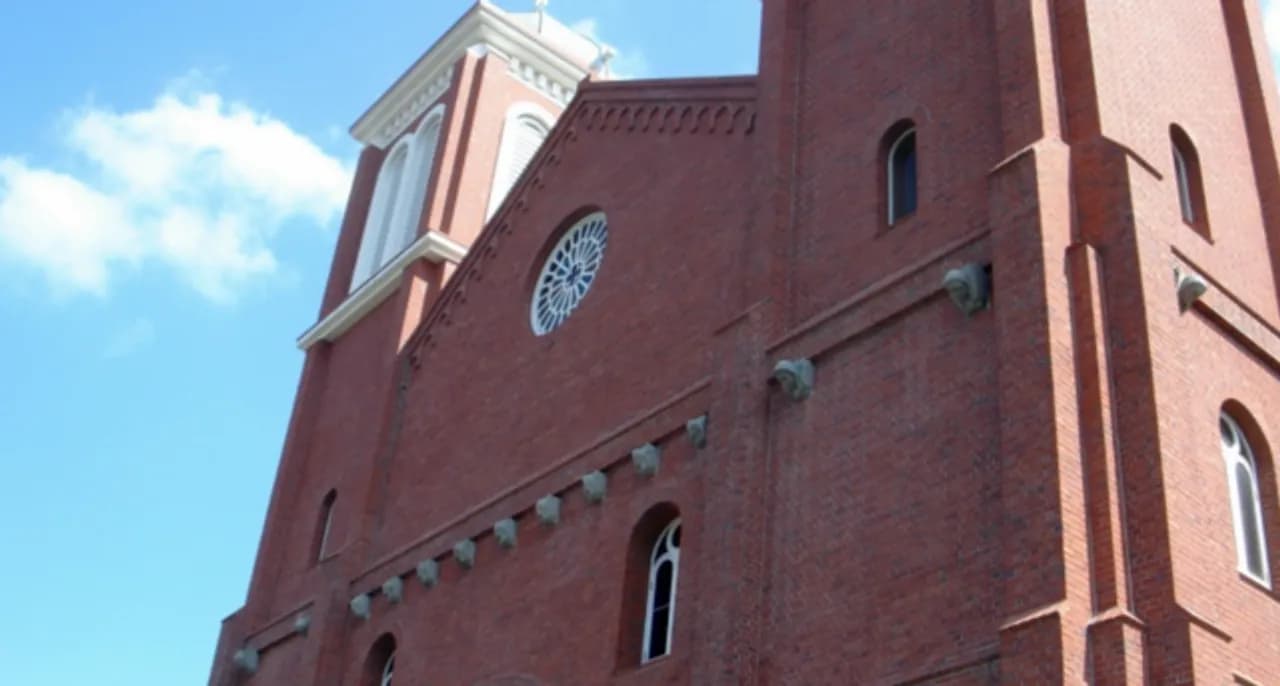
- Opening hours: 09:00 ~ 17:00
- Closed: Monday (if it is a public holiday, the next day)
- Admission: Free
- Mass times:
- Sunday: 6:00, 7:30, 9:30
- Fri–Sat: 19:00
- Mon–Thu: 6:00
4) Dejima 🏯
出島
Japan wanted trade but did not want Catholicism to spread, so it built an artificial island called “Dejima” and allowed foreign contact only there.
For about 200 years, Portuguese traders, and later Dutch traders, stayed here and continued trade with Japan.
Today, the Dejima Museum displays pictures and diagrams showing daily life of foreigners who lived there at the time.
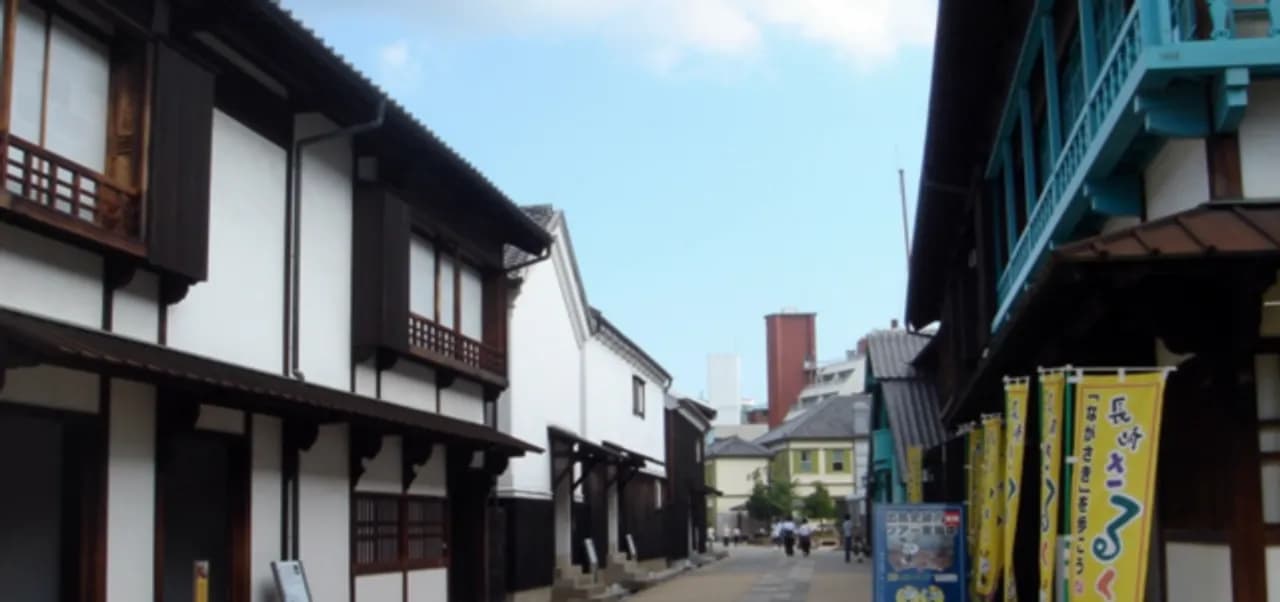
- Opening hours: 08:00 ~ 21:00 (last entry 20:40)
- Closed: None
- Admission: Adults 520 yen, high school students 200 yen, elementary/junior high students 100 yen
5) Shinchi Chinatown
長崎新地中華街
In Japanese port cities that opened early, you often find a Chinatown. Nagasaki Shinchi Chinatown is the oldest of Japan’s three major Chinatowns.
Even during the national isolation period, this was one of the few places where trade with China continued, and it has kept a unique Chinese atmosphere with traditions dating back to the 17th century.
Champon, brought from China, is said to have entered Japan through this area and later developed into “Nagasaki champon.”
Location6) Shikairō 🍜
四海樓
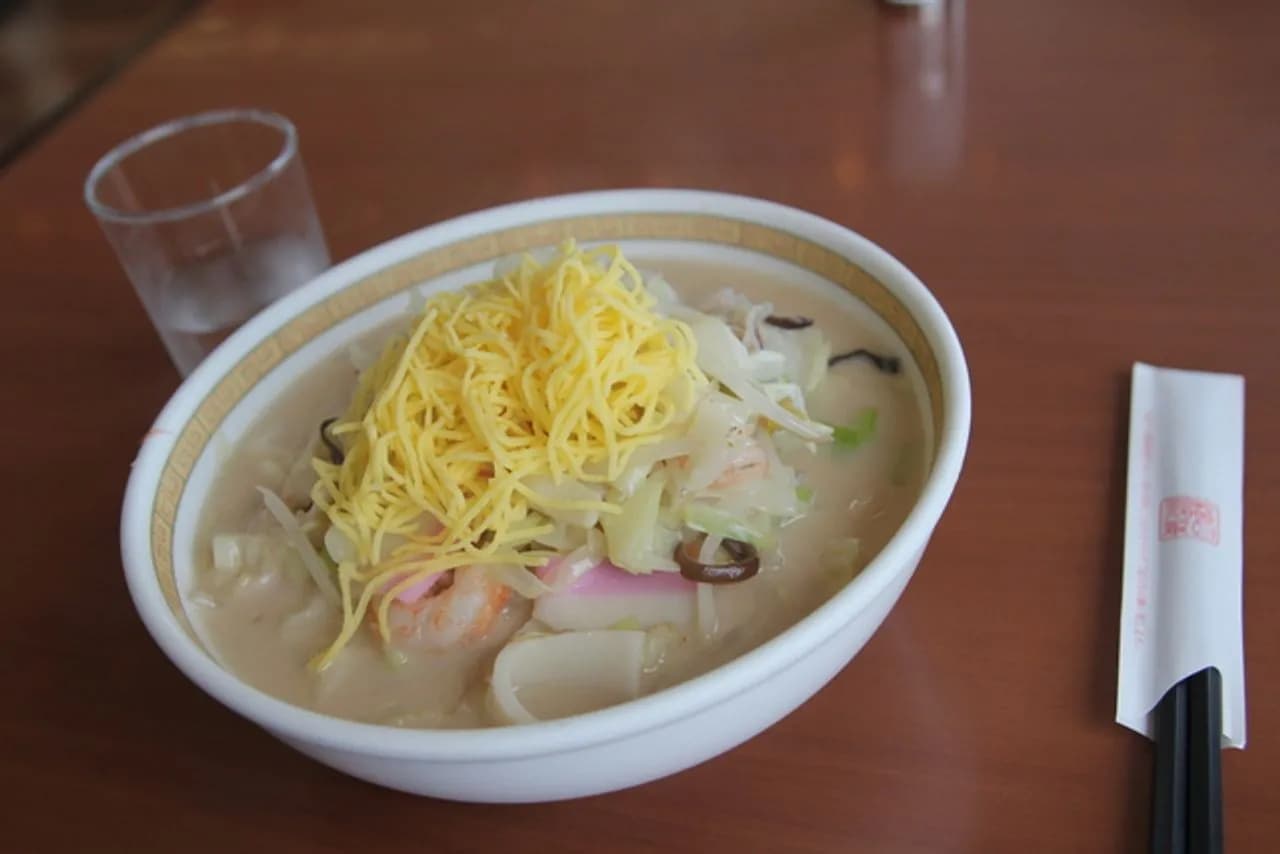
Shikairō is known as the birthplace of champon and is considered the original Nagasaki champon restaurant. The building is five stories tall and is famous for champon.
The building is run like a large business: 1F is a shop, 2F is a champon museum, 3F is a multipurpose hall, 4F is a group banquet hall, and 5F is a restaurant with a view.
Champon is one of the few dishes with a clear record of who made it, when, and what it was. It was first created in 1898 by a Chinese resident named “Chin Heijun” (from Fujian Province).
There is a story that he often said “cha-pong?” meaning “Have you eaten?” to Chinese students, and Japanese people mistook it for the dish name, leading to the name “chanpon (チャンポン).”
In Japanese, “chanpon” can also mean “to mix,” so there is also a theory that it comes from Japanese.
- Opening hours:
- 11:30 ~ 15:00 (last entry 14:30)
- 17:00 ~ 20:00 (last entry 19:30)
- May close early depending on the day
- Closed: Irregular
7) Ōura Church
大浦天主堂
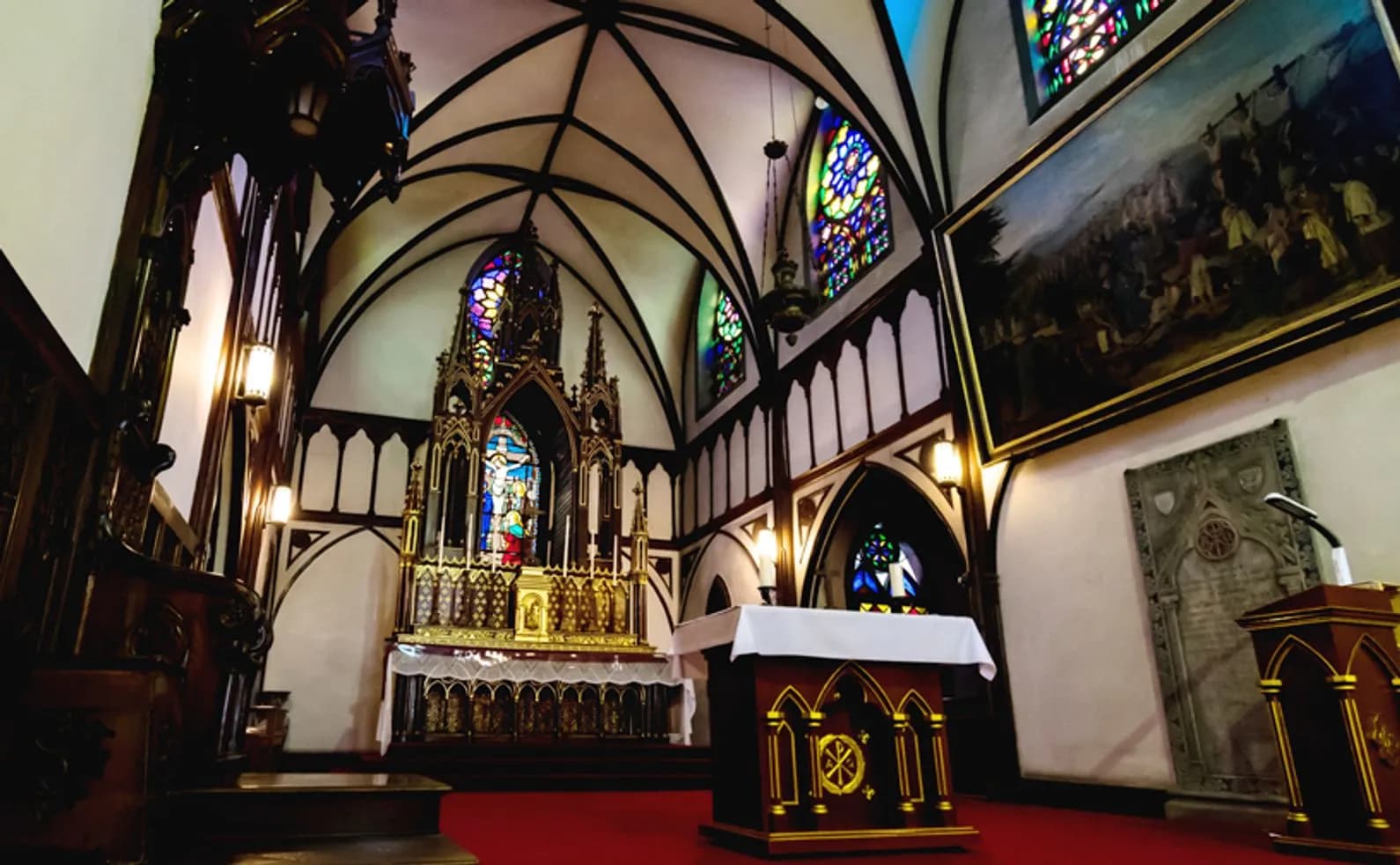
Built in 1864 by French missionaries, this is the first wooden church in Japan, built to honor Japan’s 26 martyrs. Its official name is “Church of the Twenty-Six Martyrs of Japan.”
It is considered the oldest existing wooden Catholic church in Japan, and in 1933 it was designated a National Treasure. The interior is decorated with French stained glass from about 100 years ago.
- Opening hours:
- Nov–Feb: 08:30 ~ 17:30 (last entry 17:00)
- Other periods: 08:30 ~ 18:00 (last entry 17:30)
- Closed: May close during church events
- Admission: Adults 1,000 yen, junior/high school students 400 yen, elementary school students 300 yen (includes the Kirishitan Museum)
8) Glover Garden
グラバ園
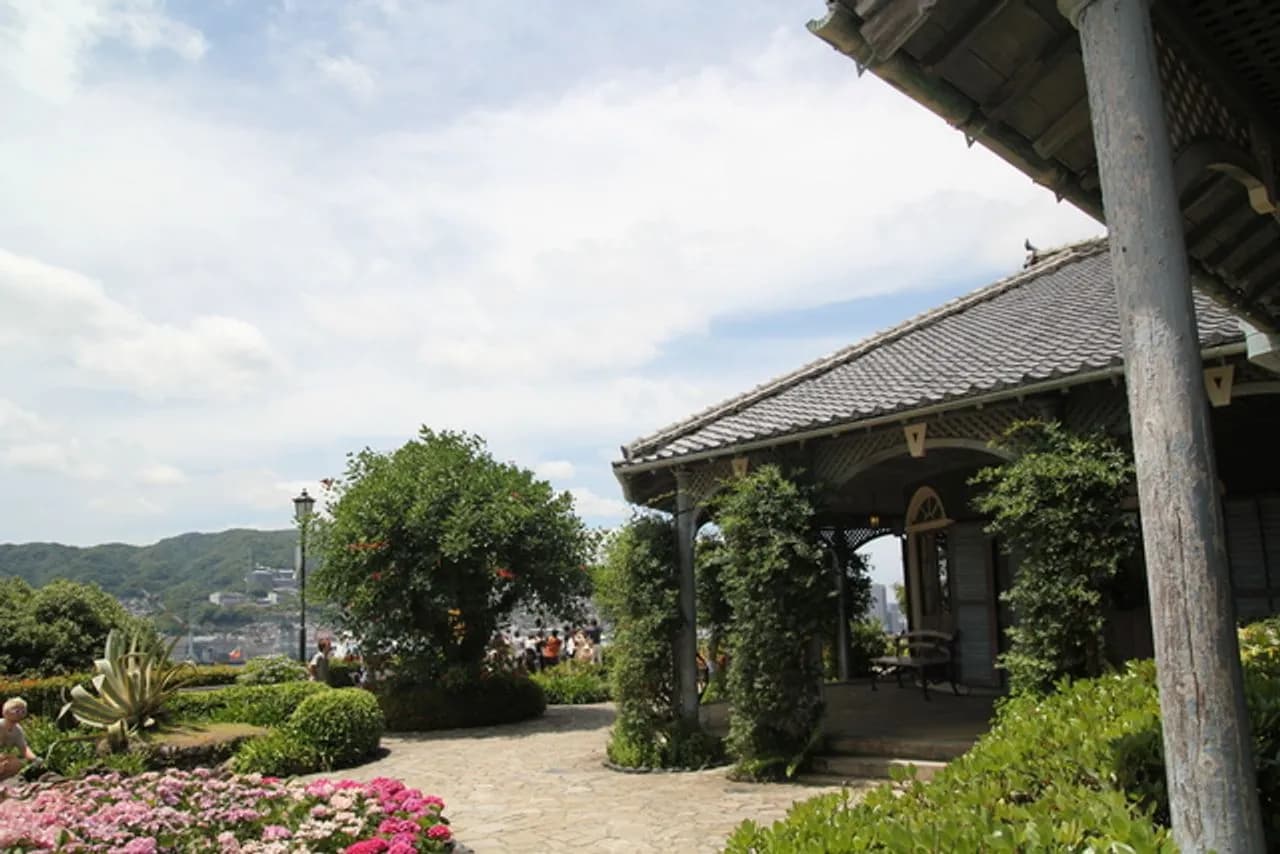
Glover Garden is a popular attraction where you can enjoy historic Western-style houses, gardens, and panoramic views of Nagasaki Port.
After the port opened in 1859, the foreign settlement where overseas merchants lived gradually disappeared. From 1970, major Western-style buildings such as the Glover House were moved here, and today’s Glover Garden was created.
It is named after the Scottish merchant Thomas Blake Glover, a person who had a major impact on Japan’s modernization.
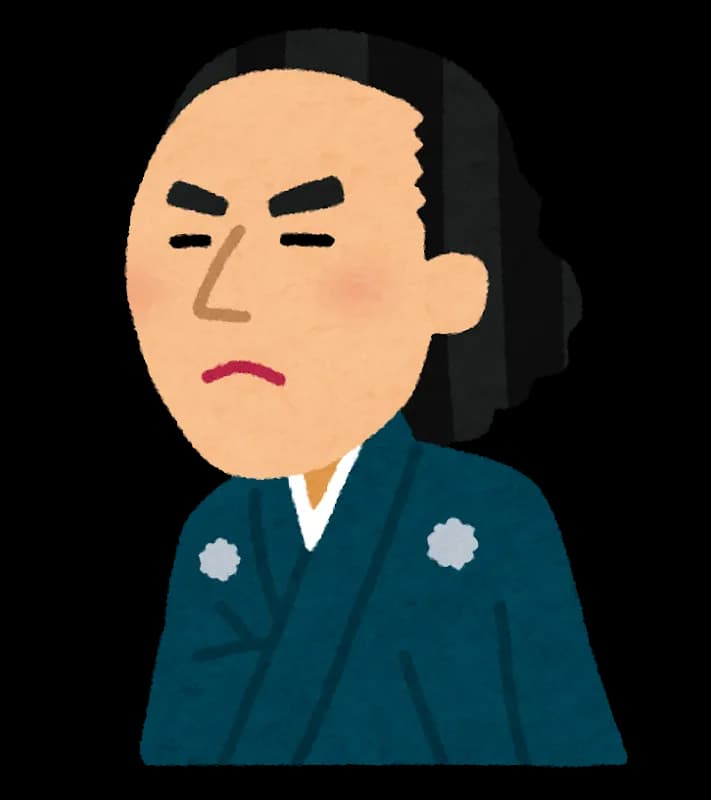
This place is also closely linked to Sakamoto Ryōma, who played a key role in forming the Satchō Alliance.
At that time, Japan’s army was led mainly by the Chōshū Domain (today’s Yamaguchi Prefecture), and the navy was led mainly by the Satsuma Domain (today’s Kagoshima Prefecture).
If Chōshū and Satsuma joined forces, they had enough power to overthrow the Tokugawa shogunate, but they had been rivals for a long time.
The Tokugawa shogunate feared rebellion and took action to block Chōshū from trading weapons with foreign countries.
Because of this, Chōshū struggled to secure modern weapons, while Satsuma faced a shortage of rice for military supplies.
In this situation, Sakamoto Ryōma imported weapons from a global trading company under Satsuma’s name and delivered them to Chōshū. In return, Chōshū provided rice to Satsuma. This helped create an exchange between the two domains.
As a result, the Satchō Alliance (薩長同盟) was formed. Ryōma then encouraged Yamauchi Yōdō, the lord of Ryōma’s home domain Tosa, to suggest transferring the shogunate’s political power to the Emperor.
Yamauchi passed this opinion to Tokugawa Yoshinobu, the 15th shogun and top leader of the Edo shogunate, urging him to “return the governing authority to the Emperor (天皇).” This led to the Taisei Hōkan (大政奉還).
- In modern terms, you can think of it as a normal citizen suggesting to a governor, “Let the prime minister return real power to the head of state,” and the governor passing it on, leading to the prime minister returning authority to the head of state.
- Opening hours:
- 08:00 ~ 18:00 (last entry 17:40)
- ※ In some seasons, it may open at night until 20:00 or 21:30
- Closed: None
- Admission: Adults 620 yen, high school students 310 yen, elementary/junior high students 180 yen
- Heart-shaped stones are hidden around the garden, but it is best not to search too hard so you can focus on sightseeing
9) Meganebashi Bridge
メガネ橋
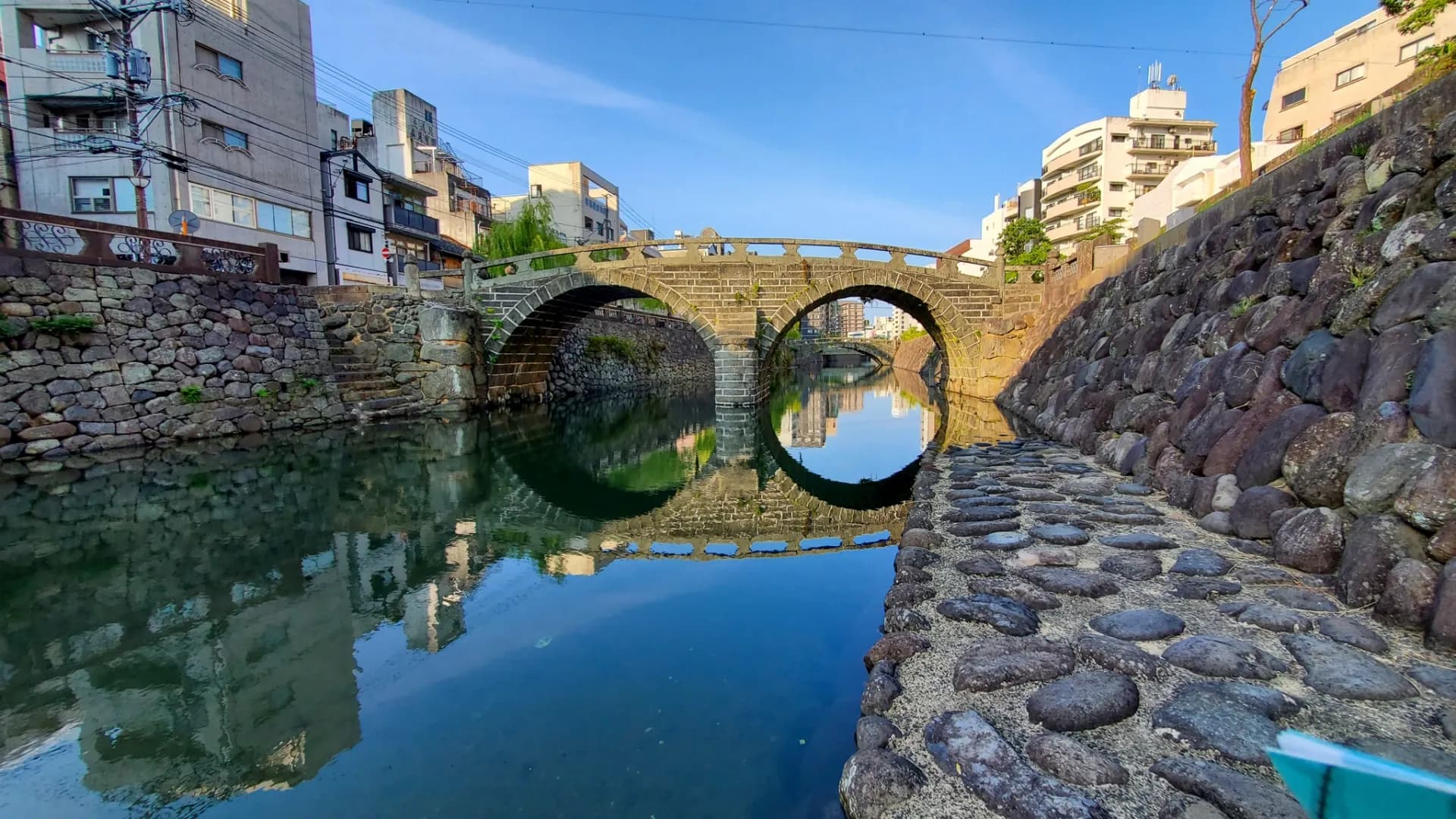
Meganebashi is the oldest arched stone bridge in Japan. It got its name because the two arches reflected in the water look like glasses.
It is popular as a walking spot for couples, and you can also find heart-shaped stones hidden near the bridge.
10) Inasayama Observatory
稲佐山
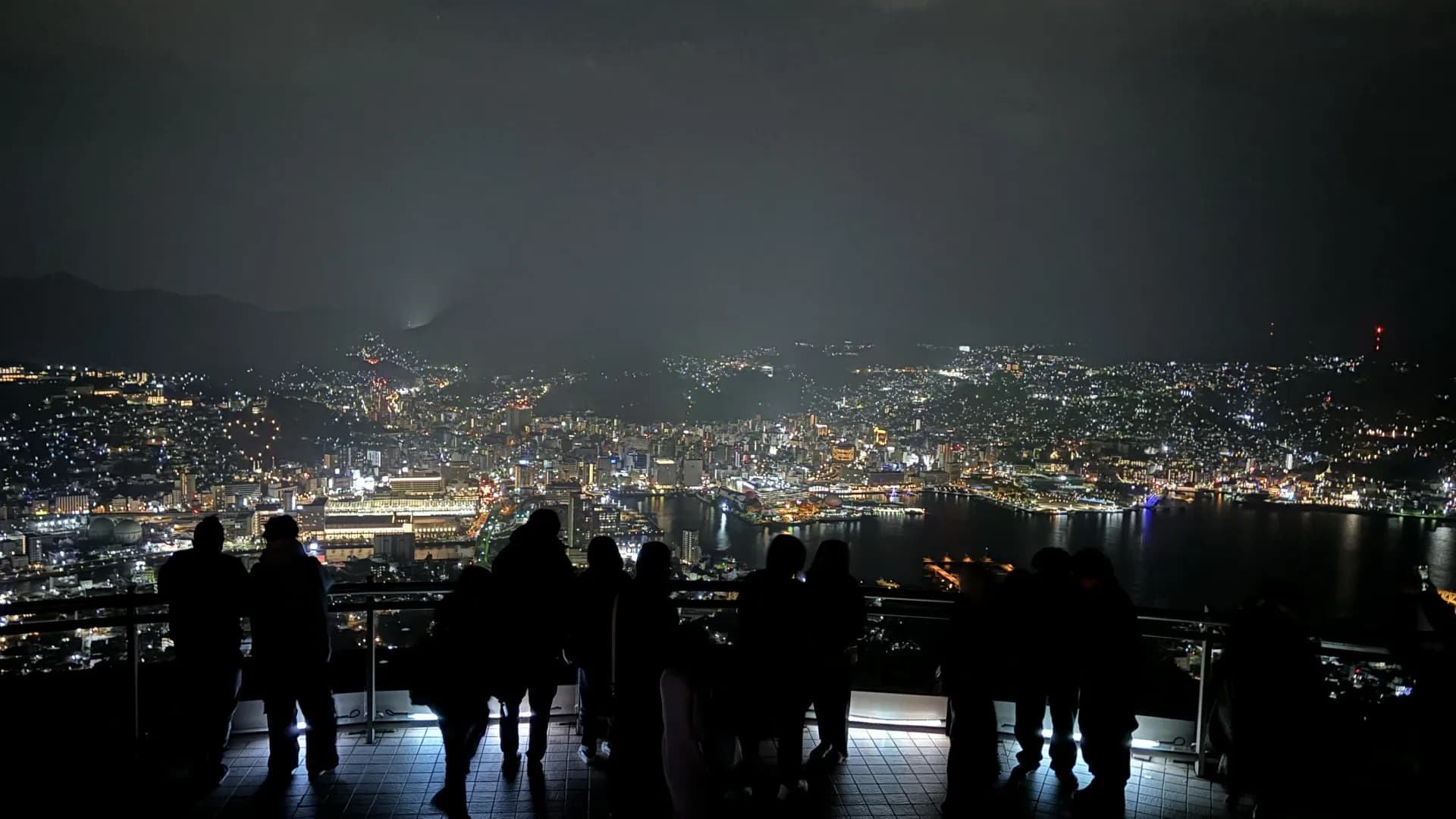
Along with Mount Rokko in Kobe and Hakodate, the Nagasaki night view is considered one of Japan’s top three night views and is a must-see. 🌃
There are three ways to reach the observatory: ropeway (cable car), slope car, or on foot.
We recommend going up before sunset to enjoy the view from dusk into night. Services may stop due to weather, so checking the official website before visiting is essential.
① How to Take the Ropeway
-
Free shuttle bus
- Runs from Nagasaki city to Fuchi Shrine Station (淵神社駅) (4 services per day)
- Online reservations open from 00:00 on the day, and you can apply with only your name and email
- You cannot board without a reservation, so booking is required
-
City bus
- Get off at the Ropeway-mae (ロープウェイ前) stop, then walk 5 minutes
-
Fare
- One-way: Adults 730 yen, junior high students 520 yen, elementary school children & infants 410 yen
- Round-trip: Adults 1,250 yen, junior high students 940 yen, elementary school children & infants 620 yen
-
Service information
- Operating hours: 09:00 ~ 22:00
- Frequency: Every 15 ~ 20 minutes
- Closed: Open daily (however, services may stop for scheduled maintenance in mid-June)
② How to Go Up by Slope Car & On Foot
- Take a city bus to the Inasayama Kōen (稲佐山公園) stop, then go to the observatory by slope car or on foot (about 15 minutes).
- Fare
- One-way: Adults 300 yen, junior high students 220 yen, elementary school children & infants 150 yen
- Round-trip: Adults 500 yen, junior high students 370 yen, elementary school children & infants 250 yen
- Operating hours: 09:00 ~ 22:00
- Runs every 15 ~ 20 minutes, open daily
UnzenUnzen, where hot springs meet nature
Unzen is well known for its sulfur hot springs and the sulfur area called “Jigoku (hell).” It is also one of Japan’s first national parks. Thanks to its cool highland climate, it has been a popular summer retreat for a long time.
In particular, Unzen Jigoku is famous for its unusual scenery and also has historical importance as a site linked to Christian persecution.
Unzen Onsen Tourist Association1) How to Get There
① From Nagasaki
From the bus terminal in front of Nagasaki Station, you can take an express bus and travel directly without transfers.
- 3 services per day, 1,850 yen one way
- Seats are limited (no reservations)
If you travel by train or flight, you need to go to Isahaya Station first, then take a bus to Unzen.
Isahaya departure timetable Unzen departure timetable② From Shimabara
From the bus stop in front of Shimabara Station, you can travel directly in about 50 minutes.
- 850 yen one way
2) Unzen Jigoku
雲仙地獄
With sulfur smoke and hot steam rising from the ground, this place feels like “hell” and is a popular spot for its unique scenery.
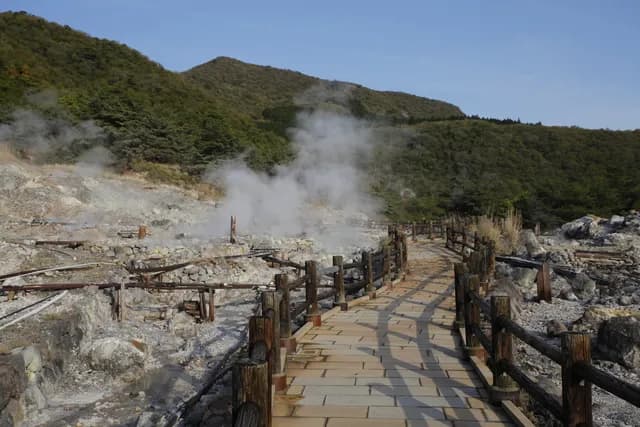
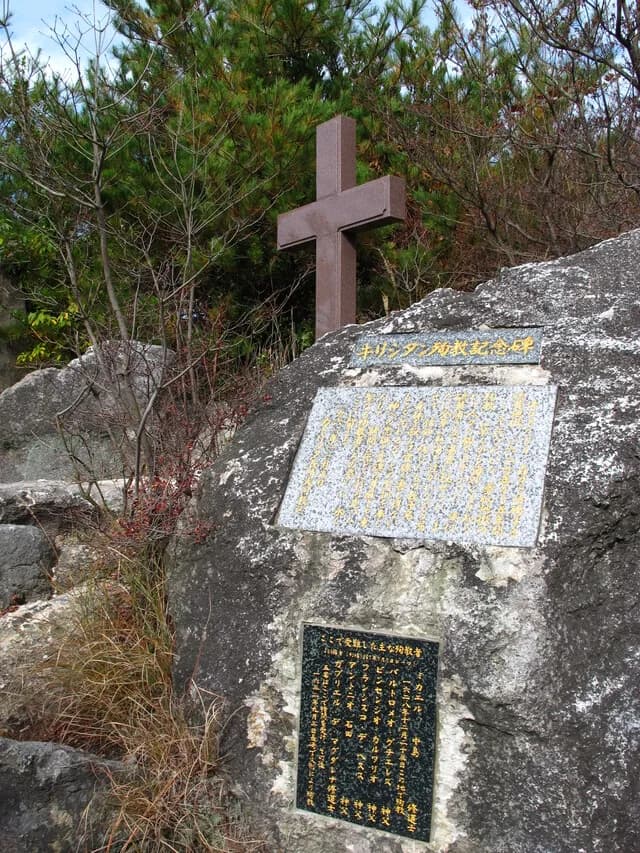
During the time of Christian persecution, punishments using hot spring water were carried out here, and a cross on the hill still remains to honor the martyrs.
Local favorites here are onsen eggs and bottled cider. Sometimes 🐱 cats may come close and try to take your eggs, so please be careful.
Official website Location3) Footbath Plaza
足湯広場
A round footbath facility next to Unzen Jigoku. It has a roof, so you can use it in any weather. Up to 10 people can use it at the same time.
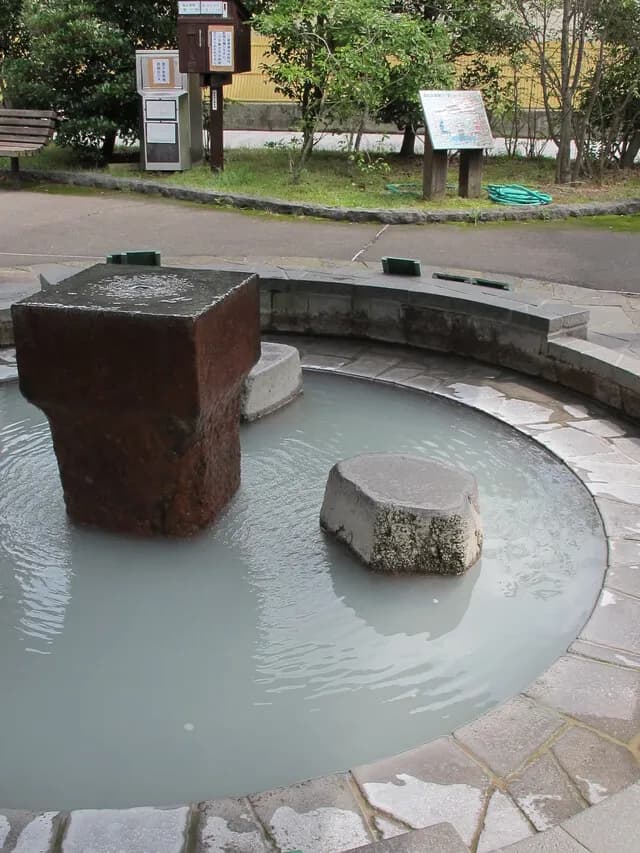
The sulfur hot spring water helps you relax and supports blood circulation. It is a good place to rest after visiting Unzen Jigoku.
- Free, open all year
- Hours: 09:00 ~ 17:00
Exclusive TourCast Tips!
A money-saving tip for Unzen
These passes are useful if you travel from Isahaya Station by Shimabara Railway (Shimatetsu) or if you go to Unzen by bus.
- Shimatetsu Free Pass
- Unlimited rides on trains, buses, and ferries
- 1-day pass 3,000 yen / 2-day pass 4,000 yen
- Good value even for a round trip Isahaya ↔ Unzen
- Extra discounts for the Ferris wheel, bicycle rentals, and more
- Unzen・Ariake Slow Line Ticket B
- 2-day pass: Adults 2,440 yen / Children 1,220 yen
- Shimabara Railway: Isahaya Station - Shimabara Station (one-way only)
- Shimatetsu Bus: Isahaya Station Front - Obama - Unzen - Shimabara Port (one-way only)
- Gushō Ferry: Shimabara Port - Kumamoto Port (one-way only)
- Isahaya Station, Gushō Ferry Kumamoto Port ticket counter
- There are also Unzen・Ariake Slow Line Tickets A and C, but they are for areas that Korean travelers do not often visit
ShimabaraShimabara, the city of clear water
Shimabara is known as a “city of water” because of its clean and rich water resources.
The water quality is so good that you can see koi fish swimming freely through canals across the town,
and the town scenery, built around water, feels calm and beautiful.
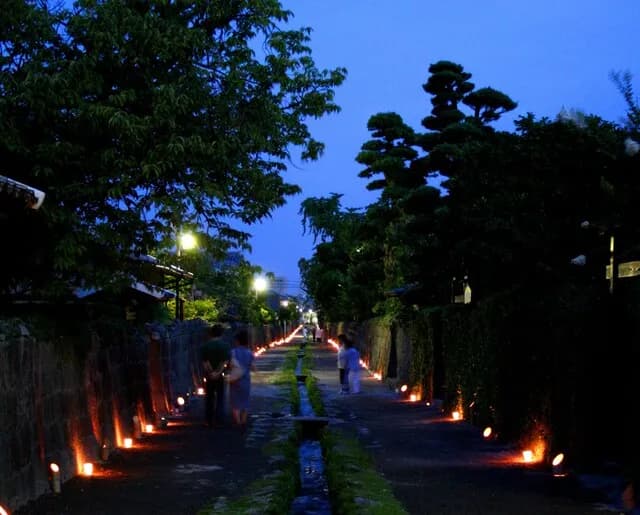
1) How to Get to Shimabara
① From Nagasaki
There is no direct transport from Nagasaki to Shimabara. You need to travel to Isahaya Station first, then take the Shimabara Railway.
- The Shimabara Railway is not covered by the Northern Kyushu Rail Pass
- Isahaya Station → Shimabara Station: about 1 hour 15 minutes / 1,460 yen one way
- You can take a bus from Nagasaki Airport to Isahaya Station
② From Fukuoka
There is a highway bus route from Hakata or Tenjin Bus Terminal to Shimabara.
- 3 services per day / reservation required
- Travel time: about 3 hours 30 minutes
- 3,400 yen one way / 6,120 yen round-trip
③ From Unzen
From Unzen to Shimabara, take the Shimatetsu bus directly without transfers.
- Travel time: about 50 minutes / 850 yen one way
④ From Kumamoto
If you travel from Kumamoto to Shimabara, taking a ferry is faster and more convenient than traveling by road.
If you plan to visit both Nagasaki and Kumamoto, it is especially useful to use sea routes.
There are two ferries between Shimabara Port and Kumamoto Port: Ocean Arrow and Kyusho Ferry.
However, services may stop due to weather, so checking in advance is essential, and it is best to know your backup route.
-
Ocean Arrow
- Adults 1,500 yen one way, children 750 yen
- Travel time: about 30 minutes
- Free with the SUNQ Pass
- Round-trip tickets are 10% off (valid for 7 days, except certain peak seasons)
- Cars allowed (reservation required)
-
Kyusho Ferry
- Adults 1,180 yen one way, children 590 yen
- Travel time: about 60 minutes
- Not valid with the SUNQ Pass
- Round-trip tickets are 10% off (valid for 7 days, except certain peak seasons)
- If you reserve by phone, you can use the shuttle bus between Kumamoto Station and the port (shuttle only is not available)
2) Shimabara Megurin Ticket 🎫
しまばらめぐりんチケット
If you plan to visit Shimabara Castle Keep and Shimeisō Garden, it is a good value to buy the “Shimabara Megurin Ticket.”
- Adults 1,000 yen, elementary/junior/high school students 500 yen
- Includes admission to Shimabara Castle Keep + Shimeisō Garden
- 1.5x benefit for kanzarashi at the Shimabara Spring Water Museum (Koi Cafe Yūsui-kan)
- Various benefits such as 300 yen off bicycle rental at the tourist information center
- Where to buy: Shimabara Station / Port tourist information centers, etc.
3) Shimabara Rebellion ⚔️
島原の乱
The Shimabara Rebellion (1637–1638) was an uprising in the early Edo period by farmers and believers who resisted Christian persecution and heavy taxes.
The central figure was a 16-year-old leader named Amakusa Shirō Tokisada. The rebels made a last stand at Hara Castle, but it was crushed and most were massacred.
After this, the Edo shogunate banned Christianity completely and strengthened its national isolation policy, which cut off Japan from outside contact for about 200 years.
4) Shimabara Castle 🏯
島原城
Shimabara Castle was built between 1624 and 1626 by a daimyō named Matsukura Shigemasa.
Designed for Christian suppression and regional control, this flatland castle is known for its five-story keep, white walls, and wide moat, showing the beauty of Japanese wooden architecture.
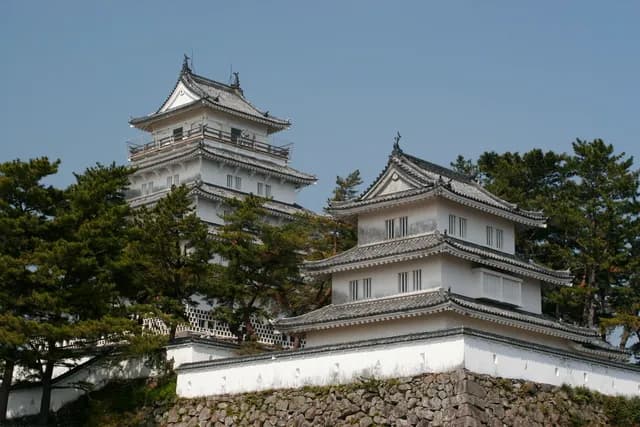
During the Shimabara Rebellion, it was used as a base for the shogunate forces, while the rebels used Hara Castle as their stronghold.
It was dismantled in the Meiji period and rebuilt in 1964.
- Admission: Adults 700 yen, elementary/junior/high school students 350 yen
- Opening hours: 09:00 ~ 17:30 (last entry 17:00)
- Open daily
5) Shimabara Samurai Residence Street 🏯
島原武家屋敷通り
A preserved street where lower-ranking samurai lived in the Edo period. It is a living history area with stone walls, traditional thatched roofs and earthen walls, and water canals fed by spring water.
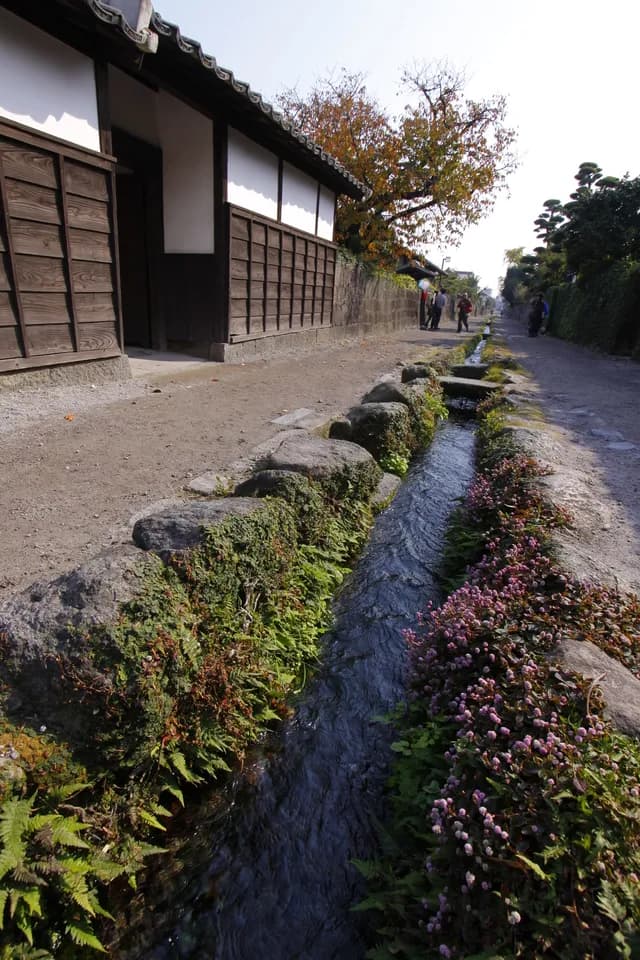
Today, three restored samurai houses—Yamamoto House, Shinozaki House, and Torita House—are open to the public.
You can see tatami rooms, a traditional kitchen, an irori (sunken hearth), armor, and daily items.
- “Yashiki” means “residence”.
Koi fish swim calmly in the canals along the road, making this a great place to feel Shimabara’s clean water and “city of water” atmosphere.
- Free
- Opening hours: 09:00 ~ 17:00
- Open daily
6) Shimeisō (Spring Water Garden) 🌿
四明荘
A traditional Japanese villa built in 1919 during the Taishō era. It is now preserved by the city and open to the public.
It is a quiet and peaceful place with a garden pond, koi fish, and a traditional house.
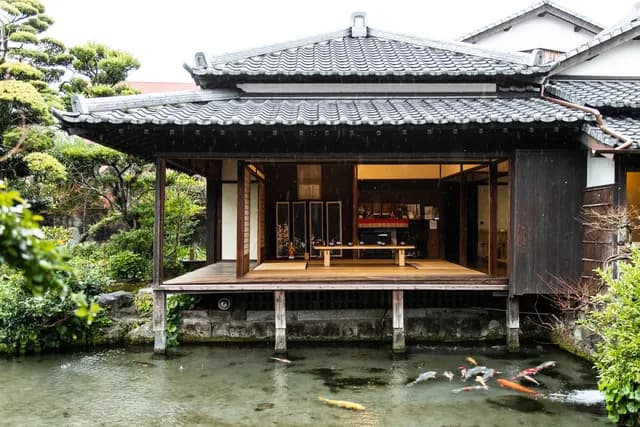
The pond is filled with clear spring water, and the interior is beautiful, with colorful koi, tatami rooms, sliding doors, and wooden pillars.
- Admission: 400 yen (high school and above), 200 yen (below high school)
- Opening hours: 09:00 ~ 18:00 (until 17:30 in winter)
- Open daily
7) The Town Where Koi Swim 🐟
鯉の泳ぐまち
After eruptions of Mount Unzen, underground water rose in Shimabara. Even today, the city relies on groundwater for much of its daily water, and Shimabara is known for its excellent water quality.
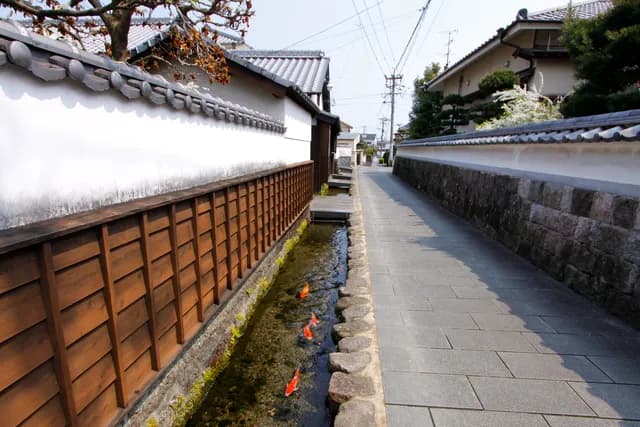
In the 1990s, local residents cleaned the canals and released koi fish. Today, this area is one of Shimabara’s most famous sights and a symbol of the city.
The narrow lanes with small bridges and stone walls are great for walking and photos. You can enjoy the town by walking slowly and following the koi.
Location8) Hamanokawa Yūsui 💧
島原湧水群 浜の川湧水·浜ン川洗い場
A washing place with four levels. People use water step by step from top to bottom depending on the purpose, such as washing ingredients and washing dishes. This tradition is still maintained today.
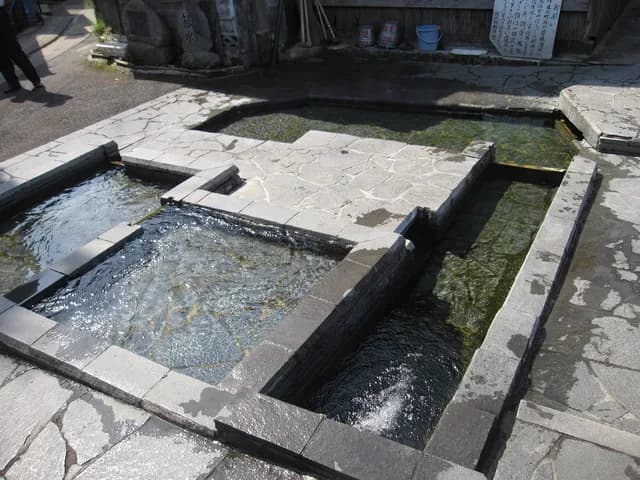
Next to this spot is Ginsui (銀水), a kanzarashi shop once loved as a Shimabara specialty. It returned in 2016 after about 20 years and is still operating today.
Hamanokawa Yūsui information Location9) Ōmisaki Station 🚉
大三東駅
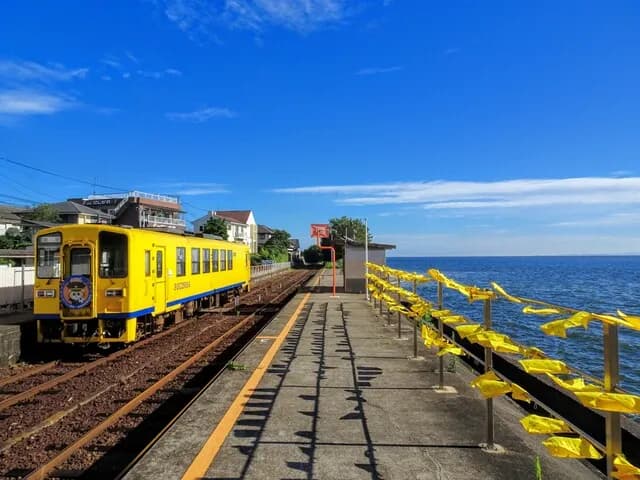
Ōmisaki Station is known as the station closest to the sea in Japan. With the Ariake Sea right behind the platform, you can see the sea at high tide and tidal flats at low tide.
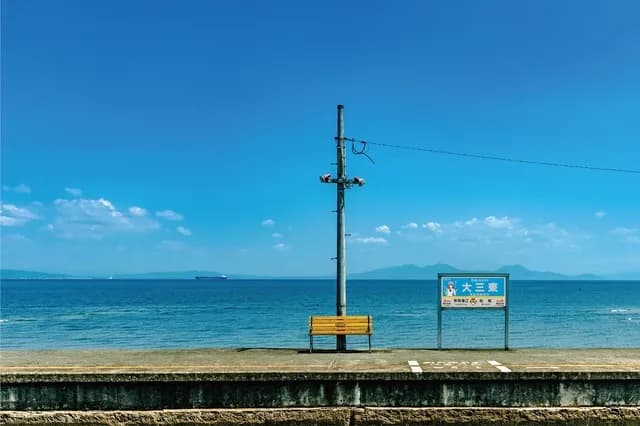
Many yellow handkerchiefs hang on the platform fence. This comes from a tradition where travelers write wishes and hang them up.
Inspired by the film “The Yellow Handkerchief,” this scene became widely known through social media.
If you visit during high tide or sunset, you can enjoy the best atmosphere at Ōmisaki Station.
Ōmisaki Station information Location Check high tide (満潮) timesŌmisaki Kippu 🎫
おうみさきっぷ
This pass was created to reduce parking congestion near Ōmisaki Station. It is recommended if you plan a round trip between Shimabara Station and Ōmisaki Station, or if you want to buy a yellow handkerchief.
- 1,000 yen
- Round-trip Shimabara Railway ticket packed in a CD case
- Coin-style coupon for the “Yellow Handkerchief gacha”
- Includes a Shimabara Station parking ticket (340 yen)