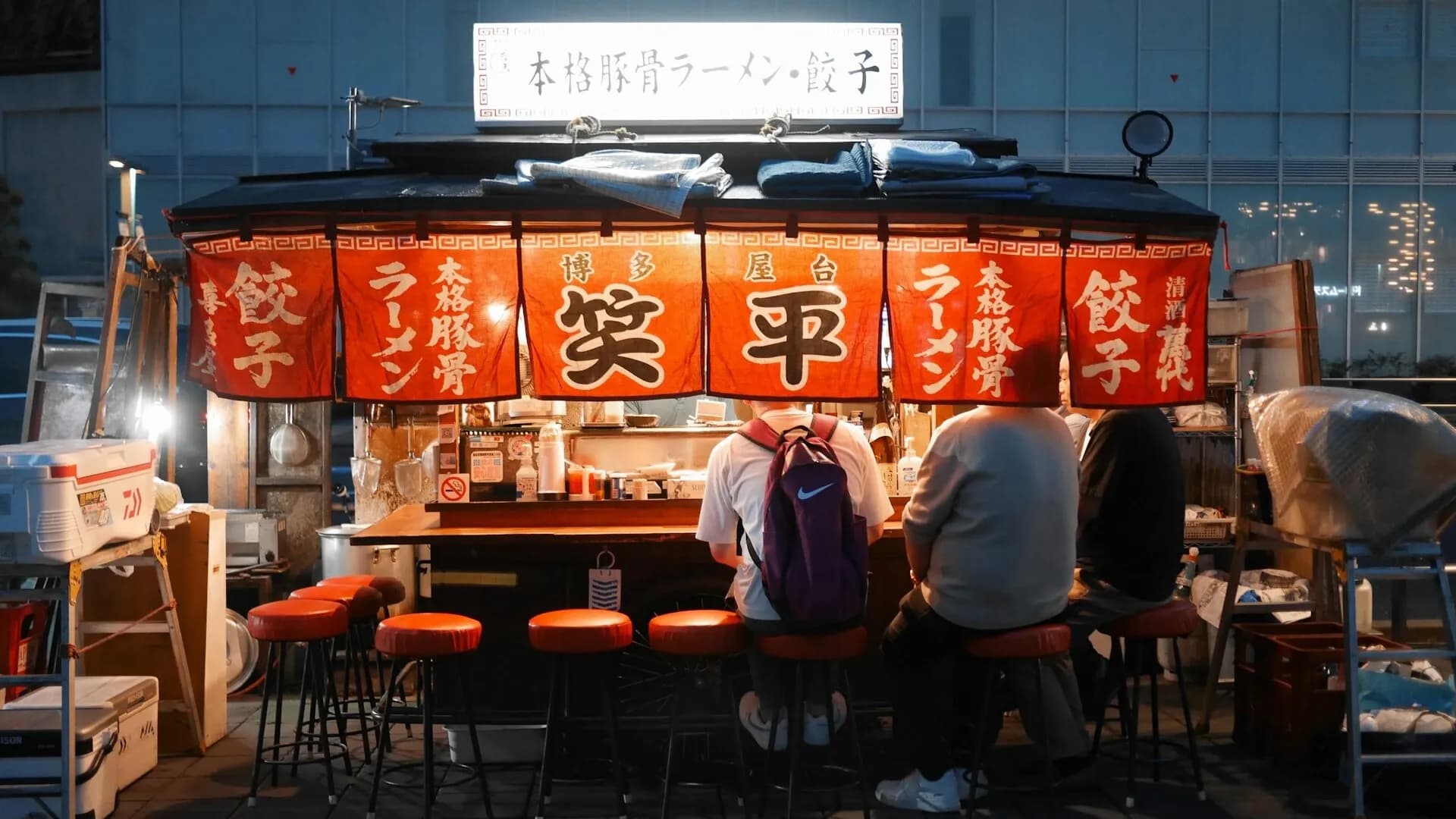
Fukuoka Gourmet Trip: Must-Try Local Dishes by RegionThe history of Fukuoka in a warm spoonful
1. Motsunabe (もつ鍋)
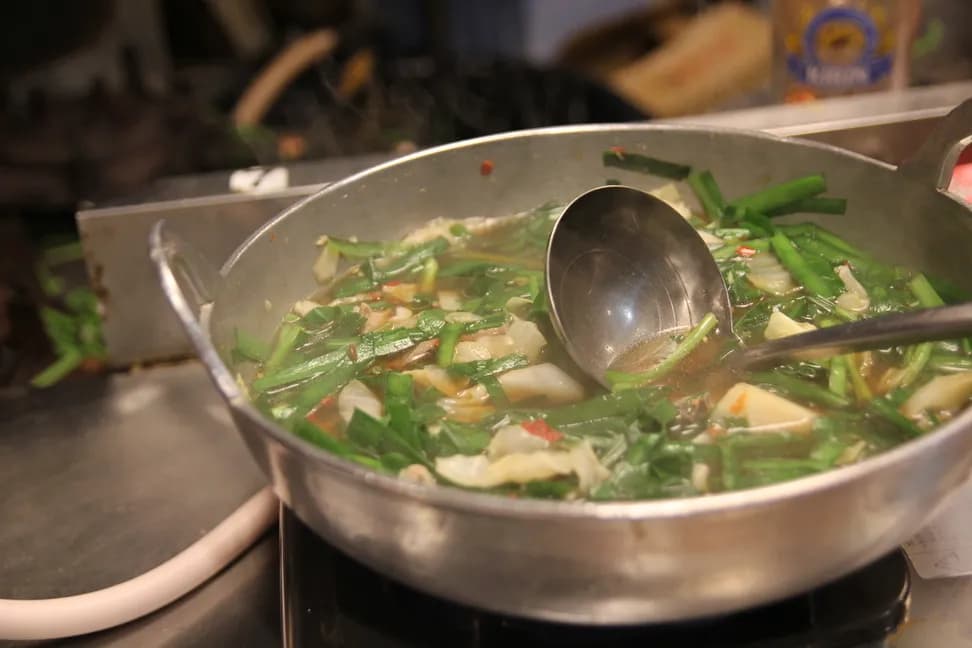
"Motsu" refers to beef or pork offal, and "nabe" means hot pot. This representative Fukuoka dish consists of fresh offal simmered with chives and tofu in a rich broth.
Motsunabe carries a historical significance beyond just being a gourmet dish. Its origins trace back to the early 20th century, when Korean miners working in Fukuoka's coal mines would thoroughly clean offal—a part of the meat often avoided by the Japanese—and boil it with chives in a soy sauce-based broth.
Today, it has established itself as Fukuoka's ultimate soul food, combining the savory taste of fresh offal with the fragrant chives and a rich broth.
Tips for a Gourmet Trip
- How to enjoy it best: Don't forget the "shime" (the final course), where thick noodles are added to the remaining broth. The umami-rich soup soaks into the noodles, making it a dish within a dish.
- Recommended Pairing: Motsunabe goes perfectly with high-proof Japanese shochu. Try it with a drink like the locals do.
💡 TourCast Tip
Fukuoka's Motsunabe styles vary by restaurant, with tastes divided between miso (soybean paste) and shoyu (soy sauce).
- If you want a rich, heavy flavor, choose miso base.
- If you prefer a clean and light flavor, choose shoyu base. Popular restaurants can have long lines, so it is wise to avoid peak dining hours or use reservations!
2. Mentaiko (明太子)
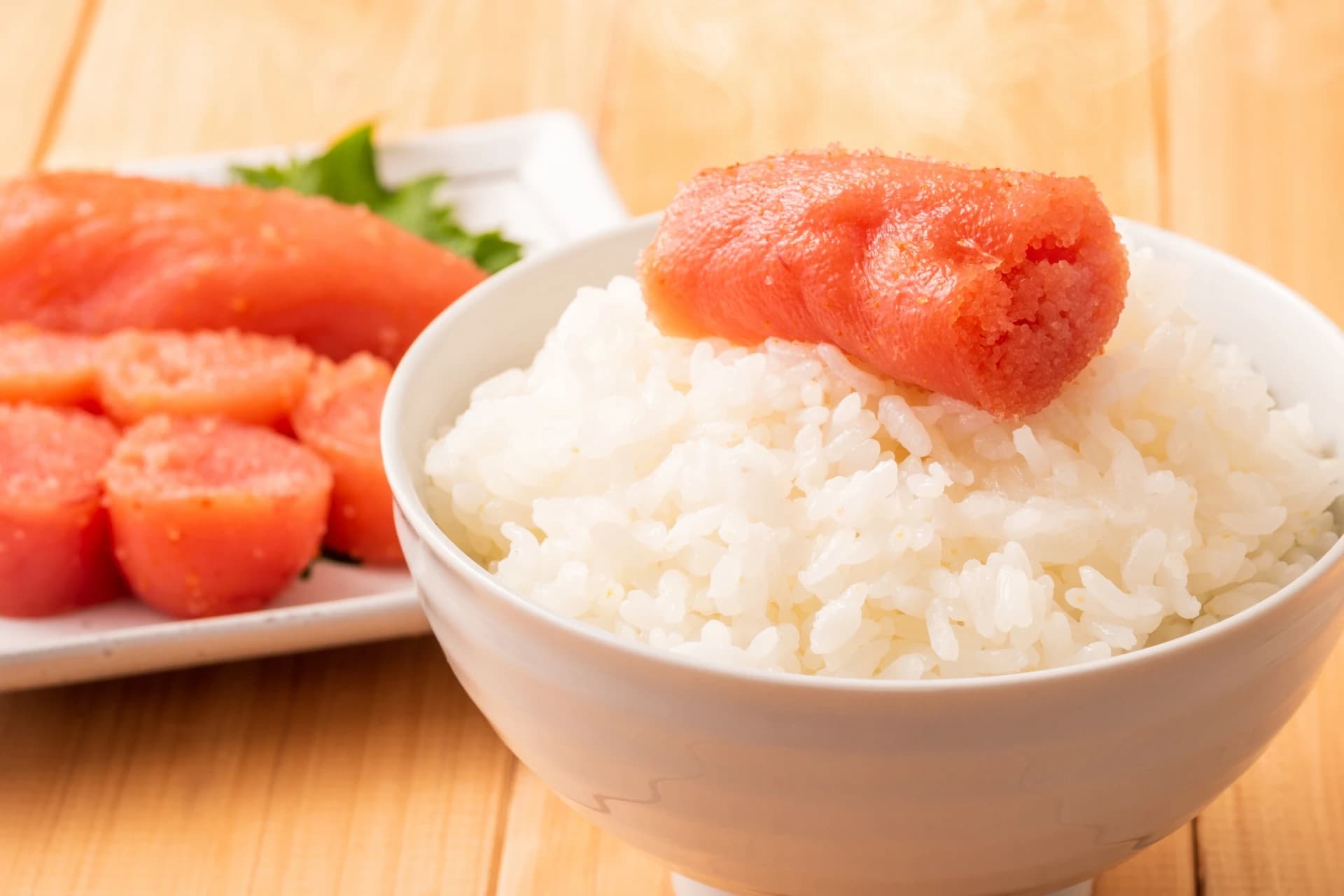
You cannot talk about Fukuoka gourmet without mentioning "Mentaiko" (spicy pollack roe). Fukuoka is the city with the highest consumption of mentaiko in Japan and is also the birthplace of mentaiko cuisine.
1) The Origin: A Flavor from the Korean Peninsula
Mentaiko originated from the seasoned pollack roe enjoyed on the Korean Peninsula. Fukuoka's mentaiko history began in 1949, when Toshio Kawahara, who spent his childhood in Korea, couldn't forget the taste and began selling a version reinterpreted for the Japanese palate in Fukuoka.
It soon captured the hearts of the Japanese people and grew into a specialty product symbolizing Fukuoka. Mentaiko is characterized by a deep, savory flavor achieved by balancing bonito broth, kombu, and chili powder; it is not overly stimulating, making it easy for foreigners to enjoy.
2) The Infinite Transformations of Mentaiko
In Fukuoka, mentaiko is not just a side dish for rice. It is incorporated into almost every dish imaginable.
- Mentaiko Pasta: The harmony between creamy sauce and the popping texture of the roe is a popular menu item in Fukuoka cafes and restaurants.
- Mentaiko Tamagoyaki (Rolled Omelet): Mentaiko is stuffed into a soft rolled omelet to maximize the salty umami flavor.
- Mentaiko Tube/Spread: Processed into tubes for spreading on bread, these are a must-buy souvenir in Fukuoka.
3) How to Become a Mentaiko Expert
Fukuoka has many specialized mentaiko brands like "Fukuya," "Yamaya," and "Kanefuku." In particular, visiting a mentaiko theme park like "HakuHaku" allows you to see and experience the history and manufacturing process of mentaiko firsthand.
💡 TourCast Tip
Many restaurants in Fukuoka (especially traditional set-meal shops) offer unlimited mentaiko during lunchtime. If you love mentaiko, prioritize finding restaurants with an "all-you-can-eat mentaiko" sign. Just placing a piece of mentaiko on freshly cooked rice is a perfect meal in itself!
3. Hakata Ramen (博多ラーメン)
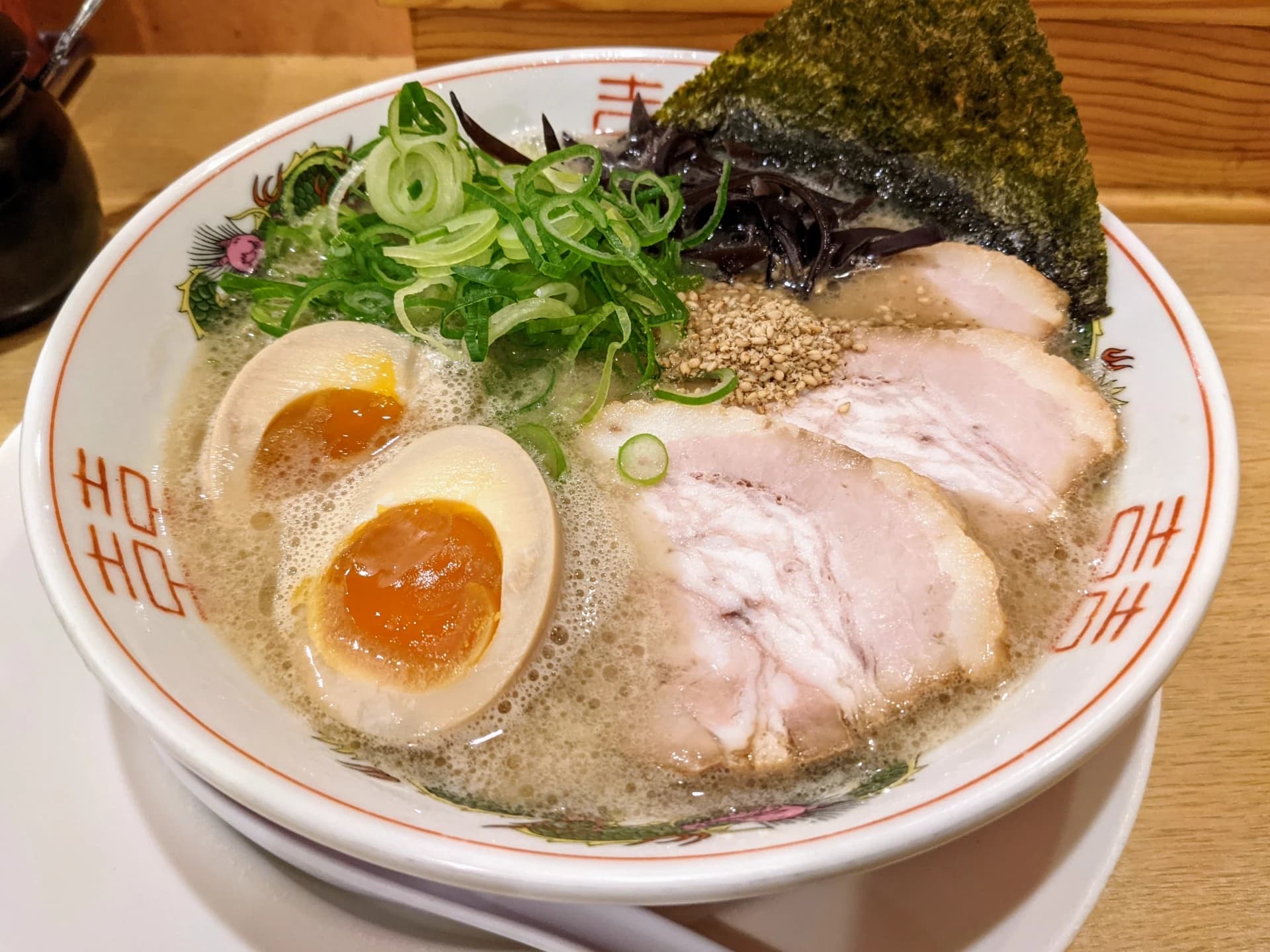
Hakata Ramen is a representative dish of Kyushu, characterized by a rich, milky "tonkotsu" (pork bone) broth simmered for long hours. Starting in the Hakata area of Fukuoka, this ramen style has now spread beyond Japan to become a globally recognized style.
1) Characteristics of Hakata Ramen
- Tonkotsu Broth: Pork bones are boiled for a long time over high heat, resulting in a milky broth with a very deep and heavy flavor.
- Thin Noodles (Hosomen): Very thin, straight noodles are used so the soup clings well to them.
- Kaedama (替え玉): A system where you can order extra noodles to add to your remaining soup after you've finished the first serving. It is the most unique cultural symbol of Hakata ramen.
2) Customizing Your Ramen (Noodle Doneness)
At Hakata ramen shops, you can choose the firmness of your noodles. Try saying your preference when ordering:
- Barikata (ばりかた): Very firm (for those who prefer a chewy texture).
- Katamen (かためん): Firm (the standard choice).
- Futsu (ふつう): Normal.
- Yawamen (やわめん): Soft.
3) Toppings
Various ingredients are prepared on the table to adjust the ramen flavor to your liking.
- Fresh Garlic: Crushing it into the soup helps reduce the pork odor and adds flavor.
- Benishoga (Red Ginger): Refreshes the palate.
- Mustard Greens (Karashi Takana): Add for a spicy kick that changes the soup flavor entirely.
💡 TourCast Tip
If you are a first-time Hakata ramen eater, the unique "porky" scent might surprise you.
- Beginner? Try "Ippudo," which aims for a more approachable taste.
- Local feel? Try the main branches of "Shin-Shin" or "Ichiran" to experience the standard-bearer of Hakata ramen.
- Kaedama Tip! Don't order too many noodles at first. Enjoy your first bowl, and add a kaedama before the soup cools down—this is the secret to enjoying the richness of the broth for as long as possible!
Taste Original Nagasaki Champon and Castella in NagasakiThe history of Champon and why Castella is famous
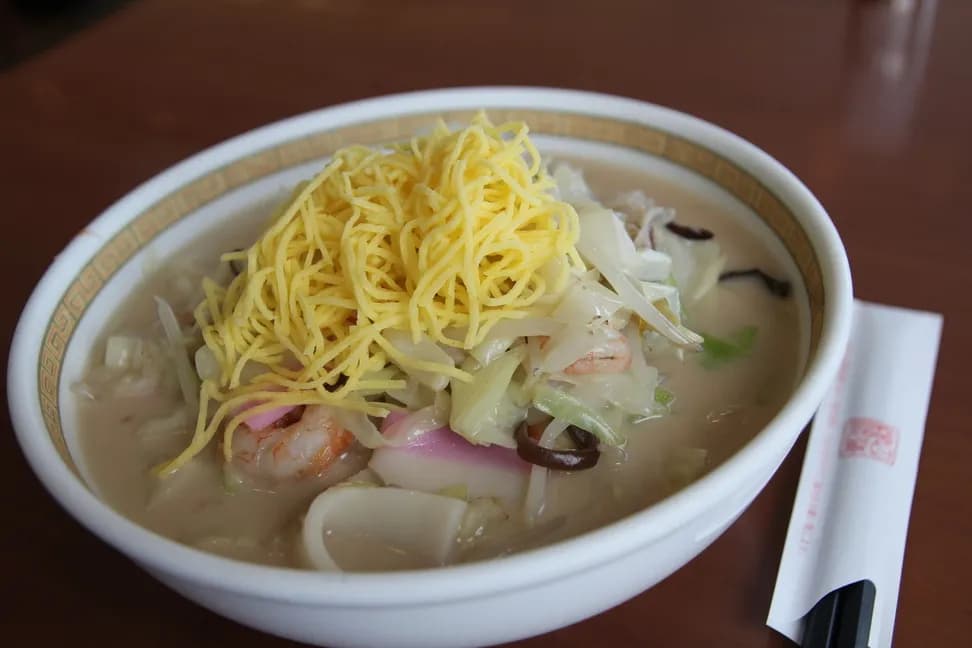
1) Nagasaki Champon (長崎ちゃんぽん)
Nagasaki Champon is one of the few Japanese dishes with a clearly recorded history regarding when, who, and where it was created. Its birthplace is "Shikairo," a Chinese restaurant that opened in 1899.
Shikairo boasts such overwhelming fame that they operate an entire five-story building based solely on their Champon. This dish, made by stir-frying abundant seafood and vegetables in a rich pork and chicken bone broth, is considered the pinnacle of Japanized Chinese cuisine.
2) Castella (カステラ)
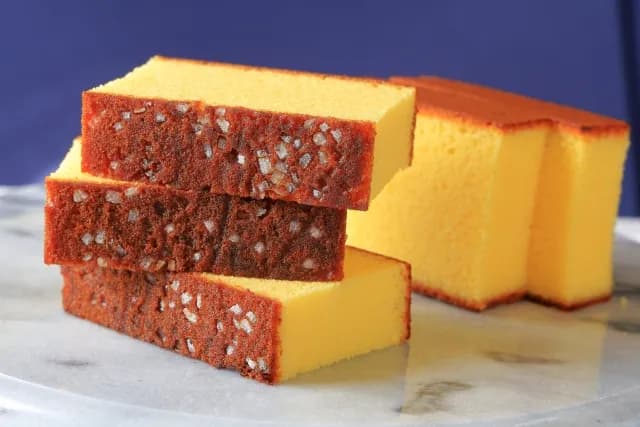
Castella is a confection spread to Japan by Portuguese missionaries, with the name derived from the Portuguese phrase "pão de Castela." The culture of this Western-style bread blossomed quickly through Nagasaki, which served as a window for Western trade.
The key to Nagasaki Castella is "Zarame," the coarse sugar crystals layered on the bottom.
- Origin story: Due to the limitations of confectionery technology in the past, sugar and honey didn't dissolve completely and settled at the bottom; today, this has been established as a charming point that adds a unique texture.
Today, Nagasaki recognizes products containing this zarame as authentic. Visit the three major Castella masters of Nagasaki to feel the depth of true flavor.
💡 TourCast Tip
Castella is much moister and more flavorful a day after purchase, as the honey and sugar permeate the bread. If buying as a gift, check the expiration date; for daily enjoyment, buy it by the slice at the shop and pair it with coffee!
Kumamoto's DelicacyRaw horse meat cuisine passed down through history
Basashi (馬刺し)
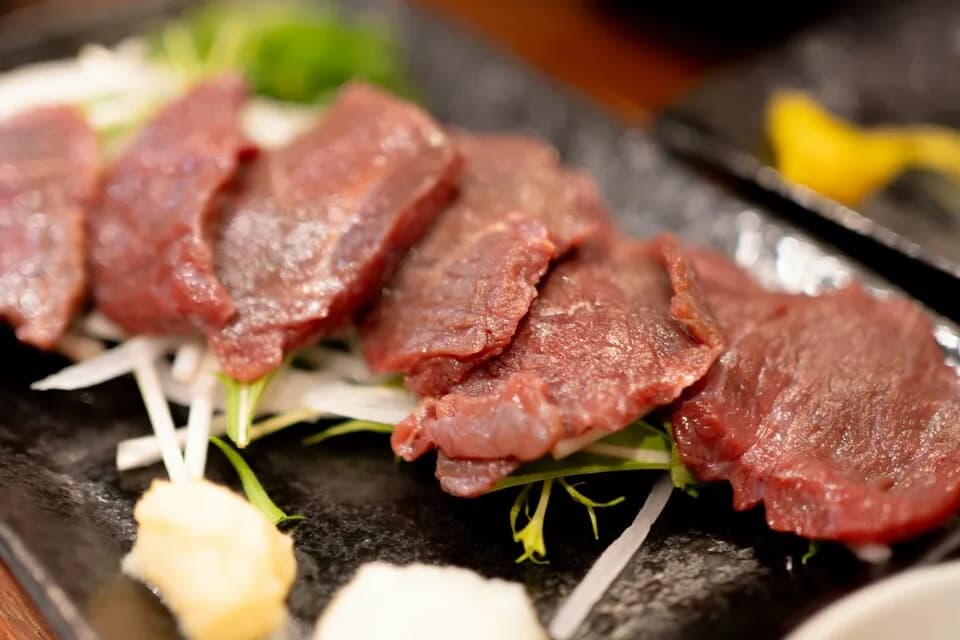
Basashi is a dish of thinly sliced raw horse meat and is the most famous local food representing Kumamoto. Thanks to its unique chewy yet soft texture, it is considered a special gourmet experience unique to Kumamoto.
Various theories exist regarding the origin of basashi, but the most widely known is related to Kato Kiyomasa. During the Japanese military campaign on the Korean Peninsula in 1597, Kato Kiyomasa’s army was isolated and short on food, leading them to resort to eating their own war horses, which is said to be the beginning of Basashi.
Tips to Enjoy Basashi
- How to eat it: The standard way is to dip it lightly in special soy sauce with ginger, garlic, and chopped green onions. The nutty fat characteristic of horse meat and the spicy condiments create a perfect harmony.
- Recommended Pairing: Enjoy it with "Kuma Shochu," a local Kumamoto shochu, to feel the natural flavor of the horse meat more deeply.
💡 TourCast Tip
Horse meat is low in calories and rich in protein and vitamins, making it a health food even within Japan. First-timers may feel resistant to the idea of "horse meat," but you will be surprised at how much lighter and less fatty it is than beef. If you visit Kumamoto, summon your courage and give it a try!
Special Fried Chicken in OitaSoft texture created by flour batter
Toriten (とり天)
Toriten is a representative local food of Oita, made by coating seasoned chicken with flour and egg batter and deep-frying it. "Tori" means chicken, and "Ten" comes from tempura (fry).
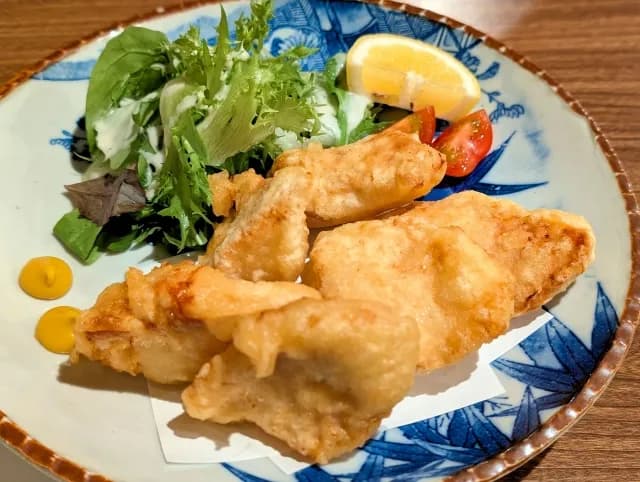
At first glance, it looks similar to "Karaage," a staple menu item in izakayas, but the decisive difference lies in the batter.
- Karaage: Uses potato or corn starch to create a crispy and thin batter.
- Toriten: Uses flour and egg to create a fluffy and soft batter.
To the people of Oita, Toriten is not a special dish but a familiar side dish that appears on the table every day. It has established itself as a national snack loved by all ages thanks to the soft texture of the chicken and the subtle seasoning.
How to Enjoy Toriten
- Dipping Sauce: Usually served with ponzu sauce or mustard. The freshness of the ponzu cuts the greasiness of the fried food, and the mustard cleans up the aftertaste.
- As a Meal: Order it as a set meal to enjoy a hearty meal with white rice.
💡 TourCast Tip
While some places in Japan use "Karaage" and "Toriten" interchangeably, you can feel the distinct difference at specialized shops in the Oita region. If "crispiness" is the soul of Karaage, "soft moistness" is the heart of Toriten. If you are traveling in Oita, be sure to taste freshly fried Toriten at a specialty restaurant!