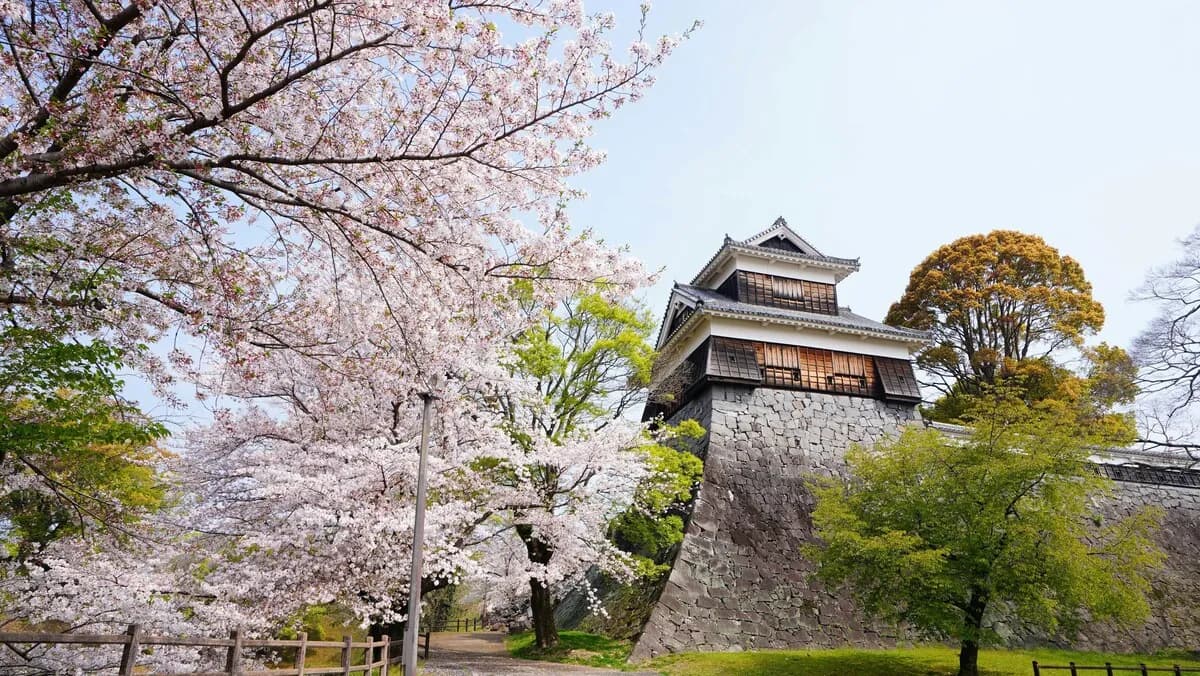
IntroductionStart your trip in Kumamon’s city, Kumamoto!
Because the kanji for Kumamoto (熊本) includes the character for “bear” (熊), you might guess it is related to bears, but in fact it has nothing to do with bears.
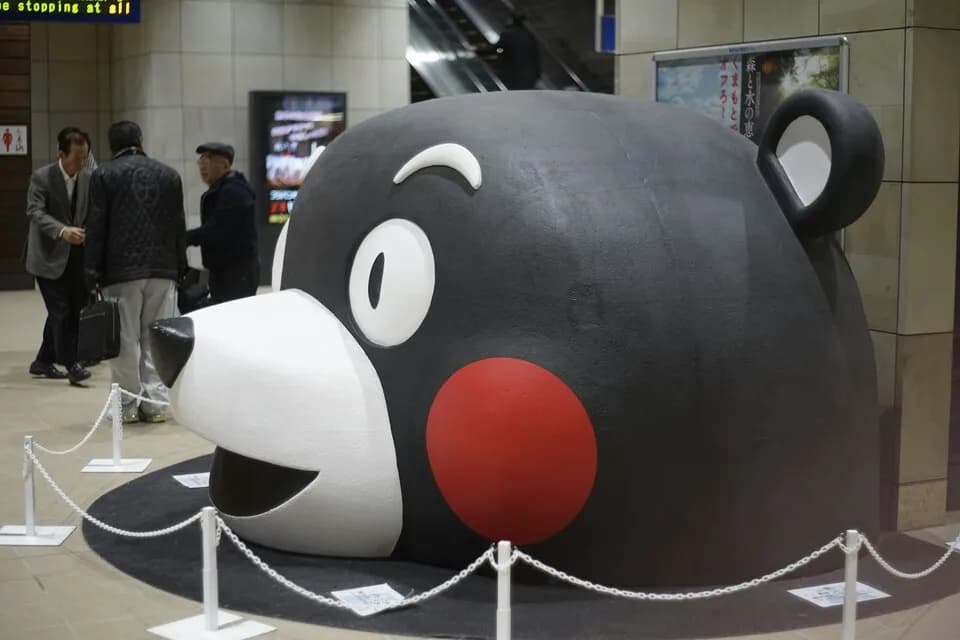
The only bear-related symbol is Kumamoto’s official mascot, Kumamon 🐻.
Kumamoto is one of Japan’s major rice-producing areas. In the past, rice (稻) was also called “kuma,” and it is said the name Kumamoto originally meant “the origin (本) of rice.” Later, the homophone 熊 (くま, kuma) was added, which became the current kanji spelling.
Enter Kumamoto smarter with direct flights + an open-jaw routePlan flights well to save both time and transport costs
There are direct flights to Kumamoto Airport from Incheon and Gimhae in Korea, and from Taipei and Kaohsiung in Taiwan.
In addition to a standard round trip, you can also consider an open-jaw itinerary such as Kumamoto IN – Fukuoka OUT or Fukuoka IN – Kumamoto OUT.
Especially when you find a better flight deal than a Fukuoka round trip, using Kumamoto Airport can be a smart option.
How to get from Kumamoto Airport
There is no train service from Kumamoto Airport, so you must use a bus. From the airport, there are direct and stopping services to Kumamoto Prefectural Office, Suizenji Park, Sakuramachi Bus Terminal, and Kumamoto Station.
You can check boarding points, travel time, and fares for each route below.
Kumamoto Airport access guideExclusive TourCast Tips!
How should you plan if you stay only in Kumamoto?
If you plan to stay in Kumamoto for multiple nights without going to Fukuoka, it is important to choose day-trip destinations based in Kumamoto.
Mt. Aso, Kurokawa Onsen, Yufuin, Takachiho, and Shimabara are major places you can visit as day trips from Kumamoto.
Reserving highway buses in advance is the most efficient approach, and the link below lets you check fares, travel time, and booking links by area.
Shinkansen in 33 minutes, or an easy bus ride into townChoose trains or buses to reach Kumamoto
1) By train
- With the Northern Kyushu Rail Pass, you can take the Shinkansen between Fukuoka and Kumamoto, which takes about 33 minutes.
2) By bus
- Tenjin Highway Bus Terminal, Platform 3 timetable
- Hakata Bus Terminal, 3F Platform 38 timetable
- Fukuoka Airport International Terminal timetable
- Get off at Kumamoto Sakuramachi Bus Terminal (桜町バスターミナル)
Explore the city by streetcarCheap and convenient transport around central Kumamoto
Kumamoto city has a well-organized streetcar (tram) system. The fare is a flat 180 yen per ride, regardless of distance.
With just the streetcar, you can easily reach major sights like Kumamoto Castle, Suizenji Garden, and the Shimotori Arcade, making it one of the most efficient ways to travel around the city.
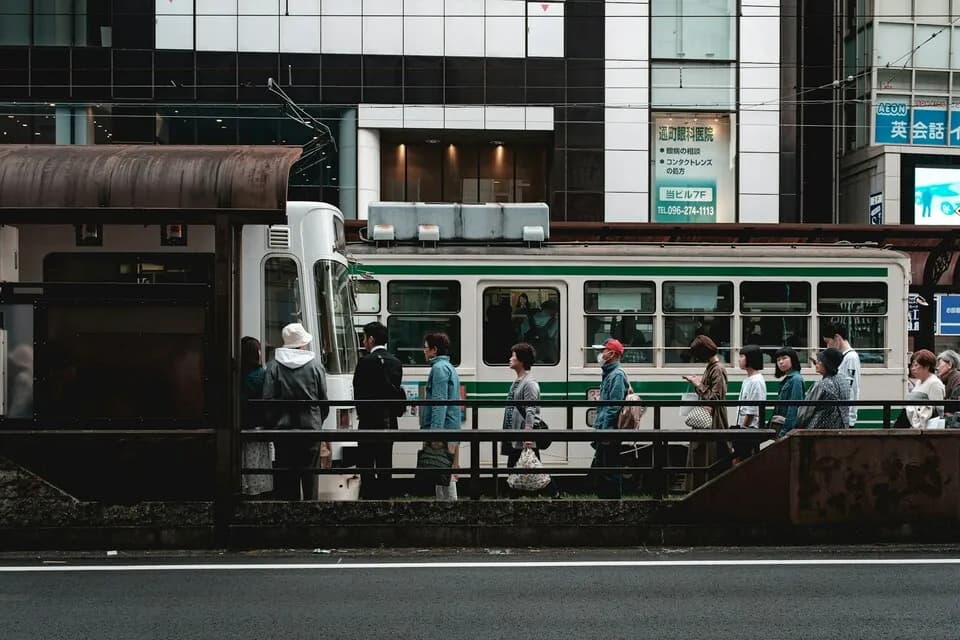
A 1-day streetcar pass costs 500 yen for adults and 250 yen for children, and it is a good deal if you ride three times or more in one day.
This pass also includes a 160 yen discount on Kumamoto Castle admission, so even with only two streetcar rides, it can still be a good value when combined with the castle discount.
In other words, if you plan to ride the streetcar at least once and visit Kumamoto Castle, the 1-day pass is usually the better option.
- Where to buy: Kumamoto Station Tourist Information Center, or directly from the driver when boarding
- When buying from the driver, say “One day pass onegaishimasu” and pay 500 yen
- You can also buy it in the Japan Transit app or the my route app, where you can choose a 1-day pass or a 24-hour pass (600 yen)
Other passes like the Shiromegurin Bus or the Wakuwaku 1-Day Pass exist, but if you only plan to visit Kumamoto Castle and Suizenji Garden, you do not need to buy them.
Important notes for buses and streetcars in Kumamoto
Including the Kumamoto Airport limousine bus, most local buses in Kumamoto do not accept nationwide IC cards such as Suica.
Instead, you need the local Kumamon IC Card, which can be used on both streetcars and local buses. However, it cannot be used in other regions, so it may be less practical for short-term travelers.
If you love the Kumamon character, you may still want to buy it as a souvenir.
On the other hand, buses and streetcars in Kumamoto can also be paid with contactless credit cards such as Visa and Mastercard.
For many travelers, this is the most simple and practical option.
4 must-visit spots in Kumamoto with KumamonFour places to enjoy history, culture, shopping, and the mascot scene
1) Kumamoto Castle
熊本城
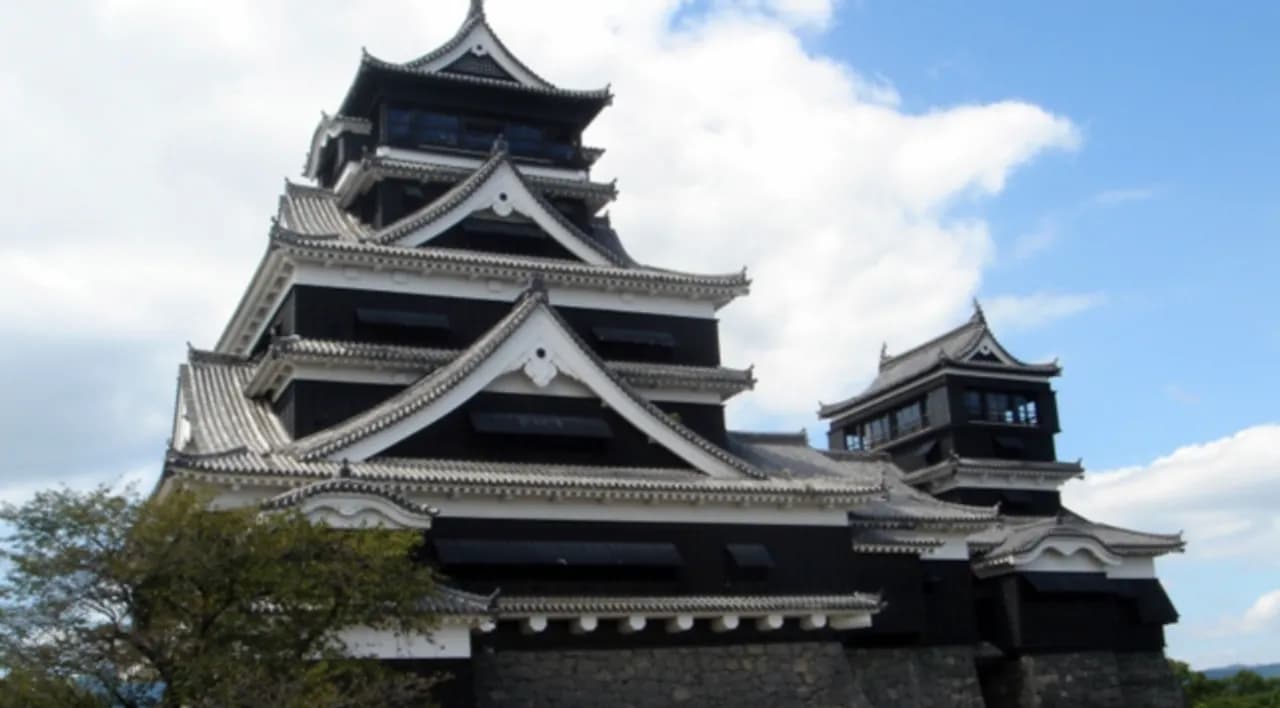
Along with Toyotomi Hideyoshi’s Osaka Castle and Tokugawa Ieyasu’s Nagoya Castle, Kumamoto Castle is considered one of Japan’s top three famous castles.
It is also called the “Ginkgo Castle” and the “Impenetrable Castle.”
In 2010, it became a friendship and cooperation city with Ulsan Metropolitan City, but for Koreans, Kumamoto Castle also carries a painful history.
Kato Kiyomasa, the first lord of Kumamoto, invaded Joseon Korea during the Imjin War together with Konishi Yukinaga, and they had conflicts over credit related to the occupation of Hanyang. He is also recorded as a person who burned Bulguksa Temple in Gyeongju.
During the Jeongyu War, he was surrounded by the Joseon–Ming allied forces in the Battle of Ulsan Castle and endured a brutal siege. He eventually returned to Japan after building a Japanese fortress at Ulsan Hakseong.
Later, he sided with the Eastern Army at the Battle of Sekigahara, won, and became the lord of Kumamoto. After returning, he is said to have brought prisoners from Ulsan and used their labor to build Kumamoto Castle.
The prisoners formed a settlement called Ulsan-machi (蔚山町, current location), and the place name and “Ulsan soy sauce” are said to remain today.
Because of trauma from the Ulsan battle, Kato prepared thoroughly by digging 120 wells, planting hundreds of ginkgo trees inside the castle, and even using sweet potato vines for tatami materials.
There is also a theory that he was poisoned to death after offending Tokugawa. Since its completion in 1607, Kumamoto Castle has never been captured.
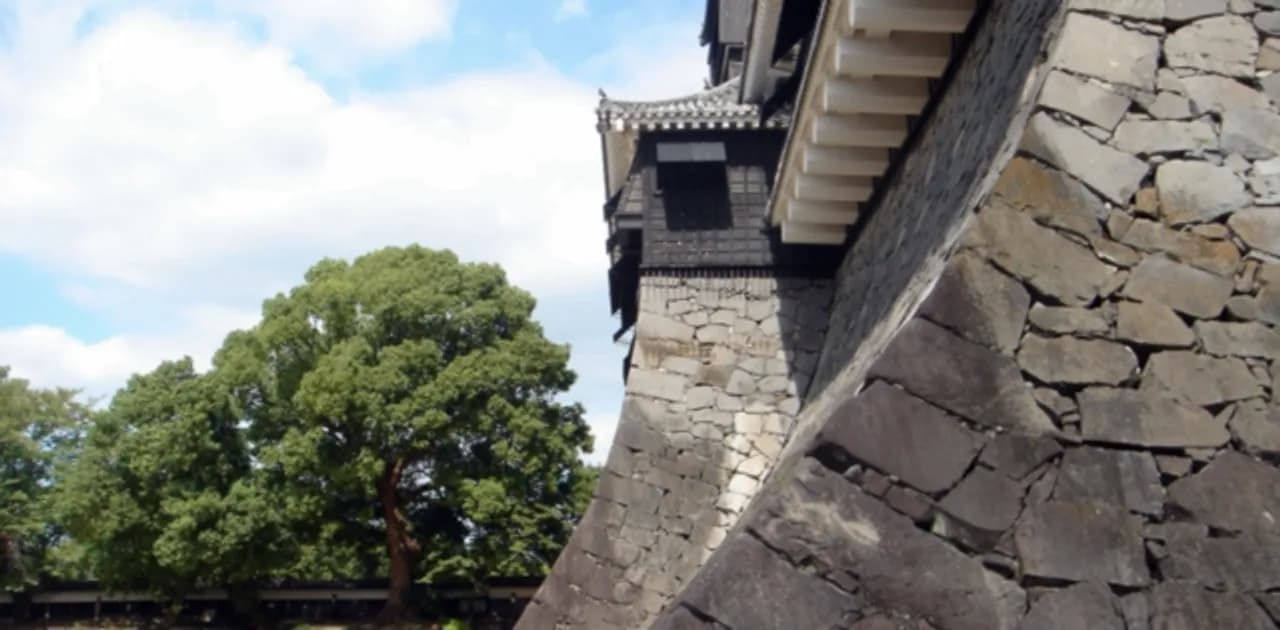
Its unique stone wall structure called Musha-gaeshi starts gentle but becomes steep near the top, designed to prevent enemies from climbing.
When visiting Kumamoto Castle, beyond admiring the engineering, it can also be meaningful to remember the labor and sacrifice of Joseon prisoners.
- Hours: 09:00 ~ 17:00 (last entry 30 minutes before closing, main keep until 16:30)
- Closed: December 29 ~ 31 (may change)
- Admission: 800 yen (adults), 300 yen (elementary & junior high)
2) Suizenji Garden
水前寺成趣園
After the Hosokawa clan, close retainers of the Tokugawa shogunate, became the lords of Kumamoto, they created this garden as a villa.
It is often praised as one of the most beautiful gardens in Kyushu.
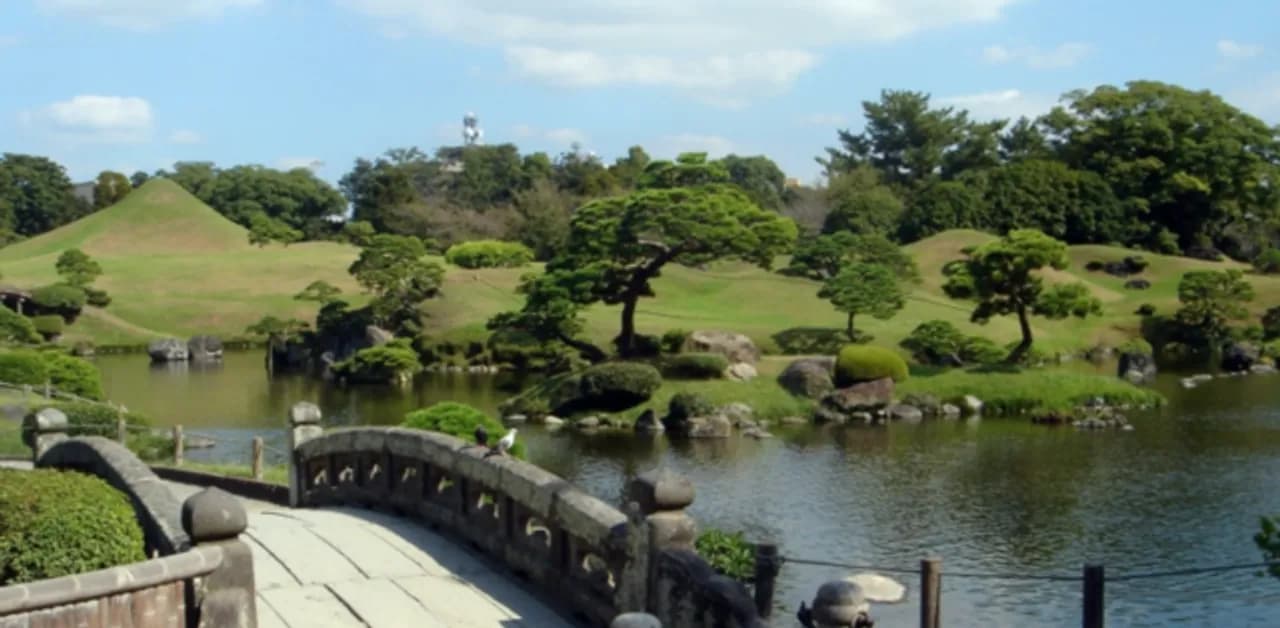
The garden was designed to recreate a journey to Edo, and it includes a hill shaped like Mt. Fuji and a pond inspired by Lake Biwa.
Other highlights include water said to bring long life, Izumi Shrine, a Noh theater, and the Gokindenju-no-ma teahouse.
- Hours: 08:30 ~ 17:00 (last entry 16:30)
- North Gate hours: 09:30 ~ 16:00
- Closed: Open all year
- Admission: 400 yen (adults), 200 yen (children)
3) Kamitori / Shimotori Arcade
上通アーケード / 下通アーケード
This is Kumamoto’s largest shopping street, packed with shops and restaurants, and the area often hosts events.
- Length: 510 m, width: 15 m
4) Kumamon Square
くまモンスクエア
This character shop is home to Kumamon’s “sales manager office.” You can find limited goods, a cafe, and stage performances.
Kumamon helped spread the image of “Kumamoto = Kumamon,” and had a major impact on local tourism.
It is more than just a character store—it is a symbolic place where you can see the potential of the region’s economy and cultural industries.

Takachiho GorgeA mystical gorge associated with Japanese mythology
Takachiho, a mystical natural wonder that can be visited as a day trip from Kumamoto, is an ideal destination for a one-day bus tour.
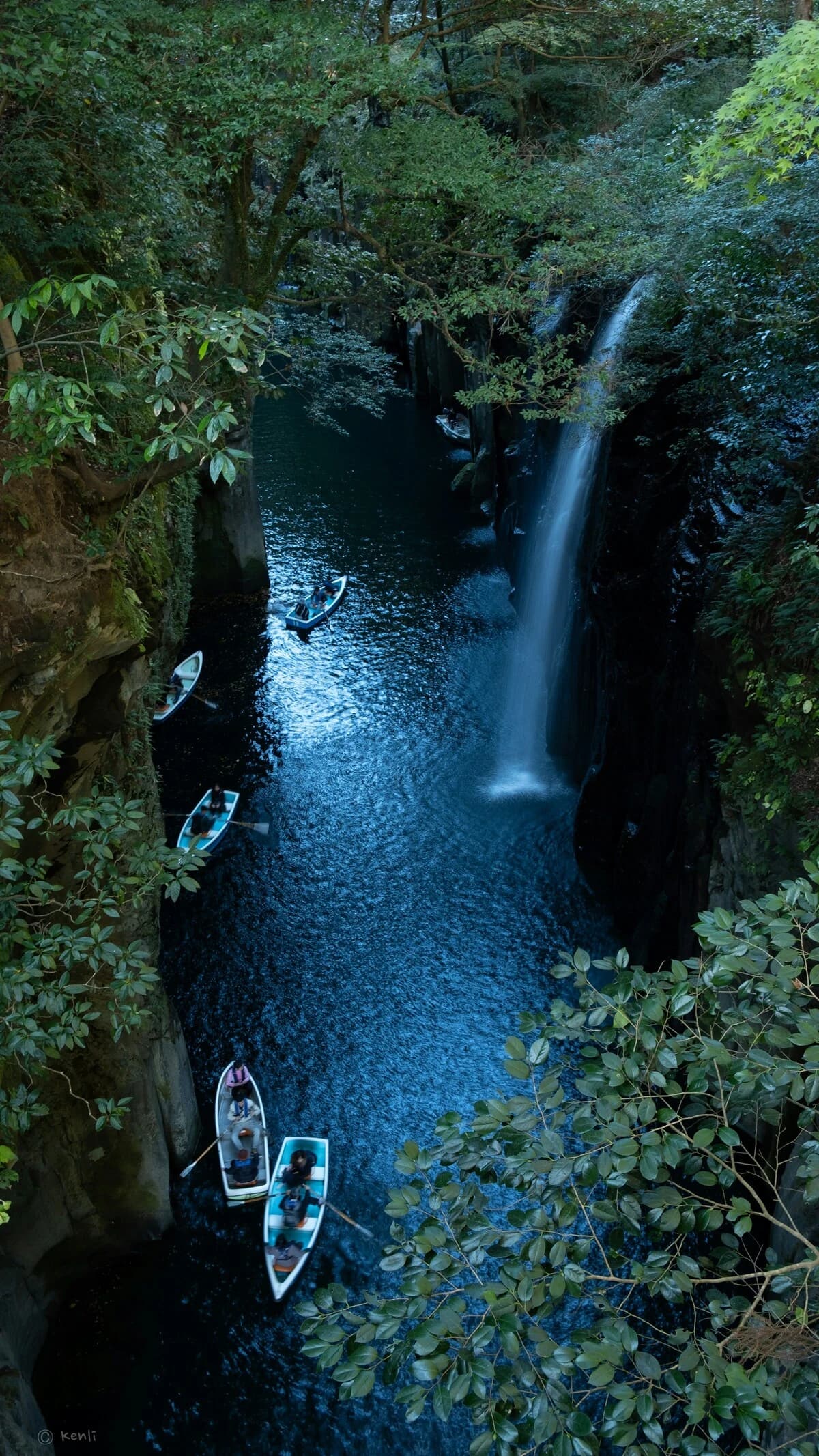
Takachiho is famous as a sacred land of Japanese mythology and a renowned tourist spot boasting grand nature. The most popular activity here is rowing a boat in the gorge, where you can look up at the giant columnar joint cliffs formed by past volcanic activity of Mount Aso and the beautiful waterfalls cascading down between them. In addition, there are many places wrapped in mystical legends, such as the cave where the sun goddess in Japanese mythology hid, attracting travelers from all over the world to feel the spiritual energy firsthand.
- Express Bus Operation: The express bus from Kumamoto to Takachiho runs once a day (round trip).
- Reservation Required: You must book in advance for the round-trip schedule of taking the morning bus and returning in the afternoon.
- Length of Stay: You can spend about 4 hours and 30 minutes in Takachiho, which is enough time to leisurely explore around the gorge and visit the shrines.
For more detailed travel information, such as how to book a boat at Takachiho Gorge and recommended sightseeing itineraries, please check Miyazaki, Takachiho & Nichinan Travel.