TourCast does not display unnecessary advertisements that interfere with readability. Some travel information contains affiliate links, and when a purchase is made through these links, TourCast receives a commission. There is no additional cost to the user. The admission fees, fares, and other information stated in this content may change depending on the update date.
All content on TourCast is protected by copyright law. Unauthorized reproduction, copying, distribution (including AI training), or use is prohibited and may result in legal action.
ⓒ 2023. TourCast Co. All rights reserved.
Day Trips from Fukuoka
IntroductionEscape the city and enjoy a full day in nearby Fukuoka
After exploring central Fukuoka, this section introduces one-day trip routes to nearby areas.
Because the routes below include multiple bus rides, if you plan to travel from Hakata Bus Terminal toward Dazaifu, it is often more efficient to buy a pass that includes “Fukuoka City 1-Day Unlimited Ride Ticket + Dazaifu.”
Sakurai Futamigaura (Itoshima Meoto Iwa) cannot be reached with this pass
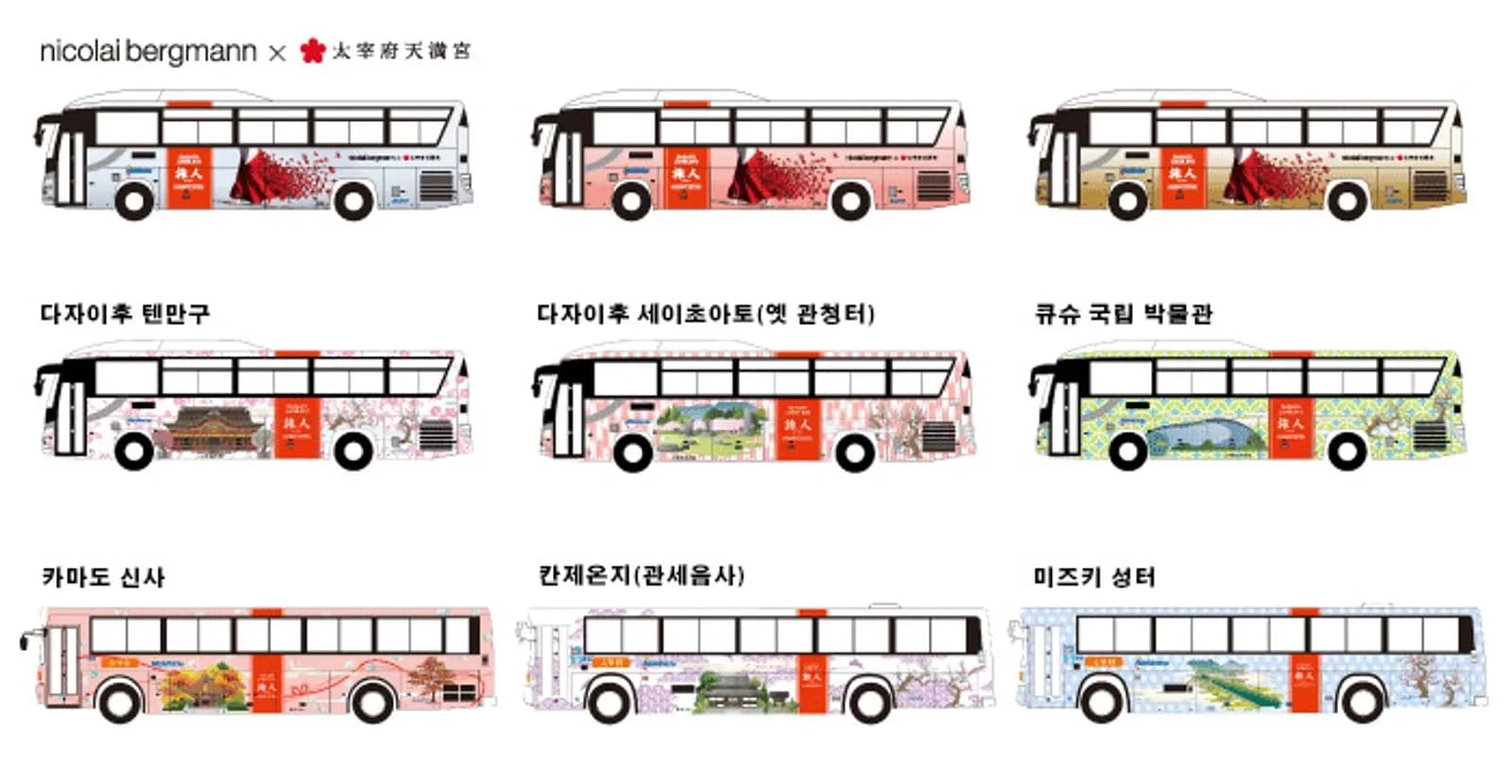
The dedicated bus to Dazaifu, the “Dazaifu Liner Tabito,” departs only from Hakata Bus Terminal. So if you are in the Tenjin area, you need to go to Hakata Bus Terminal first before using this bus.
Also, if you take the train from Nishitetsu Fukuoka (Tenjin) Station, you can reach Dazaifu for 420 yen one way, which may be a cheaper option than the bus. So, depending on your day plan, decide whether you should buy the “Fukuoka City 1-Day Unlimited Ride Ticket + Dazaifu” pass.
For detailed explanations of each transport pass, see the “Fukuoka” section
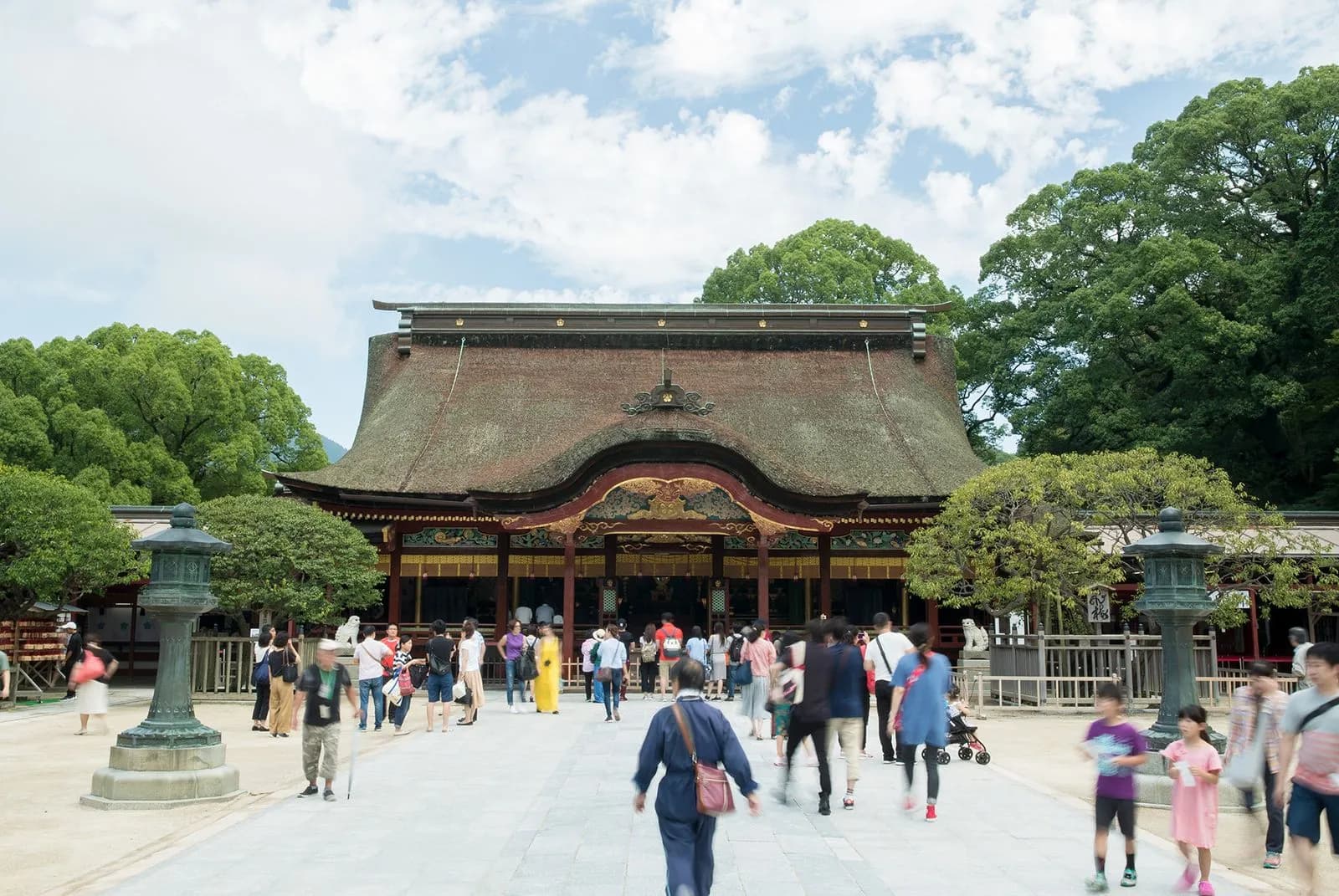
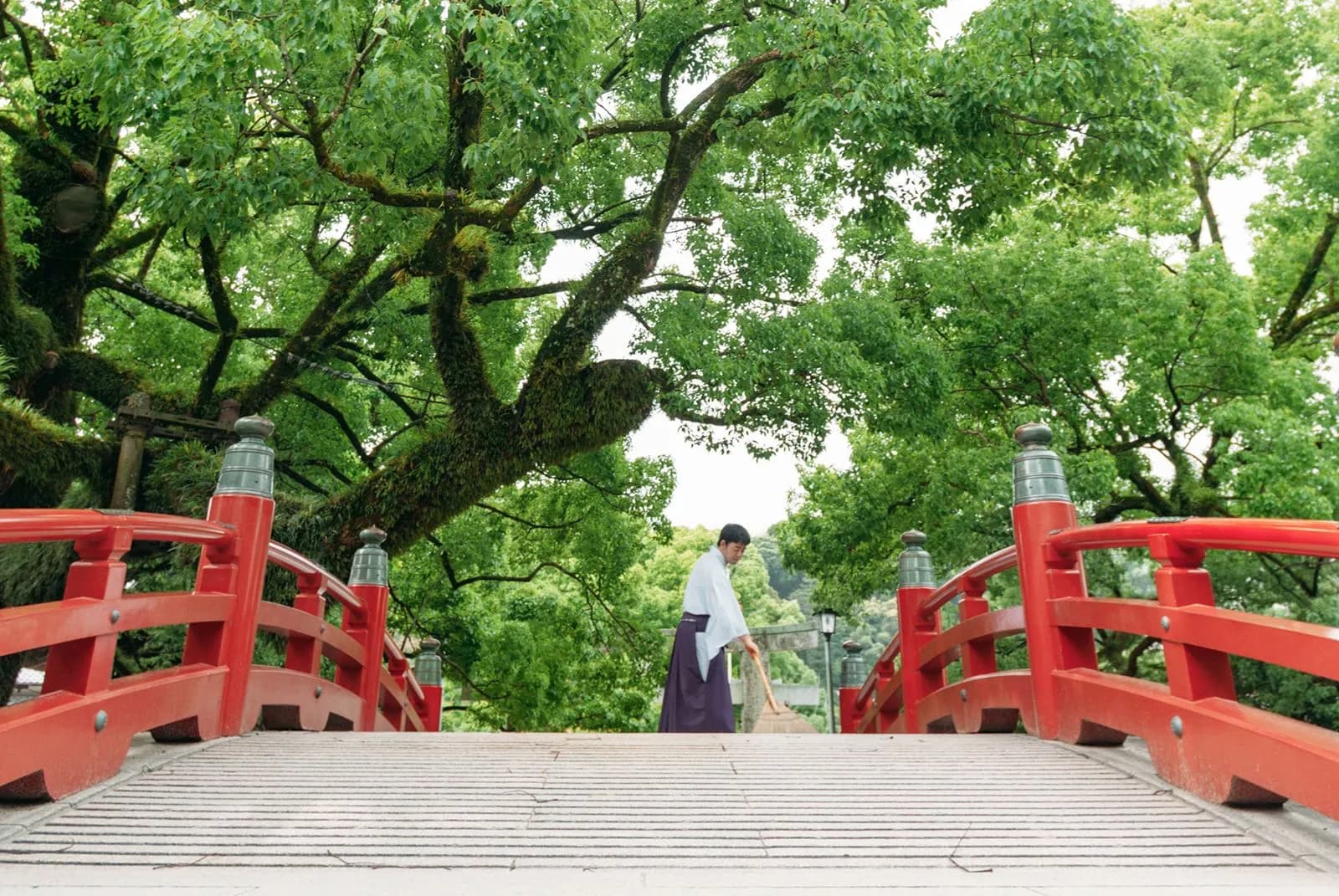
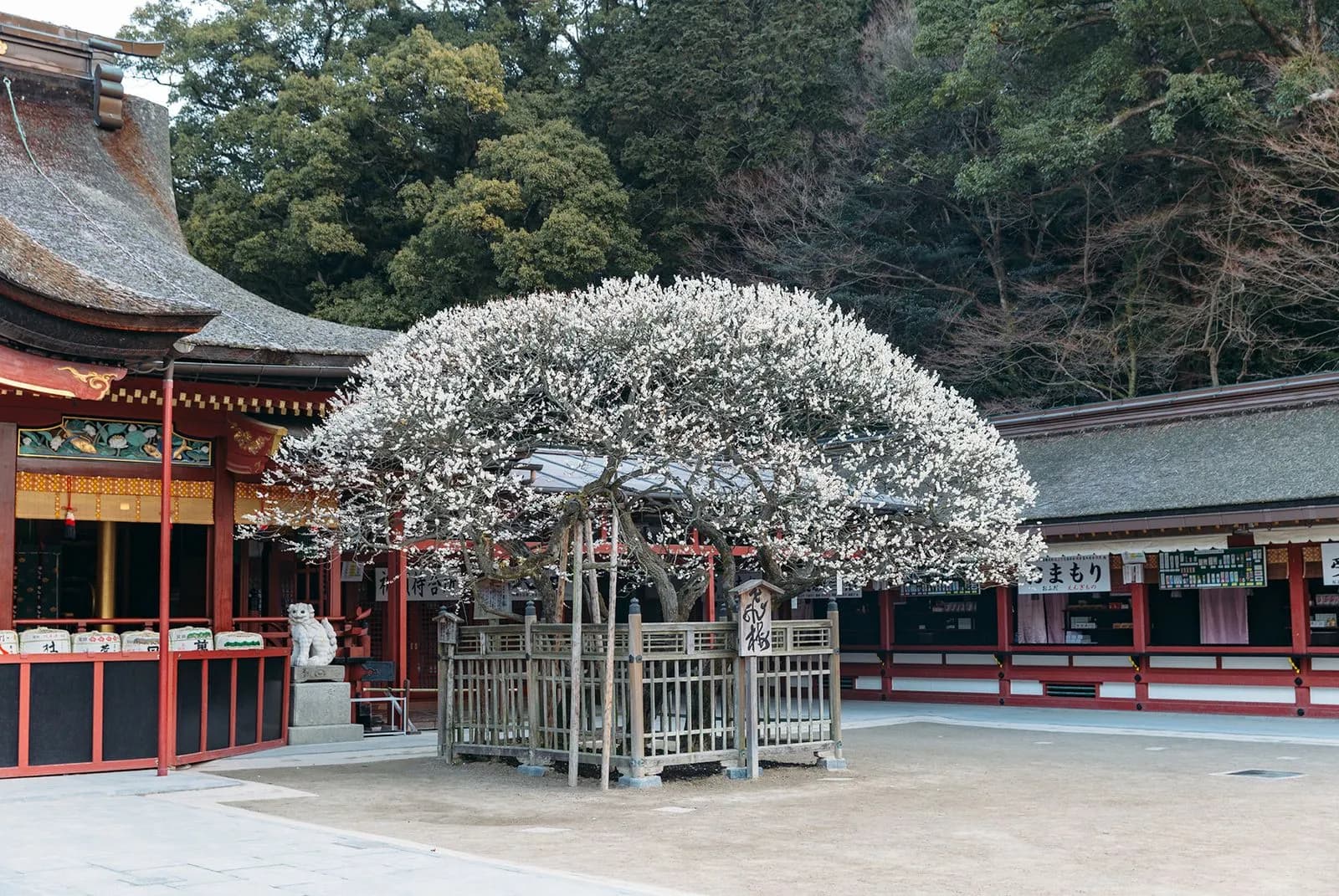
DazaifuA historic shrine dedicated to the deity of learning
太宰府天滿宮
This shrine is dedicated to Sugawara no Michizane (菅原道真), who is known as the deity of learning.
There are theories that Michizane was a descendant of Wani of Baekje, who is said to have brought the Thousand Character Classic and the Analects to Japan, and also theories that he had Silla lineage.
According to the Shinsen Shōjiroku (新撰姓氏録), an ancient Japanese genealogy record of clans, descendants of Amenohiboko (天之日矛)—a prince who came from Silla and is called a tenson (天孫), a “heavenly descendant”—lived with the surname Haji (土師). It is said that the surname of Michizane’s great-grandfather, Haji Horuhito (土師古仁), was changed to Sugawara (菅原) by the order of Emperor Kōnin.
Michizane was born in 845. He wrote waka (和歌, traditional Japanese poetry) at age 11, passed the state examination at age 17, and began his official career at age 22. Although he came from a scholar family of relatively low status, he became Udaijin (右大臣), one of the highest ministers, at age 55.
However, the ruling Fujiwara clan was wary that someone of low status rose to such a high position. Fujiwara no Tokihira (藤原時平) then exiled him to Dazaifu.
Michizane died only two years after arriving, and later, disasters such as epidemics, natural calamities, and lightning strikes at the palace occurred one after another. People believed these were revenge by Michizane’s vengeful spirit.
When Tokihira’s family faced a near-extinction tragedy, the imperial court tried to calm the situation by restoring Michizane’s titles and even burning the exile order. But the misfortunes did not stop, and the shrine built to appease his spirit became Dazaifu Tenmangu.
Ironically, the group that built the shrine was the Fujiwara faction that had framed him. Perhaps they feared the revenge of the spirit they had created.
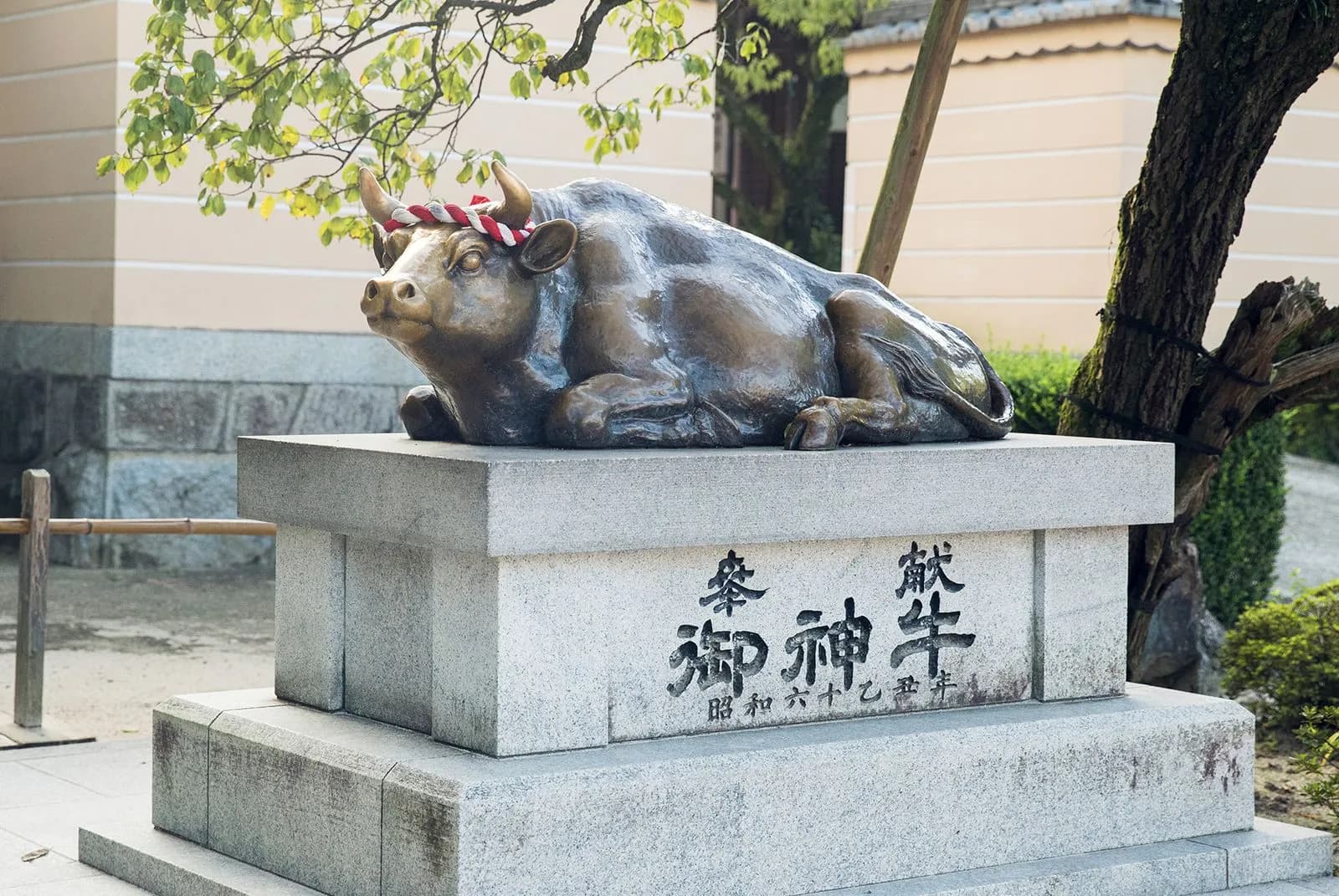
Inside the shrine grounds, there is a bronze ox statue (Gogyū, 御神牛).
There is a theory that it symbolizes Gozu Tennō (牛頭天王), seen as an incarnation of Susanoo-no-Mikoto, and another theory says the ox carrying Michizane’s body stopped moving at the current shrine site.
東風 吹かば 匂ひをこせよ 梅の花 主なしとて 春な忘れそ
When the east wind blows, send your fragrance, plum blossoms. Even without your master, do not forget the spring.
This waka is famous as a poem Michizane wrote when he was exiled from Kyoto.
A legend says the plum tree in the poem flew from Kyoto to Dazaifu in a single night. This plum tree is called “Tobiume” (飛梅), and it blooms earlier than other plums, so it is known as a messenger of spring.
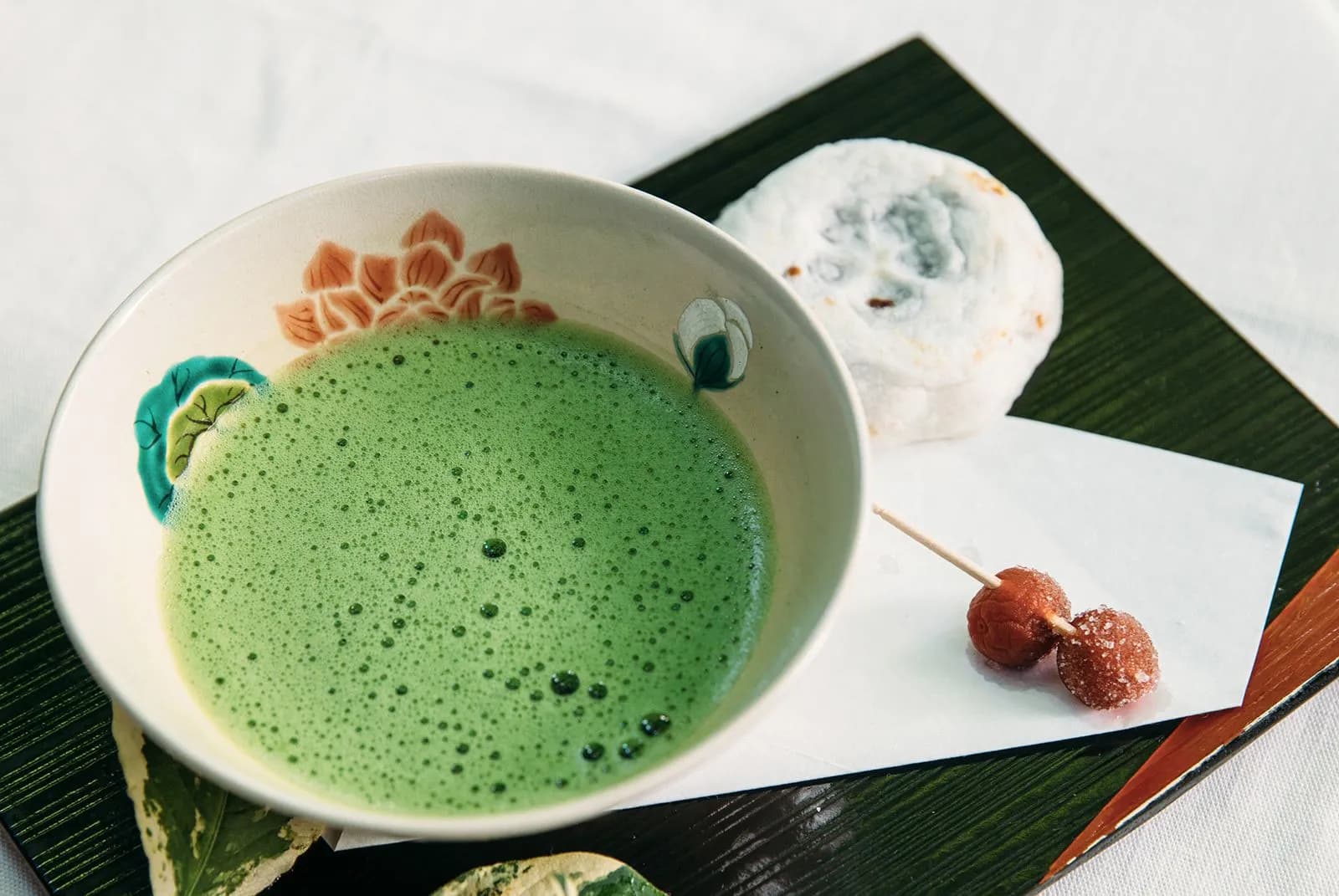
If you visit Dazaifu Tenmangu, you should also try Umegae Mochi (梅ヶ枝餅).
According to the story, Michizane lived a difficult life in exile with his daughter, but she passed away. Michizane stopped eating and drinking and cried out in grief.
A kind elderly woman felt sorry for him and offered a rice cake topped with a plum branch—this is said to be the origin story of Umegae Mochi.
Opening hours
June–August: 06:00 ~ 19:30
December–March: 06:30 ~ 18:30
Other months: 06:30 ~ 19:00
Closed: None
Admission: Free
※ Museums, amusement facilities, the National Museum, and more are separately paid
LaLaport FukuokaA shopping paradise welcomed by a life-size Gundam
ららぽーと福岡
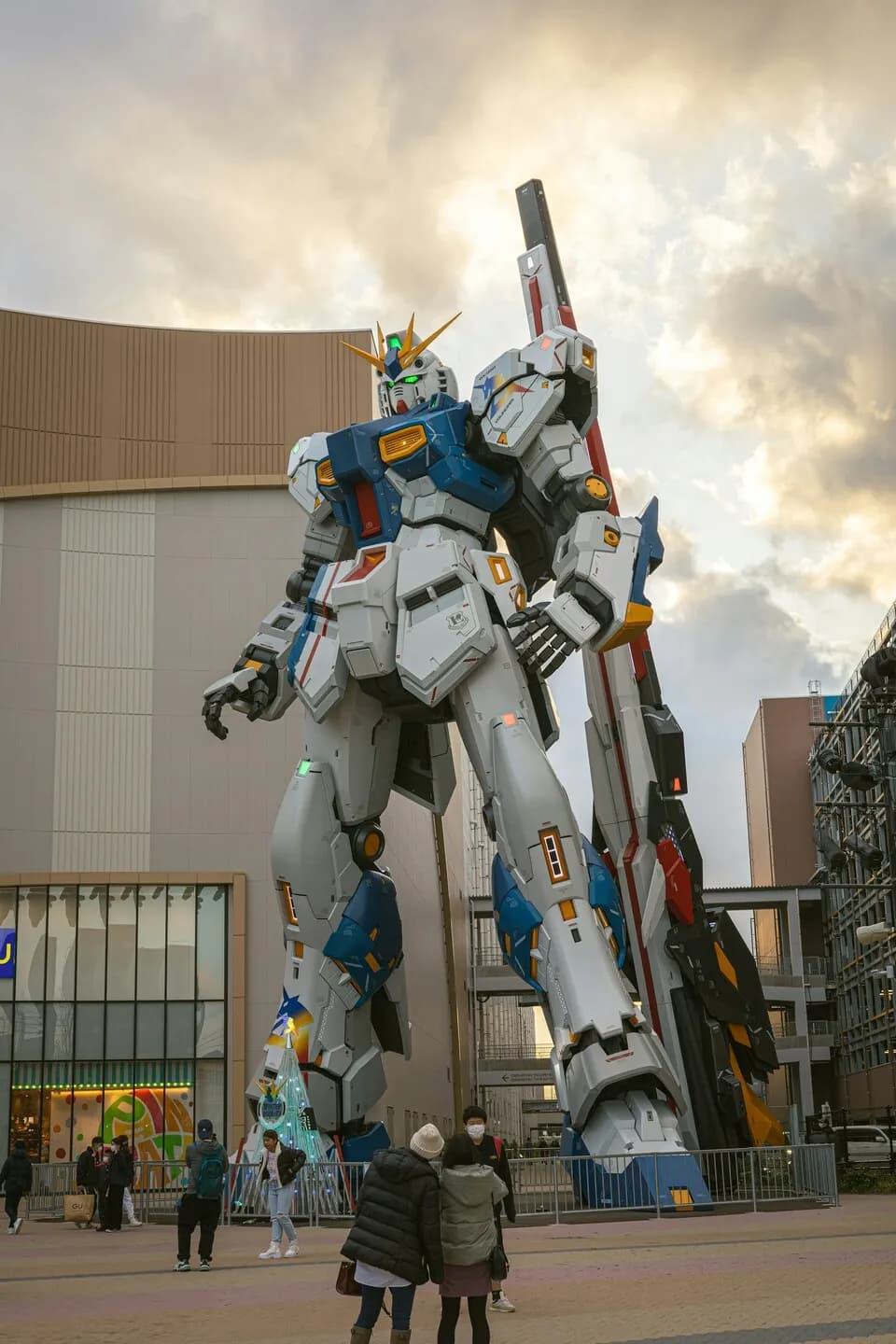
Opened in April 2022, the large shopping complex “LaLaport Fukuoka” displays a life-size Gundam, making it a nostalgic spot especially for people in their 40s and 50s.
If you visit as a family, you can easily spend a full day: while your kids (and your husband) enjoy time at the Gundam Park on the 4th floor, you can shop across many stores on floors 1 to 3. (However, it is recommended to collect your credit cards in advance to prevent impulse shopping.)
If you are more interested in outlet shopping or a Ferris wheel than Gundam, it is also worth going directly to Marinoa City Fukuoka instead.
LaLaport has now become the new trend for shopping in Fukuoka, replacing Canal City as the representative shopping spot.
A life-size Gundam
Every hour from 10:00 ~ 18:00: Gundam Show (2 min 20 sec)
Every hour from 19:00 ~ 20:00: RX-93ff v Gundam from SIDE-F (5 min 30 sec)
19:30 / 20:30: Beyond The Time – Axis version (6 min 10 sec)
Marizon / Momochi BeachA small paradise built on the sea: a resort-like artificial beach with a foreign feel
Marizon / ももち浜
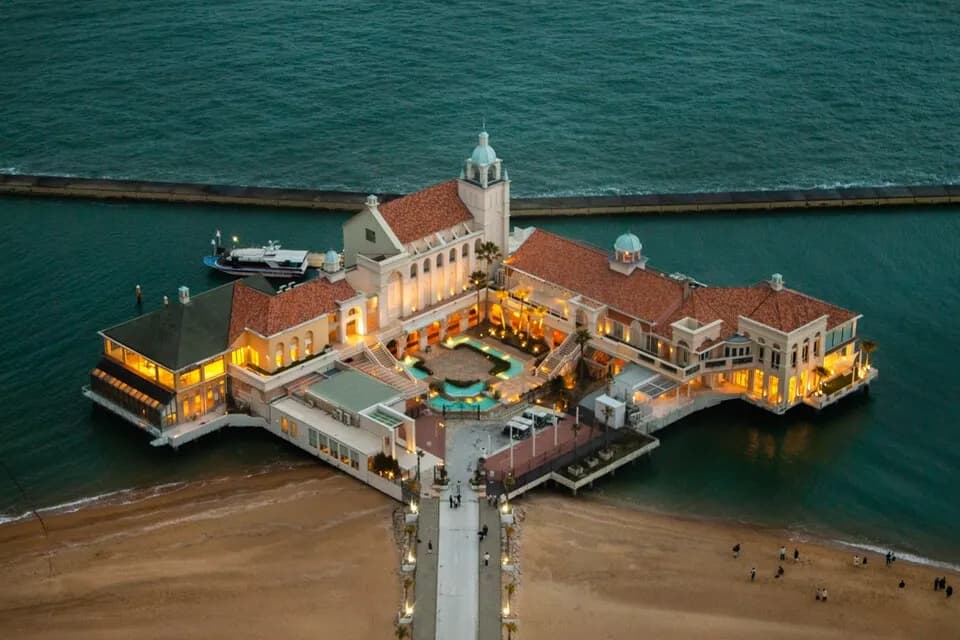
Momochi Beach is Japan’s first large-scale artificial beach, and the seaside complex built on it is called Marizon.
It is not very large, but it has a variety of unique buildings that create a foreign, resort-like atmosphere. There are also facilities for marine sports such as diving and boating, along with restaurants and shops.
Along the coast, there is also a classic-style church that is sometimes used as a wedding venue, making it a popular place for people who want to capture special moments with beautiful views.
Fukuoka TowerFukuoka that blooms into light at night
福岡タワー
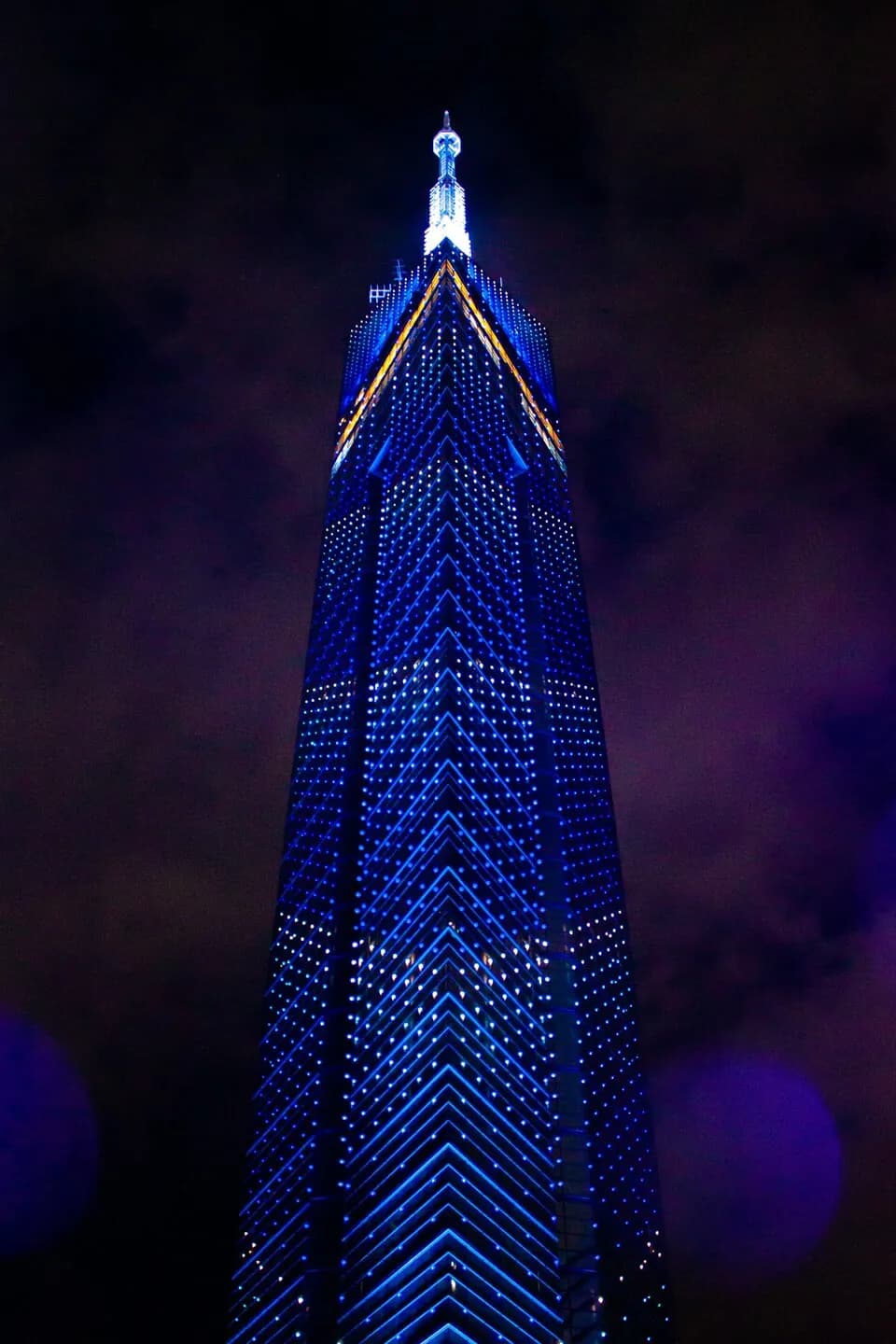
Fukuoka Tower is an observation tower built to celebrate the 100th anniversary of Fukuoka’s city status, and its exterior is covered with about 8,000 semi-transparent mirror panels.
In the daytime, it may feel like a simple observation tower, but at night it shows its true charm with dramatic lighting, giving you a full view of Fukuoka’s night skyline.
Its height is 123 meters, which is not very tall, but this is because Fukuoka Airport is located close to the city center and there are height restrictions. Even so, there are few tall buildings nearby, the view is wide open, and the tower’s location near the sea makes it an attractive viewpoint.
Fukuoka Tower
Opening hours: 09:30 ~ 22:00 (last entry 21:30)
Closed: June 24, 2024 ~ June 25, 2024
Admission: Adult 800 yen / Elementary & junior high students 500 yen / Children (age 4+) 200 yen
Marine World UminonakamichiA full day with whale sharks and dolphins, right in front of your eyes
マリンワールド海の中道
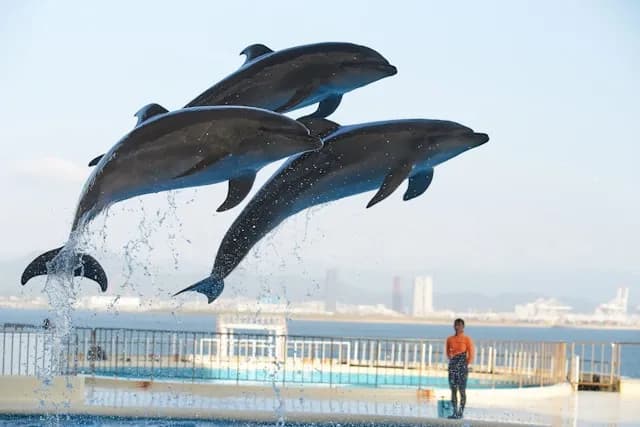
Marine World Uminonakamichi is the largest aquarium in Fukuoka, and it is famous for installing a large tank where whale sharks can swim—said to be the first in Japan.
Dolphin and seal shows are also popular, and you can check the show schedule in advance via the link below.
Opening hours(last entry is 1 hour before closing)
Regular: 09:30 ~ 17:30
Golden Week / summer: 09:30 ~ 21:00
December–February: 10:00 ~ 17:00
Closed: The first Monday of February and the following day
Admission
Adults (high school age and above): 2,500 yen (65+ with passport: 2,200 yen)
Hakata Station → Uminonakamichi Station (one way 480 yen, 1 transfer)
If you buy the “Enjoy! Marine World Uminonakamichi Ticket” at a Hakata Station ticket machine, it costs 3,240 yen (save 380 yen) Enjoy! Marine World Uminonakamichi Ticket
Bus 25I runs only on weekends and Japanese public holidays
You can use the Fukuoka 1-day bus pass
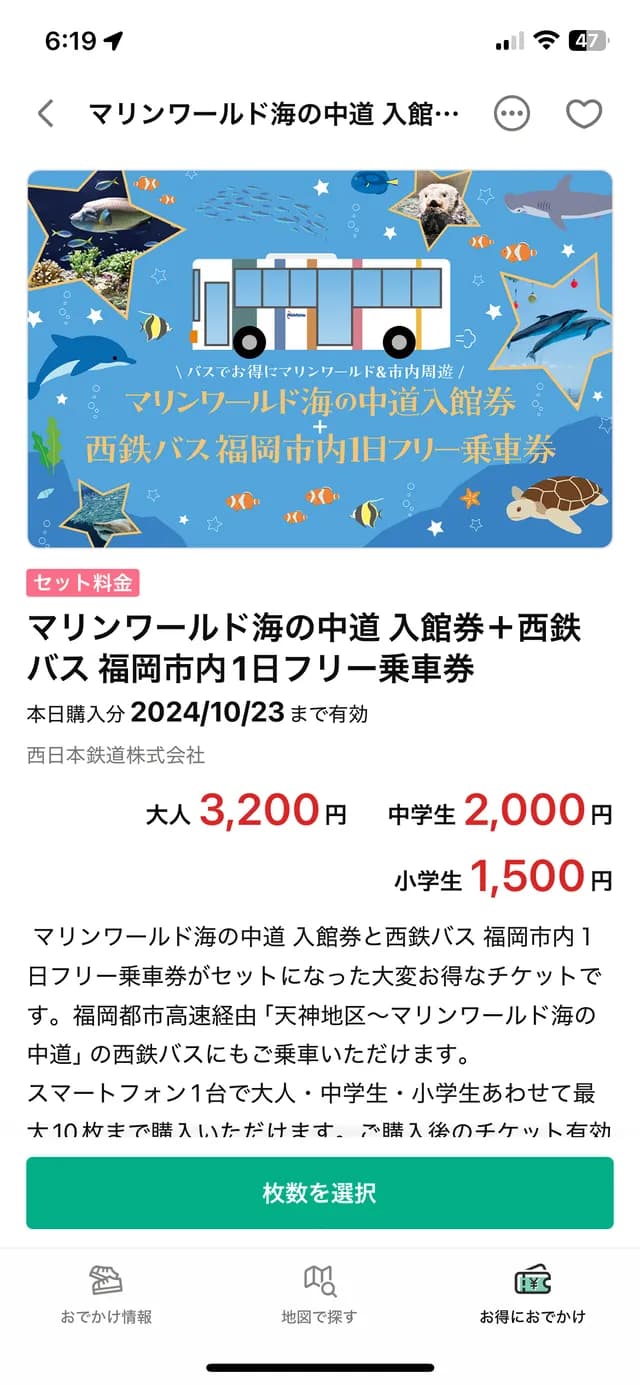
If you set your phone language to Japanese, you can buy a ticket + 1-day bus pass package (3,200 yen, save 500 yen) on the myroute app(valid for 14 days after purchase)
Hotel front desks (Nishitetsu Grand Hotel, Solaria Nishitetsu Hotel, Hotel Monterey La Soeur Fukuoka, Seaside Hotel Twins Momochi, Fukuoka Sunpalace Hotel, Hotel Nikko Fukuoka, Fukuoka Garden Palace, Marinoa Resort Fukuoka)
Valid for 2 months after purchase
Round trip from Hakata Port, round trip from Momochi Beach, or mixed use are all possible
No reservation system; it is capacity-based, so boarding is first-come, first-served. If capacity is reached, you cannot board.
If you use the Fukuoka Tourist Pass to reach Marine World, you can access it by JR train or bus, but you cannot use the passenger ferry to Uminonakamichi.
Instead, you can use the Fukuoka City-operated ferry for free, and the SUNQ Pass is also accepted.
You can check the timetable via the link below. Use the Hakata → Shikanoshima (志賀島) timetable, and get off at Saitozaki, which is just before Shikanoshima.
However, the Fukuoka Tourist Pass is best when you use many transport types in one day, so it is not recommended for Marine World only.
Nokonoshima Island ParkAn island of flowers and sea: Nokonoshima
のこのしまアイランドパーク
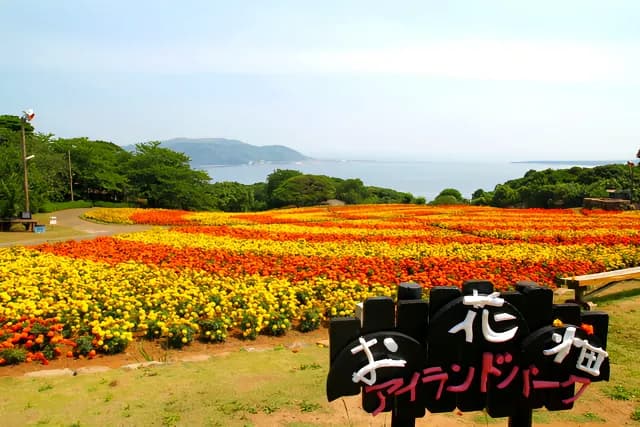
Nokonoshima Island Park is a nature park where different seasonal flowers bloom throughout the year.
In spring, you can see canola flowers and azaleas; in summer, you can find sunflowers, zinnias, hydrangeas, and other seasonal flower fields.
The park was created to help visitors escape the busy city and enjoy true rest in nature.
View of Nokonoshima
The founder, Kubota, realized the limits of agriculture caused by industrialization when he was 19 years old, and predicted that people would seek nature away from the city in the future.
Based on that idea, he planned to turn the island into a nature park by using its scenery, and with expert support, he began planting flowers on the hillside facing the sea—transforming sweet potato fields into flower fields.
After 16 years, in 1969, when Kubota was 35, the Island Park finally opened.
Inside the park, you can find not only flower fields, but also restaurants and cafes where you can enjoy udon and BBQ, and spaces that recreate Showa-era houses, giving you a chance to experience traditional Japanese home culture.
Valid with the Fukuoka City Unlimited Ride Ticket and the Fukuoka Tourist Pass (Bus timetable)
By taxi:
On Nokonoshima, there is only one taxi, so on weekends and peak seasons, you may need to wait or book in advance.
If 4 people share the ride, the cost (around 1,000 yen) can be similar to the bus fare. (Nokonoshima taxi driver phone number)
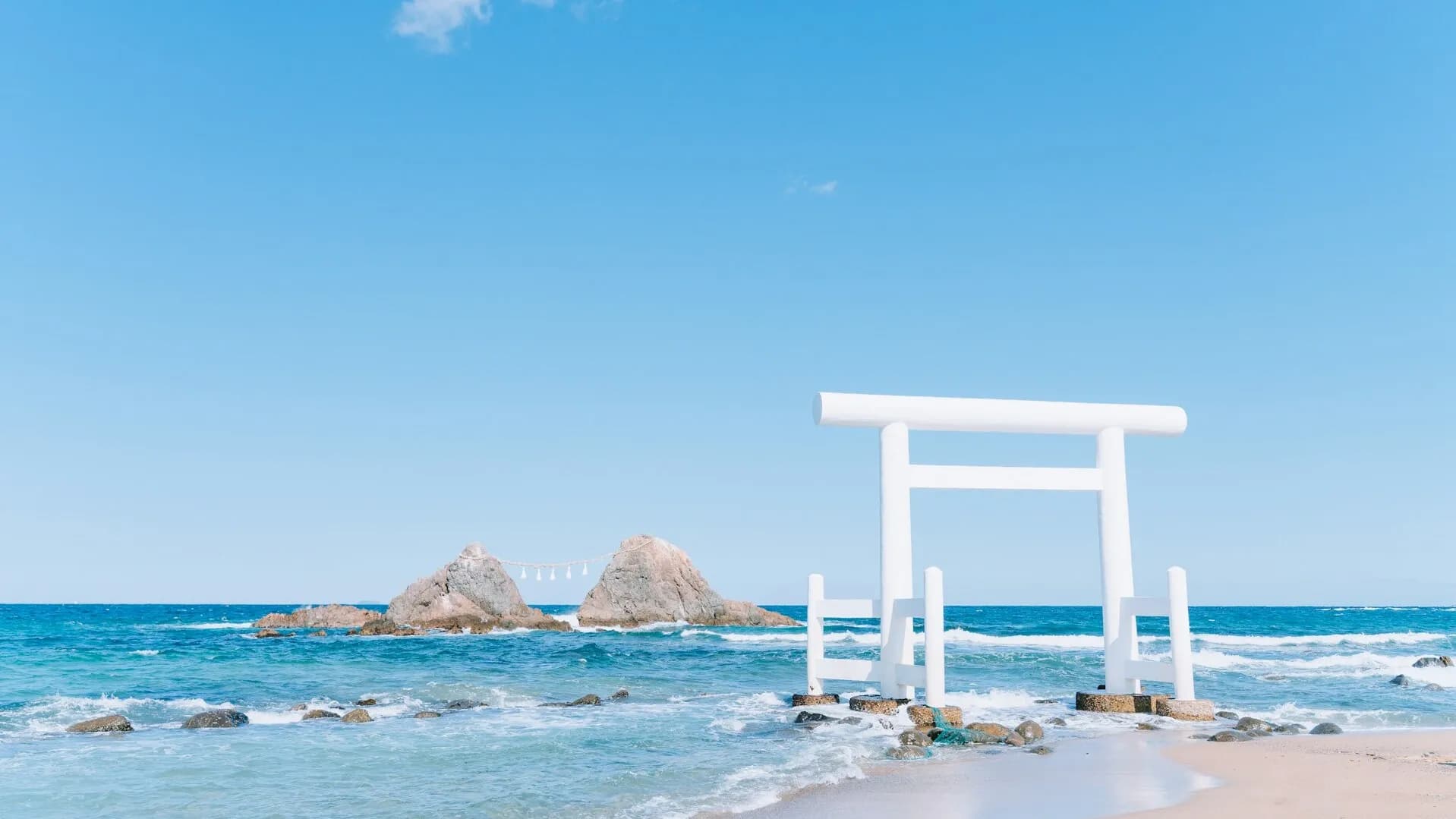
Sakurai FutamigauraA white torii gate and Meoto Iwa in the sea: a sunset view made for Fukuoka
桜井二見ヶ浦
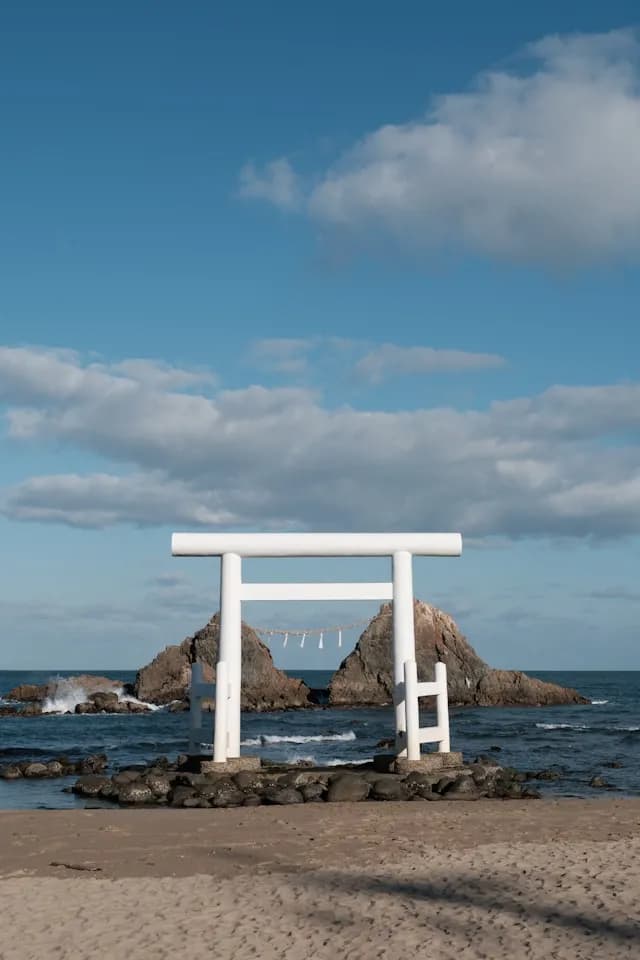
Sakurai Futamigaura is a famous Itoshima spot known for its symbolic white torii gate by the sea.
In the Edo period, it was called Suzuiwa (鈴岩), but from around the Meiji–Taisho era, the current name became common.
The name “Futamigaura (二見ヶ浦)”, meaning “beautiful enough to look twice,” was inspired by the famous Meoto Iwa rocks in Mie Prefecture.
Mie is known as “Futamigaura of the sunrise (朝日の二見ヶ浦)”, while Itoshima is known as “Futamigaura of the sunset (夕日の二見ヶ浦)” because the scenery at dusk is especially beautiful.
So if you plan to visit, it is best to check the sunset time in advance and arrive before the sun goes down. If you search Google for “Itoshima sunset time on (month) (day),” you can usually find it easily.
Direct bus from Hakata Bus Terminal to Futamigaura bus stop without transfers (about 1 hour 10 minutes)
No reservation / cannot board if seats are full
It is safer to arrive early and line up before departure time
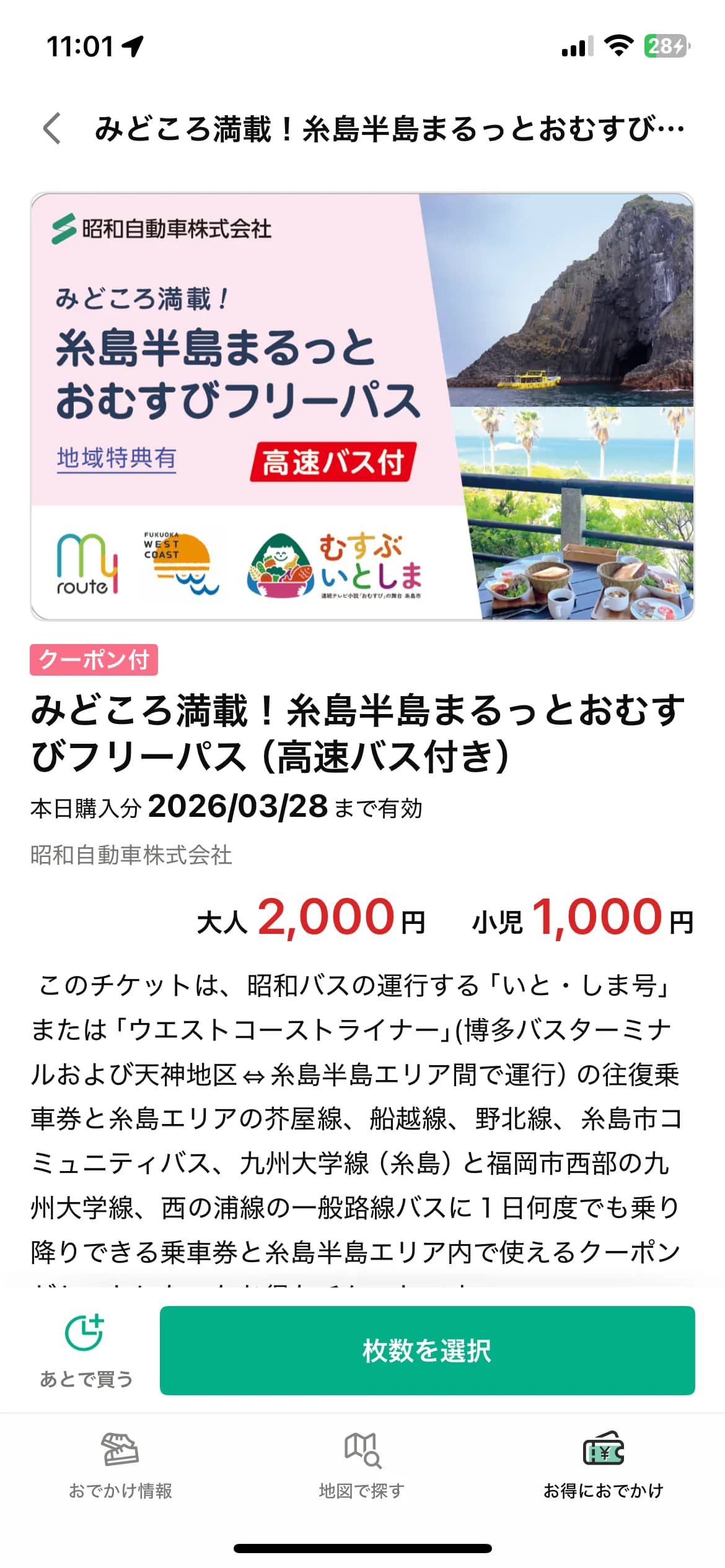
One way 1,150 yen (2,300 yen round trip) → myroute app “Itoshima 1-day pass” (2,000 yen) (phone language must be set to Japanese; also useful for other Showa Bus routes)
SUNQ Pass accepted / Fukuoka Tourist City Pass not accepted