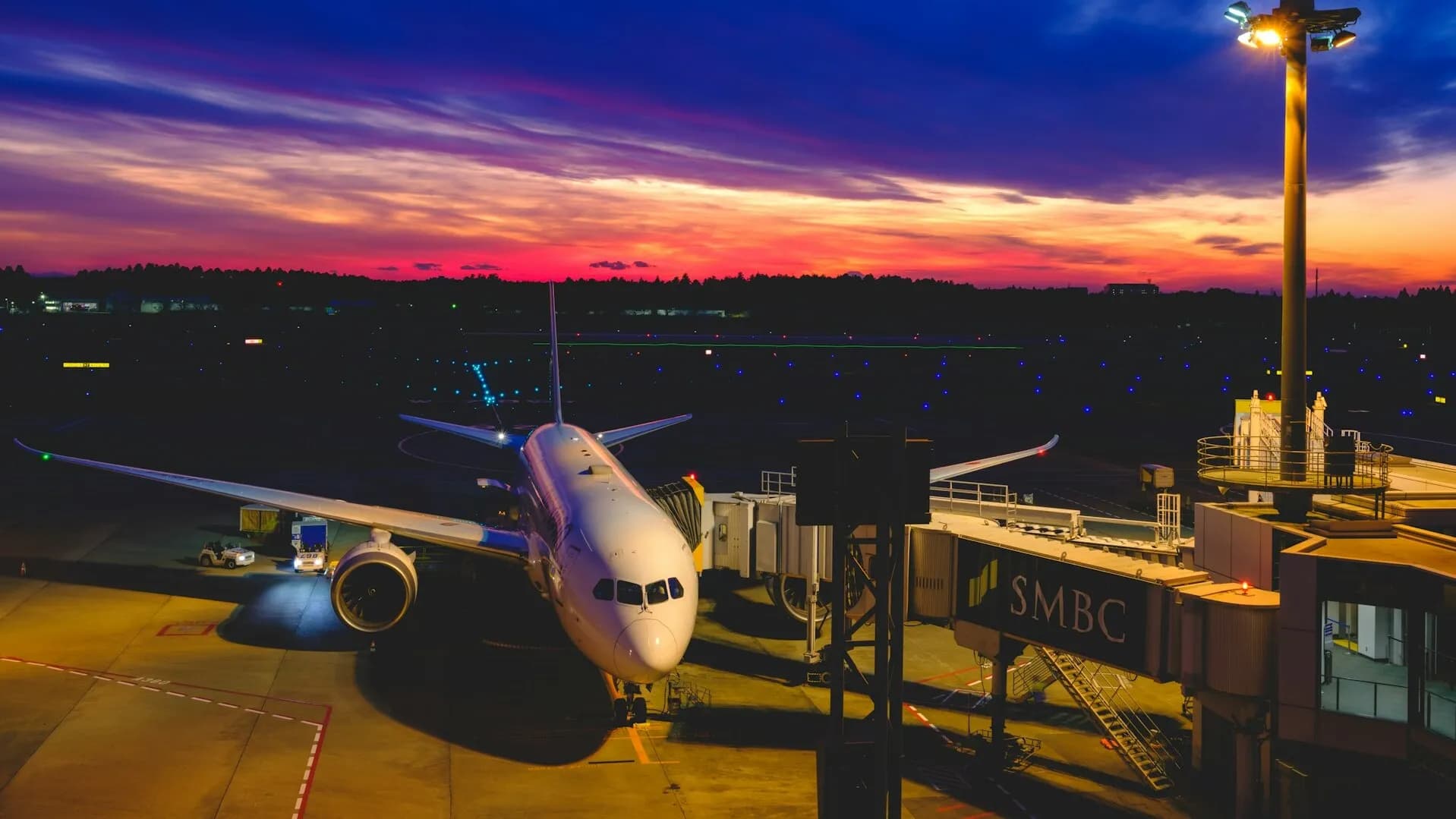
Hokkaido Airport TipsHow to use New Chitose and Hakodate Airports, plus direct flights by day
At present, most travelers visit Hokkaido via New Chitose Airport. If you depart from Incheon or Taipei Airport, you can also enter via Hakodate Airport, and from Taipei you may also enter via Asahikawa Airport.
Also, if you plan an itinerary that arrives at New Chitose Airport and departs from Hakodate Airport (or Asahikawa)—or the other way around—you can create a more efficient route and save on transport costs. ✈️
- If you plan to travel around Hokkaido using domestic flights in Japan, it can also be a good way to save time and money to arrive at Hakodate Airport first and then travel to Sapporo.
Where to Stay in Sapporo?Compare Sapporo Station, Odori, and Susukino—the top 3 areas, plus hotel picks
Best areas to stay in Sapporo
Sapporo city is mainly divided into three areas: Sapporo Station, Odori Park, and Susukino.
1) Around Sapporo Station
- Close to JR Sapporo Station, so it is easy to take day trips to other areas (Otaru, Biei, etc.).
- Good for shopping, with Stellar Place and Daimaru Department Store connected to the station.
2) Odori Park
- Located between Sapporo Station and Susukino, so you can enjoy the benefits of both areas.
- Many bus tours depart near Odori Station (in front of the Sapporo TV Tower), which makes early mornings easier.
3) Susukino
- Susukino is one of Japan’s top nightlife districts, with many restaurants and izakaya, so it is very convenient to return to your hotel after dinner. 🍶🍢
- Because it is an entertainment area, it can feel less safe due to street touting and similar issues.
- Hotels near Nakajima Park are often more affordable, and the park view makes this area a good choice for good-value stays.
During the Sapporo Snow Festival in early February, hotel prices can rise to several times the usual rate, and most hotels open bookings about a year in advance. If you plan to visit during this period, book early.
No rates are available for the stay from 2026-10-15 to 2026-10-16. Please try different dates.
4) Is it better to stay in only one hotel?
Unless you stay one night in an onsen town such as Jozankei or Noboribetsu, it is usually more efficient to stay in one hotel in central Sapporo.
Sapporo is not as large as many people expect, so there is no strong need to change hotels, and moving luggage becomes a hassle.
If you plan to include Hakodate in your itinerary, it takes about 3 hours 50 minutes one way from Sapporo to Hakodate, so a day trip is not realistic.
The main highlight of Hakodate is the night view, so a same-day return is not recommended. It is better to consider at least one night. 🌃
What about accommodation tax and bathing tax?
At the moment, there is no accommodation tax across all of Hokkaido, but in Kutchan Town, Abuta District (Niseko area), an accommodation tax of 2% of the room rate is charged. (It will increase to 3% from April 2026.)
- For details, refer to the official website.
- From April 1, 2026, Hokkaido plans to introduce an accommodation tax across the whole region.
Also, if a hotel or ryokan has an onsen facility, you must pay a separate bathing tax of 150 yen per person.
Hokkaido Season GuidePopular in winter overseas, but even more popular in summer inside Japan
In Hokkaido, summer and winter are the main travel seasons, and more domestic travelers visit Hokkaido in summer than in spring or autumn.
Why Japanese travelers prefer Hokkaido in summer:
- Summer in mainland Japan is hot and humid, so Hokkaido is a great place for a cooler getaway.
- Many people in mainland Japan are not used to severe cold, so they tend to avoid Hokkaido in winter.
- There are concerns about winter weather risks such as heavy snow and blizzards.
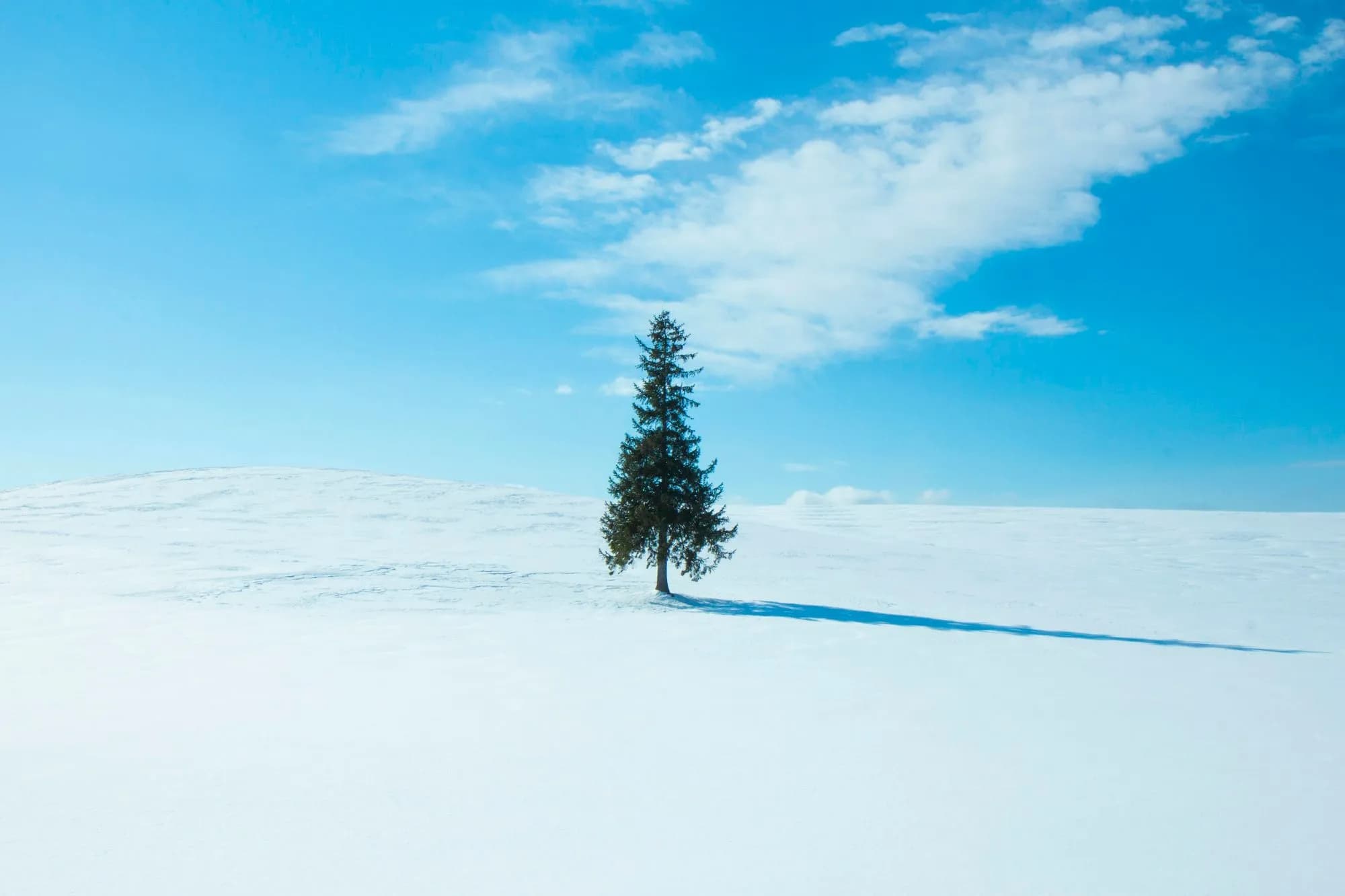
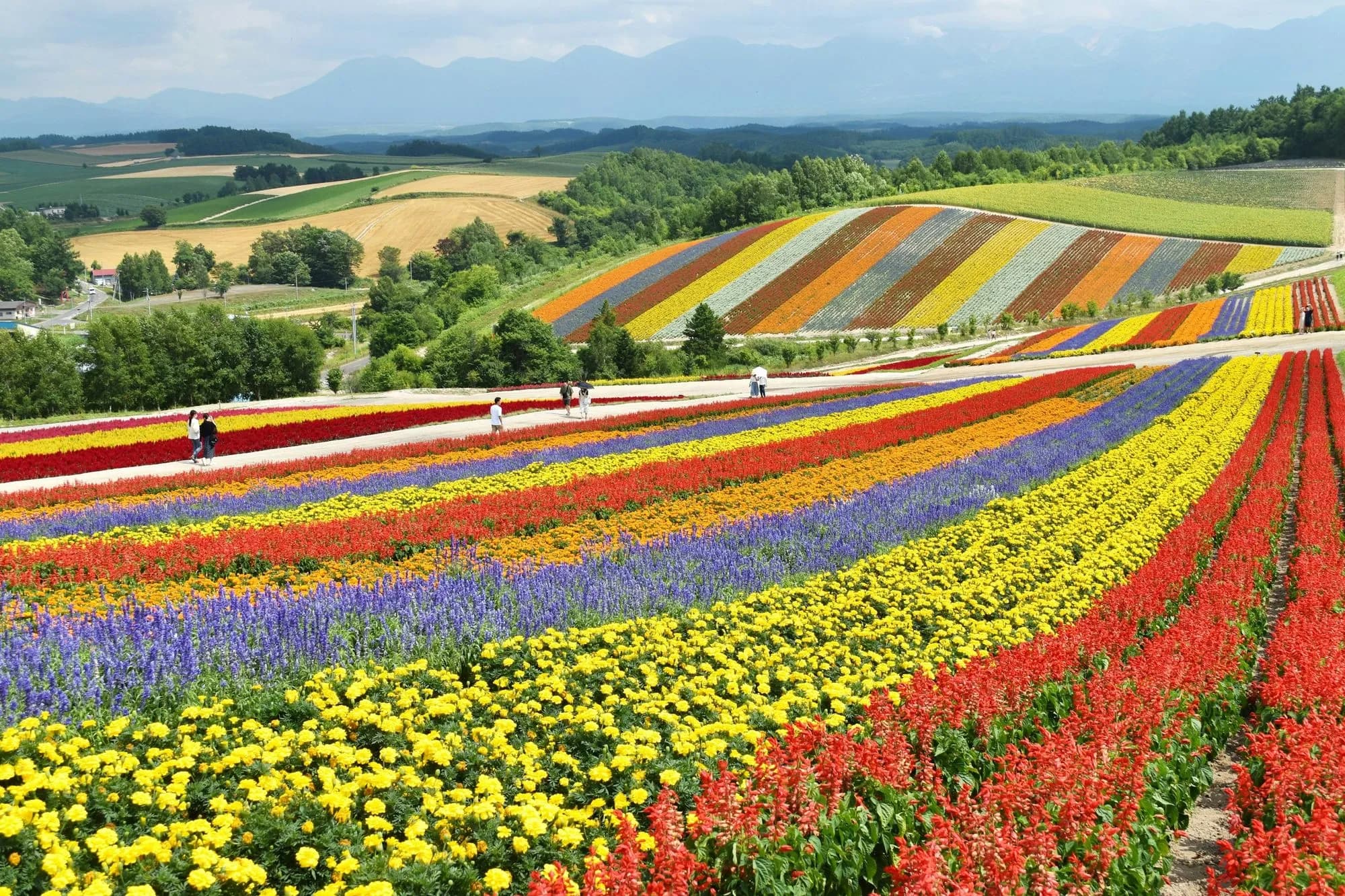
Hokkaido feels very different in summer and winter
In fact, the temperature difference between mainland Japan and Hokkaido can be significant.
For example, during a past trip around Japan, I once took an overnight sleeper train (now discontinued) from Tokyo wearing a T-shirt and shorts, and when I arrived in Hokkaido, I had to quickly put on extra layers due to the sudden cold.
Because of its cool summer climate, Hokkaido is widely seen as a summer destination in Japan.
On the other hand, overseas travelers often visit in winter because films like Love Letter created a strong image of snow-covered winter scenery.
Hokkaido snow is different from normal snow. Because the temperature is low and the air is dry, it has a light texture known as powder snow.
However, roads can be slippery and temperatures are very low, so be sure to prepare the following for winter travel.
1) Buy travel insurance
- Prevention is most important, but especially in winter, it is recommended to get travel insurance for emergencies.
2) If you rent a car
- Always confirm whether the car is 4WD (four-wheel drive) and whether it has snow tires.
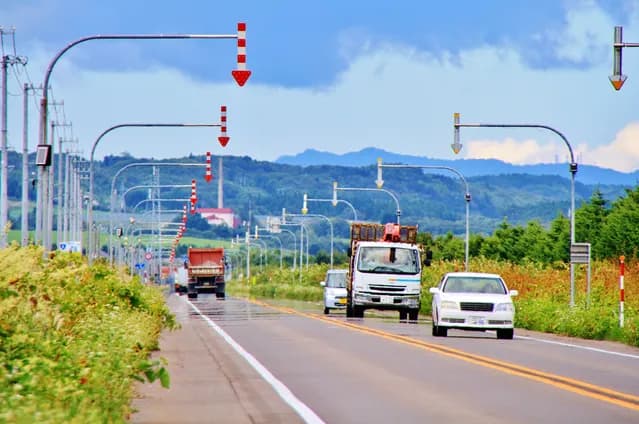
- The downward arrows (↓) installed along roads show the edge of the road, so you can still identify it even when covered by snow.
3) Waterproof shoes and related items
- Waterproof boots are best. Compared to regular sneakers, choose shoes with strong anti-slip grip.
- Waterproof spray (防水スプレー) is flammable and cannot be carried on flights, so it is safer to buy it locally (around 500 yen).
- Anti-slip pads attach to shoes like simple chains and are easy to find at convenience stores, drugstores, and shoe shops (around 1,000 yen).
- Heating insoles and disposable toe warmers for socks are also helpful.
- Even if you cannot prepare shoes in advance, you can usually buy them for around 3,000 yen at department stores or underground shopping streets.
4) Winter clothing
- A down jacket, gloves, hat, scarf, and earmuffs are essential.
- Instead of one heavy coat, layering light clothes is better for keeping warm.
- Heating indoors is strong, so outerwear that is easy to put on and take off is ideal.
- If a furry hat feels uncomfortable, you can replace it with a top with a hood.
5) Other essential items
- Functional innerwear such as Heattech is very effective for warmth.
- Sunglasses: useful even in winter to block strong sunlight reflected by snow. 😎
- Waterproof gaiters: very practical in areas with deep snow.
- Power bank: cold weather drains phone batteries quickly, so this is essential. 🔋
- Umbrella: helpful in heavy snowfall to reduce wet clothes. ☔
- Snow duck tongs are not necessary, because Hokkaido snow does not pack well.
Hokkaido Place Names from the Ainu LanguageMany place names, including Otaru, come from the language of the Ainu people
When talking about Hokkaido place names, it is impossible to explain them without the Ainu people. Their language has been preserved to this day, especially through place names.
For example, the name “Otaru” comes from the Ainu word Otaorunai, meaning a river flowing through sand, referring to the lower part of the Hoshioki River between Sapporo and Otaru. Over time, “nai” (= river) was dropped, and the name became Otaru.
Then where does the current kanji name 小樽 come from? It was created only to match the sound of the Ainu name, as an ateji (音借). The kanji itself does not carry a special meaning.
In this way, most place names in Hokkaido have Ainu origins, and you can learn more in each regional section.
Wide Hokkaido: Always Calculate Travel TimeSapporo–Hakodate takes about 4 hours by train, so plan distances carefully
Hokkaido is very large, and if you travel from the main city Sapporo to southern Hakodate, it takes about 4 hours by train. Because distances between regions are long, you should always consider travel time when planning your itinerary.