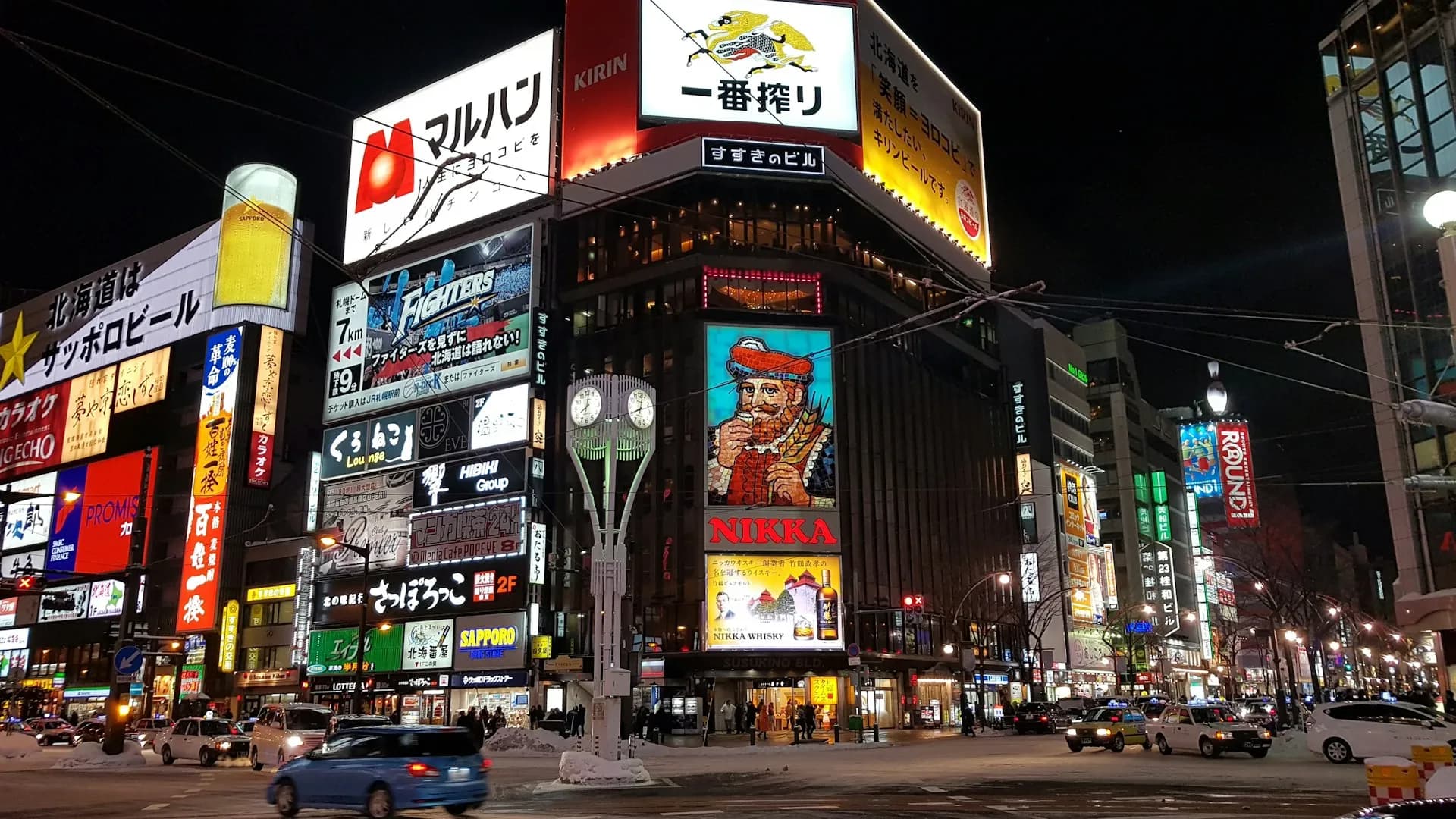
IntroductionYour first step in Sapporo
The name “Sapporo” comes from the Toyohira River, which runs through central Sapporo. In the dry season, the river’s flow becomes very low. Reflecting this, it was called in Ainu the “wide, dry river,” known as 'Sapporopetsi (サッポロペツ)'. This later became today’s “Sapporo.”
Sapporo is the largest city in Hokkaido, and if you travel in Hokkaido, it is a key city you will almost certainly visit.
As mentioned in Hokkaido’s history, Sapporo was built with an American-style city plan. It is known for its neat grid layout, like a chessboard. This can feel organized for first-time visitors, but some may also find it a little simple.
JR Sapporo Station, Odori Park, and Susukino are all within 1 km of each other, so walking is easy. Especially if you are traveling in a group of 3–4, a taxi can be more efficient than the subway.
Rather than trying to save every yen on transport, it can be a smarter choice to combine taxis for short distances.
- Taxi fares are about 700 yen for 1 km and about 1,000 yen for 2 km. With the JapanTravel app, you can check an estimated fare in advance.
- Sapporo Station, Odori Station, and Susukino Station are connected by underground walkways, so you can walk comfortably—cool in summer and warm in winter.
A festival city that shines in winterSapporo Snow Festival
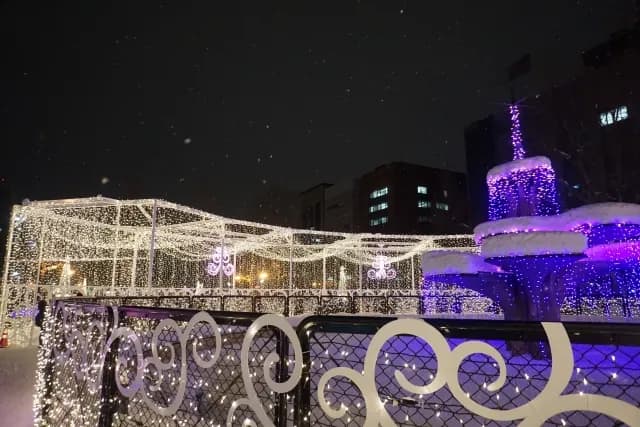
Sapporo’s most famous festival is the Sapporo Snow Festival, held every year in early February. It is often called one of the world’s top three winter festivals, and it attracts huge crowds from around the world every year. ⛄️
Because it is such a major event, hotel prices can rise to several times the usual rate, and visiting without a reservation is almost impossible. If you plan to travel during this period, check the exact festival dates and book your hotel as early as possible.
From the airport to the city in one goOptions·time·fare
From New Chitose Airport to central Sapporo, there are two main options: train and airport limousine bus. Let’s compare them. 🚉🚌
1) Rapid Airport (train)
With the Rapid Airport, it takes about 37 minutes. The Special Rapid takes about 33 minutes. This is the most common choice for travelers.
If you have a Hokkaido Rail Pass, you can use the non-reserved seats after exchanging your pass. If you issue a U-Seat (reserved seat) ticket, you can ride the reserved car more comfortably with no extra cost.
Even without a rail pass, if you have an IC card such as Kitaca, you can use the non-reserved seats without buying a paper ticket.
- New Chitose Airport ↔ Sapporo Station: one way 1,230 yen / reserved-seat ticket 840 yen
- New Chitose Airport ↔ Otaru Station: one way 2,040 yen / reserved-seat ticket 840 yen
2) Airport limousine bus
There are two bus companies: Hokuto Bus and Chuo Bus. The company differs, but the routes and how you board are mostly the same.
The train arrives only at Sapporo Station, but the bus can go directly to key areas such as major hotels (e.g., Keio Plaza), Odori Park, and Susukino.
However, there are many stops, so the ride takes about 80 minutes (Airport ↔ Sapporo Station), and the fare is 1,300 yen.
If you do not have a rail pass, or if your hotel is near Odori Park / Susukino / Nakajima Park, the bus can be the more efficient option. 🚌
Hokuto Bus
- Cash accepted
- Contactless card accepted
- IC cards not accepted
Chuo Bus
- Cash accepted
- Contactless card accepted
- IC cards accepted
Airport buses offer round-trip tickets and coupon ticket sets, and they can be used on both Hokuto and Chuo buses.
Master getting around SapporoTransport and transfer discounts
Unlike many other cities, Sapporo is one of the few places in Japan with a transfer discount system. When you transfer between the subway and streetcar, or the subway and bus, the discount is applied automatically if you pay with a transport card. Depending on your itinerary, decide whether to use an IC card or buy a day pass.
- Transfer discounts also apply with cash payments, but it can be difficult if you do not speak Japanese.
- On Sapporo Municipal Subway and streetcars, one adult can bring up to four infants (under age 6) for free. (Bus rules vary by company.)
- Not every streetcar stop qualifies. Discounts apply only at designated transfer stops.
1) Subway
The base fare is 210 yen, and this includes common trips such as Sapporo Station ↔ Nakajima-Koen Station. You can also transfer for free between the three municipal subway lines.
- Namboku Line (南北線)
- Tozai Line (東西線)
- Toho Line (東豊線)
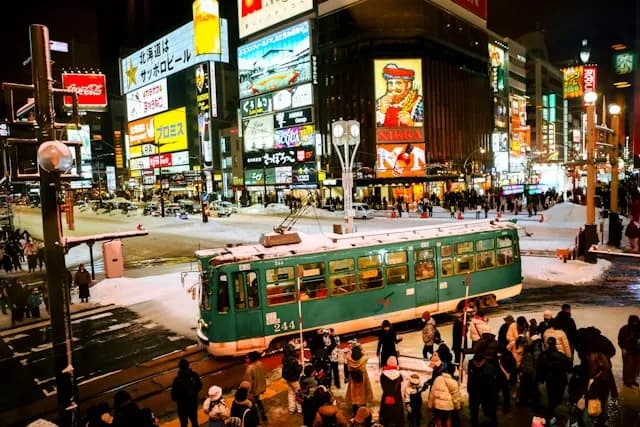
2) Streetcar (tram)
Adults pay 230 yen, and children (ages 6–11) pay 120 yen. It is a flat-fare system. Board from the rear door, and pay (or tap your card) at the front door when you get off. 🚋
You can also top up your IC card on the streetcar. During stops, you can request a top-up in 1,000-yen units.
💬 ICカードのチャージお願いします。
📖 ICkaado no chaaji onegaishimasu.
(Please top up my IC card.)
3) City bus
The base fare is 240 yen. For smaller groups and trips mainly within the city center, buses can sometimes be more convenient than the subway. And for 3–4 people, a taxi may be the better value for short distances. 🚕
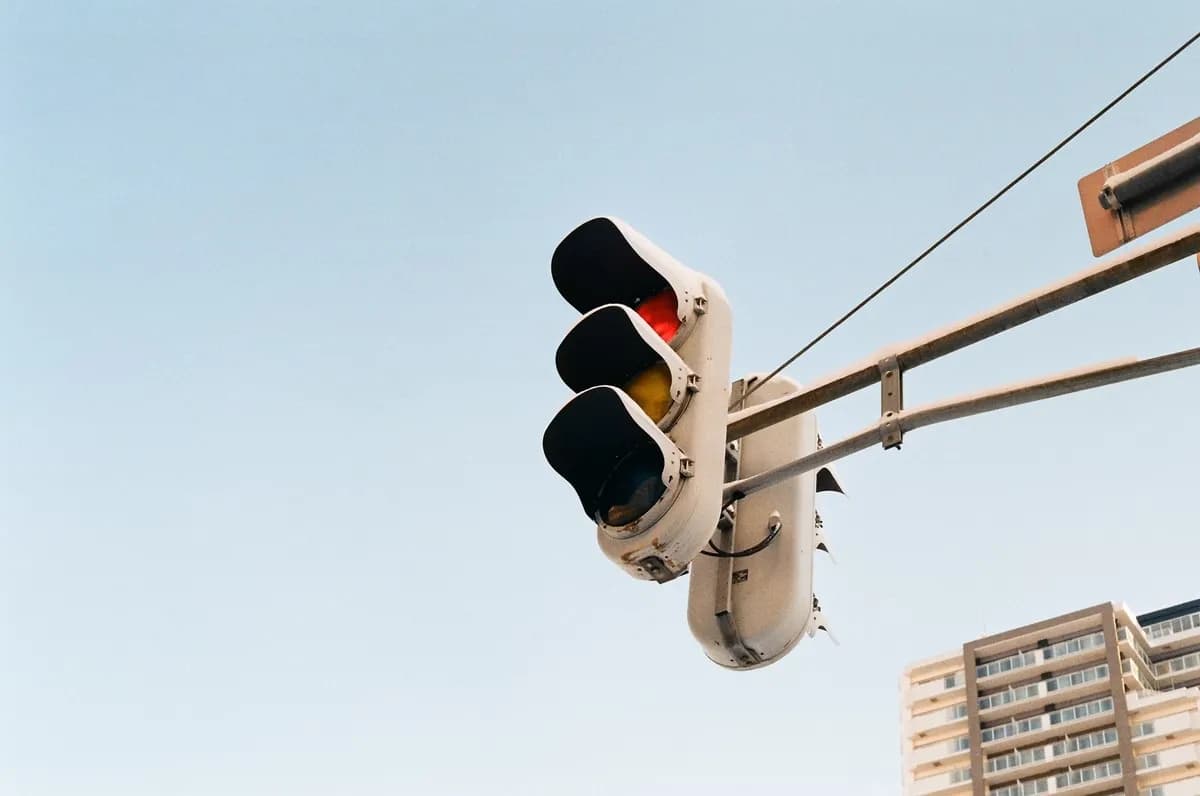
Hokkaido has heavy snowfall, so traffic lights are installed vertically. This design helps prevent damage from the weight of snow, and it is a distinctive Sapporo sight.
Exclusive TourCast Tips!
Full list of designated transfer discount stops
- At Nishi 4-chome, Tanukikoji, and Susukino, transfer discounts apply with all subway stations
- Other stops get the discount only when transferring with the designated stations below
- Nishi 15-chome stop ↔ Subway Nishi 18-chome Station
- Chuo Kuyakusho-mae stop ↔ Subway Nishi 11-chome Station
- Yamahana 9-jo stop ↔ Nakajima-Koen Station
- Seishu Gakuen-mae stop ↔ Horohira-bashi Station
- Example) From Sapporo Station to Ropeway Iriguchi stop:
- Subway: Sapporo Station → Susukino Station (210 yen)
- Streetcar: Susukino → Ropeway Iriguchi (230 yen)
- Total is 440 yen, but Susukino is a designated stop, so you can transfer for 360 yen
Sapporo transport cardsKitaca vs SAPICA
For a general explanation of transport cards, see “Common Part 2 - Japan’s transport system”. Here, we focus only on the difference between Kitaca and SAPICA, which are used in the Sapporo area.
1) Kitaca and other IC cards
This is a transport card that can be used widely on local public transport (subway, bus, streetcar, etc.), excluding Shinkansen and limited express trains. In Hokkaido, it can be used on the New Chitose Airport - Sapporo - Otaru area and as far as Hokkaido Iryodaigaku Station and Iwamizawa Station.
However, it cannot be used at stations such as Biei, Furano, and Noboribetsu, so be careful.
- Example) If you travel from Asahikawa Station to Biei Station, you cannot use an IC card, so you must buy a paper ticket at the station.
From March 16, 2024, the IC card coverage area expanded, and you can now use it on the Sapporo Station ~ Asahikawa Station section and the Hakodate ~ Shin-Hakodate-Hokuto Station section.
See Kitaca details2) SAPICA
SAPICA is a transport card that can be used only within Sapporo, and only on municipal subway, municipal buses, and municipal streetcars.
Its main benefit is that 10% of the fare is automatically returned as points. However, it cannot be used on any JR trains departing from JR Sapporo Station (for example, to Otaru), so it is mainly used by local residents.
Find the best transport pass for youDay passes for subway·streetcar·bus
In Sapporo, there are day passes such as the Subway 1-day pass and the Streetcar 1-day pass. They are useful if you plan to ride three or four times or more in one day. But if you ride only two or three times, you often do not need a pass.
For buses, Chuo Bus and JR Bus are not integrated, so you must buy separate passes. Because of this inconvenience, it is enough to simply know that these passes exist.
1) Subway 1-day pass
- Adult 830 yen / Child 420 yen
- Cash only, available from ticket machines at each subway station
2) Donichika Ticket (ドニチカキップ)
- A subway 1-day pass available on Saturdays, Sundays, public holidays, and year-end/New Year holidays (12/29–1/3)
- Adult 520 yen / Child 260 yen
- “Donichi” means 土日 (Sat/Sun), and “kippu” means ticket in Japanese
3) Streetcar 1-day pass
- Adult 570 yen / Child 290 yen
- Where to buy:
- On the streetcar (only while stopped)
- Ticket counters at Odori, Susukino, Nakajima-Koen, Horohira-bashi, Nishi 18-chome, Nishi 11-chome, and Hosui-Susukino stations
- Odori commuter-pass sales office
4) Dosanko Pass (どサンこパス)
- A discounted streetcar pass for Saturdays, Sundays, public holidays, and year-end/New Year holidays (12/29–1/3)
- Adult 460 yen
- One adult pass allows up to two children (ages 6–11) to ride for free
- Sales locations are the same as the Streetcar 1-day pass
5) Streetcar 24-hour pass
- Adult 840 yen / Child 420 yen
- Sold only in the JapanTransit app
- The Dosanko Pass and Streetcar 1-day pass are also available in the app
- Includes discount coupons for Mt. Moiwa Ropeway, Hoeikan, and Sapporo TV Tower Observatory
6) Sapporo city 1-day bus pass (Chuo Bus)
- Covers Chuo Bus routes within Sapporo for the 240 yen and 270 yen fare zones
- Some attractions, such as Sapporo Maruyama Zoo, Mt. Moiwa, and Historic Village of Hokkaido, can be reached only by JR Hokkaido Bus, so check in advance.
- Adult 900 yen / Child 450 yen
7) Sapporo city 1-day bus pass (JR Bus)
- Unlimited rides on all JR Bus routes within Sapporo
- Adult 1,200 yen / Child 600 yen
When you search routes in Google Maps, you may see “北海道中央バス” or “JR北海道バス” under the transport details. These mean Chuo Bus and JR Hokkaido Bus. Use this when choosing routes or buying passes.
Around Sapporo StationKey spots and shopping
Around Sapporo Station, there are major shopping facilities such as Daimaru Department Store and Stellar Place, as well as Bic Camera and Yodobashi Camera. You can enjoy shopping based on your interests.
1) Hokkaido University
北海道大学
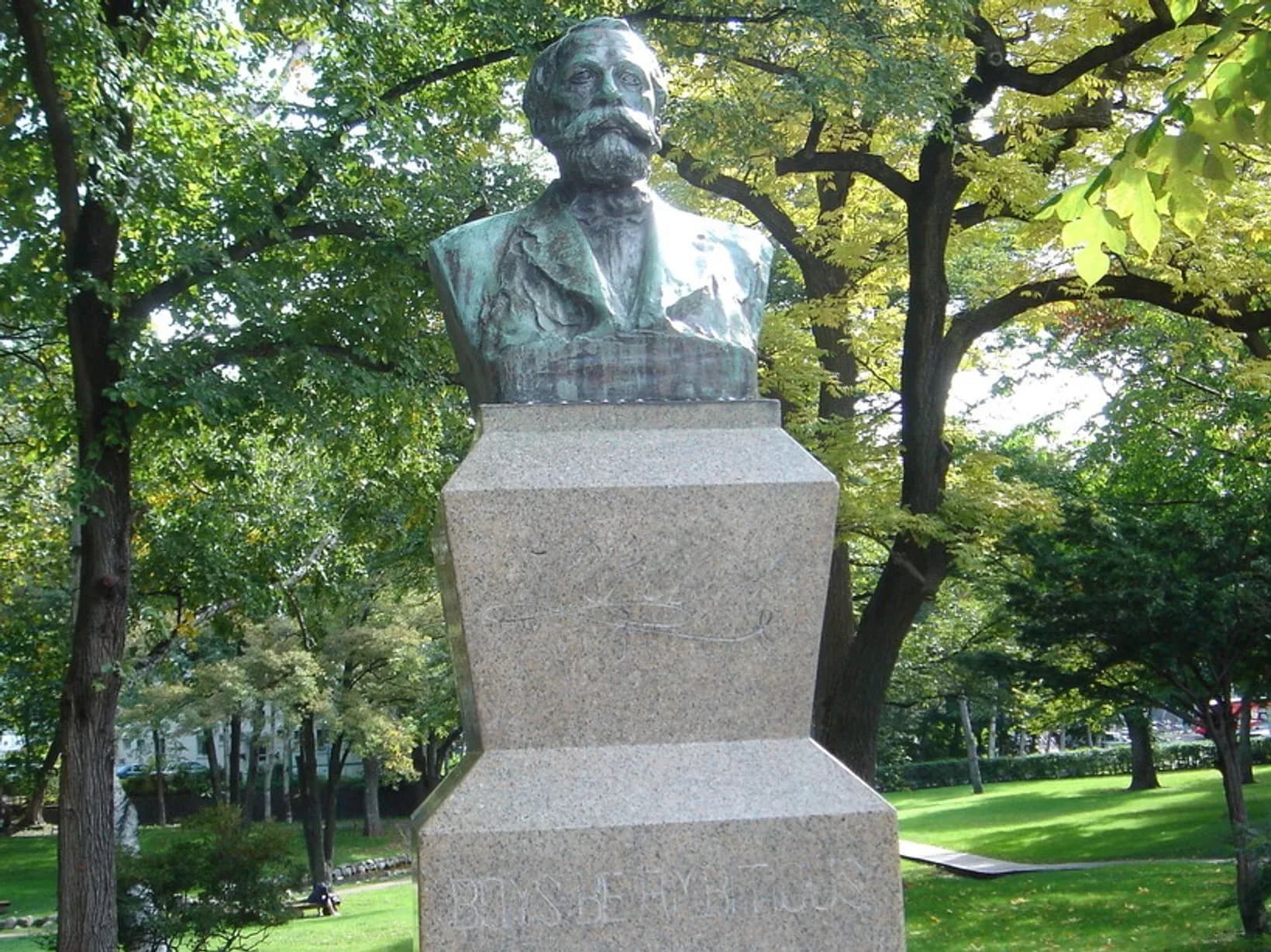
The university began as Sapporo Agricultural College, founded in 1876 alongside the Hokkaido Development Commission. In 1903, it moved to its current location. It is a prestigious university that has produced three Nobel Prize winners.
It is also known for the statue of Dr. Clark, the first vice-principal, famous for the quote, “Boys, be ambitious!”
Rather than a major sightseeing spot, it is a good place for a light morning walk. A recommended route is Main Gate → Dr. Clark Statue → Ginkgo Avenue.
2) Former Hokkaido Government Office Building
北海道庁赤れんが庁舎 (旧本庁舎)
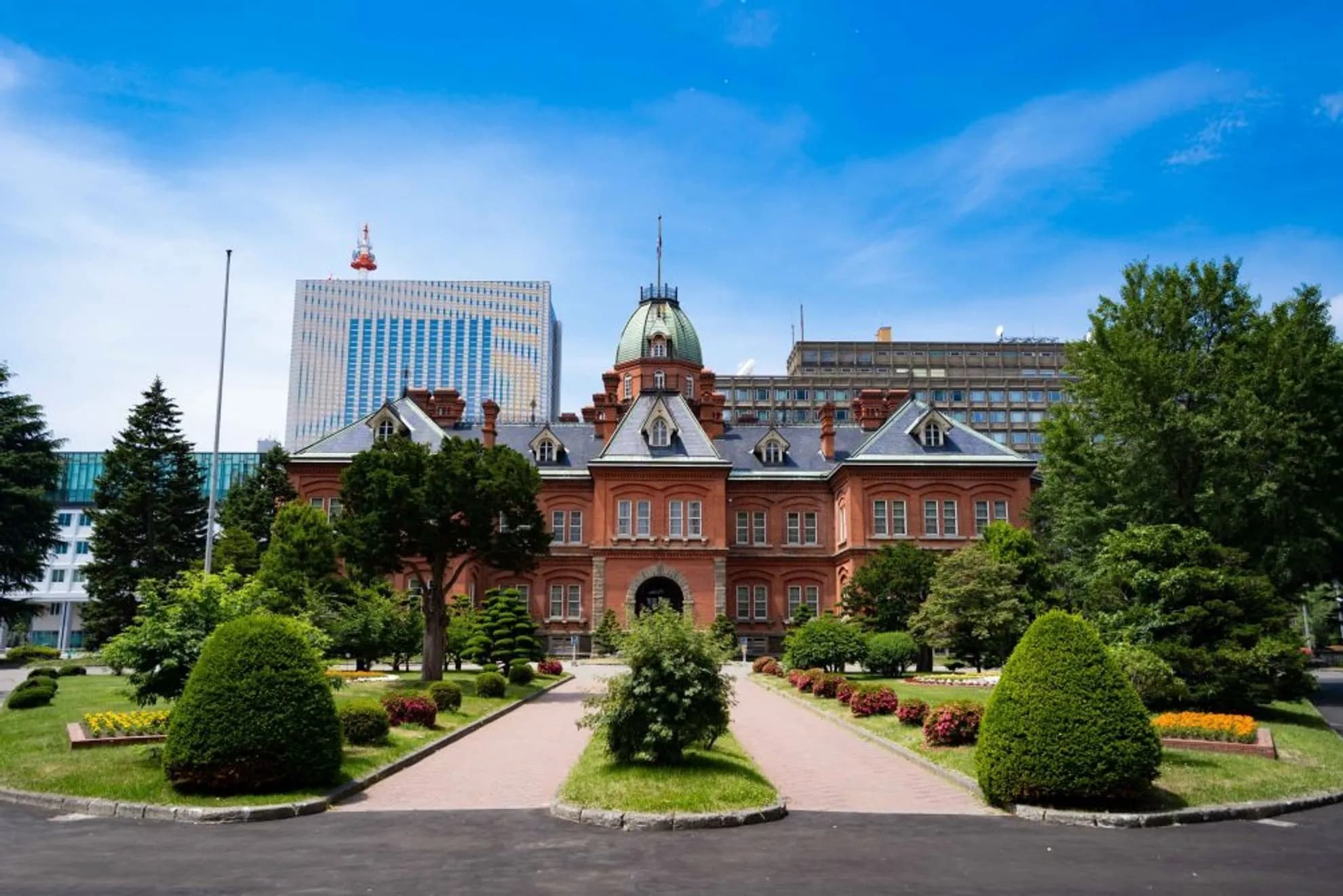
Built in 1888 with red bricks, this building is a symbol of Hokkaido’s administration, standing on the former site of the Development Commission’s main office. Today, it stands side by side with the new government building.
On the north side, you can see the former site marked with a ‘十’ sign, and it reopened after renovation on July 25, 2025.
- Opening hours
- Inside the building: 08:45 ~ 18:00
- Grounds around the building: 07:00 ~ 21:00
- Lighting: ~21:00
- Admission: Free
- Closed: Year-end/New Year holidays
3) Sapporo Beer Museum
サッポロビール博物館
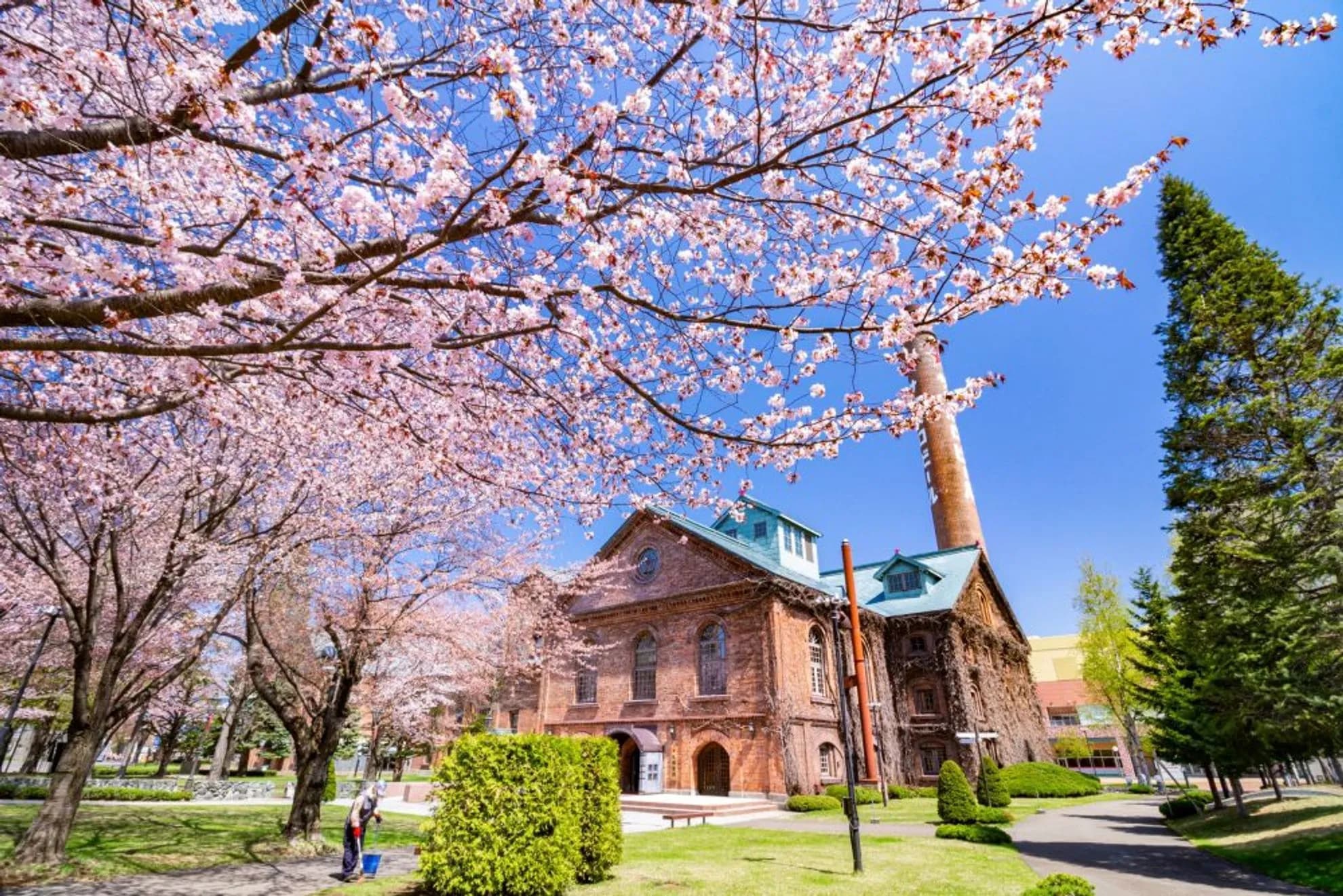
This museum introduces the history of Sapporo Beer, which began in 1876 at the Development Commission’s brewery. It is a place where you can enjoy tastings and tours.
In particular, the Premium Tour includes an explanation of history and the brewing process, followed by tastings of recreated historic beers.
- Premium Tour (paid)
- 1,000 yen (adult) / Audio guides available for different languages
- Tour guided in Japanese / Online reservation or same-day registration
- Free self-guided visit: 11:00~18:00 (last entry 17:30)
- Star Hall: Various draft beers available (last beer order 16:00)
- Sapporo Beer Garden: All-you-can-eat + all-you-can-drink
- 11:30 ~ 21:00 (last order 20:40)
4) Sapporo Factory
サッポロファクトリー
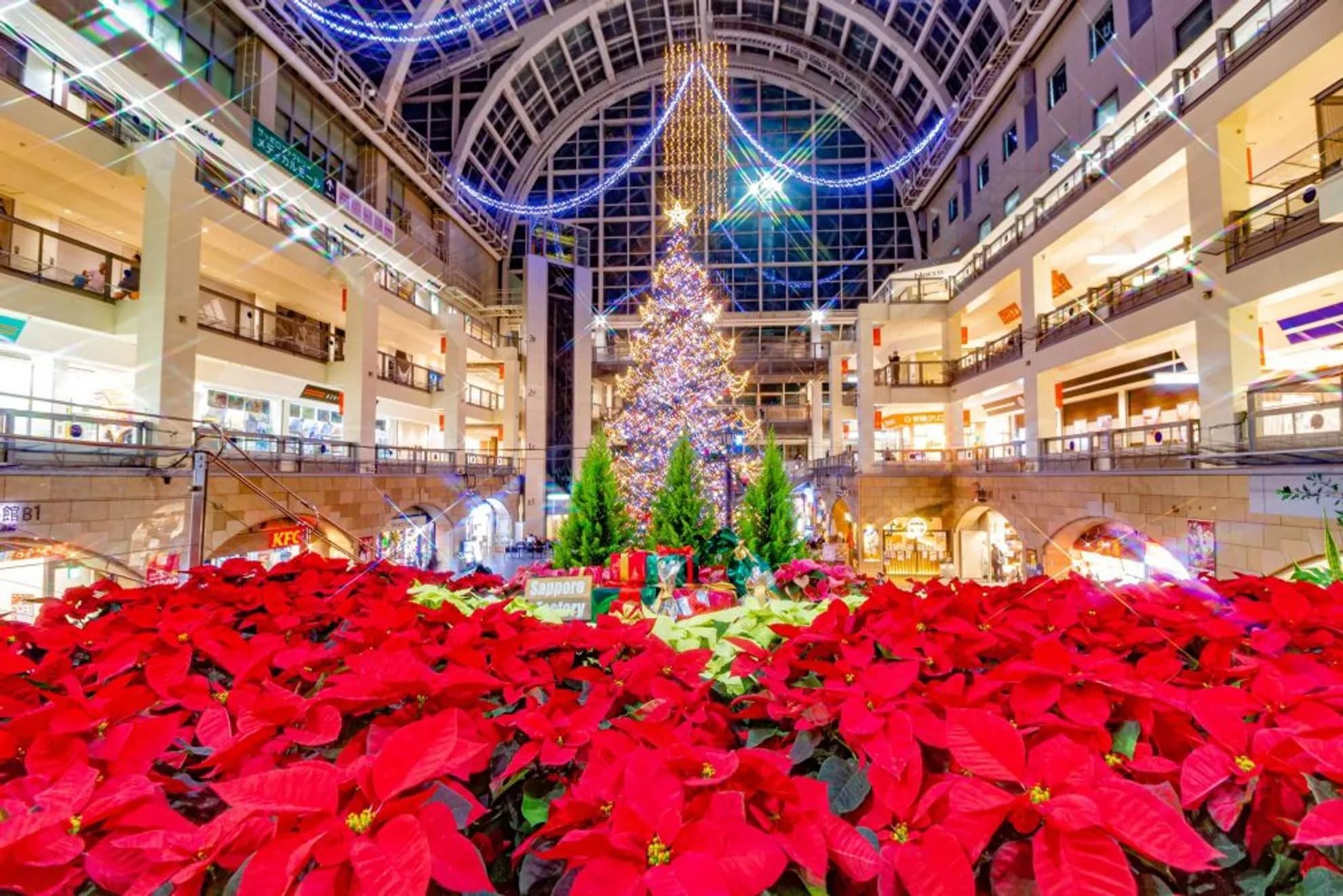
A large shopping and entertainment complex with restaurants, a cinema, and a hotel. It was created by renovating a former brewery building.
During the Christmas season every year, it is known for real-tree decorations and illuminations, and for its famous Santa climbing the chimney performance.
5) JR Tower Observatory
JRタワー展望室タワー
This is the tallest building in Sapporo. From the observatory on the 38th floor (160 m above ground), you can enjoy city views and night scenery.
It is also known as a hidden spot because even the men’s restroom offers a special view.
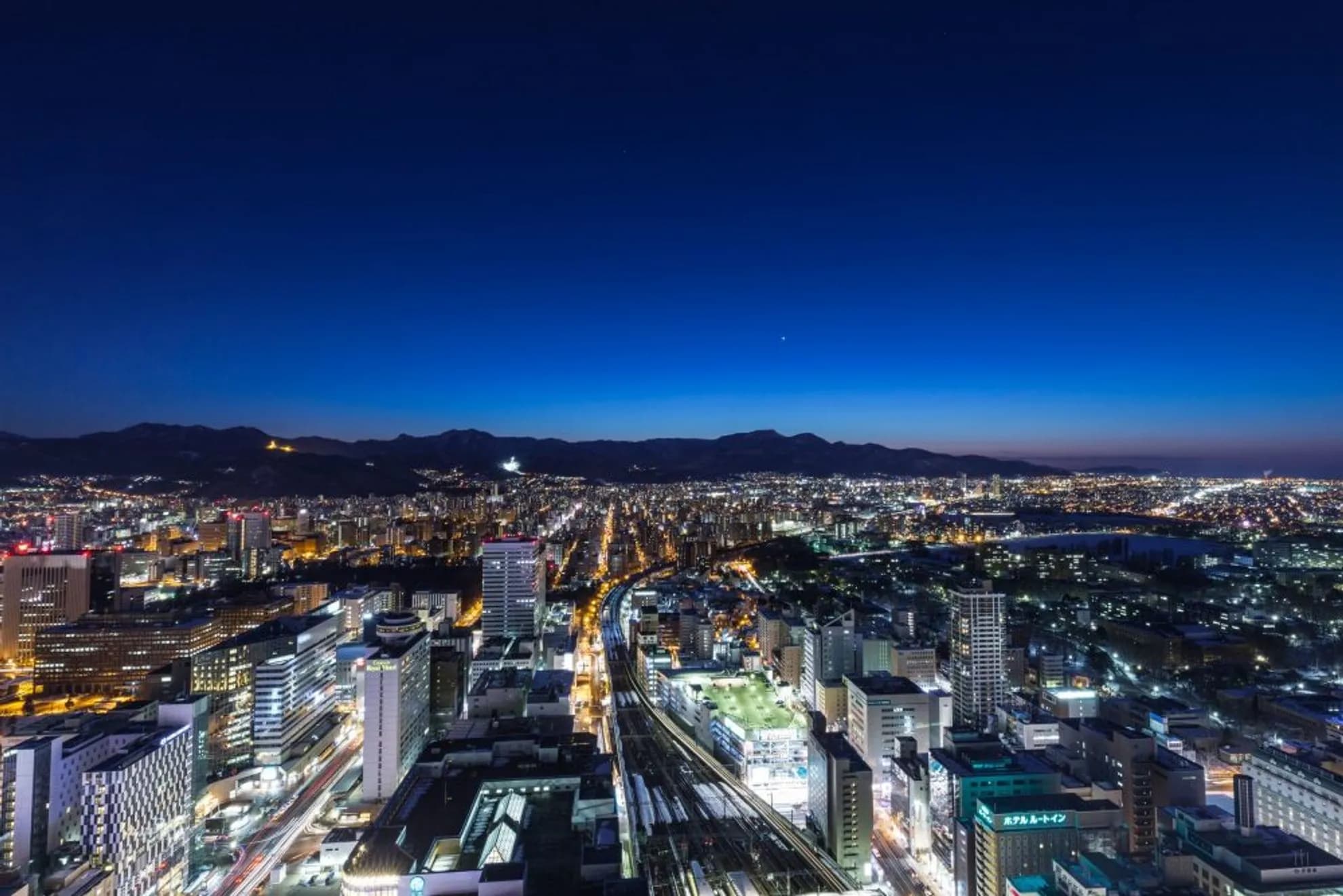
- Opening hours: 10:00 ~ 22:00 (last entry 21:30)
- Admission: Adult 740 yen / Middle & high school 520 yen / Ages 4+ 320 yen
- Open daily
Odori Park, an oasis in the cityWalks and viewpoints
This park is about 1.5 km long, with a wide open walkway. It features the Seionhi Memorial (聖恩碑) honoring the achievements of the Meiji, Taisho, and Showa Emperors, the Kaitaku Memorial (開拓記念碑), and various statues.
1) Sapporo TV Tower
さっぽろテレビ塔
Located at the eastern end of Odori Park, Sapporo TV Tower has been a major landmark since it was completed in 1956.
From the observatory about 90 meters above ground, you can enjoy a 360-degree panoramic view of Sapporo, and you can look directly over Odori Park from the closest viewpoint.
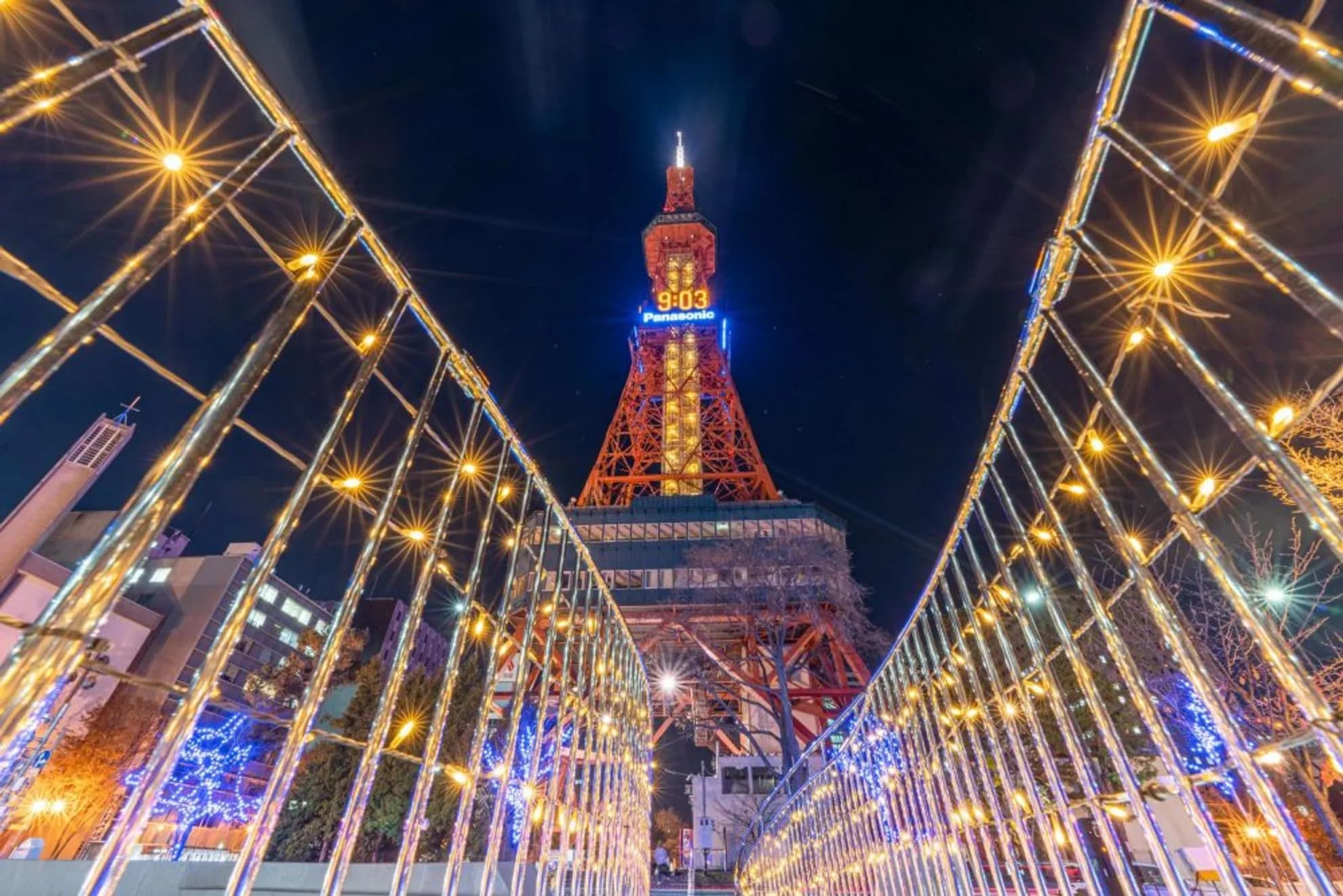
There is also a special service where only one group per night can reserve the observatory privately. Champagne is included, making it a popular proposal spot.
Reservation page- Opening hours: 09:00 ~ 22:00 (last entry 21:50)
- Admission: Adult 1,000 yen / Elementary & junior high 500 yen
- Closed: January 1, and maintenance days (check in advance)
2) Sapporo Clock Tower
札幌市時計台
Originally, this building was an Enbujō (演武場), serving as the central hall of Sapporo Agricultural College before Hokkaido University moved to its current campus. You can still see traces of the name “演武場” written under the Clock Tower sign.
The red star on the exterior is a symbol of the Hokkaido Development Commission, and there are 17 red stars decorating the building in total.
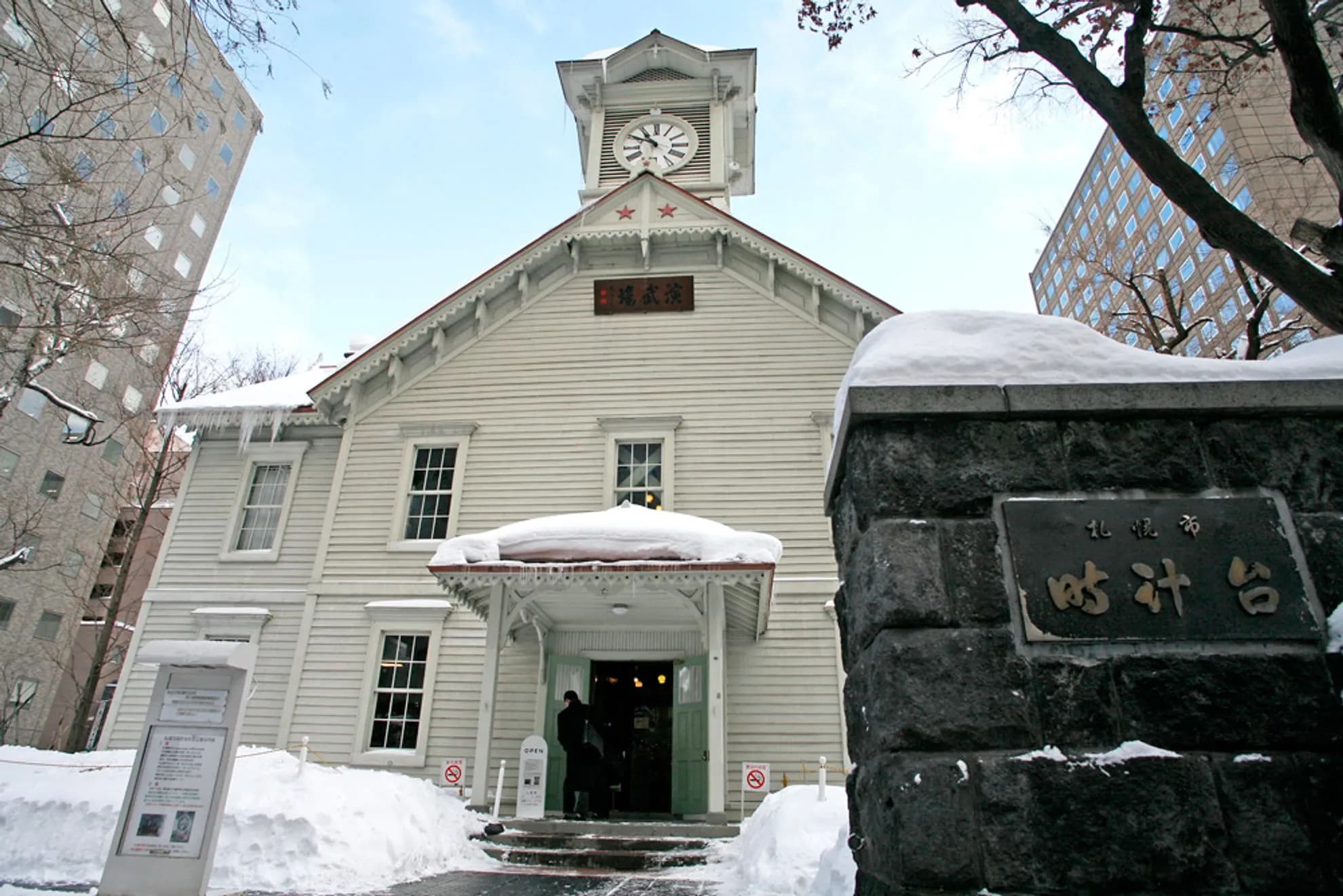
- Opening hours: 8:45 ~ 17:10 (last entry 17:00)
- Admission: Adult 200 yen / High school and younger free
- Closed: Year-end/New Year holidays (1/1 ~ 1/3)
The Clock Tower rings its bell every hour on the hour. Visiting at that time can make the experience even more memorable.
How to enjoy Sapporo at nightSusukino food and nightlife
Susukino is often called one of Japan’s top three entertainment districts, along with Kabukicho in Tokyo and Nakasu in Fukuoka. As you would expect, it is packed with restaurants and izakaya, but street touting is more common here than in many other areas.
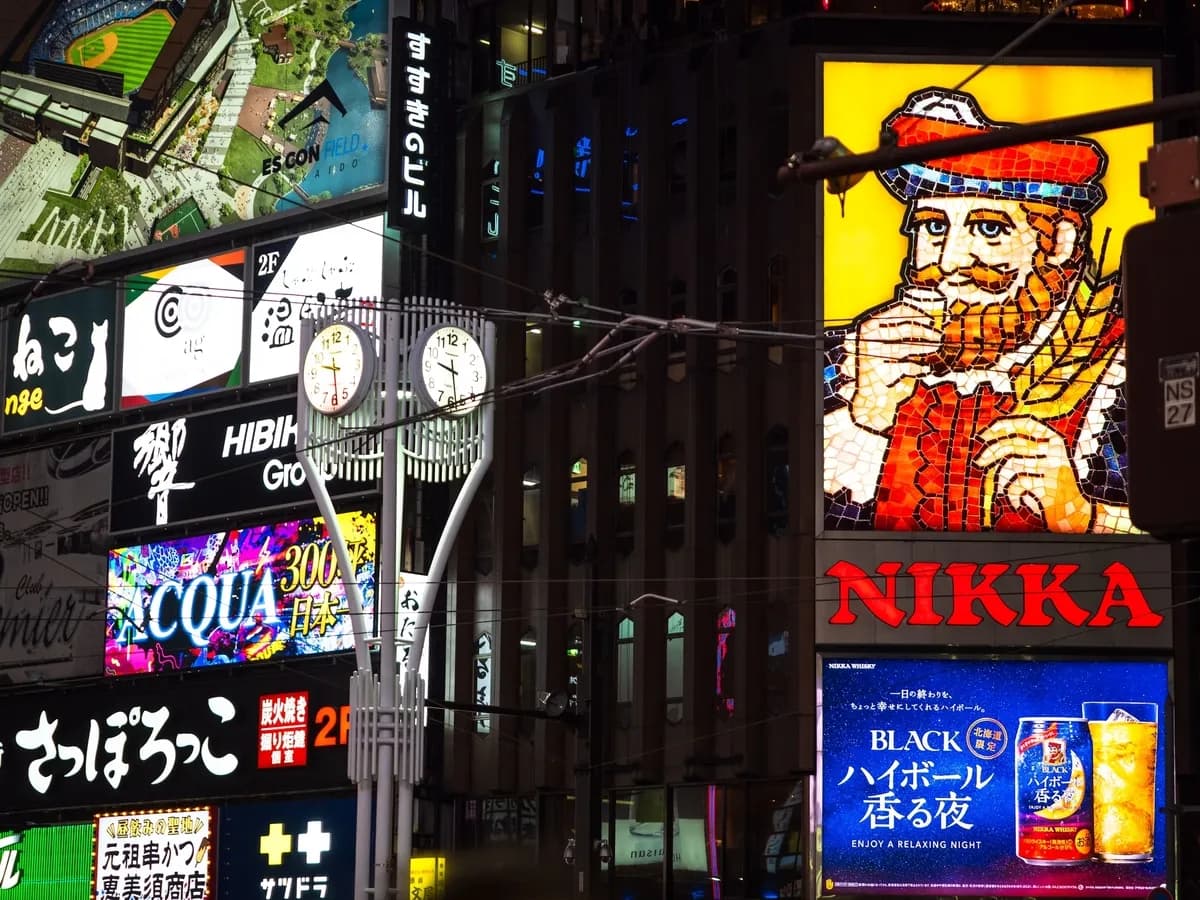
While traveling across Japan, touting was rare in other cities, but in Susukino, people sometimes approached with offers like “There’s a good place—come with me.”
Because I knew about this in advance, I did not follow them. But if you go with them, you may be charged an excessive fee, so be very careful.
- NIKKA is a whisky brand. For more details, see the Nikka Whisky Distillery section in the Otaru chapter.
1) Tanukikoji Shopping Street
狸小路商店街
Tanukikoji is an arcade shopping street that formed naturally as shops and restaurants gathered here after the Development Commission was established in 1869.
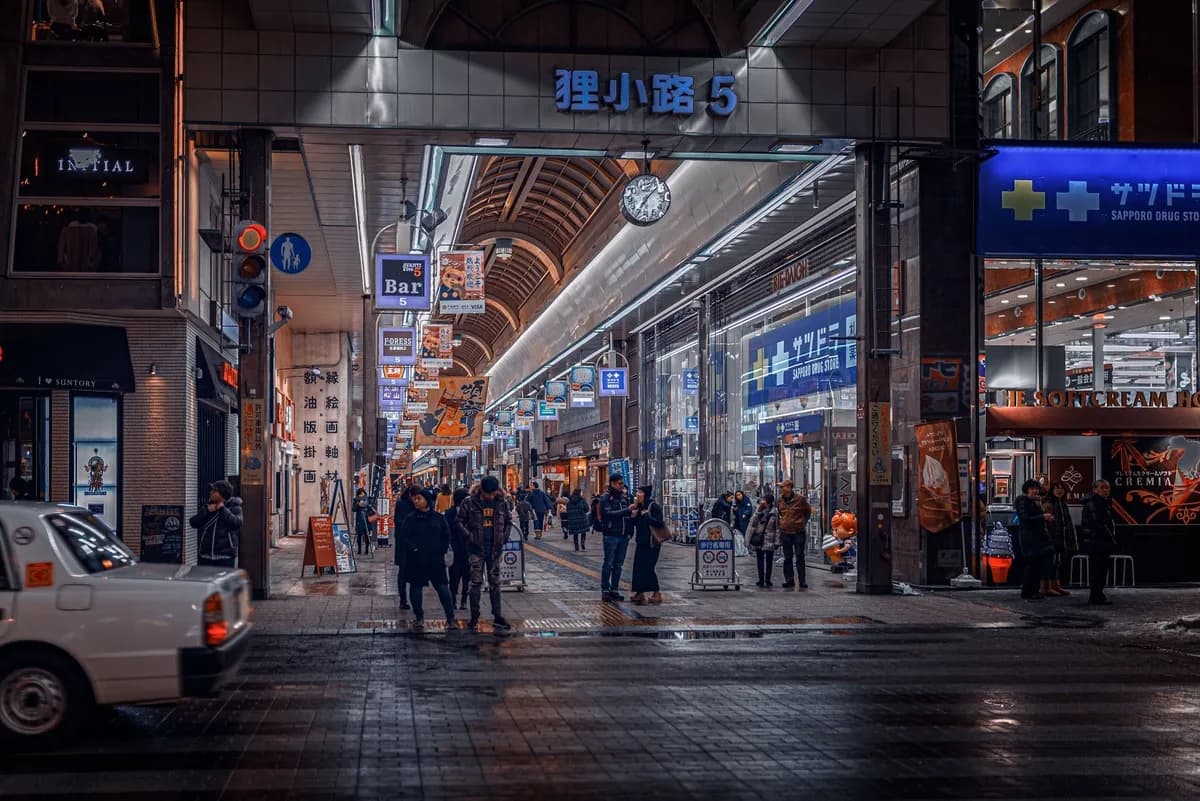
Because of the arcade roof, you can shop comfortably even on rainy or snowy days. It is known for a mix of long-established stores and newer shops.
Location WebsiteAn “arcade” is a street covered with an arched roof between buildings. It is also an area with many drugstores.
2) Sapporo Ramen Yokocho (Ramen Alley)
さっぽろラーメン横丁
This is a ramen alley where you can enjoy one of Hokkaido’s top three ramen styles: miso ramen.
There are 17 miso ramen shops here, from classic original ramen to creative ramen with unique ingredients. Every year, on November 11, there is a half-price event from noon to midnight, so if you visit at the right time, it can be even more fun.
Nearby spots worth visitingViewpoints·parks·museums, Shiroi Koibito Park
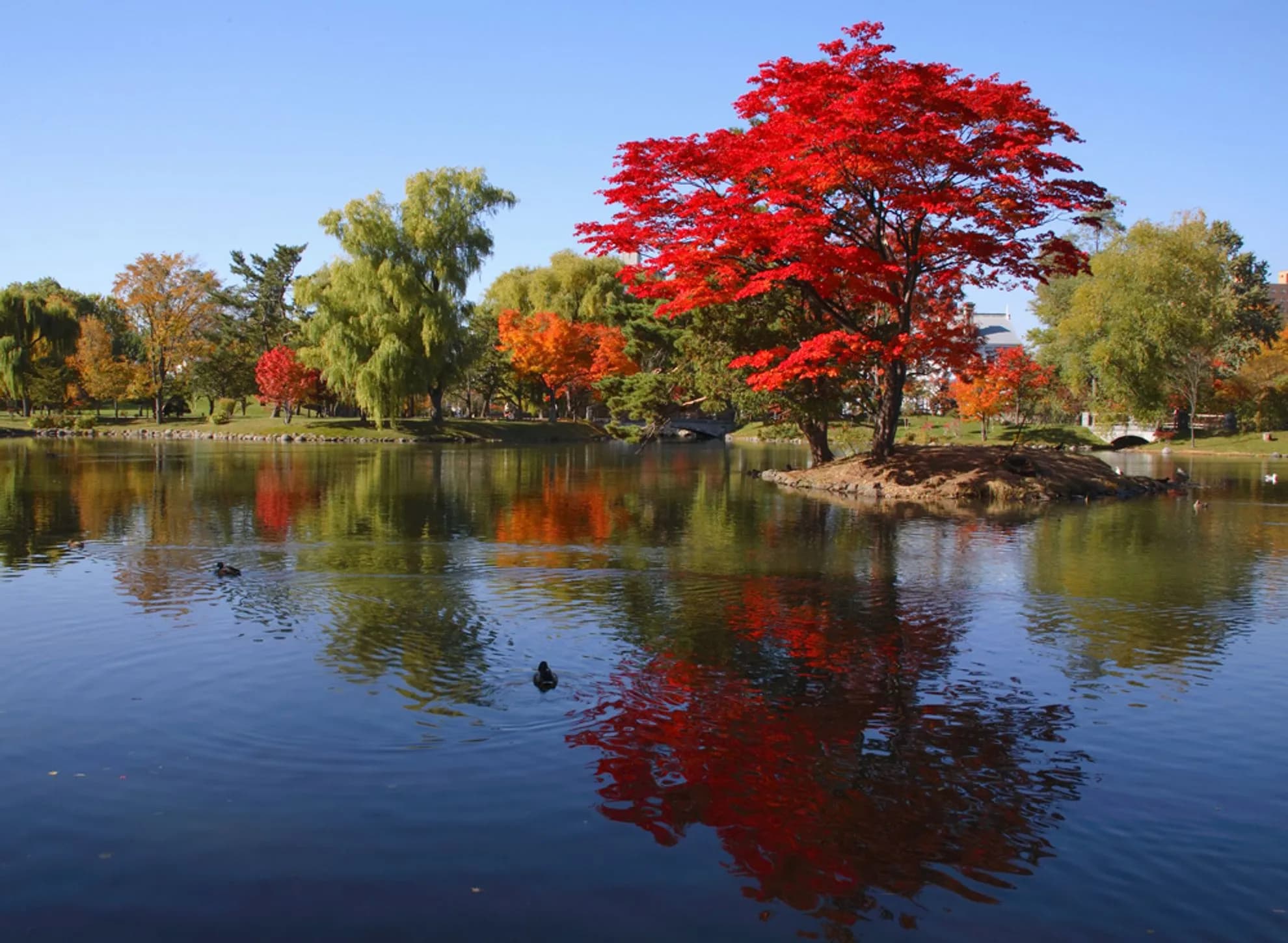
1) Nakajima Park (Nakajima-Koen)
中島公園
This park, located south of Susukino, is a great place for a walk. If you stay at a nearby hotel, a morning stroll lets you see local daily life, such as people walking their dogs or going for a light jog.
Inside the park is the Sapporo Observatory, which is especially recommended for families traveling with children. In the daytime, you can observe the sun and bright stars. In the night program, which opens only about 60 days per year, you can observe Jupiter and constellations. Night entry requires advance booking.
Also, during the Hokkaido Shrine Festival held every year from June 14 to 16, you can enjoy traditional Japanese street stalls and food stands.
2) Mt. Moiwa Observatory
藻岩山 山頂展望台
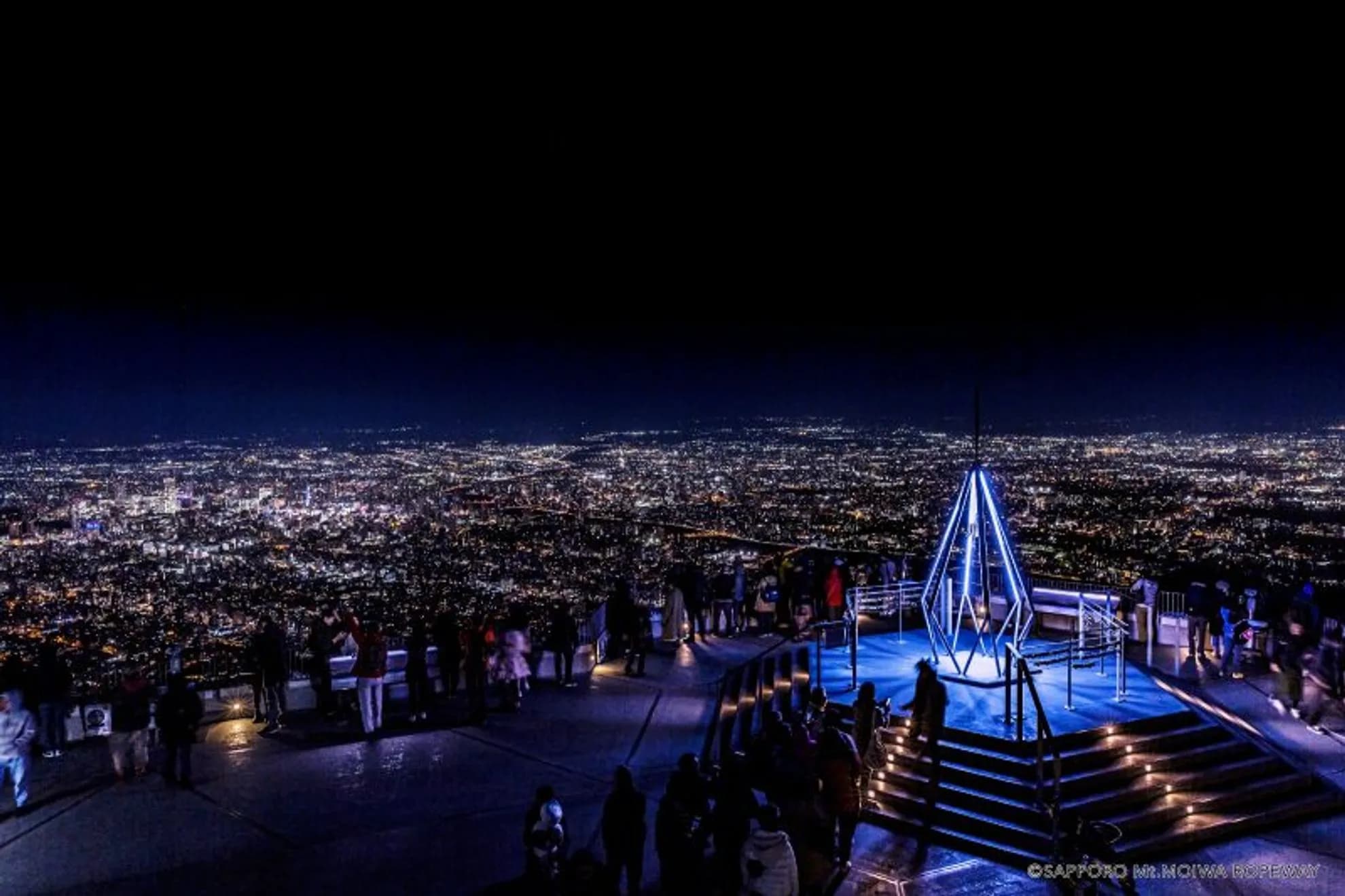
This is one of the best places to enjoy a wide, open view of the entire city of Sapporo, which was planned and built across the Ishikari Plain.
To reach the summit, you ride a ropeway and then transfer to a mini cable car at the mid-station. At the top, there is a Bell of Happiness and many love locks where couples make wishes.
In bad weather, the ropeway may stop operating, so it is important to check the official website in advance.
- Opening hours
- April ~ November: 10:30 ~ 22:00 (last ropeway 21:30)
- December ~ March: 11:30 ~ 22:00 (last ropeway 21:30)
- Hours may vary by period, so check the official guide page
- Admission
- Ropeway + mini cable car round trip: Adult 2,100 yen / Child 1,050 yen
- If you drive and use only the mini cable car: Adult 700 yen / Child 350 yen
- Up to two preschool children are free per one adult
- Access
- Get off at the streetcar Ropeway Iriguchi stop, then walk or take the free shuttle bus from the shuttle bus stop
- About a 10-minute walk to Sanroku Station
3) Maruyama Park
円山公園
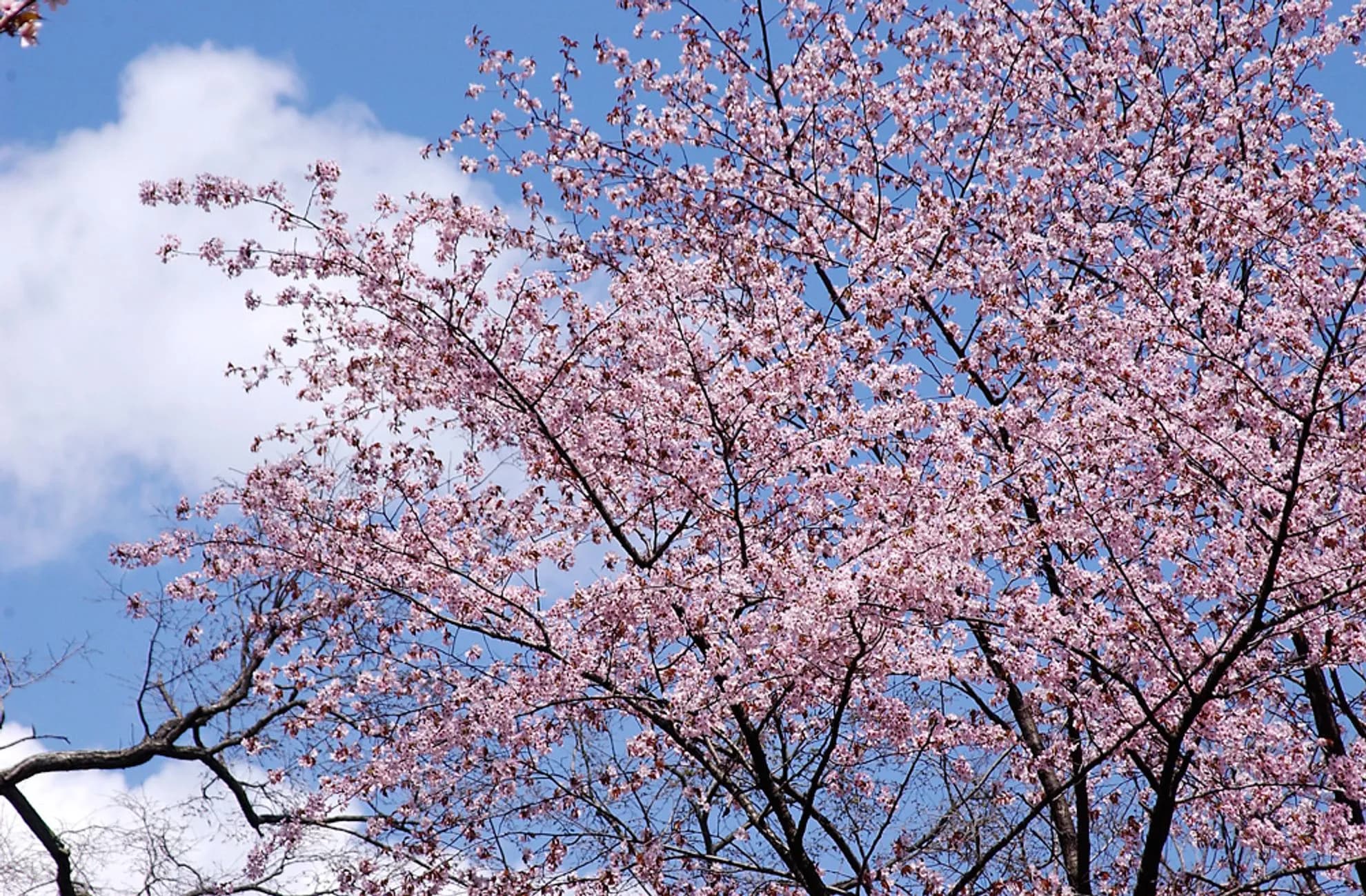
This area originally started as a tree testing ground created by the Hokkaido Development Commission, and later became a public park in the early 20th century. Nearby are the Maruyama Primeval Forest (a natural monument), as well as Hokkaido Shrine and Sapporo Zoo.
The park is also known as one of Sapporo’s best cherry blossom spots, and the season is usually from late April to early May.
4) Hokkaido Shrine
北海道神宮
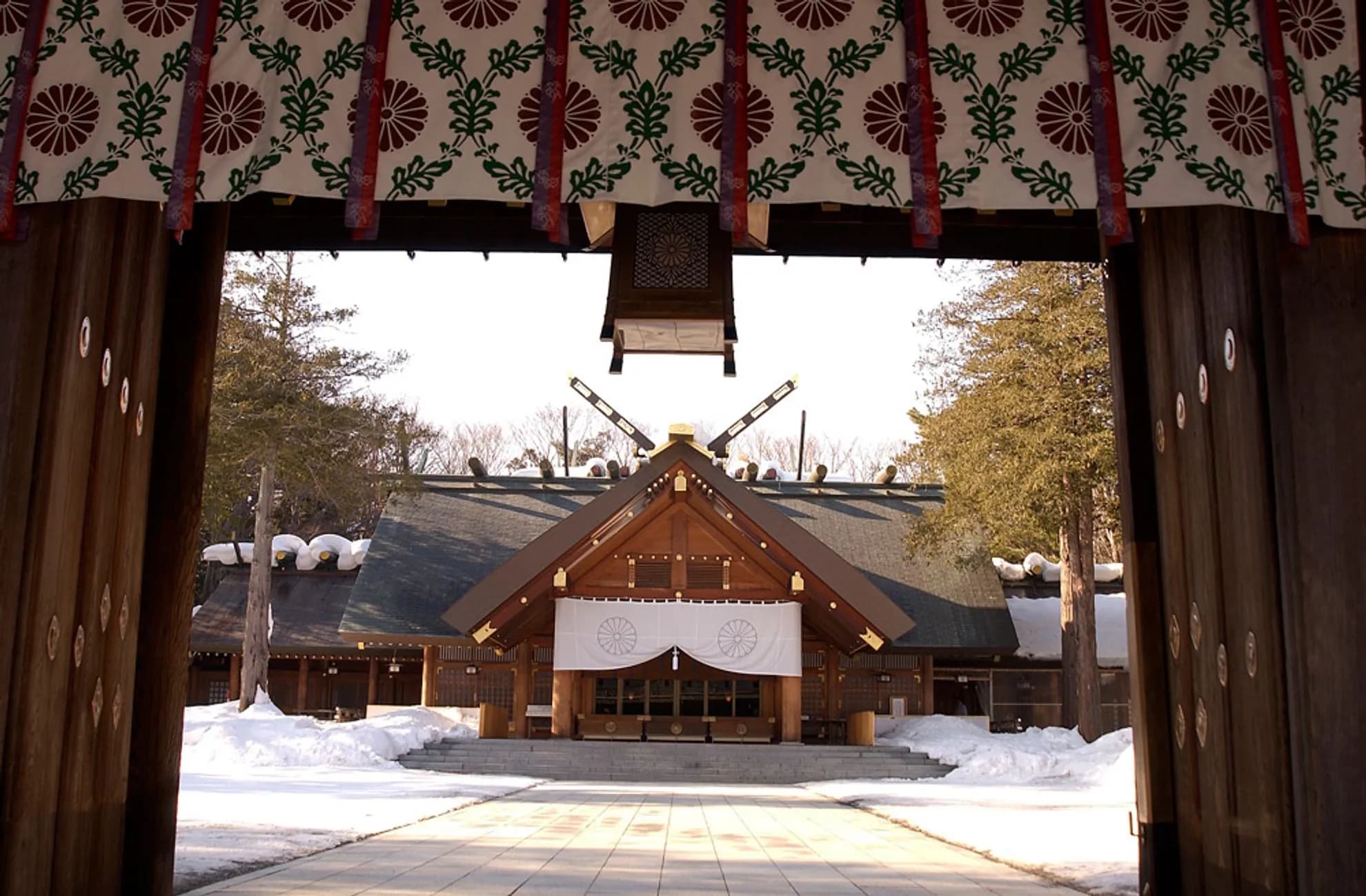
In 1869, by imperial order of the Meiji Emperor, this shrine was founded as a spiritual support for settlers. It enshrined three guardian deities of the land in Japanese mythology (Okuninomikoto, Onamuchinomikoto, and Sukunahikonomikoto) as the “three pioneer gods”.
The phrase “three pioneer gods” reflects the historical background of Japan developing Ezochi and incorporating it as Hokkaido.
In 1964, with approval from the Showa Emperor, the Meiji Emperor was also enshrined. Today, the shrine honors a total of four deities.
- Since the emperor at the time of the Eulsa Treaty was the Meiji Emperor, it is best to avoid visiting for worship.
Sapporo is a relatively modern city, so this shrine is a rare place to see older Japanese cultural elements in Hokkaido. However, it is important to visit with a clear understanding of the historical context above.
- Opening hours
Category Period Open Close New Year period 1/1 00:00 19:00 1/2 ~ 1/3 06:00 18:00 1/4 ~ 1/7 06:00 16:00 All year 1/8~1/31 07:00 16:00 2/1 ~ end of Feb 07:00 16:00 3/1 ~ 3/31 07:00 17:00 4/1 ~ 10/31 06:00 17:00 11/1 ~ 12/31 07:00 16:00 - Admission: Free
- Open daily
5) Sapporo Maruyama Zoo
札幌市円山動物園
Sapporo Maruyama Zoo is home to many animals that live in colder regions, such as polar bears, Himalayan bears, red pandas, and wolves.
It is especially recommended for families and for travelers who enjoy seeing animals.
It is also one of Sapporo’s well-known cherry blossom spots, and you can enjoy peak blooms from late April to early May. 🌸

-
Opening hours
- March 1 ~ October 31: 09:30 ~ 16:30 (last entry 16:00)
- November 1 ~ end of Feb: 09:30 ~ 16:00 (last entry 15:30)
-
Admission
- Adult: 800 yen / High school student: 400 yen / Junior high and younger: Free
- Students must bring their passport.
-
Closed days
- Check the opening hours page. Dates marked in yellow are closed.
-
Access
- From Maruyama-Koen Subway Station, use the bus from Maruyama Bus Terminal stop 4 (about 5 minutes), or walk about 15 minutes
- Bus routes: 円15, 循環円15, 円16, 循環円16 → get off at Maruyama Zoo West Gate
- Kuramaru-go bus → get off at Maruyama Zoo Main Gate
6) Shiroi Koibito Park
白い恋人パーク
Shiroi Koibito (白い恋人) is a famous Hokkaido cookie, and the name means “White Lover.” It is popular as a gift and is easy to buy at duty-free shops and tourist areas.
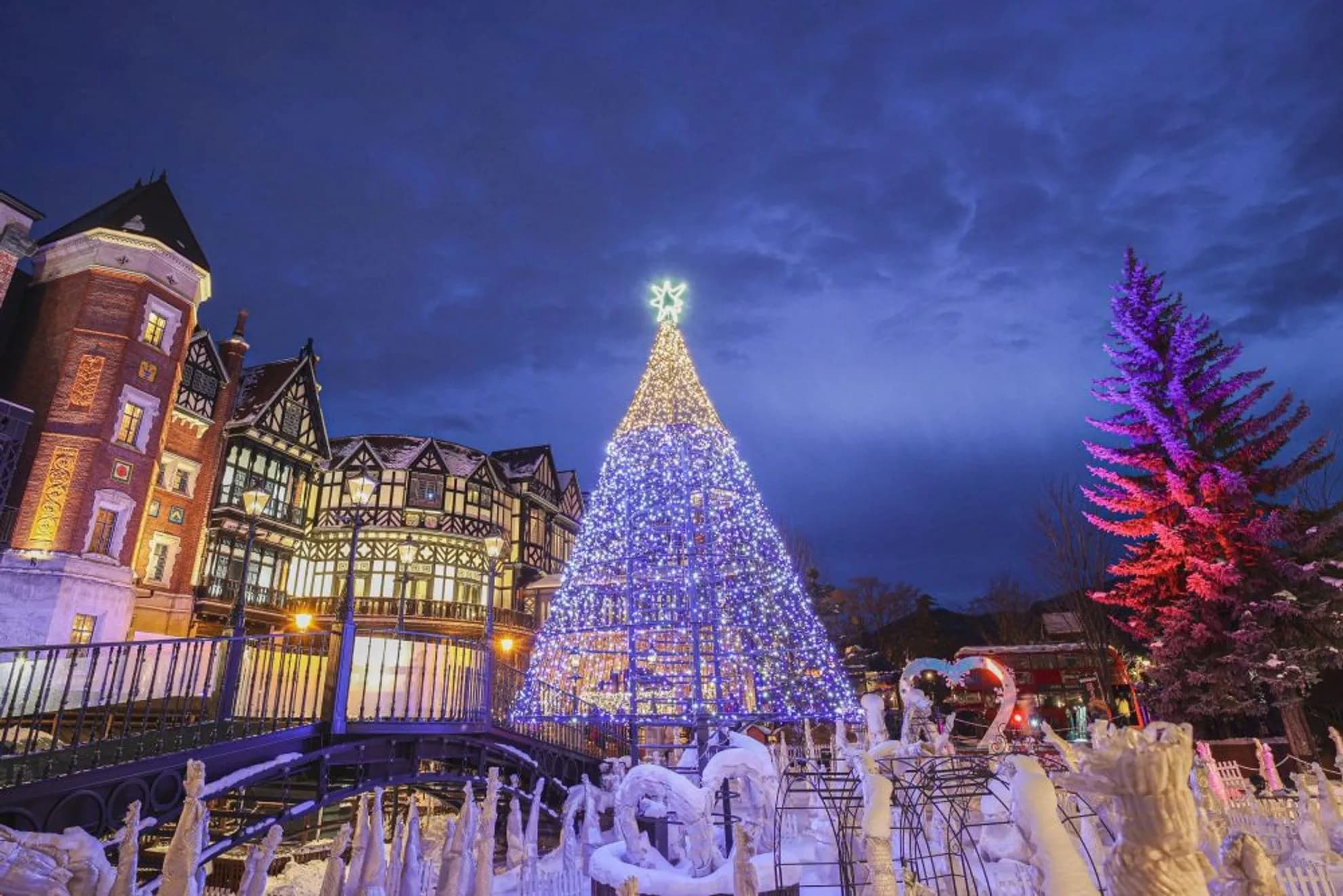
Shiroi Koibito Park, operated by ISHIYA, the maker of the cookie, is a theme park that combines a factory tour, dessert cafes, hands-on activities, and gardens. The British-style garden is especially known as a photo spot. 📸
-
Opening hours
- Shiroi Koibito Park: 10:00 ~ 18:00
- Chocotopia Factory, etc.: 10:00 ~ 17:30 (last受付 16:30)
- Admission: Adult 800 yen / Ages 4 to junior high 400 yen
- Open daily (however, hours may change depending on on-site conditions)
- If you visit on your birthday, you can show your passport for free admission and a chocolate drink. 🎁
-
Access
- About a 7-minute walk from Miyanomori Station