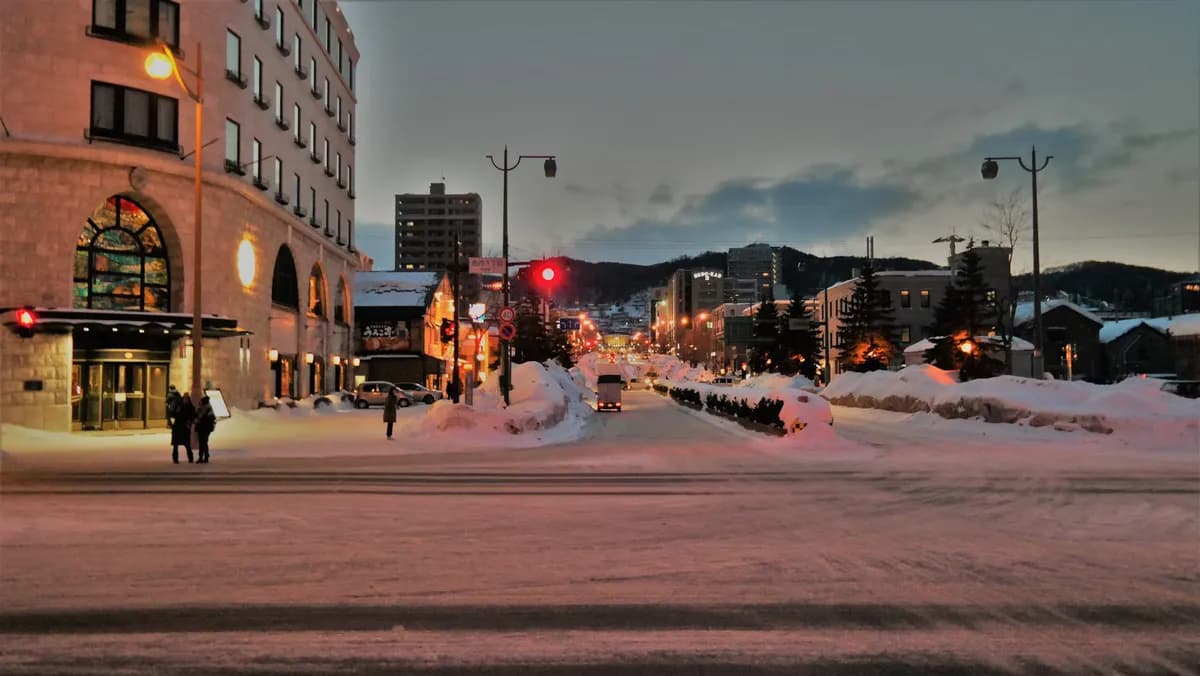
IntroductionTime on the canal, Otaru
In 1596, a Japanese resident living in what is now Hakodate moved to Otaru, and the town began to form. At the time, the lower reaches of the Hoshioki River flowing between Sapporo and Otaru were called 'Otaorunai', which in Ainu means 'a river flowing through sand'. This name later became the place name “Otaru”.
In the early days of Hokkaido development, it functioned as Hokkaido’s second-largest city after Hakodate, and played an important role as the practical starting point and hub of development.
With the port at its center, fishing grew, and as trade and sea/land transport expanded, commerce and finance also flourished. As the economy developed, banks from across Japan opened branches in Otaru, and many of the buildings built at that time can still be seen around the city today.
As trade with the mainland increased, goods had to be moved from warehouses to barges and then connected to large ships anchored in the port. In this process, the 'Otaru Canal' was built.
However, after World War II, Sapporo’s urban development accelerated and the economic center shifted from Otaru to Sapporo. Otaru Port gradually declined, and the canal was effectively left unattended. Later, trade functions moved to Tomakomai Port in southern Hokkaido, and Otaru slowly lost its former status.
In 1966, it was decided to fill in the canal to solve growing traffic problems. In response, citizens formed 'The Association to Protect the Otaru Canal' in 1973. In 1986, based on a compromise plan to fill in half of the canal and convert it into a road, the current promenade and linear park were created.
If the canal had been completely filled in at that time, Otaru would not have the same scenery it has today.
Tourism Association websiteExclusive TourCast Tips!
How to plan your schedule for Otaru in the morning vs the afternoon
The biggest reason to visit Otaru is, without a doubt, to enjoy the romantic scenery of the Otaru Canal.
You can only feel its true charm when you visit around sunset, not in bright daytime. Soft lights turn on, and the reflections on the water make the canal even more special.
So what is the most efficient way to plan your day?
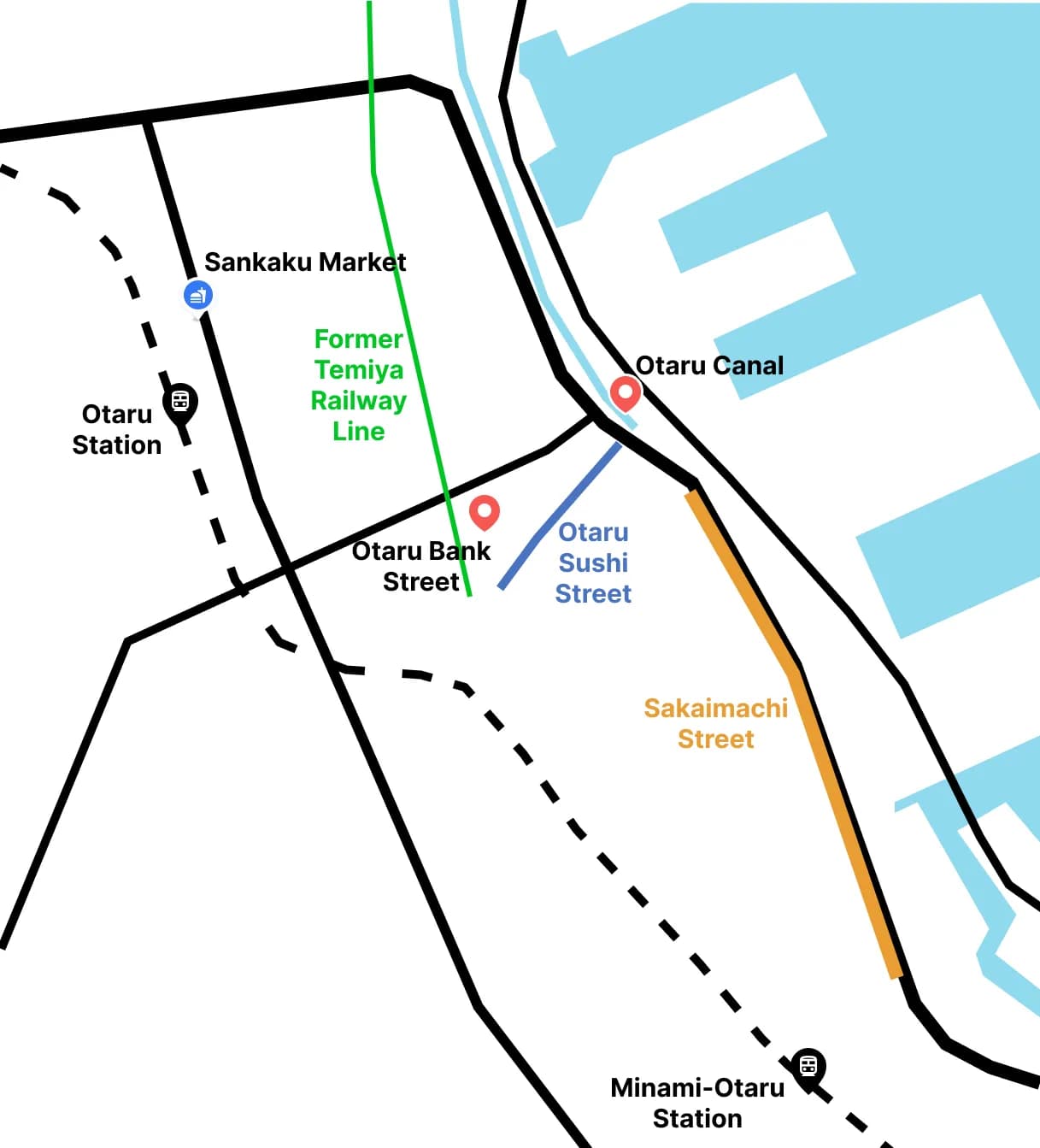
If you leave early in the morning, start with breakfast at Sankaku Market near Otaru Station. Then, consider visiting the Otaru Aquarium or Otaru Kihinkan, which are a bit farther from the station. If you are interested in whisky, we recommend a tour of Nikka Whisky Hokkaido Factory (Yoichi Distillery).
In winter, you can also enjoy Otaru’s unique charm by skiing or snowboarding on powder snow at the Mt. Tengu Ropeway or ski resort.
After that, return to the Otaru Station area, walk along the Former Temiya Line Rail Trail to see historic bank buildings, and have lunch at Sushi Street or eat at Denuki Koji. Then follow Sakaimachi Street, starting with the Otaru Music Box Museum Main Building, try dessert at LeTAO Main Store, and browse glass craft shops. By then, it will be close to sunset.
At that time, simply head to the canal promenade to enjoy the romantic view.
If you plan a relaxed afternoon half-day trip starting after lunch, it is better to set your destination as Minami-Otaru Station, not Otaru Station.
If you start at Otaru Station, you need to go back toward the canal after visiting Sakaimachi Street, which is inconvenient. If you start at Minami-Otaru Station, you can walk up along Sakaimachi Street and finish with a smooth route that goes past the canal and naturally ends at Otaru Station.
Recommended ryokan in OtaruSea, hot springs, and rest
In the Asarigawa Onsen area near Otaru, two representative ryokan are 'Korakuen' and 'Kuramure'.
Korakuen is a ryokan with a traditional atmosphere, and its biggest advantage is that you can stay in rooms with a private open-air bath. It also offers day-use hot spring visits even if you do not stay overnight.
Kuramure is a luxury ryokan that blends traditional and modern design. It does not have private open-air baths in the rooms, and you can use an open-air bath only at the shared large bath.
If you want to enjoy both a hot spring and an overnight stay near Otaru without going as far as Jozankei or Noboribetsu, this area is a very good choice.
No rates are available for the stay from 2026-10-15 to 2026-10-16. Please try different dates.
Getting thereTrain, bus, and fares
1) By train
From JR Sapporo Station, take the Rapid train bound for Otaru or a local train bound for Otaru/Asahikawa.
If you have a Hokkaido Rail Pass, you can ride for free, and you can also use the Rapid train’s U-Seat (reserved seat). Travel time is about 35 minutes by Rapid train and about 45 minutes by local train.
If you do not have a rail pass, use an IC card or buy a paper ticket with cash.
2) By bus
You can also travel from Sapporo to Otaru by highway bus.
Trains can only be taken from Sapporo Station, but buses have the advantage of boarding from various stops such as:
- Sapporo Station Stop No. 1
- In front of the Sapporo Clock Tower
- Maruyama Daiichi-dori
- Sapporo Terminal Stop No. 5
Travel time is about 63 minutes in summer and 68 minutes in winter. The one-way fare is 730 yen, and a round-trip ticket is 1,360 yen.
Chuo Bus JR Hokkaido Bus3) Join a bus tour to visit Shakotan too
Otaru can be comfortably explored by public transport in a full day or even a half day.
However, if you want to visit the Shakotan area, known for the “Shakotan Blue” emerald sea and dramatic coastline, it is not easy by public transport alone.
In this case, a bus tour is very useful. It is an itinerary that leaves Sapporo in the morning, visits Shakotan, and then continues to Otaru in the afternoon. This makes it a perfect day trip to enjoy both Shakotan and Otaru in one day.
Passes for budget travelersLocal transport passes in Otaru
Otaru City 1-day pass 🎫
Otaru city buses use a flat fare system, and the fare is 240 yen per ride.
If you plan to take buses to visit places like the Otaru Aquarium or the Mt. Tengu Ropeway, you will ride at least 4 times, so it is better to buy a 1-day pass.
Otaru can be explored on foot, but the walking distance can become longer than you expect, so combining buses is convenient.
If you plan to ride 4 times or more, it is better to buy the pass. If you will ride only 1–2 times, pay with an IC card or cash.
- 1-day pass price: Adults 800 yen / Children 400 yen
- Set ticket: Mt. Tengu Ropeway round trip (1,600 yen) + City 1-day pass = 2,050 yen
- Where to buy: Ticket counter at the bus terminal in front of Otaru Station, or ticket machines near Platform 4, etc.
- Discounts with the pass: Otaru Aquarium, Kihinkan, Mt. Tengu Ropeway, canal cruise, and more
- Otaru Stroll Bus: It used to operate but does not run now (※ If it restarts, you can ride for free with this pass)
Key sightseeing points in OtaruLove Letter filming spots, glass crafts, and stone buildings
1) Where is Love Letter? 💌
Outside Japan, many people know the formula 'Otaru = Love Letter', but the most famous scene was not filmed in Otaru.
Of course, filming did take place at several locations in Otaru, such as the Love Letter snowy field (filming spot) shown on Google Maps.
However, the most iconic scene, where the heroine shouts 'Ogenki desu ka? Atashi wa genki desu~', was filmed at Yatsugatake Farm in Nagano Prefecture.
They say the desired angle could not be captured in Otaru, so they found a substitute location. You may want to let go of the “Love Letter = Otaru” image a little.
2) Why did glass crafts and music boxes develop here? 🪞🎶
Otaru is a port town where herring fishing once flourished. The floats used at that time were made of glass, which became the foundation of glass-making.
Also, in the mid-Meiji period when there was no electricity, people used glass lamp shades for oil lamps, and demand for glass products was high.
Like the meaning behind Otaru’s name, 'a river flowing through sand', the area also had rich sand resources needed for glass-making, which supported the glass industry.
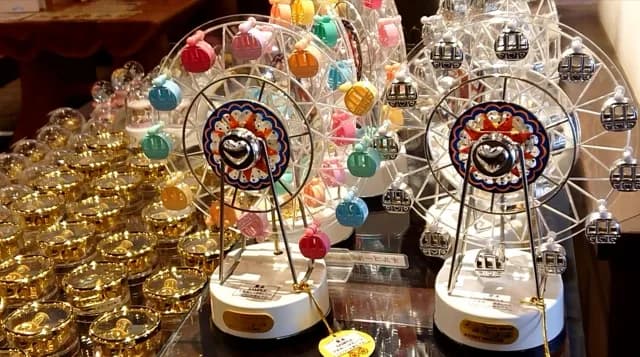
Later, glass floats were no longer needed, and as electricity spread, glass lighting also gradually disappeared.
As a result, the local industry shifted to more nostalgic items like glass crafts and music boxes, which continue to be Otaru specialties today.
When visiting glass craft museums or music box shops, be careful that your bag or belongings do not catch on glass products.
3) Why are there so many modern stone buildings? 🏛️
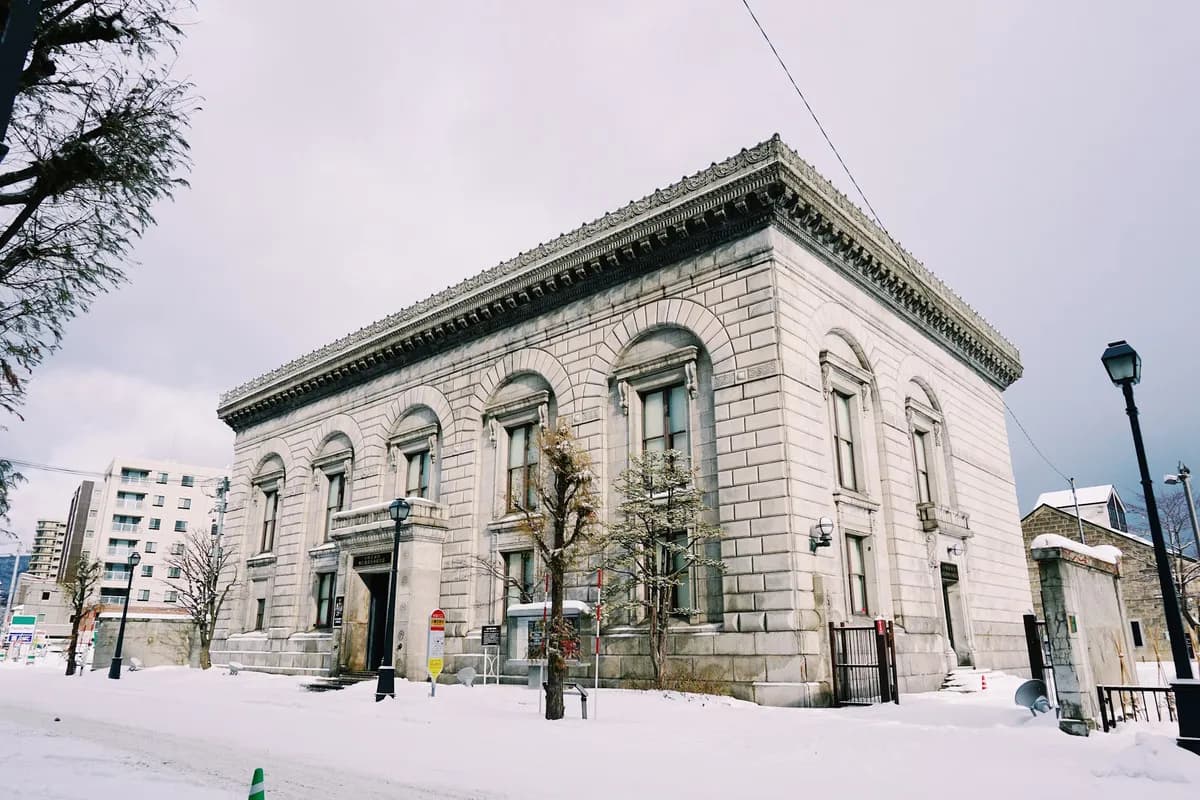
Before Sapporo became Hokkaido’s economic center, Otaru played the central city role in the early development period. This led to many banks opening in Otaru.
Most of these banks were built as modern stone buildings, and many are still preserved as historic architecture around Otaru.
Romantic route in central Otaru, walking along the canalStreets, sights, and festivals
1) Otaru Canal 🛶
Most canals are dug into the ground, but Otaru Canal is different because it was made by reclaiming a narrow seaside area. This is why it forms a gentle curve instead of a straight line, and it was completed in 1923.
It used to be about twice as wide as it is now, but a redevelopment plan was made, and only half was filled in due to citizen opposition.
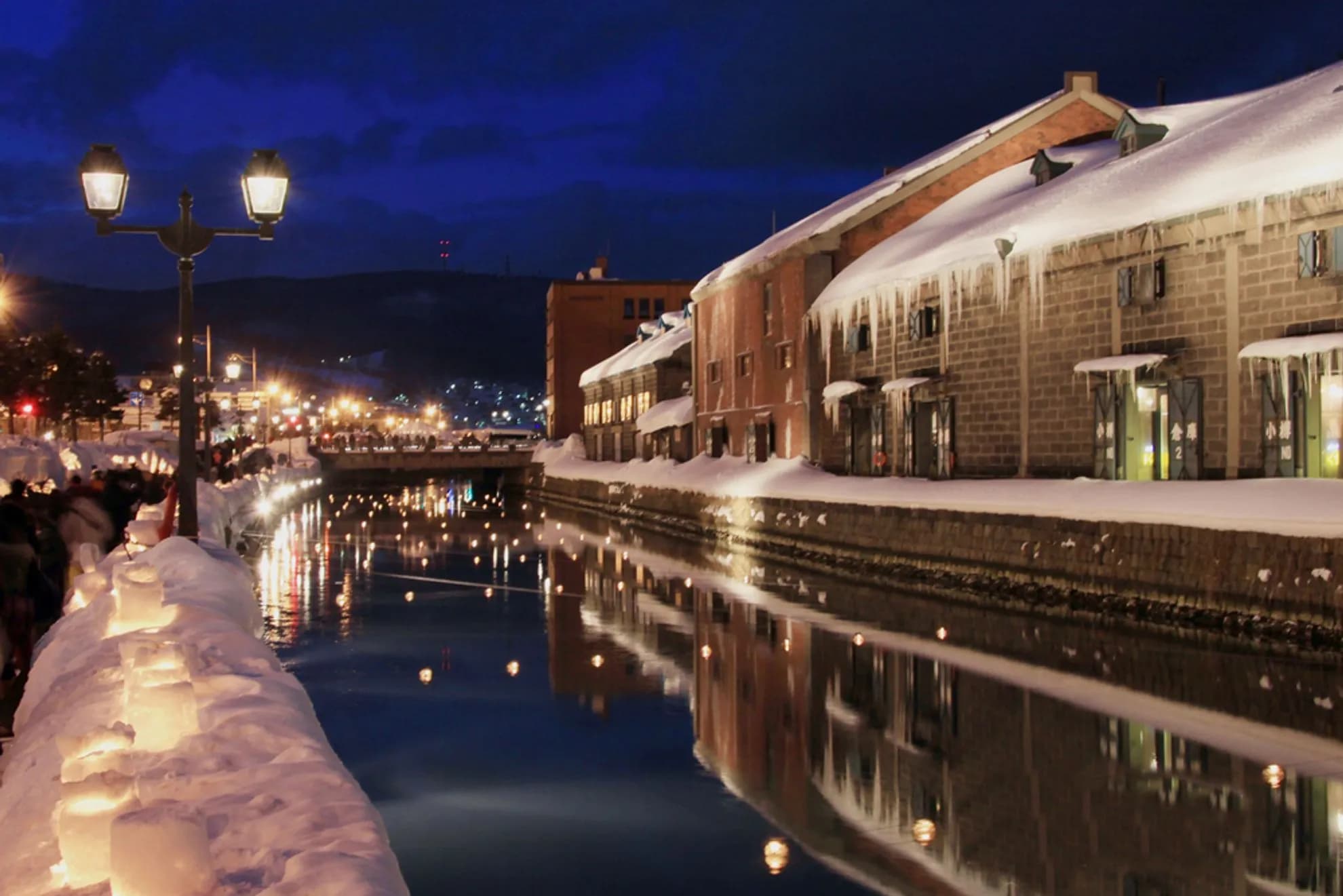
On the left promenade, 63 gas lamps light up in the evening. On the right, the stone warehouses have doors and lights for barges, creating a romantic atmosphere.
Location2) Snow Light Path Festival ✨
Every year in mid-February, Otaru hosts the Snow Light Path Festival. This event began in 1999 as a volunteer-led festival, and it is known for 'snow candles'—candles placed inside snow.
The festival takes place not only at the canal but also in many locations such as the Former Temiya Line Rail Trail and Asarigawa Onsen, and around 2,000 volunteers light the candles.
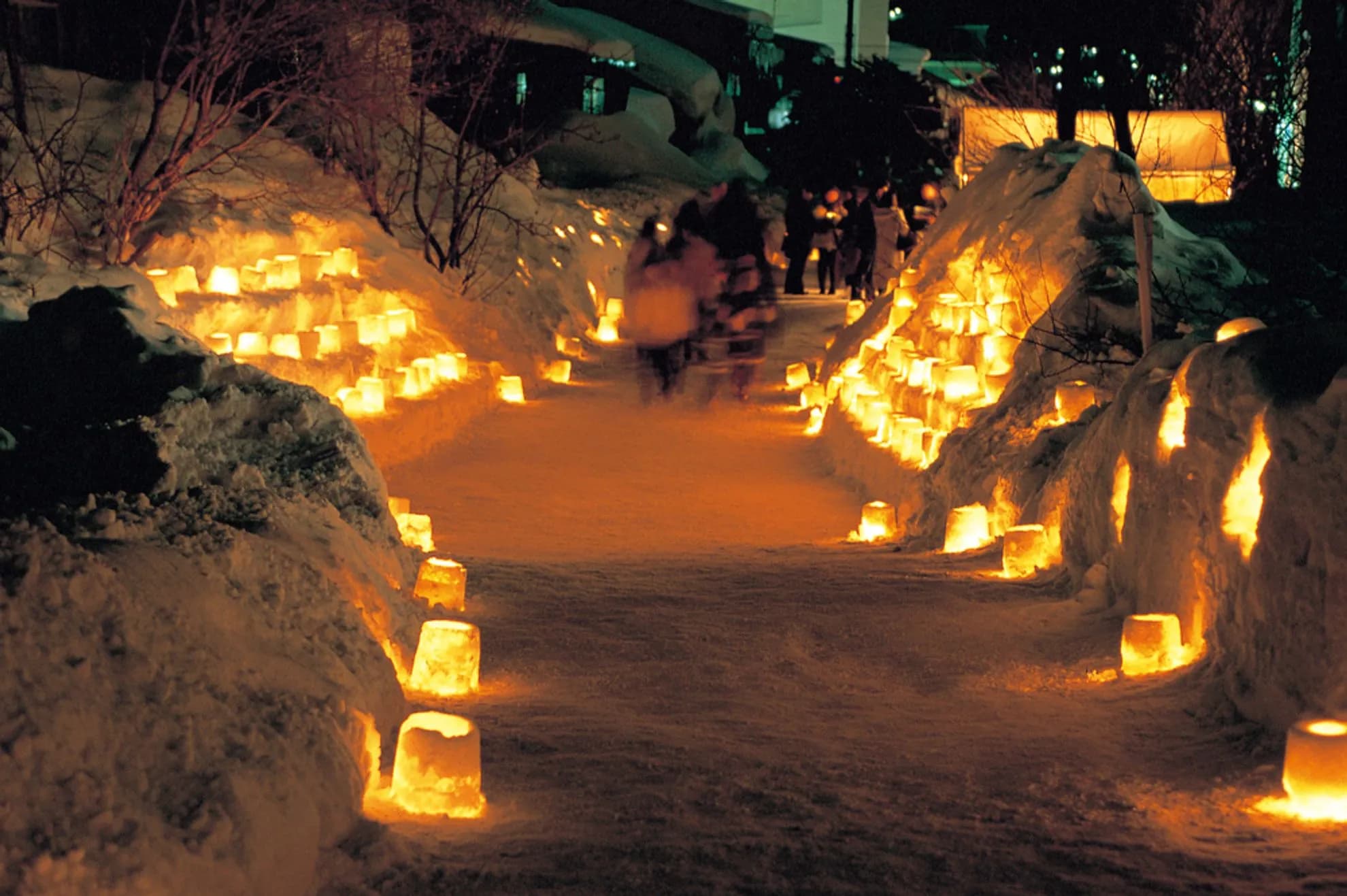
If you can speak Japanese, joining as a volunteer can also be a meaningful experience.
Website3) Otaru Canal Cruise 🚤
The canal cruise, which goes out to Otaru Harbor and then loops back through the canal, is a great way to enjoy Otaru in a different way.
It takes about 40 minutes, and runs as day cruises and night cruises around sunset.
-
Fees
- Day cruise: Adults 1,800 yen / Children 500 yen
- Night cruise: Adults 2,000 yen / Children 500 yen
- Hours: 10:30 ~ 20:40 (last boarding 20:00)
- Operating hours vary by season and weather; check the website
- In winter (Nov–Mar), a canopy and heaters are used, and blankets are provided
4) Sankaku Market 🍣
It is open from 06:00 to 17:00, and you can eat from 07:00.
Kaisen-don (seafood rice bowl) made with fresh seafood is a popular menu item, and the key advantage is that it is cheaper than Nijo Market in Sapporo.
Nearby, there is also a shop specializing in old-style fried chicken 'Hanmi-age', which is nice to try together.
- Hours: 06:00 ~ 17:00
- Open all year
5) Arcade shopping street 🎭
This is a local shopping street, and it is useful as a covered detour on rainy or snowy days.
It also has restaurants where you can try Otaru’s famous food, 'ankake yakisoba'. This dish is a Chinese-style dish made with pan-fried noodles topped with a thick seafood-and-vegetable sauce thickened with starch.
Nearby, there is also a small izakaya alley called Renga Yokocho (レンガ横丁), where you can experience a local atmosphere.
6) Former Temiya Line Rail Trail 🚂
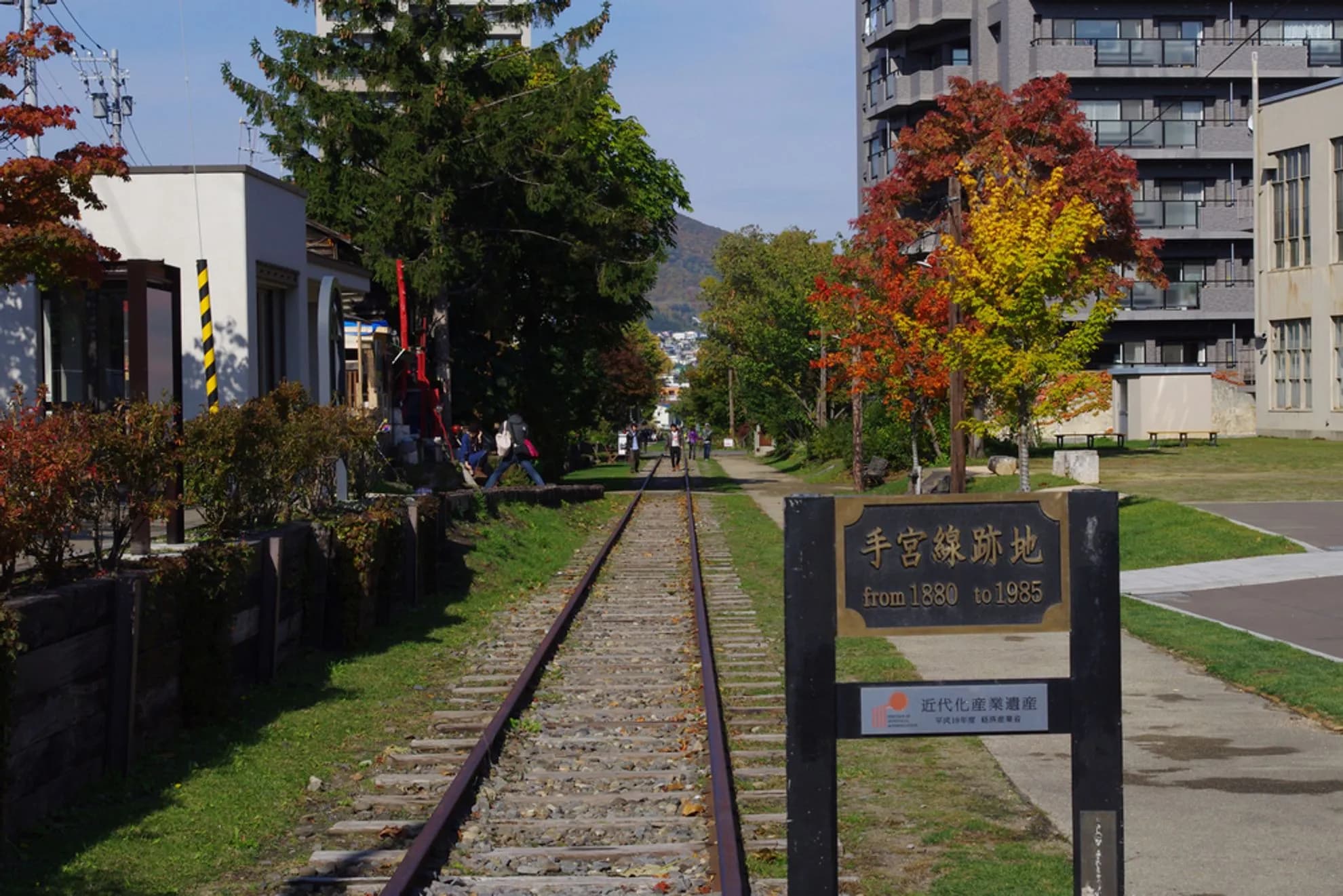
Railways opened in Otaru earlier than in Sapporo, making it Hokkaido’s first railway. This line carried coal, herring, kelp, and other goods. It was closed in 1985, and today only the tracks and crossing gates remain, used as a walking path.
7) Sushi Street 🍣
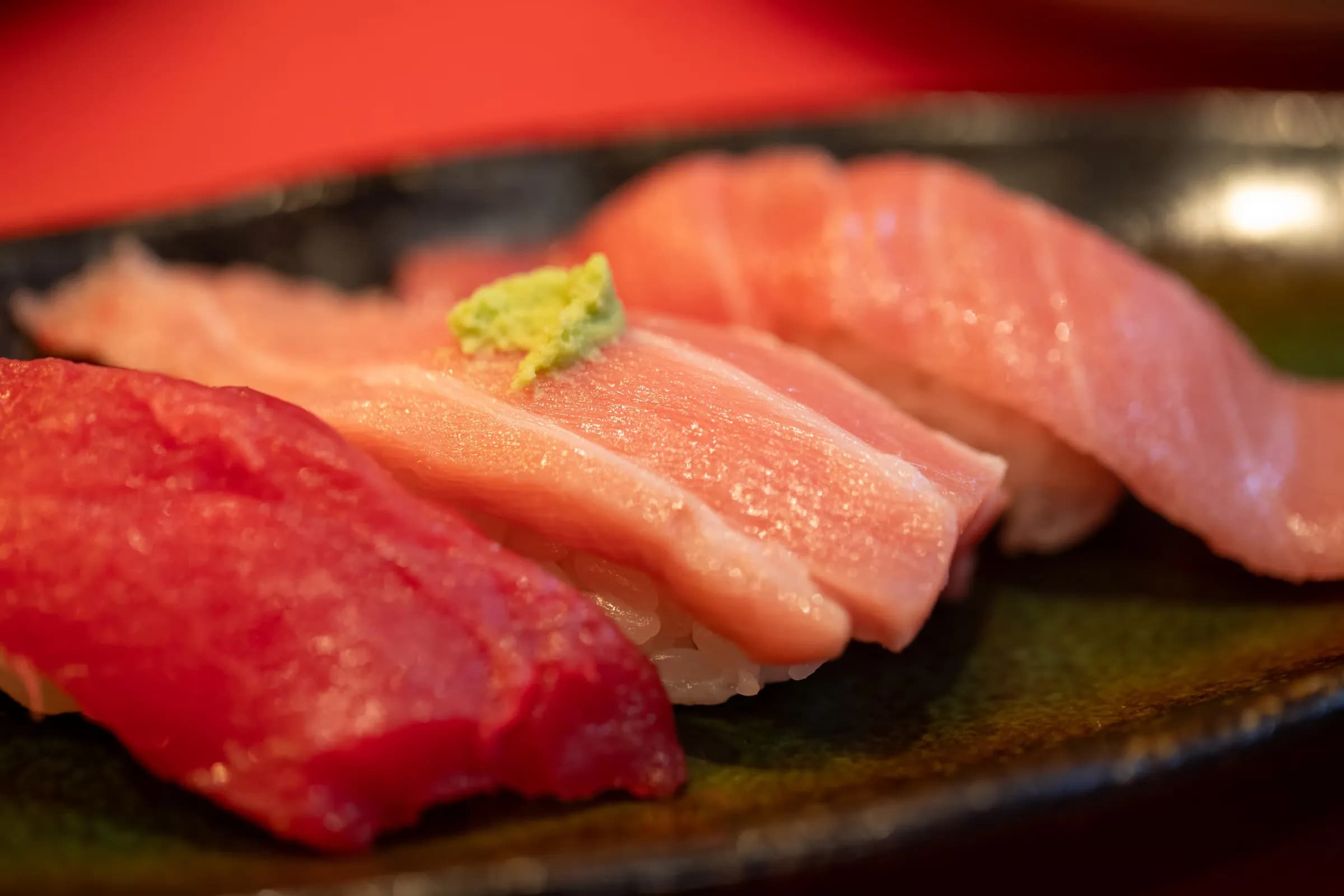
Otaru is one of Hokkaido’s top sushi destinations, and it was also the real-life setting for the manga 'Mister Sushi'. With sushi restaurants that received Michelin two stars, it is popular with food travelers.
8) Denuki Koji 🍢
出抜小路
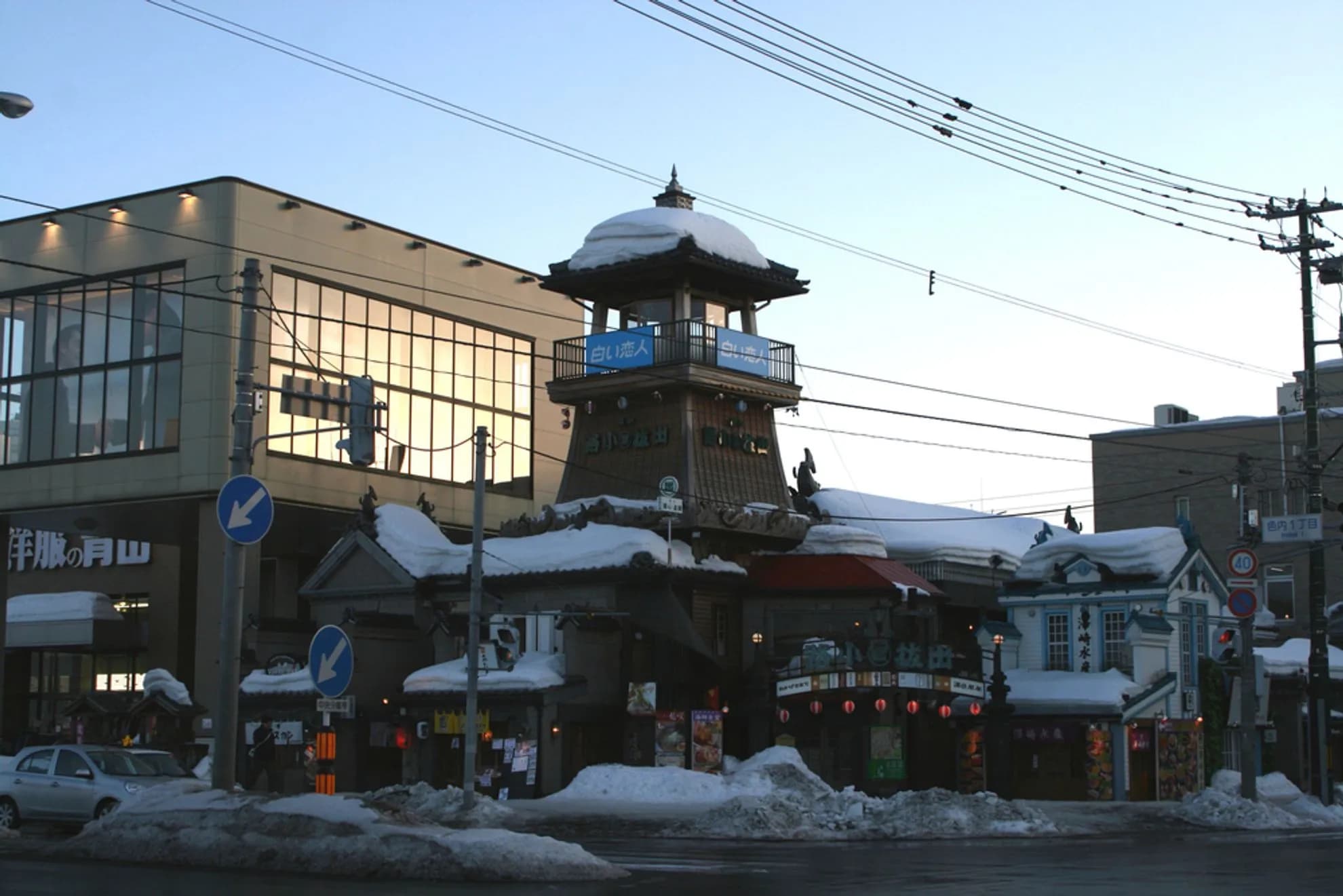
Denuki Koji, meaning 'an alley where goods were carried', is known for its entrance viewing platform modeled after a fire watchtower, and it is a place to enjoy freshly made yatai-style street food.
9) Sakaimachi Street 🏬
This is Otaru’s main street, starting from the canal and continuing to glass workshops, dessert shops, and music box stores. If you start from Minami-Otaru Station, you can walk it in reverse order.
① Glass workshops
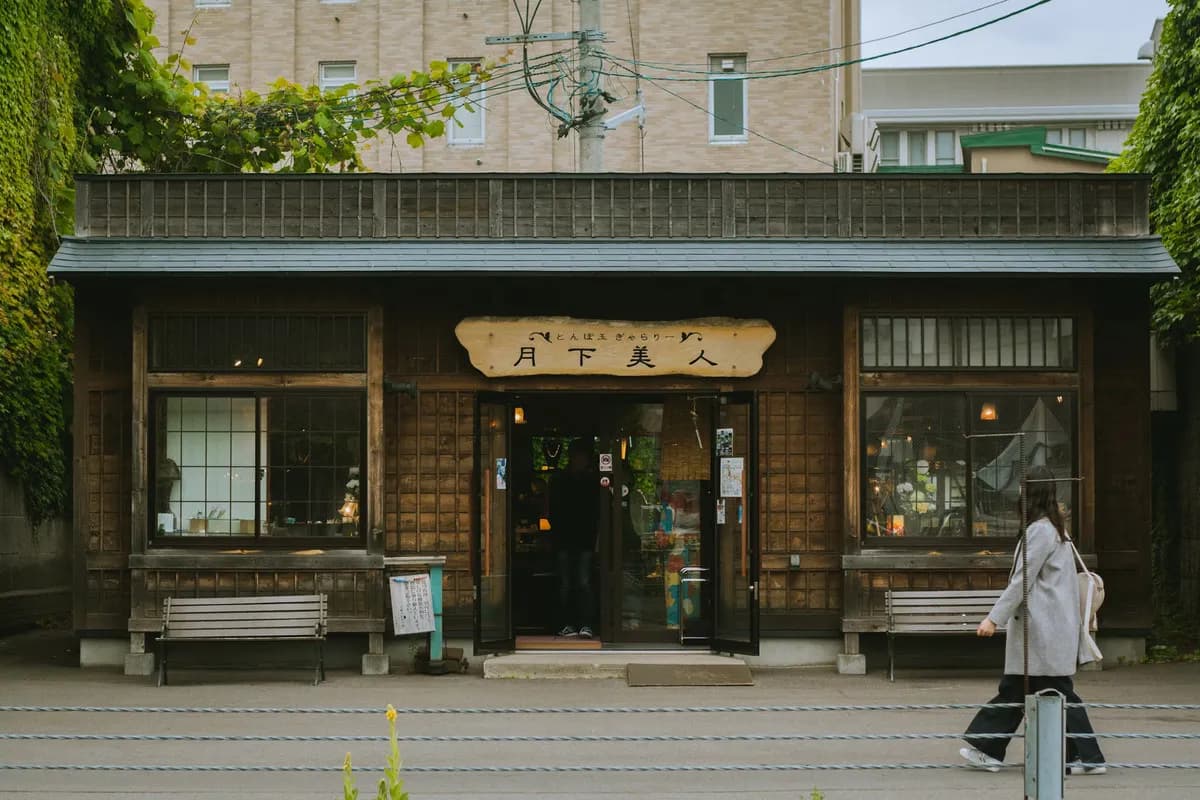
A place where you can see and buy cute glass crafts.
② Kamaei factory direct shop
A long-running shop (founded in 1905) where you can eat freshly made fish cake (oden) on the spot.
- Hours: 09:00 ~ 18:00
- Tours are free, but not available on public holidays (shopping is still available)
③ Kitaichi Hall (Kitaichi Glass No.3 Building)
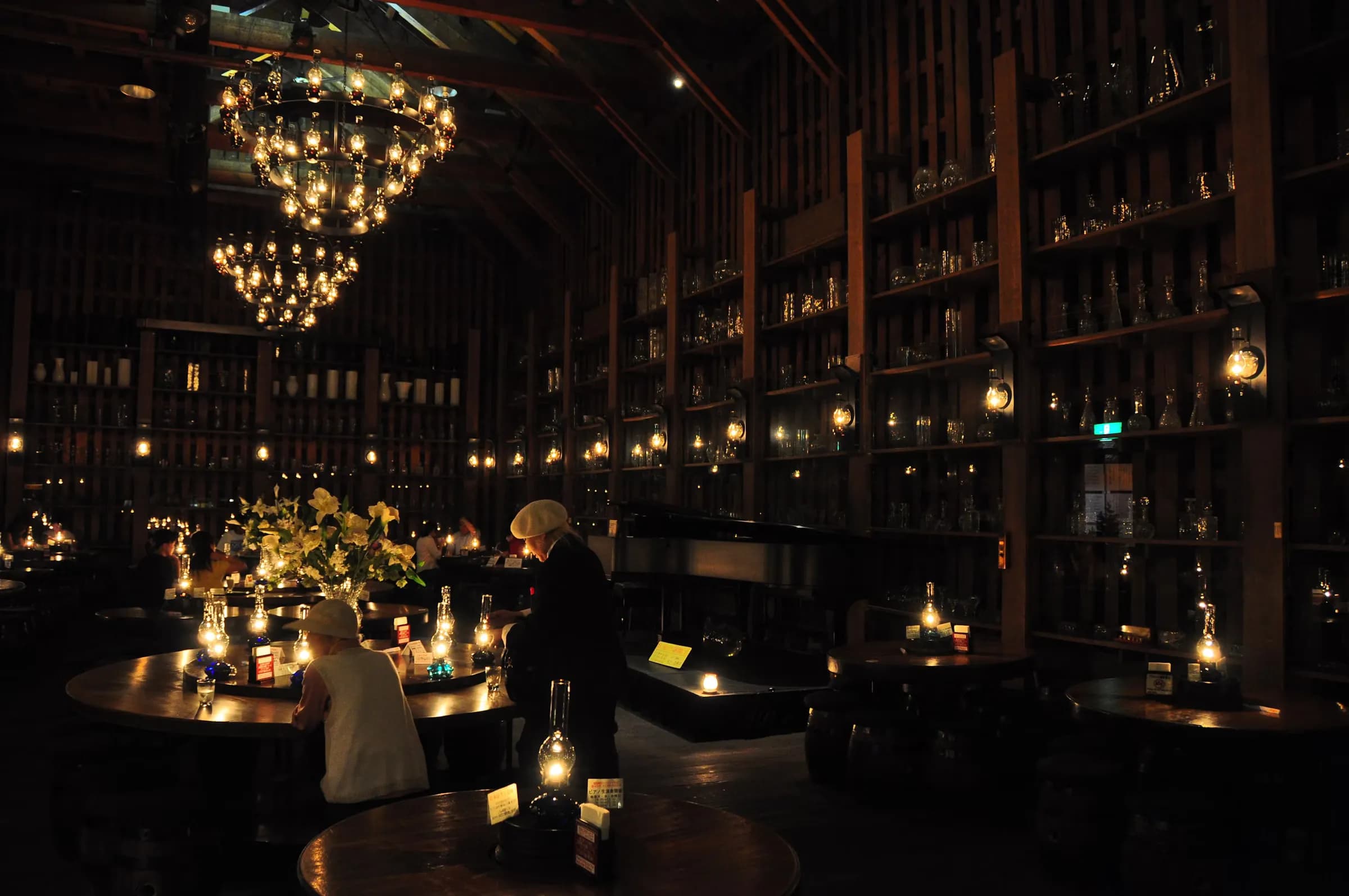
A romantic cafe space with 167 oil-lamp lights and live piano music.
- Hours: 09:00 ~ 17:30 (last order 17:00)
- Piano: Tue–Fri 14:00 / 15:00 / 16:00
- Meals available Fri–Mon (11:00 ~ 14:50)
④ Dessert shops
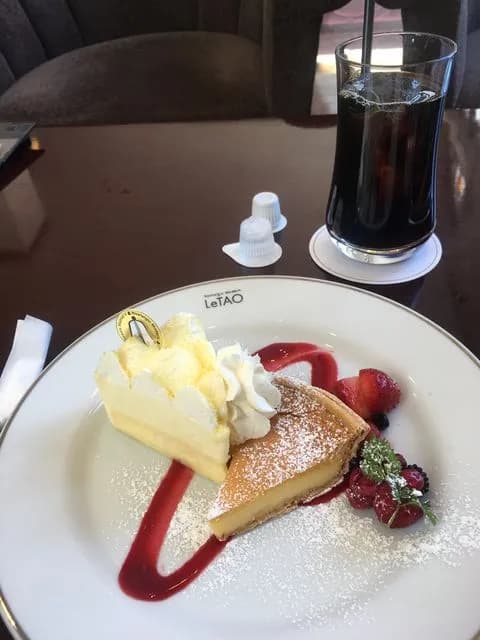
Dessert spots such as LeTAO, Rokkatei, and Kitakaro are集中 here, so you can choose based on your taste.
⑤ Music Box Museum Main Building
You can make your own music box, and the world’s largest steam clock tower stands in front of the main building. With your passport, you can also receive a TAX refund.
- Handmade craft experience: 2,500 yen ~ 5,500 yen; same-day entry is possible, but booking is recommended
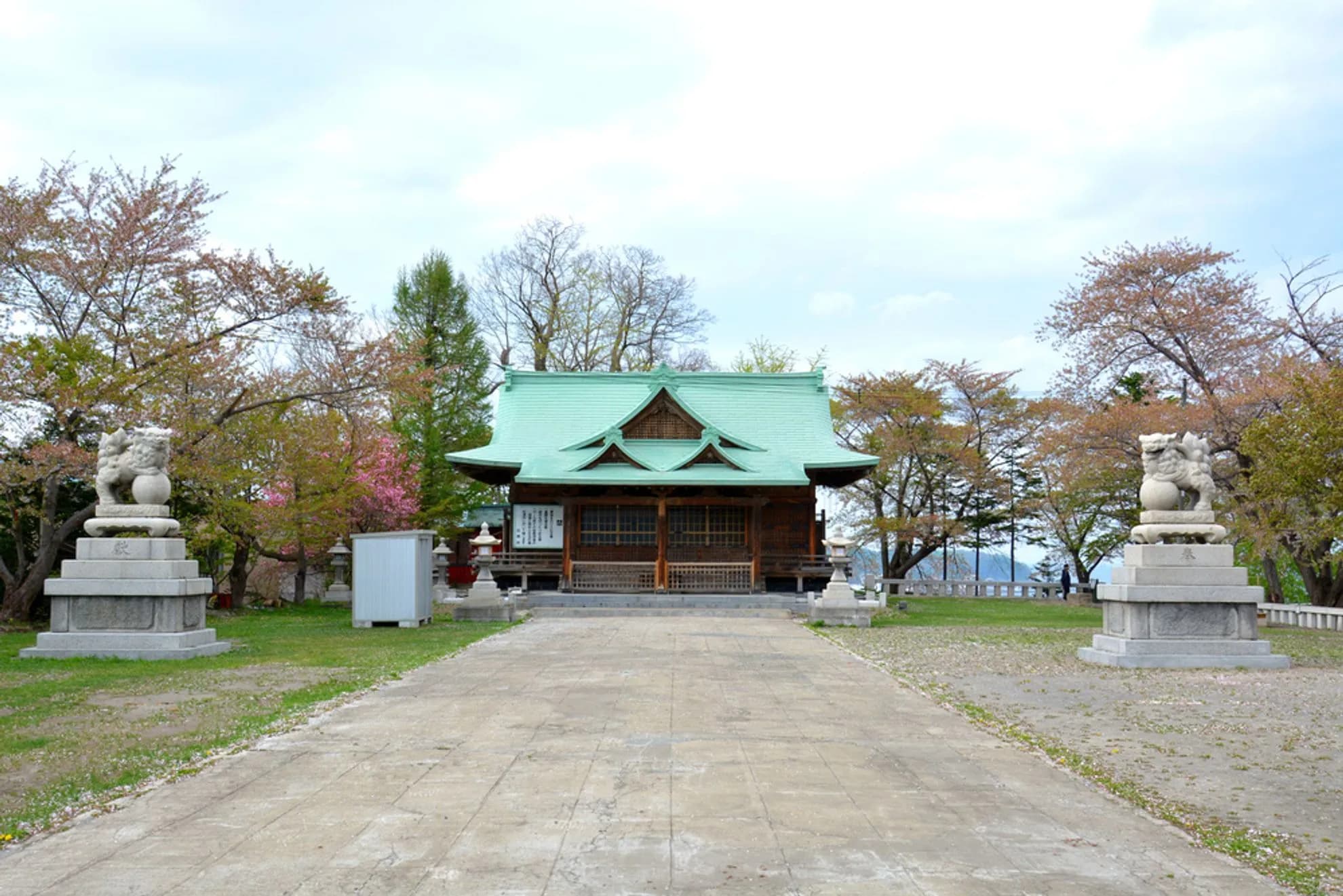
10) Suitengu Shrine ⛩️
水天宮
Founded in 1859, it was originally a shrine that enshrined only the god of water. Later, it added the gods of food and creation, and now enshrines a total of four deities. The current building was rebuilt in 1919.
It sits on a 55 m hill with a full view of Otaru Harbor, but take care on the slope in winter.
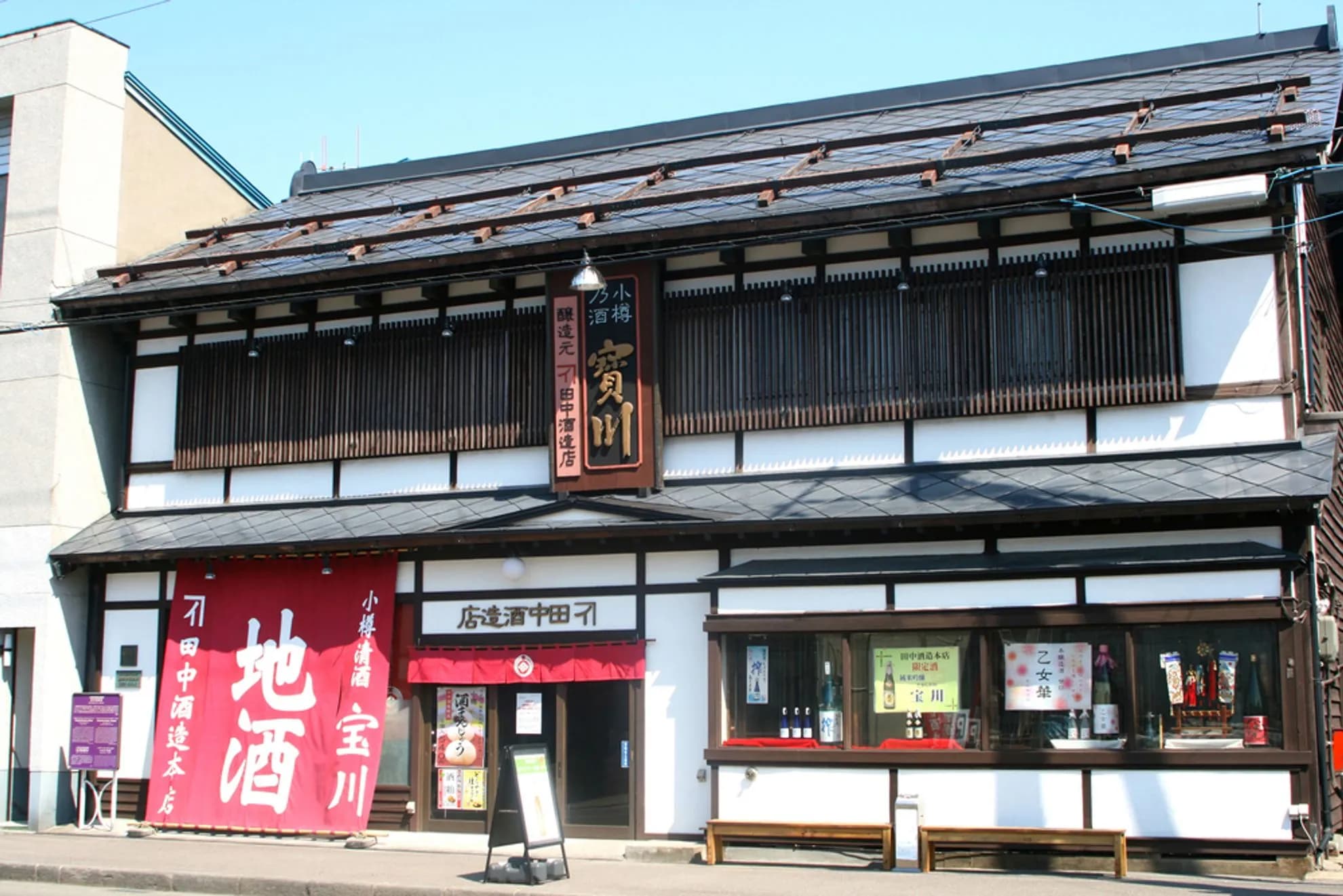
11) Tanaka Sake Brewery Kikkogura 🍶
田中酒造 亀甲蔵
This is Otaru’s representative local sake brewery, founded in 1899 and still operating today. You can join a free tour at any time, and the sake is made using bedrock water from 75 m underground.
Note that in winter, underground water tasting is not available.
- Popular sake: Takaragawa (about 1,430 yen ~ 11,000 yen for 720 ml)
- Tour hours: 09:05 ~ 17:30
- Open all year
Another side of Otaru beyond the city centerGuide to nearby sights
1) Otaru Aquarium 🐧
This aquarium displays about 5,000 marine animals across 250 species in around 70 tanks. If you are visiting Otaru as a day trip, it is a good morning destination.
Before you go, it is best to check the schedule for shows and experience programs. In particular, the gentoo penguin walk happens three times a day and lasts only 10 minutes, so checking the time is essential.
- Operating period: Mid-March ~ late November
-
Hours
- Mid-March ~ mid-October: 09:00 ~ 17:00 (last entry 16:30)
- Mid-October ~ late November: 09:00 ~ 16:00 (last entry 15:30)
- Mid-December ~ late February: 10:00 ~ 16:00 (last entry 15:30)
-
Admission
- Winter (mid-Dec ~ Feb): Adults 1,300 yen / Elementary & junior high 500 yen / Age 3+ 300 yen
- Other seasons: Adults 1,800 yen / Elementary & junior high 700 yen / Age 3+ 350 yen
- Access: About 25 minutes by Bus No. 10 or 11 from Stop No. 3 at the Otaru Bus Terminal (timetable)
Rules for the penguin walk
- Do not touch the penguins
- Do not feed them
- Do not make loud noises
- Do not throw snow or objects
- Do not enter the walking course
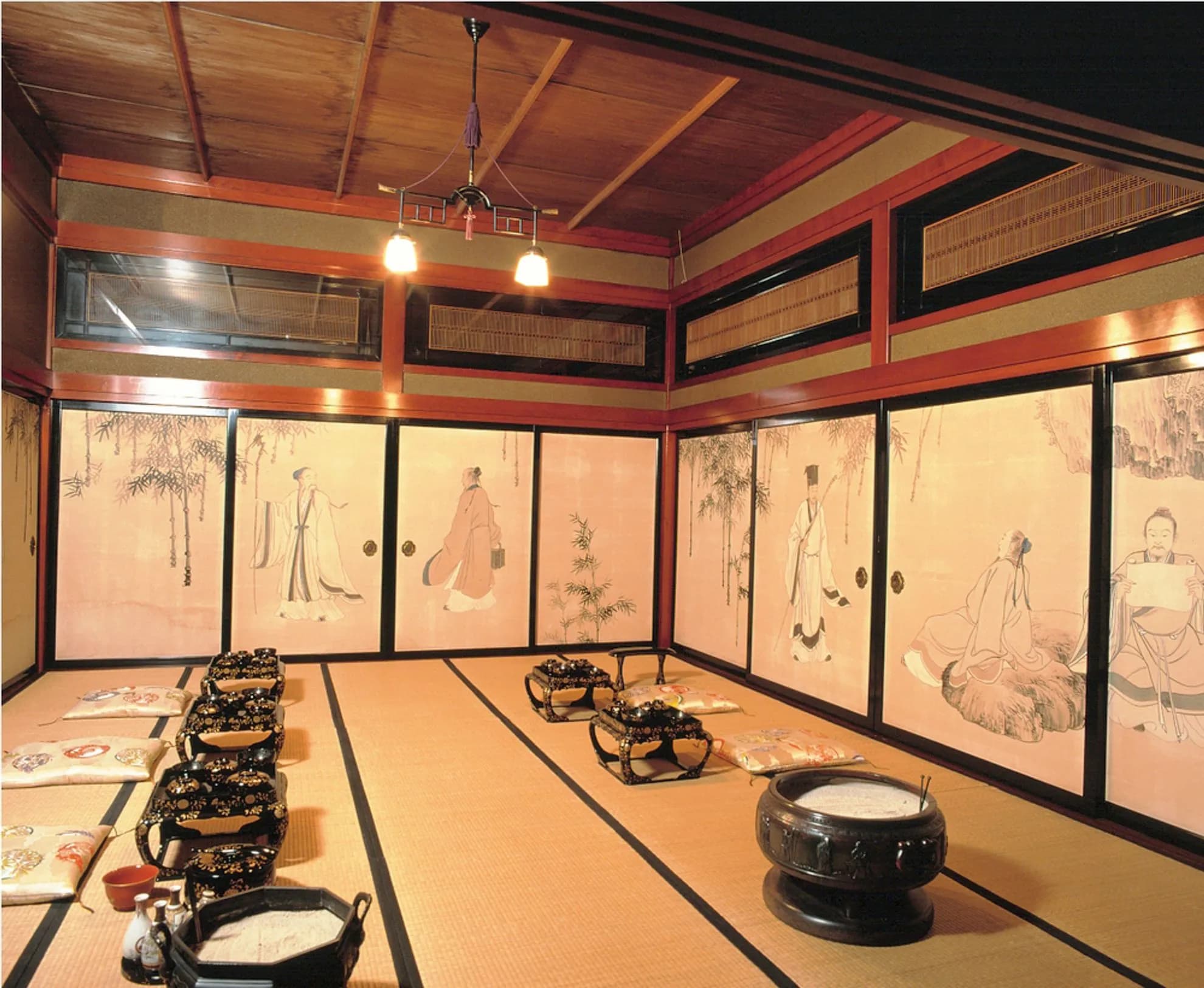
2) Otaru Kihinkan 🏯
This mansion belonged to the Aoyama family, who became very wealthy through herring fishing in the late 19th century. It is a luxury residence built over six years, with the goal of making it even better than the famous Honma family mansion (本間家) of that era.
At a time when a new department store in Shinjuku cost about 500,000 yen to build, this mansion cost 310,000 yen, showing its luxurious design. Inside, it includes the family residence, staff dormitory, office, warehouse, and even Western-style rooms.
Places for processing and drying herring are also preserved as they were, so you can clearly see daily life from that period.
-
Hours
- Apr–Oct: 09:00 ~ 17:00
- Nov–Mar: 09:00 ~ 16:00
- 12/29 ~ 12/31: 09:00 ~ 15:00
- Entry is allowed until 30 minutes before closing
- Admission: Adults (junior high and above) 1,300 yen / Elementary 650 yen
- Closed: Jan 1 ~ Jan 7
-
Access
- About 20 minutes by Bus No. 10 or 11 from Stop No. 3 at the Otaru Bus Terminal
- 5 minutes on foot from the Shukutsu Sanchome stop
- About 15 minutes on foot from Otaru Aquarium
- Convenient if you have the 1-day bus pass
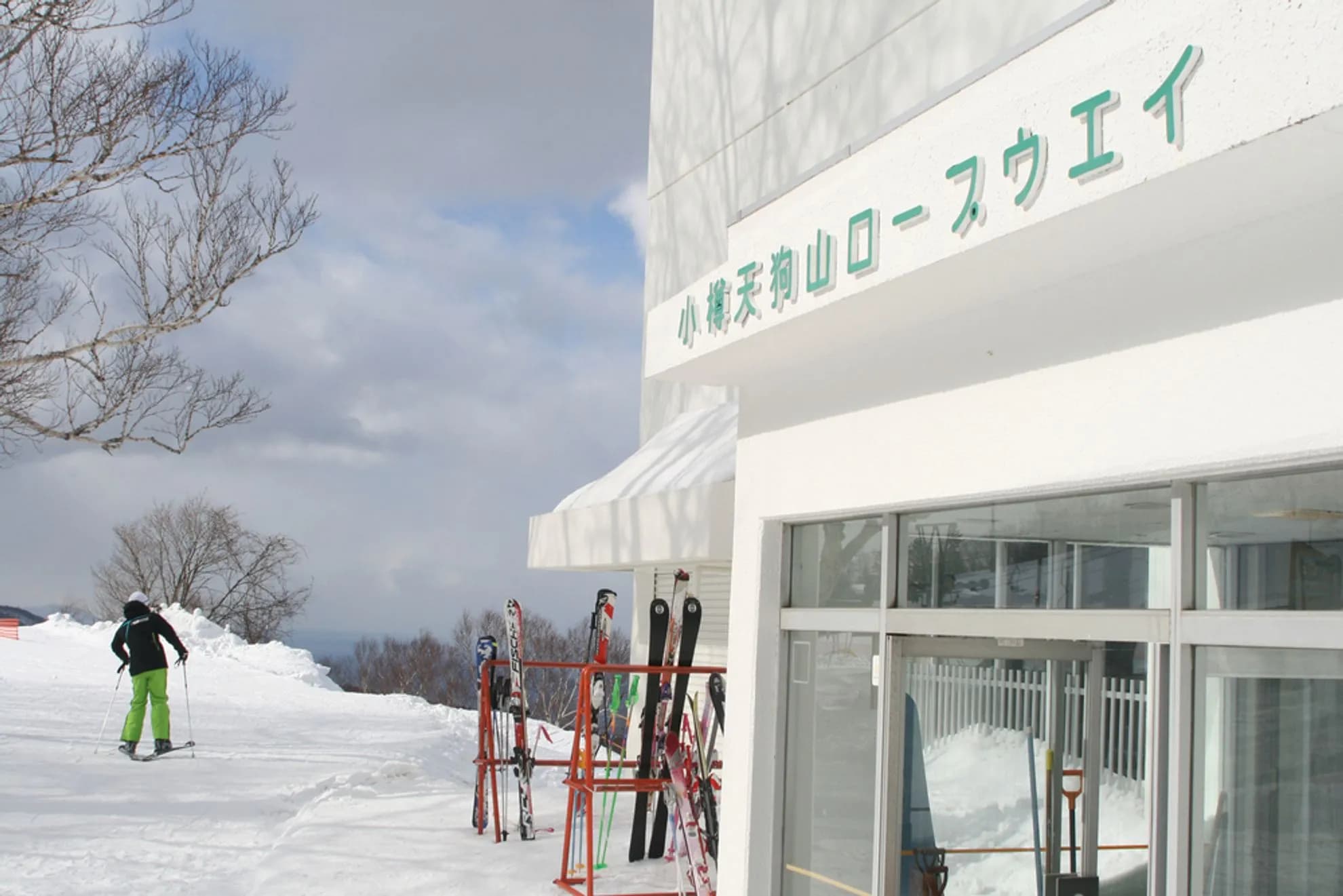
3) Mt. Tengu Ropeway & ski resort ⛷️
Mt. Tengu is an observation deck where you can enjoy one of Hokkaido’s three major night views, and in winter it also operates as a ski resort.
In the winter season, you can rent equipment on site. If you want to experience Hokkaido’s powder snow, we recommend skiing or snowboarding.
At the observation deck, you can also see 'Hananade Tengu-san', a statue said to make your wish come true if you rub its nose.
- Ropeway hours: 09:00 ~ 21:00 (last ride 20:48)
-
Ropeway fares
- Round trip: Adults 1,800 yen / Children 900 yen / Pets 500 yen
- One way: Adults 1,080 yen / Children 540 yen / Pets 300 yen
- Otaru City 1-day pass + round-trip set: 2,250 yen
- Ski/snowboard rental: Adults about 12,000 yen / Children about 9,000 yen (lift tickets not included)
-
Access
- About 20 minutes by Bus No. 9 from Stop No. 3 at the Otaru Bus Terminal
- Otaru Station ➝ Mt. Tengu timetable
- Mt. Tengu ➝ Otaru Station timetable
4) Nikka Whisky distillery 🥃
Known as the father of Japanese whisky, Masataka Taketsuru learned distillation in Scotland and built the Nikka Whisky distillery in Yoichi, Hokkaido in 1934.
The site includes the couple’s former residence and a whisky museum, and it is open to regular visitors.
The free tour takes about 70 minutes, is conducted in Japanese only, and requires advance booking.
After the tour, you can taste three types of whisky, and even without the tour, paid tastings are available.
If you are a whisky fan, this place is well worth a visit.
- Hours: 09:00 ~ 16:15 (tasting bar closes at 16:00)
- Closed: December 23 ~ January 7
-
Access
- About 26 minutes to Yoichi Station from JR Otaru Station (440 yen one way)
- The Otaru City 1-day pass cannot be used
- See JR timetable