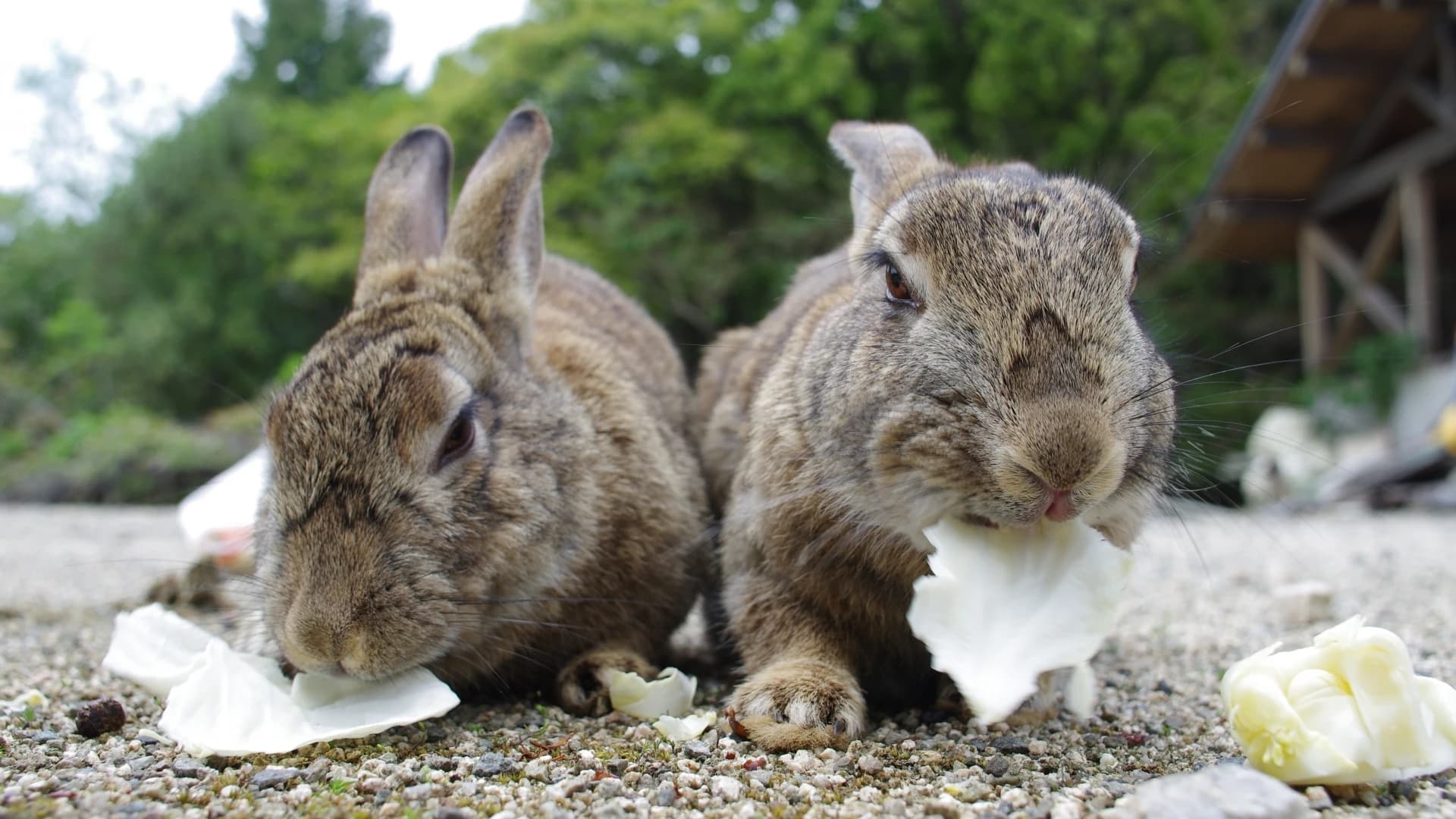
Located on the central coast of Hiroshima Prefecture, Takehara is a quiet, historic town affectionately called 'Aki's Little Kyoto'. It fully preserves the traditional wooden merchant residences built during the Edo period when the town thrived on salt and sake production. Today, it also serves as the main gateway to Okunoshima (Rabbit Island)—a fascinating destination where the dark history of secret chemical weapons manufacturing coexists with hundreds of wild rabbits living peacefully across the island.
How to Get to TakeharaInformation on train and express bus routes from downtown Hiroshima to Takehara and the Rabbit Island ferry terminal.
You can travel to Takehara directly by express bus from the Hiroshima Bus Center, or take the JR Kure Line train.
- From Hiroshima Airport: Take a shared taxi bound for Takehara Station. (Takes about 25 minutes, costs around 1,500 JPY)
- From Downtown Hiroshima - Local Train: Take the JR train from JR Hiroshima Station to Takehara Station. (Takes about 1 hour 40 minutes to 2 hours, costs 1,170 JPY)
- How to Get to Okunoshima (Rabbit Island): From Takehara Station, take the JR Kure Line train to Tadanoumi Station (takes about 12 minutes, costs 200 JPY). Walk about 7 minutes to Tadanoumi Port and transfer to the ferry bound for Okunoshima.
- From Downtown Hiroshima - Express Bus (Kaguyahime-go): Taking this express bus from the Hiroshima Bus Center is the most convenient way to reach Takehara Station directly without transferring. (Takes about 1 hour and 25 minutes, costs around 1,400 JPY one-way)
- If you want to skip Takehara and head straight to Rabbit Island, take the express bus from the Hiroshima Bus Center and get off at Tadanoumi Station. (Takes about 1 hour and 40 minutes, costs around 1,600 JPY one-way)
- Please note that buses heading directly to Tadanoumi Station run only about 4 times a day, so checking the timetable in advance is essential.
Exclusive TourCast Tips!
Money-Saving Travel Tip for Weekday Trips via Express Bus
If you plan to explore both Takehara and Okunoshima in a single day starting from Hiroshima, purchasing the 'Rabbit Island and Takehara Pass (うさぎ의 島과 竹原周遊券)' sold by Geiyo Bus is highly cost-effective.
This special pass covers your round-trip express bus rides on the Kaguyahime-go between Hiroshima and Takehara/Tadanoumi, round-trip ferry tickets between Tadanoumi Port and Okunoshima, and unlimited rides on local route buses within Takehara.
Additionally, presenting this pass at participating shops, workshops, and cafes inside the Historic Preservation District rewards you with special discounts or small gifts.
[How to Buy and Use] The pass can be purchased up to 7 days before use at the Hiroshima Bus Center ticket counter (Sogo Department Store 3F). Before boarding the ferry, you must present your pass voucher at the Tadanoumi Port ticket office to exchange it for physical round-trip ferry tickets.
[Important Notes] This pass can only be used on days operating on weekday schedules. It is not accepted on weekends, public holidays, or during the New Year holiday period. It is valid for a single calendar day.
Rabbit Island and Takehara Pass Official Guide (Japanese)Takehara Historic Preservation DistrictExplore the historic streets lined with traditional wooden merchant houses, historic sake breweries, and distilleries from the Edo period.
- Historic Preservation District: A designated historical district that preserves classic wooden houses with traditional latticed windows. These residences belonged to wealthy merchants who built fortunes through salt manufacturing and sake brewing during the Edo period. It is designated as an Important Preservation District for Groups of Traditional Buildings in Japan, making it perfect for a quiet stroll through retro streetscapes.
- History of Sake Brewing and Taketsuru: This district preserves the Taketsuru Sake Brewery, the birthplace of Masataka Taketsuru—widely regarded as the father of Japanese whisky and the founder of Nikka Whisky. Visitors can look at the historic architecture and sample or purchase premium local sakes.
- Located about a 15-minute walk from JR Takehara Station along a pedestrian-friendly pathway.
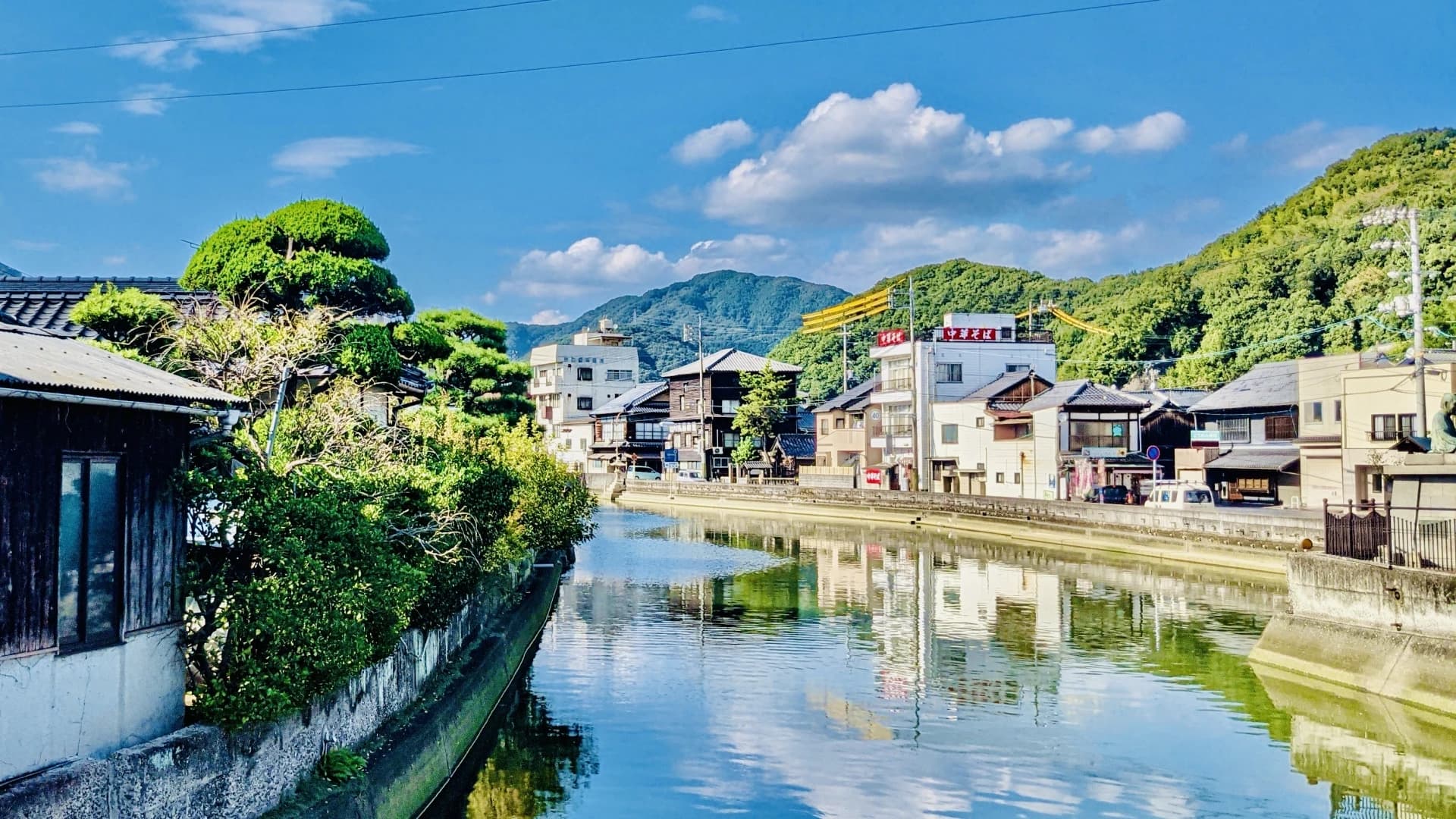
Tamayura Anime Inspiration Site: Takehara serves as the primary setting for the popular slice-of-life anime Tamayura, which follows high school girls who love photography. Fans can find various landmarks from the show as well as character cutouts displayed throughout the district.
Paradise of Wild Rabbits: Okunoshima (Rabbit Island)Discover Okunoshima, an island once erased from official maps due to its dark history of chemical weapons manufacturing, now transformed into a peaceful habitat for hundreds of wild rabbits.
- Okunoshima (Rabbit Island): A small island with a circumference of about 4.3 kilometers. Today, it is home to over 700 friendly wild rabbits roaming free, attracting animal lovers from around the world.
- The rabbits living near the ferry pier are fed heavily by arriving tourists and might ignore food. Walking deeper into the island brings you to rabbits that are much more eager to interact, so moving inland before feeding is recommended.
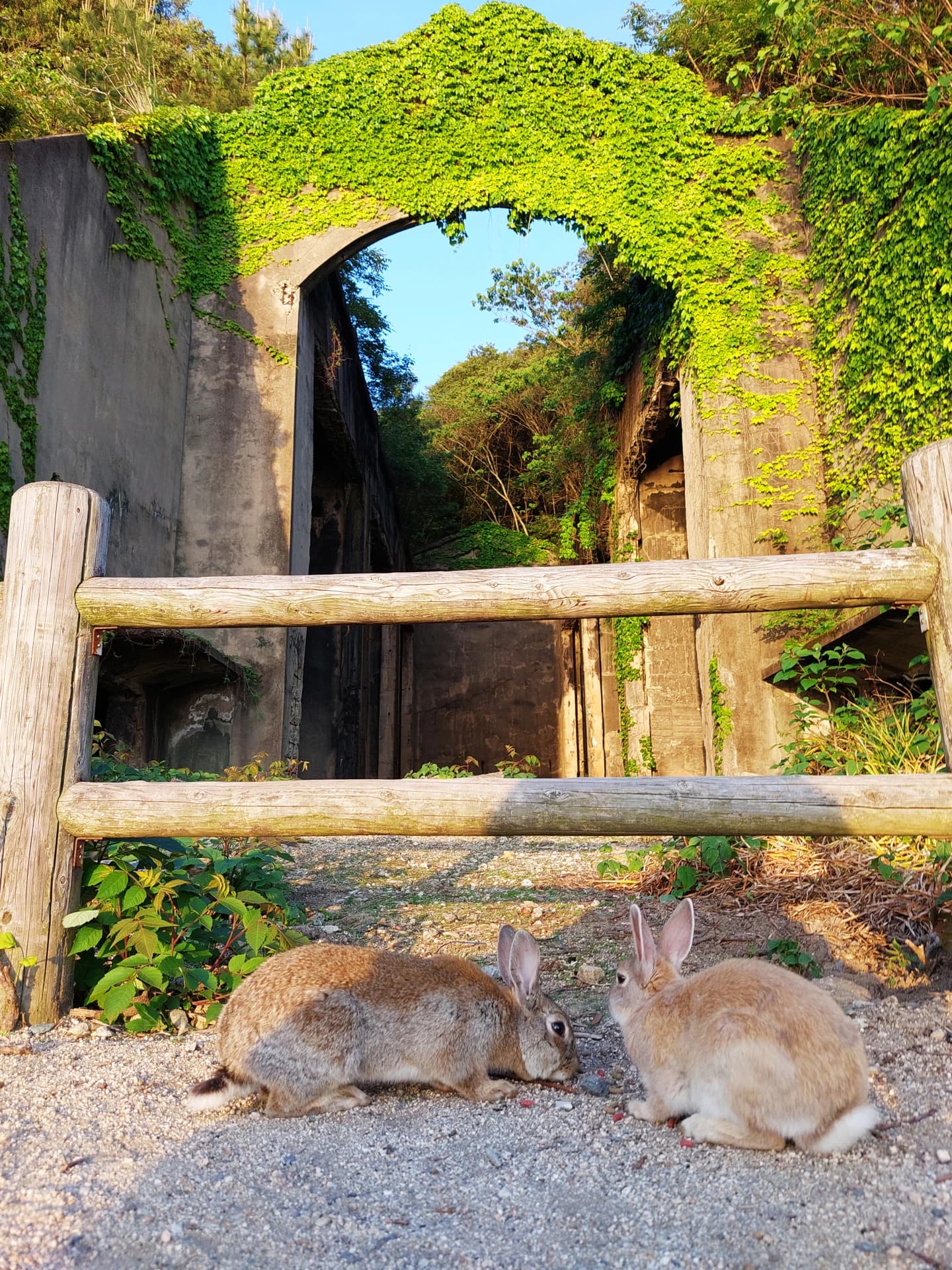
- History of the Poison Gas Factory: During World War II, the island housed a secret factory manufacturing chemical weapons, earning it the nickname 'the island erased from maps'. Today, historical ruins including a power plant, gas storage facilities, and a Poison Gas Museum stand as reminders of the tragedies of war.
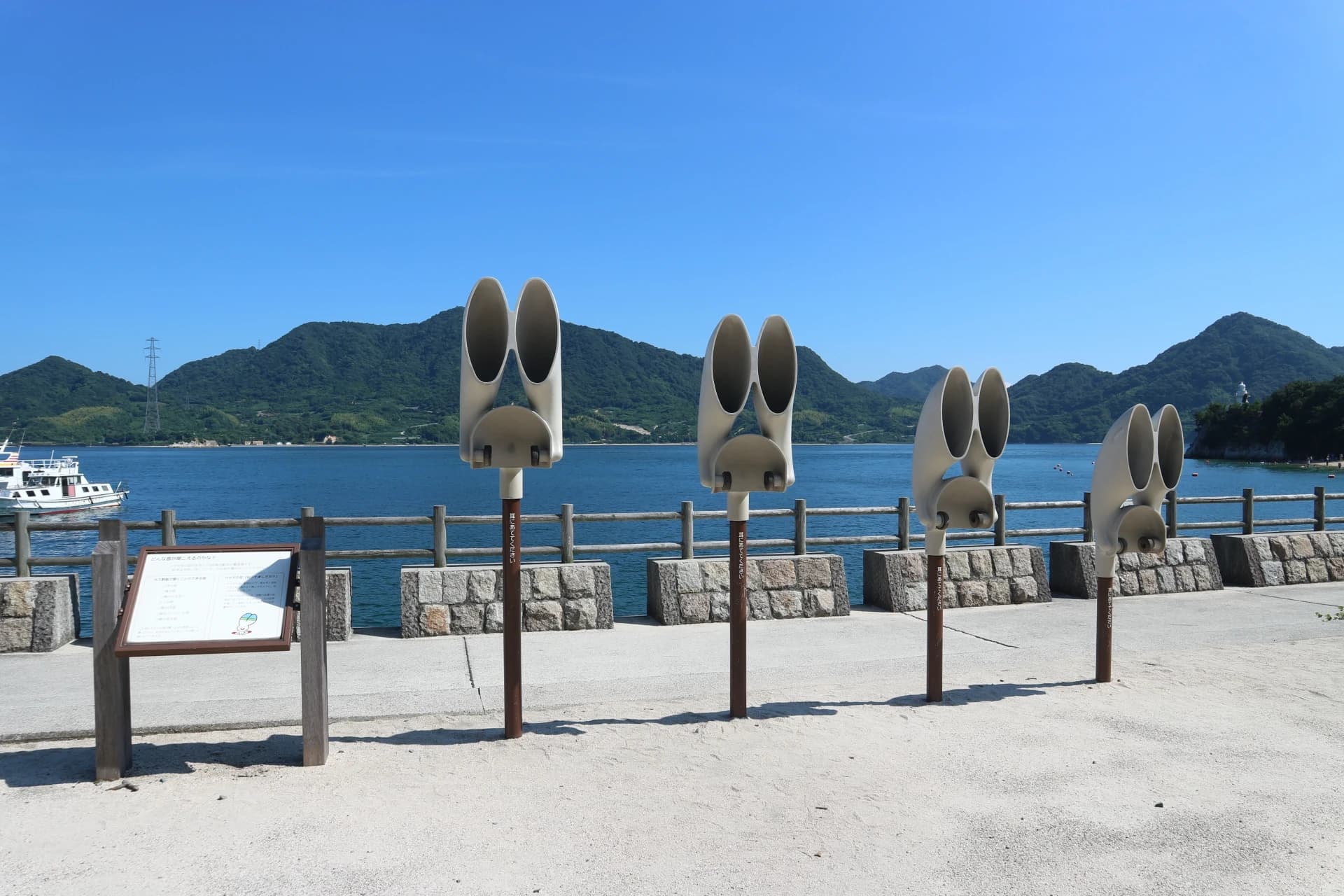
- Rabbit-Ear Sound Collectors: These large structures shaped like rabbit ears stand on the shore against the beautiful backdrop of the sea. Standing behind them allows you to hear the magnified sounds of the crashing waves and ocean breezes, making it the most popular photo spot on Okunoshima.
- Visitor Info:
- Ferry Access: A 15-minute ferry ride from Tadanoumi Port connects directly to Okunoshima.
- Ferry Fares: Round-trip for Adults: 720 JPY / Children: 360 JPY (Tadanoumi Port to Okunoshima).
- Poison Gas Museum: Open 09:00 ~ 16:00 (Last entry 15:40) / Admission: Adults 150 JPY (High school students and younger: Free).
Important Ferry Schedule Alerts:
- The ferry departing Okunoshima at 17:16 operates only from February through October. If you visit during the winter months (November to January), check the final return schedule beforehand.
- The ferries departing Tadanoumi Port at 13:00 and Okunoshima at 13:20 run exclusively on weekends and public holidays. Keep this in mind when scheduling a weekday visit.
Exclusive TourCast Tips!
Okunoshima Travel Tips
If you plan to explore the island beyond the immediate ferry pier area, using the free shuttle bus operated by Kyukamura Okunoshima (the island's only resort hotel) is highly convenient.
This shuttle bus is completely free for everyone, including day-trippers, and connects the pier to the campgrounds, visitor center, museum, and hotel.
If you want to step off at an intermediate stop along the way, inform the driver of your destination before boarding.
A great route is to ride the shuttle bus directly to the hotel, rent a bicycle to tour the entire island, or walk back to the pier while enjoying a leisurely stroll.
Bicycle rentals cost between 600 and 900 JPY for 2 hours, and a cash deposit of 1,000 JPY is required. It is best to carry sufficient cash as card payments may not be accepted.
1. 🥕 Crucial Safety Rules for Feeding Rabbits
- Never Feed from Your Hand: Rabbits have very sharp front teeth and poor forward vision, meaning they can easily mistake fingers for food and bite. This is especially dangerous for young children, so always place food directly on the ground.
- Human Food is Strictly Prohibited: Bread, snacks, cookies, and chocolate are highly toxic to rabbits. If you bring fresh vegetables, items like carrots, broccoli, and chicory are better choices than standard Chinese cabbage or cabbage. Make sure to gather and take back any uneaten vegetables, as rotting food damages the island's ecosystem.
- Bring Fresh Water: The island lacks natural drinking water sources, and the rabbits are often very thirsty. You can borrow empty plastic bottles at the Tadanoumi Port ticket counter to fill with fresh water, and pour it into the rabbit water bowls placed around the island.
2. 🐰 Rules for Interacting with the Rabbits
- Do Not Pick Up or Hold the Rabbits: Wild rabbits are easily frightened. Forcing them into your arms causes severe stress, and if they panic and drop, their fragile bones can break easily. Sit quietly and wait for the rabbits to approach you on their own.
- Never Feed on the Roads: Feeding rabbits on paved paths where bicycles and shuttle buses travel puts them at extreme risk of vehicular accidents. Always guide them to safe grassy areas or wide open clearings before offering food.
- Do Not Disturb Resting Animals: Do not chase after, touch, or wake up rabbits that are sleeping or resting inside their burrows.
3. Tips for On-Island Amenities
- Buy Rabbit Food in Advance: Rabbit food is no longer sold on Okunoshima Island (including inside the hotel). You must purchase pellets or vegetables beforehand at the Tadanoumi Port shop, or at convenience stores and supermarkets near the stations before boarding the ferry.
- Carry Your Trash Home: If a rabbit swallows plastic bags or trash, it can be fatal. Trash bins are virtually nonexistent on the island, so carry a personal trash bag and bring all your garbage back to the mainland.