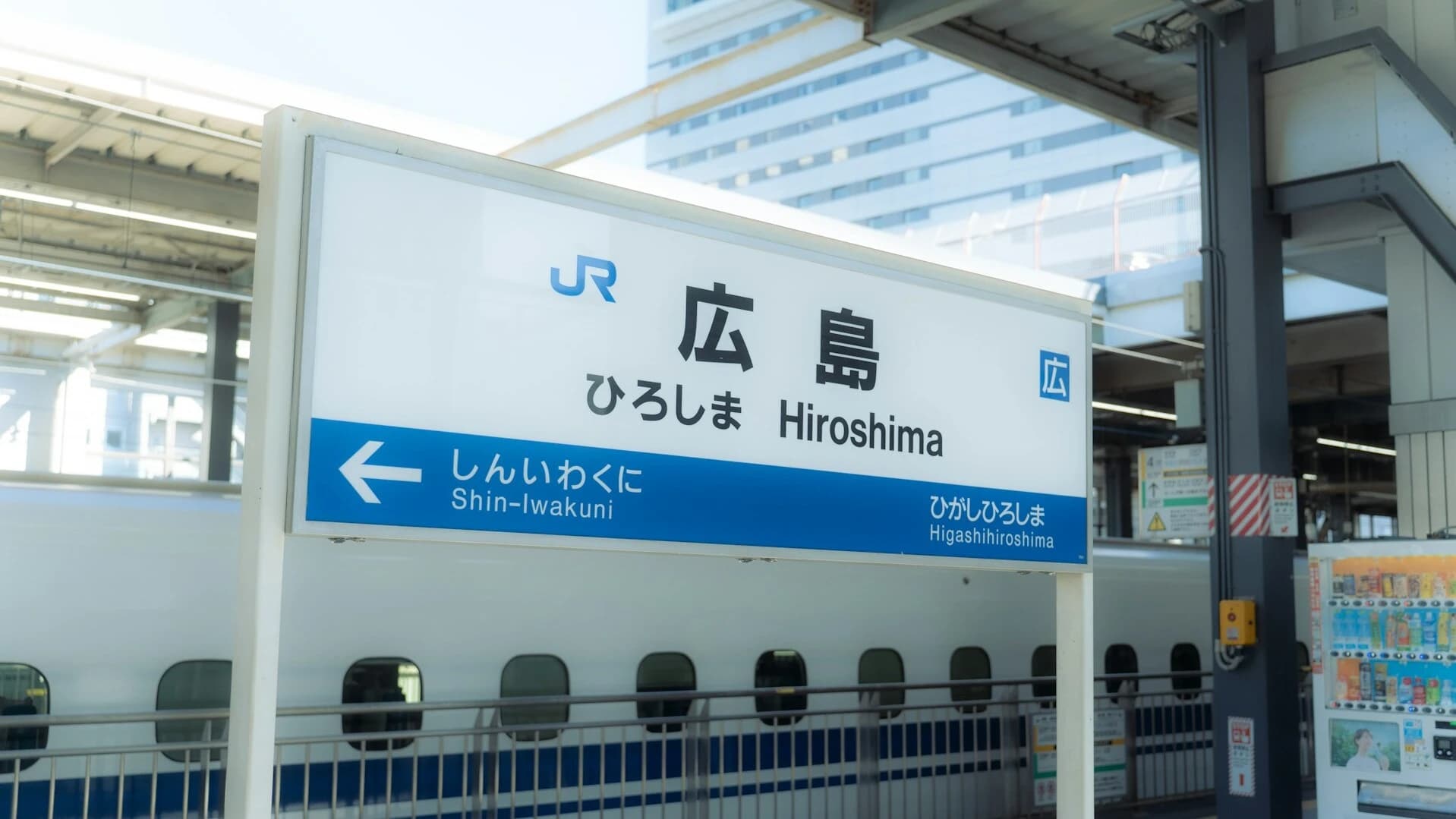
Hiroshima Streetcar (Hiroden) GuideA complete guide to fares, how to ride, and useful passes for the scenic streetcars running through Hiroshima.
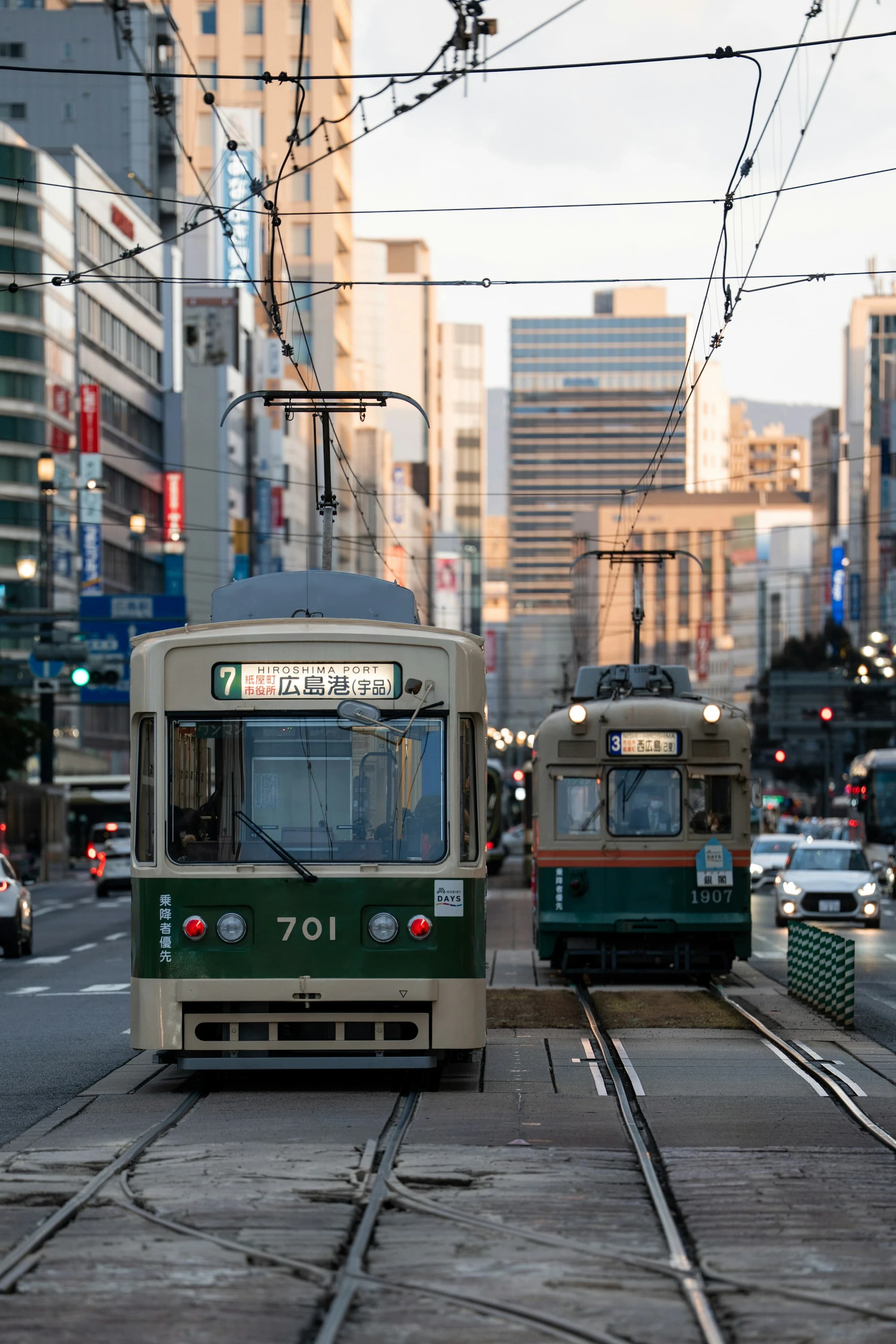
The streetcar system, known as 'Hiroden', is an iconic symbol of Hiroshima and the main mode of transport for locals. It features the largest streetcar network in Japan, connecting the city center to the Miyajima ferry terminal, making it an essential option for travelers.
1. Fare System
The Hiroshima streetcar uses a flat-fare system regardless of the distance, making it simple and easy for first-time visitors to calculate.
- Base Fare: Adults 240 JPY / Children (Ages 6–11) 120 JPY
- Applicable Zones: This flat fare covers all lines within Hiroshima city. Even if you travel all the way to the distant Hiroden-miyajimaguchi Station, you only pay the same 240 JPY with no extra charges.
- Payment Methods: In addition to cash, you can use major nationwide IC transit cards (such as Suica, Pasmo, Icoca, etc.) commonly used by travelers.
If you are traveling between Hiroshima Station and Hiroshima Peace Memorial Park, taking the Hiroden (streetcar) is cheaper if you are traveling alone or in a pair.
However, if you are traveling in a group of 3 or 4, splitting a taxi fare can be highly efficient in terms of saving time and comfort. It is best to choose the transport method that best fits your group size and schedule.
2. How to Board and Exit
The boarding process is slightly different from standard Japanese buses or subways, so it helps to know the steps in advance.
- Boarding: Enter through the 'Entrance' (入口) doors located in the middle or rear of the streetcar.
- Using Cash/Passes: There is no numbered ticket system, so simply walk in.
- Using an IC Card: Do not tap your card when entering; just walk in. (Please note that this method has changed from the past.)
- Exiting: Leave through the 'Exit' (出口) door at the very front of the streetcar next to the driver.
- Using Cash: Drop the exact fare (240 JPY) into the fare box next to the driver. If you need coins, you can use the money-changing machine attached to the fare box.
- Using a Pass: Show your physical pass or digital pass screen clearly to the driver before stepping off.
- Using an IC Card: Tap your card on the reader next to the exit door until it beeps, and the fare will be deducted automatically.
Hiroshima City Bus GuideA guide to fares and boarding rules for the tourist-friendly Meipuru~pu loop bus and local city buses.
Buses in Hiroshima are divided into two main types: the 'Meipuru~pu' tourist loop bus, which links major sightseeing spots, and local city buses used primarily by residents. For international travelers, the Meipuru~pu bus is highly recommended due to its simple routes and useful travel perks.
1. 'Meipuru~pu' Sightseeing Loop Bus
Operated by Chugoku JR Bus, these bright red buses are designed for tourists. They start from the Hiroshima Station Shinkansen Entrance (North Exit) and connect the city's key landmarks.
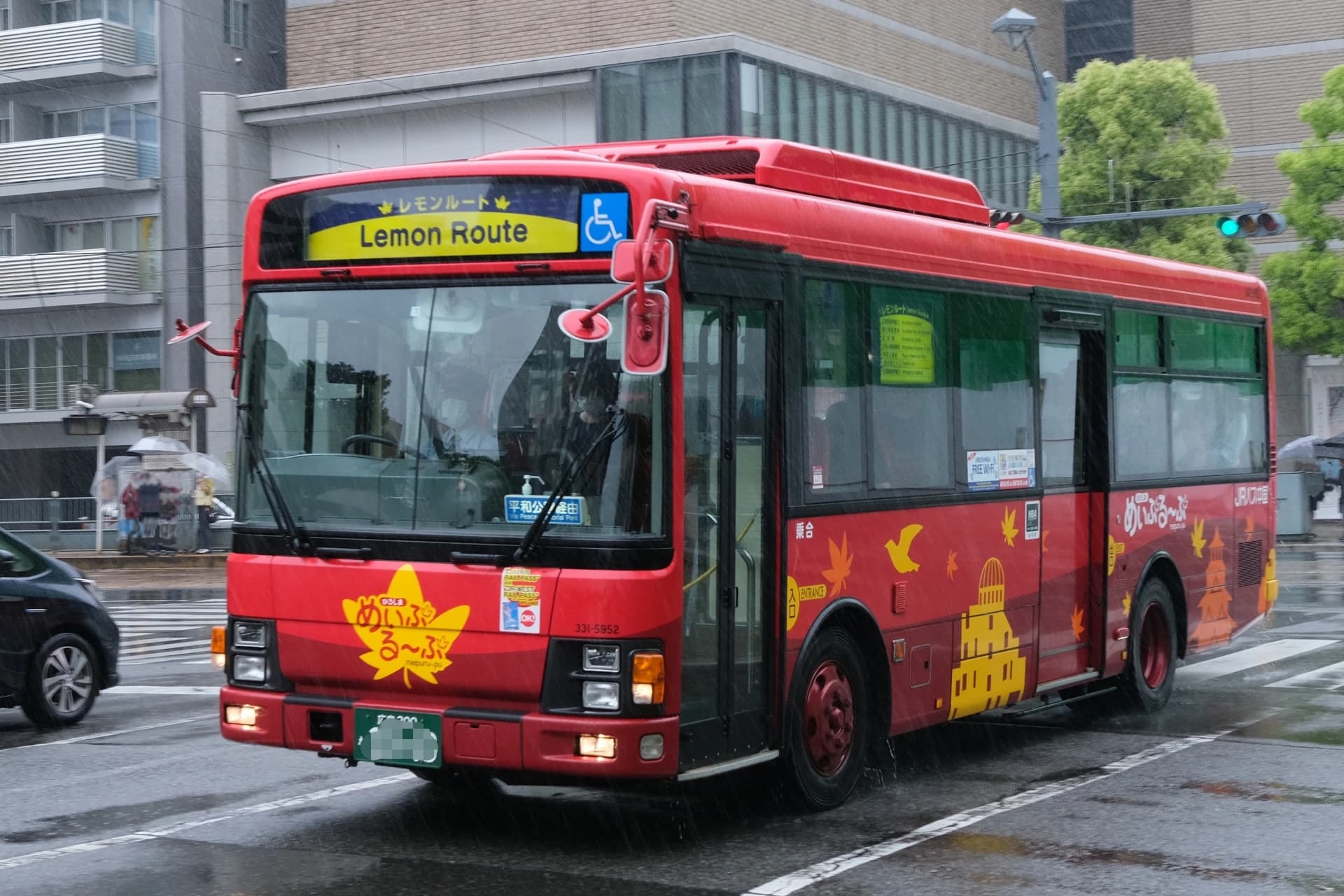
- Routes: The bus operates on several routes (Orange, Green, Lemon) that efficiently circle spots like the Atomic Bomb Dome, Peace Memorial Park, Hiroshima Castle, and Shukkeien Garden.
- Single Ride Fare: Adults 240 JPY / Children 120 JPY
- Meipuru~pu 1-Day Pass: Adults 600 JPY / Children 300 JPY (Offers unlimited rides for one day. Can be purchased on the bus or online)
- For JR Pass Holders: If you hold a nationwide Japan Rail Pass or a valid JR West Pass (with some exceptions), you can ride the Meipuru~pu bus for free! Simply show your pass to the driver when boarding.
- Major Stops: Hiroshima Station Shinkansen Exit, Prefectural Art Museum (Shukkeien), Hiroshima Castle, Atomic Bomb Dome, Peace Memorial Park, Hiroshima City Museum of Contemporary Art, etc.
2. Local City Buses
These buses create a dense network connecting various areas of the city alongside the streetcars. They are useful for reaching smaller side streets or suburban neighborhoods where streetcars do not run.
- Fare System: Similar to the streetcars, central Hiroshima operates on a flat-fare system (240 JPY for the central zone) regardless of distance. (Fares increase based on distance if you travel outside the central zone into the suburbs.)
- Payment Methods: Both cash and nationwide IC transit cards (Suica, Pasmo, Icoca, etc.) are accepted.
3. How to Board and Exit Local Buses
Local buses follow the standard Japanese bus pattern: board from the rear door and exit from the front door.
When using a nationwide IC card like Suica on Hiroshima city buses, the boarding process differs from other regions.
In most cities, you simply tap your IC card upon boarding and tap again when exiting. However, in Hiroshima, you must NOT tap your IC card when boarding. Instead, you must pull a paper numbered ticket (整理券) from the machine, just like cash passengers.
When exiting, hand the numbered ticket to the driver so they can set the correct fare amount on the machine. After that, tap your IC card on the reader to pay and exit.
If you do not take a numbered ticket when boarding, the driver cannot verify your boarding point, which may cause payment errors. Be sure to take a numbered ticket when entering the bus.
Hiroshima Astram LineA brief guide to the Astram Line, Hiroshima's modern automated transit system.
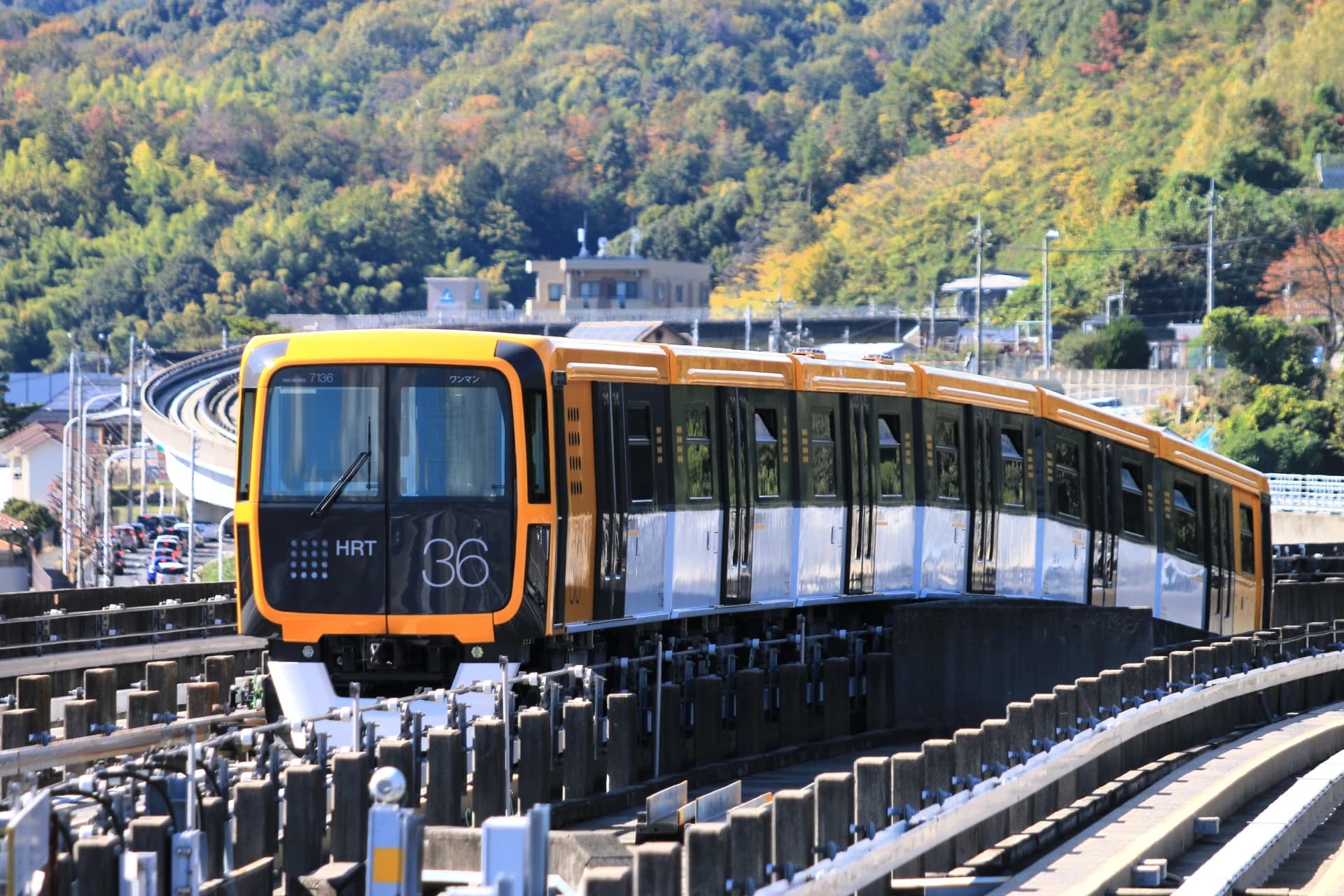
Officially named the Hiroshima Rapid Transit Hiroshima New Transit Line 1, this rubber-tired light rail system is popularly known as the Astram Line (アストラムライン). It runs from Hondori Station in the city center to the northwestern suburbs of Hiroshima.
- Do tourists need to use it? If your itinerary focuses on typical city center sights (Peace Memorial Park, Atomic Bomb Dome) or Miyajima, you will rarely need to ride this line. It is primarily used by locals for commuting to work or school.
- When might you use it?
- To attend sports matches or large events at the Eディオンスタジアム広島 (EDION Stadium Hiroshima) near Koiki-koen-mae Station, the home of the Sanfrecce Hiroshima football club.
- To head into the city center after transferring from a JR line at Shin-Hakushima Station.
- Fares and Payment: Fares are distance-based (starting from 220 JPY for adults) and can be paid conveniently using nationwide IC cards like ICOCA and Suica.
- Passes: 1-Day Passes and special Sanfrecce fan passes are available.
JR Sanyo Main Line & Connecting RoutesA guide to the JR train lines connecting Hiroshima Station to major nearby destinations like Miyajima, Onomichi, and Kure.
Operated by JR West, this railway network starts from Hiroshima Station and provides the fastest, most convenient connections to key regional attractions east and west of the city.
- Miyajima (Westbound): Taking the Sanyo Main Line from Hiroshima Station gets you directly to Miyajimaguchi Station (the ferry terminal for the World Heritage Itsukushima Shrine) in about 30 minutes. This is more than twice as fast as taking the streetcar.
- Onomichi & Saijo (Eastbound): Traveling in the opposite direction brings you directly to Saijo Station, famous for its historic sake brewery district, as well as the scenic hillside seaside town of Onomichi Station and Fukuyama Station without needing to transfer.
- Kure Line Connections (Southeastbound): Splitting from the Sanyo Main Line at Kaitachi Station, this line follows the beautiful coastline, with frequent direct trains running from Hiroshima Station. Use this line to visit Kure Station, a port city famous for its large naval history and military ships, or Tadanoumi Station, the gateway ferry port to Rabbit Island. The scenic views of the Seto Inland Sea from the train window are a major highlight.
- Money-Saving Tip: If you hold a regional rail pass issued by JR West (such as the Kansai-Hiroshima Area Pass or Hiroshima-Yamaguchi Area Pass) or a nationwide Japan Rail Pass, you can enjoy unlimited rides on both the Sanyo Main Line and Kure Line with no extra cost.