Difference Between the Names Miyajima and ItsukushimaA comparison of the meanings and uses of the two names, Itsukushima and Miyajima, in official and tourism contexts.
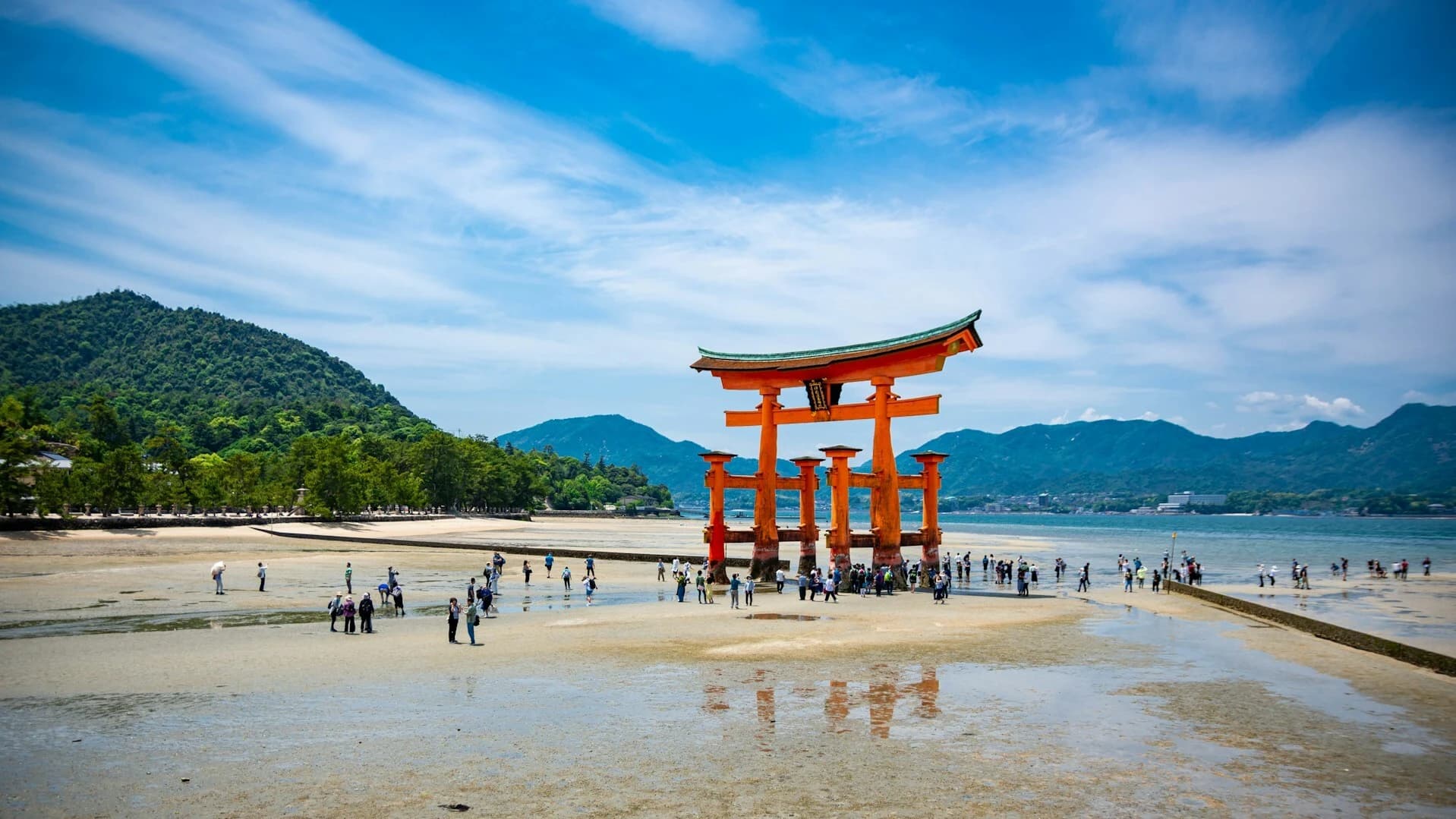
Itsukushima (厳島) and Miyajima (宮島) are two names that refer to the exact same geographical island. They are divided into an official name and a popular nickname.
- Itsukushima (Official Name): This is the official administrative name, carrying a solemn religious meaning of 'the sacred island dedicated to the gods'. It is used in the official name of the World Heritage Site 'Itsukushima Shrine' and in official historical or academic documents.
- Miyajima (Popular Nickname): This is a friendly nickname that means 'the island where the shrine is located'. It is the most widely used name by the public, appearing in general travel guides, transport route names, and everyday conversations.
How to Get to Miyajima from HiroshimaInformation on transport routes and ferry connections from Hiroshima Station to Miyajima.
Miyajima is an island that can only be reached by boat. You can travel by land and transfer to a ferry, or take a direct boat from the city center.
- JR Sanyo Main Line (Recommended): This is the fastest and most popular route, taking about 32 minutes from Hiroshima Station to Miyajimaguchi Station (420 JPY).
- Hiroden Streetcar: This is the cheapest route, taking about 1 hour and 12 minutes from Hiroshima Station to Hiroden-miyajimaguchi Station (240 JPY).
- Direct Sightseeing Boat from the Atomic Bomb Dome: You can reach Miyajima in about 45 minutes without any transfers while enjoying the scenery of the Seto Inland Sea. (2,400 JPY one-way, 100 JPY Miyajima Visitor Tax not included)
- Hiroshima Port High-Speed Ship: This route departs from Hiroshima Port and stops at the Grand Prince Hotel before entering the island. (Takes about 32 minutes, 2,300 JPY, 100 JPY Miyajima Visitor Tax not included)
Comparison of Ferries to Miyajima (Miyajimaguchi to Miyajima Island)
When you arrive at Miyajimaguchi Station, you must take one of two types of ferries to get to the island. The free rides covered depend on the type of transit pass you hold.
- JR Ferry (Great for Sightseeing): Boats departing between 09:00 and 16:00 take a scenic detour route close to the giant torii gate in the sea. (Free for holders of JR West rail passes and tabiwa passes)
- Matsudai Ferry (Shortest Route): This boat travels fast and straight to the island via the shortest path without any detours. (Free for holders of the Hiroden Streetcar & Ferry 1-Day Pass)
- Ticket Info: If you do not have a pass, the standard round-trip ticket costs 500 JPY (including the 100 JPY Miyajima Visitor Tax).
Miyajima Omotesando Shopping StreetThe main commercial street in Miyajima located between the ferry terminal and Itsukushima Shrine, popular for local street foods and various souvenirs.
This is the busy 350-meter main commercial street running from the Miyajima ferry pier toward Itsukushima Shrine. It is full of life and is a must-visit spot on any Miyajima trip.
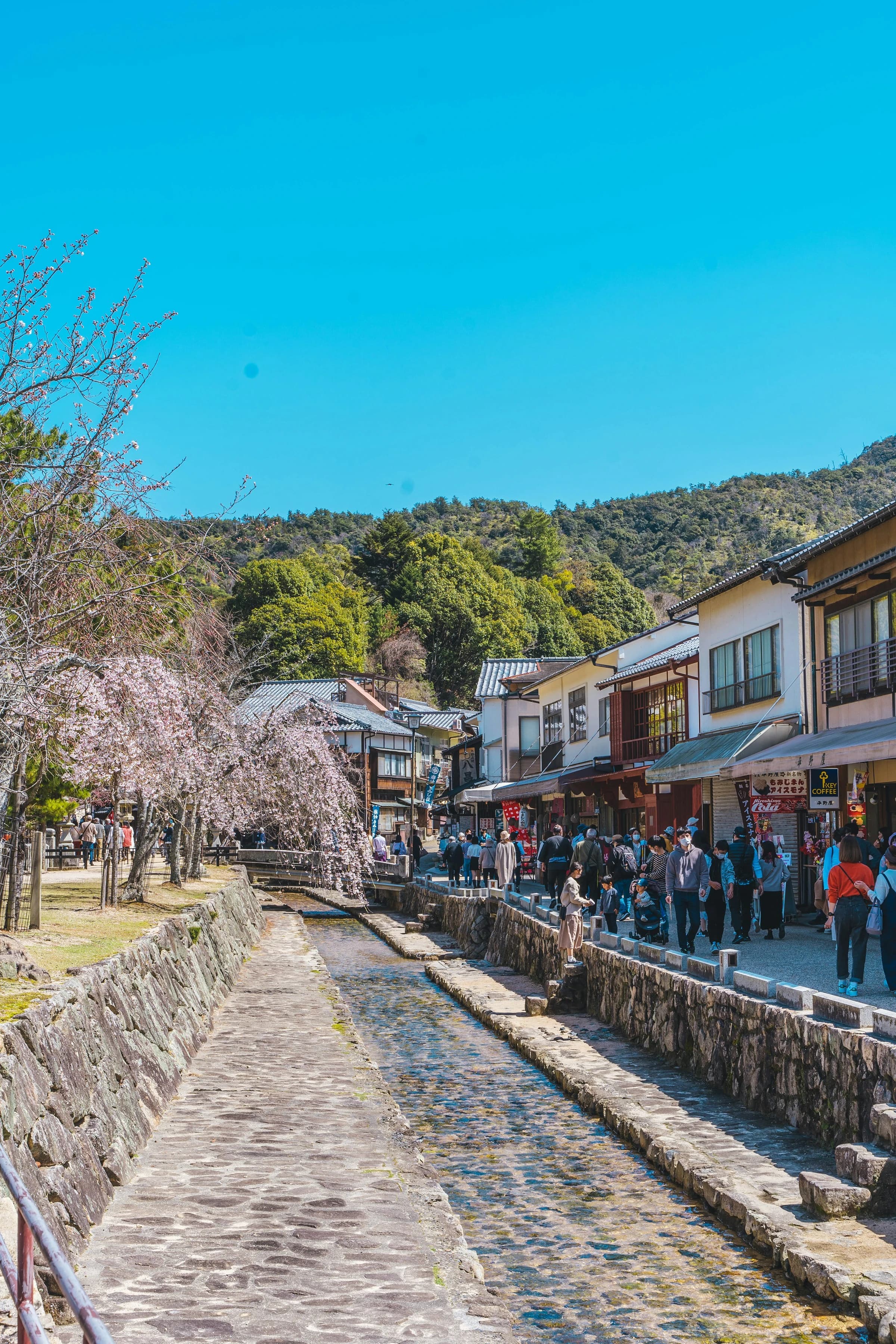
- Miyajima's Famous Grilled Oysters: The street is lined with stalls that grill fresh local oysters directly over charcoal. This is a top local street food known for its rich aroma and juicy flavor.
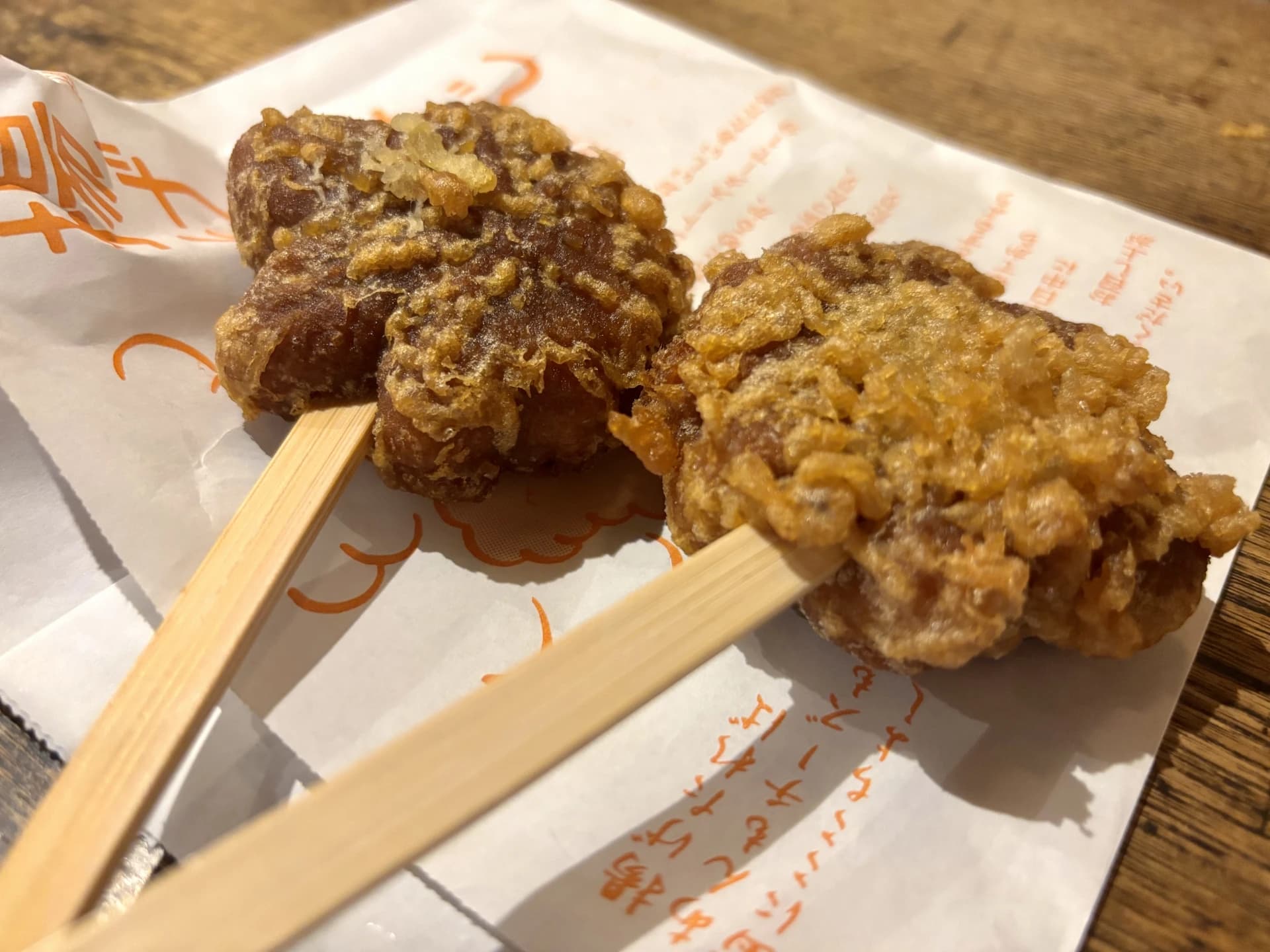
- Agemomiji (Deep-Fried Maple Cake): This unique local specialty features Miyajima's famous maple-leaf-shaped sponge cake (momiji manju) dipped in batter and deep-fried. It is crispy on the outside and filled with soft sweet red bean paste or cream inside, making it highly popular with all visitors.
- Miyajima Rice Scoops (Shamoji) and the World's Largest Rice Scoop: Rice scoops in Miyajima originated in the late 18th century, when a monk named Seishin designed them based on the shape of the biwa lute held by the goddess Benzaiten in his dream. The action of scooping rice (meshitoru) sounds exactly like the phrase 'to capture the enemy' (meshitoru) in Japanese, making them popular as charms for good luck and victory. The world's largest wooden rice scoop (7.7 meters long, weighing 2.5 tons), which used to be displayed on the shopping street, has been moved and is now exhibited on the first floor of the Hiroden Miyajima Town Planning Exchange Center (Eto Miyajima Exchange Center).
- Visitor Info: While hours vary by shop, most locations open around 09:00 and close between 17:00 and 18:00. The shopping street becomes very quiet after sunset, so we recommend visiting early in the day.
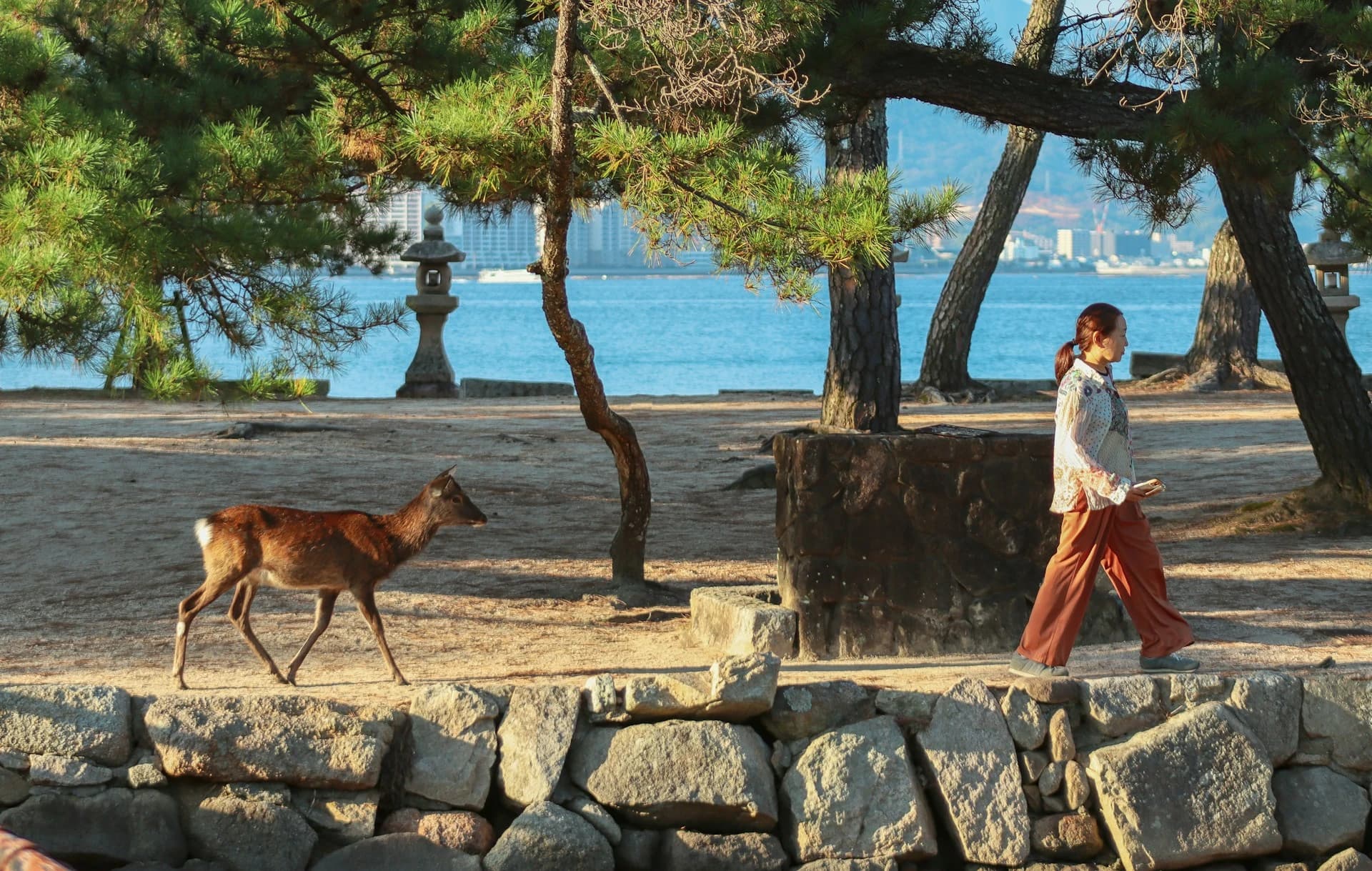
Important Notes for Viewing Wild Deer in Miyajima (Differences from Nara Park):
- Feeding is Prohibited: Unlike Nara Park in the Kansai region where you can buy official deer crackers (shika-senbei) to feed the deer, feeding the deer in Miyajima is strictly prohibited by law. This rule helps protect the animals' wild nature and prevents illnesses caused by human foods.
- Watch Your Belongings: The deer can quickly grab and eat items like paper (maps, guidebooks, brochures), plastic bags, or snacks from tourists. Plastic and paper are fatal because deer cannot digest them, so keep these items zipped away deeply inside your bags.
- Keep a Safe Distance: While the deer in Miyajima are generally calm, they remain wild animals. Trying to touch, pet, or hold them forcefully can cause injury, so it is best to view them from a short distance.
Toyokuni Shrine (Senjokaku)A massive wooden hall commissioned by Toyotomi Hideyoshi that remains unfinished, famous for its vast space the size of a thousand tatami mats and its unique architectural beauty.
Although its official name is Toyokuni Shrine (豊国神社), it is much more widely known by its popular name, 'Senjokaku' (Hall of One Thousand Tatami Mats).
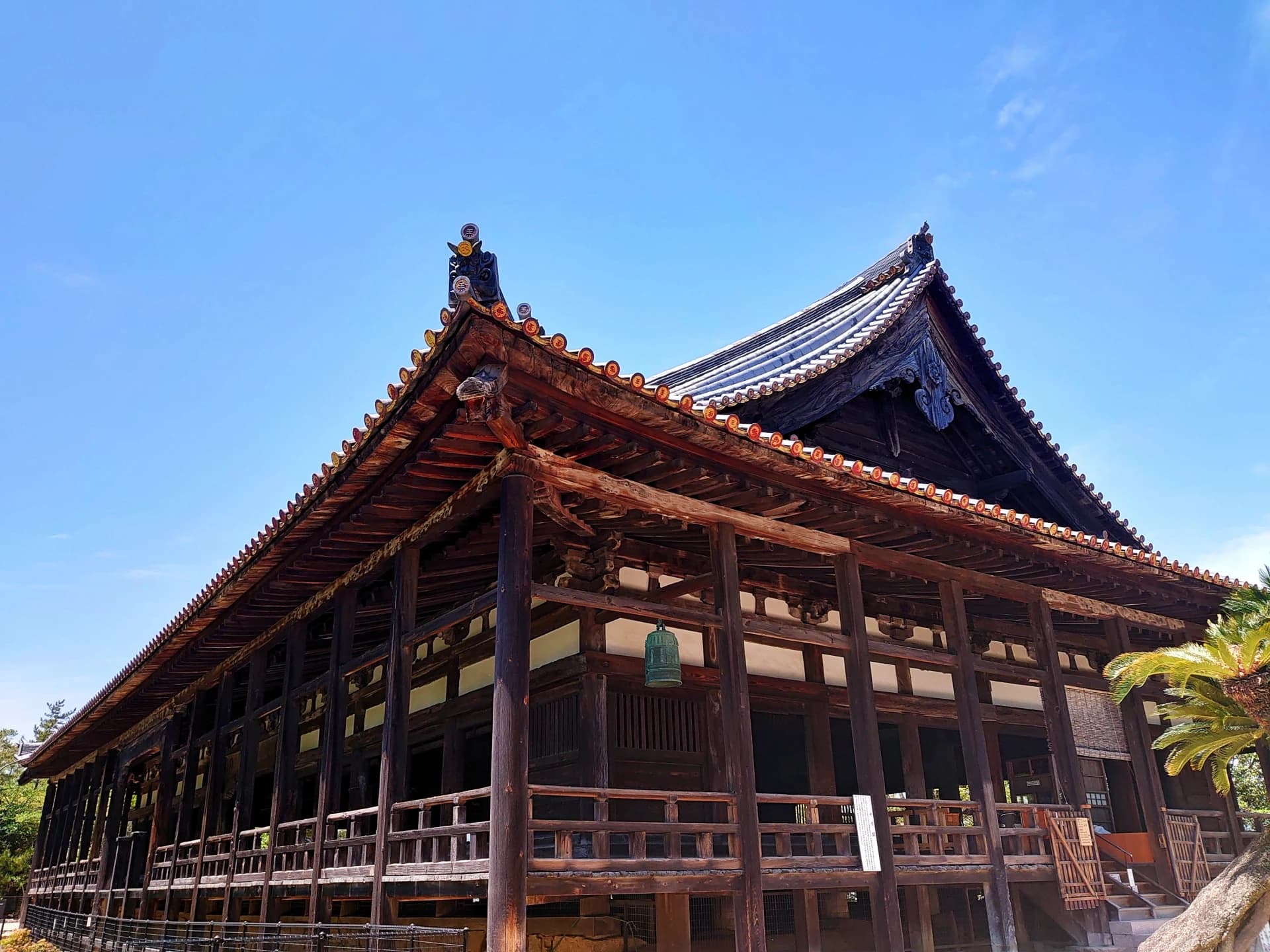
- An Unfinished History and Structure: Toyotomi Hideyoshi began building this hall in 1587 to comfort the souls of fallen soldiers. However, the work stopped completely when he passed away before its completion. Because of this, it has been preserved for over 400 years in its unfinished state, featuring open rafters and no ceiling panels.
- History of the Shinto-Buddhist Separation: It was originally built as a grand Buddhist hall for chanting sutras. Following the Shinto and Buddhism separation policies of the Meiji period, the Buddhist statues were relocated to a nearby temple (Daiganji), and the site was converted into a Shinto shrine dedicated to Toyotomi Hideyoshi. (※ Visitors are advised that some travel guidelines recommend avoiding Shinto-style prayers here due to the historical figure enshrined.)
- Key Features and View: With no outer walls, the open structure serves as a great viewing spot offering cool breezes and clear views of the Seto Inland Sea. It features smooth, polished golden-brown wooden floors worn down by centuries of visitors, and numerous historic wooden votive paintings (ema) hanging from the rafters.
- The Crimson Five-Story Pagoda (Important Cultural Property): Built in 1407, this 27.6-meter-high pagoda stands directly next to Senjokaku. It features a brilliant crimson exterior that blends traditional Japanese and Tang Dynasty (Chinese) architectural styles. The bright tower creates a beautiful contrast against the heavy, natural wood texture of Senjokaku and the blue waters of the Seto Inland Sea. (※ The inside is closed to the public)
- Visitor Info: Open year-round from 08:30 to 16:30. Admission is very affordable at 100 JPY for adults. Visitors must take off their shoes before entering, so wearing easy-to-slip-off footwear is convenient.
Because it enshrines Toyotomi Hideyoshi as a deity, it is best to skip Shinto-style prayers here.
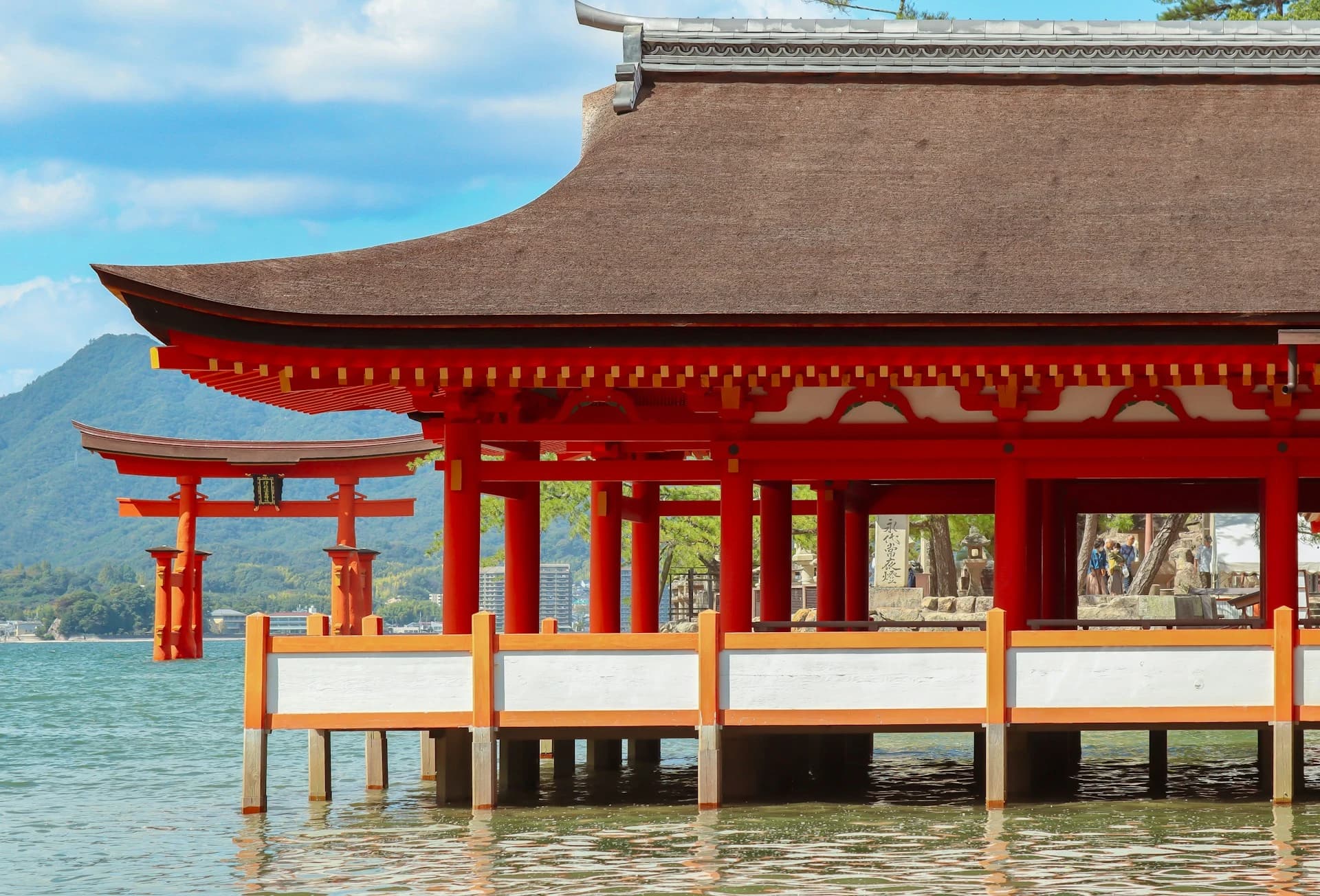
Itsukushima ShrineAn introduction to the history of Itsukushima Shrine, its appearance under different tide levels, key viewing tips, and nearby sights.
- Features: Famous for its bright red torii gate standing in the sea, Itsukushima Shrine is the main symbol of Miyajima and a UNESCO World Heritage Site with a history of about 1,400 years. The complex was built directly over the water to avoid damaging the sacred nature of the island itself.
- Tide Viewing Tips:
- High Tide (Floating View): When the tide level reaches 250 cm or higher, you can see the shrine appearing to float completely on the sea.
- Low Tide (Walking to the Gate): When the tide level drops to 100 cm or lower, the water clears out completely, allowing you to walk directly up to the giant torii gate on foot.
- Key History and Design:
- The Floating Shrine: First founded in the year 593, the complex was expanded into its current unique over-the-water design in 1168 under the patronage of the powerful ruler Taira no Kiyomori.
- The Giant Torii Gate: Rebuilt in 1875 as the eighth version of the gate, it stands on the seabed entirely held down by the immense weight of its centuries-old natural camphor wood pillars. It was designated a UNESCO World Heritage Site in 1996.
- Interesting Lore:
- The Breakup Myth: Because the shrine is dedicated to three beautiful main goddesses (the three Munakata goddesses), there is an old legend that couples visiting together will trigger their jealousy, leading to a breakup.
- The Floating Fireworks Festival: A traditional festival where special fireworks were launched diagonally from boats out at sea to detonate directly above the water surface. The event officially ended in 2019 but made a special revival in 2025 to mark the 80th anniversary of the Hiroshima atomic bombing.
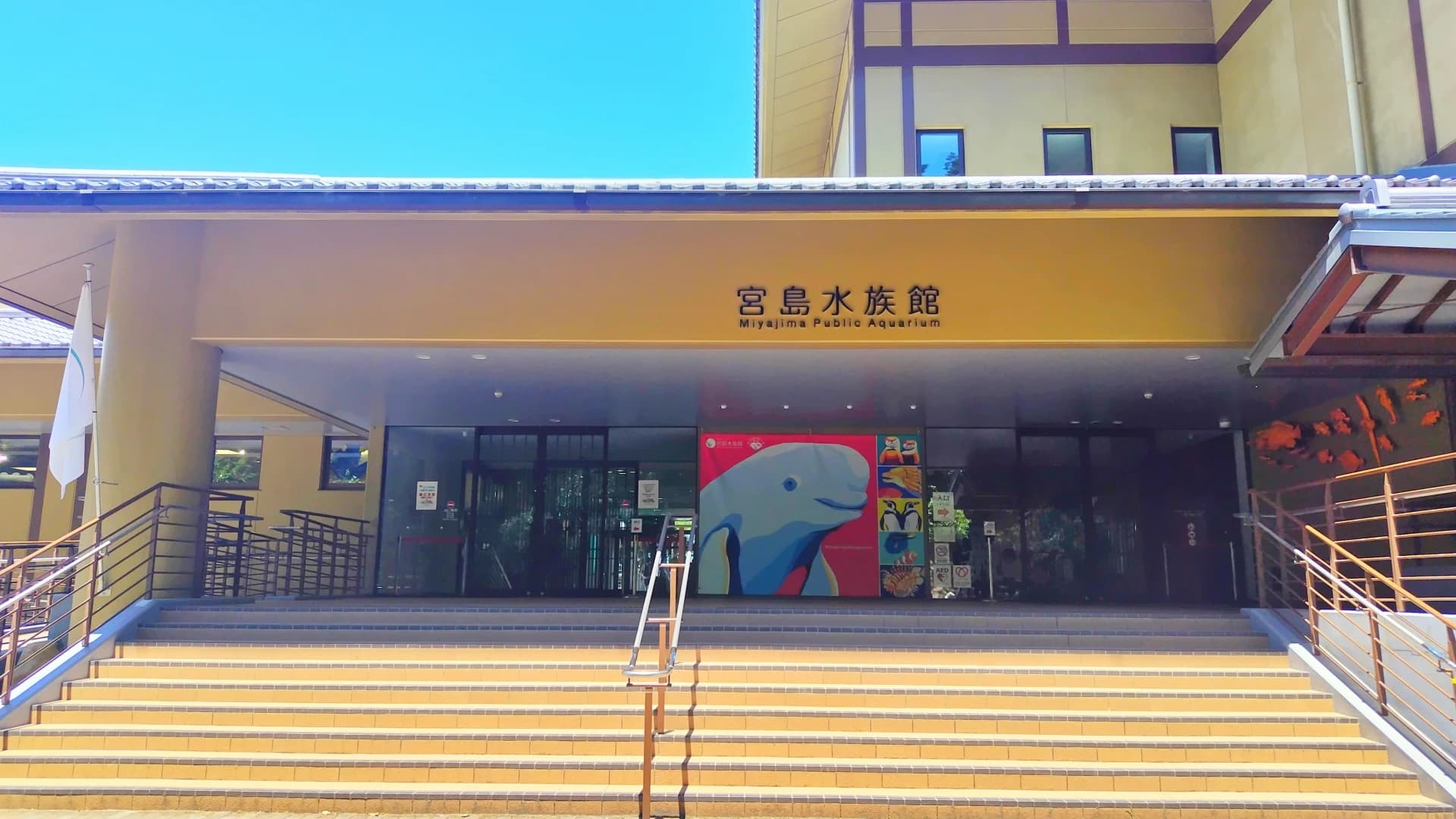
Miyajima AquariumA family-friendly aquarium showcasing marine life from the Seto Inland Sea, featuring interactive oyster farming exhibits, cute otters, and penguins.
- Features: Based on the theme of 'Marine Life of the Seto Inland Sea', this facility displays more than 13,000 marine animals across roughly 350 species. Its signature attraction is a unique exhibit that recreates a local 'oyster farm'—a famous Hiroshima specialty—directly inside a large viewing tank.
- Popular Animals: It features cute local finless porpoises that inhabit the Seto Inland Sea, alongside otters, penguins, and sea lions, making it highly popular with families.
- Hours: 09:00 ~ 17:00 (Last entry at 16:00)
- Closed: Open year-round, except during irregular temporary closures for facility maintenance (such as from December 1, 2026, to March 31, 2027).
- Admission: Adults: 1,420 JPY / Elementary & Junior High school students: 710 JPY / Toddlers (Ages 4 and older): 400 JPY
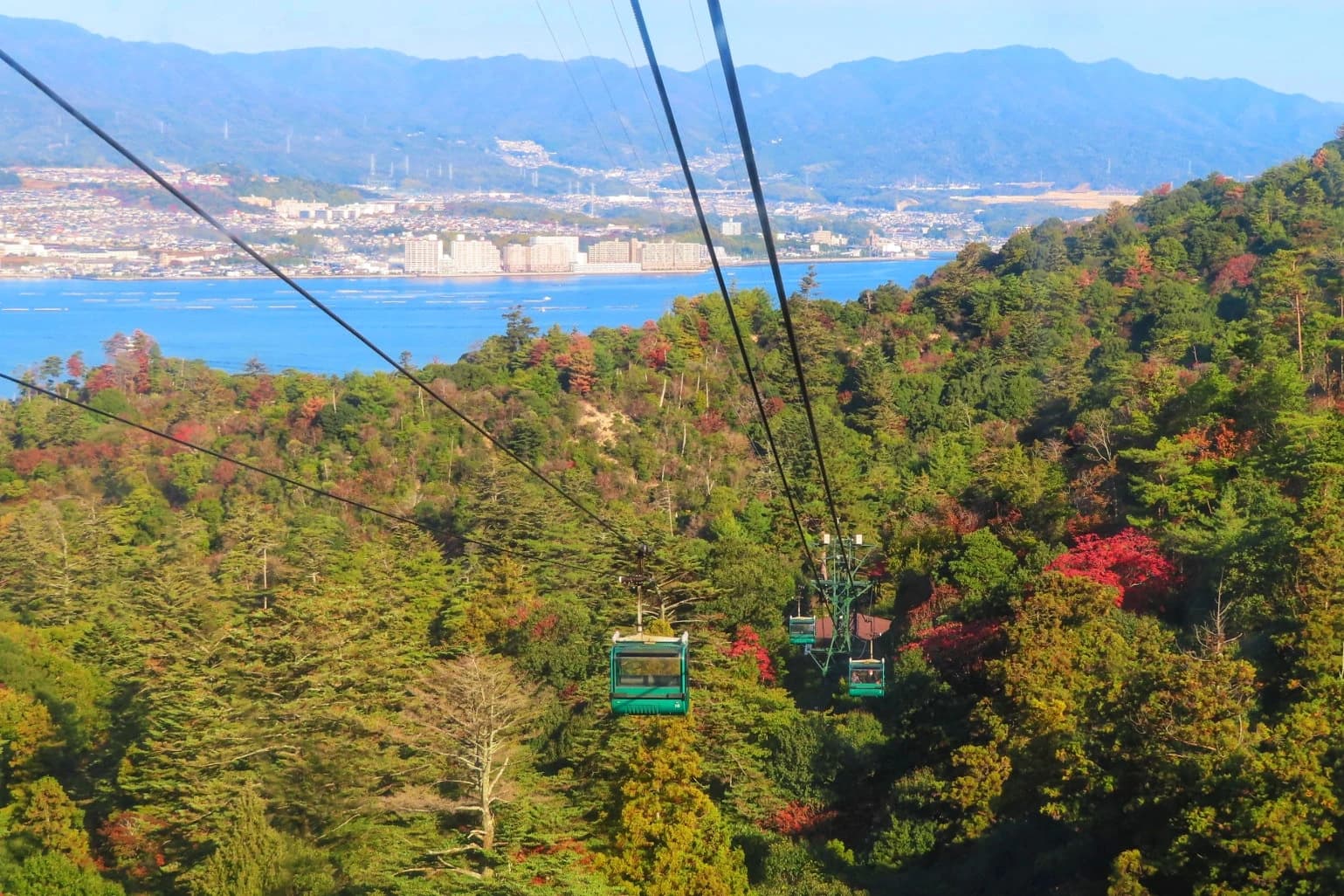
Mt. Misen Ropeway (弥山)A cable car line leading up near the peak of Mt. Misen, the highest mountain and symbol of Miyajima Island, offering beautiful natural scenery and views of the Seto Inland Sea.
- Features: This cable car line carries visitors near the summit of Mt. Misen, the highest sacred mountain on Miyajima Island.
- Why visit: Riding the ropeway rewards you with stunning panoramic views of the deep blue sea dotted with the islands of the Seto Inland Sea. On a clear day, you can see all the way to the Shikoku region.
- Hours: 09:00 ~ 16:00 (The final downward cable car departs at 16:30)
- Closed: No fixed closing days, but operations may stop temporarily due to extreme weather (strong winds, lightning) or during scheduled safety checks and maintenance. Please check the status before heading out.
- Fees: Round-trip for Adults: 2,000 JPY / Elementary school students: 1,000 JPY
- Free Shuttle Bus: A free shuttle bus operates roughly three times per hour from the entrance of Momijidani Park to the lower ropeway station.