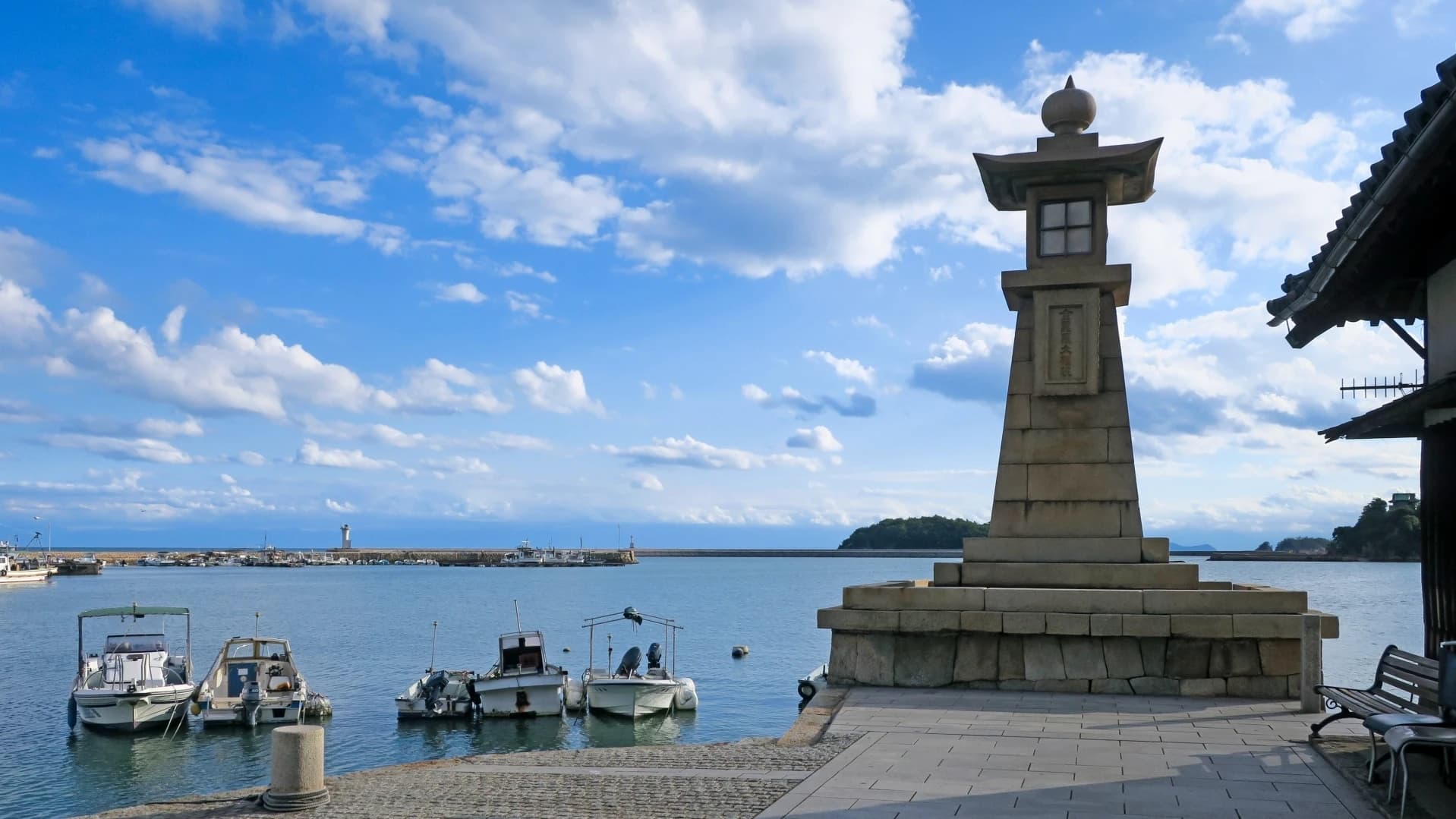
Located on the eastern edge of Hiroshima Prefecture, Fukuyama is a charming city where rich history meets modern style. The city offers a wide variety of attractions, including Fukuyama Castle, which stands right behind the Shinkansen platform; Tomonoura, a peaceful port town that preserves its Edo-period charm and inspired popular films and animations; and Shinshoji Temple, which beautifully showcases Zen philosophy through art.
How to Get to FukuyamaInformation on transit routes, travel times, and costs from downtown Hiroshima and major stations to Fukuyama.
Fukuyama is a major stop on the Shinkansen line, making it easy to reach quickly from downtown Hiroshima by train or express bus.
- From Hiroshima Airport: Take the limousine bus bound for Fukuyama Station. (Takes about 1 hour and 5 minutes, costs around 1,600 JPY)
- From Downtown Hiroshima - Local Train: From JR Hiroshima Station, take the JR Sanyo Main Line, transfer once at Itozaki Station, and continue to Fukuyama Station. (Takes about 1 hour and 50 minutes, costs 1,980 JPY)
- Using a Travel Pass: If you use the Hiroshima Wide Pass, which is valid for three consecutive days, you can ride the local trains between Hiroshima and Fukuyama for free. It also covers the local bus route to Tomonoura, making it a must-have for visiting the port town.
- More details can be found in Part 1 of the Hiroshima Guidebook - Travel Pass Edition.
- From Downtown Hiroshima - Shinkansen (Fastest): Catch the Shinkansen from JR Hiroshima Station and get off at Fukuyama Station.
- Nozomi: Takes about 23 minutes, costs around 5,200 JPY
- Kodama: Takes about 50 minutes, costs around 4,900 JPY
- From Downtown Hiroshima - Express Bus (Rose Liner): Take the express bus from the Hiroshima Bus Center to Fukuyama Station. (Takes about 1 hour and 40 minutes, costs 2,300 JPY one-way)
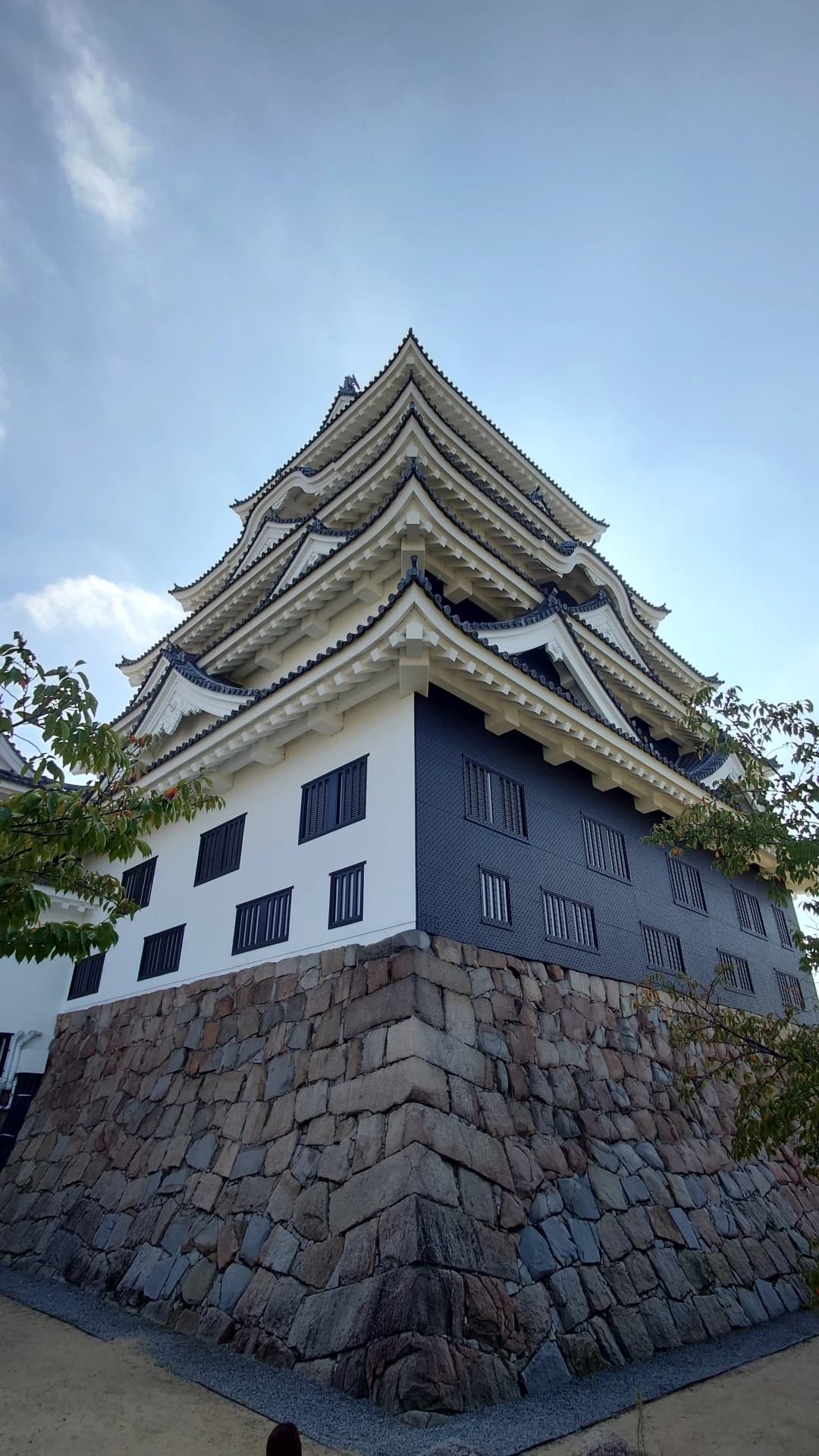
History and Landmarks: Fukuyama Castle & MuseumLearn about Fukuyama Castle, located right behind JR Fukuyama Station and fully visible from the Shinkansen platforms.
- Castle Building and Shogunate Support: Following the 'One Castle Per Province' decree of 1615, this castle was built in 1622 with an exceptionally large budget. It stands as the last large-scale castle built during Japan's feudal era. Katsunari Mizuno, a fierce warrior and cousin of Tokugawa Ieyasu, built it to keep watch over the Mori clan, a rival family in the west. The project received massive support from the Shogunate, even receiving key structural buildings dismantled from Kyoto's Fushimi Castle.
- Destruction and Rebuilding: During the Meiji Restoration, many buildings were destroyed during the Boshin War (1868). The Main Keep survived and was designated a National Treasure, but it was later destroyed by US air raids in 1945. The current Main Keep was rebuilt in 1966 with reinforced concrete, and its inside now serves as a history museum.
- Japan's Only Iron-Plated Castle Keep: To defend against gunfire and fire attacks from the north where the defenses were weak, black iron plates were attached to the northern wall when the castle was first built. These plates successfully deflected cannonballs during the Boshin War. For the castle's 400th anniversary in 2022, the iron plating was carefully restored based on historical records.
- Original Cultural Assets: Despite many wars and air raids, the Suzigane-gomon Gate (the main gate) has kept its original 1622 structure. The Fushimi Yagura Turret, which was relocated from Kyoto's Fushimi Castle, also survives in its original form. Both structures are designated as Important Cultural Properties of Japan for their historic value.
- Hours: 09:00 ~ 17:00 (Last entry 16:30)
- Closed: Mondays (Closed the next day if Monday is a public holiday), December 28 ~ December 31
- Admission: Adults 500 JPY, High school students and younger: Free
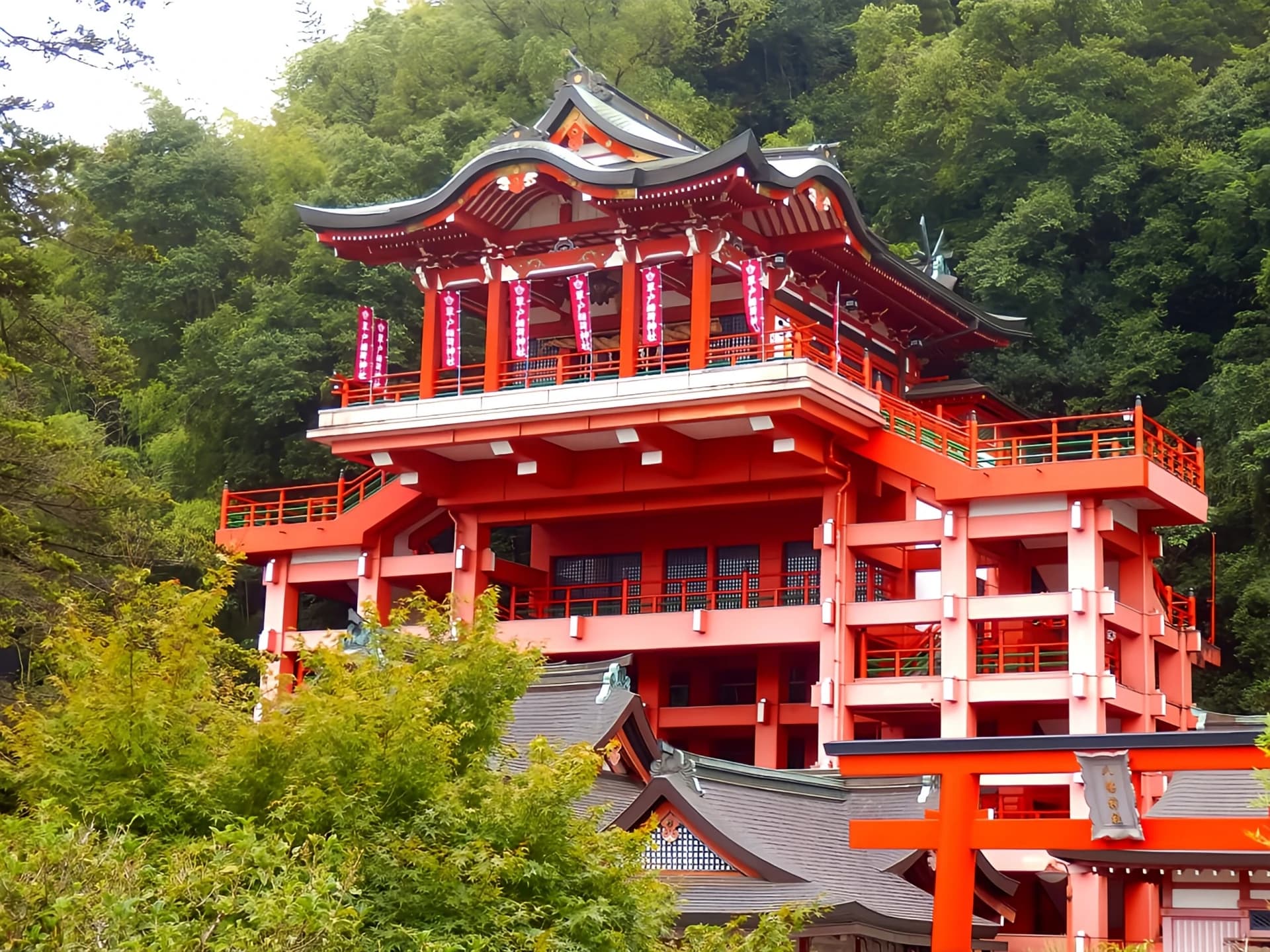
Kusado Inari ShrineAn iconic Inari shrine featuring a grand elevated main hall built along the Ashidagawa River and a striking vermilion color.
- One of Japan's Top Three Inari Shrines: Believed to have been founded in 807 by the famous monk Kukai, this historic site is highly regarded alongside shrines like Kyoto's Fushimi Inari Shrine as one of Japan's top three Inari shrines.
- Elevated Main Hall: The brilliant vermilion main hall stands majestically on high pillars overlooking the Ashidagawa River, creating a stunning view. Climbing up to the main hall platform offers clear views over the river and downtown Fukuyama.
- Visitor Info:
- Shrine Grounds: Open 24 hours for prayer
- Main Hall Access: 08:00 ~ 16:00
- Amulet Shop: 09:00 ~ 16:00
- Admission: Free to explore the grounds
Inari Shrines and Foxes:
- Inari Deity (The Deity of Agriculture): The name comes from 'the carrier of rice plants'. This deity is worshiped as a guardian of agriculture, business, and general prosperity. It is so popular that nearly one-third of all shrines in Japan are dedicated to Inari.
- Foxes: Shrines dedicated to Inari feature many stone fox statues, which serve as the deity's messengers. Because of this close connection, the foxes themselves are often affectionately called 'Inari'.
Symbols of Peace: Fukuyama Rose Park & Rose FestivalLearn about the history of the roses planted as a wish for post-war peace, and the colorful Rose Festival held every May.
- Fukuyama, City of Roses: The city's association with roses began after the heavy air raids of 1945. While rebuilding the city from ashes, residents planted 1,000 rose bushes in a local park to find comfort and wish for peace. Today, the city has blossomed into a beautiful flower destination with around 1 million roses blooming across the area.
- Fukuyama Rose Festival: Held every year in mid-May over a weekend, this is Fukuyama's largest flower festival. Vibrant rose parades, flower exhibitions, and live music performances bring bright colors to the entire city.
- Top Rose Spots:
- Bara Park (Rose Park): The historic and symbolic starting point of the rose city, featuring around 5,500 rose bushes of 280 different varieties.
- Midorimachi Park: The main festival venue, featuring a large hexagonal flowerbed and a massive rose field with roughly 5,100 bushes across 330 varieties.
- Visitor Info:
- Festival Dates: Mid-May weekend (usually the third Saturday and Sunday of May)
- Admission: Free to explore the parks and attend the festival
Edo-Period Charm: TomonouraExplore Tomonoura, a quiet port town that inspired Ponyo on the Cliff by the Sea and fully preserves its historic Edo-period harbor facilities.
It is no exaggeration to say that most travelers visiting Fukuyama come specifically to see Tomonoura. This scenic port town is widely known as the inspiration for Studio Ghibli's animated film 'Ponyo on the Cliff by the Sea', and the charming harbor views shown in the movie match the real-life scenery perfectly. It also served as a major filming location for the Hollywood film The Wolverine.
Tomonoura Tourism Website- How to Get to Tomonoura: Take the Tomotetsu Bus Tomonoura Line from the bus stops in front of JR Fukuyama Station. The ride takes about 35 to 40 minutes. (Costs 620 JPY one-way)
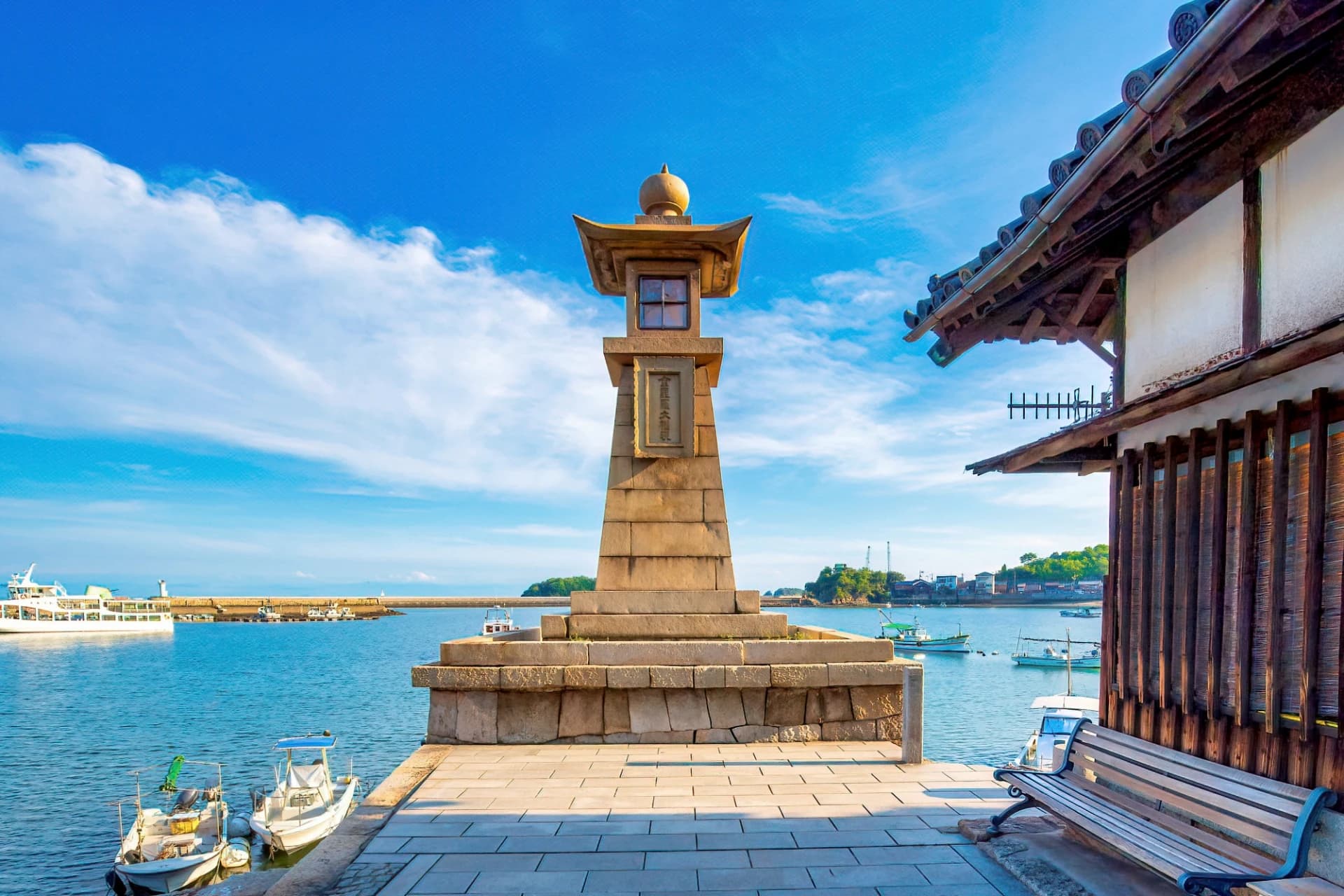
- Tomonoura Port: This historic harbor completely preserves its Edo-period port facilities, including the stone lighthouse, stone steps, and old shipyard ruins. The narrow lanes are lined with traditional wooden buildings, earning the town a designation as an Important Preservation District for Groups of Traditional Buildings.
- Joyato Lighthouse: Built in 1859, this classic stone lighthouse is the iconic symbol of Tomonoura and its most popular photo spot.
- Fukuzenji Taichoro: This historic temple features the guesthouse hall 'Taichoro', which was used as a lodging for the Joseon diplomatic missions during the Edo period. In 1711, a Korean envoy named Bang-eon Lee looked out at the Seto Inland Sea and its surrounding islands from this hall, praising it as 'Idong-jeil-hyeongseung' (The Most Beautiful Scenery in Eastern Japan) on a calligraphic plaque that still hangs here.
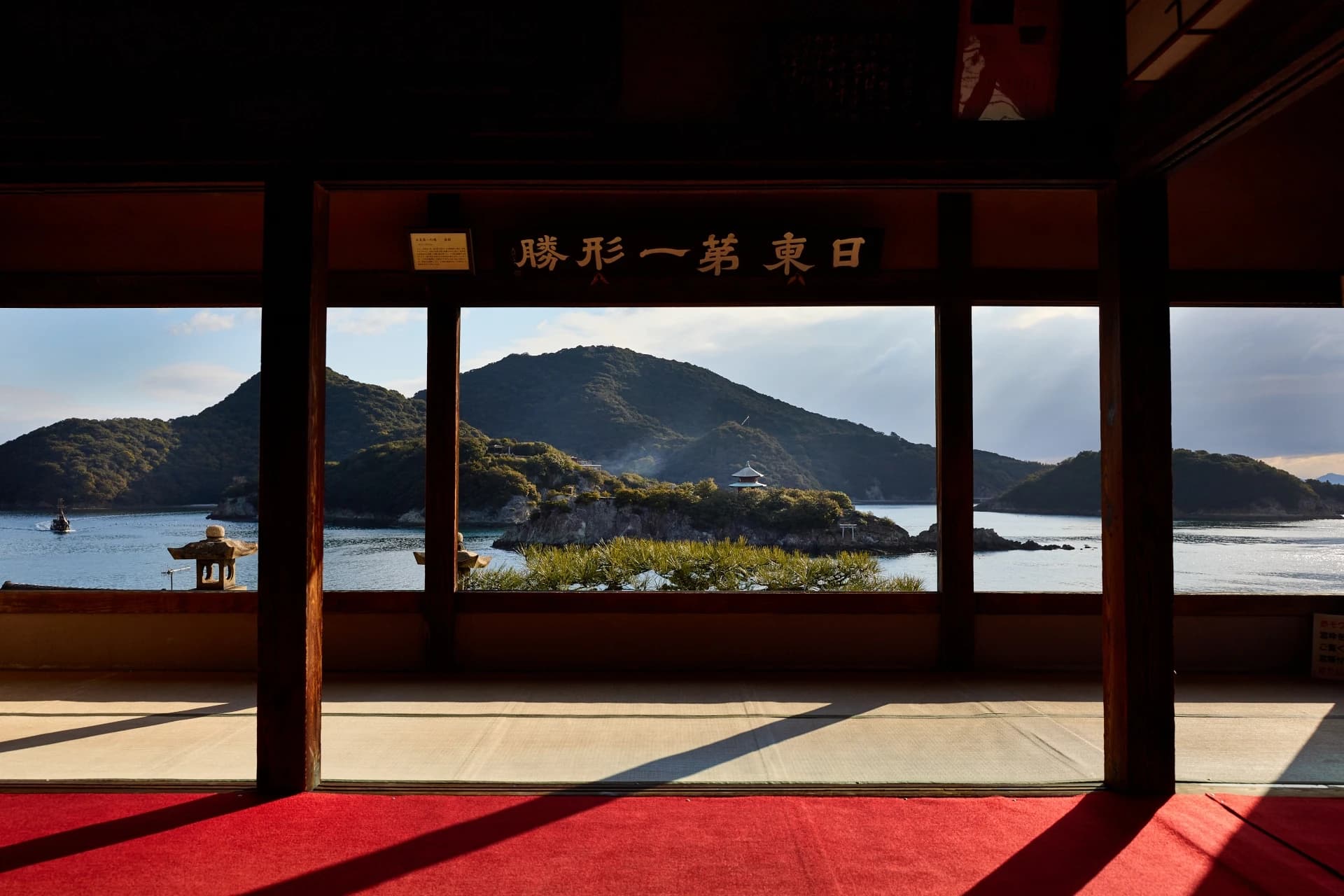
- Hours: 09:00 ~ 17:00
- Admission: Adults 300 JPY, Junior High/High School students: 150 JPY, Elementary school students: 100 JPY
- Sensuijima Ferry: A 5-minute ferry ride on the retro 'Heisei Irohamaru' ferry from Tomonoura harbor brings you to this beautiful, protected island. It features scenic nature walking paths, including views of unique five-colored rock formations.
- Ferry Fare: Round-trip for Adults: 240 JPY / Children: 120 JPY