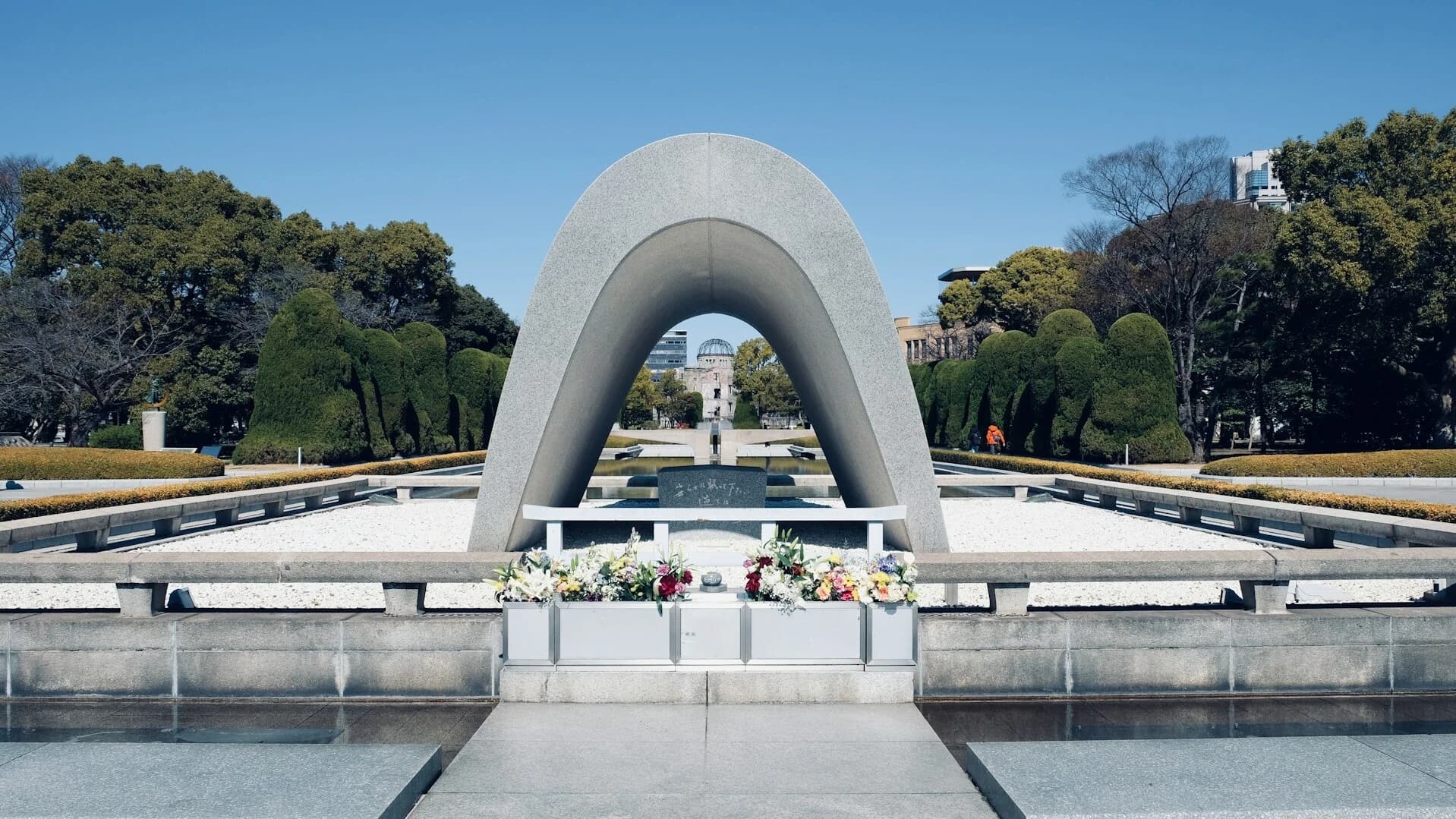
Hiroshima Peace Memorial ParkA guide to the Peace Memorial Park, which preserves the ruins of the world's first atomic bomb drop and the tragedies of war.
This is a UNESCO World Heritage Site that preserves the ruins of the world's first atomic bomb dropped on August 6, 1945. Starting with the Atomic Bomb Dome, which keeps the raw scars of a cruel war, the spacious park grounds house the Peace Clock Tower, various memorial monuments, and museum facilities.
1. Why the United States Chose Hiroshima as the Target
Near the end of World War II, the selection of Hiroshima by the United States as the first target in human history for an atomic bomb drop involved a dramatic twist: removing Kyoto from the original shortlist.
- Why Kyoto was excluded: Kyoto was Japan's thousand-year old capital and the center of its history and culture. US officials decided that destroying it would trigger immense anger from the Japanese public, which would permanently ruin post-war US-Japan relations and governance.
- Why Hiroshima was selected: It was a major military hub that had not suffered heavy damage from previous air raids, making it ideal to measure the exact power of the atomic bomb. Additionally, its surrounding mountains focused the blast shockwaves inward, increasing the impact.
2. Monument in Memory of the Korean Victims of the A-bomb
This is a memorial monument built to comfort the souls and remember the history of Koreans (then Joseon people) who lost their lives in the atomic bomb explosion on August 6, 1945.
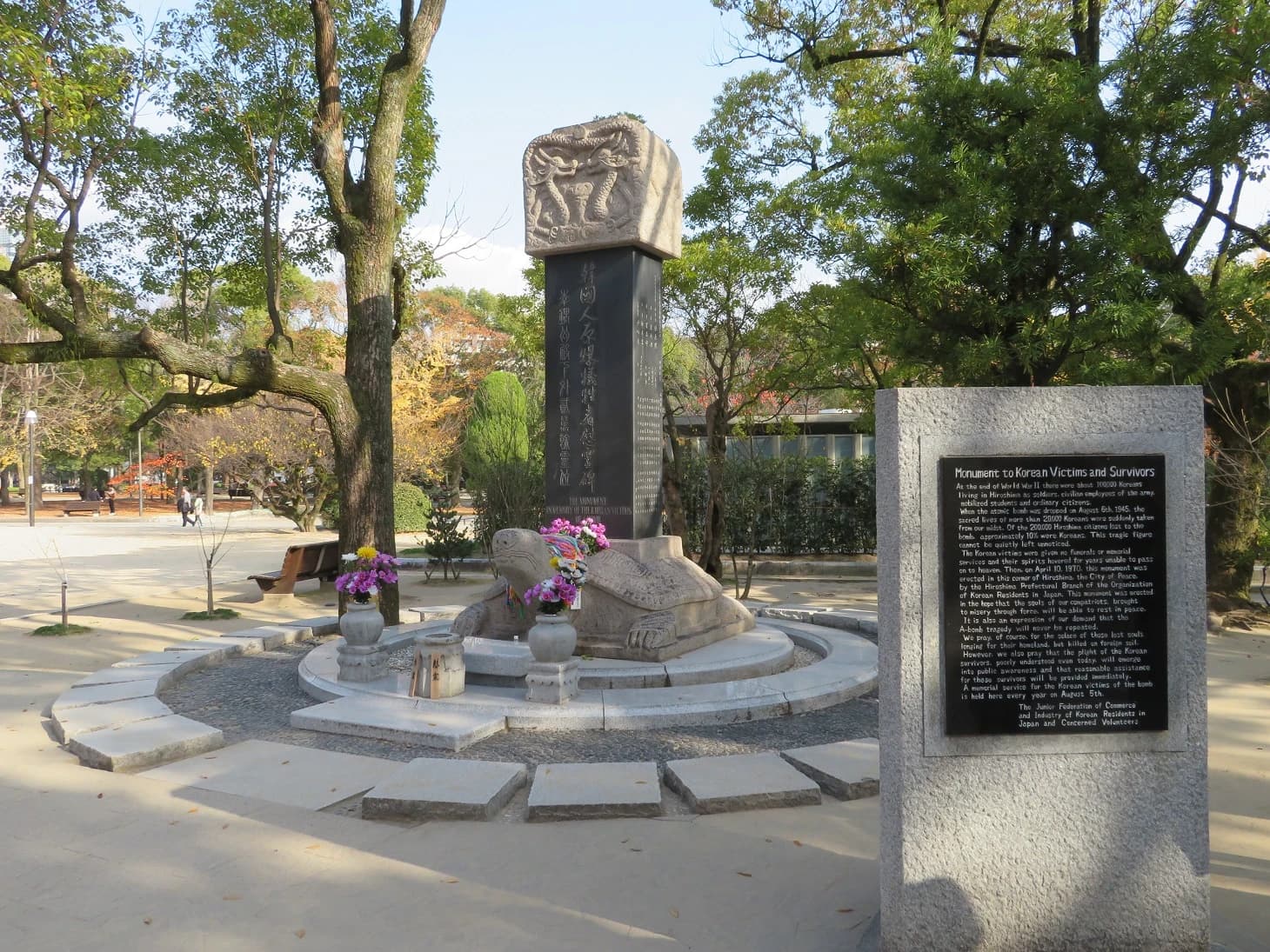
- Historical Background: Out of approximately 100,000 Koreans living in Hiroshima at the time, about 20,000 are estimated to have died from the atomic blast. This means 1 out of every 10 victims in Hiroshima was Korean.
- Relocation into the Park: When first built in 1970, it was set up outside the park next to Honkawa Bridge. Thanks to the continuous efforts of Korean and Japanese citizen groups and Korean residents in Japan, it was finally moved inside the official Peace Memorial Park in July 1999, 29 years later.
- Symbolic Design: A 5-meter-high arched marble monument stands on a turtle-shaped base (guibu), which symbolizes the wish for the victims' spirits to return safely to their hometowns.
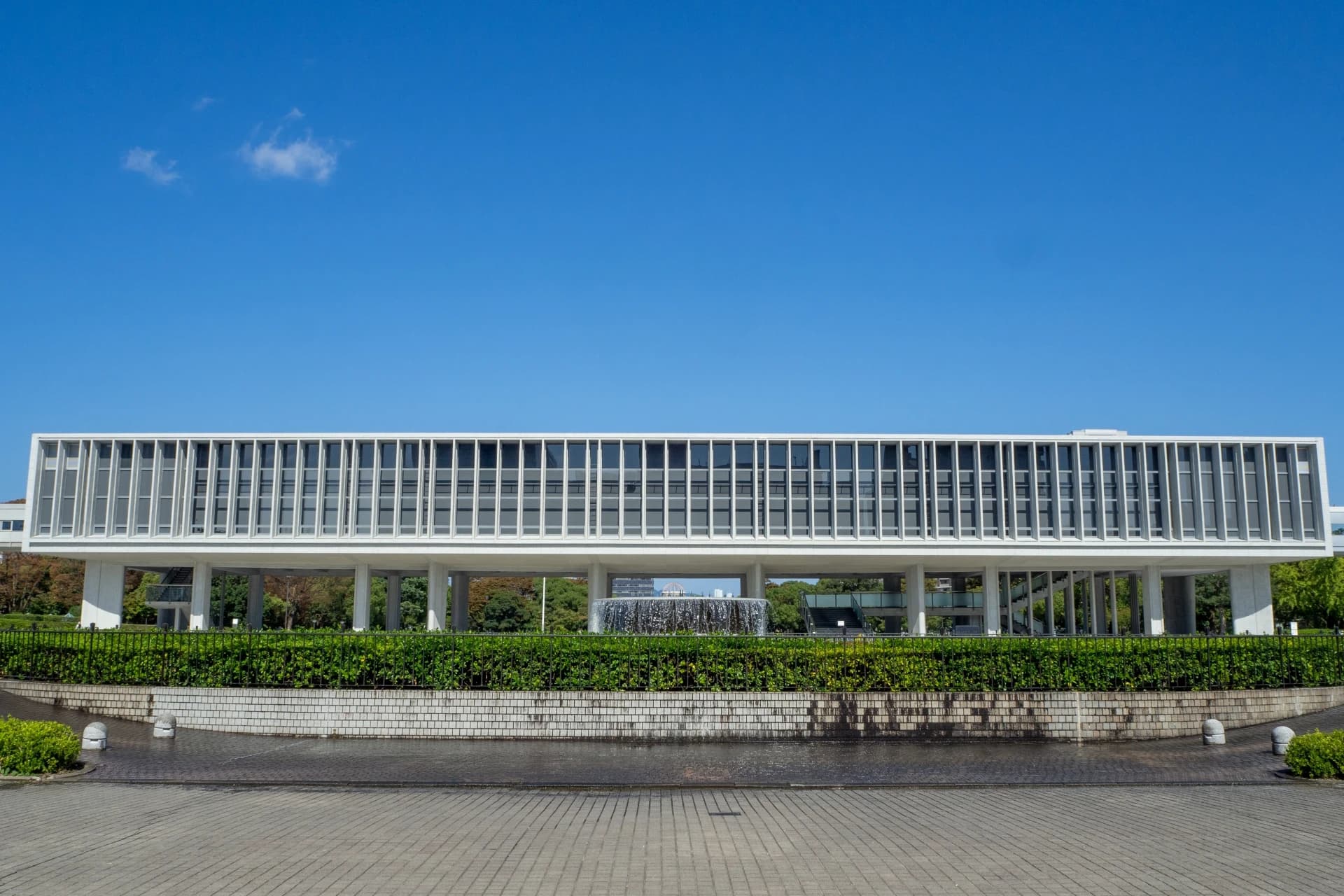
3. Hiroshima Peace Memorial Museum
This core historical museum shows the horrors of war and the inhumane nature of nuclear weapons through personal items left by victims, photographs of the destruction, and models depicting the exact moment of the explosion.
- Key Exhibits: The museum displays raw evidence of history, including a tricycle bent completely out of shape by the blast and stone steps showing only the dark shadow of a person left by the intense heat rays.
- Visitor Info: Admission is affordable at 200 JPY for adults. Renting an audio guide player makes your visit more informative.
- Hours (Last entry: 30 minutes before closing)
- March to July: 07:30 - 19:00
- August: 07:30 - 20:00 (※ Extended to 21:00 on August 5 and 6)
- September to November: 07:30 - 19:00
- December to February: 07:30 - 18:00
- Closed: December 30 - December 31 (※ The Information Materials Room is closed from December 29 to January 1)
- Admission: College students and older: 200 JPY, High school students: 100 JPY, Junior high/Elementary school students: Free
4. Flame of Peace
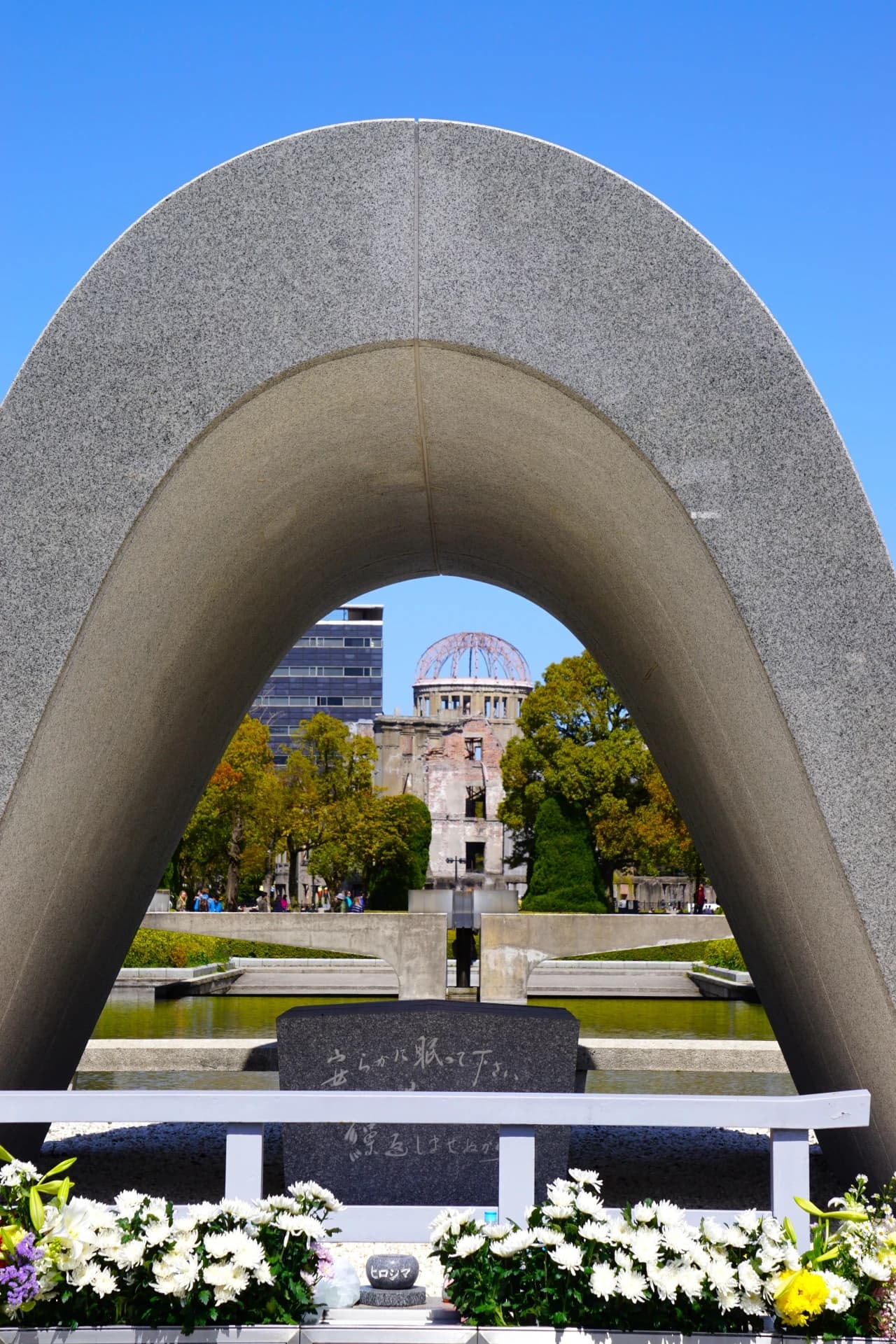
Located in the center of the Peace Memorial Park between the Memorial Cenotaph and the Atomic Bomb Dome, this monument features a flame that is meant to burn forever until the day all nuclear weapons are completely gone from the earth.
- Design Features: The pedestal is shaped like two large hands pressed together with the palms open to the sky, praying for world peace. The flame keeps burning using fire gathered from across the nation each year.
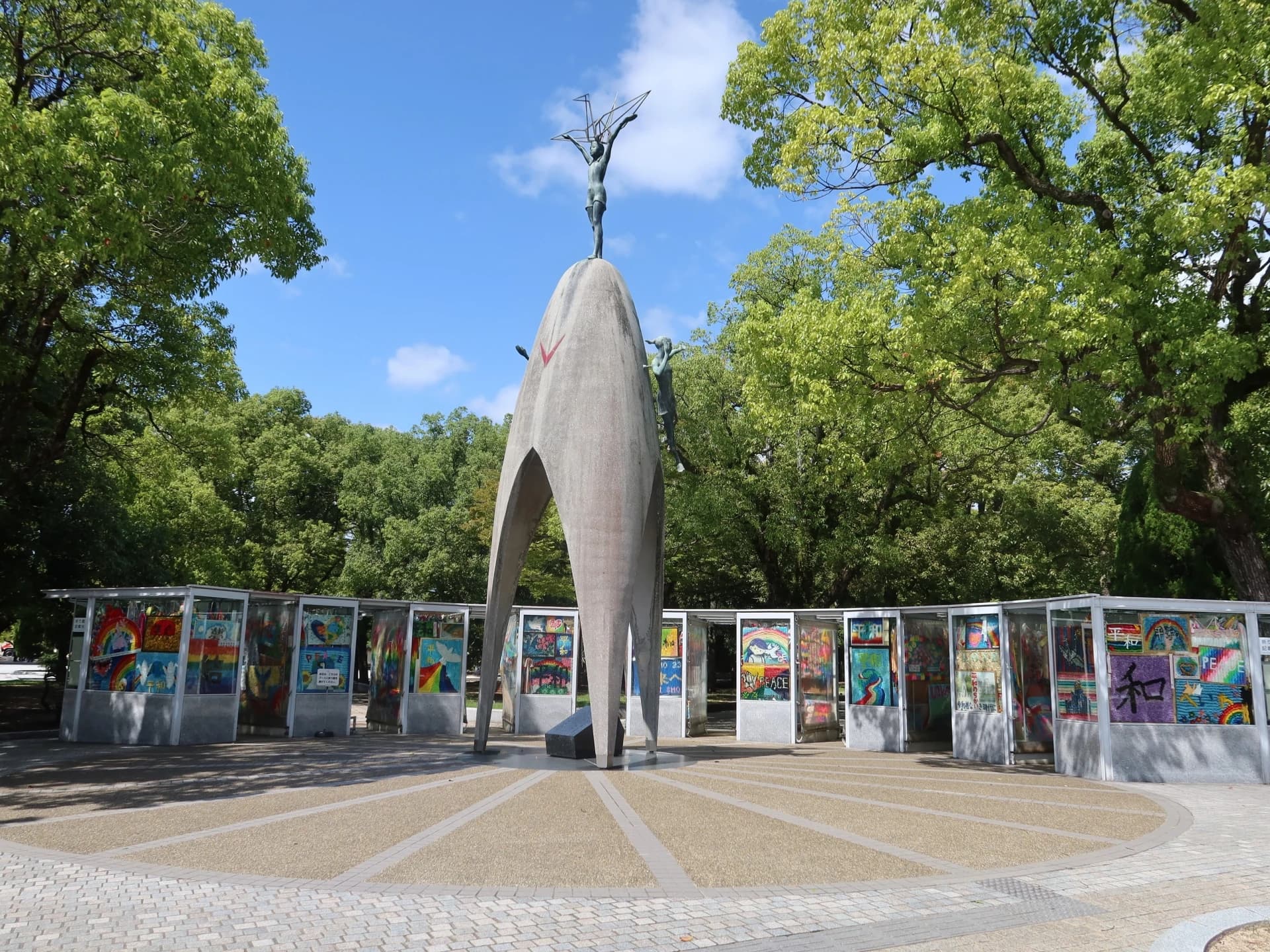
5. Children's Peace Monument
This monument was built to remember Sadako Sasaki and all the young children who died from the effects of the atomic bomb. Ten years after the drop, Sadako passed away from leukemia at the age of 12.
- The Legend of Paper Cranes: Inspired by the young girl who folded a thousand paper cranes holding onto hope for survival, people from all around the world still send colorful paper cranes to this monument to share their hopes for peace.
6. Peace Bell & Peace Clock Tower
These are iconic sound landmarks inside the park that express a shared hope for human harmony and world peace.
- Peace Bell: A map of the world without national borders is carved on the outer surface of the bell. It is open to the public so that anyone can ring it to pray for peace.
- Peace Clock Tower: Every morning at exactly 8:15—the exact time the atomic bomb exploded—this clock tower plays a beautiful chime sound to remind busy passersby of the value of peace.
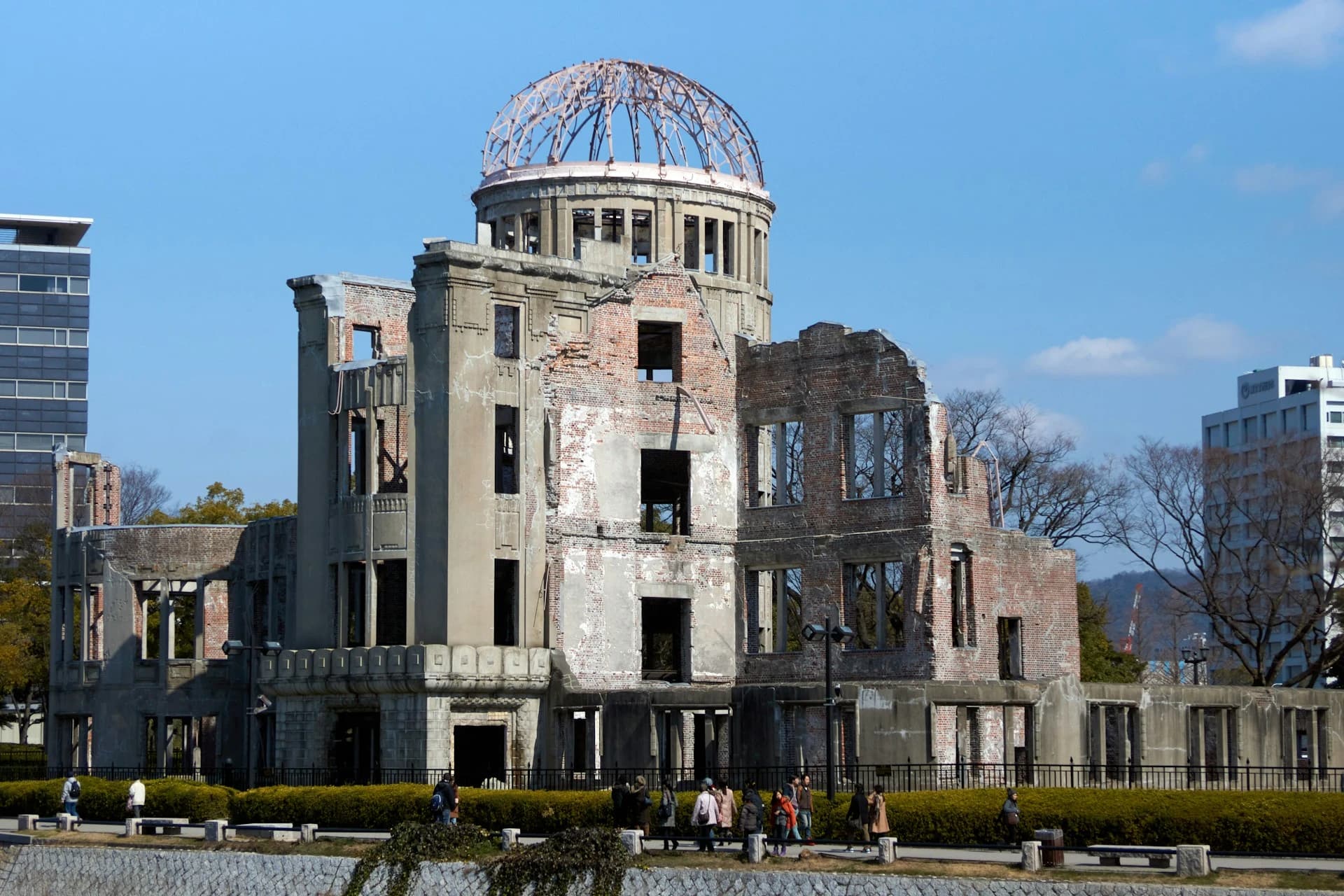
Atomic Bomb Dome (Genbaku Dome)A UNESCO World Heritage Site that preserves the raw destruction of the nuclear weapon drop.
Originally built in 1915 as a Western-style brick building (the Hiroshima Prefectural Industrial Promotion Hall), it stood just 160 meters from the hypocenter of the 1945 atomic explosion. Because it took the force of the blast from directly above, its steel dome structure miraculously survived.
- Symbolic Meaning: It stands as a powerful monument that directly shows the destruction of the first nuclear weapon used in human history. It was registered as a UNESCO World Heritage Site in 1996.
- Viewing Tip: Visiting at night after the sun goes down offers an especially solemn experience, as lighting highlights the bare steel frame against the dark sky.
Orizuru TowerA cultural facility featuring an observation deck overlooking Hiroshima and a paper crane folding experience.
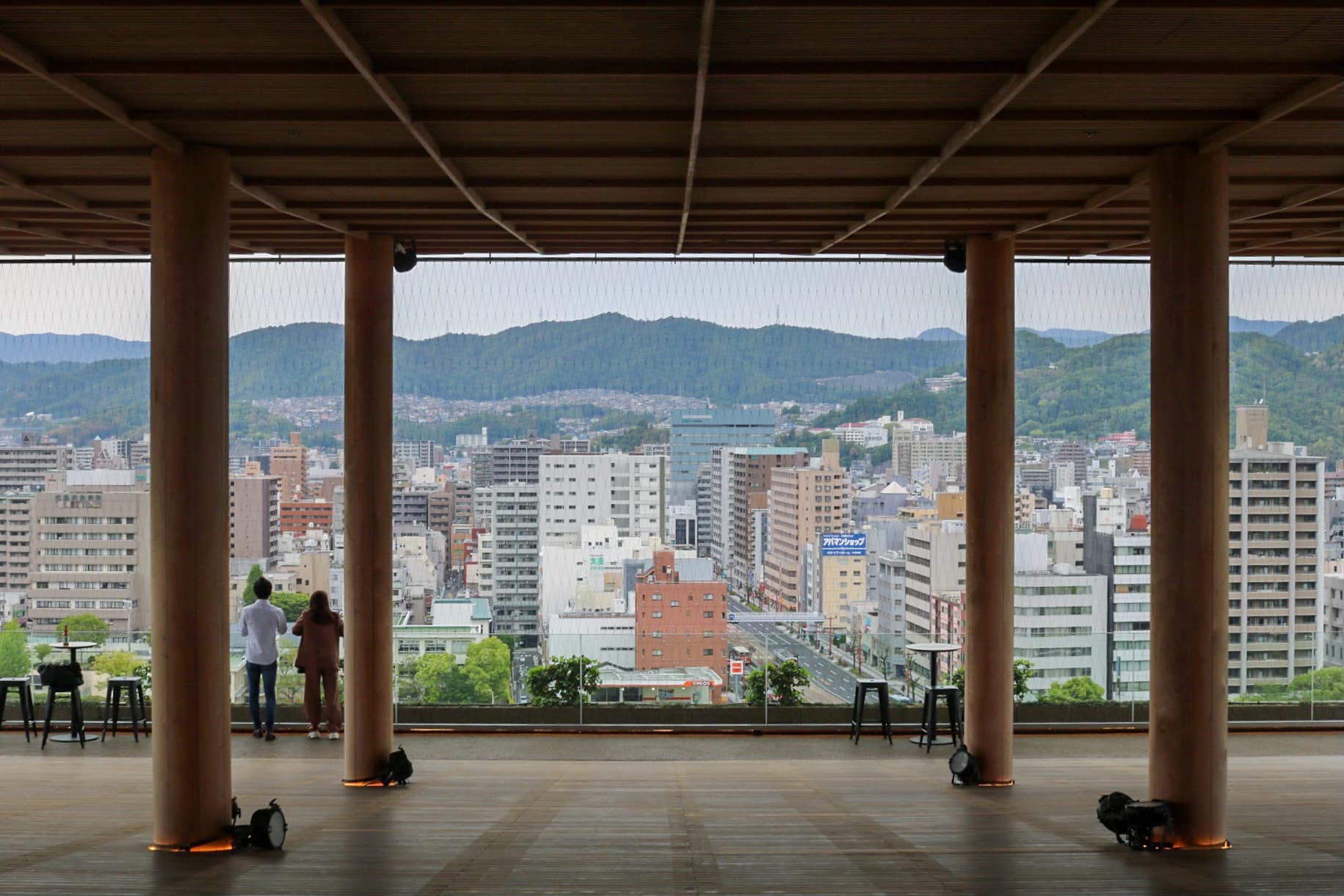
Located just east of the Atomic Bomb Dome, this 14-story complex offers cultural spaces, dining, and shops. Its name comes from 'Orizuru', the Japanese word for a folded paper crane, which carries a message of peace.
- Rooftop Observatory (14F): An open-air observation deck with no glass windows, offering clear views over the Atomic Bomb Dome and the Peace Memorial Park. It is highly popular for its beautiful sunset and night views.
- Orizuru Square (12F): Visitors can experience folding a paper crane with their prayers for peace and dropping it down into a giant glass wall called the Orizuru Wall. The floor also features digital media art content.
- Spiral Walk & Slide: A winding walkway leads down to the first floor, decorated with murals showing the history of Hiroshima's recovery. You can also choose to ride down a large slide that connects the different levels.
- Hours (Last entry: 30 minutes before closing)
- Open year-round: 10:00 - 18:00
- ※ Hours may change or extend depending on the season or special events (such as the rooftop cafe and bar operations).
- Closed: December 31 (※ Temporary closures may occur for maintenance, extreme weather, or private rental events)
- Admission Fees
- Adults (Ages 18 and older): 2,200 JPY
- Youth (Ages 12–17): 1,400 JPY
- Children (Ages 6–11): 900 JPY
- Toddlers (Ages 4–5): 600 JPY
- Infants (Ages 3 and under): Free
- ※ Adding the signature experience to fold and drop a crane into the ORIZURU WALL costs an extra 100 JPY per person.
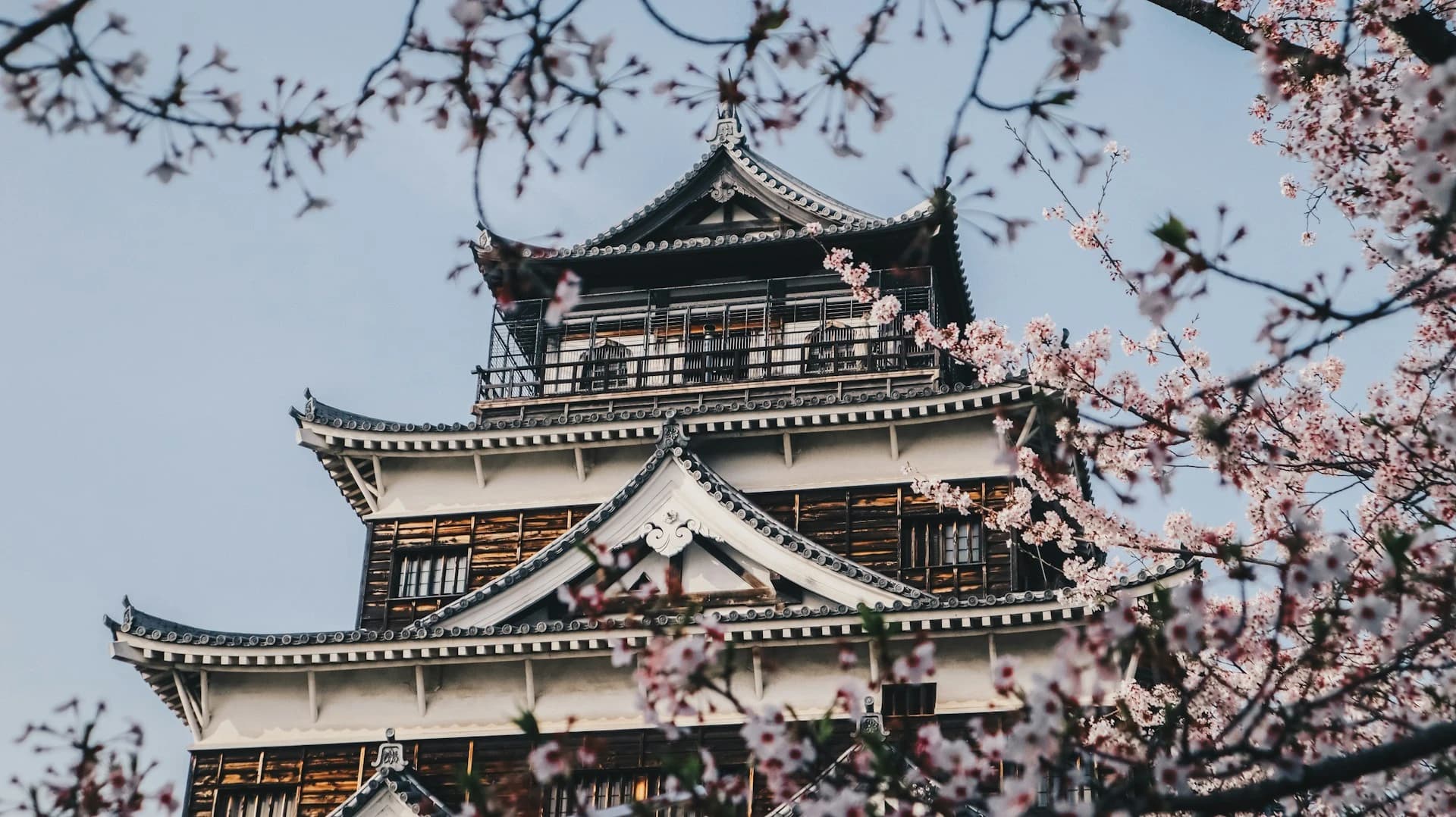
Hiroshima Castle Visitor InfoDue to a major renovation of the Main Keep and museum relocation projects, entering the inside of the Main Keep is no longer possible starting March 22, 2026.
For safety renovations of the main structure and a complete relocation of its history museum, the Hiroshima Castle Main Keep entered a full closure on March 22, 2026, ending 68 years of continuous public access. While you cannot enter the inside of the Main Keep tower right now, you can still walk through the castle park grounds and ride the pleasure boats in the moat.
- Reason for Closure: The concrete Main Keep tower was rebuilt in 1958 and has aged significantly over nearly 70 years. Recent safety checks revealed that the building is at risk of collapsing during an earthquake of seismic intensity 6 or higher.
- Wooden Reconstruction Project: To improve safety and return to historical accuracy, Hiroshima officials plan to dismantle the concrete building and reconstruct the castle in its original wooden structure as it stood before the atomic bomb. (Target completion is the late 2040s)
- Relocation of Historical Exhibits: The artifacts and historical records previously housed inside the Main Keep tower have been moved to the newly built Hiroshima Castle Sannomaru Museum (広島城三の丸歴史館) located outside the moat.
Hiroshima Hondori Shopping ArcadeA giant covered shopping street located in the heart of downtown Hiroshima.
This is Hiroshima's busiest commercial district. It features a covered arcade street that stretches about 577 meters east to west, running from the east side of the Peace Memorial Park toward Hatchobori. The weather-proof roof allows you to enjoy shopping and local dining comfortably in any season.
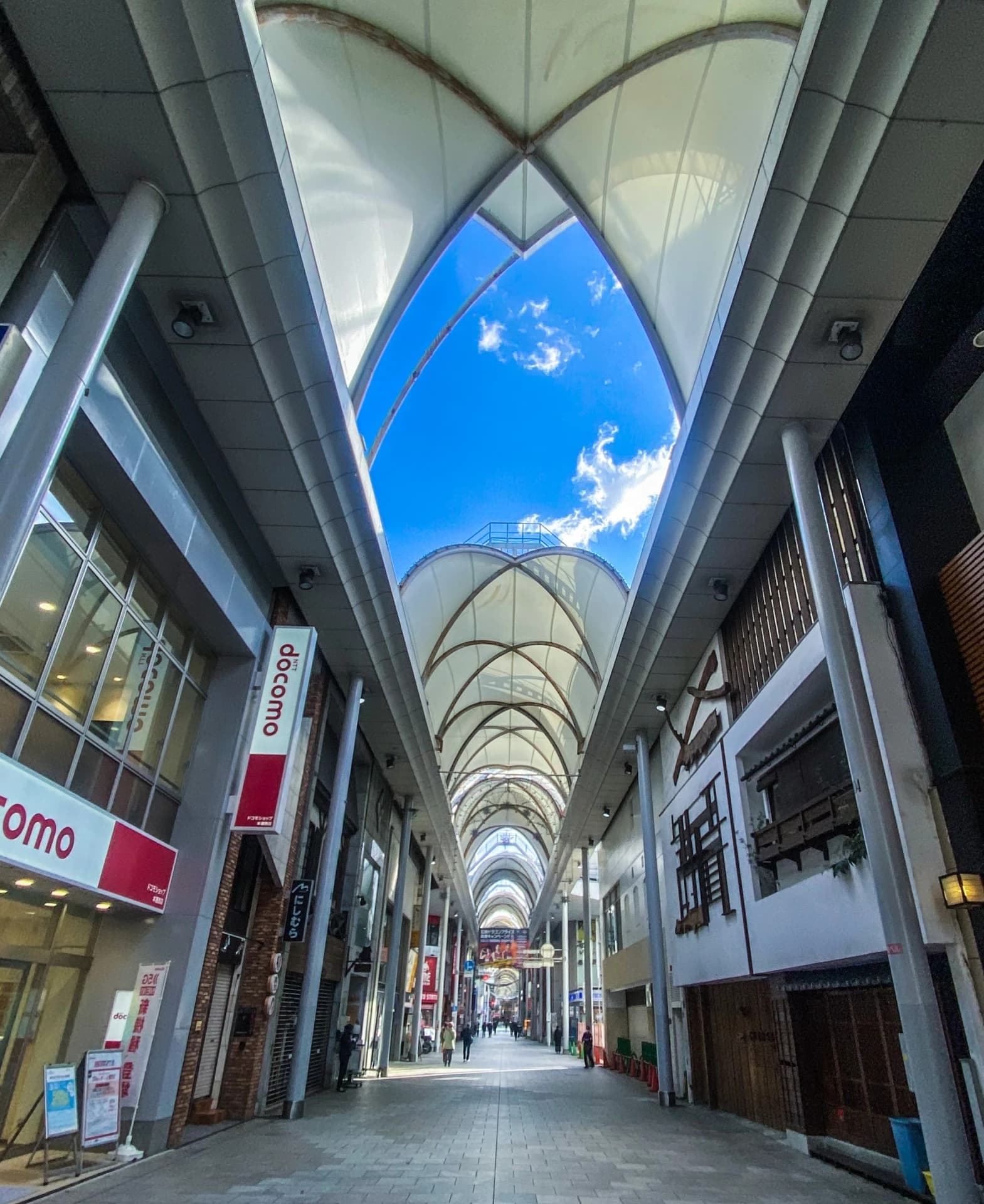
- The Heart of Shopping and Dining: The street is packed with large drugstores, global fashion brands, and souvenir shops. It is also full of traditional restaurants where you can try local Hiroshima okonomiyaki and fresh oysters, alongside modern dessert cafes.
- Energy of Post-War Recovery: Originating as a busy merchant area during the Edo period, the street was completely destroyed by the 1945 atomic blast. Through decades of post-war rebuilding, it has transformed into the liveliest and most energetic shopping area in downtown Hiroshima today.
- Easy Travel Connections: The arcade connects directly to the Hondori streetcar station and sits within short walking distance of major sightseeing landmarks like the Peace Memorial Park and Orizuru Tower, making it perfect for a casual visit during your day out.